Focusing on the ethical domain, Faubion critically revises Foucault's investigations to establish a novel approach for empirical inquiry. This work delves into the complexities of ethics, offering fresh insights and methodologies that expand the understanding of ethical practices and frameworks.
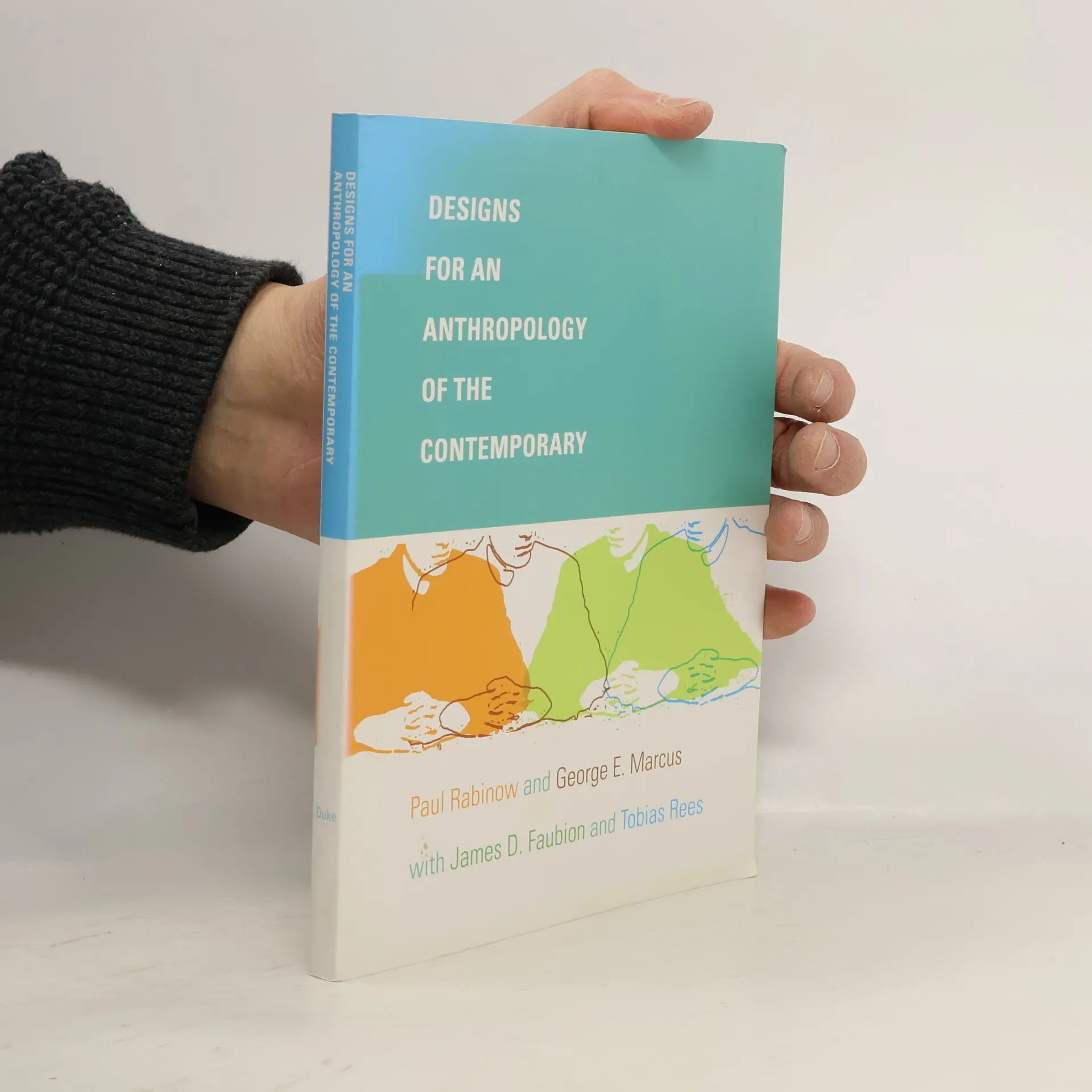
In this compact volume, influential anthropologists Paul Rabinow and George E. Marcus engage in conversations about the evolution of anthropological knowledge, pedagogy, and practice, with contributions from James D. Faubion and moderation by Tobias Rees. The discussions center on contemporary challenges in anthropology, particularly regarding the understanding of subjects and the design of ethnographic research projects. Rabinow and Marcus explore what remains distinctly anthropological in studying modern events and propose innovative directions for the field. They emphasize the need to redesign pedagogical practices for training researchers and advocate for collaborative initiatives to analyze and transform ethnographic research designs. Reflecting on their earlier work in the landmark collection Writing Culture, they assess its impact on the field and its conceptual limitations. They discuss the intellectual landscape at the time of its publication and how anthropology has evolved, touching on topics like ethnography's self-reflexive turn, identity, the Public Culture project, and the shifting interests of students. This volume offers readers insight into vibrant discussions among key figures who have significantly influenced anthropology's recent past and are committed to its future.