This popular reader--a standard since its first edition in 1876--helps students acquire a sound elementary knowledge Old English by studying of a rich variety of poetry and prose. Selections cover a wide range of dialects and genres, from an early Northumbrian form of Caedmon's Hymn and ninth-century Kentish charters to the complete texts of The Dream of the Rood and Wulfstan's Address to the English, with ample literary and historical notes.
Henry Sweet Book order (chronological)
Henry Sweet was an influential English philologist and phonetician who focused on Germanic languages, particularly Old English and Old Norse. His groundbreaking work explored broader issues of phonetics, grammar, and language pedagogy, with many of his ideas remaining vital in academic circles today. A pioneer in language teaching, Sweet emphasized spoken language and phonetics, producing seminal works that laid the foundation for modern phonetic studies and the scientific description of speech. His contributions, especially to Old English dialectology and the study of pronunciation, continue to inform linguistic scholarship.
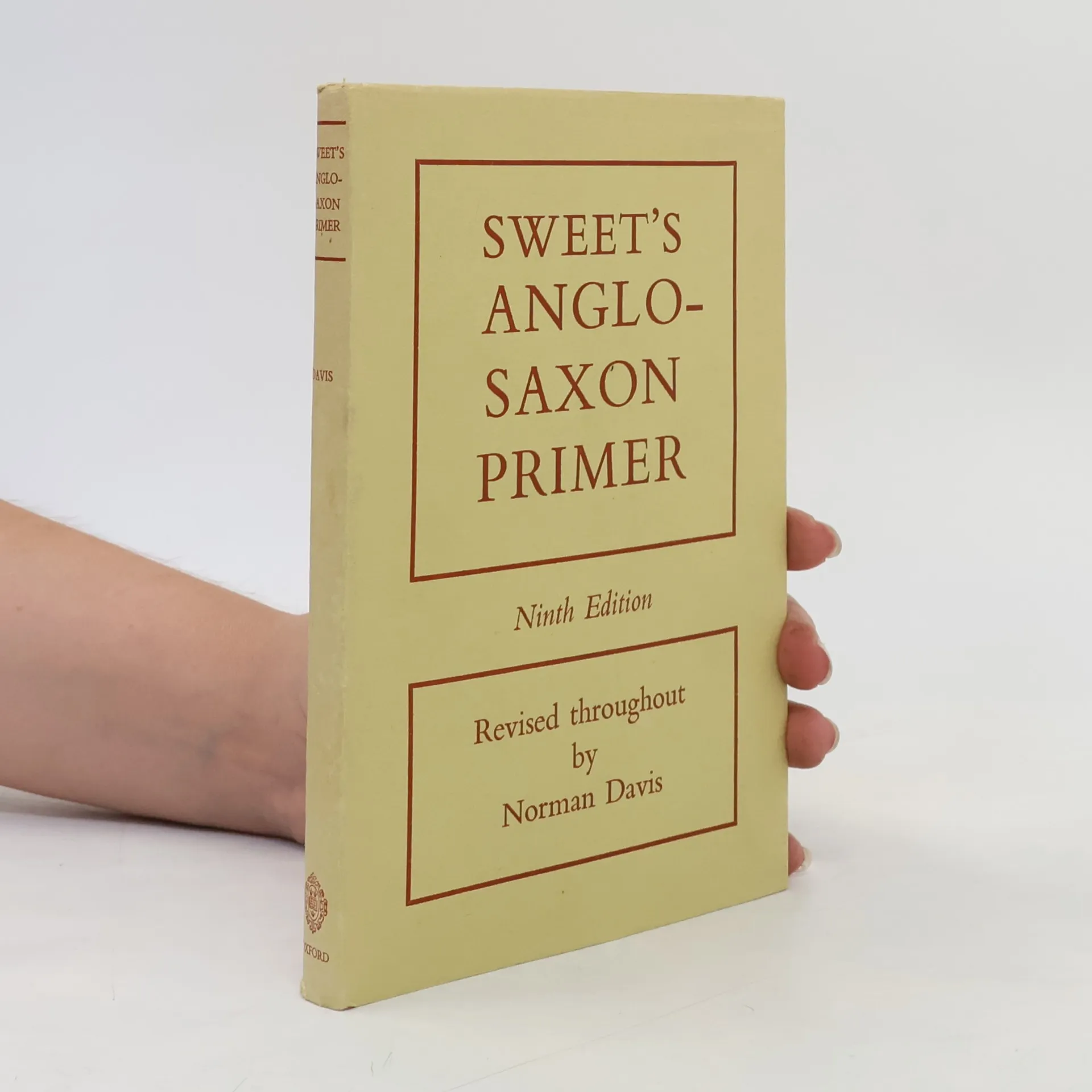




Sweets Anglo-Saxon Primer
Ninth Edition - Revised Throughout by Norman Davis
- 138 pages
- 5 hours of reading
Sweet's Primer first appeared in 1882 and was revised for the eighth edition in 1905. The ninth edition, revised by Norman Davis, was intended to give readers a beginner's book before plunging into Sweet's Reader. The Primer is divided between grammar and texts, the latter taken from the Bible, history (including Bede) and even medicinal recipes.
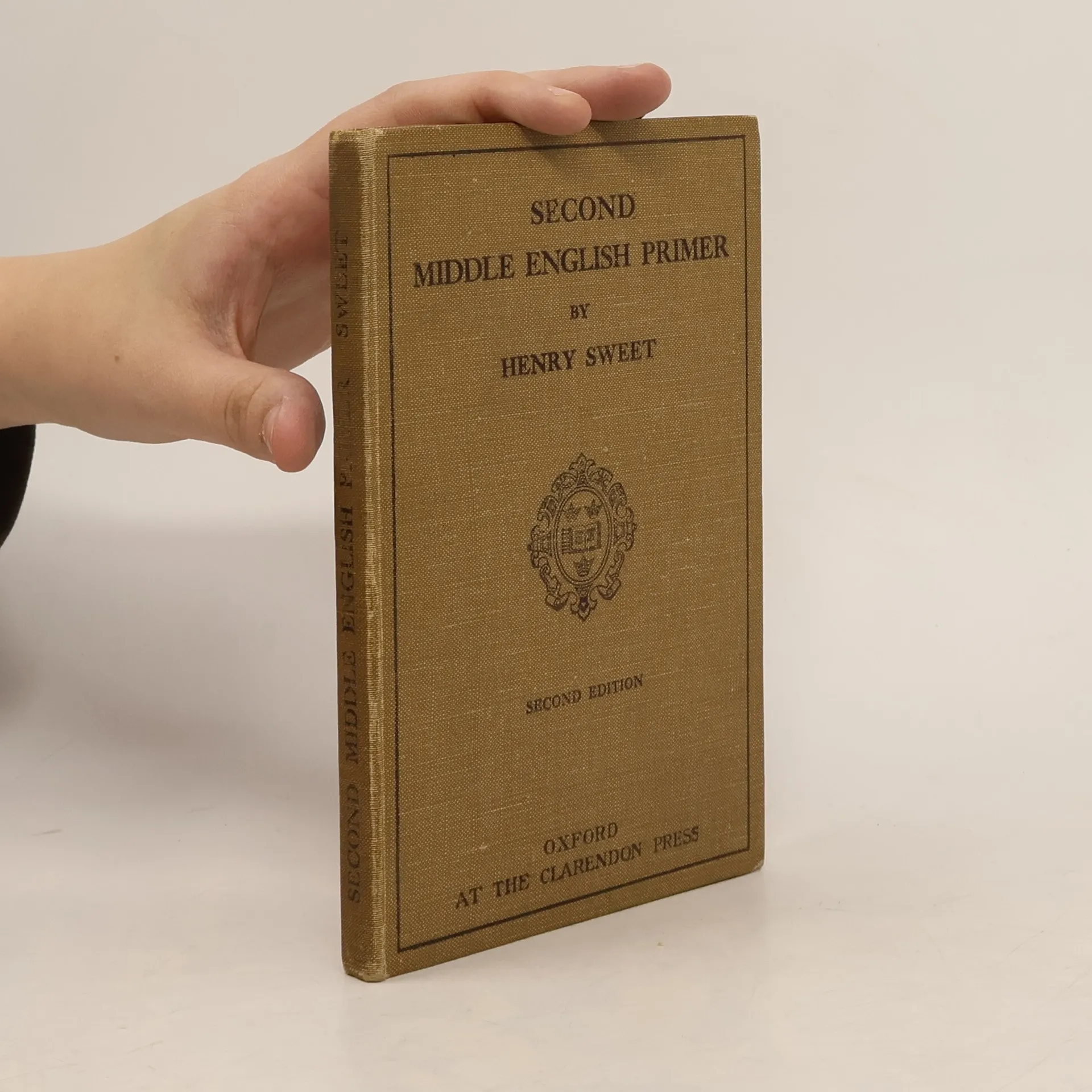
Second Middle English Primer
Extracts from Chaucer