Include a section that introduces the Scottish Highlands and Islands highlights, from the picturesque coloured houses of Tobermory to the moody, poignant and spectacular Glen Coe. This guide takes a look at Highland history, literature, music, politics and cultural life. It provides tips on accommodation, transportation and restaurants.
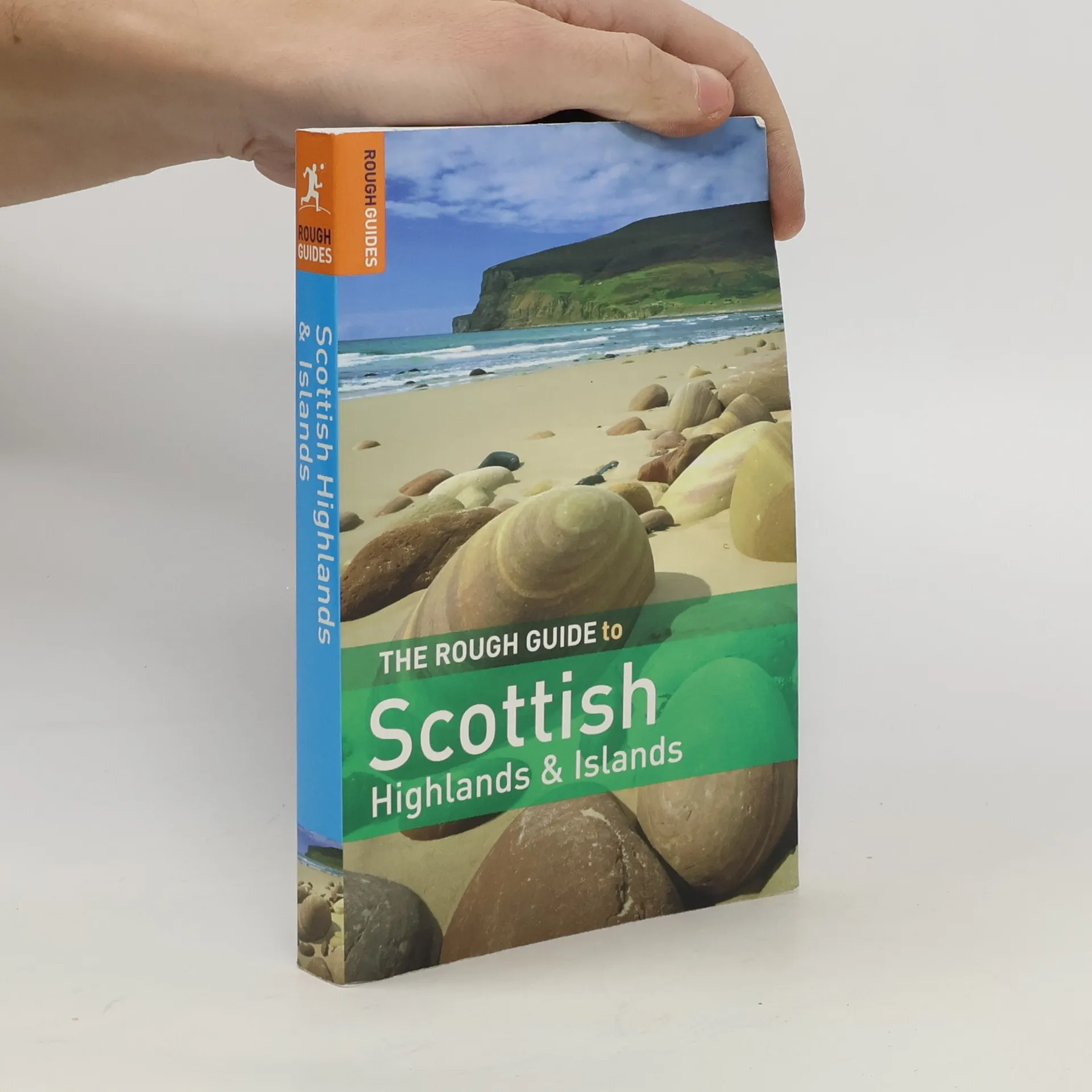
Explore every corner of this unspoilt and dramatic area with the fully-revised fourth edition of the Rough Guide to Scottish Highlands and Islands. From walking along the deserted beaches in South Harris to whale-watching in Mull - inspired by dozens of photos - the 24-page, full-colour introduction highlights all the ''things-not-to-miss''. In addition, there are two, brand-new, 4-page, full-colour inserts: ''Wildlife'' and ''Food & Drink''. The guide includes listings of all the top hotels, guesthouses and the best places to eat and sample the local whiskies. There is plenty of practical advice for exploring the great ''Scottish'' outdoors, from bagging munros to skiing on The Cairngorm mountains. The guide comes complete with maps and plans for the entire region.
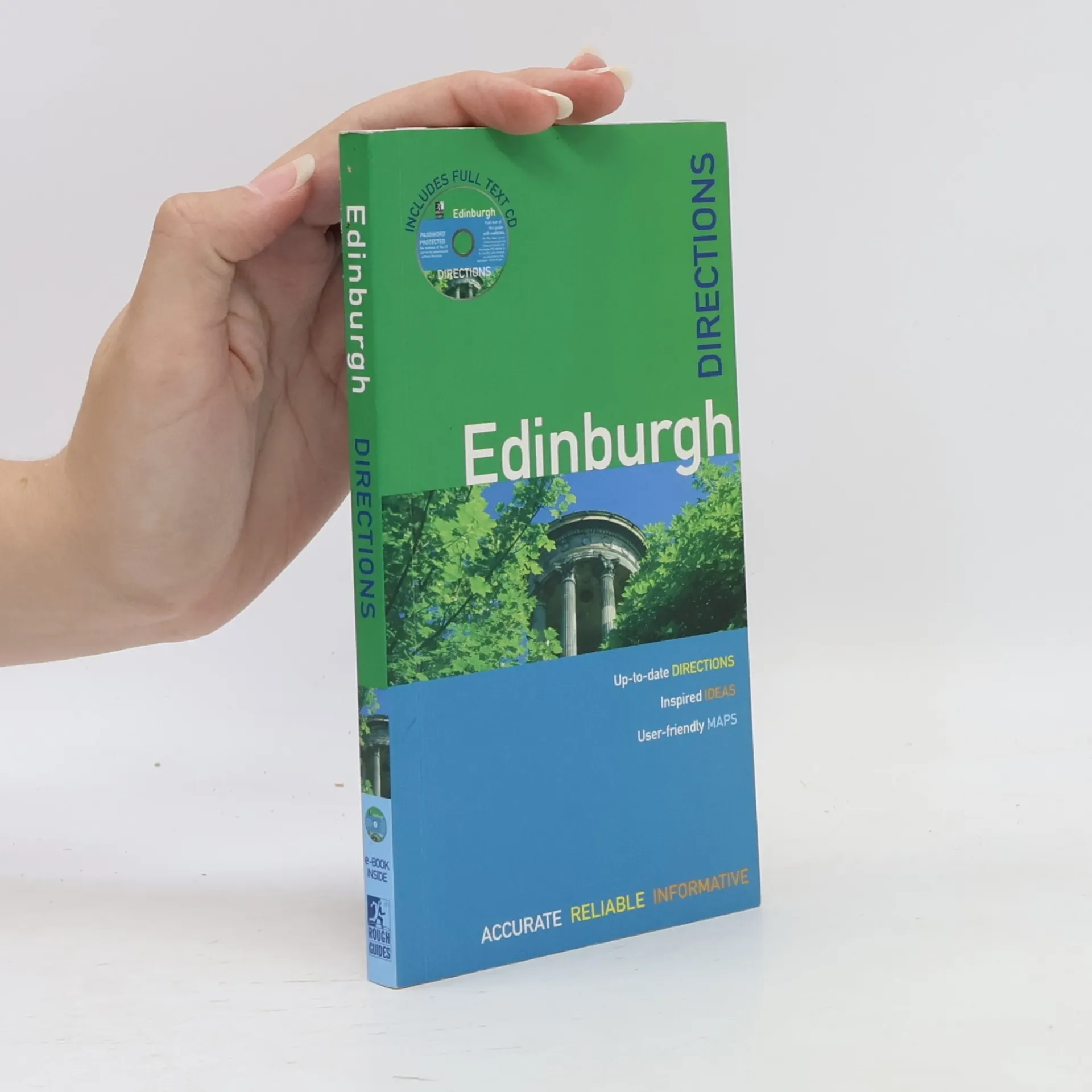
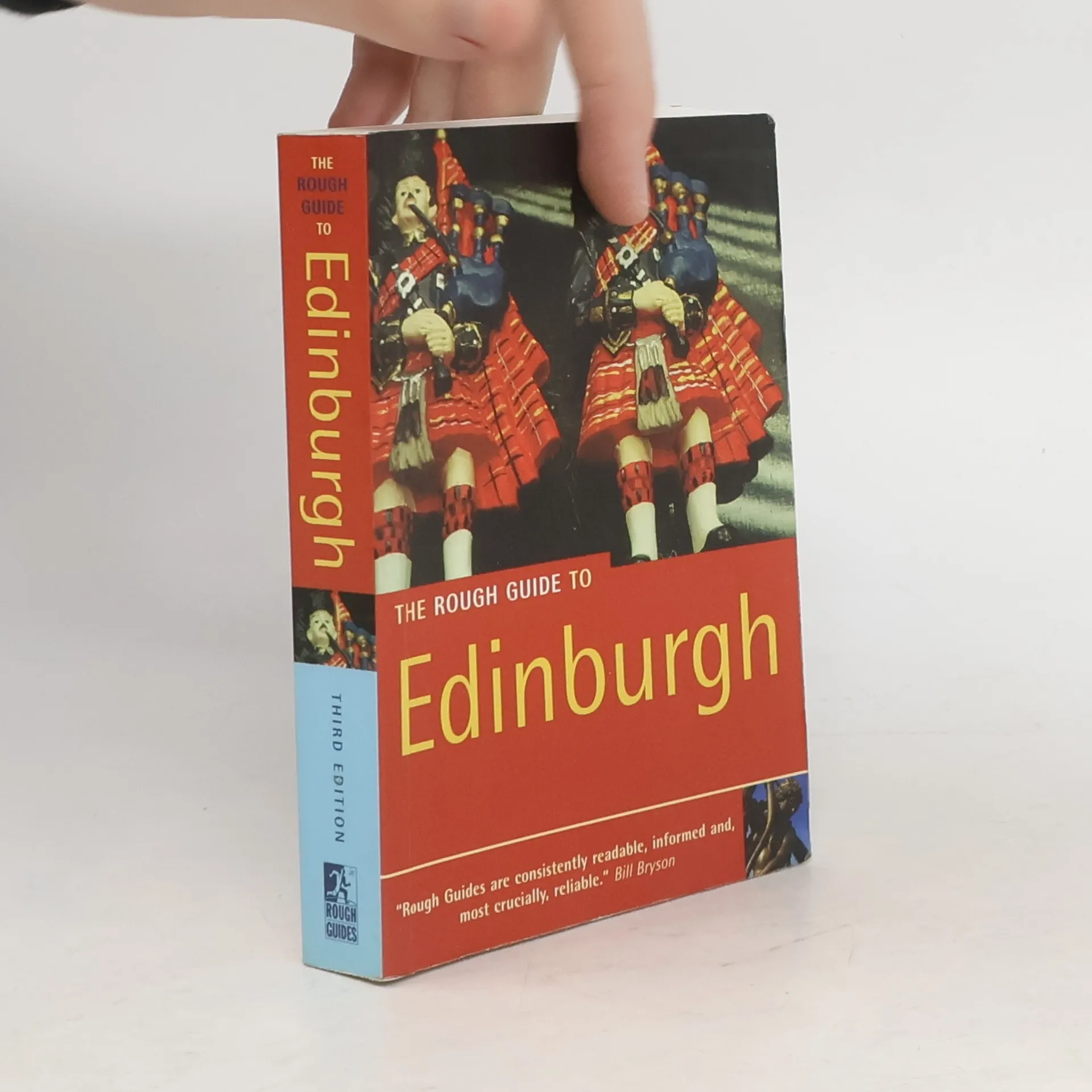
A travel guide for visitors on a short break or travelers who want quick information. Focuses on cities, islands and resort regions. This volume covers Edinburgh.
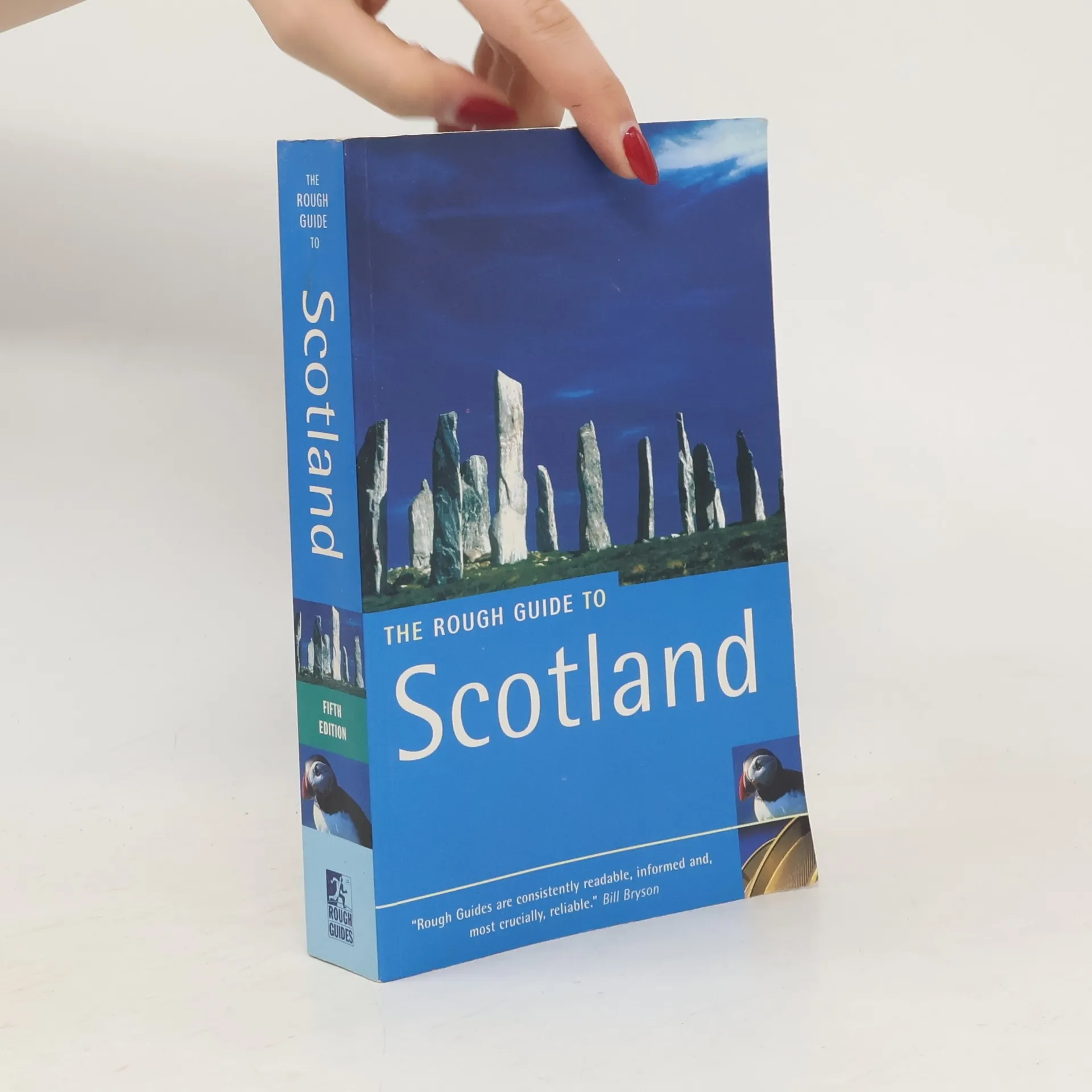
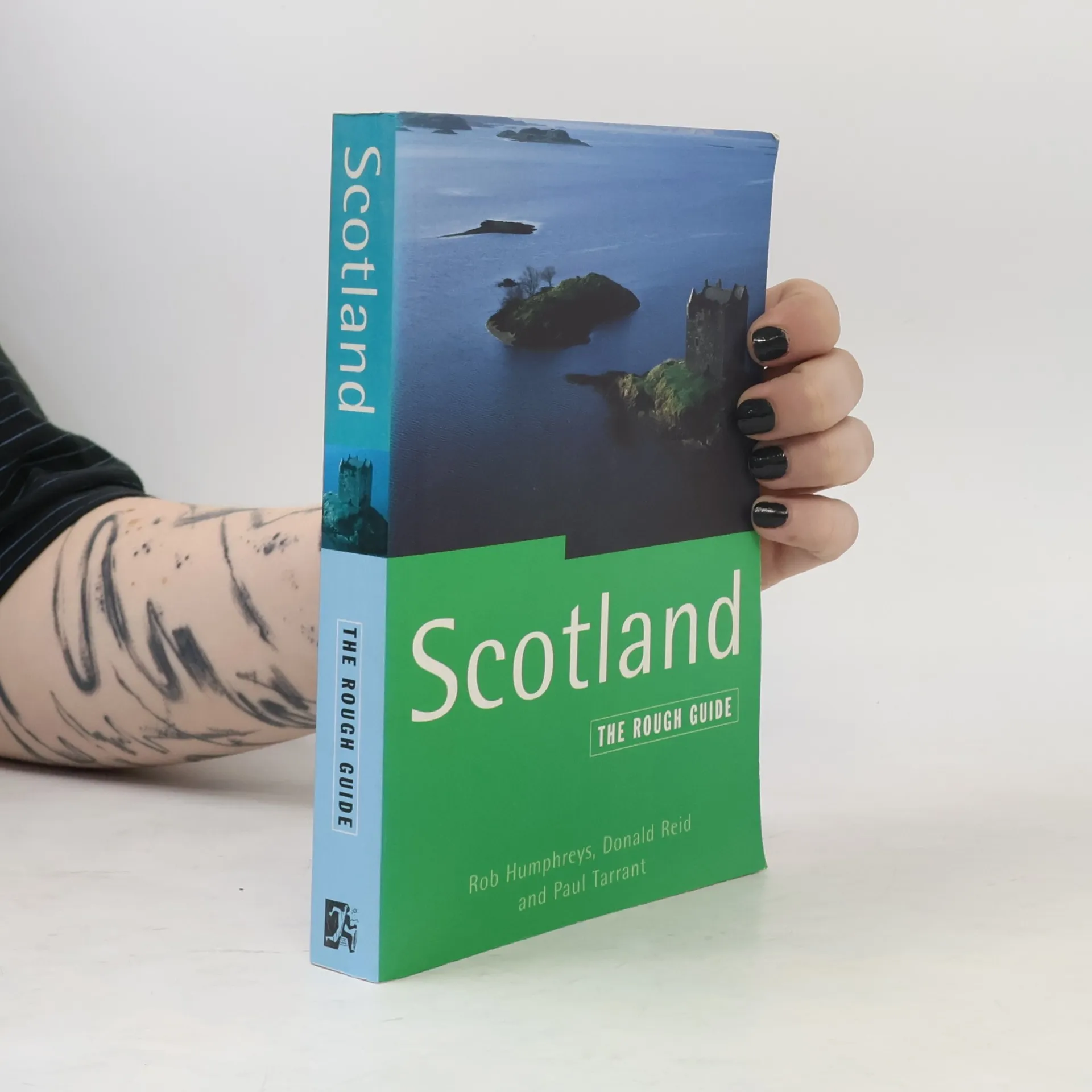
From the cities of Glasgow and Edinburgh to the remote wilderness areas, this comprehensive guide explores Scotland's unique culture, history, music, and food, and points out the best pubs, bed and breakfasts, historical landmarks, and other places to visit. 32 maps. color photos.
The new, full-colour Rough Guide to Scotlandis the definitive travel guide to this gem of a country. In-depth coverage of its burgeoning food scene, artistic innovations and awe-inspiring wild places - from remote, Gaelic-speaking islands to untamed, ruggedly beautiful glens - takes you to the most rewarding spots, with striking colour photography bringing everything to life. Whether you're wild camping or staying in chic B&Bs, you can discover adventure and solitude in equal measure with our expert advice on where to spot wild dolphins, stunning hikes to deserted beaches and the best places to slurp seasonal oysters and 'nose' original whiskies. The guide includes clear maps and insider reviews to take you straight to the best hotels, restaurants, bars and music venues for all budgets, ensuring that you won't miss a thing. Scotland is heaven for 'slow travel', but the guide also includes extensive coverage of the country's premier cities, Edinburgh and Glasgow, plus details on all the best places to ski, surf and mountain bike if you fancy picking up the pace a little. Make the most of your time with The Rough Guide to Scotland.
From the cities of Glasgow and Edinburgh to the remote wilderness areas, this comprehensive guide explores Scotland's unique culture, history, music, and food, and points out the best pubs, bed and breakfasts, historical landmarks, and other places to visit. 32 maps. color photos.
The essential handbook to this diverse and beautiful country. In-depth coverage of Edinburgh, the inspiring capital city and its lively neighbour, Glasgow. Up-to-the minute information on arts and entertainment and insightful background detail to the country and its culture. Discerning listings of the best places to stay, eat and drink in every region and for every budget. Practical advice on tramping through the glens, visiting whisky distilleries, surviving the Edinburgh Festival and where to spot golden eagles.
INTRODUCTION Perched on a series of extinct volcanoes and rocky crags, EDINBURGH enjoys a dramatic natural setting unrivalled by any other major European city. Arrive in the very heart of town – either by day, with an east wind tugging at the flags that seem to fly from every building, or by night, when floodlights float grand architecture above the streets – and you’re at once gripped by Edinburgh’s romantic historical essence, where ramparts and ridges, turrets and tenements crowd the eye. One native author of genius, Robert Louis Stevenson, declared that "No situation could be more commanding for the head of a kingdom; none better chosen for noble prospects". In its layout and, many would argue, in its personality too, Edinburgh is divided into its Old Town and New Town, inscribed together on UNESCO’s World Heritage List. The former, perched on the spinal ridge leading down from the majestic cliff-girt Castle, is often dark and mysterious, and still predominantly medieval; the latter, with its graceful Georgian terraces and Grecian architecture, is a planning masterpiece of the Age of Enlightenment, when Edinburgh was Europe’s hotbed of intellectual endeavour. The Old Town swirls with gory tales of body-snatchers – crowded with Gothic detailing, its looming medieval housing and historic facades lend a very distinctive appearance and atmosphere – while the New Town, with its douce lawyers and canny bankers, captures the capital’s deeply dyed respectability. Being a relatively small city, with a population of under half a million, there are also marked contrasts between the closely packed grandness of Edinburgh’s centre and the grim, underprivileged housing estates of the outskirts, as portrayed on the big screen in Trainspotting – rarely seen by visitors, but still very much part of the modern city. A royal capital from its earliest days, Edinburgh’s status took a knock when James VI of Scotland left the city for London in 1603 to take up the British throne as James I. Just over a hundred years later, the Scottish parliament also disappeared as Westminster assumed control, and while Edinburgh never lost the style, appearance and trappings of a capital city, its self-importance rang hollow for many. However, the return of the Scottish Parliament to Edinburgh in 1999, after nearly three hundred years of rule from London, has lent renewed vigour to the political, commercial and cultural scenes, and Edinburgh is taking the opportunity to prove itself a dynamic, influential and thoroughly modern European capital. The recent opening of the new National Museum of Scotland, the redevelopment of Leith docklands, the rapid erection of new homes and offices in various parts of the city and the anticipated appearance of the architecturally ambitious Scottish Parliament building, due to be unveiled in 2003, are all contributing to this upturn in the city’s vitality and spirit. Above all, Edinburgh is a cultured capital, in part due to its rich literary and artistic connections, but also thanks to the unique creative outpouring of the Edinburgh Festival, the largest celebration of the arts in the world. The event draws around a million visitors to the city each August, and generates a carnival atmosphere matched only by the much shorter but even more boisterous celebrations at Hogmanay. Edinburgh also maintains a vibrant cultural life throughout the year, with innovative theatre, energetic clubs, live music and heavyweight literary and artistic events. The social life of the city has been equally enlivened in recent a number of stylish new Modern Scottish restaurants, which use traditional local produce such as venison and salmon to create innovative new dishes, have begun to earn Edinburgh recognition on the culinary map. Long known as a great drinking city thanks both to its brewing and distilling traditions and its distinctive howffs (old! pubs), Edinburgh now boasts a host of stylish bars and a thriving café culture, fuelled mainly by the presence of three universities, plus several colleges, which ensure a youthful presence for most of the year – a welcome corrective to the stuffiness which is often regarded as the city’s Achilles heel.
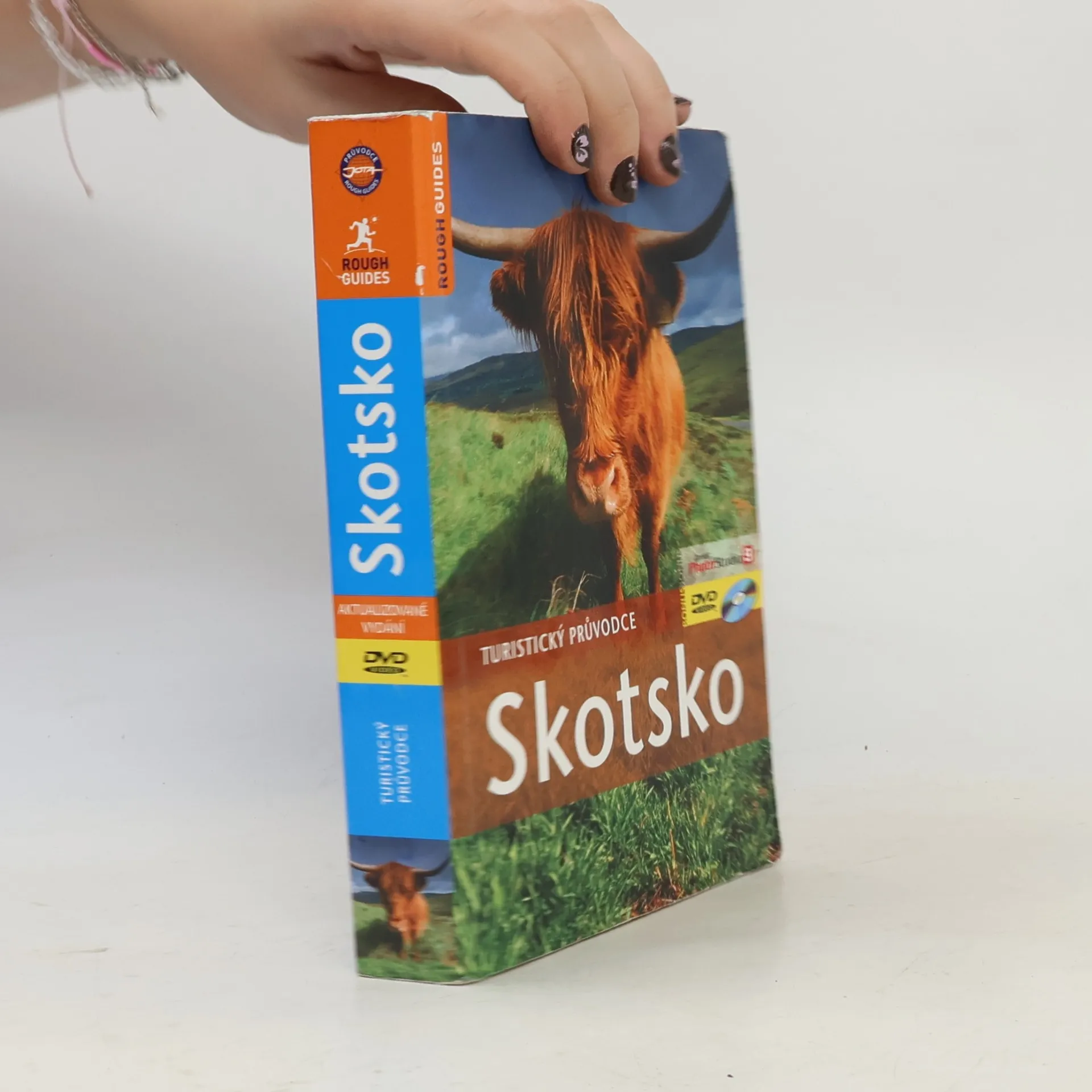
Aktualizované vydání průvodce po zemi s hlubokými zelenými údolími, tajemnými hrady a ovcemi na každém kroku.Průvodce Skotsko z řady Rough Guides je obsáhlý a jedinečný společník, který by rozhodně neměl chybět v batohu žádného turisty směřujícího do této oblíbené destinace. Průvodce je přehledně rozdělen podle oblastí, což umožňuje jednoduchou a rychlou orientaci. Detailně popisuje nabídku památek, muzeí a vyhledávaných oblastí. Upozorňuje na místa, která byste neměli minout, ale i na ta, jejichž návštěva je finančně, časově i z hlediska dopravy náročnější. Najdete množství praktických informací o místní dopravě, ubytování, stravování i zábavě, a to i pro „batůžkářský“ rozpočet. Nechybí souhrn historie a kultury, fauny, flóry i přehledný slovníček. Aktualizované vydání přináší nejnovější informace. Samozřejmostí jsou kvalitní barevné fotografie i řada podrobných map.I pro české turisty je Skotsko častým cílem dovolených a zájezdů. Svébytný folklor a kultura, pamětihodnosti i přírodní ráz skotské krajiny přitahují výletníky všeho druhu. Můžete odpočívat a proležet celé dny u vody nebo aktivně poznávat zdejší život, přírodu či historii. Protože počasí ve Skotsku bývá nestálé, je v podstatě jedno, kdy se rozhodnete trávit zde dovolenou. Vždyť jistým dobrodružstvím může být i to, že se bude váš itinerář řídit počasím.
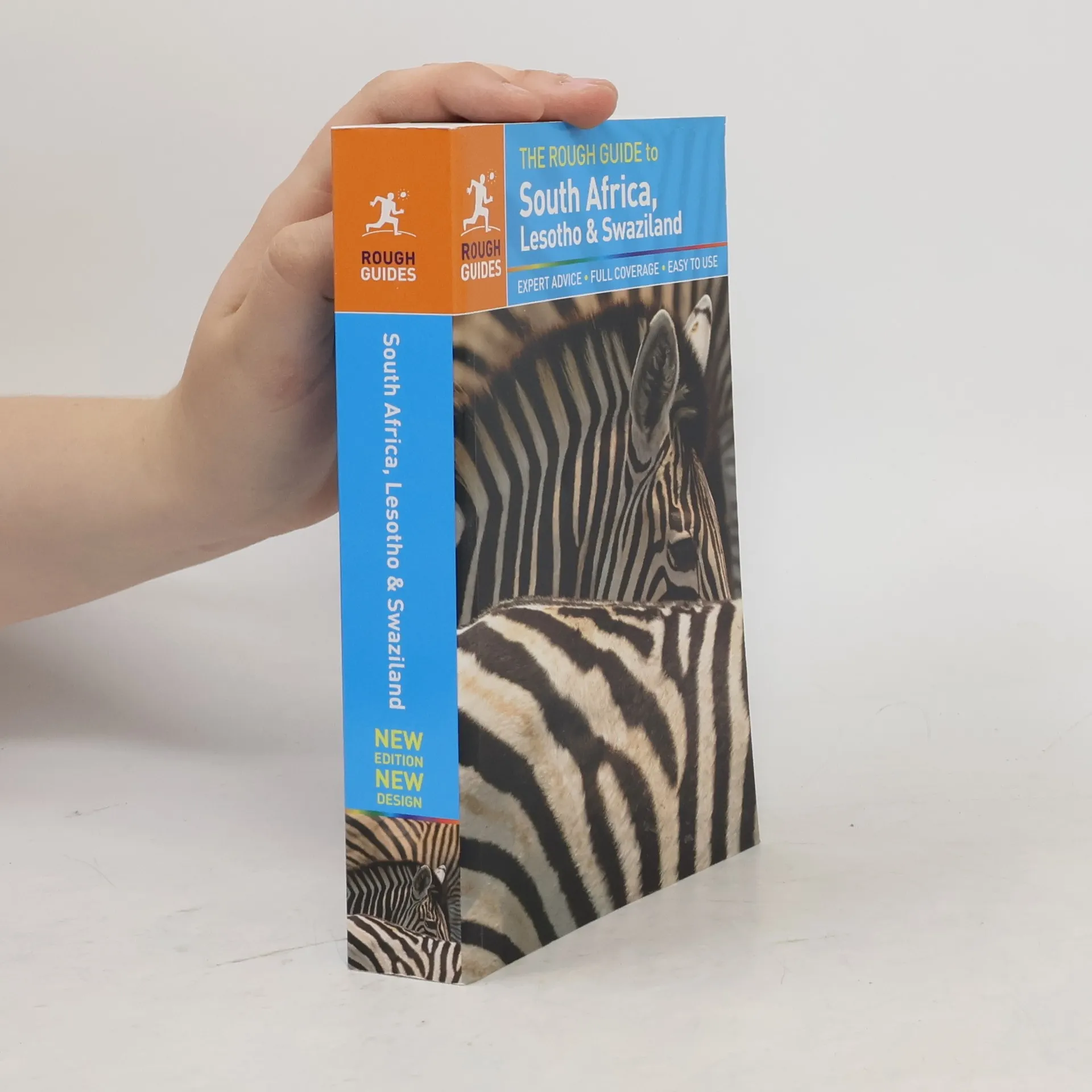
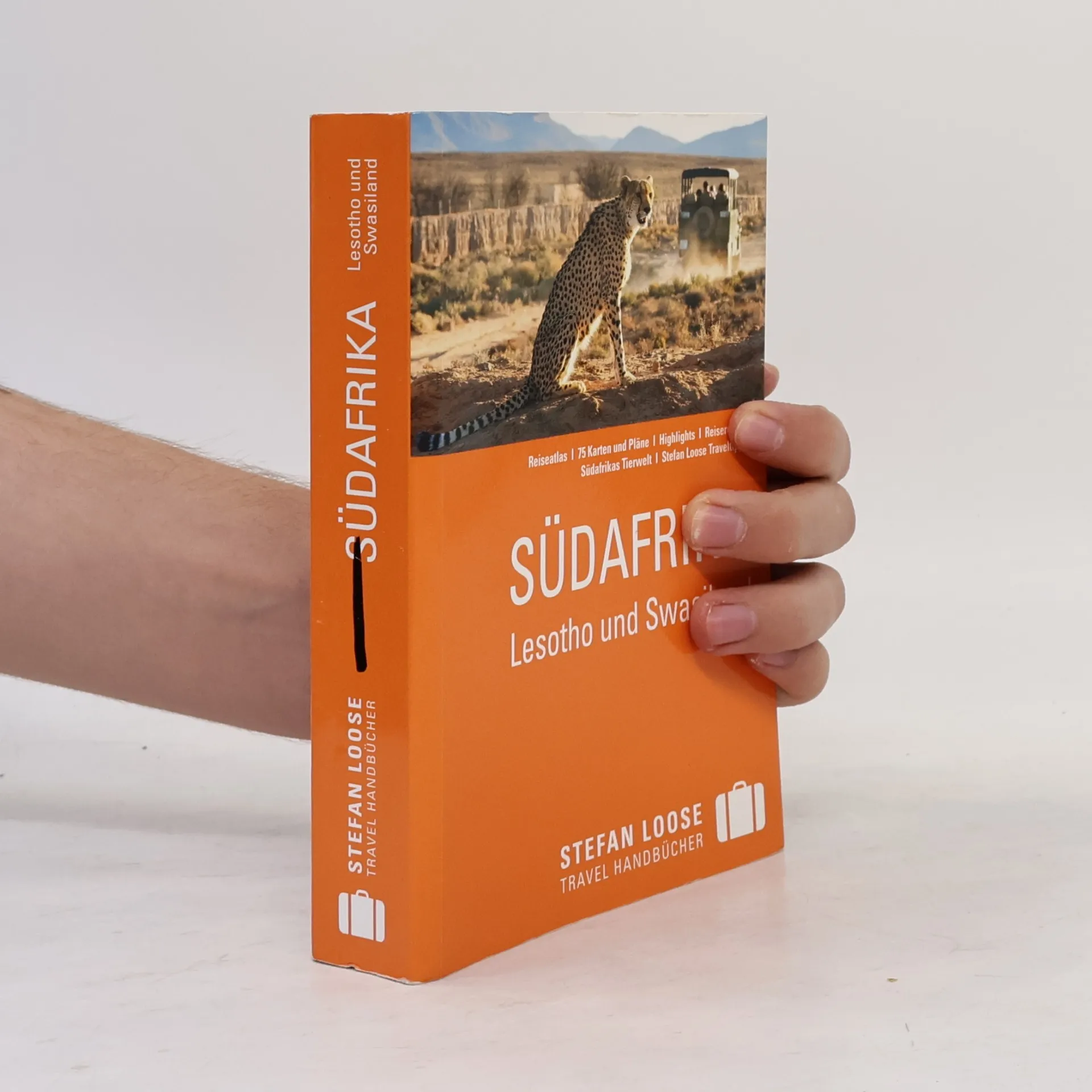
Průvodce Jižní Afrika, Lesotho a Svazijsko nabízí cestovatelům podrobný průřez touto atraktivní krajinou. Je rozdělen podle destinací a čtenáři se rychle zorientují také díky celé řadě map. Každá kapitola poskytuje krátký vhled do historie oblasti, dále následuje popis krajiny s vyčerpávajícími seznamy ubytovacích zařízení, restaurací, klubů a dalších možností kulturního i sportovního vyžití. Zde jsou uvedeny aktuální otvírací doby i ceny (v randech ? místní měna).Důležitou součástí průvodce po Jižní Africe je samozřejmě detailní popis národních parků a přírodních rezervací. Dozvíte se, kam se vypravit za "velkou africkou pětkou", kdy je nejlépe navštívit útočiště divoké zvěře nebo v čem spočívá atraktivita významného Krugerova národního parku.
Rozhodně zajímavé jsou i informace o návštěvách černošských předměstí v Johannesburgu a dalších velkých městech, které si v itineráři cestovních kanceláří teprve hledají místo, o to jsou však rozhodně atraktivnější.