An essential introduction and guide to navigating the next Internet revolution-everything from the metaverse and NFTs to DAOs, decentralized finance, and self-sovereign identity-from the co-author of the international bestseller Blockchain Revolution. The Web, and with it the Internet, are entering a new age.
Don Tapscott Book order (chronological)
Don is a leading global authority on innovation, media, and the economic and social impact of technology. His work profoundly examines the transformative power of the internet, introducing key concepts such as the 'digital divide' and the 'Net Generation.' His analyses of mass collaboration and a connected planet offer deep insights into the challenges and opportunities of our time.


- 2023
- 2021
Big Ideas: Chancellor Don Tapscott Speaks to a New Generation
- 224 pages
- 8 hours of reading
Don Tapscott, one of the world’s great thinkers on the Internet, became Chancellor of his alma mater, Trent University, in 2013. Over the next 6 years, he spoke to students about all kinds of things—designing their lives, the value of a Liberal arts education, how to thrive in the digital age, how to be resilient. Those delightful speeches have been compiled in this book. It also includes articles in Harvard Business Review, the Globe and Mail , and other journals about his ground-breaking ideas on the impact of the blockchain on higher education, the dark side of the digital economy, and the challenge that awaits young people graduating from university.
- 2020
Supply Chain Revolution: How Blockchain Technology Is Transforming the Global Flow of Assets
- 288 pages
- 11 hours of reading
The COVID-19 pandemic has exposed vulnerabilities in global supply chains, leading to significant loss of life and economic disruption. Manufacturers struggled to find new suppliers when Asian sources shut down, resulting in widespread shortages of essential goods. Blockchain technology offers a solution to mitigate such disruptions. This book features insights from leading experts on how blockchain, alongside innovations like additive manufacturing, artificial intelligence, and the Internet of Things, can tackle persistent issues that slow down and complicate the delivery of goods, particularly during crises. Current supply chains rely on a complex web of documents and intermediaries, obscuring the status and custody of goods. This lack of clarity can lead to consumer panic, as seen with toilet paper shortages during the pandemic. Blockchain, known as the Internet of Value, allows for digital peer-to-peer management and trading of assets, promising to revolutionize global commerce. It will enhance operations, logistics, procurement, transportation, customs, trade finance, manufacturing, and inventory management. The book outlines what leaders must do now to prepare for a decentralized future, offering valuable ideas for executives and entrepreneurs to engage with stakeholders and embrace the blockchain revolution.
- 2016
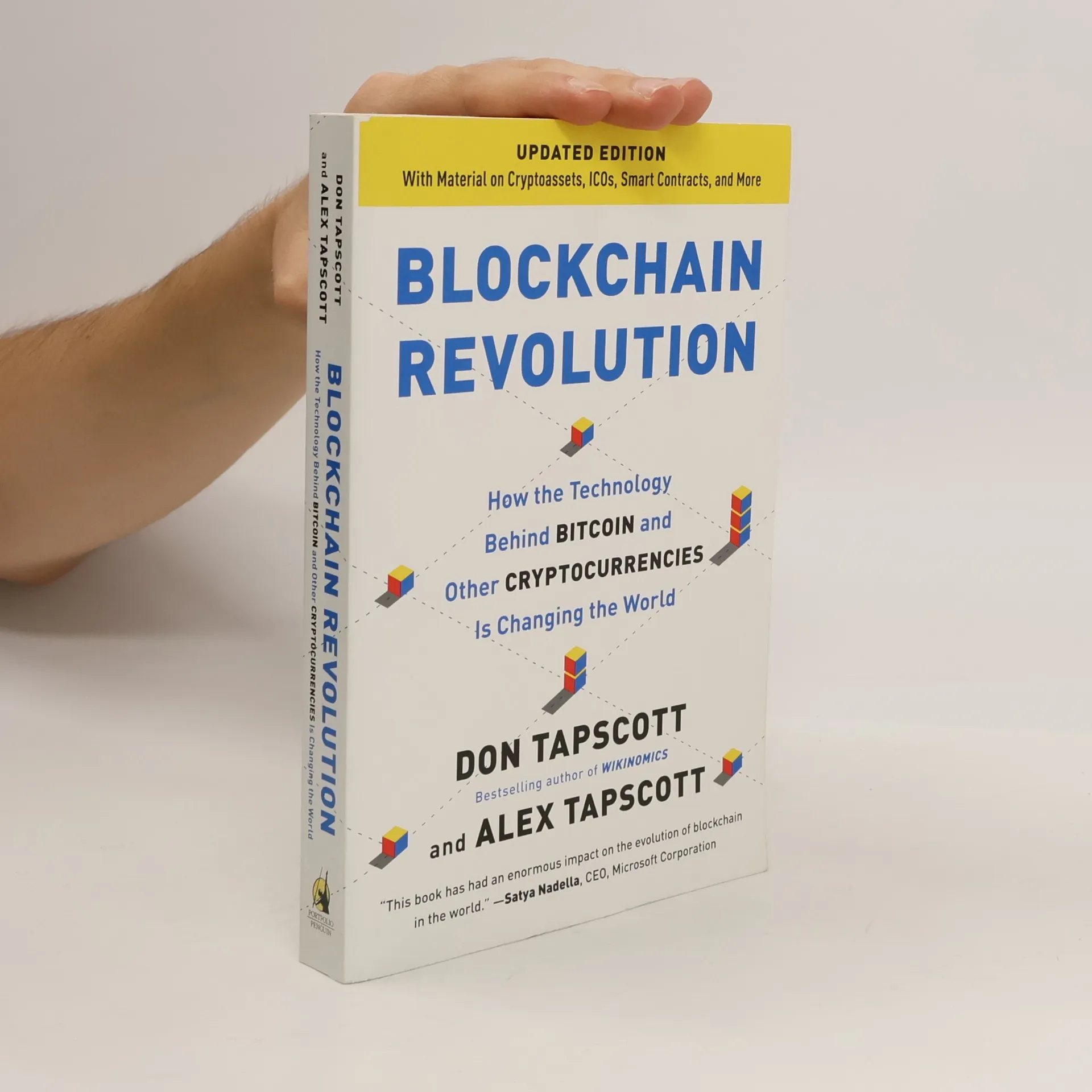
MAJORLY EXPANDED WITH NEW MATERIAL ON CRYPTOASSETS, ICOs, SMART CONTRACTS, DIGITAL IDENTITY AND MORE The definitive book on how the technology behind bitcoin and cryptocurrency is changing the world. Blockchain is the ingeniously simple technology that powers Bitcoin. But it is much more than that, too. It is a public ledger to which everyone has access, but which no single person controls. It allows for companies and individuals to collaborate with an unprecedented degree of trust and transparency. It is cryptographically secure, but fundamentally open. And soon it will be everywhere. In Blockchain Revolution, Don and Alex Tapscott reveal how this game-changing technology will shape the future of the world economy, dramatically improving everything from healthcare records to online voting, and from insurance claims to artist royalty payments. Brilliantly researched and highly accessible, this is the essential text on the next major paradigm shift. Read it, or be left behind.
- 2016
Blockchain Revolution
- 348 pages
- 13 hours of reading
The technology likely to have the greatest impact on the future of the world economy has arrived, and it's not self-driving cars, solar energy, or artificial intelligence. It's called the blockchain. The first generation of the digital revolution brought us the Internet of information. The second generaƯtion-powered by blockchain technology-is bringing us the Internet of value: a new, distributed platform that can help us reshape the world of business and transform the old order of human affairs for the better. Blockchain is the ingeniously simple, revolutionƯary protocol that allows transa.
- 2010
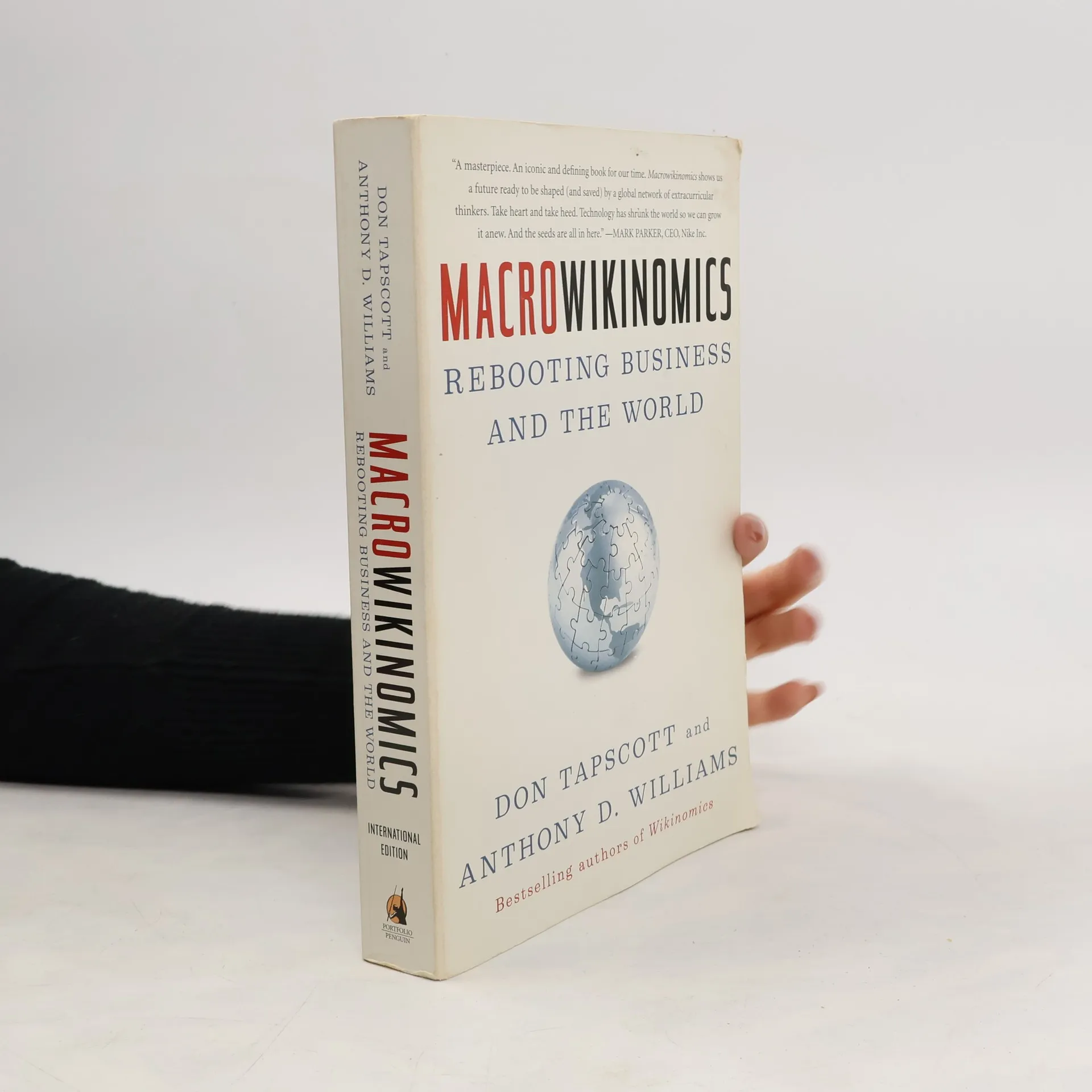
MacroWikinomics
Rebooting Business and the World - International Edition
The global financial crisis of 2008 highlighted the need for a new approach to governing the economy, emphasizing transparency, integrity, and collaboration in financial services. As the crisis spread to other sectors, including environmental and sovereign debt issues, it became evident that traditional institutions were struggling to adapt. However, amidst the turmoil, there is optimism as a new model of economic and social innovation emerges worldwide. This model empowers individuals with passion and expertise to leverage Web-based tools for creating a more prosperous, just, and sustainable world. Drawing parallels to collaborative projects like Wikipedia and Linux, there is a historic opportunity to harness collective human ingenuity to reshape institutions for future generations. This follow-up to a best-selling management book presents a game plan for addressing global challenges through collaborative innovation across various fields such as healthcare, education, and energy. It showcases dynamic innovators and movements that are transforming industries and argues that the potential for collaboration extends beyond software and media to include government, education, and healthcare. These opportunities are not mere fantasies but tangible possibilities enabled by the principles of wikinomics.
- 2010
MacroWikinomics. Rebooting Business and the World
- 424 pages
- 15 hours of reading
Evaluates the ways in which the global marketplace has significantly changed in recent years, revealing how wikinomics philosophies can be applied to everything from government and finance to education and health care.
- 2010
In 'Wikinomics' the authors showed how the Internet changed the way the very smartest business managers think about structures and strategies. Now, in 'MacroWikinomics', they demonstrate how this revolution in thinking can fix a broken world.
- 2007
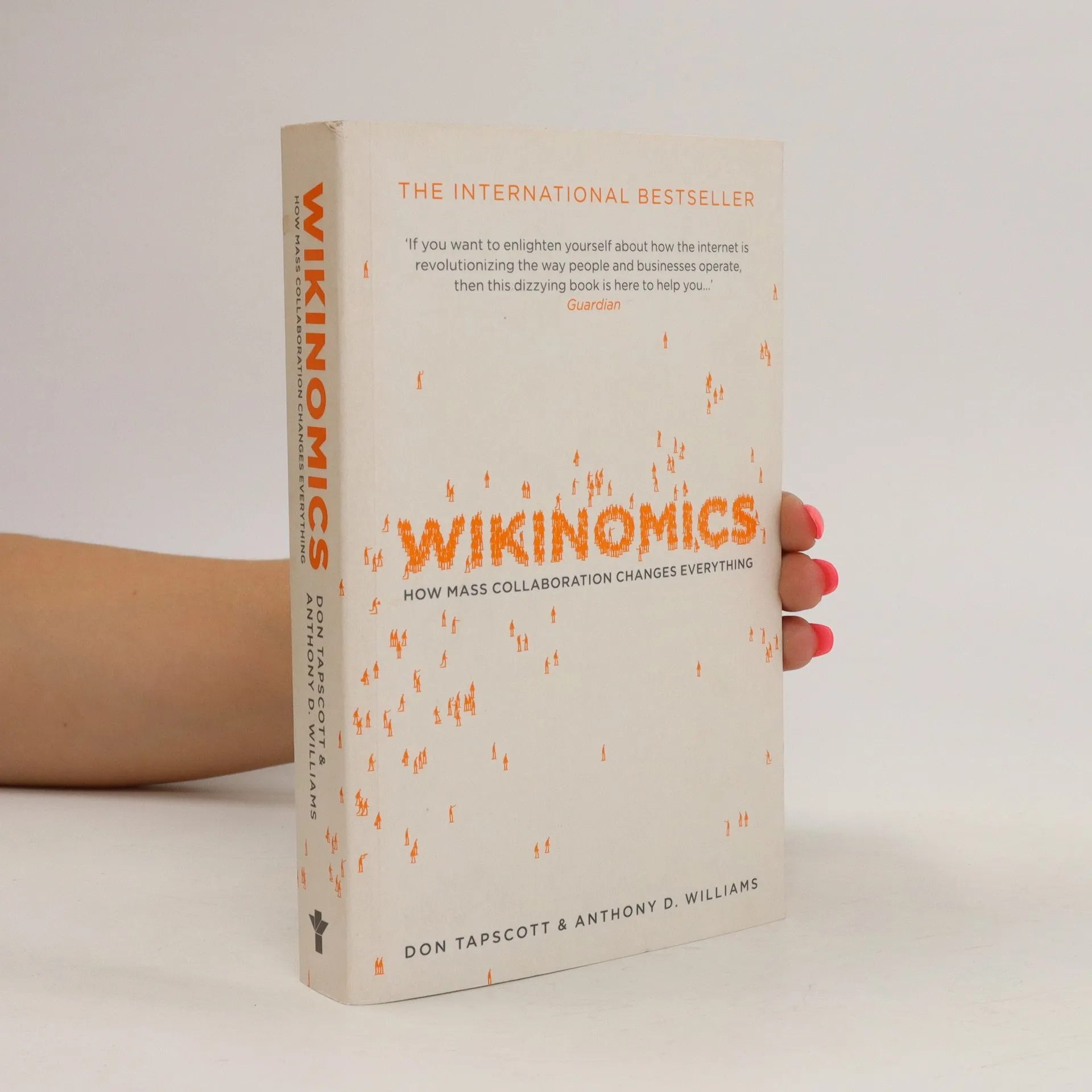
In just the last few years, traditional collaborationin a meeting room, a conference call, even a convention centerhas been superseded by collaborations on an astronomical scale. Today, encyclopedias, jetliners, operating systems, mutual funds, and many other items are being created by teams numbering in the thousands or even millions. While some leaders fear the heaving growth of these massive online communities, Wikinomics proves this fear is folly. Smart firms can harness collective capability and genius to spur innovation, growth, and success. A brilliant guide to one of the most profound changes of our time, Wikinomics challenges our most deeply-rooted assumptions about business and will prove indispensable to anyone who wants to understand competitiveness in the twenty-first century. Based on a $9 million research project led by bestselling author Don Tapscott, Wikinomics shows how masses of people can participate in the economy like never before. They are creating TV news stories, sequencing the human genome, remixing their favorite music, designing software, finding a cure for disease, editing school texts, inventing new cosmetics, or even building motorcycles. You'll read about: Rob McEwen, the Goldcorp, Inc. CEO who used open source tactics and an online competition to save his company and breathe new life into an old-fashioned industry. Flickr, Second Life, YouTube, and other thriving online communities that transcend social networking to pioneer a new form of collaborative production. Mature companies like Procter & Gamble that cultivate nimble, trust-based relationships with external collaborators to form vibrant business ecosystems. An important look into the future, Wikinomics will be your road map for doing business in the twenty-first century.
- 2000
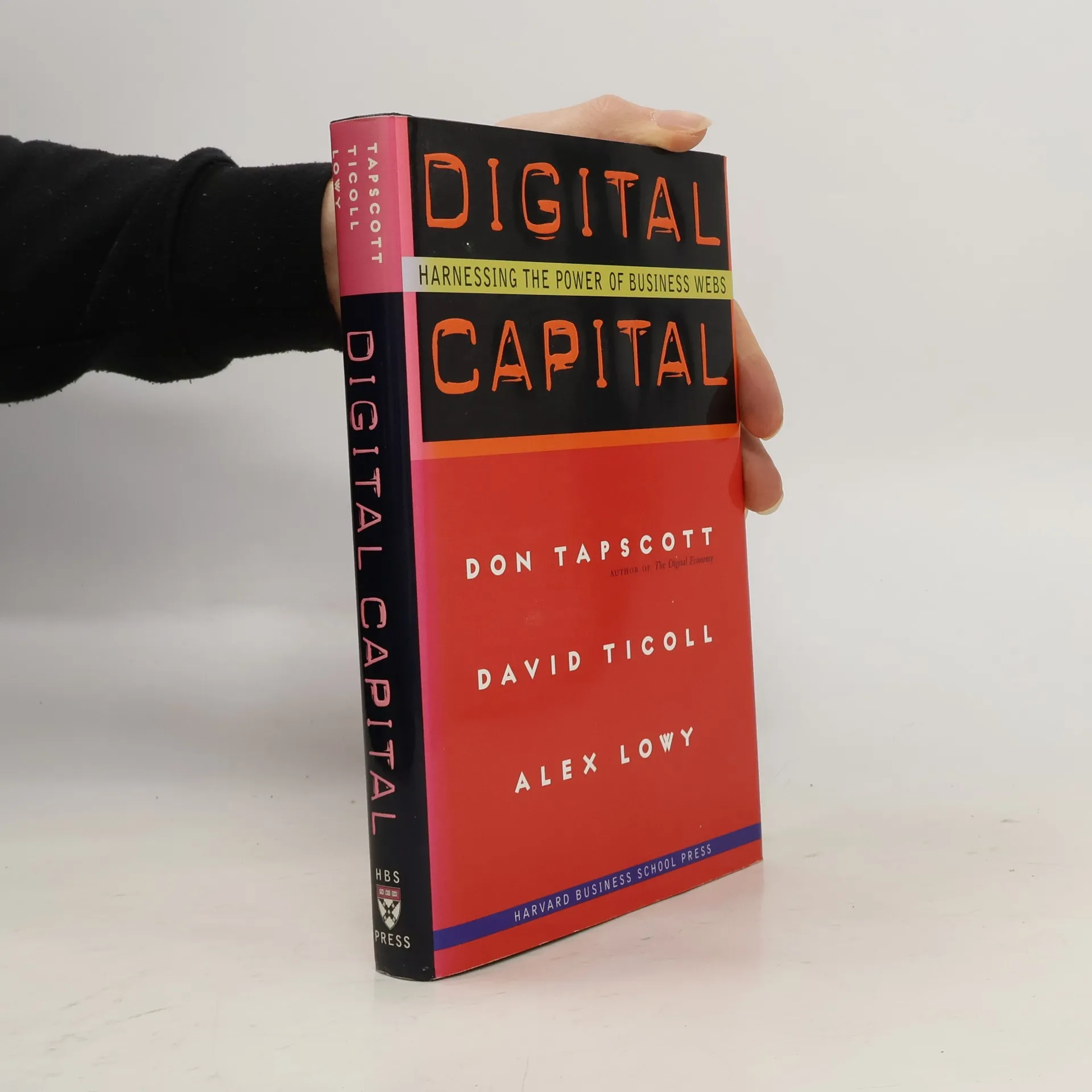
This work demonstrates how readers can become part of a business web- a group of businesses that work towards a unified goal. Such webs are replacing the traditional business structure to create wealth.