Dr. No introduced the James Bond formula that has been a box-office fixture ever since. An explosive cocktail of action, spectacle, and sex, the film transformed popular cinema. James Chapman provides a lively and comprehensive study of Dr. No, marshaling a wealth of archival research to place the film in its historical moment.
Gillian Chapman Books

Licence to Thrill
- 336 pages
- 12 hours of reading
Follows Bond from the 1962 'Dr No', through the subsequent Bond films, exploring them within the culture and politics of the times, as well as within film culture itself. This work provides coverage of Brosnan as Bond in The World is Not Enough and Die Another Day; and includes a chapter on Casino Royale and Daniel Craig's new-look Bond.
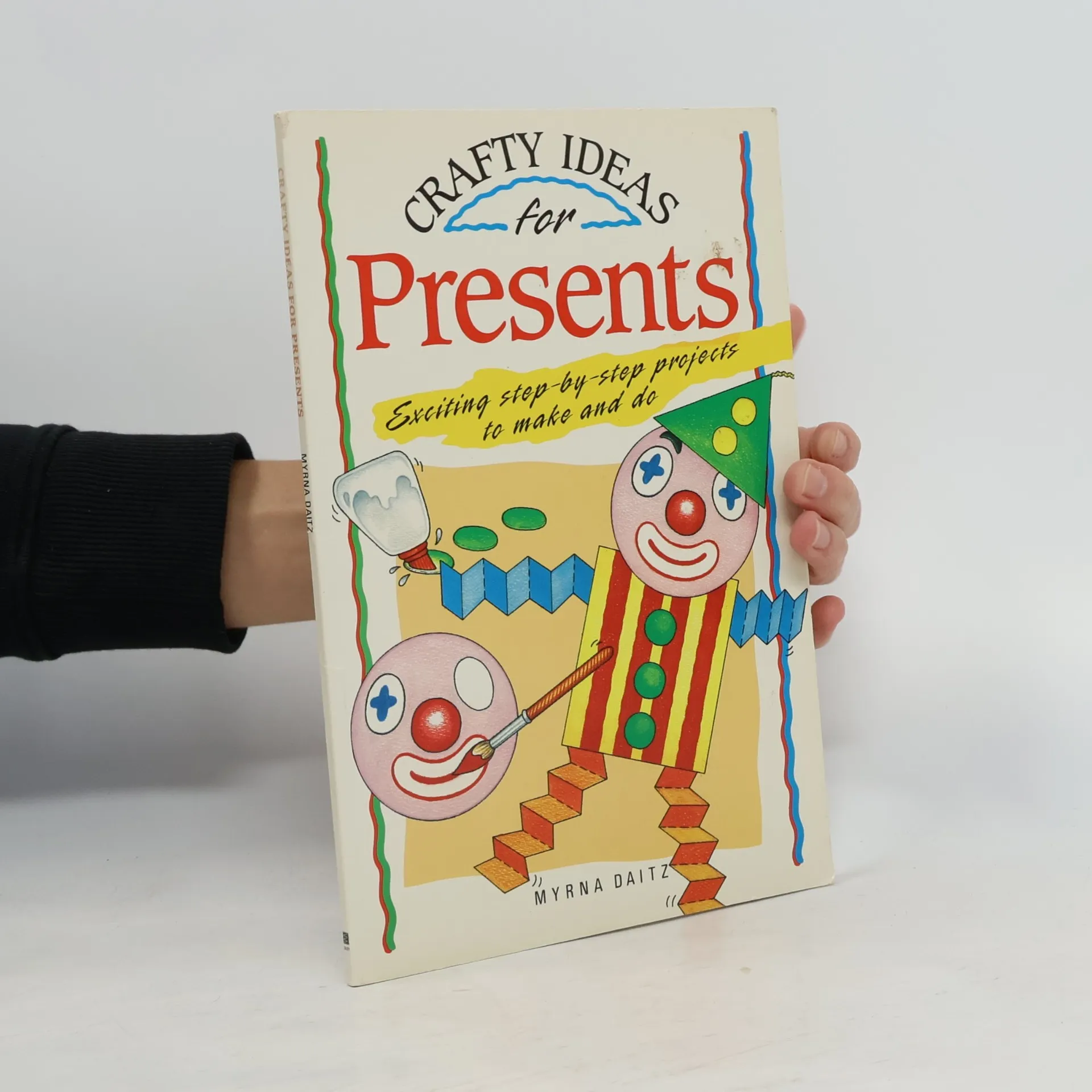
Crafty Ideas for Presents
- 48 pages
- 2 hours of reading
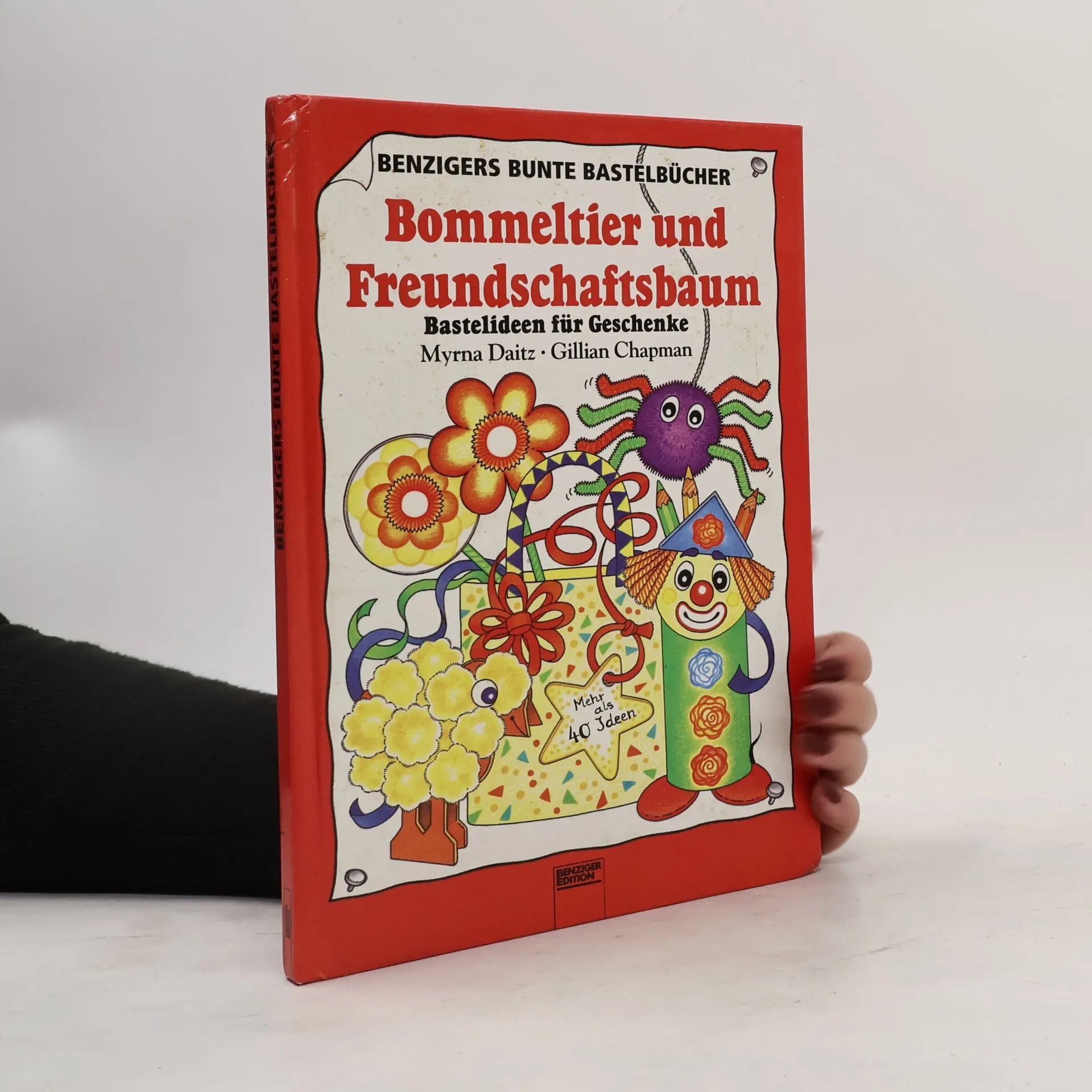
A fun series of six activity books designed to encourage young children to explore creativity. Presented in a lively fun-filled format with lots of illustrations, and clear, step-by-step instructions and diagrams, these books will delight children between the ages of 5 and 10 years.All the projects collected by Myrna Daitz and researched by teachers have been classroom and home tested.
Make Safari Animals
- 40 pages
- 2 hours of reading
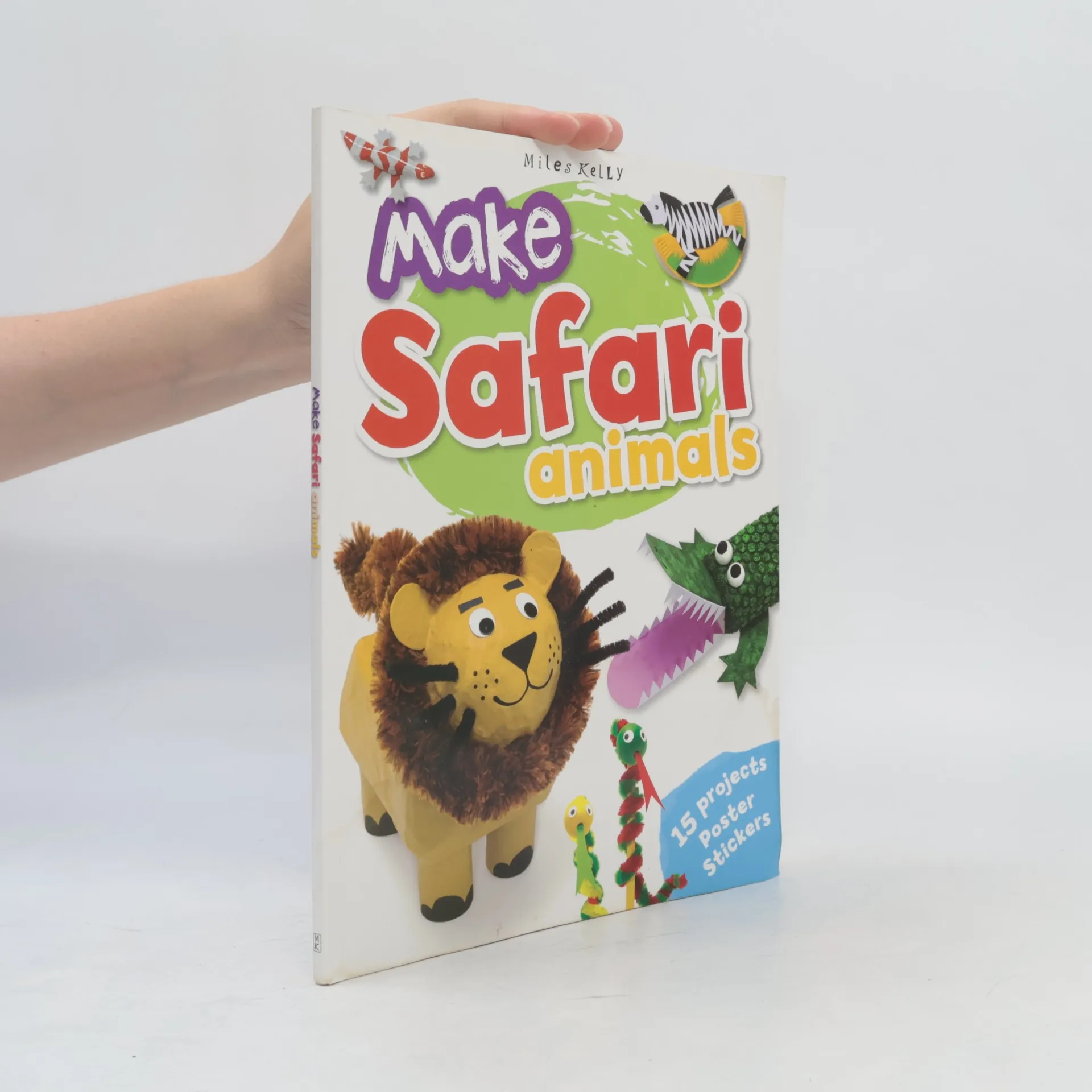
This craft book for kids teaches how to create 15 fun animal projects that double as useful items, such as a crocodile secret safe, parrot mobile, and giraffe storage box. Each project features simple, illustrated, step-by-step instructions and a photo of the finished craft for guidance. Eye stickers and drawing templates for challenging shapes are included to enhance creativity. The book outlines helpful hints, project difficulty levels, estimated completion times, and notes on whether adult assistance is required. A materials list at the beginning ensures that all supplies can be easily sourced from home or craft stores, making preparation straightforward for adults. Kids are encouraged to modify projects, like transforming a hippo into a rhino by adding a horn and tail. Alongside the 15 crafts, a pull-out poster showcases stunning photos and interesting facts about each safari animal, providing inspiration and context for the crafts. With over 180 eye stickers included, this engaging craft book promises hours of enjoyable, hands-on fun for children. Projects include an elephant gift tag, flamingo door hanger, cheetah pop-out card, monkey paper chain, python pencil topper, and more, ensuring a diverse range of creative activities.
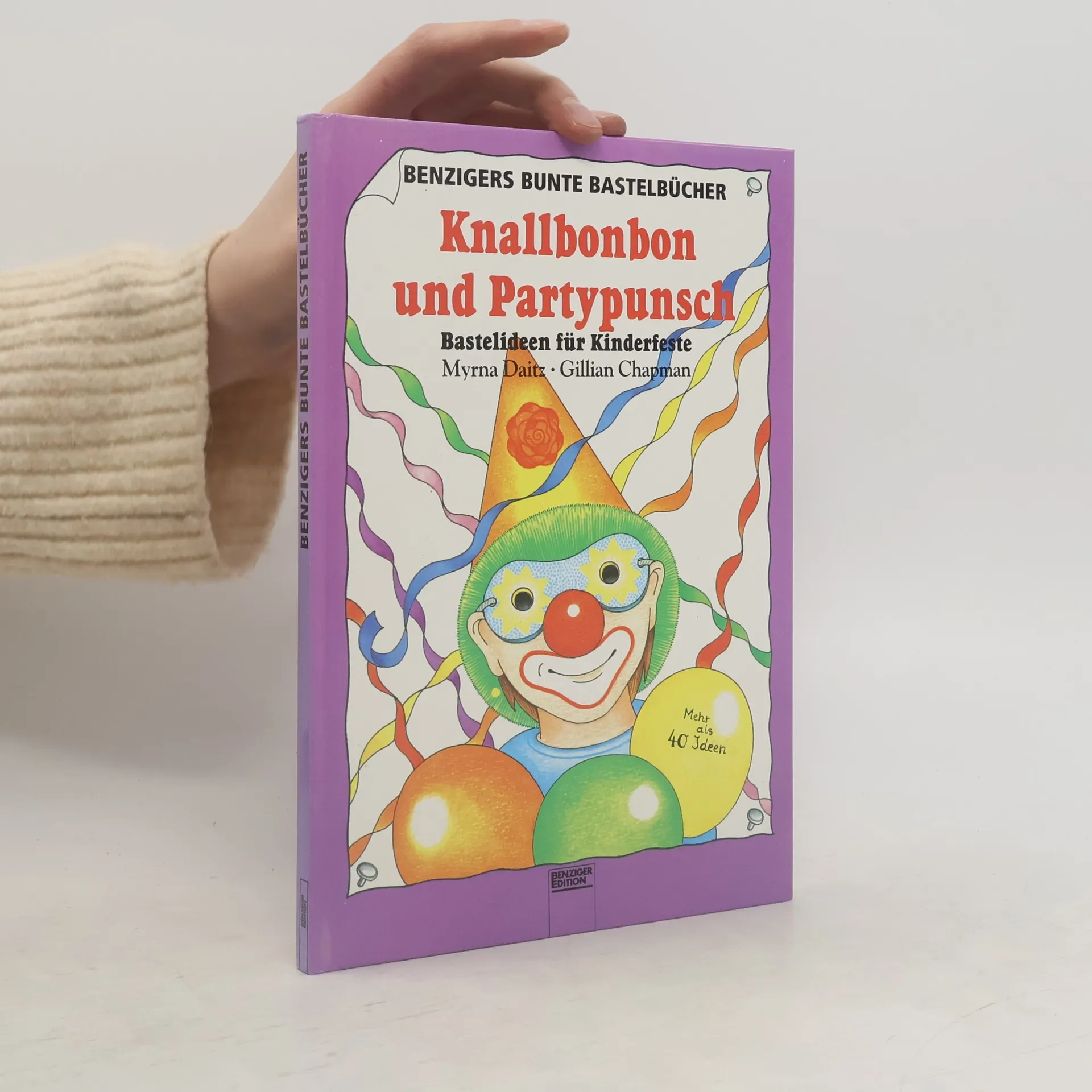
Bommeltier und Freundschaftsbaum. Bastelideen für Geschenke
- 64 pages
- 3 hours of reading
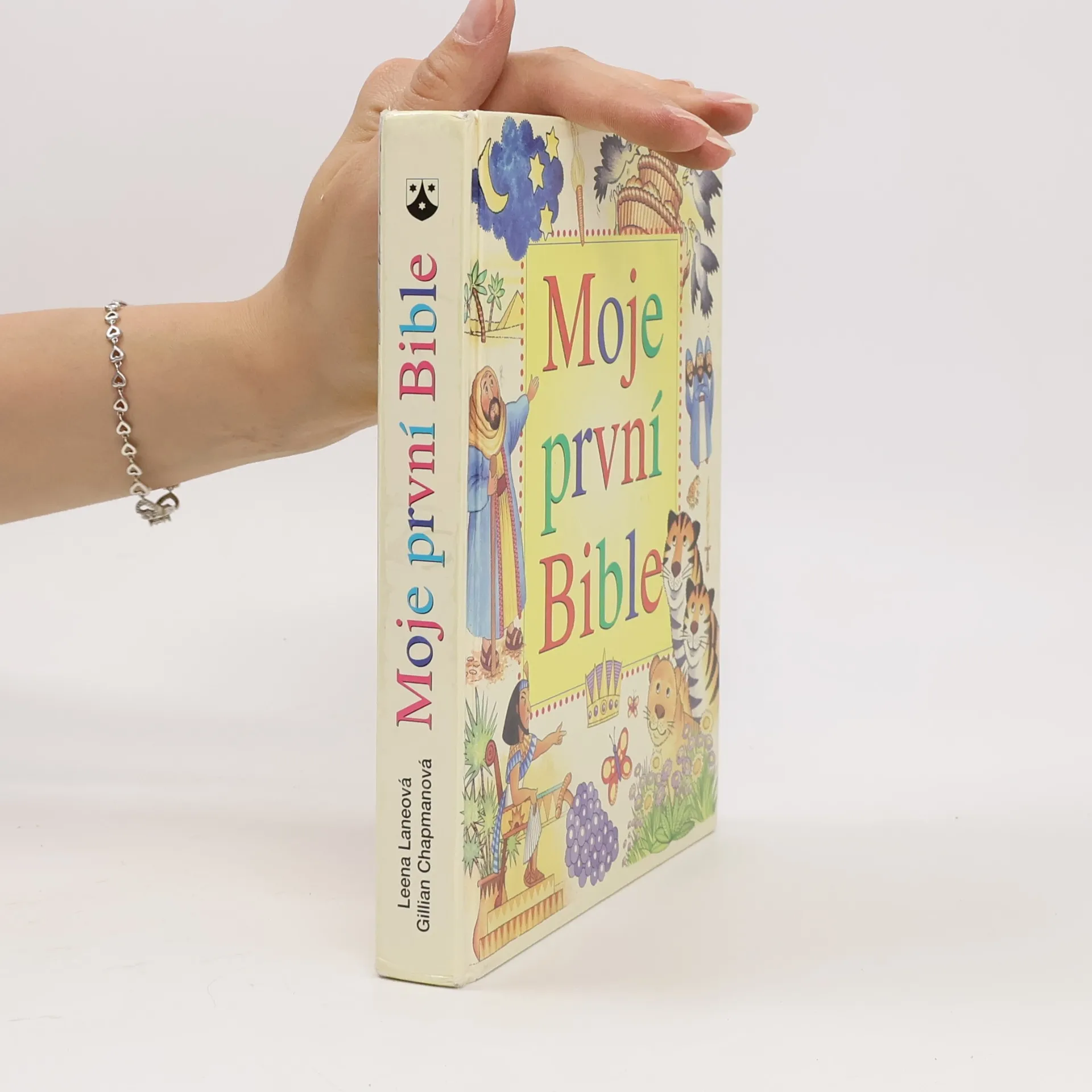
My First Bible
- 256 pages
- 9 hours of reading
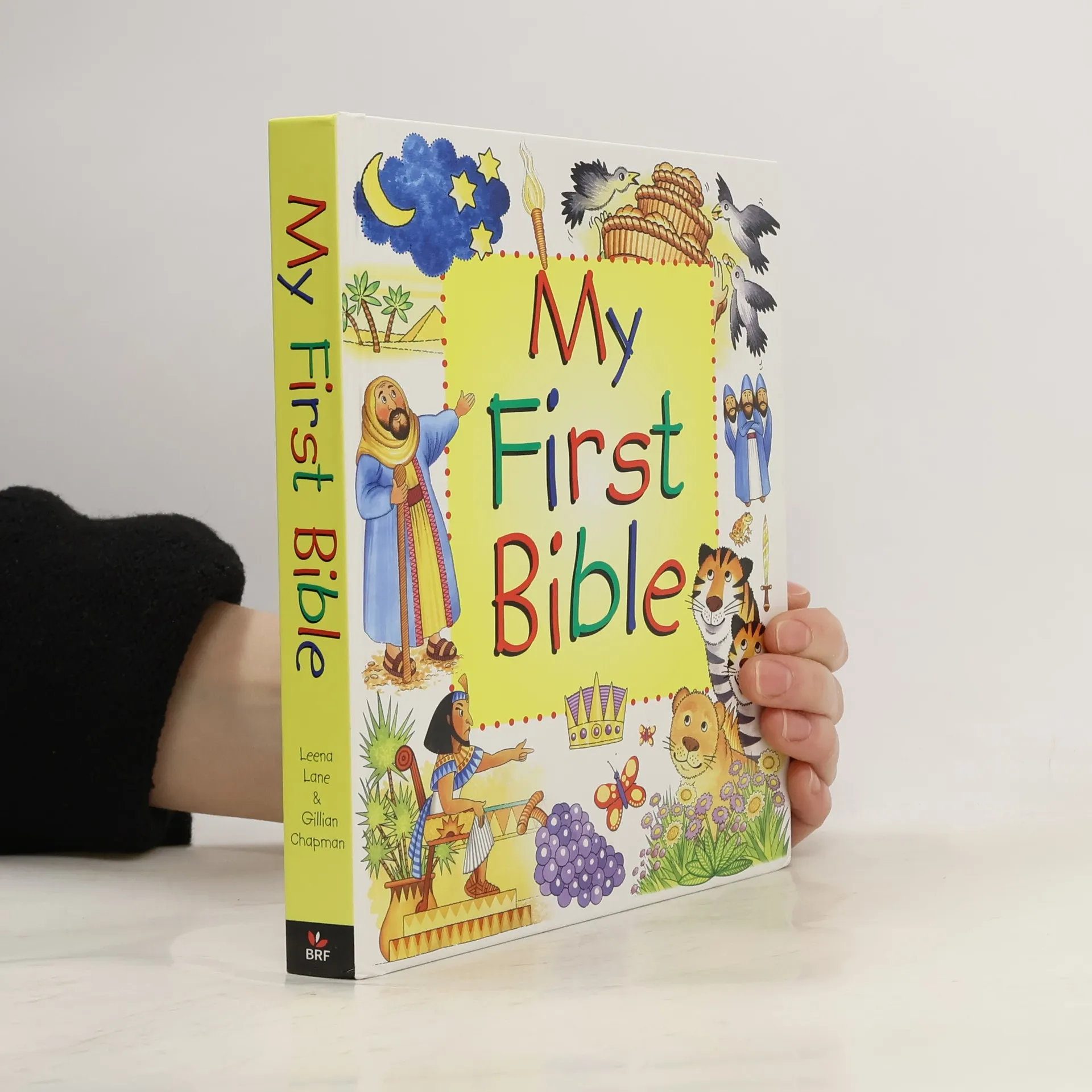
An ideal gift for young children, My First Bible retells all the favourite Bible stories known and loved by generations of children, for children of today. Bold and colourful illustrations from Gillian Chapman bring the world of the Bible to life. Suitable for reading aloud with very young children, or for independent readers aged 4-6 years, the helpful index at the back show where all the stories can be found in the Bible.
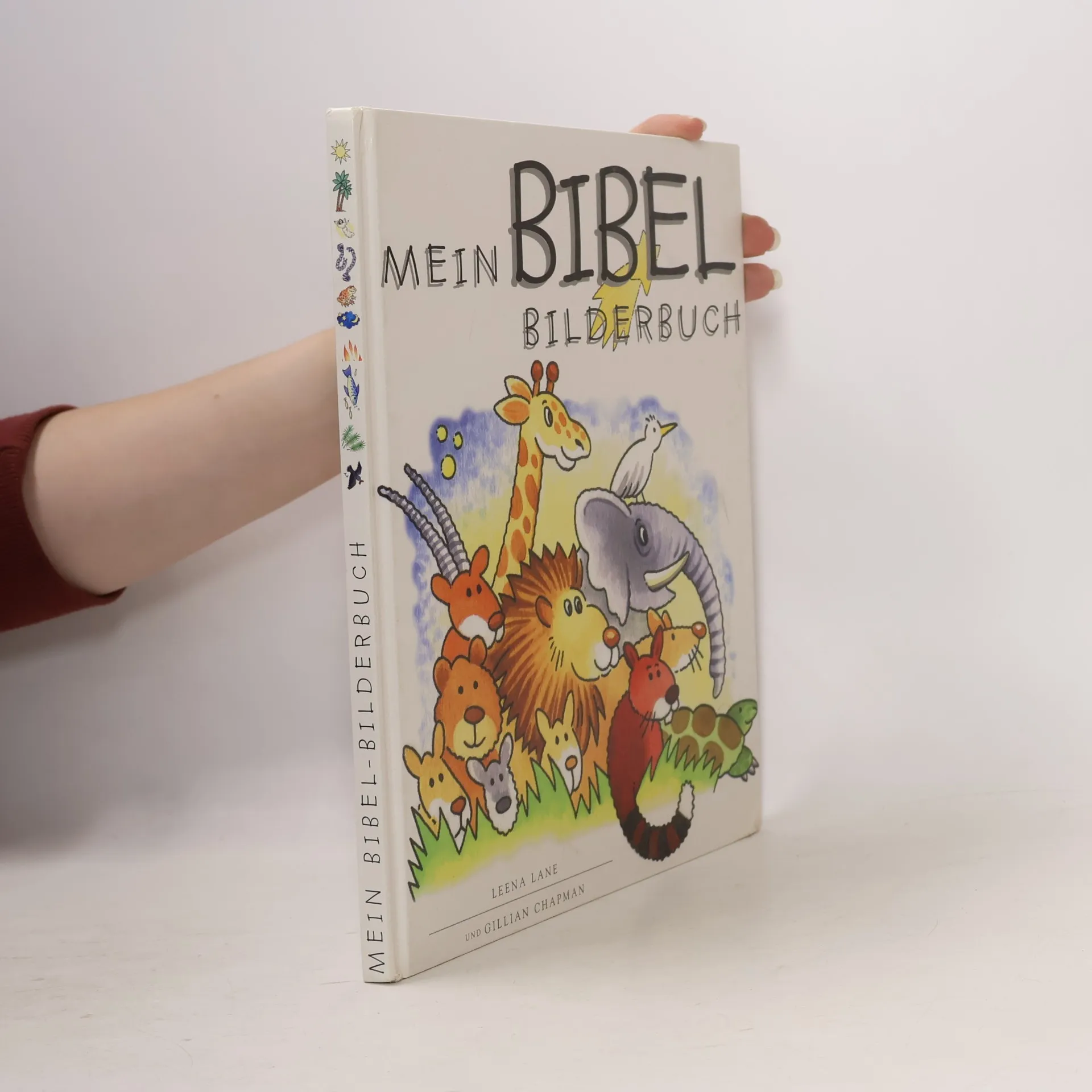
Mein Bibel-Bilderbuch
- 62 pages
- 3 hours of reading
Bären Adventskalender
- 240 pages
- 9 hours of reading
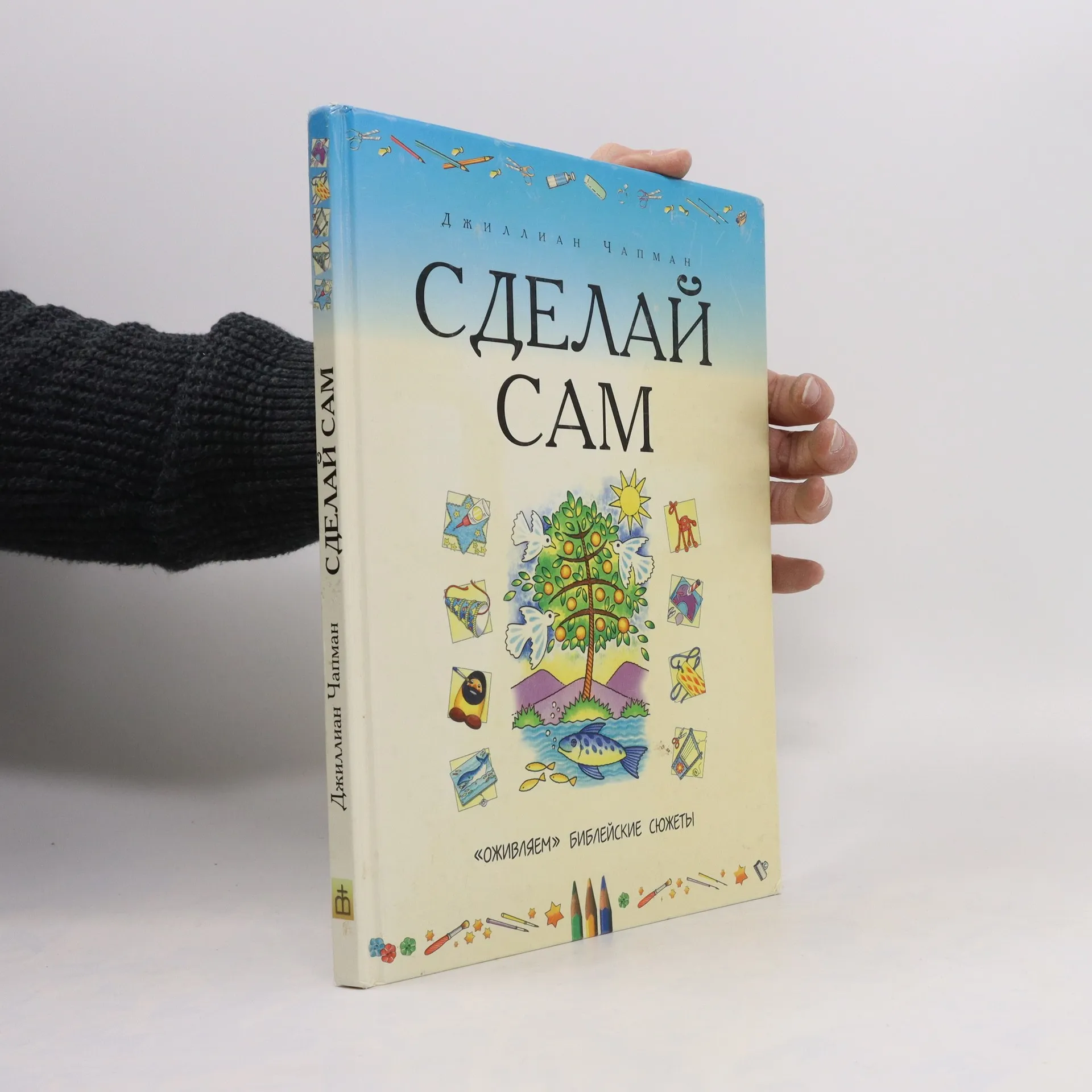
Cделай сам
"оживляем" библейские сюжеты
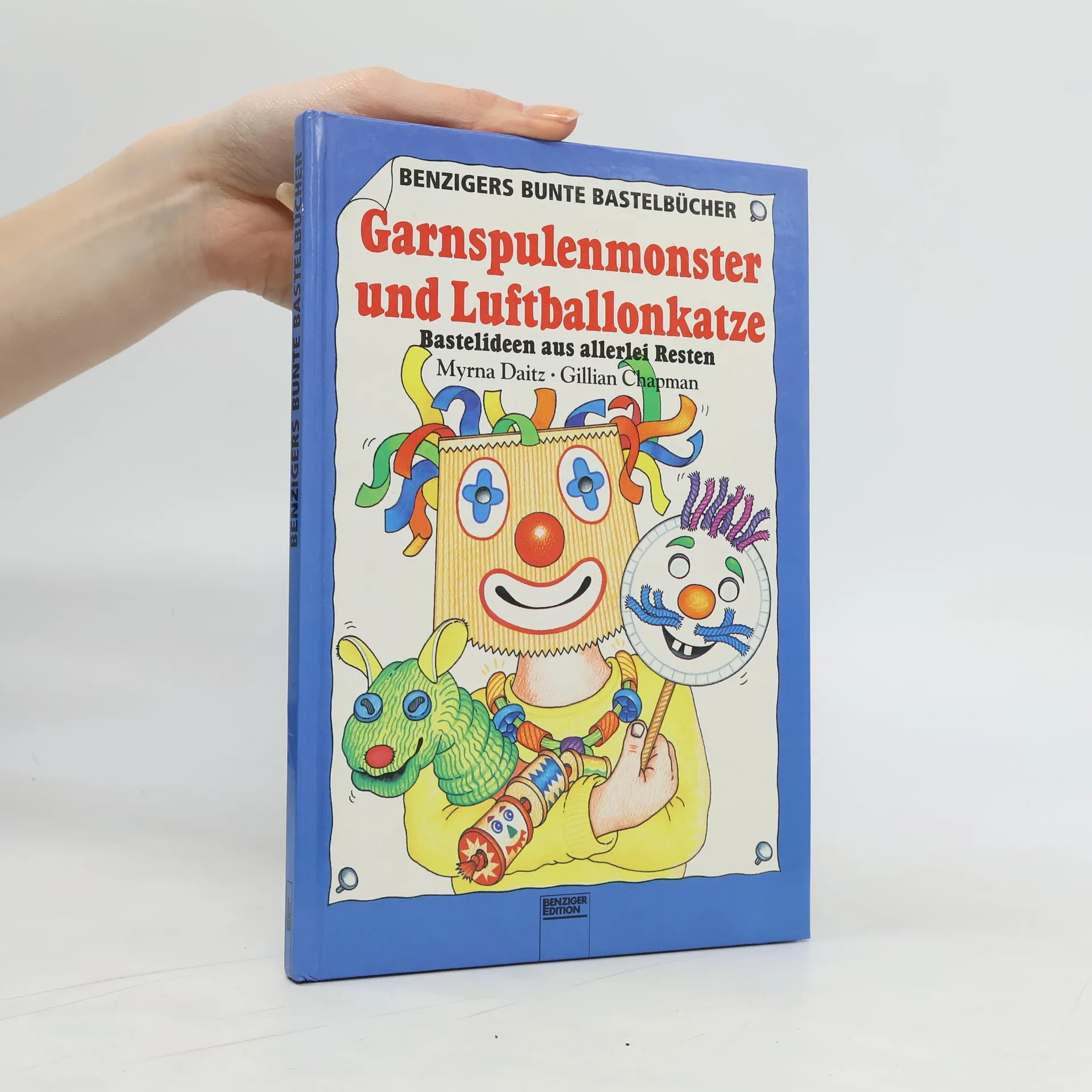
Garnspulenmonster und Luftballonkatze
- 63 pages
- 3 hours of reading
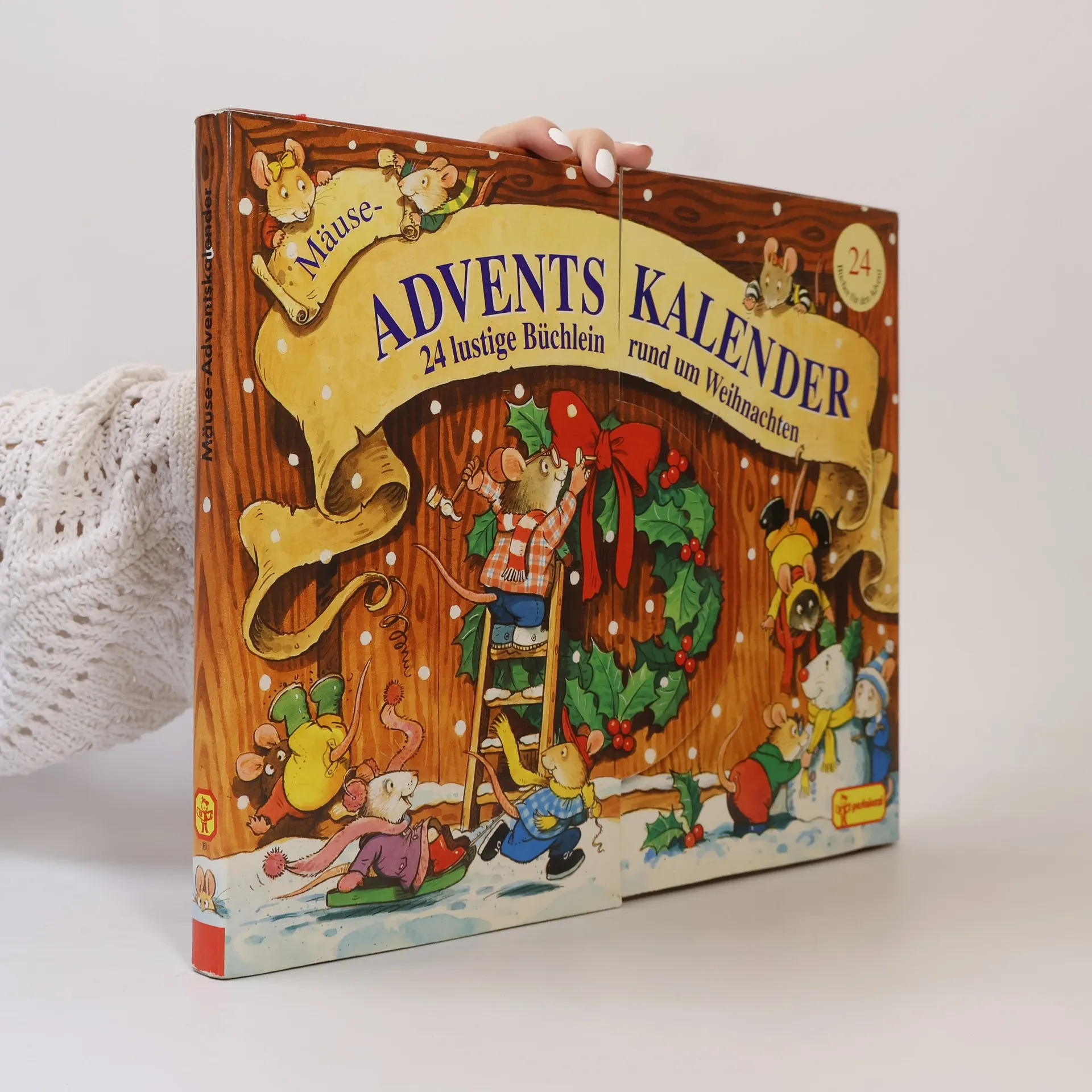
Adventskalender, Mäuse-Adventskalender
- 240 pages
- 9 hours of reading
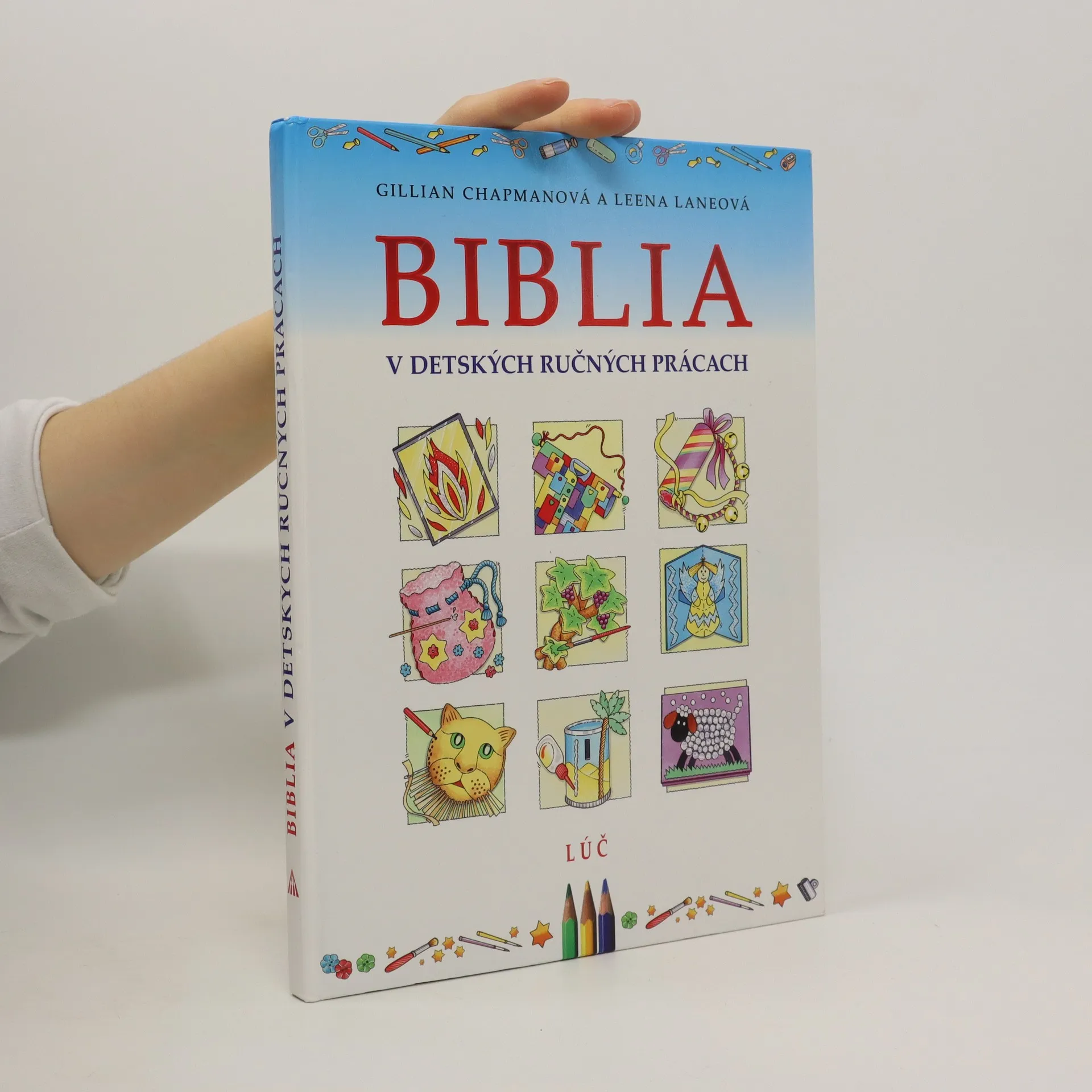
Existuje mnoho biblických příběhů, které znají a mají v oblibě celé generace čtenářů. Autorky této knížky vybraly a milými obrázky doprovodily ty nejznámější z nich. Malý čtenář se tak může přístupnou formou seznámit s osudy Noema, Mojžíše, Davida a Goliáše, Jonáše, ale také poznat nejdůležitější události Ježíšova života, včetně podobenství, která Ježíš vyprávěl.
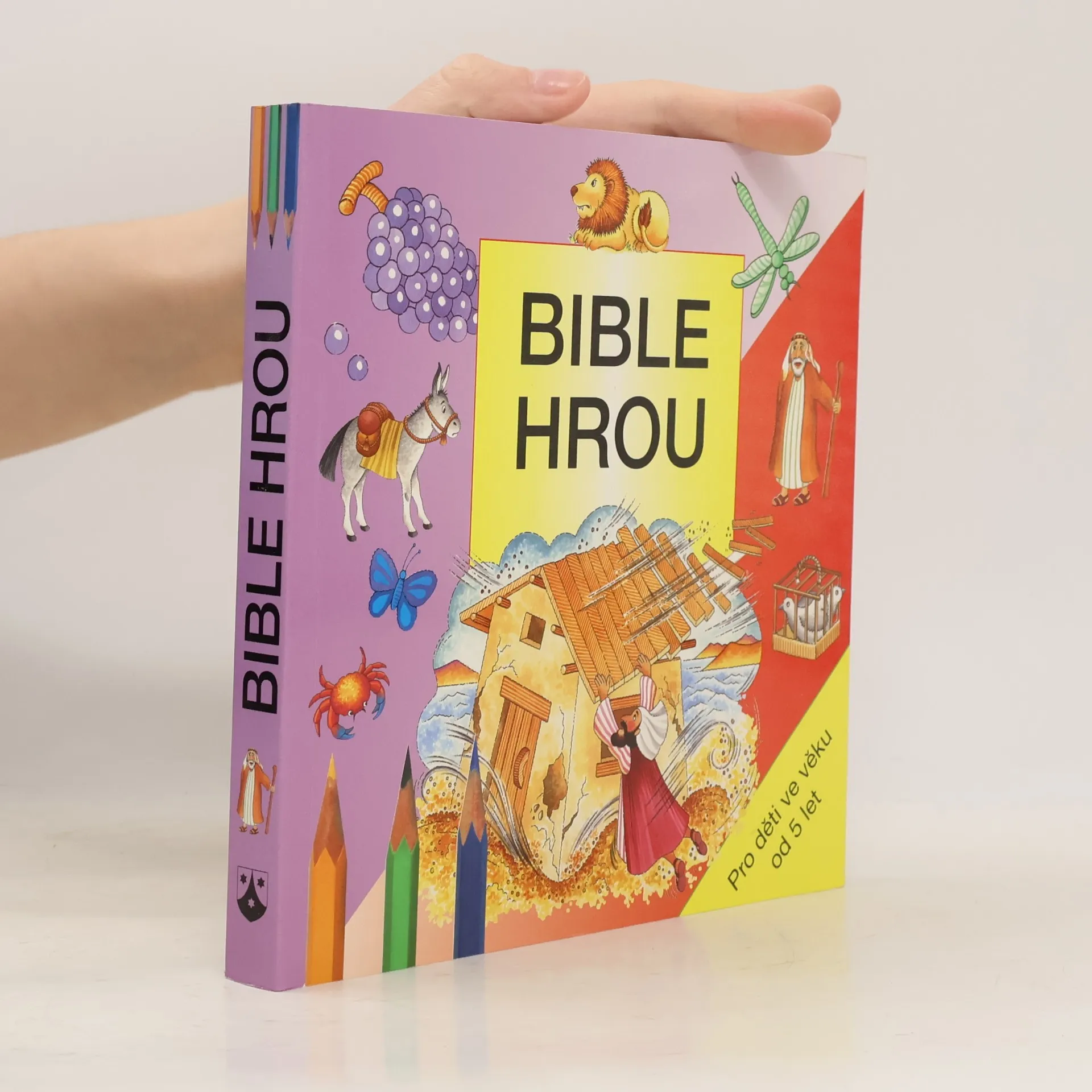
Pro děti ve věku od 5 let. Kniha přináší mladým výzkumníkům biblické příběhy a modlitby, ale také hádanky, hlavolamy a další zábavné činnosti, které s biblickými příběhy souvisejí. Je to pomůcka, která dětem ve věku do pěti let pomůže poznávat Bibli zajímavým způsobem a současně je přivádět ke čtení skutečného textu Bible a poznávání Ježíše. Za jednotlivými příběhy je uveden odkaz na text Bible. Leena Laneová byla původně učitelkou cizích jazyků, ale v současnosti se plně věnuje práci autorky a editorky křesťanských knížek pro děti a mládež. V Karmelitánském nakladatelství vyšla v roce 2008 její kniha Moje první Bible. Gillian Chapmanová ilustrovala již více než sto knížek pro děti.
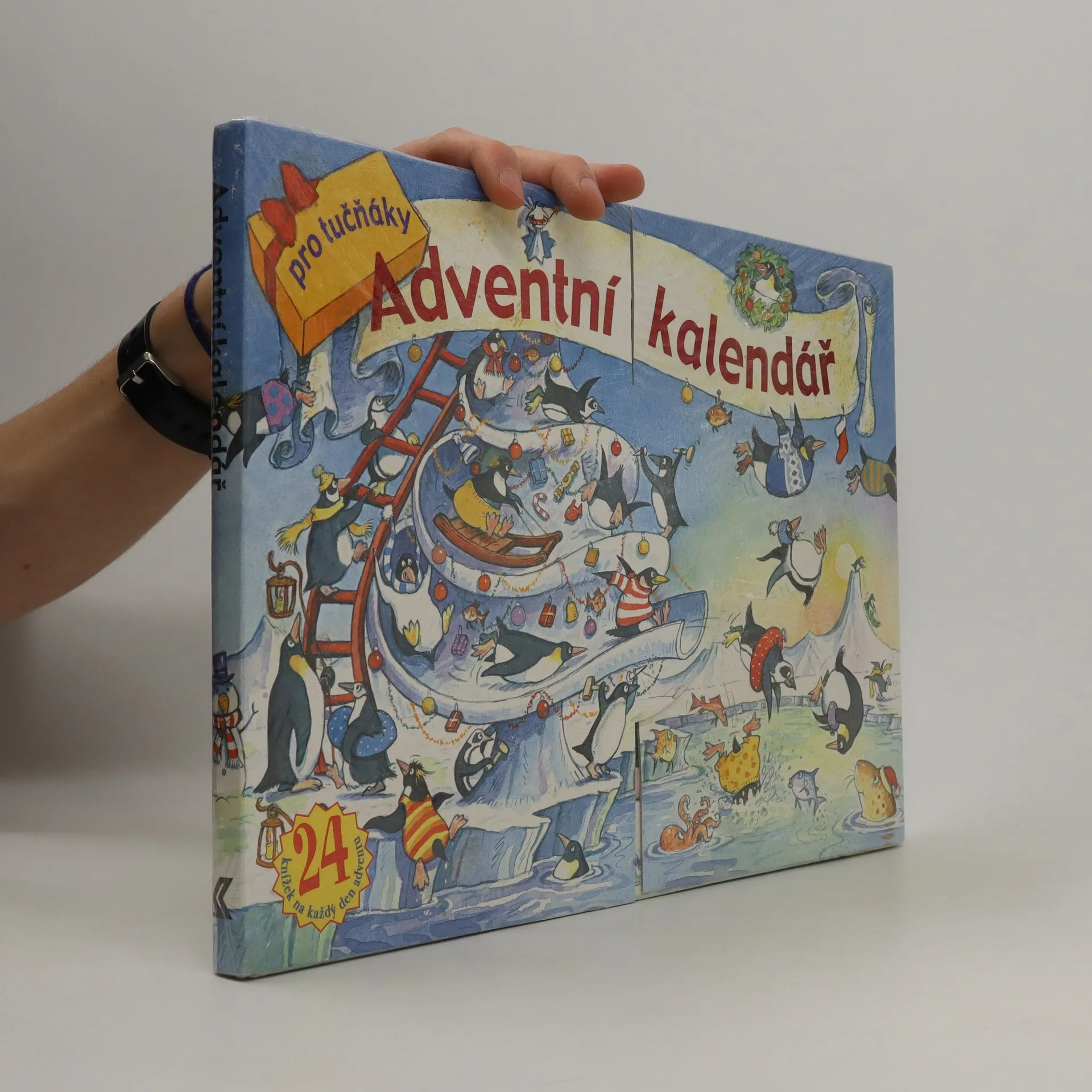
Na Vánoce, nejoblíbenější svátky v roce, se nejvíc ze všech těší děti. Kdy už bude Štědrý den? Co dostanu pod stromeček? Přijde k nám Ježíšek, nebo Santa Klaus? Takovými otázkami mučí děti své rodiče, kteří by nejraději Vánoce ještě o měsím posunuli, protože nevědí, kam dřív skočit. Veselý adventní kalendář se čtyřiadvaceti barevnými knížečkami zkrátí dětem nekonečné čekání na Vánoce a ukáže jim, jak předvánoční dobu prožívají malí tučňáci.