Jeffrey Gale Williamson, Emeritus Professor of Economics at Harvard University, focuses his scholarship on comparative economic history and the history of international economics and development. His research delves into long-term economic trends and the factors that shape economic growth and stagnation across the globe. Williamson's work offers profound insights into the historical forces that have molded economies over centuries. His analyses provide a crucial lens through which to understand the complex dynamics of the global economy.
Jack Richie: Točno za deset minuta Gary Brandner: Kojoti Harold Q. Masur: Mladica je zelena John D. MacDonald: Odakle mač? Bryce Walton: Čovjek koji ismijava lavove Michael Gilbert: Tajni prihod Bill Pronzini: Šablona Jacques Futrelle: Gdje curi? Jack Richie: Magnum Harold Q. Masur: Tihi Butler
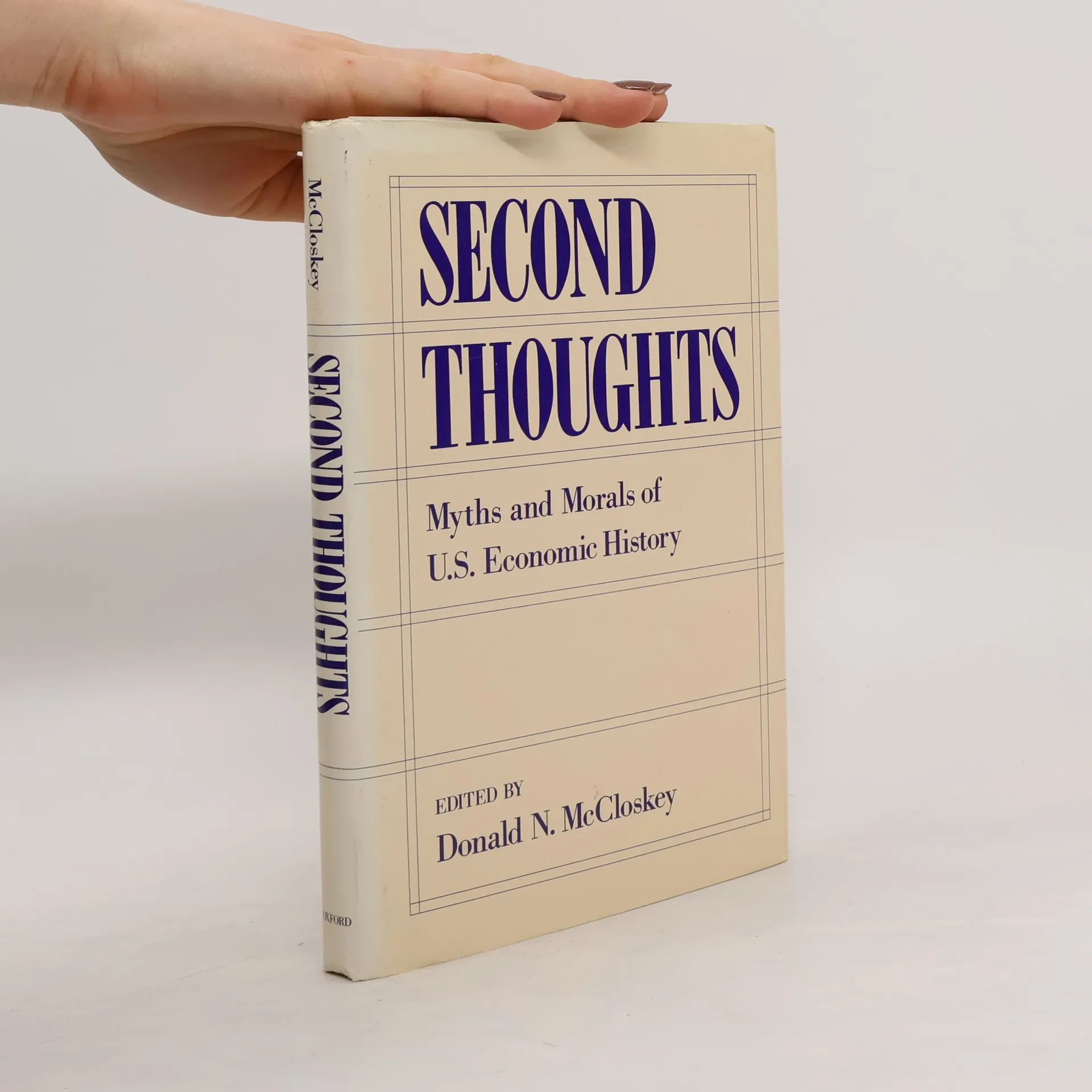
This book examines the past as a way of preparing for the future. McCloskey has brought together leading economic historians who show that commonly accepted perceptions of our economic past can be wrong and, therefore, misleading. The contributors (including Robert Higgs, Julian and Rita Simon, Elyce Rotella, Terry Anderson, Barry Eichengreen, Price Fishback, Susan Phillips and J. Richard Zecher) address a wide range of issues: Teapot Dome scandal, banking regulation, "new" immigration problems, A T & T and deregulation, Third World development policies, the role of "big" government, technological innovation, and property rights. Each essay explores the role of government policy in the outcome of events. Written in nontechnical prose, this book is an essential reference for those interested in our economic past.