
Explore the latest books of this year!
Bookbot

Alberto Alesina

    El Futuro de Europa: Reforma O Declive
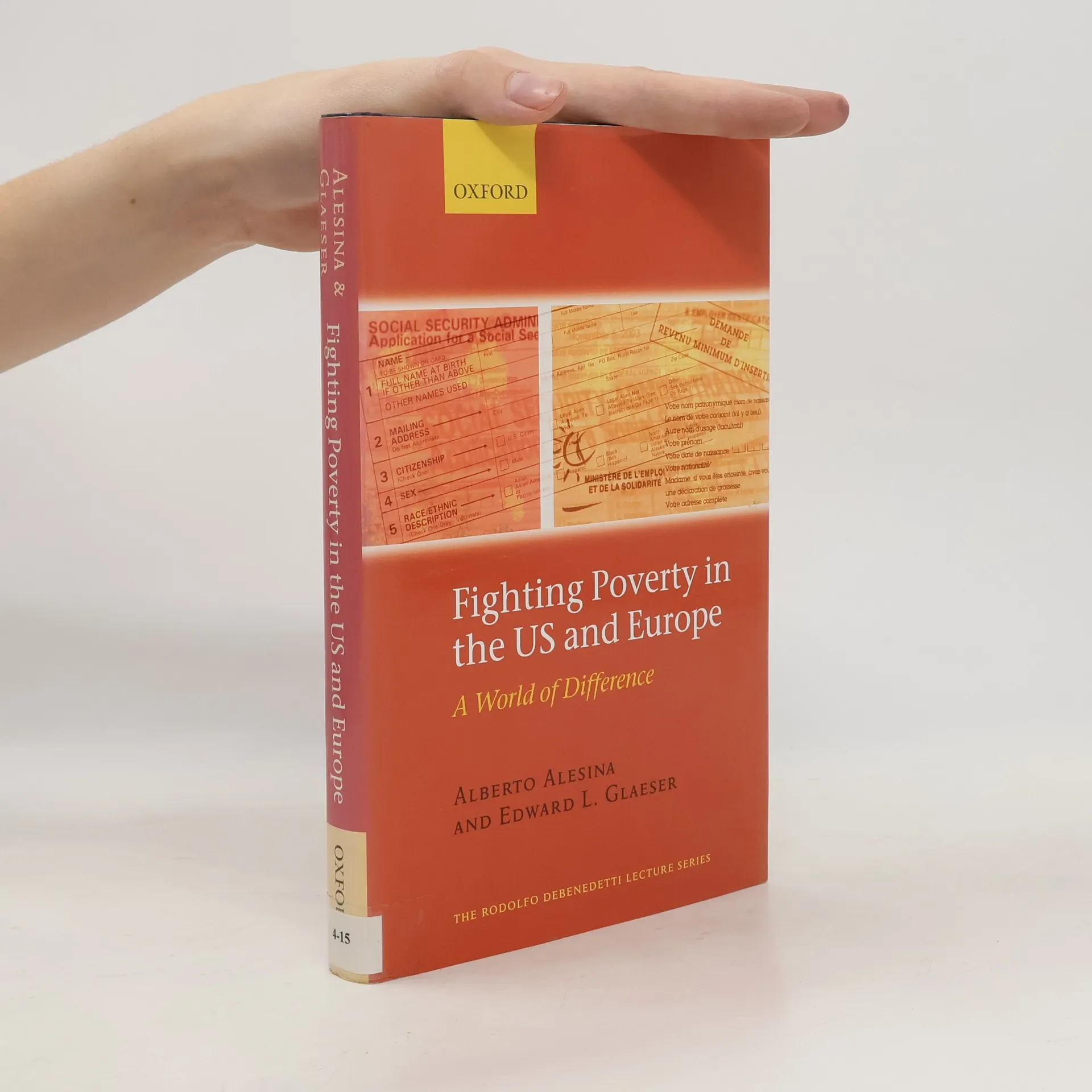
    The Rodolfo Debenedetti Lecture Series: Fighting Poverty in the US and Europe
    Austerity
    Partisan Politics, Divided Government, and the Economy
    • 2022

      En "El futuro de Europa", Alesina y Giavazzi advierten sobre el declive económico y político de Europa si no se implementan reformas. Comparan la cultura laboral europea con la estadounidense, sugiriendo que Europa debe adoptar un modelo de libre mercado para mejorar su productividad y relevancia global. Sus propuestas generarán controversia, pero son cruciales para el futuro del continente.

      El Futuro de Europa: Reforma O Declive
    • 2020

      Austerity

      • 296 pages
      • 11 hours of reading
      3.7(110)Add rating

      A revealing look at austerity measures that succeed—and those that don't Fiscal austerity is hugely controversial. Opponents argue that it can trigger downward growth spirals and become self-defeating. Supporters argue that budget deficits have to be tackled aggressively at all times and at all costs. Bringing needed clarity to one of today's most challenging economic issues, three leading policy experts cut through the political noise to demonstrate that there is not one type of austerity but many. Austerity assesses the relative effectiveness of tax increases and spending cuts at reducing debt, shows that austerity is not necessarily the kiss of death for political careers as is often believed, and charts a sensible approach based on data analysis rather than ideology.

      Austerity
    • 2004

      In this this timely study of the different approaches of America and Europe to the problems of domestic inequality and poverty, the authors describe just how different the two continents are in the level of State engagement in the redistribution of income. They discuss various possible economic explanations for the difference, including different levels of pre-tax income, openness, and social mobility; they survey politico-historical differences such as the varying physical size of nations, their electoral and legal systems, and the character of their political parties, as well as their experiences of war; and they examine sociological explanations which include different attitudes to the poor and notions of social responsibility, as well as, most importantly, attitudes to race.

      The Rodolfo Debenedetti Lecture Series: Fighting Poverty in the US and Europe
    • 2003

      The book explores the interplay between the American economy and national elections, emphasizing how economic policy emerges from compromises between the President and Congress. It highlights the tendency of middle-of-the-road voters to balance power, leading to moderate policies and often divided government. Key concepts include the rational partisan business cycle and the midterm election cycle, both influenced by uncertainties surrounding presidential elections. Additionally, it examines retrospective voting, coat-tails, and incumbency advantages, with insights applicable to other industrial democracies.

      Partisan Politics, Divided Government, and the Economy