František Muzika Books

Rozsáhlá studie o umění přírodních národů a jeho vlivu na moderního člověka. Úvod do poznání výtvarné tvorby přírodních národů Afriky, Oceánie a předkolumbovské Ameriky. Úvodní kapitola postihuje vztahy mezi etnickým uměním a historickým vývojem umění, další části se zabývají dílčími etnickými oblastmi. Přes značný časový odstup od vzniku kniky zaujmou její sdělení i současného čtenáře.
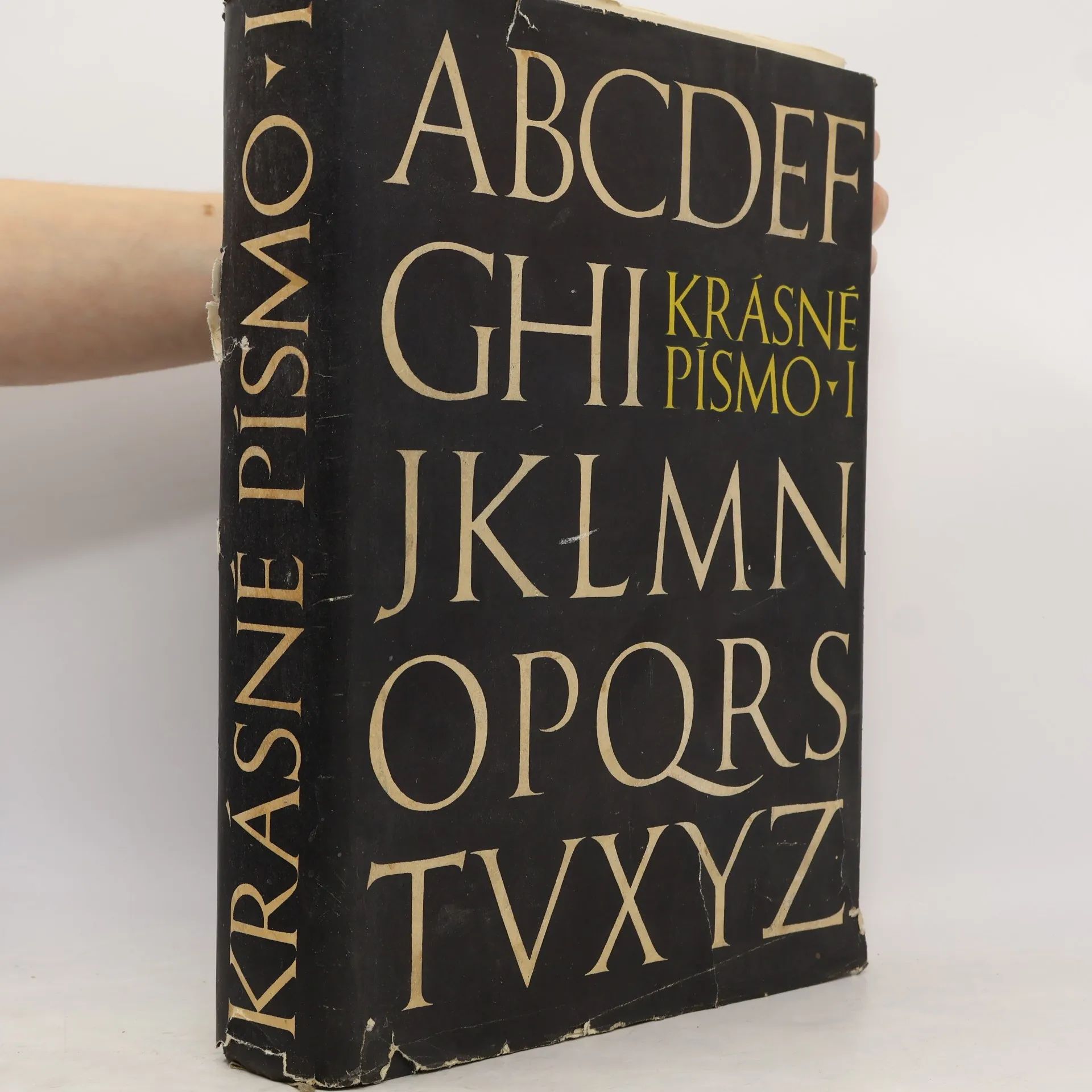
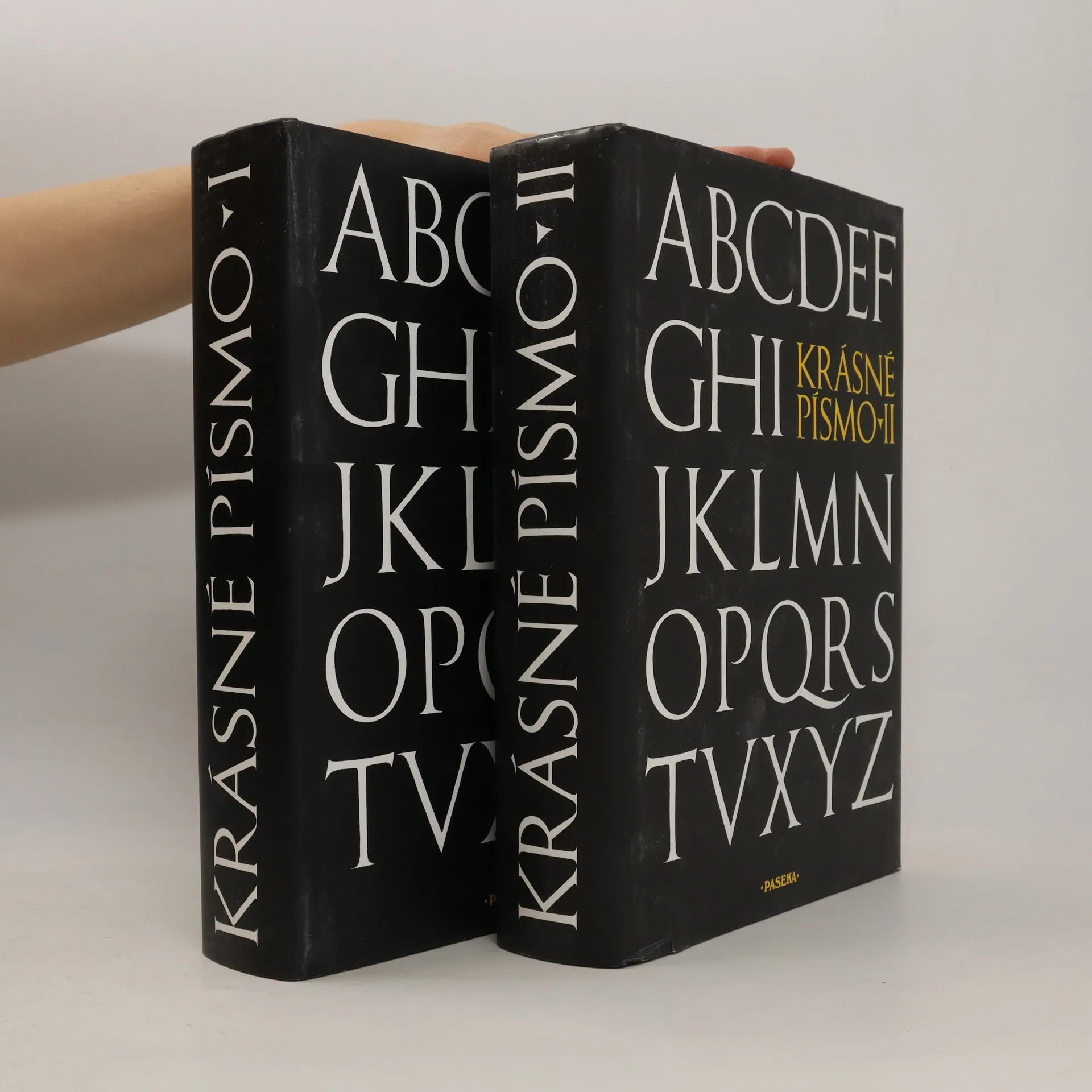
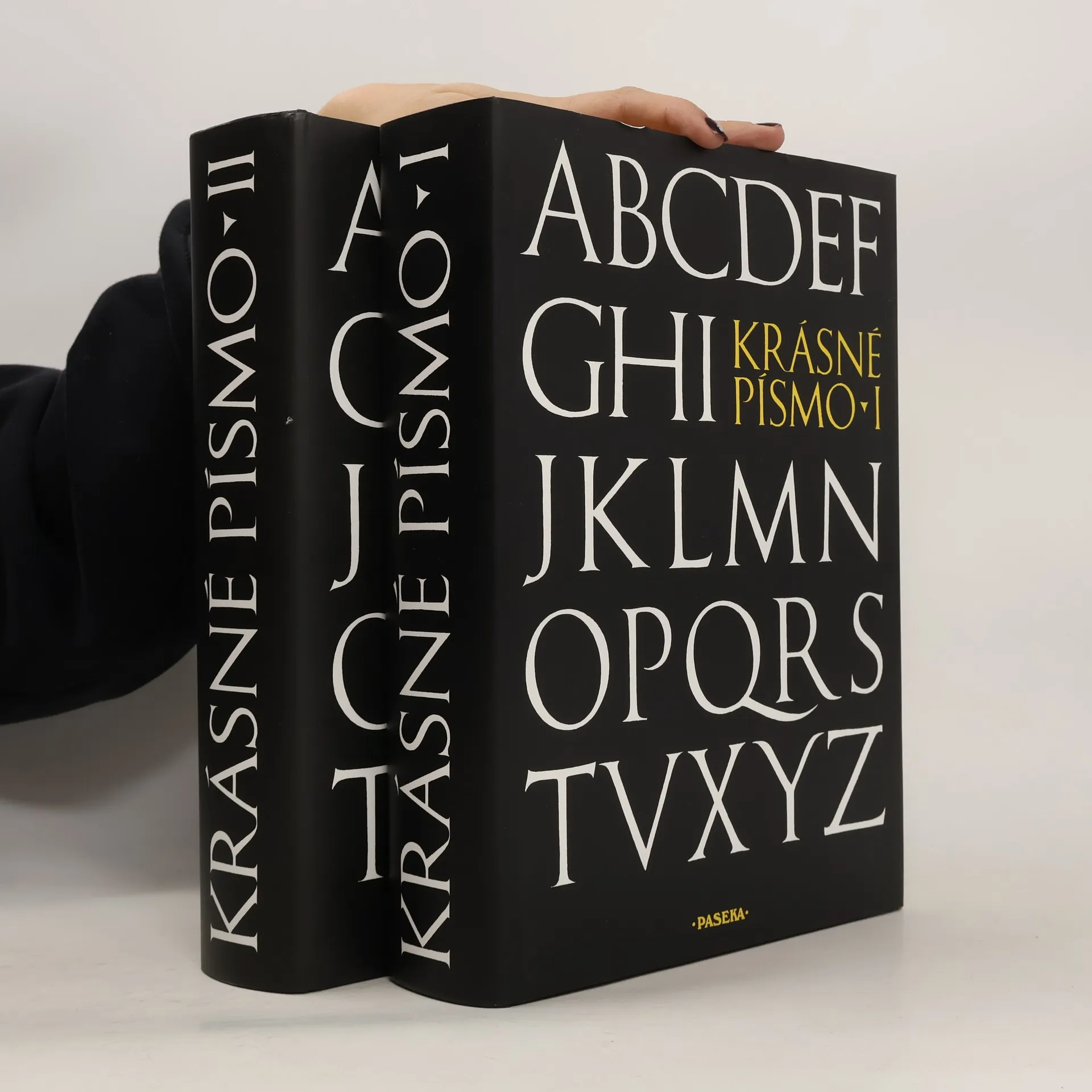
Krásné písmo ve vývoji latinky. (Komplet)
- 1476 pages
- 52 hours of reading
Monumentální dvousvazkové dílo významného českého typografa zachycuje vývoj latinského krásného písma od samotného počátku až do současnosti. První díl zachycuje vývoj písma do vynálezu knihtisku, druhý díla pak vývoj písma tiskového. Vydané jako kopie 1. vydání z roku 1958 (v roce 1963 vyšlo ještě 2., rozšířené a upravené vydání).
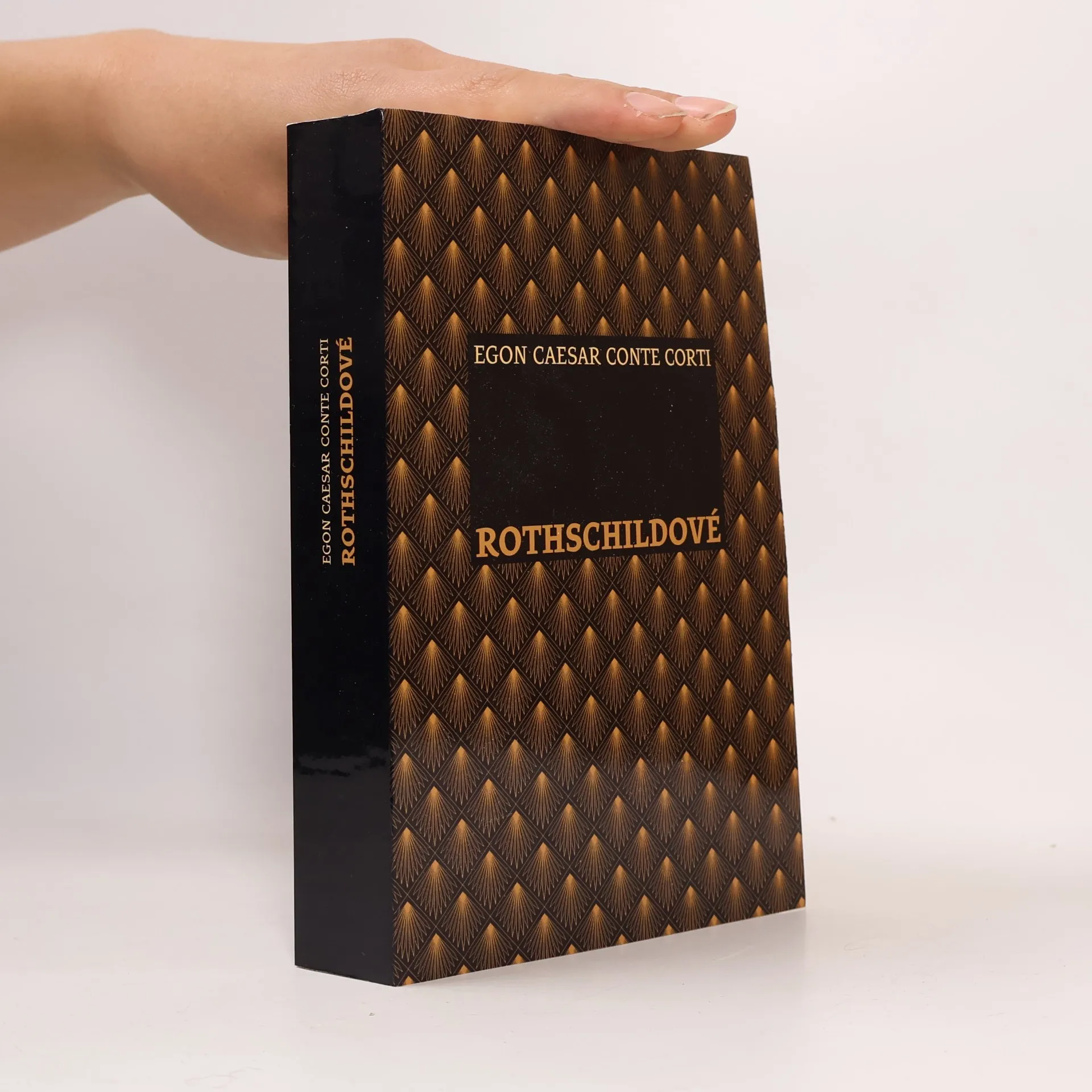
Kniha Rothschildové nabízí podrobný pohled na historii jedné z nejvlivnějších a nejmocnějších rodin v evropských dějinách. Rothschildové, známí jako bankéři králů a průkopníci moderního bankovnictví, hráli klíčovou roli v politice a ekonomice 19. století. Corti ve svém díle odhaluje nejen finanční úspěchy této dynastie, ale také jejich vliv na světové události a kulturní rozvoj. Autor se soustředí na jednotlivé členy rodiny, jejich osobnosti, strategické tahy a vztahy s vládnoucími kruhy. Tato kniha je fascinujícím průzkumem rodiny, která svými činy zanechala nesmazatelnou stopu v dějinách lidstva.
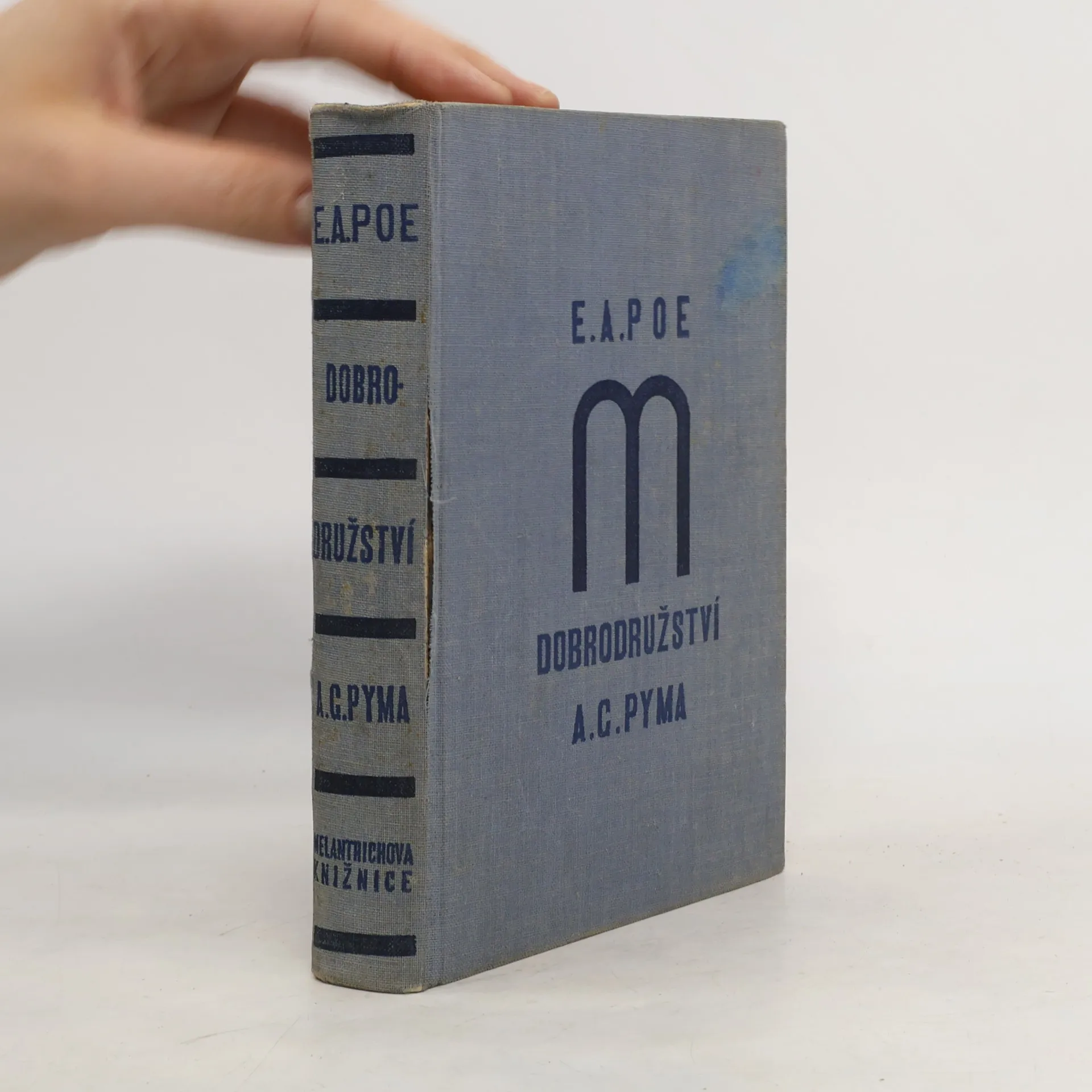
Dobrodružný námořní příběh s prvky tajemna a mystiky vypráví o cestě jistého Arthura Gordona Pyma z Nantucketu. Ten se tajně dostane na brigu Grampus. Na lodi proběhnou dvě vzpoury a z posádky zbydou jen dva námořníci - Arthur a Peters. Jsou zachráněni lodí plavící se do jižních moří. Loď ale u Antarktidy narazí na podivný ostrov obývaný lidmi tmavé pleti, jimi nazývaný Tsalal... Dílo je jediným dokončeným románem E.A.Poea a české vydání z roku 1929 obsahuje mimo hlavní příběh ještě povídky Pád domu Usherů, Vražda v ulici Morgue, Záhada Marie Rogetové, Zlatý brouk, Černý kocour a Sestup do Maelströmu
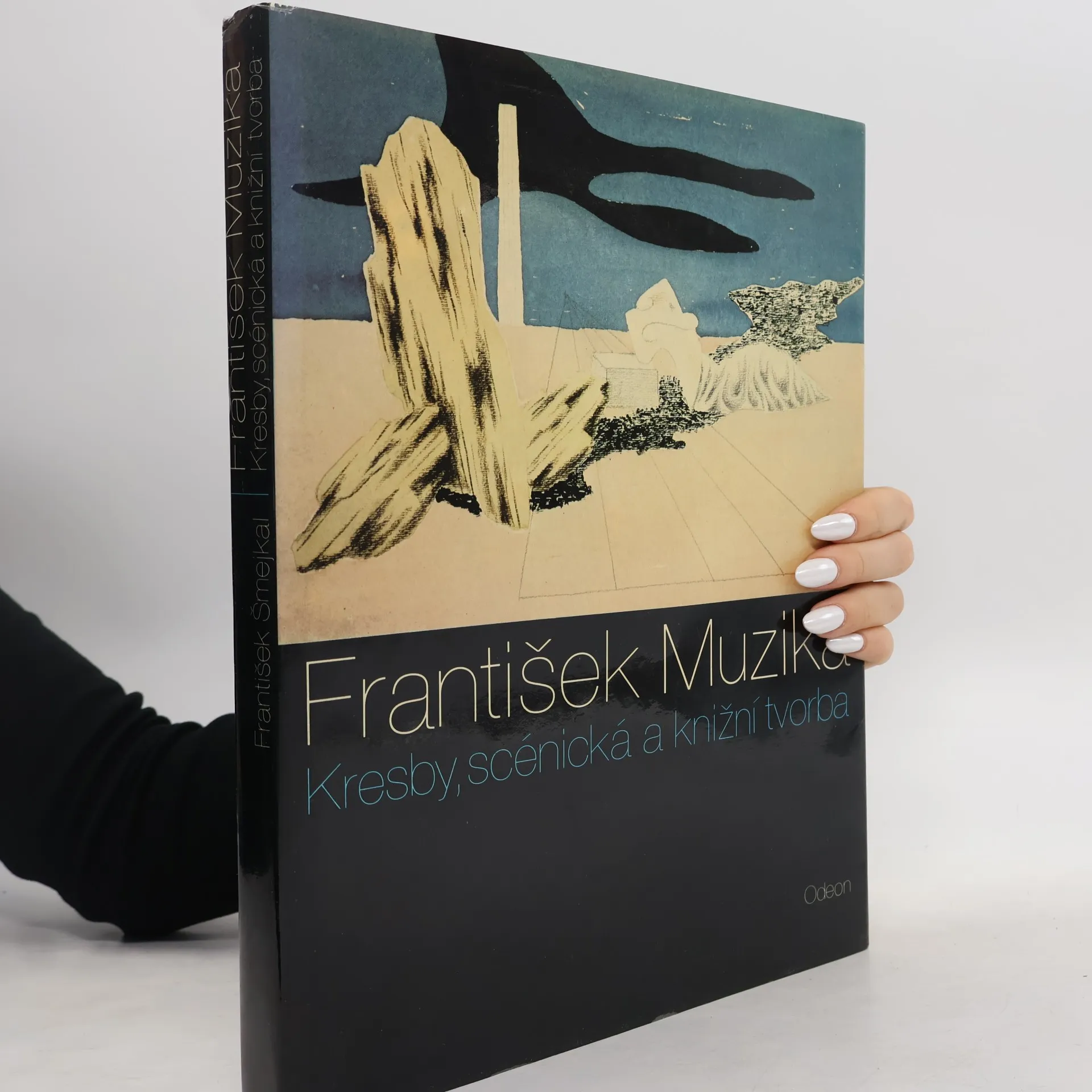
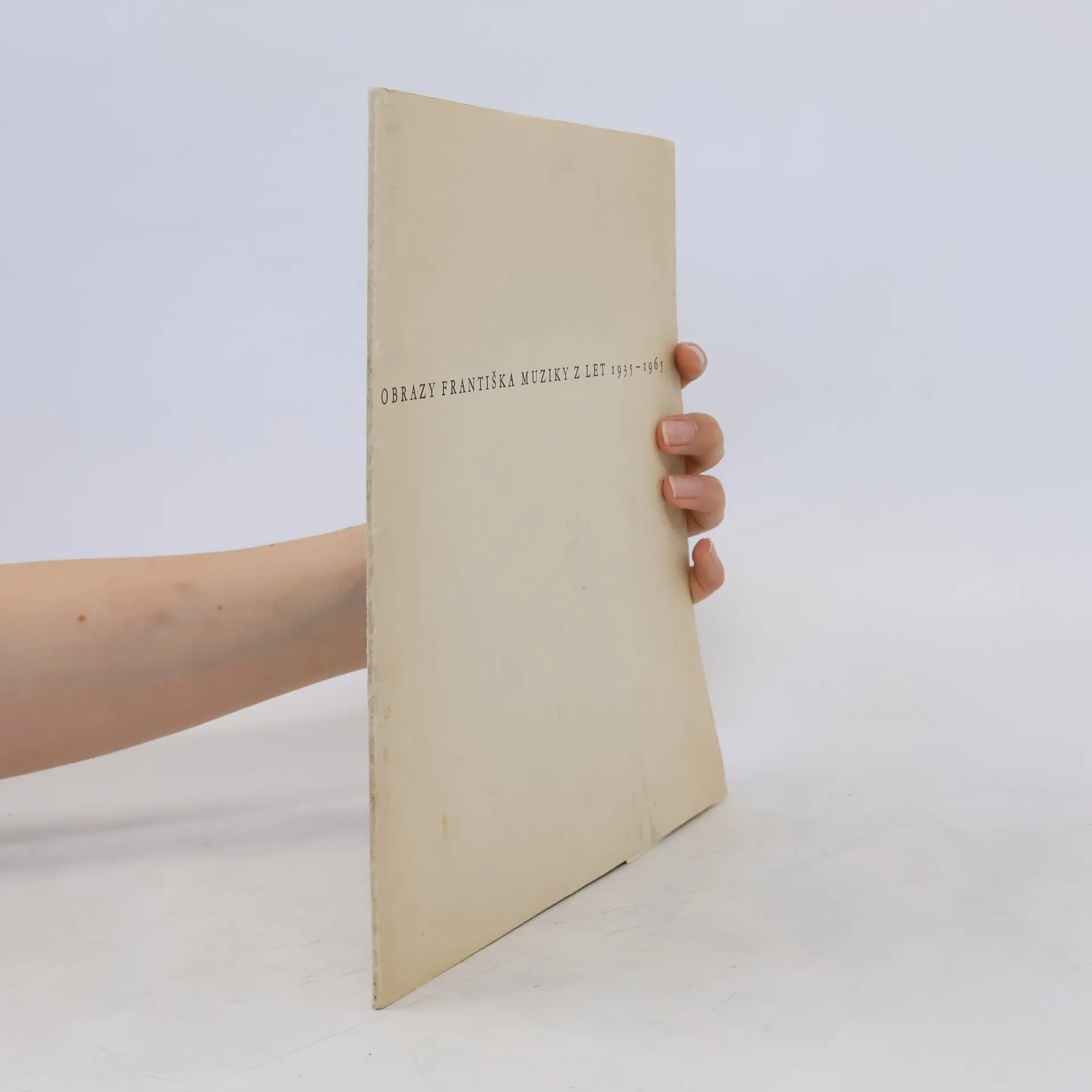
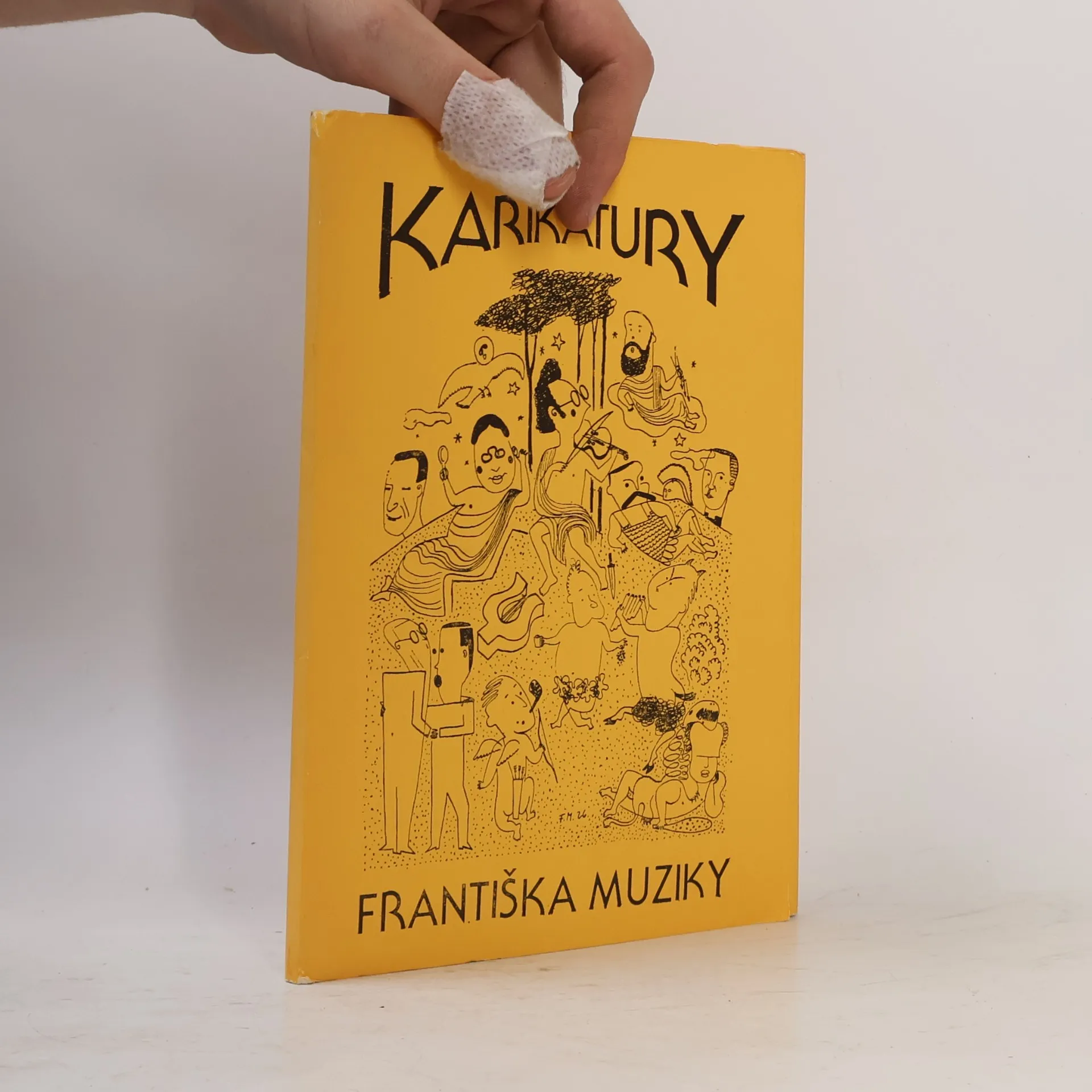
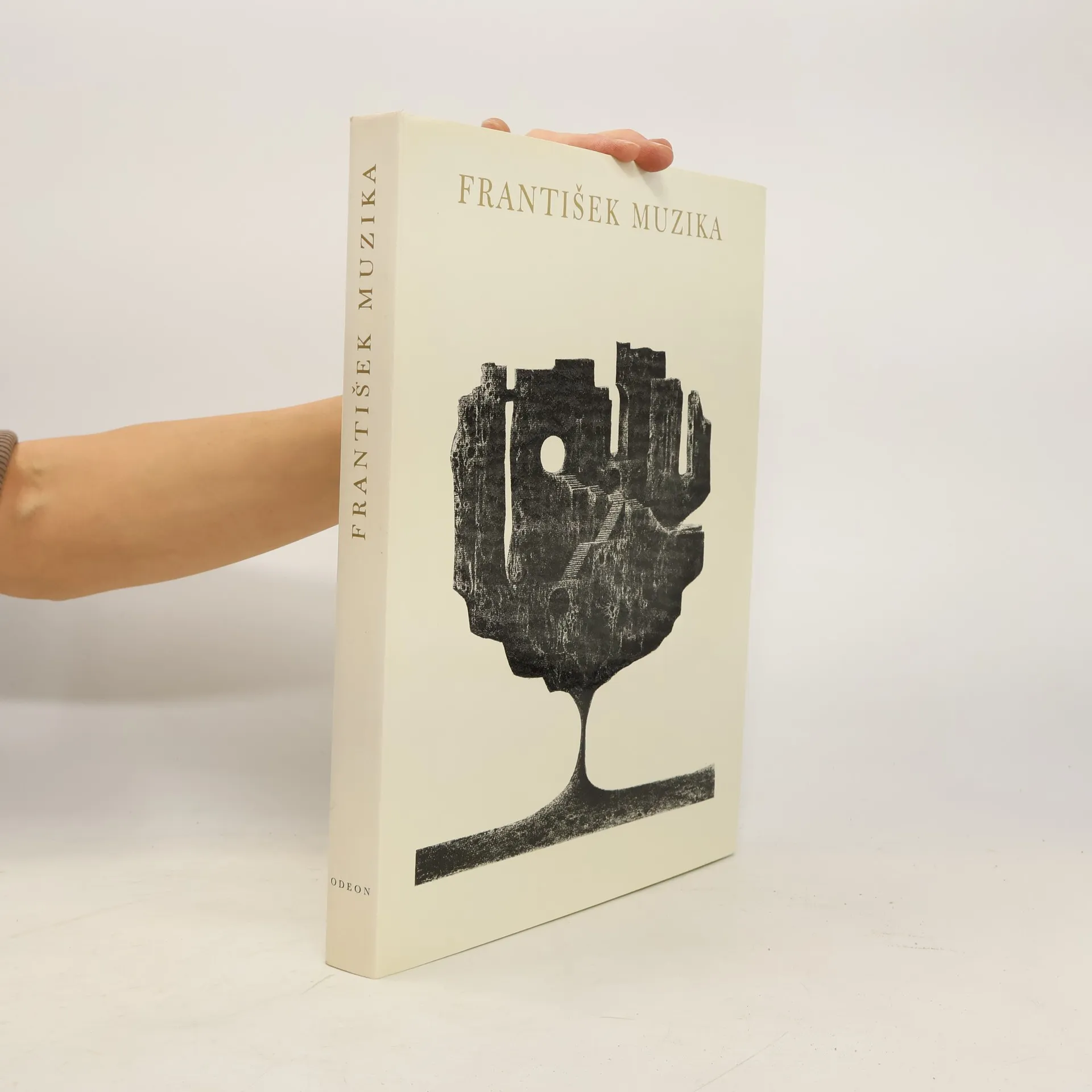
Práce Františka Šmejkala představuje Františka Muziku (1900-1974) jako jednu ze zakladatelských osobností současné české scénografie a knižní grafiky a tak volně navazuje na monografii z roku 1966, věnovanou především umělcovu malířskému umění.
Druhá hodina je maďarčina. Profesorom maďarčiny je mladý suplent, ktorému v istom peštianskom časopise vyšli zo dve básne, nuž ho pokladajú za úžasne veľkého básnika. Je on vlaste dozorcom v konvikte, inak skončeny bohosloves, ktorý učí niekoľko hodín na -......
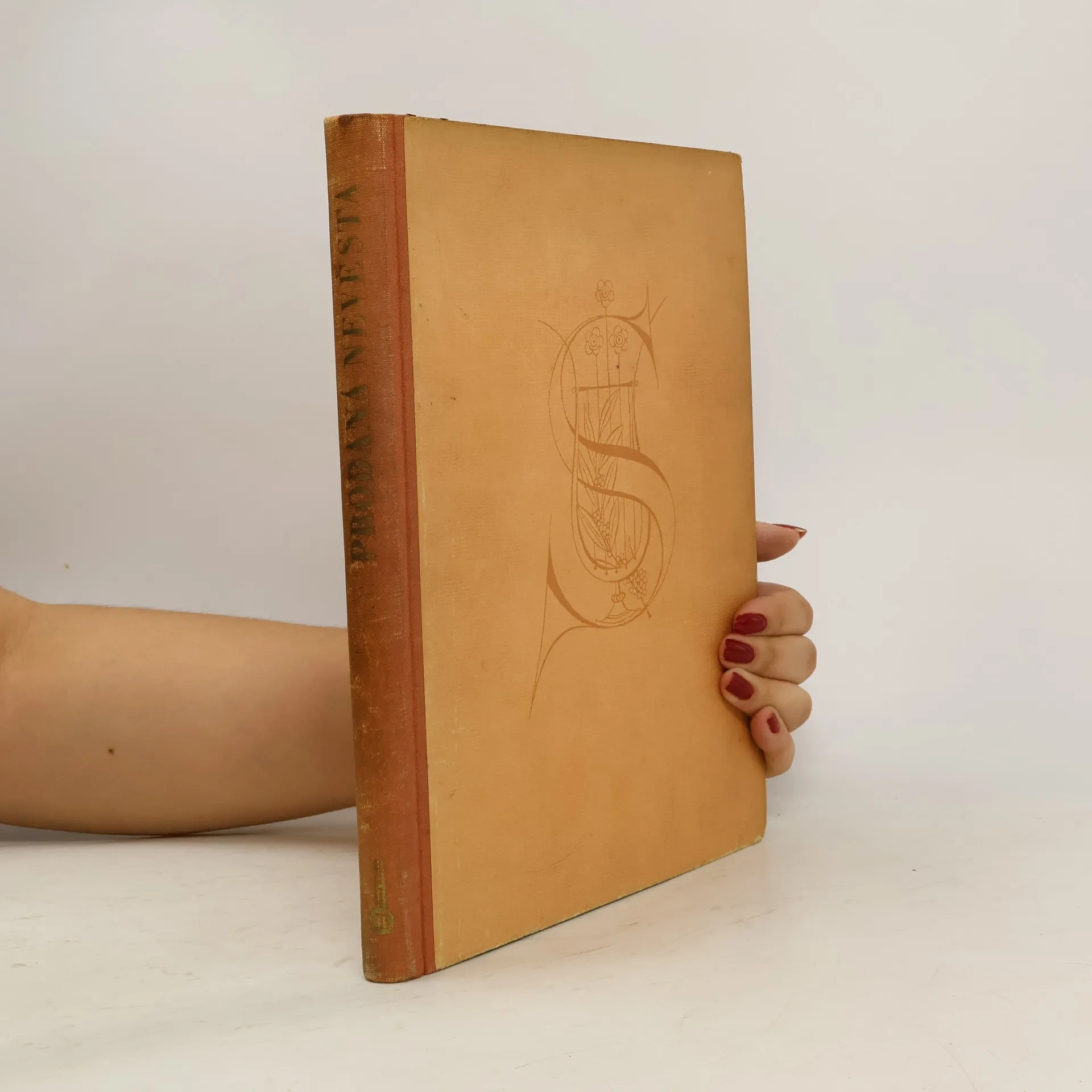
Before attending a performance of "The Bartered Bride," one of Bedřich Smetana's most beautiful operas, read together the story by Jiřina Marková-Krystlíková. You will learn why the bride is called "bartered," how the scene with the bear and the comedians unfolds, and what Mařenka must consider when her parents urge her to "think it over." The author narrates the opera's plot in an accessible manner for young readers. Following the narrative section, there is an informative part that includes interesting facts about Bedřich Smetana and Karel Sabina, the history of the opera, and the founding of the National Theatre. This section is supplemented by a glossary of musical terms and archaic words found in the opera that may be unfamiliar to today's children. Integral to this adaptation of "The Bartered Bride" are appealing illustrations with comic elements by Jiří Votruba, which further engage young readers with the story.
Erotický příběh promítnutý na klamavé pozadí zbankrotělého života, nelítostný obraz politických, peněžních a novinářských kruhů. Psychologický román, jehož hrdinou je poctivý a nesmlouvavý intelektuál, národopisný odborník a žurnalista, který se snaží odhalovat korupci v bankách,na burze i v parlamentu.
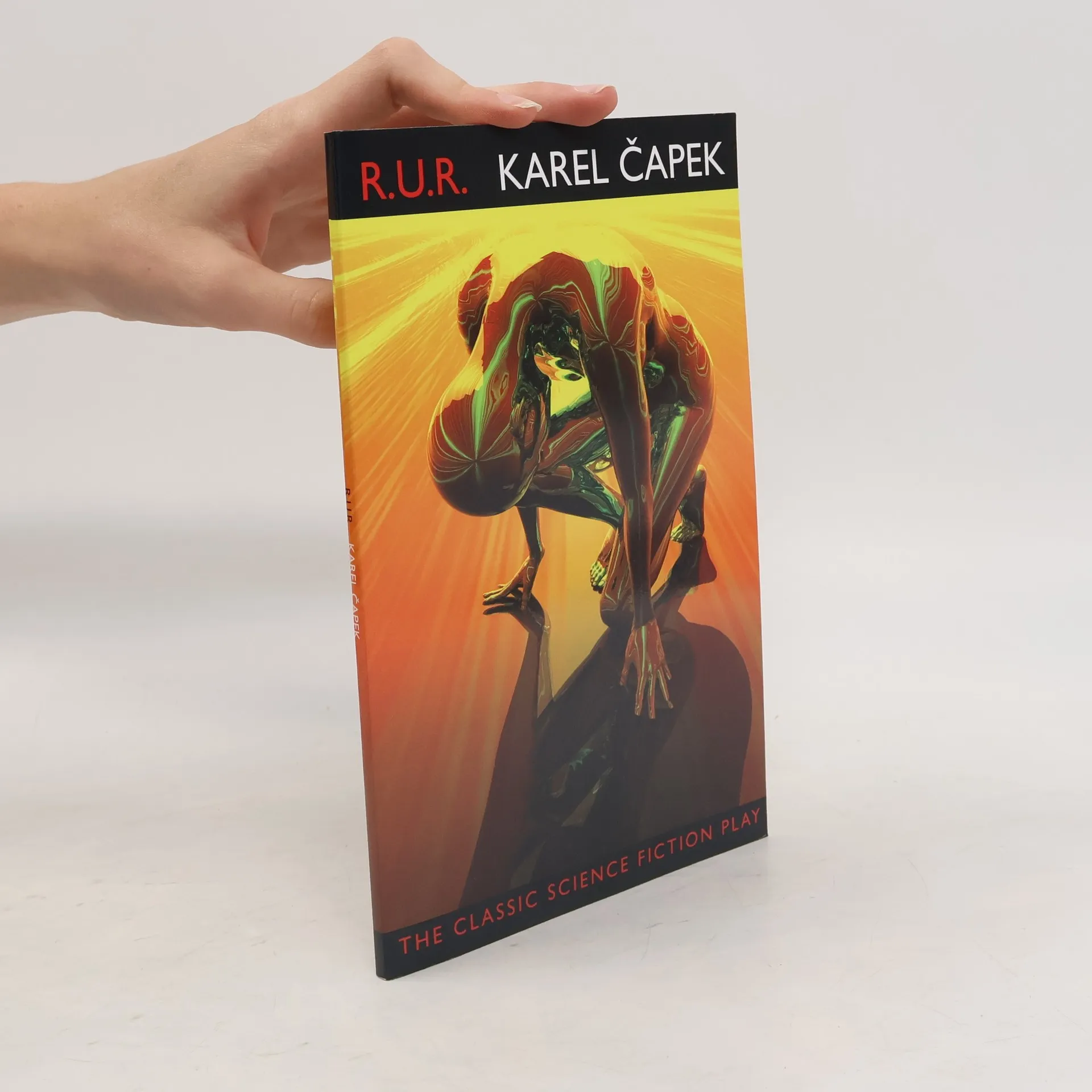
R.U.R.
- 88 pages
- 4 hours of reading
"R.U.R." (Rossum's Universal Robots) (Czech: "Rossumovi univerzalni roboti") is a science fiction play originally written in the Czech language. It premiered in 1921 and is noted for introducing the term "robot" to the English language. The play begins in a factory that makes artificial people called "robots." Unlike the modern usage of the term, these creatures are closer to the modern idea of androids or even clones, as they can be mistaken for humans and can think for themselves. They seem happy to work for humans, although that changes and a hostile robot rebellion leads to the extinction of the human race. After finishing the manuscript, The author realized that he had created a modern version of the Jewish Golem legend. He later took a different approach to the same theme in War with the Newts, in which non-humans become a servant class in human society. R.U.R is dark but not without hope and was successful in its day in both Europe and the United States. Translation by David Wyllie."
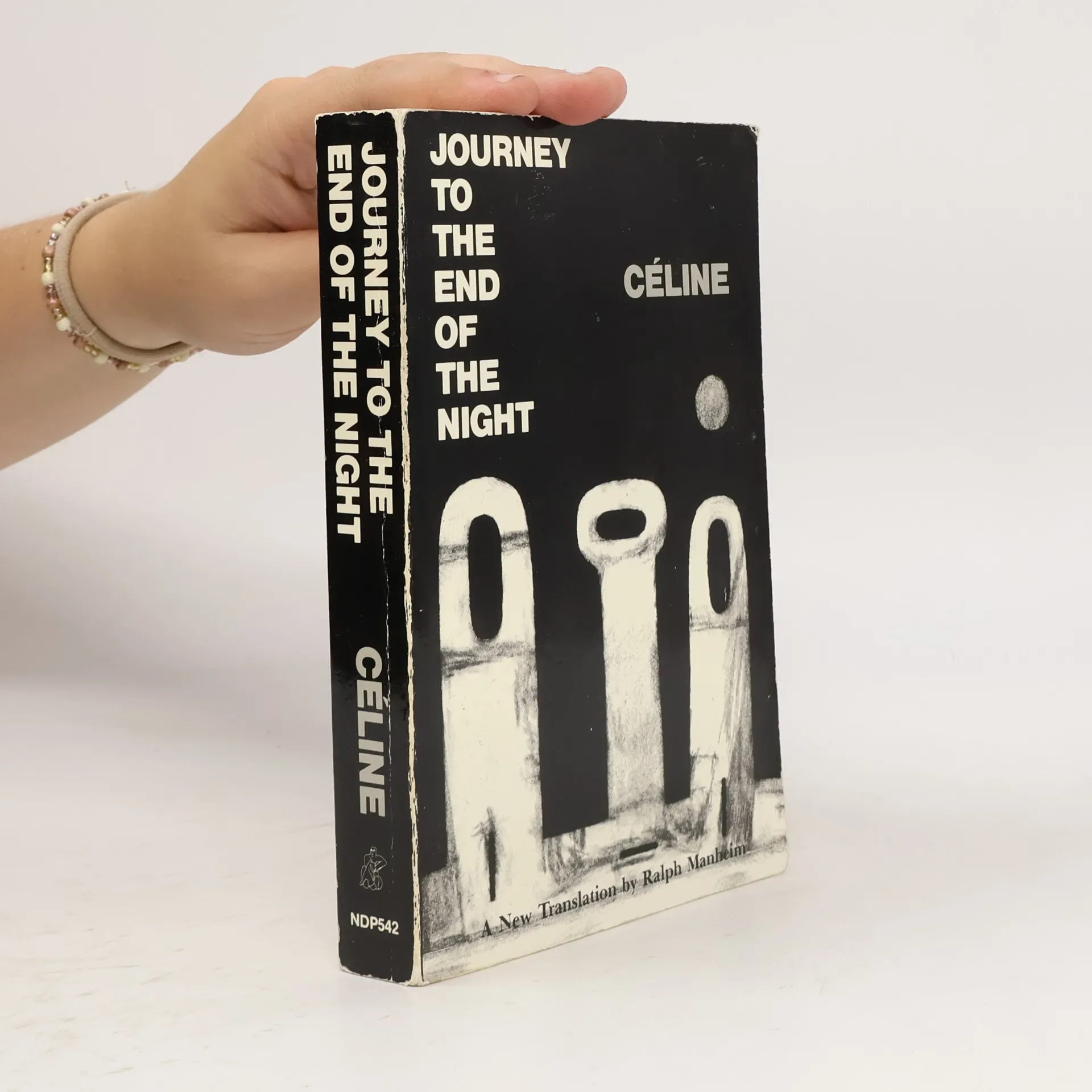
Louis-Ferdinand Celine's revulsion and anger at what he considered the idiocy and hypocrisy of society explodes from nearly every page of this novel. Filled with slang and obscenities and written in raw, colloquial language, Journey to the End of the Night is a literary symphony of violence, cruelty and obscene nihilism. This book shocked most critics when it was first published in France in 1932, but quickly became a success with the reading public in Europe, and later in America where it was first published by New Directions in 1952. The story of the improbable yet convincingly described travels of the petit-bourgeois (and largely autobiographical) antihero, Bardamu, from the trenches of World War I, to the African jungle, to New York and Detroit, and finally to life as a failed doctor in Paris, takes the readers by the scruff and hurtles them toward the novel's inevitable, sad conclusion.
Kniha obsahuje dva romány: Mládež bez Boha a Dítě naší doby. Předmluvu ke knize napsala Lucy Topoľská.
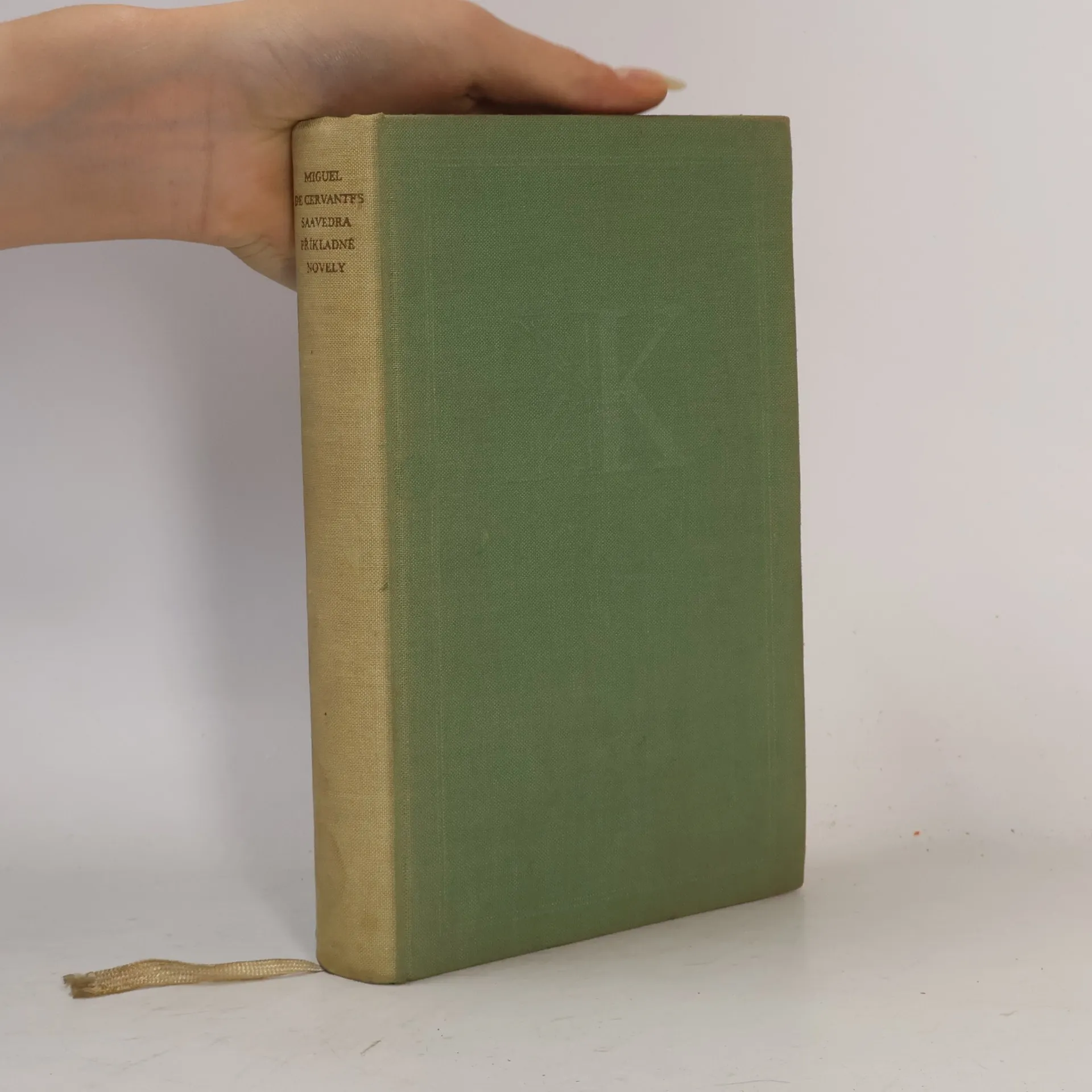
Soubor novel, které jsou tematicky velmi různorodé a které vznikly v různých etapách autorovy tvorby. Všechny spojuje bezprostřední atmosféra Španělska v 17. stol. Souborem dvanácti novel, vydaným v Madridě r. 1613 (první český překlad pořízený A. Pikhartem vyšel r. 1903 pod názvem Poučné povídky), stal se Cervantes, tehdy již slavný autor prvního dílu Dona Quijota, tvůrcem nového literárního žánru – španělské renesanční povídky. Vedle novel rázu milostného a dobrodružného, z nichž nejzdařilejší je Cikánečka, jsou v souboru povídky mravoučné a filosofické (na př. Žárlivý Extramaduřan, Podvodný sňatek, Rozhovor psů, Licenciát Sklíčko), v nichž Cervantes zachytil množství faktů a postřehů osvětlujících španělský život na přelomu 16. a 17. století. Jsou tedy novely vedle své umělecké hodnoty, která je u jednotlivých próz nestejná a mnohdy nevelká (zejména u povídek milostných, trpících romaneskností, konvenčností a falešnou pathetičností milostných citů) i cenným historickým dokumentem své doby.
Vydání druhé v Odeonu jako neprodejná premie členské knižnice, 223. svazek Klubu čtenářů. Vydáné sedmé, v Odeonu druhé.
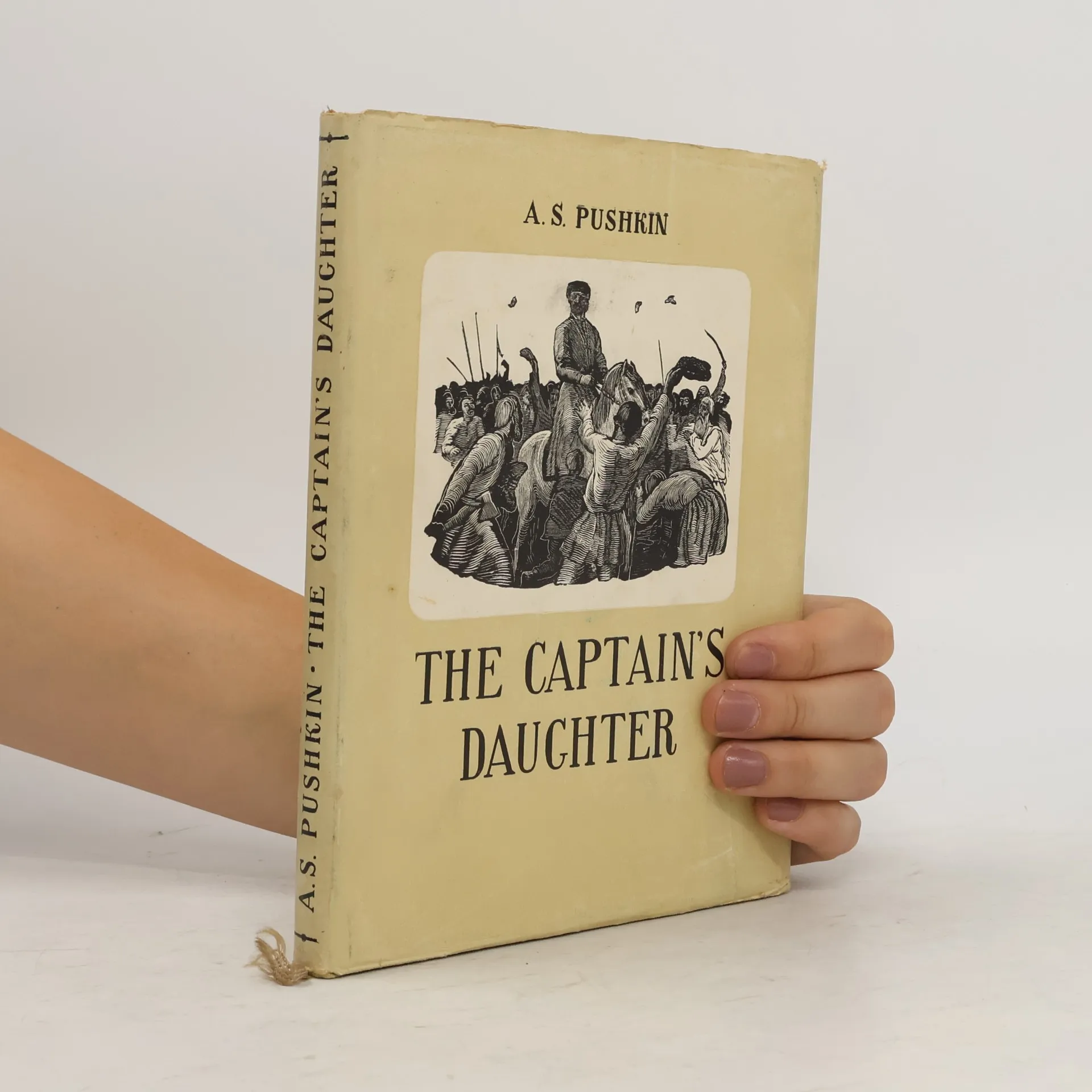
A classic Russian historical military novel set during the Pugachev Rebellion which contrasts the human internal world with the inevitable movements of history “Time has done nothing to dull the excitement of the story, which, for all its romantic coincidences, is something more than a mere tale of adventure” —The New York Times Alexander Pushkin’s short novel is set during the reign of Catherine the Great, when the Cossacks rose up in rebellion against the Russian empress. Presented as the memoir of Pyotr Grinyov, a nobleman, The Captain’s Daughter tells how, as a feckless youth and fledgling officer, Grinyov was sent from St. Petersburg to serve in faraway southern Russia. Traveling to take up this new post, Grinyov loses his shirt gambling and then loses his way in a terrible snowstorm, only to be guided to safety by a mysterious peasant. With impulsive gratitude Grinyov hands over his fur coat to his savior, never mind the cold. Soon after he arrives at Fort Belogorsk, Grinyov falls in love with Masha, the beautiful young daughter of his captain. Then Pugachev, leader of the Cossack rebellion, surrounds the fort. Resistance, he has made it clear, will be met with death. At once a fairy tale and a thrilling historical novel, this singularly Russian work of the imagination is also a timeless, universal, and very winning story of how love and duty can summon pluck and luck to confront calamity.
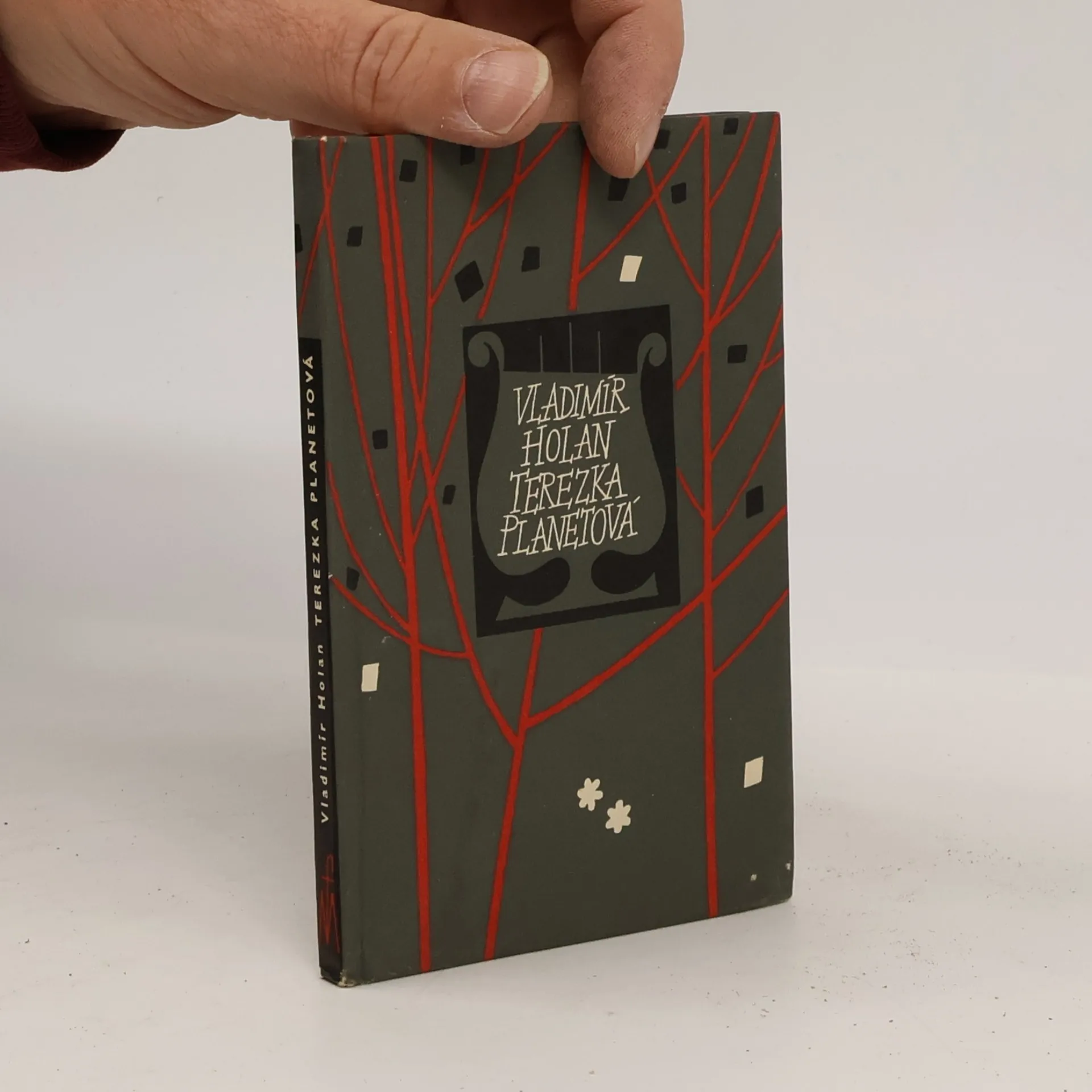
Neveliká epická skladba byla inspirována vzpomínkovou prózou Leoše Janáčka. Dějově ji nese obraz milovaného člověka v drsném prostředí horského moravského kraje. Druhý příběh spojuje a prostupuje tragický osud starého venkovského kováře s dráhou a letem těžkého bouřkového mraku.Terezky Planetové vyd. 4., Cesty mraku 3.
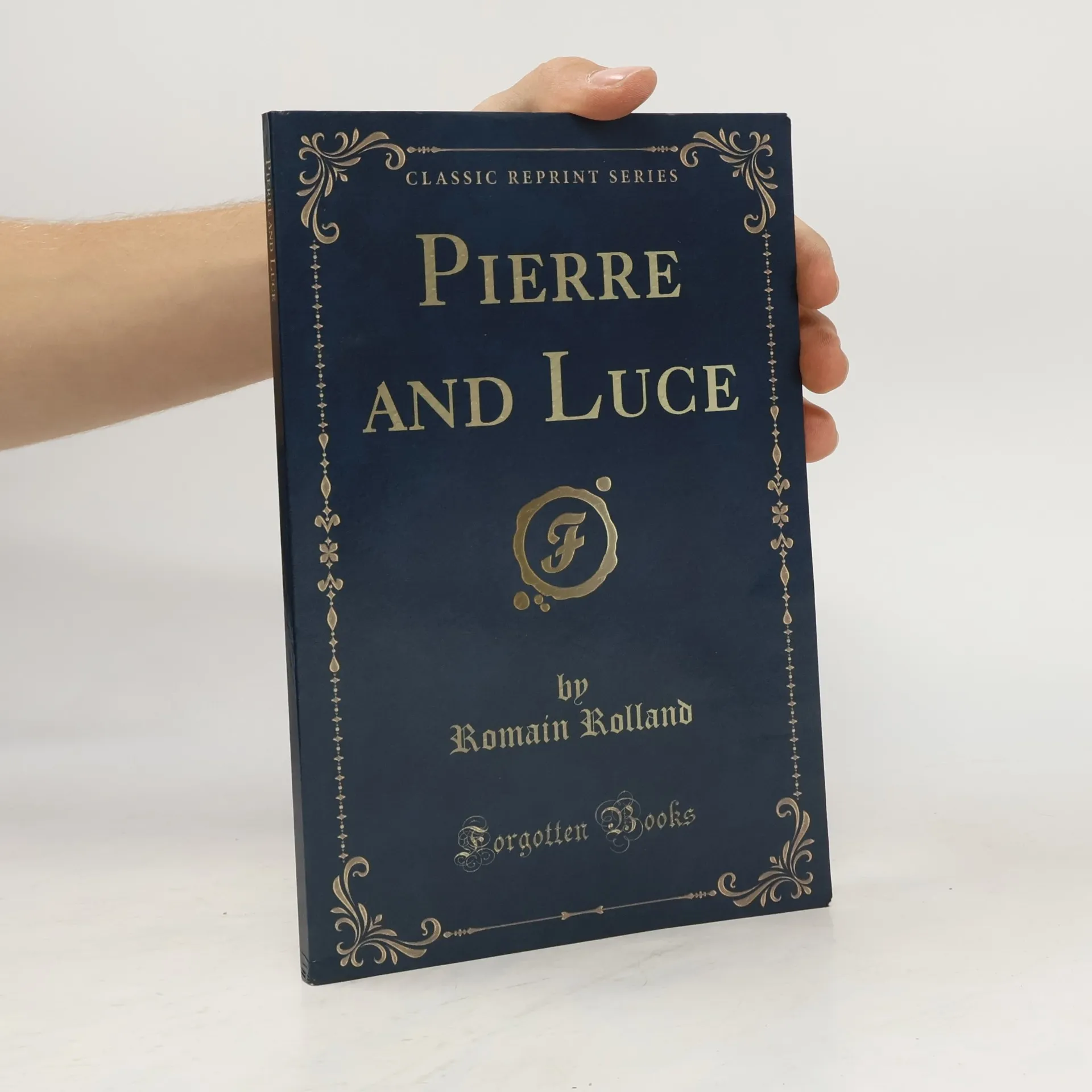
Classic Reprint Series: Pierre and Luce
- 146 pages
- 6 hours of reading
Excerpt from Pierre and Luce Pierre plunged into the subway. A feverish, a brutal crowd. On his feet near the door, closely pressed in a bank of human bodies and sharing the heavy atmosphere passing in and out of their mouths, he stared without seeing them at the black and rumbling vaults over which flickered the shining eyes of the train. The same heavy shadows lay in his mind, the same gleams, hard and tremulous. About the Publisher Forgotten Books publishes hundreds of thousands of rare and classic books. In rare cases, an imperfection in the original, such as a blemish or missing page, may be replicated in our edition. We do, however, repair the vast majority of imperfections successfully; any imperfections that remain are intentionally left to preserve the state of such historical works.
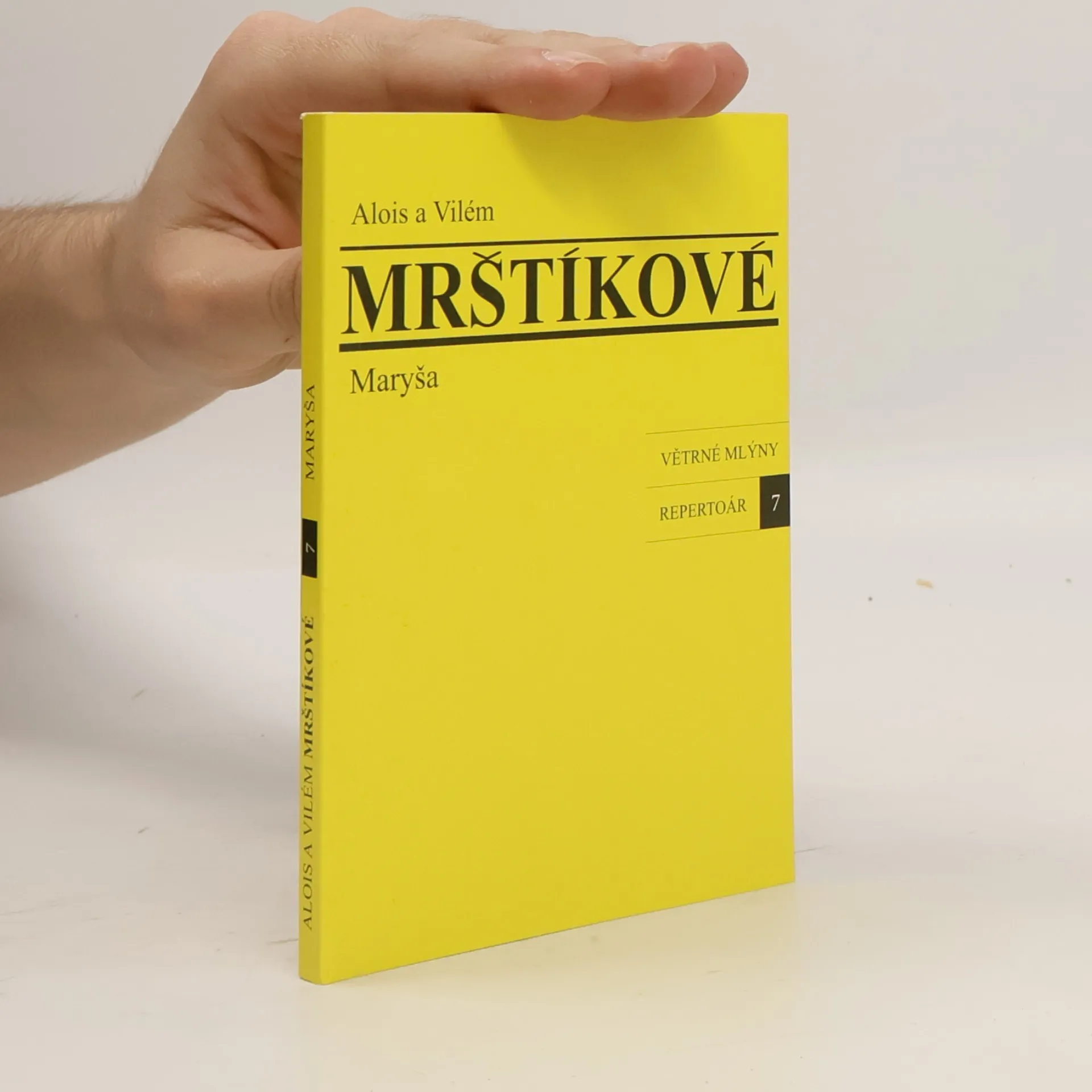
Maryša
- 105 pages
- 4 hours of reading
Klasické české drama z vesnického prostředí. Maryša je jedním z klenotů české divadelní tvorby. Neustále přitahuje významné inscenátory a její inscenace patří velmi často mezi pozoruhodné divadelní počiny. Mimochodem patří mezi nejpřekládanější česká dramata a nezřídka se objevuje i na zahraničních scénách. Dnes její hodnoty dokážeme ocenit snad ještě více, než v době jejího vzniku.
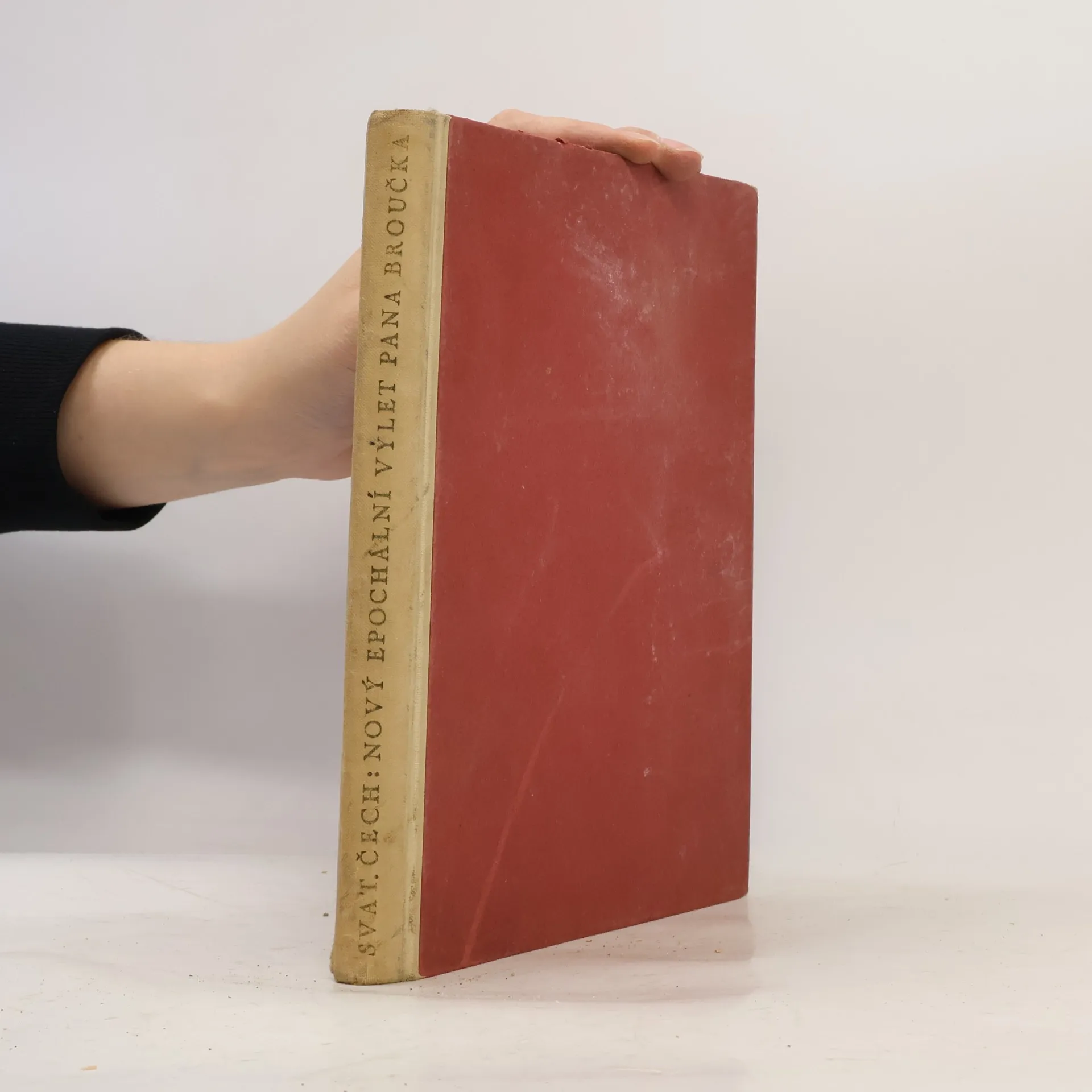
Ve druhé knize se autor s kritikou zaměřuje zejména na samotného Broučka. Ten se tajemnou podzemní chodbou ocitne náhle v patnáctém století, v husitské Praze připravující se na boj s křižáky. Ujme se jej pan Domšík, provádí ho po Praze a ubytuje Broučka ve své domácnosti. Autor důkladně využívá v pozdější době běžný prvek fantastických příběhů – konfrontaci obyčejného člověka s cizím prostředím, s jinou časovou rovinou. Při srovnání měla vyniknout Broučkova zbabělost a nedostatek morálky v protikladu s hrdinstvím husitů. Reálnost prožitého dobrodružství je v závěru opět zpochybněna Broučkovým procitnutím na dvorku hospody Vikárka. Výlety pana Broučka byly Leošem Janáčkem ztvárněny v podobě opery.
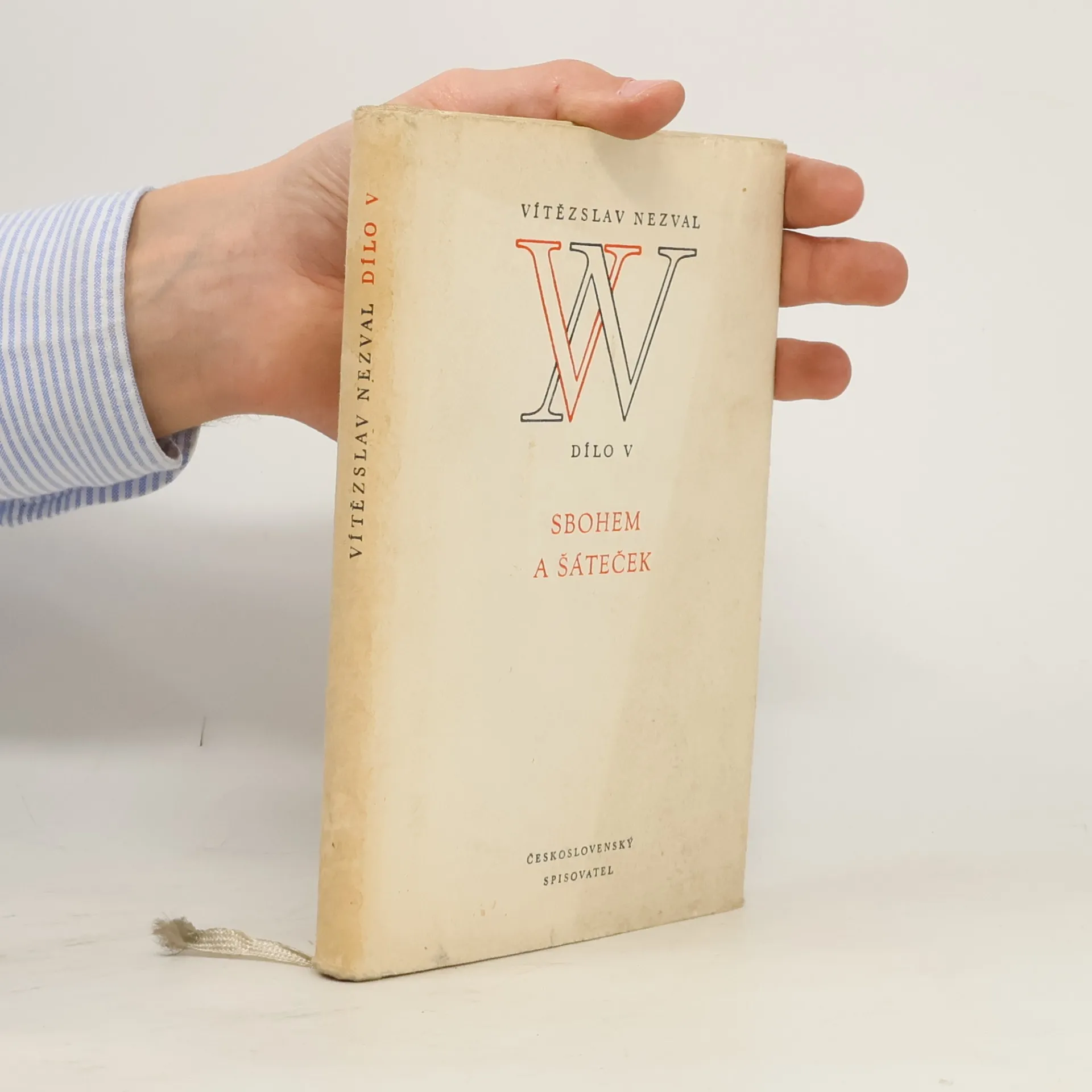
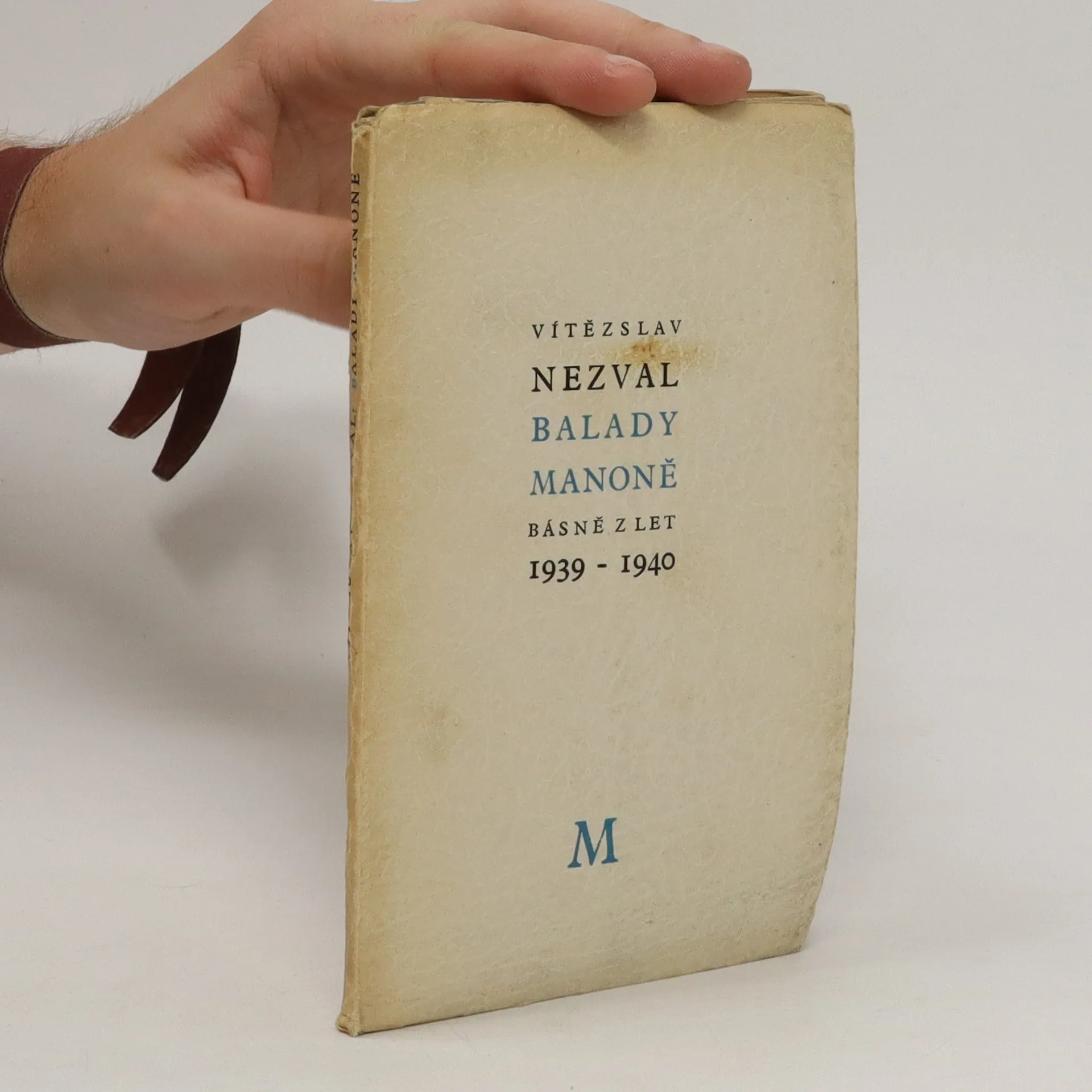
Pátý svazek básnického díla přináší sbírku Sbohem a šáteček s podtitulem Básně z cesty 1933. Je to vlastně básnický zápisník, shrnující dojmy z cesty přes Vídeň, Alpy do Francie, z Paříže přes Středomoří do Itálie a odtud domů na Moravu. Je to nejen básnicky viděný obraz krajiny, momentky ze života Paříže, nahodilosti a zastaveníčka, které Nezval ve svých verších zachycuje, ale i důležitý mezník v tvorbě básníka, který se vrátil z dálek jako věrný a vděčný syn domova.
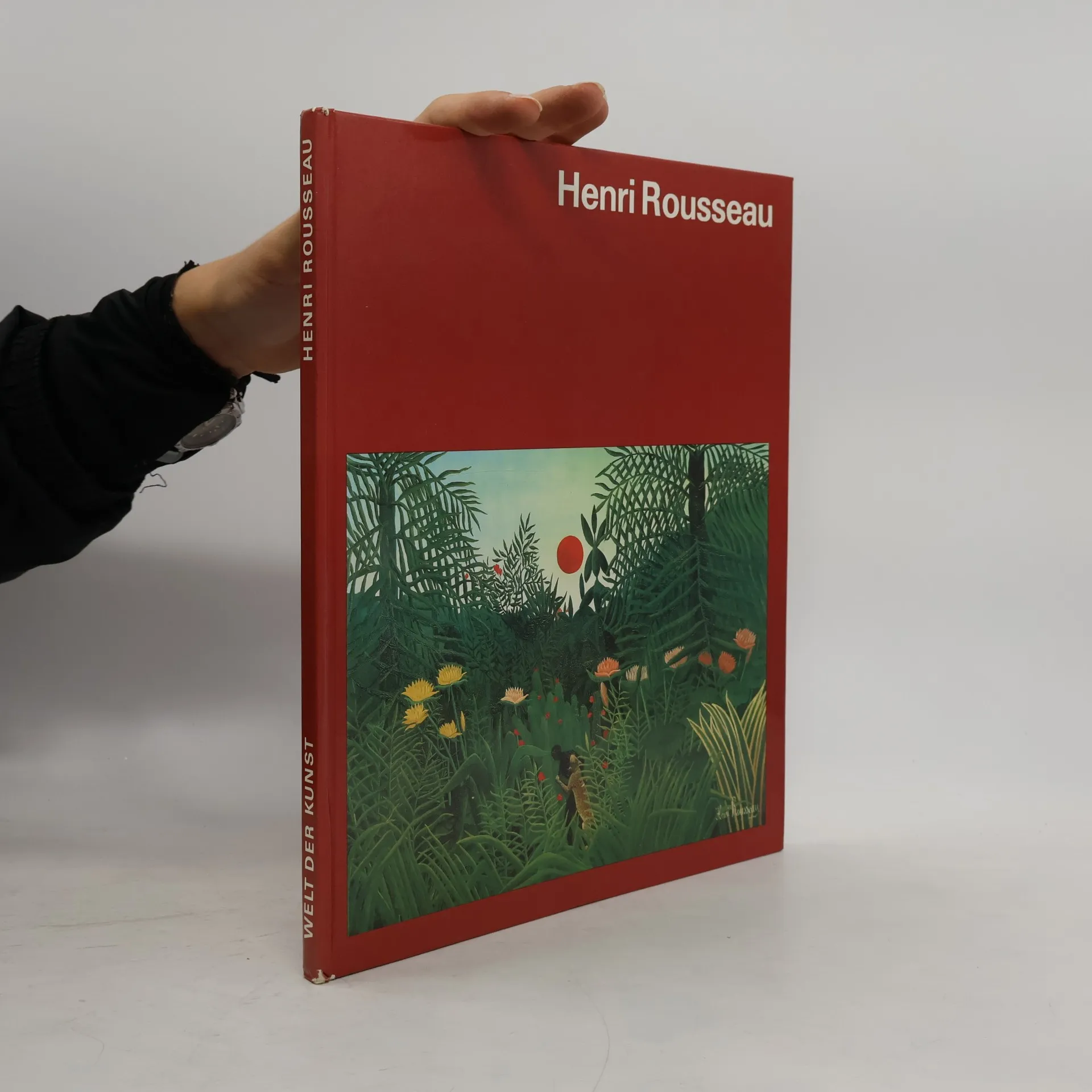
Henri Rousseau
- 15 pages
- 1 hour of reading
edice "Krásné tisky Melantricha", sv. 5, 500 číslovaných výtisků na ručním papíře Old Holland s vlastnoručním podpisem básníka
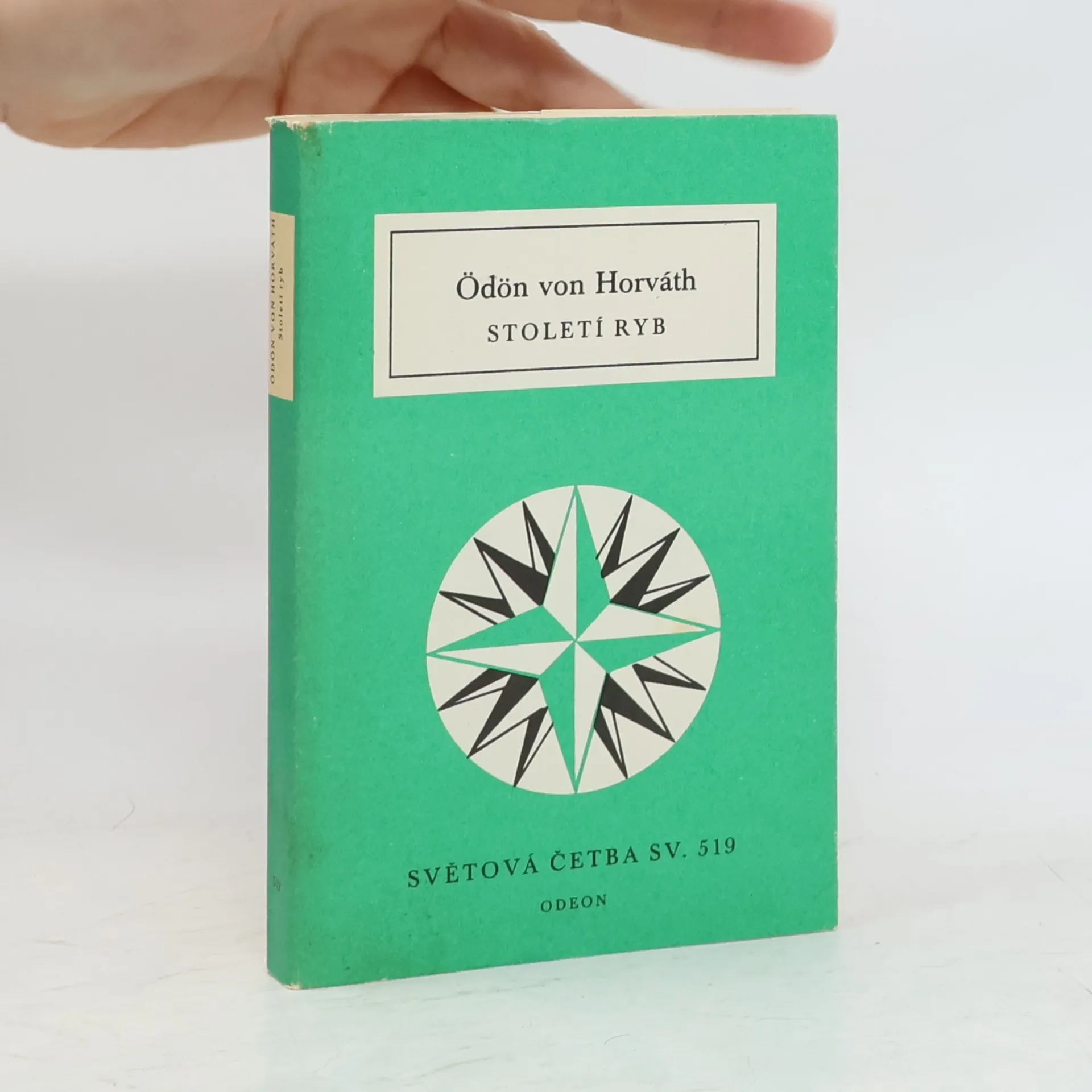
Povídky gruzínských klasiků minulého století podávají živý obraz života staré Gruzie od romantického vyprávění o sociálním bezpráví (Daniel Čonkadze "Suramská pevnost"), přes kritiku společnosti a společenských jevů (Ilia Čavčavadze"To že je člověk", "Pod šibenicí") až k líčení mohutných davových scén boje lidu s utiskovateli (Alexandre Kazbegi "Chevisberi Goča").
Italský básník z konce 18. století vychází v tomto významném satirickém díle z bohatých zkušeností vychovatele šlechtických synků. Je sice okouzlen přepychem života šlechty, vysmívá se však prázdnotě, bezcílnosti a parazitismu života mladého šlechtice, jehož zápory porovnává s některými klady a významem práce prostých lidí. Mluví o nespravedlivém rozdělení společnosti na "sprosté a urozené".
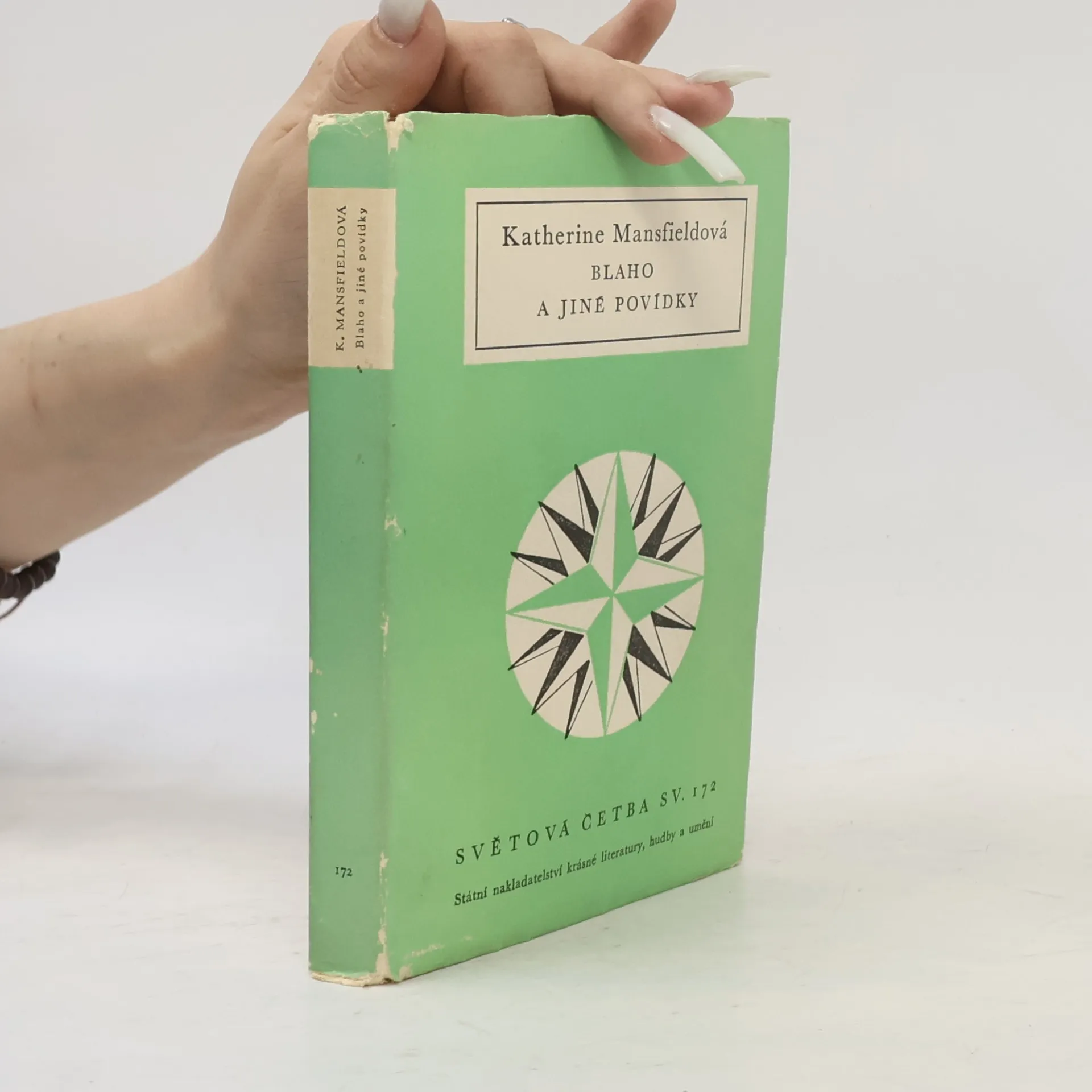
Soubor 17 povídek anglické spisovatelky novozélandského původu čerpá motivově převážně z jejích vlastních zážitků s úsilím o zpodobení života v jeho všedních projevech. Svazek obsahuje všechny povídky ze sbírky Blaho z roku 1920 a tři povídky ze sbírky Trochu dětinské z roku 1924.Předmluvou a vysvětlivkami opatřil Aloys Skoumal.
Kniha o slavném a ceněném českém malíři . Životopisný a umělecký nástin a cca 80 celostránkových kreseb malíře s doprovodnými texty a údaji.
Uno dei primi moderni romanzi psicologici, sebbene porti nel linguaggio e nello stile il sigillo dell'epoca in cui è stato scritto (17° secolo), è un'ardita analisi del sentimento amoroso nato tra una donna sposata e un uomo libero.
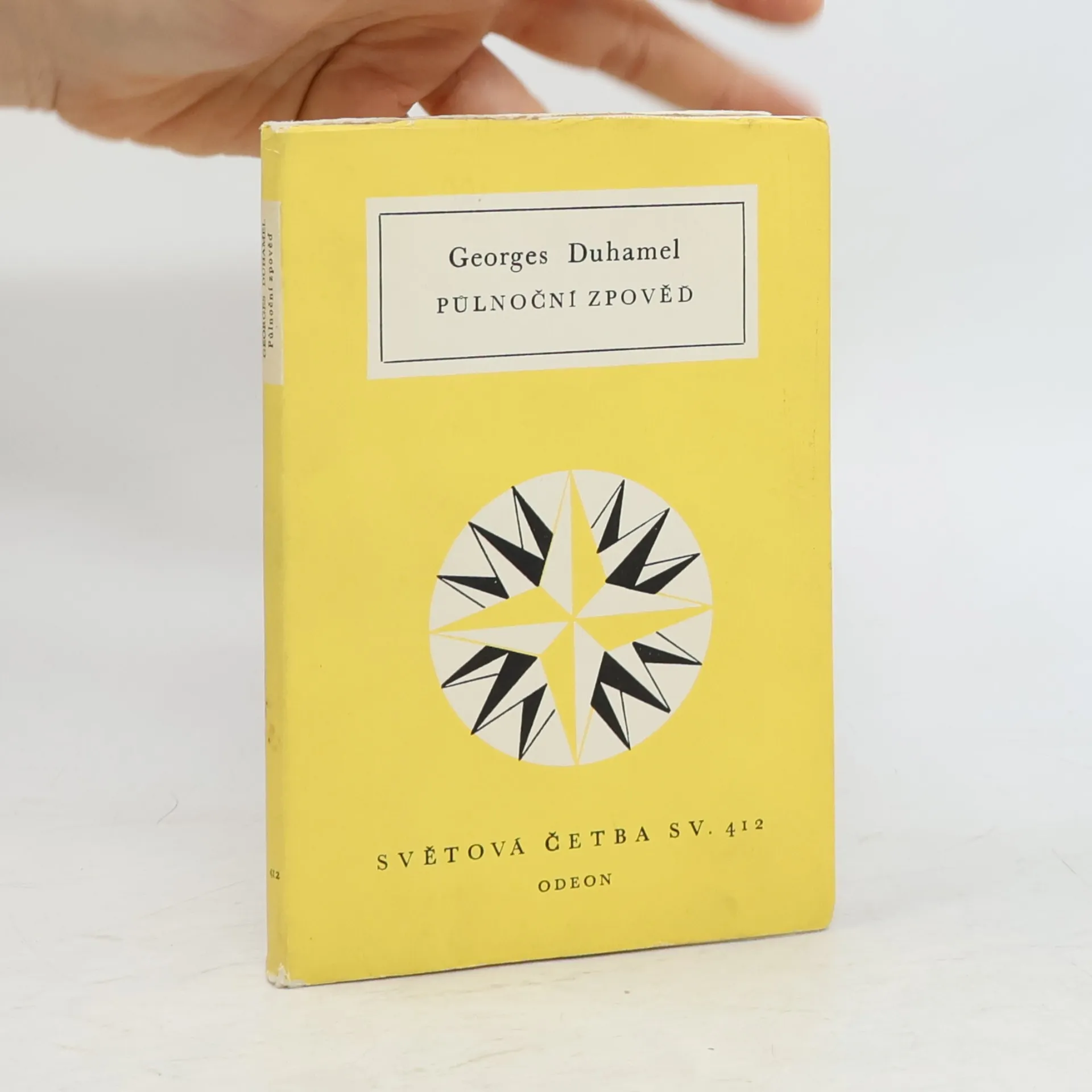
Postava pařížského úředníčka Salavina zaujala Duhamela natolik, že jí věnoval celou slavnou sérii románů, v níž jeho hrdina prochází nejrůznější životními situacemi. S ušlechtilým soucitem lékaře líčí autor barvité pařížské prostředí drobných řemeslníčků, rentiérů,tuláků z donucení, ale přitom lidí hrdým a nevzdávajících se, lidí s typickým humorech Pařížanů. Jeho romány se nesnaží „zpracovat“ sociologicky prostředí, jsou ponorem do duše a sám Salavin je neobyčejně složitým, zajímavým, svým způsobem vyšinutým člověkem, bojujícím s vlastní představivostí, která mu dovede zakalit nejvznešenější city a nejčiští okamžiky života. Přitom se jeho „dobrodružství“ čtou s velkým napětím.
Do země věčného léta a žhavého slunce přichází za obživou hrdina i vypravěč Česačů bavlny, aby tu prožil podobné zážitky jako tisíce jiných mužů, kteří sem putují z Ameriky i Evropy za vidinou lepší existence.
Svazek obsahuje několik próz z různých období autorovy tvorby. Povídky "Jokasta" a "Hubená kočka" jsou Franceovy prvotiny, ale plasticky vykreslené postavy (ať neurotické Heleny, končící sebevraždou, či postavy umělců a filosofů z druhé povídky) nesou již stopy jeho zralejších děl. "Červená lilie" (pův. název "Země mrtvých") je milostný román ženy, kterou z bezdůvodné žárlivosti opustí milenec. Poslední část svazku tvoří soubor povídek a psychologických črt, shrnutých pod název "Crainquebille" podle jména hrdiny první, neznámější povídky se sociálně-politickým motivem.
E. Manet
Prameny, sbírka dobrého umění svazek 22
Soubor děl malíře Edouarda Maneta. Předmluvu napsal Viktor Nikodem.
Publikace o životě našeho známého malíře, poskytující čtenáři nový pohled na mnohé okolnosti vzniku a zaměření jeho díla. V devíti kapitolách, dokreslených četnými reprodukcemi, líčí autor nejen historii uměleckého vývoje spolu s okolnostmi, daty a technikou prací, ale i vývoj národních a výtvarných tradic.
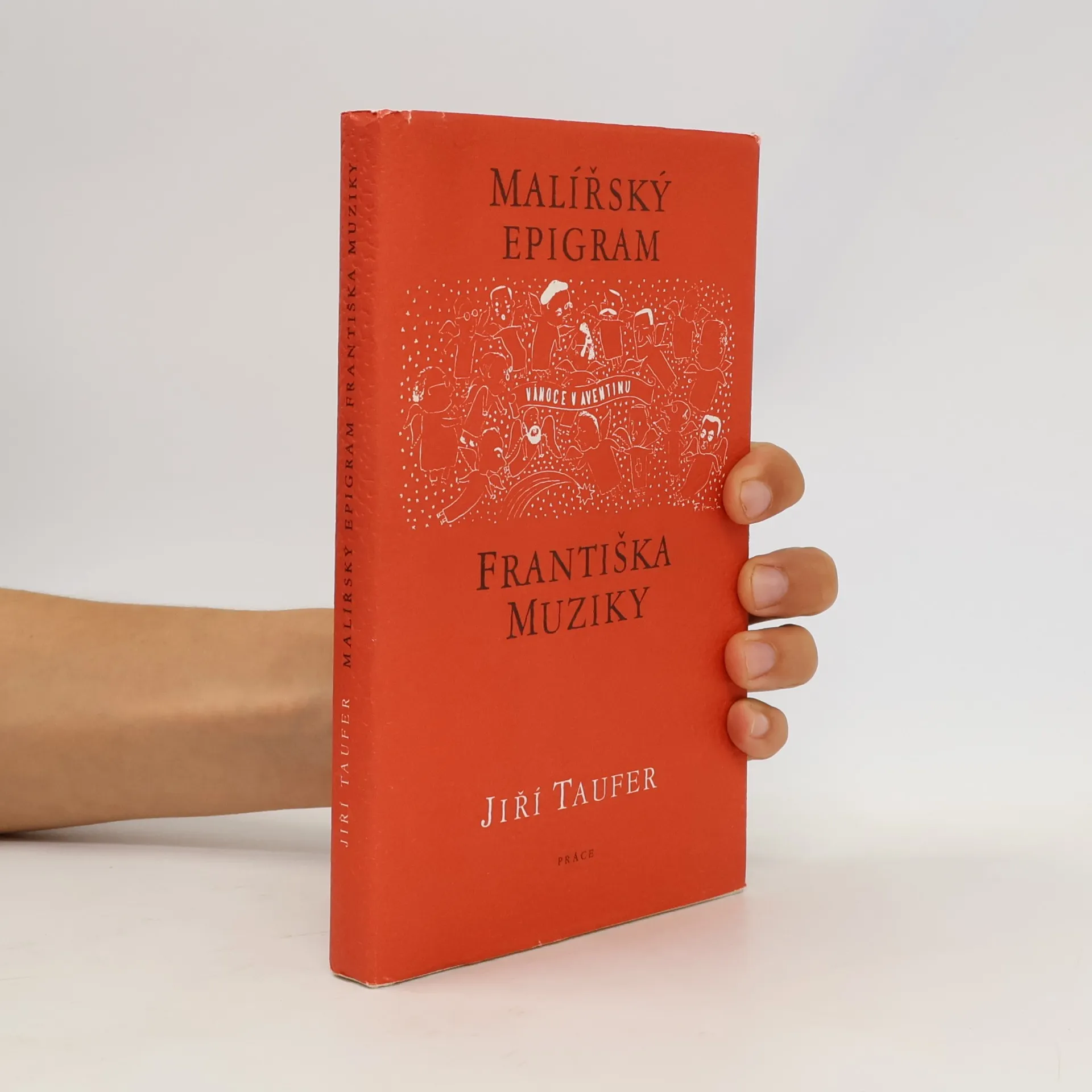
Velká monografie významného českého umělce a výtvarného pedagoga Františka Muziky, jehož dílo bylo od počátků nerozlučně spjato s osudy české meziválečné avantgardy a tvoří nedomyslitelnou součást naší moderní výtvarné kultury. Věnuje se převážně Muzikově volné malířské a kreslířské tvorbě a jeho návrhům divadelních scén a kostýmů.
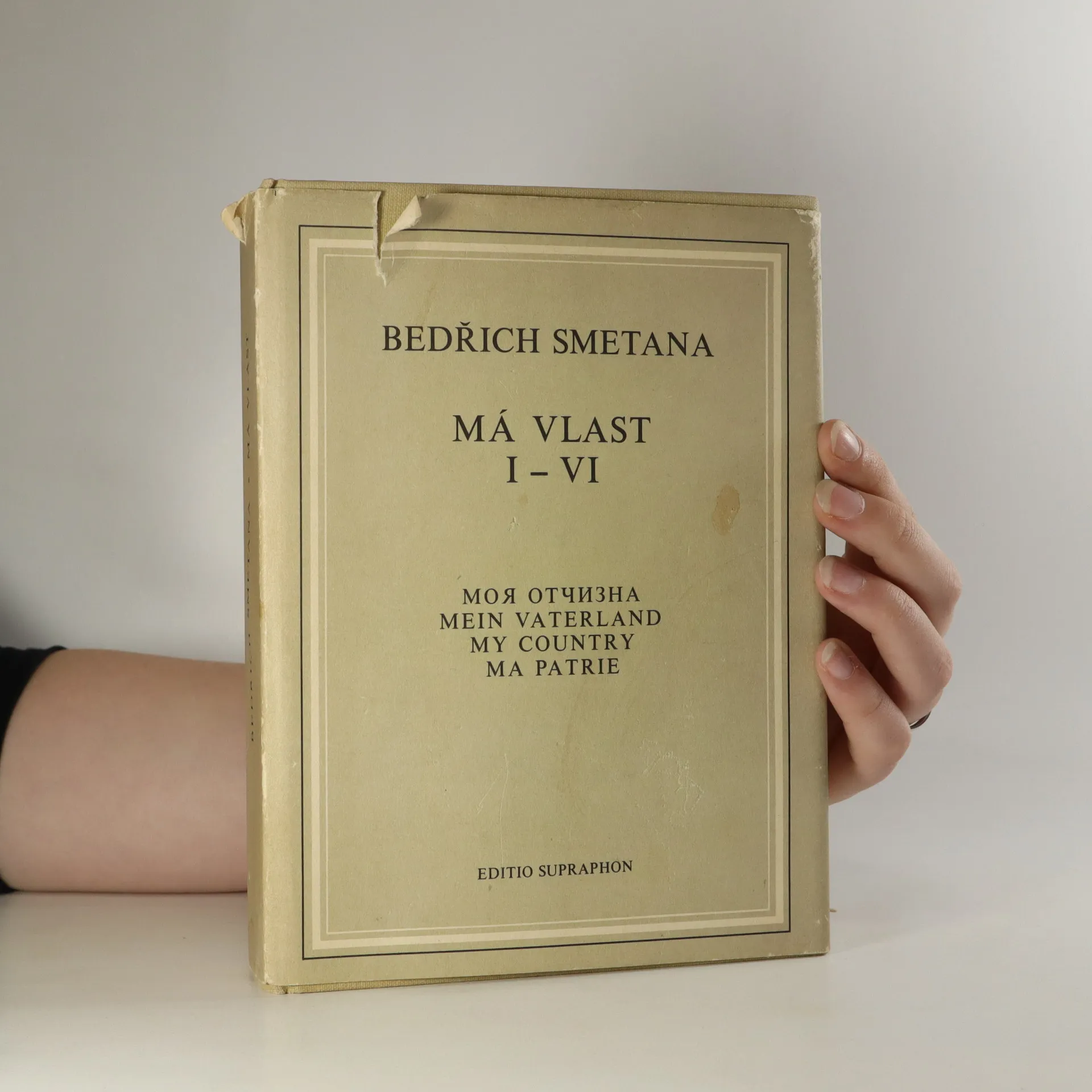
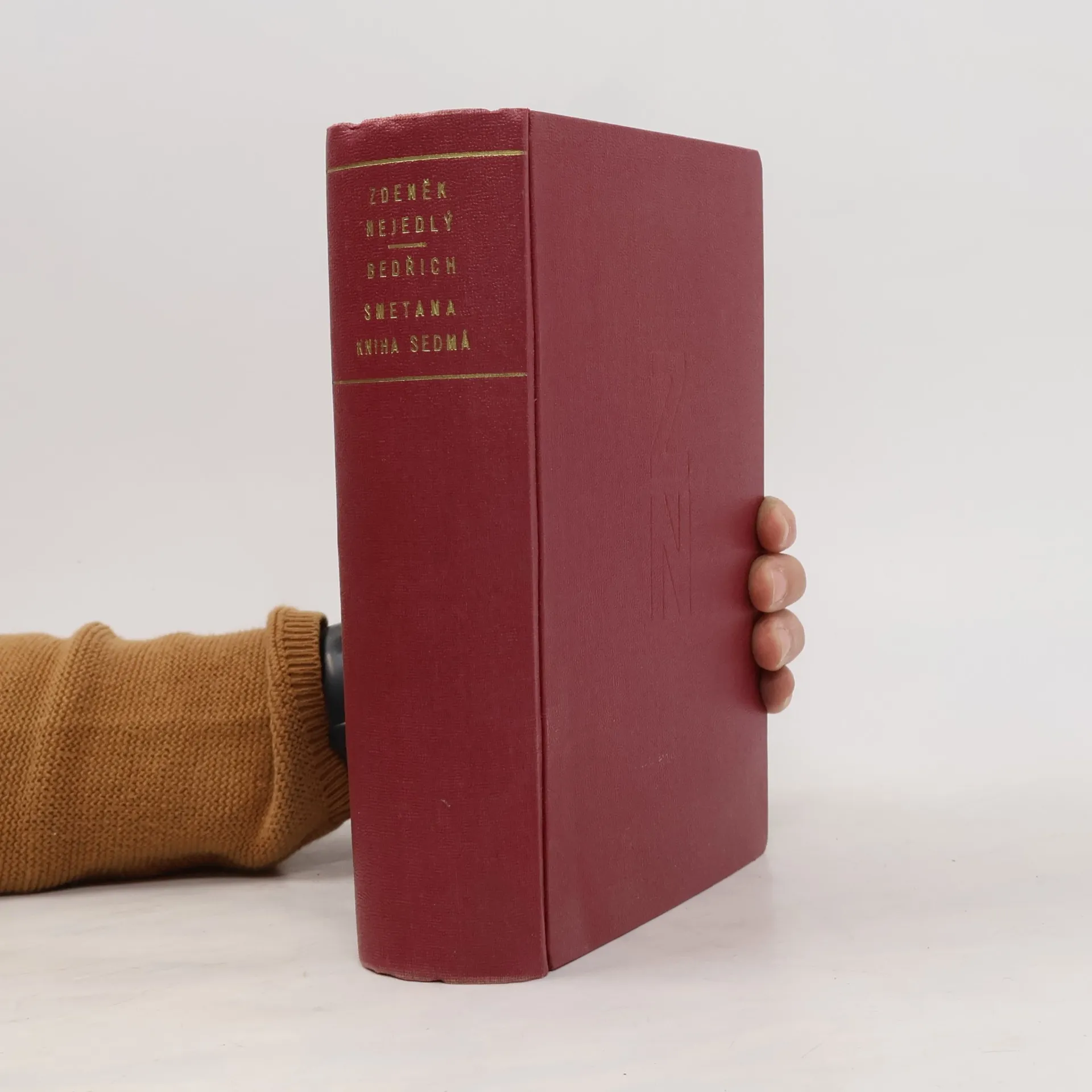
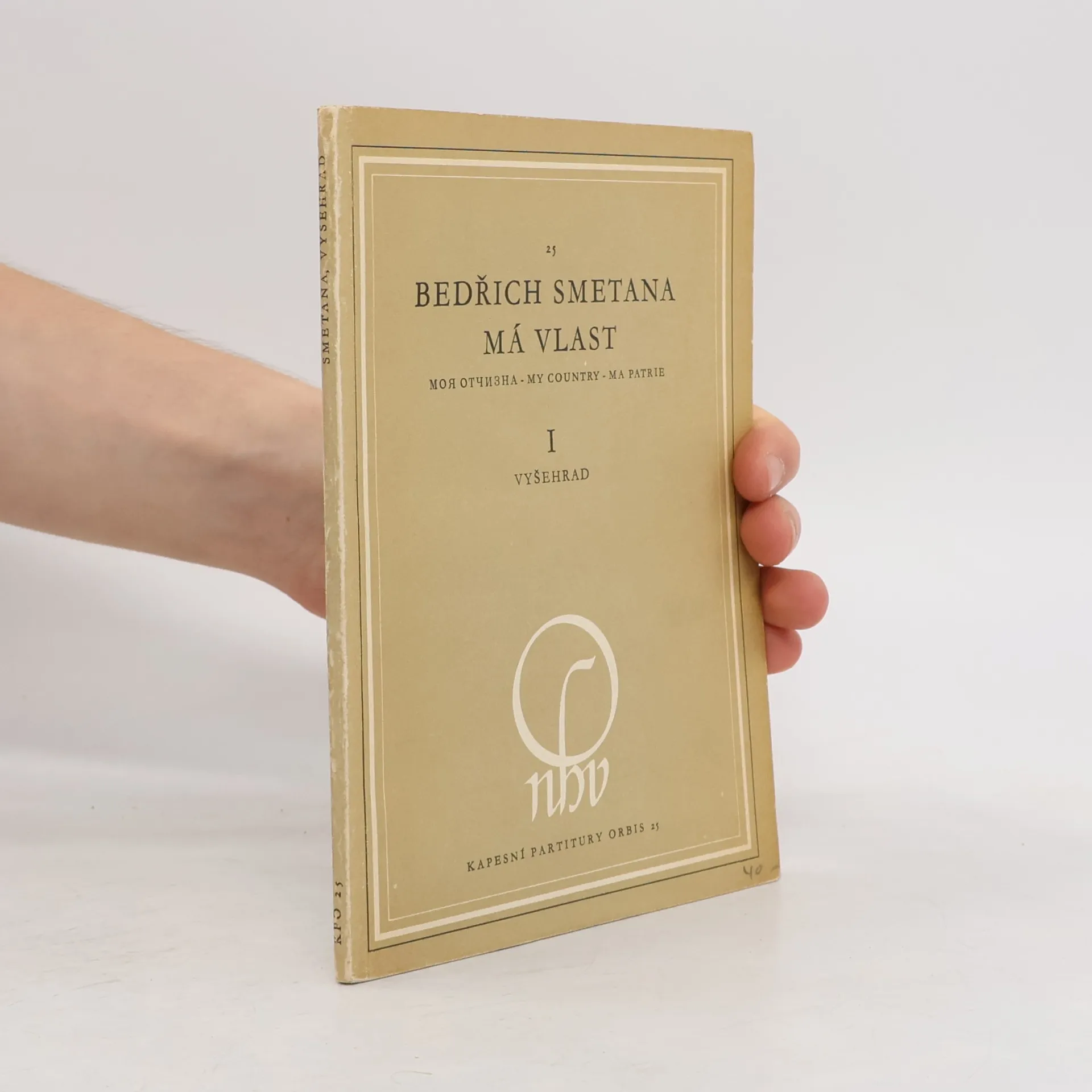
Bedřich Smetana
Kniha Sedmá
Ostrov Tučňáků
Figura andělů
Autor popisuje svou cestu v roce 1929 po USA: New Orleans, Chicago, New York. Autor sice obdivuje dynamiku a technickou vyspělost Američanů, ale zároveň se děsí, že lidé se stávají otroky zisku.
Krásné písmo ve vývoji latinky I-II
- 2 volumes