Proposes that theatre spectatorship has made a significant contribution to the
historical development of a distinctive bourgeois sensibility. This engagingly
written treatise on history, class, and spectatorship offers compelling proof
of why theater matters, and demonstrates the importance of examining the
question historically.
Focusing on the intricacies of live performance, this study examines the various mishaps and challenges that can occur on stage. It delves into the factors that contribute to these errors, exploring both the technical and human elements involved in theatrical productions. By analyzing real-life examples, the work offers insights into the complexities of staging and the resilience required from performers and crew when faced with unexpected situations.
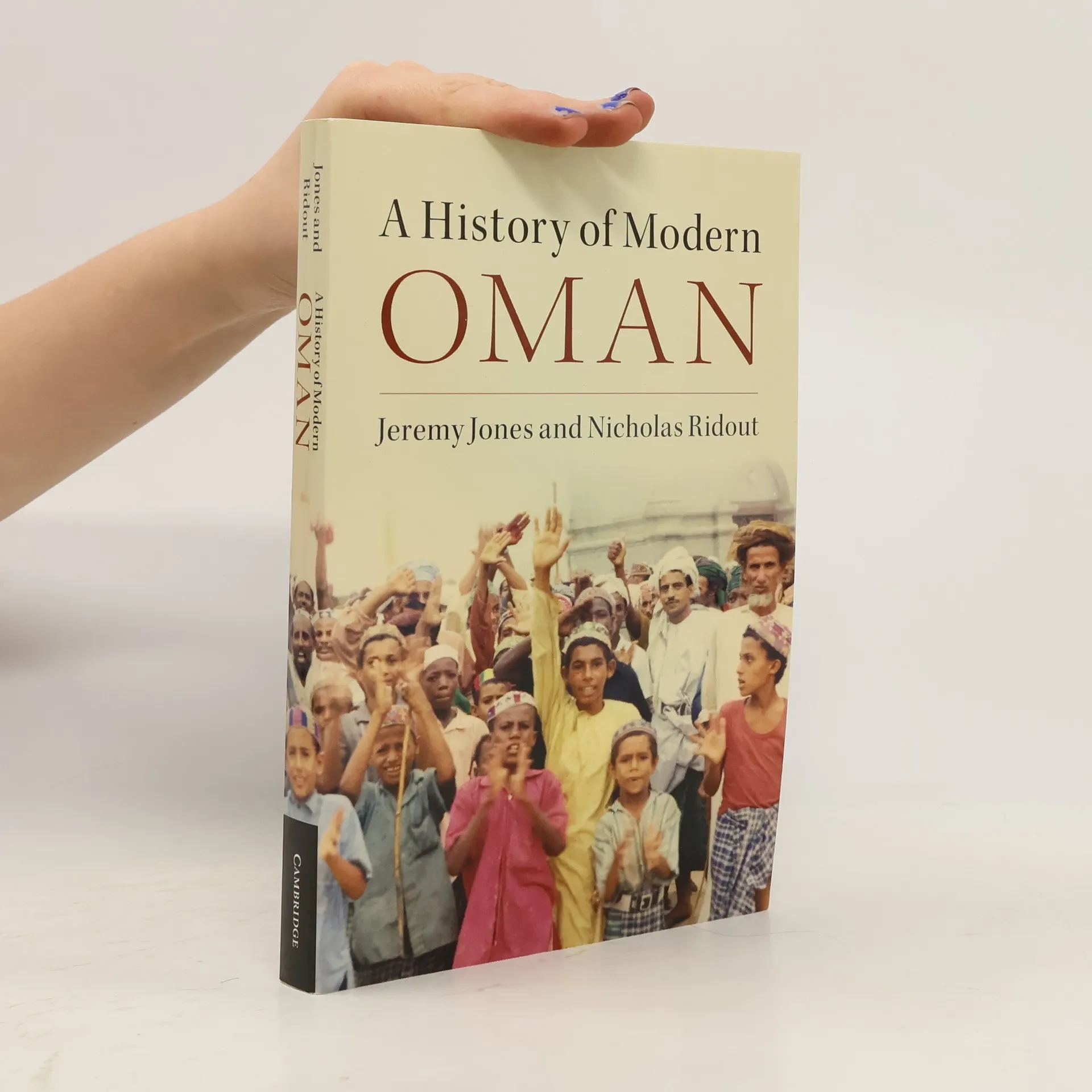
The ideal introduction to the history of modern Oman from the eighteenth century to the present, this book combines the most recent scholarship on Omani history with insights drawn from a close analysis of the politics and international relations of contemporary Oman. Jeremy Jones and Nicholas Ridout offer a distinctive new approach to Omani history, building on post-colonial thought and integrating the study of politics and culture. The book addresses key topics including Oman's historical cosmopolitanism, the distinctive role of Omani Islam in the country's social and political life, Oman's role in the global economy of the nineteenth century, insurrection and revolution in the twentieth century, the role of Sultan Qaboos in the era of oil and Oman's unique regional and diplomatic perspective on contemporary issues.