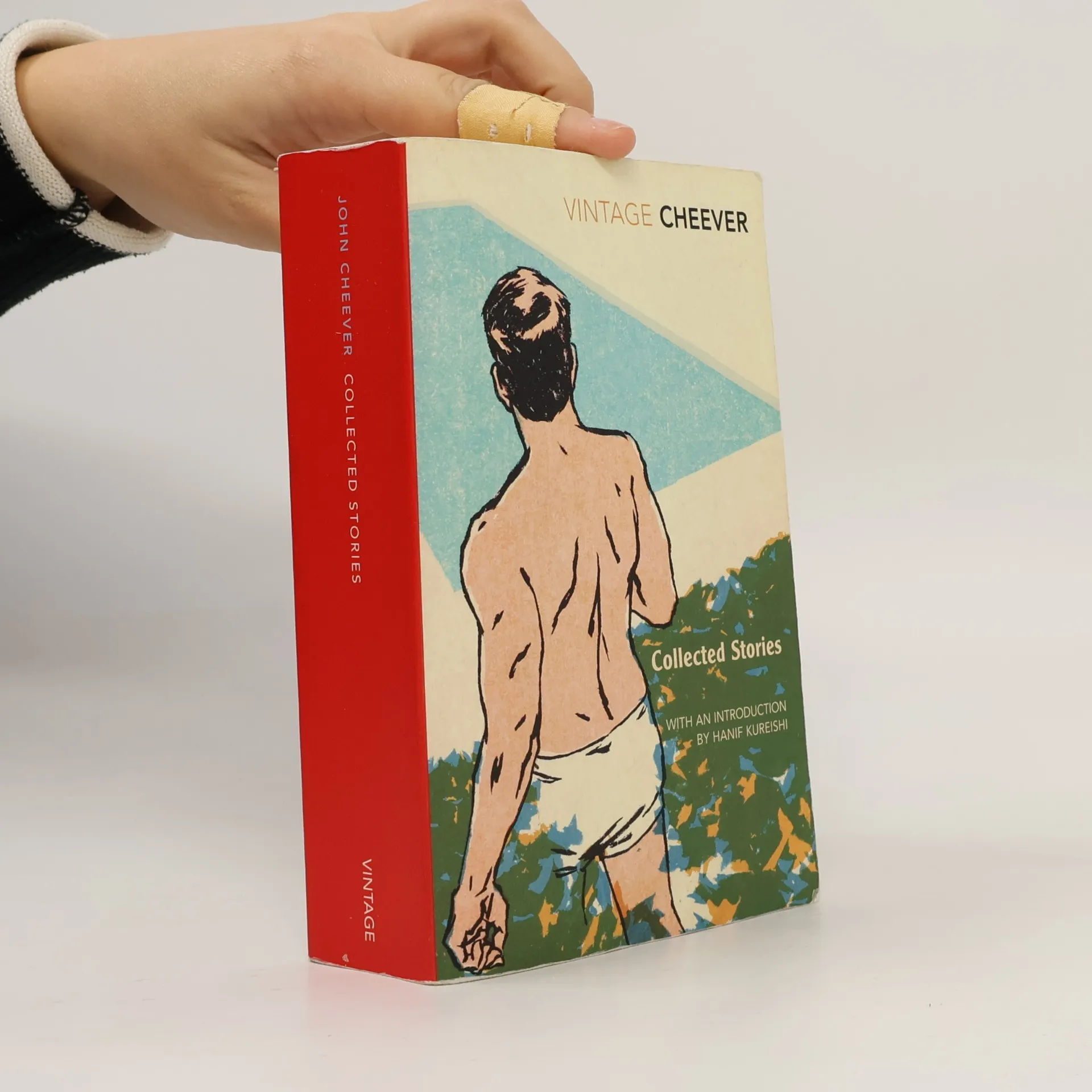
These stories from the pen of American award-winning novelist John Cheever show the power and range of one of the finest short story writers of the century.
John Cheever Books
May 27, 1912 – June 18, 1982
John Cheever was an American novelist and short story writer whose fiction often explored the lives of those inhabiting the Upper East Side of Manhattan, the suburbs of Westchester, and old New England villages. His work primarily delves into the duality of human nature, frequently dramatizing the disparity between a character's decorous social persona and their inner corruption. Many of his narratives express a poignant nostalgia for a vanishing way of life, marked by enduring cultural traditions and a profound sense of community, contrasting with the alienating nomadism of modern suburbia. Cheever's writing masterfully probes the tension between outward appearances and inner realities, often with a subtle undercurrent of melancholy.



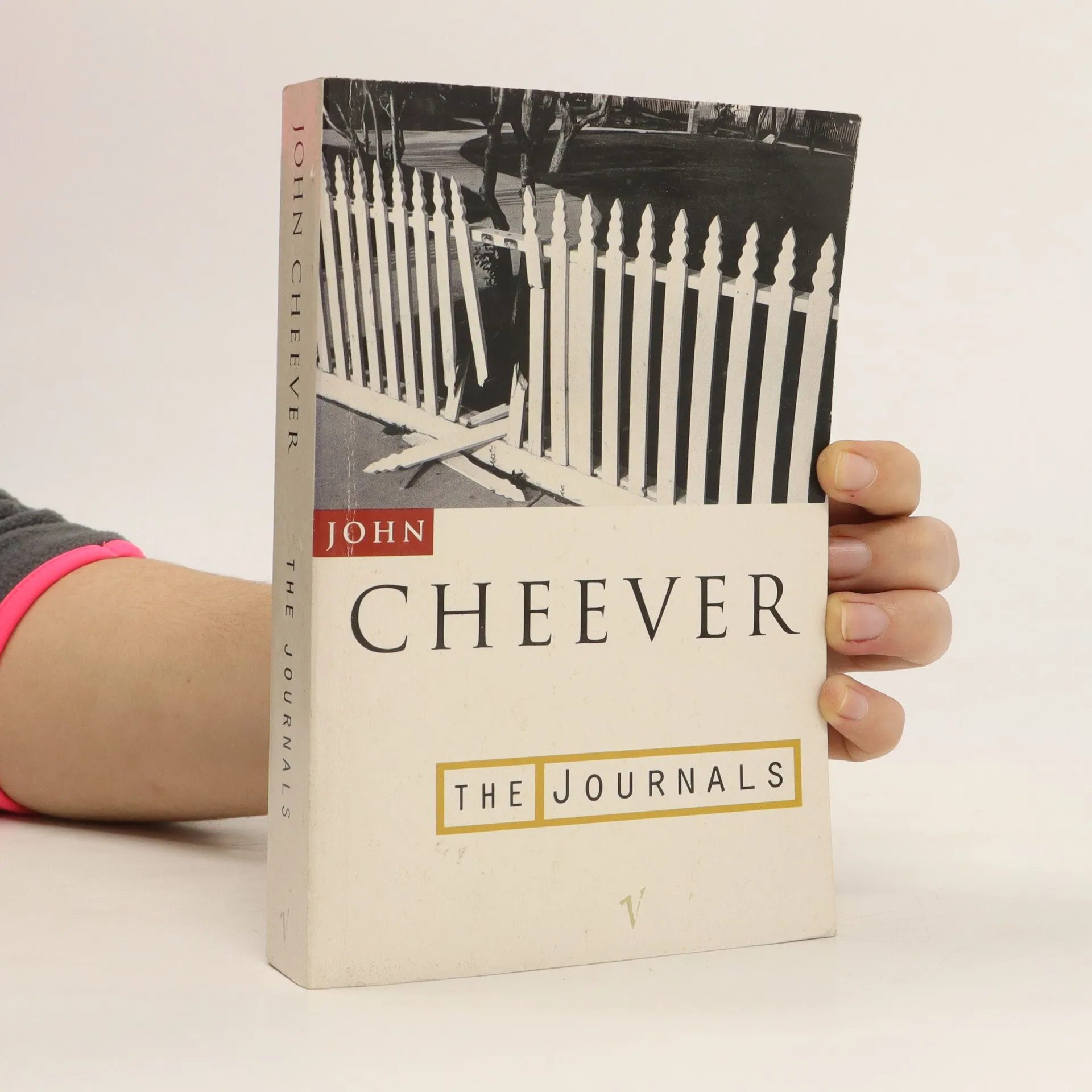
The American writer, John Cheever, died in 1982, leaving behind 29 loose-leaf notebooks begun in the late Forties. They form the content of this book. His commitment to them was of central importance to his life - as a workbook and a retreat, an unhindered act of self-revelation where he could explore his ambiguities. He loved his wife and their children, but was acutely lonely; he loved women, but he also loved men; he hated himself for his drinking, but for much of his life was dependent upon it; he was a great writer, but one whose acute levels of perception often crippled him as a person.
This stunning collection of 28 stories brings readers a literary portrait of the American family from 1894 to today. A collection of works that captures the essence of American families from living together and apart to loving and letting go.Regret / Kate Chopin --The lombardy poplar / Mary Wilkins Freeman --The widow's might / Charlotte Perkins Gilman --Old Rogaum and his Theresa / Theodore Dreiser --The sorrows of gin / John Cheever --I stand here ironing / Tillie Olsen --Simple and Counsin F.D. Roosevelt Brown / Langston Hughes --The sky is gray / Ernest J. Gaines --My Coney Island uncle / Harvey Swados --My son the murderer / Bernard Malamud --Final dwarf / Henry Roth --And Sarah laughed / Joanne Greenberg --Wedding day / Roberta Silman --The legacy of Beau Kremel / Stephen Wolf --Kiswana Brown / Gloria Naylor --Tuesdays / Mary Hedin --Afloat / Ann Beattie --Winterblossom garden / David Low --Old things / Bobbie Ann Mason --Starlight / Marian Thurm --The writer in the family / E.L. Doctorow --The rich brother / Tobias Wolff --My legacy / Don Zacharia --Violation / Mary Gordon --Appropriate affect / Sue Miller --What I did for love / Lynne Sharon Schwartz --Still of some use / John Updike --Elephant / Raymond Carver
A Vision of the World
- 304 pages
- 11 hours of reading
Selected and Introduced by Booker-Prize winner Julian Barnes 'Reading Cheever is a restless pleasure, the work never settles- these brilliant stories make me get up and walk around the room' Anne Enright John Cheever - the 'Chekhov of the suburbs' - forever altered the landscape of contemporary literature. In a career that spanned nearly fifty years, his short stories, often published in the New Yorker, gave voice to the repressed desires and smouldering disappointments of 1950s America as it teetered on the edge of spiritual awakening and sexual liberation in the ensuing decades. Selected for the first time, these satirical, fantastical, sad and transcendent stories show Cheever in all his brilliance and continue to speak directly to the heart of human experience. Winner of the Pulitzer Prize and the National Book Award
Bullet Park
- 256 pages
- 9 hours of reading
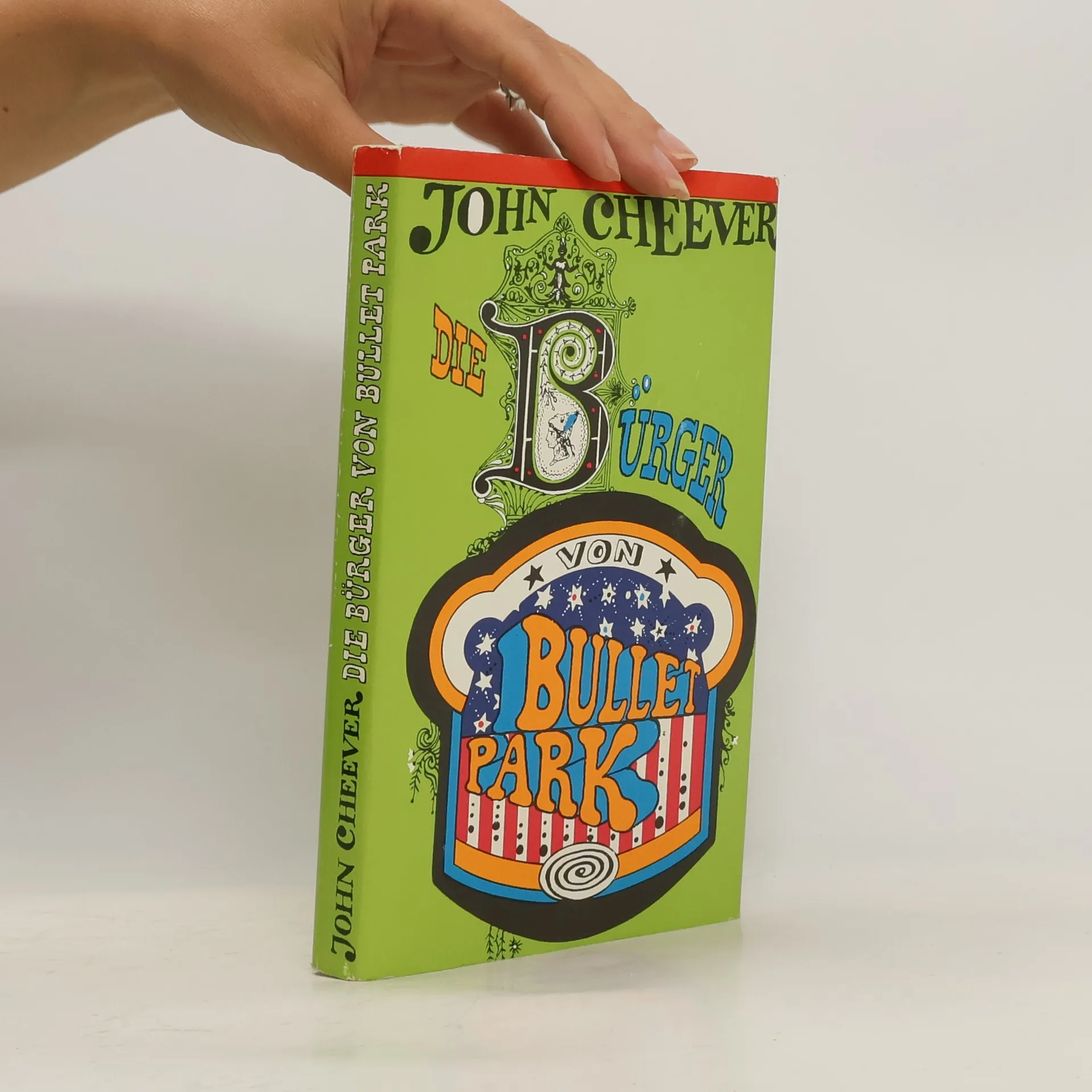
Eliot Nailles loves his wife and son to distraction; Paul Hammer is a bastard named after a common household tool. Neighbours in Bullet Park, the two become fatefully linked by the mysterious binding power of their names in Cheever's sharp and funny hymn to the dubious normality of the American suburbs.
At age 82, Clifton Fadiman continues his prolific publishing career, here presenting 62 of the world's best short stories from 16 countries. His criteria? "Each story had to be both interesting and of high literary merit." Fadiman fulfills both requirements and much more, offering a cornucopia of superior 20th-century writers that includes Franz Kafka, D. H. Lawrence, Isaac Babel, F. Scott Fitzgerald, William Faulkner, Ernest Hemingway, John Cheever, Sean O'Faolain, Graham Greene, Robert Penn Warren, Colette, John Updike, Donald Barthelme, and James Thurber. (Regrettably, J. D. Salinger is not included due to lack of permission.) Here is a truly remarkable collection of this century's short stories that readers from all over the world will read with delight.
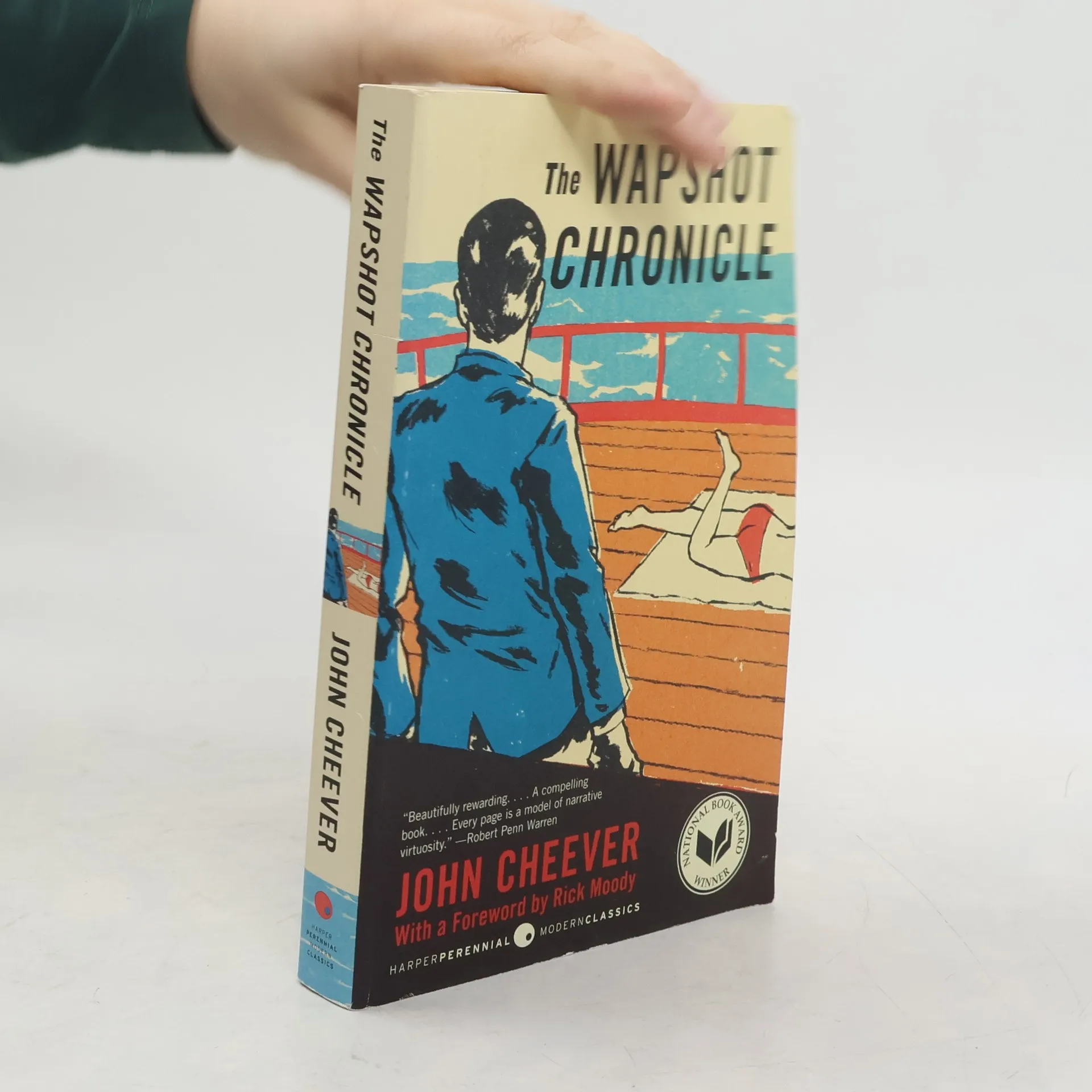
The Wapshot Chronicle
- 352 pages
- 13 hours of reading
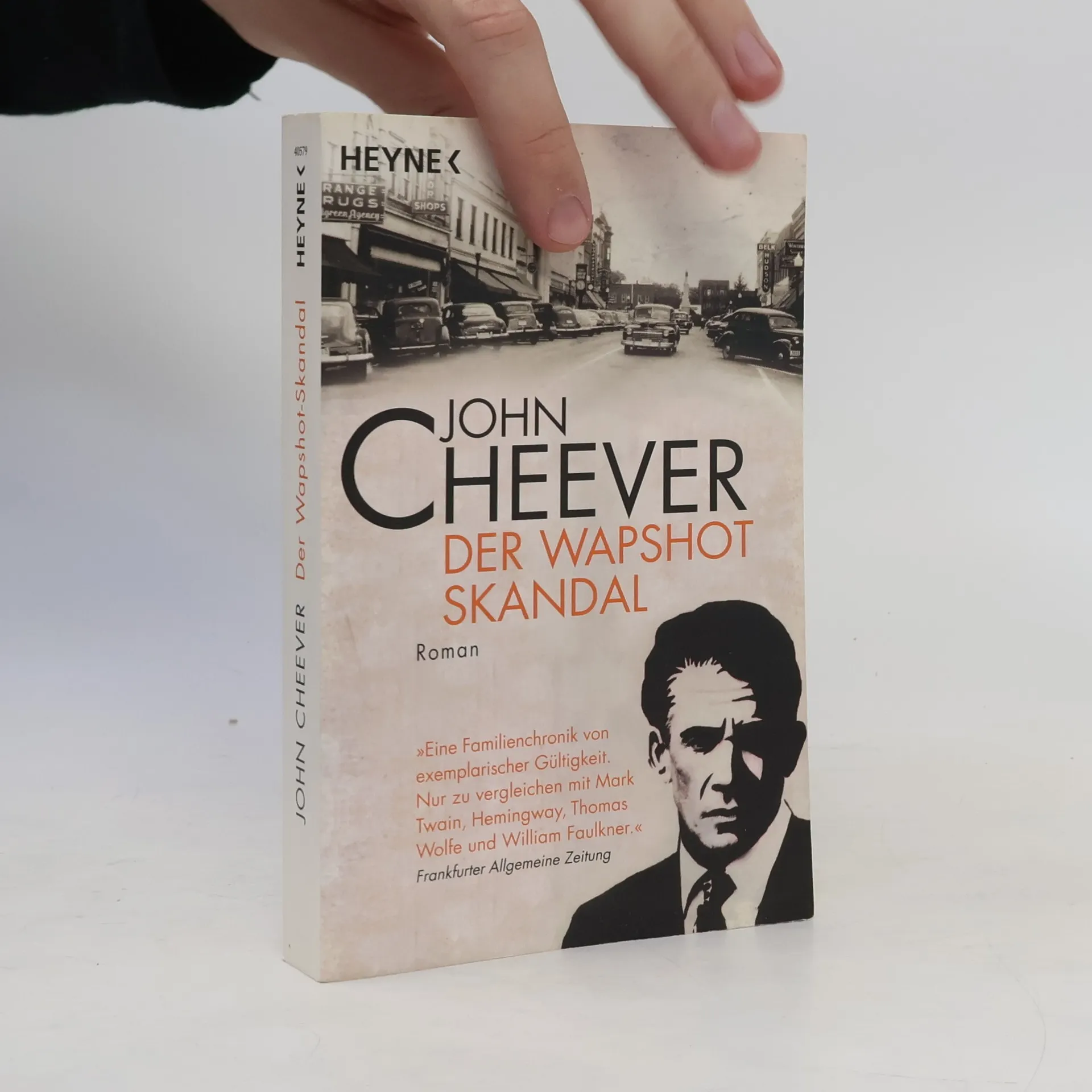
Meet the Wapshots of St Botolphs. There is Captain Leander Wapshot, venerable sea-dog and would-be suicide; his licentious older son, Moses; and Moses's adoring and errant younger brother, Coverly. Tragic and funny, ribald and splendidly picaresque, and partly based on Cheever's adolescence in New England, The Wapshot Chronicle is a stirring family narrative in the finest traditions of Trollope, Dickens, and Henry James
Drinking
- 128 pages
- 5 hours of reading
John Cheever understood fallibility and that made for the greatness in his writing The Times
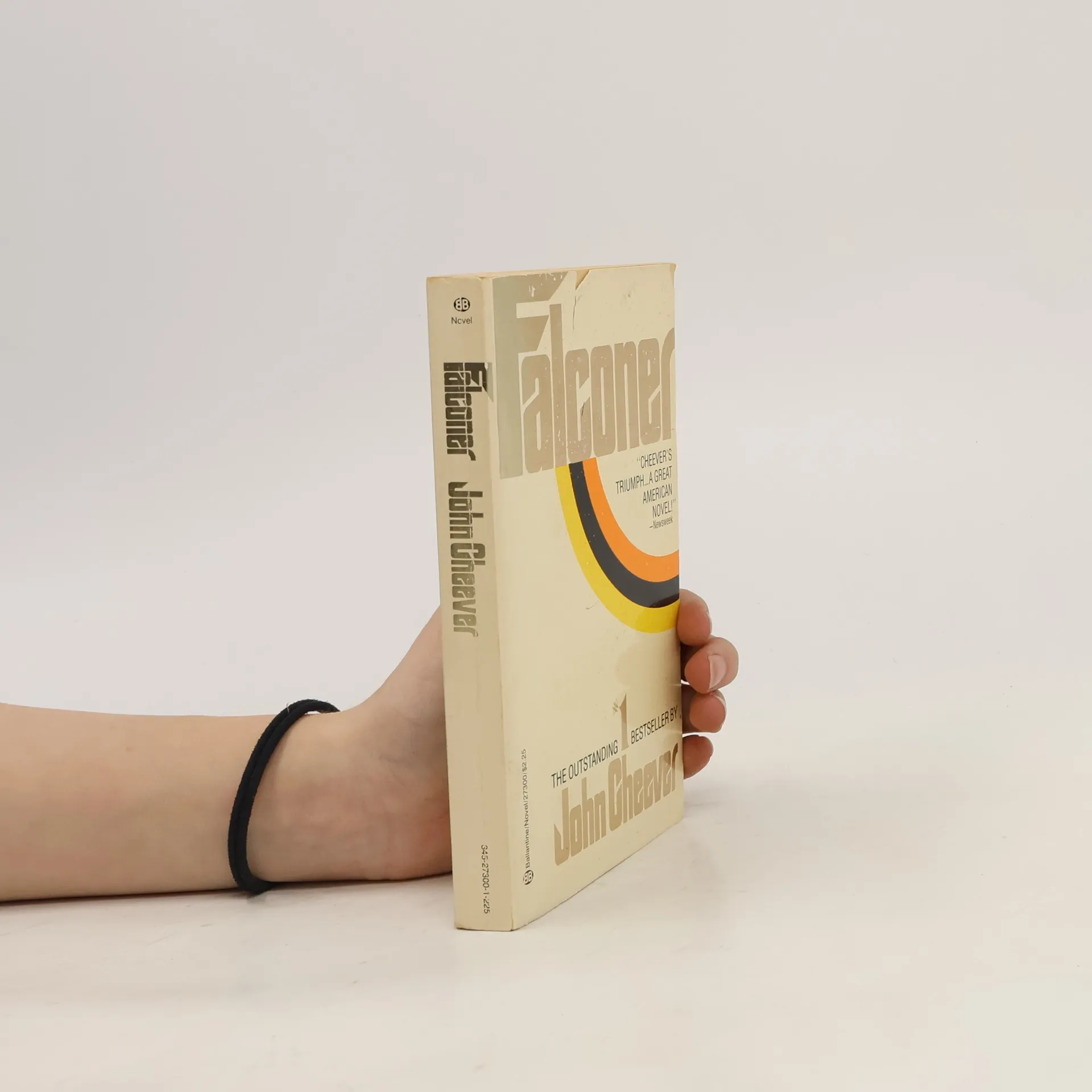
Falconer
- 226 pages
- 8 hours of reading
Stunning and brutally powerful, Falconer tells the story of a man named Farragut, his crime and punishment, and his struggle to remain a man in a universe bent on beating him back into childhood. Only John Cheever could deliver these grand themes with the irony, unforced eloquence, and exhilarating humor that make Falconer such a triumphant work of the moral imagination.
Lire en V. O. Anglais - 1: New York Stories
- 176 pages
- 7 hours of reading
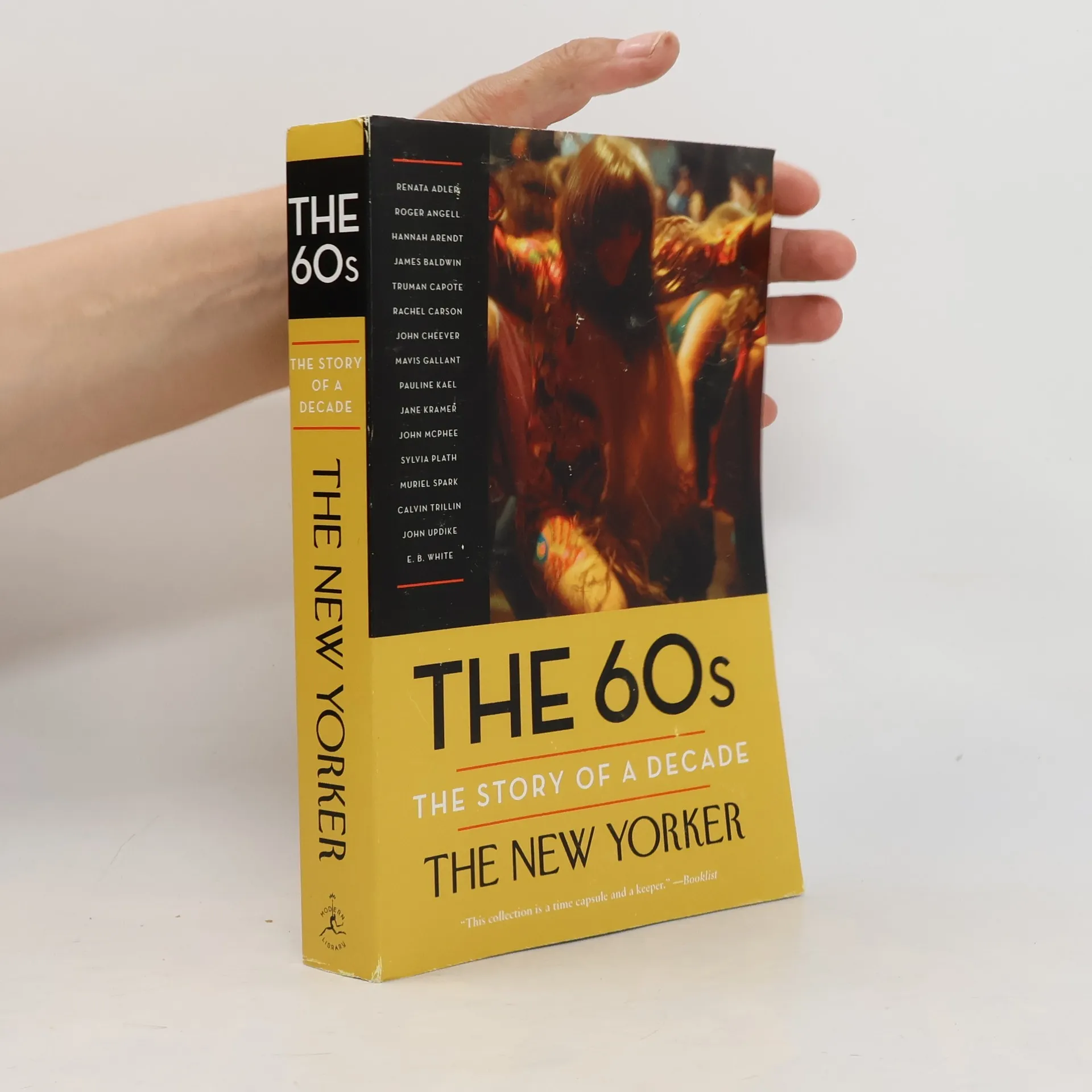
The New Yorker: The 60s: The Story of a Decade
- 720 pages
- 26 hours of reading
The anthology features significant New Yorker articles from the tumultuous 20th century, showcasing works by renowned authors like James Baldwin, Sylvia Plath, and Pauline Kael. It also includes contemporary evaluations of the 1960s by today's leading writers, providing a rich exploration of the era's cultural and social dynamics. This collection highlights both historical perspectives and modern interpretations, making it a compelling read for those interested in literary history and the evolution of thought during a pivotal decade.
Kein schöner Land ...
- 128 pages
- 5 hours of reading
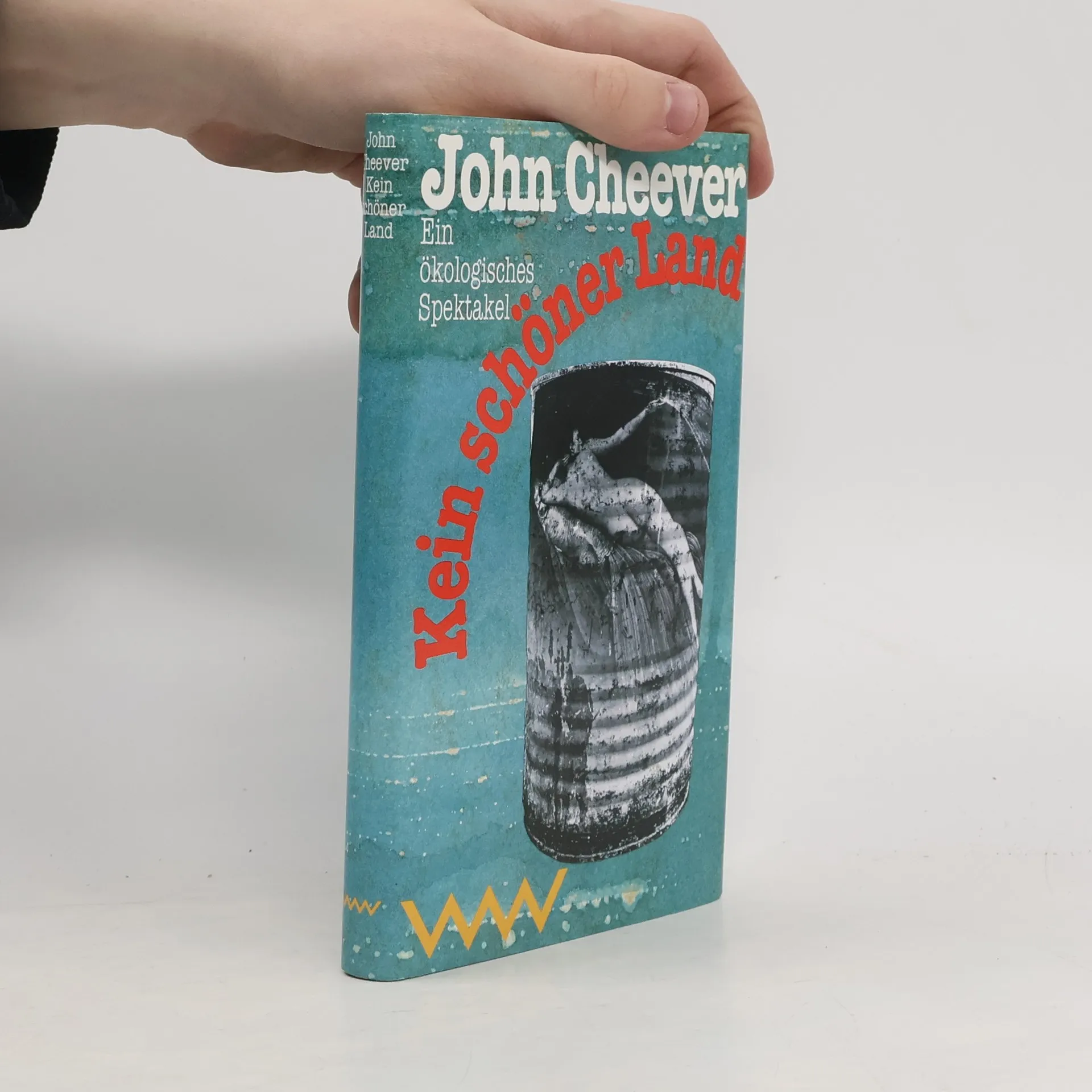
Ein alter Mann verliebt sich leidenschaftlich und kämpft tapfer gegen skrupellose Umweltverschmutzer in John Cheevers unbeschreiblich freudigem letzten Roman.
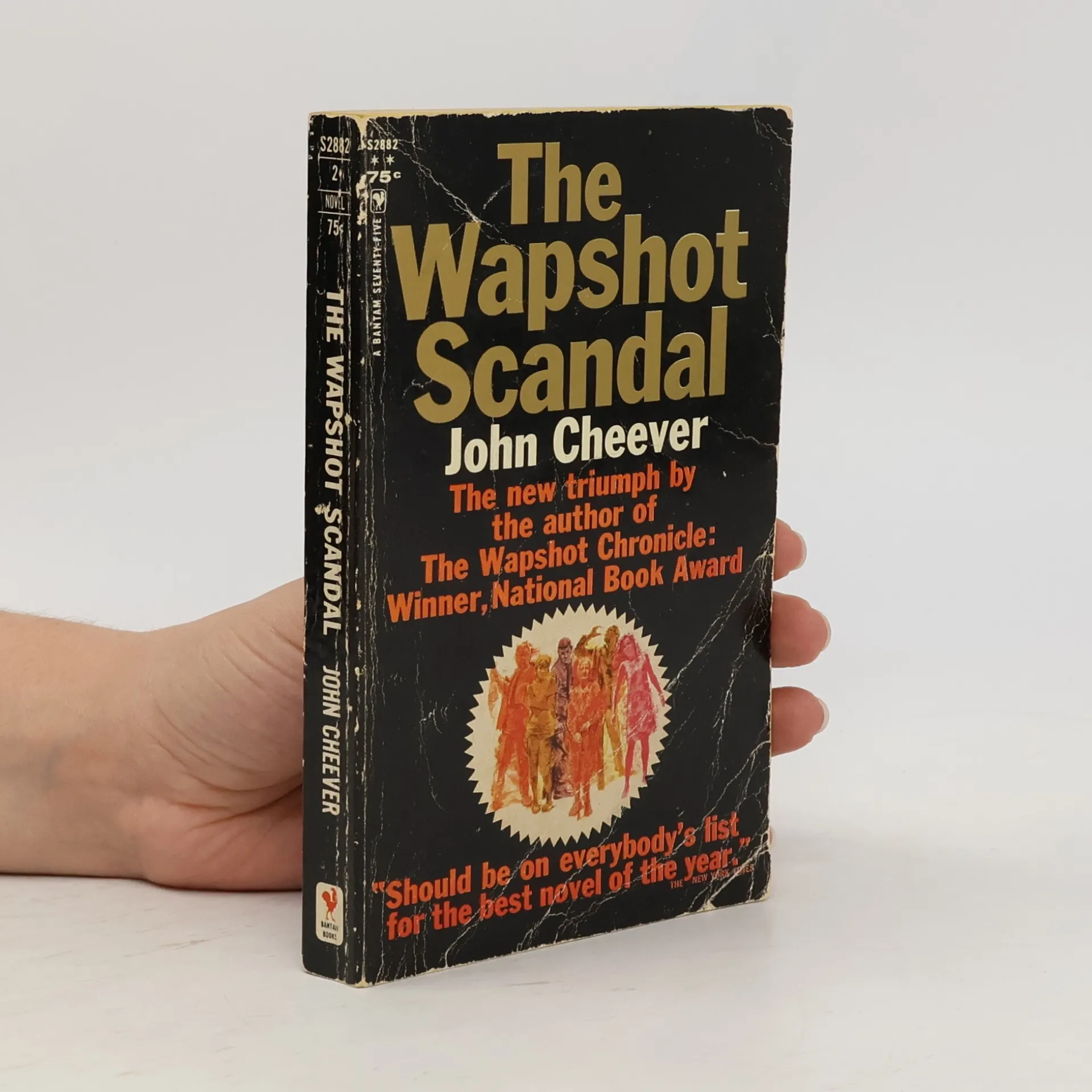
Die Geschichte der Wapshots geht weiter: Die Familie verlässt das idyllische St. Botolphs und wird mit der modernen Welt konfrontiert. Inmitten von Raketenbasen und Supermärkten erleben sie tragisch-komische Herausforderungen. Ein großer Klassiker des 20. Jahrhunderts.
Der Schwimmer
- 281 pages
- 10 hours of reading
Jürgen Manthey, geboren 1932 in Forst (Lausitz). Er leitete die Literatur-Redaktion beim Hessischen Rundfunk und war viele Jahre Lektor im Rowohlt Verlag, wo er unter anderem die Reihe «das neue buch» herausgab. Von 1986 bis 1998 lehrte er als Professor für Allgemeine und Vergleichende Literaturwissenschaft an der Universität Essen. Jürgen Manthey lebt als freier Autor und Literaturkritiker in Lübeck. John Cheever wurde 1912 als Sohn eines Kaufmanns in Quincy/Massachusetts geboren. Er besuchte die Thayer Academy in South Braintree. Er zog nach Boston, wo sein langwieriger Weg zum Schriftsteller begann - der Durchbruch gelang ihm mit seinen Short Stories. Für sein Gesamtwerk erhielt er 1979 den Pulitzer-Preis. John Cheever starb 1982.
On dirait vraiment le paradis
- 126 pages
- 5 hours of reading
Lemuel Sears mène une existence paisible à Manhattan. Conscient de son vieillissement, il vit dans la crainte de ne plus connaître l'amour avant de disparaître. Un jour, il se rend dans la petite ville de Janice pour patiner sur l'étang, et découvre que celui-ci est utilisé comme dépotoir. Révolté, il décide de tout mettre en oeuvre pour rendre à Janice son paysage bucolique. Amené à côtoyer les riverains, il rencontrera certaines figures du crime organisé, des politiciens véreux ainsi que quelques bonnes âmes prêtes à t'aider qui utilisent pour ce faire des méthodes pour le moins radicales... Parmi ces personnes, Sears fera la connaissance d'une jeune femme dont il tombera amoureux. On dirait vraiment le paradis, paru aux États-Unis en 1982, inédit en français, est le dernier roman de John Cheever. On y retrouve l'élégance de son style, l'humour omniprésent et l'immense tendresse qu'il porte à ses personnages.
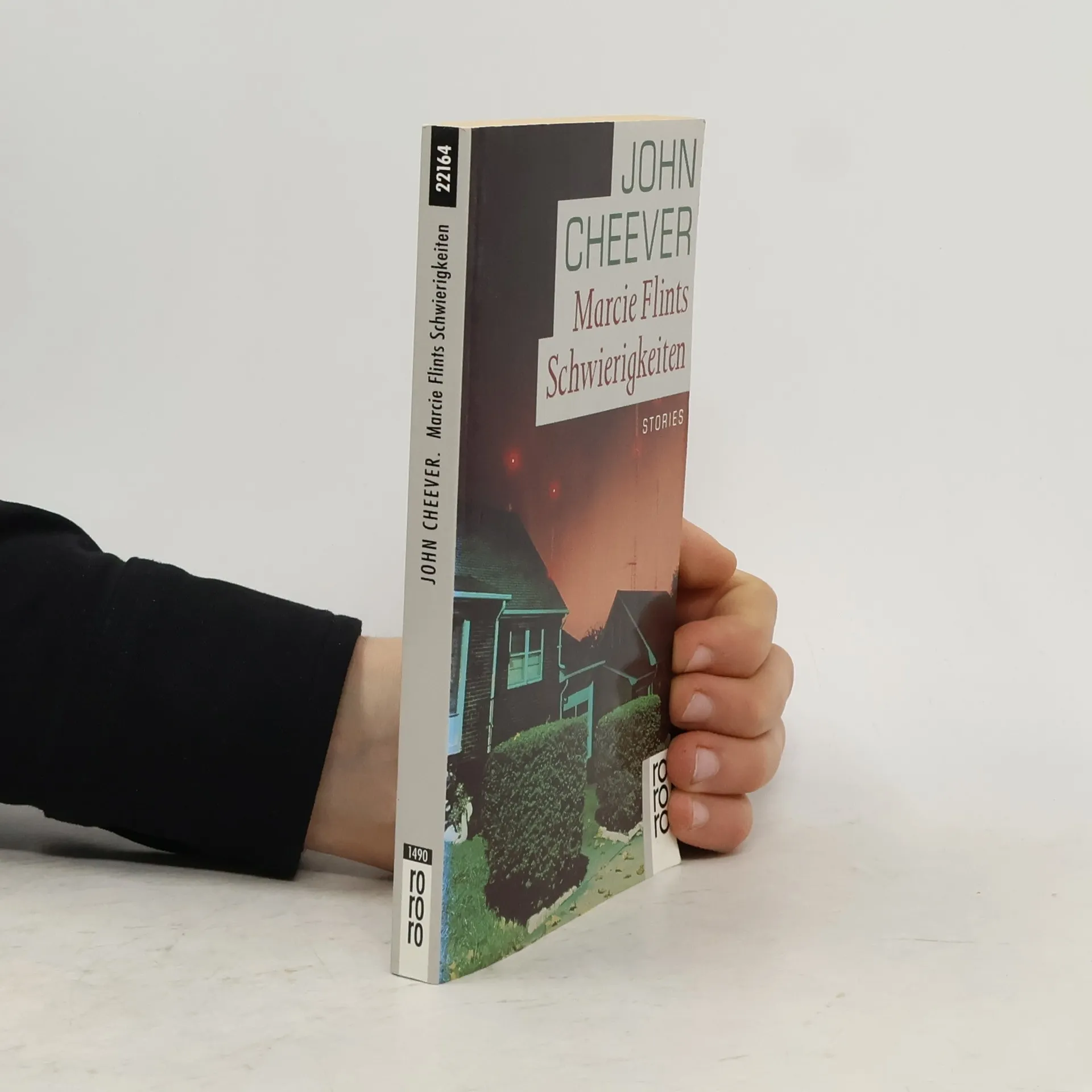
Marcie Flints Schwierigkeiten. Stories
- 248 pages
- 9 hours of reading
Marcie und Charles Flint führen ein glückliches Leben in Shady Hill, bis eine Ameise in Charles' Martini auftaucht. Ein Unglück mit Gift gefährdet ihre Kinder, was Marcie dazu bringt, ihrem Mann ein entscheidendes Geheimnis zu offenbaren.
Im Schatten der Ginflasche
- 123 pages
- 5 hours of reading
Inhalt: Das grauenvolle Radio -- Der Schwimmer -- Der Einbrecher von Shady Hill -- Im Schatten der Ginflasche. Kleines Taschenbuch: 14,5 x 9 cm
Neunundzwanzig neue Kurzgeschichten aus der ZEIT
- 356 pages
- 13 hours of reading
German (translation)
Román amerického autora, plný humoru a dráždivého šarmu. Sleduje príbehy a kuriózne názory svojich postáv a najmä psychiku manželov Sáry a Leandra Wapshotovcov a ich zápas o zachovanie dôstojnosti starého novoanglického rodu. Dozviete sa veľa o citovom a erotickom dozrievaní pána Leandra, o jeho mravných aj nemravných činoch. Taktiež autor ponúka historky zo života stredných vrstiev v mestečku Sv.Botolps, historky, ktoré ako mozaika vytvárajú obraz o citovom bohatstve a názorovom svete malomestských ľudí na západ od Bostonu.
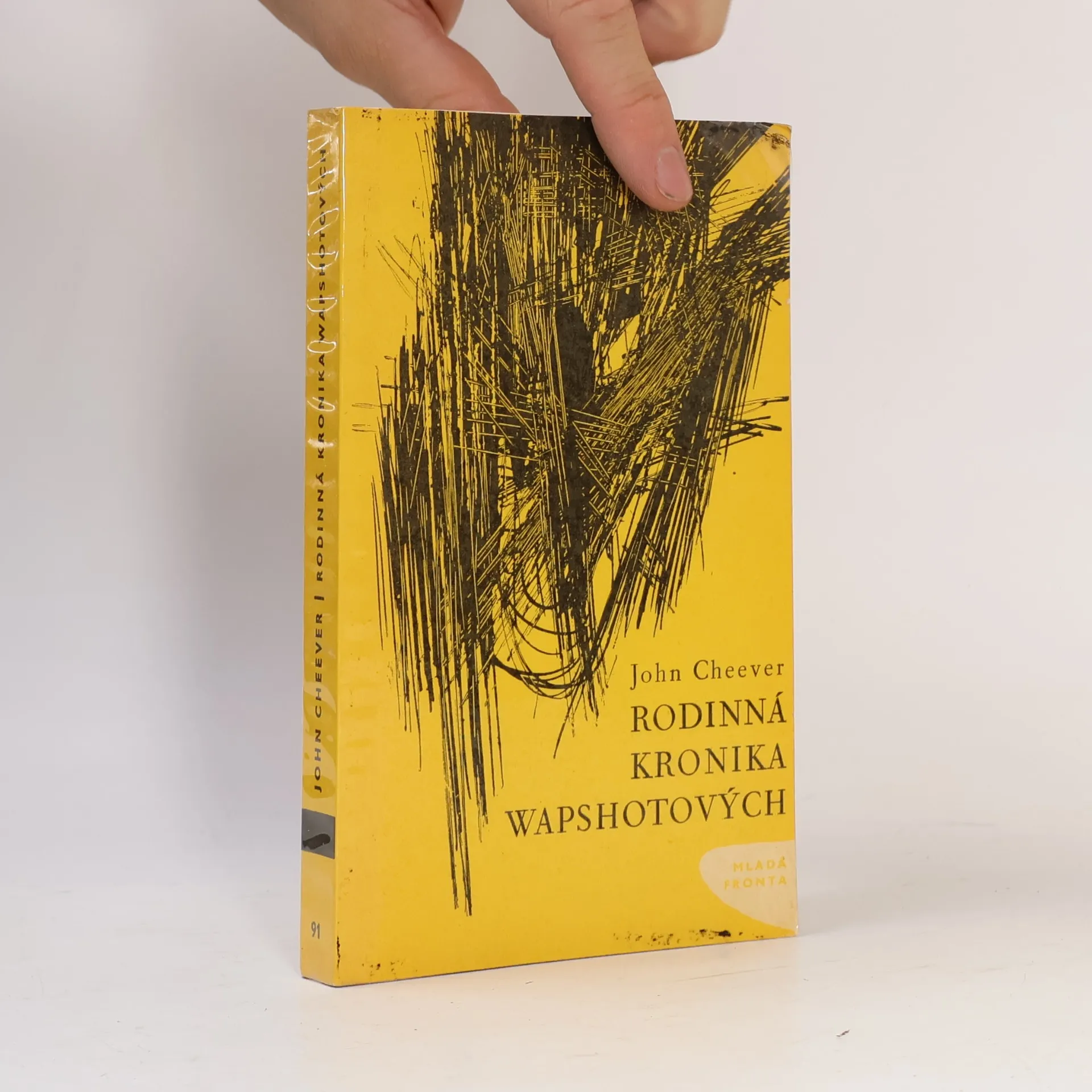
První román amerického spisovatele (do té doby povídkáře), v němž se na představitelích tří generací jedné americké rodiny zachycuje život od počátku tohoto století až po naše dny. V knize je takto zachycena mizící Amerika MarkaTwaina a figurek Thurberových v groteskní konfrontaci s atomovou základnou, výpočtovými středisky, raketami startujícími do vesmíru a zákulisím newyorských snack barů. Zábavná kronika tří generací s celou škálou výborně viděných lidských typů.