Paul 't Hart is a leading expert in public administration and organizational sciences, specializing in politico-administrative decision-making, political-official relations, public leadership, and crisis management. His extensive publication record includes over 25 books and numerous articles, delving into complex themes of governance and leadership. With rich experience in applied research and consultancy across the Netherlands, Sweden, and Australia, he enriches his role as a passionate educator and sought-after speaker, shaping professionals in the public domain.
Beleid, organisatie en politiek - negende, herziene druk
310 pages
11 hours of reading
Met deze uitgave maakt u kennis met de wereld van het openbaar bestuur en de centrale begrippen, modellen, theorieën, benaderingen en vraagstukken die daar aan de orde zijn. De kracht van Openbaar Bestuur, beleid, organisatie en politiek is dat het een overzichtelijke algemene inleiding is in de wereld van het openbaar bestuur. Het is bedoeld voor studenten in het wetenschappelijk onderwijs en het hoger beroepsonderwijs, voor bestuurders, ambtenaren en anderen die geïnteresseerd zijn in het openbaar bestuur.
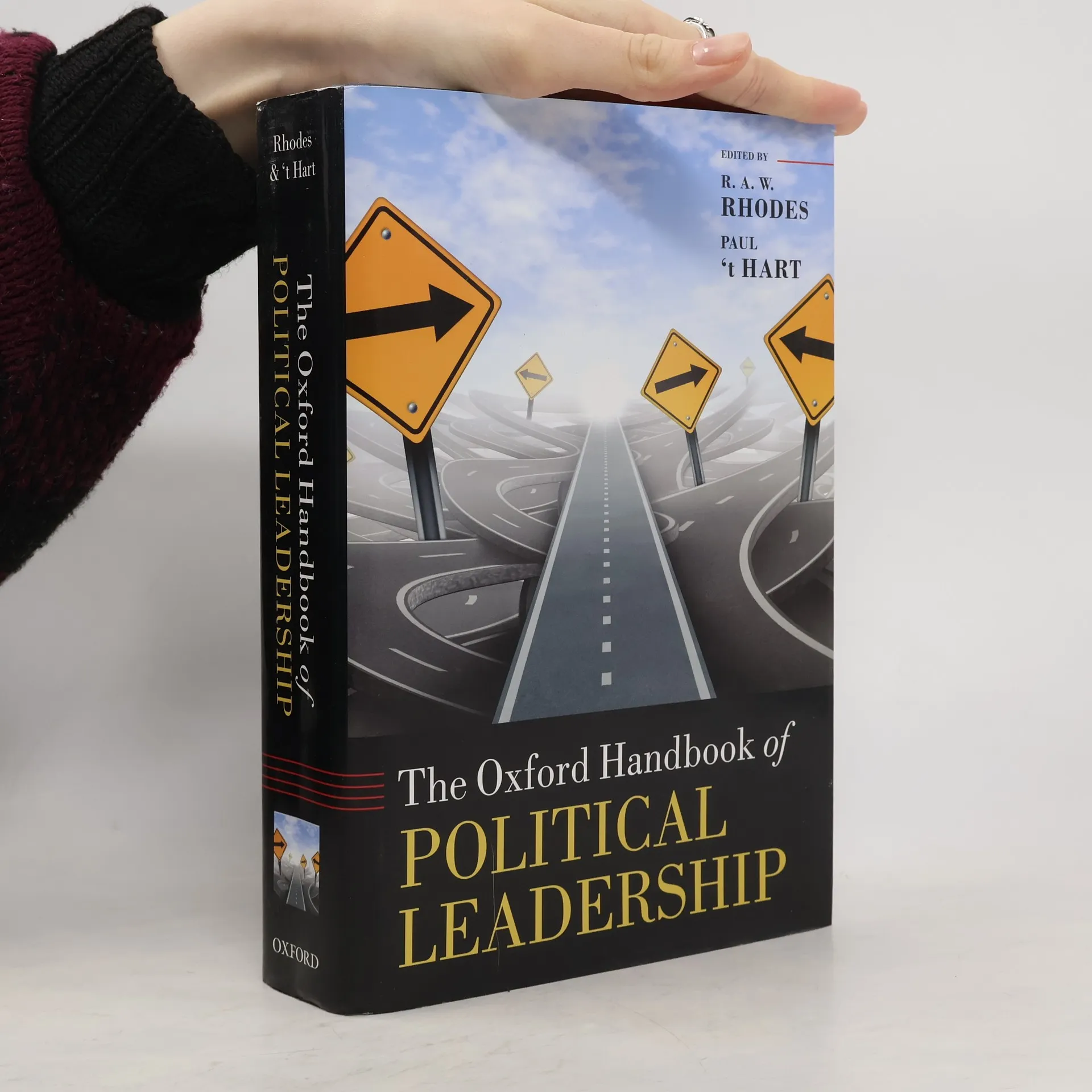
Political leadership has regained prominence, having been extensively studied by various disciplines from the 1940s to the 1970s, including political science, sociology, psychology, and comparative studies. However, interest waned with the rise of structuralism and rational choice theories. Recently, scholars have shifted focus back to individual leaders and their impact on political outcomes, exploring topics like elections, conflict management, public policy, and governance networks. In today's media-driven environment, leaders are often portrayed as solutions to social issues, with citizens closely observing their rise and fall through mass media and the Internet. This Handbook addresses the current state of political leadership studies by organizing the multidisciplinary field and highlighting the unique contributions of various disciplines. It aims to take stock of the field's evolution, bringing together global scholars for a comparative perspective and offering comprehensive coverage of major disciplines, methods, and regions. It balances normative and empirical traditions, examining both formal office-based and informal emergent leadership in democratic and undemocratic contexts.
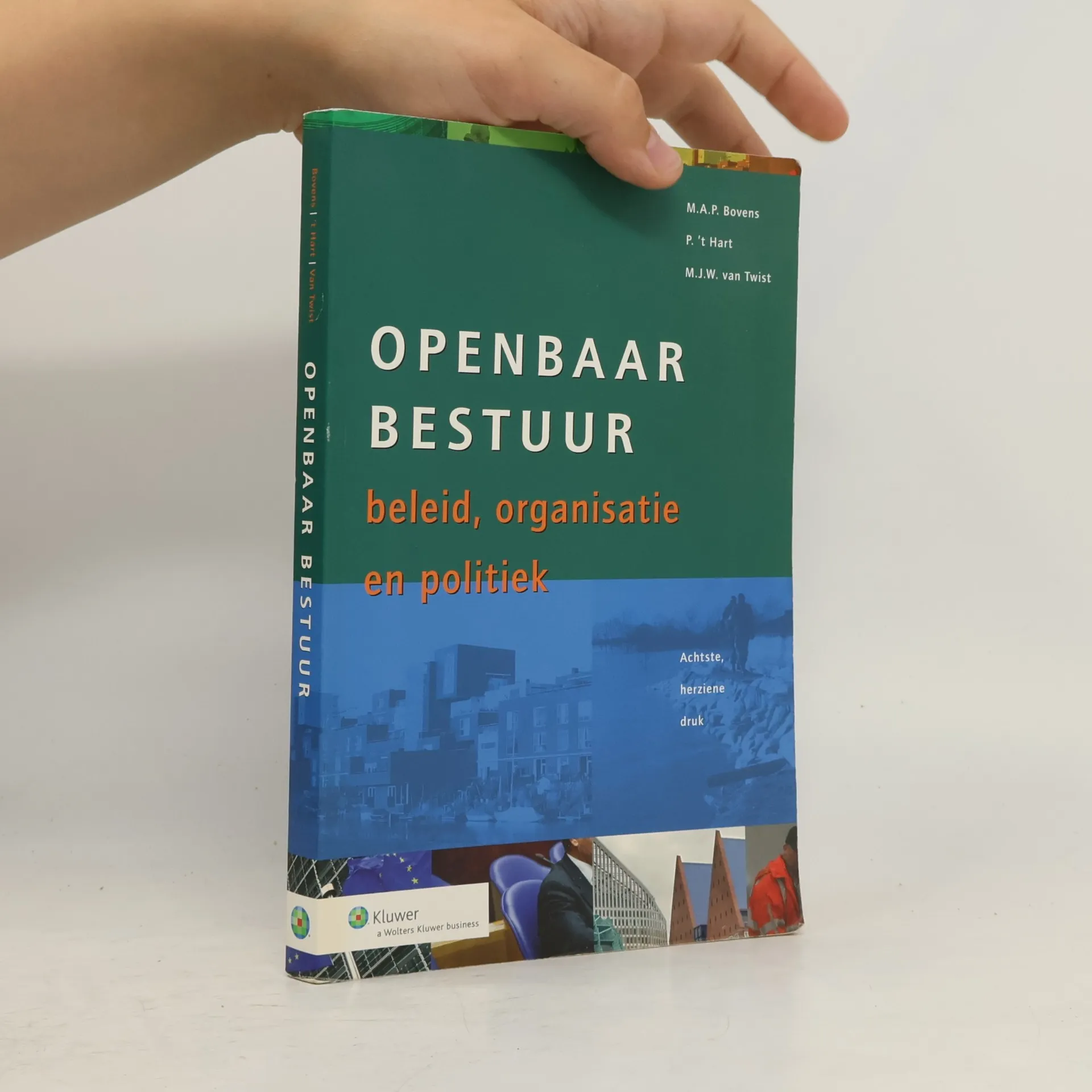
Beleid, organisatie en politiek - Achtste, herziene druk
392 pages
14 hours of reading
In deze grondig gewijzigde achtste druk presenteren de auteurs een kennismaking met het openbaar bestuur en de bestuurskunde. Zij ontvouwen een visie op kernvragen van het openbaar bestuur en op kernthema's van de bestuurskunde. In de bestuurskunde wordt geprobeerd om de ontwikkeling van het openbaar bestuur en haar omgeving inzichtelijke en begrijpelijk te maken. Daarbij speelt de connectie met de bestuurspraktijk een grote rol. De afgelopen jaren is er het nodige veranderd in de sfeer van het openbaar bestuur. De politieke omgeving van het openbaar bestuur is turbulenter geworden, de invloed van de media is toegenomen, en 'Europa' is steeds meer een integraal onderdeel van de bestuurspraktijk. Deze ontwikkelingen maakten een herziening van het boek Openbaar bestuur wenselijk.
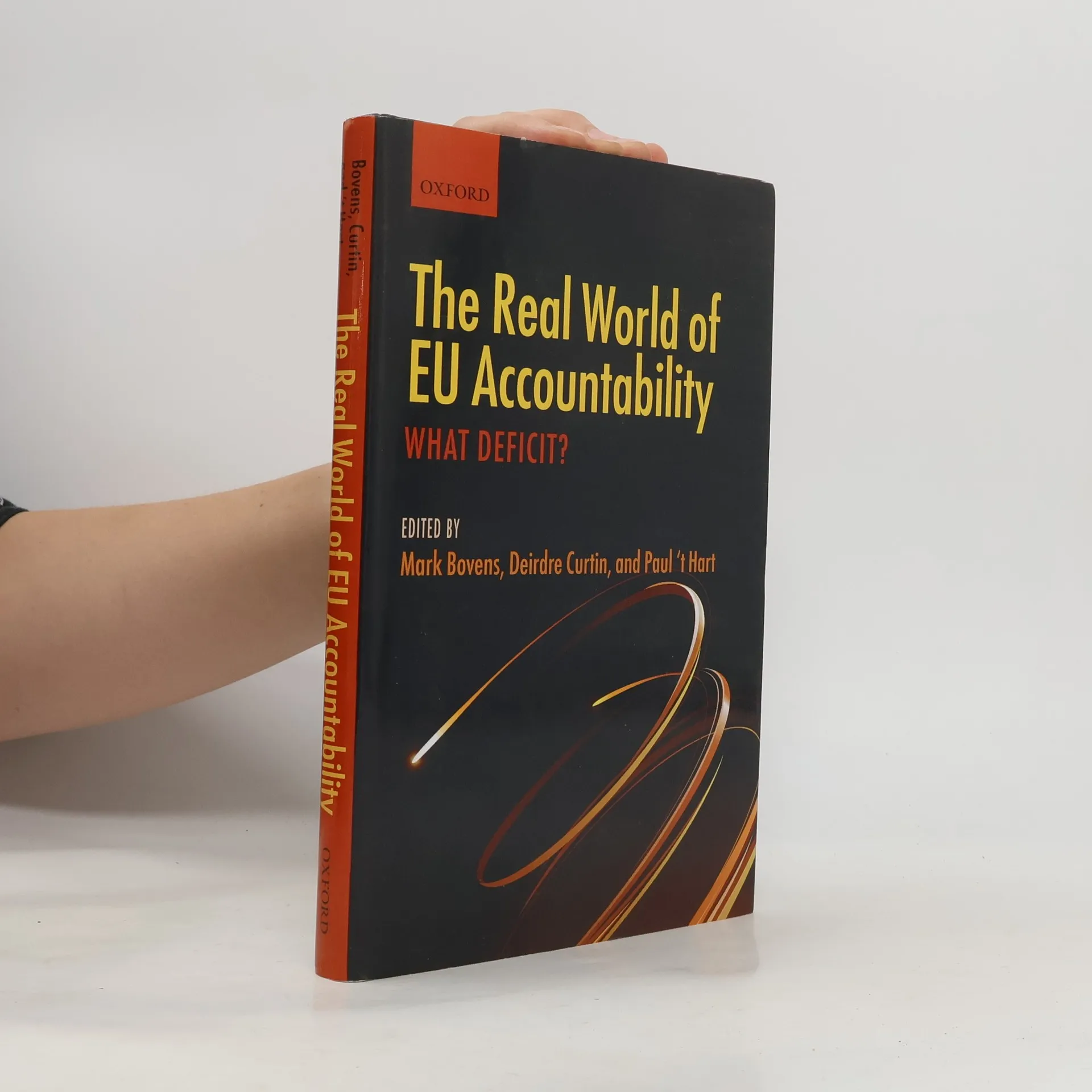
The Real World of EU Accountability examines how the European Union operates in practice and how and where its various institutions are held to account for the decisions they take and the power they wield.