

Explore the latest books of this year!
Bookbot

Richard Jefferies

    November 6, 1848 – August 14, 1887

    Richard Jefferies was a prolific author whose works delved into the natural world, rural life, and agriculture of late Victorian England. Yet, his writing transcends mere observation, capturing the aesthetic and spiritual depths of the human encounter with nature, which became an obsession for him. Beyond his realism, he was also a visionary, exploring strange futuristic fantasies and mystical concepts that continue to resonate. His ability to articulate the beauty and tranquility of the natural world, from the subtle details of flora and fauna to the grand expanse of the cosmos, left an indelible mark on literature, inspiring future generations of writers with his unique sensitivity and profound inner awakening.

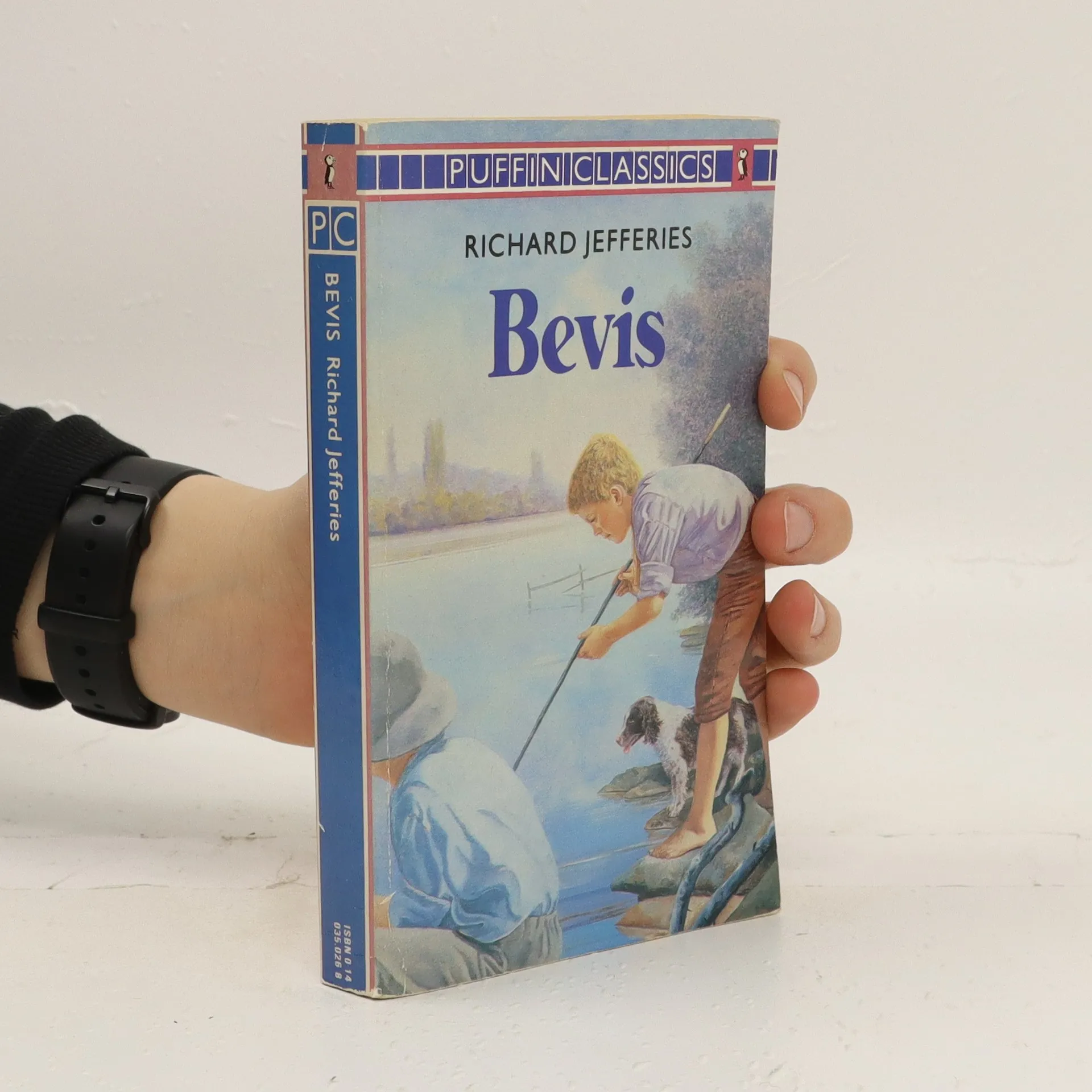
    Bevis
    The Life of the Fields
    The Open Air
    The Hills and the Vale
    The Story of My Heart
    After London, Or, Wild England
    • After London, Or, Wild England

      A Classic of Post-Apocalyptic Science Fiction

      • 158 pages
      • 6 hours of reading

      Set in a post-apocalyptic London, the narrative explores the collapse of civilization following a cataclysmic event. As survivors navigate their new reality, they establish a primitive society in the countryside, grappling with the challenges of rebuilding and redefining humanity in a drastically altered world. The story delves into themes of survival, societal transformation, and the resilience of the human spirit amidst devastation.

      After London, Or, Wild England
    • The Story of My Heart

      My autobiography

      • 110 pages
      • 4 hours of reading

      The narrative unfolds over seventeen years, reflecting on the author's quest for emotional and intellectual rejuvenation. Feeling stifled by the monotony of life, the protagonist recognizes the detrimental effects of stagnation on both heart and mind. A longing for inspiration and a return to deep feelings drives the desire to break free from the constraints of routine. This introspective journey emphasizes the importance of fresh experiences and profound thoughts as vital to revitalizing the spirit.

      The Story of My Heart
    • The Hills and the Vale

      • 188 pages
      • 7 hours of reading

      Set in the English countryside, this work by Richard Jefferies captures the beauty and intricacies of rural life. Through vivid descriptions and reflective prose, the author explores themes of nature, landscape, and the human experience. The narrative delves into the relationship between people and their environment, offering insights into the joys and challenges of rural existence. Jefferies' keen observations create a rich tapestry that celebrates the simplicity and complexity of life in the hills and valleys.

      The Hills and the Vale
    • The Open Air

      • 166 pages
      • 6 hours of reading

      The influence of childhood experiences on a Wiltshire farm shapes the works of John Richard Jefferies, an English nature writer renowned for his vivid portrayals of rural life. His essays, natural history books, and novels reflect a deep connection to the English countryside, capturing its beauty and intricacies. Through his writing, Jefferies offers readers a window into the natural world and the simplicity of country living, making his contributions significant in the realm of nature literature.

      The Open Air
    • The Life of the Fields

      • 200 pages
      • 7 hours of reading

      Delving into the beauty of rural life, these works by Richard Jefferies celebrate the charm of the countryside. Through vivid descriptions and personal reflections, the author captures the essence of nature, exploring themes of harmony between humanity and the environment. Ideal for those who cherish pastoral landscapes, these books offer an enchanting glimpse into the joys and intricacies of country living.
      The Life of the Fields
    • Whiz! Away it went, bend first, and rose against the wind till the impetus ceased, when it hung a moment on the air, and slid to the right, falling near the summer-house. Next time it turned to the left, and fell in the hedge; another time it hit the hay-rick: nothing could make it go straight. Mark tried his hardest, and used it both ways, but in vain--the boomerang rose against the wind, and, so far, acted properly, but directly the force with which it was thrown was exhausted, it did as it liked, and swept round to the left or the right, and never once returned to their feet.

      Bevis
    • After London; Or, Wild England

      • 204 pages
      • 8 hours of reading
      3.1(24)Add rating

      Set in a post-apocalyptic England, the narrative explores the aftermath of a mysterious tragedy that decimates the population, allowing nature to reclaim the land. The first section examines the decline of civilization through the eyes of historians, while the second, "Wild England," presents an adventurous tale in a transformed, untamed world. Jefferies' evocative writing captures the haunting beauty of a reborn countryside, making this work a notable piece of eco-apocalyptic literature. Released in 1885, it reflects the author's struggles and creativity during his final years.

      After London; Or, Wild England
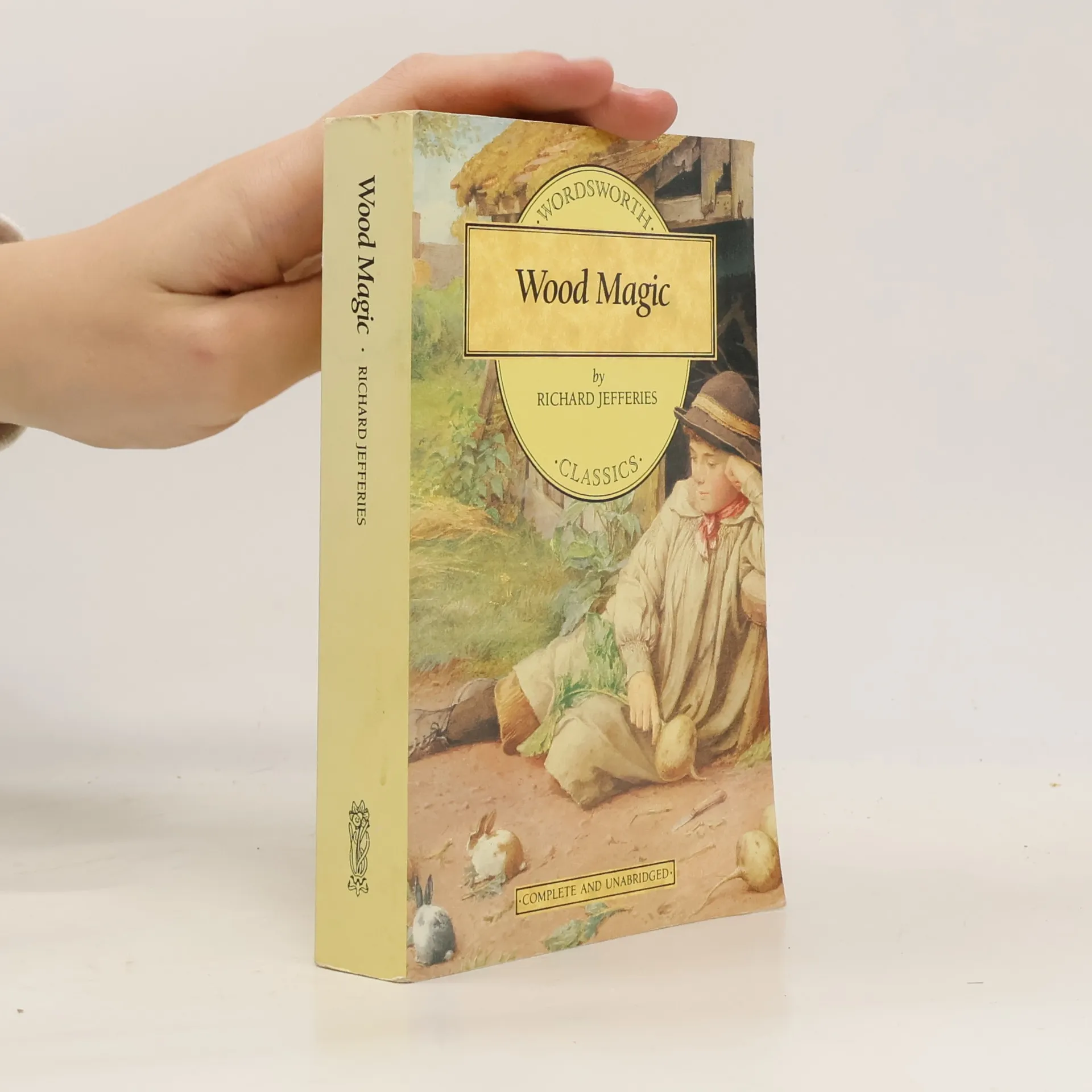
    • Wood Magic

      • 263 pages
      • 10 hours of reading
      3.0(47)Add rating

      Both Volume I and II are included in this edition.Page count for Volume I = 235. Page count starts again for Volume II, which has 263 pages.

      Wood Magic
    • World's End

      Victorian Novel

      • 480 pages
      • 17 hours of reading
      World's End
    • The Open Air [essays.]

      • 316 pages
      • 12 hours of reading

      This work has been selected by scholars as being culturally important, and is part of the knowledge base of civilization as we know it. This work was reproduced from the original artifact, and remains as true to the original work as possible. Therefore, you will see the original copyright references, library stamps (as most of these works have been housed in our most important libraries around the world), and other notations in the work. This work is in the public domain in the United States of America, and possibly other nations. Within the United States, you may freely copy and distribute this work, as no entity (individual or corporate) has a copyright on the body of the work. As a reproduction of a historical artifact, this work may contain missing or blurred pages, poor pictures, errant marks, etc. Scholars believe, and we concur, that this work is important enough to be preserved, reproduced, and made generally available to the public. We appreciate your support of the preservation process, and thank you for being an important part of keeping this knowledge alive and relevant.

      The Open Air [essays.]