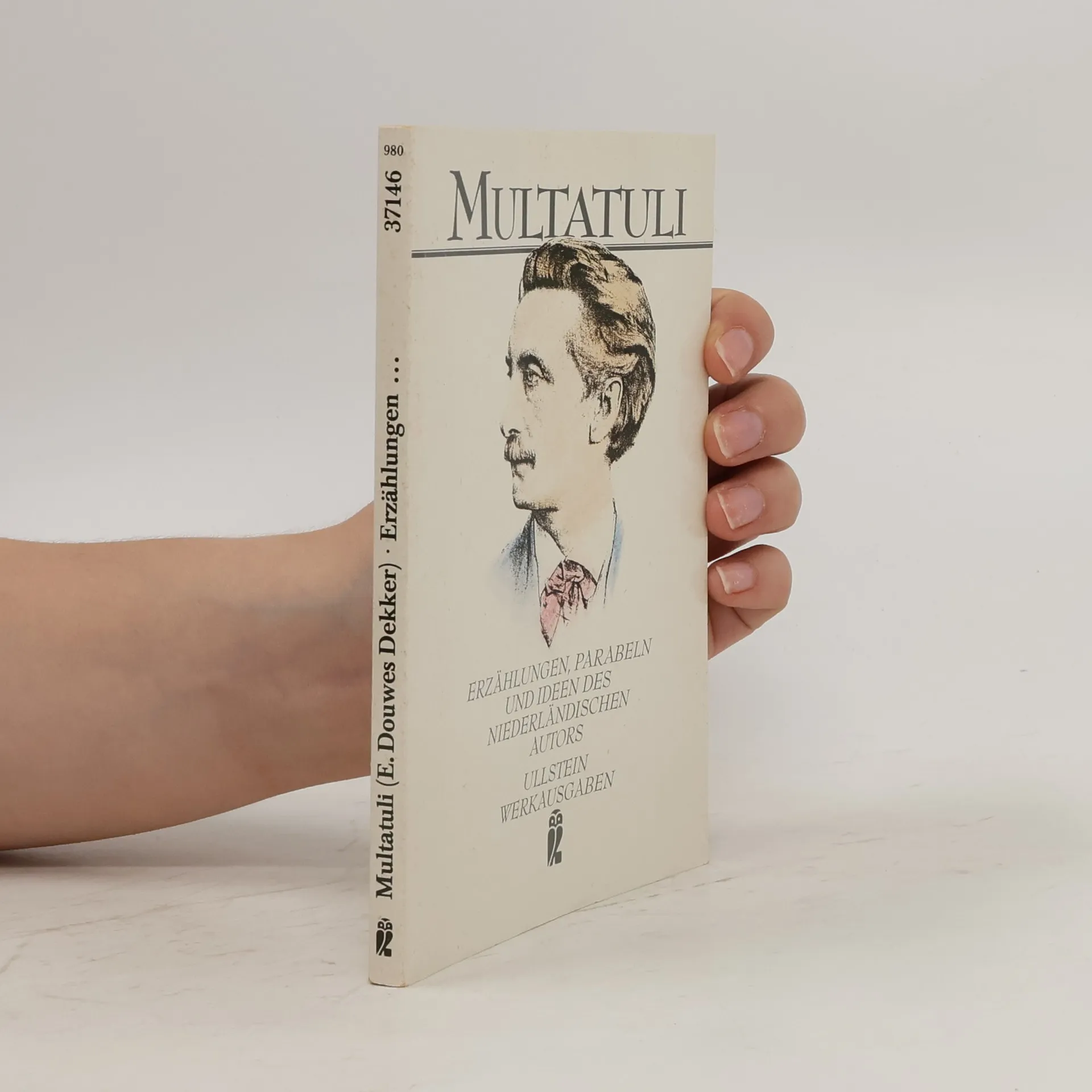
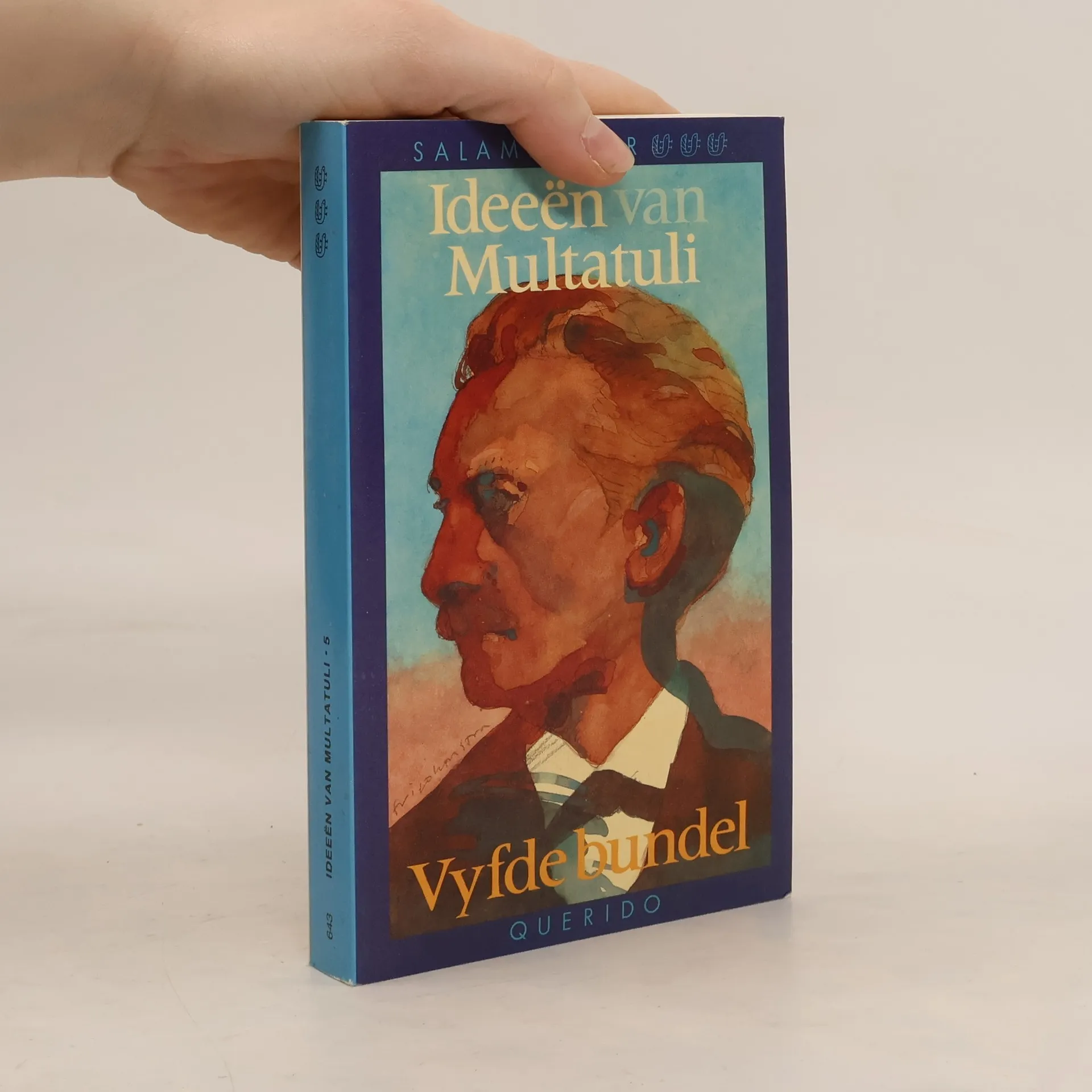
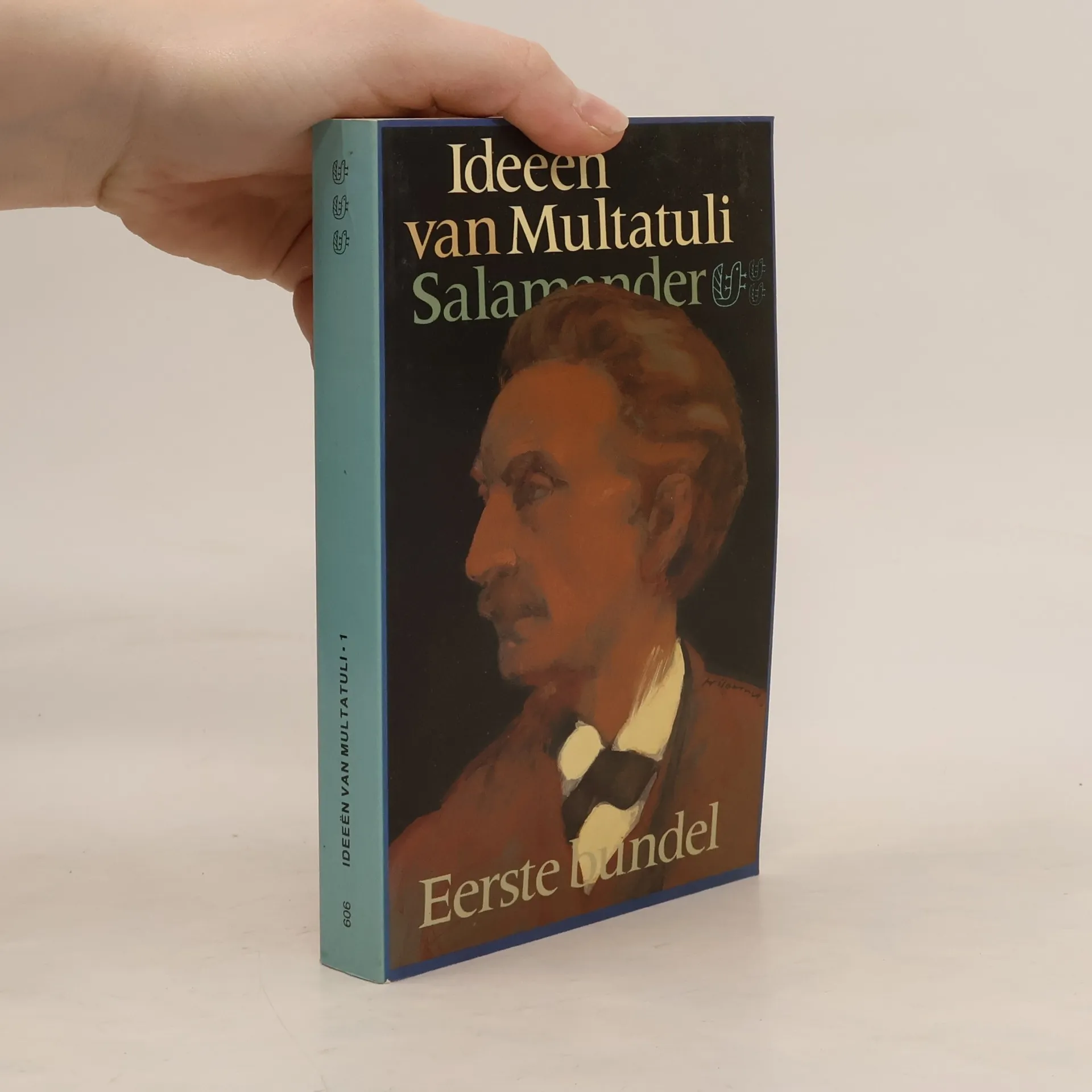
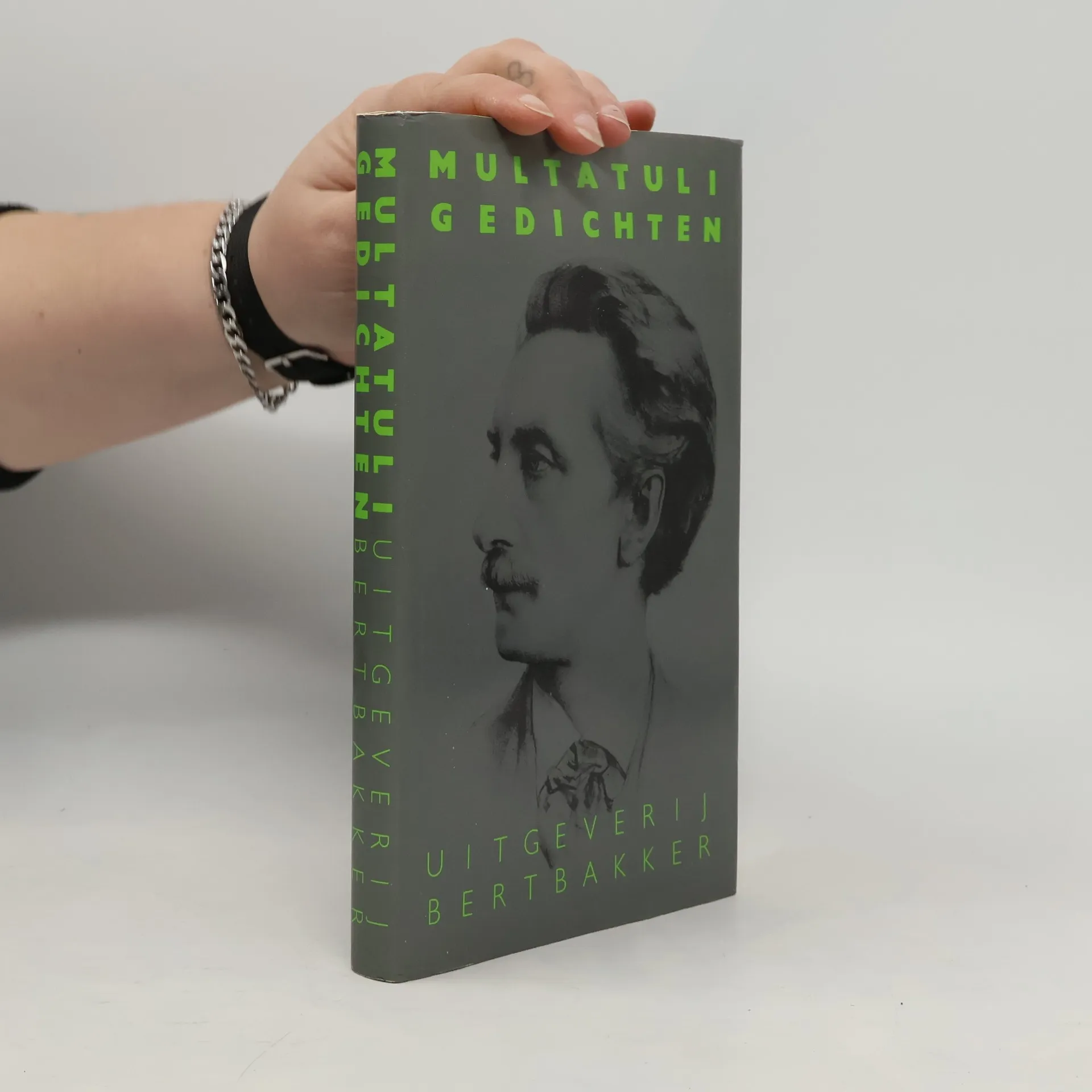
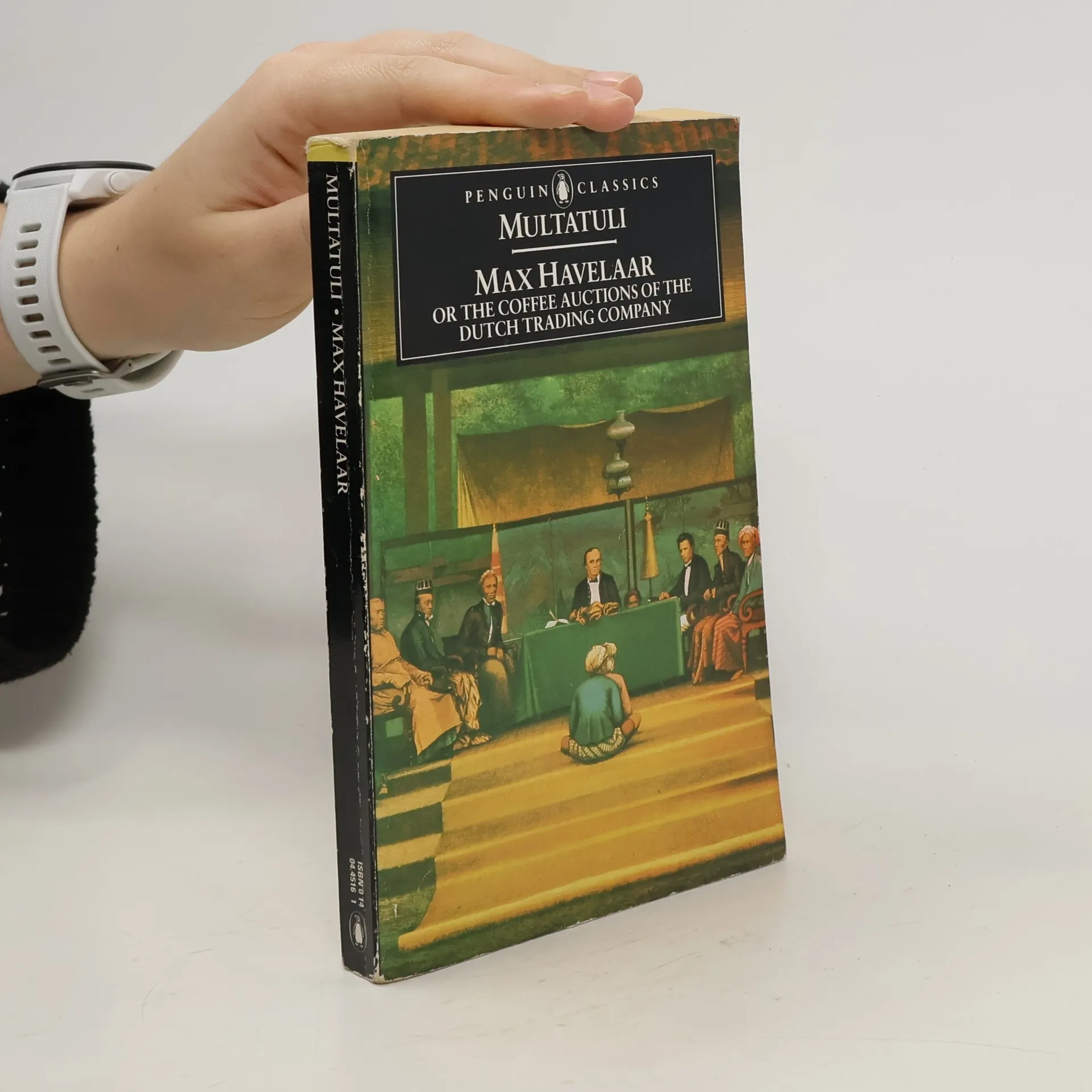
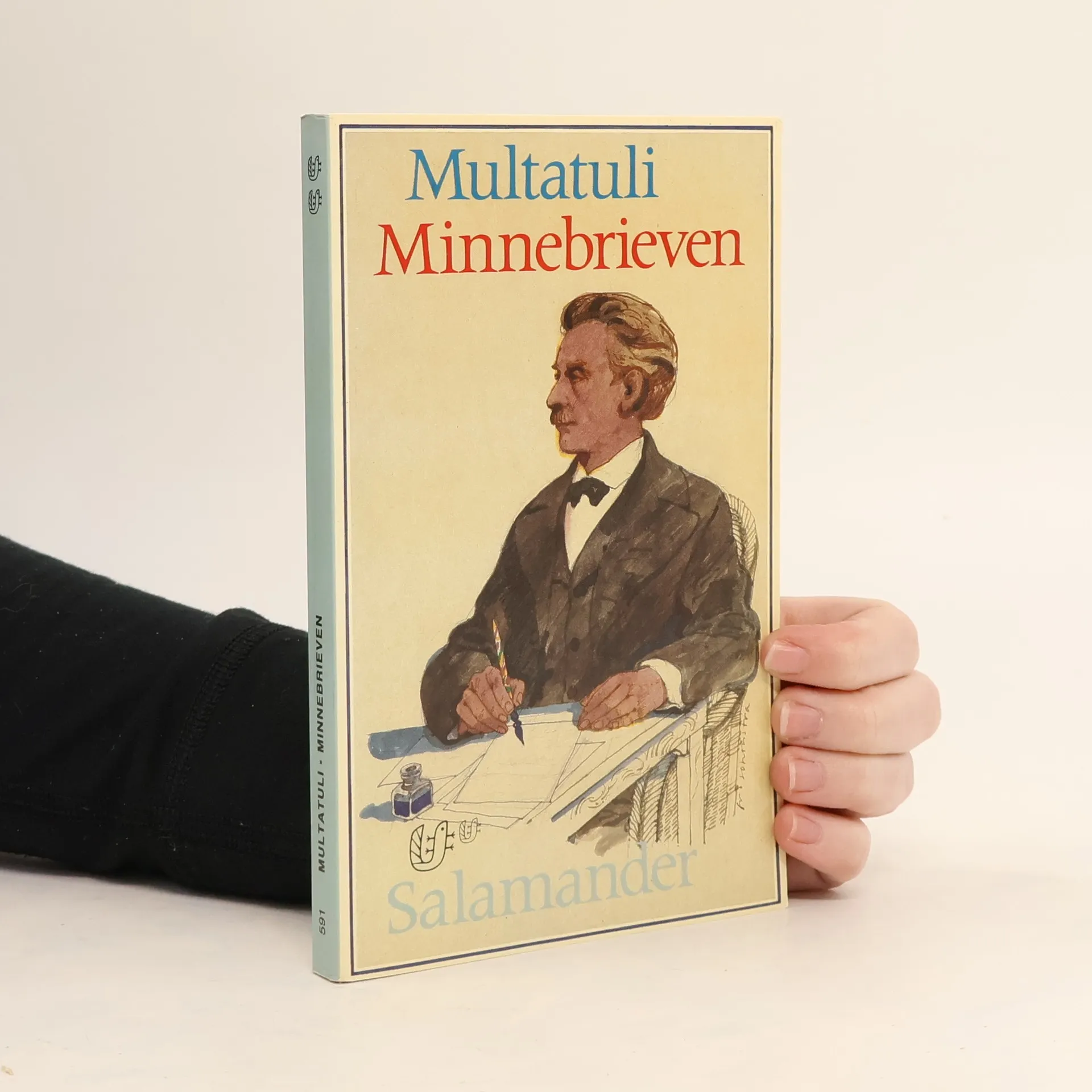
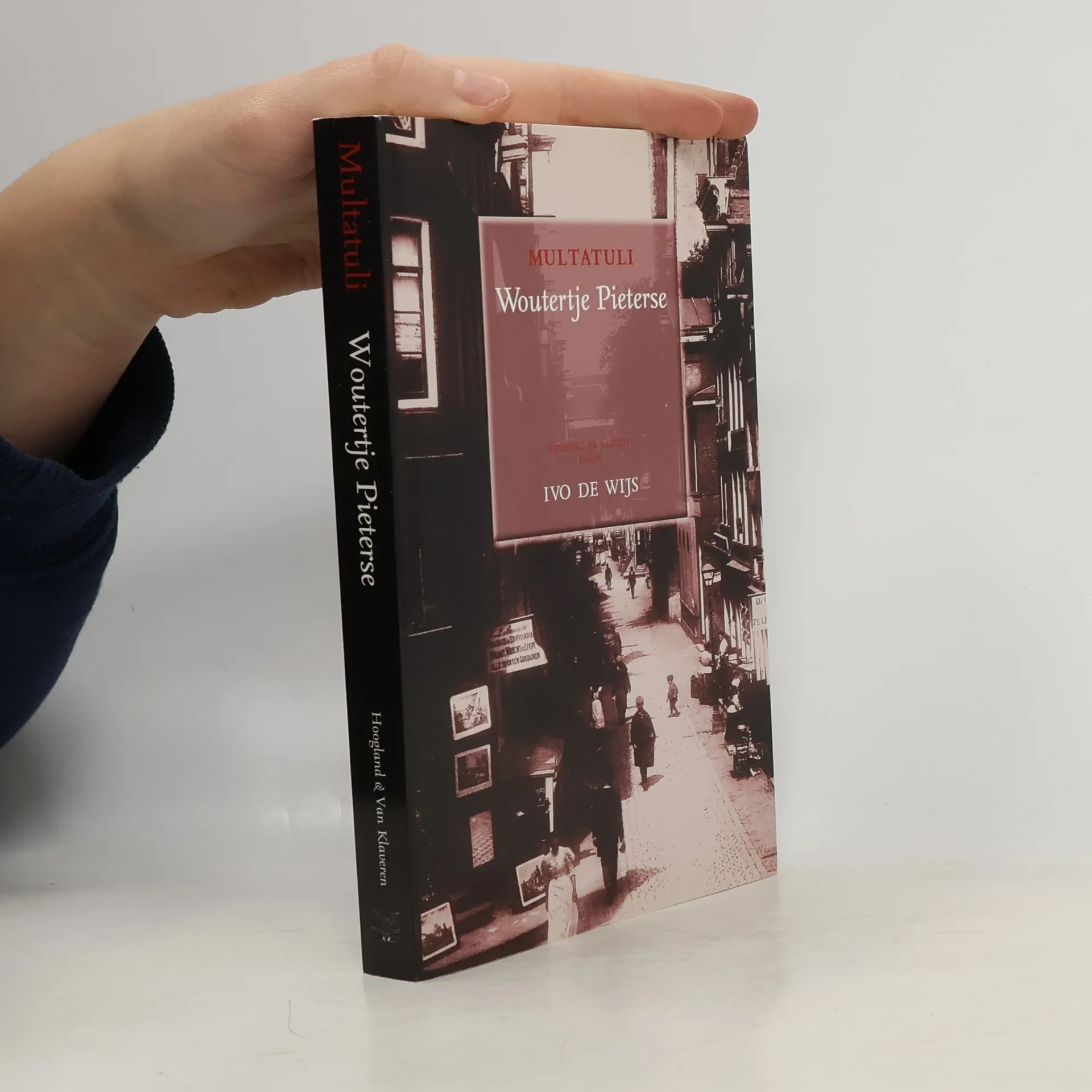
Eduard Douwes Dekker, best known by his pen name Multatuli, was a Dutch writer renowned for his satirical novel denouncing the abuses of colonialism in the Dutch East Indies. His work, deeply informed by his personal experiences, exposes injustice and oppression with uncompromising honesty. Multatuli's pseudonym, meaning 'I have suffered much,' reflects both his own hardships and those of the victims of the injustices he depicted. Through his distinctive narrative voice, often employing satire and nonconformist views on politics and society, he made a significant contribution to Dutch literature.
Roy Edwards's vibrant translation conveys the satirical and innovative style
of Multatuli's autobiographical polemic. In his introduction, R. P. Meijer
discusses the author's tempestuous life and career, the controversy the novel
aroused and its unusual narrative structure.
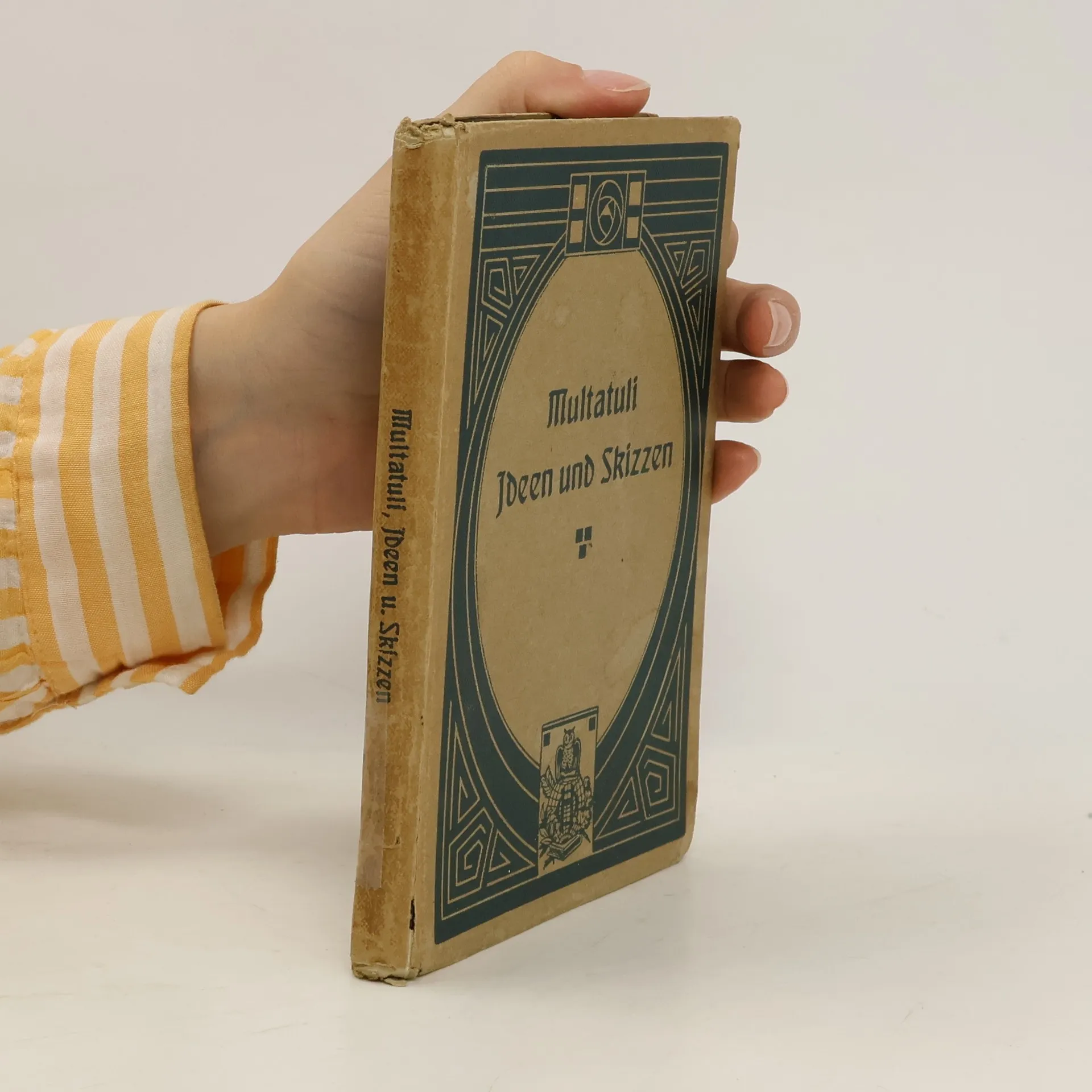
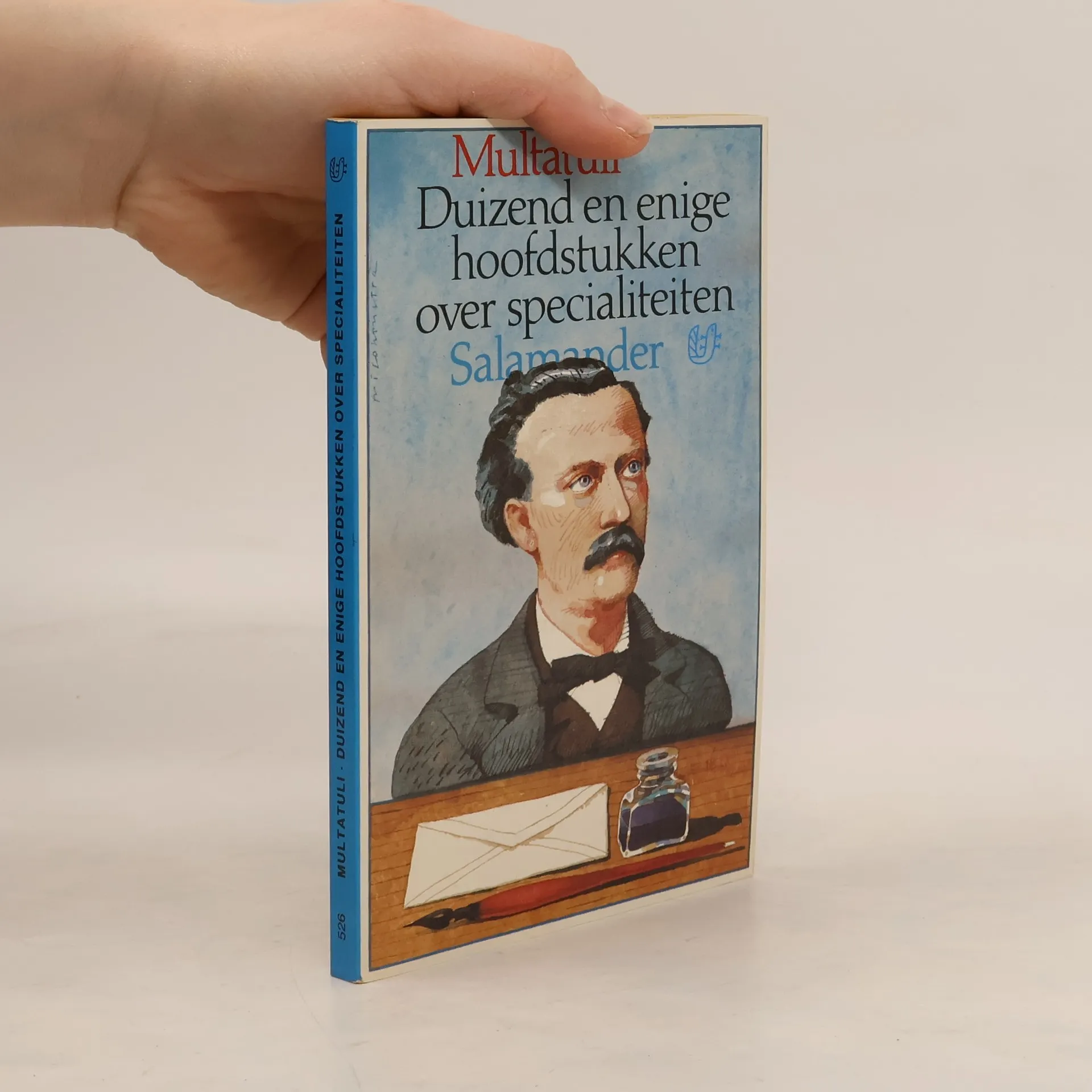
Verzamelde werken III, Ideën, 1 t/m 447, waarin Multatuli, altijd op zoek naar waarheid, korte, soms een-regelige, soms langere kritische beschouwingen houdt over zaken als hoogmoed, genieën, de bijbel, mysteries, en weer terugkomt op de toestanden in Lebak, in Nederlands-Indië. Ook gebruikt hij sketches en dialogen om zijn ideeën naar voren te brengen. In deze bundel wordt Woutertje Pieterse voor het eerst ten tonele gevoerd. Multatuli's schrijfstijl is levendig en direct, soms compact, dan weer 19e eeuws wijdlopig maar nooit saai. Eerste "Misschien is niets geheel waar, en zelfs dát niet.", typerend voor Douwes Dekkers stijl, provocerend, serieus en toch geestig. Eduard Douwes Dekker (1820-1887), Nederlands schrijver, bekend onder het pseudoniem Multatuli. Douwes Dekker was van 1840 tot 1856 koloniaal ambtenaar in Nederlands-Indië. Na een conflict met zijn superieuren keerde Douwes Dekker miskend en berooid terug naar Europa. Zijn bekendste werk, Max Havelaar, is een felle aanklacht tegen misstanden onder het koloniaal bewind en de inlandse regenten. Later publiceerde hij Ideën, met daarin de roman Woutertje Pieterse, toneelstukken en vele brieven. Door zijn humor, stylistische capaciteiten en zijn sociaal engagement is Multatuli ook nu nog een veel en graag gelezen auteur.
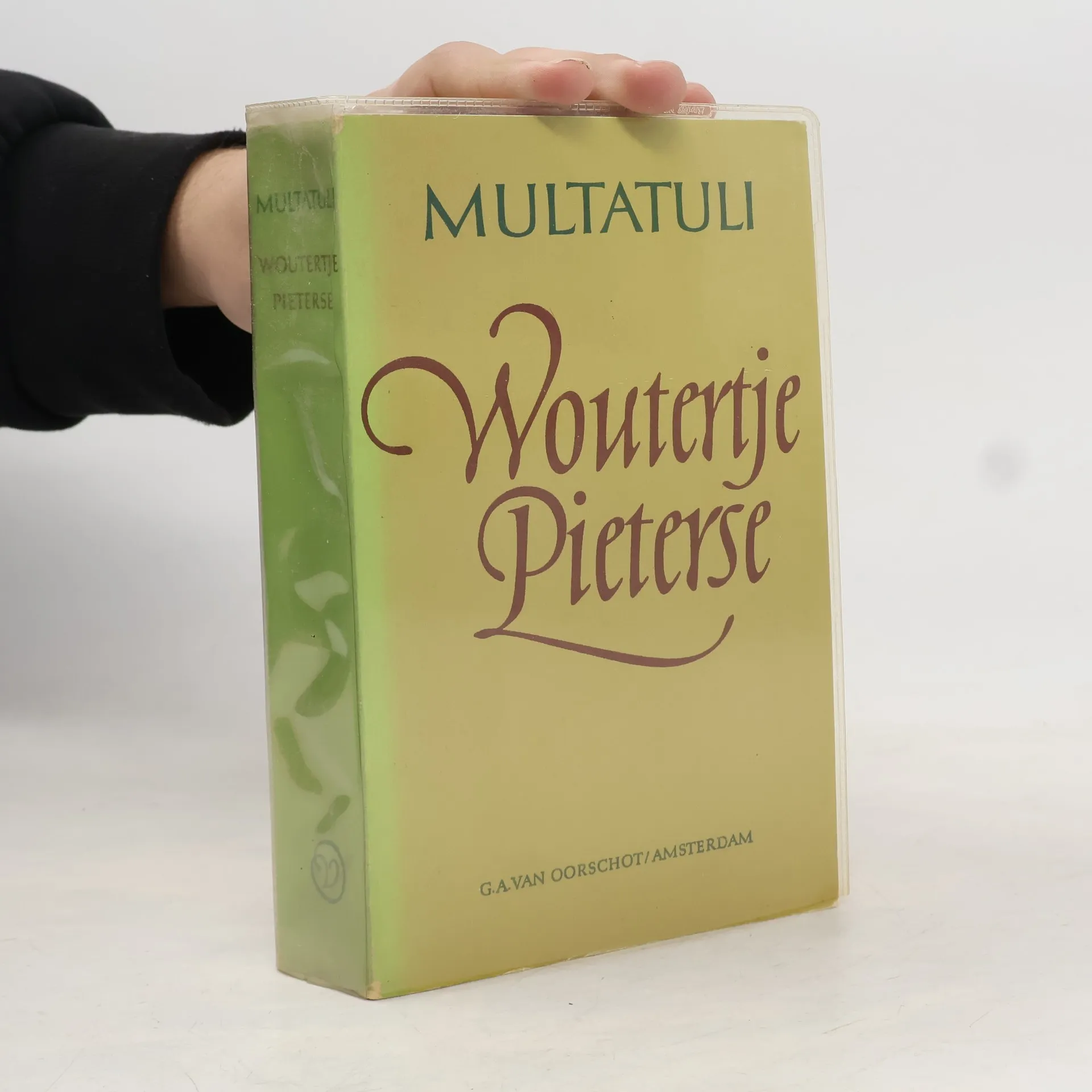
Verzamelde werken VII (Garmond-Editie), *Ideën*, 1047 t/m 1080, waarin Multatuli *De geschiedenis van Wouter Pieterse*, begonnen in VW III, voortzet. Multatuli benadrukte dat *Woutertje Pieterse* geen roman is. Het verhaal is door de ideeen heen gevlochten en wordt afgewisseld met verhandelingen over, bijvoorbeeld, de Nederlandse taal, het Hollandse dijkenstelsel, tips voor een nieuwe manier van taalbeschowing en het verschil tussen ij en y. Multatuli hanteert graag sarcasme om domheden op de korrel te nemen. Bijzonder is ook dat hij vaak verwijst naar eerdere Ideën, en heeft dan ook het nummer paraat. Hij blijft zich verbazen en beklagen over het zwijgen en gebrek aan actie van de politiek en zijn publiek als reactie op zijn werk. Eduard Douwes Dekker (1820-1887), Nederlands schrijver, bekend onder het pseudoniem Multatuli (Latijn voor 'ik heb veel gedragen'). Douwes Dekker was van 1840 tot 1856 koloniaal ambtenaar in Nederlands-Indië (Indonesië). Na een conflict met zijn superieuren keerde Douwes Dekker miskend en berooid terug naar Europa. Zijn bekendste werk, Max Havelaar (1860), is een felle aanklacht tegen misstanden onder het koloniaal bewind en de inlandse regenten. Later publiceerde hij Ideën, met daarin de roman Woutertje Pieterse, toneelstukken en vele brieven. Door zijn humor, stylistische capaciteiten en zijn sociaal engagement is Multatuli ook nu nog een veel en graag gelezen auteur.
"Woutertje Pieterse" (or The History of Walter Pieterse) by Multatuli was his second novel and published posthumously in 1890. It is also the most famous work by the author after "Max Havelaar." The history of Wouter Pieterse appeared as fragments in the Ideas, which also forms an organic whole with it. The story is about a dreamy and poetic msterdam boy, Wouter Pieterse, who grows up in a middle-class environment in the French period . The philistinism of his surroundings and curiosity of Wouter often come into conflict, and forms the main theme of the book. Eduard Douwes Dekker (2 March 1820 - 19 February 1887), better known by his pen name Multatuli (from Latin multa tuli, "I have suffered much"), was a Dutch writer famous for his satirical novel, Max Havelaar (1860), which denounced the abuses of colonialism in the Dutch East Indies (today's Indonesia).
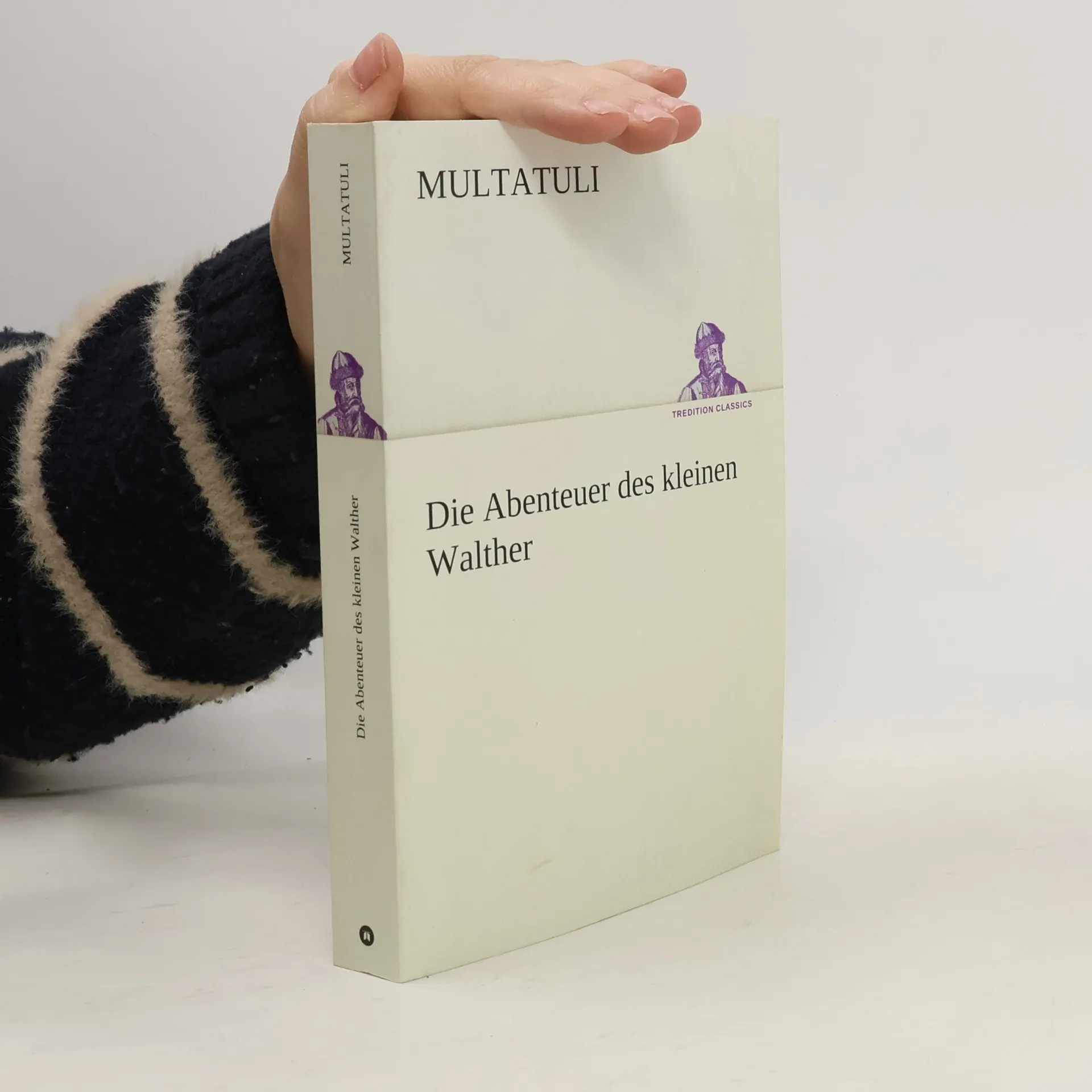
Die Buchreihe TREDITION CLASSICS widmet sich der Wiederveröffentlichung bedeutender Werke aus zwei Jahrtausenden, die oft vergriffen sind. Ziel ist es, 100.000 Klassiker der Weltliteratur in gedruckter Form zugänglich zu machen. Diese Initiative unterstützt vorwiegend gemeinnützige Literaturprojekte, deren Arbeit durch den Verkauf der Bücher finanziert wird. TREDITION CLASSICS bietet somit nicht nur einen Zugang zu bedeutenden literarischen Schätzen, sondern fördert auch die kulturelle Vielfalt und den Erhalt literarischen Erbes.
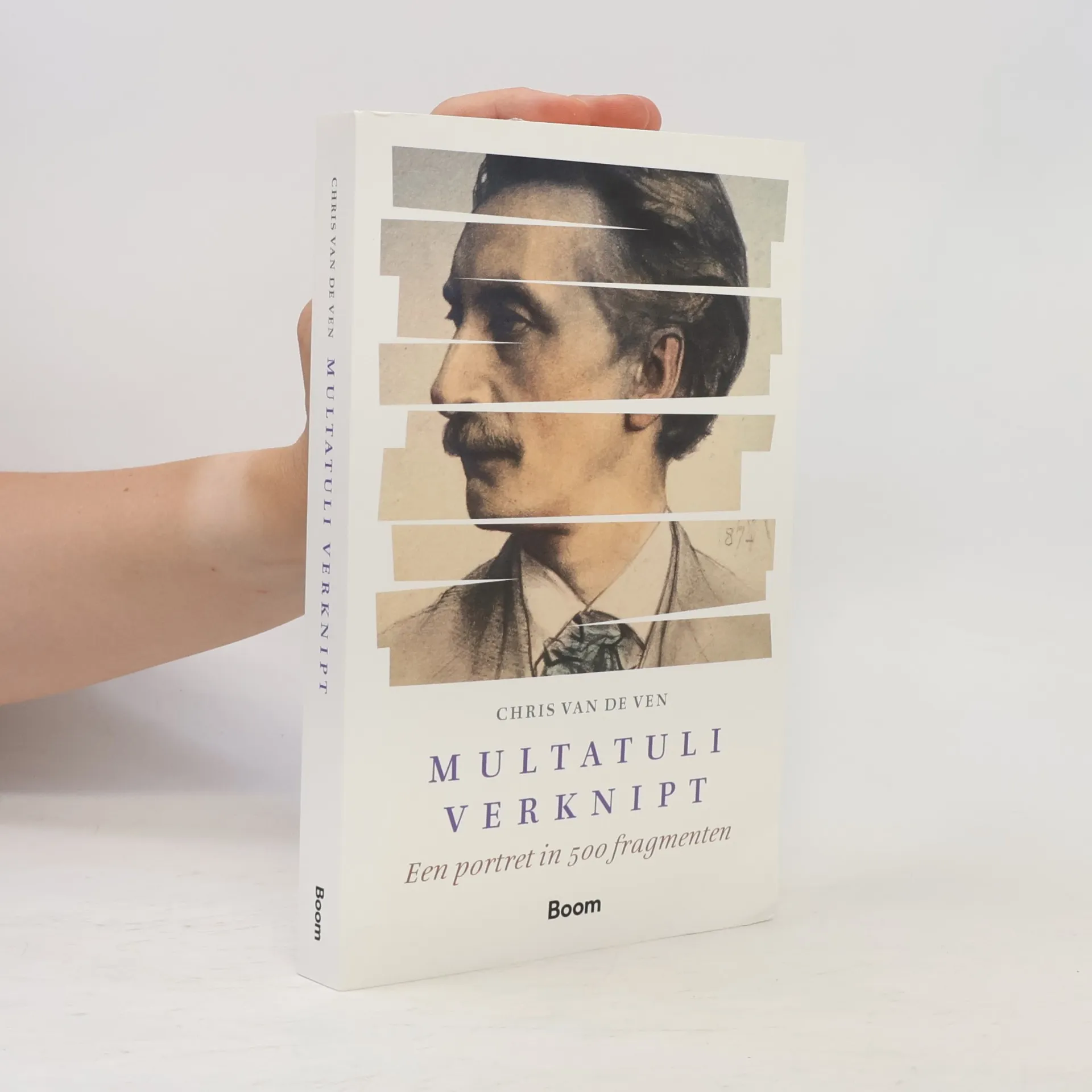
'Ik wou myzelf gaarne eens ontmoeten, om te weten hoe ik my beviel. Maar 'k moet goed gehumeurd wezen dien dag, want in hou niet van onaangenaamheden.'‘De hoogste graad van moed is hoogmoed.’ Multatuli, auteur van de Max Havelaar, was een bijzonder karakter. ‘Een vat vol tegenstrydigheids’ noemde hij zichzelf. Voor zijn vele adepten was hij speciaal, geniaal, een fantastisch schrijver, groots denker, voorloper, held, edelmoedig, vastberaden, wereldburger, goudeerlijk, onwrikbaar op zoek naar het goede, hulpvaardig, groot spreker, charismatisch.Zijn evenzovele opponenten noemden hem een afbreker, ijdeltuit, slechte vader, slechte echtgenoot, bederver van de jeugd, oplichter, gokker, vrouwenverslinder, mooiprater, dwingeland, licht ontvlambaar, onfatsoenlijk, groot egoïst, larmoyant klager, schuldenmaker.Ten koste van alles wat hij bezat kwam Multatuli op voor de Javaan, de arbeider, vrouwen, kinderen en zichzelf. Hij keerde zich tegen de leugens van kerkelijke, politieke en andere machthebbers. Hij was ijdel en edel, maar wilde vooral ridderlijk goed doen. Hij gaf wenken, geen regels. Zelf nadenken was zijn kernboodschap.Dit alles zette Multatuli – daar was iedereen het over eens – in briljante bewoordingen op papier. In Multatuli verknipt heeft Chris van de Ven de schaar gezet in zijn werk, zodat een groot publiek kennis kan nemen van wie Multatuli was en waar hij voor stond.
De mooiste domineesverhalen van Maarten 't Hart, Multatuli, Freek de Jonge en anderen - druk 1
255 pages
9 hours of reading
De dominee is niet meer wat hij geweest is; toch zijn dominees en hun kinderen in het nieuws: 26 oktober 2002 werd in de Amsterdamse Nieuwe Kerk de ‘Dag van het domineeskind’ gehouden, op initiatief van domineeszoon Freek de Jonge, en georganiseerd door Trouw, de NCRV en De Nieuwe Kerk. Ruim duizend domineeskinderen maakten hun opwachting. Het programma kreeg veel aandacht in de media. Naar aanleiding hiervan verscheen Trouw Dossier nr. 22 ‘Land van domineeskinderen’ met artikelen, interviews met bekende Nederlandse domineeskinderen en het sociologische onderzoek van Trouw en de VU onder ruim 2000 domineeskinderen.Nu verschijnt deze literaire bloemlezing samengesteld door Trouw-criticus (en domineeszoon) Rob Schouten met fragmenten en gedichten over dominees uit werk van Annie M.G. Schmidt, Multatuli, Freek de Jonge, Geert Mak, Simon Carmiggelt, Maarten ‘t Hart, Dominee Gremdaat, Anne Vegter, Jean Pierre Rawie, Marten Toonder (met illustraties), Guus Kuijer en vele anderen, niet zelden zelf domineeskinderen. Met een inleiding van Rob Schouten.tekst: redactie Biblion JM
Saidjah und Adinda ist eine berühmte Liebesgeschichte. Sie steht im Buch Max Havelaar von Multatuli. Das verhaal geht über zwei Kinder armer indischer Bauern. Sie wohnen in Indien, einem Land, das jetzt Indonesien heißt. Als sie später groß sind, werden die Kinder miteinander verheiratet. Das haben ihre Väter miteinander vereinbart. Saidjah und Adinda möchten sich gerne an diese Vereinbarung halten. Aber ob das auch gelingt...?
Max Havelaar: dražební řízení v holandské obchodní společnosti. Slavný román nizozemského spisovatele – někdejšího úředníka vnitřní správy nizozemské Východní Indie (tj. dnešní Indonésie), upozorňujícího na bídu domorodého obyvatelstva a na nešvary holandské koloniální správy – je úděsným svědectvím o poměrech v nizozemských východoindických državách v polovině minulého století. Vyprávění o spravedlivém muži, který bojuje proti křivdám, korupci a intrikám, napsal autor na podkladě trpkých zkušeností. Dílo originálního stylu je podepsáno výstižným latinským pseudonymem „multa tuli – mnoho jsem trpěl“.
Max Havelaar, neboli, Kávová burza nizozemské obchodní společnosti. Slavný román nizozemského spisovatele – někdejšího úředníka vnitřní správy nizozemské Východní Indie (tj. dnešní Indonésie), upozorňujícího na bídu domorodého obyvatelstva a na nešvary holandské koloniální správy – je úděsným svědectvím o poměrech v nizozemských východoindických državách v polovině minulého století. Vyprávění o spravedlivém muži, který bojuje proti křivdám, korupci a intrikám, napsal autor na podkladě trpkých zkušeností. Dílo originálního stylu je podepsáno výstižným latinským pseudonymem „multa tuli – mnoho jsem trpěl“.
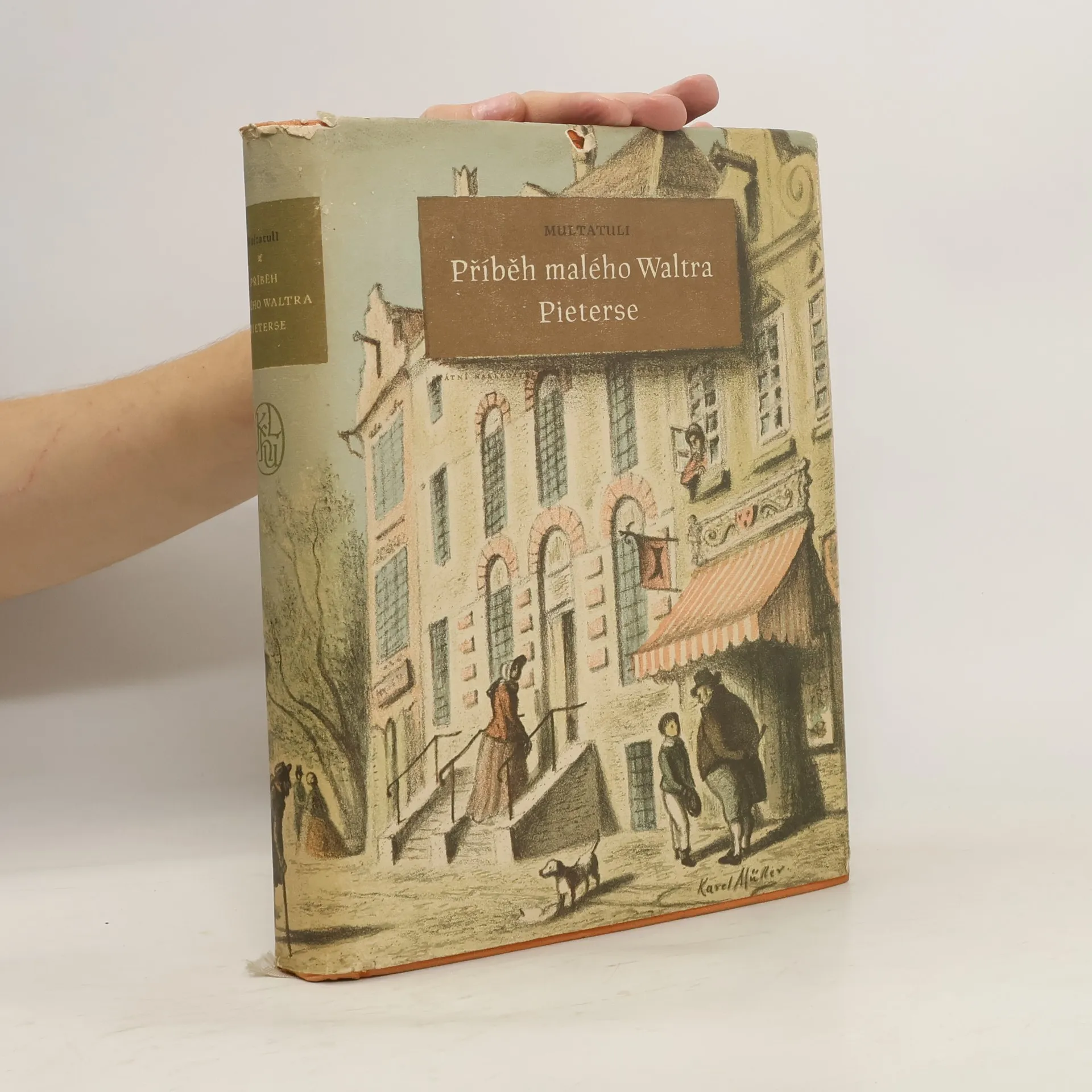
„Příběh malého Waltra Pieterse“ je románový celek jasně autobiografických rysů, obsažený v sedmisvazkových autorových „Myšlenkách“. Tato kniha o bloudění mladé bytosti, toužící po dobru, ohrožované nejedním zlem a zachráněné vždyznovu tajemnou Fancy – básníkovým zosobněním světa poezie, není však jen zbeletrisovanou studií dětství a dospívání. Jak se od autora „Maxe Havelaara“ (díla, které odhalilo zrůdnost holandské politiky v koloniích a přimělo celý národ k ohromnému protestu) nedalo ani jinak čekat, nastavil i v tomto příběhu kritické zrcadlo svému prostředí a své době a vykreslil v něm realisticky nejen ovzduší nemajetné amsterodamské rodiny, žijící a vychovávající své děti v začarovaném kruhu všemožných předsudků a nezdravé poníženosti před mocnými, nýbrž i mnohem přirozenější život příslušníků chudiny, představované pradlenou a její dcerou. S těmito hlavními hrdiny poznáváme i zbohatlicky nadutou, necitelnou a omezenou kupeckou rodinu Kopperlithů, prostého dobráka pátera Jansena, vzdělaného poctivce doktora Holsmu, hloupého učitele – a dohromady máme před sebou obraz celé tehdejší holandské společnosti, obraz živý, jasný, platný, i když jeho autor pouze odkryl chyby, ale nedovedl najít východisko. Z „Myšlenek“ vybral J. van den Bergh von Eysinga-Elias.