Life In The Iron Mills
- 256 pages
- 9 hours of reading
A revolutionary depiction of the American working poor and environmental degradation by a nineteenth-century proletarian feminist.


Rebecca Blaine Harding Davis was an American author and journalist, regarded as a pioneer of literary realism in American literature. Through her writing, she deliberately addressed the plight of marginalized groups in the 19th century, including Black people, women, Native Americans, immigrants, and the working class. Her work aimed to effect social change by highlighting their struggles. An influential text published in 1861 quickly established her as a recognized writer, shaping her literary legacy.
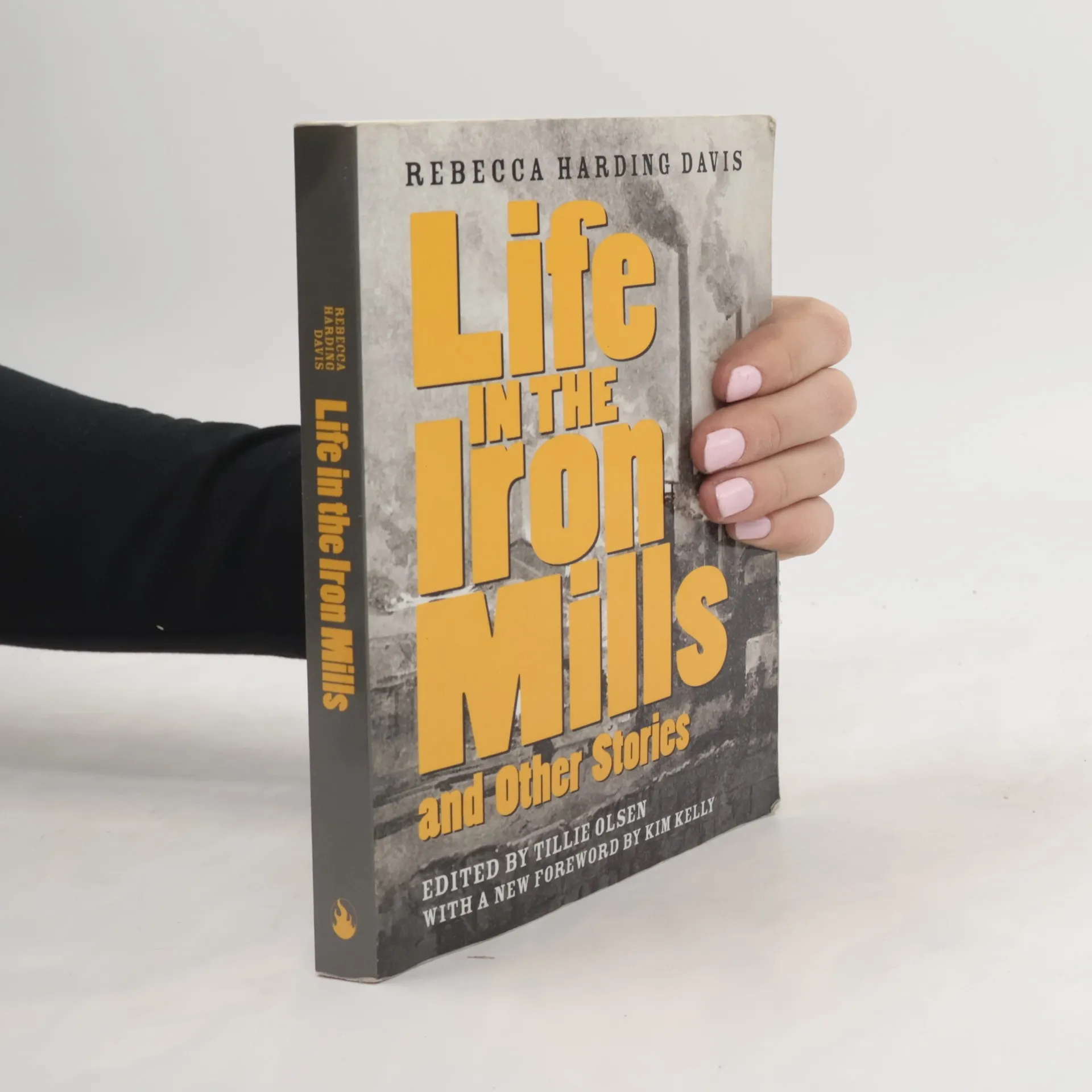
A revolutionary depiction of the American working poor and environmental degradation by a nineteenth-century proletarian feminist.