This is a pre-1923 historical reproduction that was curated for quality. Quality assurance was conducted on each of these books in an attempt to remove books with imperfections introduced by the digitization process. Though we have made best efforts - the books may have occasional errors that do not impede the reading experience. We believe this work is culturally important and have elected to bring the book back into print as part of our continuing commitment to the preservation of printed works worldwide.
Émile Zola Books
April 2, 1840 – September 29, 1902
Émile Zola stands as a pivotal figure of literary naturalism, dissecting the intricate interplay between environment, heredity, and human destiny. His monumental series, Les Rougon-Macquart, meticulously chronicles the societal transformations and consequences of the Industrial Revolution through the lens of a single family across generations. Zola's profound exploration of social issues and psychological depth cemented his status as a powerful voice of his era. His enduring works continue to inspire artists and resonate deeply with contemporary readers.


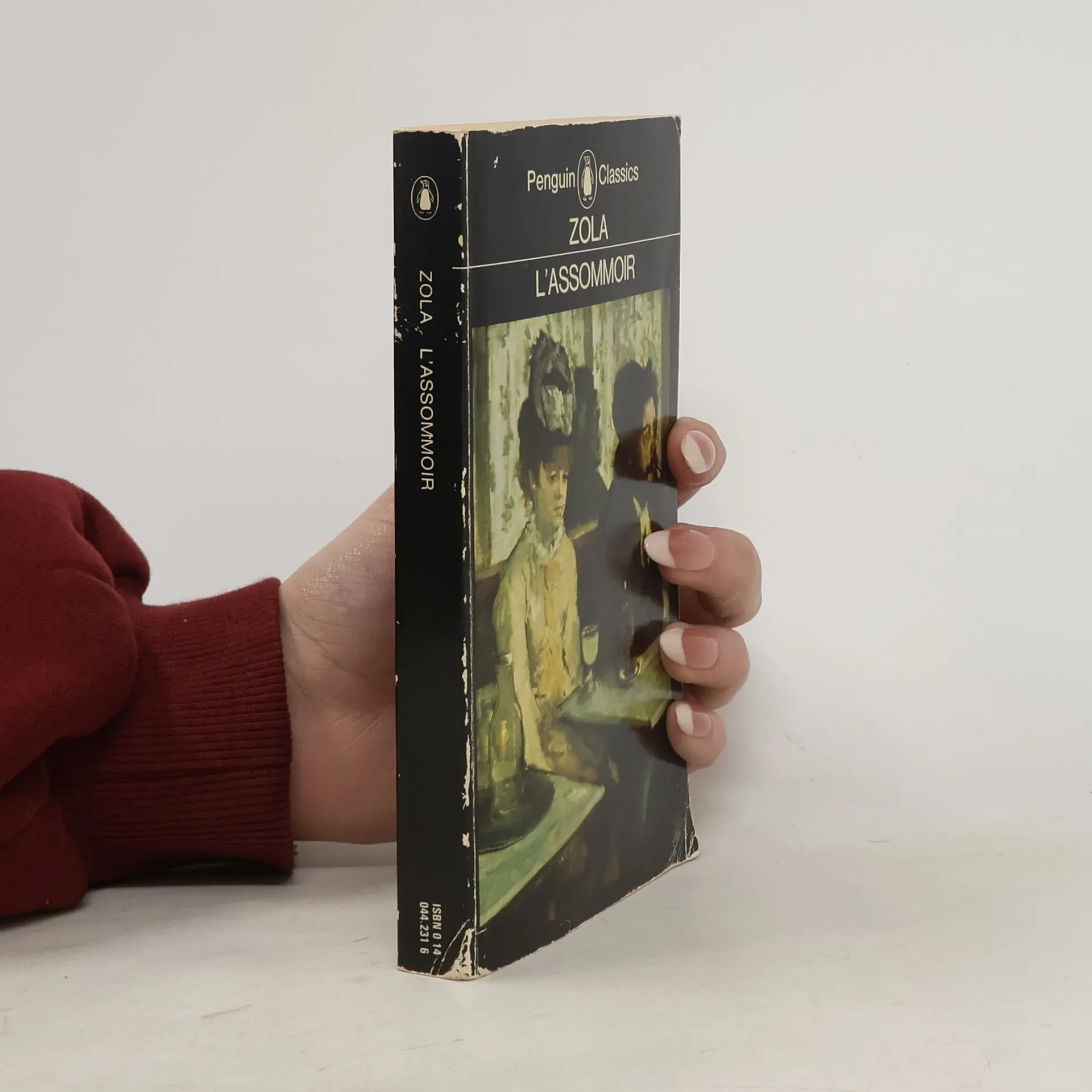
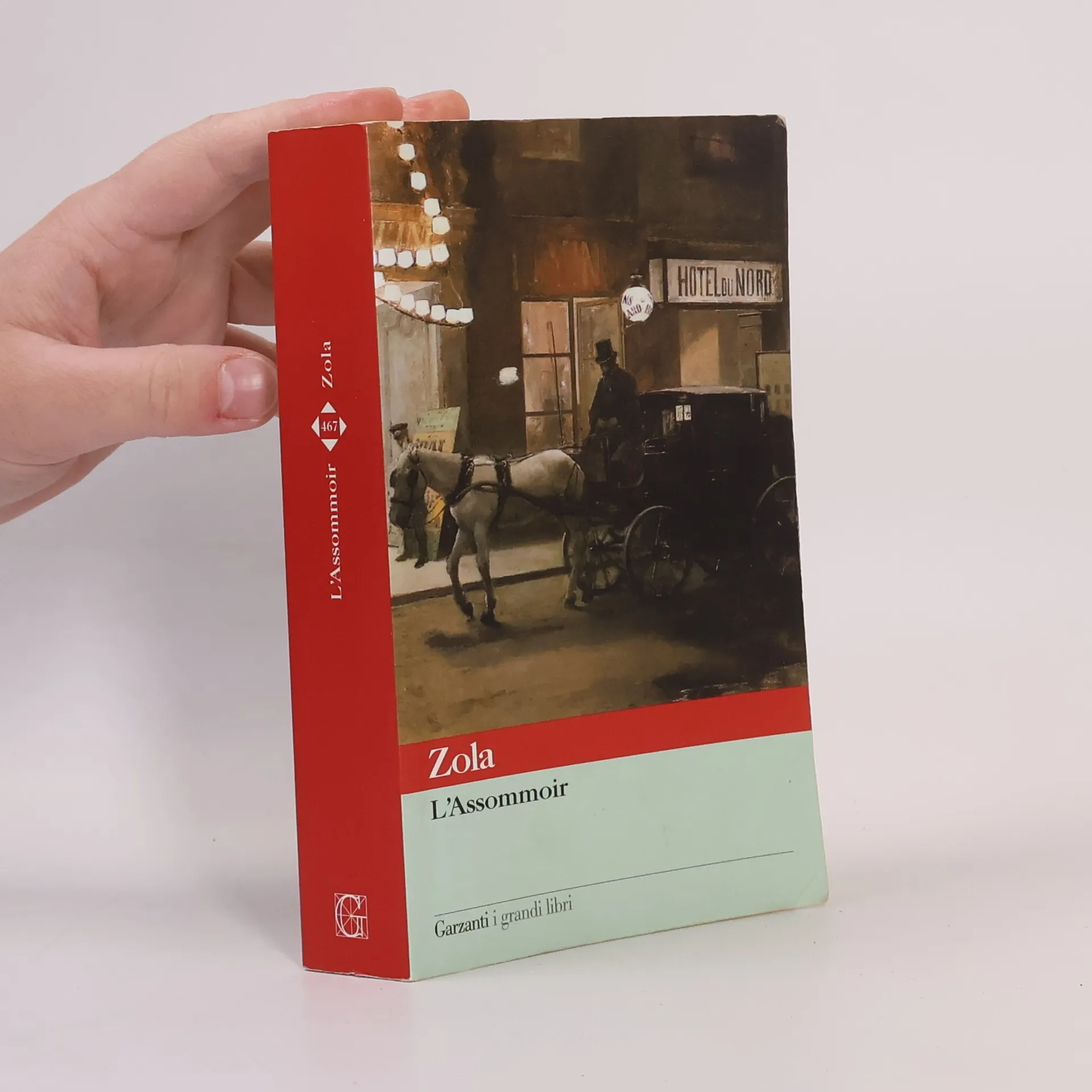
The seventh novel in Zola's Rougon-Macquart cycle, The Assommoir is the story of a woman's struggle for happiness in working-class Paris.
Lourdes
- 490 pages
- 18 hours of reading
Lourdes (1894) is a novel by French author Émile Zola. Lourdes is the first installment in Zola's celebrated Three Cities Trilogy. Published toward the end of Zola's career, the trilogy is an ambitious, sweeping study of one man's struggle with faith in political, religious, and social life. Following his protagonist Abbé Pierre Froment, Zola provides a striking portrait of the soul of modern man in crisis with itself and with an ever-changing world. Lourdes opens as Abbé Froment departs on a journey from Paris to the holy city of Lourdes. Accompanied by his childhood love, a woman who was paralyzed in an accident at the age of thirteen, Froment hopes to rediscover his faith and to reestablish his position in a beleaguered Catholic Church. There, they meet a series of diverse pilgrims, all of them dissatisfied, all of them searching for something to change or to hold onto. For Froment, this journey begins as a way to help an old friend and becomes a chance at redeeming his wayward soul. At Lourdes, surrounded by desperate, yet faithful people, he begins to remember what brought him to God in the first place. Inspired by his experiences there, he wonders if one priest could change the Church for the better. With a beautifully designed cover and professionally typeset manuscript, this edition of Émile Zola's Lourdes is a classic work of French literature reimagined for modern readers.
Paris
- 482 pages
- 17 hours of reading
The narrative follows Pierre Froment, who, after a disheartening experience in Rome, grapples with his faith and purpose within the Church. Returning to Paris, he seeks solace in almsgiving, which attracts scrutiny from his conservative superiors. This exploration of personal crisis and social themes unfolds against the backdrop of Paris, concluding Émile Zola's The Three Cities Trilogy. Through Froment's journey, the novel delves into the complexities of faith, duty, and societal expectations.
Zola's novel of peasant life describes the disintegration of the Fouan family when Papa Fouan decides to divide his land between his three children. Greed and violence feed a bitter struggle for supremacy. This new translation captures the novel's blend of brutality and lyricism in its evocation of the inexorable cycle of the natural world.
The Bright Side of Life
- 368 pages
- 13 hours of reading
When Pauline Quenu is taken to the seaside to live with her relatives, her love of life contrasts with the pessimism which infects the family. This is the twelfth novel in Zola's Rougon-Macquart series, remarkable for it's depictions of intense emotions and physical and mental suffering.
Émile Zola is regarded as one of the most significant French novelists of the 19th century and a founder of Naturalism. He initially published loosely connected novels and worked as a journalist before conceptualizing most of his works as part of a cycle that illuminates the social and political realities of his time. The twenty novels in this series narrate the family saga of the Rougons and Macquarts, addressing the conflict between the bourgeoisie and the working class. Zola, a moderate leftist, aimed to enrich conservative French literature with progressive elements. The novels are arranged in chronological order and tackle central societal issues. The cycle includes titles such as "The Fortune of the Rougons," "Nana," "Germinal," and "Doctor Pascal," each depicting various aspects of life under the Second Empire. Zola's work is considered crucial for understanding the social structures and conflicts of his era and has left a lasting impact on literature.
Great Short Stories of the World
- 876 pages
- 31 hours of reading
The short story is one of the most skilled and entertaining of literary forms. This marvellous collection rangers over nearly five thousand years and includes stories from countries all round the world. Many of the great classical authors are included such as Dickens, Hardy, Balzac, Zola, de Maupassant, Tolstoy, Chekhov, Hawthorne, O. Henry and Poe. Other writers equally worthy of fame, but little known outside their own countries, have been specially translater for this volume. The stories have been arranged under their country of origin and each section is introduced by a compact survey of the development of the short story within that country. Every story is preceded by a useful biographical note on the author. Altogether, 178 different tales have been gathered here, each among the best of its kind. Tragic, comic, romantic or macabre, they are guaranteed to bring hours of pleasure to every reader.
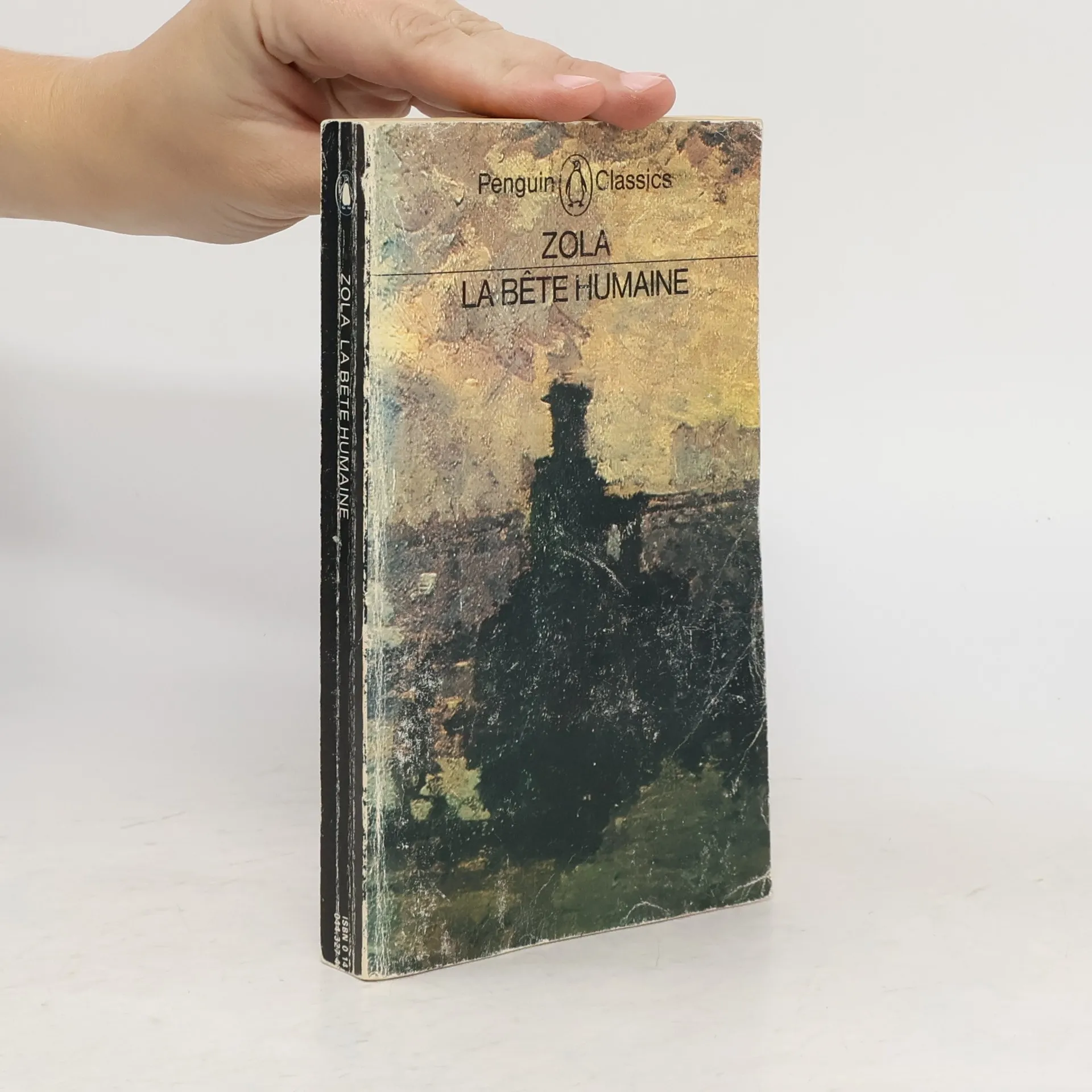
La Bête humaine
- 368 pages
- 13 hours of reading
One of Zola's most violent works, this novel is on one level a tale of murder and possession, and on another a compassionate study of individuals derailed by atavistic forces beyond their control. It evokes life at the end of the Second Empire in France, and a society hurtling towards the future.
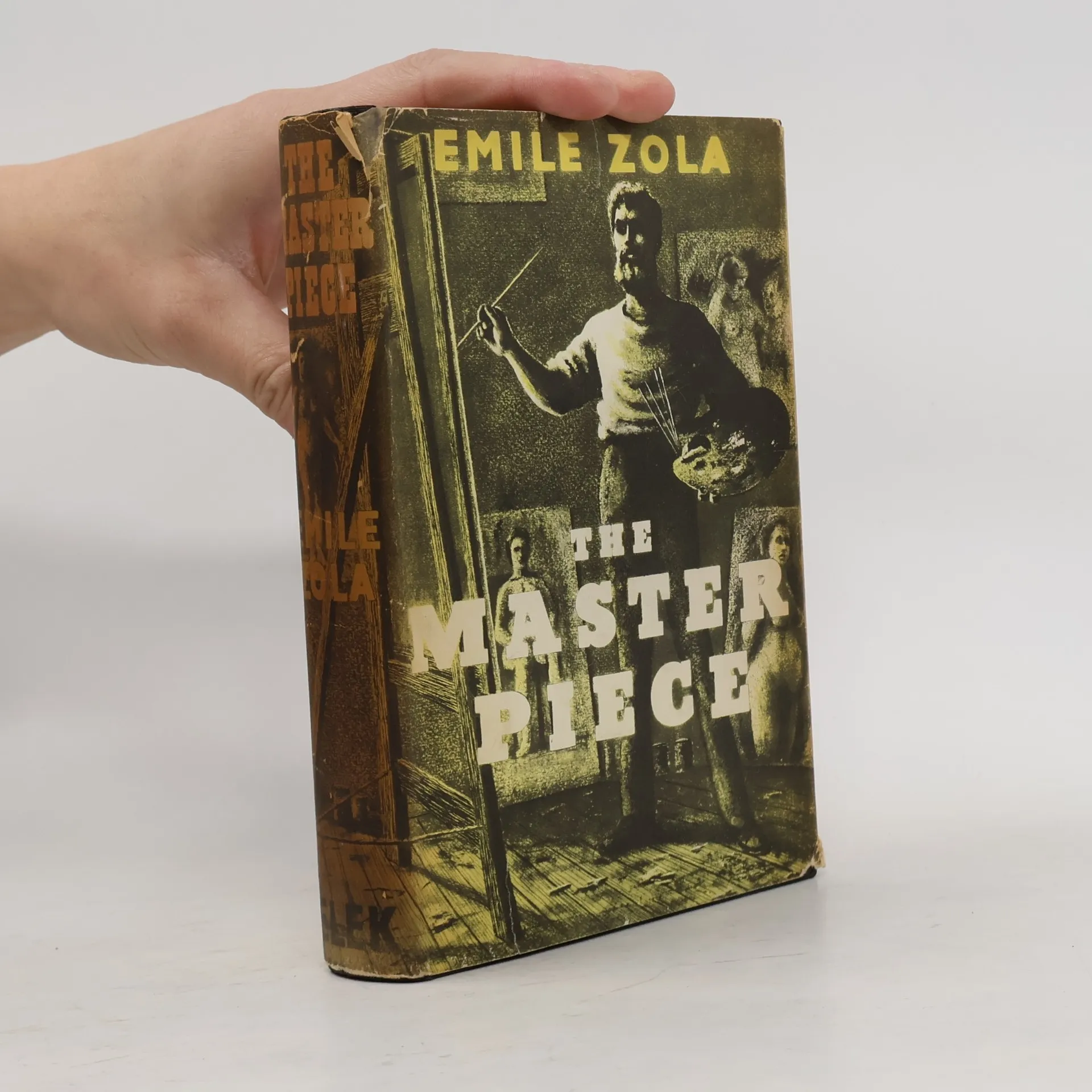
The Masterpiece is the tragic story of Claude Lantier, an ambitious and talented young artist from the provinces who has come to conquer Paris and is conquered by the flaws in his own genius. While his boyhood friend Pierre Sandoz becomes a successful novelist, Claude's originality is mocked at the Salon and turns gradually into a doomed obsession with one great canvas. Life - in the form of his model and wife Christine and their deformed child Jacques - is sacrificed on the altar of Art. The Masterpiece is the most autobiographical of the twenty novels in Zola's Rougon-Macquart series. Set in the 1860s and 1870s, it provides a unique insight into his career as a writer and his relationship with Cézanne, a friend since their schooldays in Aix-en-Provence. It also presents a well-documented account of the turbulent Bohemian world in which the Impressionists came to prominence despite the conservatism of the Academy and the ridicule of the general public.
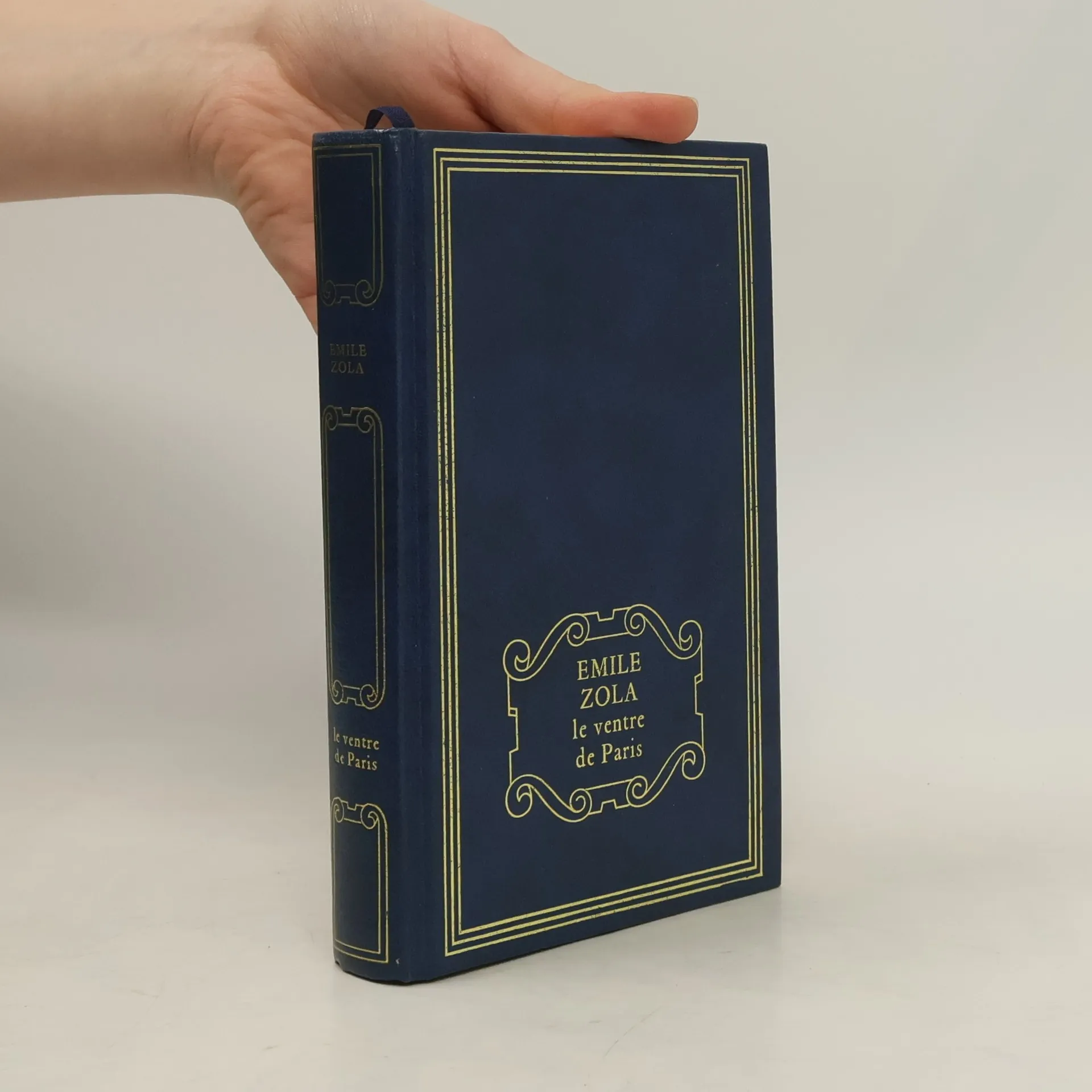
Eleventh book in the author's Rougon-Macquart cycle.
Amidst the deep silence and solitude prevailing in the avenue several market gardeners' carts were climbing the slope which led towards Paris, and the fronts of the houses, asleep behind the dim lines of elms on either side of the road, echoed back the rhythmical jolting of the wheels. At the Neuilly bridge a cart full of cabbages and another full of peas had joined the eight waggons of carrots and turnips coming down from Nanterre; and the horses, left to themselves, had continued plodding along with lowered heads, at a regular though lazy pace, which the ascent of the slope now slackened. The sleeping waggoners, wrapped in woollen cloaks, striped black and grey, and grasping the reins slackly in their closed hands, were stretched at full length on their stomachs atop of the piles of vegetables. Every now and then, a gas lamp, following some patch of gloom, would light up the hobnails of a boot, the blue sleeve of a blouse, or the peak of a cap peering out of the huge florescence of vegetables-red bouquets of carrots, white bouquets of turnips, and the overflowing greenery of peas and cabbages.
Pot Luck
- 416 pages
- 15 hours of reading
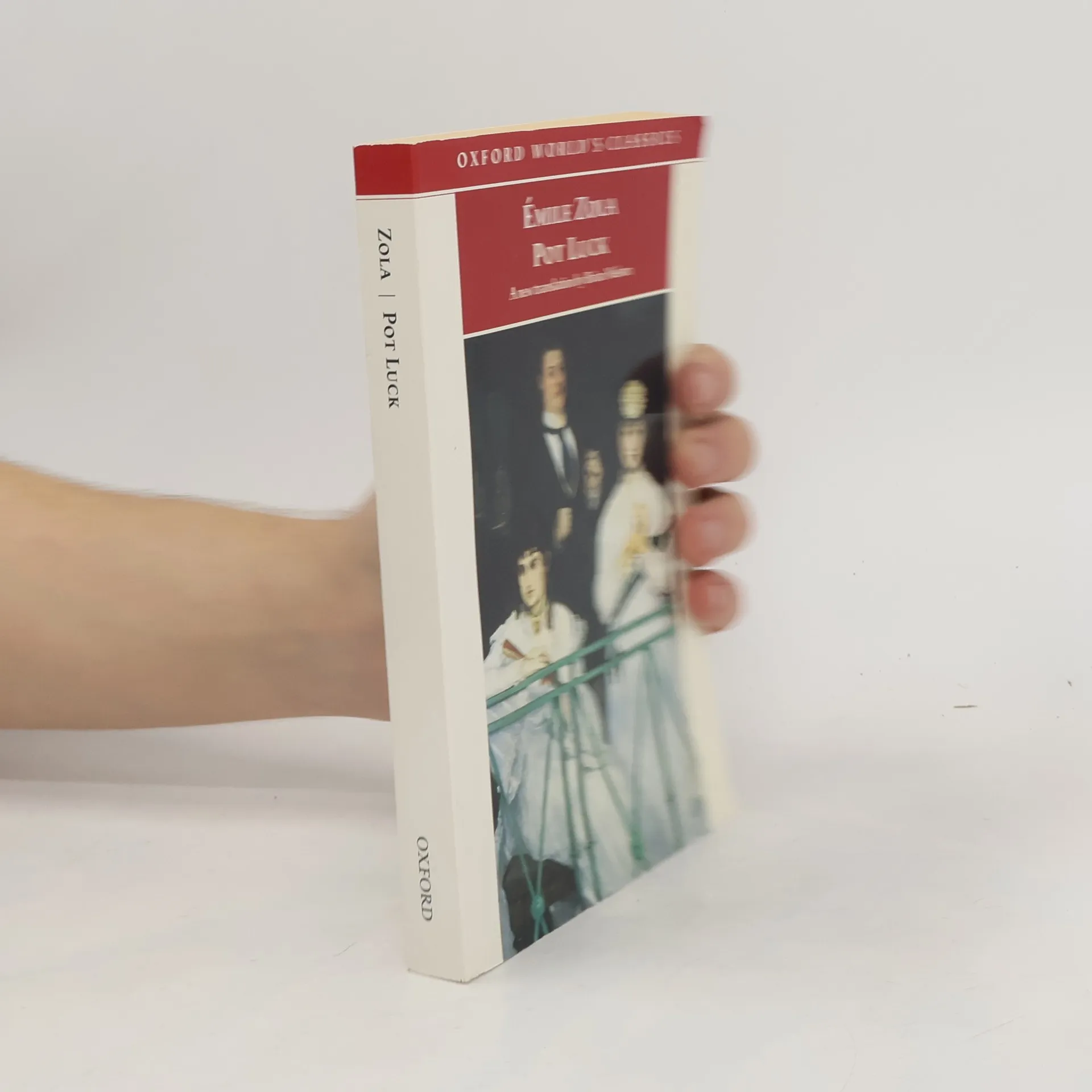
Pot Luck , Zola's most acerbic satire, describes daily life in a newly constructed block of flats in late nineteenth-century Paris. In examining the contradictions that pervade bourgeois life, Zola reveals a multitude of betrayals and depicts a veritable 'melting pot' of moral and sexualdegeneracy. This new translation captures the robustness of Zola's language and restores the omissions of earlier abridged versions.
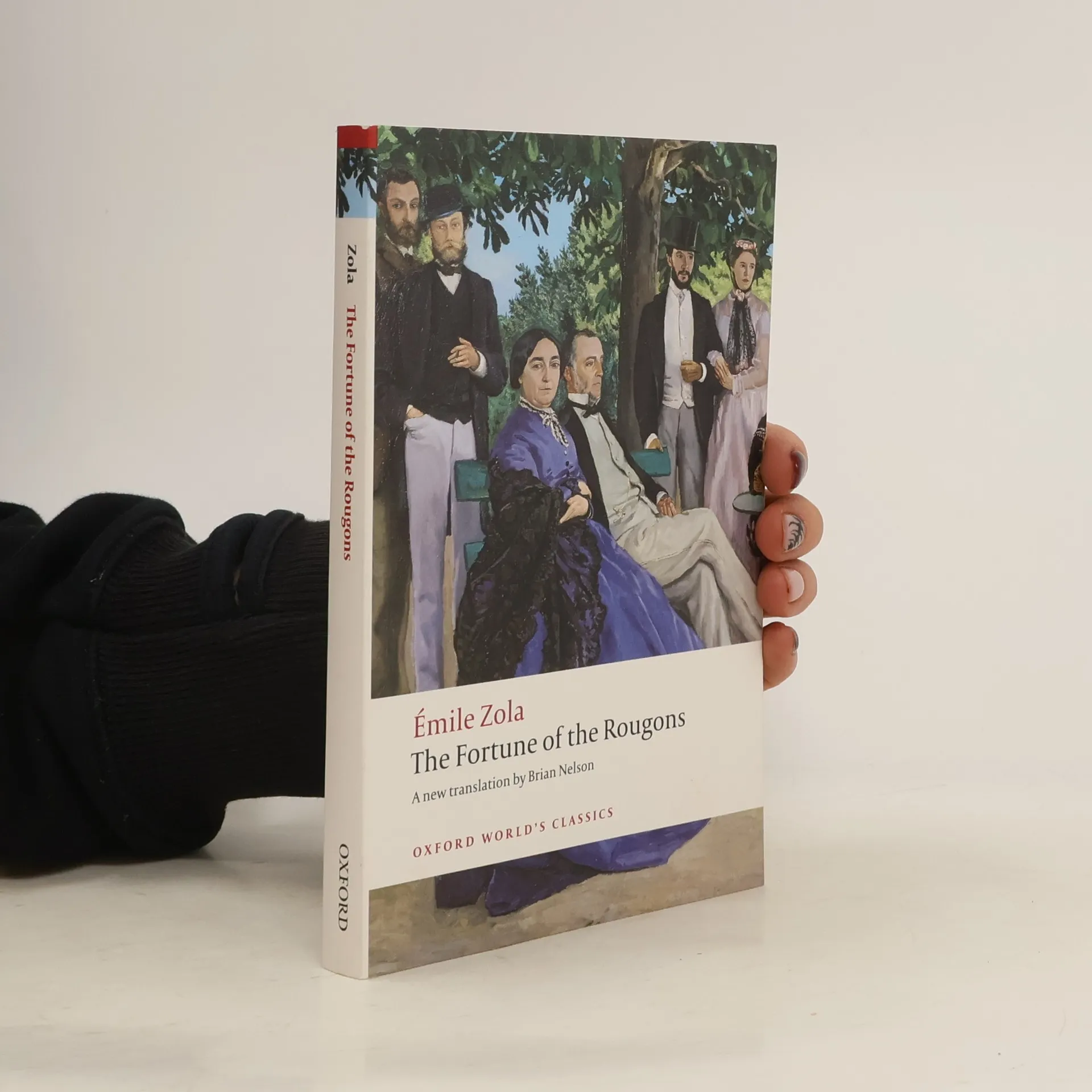
The Fortune of the Rougons is the first in Zola's famous Rougon-Macquart series of novels. Not only the inaugural novel, it is the series' founding text, establishing its genealogical basis. The family's greed and rapacity mirrors the diseased society in which it flourishes. This lively new translation is accompanied by introduction and notes.
The Conquest of Plassans
- 307 pages
- 11 hours of reading
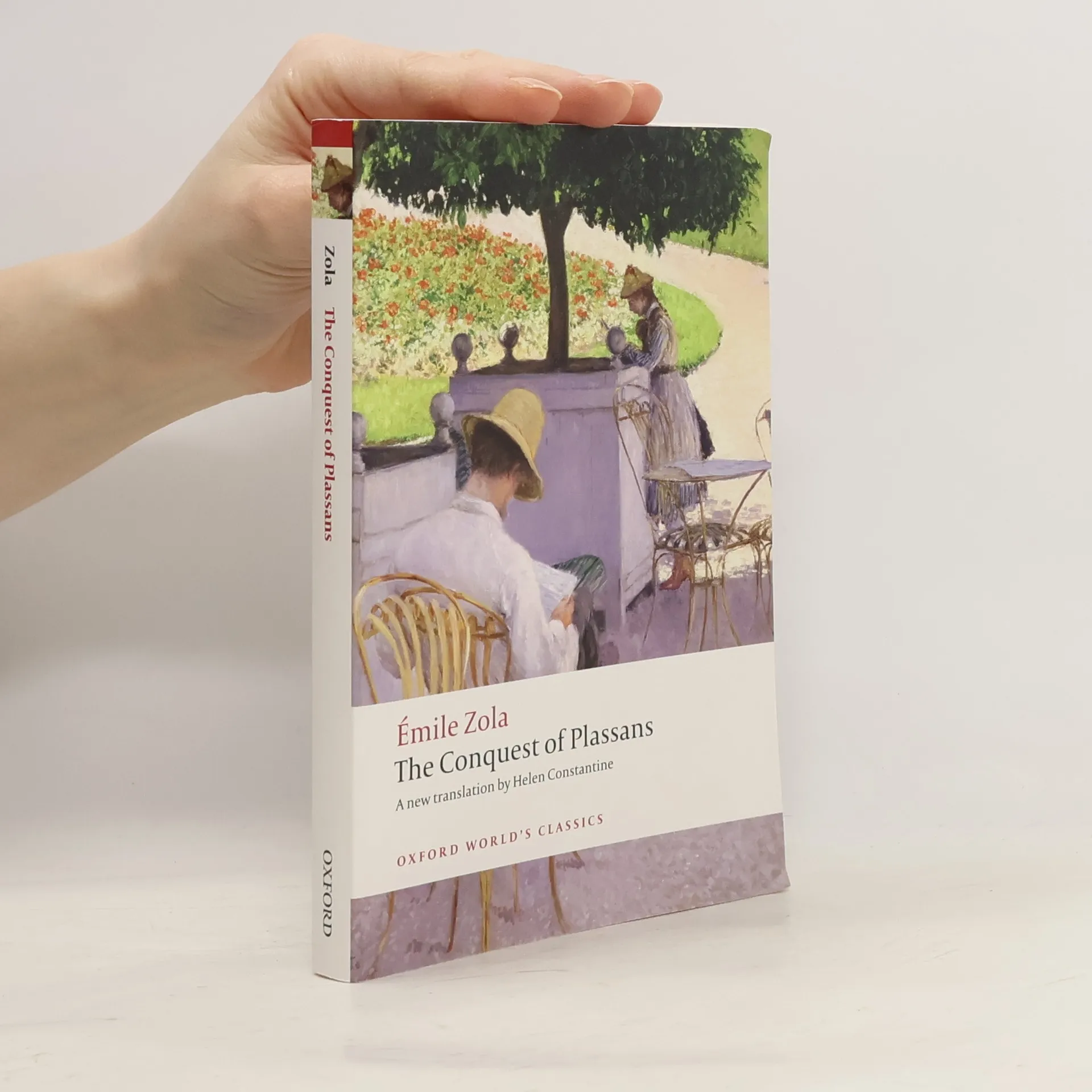
An ambitious and unscrupulous priest arrives in the provincial town of Plassans, intent on conquering its political and social life. His arrival has profound consequences for the Mouret family, whose lives are turned upside down. This is the fourth novel in Zola's Rougon-Macquart series, and the first modern translation for more than fifty years.
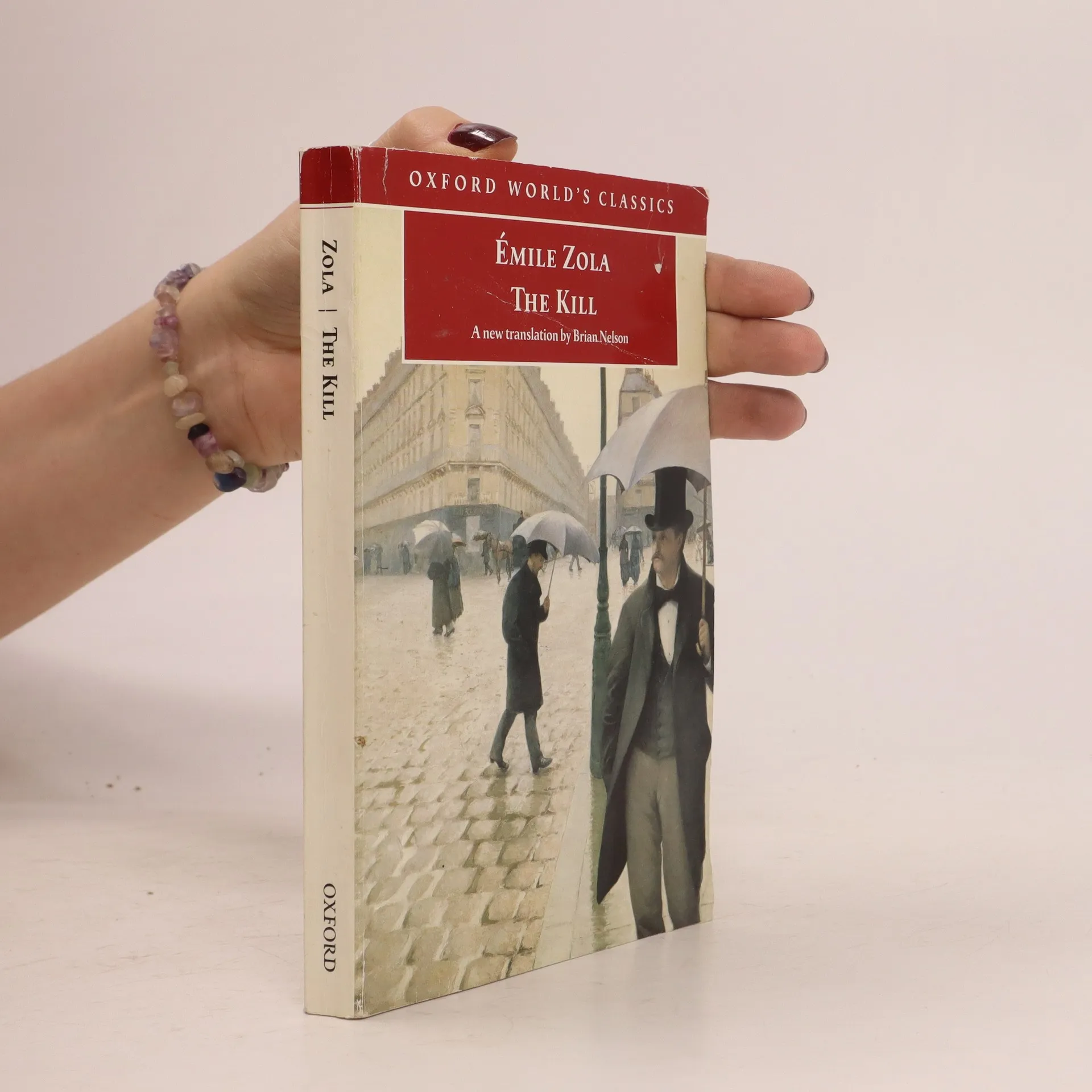
The Kill (La Curée) is the second volume in Zola's great cycle of twenty novels, Les Rougon-Macquart, and the first to establish Paris - the capital of modernity - as the centre of Zola's narrative world. Conceived as a representation of the uncontrollable 'appetites' unleashed by the Second Empire (1852-70) and the transformation of the city by Baron Haussmann, the novel combines into a single, powerful vision the twin themes of lust for money and lust for pleasure. The all-pervading promiscuity of the new Paris is reflected in the dissolute and frenetic lives of an unscrupulous property speculator, Saccard, his neurotic wife Renée, and her dandified lover, Saccard's son Maxime.
Money
- 416 pages
- 15 hours of reading
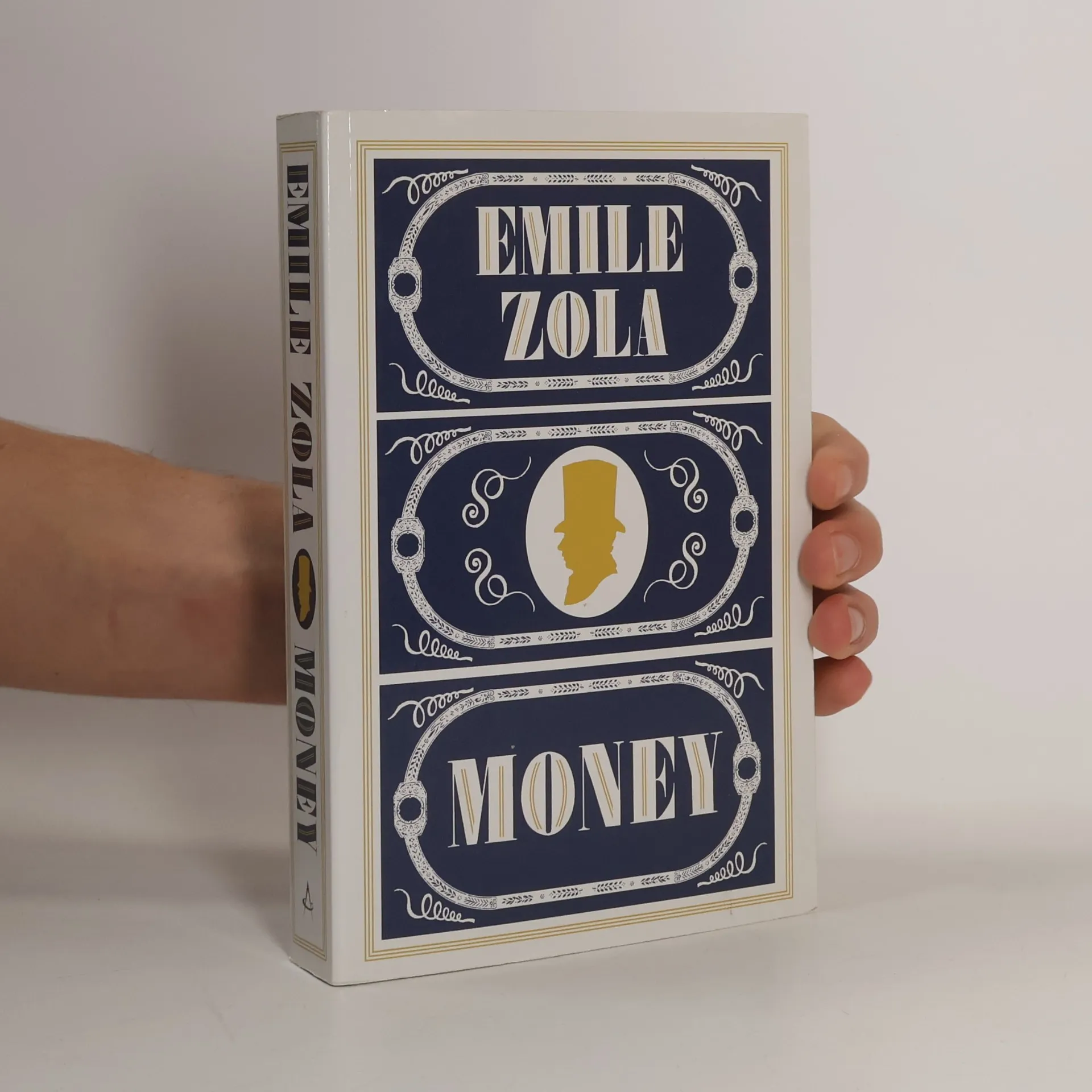
Inspired by real events and meticulously researched by Zola, Money is, in the wake of recent financial scandals, an all-too-topical exploration of the dynamics of greed, the excesses of capitalism and its dangerous relationship with politics and the press.
Nana
- 468 pages
- 17 hours of reading
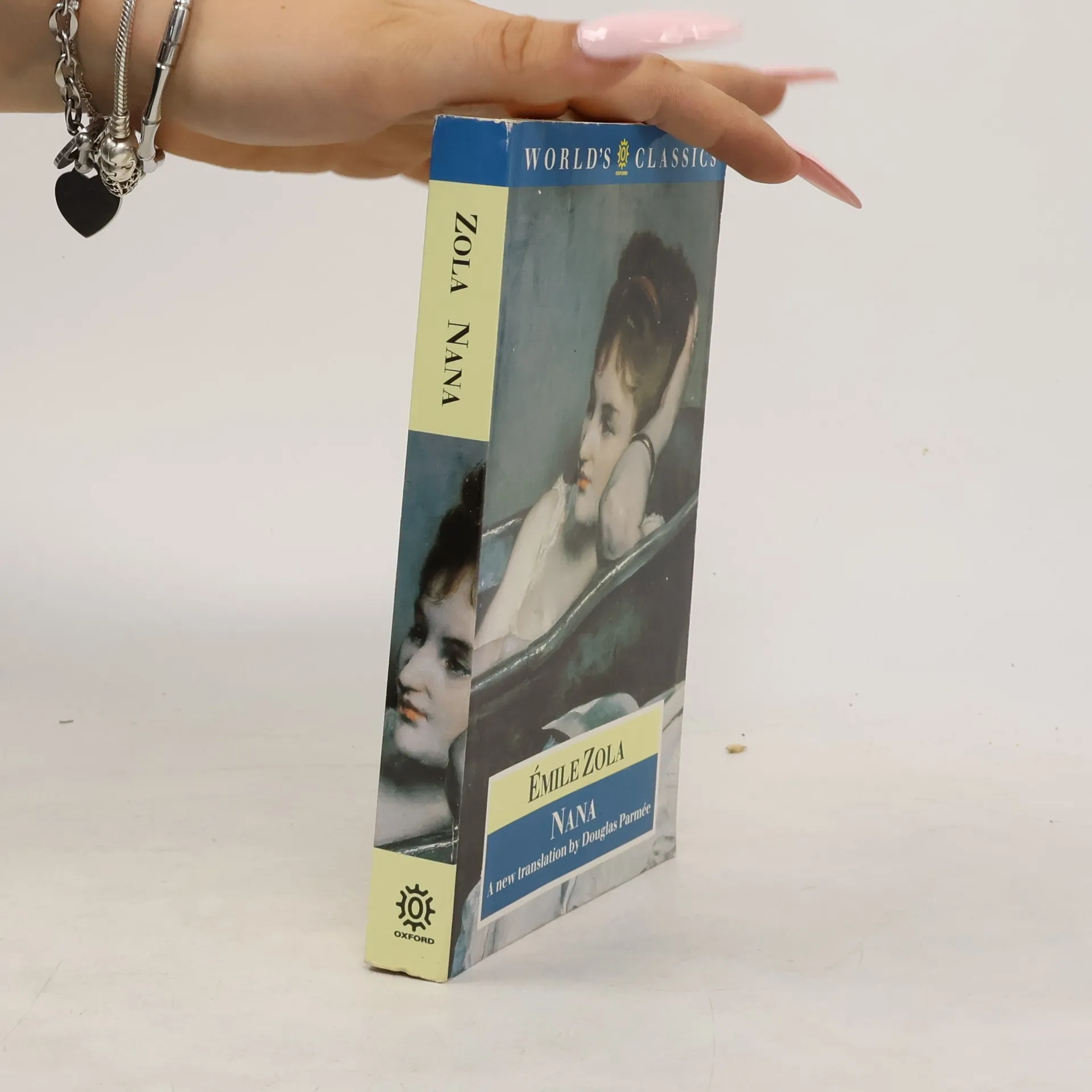
Nana opens in 1867, the year of the World Fair, when Paris, thronged by a cosmopolitan elite, was a perfect target for Zola's scathing denunciation of hypocrisy and fin-de-siècle moral corruption. In this new translation, the fate of Nana--the Helen of Troy of the second Empire, and daughter of the laundress in L'Assommoir--is now rendered in racy, stylish English.
Thérèse Raquin
- 256 pages
- 9 hours of reading
This new translation is based on the second edition of 1868, and includes the important `Preface', in which Zola defended himself against charges of immorality.
Doctor Pascal is the twentieth and final novel in Zola's great Rougon-Macquart series. Pascal Rougon has spent his life chronicling the hereditary patterns and illnesses of his family, using medicine to attempt cures, whilst his niece Clotilde places her faith in God.
A Love Story
- 306 pages
- 11 hours of reading
A fascinating study in sexual psychology and sexual politics, the novel focuses on Helene Grandjean, a widow, and her shifting emotional states. This is the eighth novel in Zola's Rougon-Macquart series, and the first modern translation for more than fifty years.
The Sin of Abbé Mouret is the fifth novel in Zola's Rougon-Macquart series. It follows Serge Mouret, a young priest, aspiring to perfect purity and sanctity. An illness leaves him with amnesia, and no longer knowing he is a priest, he falls in love with his nurse. Together they roam an Eden-like garden called the 'Paradou'.
The Dream
- 256 pages
- 9 hours of reading
In The Dream, the sixteenth novel in the Rougon-Macquart series, Zola blends mysticism and fairy tale with naturalism as an orphan girl falls in love with a nobleman.
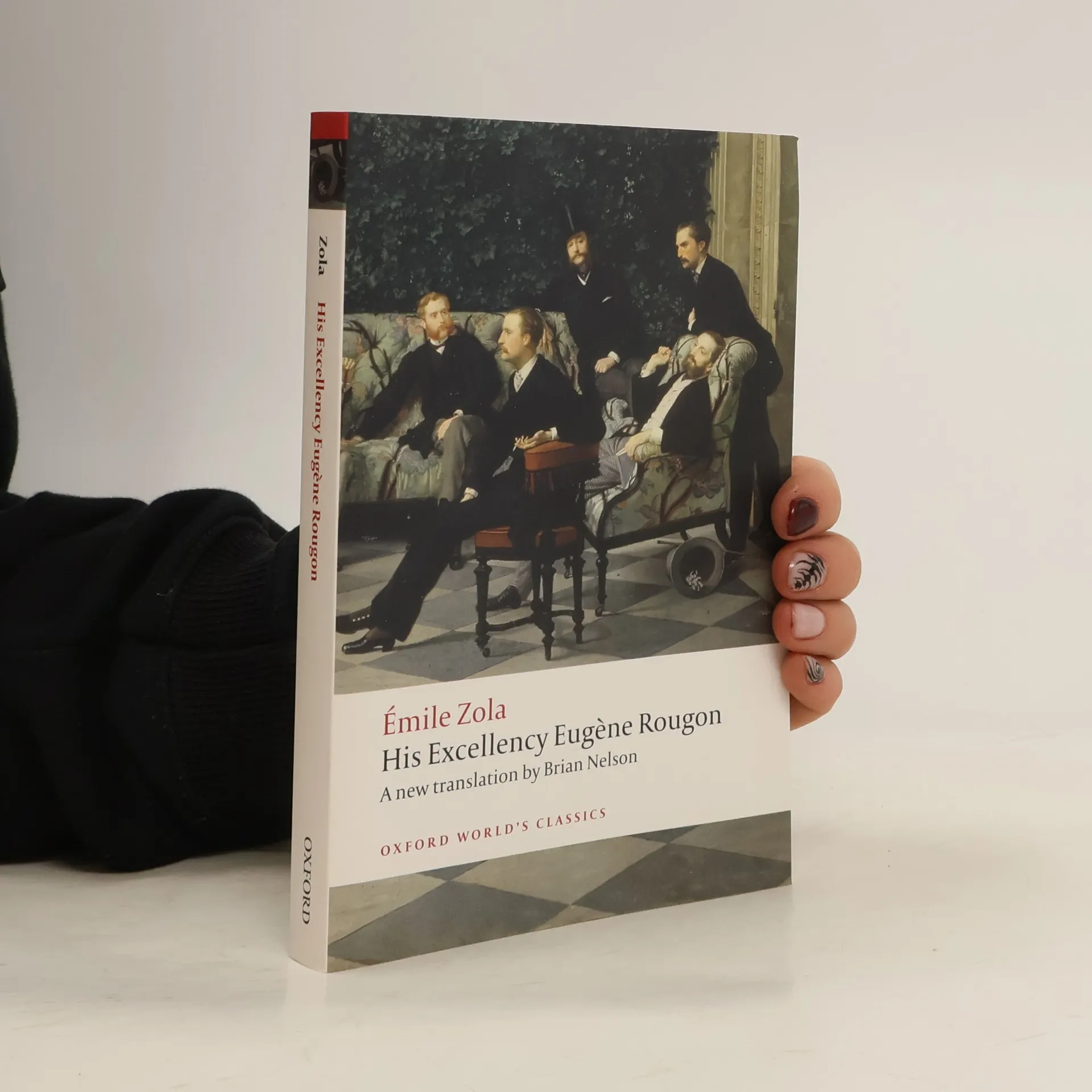
Im going to celebrate the 21st century with a re-read of His Excellency Eugène Rougon. Swiftly Tilting Planet
This reproduction focuses on making historical works accessible, particularly for those with impaired vision. Megali, the publishing house behind this initiative, specializes in producing large print editions, ensuring that classic texts can be enjoyed by a wider audience. The commitment to inclusivity in reading is a key aspect of this work.
Focusing on accessibility, this book is a reproduction of a historical work published by Megali, a house dedicated to producing large print editions. This initiative aims to enhance reading experiences for individuals with impaired vision, ensuring that classic literature remains available and enjoyable to a wider audience.
This publication focuses on making historical works accessible through large print, catering specifically to individuals with impaired vision. Megali, the publishing house behind this initiative, emphasizes the importance of preserving and sharing historical texts while enhancing readability for those who may struggle with standard print sizes.
The publishing house Megali focuses on making historical works accessible through large print editions, catering specifically to individuals with impaired vision. This approach ensures that significant texts are preserved and made easier to read, enhancing the reading experience for those who need it.
The Flood
in large print
Focusing on accessibility, this book is a reproduction of a historical work presented in large print. It is published by Megali, a company dedicated to making literature more accessible for individuals with impaired vision, ensuring that classic texts can be enjoyed by a broader audience.
This book is a reproduction of a historical work presented in large print, catering specifically to individuals with impaired vision. Published by Megali, a house renowned for its commitment to accessibility, it aims to provide a clearer reading experience while preserving the original content.
The Three Cities Trilogy; Lourdes, In Two Volumes
Volume 2 - in large print
- 408 pages
- 15 hours of reading
Focusing on accessibility, this book is a reproduction of a historical work, presented in large print by Megali, a publishing house dedicated to enhancing readability for individuals with impaired vision. The initiative aims to make classic literature more accessible to a broader audience, ensuring that important texts remain available to those who may struggle with standard print sizes.
The Three Cities Trilogy; Paris, In Two Volumes
Volume 1 - in large print
- 376 pages
- 14 hours of reading
The publishing house Megali focuses on reproducing historical works in large print, catering specifically to individuals with impaired vision. This initiative aims to enhance accessibility and make reading more enjoyable for those who struggle with standard print sizes.
Focusing on accessibility, this book is a reproduction of a historical work presented in large print, catering specifically to individuals with impaired vision. The publishing house Megali is dedicated to enhancing the reading experience for those who may struggle with standard text sizes, ensuring that important historical texts remain accessible to a wider audience.
The Three Cities Trilogy; Paris, In Two Volumes
Volume 2 - in large print
- 416 pages
- 15 hours of reading
Focusing on accessibility, this book is a reproduction of a historical work presented in large print, catering to readers with impaired vision. Published by Megali, a house dedicated to enhancing readability for those who struggle with standard text sizes, it aims to preserve important literature while ensuring it remains accessible to a wider audience.
Focusing on accessibility, this book is a reproduction of a historical work presented in large print format. The publishing house Megali aims to facilitate reading for individuals with impaired vision, ensuring that important texts remain available to a wider audience.
This book is a reproduction of a historical work, published by Megali, a company dedicated to creating large print editions for individuals with impaired vision. The focus on accessibility ensures that more readers can engage with important historical texts.
Příběhem provází učitel Marek Froment, který přijíždí s rodinou do městečka Maillebois a je svědkem nepříjemné události. Obvinění padá na židovského chlapce a Froment prožívá tento případ několik let, hledá pravdu, věří ve Francii, ale jeho nepřítelem se stává církev, která se nenápadně zmocňuje země, škol a zaujímá přední místa. Za naději, která se snad blíží, doplácí hrdina rozporem v rodině, která se manipulací přiklání k pravdě Boží.
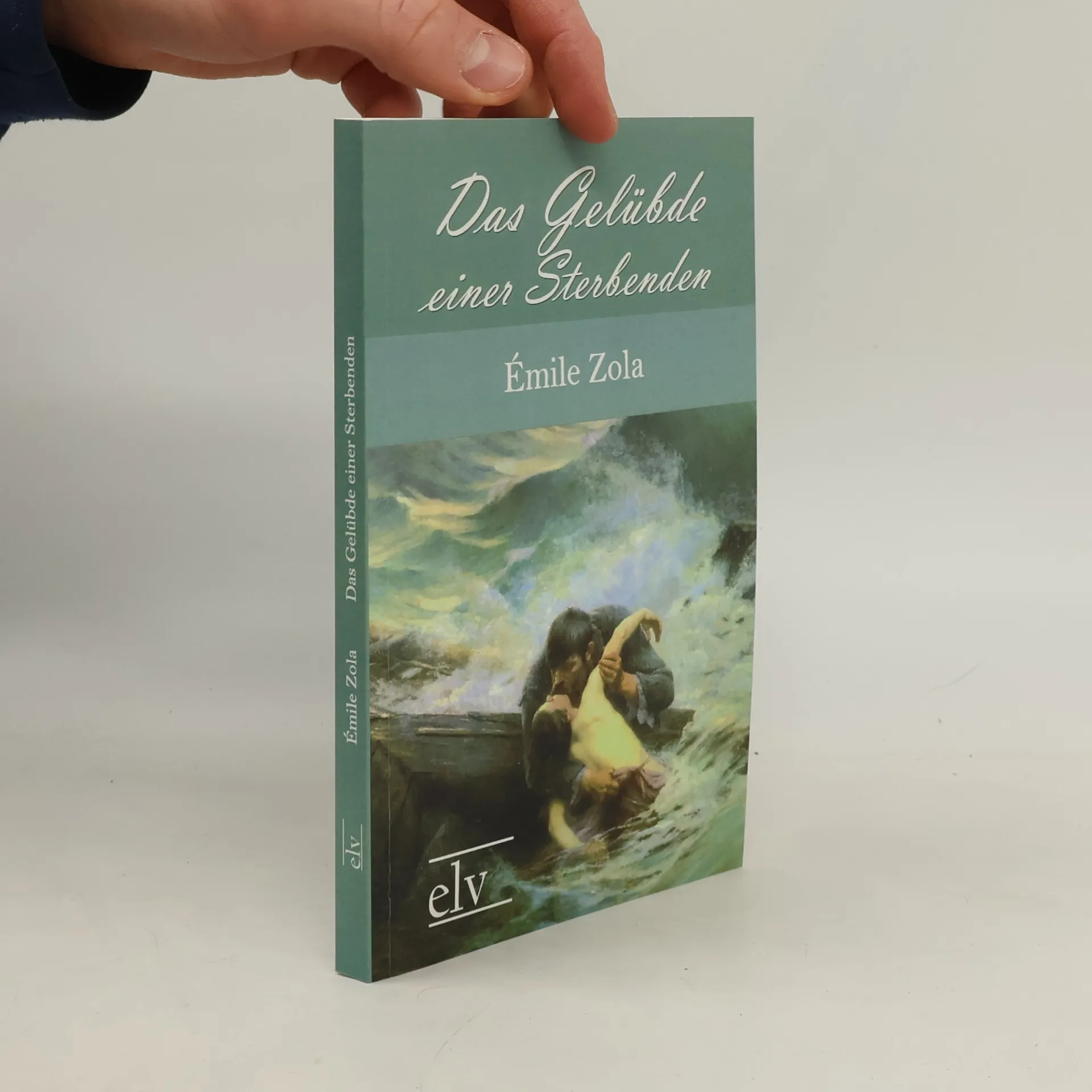
Das Gel'bde einer Sterbenden
- 168 pages
- 6 hours of reading
Der große französische Romancier des 19. Jahrhunderts - Émile Zola - gilt als Leitfigur und Begründer der literarischen Strömung des Naturalismus. Nicht nur seine Romane, sondern auch seine Erzählungen und seine Publizistik haben die Stimmungen in den literarischen Kreisen Frankreichs beeinflusst. Diese Ausgabe enthält seine Erzählung Das Gelübde einer Sterbenden . Der grö franz sische Romancier des 19. Jahrhunderts - ile Zola - gilt als Leitfigur und Begr nder der literarischen Str mung des Naturalismus. Nicht nur seine Romane, sondern auch seine Erz ungen und seine Publizistik haben die Stimmungen in den literarischen Kreisen Frankreichs beeinflusst. Diese Ausgabe enth seine Erz ung Das Gel bde einer Sterbenden .
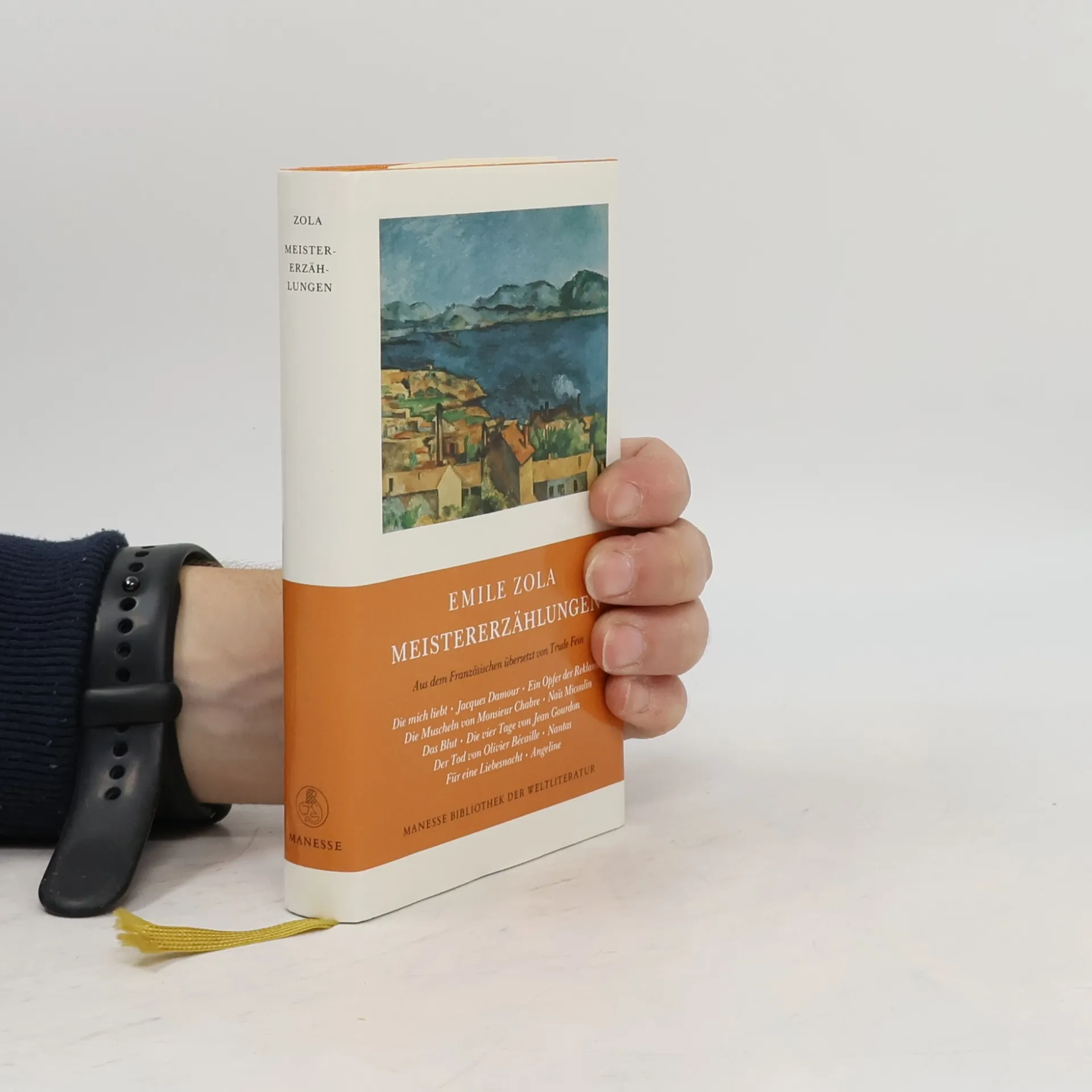
Meistererzählungen
- 411 pages
- 15 hours of reading
Die im Gegensatz zu den Romanen wenig umfangreichen Erzählungen Emile Zolas bleiben noch immer zu entdecken. Gerade in ihnen schöpft er ohne Vorurteil und Belehrungsabsichten, frei von der zeitverhafteten Doktrin eines »wissenschaftlichen« Naturalismus, unmittelbar aus dem Leben.
Wie man lebt, so stirbt man
- 64 pages
- 3 hours of reading
Die frühen fünf kleinen Prosawerke betrachten wir in enger Verflechtung mit den weitgespannten Themen der späteren Romane Zolas, z. T. als skizzenhafte Vorwegnahmen bestimmter Stoffe, in ihrer Bedeutung als Spiegel einer den Autor dicht umdrängenden Wirklichkeit. Sie sind reizvoll und neuartig auch für den Kenner der Romane; denn hier offenbart der Dichter seine Natur- und Sozialgeschichte en miniature. In einem Brief von 1868 schreibt er: »Die schamlosen, erklügelten Albernheiten töten manchmal eine Gesellschaft, nie aber die nackten Wahrheiten. Ich zeige Euch das Übel; erhebt Euch und macht es besser.«
Die Werke von Zola sind umfangreich; dieser Band enthält die bedeutendsten Romane, die fast alle zur Serie der Rougon-Macquart gehören. In diesem Band: Thérèse Raquin (1867), der erste ausdrücklich naturalistische Roman mit starkem Bezug zum Noir; L'Assommoir (1877), der erste der Rougon-Macquart, ein Roman aus der Arbeiterwelt, in dem jedoch das politische Thema hinter der kollektiven Erzählung einer degradierten Welt zurücktritt, in der die Kindheit und Jugend der schönen Prostituierten, die Protagonistin des nachfolgenden Romans Nanà (1880), dargestellt wird. In diesem Roman wird die Welt der Kurtisanen, ihre Elend und Vulgarität, manchmal ihr gutes Herz, sowie die ihrer Ausbeuter, Adelige, oft reiche, zynische und skrupellose Menschen, in Szene gesetzt.
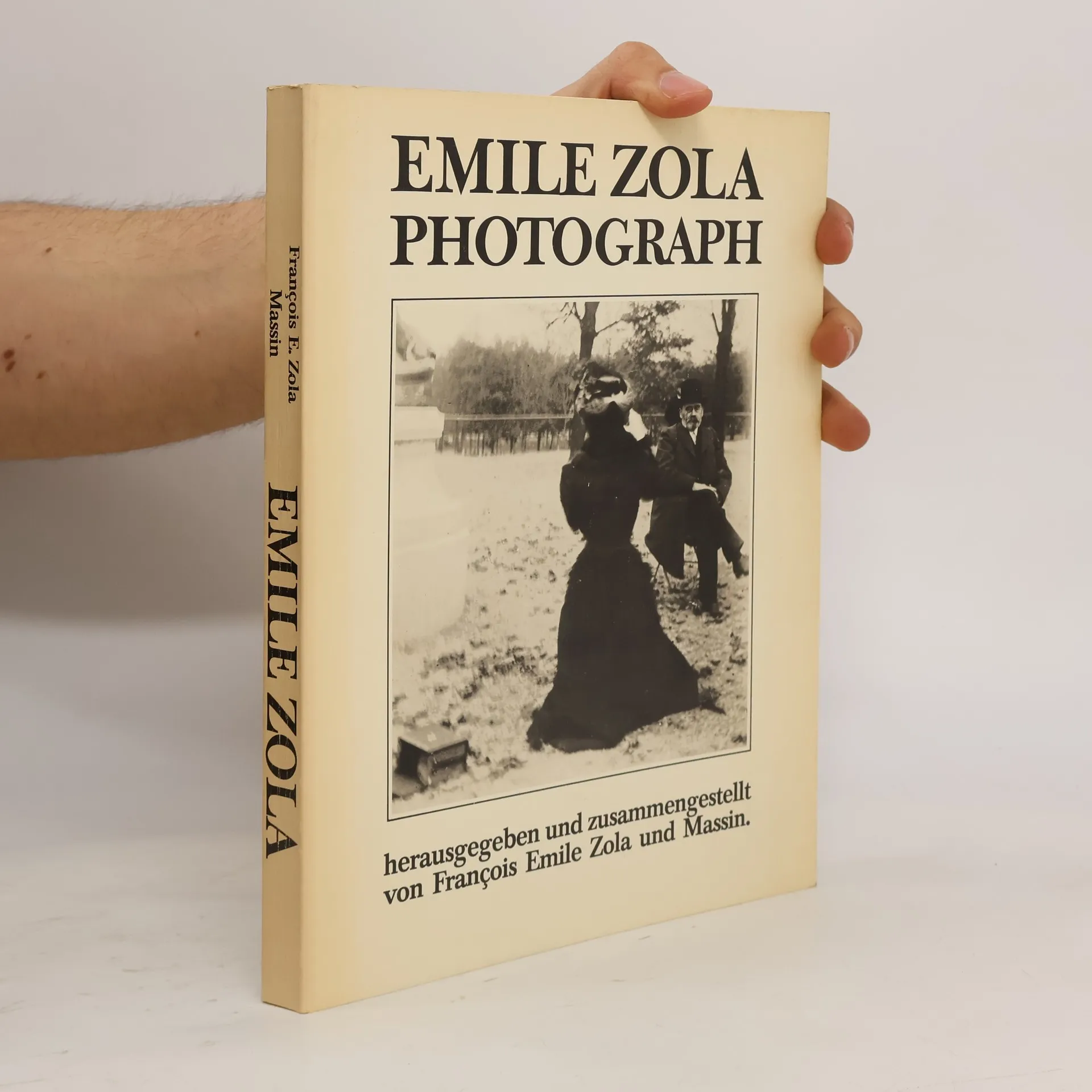
Der französische Art Director und Buchdesigner Massin hat über 200 Fotografien von Émile Zola ausgewählt, der für sein Schreiben bekannt ist, das bis 1888 weltweite Anerkennung fand, als seine Besessenheit für Fotografie begann. Neben Bildern der Welt im Allgemeinen - der Weltausstellung von 1900, dem damals neuen und umstrittenen Eiffelturm, den Straßen, Geschäften und Menschen von Paris sowie Medan, wo Zola ein Landhaus hatte - wurde Zola bald von der Kunst der Porträtfotografie fasziniert - das Buch enthält Bilder seiner Freunde, seiner Frau, seiner Geliebten und seiner Kinder. Auch Paris zur Jahrhundertwende, Renoir-ähnliche Bilder der französischen Landschaft und Fotos von Zolas Selbstexil in England sind enthalten. François Émile-Zola, Émiles Enkel, hat umfangreiche Briefe sowie Zolas Tagebucheinträge bereitgestellt, die einen intimen Einblick und Geschmack der Zeit vermitteln.
Chvalozpěv manželské lásky a rodiny. Příběhy ze života žen v Paříži a jejich problémy s nechtěným těhotenstvím. Kniha popisuje několik příběhů rodin z různých společenských vrstev. Hlavní příběh ale tvoří manželé, kteří spolu zažívají krásný vztah a i přes různé překážky a žaly přece jen spolu mají hezký život, kdy jsou obklopeni spoustou potomků.
Die kleine Stadt P*** ist auf einem Hügel erbaut. Am Fuße der alten Mauern fließt ein tief eingeschnittener Bach, der Chanteclair, der wohl so genannt wird wegen des kristallklaren Geräuschs seines reinen Wassers. Wenn man von der Straße nach Versailles kommt, überquert man den Chanteclair an der Südseite der Stadt auf einer Steinbrücke mit einem einzigen Bogen, deren breite, niedrige und abgerundete Brüstungen als Bänke für alle alten Männer des Vororts dienen.
Er wurde aufgeregt, voller Angst und erhaben. Es war sein Verlust, seine Herzverletzung, die ihn so quälte, der große Schlag, der ihn für einen Moment niedergestreckt hatte, gegen den er jedoch wieder aufstand, den Kummer herausfordernd und starrsinnig in seinem stoischen Glauben an einen allmächtigen Gott, der der Meister der Menschheit war und das Glück denjenigen vorbehalten hatte, die er auswählte. Wieder machte er jedoch einen Versuch, sich zu beruhigen, und sprach in sanfterer Stimme weiter: "Auf jeden Fall ist die Herde immer offen, mein lieber Sohn, und hier bist du wieder, seit du Buße getan hast. Du kannst dir nicht vorstellen, wie glücklich mich das macht."
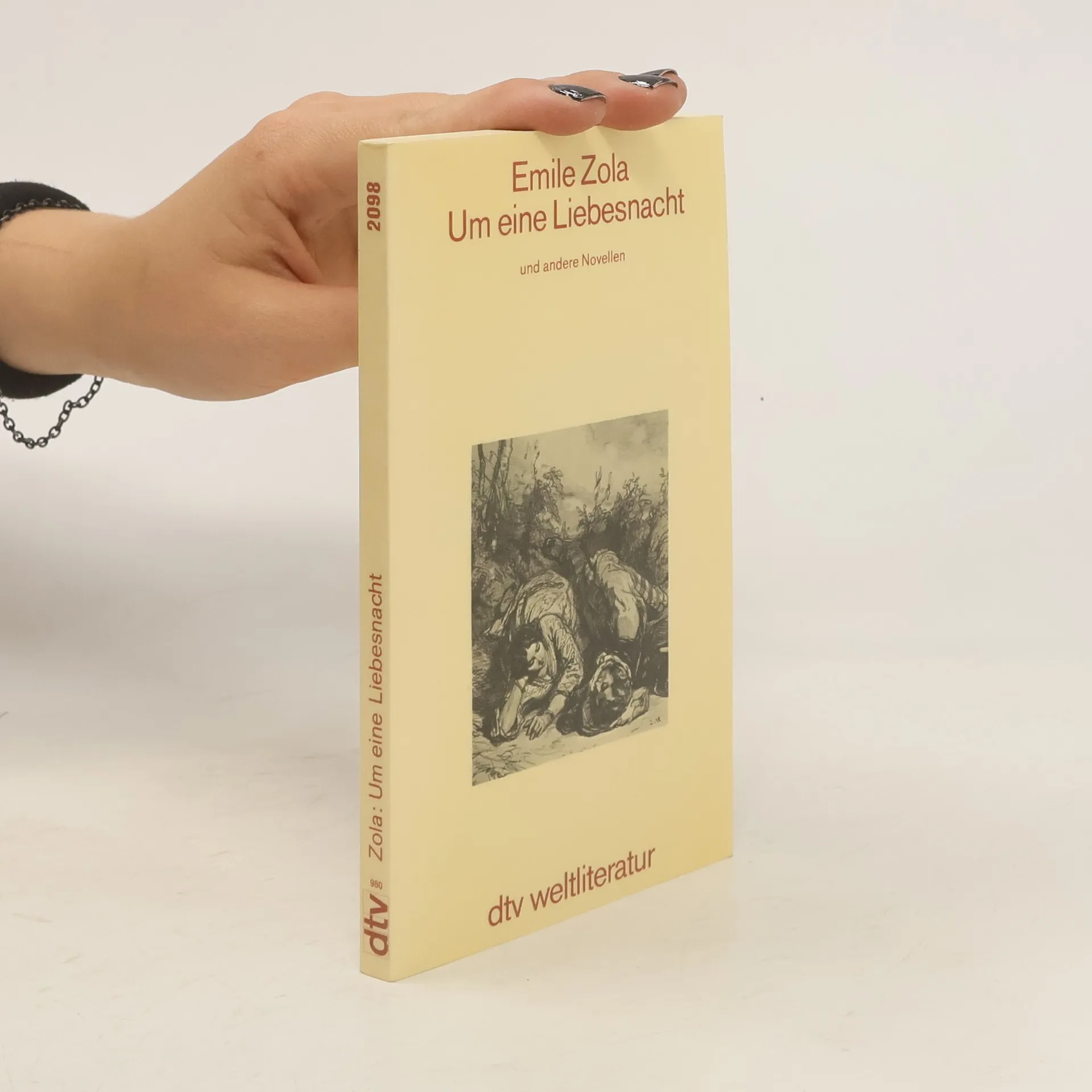
Inhalt: Nais Micoulin - Das Fest zu Coqueville - Für eine Liebesnacht
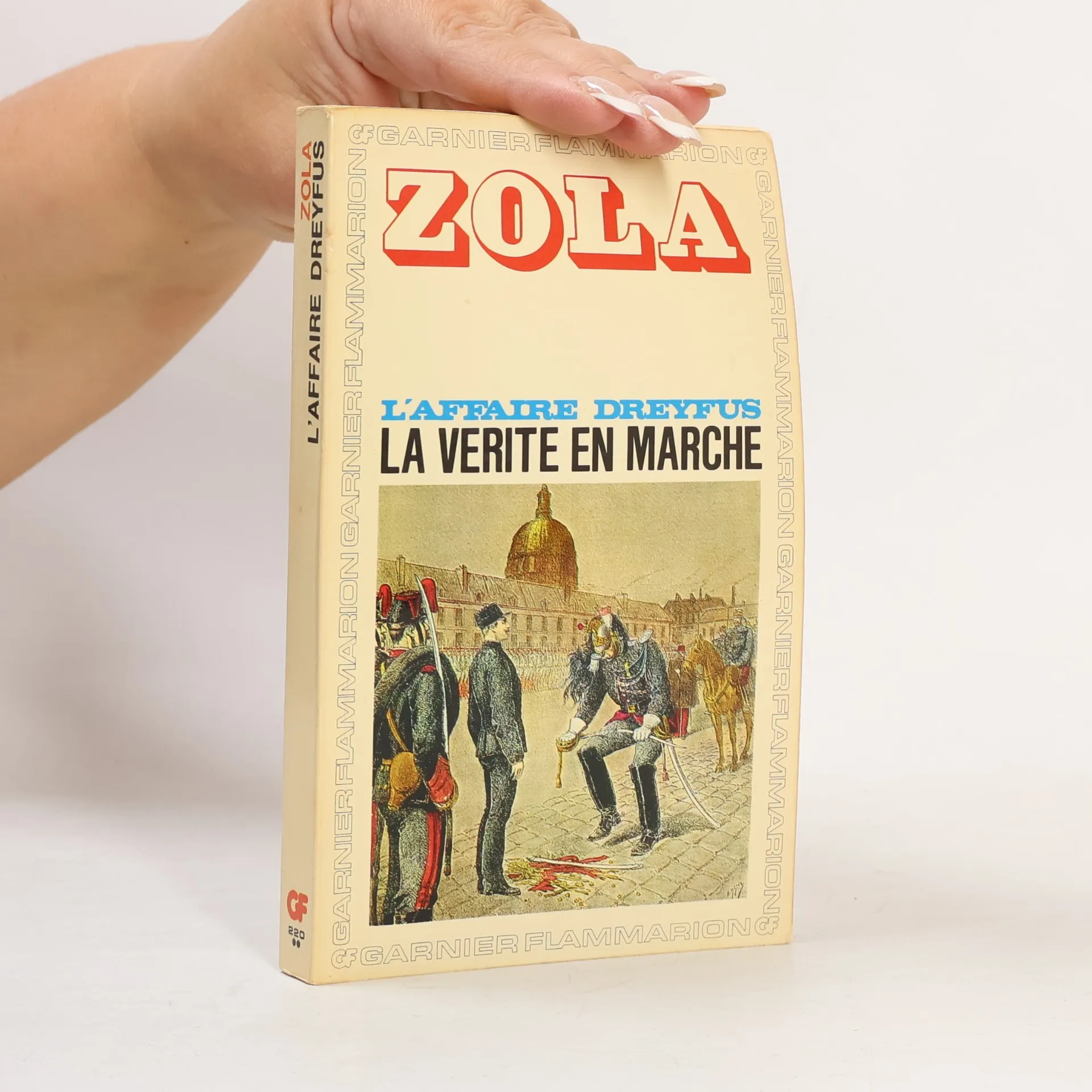
L'Affaire Dreyfus
La Vérité en marche
Avouant être totalement ignorant de l’affaire Dreyfus, hésitant à propos de sa légitimité à intervenir, Zola se décide en moins de quinze jours, entre le 13 et le 25 novembre 1897, en partie poussé à bout par les violentes attaques dont est victime Scheurer-Kestner dans la presse. Le 25 novembre 1897, Zola écrit un premier article d’une série de trois. Il le conclut par la phrase prophétique, restée célèbre : « La vérité est en marche et rien ne l’arrêtera », qui va devenir le leitmotiv des Dreyfusards. Le véritable traître en lieu et place d’Alfred Dreyfus, le commandant Walsin Esterhazy, est dénoncé puis jugé par un Conseil de guerre à Paris le 10 janvier 1898. Il est acquitté le lendemain, à la suite d’un délibéré de trois minutes. Après la condamnation d’un innocent, c’est l’acquittement du coupable, ce qui amène Zola à la réaction. Elle fut extrêmement énergique.
Das Fest in Coqueville. Die Überschwemmung. 2 Novellen
- 84 pages
- 3 hours of reading
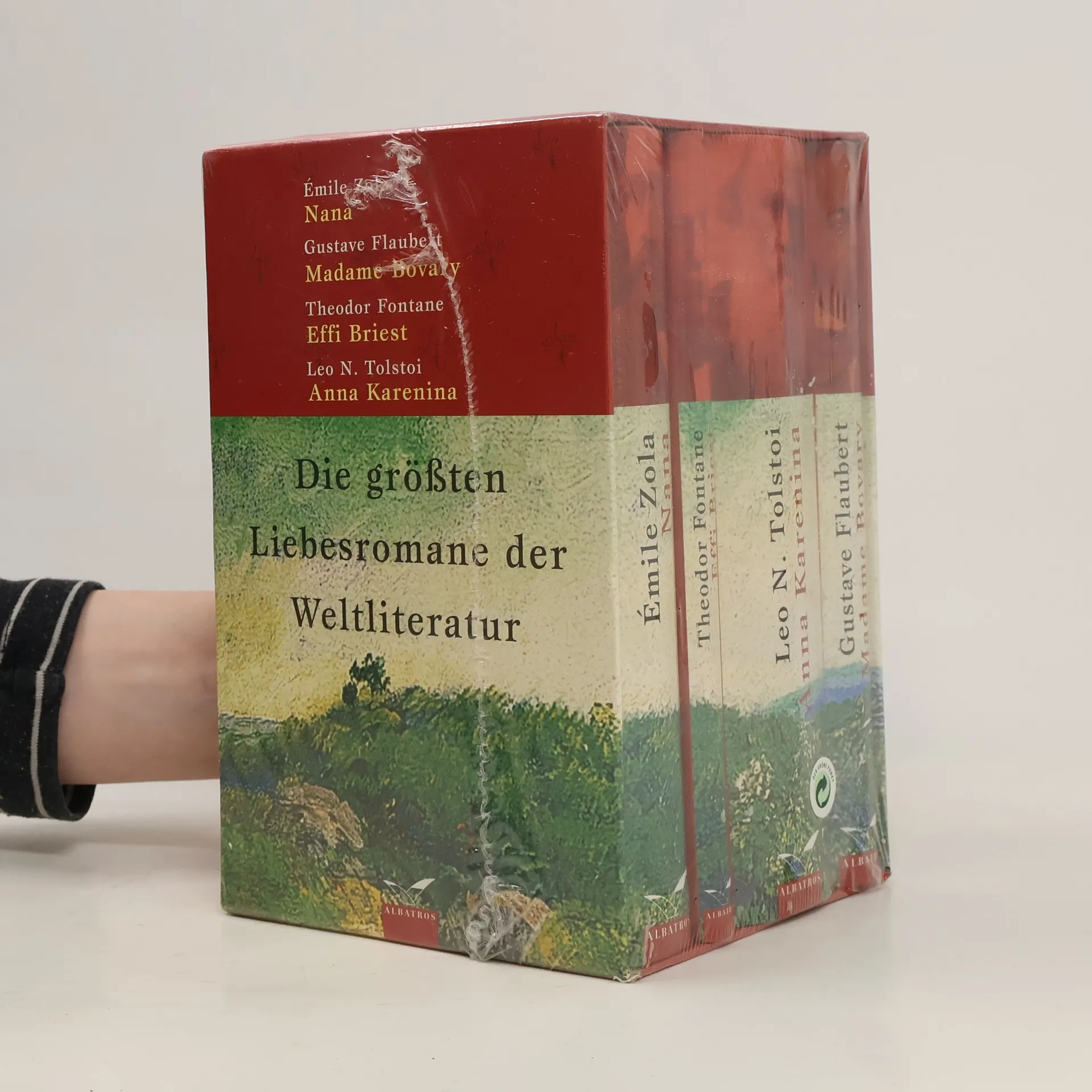
Die größten Liebesromane der Weltliteratur
Nana, Madame Bovary, Effi Briest, Anna Karenina
Una giovane Angélique si presenta alla porta della coppia piosa di Hubert la vigilia di Natale, e decidono di crescerla come fosse loro figlia. Crescendo nei pressi della maestosa cattedrale della città e apprendendo il mestiere di ricamatrice dai genitori, la ragazza diventa sempre più affascinata dalle vite dei santi, una passione alimentata dalla lettura della Legenda Aurea e di altri scritti mistici cristiani. Un giorno, l'amore, sotto forma di Félicien Hautecoeur, irrompe nel mondo dei sogni che ha costruito attorno a sé, portando scompiglio e angoscia. Sebbene offra un ritratto dettagliato della vita provinciale del XIX secolo e aderisca a un approccio naturalista, Sogno evita molte delle caratteristiche degli altri romanzi del ciclo Rougon-Macquart—come un pronunciato programma polemico o tematiche cruenti—offrendo invece un racconto senza tempo e lirico di amore e innocenza.
Wie man heiratet und wie man stirbt. Dtsch.-Französ.
- 168 pages
- 6 hours of reading
Émile Zola beleuchtet in "Wie man heiratet, wie man stirbt" die intimsten Aspekte des menschlichen Lebens und spiegelt damit den Zustand der Gesellschaft wider. Er zeigt die Arroganz der Reichen und das Elend der Armen, wobei er seine Sympathie für die Letzteren zum Ausdruck bringt.
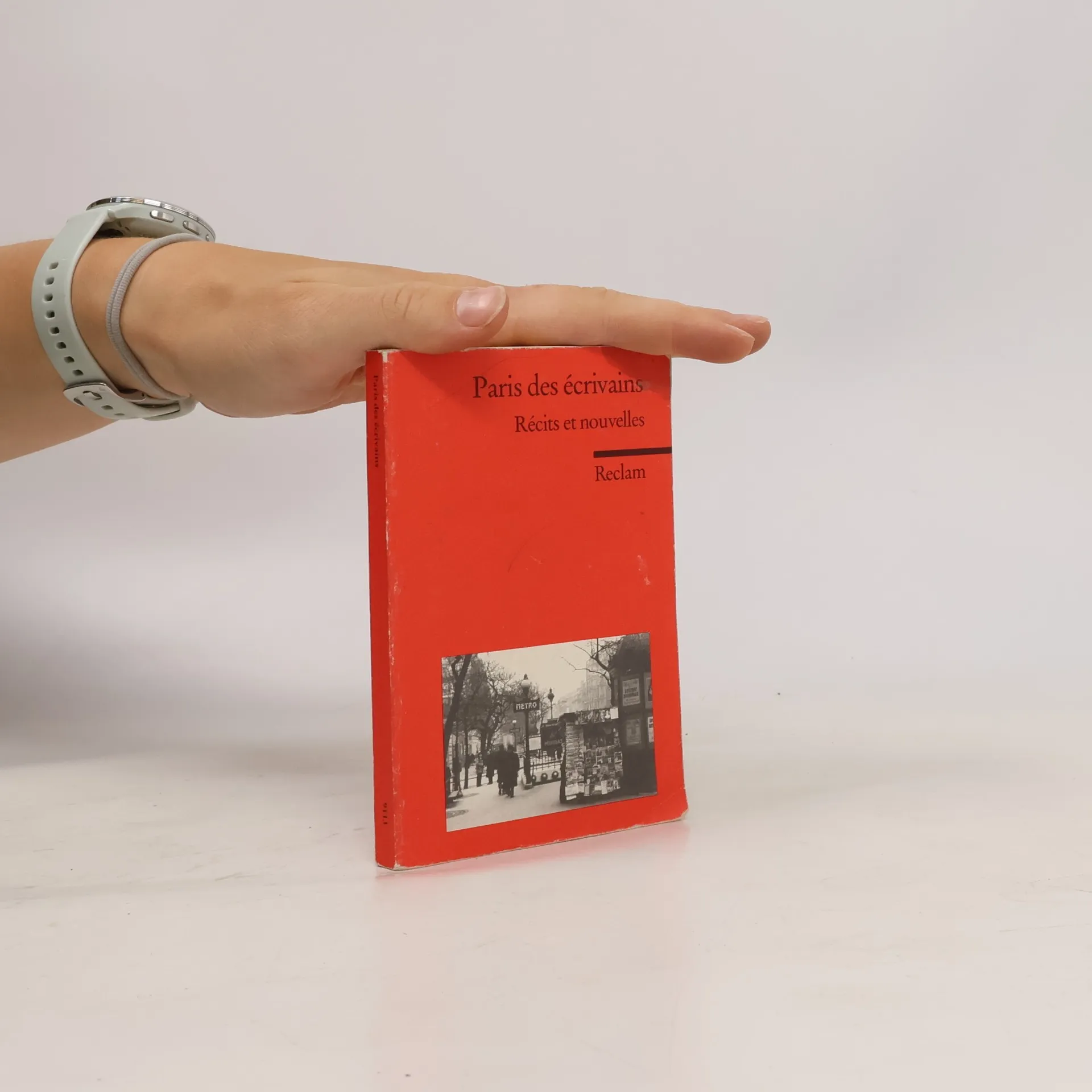
Reclams Universal-Bibliothek: Paris des écrivains
Récits et nouvelles - Französischer Text mit deutschen Worterklärungen
- 191 pages
- 7 hours of reading
Hier sind 12 starke Geschichten versammelt. Ihr Thema ist der Alltag in der französischen Hauptstadt vom Ende des 18. Jahrhunderts bis in unsere Tage. Dabei blicken sie hinter die Glitzerfassade der Stadt und buchstäblich in den Untergrund: immer wieder sind Métro und RER Schauplatz des Geschehens.Im Einzelnen: erste Großstadtreportagen vom Vorabend der Revolution (Mercier, Rétif de la Bretonne), berühmte Passagen von Hugo, Baudelaire, Zola sowie spannungsgeladene Erzählungen von Léo Malet, Jacques Sternberg, Annie Ernaux, Didier Daeninckx, Jean Rolin und - als echter Höhepunkt - Jean-Bernard Pouy.
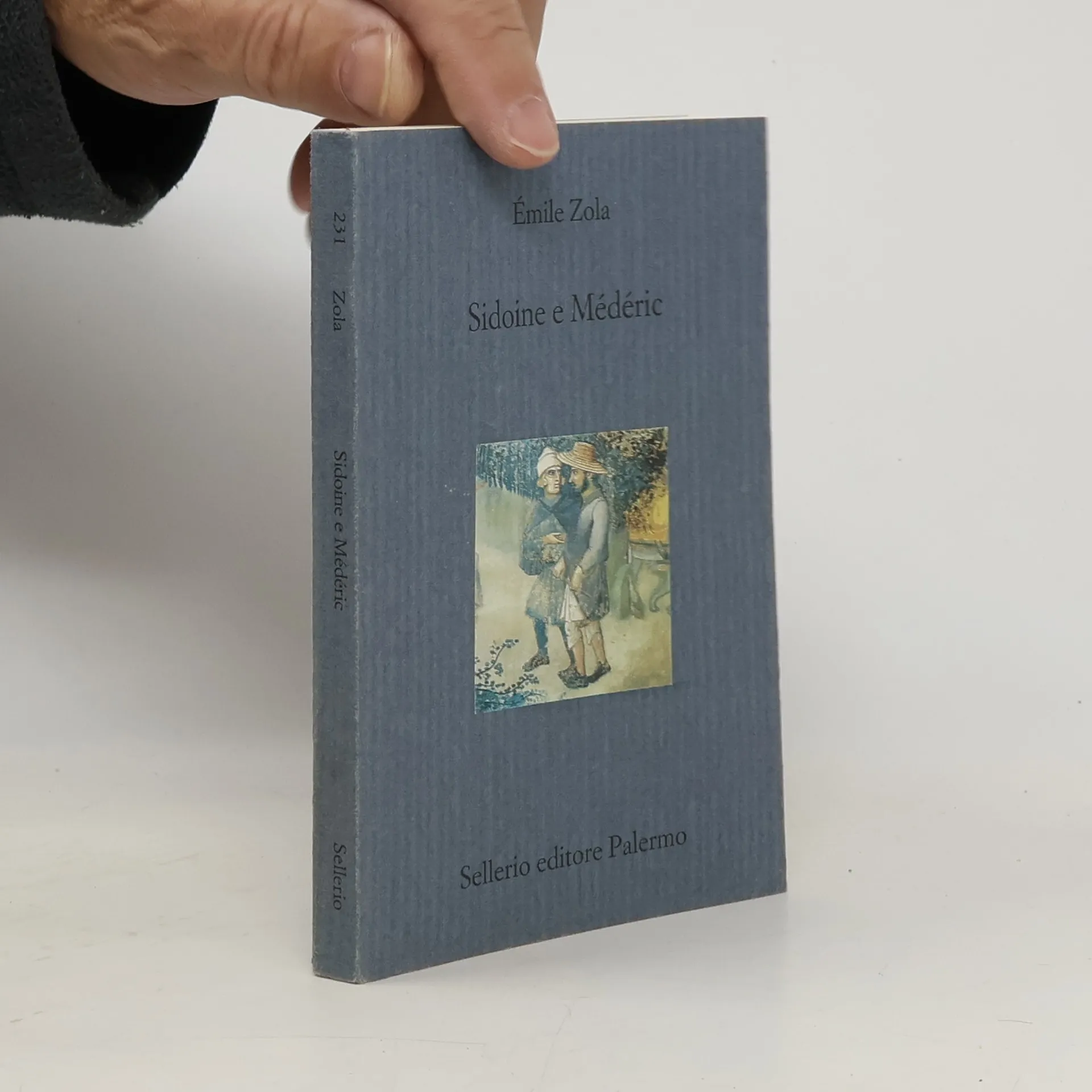
Sidoine e Médéric
- 200 pages
- 7 hours of reading
Émile Zola scrisse nel 1864 Sidoine e Médéric - il gigante e il nano, opposti in tutto, nel fisico e nell'intelletto, che girano il mondo in cerca di una terra e trovano il Regno dei Felici dove è regina Primavera: per poi finalmente comprendere che il mondo va accettato così com'è, senza idealizzarlo e senza averne orrore -, breve romanzo, evidentemente influenzato dalla tradizione della satira utopistica e filosofica che corre da Rabelais a Voltaire e Swift, che fa parte dei Racconti a Ninetta e precede tutte le opere maggiori e più caratteristiche del grande scrittore francese, ma ne preannuncia la grande forza di immaginazione e la sensibilità idealistica.
Nom du propritaire en page de garde. Le reste en bon tat. Quelques annotations. Prix en consquence
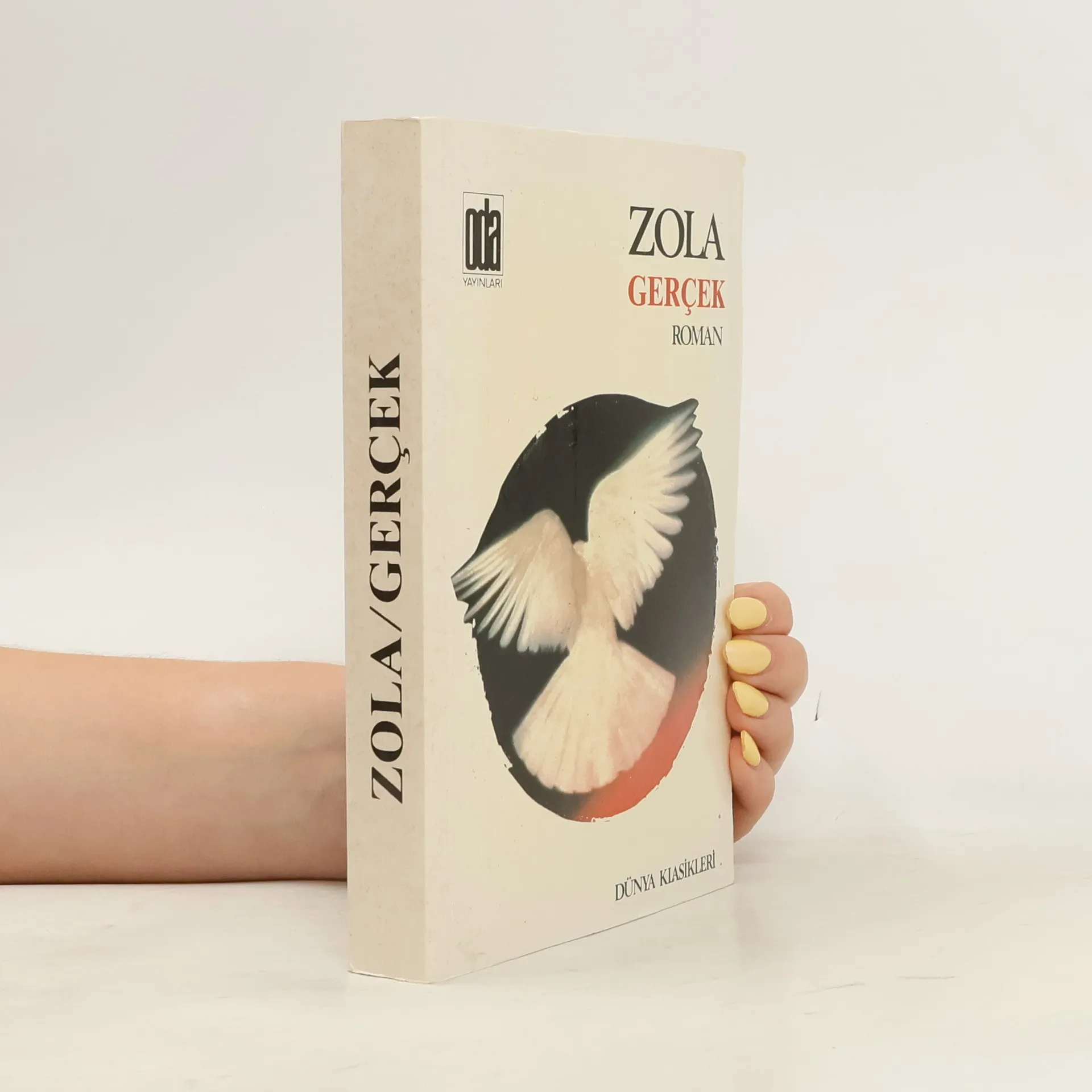
Gerçek
- 442 pages
- 16 hours of reading
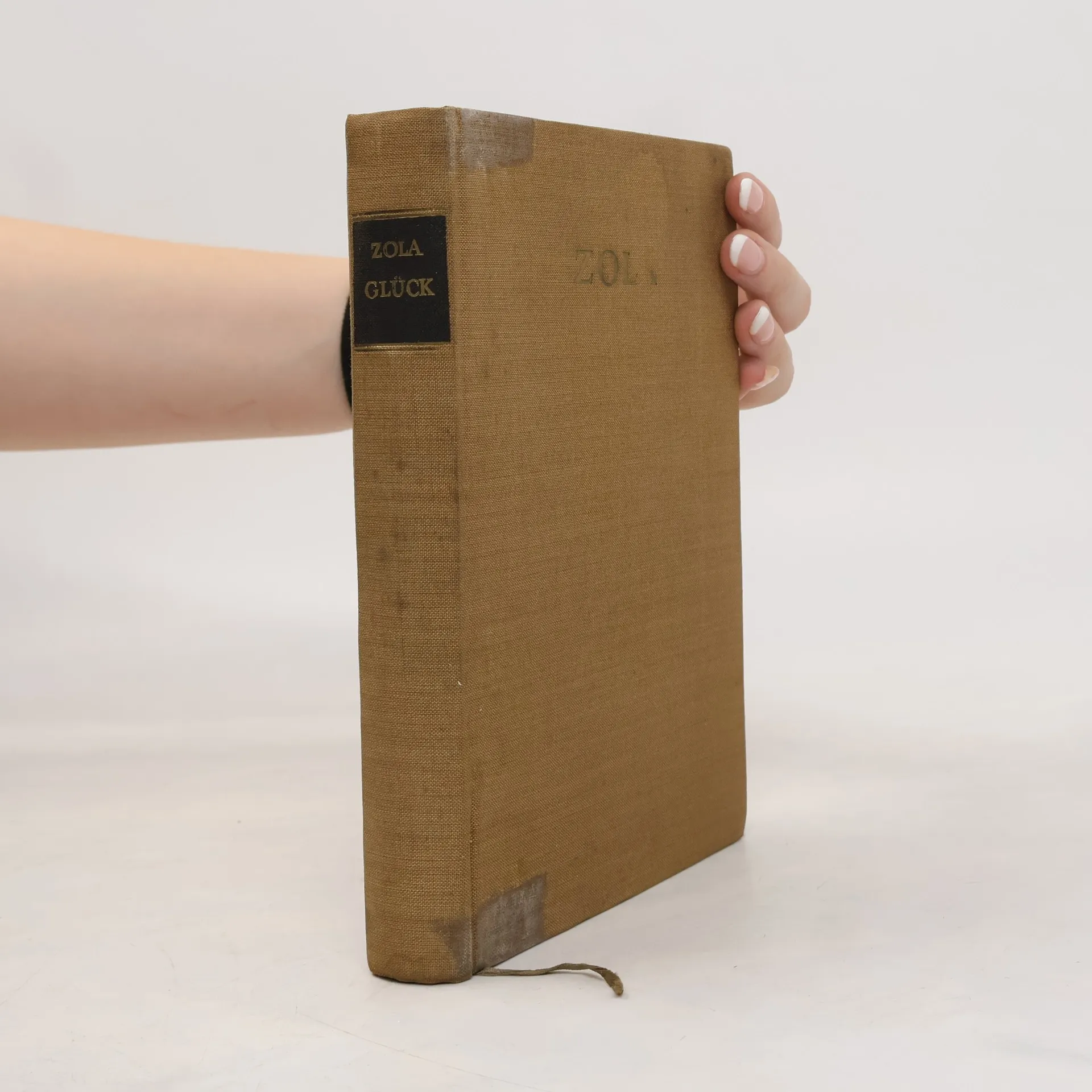
"Gerçek", laik inanışla kilisenin, yeni akımla eski tutucu öğretinin yüzyıllar boyu sürüp giden amansız ve acımasız çatışmasını konu alan bir yapıttır. Bu konuyu "Emile Zola"nın güçlü kaleminden ilgiyle izleyeceksiniz.
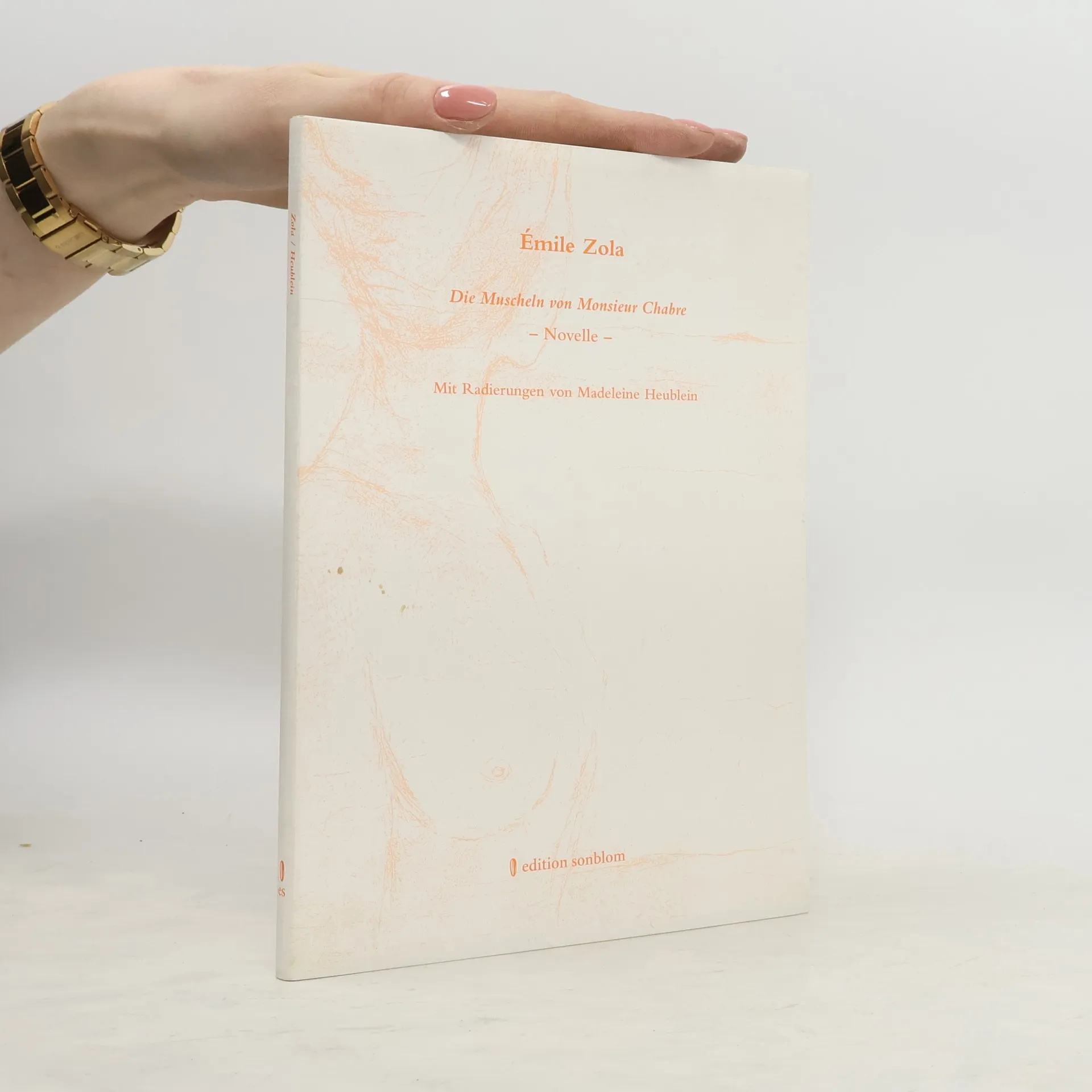
Die Muscheln von Monsieur Chabre
- 63 pages
- 3 hours of reading
Bei diesem Werk handelt es sich um eine urheberrechtsfreie Ausgabe. Der Kauf dieser Kindle-Edition beinhaltet die kostenlose, drahtlose Lieferung auf Ihren Kindle oder Ihre Kindle-Apps.
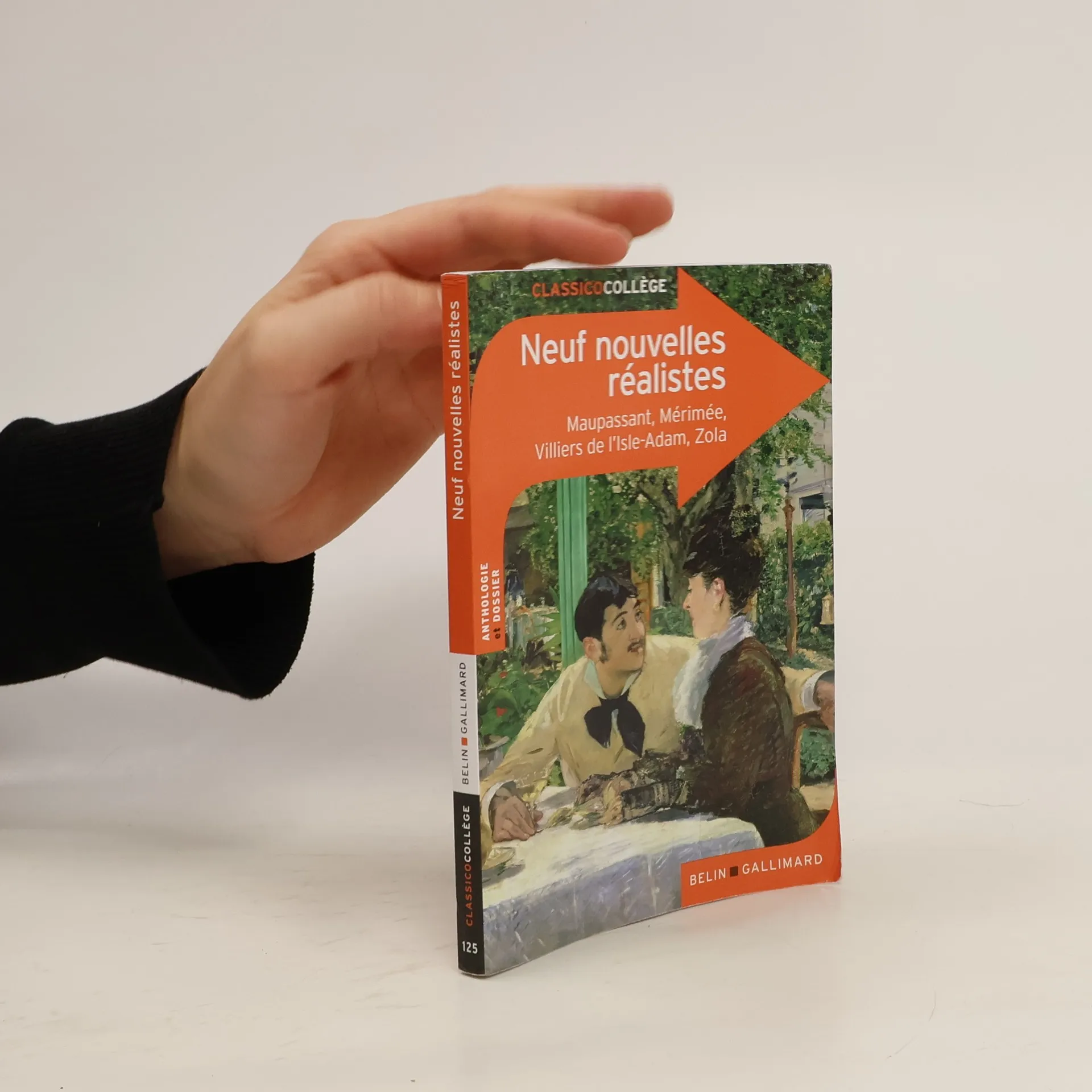
Neuf nouvelles réalistes
- 175 pages
- 7 hours of reading
Recommandé pour la classe de 4ième . Le récit au XIXième siècle . ¤ Guy de Maupassant, Aux champs, Histoire vraie, La Parure, Le Papa de Simon, Le Petit Fût . ¤ Prosper Mérimée, Mateo Falcone . ¤ Villiers de L'Isle-Adam, L'Inconnue . ¤ Emile Zola, Un mariage d'amour, Une victime de la réclame . Affaires de famille, amours déçues et règne de l'argent, tels sont les thèmes abordés dans ces neuf nouvelles, qui portent un regard critique sur la société du XIXième siècle.. Des récits tantôt drôles, tantôt cruels qui permettent d'explorer l'art de la nouvelle réaliste.. Neuf nouvelles réalistes . Choix des textes, notes, présentation et dossier par Virginie Manouguian . ¤ Des questionnaires progressifs de compréhension et d'analyse du texte. ¤ Des exercices de lecture d'images . ¤ Des exercices de vocabulaire à partir de champs lexicaux. ¤ Des travaux d'écriture . ¤ Des activités Histoire des arts. ¤ Des activités B2i . ¤ Les grands thèmes de l'oeuvre . ¤ Deux groupements de textes .
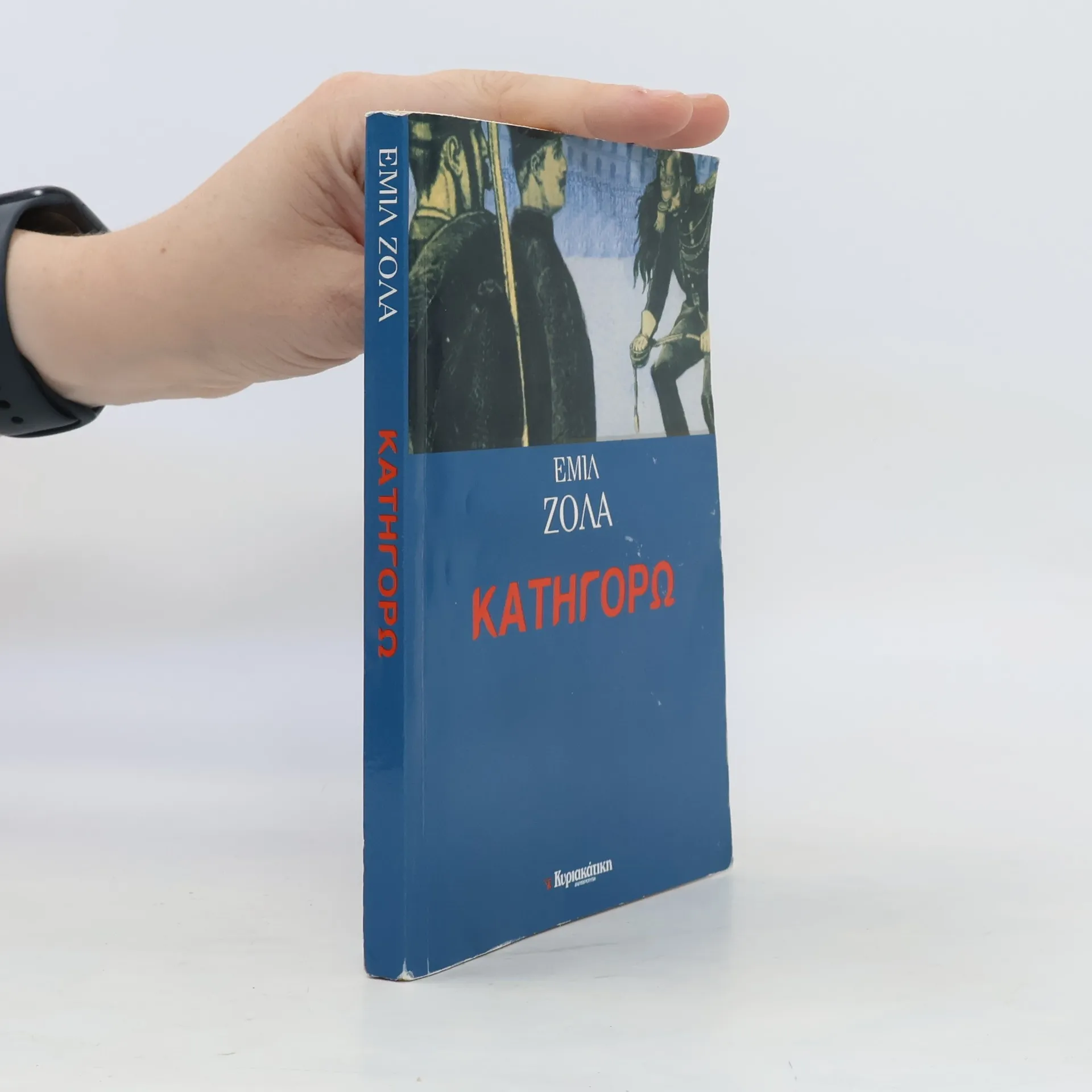
Αλεγκάτο υπέρ του καπετάνιου Άλφρεντ Ντρέιφους, που απευθύνεται από τον Émile Zola με ανοιχτή επιστολή στον πρόεδρο της Γαλλίας, Μ. Φελίξ Φορέ, και δημοσιεύθηκε από την εφημερίδα L'Aurore στις 13 Ιανουαρίου 1898 στην πρώτη της σελίδα.
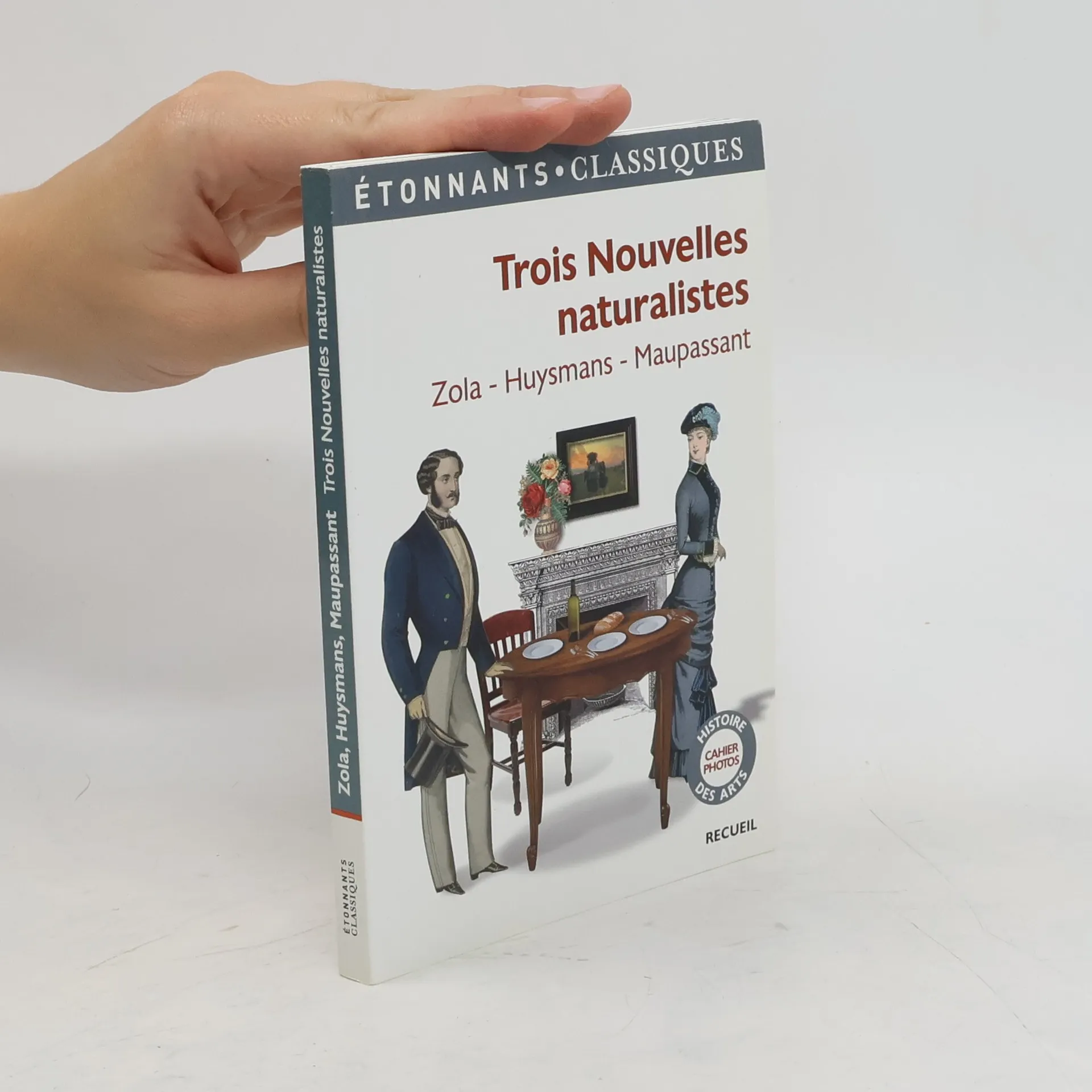
Trois Nouvelles naturalistes
- 160 pages
- 6 hours of reading
Un ouvrier pris dans la tourmente de la Commune, déporté au bagne de Nouméa, s'évade et retrouve sa femme mariée à un autre... Mis à la retraite prématurément, un fonctionnaire se montre incapable de vivre en dehors du cadre étroit de l'administration... Sur son lit de mort, un riche paysan révèle sa double vie à son fils et lui demande de prendre soin de sa maîtresse...Voici des histoires insolites contées par trois maîtres du naturalisme.L'édition : - Questionnaires de lecture- Microlectures- Groupements de textes : - écrits théoriques sur le naturalisme- étude des motifs obsédants- Culture artistique : - cahier photos : réalisme et naturalisme- un livre, un film : Le Festin de Babette (Gabriel Axel).
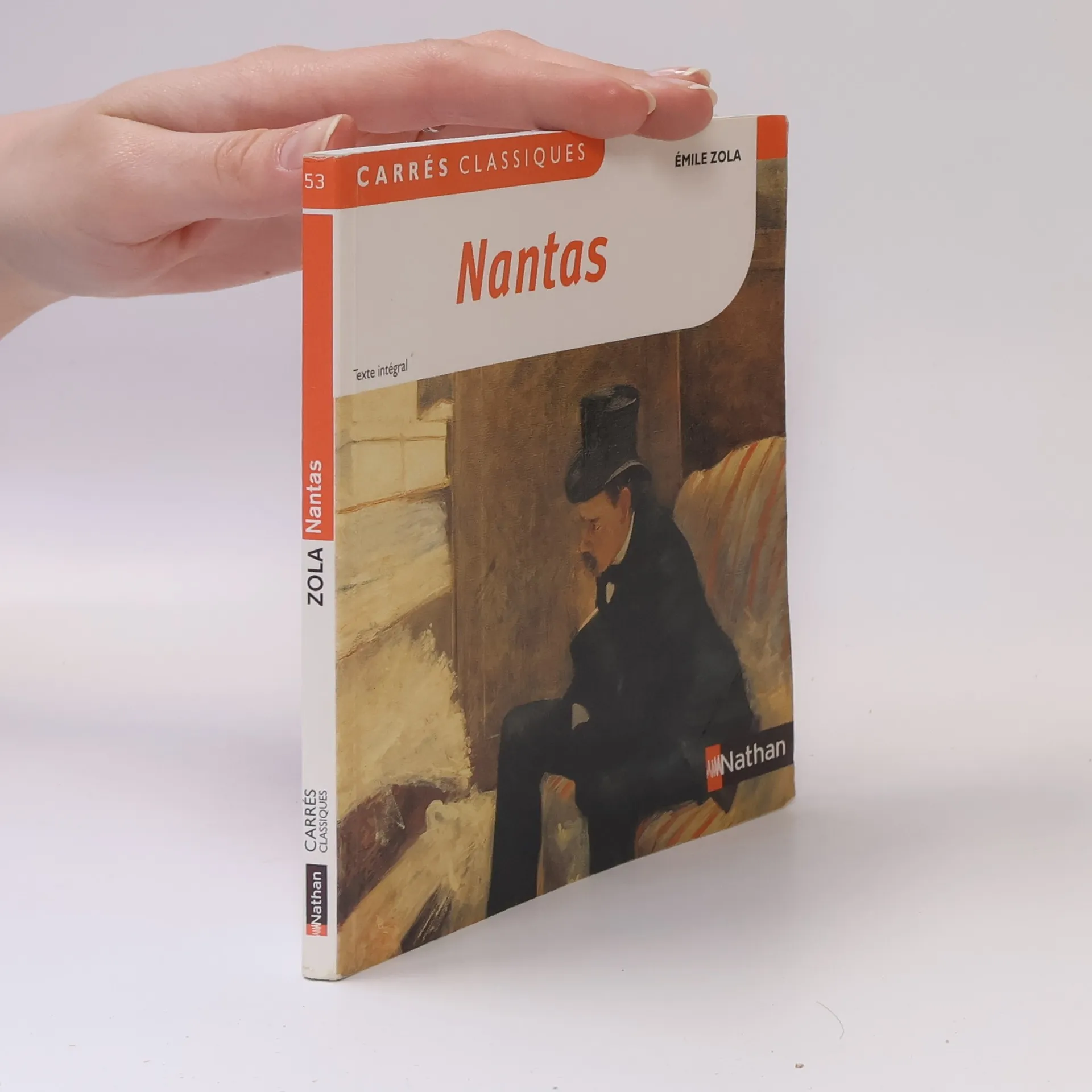
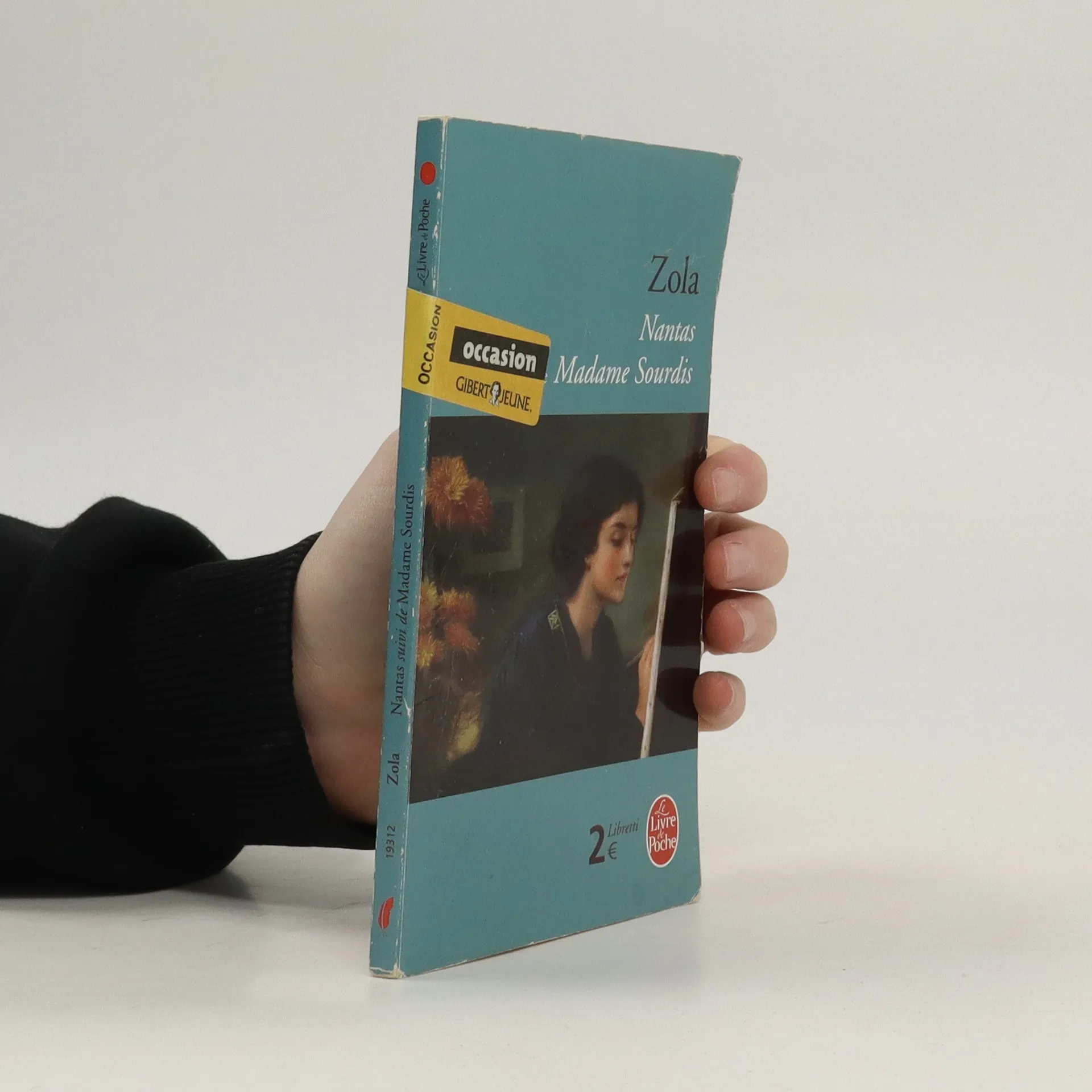
Nantas: texte intégral
- 132 pages
- 5 hours of reading
Un jeune provincial sans argent, sans appui, sans ami, est sur le point de tout abandonner. Quelques années plus tard, le voilà riche, puissant, adulé, et... à nouveau prêt à mettre fin à ses jours. Que s'est-il passé ? La belle et dédaigneuse Flavie est au coeur du mystère. Nantas découvre à quel point on peut se tromper, alors même qu'on croit maîtriser son destin. La nouvelle invite ainsi chaque lecteur à s'interroger sur les voies du bonheur.
Cesta mladého kněze, zachváceného hlubokou krizí víry tváří v tvář světské bídě, pokračuje po deziluzi ze zázračných Lourd přímo do Svatého města. Ani tady se mu však nevede lépe, zbytky jeho snů o křesťanské myšlence, která by měla vést lidstvo ke štěstí, znovu narážejí na obrazy děsivé ubohosti a nutí Pierra k chmurným úvahám o směřování lidského plemene.
Lecteur facile en français contenant Naïs Micoulin, La mort d'Olivier Bécaille et Madame Sourdis.
Jak se lidé žení
- 130 pages
- 5 hours of reading
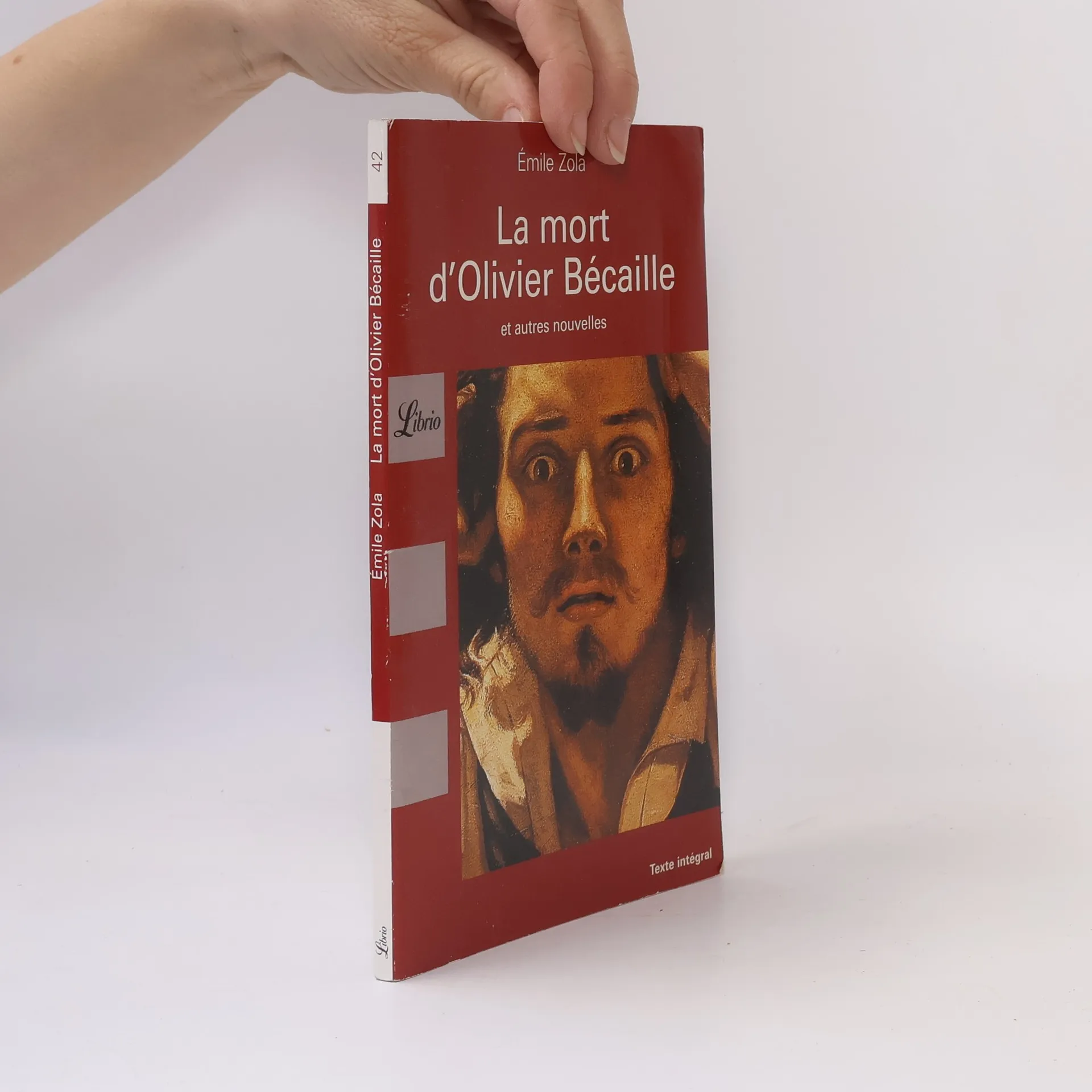
La mort d'Olivier Bécaille et autres pièces
- 129 pages
- 5 hours of reading
Les nouvelles: "La mort d'Olivier Bécaille" "Nantas" "L'inondation" "Les coquillages de M. Chabre"
Edition enrichie (Preface, chronologie et bibliographie)Nantas, un jeune Marseillais ambitieux qui vient de monter a Paris, ne parvient pas a trouver de situation lorsqu'un soir une mystérieuse visiteuse lui propose d'épouser Flavie, la fille du baron Danvilliers : il reconnaîtra l'enfant dont elle est enceinte et percevra deux cent mille francs. Simplement, la jeune fille lui demande de n'être jamais son mari que de nom et, après sa brillante ascension sociale, c'est Flavie que Nantas voudra conquérir. Relation qui s'inverse dans la seconde nouvelle, ou le triomphe de la virilité se retourne en défaite. Car si Adèle désire épouser Ferdinand Sourdis dans l'espoir de mener le jeune peintre a la gloire, la paresse aussi bien que la débauche du mari conduisent peu a peu sa jeune femme a achever ses tableaux - et finalement a usurper son rôle. Publiées pour la première fois en 1878 et en 1880 dans Le Messager de l'Europe, une grande revue de Saint-Petersbourg, ces nouvelles appartiennent pleinement a leur temps. Mais si l'ambitieuse puissance de Nantas évoque Son Excellence Eugène Rougon, ou Aristide Saccard, l'aventurier prédateur de La Curée, c'est bien plutôt a la misogynie des écrivains proches de Zola que fait songer Madame Sourdis, femme-vampire qui aura finalement dévore son mari et inquiétante annonciatrice de bien des névroses fin-de-siècle qui feront aussi frémir de cette épouvante-là. Edition de Jacques Noiray.
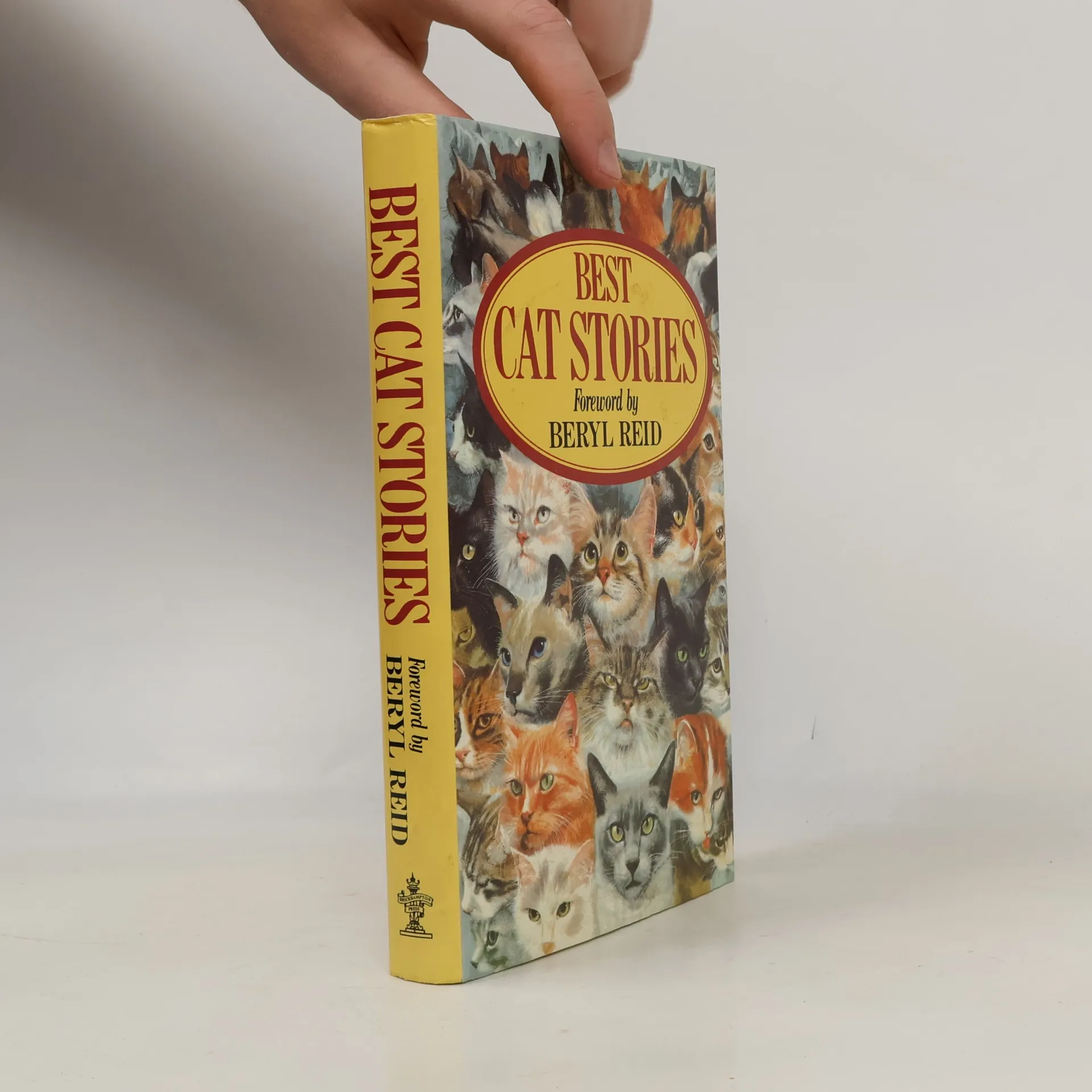
Best Cat Stories
- 254 pages
- 9 hours of reading
An anthology of 23 cat stories from classic authors, cats which are comic, heroic, spoiled, fat and even a desert island cat, embellished with specially commissioned line drawings by William Geldart.
Le Paradis des chats et autres textes
- 132 pages
- 5 hours of reading
En 1874, Emile Zola, qui est déjà l'auteur d'imposantes fresques romanesques, fait paraître un recueil de textes brefs sous le titre de Nouveaux Contes à Ninon. Sans restriction de genre, il y réunit avec une grande liberté fable, portrait, récit de souvenirs... Nous trouverons ici cinq de ces compositions à l'éclectisme délicieux, et où se rencontrent tour à tour un chat vagabond, un forgeron affairé ou encore une jeune héroïne au grand coeur. "J'avais alors deux ans, et j'étais bien le chat le plus gras et le plus naïf qu'on pût voir. A cet âge tendre, je montrais encore toute la présomption d'un animal qui dédaigne les douceurs du foyer... je n'avais qu'un désir, qu'un rêve, me glisser par la fenêtre entrouverte et me sauver sur les toits".
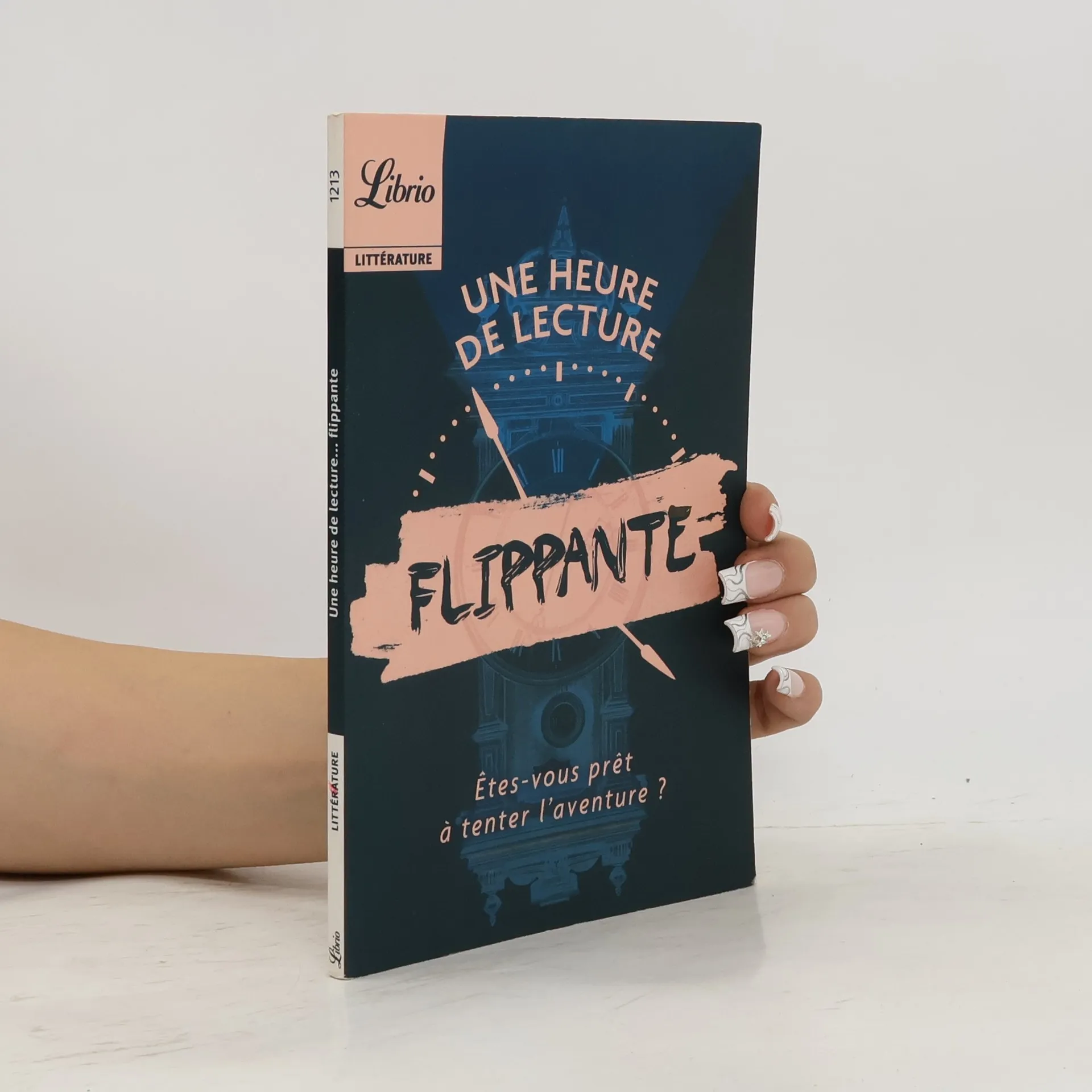
Une heure de lecture flippante
- 93 pages
- 4 hours of reading
Une heure pour redécouvrir que la lecture peut être flippante; 1 playlist, 4 nouvelles, des défis terrifiants et 1 sélection de films.
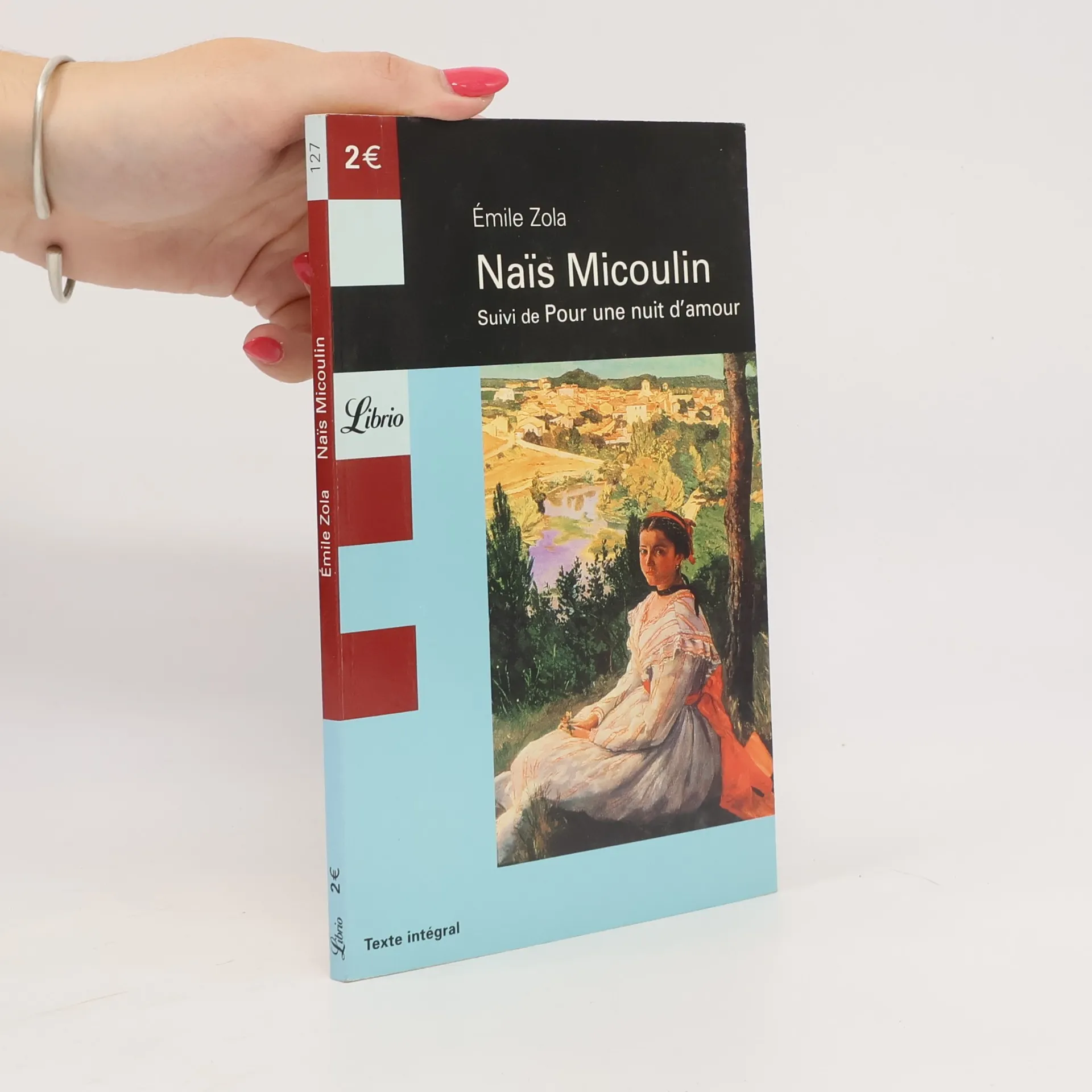
Naïs Micoulin suivi de Pour une nuit d'amour
- 88 pages
- 4 hours of reading
Naïs, la belle enfant brune et sauvage a poussé. Des épaules fortes, une taille ronde, des bras magnifiques. Remué jusqu'au fond de l'âme, Frédéric, noceur et libertin, contemple sa servante. Elle est belle sous son hâle et son odeur de terre lui murmure la promesse d'étreintes sensuelles... Elle l'aime, et très vite, ils se laissent aller à la caresse. Mais c'est sans compter la jalousie et la violence du père Micoulin, lorsqu'il découvre leur liaison. Car il le tuera, celui qui ose toucher sa fille ! Une lutte âpre et silencieuse s'engage. L'issue ne pourra être que fatale : aimer, n'est-ce pas déjà se condamner ?
Tajnosti města Marsille (publikováno v roce 1867) je mladistvou výpravou Émila Zoly do feuilletonu a představuje významnou laboratorní zkušenost pro autora. Zde se totiž odhaluje jeho „žurnalistická metoda“, kterou později přijal pro velký cyklus Rougon-Macquart, metoda „nevyhnutelná“ a „neúprosná“, jež přivede k životu romány jako L’assommoir, Nana, La bête humaine, Germinal. Tajnosti města Marsille je zrcadlem obtížného učení a zachovává v těchto neobvyklých stránkách Zoly podivuhodnou chuť doby.
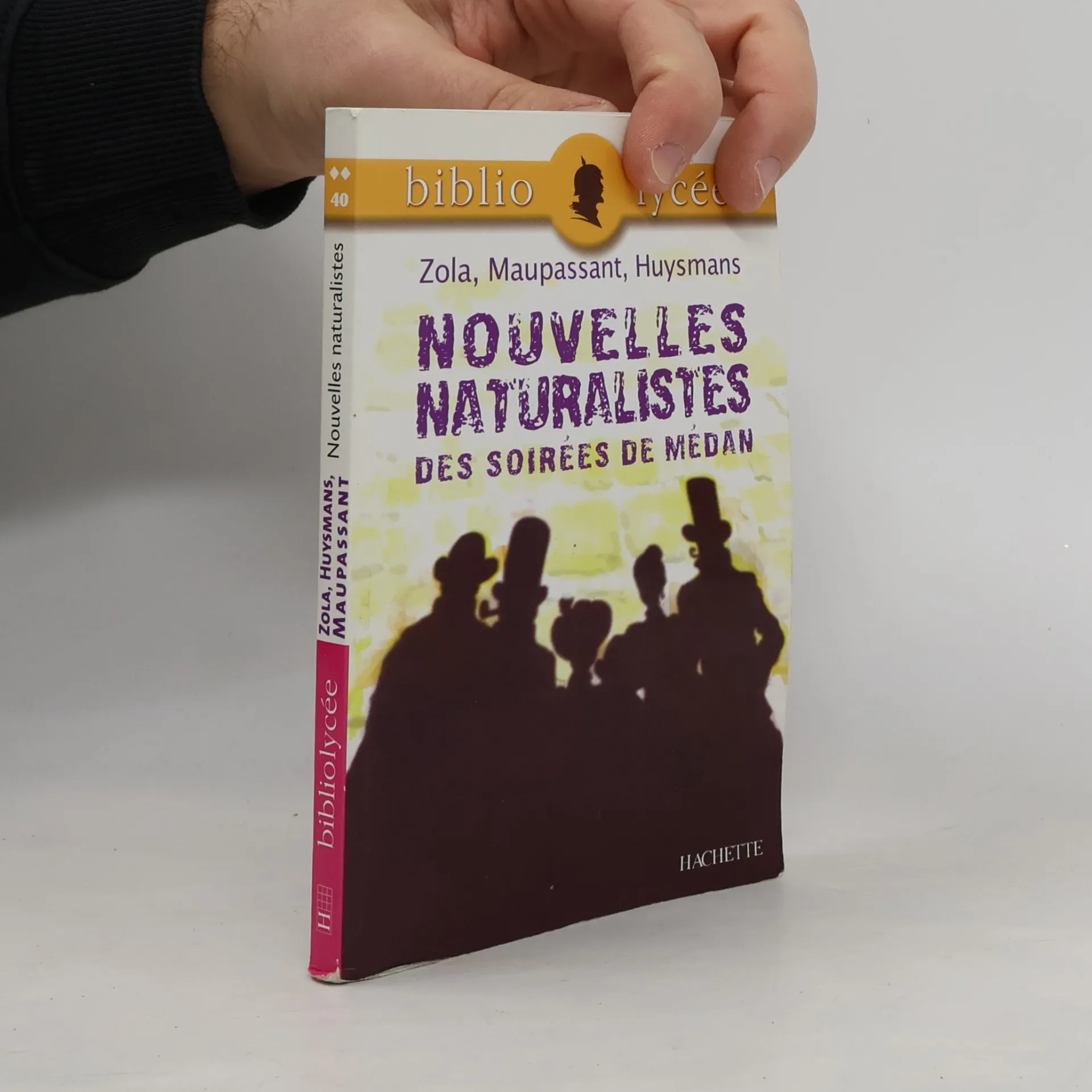
Nouvelles naturalistes des soirées de Médan
- 256 pages
- 9 hours of reading
This is a pre-1923 historical reproduction that was curated for quality. Quality assurance was conducted on each of these books in an attempt to remove books with imperfections introduced by the digitization process. Though we have made best efforts - the books may have occasional errors that do not impede the reading experience. We believe this work is culturally important and have elected to bring the book back into print as part of our continuing commitment to the preservation of printed works worldwide.
I grandi libri - 467: L'Assommoir
- 492 pages
- 18 hours of reading
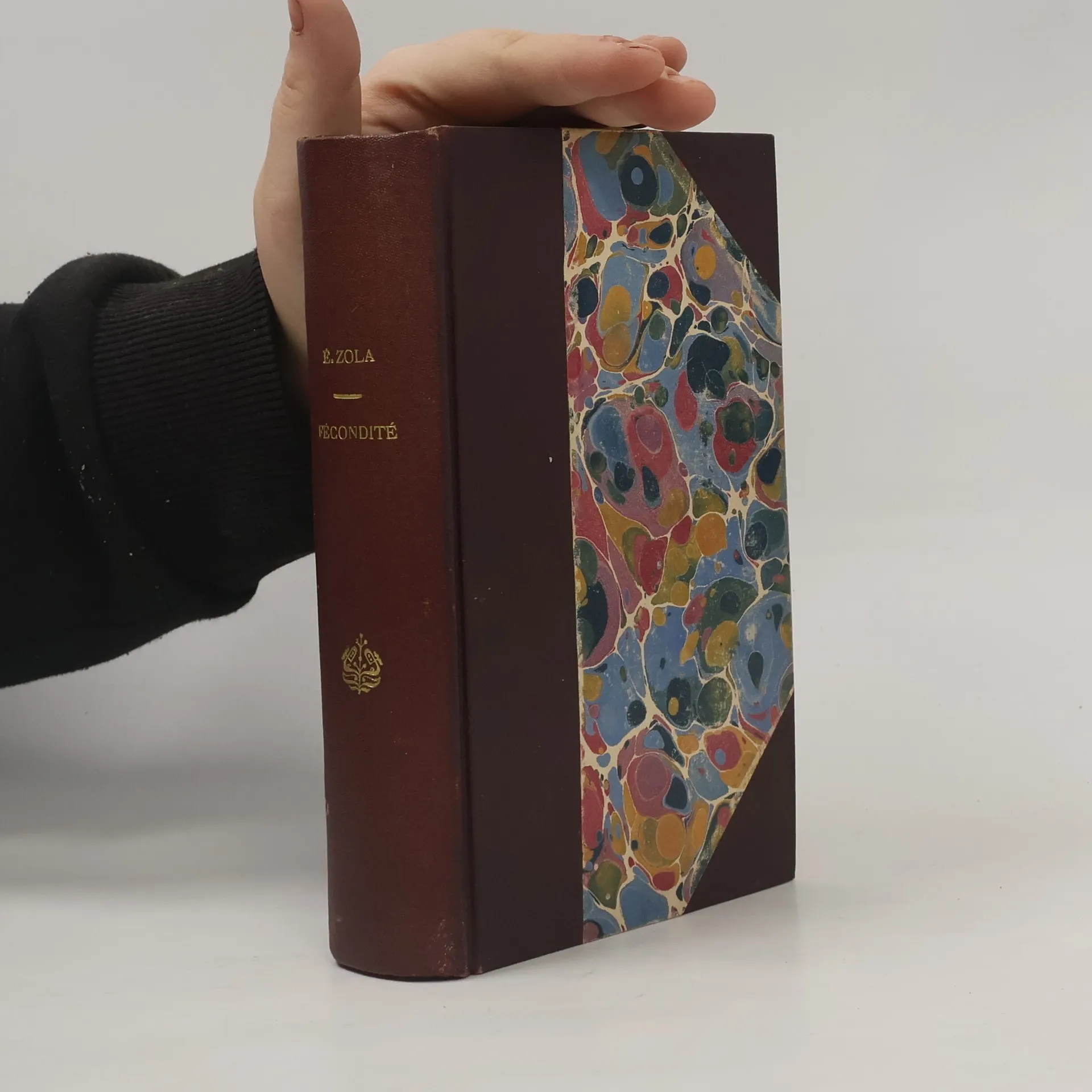
"Fécondité" d'Émile Zola est un roman puissant et profond qui explore les complexités de la vie et des relations humaines. Au cœur de l'histoire se trouve la vie de deux familles liées par des amitiés anciennes et des liens de parenté. Le roman offre un aperçu réaliste de la société française du XIXe siècle, mettant en évidence les luttes de classe, les rivalités et les passions qui animent les personnages. Zola peint des portraits saisissants de ses protagonistes, qui sont tous profondément humains, avec leurs forces et leurs faiblesses. Au fil du récit, les personnages sont confrontés à des choix difficiles et à des épreuves qui mettent à l'épreuve leur force intérieure. Les thèmes de l'amour, de la maternité, de la paternité, de l'ambition et de la loyauté sont explorés avec finesse, offrant une réflexion profonde sur la condition humaine. "Fécondité" est une œuvre qui touche à l'essence même de la vie et de la nature humaine. Émile Zola y dépeint la complexité des émotions humaines et la manière dont les circonstances de la vie peuvent façonner nos destins.
Lettres à Alexandrine
1876-1901 - Édition établie, présentée et annotée par Brigitte Émile-Zola et Alain Pagès
- 813 pages
- 29 hours of reading
fort vol. in-8, broché, 813 pp. Edition établie par Brigitte Emile-Zola et Alain Pagès. Bandeau de l'éditeur conservé. Excellent état, comme neuf.