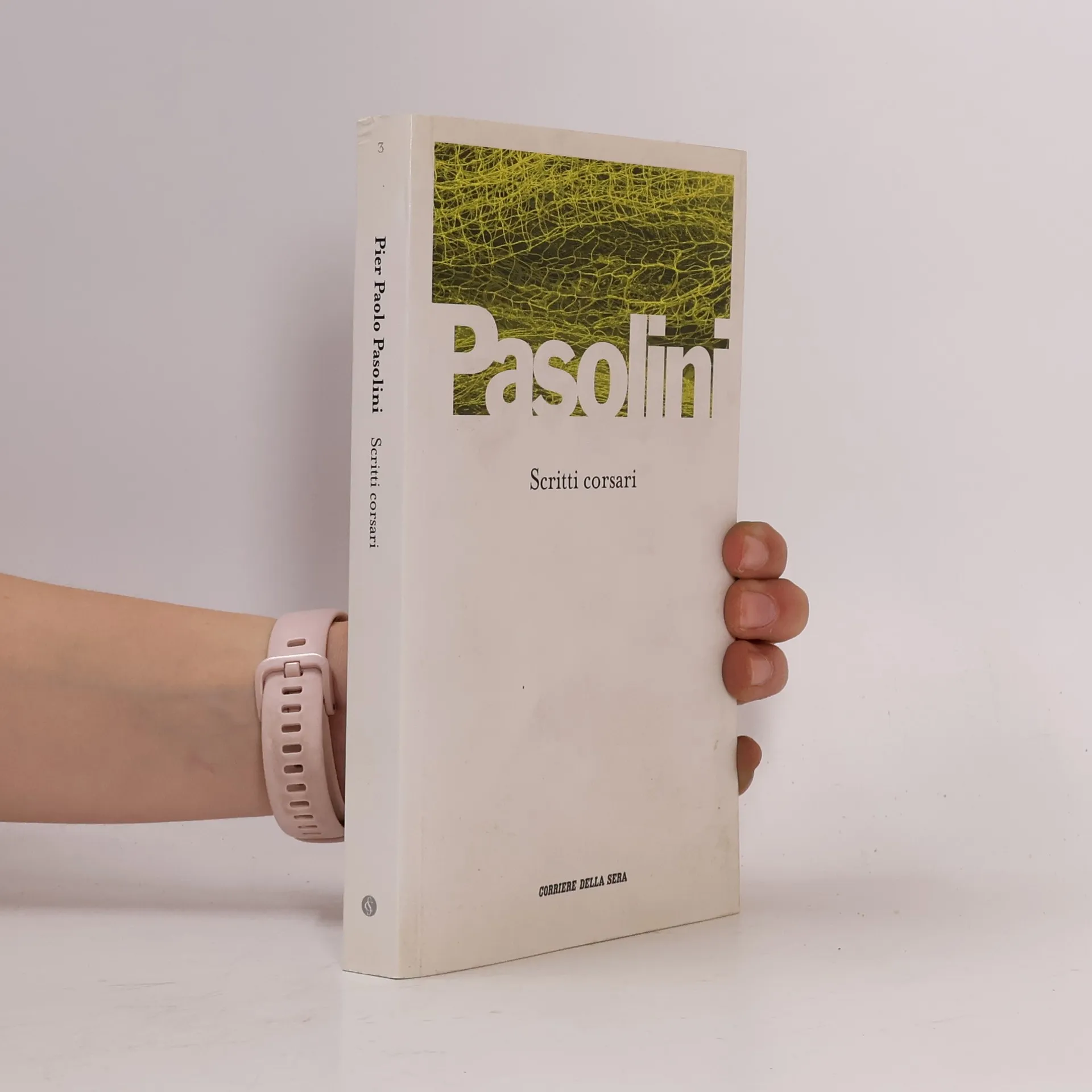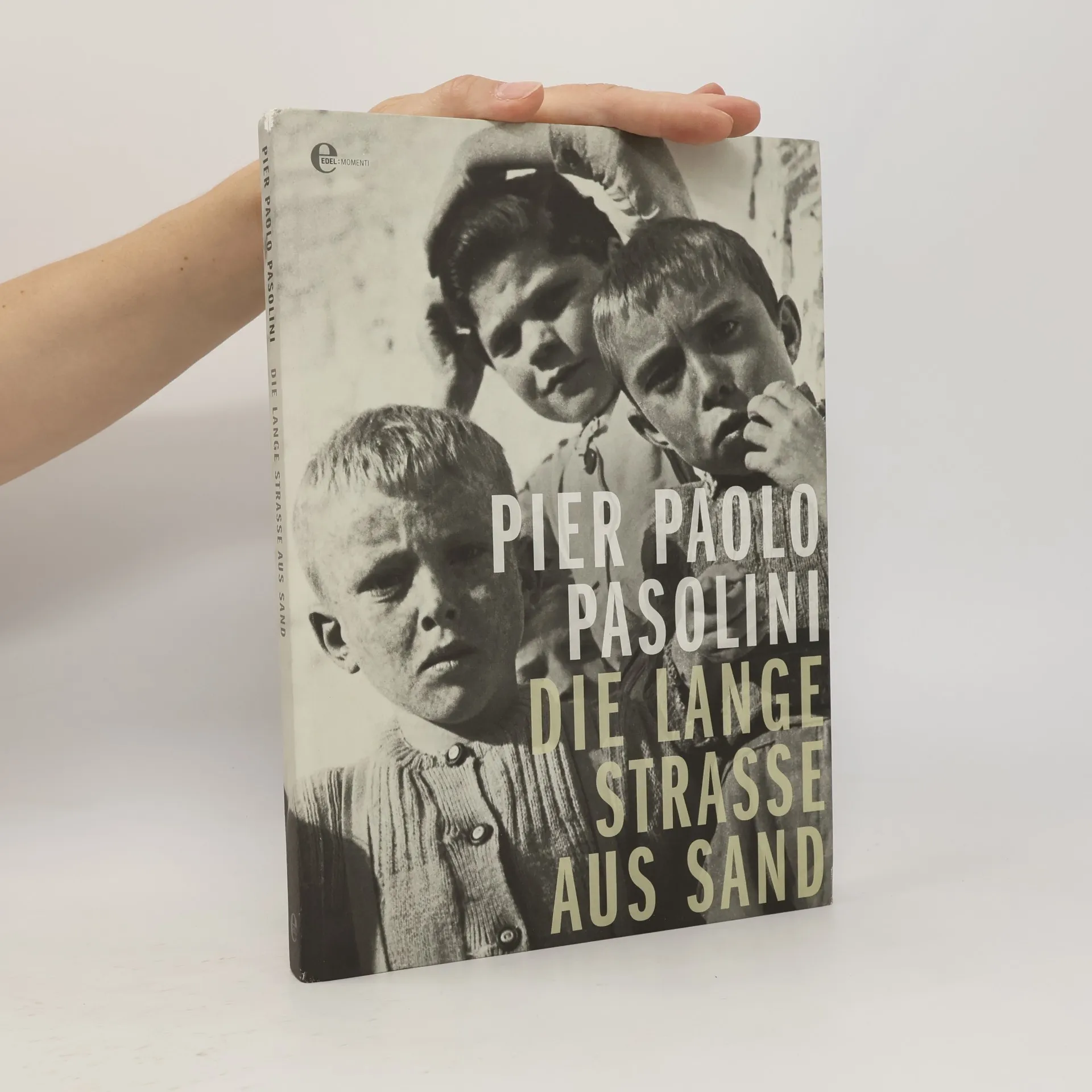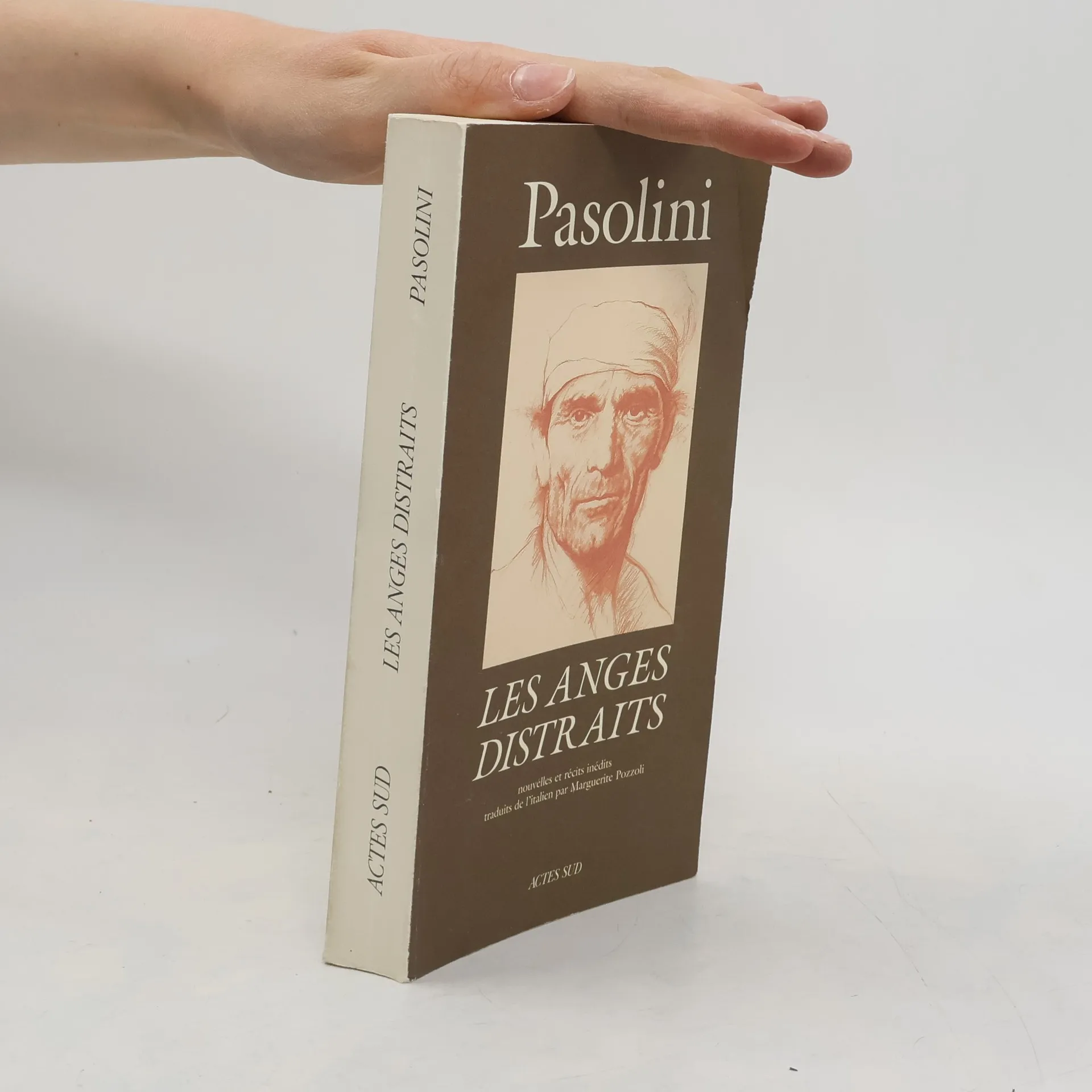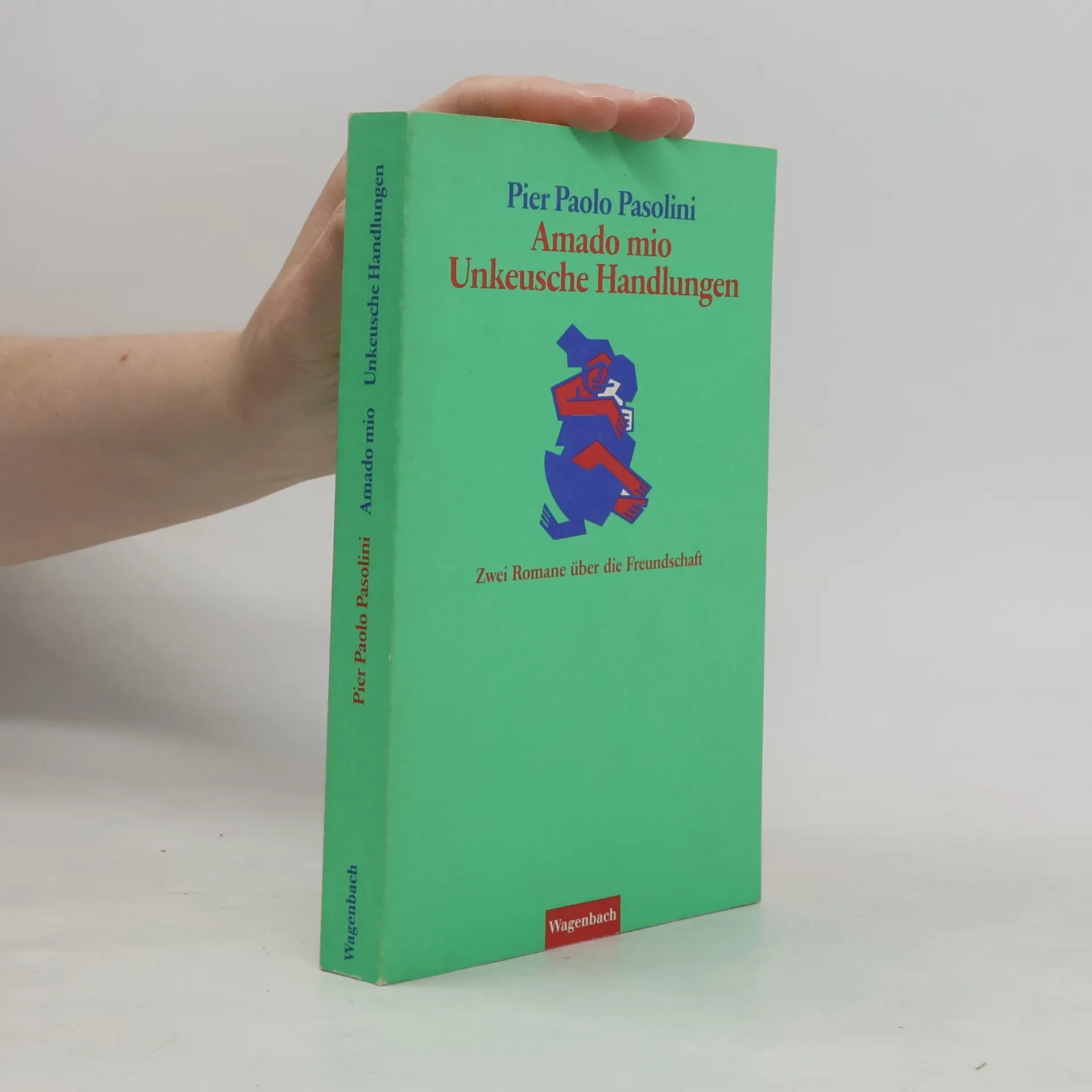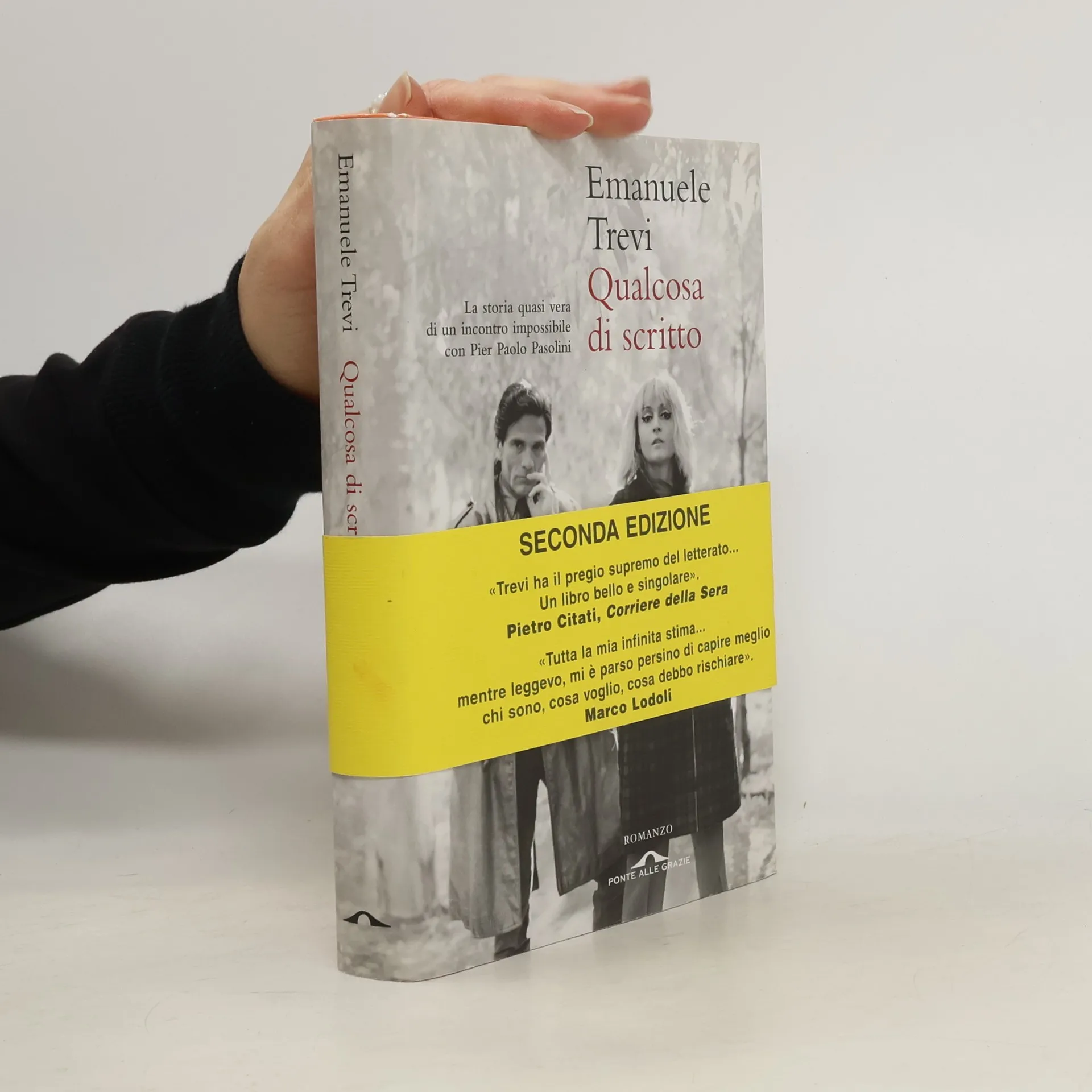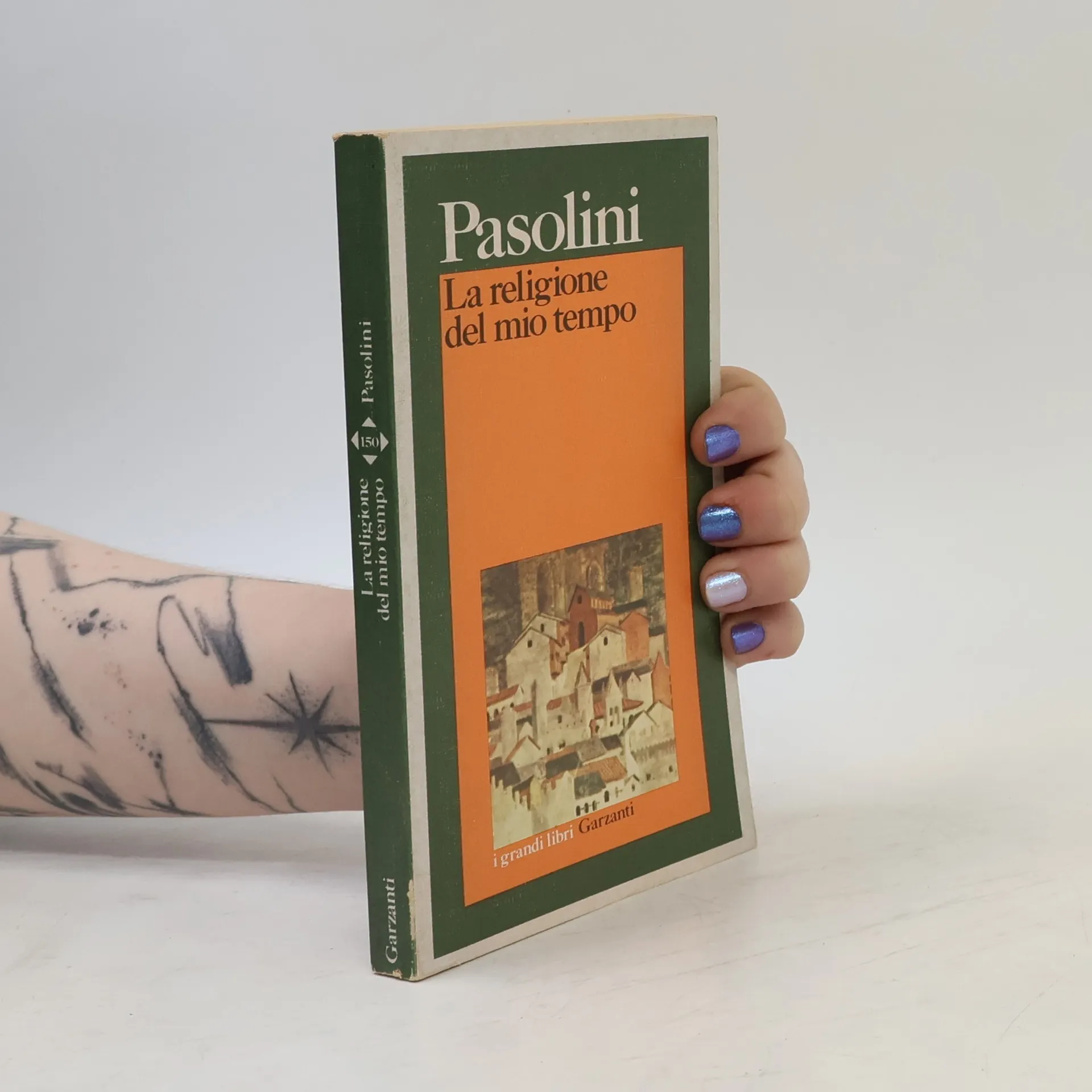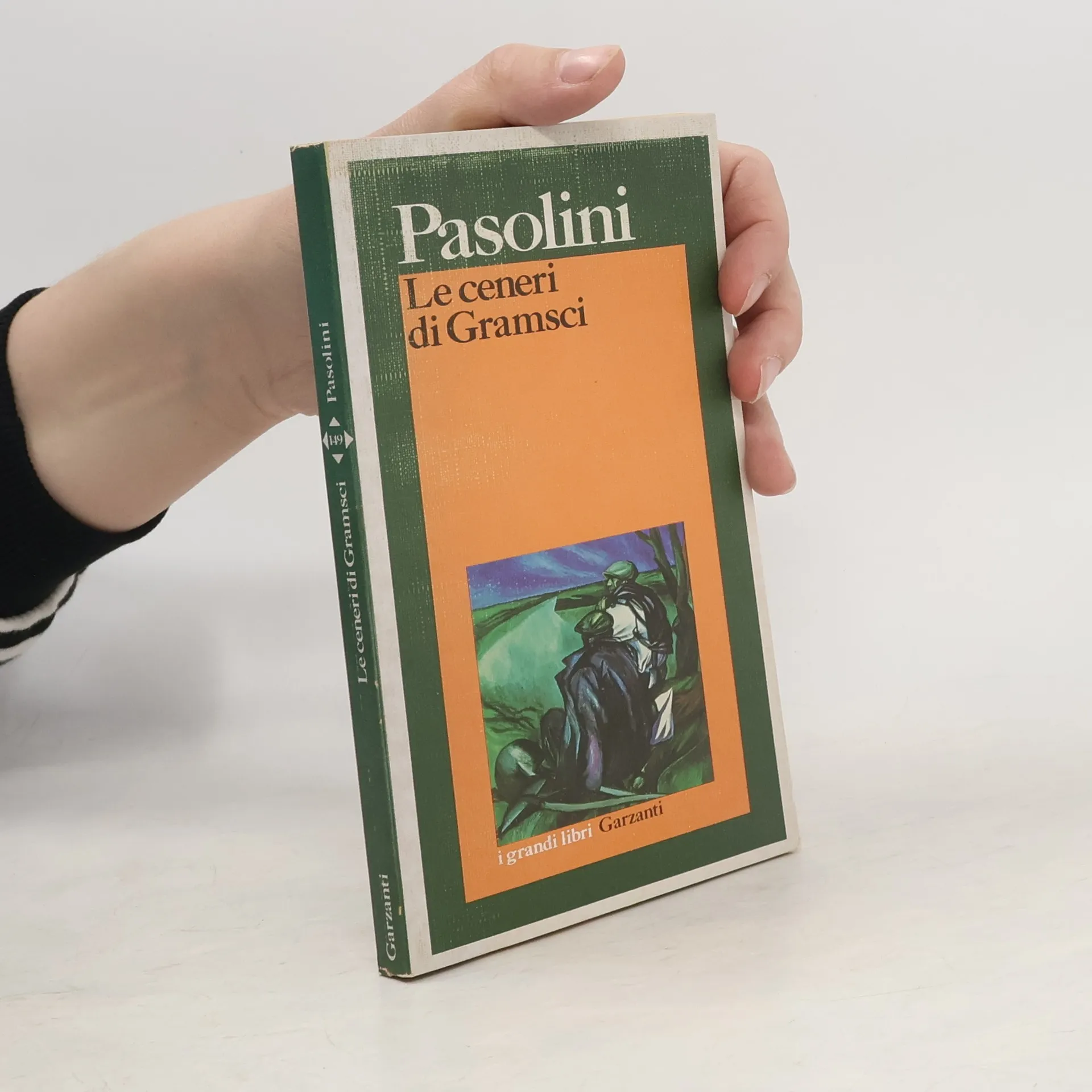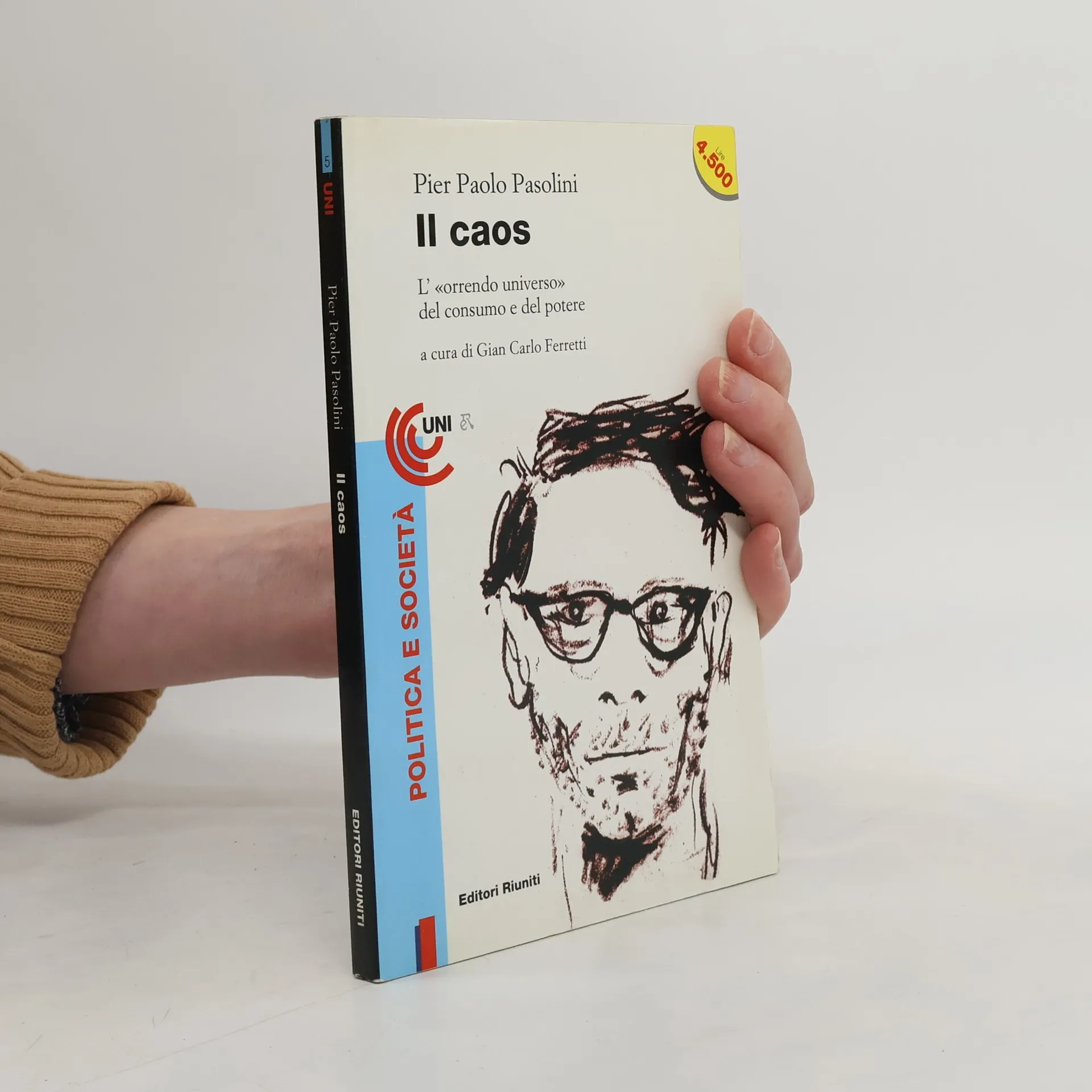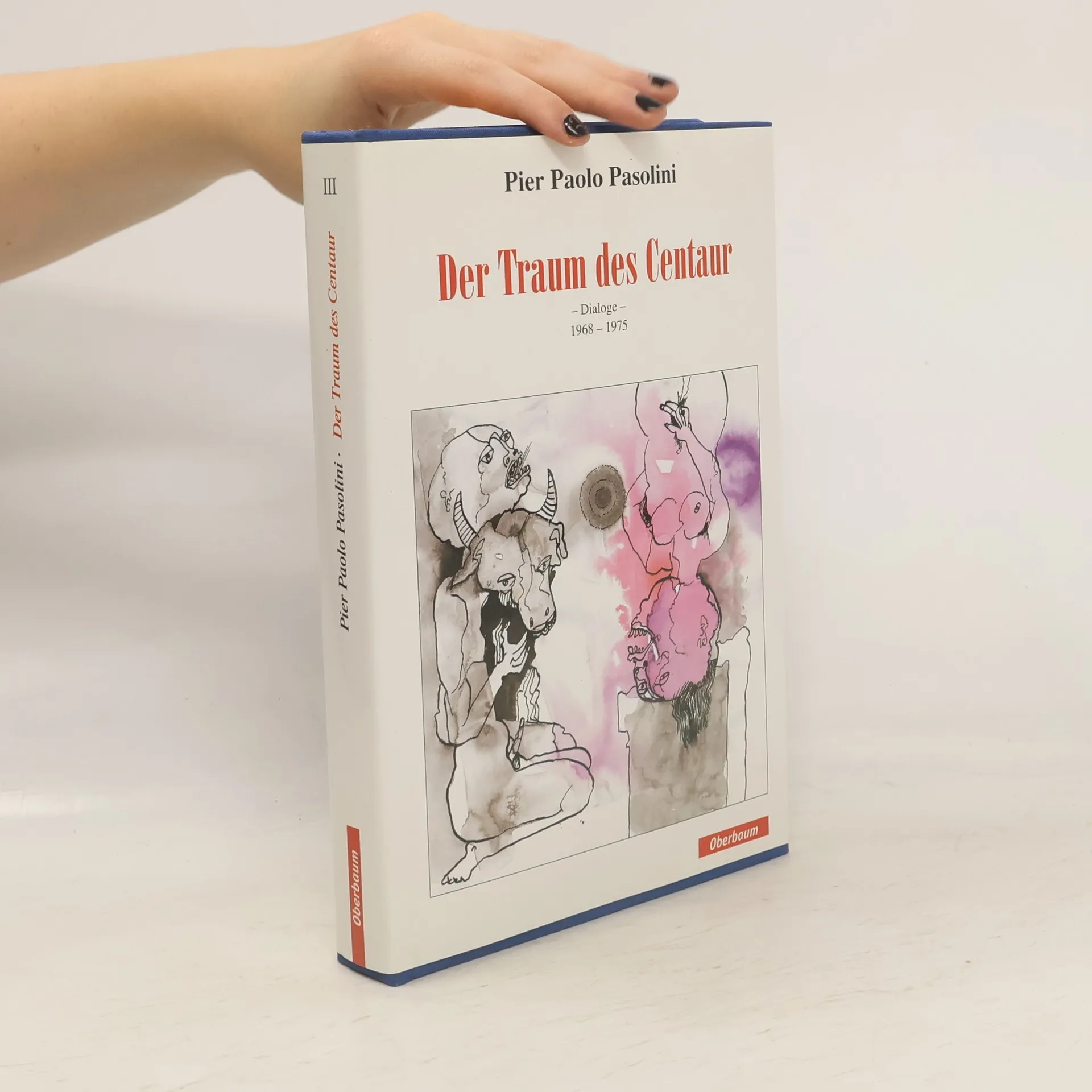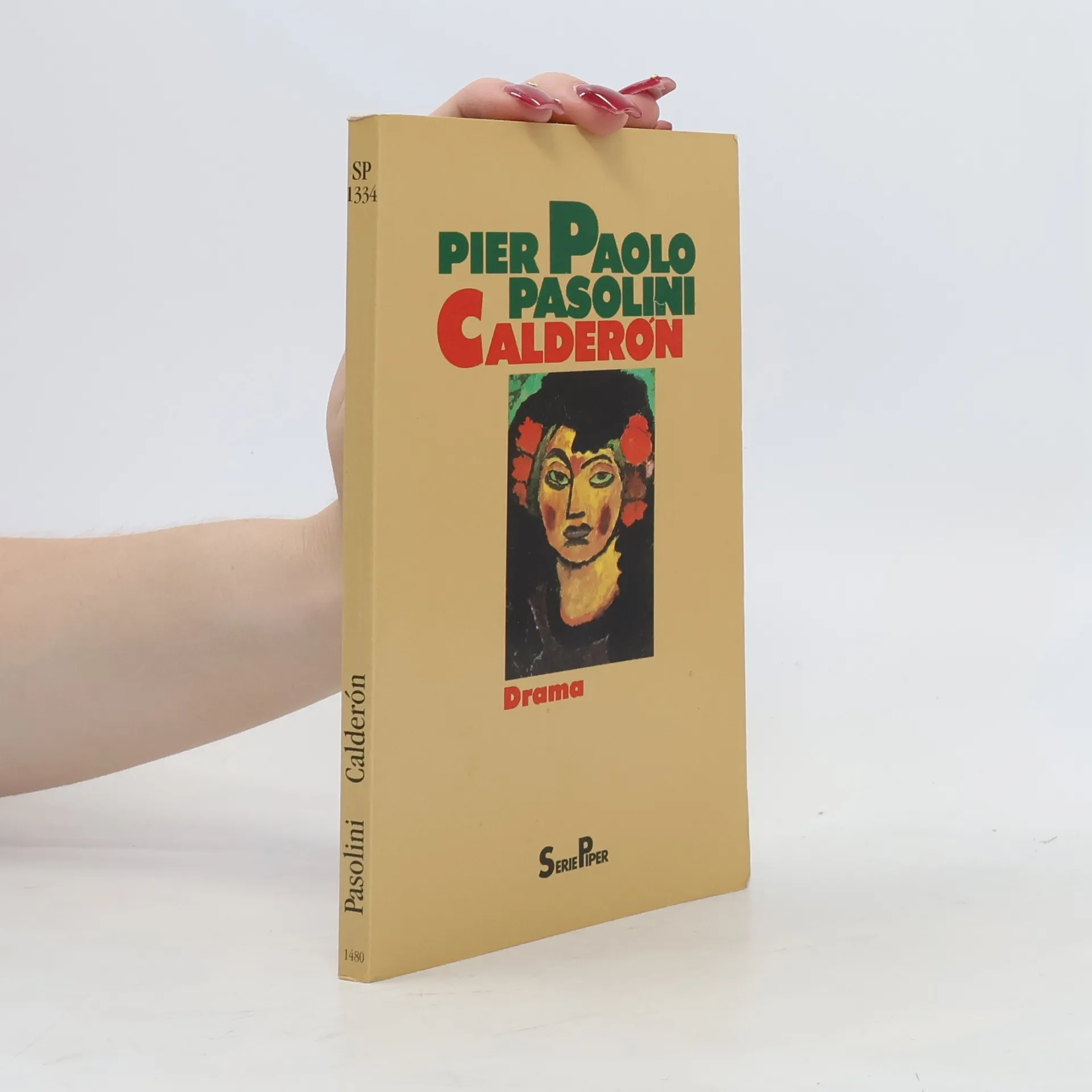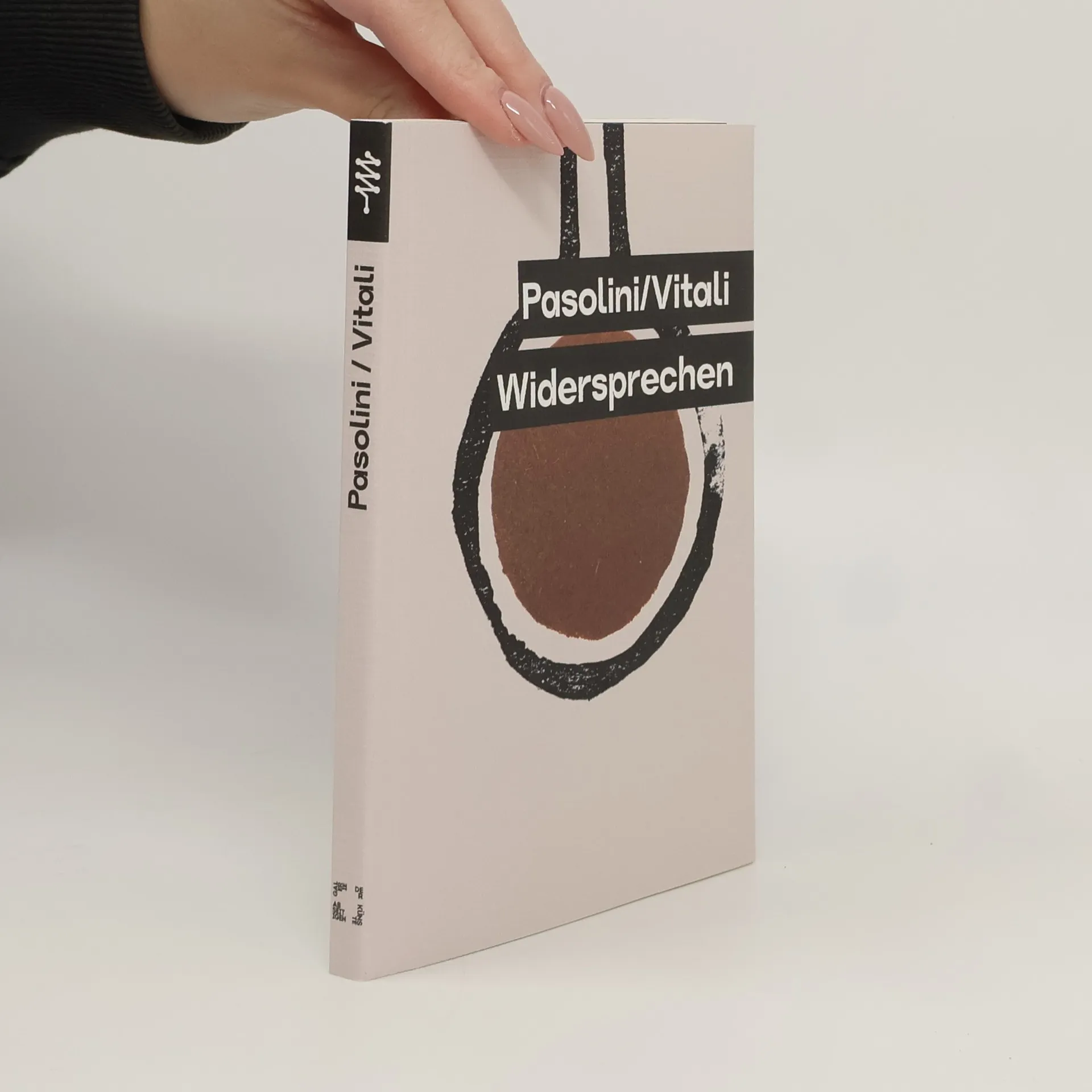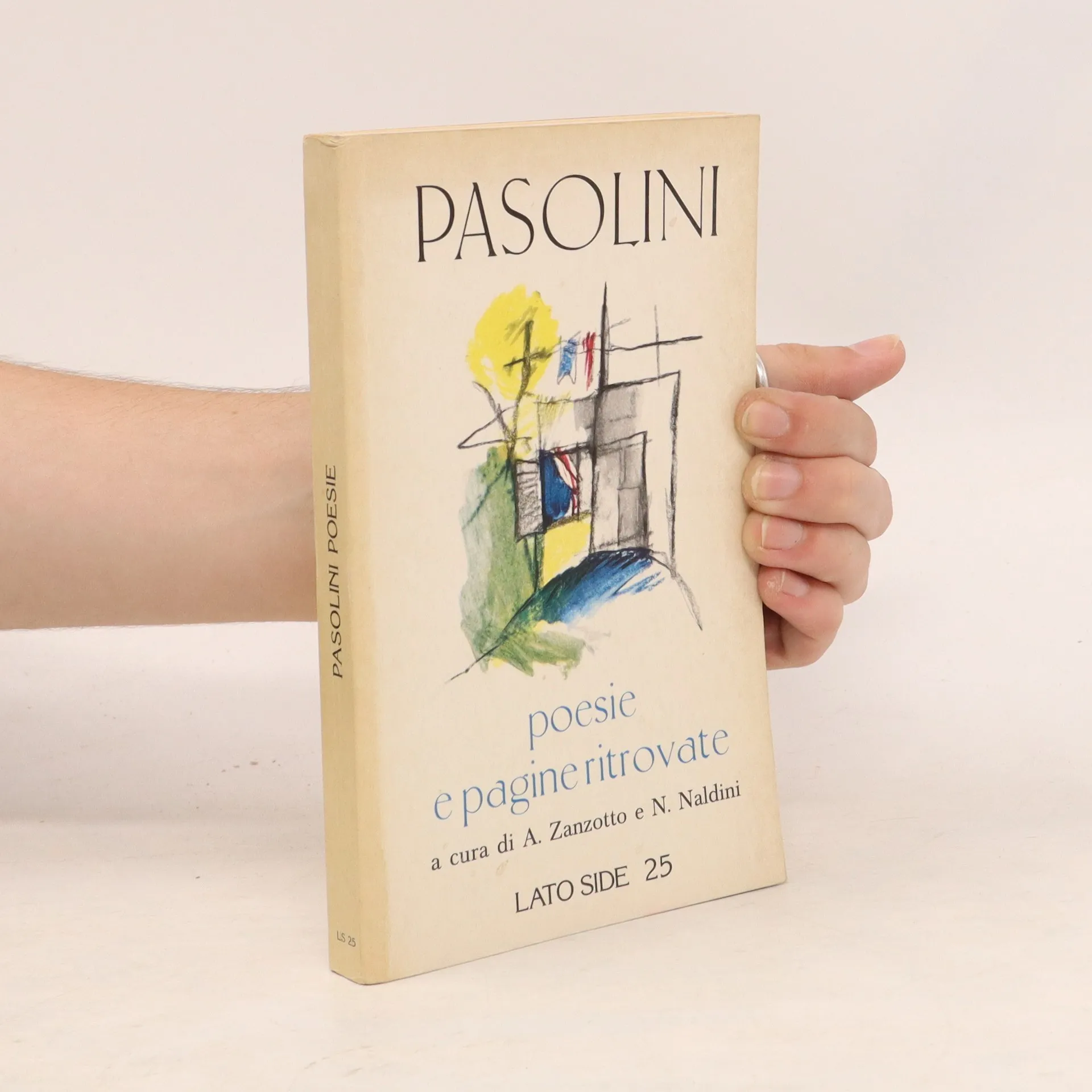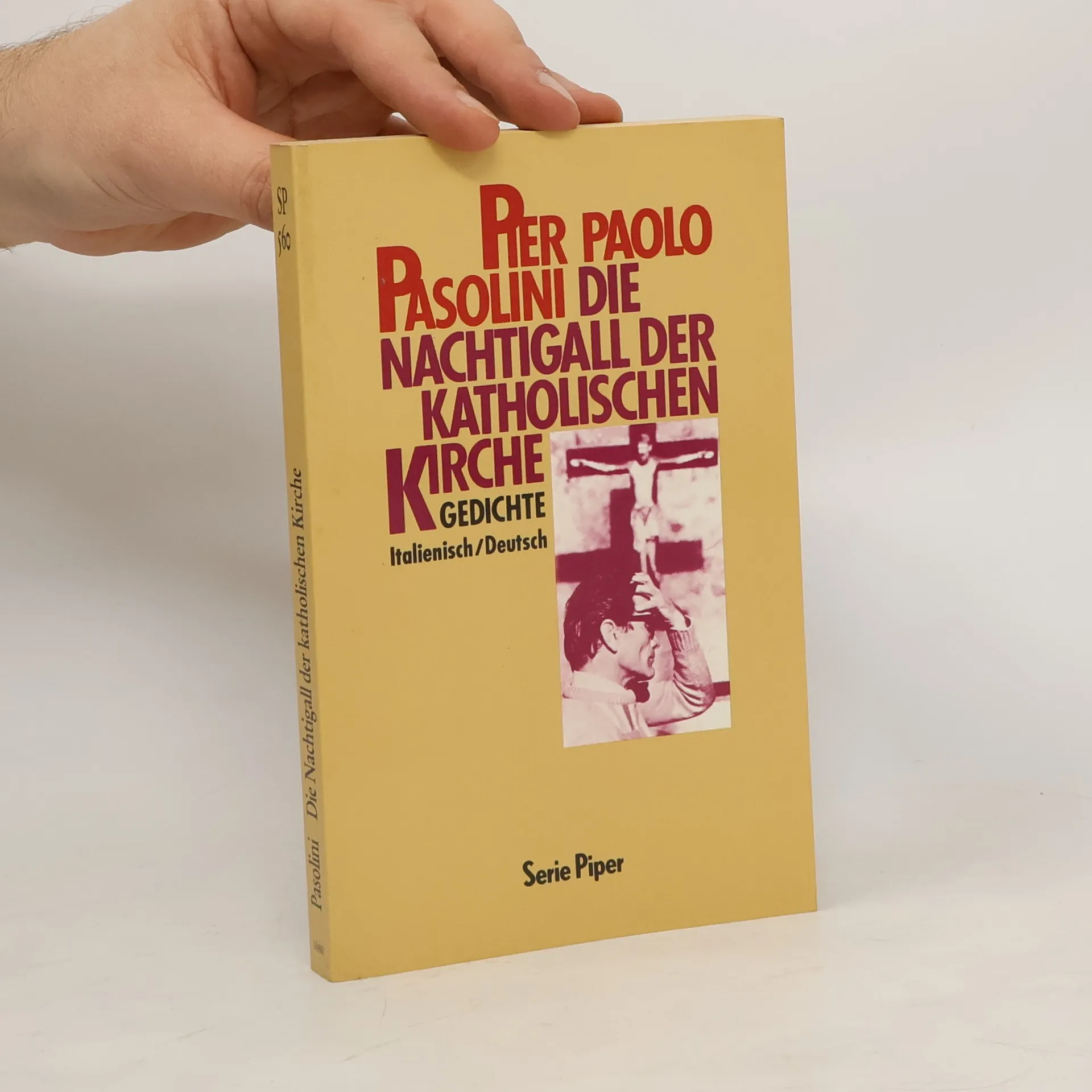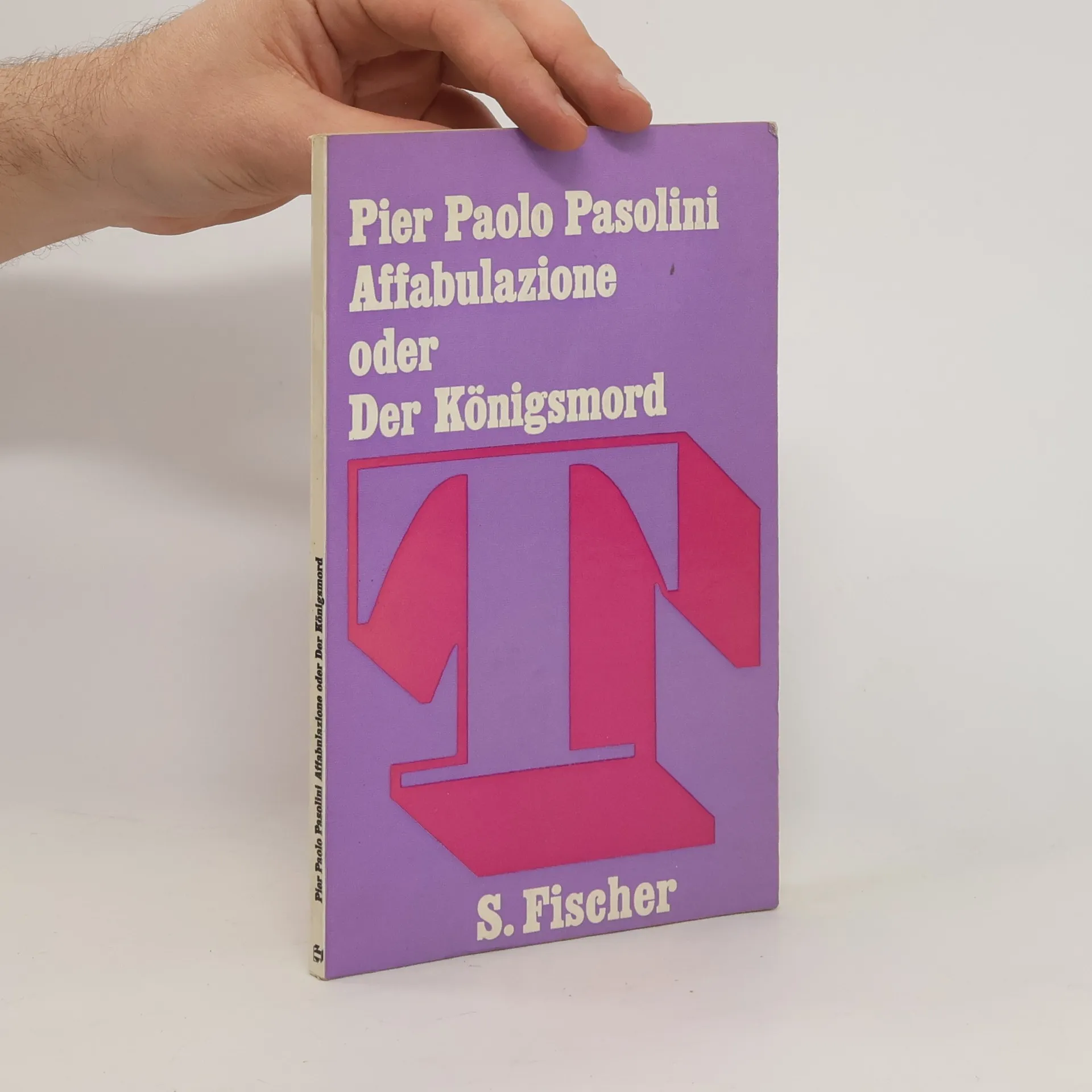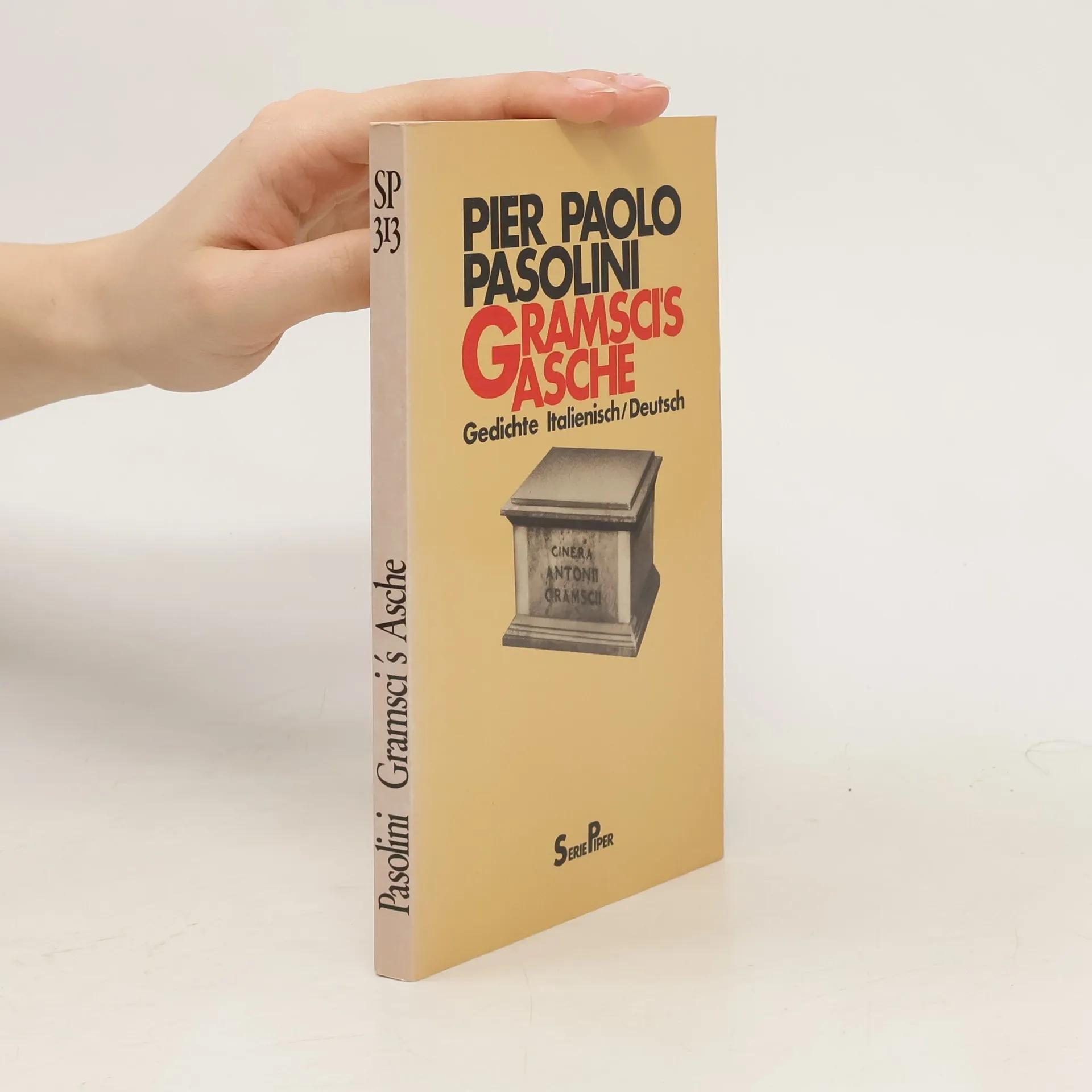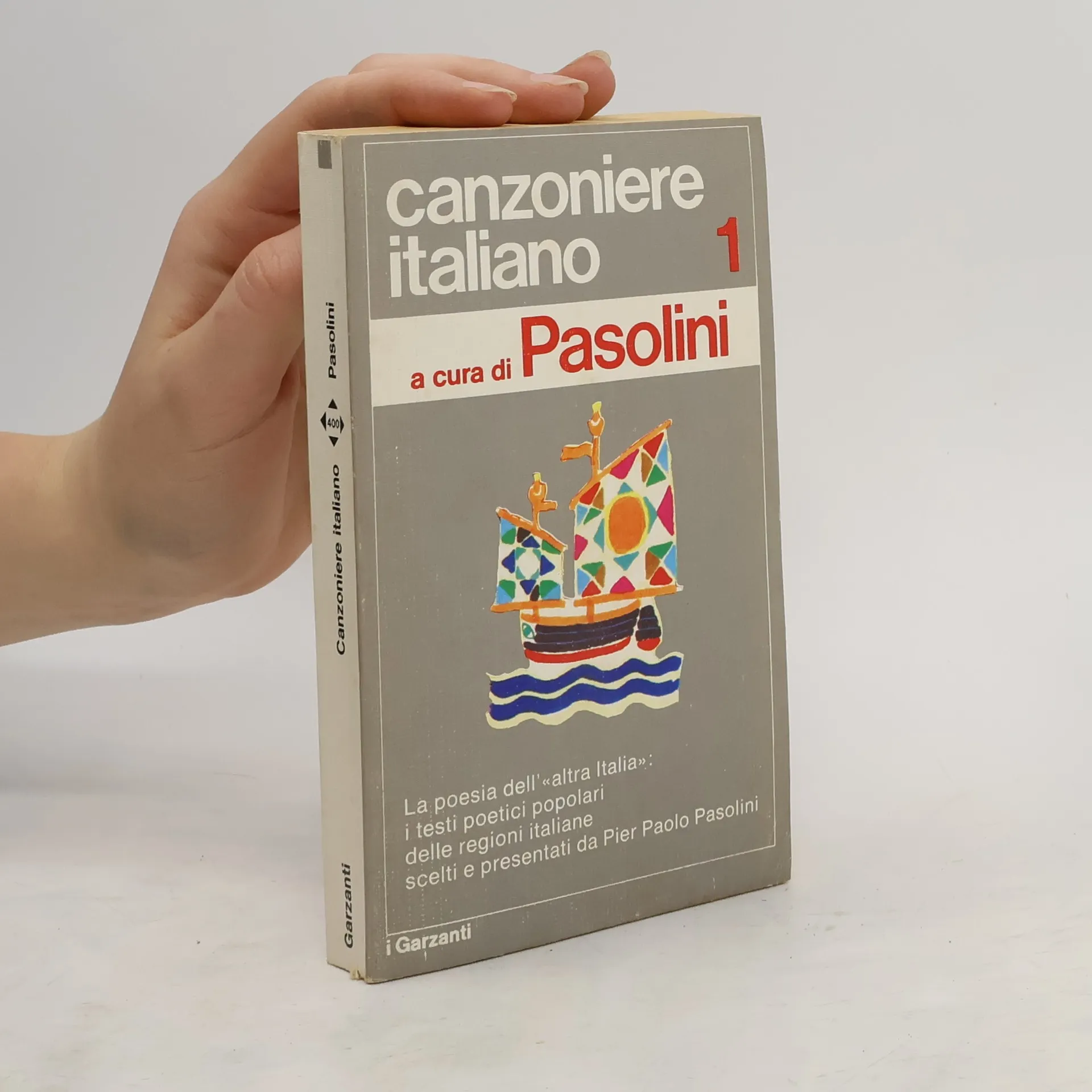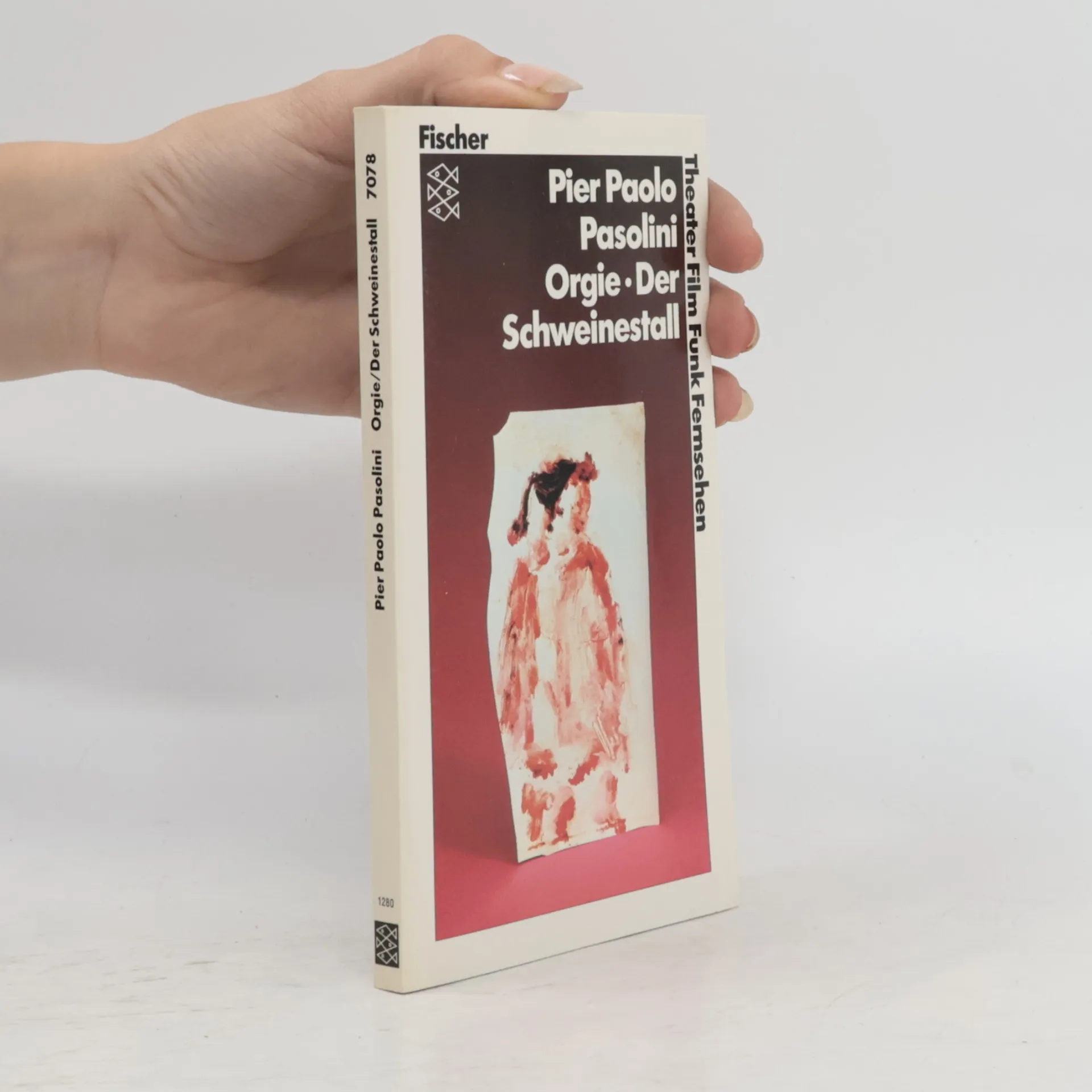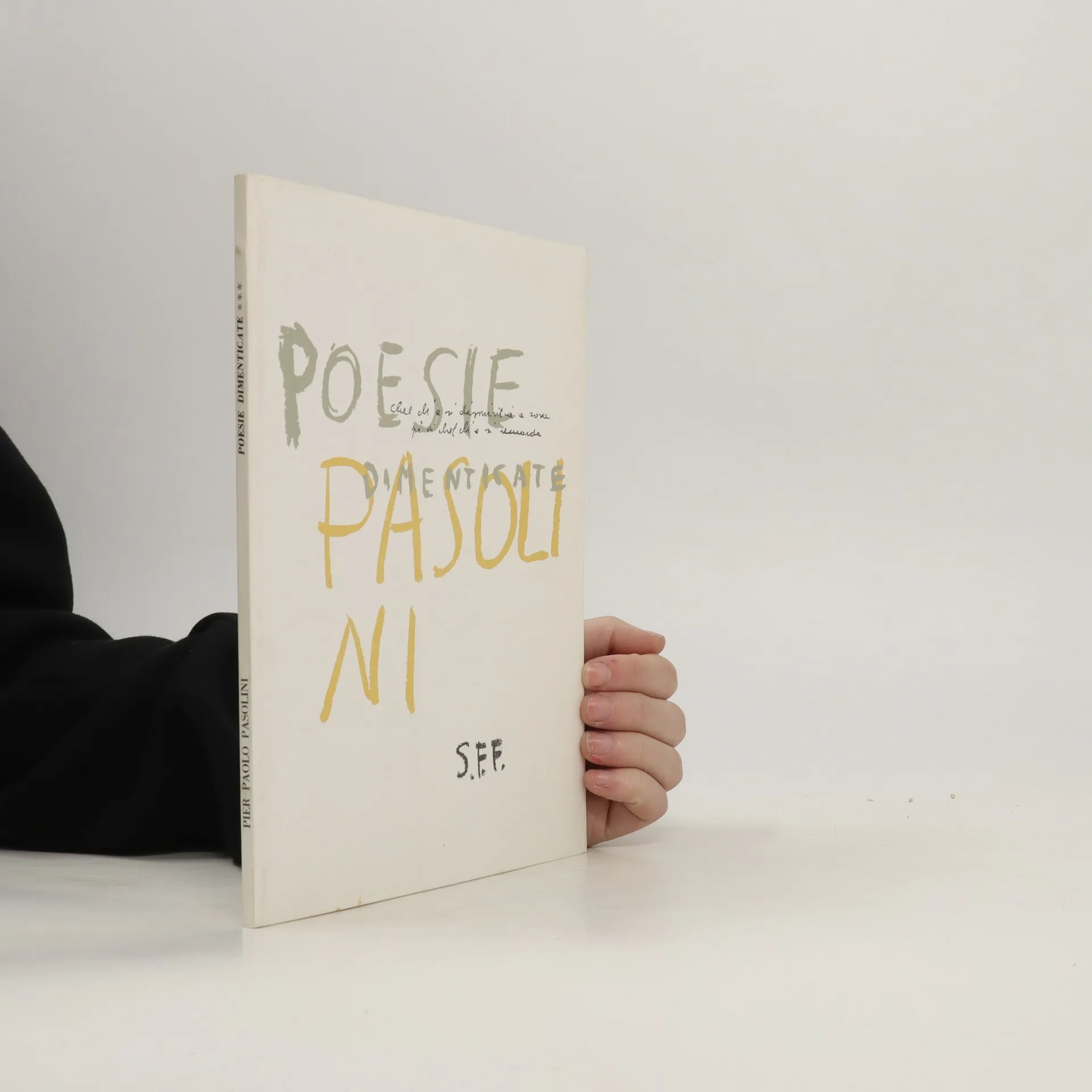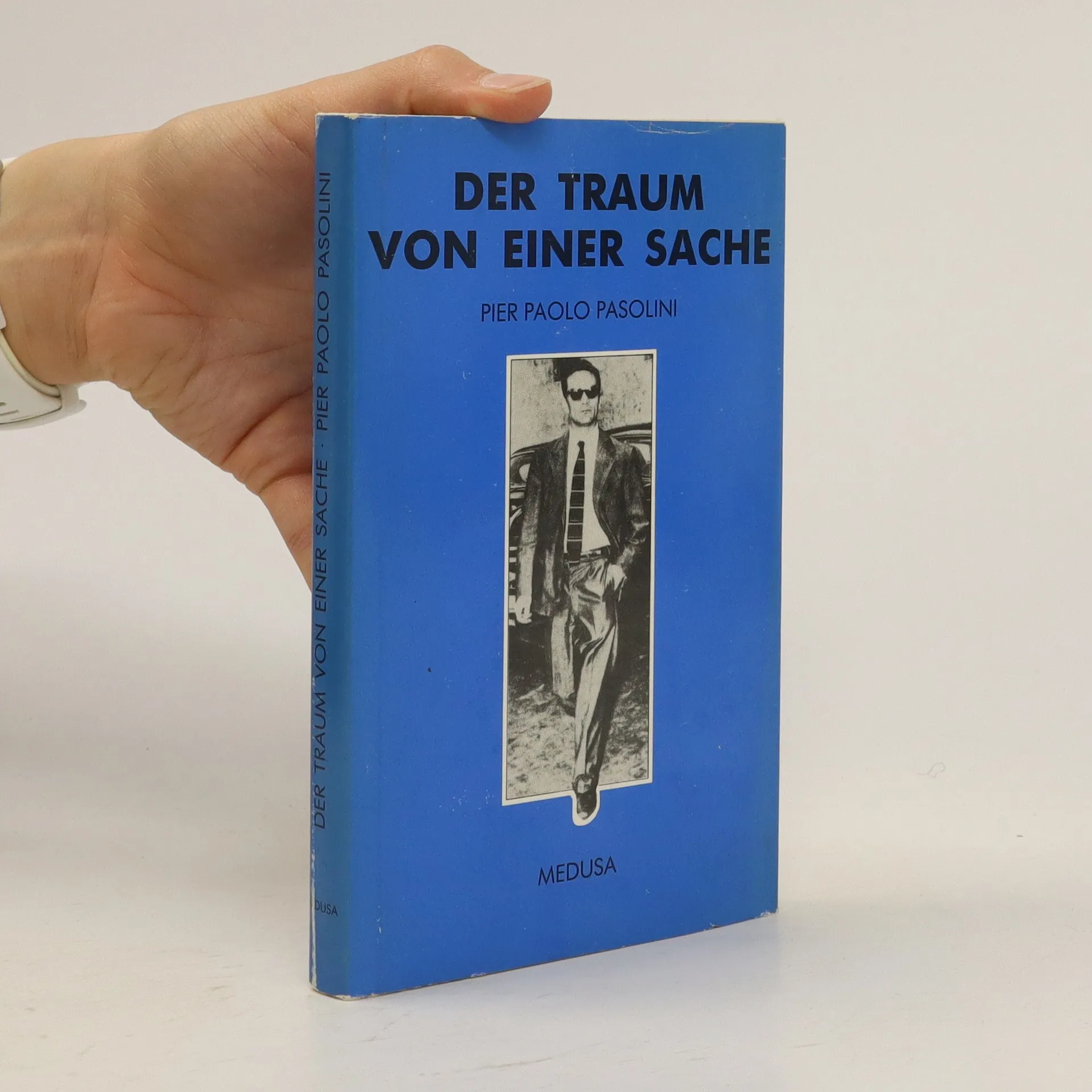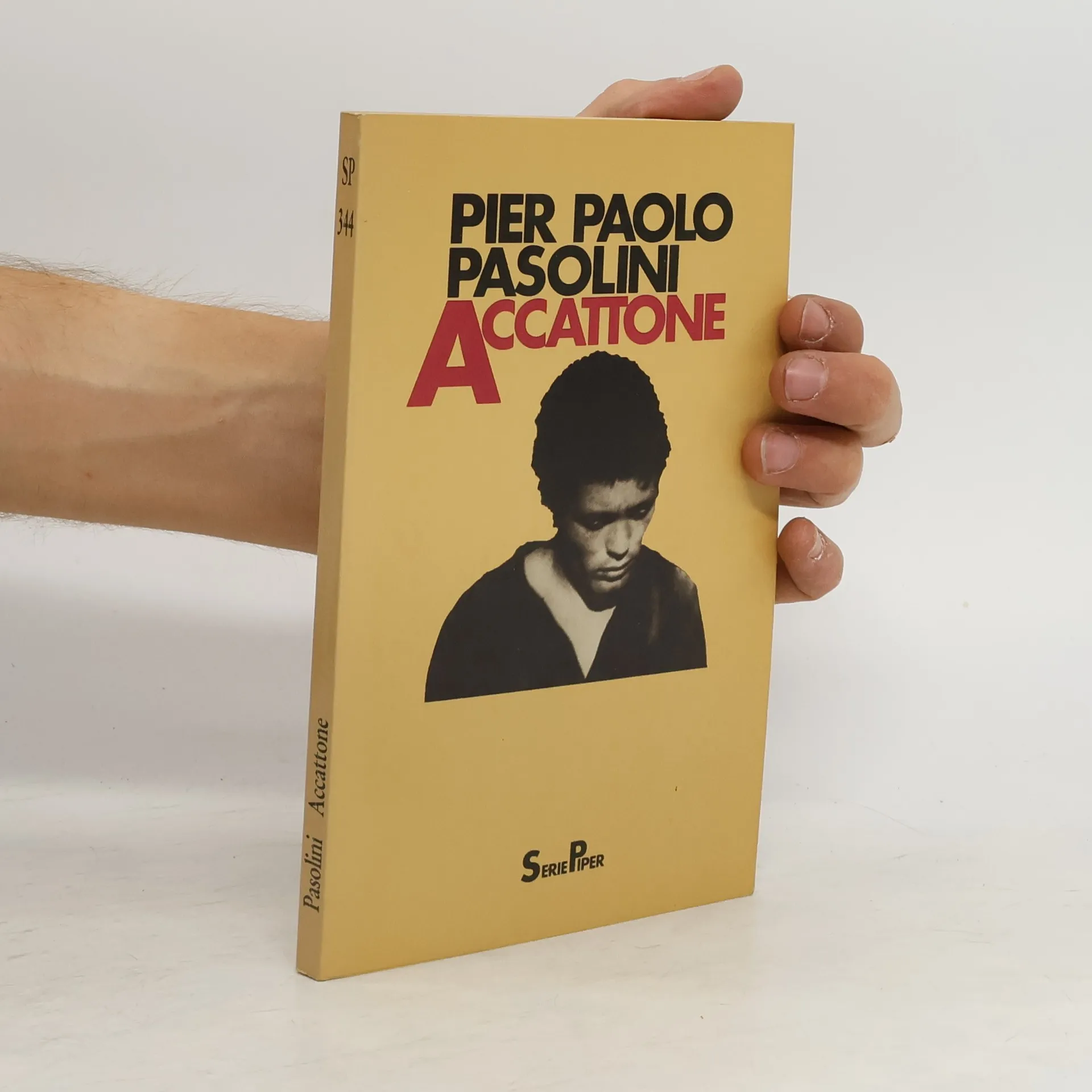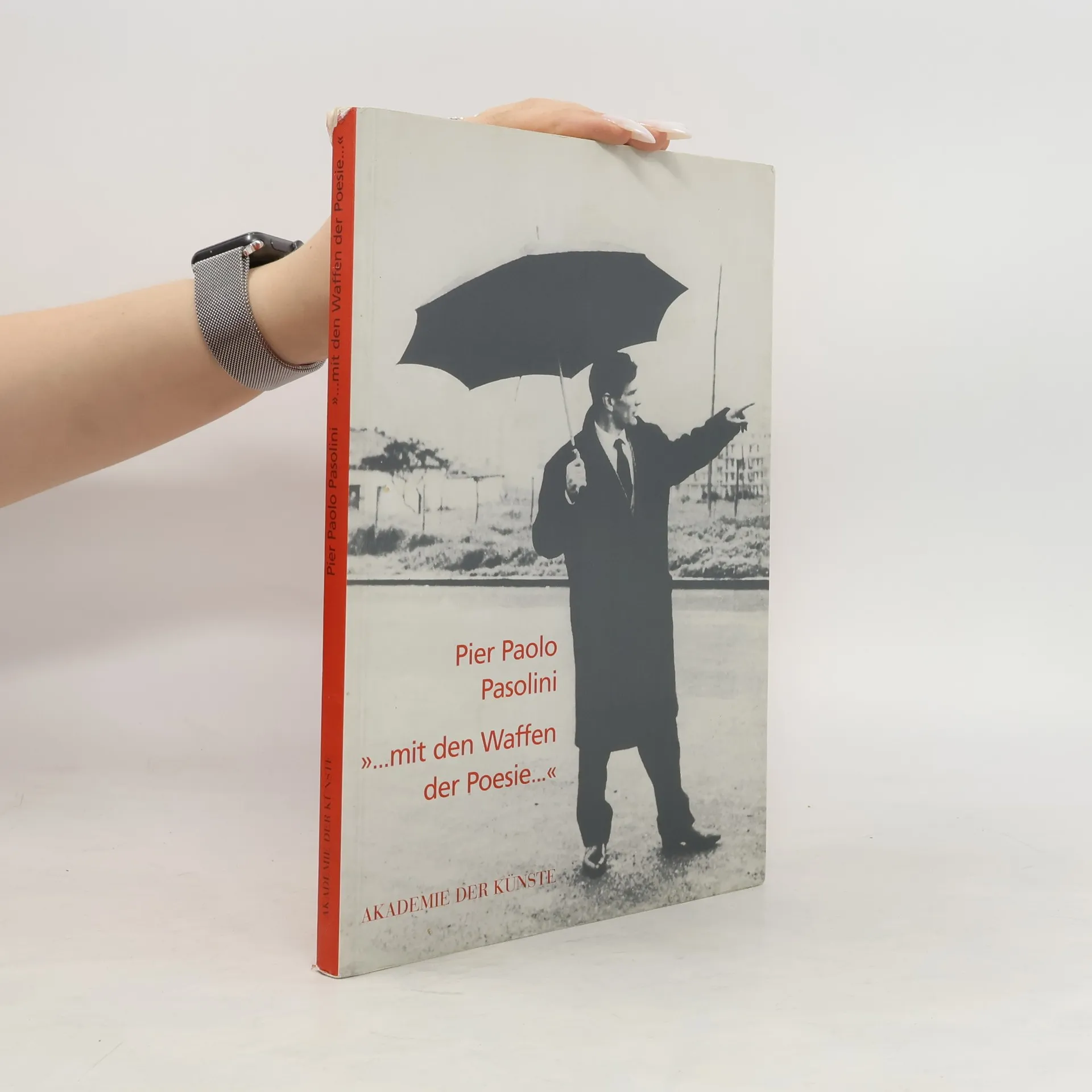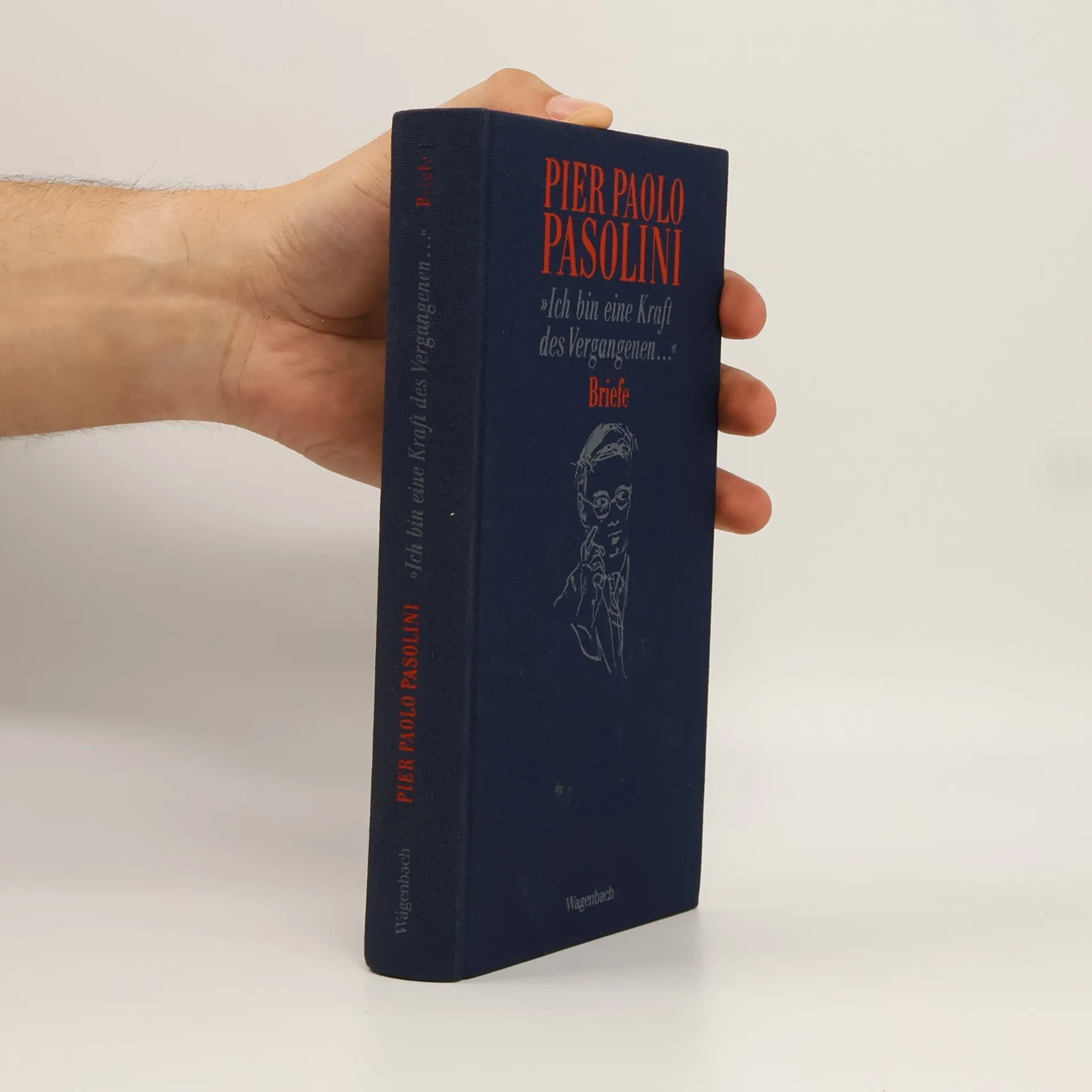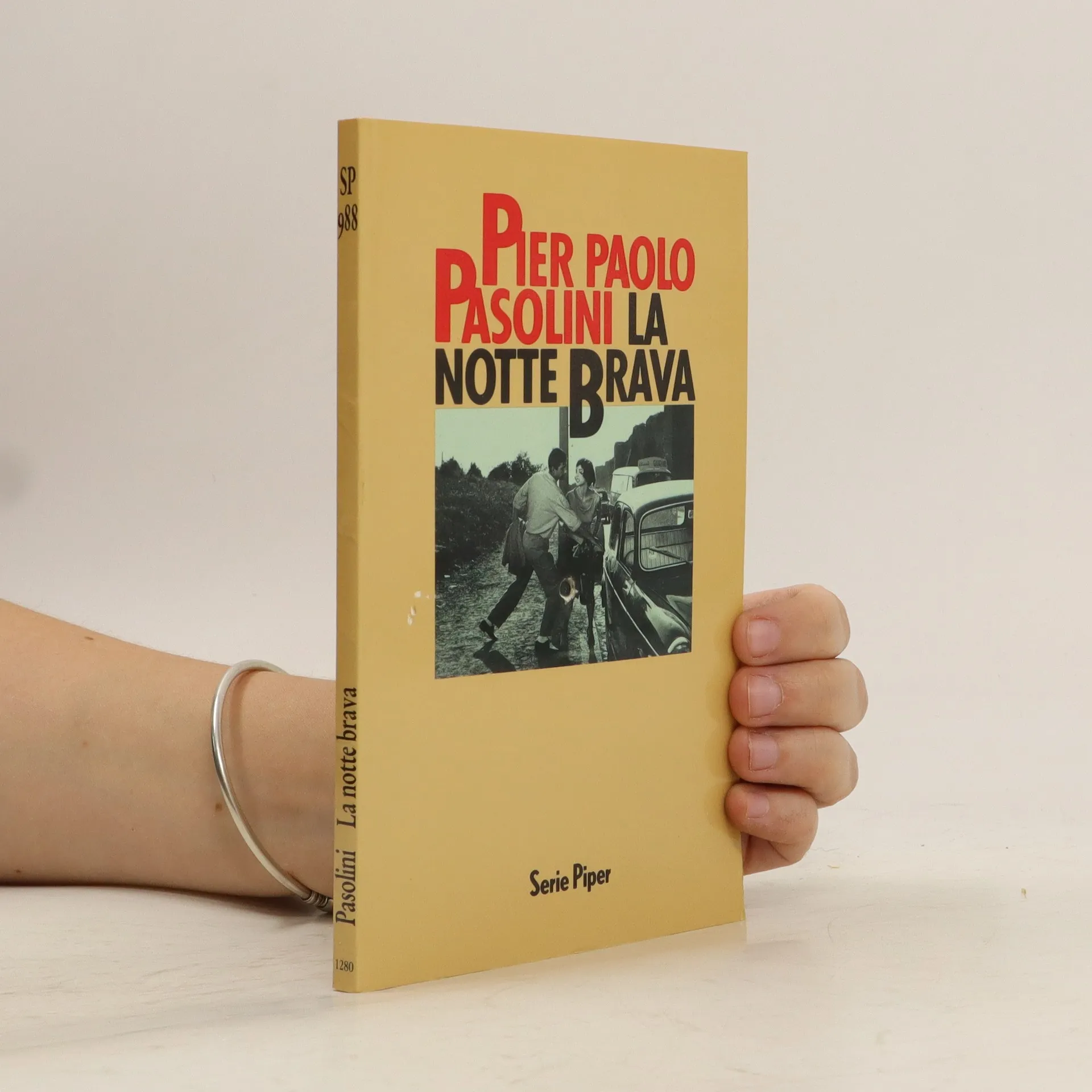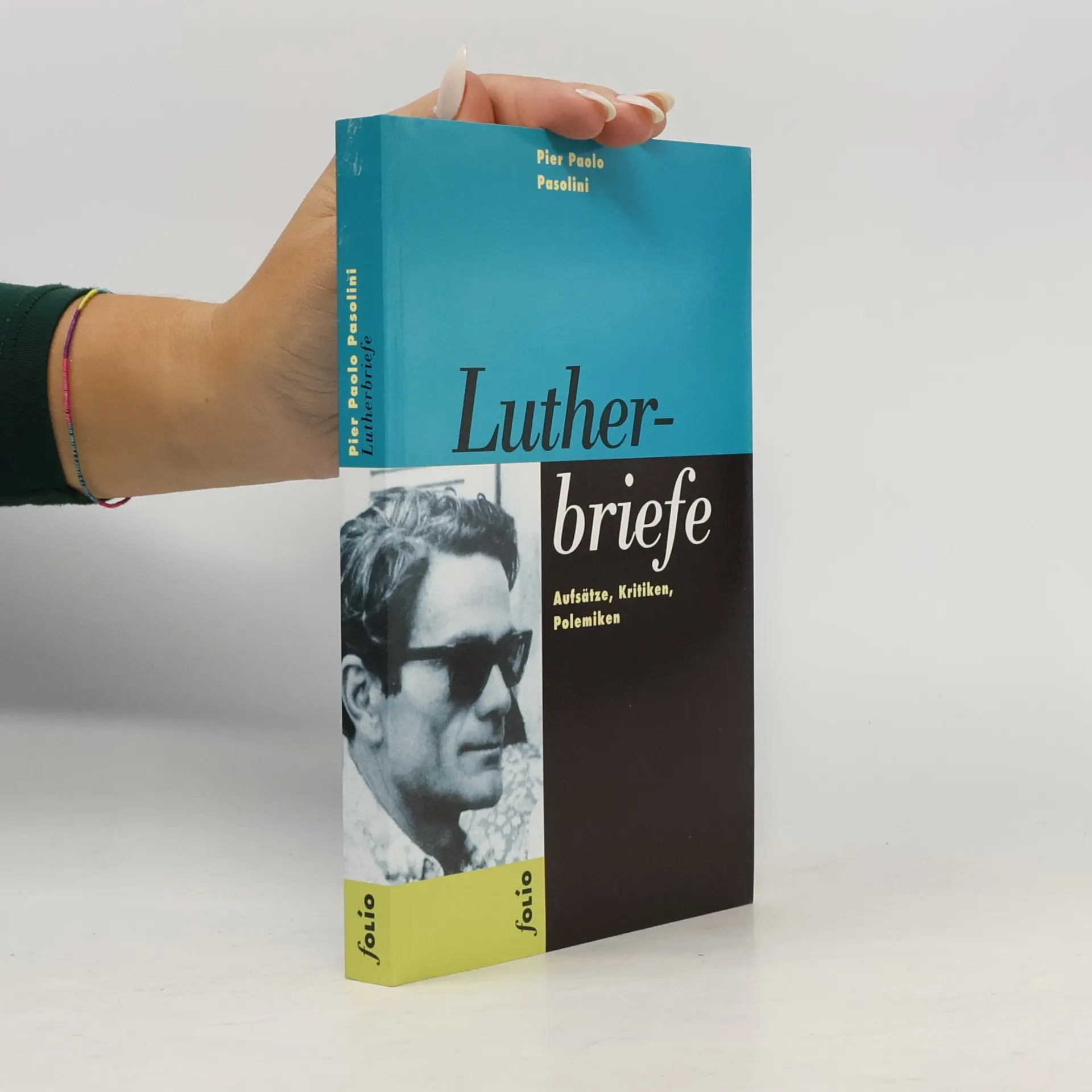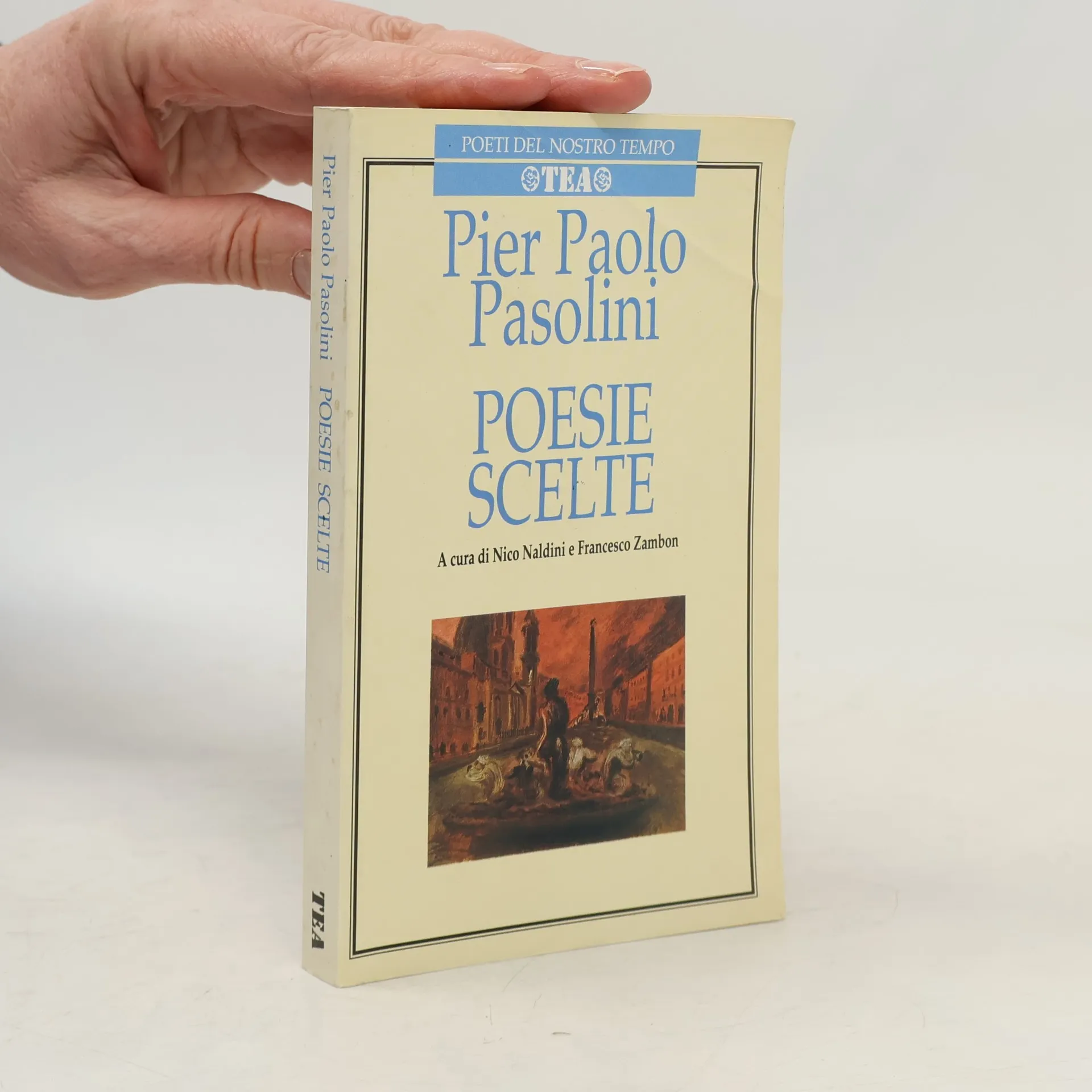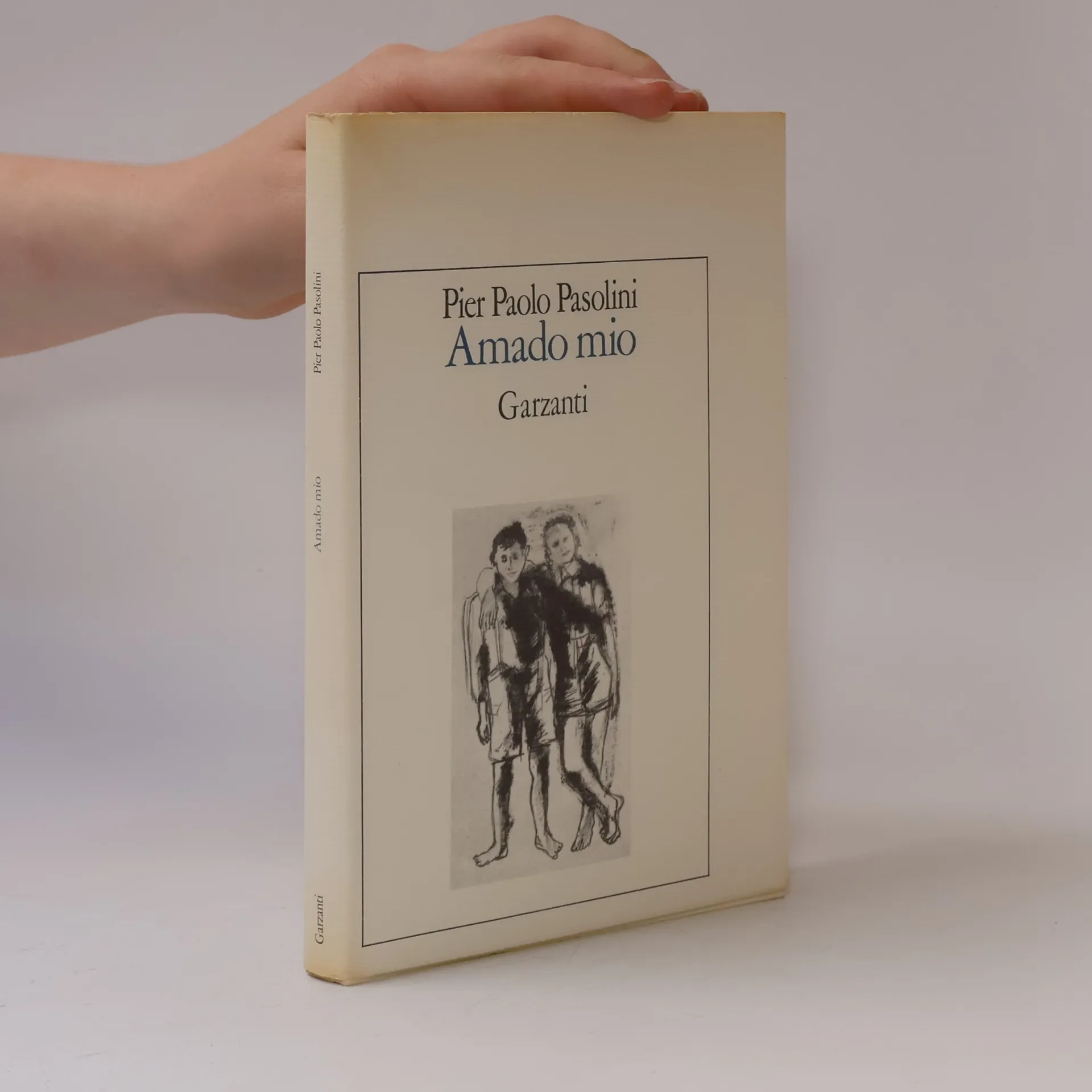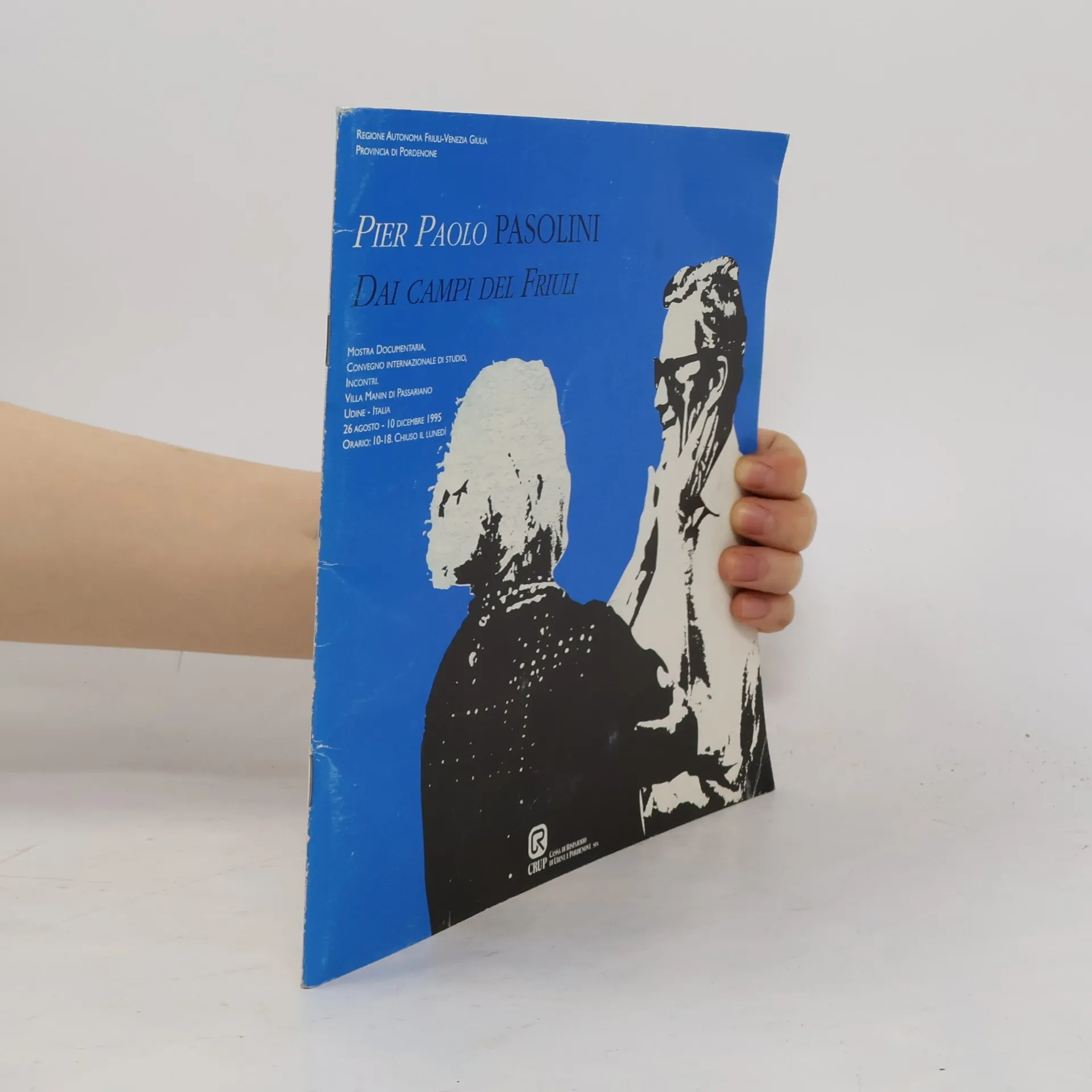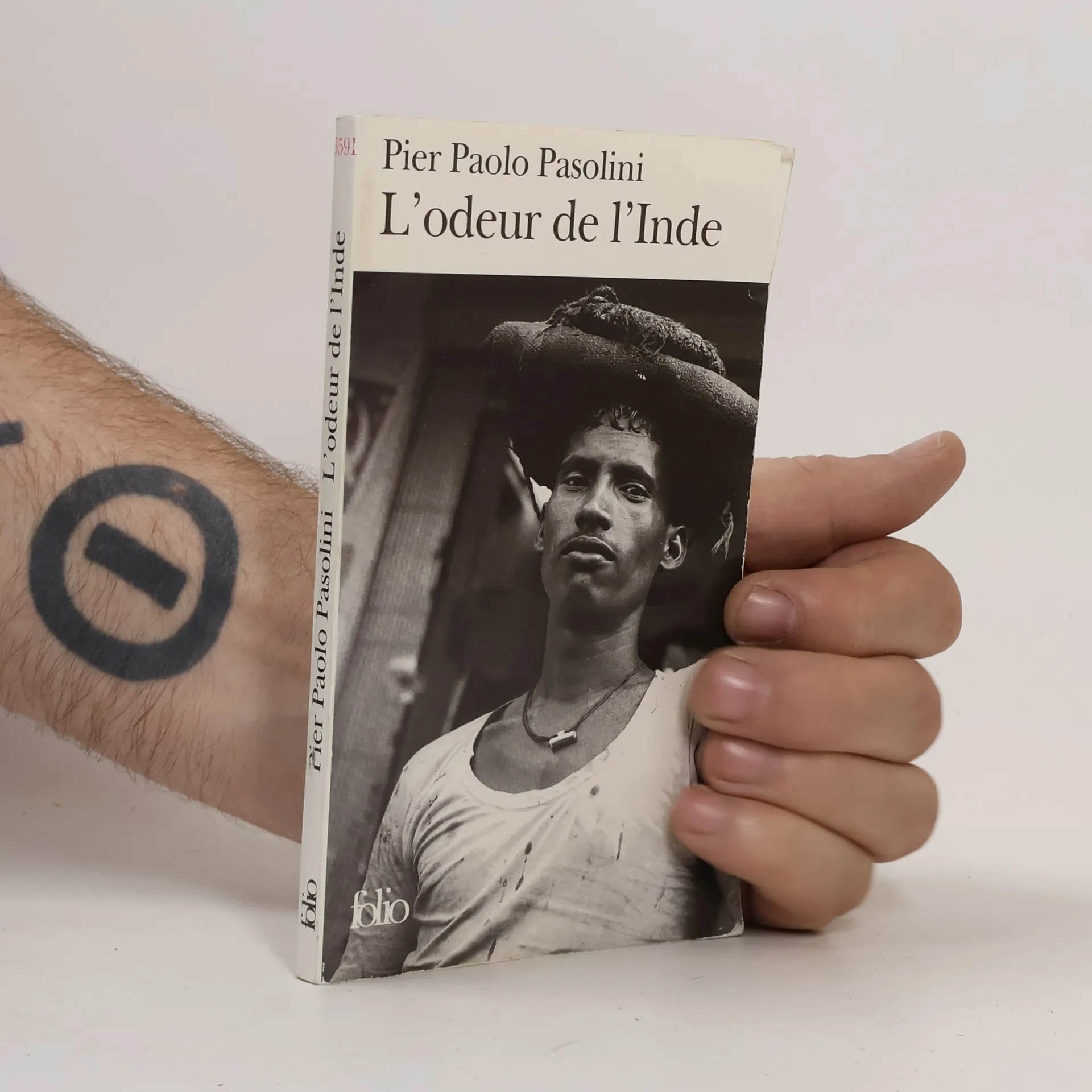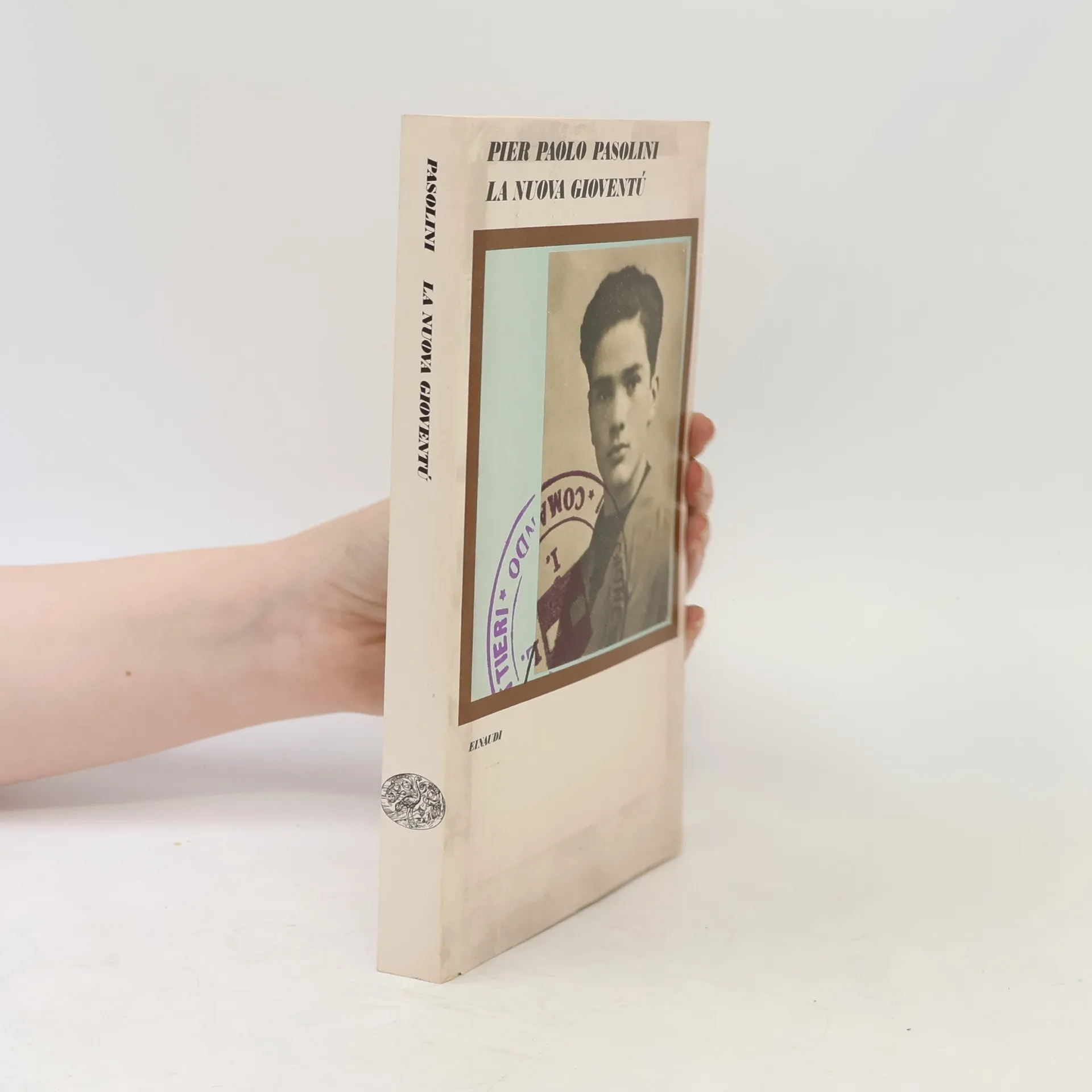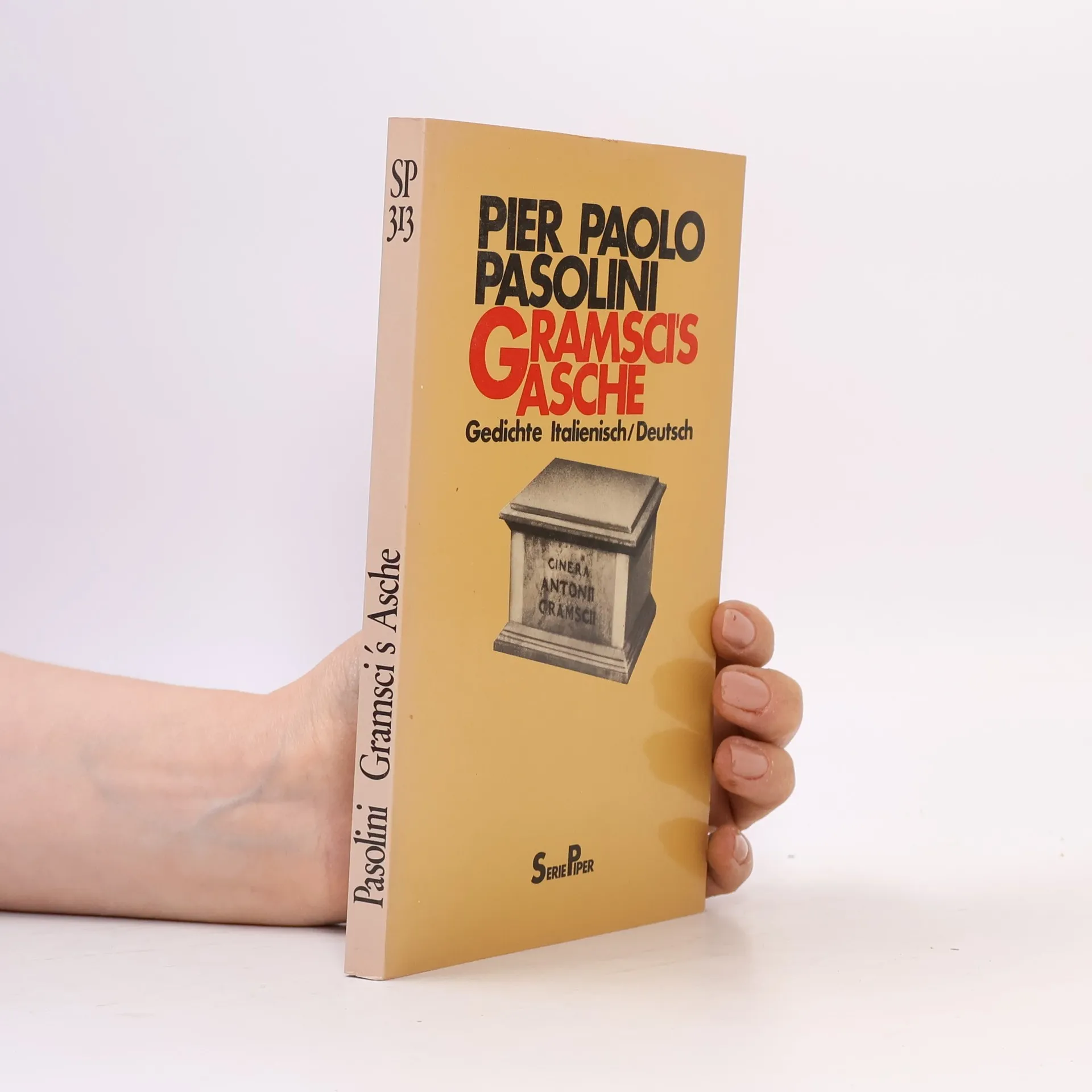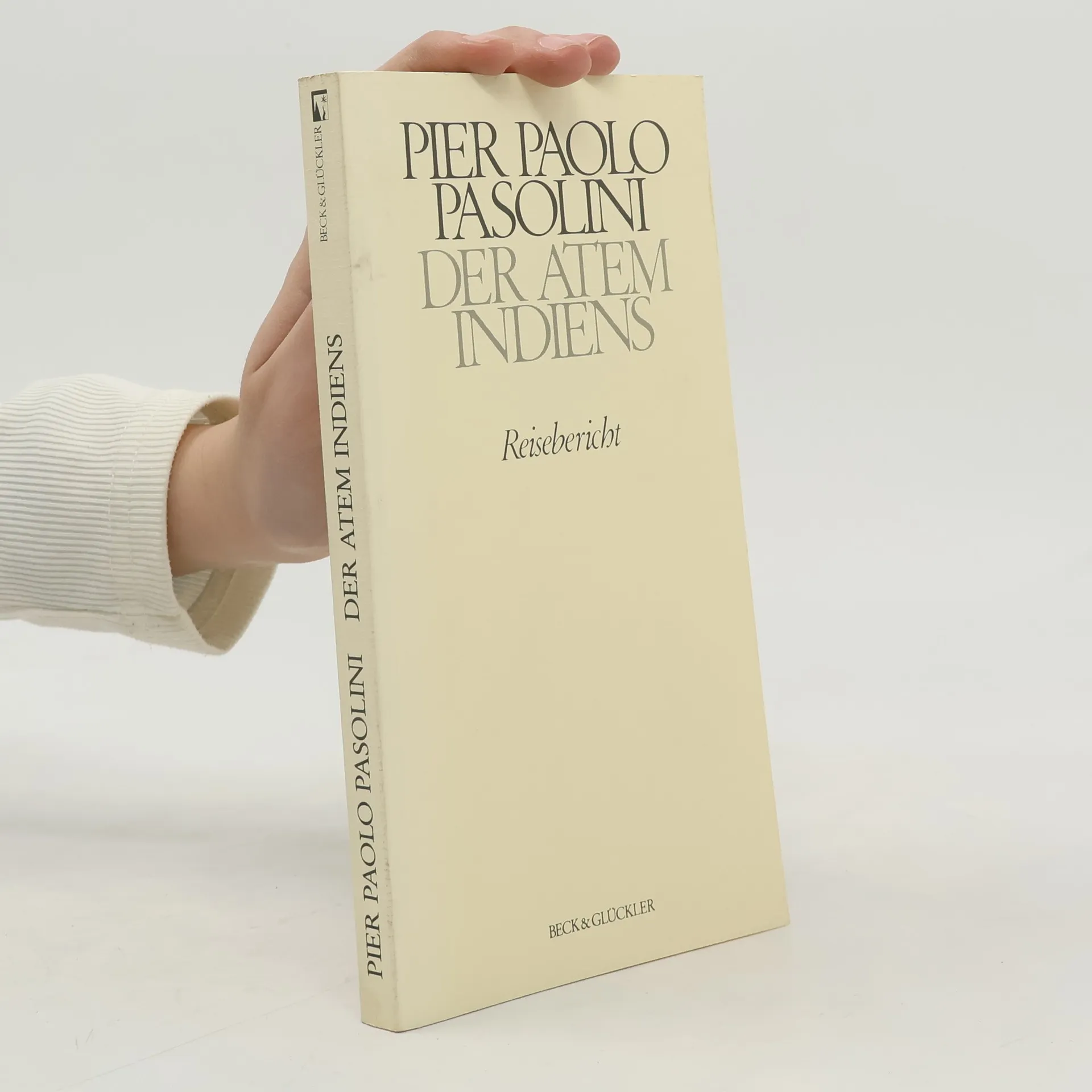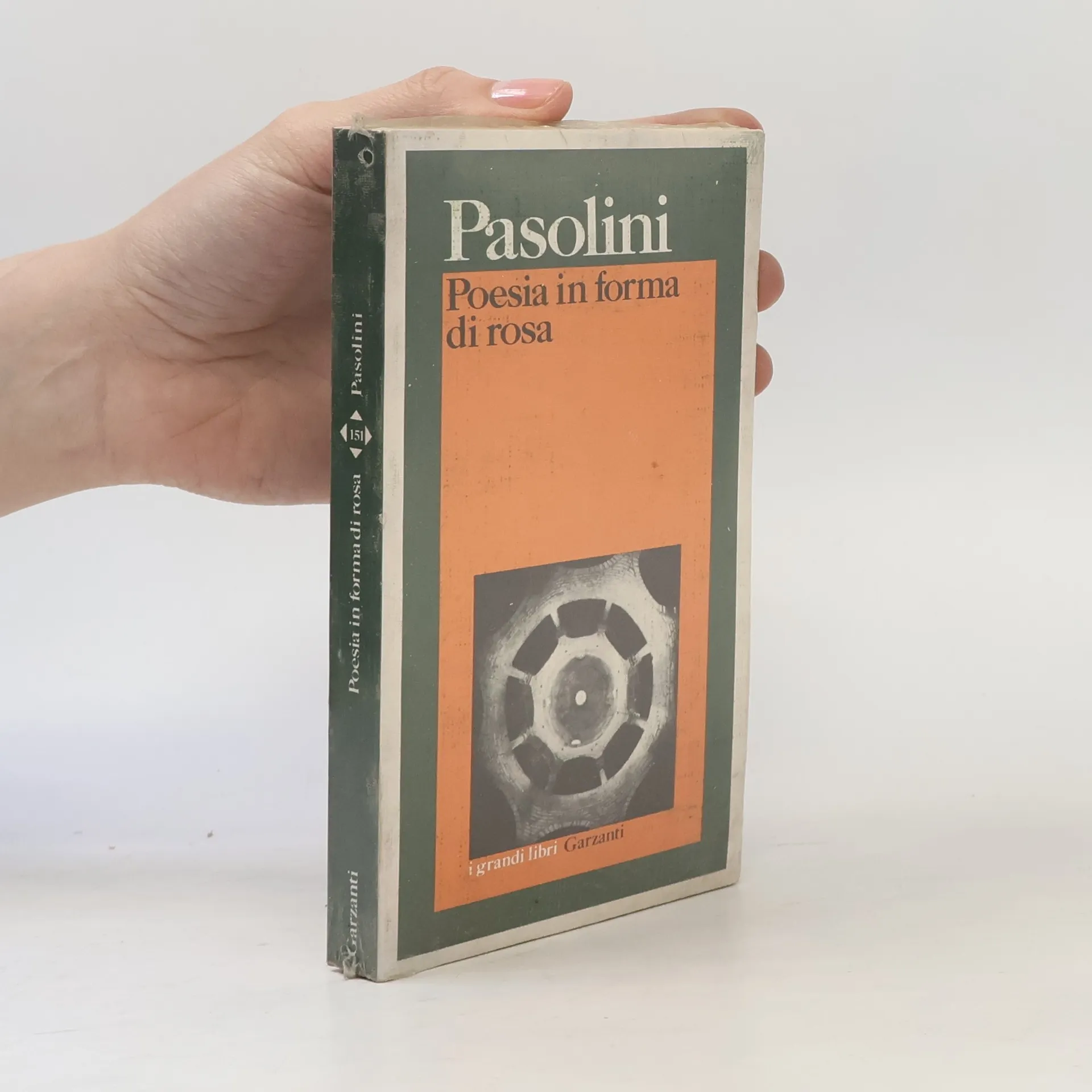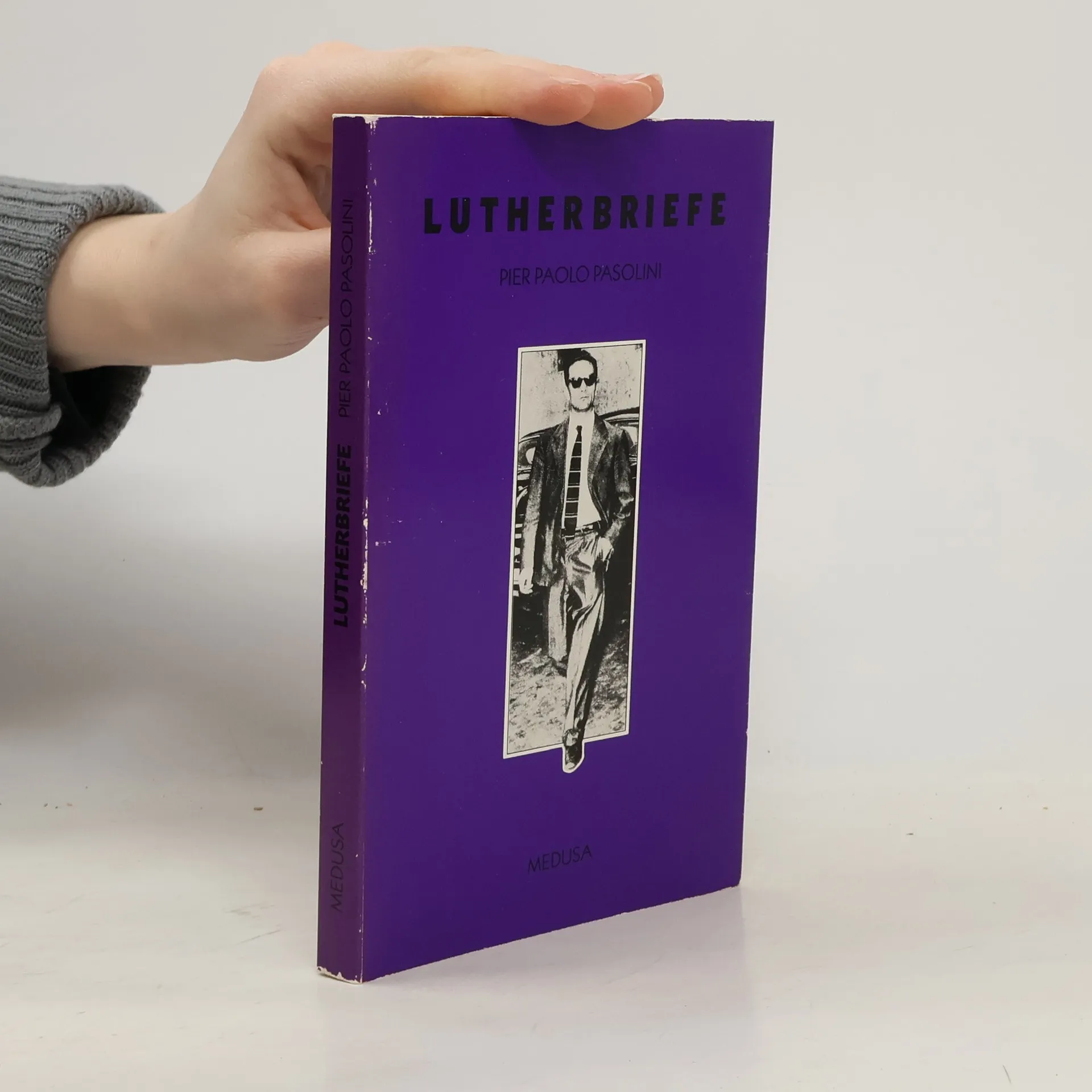
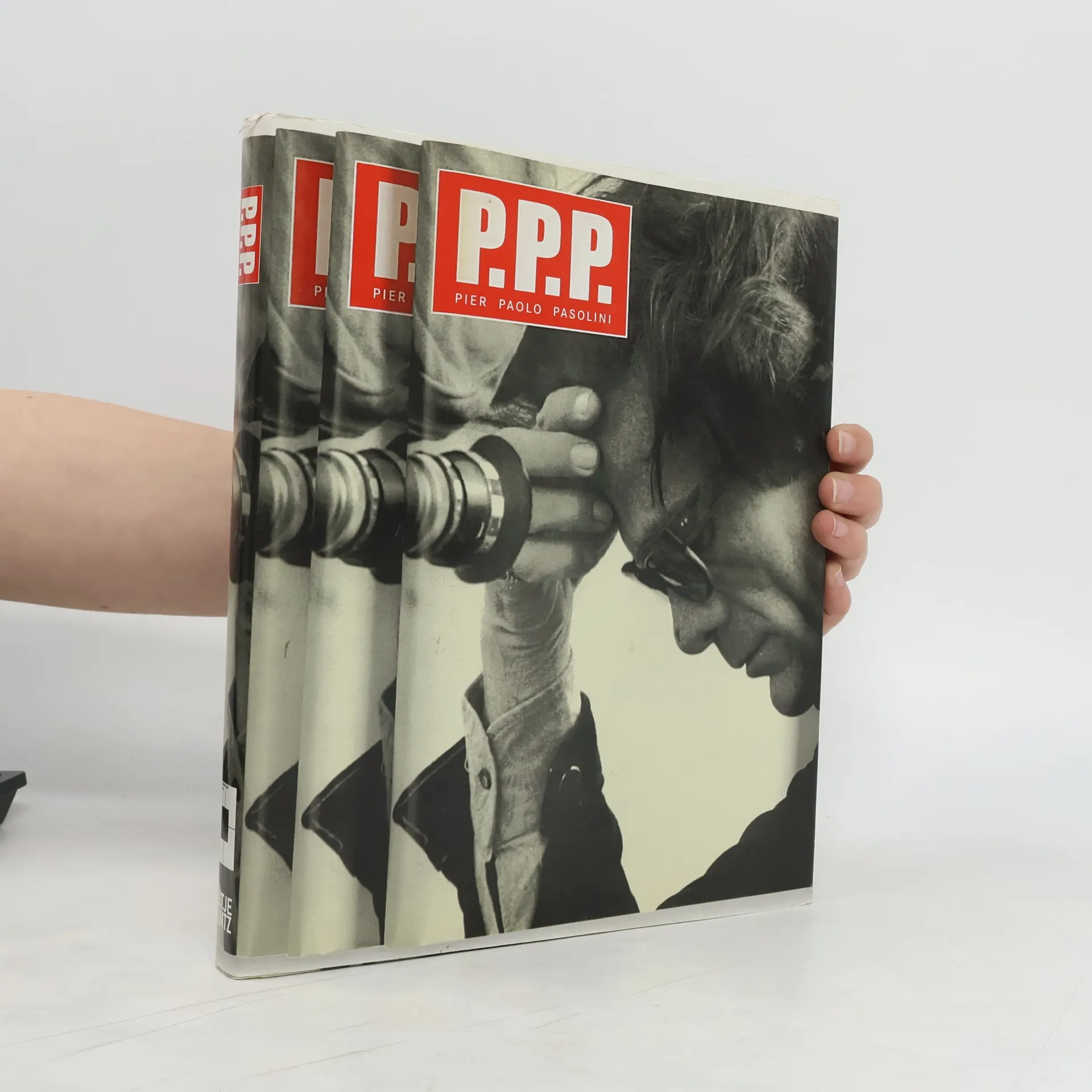
Pier Paolo Pasolini ist einer der herausragenden und schillerndsten Protagonisten des intellektuellen Europa in der zweiten Hälfte des 20. Jahrhunderts. Als Autor von Gedichten in der Sprache seiner friaulischen Heimat, von Romanen und theoretischen Aufsätzen, als Regisseur Aufsehen erregender Filme, aber auch als Zeichner und Maler richtete sich sein Blick in erster Linie auf zeitlose, archaische Themen: das Schicksal des Menschen, das bäuerliche Leben, die Religion, die Sexualität, den Tod. Dabei bewegte er sich stets außerhalb jeder Normalität, fand Bilder von außergewöhnlicher Klarheit und Schärfe und wurde dabei zum größten Provokateur der italienischen Gesellschaft. Anlässlich seines 30. Todestages gibt der Band anhand seiner Schriften, Filme, Zeichnungen und Malerei Einblick in Pasolinis Wertvorstellungen und Ideale. Einen der Ausgangspunkte bildet die These, dass Pasolinis Kunstverständnis und seine Weltsicht schon früh die Idee eines gewaltsamen Todes in sich trugen, den er schließlich bewusst gesucht haben könnte, um durch ihn die Einheit von Leben und Werk herzustellen. (Deutsche Ausgabe erhältlich ISBN 3-7757-1632-7) Ausstellung: Pinakothek der Moderne, München 17.11.2005-5.2.2006
Pier Paolo Pasolini Books
Pier Paolo Pasolini was an Italian poet, novelist, critic, and journalist whose work often combined shocking imagery with a Catholic Marxist perspective to expose the vacuity of modern society. He was known for his passionate critique of capitalism and his desire for societal change, which earned him many enemies. His writings, often provocative and ambiguous, played with taboo subjects and explored the darker aspects of human existence. Pasolini's prose is marked by a strong social conscience and a relentless pursuit of truth, however uncomfortable.


Stories From The City Of God
- 272 pages
- 10 hours of reading
Now in paperback, a collection of the legendary filmmaker's short fiction and nonfiction from 1950 to 1966, in which we see the machinations of the creative mind in post-World War II Rome. In a portrait of the city at once poignant and intimate, we find artistic witness to the customs, dialect, squalor, and beauty of the ancient imperial capital that has succumbed to modern warfare, marginalization, and mass culture. The sketches portray the impoverished masses that Pasolini calls "the sub-proletariat," those who live under Third World conditions and for whom simple pleasures, such as a blue sweater in a storefront window, are completely out of reach. Pasolini's art develops throughout the works collected here, from his early lyricism to tragicomic outlines for screenplays, and finally to the maturation of his Neo-realism in eight chronicles on the shantytowns of Rome. The pieces in this collection were all published in Italian journals and newspapers, and then later edited by Walter Siti in the original Italian edition.
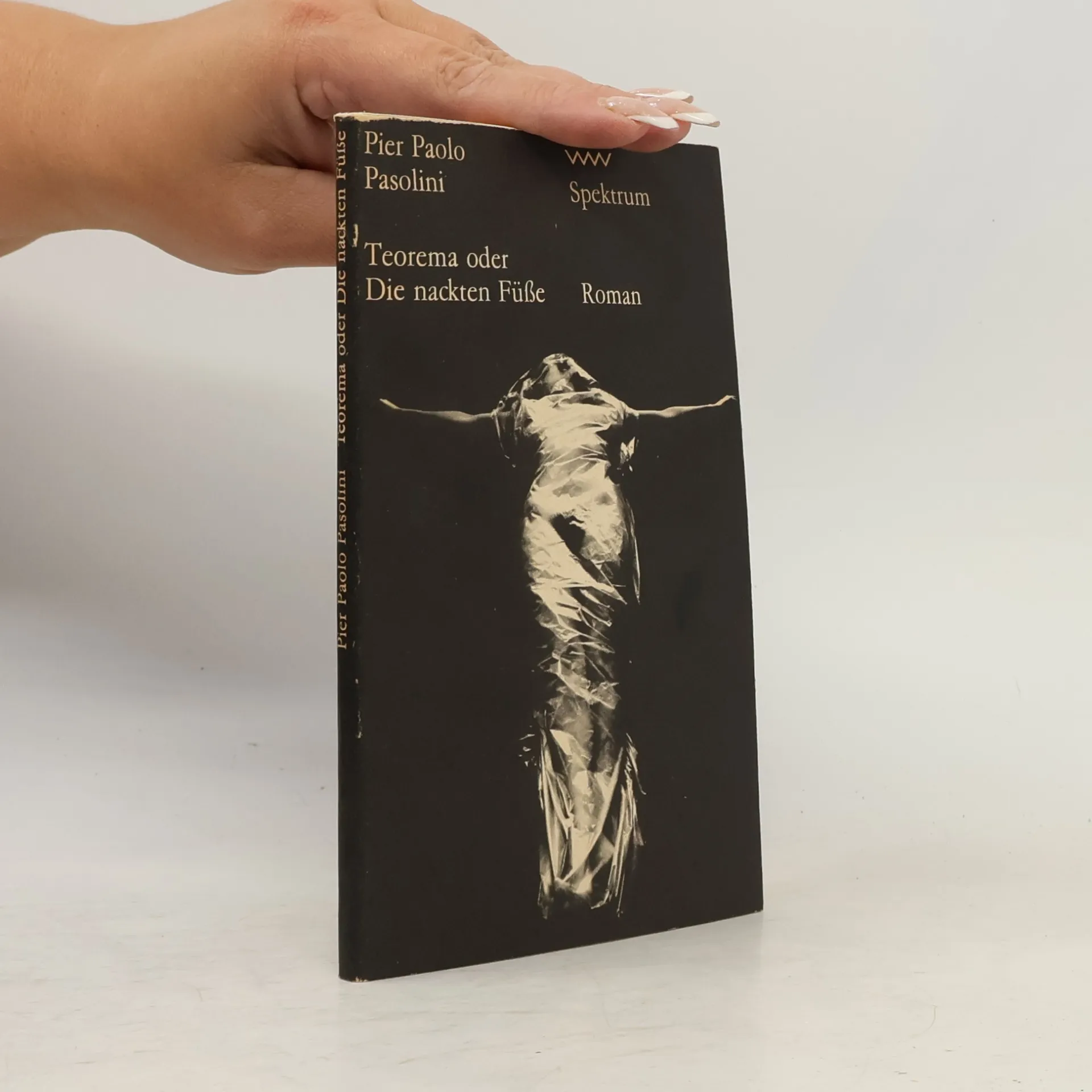
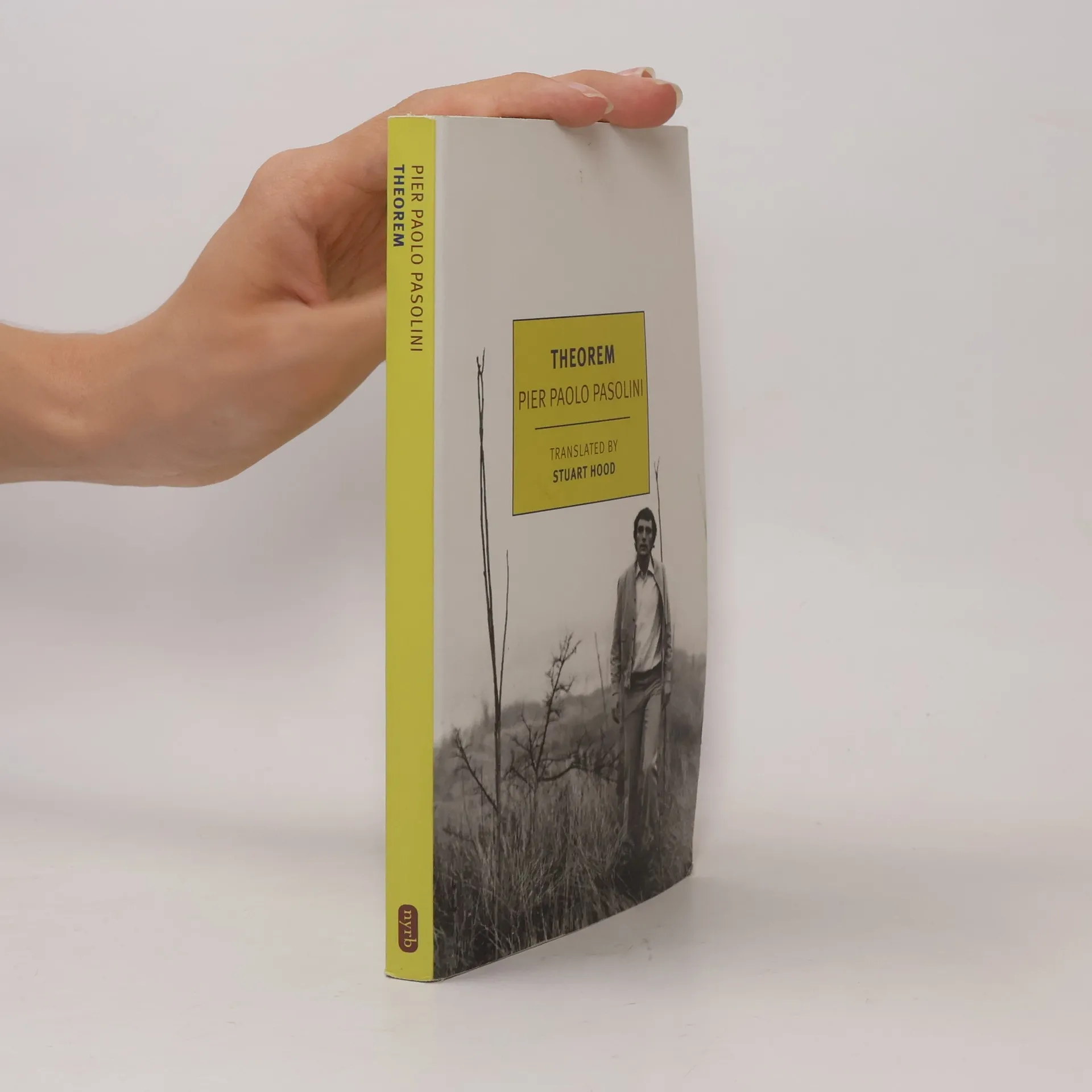
This tale about seduction, obsession, family, and the confines of capitalism is one of director Pier Paolo Pasolini's most fascinating creations, based on his transcendent film of the same name. Theorem is the most enigmatic of Pier Paolo Pasolini’s four novels. The book started as a poem and took shape both as a work of fiction and a film, also called Theorem, released the same year. In short prose chapters interspersed with stark passages of poetry, Pasolini tells a story of transfiguration and trauma. To the suburban mansion of a prosperous Milanese businessman comes a mysterious and beautiful young man who invites himself to stay. From the beginning he exercises a strange fascination on the inhabitants of the house, and soon everyone, from the busy father to the frustrated mother, from the yearning daughter to the weak-willed son to the housemaid from the country, has fallen in love with him. Then, as mysteriously as he appeared, the infatuating young man departs. How will these people he has touched so deeply do without him? Is there a passage out of the spiritual desert of modern capitalism into a new awakening, both of the senses and of the soul? Only questions remain at the end of a book that is at once a bedroom comedy, a political novel, and a religious parable.
My Death My Life by Pier Paolo Pasolini imagines the Italian filmmaker and writer returning to the Roman homosexual hustlers he knew, in a "scathing commentary on false values in art" (The Hartford Courant).
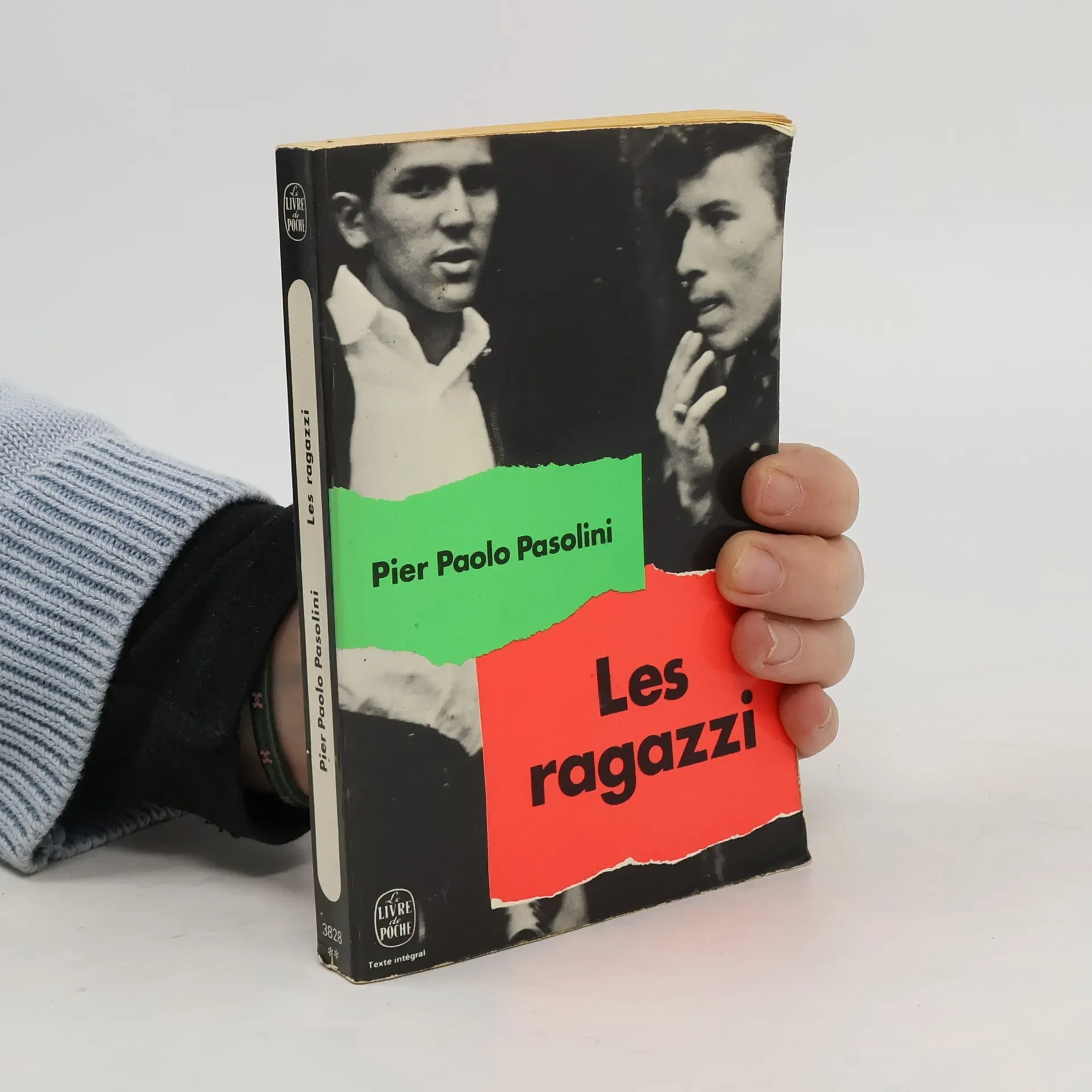
"A daring novel, once widely censored, about the scrappy, harrowing, and inventive lives of Rome's unhoused youth by one of Italy's greatest film directors. Boys Alive, published in 1955, was Pier Paolo Pasolini's first novel and remains his best-known work of fiction. He'd moved to Rome a few years before, after finding himself embroiled in a provincial sex scandal, and the impact of the city on Pasolini-its lively, aggressive dialect, its postwar squalor and violence-was accompanied by a new awareness that for him respectability was no longer an option: "Like it or not, I was tarred with the brush of Rimbaud ... or even Oscar Wilde." Urgently looking for teaching work, walk-on parts in films, literary journalism, anything to achieve independence and security, he was drawn to other outcasts who cared nothing for bourgeois values, who lived intensely, carelessly, refusing to be hampered by scruple and convention. This was the context in which he began to work on a novel, and though socialism was the intellectual and artistic fashion of the day and Pasolini was a socialist, his book was completely free of any sentimental or patronizing concern for the plight of the underprivileged. Pasolini revels in the vitality of the squalor he so lavishly and energetically evokes. In Boys Alive, he devotes his native lyricism and vast literary resources to conjuring up an urban inferno as vast and hideous as it is colourful and dynamic. There is no grand plot, but Pasolini's narrative voice moves like a heat-seeking missile, infallibly locking onto situations of great intensity, conflict and comedy. Possessing nothing, his young characters fight to survive and to live. At all costs they must have fun; boredom is death. And if food and fun must be paid for, then money will be found: looting, hustling, scavenging, stealing. Once found it is immediately squandered on sharp clothes and shoes, drunk away, gambled away, or simply lost. Boasting and exhibitionism are the norm, and every boy aspires to be the toughest, the shrewdest, the most unscrupulous punk on the block. As each new episode begins-a warehouse heist, an evening's gambling, a search for sex-the reader can only tremble, waiting for disaster to strike. Everything is up in the air. Nothing is predictable. Tim Parks' new translation of Pasolini's early masterpiece brings out the salt and intelligence of this vital and never less than scandalous work of art"-- Provided by publisher
First collection on filmmaker and poet Pasolini's passion for painting
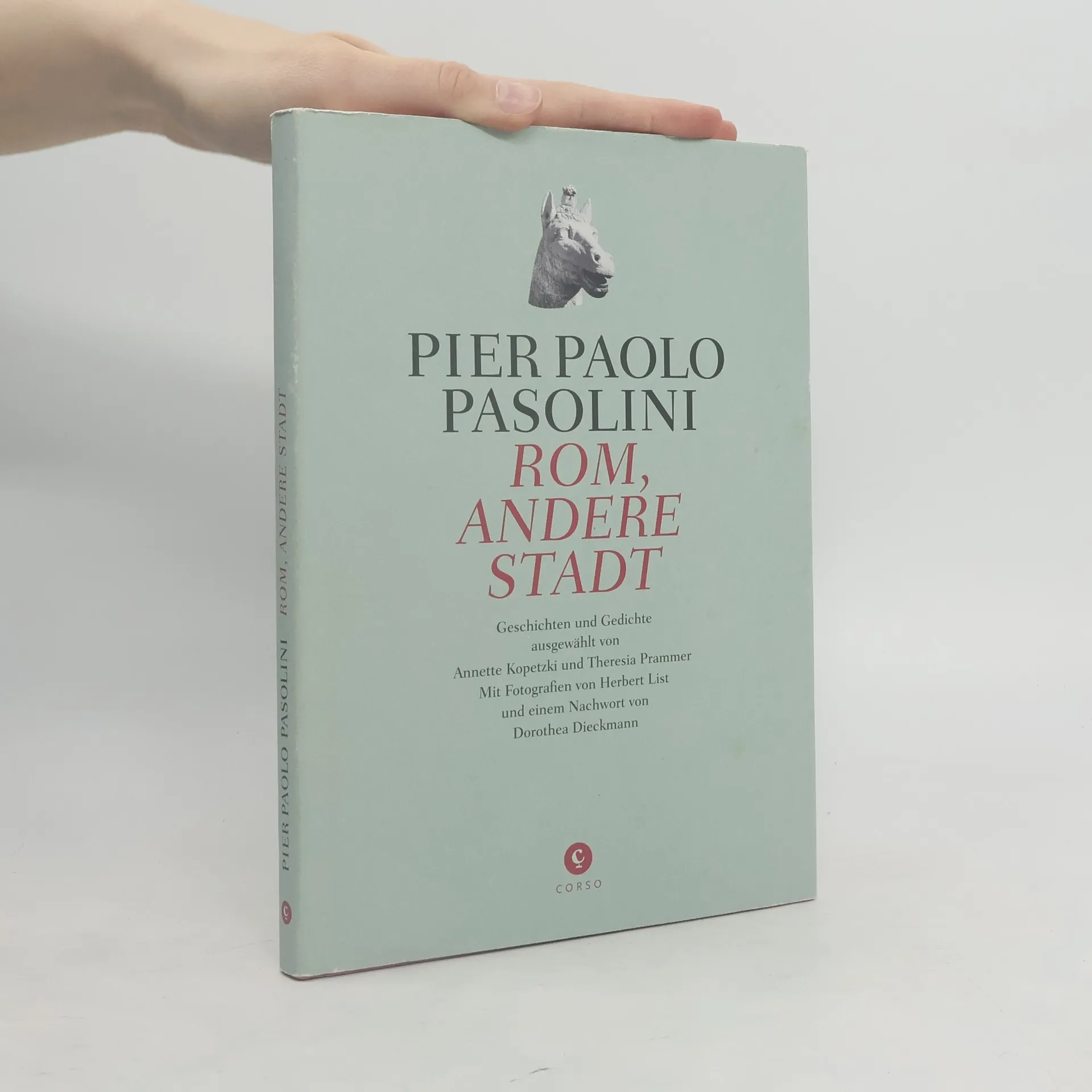
Jede dieser Geschichten ist eine zärtliche Liebeserklärung an die Stadt Rom und ihre Bewohner, besonders an die benachteiligten unter ihnen, die in den Vorstädten leben und ins Zentrum kommen, um – unter Anwendung aller möglichen faulen Tricks – etwas Geld zu verdienen: als Röstkastanienverkäufer, als Fischhändler, als Kofferträger. Und um sich zu vergnügen, einen Kopfsprung vom Ponte Sisto in den Tiber zu wagen, für 150 Lire Boot zu fahren oder auch nur mit dem Oberleitungsbus auf der Via del Mare, während die Zeit verglüht im kalten Funken des Leitungsdrahts oder zu Staub zerrinnt in der kargen Landschaft am Stadtrand. Pier Paolo Pasolini schreibt einen anderen Baedeker Roms, denjenigen seiner Bewohner, der grausam und gefährlich sein kann – und dann wieder mild, im weichen Licht des Abends auf der Tiberinsel und am Ufer von Trastevere. Der junge Dichter bemächtigt sich der Stadt, ihrer Armut und ihrer Schönheit. Er erzählt uns, wie alles zusammenkommt – Lebensängste und Zukunftsträume, Überlebenstaktiken und Dolce Vita. Mit einer Biographie Pasolinis und zahlreichen Rom-Fotos der 1950er Jahre.
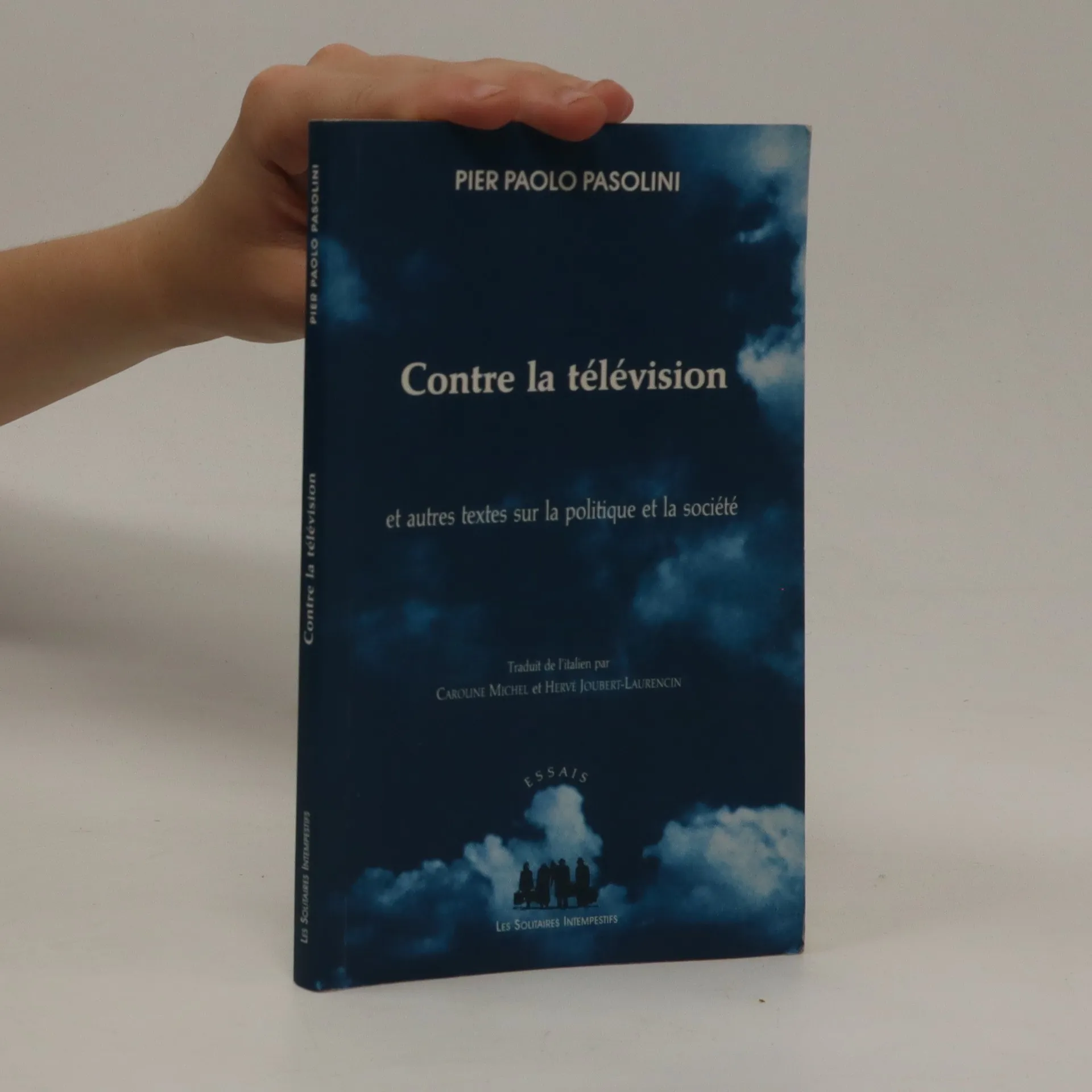
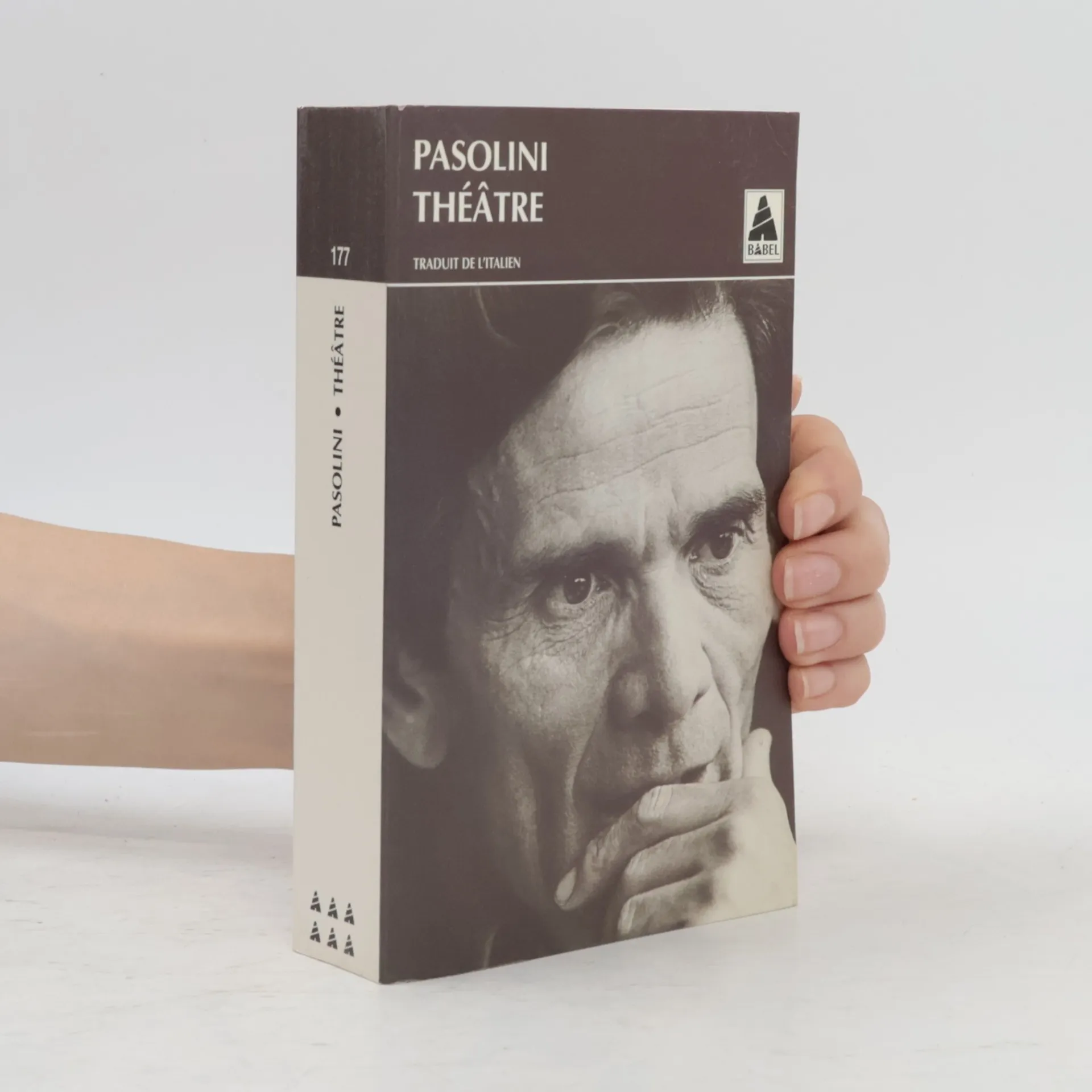
À travers ce recueil de textes choisis, présentés et contextualisés, tous inédits en français, on découvre le Pasolini politique « en version originale » : dans toute sa violence verbale mais aussi sa très dérangeante subtilité rhétorique.Dès les années soixante, c’est Pasolini qui « voit loin » quand il réfléchit sur le pouvoir de la prétendue télévision. Il y voit l’incroyable férocité d’un contrôle totalement intégré par tous ceux qui s’y prêtent, à commencer par ses plus proches amis, les artistes et les intellectuels de gauche.Peu après mai 68, et renversant sa propre caricature masochiste du vieux poète qui s’est mis du côté des flics prolos contre les étudiants « fils à papa », sa réflexion sur l’extrémisme et le système de passation des valeurs entre générations au temps du capitalisme triomphant prend une valeur universelle.« Mieux vaut être un ennemi du peuple qu’un ennemi de la réalité. »
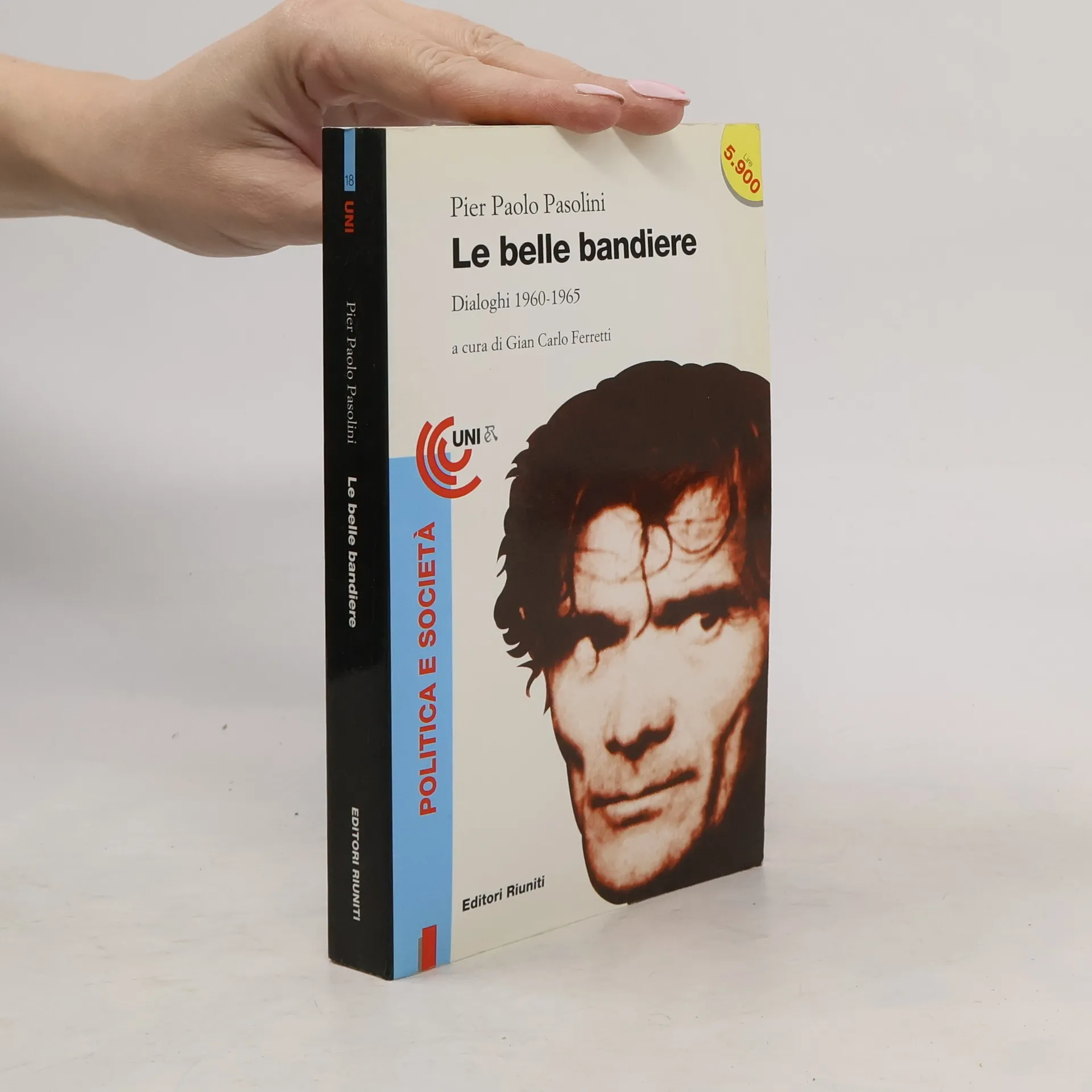
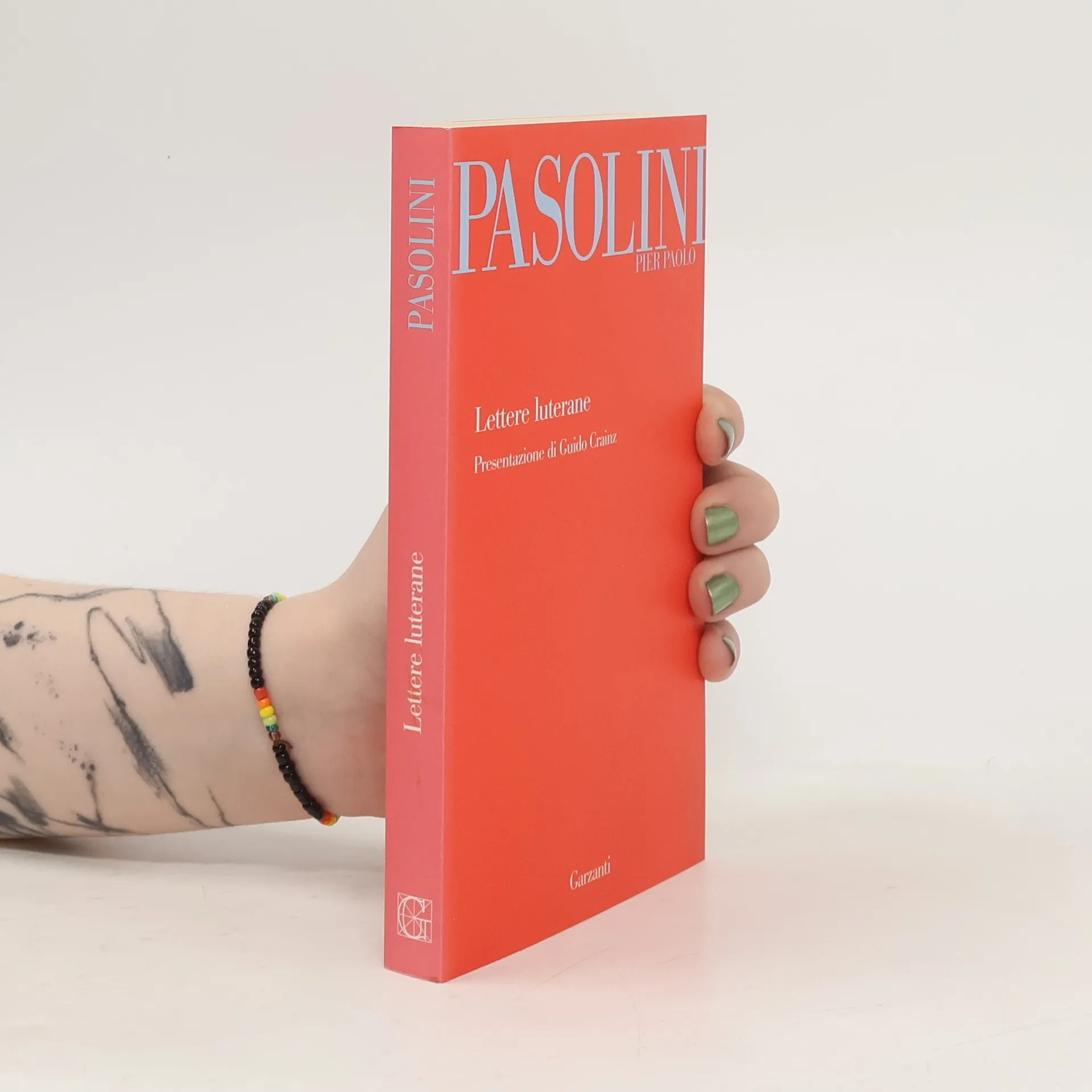
«Non si lotta solo nelle piazze, nelle strade, nelle officine, o con i discorsi, con gli scritti, con i versi: la lotta più dura è quella che si svolge nell’intimo delle coscienze, nelle suture più delicate dei sentimenti.»Nel giugno del 1960, mentre è impegnato nel suo esordio alla regia con Accattone, Pier Paolo Pasolini inaugura una rubrica di corrispondenza con i lettori sul settimanale di politica e cultura «Vie nuove». Inizia così un vero e proprio dibattito epistolare che durerà, pur con diverse interruzioni, cinque anni: a scrivergli sono operai, studenti, disoccupati, soprattutto giovani e giovanissimi che «fanno della cultura non la loro specializzazione, ma il loro nutrimento». Pasolini si fa compagno di strada e confidente, supera la cronaca quotidiana per cercare di interpretare i grandi fenomeni storici in corso, e introduce nella discussione pubblica temi che diventeranno cruciali negli anni a venire: il ruolo della donna, le nuove e necessarie politiche scolastiche, il movimento progressista che si sta facendo largo nella Chiesa, l’ingannevole idea di uno sviluppo illimitato. Il risultato è un dialogo aperto, senza sconti, schietto e coinvolgente, che si legge ancora oggi come una delle più profonde e affascinanti rappresentazioni del nostro paese.