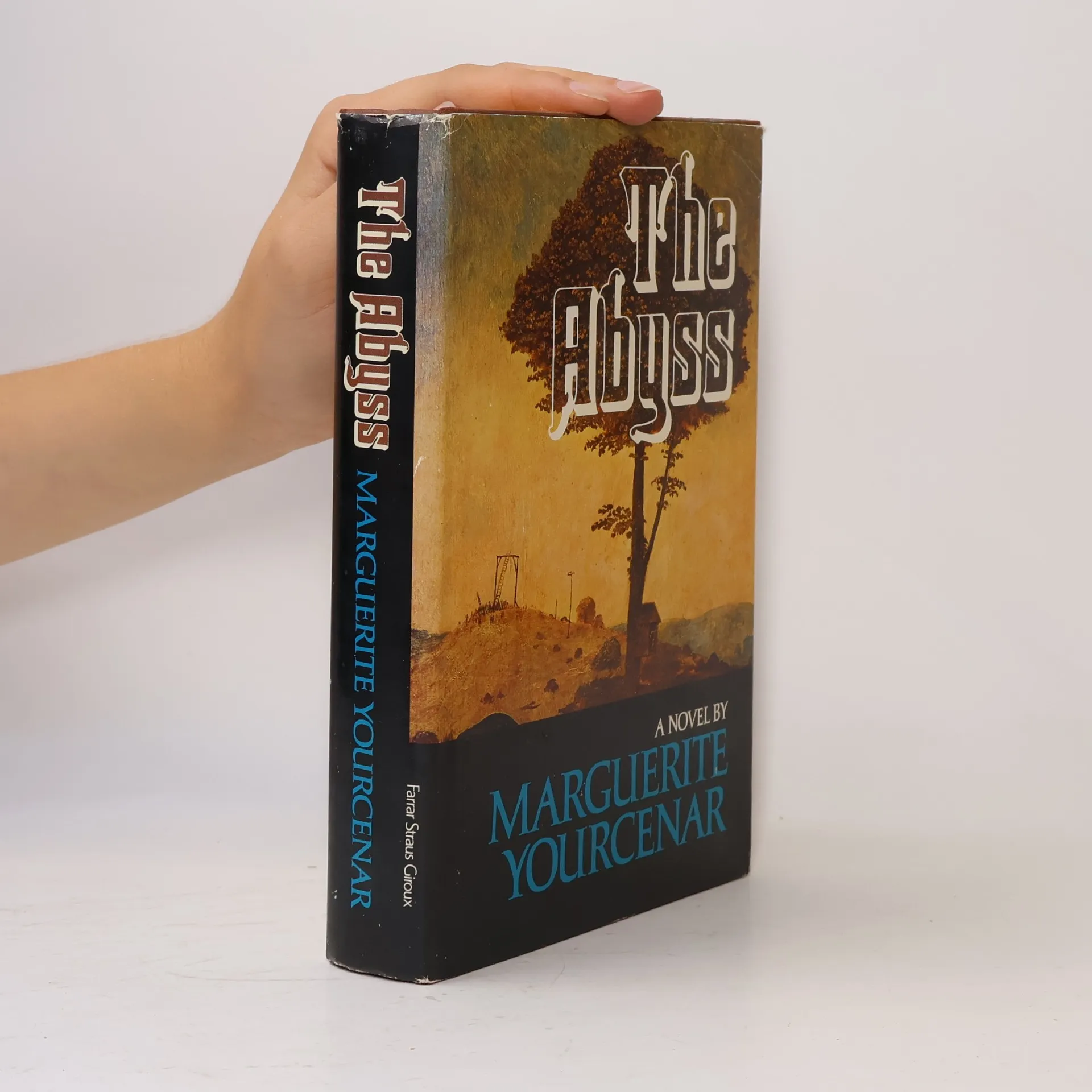
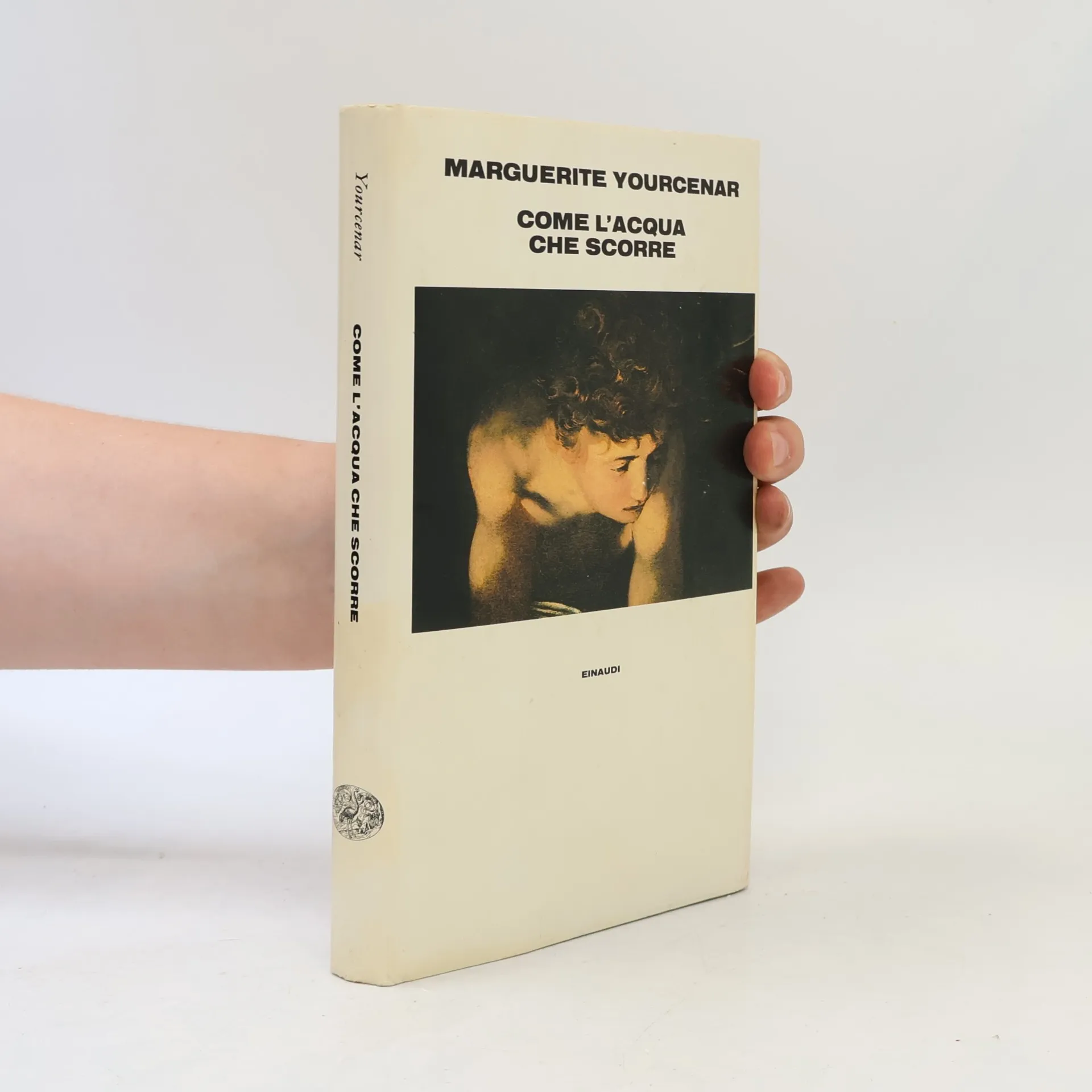
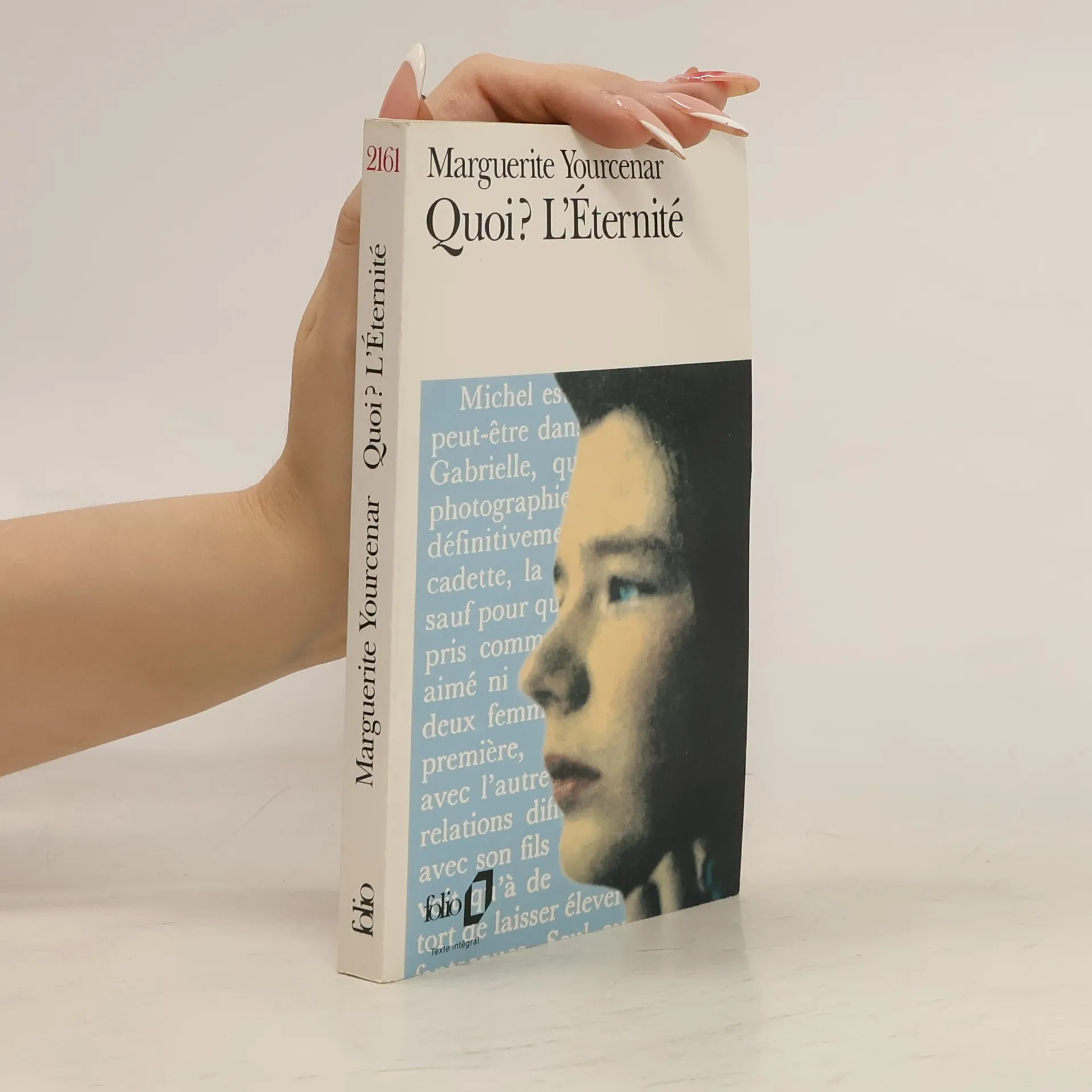
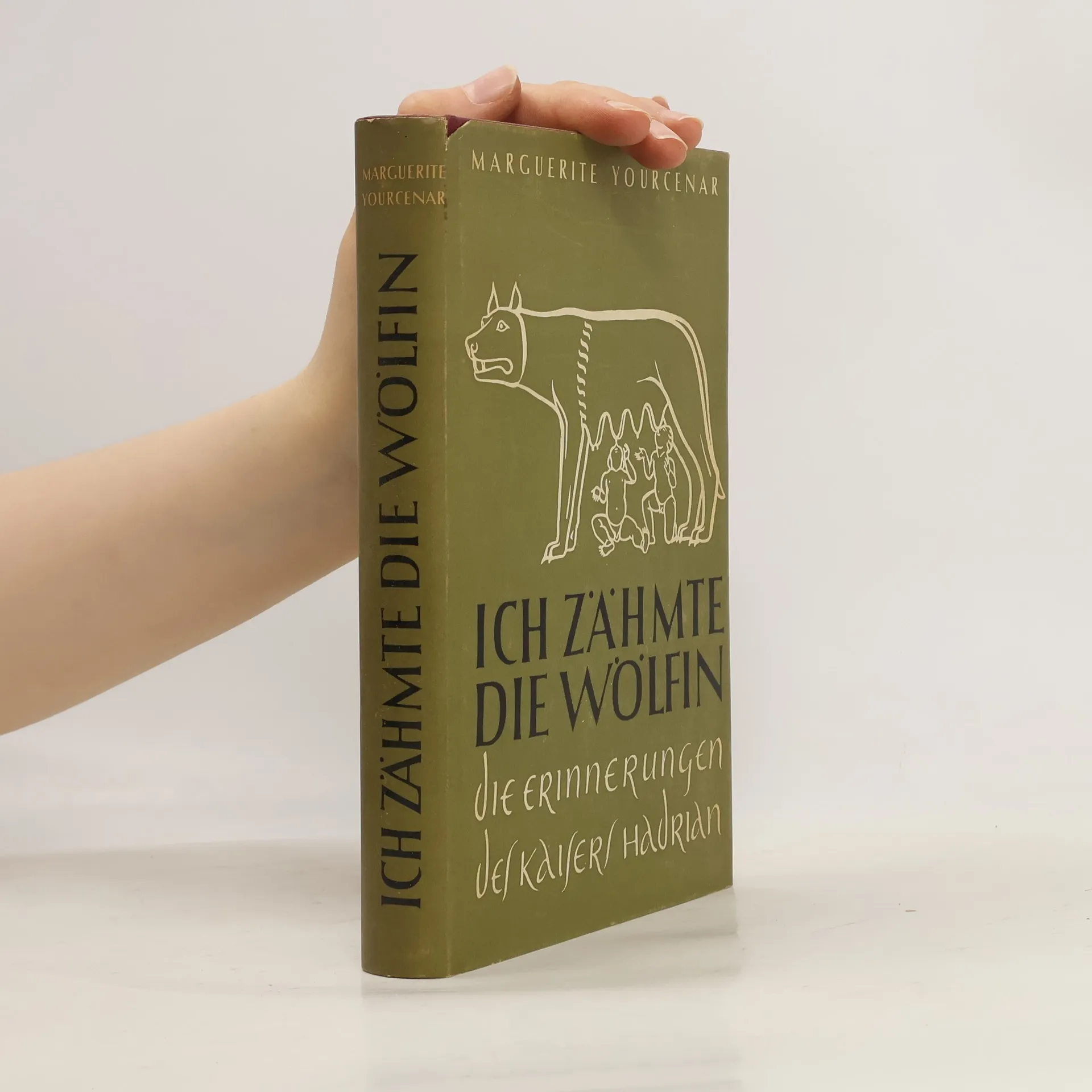
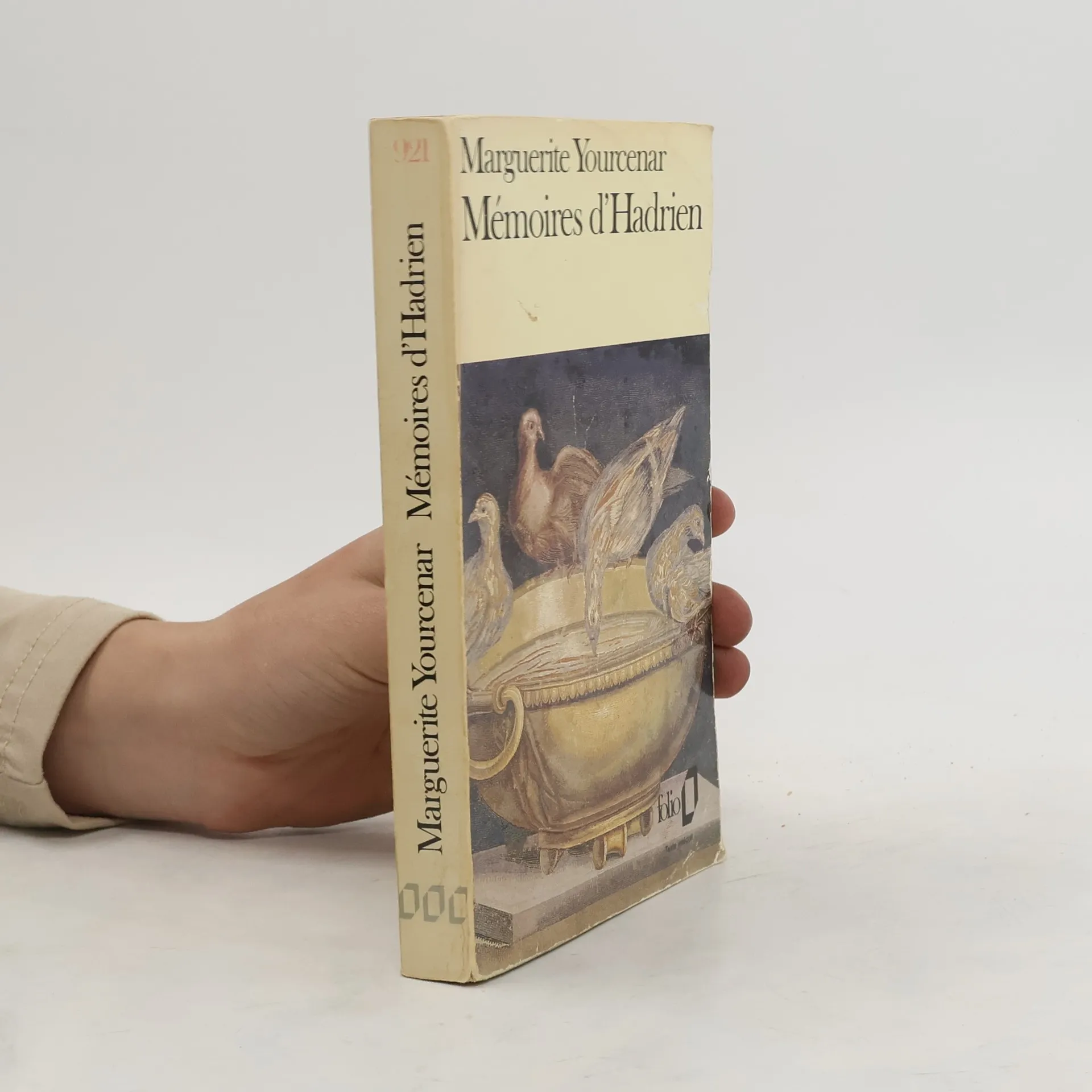
Marguerite Yourcenar was a French novelist and essayist whose work is characterized by profound philosophical insight and stylistic precision. She focused particularly on historical themes, exploring human nature and the complex relationships between individuals and society. Her writing is penetrating and meditative, often centering on the inner lives of characters and their moral dilemmas. Yourcenar was the first woman elected to the French Academy, highlighting her significant place in the literary world.
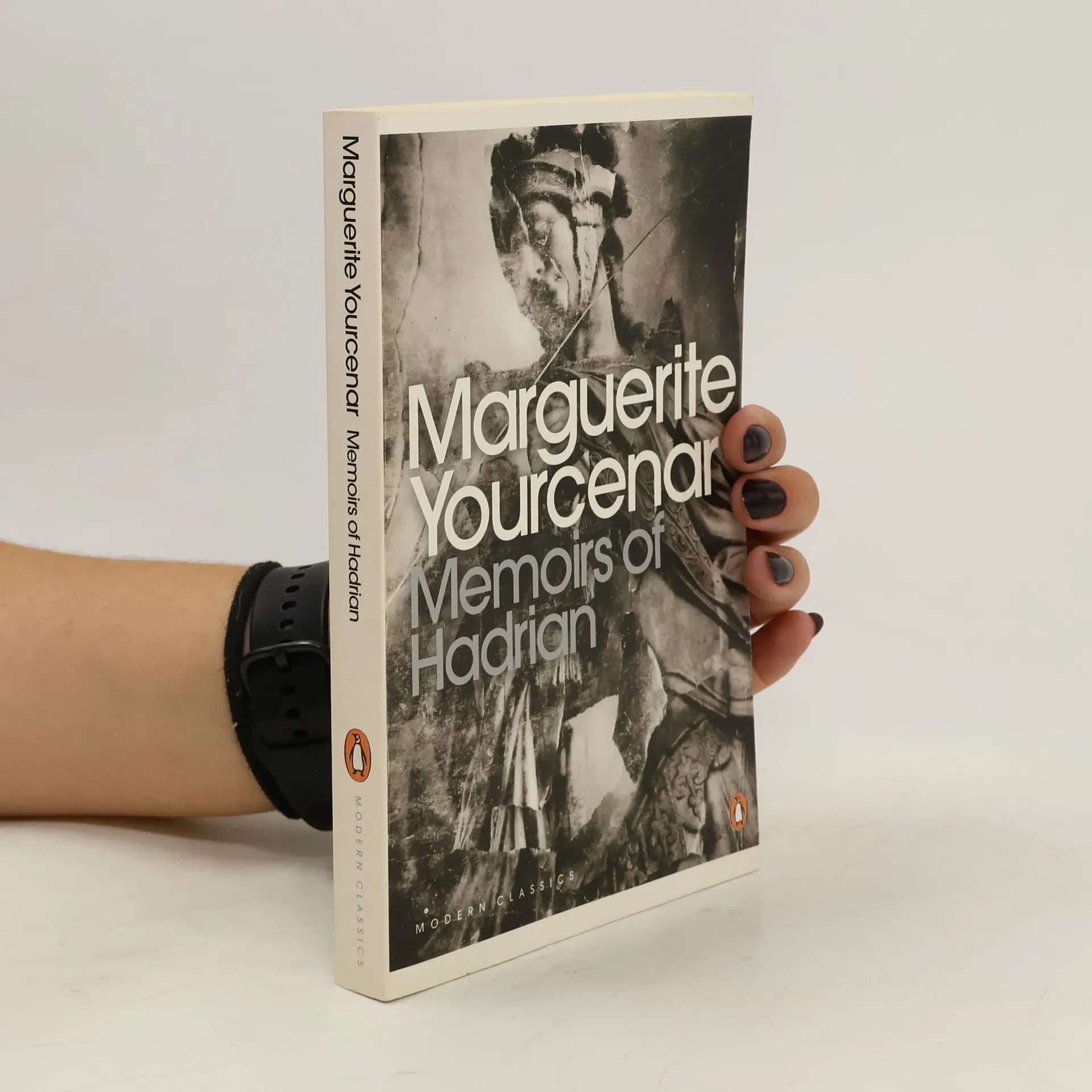
Hadrian, approaching death, writes a long valedictory letter to the young Marcus Aurelius, next-but-one in the line of succession. Hadrian describes his accession and explains the philosophy that informed his rule over the powerful and far-flung Empire.
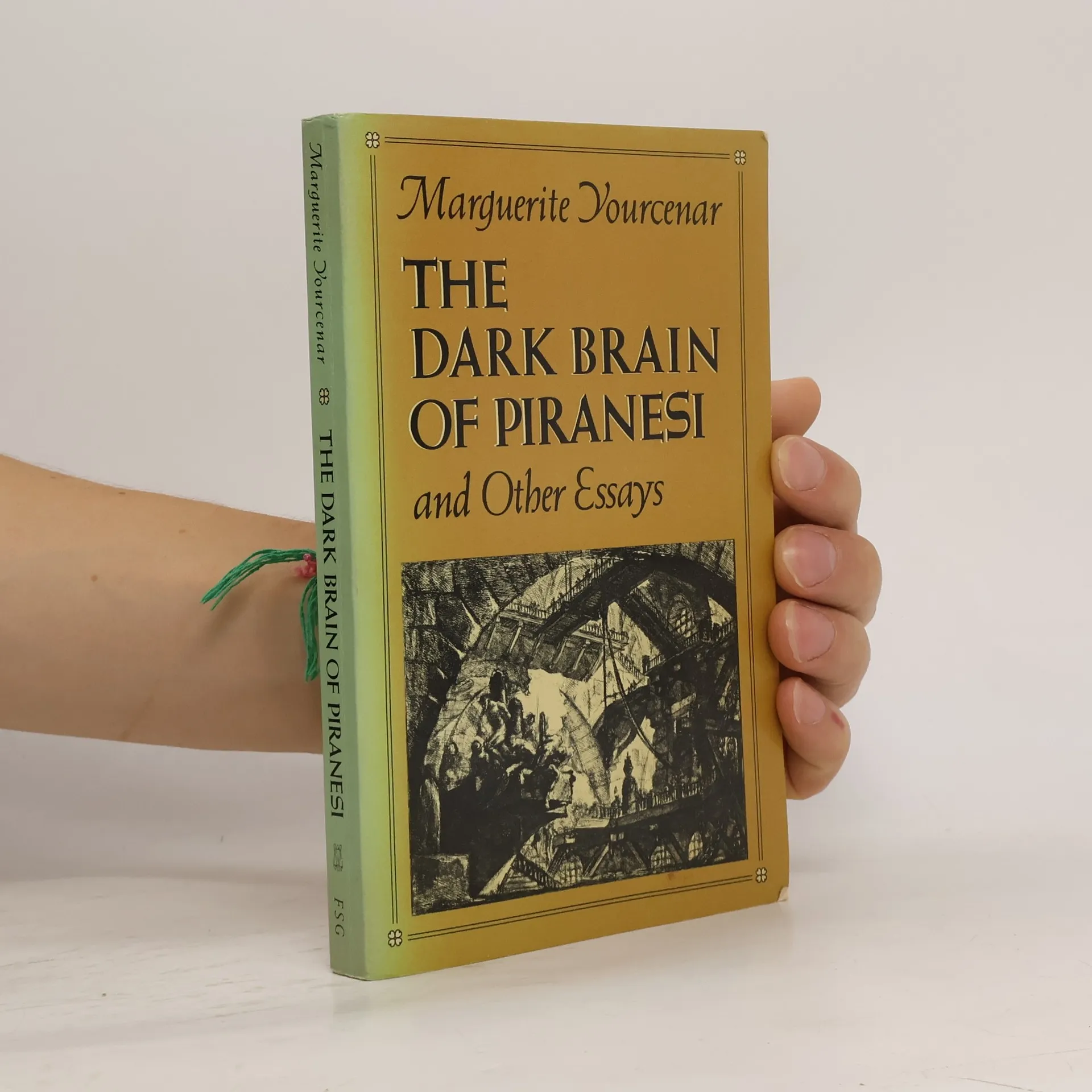
Those who love Marguerite Yourcenar as a novelist will find in her essays the same unusual ability to immerse herself in time to understand the spirit of past eras; or to penetrate "with open eyes" into the inner world of illustrious characters, to discover the intimate motivations behind their historical or creative acts.
The essay on Rome during the decadent period, viewed through the lens of the Augustan Chronicle, and the one on the châteaux of Chenonceaux could serve as the basis for historical novels akin to Memoirs of Hadrian. The other studies in this volume seem to be, at least in part, the files of possible biographical novels.
Their characters include Agrippa d'Aubigné, a French Renaissance poet and faithful witness of the Reformation; Piranesi, the 18th-century Italian architect and engraver, in whose imaginary prisons one can recognize the universe populated with the fantasies of the human brain; and finally, three important names in modern literature: Selma Lagerlöf, one of the few women among truly great novelists; Constantin Cavafy, the famous poet of modern Greece, whose poems draw from the inexhaustible material of the past; and Thomas Mann, whose work, upon closer inspection, claims its roots in the ancient hermetic tradition that posits that knowledge of the world is only possible "under the aspect of interiority."
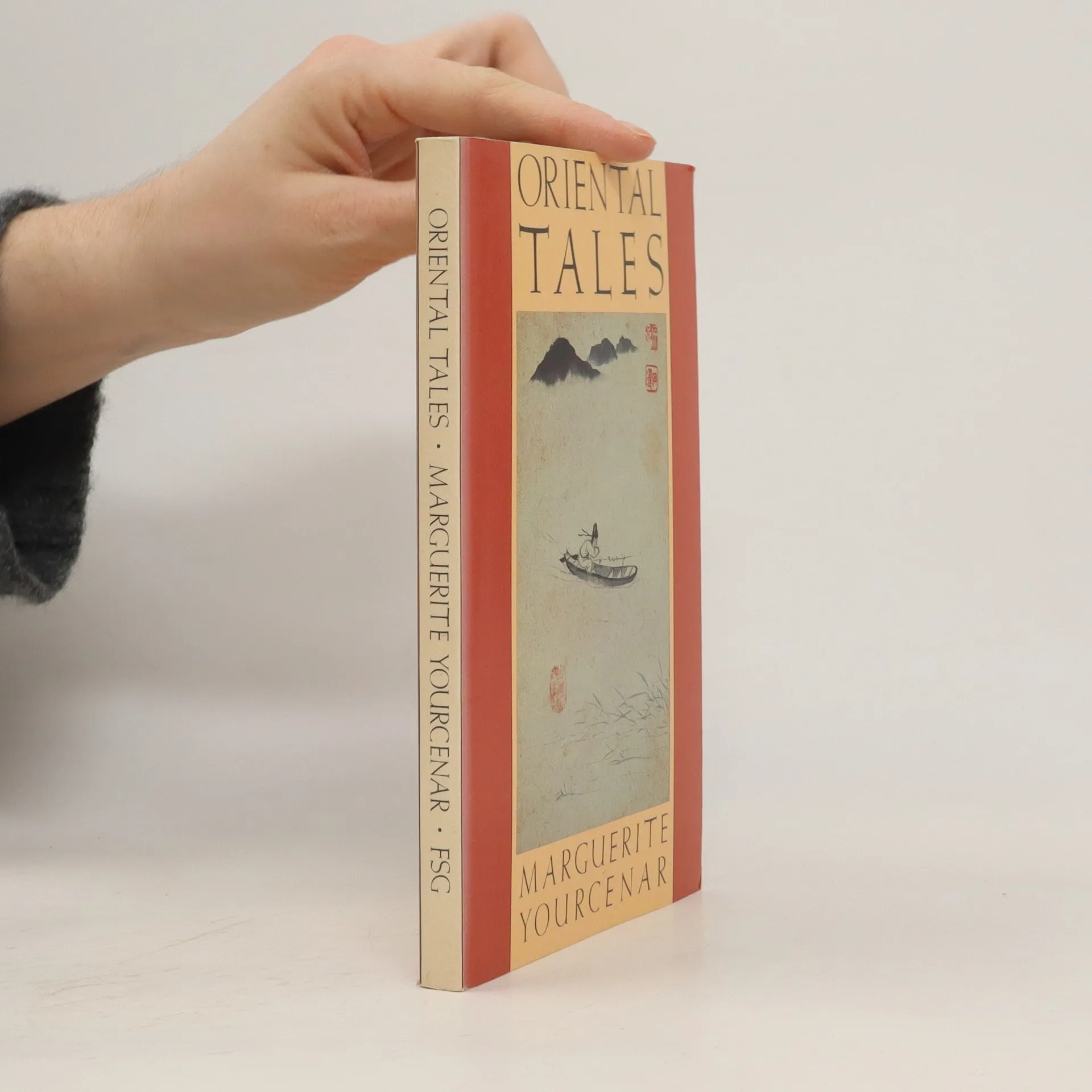
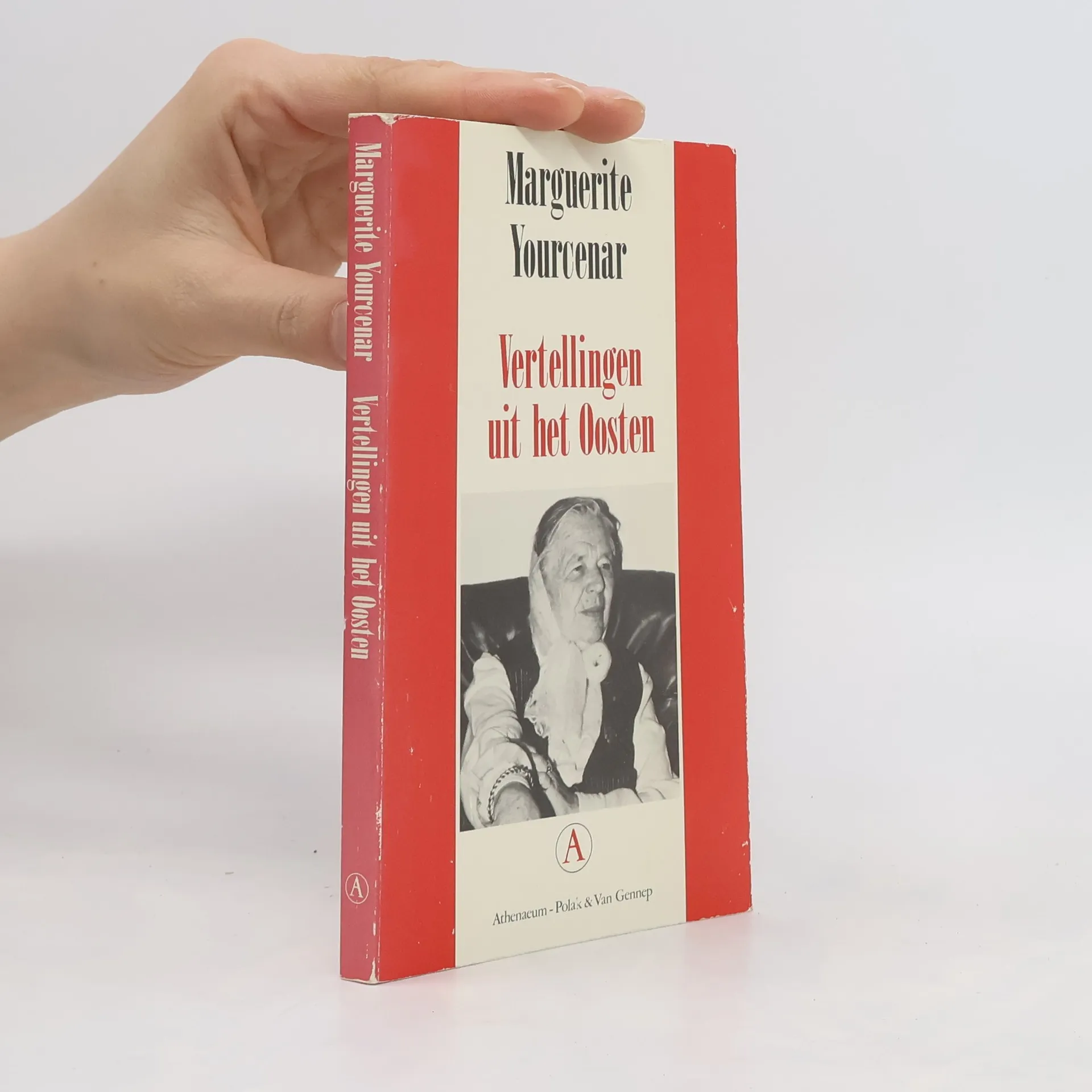
This collection includes: How Wand-fo was Saved, Marko's Smile, The Milk of Death, The Last Love of Princess Genji, The Man Who Loved the Nereids, Our Lady of the Swallows, Aphrodissia; the Widow, Kali Beheaded, The End of Marko Kraljevic, The Sadness of Cornelius Berg, and a Postscript by the Author. "From China to Japan, the Balkans to India, Oriental Tales addresses love, conquest, betrayal, murder, religion, and passion in an eloquent and exquisite telling."--Kirkus Reviews.
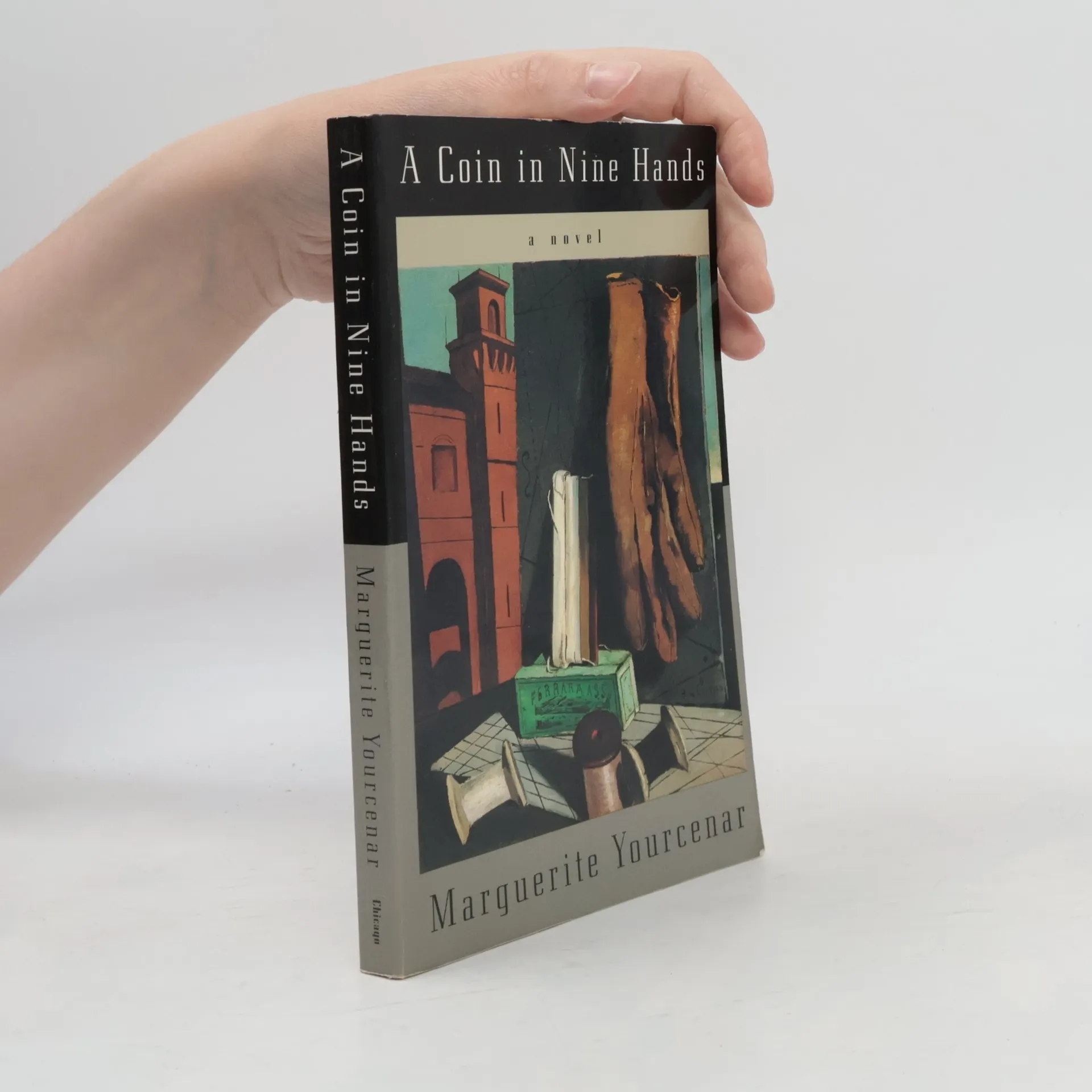
During the space of a day in Rome in 1933, a ten-lira coin passes through the hands of nine people—including an aging artist, a prostitute, and a would-be assassin of Mussolini. The coin becomes the symbol of contact between human beings, each lost in private passions and nearly impenetrable solitude." A Coin in Nine Hands has . . . passages that move close to poetry and a story that belongs in both literature and history."—Doris Grumbach, Los Angeles Times Book Review"What lingers at the end of A Coin in Nine Hands is the shadowiness and puppetlike vagueness of the Dictator, and the compelling specificity of the so-called 'common people' revolving all around him."—Anne Tyler, The New Republic"Within a few pages we have met half the major characters in this haunting, brilliantly constructed novel. . . . The studied perfection, the structural intricacy and brevity remind one of Camus. Yet by comparison, Yourcenar's prose is lavish, emotional and imagistic."—Cynthia King, Houston Post"Transcends its specific time and place to become a portrait of vividly delineated characters caught in the vise of a tragically familiar political situation."— Publisher's WeeklyBest known as the author of Memoirs of Hadrian and The Abyss, Marguerite Yourcenar (1903-87) achieved countless literary honors and was the first woman ever elected to the Académie Française.
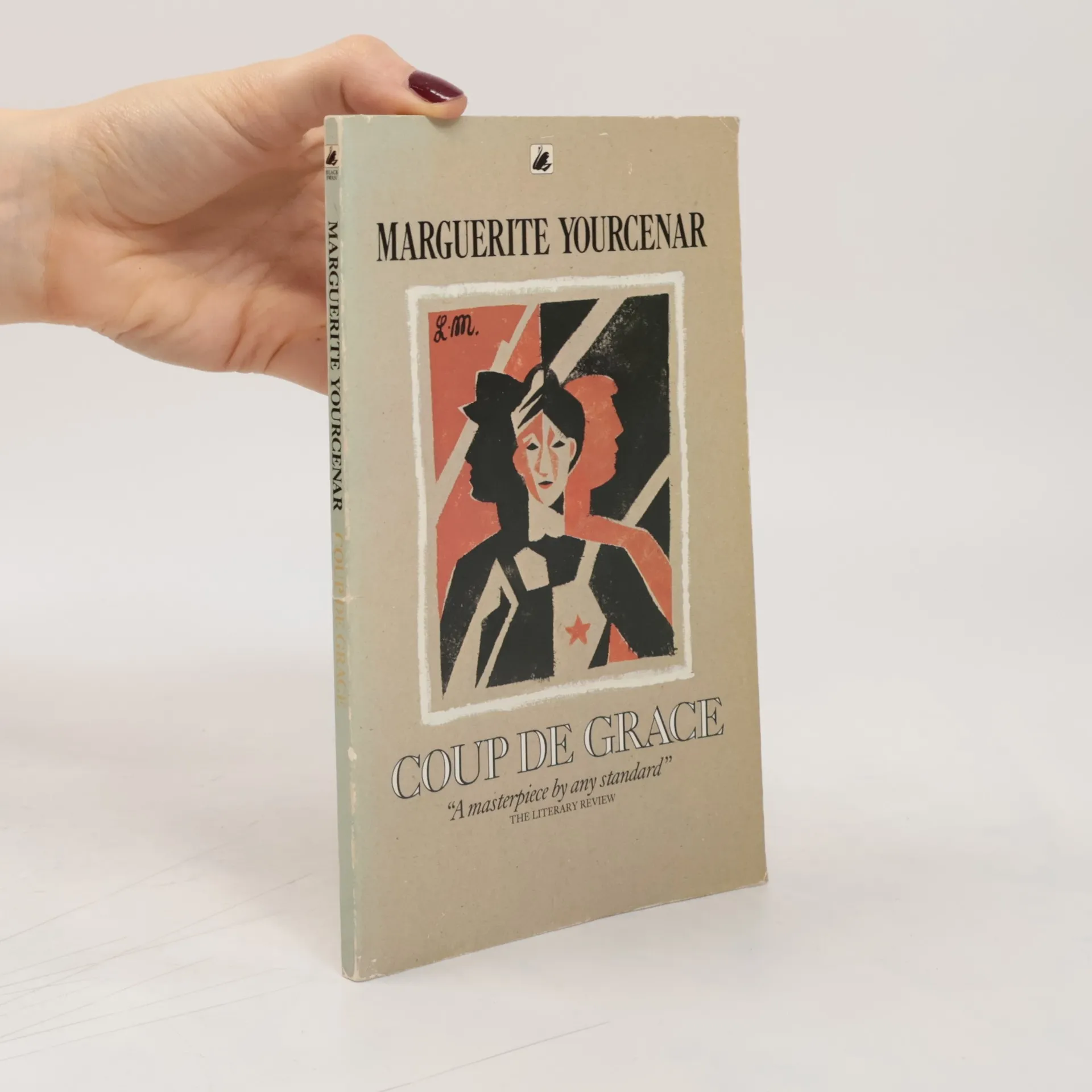
Set in the Baltic provinces in the aftermath of World War I, Coup de Grace tells the story of an intimacy that grows between three young people hemmed in by civil war: Erick, a Prussian fighting with the White Russians against the Bolsheviks; Conrad, his best friend from childhood; and Sophie, whose unrequited love for Conrad becomes an unbearable burden.
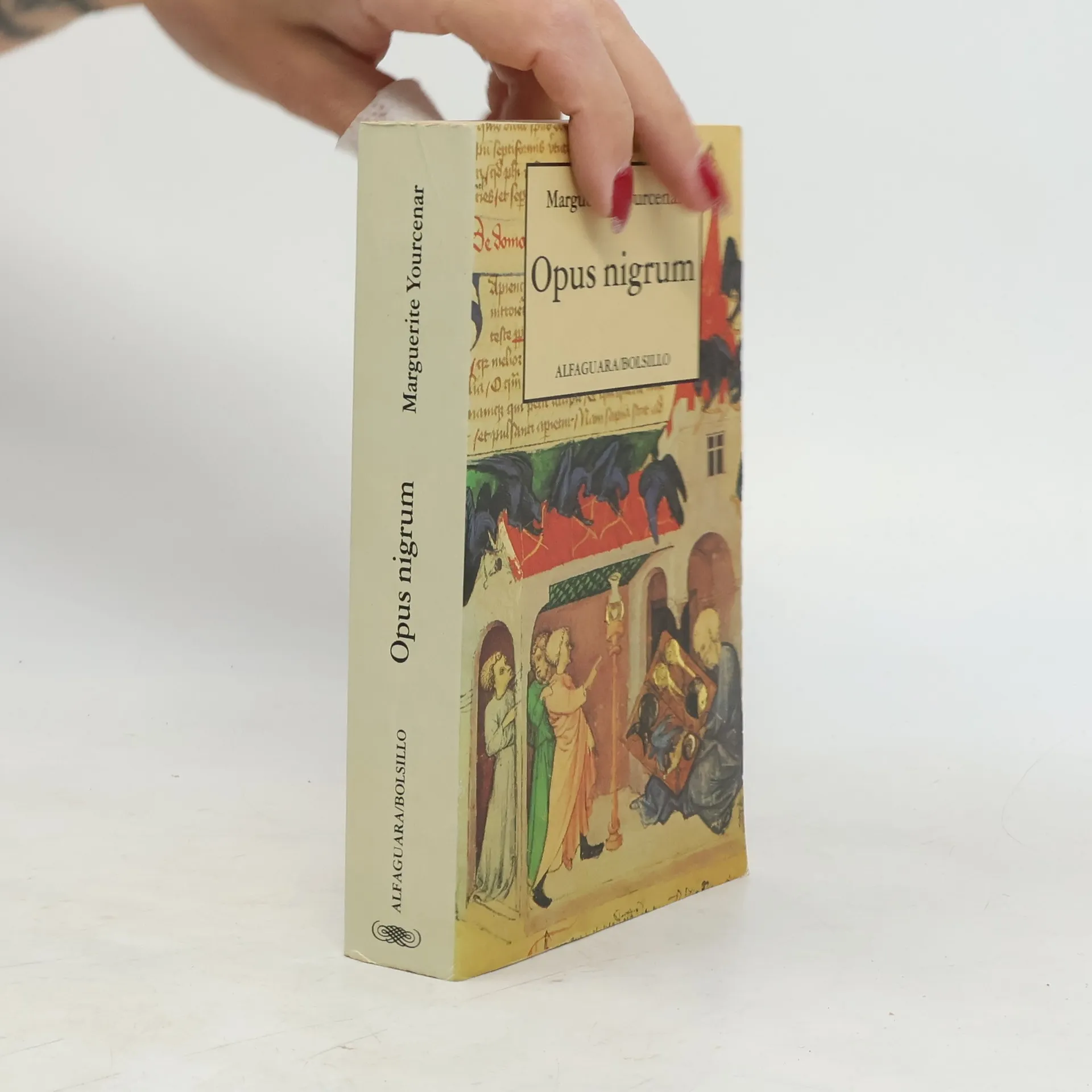
Marguerite Yourcenar's novel set in sixteenth-century Europe serves as a profound meditation on the human condition, contrasting with her earlier work, Memoirs of Hadrian, through its direct narrative and somber tone. The protagonist, Zeno, embodies the intellectual spirit of his time, excelling as a botanist, physician, alchemist, engineer, metallurgist, and philosopher. He navigates a world of compromise and revolt, paralleling historical figures like Paracelsus and Servetus, while challenging the scientific norms of his era. Born in Flanders as the illegitimate son of an Italian prelate, Zeno abandons his theological studies to pursue knowledge beyond doctrine, delving into alchemy under a high churchman and a learned Jew in Spain, and later studying medicine in France.
His journey takes him across Europe and the Levant, where he serves both nobility and the impoverished amidst a backdrop of war and social upheaval. Jealous colleagues and religious authorities target him for his daring experiments and unorthodox beliefs. After facing censorship and the burning of his writings, Zeno returns to Bruges under an alias, practicing medicine in a Franciscan monastery. The narrative weaves in themes of wealth, religious and political revolt, and moral dilemmas, reflecting struggles still relevant today. As Zeno seeks to understand the essence of body and soul, he confronts the destructive process of self-examination, culminating i
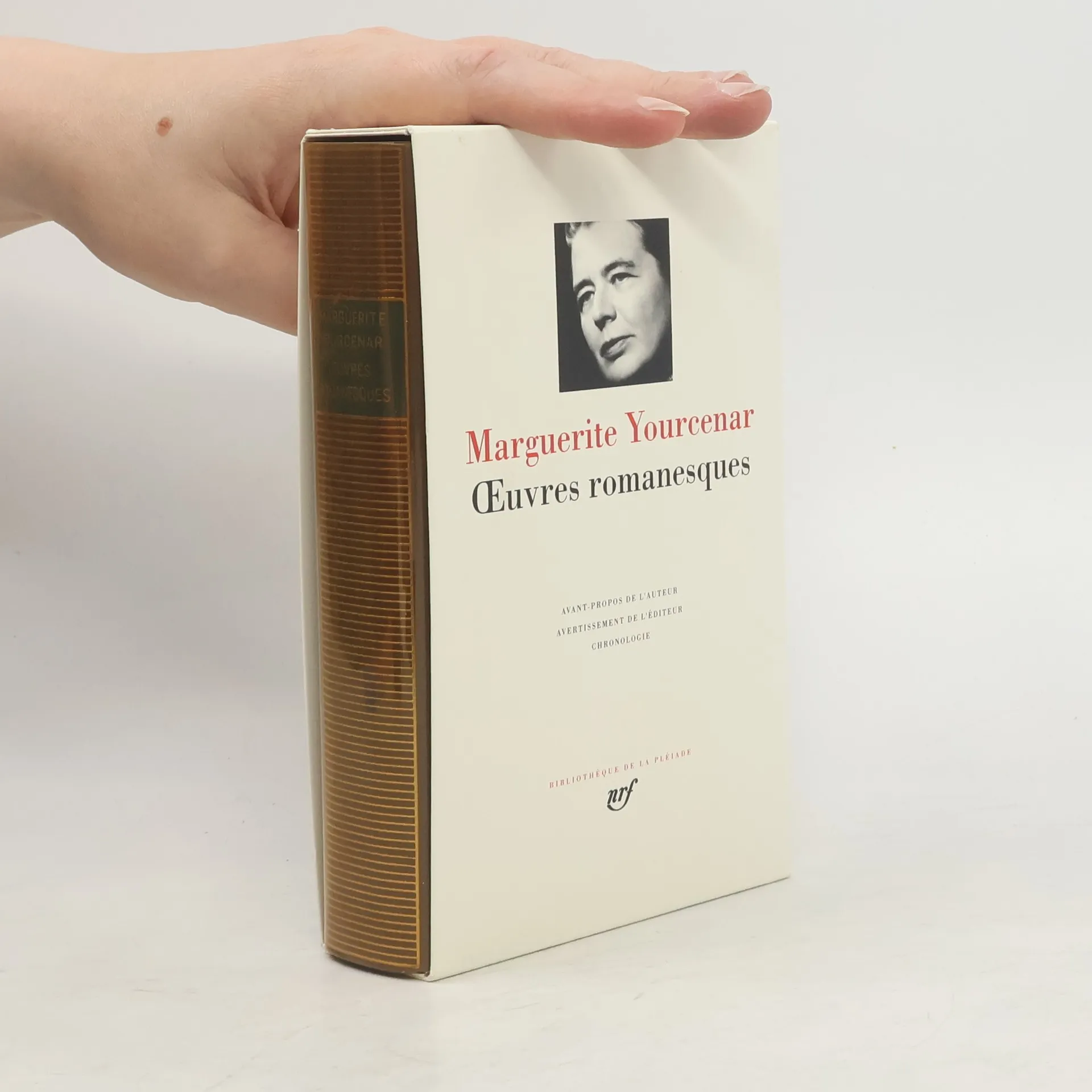
Le volume contient :
- Alexis ou Le traité de la lutte vaine
- Le coup de grâce
- Monnaie du rêve
- Mémoires d'Hadrien
- L'œuvre au noir
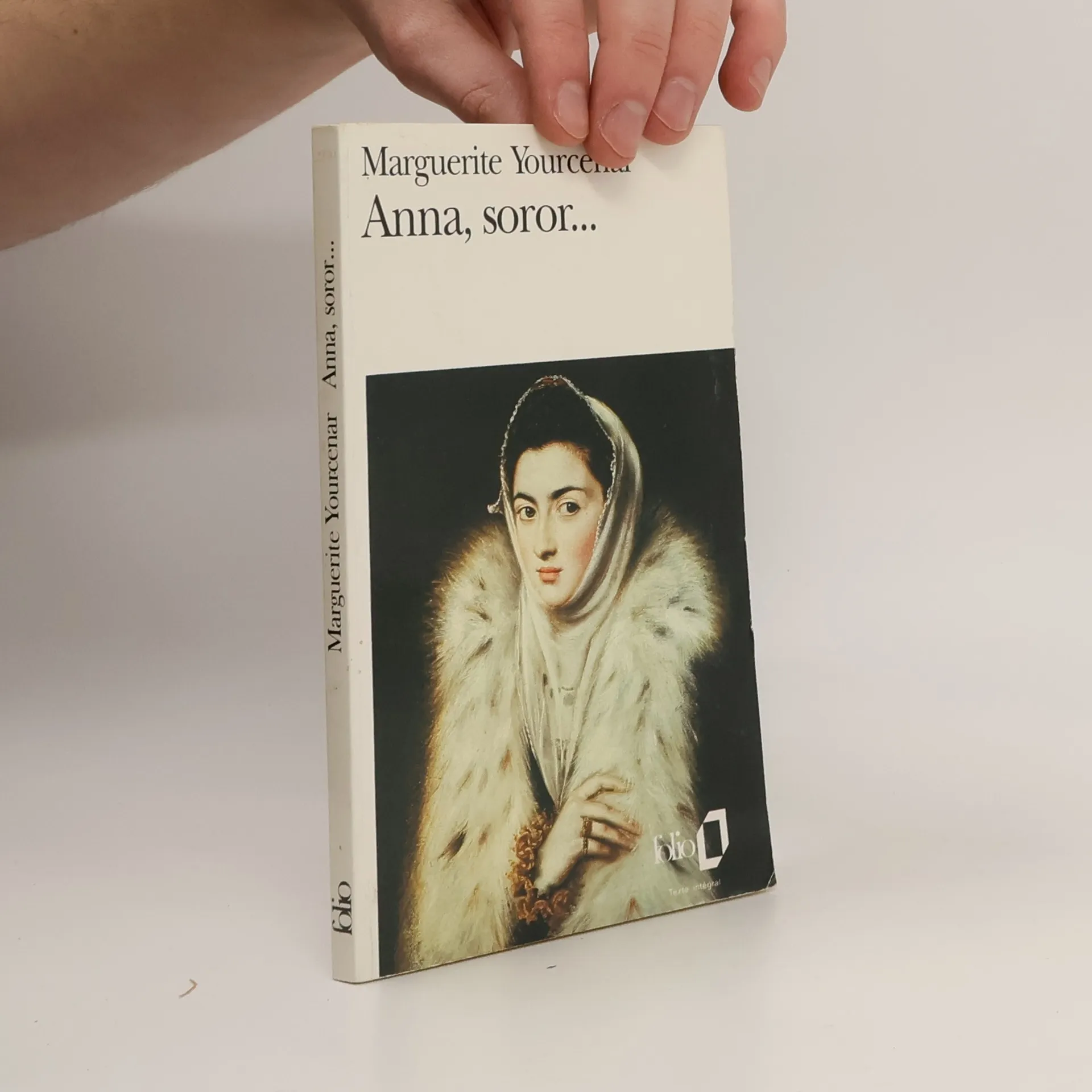
- Anna, Soror...
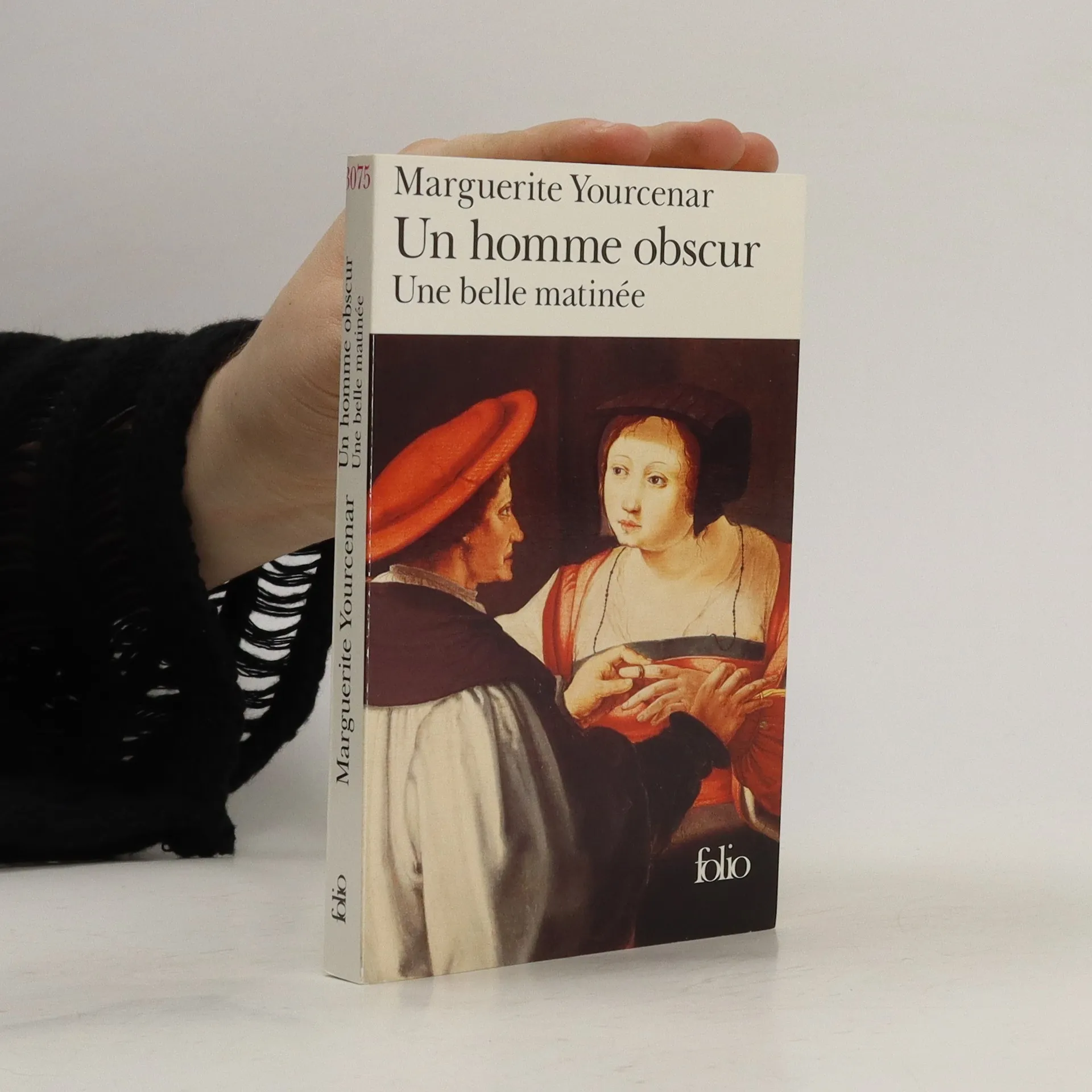
- Un homme obscur
- Une belle matinée
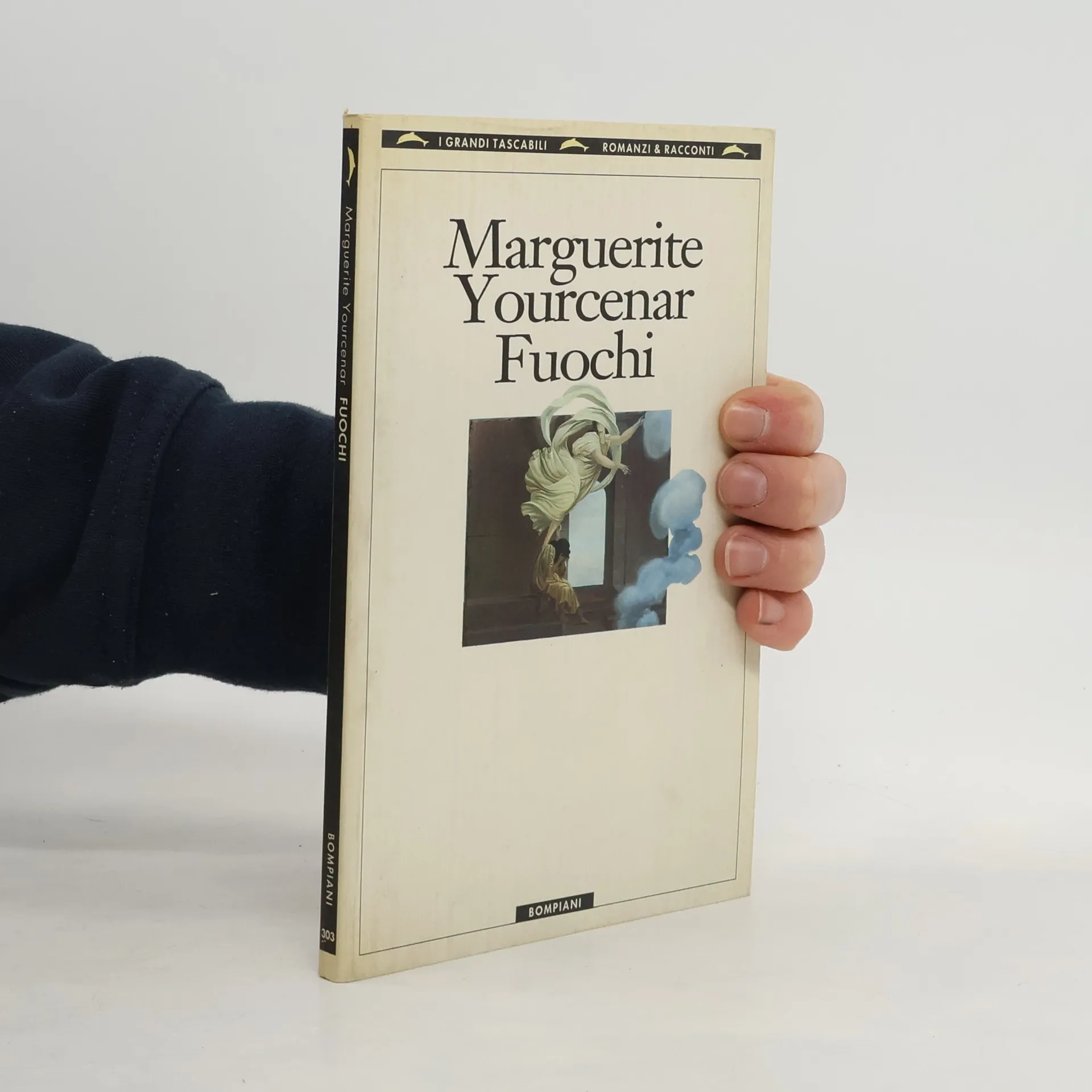
- Feux
- Nouvelles orientales
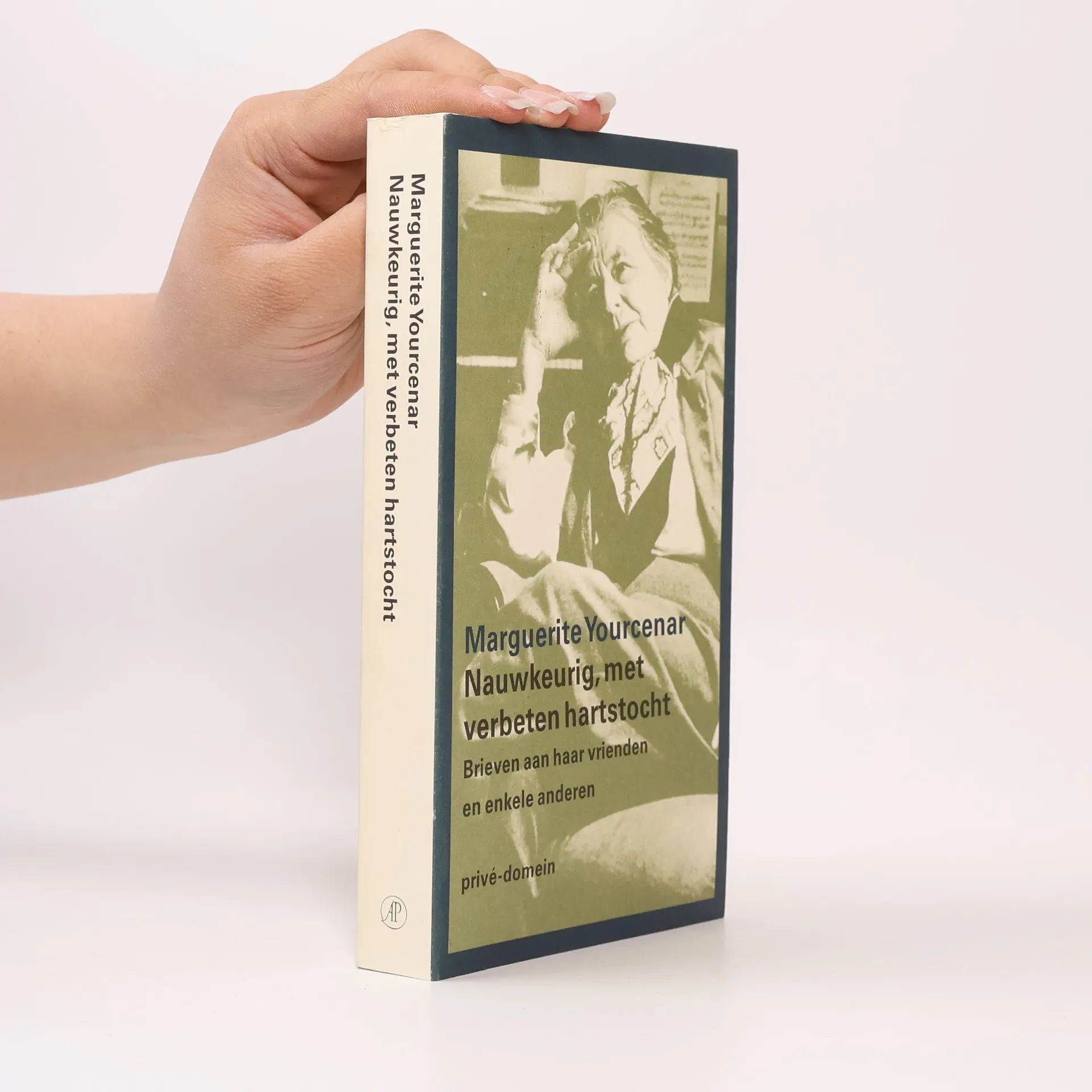
Brieven aan haar vrienden en enkele anderen - druk 1
284 pages
10 hours of reading
Selectie brieven van de Franse auteur aan familieleden, collega’s, vrienden en enkele algemener bekende personen. Zij bevatten analyses van eigen werk en van werk van anderen; zij gaan ook over onderwerpen die haar buiten het literaire leven in de wereld bezighouden. Marguerite Yourcenar ; gekozen door Jenny Tuin ; vert. [uit het Frans] en geann. door Jan Versteeg ; met een voorw. van Michèle Sarde.
Marguerite Yourcenar prosegue, dopo Care memorie , l'affascinante opera storica intitolata Il labirinto del mondo . "Si tratta - dice la scrittrice francese - di restituire la parola a milioni di esseri che di generazione in generazione si moltiplicano, all'immensa folla anonima di cui siamo fatti". Servendosi di diari, lettere, album, l'autrice tratteggia, trasfigurate dalla fantasia, tutte le generazioni della sua antica famiglia dietro le quali si intravede l'evoluzione di una società, dei suoi costumi e abitudini. Un percorso a ritroso nel tempo che attraverso il destino dei singoli restituisce il senso più generale e profondo del mondo e della storia.
L'opera al nero è la storia di un personaggio immaginario, Zenone, medico, alchimista, filosofo, dalla nascita illegittima a Bruges nei primi anni del Cinquecento, fino alla catastrofe che ne conclude l'esistenza. Il racconto lo segue nei viaggi attraverso l'Europa e il Levante, intento a ricerche in anticipo sulla scienza ufficiale del tempo. Zenone rappresenta un esemplare umano che ha attraversato il Rinascimento dietro le quinte e sta tra il dinamismo sovversivo degli alchimisti del Medio Evo e le conquiste tecniche del mondo moderno, tra il genio visionario dell'ermetismo e della Cabala e un ateismo che osava appena chiamarsi tale. Il pensiero e il destino del personaggio sono ispirati al grande chimico tedesco Paracelso, a Michele Serveto, dedito anche lui a indagini sulla circolazione del sangue, al Leonardo dei Quaderni e a quel filosofo singolarmente audace che fu Tommaso Campanella. Una folla di comparse, mercanti, banchieri, ecclesiastici, operai, donne di ogni livello e condizione, si muovono tra le pagine di un libro in cui nulla è sacrificato al pittoresco ma nel quale i decenni 1510-1569 ci appaiono in un aspetto nuovo, quotidiano e, al tempo stesso, sotterraneo, attraverso immagini colte dalla strada maestra, dal laboratorio, dal chiostro, dal banco di vendita, dalla taverna e, infine, dalla prigione.
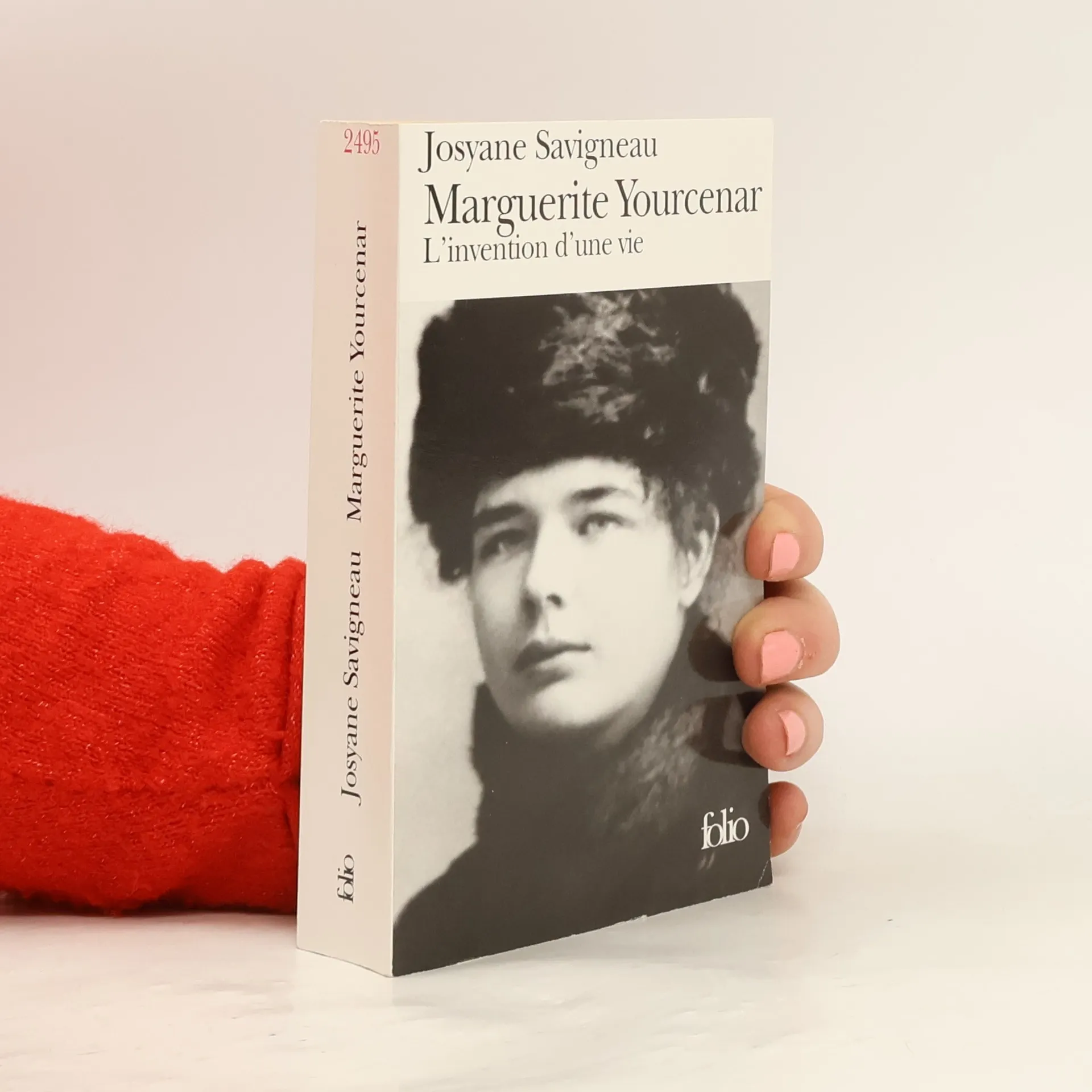
Marguerite Yourcenar, born Marguerite de Crayencour in Brussels in 1903, faced significant loss early in life, losing her mother at birth and her native Belgium at six, followed by a forced move from France at twelve. This tumultuous past influenced her writing, which she described as a "passionate reconstitution of a moment or a man out of the past." Renowned in French literature, she is best known for works like Memoirs of Hadrian and The Abyss, and was the first woman elected to the Académie Française in 1980. Despite her literary acclaim, her life remained elusive, partly due to her own reticence, even in her autobiographical writings. Josyane Savigneau's biography delves into Yourcenar's complex life, marked by intertwined themes of loss and learning, and a paradoxical relationship with love. Through letters, diaries, and interviews with those close to her, Savigneau presents an intimate portrait of an artist who defied conventions: a Frenchwoman who cherished her language yet spent much of her life in New England, a seductress of women who also loved two young men, and a powerful female writer whose memorable protagonists were male. Savigneau, who first met Yourcenar in 1984, enriches the narrative with personal insights, revealing the profound intelligence, foibles, and trials of an incomparable artist.
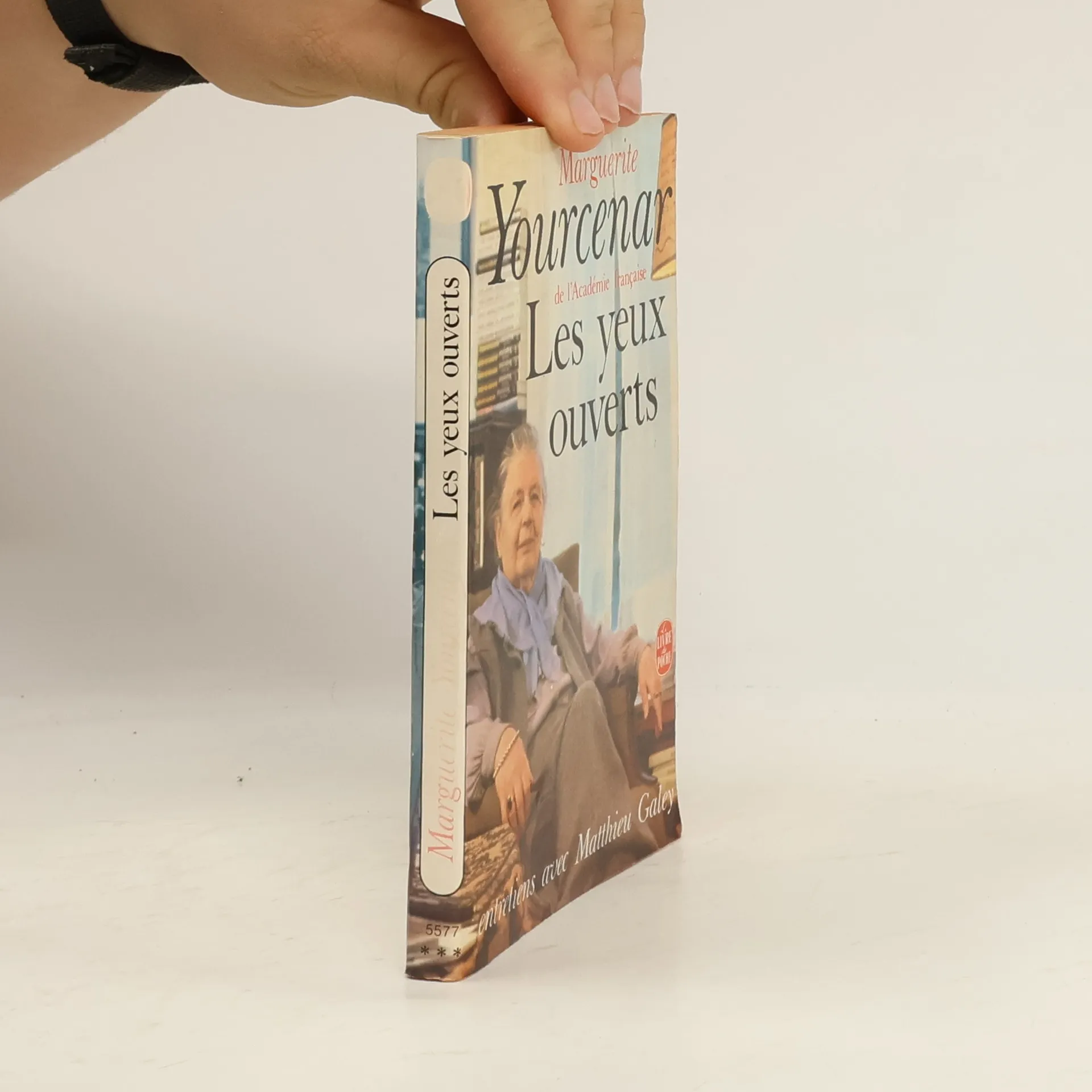
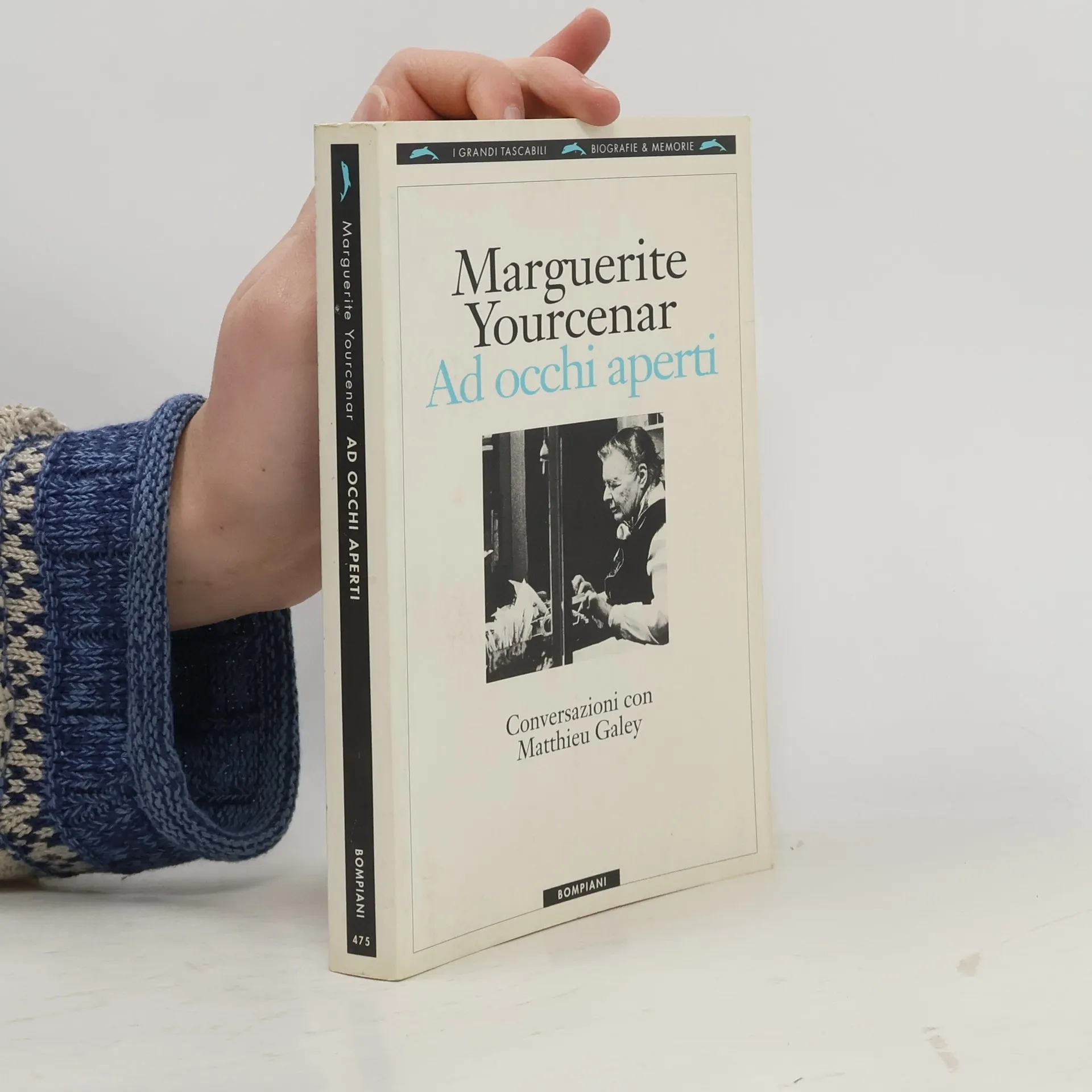
Pour la première fois, Marguerite Yourcenar, la plus célèbre des romancières françaises, ainsi que l'unique "académicienne" de notre histoire, nous donne ici, grâce à l'attentive complicité de Matthieu Galey, le livre chef qu'on attendait pour la comprendre au plus profond et au plus clair de sa pensée. Sans réticence, avec la simplicité d'une âme sereine, intéressée par tous les aspects du monde où nous sommes, elle le contemple "les yeux ouverts", et nous dit ce qu'elle croit, ce qu'elle voit, ce qu'elle a vécu.
Encore une fois, dans ce troisième volet du Labyrinthe du monde, le centre du récit est le personnage du père, Michel. Michel et sa mère, l'affreuse châtelaine du Mont-Noir; Michel et ses amours : Fernande, Jeanne, dont l'inquiétant mari servira de modèle à Alexis, Liane, tant d'autres... «Confondue par le problème des dates de l'enfance, seule dans un paysage vide où tout semble tantôt très proche et tantôt lointain», Marguerite Yourcenar, qui parle peu d'elle-même, laisse seulement deviner, derrière le portrait du père, sa silhouette de petite fille, puis d'adolescente. Et, derrière le fourmillement des passions, le chaos des impressions, derrière les désastres privés et historiques, ce qui constituera son monde, comme si elle nous tendait quelques clés de son œuvre romanesque.
In één lange, in dichterlijk proza gestelde brief tracht een jonge man zijn vrouw te verklaren dat hij haar vanwege zijn homoseksualiteit moet verlaten.
Der inszenierte Selbstmord des japanischen Dichters Yukio Mishima 1970 war mehr als nur eine spektakuläre Tat. Er war, so Marguerite Yourcenar in ihrem Essay, der Schnittpunkt zweier entgegengesetzter Pole: des Strebens nach buddhistisch-tantrischer Leere und politischer Aktion. Die Autorin zeigt an wenigen prägnanten Stellen in Mishimas Werk die literarische Grundierung dieser beiden Haltungen.
Questa raccolta testimonia la multiforme varietà di interessi e suggestioni coltivati da Marguerite Yourcenar. Scritti in periodi e luoghi diversi, lungo un arco di tempo compreso fra il 1934 e il 1987, i testi inclusi nella raccolta toccano argomenti diversi: viaggi, quadri, libri, ricordi. L'autrice entra nel grande paese dell'arte, si fa compagna di Poussin, Rembrandt o Durer, si mette accanto ad Henry James, Oscar Wilde, Borges o Virginia Woolf, percorre i villaggi della Grecia antica e ci offre unamirabile descrizione dei mosaici di Ravenna.
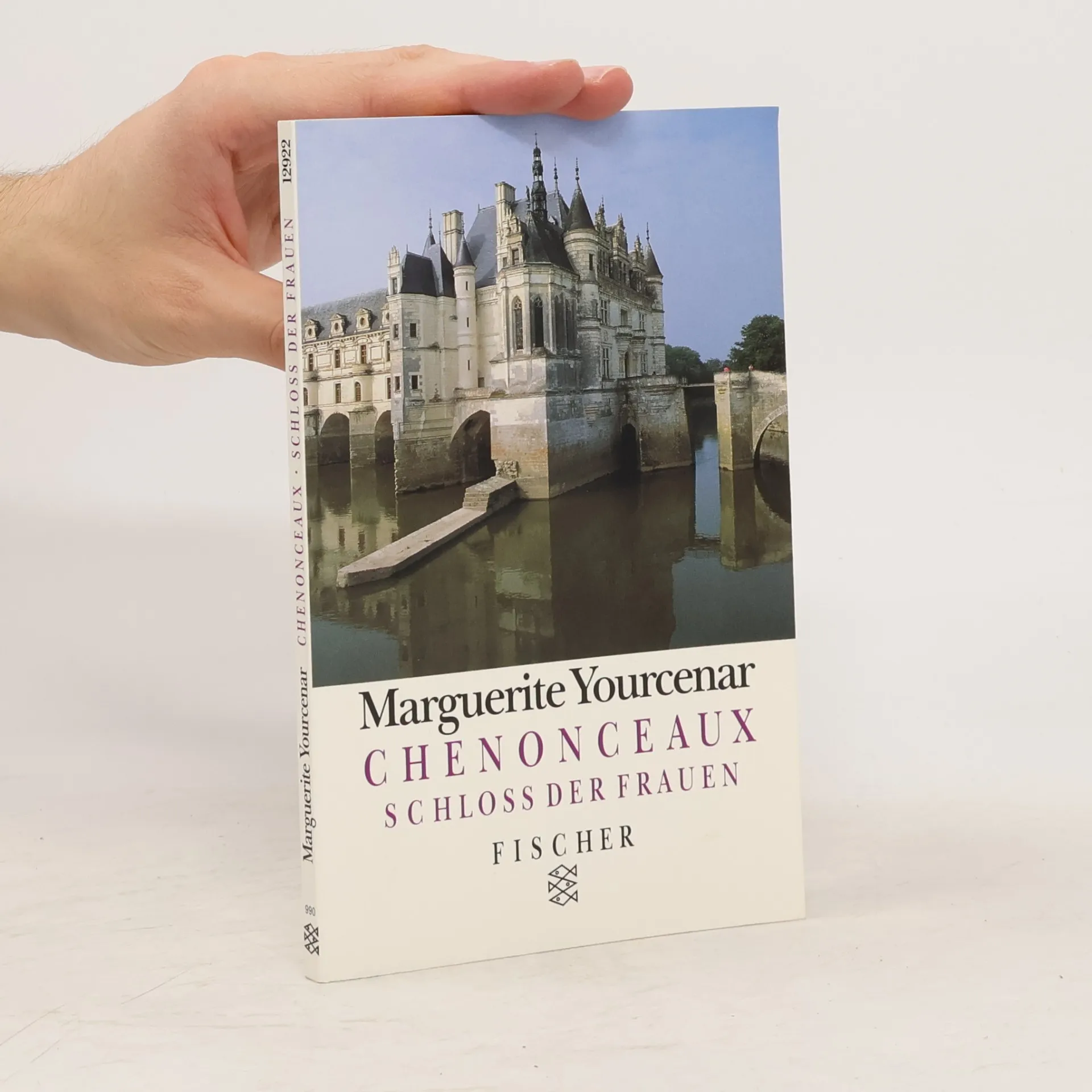
Chenonceaux, Traum eines Wasserschlosses hinter den Wäldern von Touraine. Wer je die Silhouette seiner Renaissancefassade auf der stillen Wasserfläche des Cher erblickte, hat er erahnt, welch glanzvolle, traurige und intrigante Schicksale sich hinter seinen Mauern abgespielt haben? Mit ihrem wunderbaren Gespür für die Atmosphäre vergangener Epochen erzählt Marguerite Yourcenar von den Königinnen, Witwen und Maitressen, die das berühmteste aller Loire-Schlösser ausgestattet und bewohnt haben: von der gerissenen Diane de Poitiers, Geliebte des jungen Henri II., der es ihr als Liebesnest schenkte; von der nicht weniger skrupellosen Cathérine de Medici, die der verhaßten Nebenbuhlerin Chenonceaux wieder abspenstig machte, um dort zügellose Feste, Wildschweinjagden und Feuerwerke zu inszenieren; von der zierlichen Louise de Lorraine, die es nach der Ermordung ihres Gemahls in ein Trauerhaus für diesen berüchtigten Renaissancefürsten verwandelte, obwohl er ihr nie treu gewesen war; von Gabrielle d'Estrée, der Maitresse Henris IV., die das Schloß in ihren Besitz zu bringen versucht: Das #155;Schloß der Frauen #139; zeugt vom genußvollen Leben seiner Besitzerinnen zur Zeit der Könige.
In Alexis openbaart een jonge aristocraat zijn vrouw in een brief zijn homoseksualiteit. In Het genadeschot vermoordt een Pruisische officier zijn geliefde omdat hij meer van haar broer houdt. Beide novelles gaan over de belangrijkste vragen die Yourcenar in haar boeken wilde beantwoorden: 'wat een mens dacht te zijn, wat hij heeft willen zijn en wat hij werkelijk was'.
La vie et la mort de Nathanaël, dans la Hollande du XVIIe siècle, est le sujet d'Un homme obscur. Un homme simple, presque sans culture, «levant sur le monde un regard d'autant plus clair qu'il est incapable d'orgueil». Le héros d'Une belle matinée est Lazare, le fils de Nathanaël, un enfant mêlé à une troupe de comédiens shakespeariens. À travers les brochures du théâtre élisabethain, le petit Lazare vit d'avance toute vie, «tour à tour fille et garçon, jeune homme et vieillard, enfant assassiné et brute assassine, roi et mendiant, prince vêtu de noir et bouffon bariolé du prince.» [Gallimard]
In nove racconti di prosa lirica, Marguerite Yourcenar narra dei fuochi dell'amore e delle persone che vi ardono in preda alla disperazione e all'estasi. Mezzo mito antico, mezzo presente, queste poesie d'amore sono al contempo ritratti eterni e confessioni intime di una giovane donna appassionata.
Eerste deel van de tweedelige autobiografie "'s Werelds doolhof" van de Franse schrijfster (geb. 1903). Zij geeft een boeiend verslag over haar familie en gaat daarbij ver terug in de geschiedenis. Zij weet te boeien, doordat ze alles in historisch perspectief plaatst en zo goed relativeert. De uitstekende vertaling benadert de oorspronkelijke stijl heel dicht. Een mooi werk dat dieper graaft dan zo maar een familie-geschiedenis, de serieuze lezer zeker zal boeien en een aangename kennismaking is met de Erasmusprijs-winnares (1983), die lid is van de Academie Francaise. Zie voor andere bindwijze a.i.'s deze week.
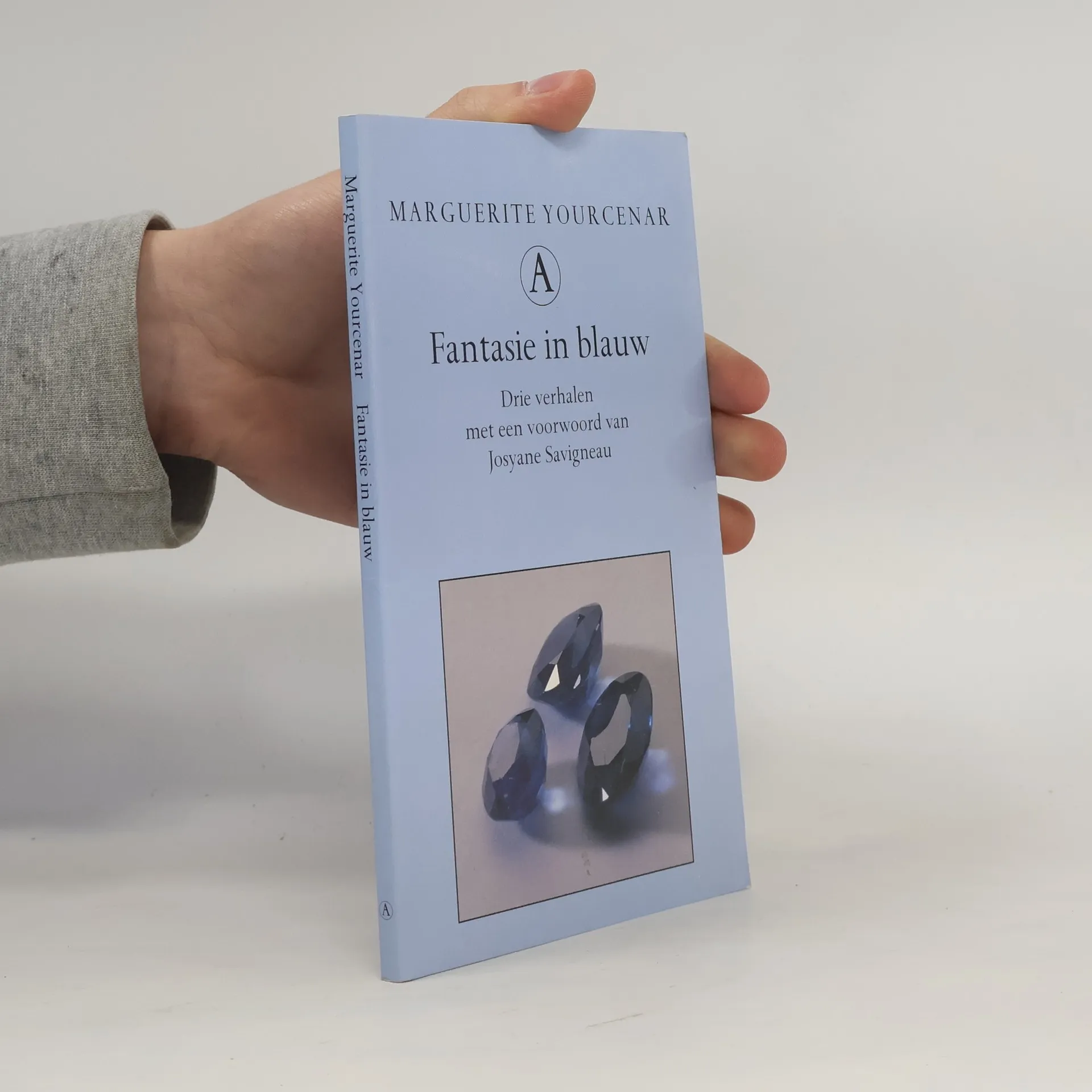
Es handelt sich um ein kurzes Märchen, das sehr geschickt komponiert ist, um den Effekt einer uralten Tradition aus der mündlichen Literatur zu erzeugen. Die Erzählung folgt einfachen Mustern – dem Verlangen nach Reichtum, der Leichtgläubigkeit der Menschen gegenüber dem Trugbild des Geldes und dem schwierigen Erwerb des Objekts, das Reichtum bringen soll (hier Saphire) – und ist durch alle notwendigen Schritte der Enteignung strukturiert: Unfälle, Schiffbrüche, Überfälle von Korsaren, Todesfälle, Irrfahrten, eine größere Armut als vor dem Erwerb des vermeintlichen Vermögens und endgültige Entbehrung. Hinzu kommen spezifische Rituale, die für Yourcenar charakteristisch sind, wie die Selbstverstümmelung. Mehr noch als die Anekdote ist es die Atmosphäre dieses Märchens, die die Nouvelles orientales vorwegnimmt.
L'auteur puise dans la Chine ancienne pour mettre en scène un personnage de peintre. Cette "nouvelle orientale" permet à l'auteure de mener une réflexion sur le rapport de la réalité et de la fiction, sur la puissance et le rôle de l'art qui peut transcender la réalité. Liste cycle 3 du Ministère.
Anna, soror... fut ecrit en quelques semaines du printemps 1925, au cours d'un séjour à Naples et immediatement au retour de celui-ci [...] Jamais invention romanesque ne fut plus immédiatement inspirée par les lieux où on la plaçait. J'ai goûte pour la premiere fois avec Anna, soror... le suprême privilège du romancier, celui de se perdre tout entier dans ses personnages, ou de se laisser posseder par eux. Durant ces quelques semaines, et tout en continuant à faire les gestes et à assumer les rapports habituels de l'existence, j'ai vecu sans cesse à l'interieur de ces deux corps et de ces deux âmes, me glissant d'Anna en Miguel et de Miguel en Anna, avec cette différence au sexe qui est, je crois, celle de tous les createurs en presence de leurs creatures. -- Marguerite Yourcenar
Questa raccolta contiene tre novelle della scrittrice francese Marguerite Yourcenar. I tre racconti sono ambientati nel XVI e XVII secolo e offrono un vivace ritratto della vita di quel periodo. La prima novella, 'Anna, soror...', esplora il tema della relazione incestuosa tra un fratello e una sorella a Napoli. 'Die ene man' narra la vita di un uomo semplice, Nathanaël, le sue peregrinazioni e le sue storie d'amore, prevalentemente ambientate nei Paesi Bassi del XVII secolo. L'ultima e più breve novella, 'Een mooie ochtend', ha come protagonista il figlio di Nathanaël, che da bambino viene portato via da un gruppo di attori itineranti di Shakespeare durante il loro tour tra le corti europee. Nella notte prima della partenza, vive in un sogno tutte le parti che interpreterà in futuro. La raccolta include un ampio dopo-parola dell'autrice, in cui racconta la genesi delle novelle, scritte e pubblicate in forme diverse durante la sua giovinezza.
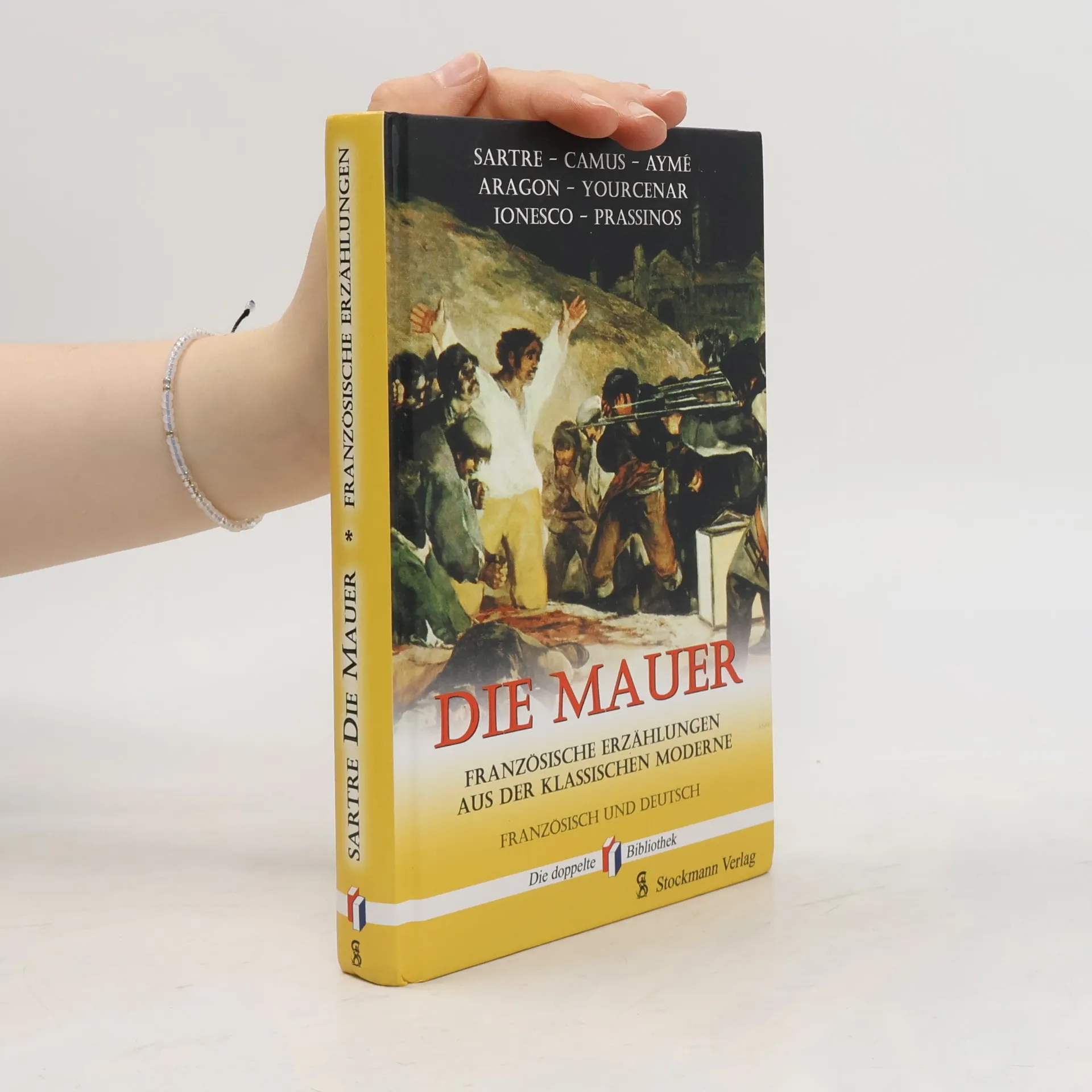
Französische Erzählungen aus der klassischen Moderne; Französisch und Deutsch
270 pages
10 hours of reading
'The Wall', the lead story in this collection, introduces three political prisoners on the night prior to their execution. Through the gaze of an impartial doctor--seemingly there for the men's solace--their mental descent is charted in exquisite, often harrowing detail. And as the morning draws inexorably closer, the men cross the psychological wall between life and death, long before the first shot rings out. This brilliant snapshot of life in anguish is the perfect introduction to a collection of stories where the neurosis of the modern world is mirrored in the lives of the people that inhabit it.
Madrid. 18 cm. 380 p. Encuadernación en tapa blanda de editorial ilustrada. Yourcenar, Marguerite 1903-1987. Traducción de Emma Calatayud. Alfaguara/bolsillo. Traducción L'oeuvre au noir .. Este libro es de segunda mano y tiene o puede tener marcas y señales de su anterior propietario. 8420427179
Oorspr. titel: Conte bleu / Le premier soir / Maléfice. Gallimard, 1993 Met een voorwoord van Josyane Savigneau op de drie verhalen, dat 18 pagina's bevat. Drie vroege verhalen van de Franse schrijfster (1903-1987).
Fiktivní paměti římského císaře napsala francouzská spisovatelka na základě historických pramenů, jako např. Hadriánovy úřední korespondence, fragmentů řečí, zpráv řeckých a římských kronikářů, a na základě psychologického vcítění do doby a jednajících postav. Kniha, která jedokumentem i románem, pravdou i výmyslem, zachycuje osudy muže, jenž se stává pánem světa, vede život mudrce zamýšlejícího se nad osudem civilizace, poznává dokonalou lásku i tragický pocit života.
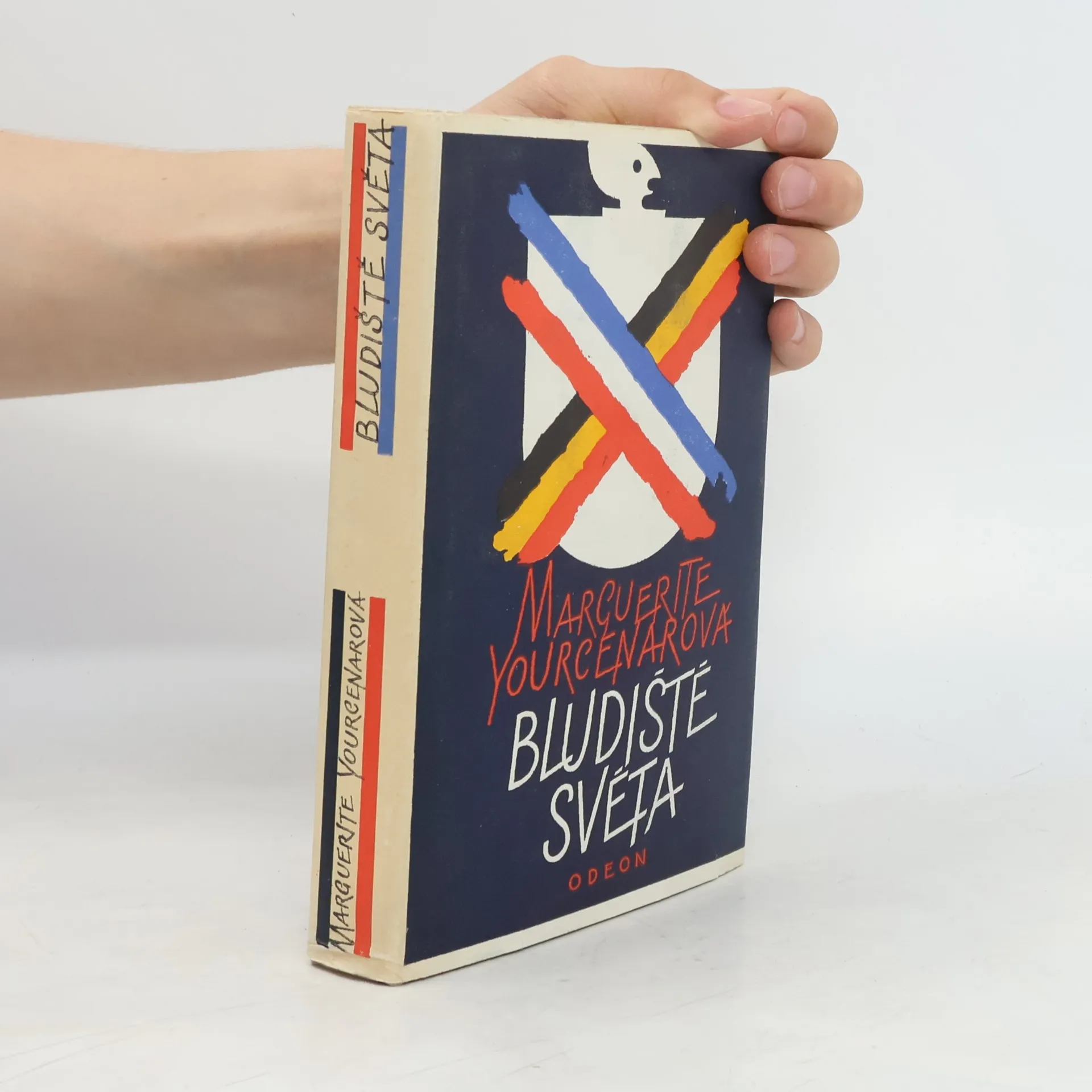
Poslední kniha francouzské spisovatelky uzavírá trilogii netradičních rodových pamětí, jejíž první dva díly vyšly česky v roce 1988 pod názvem Bludiště světa. Tento závěrečný svazek představuje pokračování životních osudů autorčina otce Michela, vzdělaného potomka starého šlechtického rodu ze severní Francie.
Sevřená novela klasické čistoty vypráví ústy jednoho z protagonistů, německého důstojníka Erica von Lhomond, komorní příběh mimoběžné lásky s tragickým vyústěním, který se odehrává v Pobaltí v letech 1919-1920 během občanské války. Neopětovaná a otevřeně deklarovaná milostná vášeň, kterou k němu chová sestra jeho nejlepšího přítele a bratra ve zbrani, stejně jako Ericovo hrdé odmítání má od samého počátku rozměry klasické tragédie, vázané jednotou místa, času a děje. Zámek Kratovice, odříznutý válečnými událostmi od světa, se tak stane dějištěm vypjatého bratrství, lásky a nenávisti, které všechny tři hrdiny příběhu bez ohledu na jejich pohlaví či politické přesvědčení spojí v jakémsi společenství intenzity citu tváří v tvář nebezpečí a strádání.
Tři historické povídky francouzské spisovatelky, které se odehrávají v 16. a 17. století, nutí k zamyšlení nad údělem a důstojností bytí jedince v nepříznivých podmínkách.
V první povídce jde o lásku bratra a sestry, která každého z nich jinak zahubí. Novela Obyčejný život je o osudu prostého člověka, který je trpělivý až netečný ke své existenci, ale je obdařen čistou duší a zdravým duchem. Odvrací se od nepravostí a umírá mladý bez nářku a údivu, tak jak žil. Třetí povídka navazuje na předchozí – chlapec se ve svých 13 letech rozhodne opustit babičku, která se o něj starala a připojí se ke společnosti anglických herců. V představách prožívá svůj osud i své divadelní role. Kniha je doplněna doslovem autorky, který odhaluje její osobnost i tvůrčí metodu.
Kniha obsahuje první dvě části autorčiny autobiografické vzpomínkové trilogie Bludiště světa – Pietní vzpomínky (1974) a Severofrancouzské archívy (1977). Doslov napsala Růžena Grebeníčková.