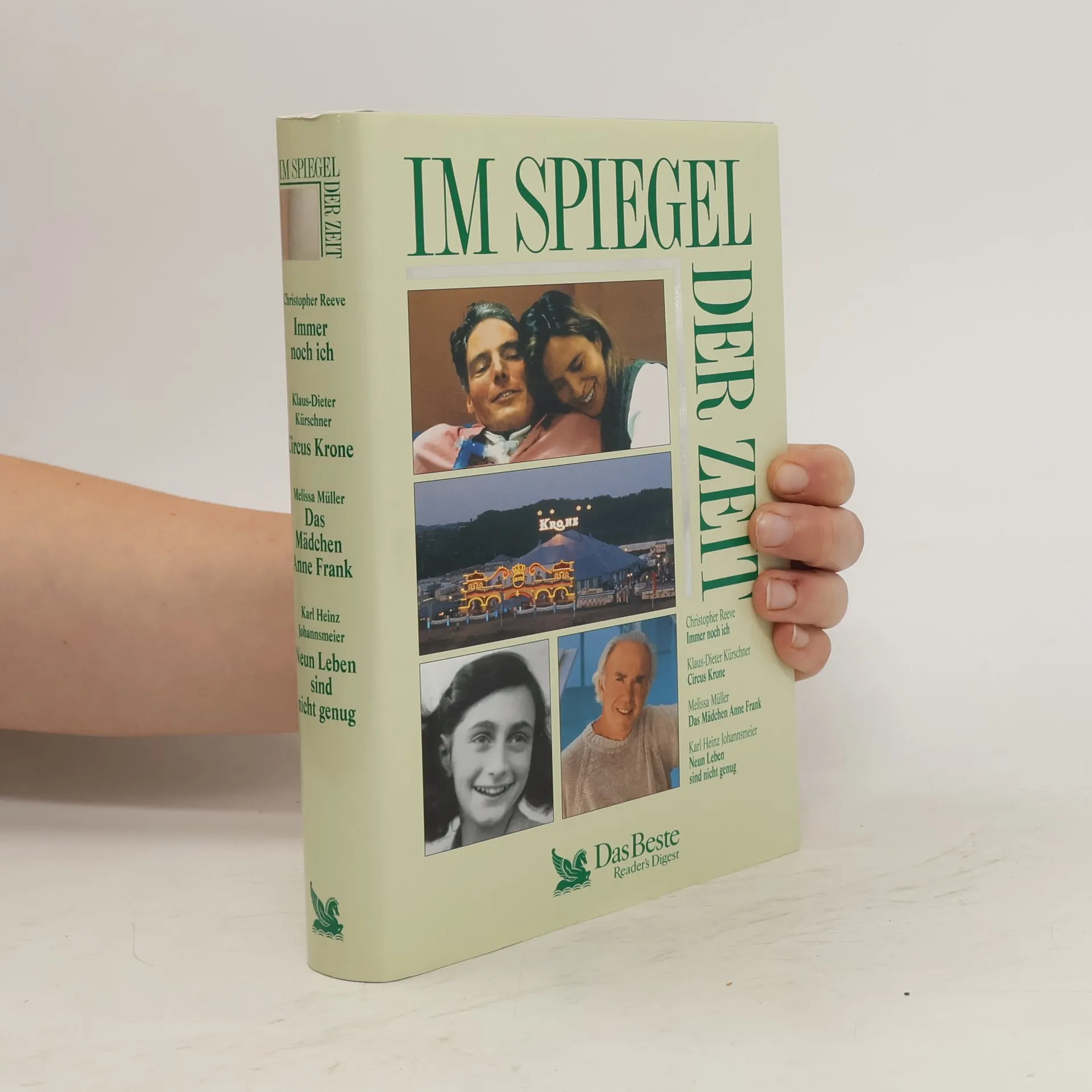
For people all over the world, Anne Frank, the vivacious, intelligent Jewish girl with a crooked smile and huge dark eyes, has become the human face of the Holocaust. Now in paperback, here is the highly acclaimed first biography of the girl whose fate touched the lives of millions. Drawing on exclusive interviews with family and friends, on previously unavailable correspondence, and on five diary pages long kept secret, Melissa Muller has created a nuanced portrait of her famous subject. This is the flesh-and-blood Anne Frank, unsentimentalized and so all the more affecting. Full of revelations, Muller's book casts new light on Anne's relations with her mother and solves an enduring who betrayed the families hiding in the annex just when liberation was at hand? An indispensable volume for all those who seek a deeper understanding of Anne Frank and the brutal times in which she lived and died.
Melissa Müller Books
Melissa Müller is an Austrian journalist and author whose work often delves into the depths of the human experience. Her writing is recognized for its keen observation and ability to uncover the complexities of everyday life. Müller explores various facets of society and the psyche, offering readers engaging and thought-provoking narratives. Her approach is deeply humanistic, focusing on understanding the motivations and inner worlds of her characters.


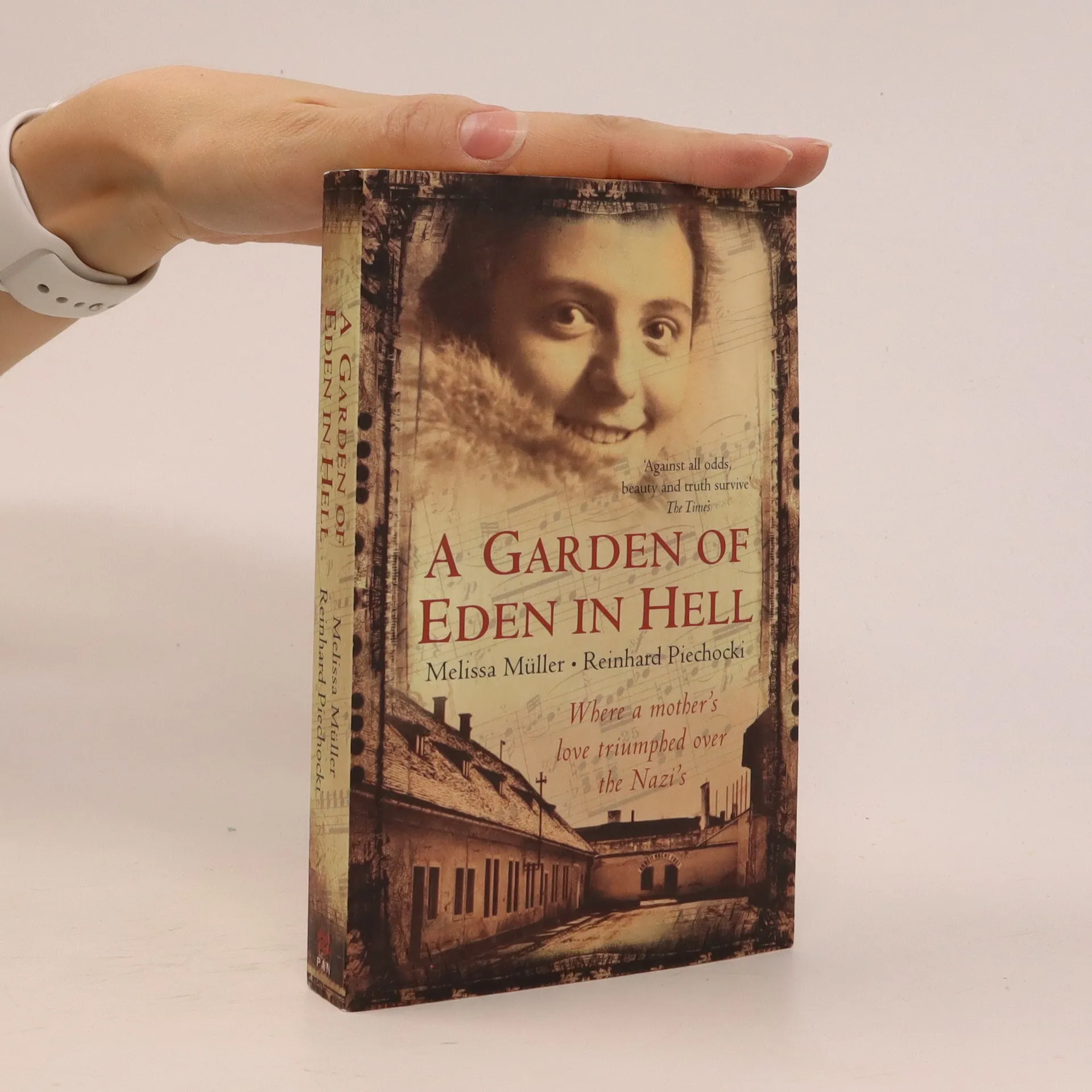
A garden of eden in hell
The life of Alice Herz-Sommer
Alice Herz-Sommer was born in 1903 in Prague—the Prague of the Hapsburgs and of Franz Kafka, a family friend. Musically very gifted, by her mid-teens Alice was one of the best-known pianists in Prague. But as the Nazis swept across Europe her comfortable, bourgeois world began to crumble around her, as anti-Jewish feeling not only intensified but was legitimized. In 1942, Alice's mother was deported. Desperately unhappy, she resolved to learn Chopin's 24 Etudes—the most technically demanding piano pieces she knew—and the complex but beautiful music saved her sanity. A year later, she, too—together with her husband and their six-year-old son—was deported to a concentration camp. But even in Theresienstadt, music was her salvation and in the course of more than 100 concerts she gave her fellow prisoners hope in a world of pain and death. This is her remarkable story, but it is also the story of a mother's struggle to create a happy childhood for her beloved only son in the midst of atrocity and barbarism. Of 15,000 children sent to the camp, Raphael was one of the 130 who survived. Today, Alice Herz-Sommer lives in London and she still plays the piano every day.
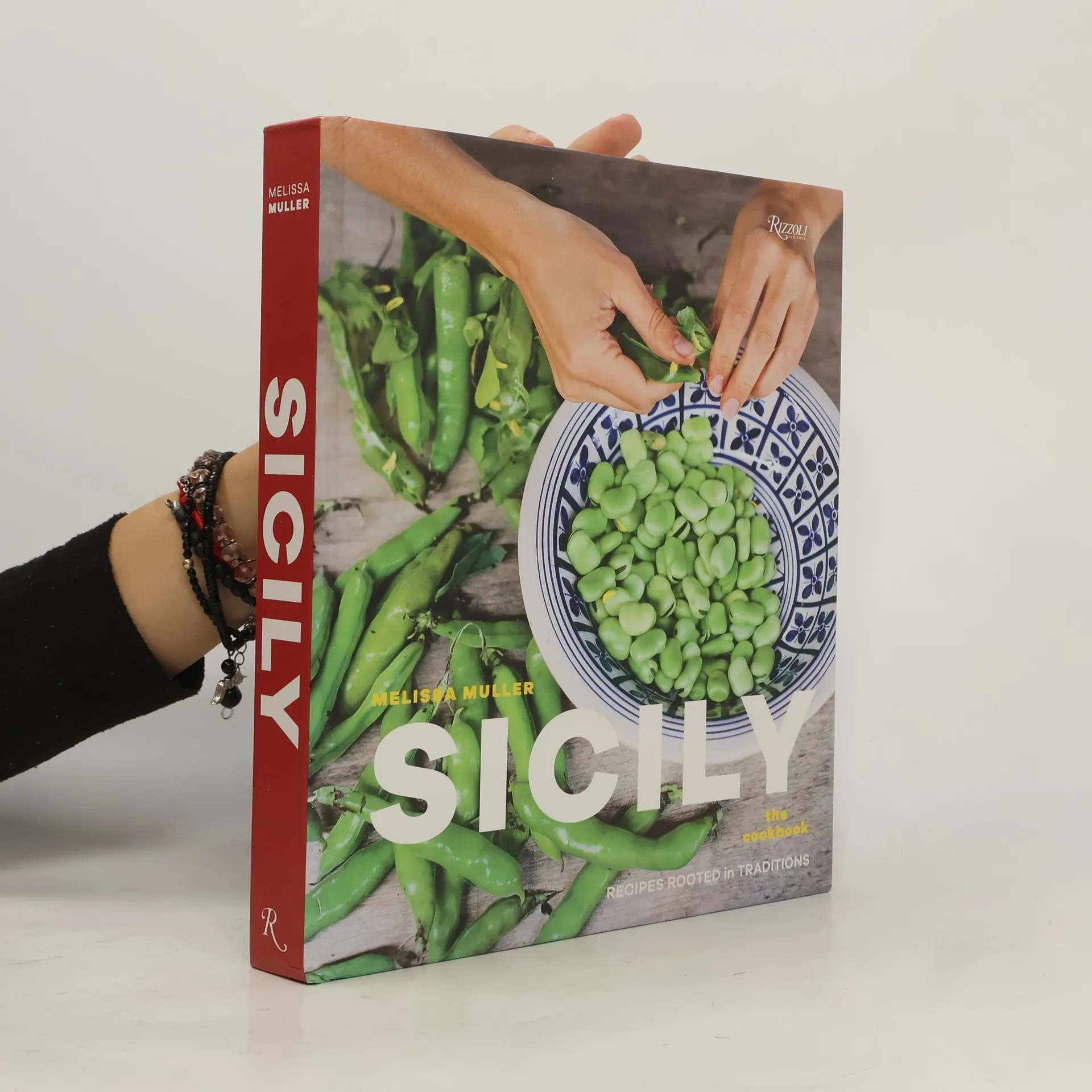
Sicily
- 336 pages
- 12 hours of reading
Melissa shares her lifelong passion for Sicilian food through a firsthand narrative filled with recipes and stunning photographs, providing an insider's perspective on this enchanting island. Her connection to the land and its heritage resonates in every paragraph and image, creating a beautiful and delicious story. This bittersweet nostalgia for Italian roots reflects the privilege of sharing such tales, and Melissa has executed it impeccably. Her work embodies the essence of Sicilian food, wine, history, and culture, allowing readers, cooks, and diners to experience her ardor and wisdom. The book is a definitive blend of culinary brilliance, family lore, and narrative writing, heralding a new generation akin to M.F.K. Fisher or Alice Waters. Sicily stands as a center of fusion cuisine, where traditional Italian recipes are enhanced with Mediterranean flair. Melissa channels her summers spent with grandparents on the island into accessible recipes for antipasti, fish, meat, and desserts, making it feel like learning family recipes in a cherished kitchen. Additionally, her text offers practical tips for sourcing great produce and attending local festivals for those planning a visit.
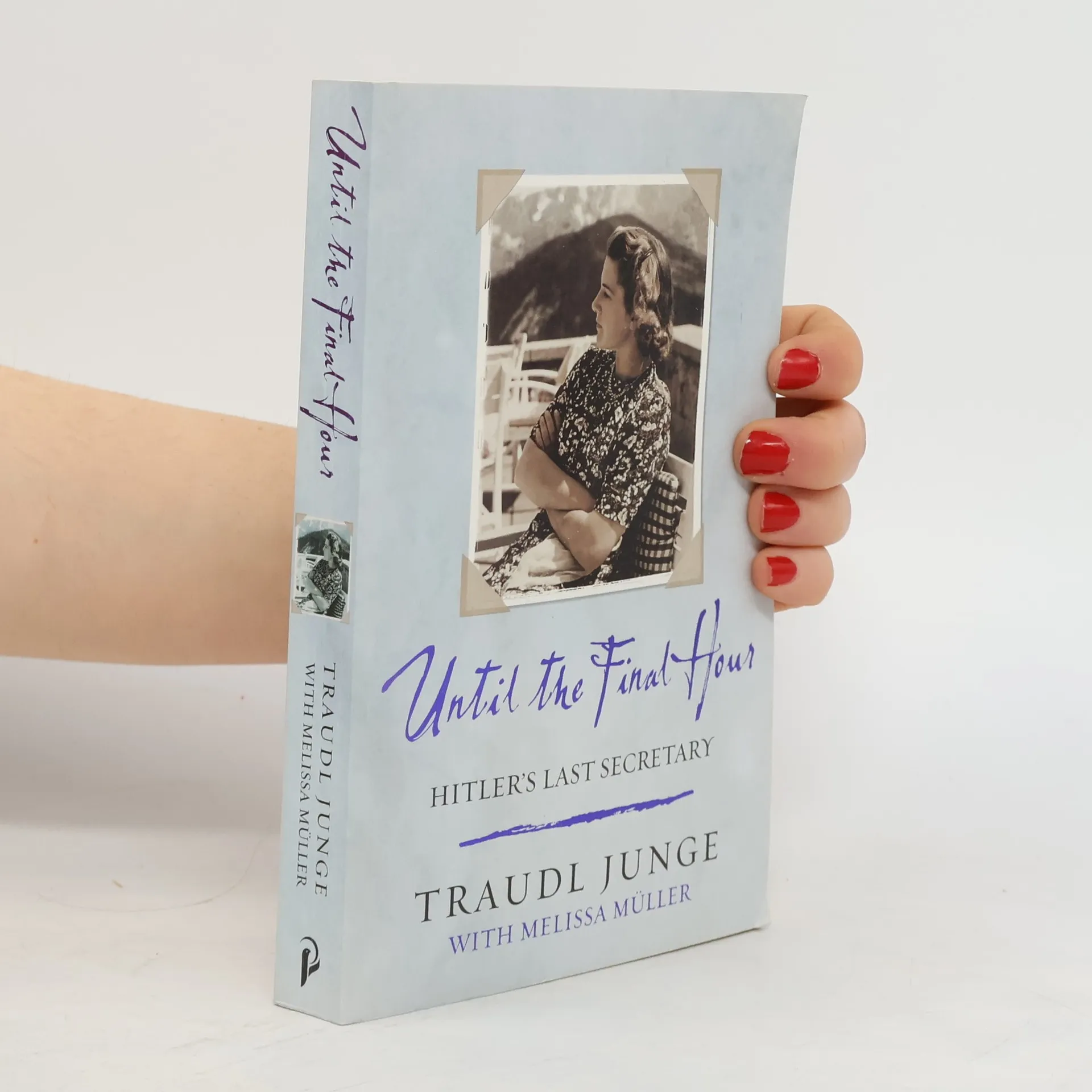
Until the Final Hour
- 320 pages
- 12 hours of reading
'To have such an uncomplicated, unaffected witness present at some of the key defining moments of the 20th century was fortunate for historians. Frau Junge's book has sold 100,000 copies in Germany and it is easy to see why: her testimony rings absolutely true, when other politically motivated accounts of the last days of Hitler do not' Andrew Roberts, Evening StandardTraudl Junge was 22 years old and dreamt of a career as a ballerina, until the 'opportunity of her life' beckoned and she was appointed as Adolf Hitler's secretary. From 1942 until his death she was at his side in the bunker, typing his correspondence, his speeches and even his last private and political will and testament.It was only after the war that the horrible reality of Hitler's regime began to dawn on her, and she became racked with guilt for 'liking the greatest criminal ever to have lived.' Her journal, written in 1947, is a startling eyewitness account of Hitler's court during its final years, and of the building sense of doom as the war progressed.
Vom blauen Dunst
- 63 pages
- 3 hours of reading
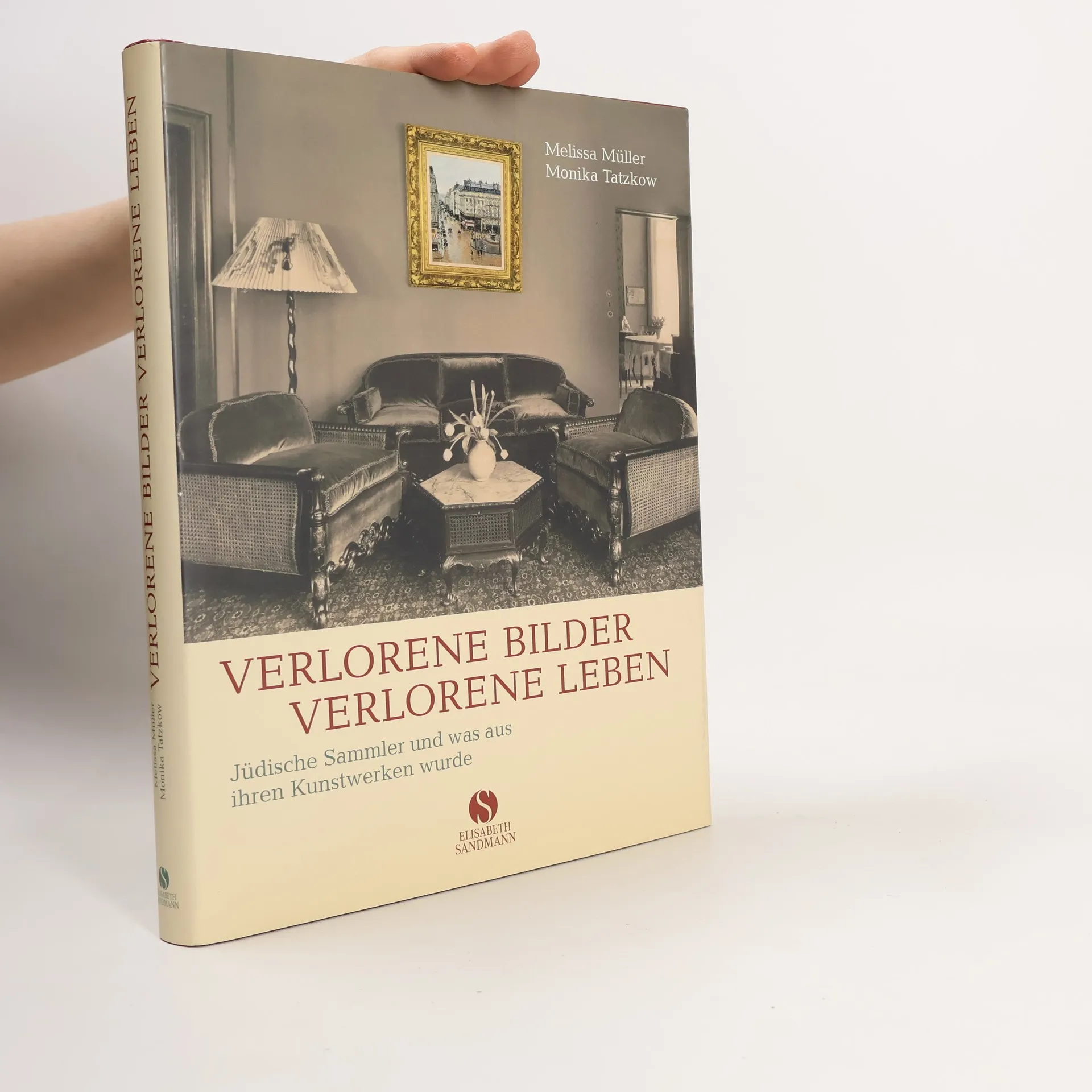
Verlorene Bilder, Verlorene Leben. Jüdische Sammler und was aus ihren Kunstwerken wurde
- 249 pages
- 9 hours of reading
Im größten Kunstraub aller Zeiten enteignete das Naziregime etwa 600 000 Kunstwerke aus jüdischem Besitz. Sie wurden gestohlen, beschlagnahmt, eingezogen, zwangsverkauft oder versteigert. Seit 1945 bemühen sich Geschädigte und Erben meist mit mäßigem Erfolg um die Rückgabe ihrer 'verlorenen Bilder', der oft letzten physisch greifbaren Erinnerungen an die in der NS-Zeit 'verlorenen Leben'. Während die Medien häufig nur über die heute zu erzielenden Kaufpreise der Bilder berichten, erzählt dieses Buch von den Menschen hinter den einstigen Sammlungen und gibt tiefe Einblicke in die Problematik der Kunstrestitution. Das Buch stellt die Biografien vor von: LILLY und CLAUDE CASSIRER, Berlin PAUL WESTHEIM, Berlin ALFRED, TEKLA und HANS HESS, Erfurt LEO BENDEL, Berlin ELEONORA und FRANCESCO VON MENDELSSOHN, Berlin WALTER WESTFELD, Düsseldorf SOPHIE LISSITZKY-KÜPPERS, Hannover/München MAX SILBERBERG, Breslau MAX STEINTHAL, Berlin OSCAR HULDSCHINSKY und ANN SOMMER, Berlin ADELE und FERDINAND BLOCH-BAUER, Wien KARL GRÜNWALD, Wien ALMA MAHLER-WERFEL, Wien ALPHONSE MAYER und LOUIS NATHANIEL DE ROTHSCHILD, Wien JACQUES GOUDSTIKKER, Amsterdam
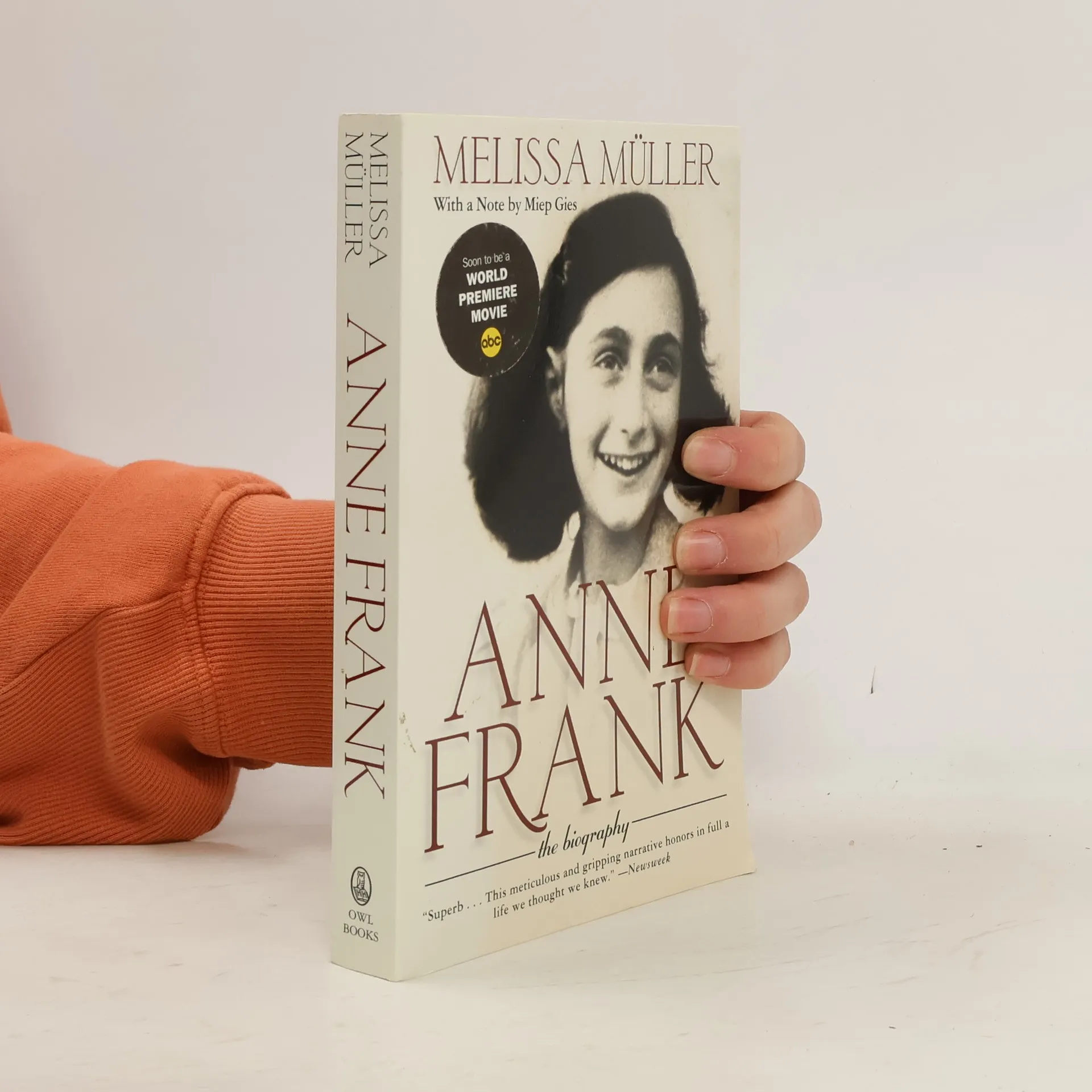
Anne Frank a biografia
- 143 pages
- 6 hours of reading
«O diário de Anne Frank, escrito entre 1942 e 1944, num anexo secreto em Amesterdão, é um eterno testemunho de coragem, esperança e vontade viver - e o mais lido dos documentos sobre o Holocausto. Esta biografia não pretende substituí-lo, antes acrescentá-lo. Procurei uma visão mais ampla, objetiva, seguindo pistas, recusando contentar-me com meias respostas, em busca para pessoa para lá da lenda, conhecendo em detalhe a vida de Anne e de todos sobre os quais escreveu. Quis reunir o maior número de fragmentos deste mosaico e criar uma imagem, o mais autêntica possível, de Annelies Marie Frank, cujo nome invoca humanidade, tolerância e direitos humanos.» Melissa Müller
Die Gottbegnadeten. Hitlers auserwählte Künstler
- 400 pages
- 14 hours of reading
Melissa Müller untersucht die Liste der "Gottbegnadeten", auf der von den Nazis als unersetzliche Künstler eingestufte Persönlichkeiten wie Hans Albers und Leni Riefenstahl stehen. Sie beleuchtet deren Leben, Verstrickungen und das Verhalten von Mitläufern sowie von wenigen, die dem Regime widerstanden, und stützt sich auf zahlreiche Quellen.
Lust aufs Zweitbuch
- 63 pages
- 3 hours of reading
Kreta
- 104 pages
- 4 hours of reading
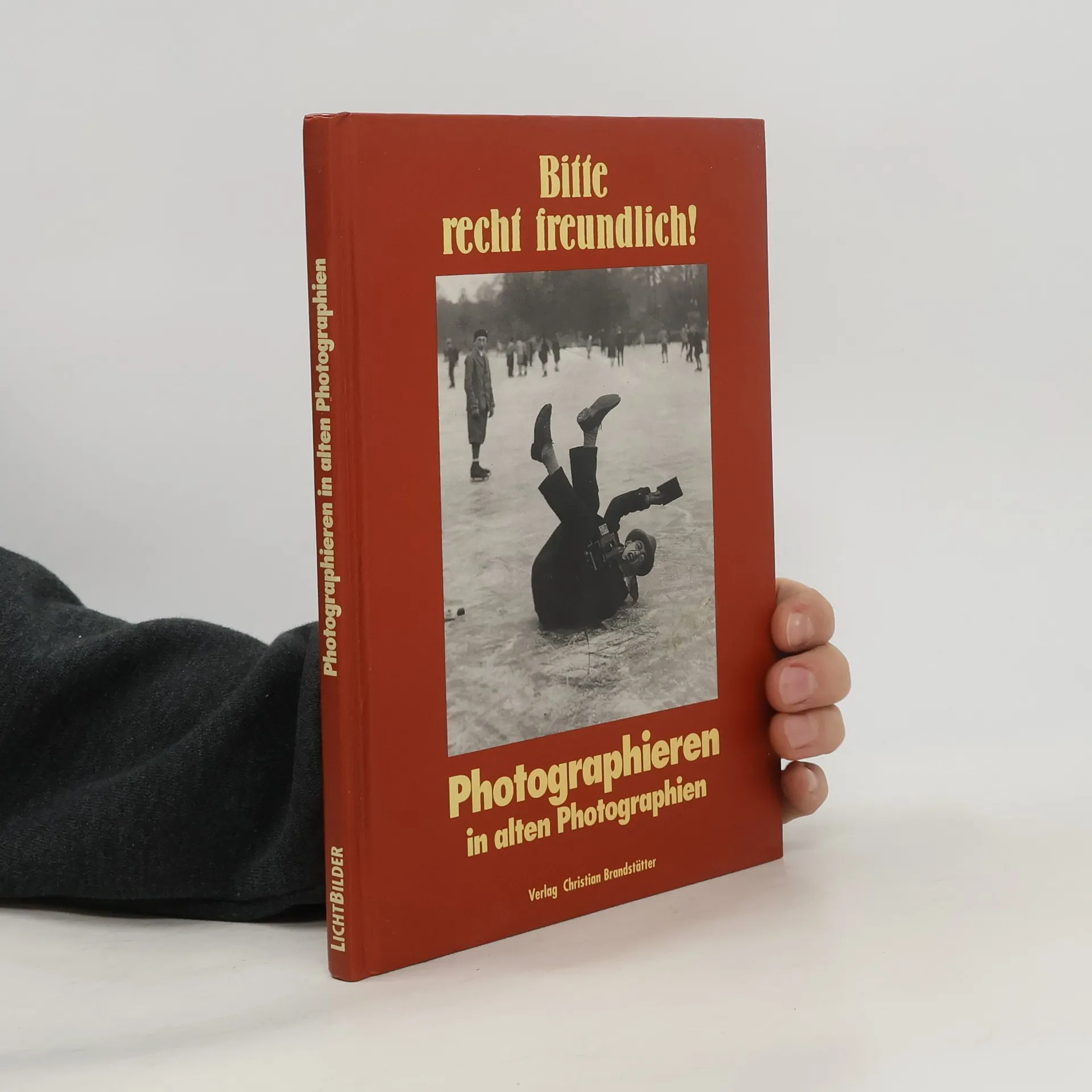
Bitte recht freundlich!
- 63 pages
- 3 hours of reading
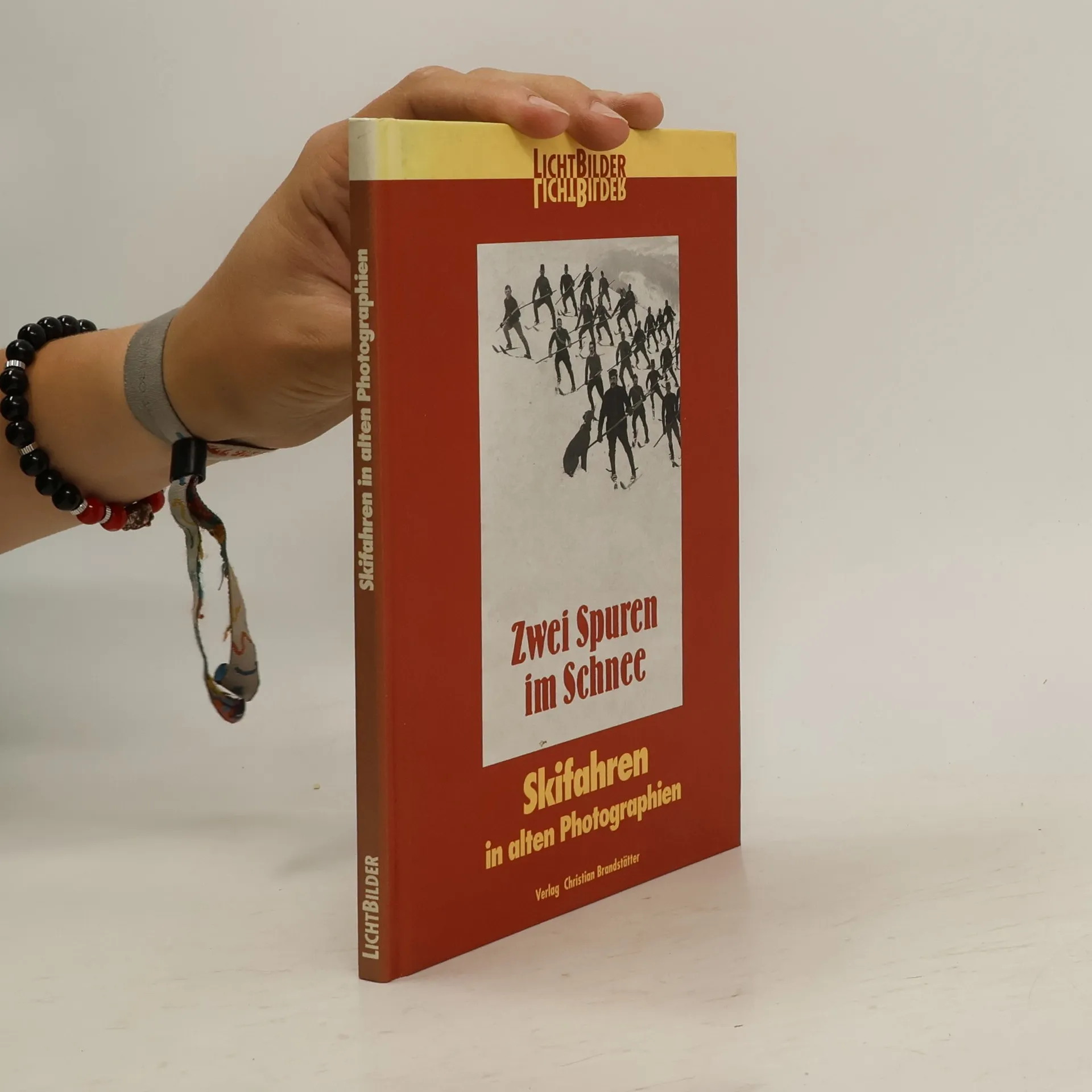
Zwei Spuren im Schnee
- 64 pages
- 3 hours of reading
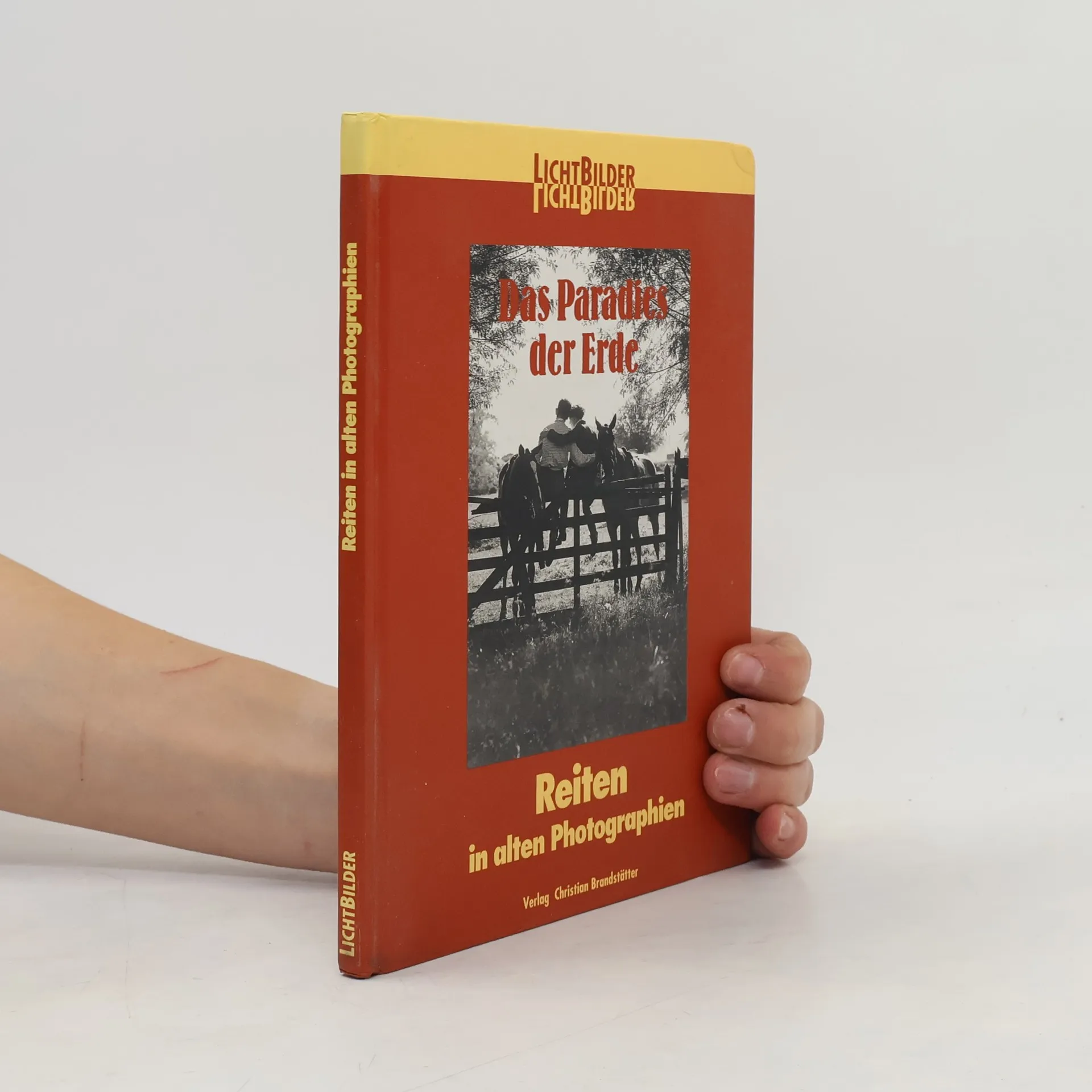
Das Paradies der Erde
- 63 pages
- 3 hours of reading
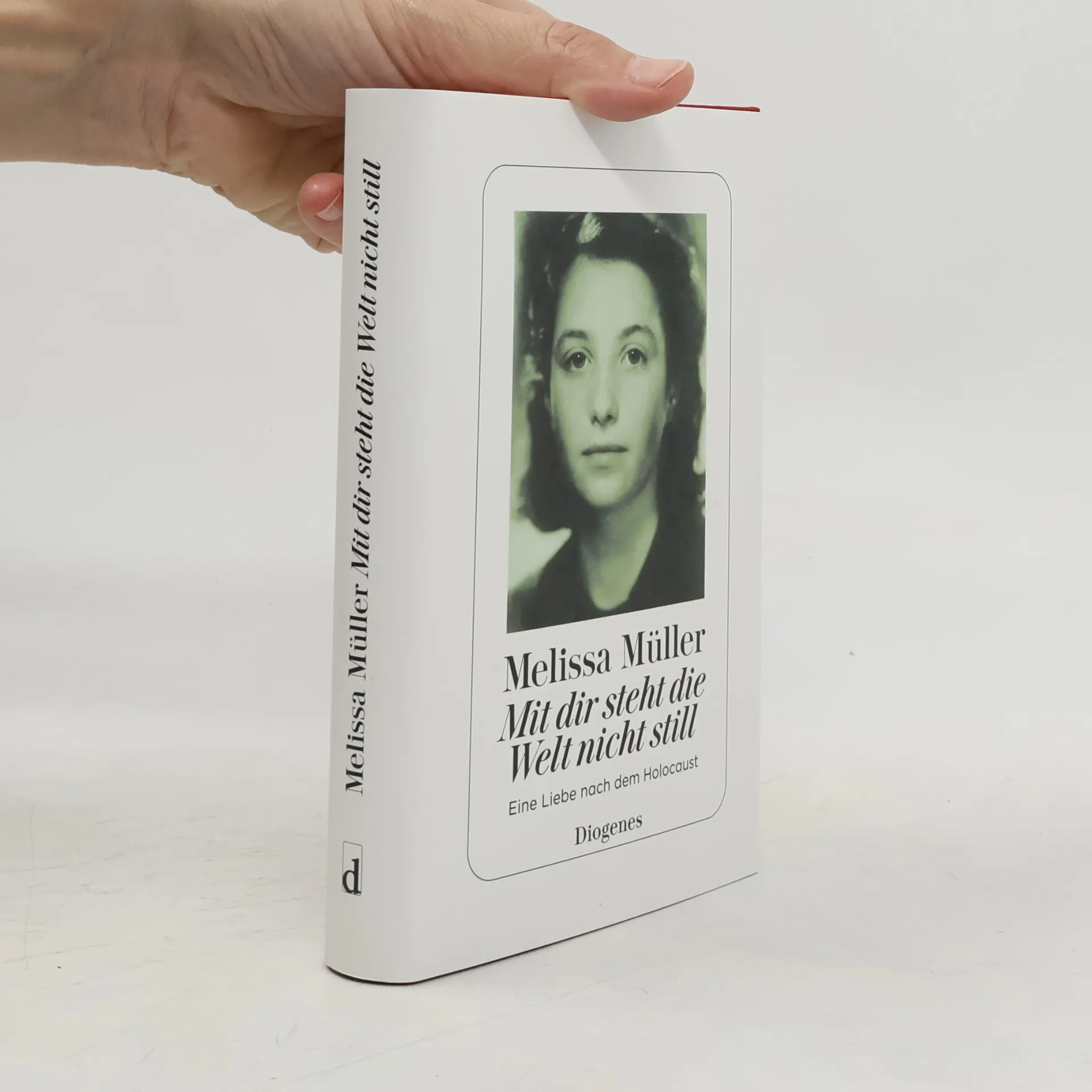
London, 1951. Für Nanette ist es eine Zufallsbegegnung, für John ist es Liebe auf den ersten Blick. Doch John steht kurz vor seiner Auswanderung nach Brasilien. Ginge es nach ihm, würde er seinen Plan ändern, aber Nanette, die mit Anne Frank befreundet war und als Einzige ihrer Familie Bergen-Belsen überlebt hat, fürchtet sich vor dem Glück. Als sie einander Brief um Brief schreiben, gesteht sie sich langsam ein, dass sie mit ihm zurück ins Leben finden kann. Ein Buch über die rettende Kraft der Liebe.