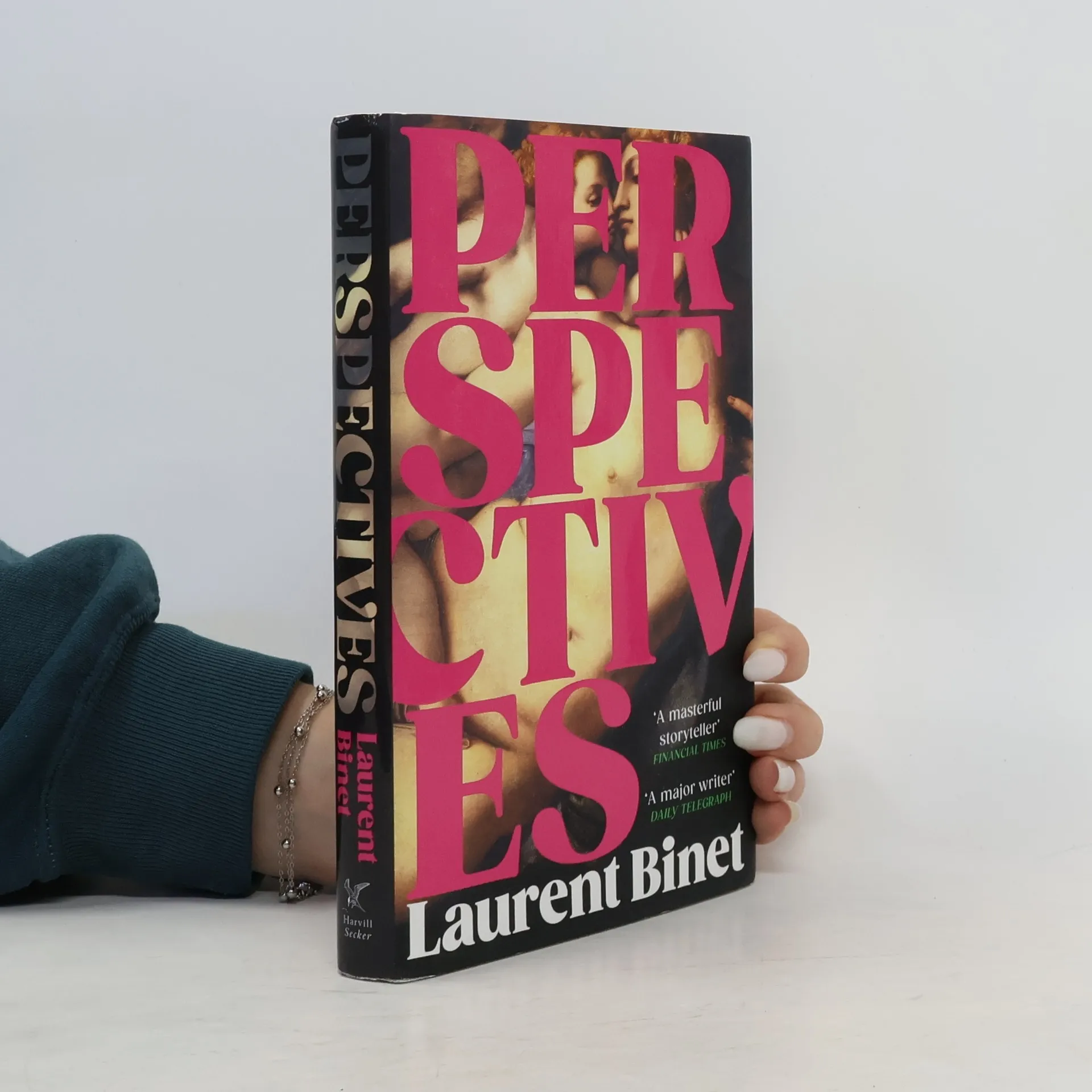
Perspectives: A bold and funny Renaissance thriller from the bestselling author of HHhH
- 272 pages
- 10 hours of reading


Laurent Binet's work is characterized by a keen analysis of history and its impact on human destinies. His writings often explore the intricate relationship between reality and fiction, focusing on how historical events are shaped and interpreted. Binet's approach is deeply literary, emphasizing precise language and narrative structure. His prose offers readers not only engaging stories but also profound reflections on the nature of memory and storytelling.

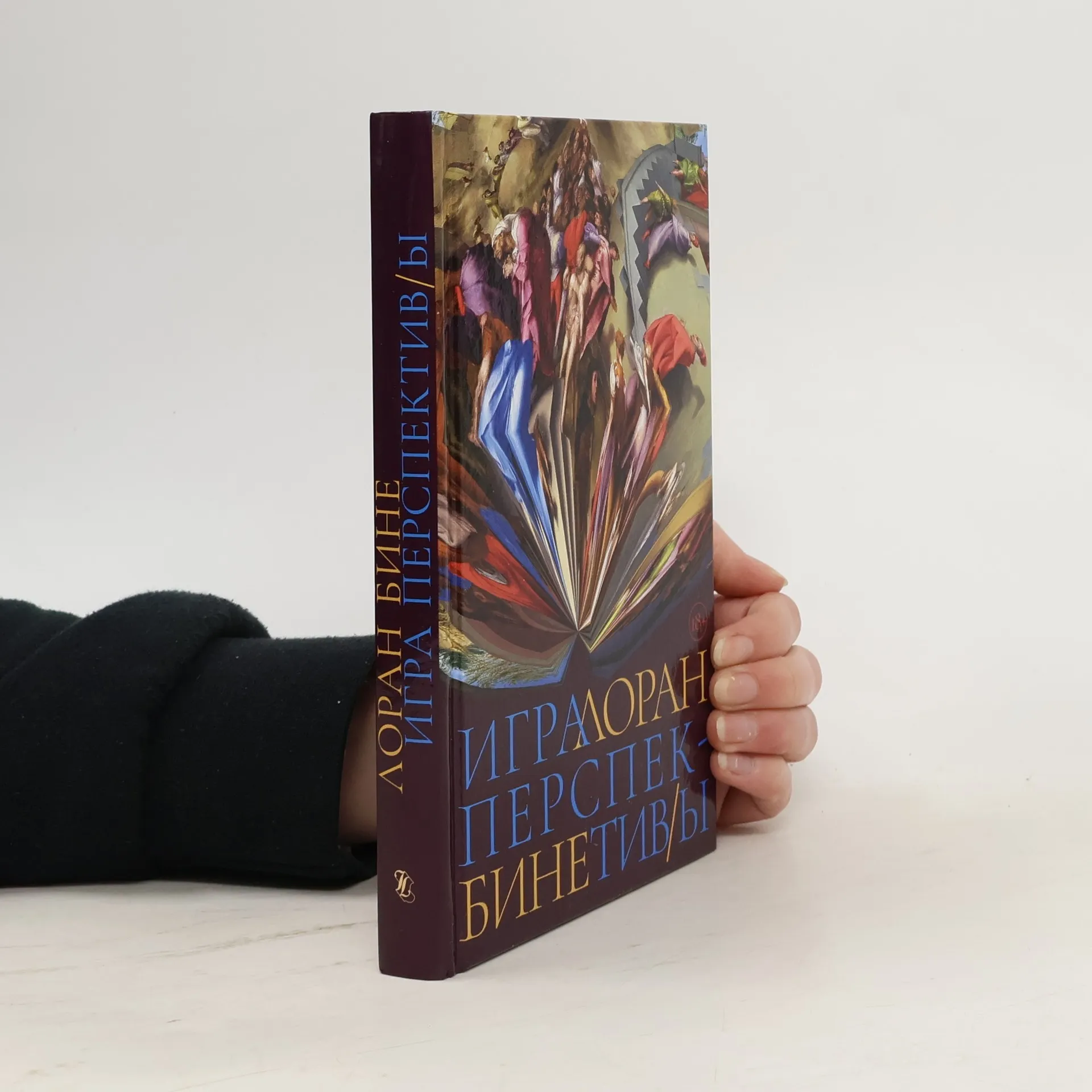

«Игра перспектив/ы» — захватывающий исторический роман в письмах.Середина XVI в., Позднее Возрождение. Во Флоренции, колыбели Ренессанса, убит живописец-маньерист Якопо Понтормо. За расследование преступления берется Джорджо Вазари, художник, историк и доверенное лицо герцога Флорентийского Козимо I. Между тем в доме Понтормо находят непристойную картину, на которой изображена дочь герцога — юная Мария Медичи, и это грозит грандиозным скандалом правящему семейству. Действие романа происходит на фоне слома эпох: воспевание человеческого духа и природы сменяется эстетическим и идейным консерватизмом. Политические интриги, инквизиция, заговоры — в этой неспокойной атмосфере персонажи Бине пишут увлекательный, проникновенный и порой ироничный рассказ о власти, творчестве и любви.
Set in Florence during the early morning of New Year's Day 1557, the story unfolds with the shocking discovery of a painter murdered in a church. As the investigation begins, the narrative delves into the intrigue of Renaissance art, the complexities of human relationships, and the dark secrets that lie beneath the surface of a vibrant city. The unfolding mystery reveals the interplay between creativity and jealousy, painting a vivid picture of the era's cultural landscape.
An ambitious and highly entertaining novel of revisionist history from the author of the international bestseller HHhH, Laurent Binet’s Civilizations is nothing less than a strangely believable counterfactual history of the modern world, fizzing with ideas about colonization, empire building, and the eternal human quest for domination. It is an electrifying novel by one of Europe’s most exciting writers. C. 1000 CE: Erik the Red’s daughter heads south from Greenland 1492: Columbus does not discover America 1531: The Incas invade Europe Freydis is the leader of a band of Viking warriors who get as far as Panama. Nobody knows what became of them . . . Five hundred years later, Christopher Columbus is sailing for the Americas, dreaming of gold and conquest. Even after he is captured by the Taínos, his faith in his superiority and his mission is unshaken. Thirty-nine years after that, Atahualpa, the last Inca emperor, arrives in Europe. What does he find? The Spanish Inquisition, the Reformation, capitalism, the miracle of the printing press, endless warmongering between the ruling monarchies, and constant threat from the Turks. But most of all, downtrodden populations ready for revolution. Fortunately, he has a recent guidebook to acquiring power—Machiavelli’s The Prince. It turns out he is very good at it. So, the stage is set for a Europe ruled by Incas and for a great war that will change history forever.
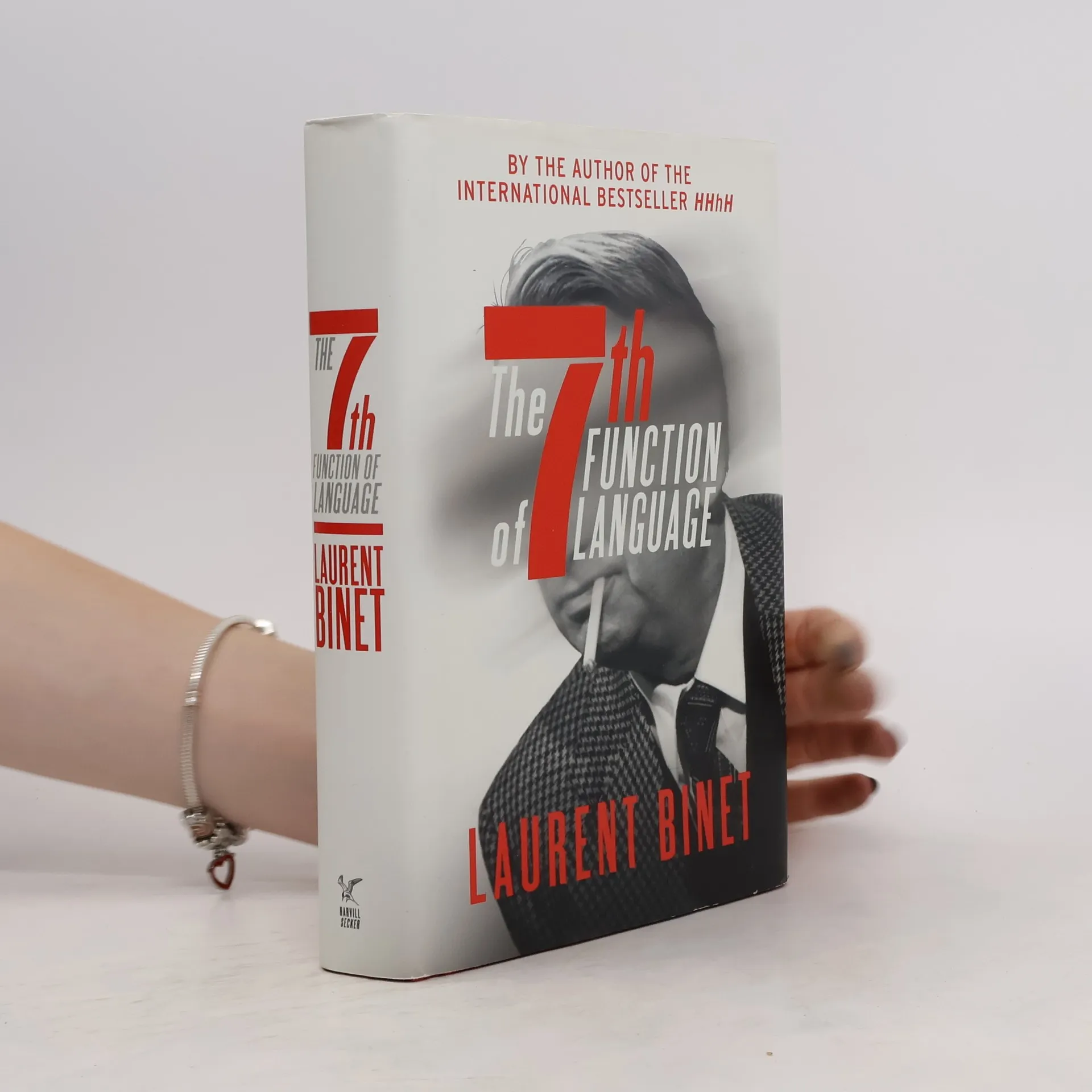
'One of the funniest, most riotously inventive and enjoyable novels you'll read this year' - Observer`The most outrageously entertaining novel of the year... A joy' - Philip HensherRoland Barthes is knocked down in a Paris street by a laundry van.
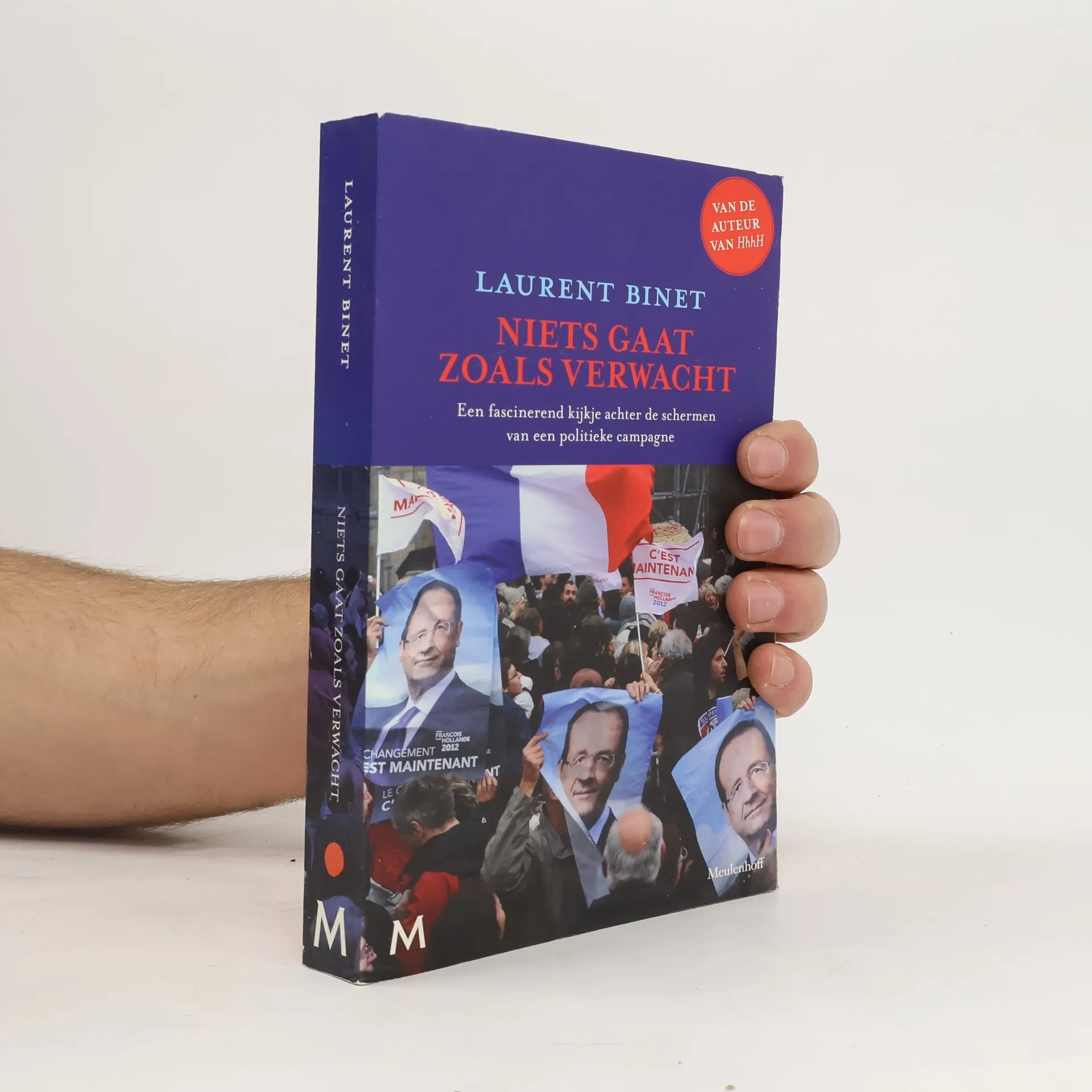
Hoeveel uren van speech schrijven, vergaderen, lobbyen, peilingen volgen en nagelbijten gaan er in een verkiezingscampagne zitten? Hoeveel fotoshoots, interviews, debatten en signeersessies? Laurent Binet legt genadeloos het verborgen mechanisme achter een presidentscampagne bloot. Net als in HhhH kiest hij voor een subjectief gezichtspunt, en neemt hij zijn onmogelijke wens om onafhankelijk en objectief te blijven onder de loep. Want je kunt nog zo van plan zijn om niet te veel betrokken te raken, het gaat niet altijd zoals verwacht...
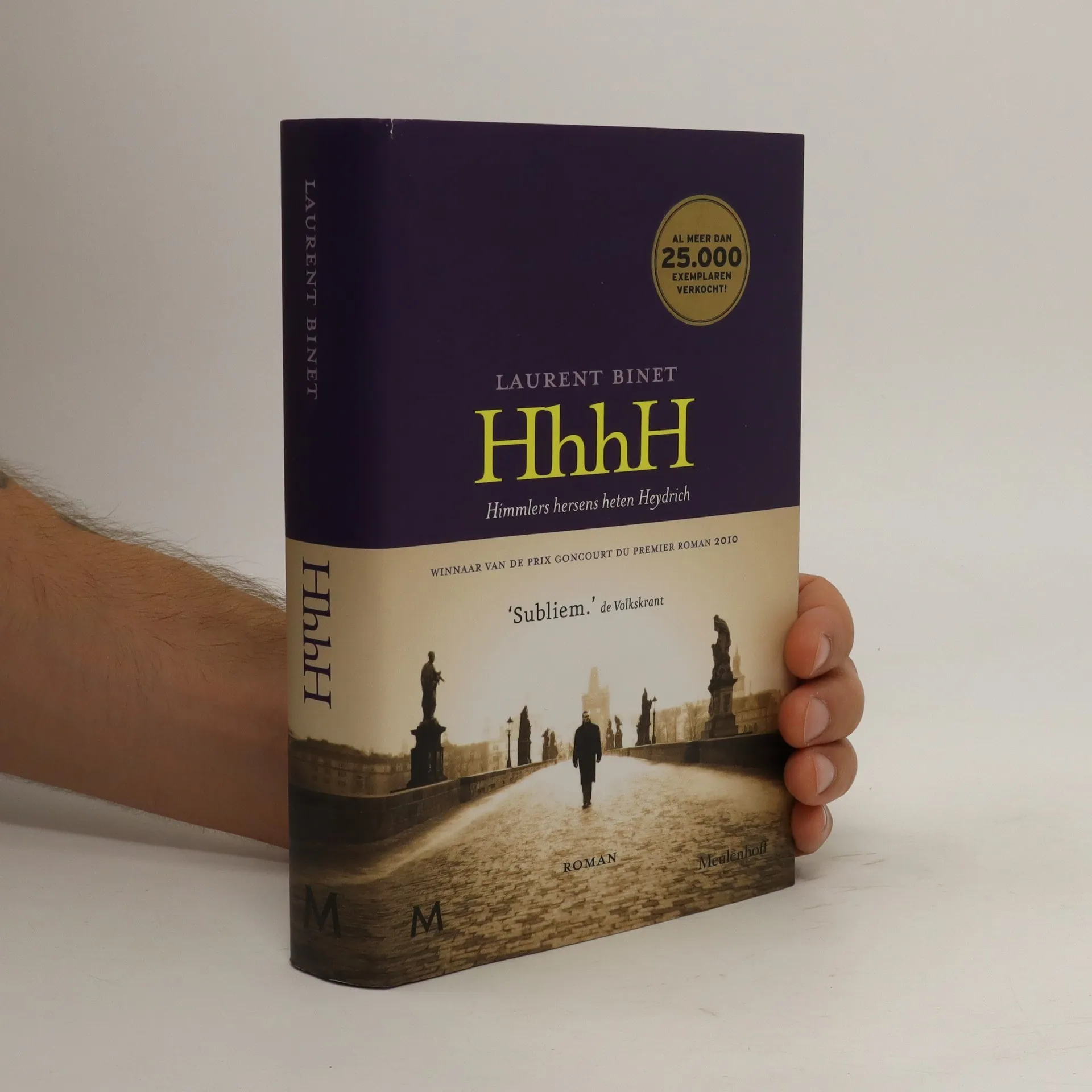
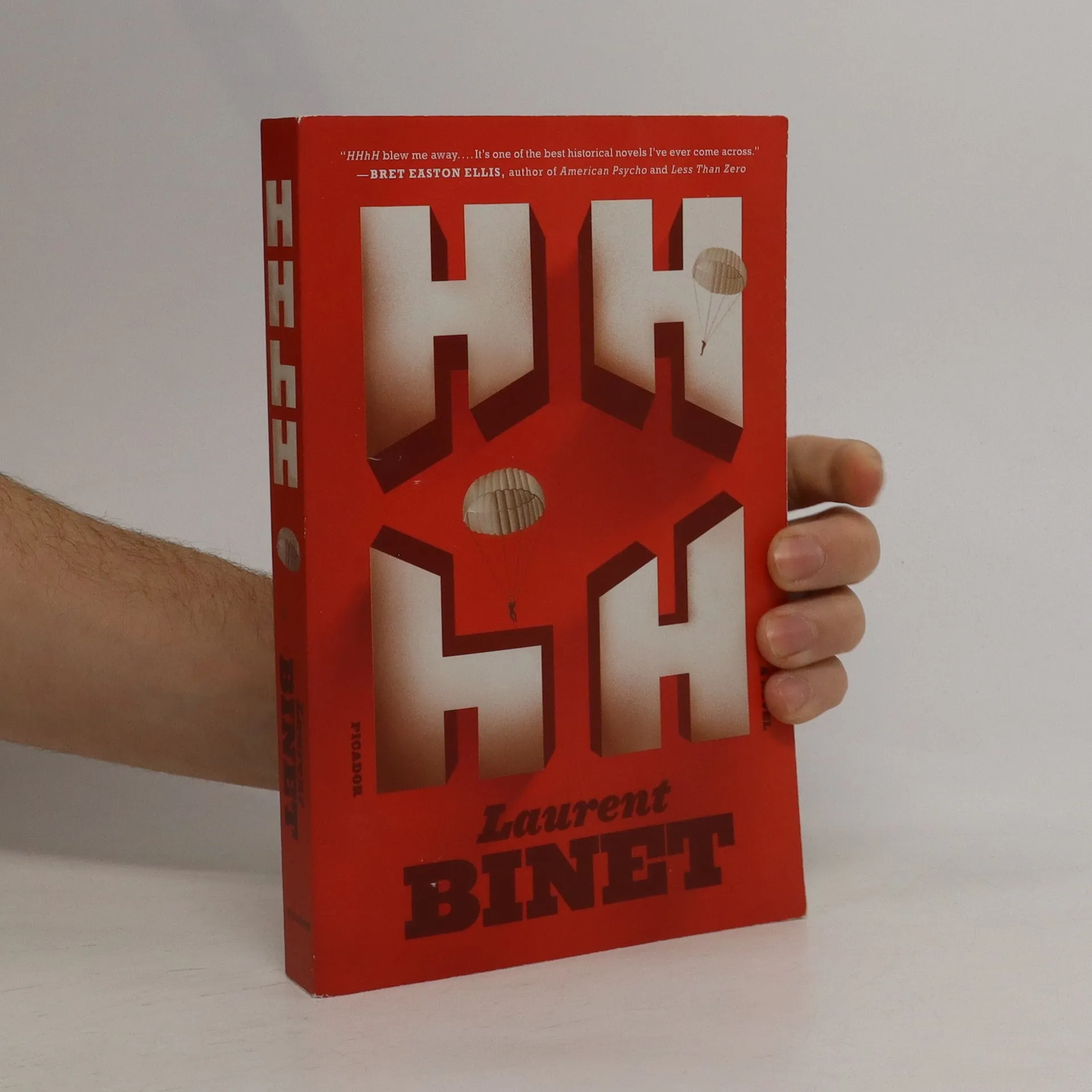
“Captivating . . . [HHhH] has a vitality very different from that of most historical fiction.” —James Wood, The New Yorker The basis for the major motion picture, "The Man with the Iron Heart " available on streaming and home video. HHhH: "Himmlers Hirn heisst Heydrich," or "Himmler's brain is called Heydrich." The most lethal man in Hitler's cabinet, Reinhard Heydrich seemed indestructible—until two exiled operatives, a Slovak and a Czech, killed him and changed the course of history. In Laurent Binet's mesmerizing debut, we follow Jozef Gabcík and Jan Kubiš from their dramatic escape from Nazi-occupied Czechoslovakia to their fatal attack on Heydrich and their own brutal deaths in the basement of a Prague church. A seamless blend of memory, actuality, and Binet's own remarkable imagination, HHhH is at once thrilling and intellectually engrossing—a fast-paced novel of the Second World War that is also a profound meditation on the debt we owe to history. A Finalist for the National Book Critics Circle Award for Fiction A Financial Times Best Book of the Year A New York Times Book Review Editors' Choice