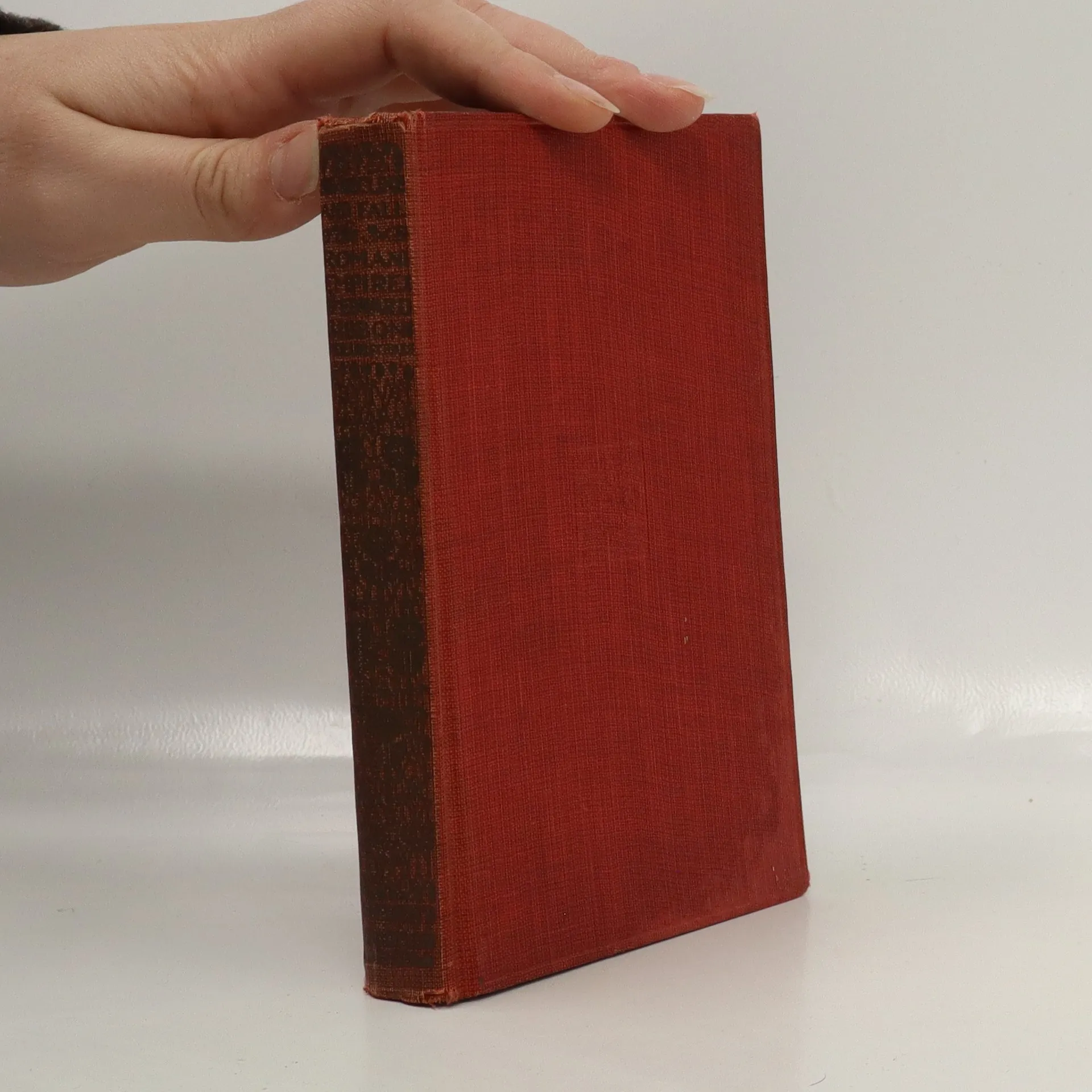

The TREDITION CLASSICS series aims to revive public domain literature by making it accessible in printed format globally. Driven by a passion for literature, the series collaborates with various non-profit projects, ensuring that timeless works are preserved. A portion of the proceeds from each sale supports these initiatives, allowing readers to contribute to the preservation of significant literary works while enjoying classic literature.
Edward Gibbon Books
Edward Gibbon was an English historian celebrated for his monumental work, "The History of the Decline and Fall of the Roman Empire." This extensive opus, published across several volumes, is lauded for its sophisticated and ironic prose, meticulous use of primary sources, and its bold critique of organized religion. Gibbon's capacity to dissect past events with a timeless perspective and his distinctive style solidify his status as a pivotal figure in historiography, whose influence on literary and historical scholarship endures.


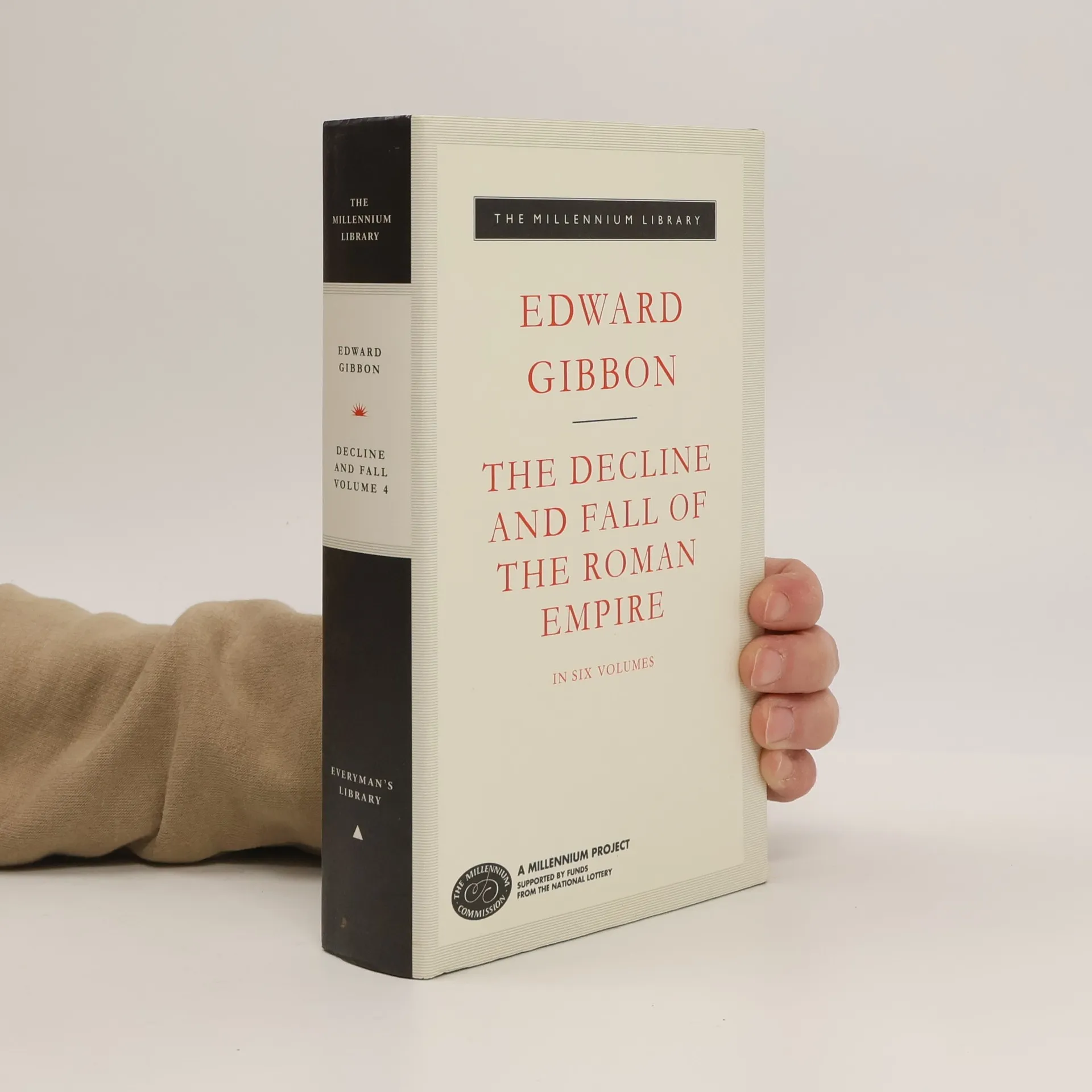
The History of the Decline and Fall of the Roman Empire: 4
- 612 pages
- 22 hours of reading
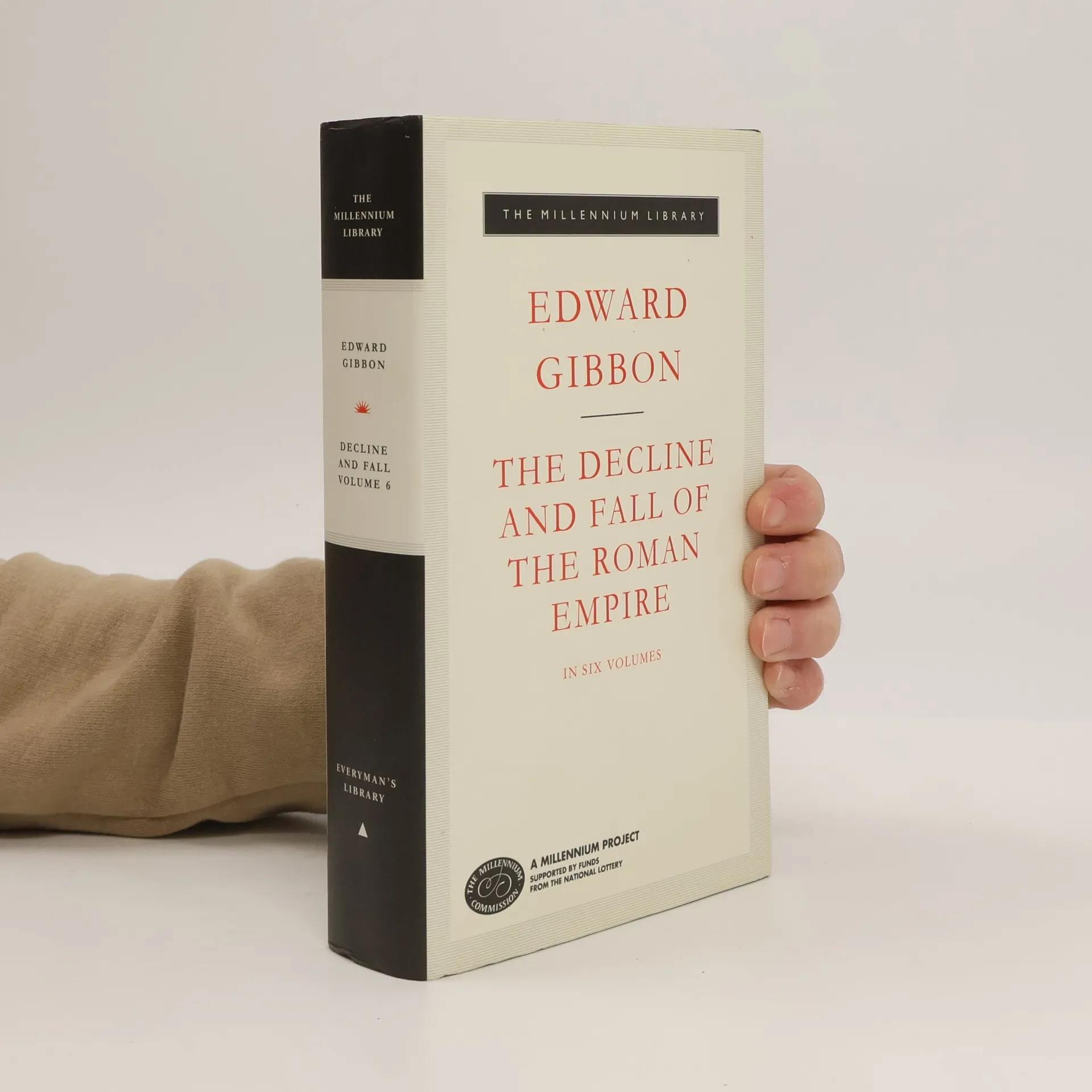
The History of the Decline and Fall of the Roman Empire; Volume 6
- 536 pages
- 19 hours of reading
This monumental work of history is an indispensable resource for anyone interested in the Roman Empire and its legacy. Gibbon's analysis of the factors that led to Rome's decline and fall is still widely read and debated today, and his prose style is a model of clarity and elegance.
History of the decline and fall of the Roman Empire Vol.- 1
- 586 pages
- 21 hours of reading
Focusing on the decline of the Roman Empire, this six-volume work analyzes the period from the late 2nd century AD to the fall of Constantinople in 1453. Gibbon employs Enlightenment principles, emphasizing reason and critical analysis to explore the empire's collapse due to political corruption, military overreach, and economic issues, alongside the emergence of Christianity. The narrative also delves into the interactions among diverse cultures within the empire, including the impact of barbarian invasions and the Byzantine legacy.
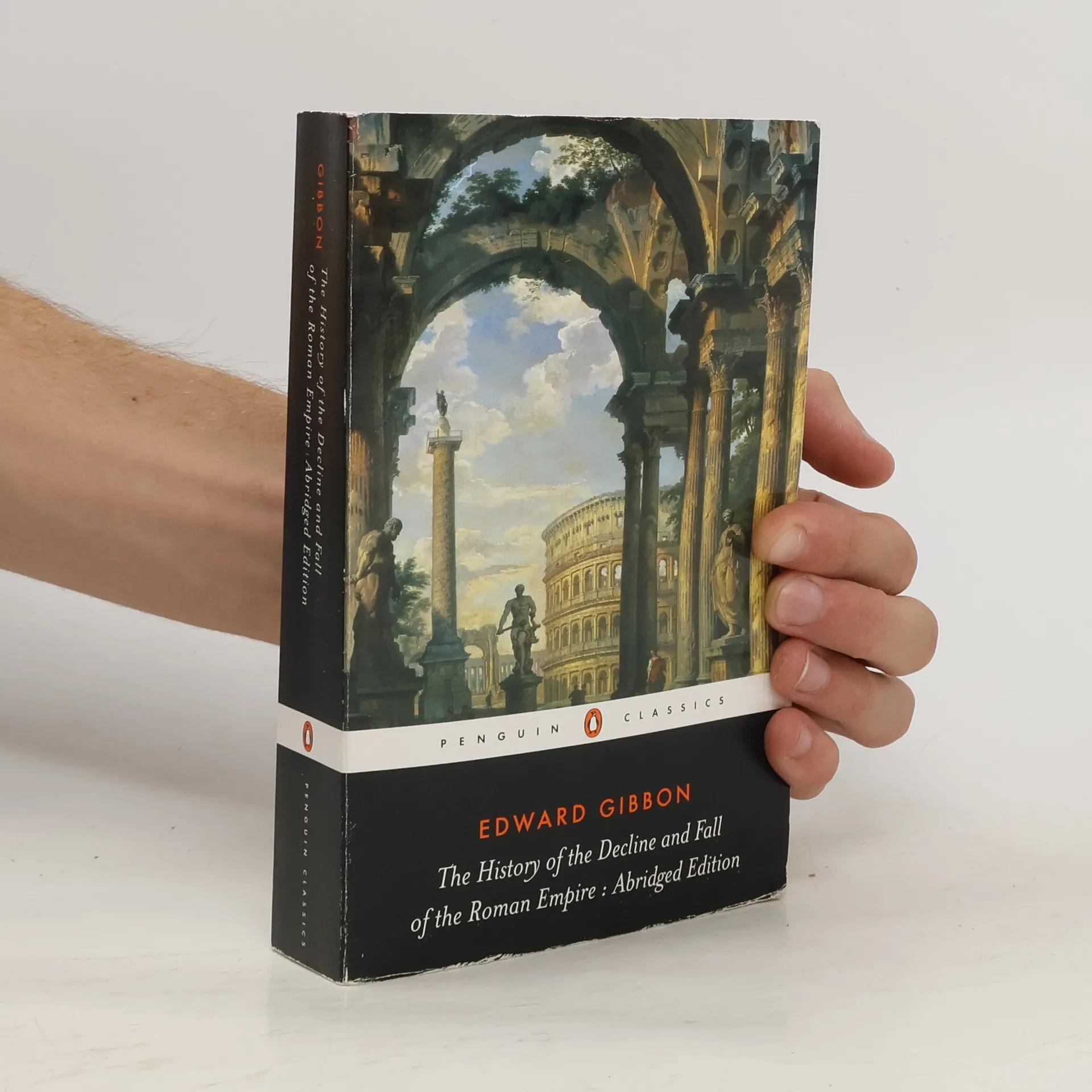
Spanning thirteen centuries from the age of Trajan to the taking of Constantinople by the Turks, DECLINE & FALL is one of the greatest narratives in European Literature. David Womersley's masterly selection and bridging commentary enables the readerto acquire a general sense of the progress and argument of the whole work and displays the full variety of Gibbon's achievement.
Memoirs of My Life and Writings
- 116 pages
- 5 hours of reading
The memoirs delve into Edward Gibbon's intellectual journey as a prominent figure of the Enlightenment, highlighting his contributions to history, philosophy, and literature. Gibbon reflects on the vibrant intellectual climate of his time, particularly regarding the Roman Empire and Europe. His writings reveal not only personal anecdotes but also a broader understanding of Enlightenment thought, offering insights into the era's philosophy and its impact on his scholarly work. This autobiography serves as both a personal narrative and a testament to Gibbon's lasting legacy.
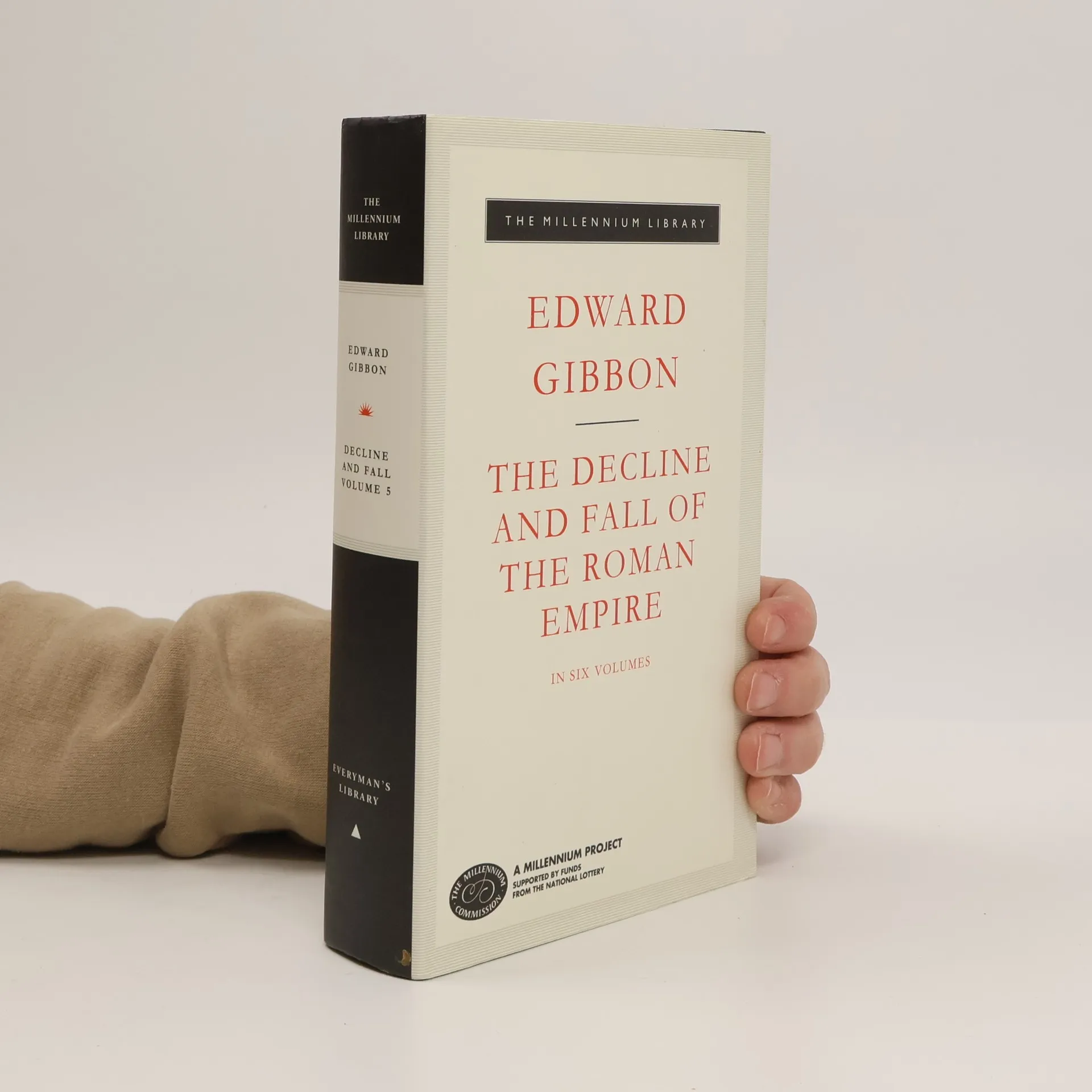
The History of the Decline and Fall of the Roman Empire; Volume 5
- 500 pages
- 18 hours of reading
Published between 1776 and 1788, this text is acknowledged as a masterpiece of English historical writing. Covering the history of Europe from the 2nd-century AD, to the fall of Constantinople in 1453, this edition includes footnotes, explanatory comments, and a precis of the chapters not included.
The Christians and the Fall of Rome
- 96 pages
- 4 hours of reading
Throughout history, some books have changed the world. They have transformed the way we see ourselves - and each other. They have inspired debate, dissent, war and revolution. This title brings you the works of the great thinkers, pioneers, radicals and visionaries whose ideas shook civilization, and helped make us who we are.
Gibbon's Decline and Fall of the Roman Empire
- 256 pages
- 9 hours of reading
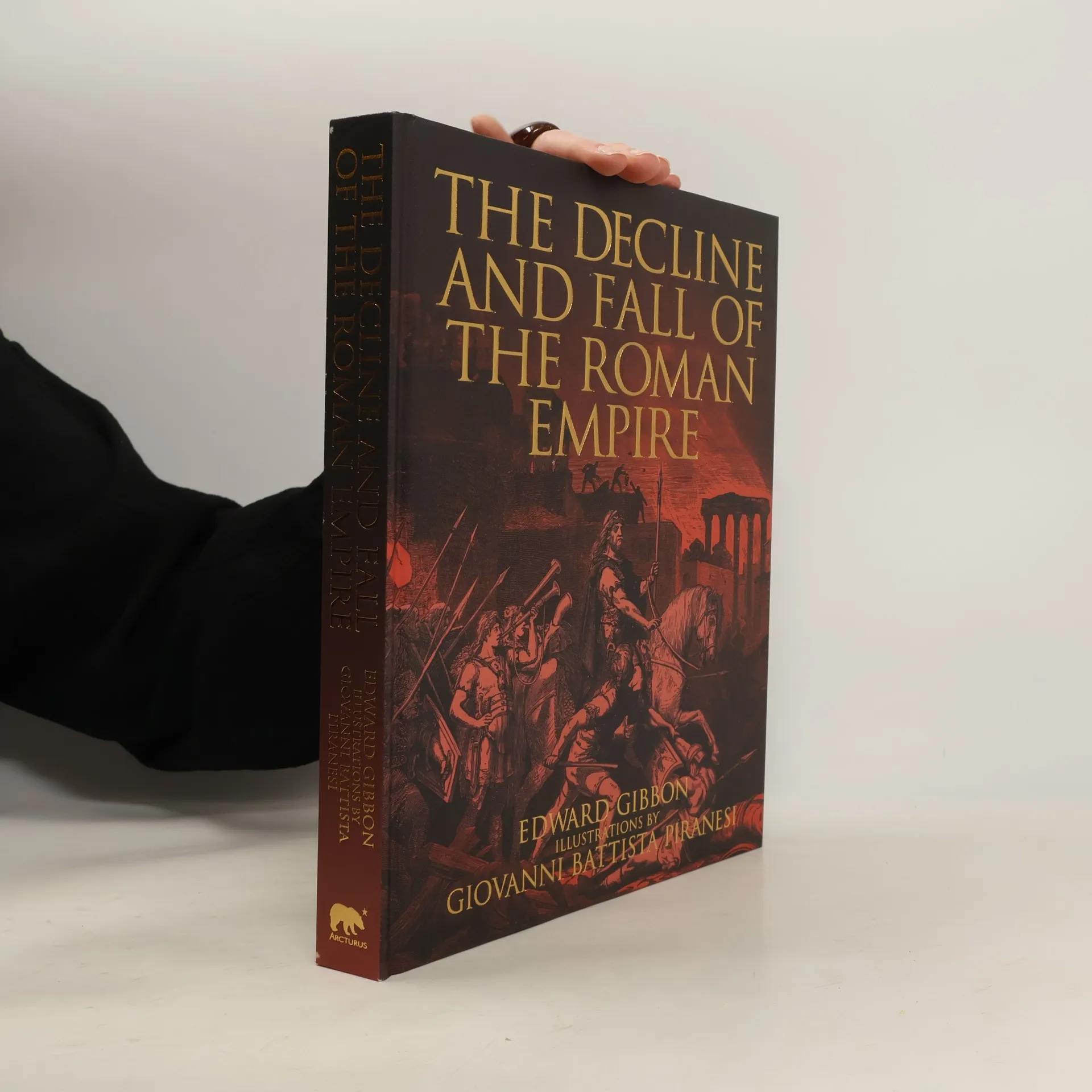
Edited, abridged, and with a critical Foreword by Hans-Friedrich MuellerIntroduction by Daniel J. BoorstinIllustrations by Giovanni Battista PiranesiEdward Gibbon’s masterpiece, which narrates the history of the Roman Empire from the second century A.D. to its collapse in the west in the fifth century and in the east in the fifteenth century, is widely considered the greatest work of history ever written. This abridgment retains the full scope of the original, but in a breadth comparable to a novel. Casual readers now have access to the full sweep of Gibbon’s narrative, while instructors and students have a volume that can be read in a single term. This unique edition emphasizes elements ignored in all other abridgments—in particular the role of religion in the empire and the rise of Islam.From the Trade Paperback edition.