

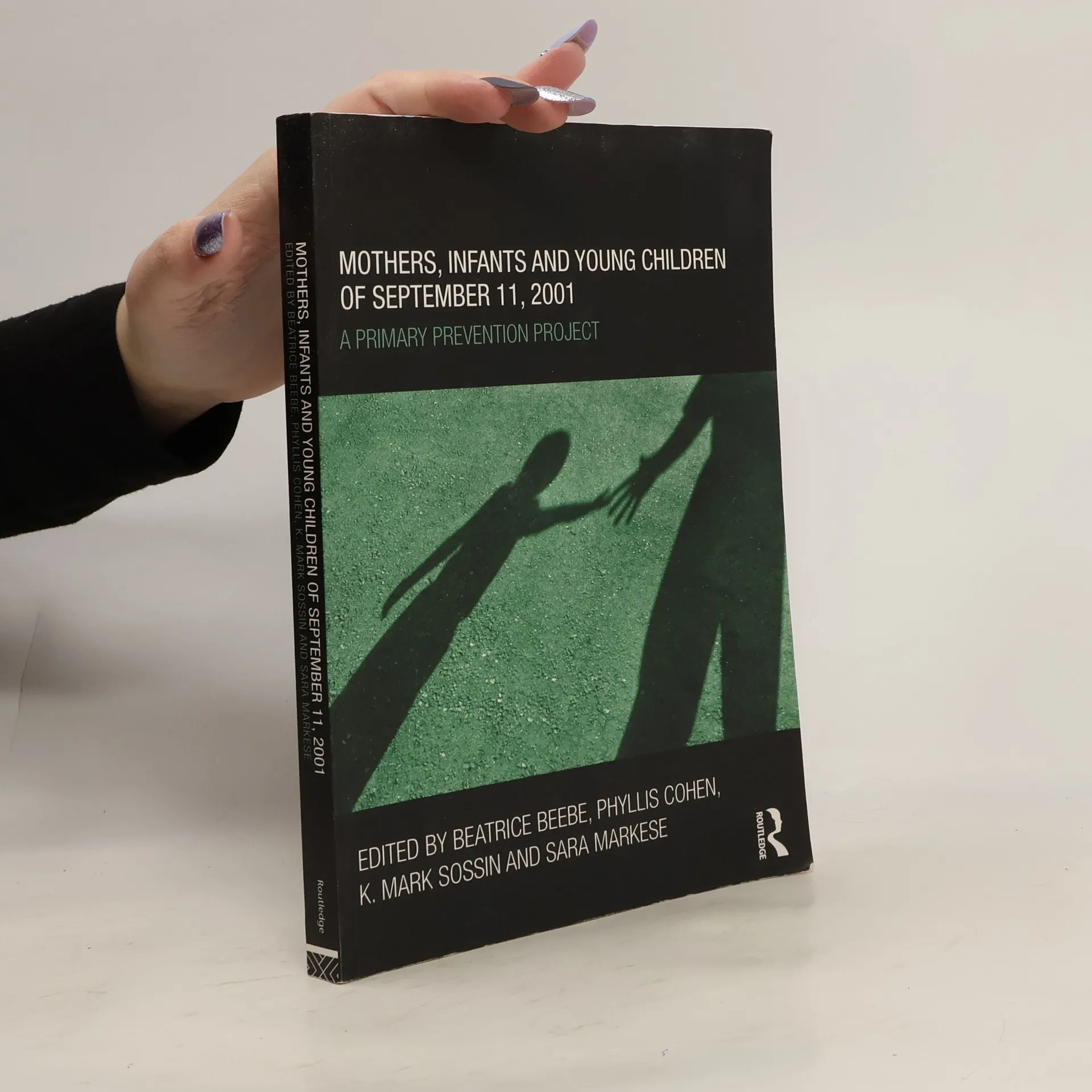
Mothers, Infants and Young Children of September 11, 2001
A Primary Prevention Project
- 264 pages
- 10 hours of reading
This volume presents a decade of work by a group of eight core therapists who initially engaged with around forty families affected by the loss of husbands and fathers on September 11, 2001. The focus is on families of women who were either pregnant or had recently given birth and became widows due to the disaster. It details the support and services provided at no cost to these families through the 'September 11, 2001 Mothers, Infants and Young Children Project,' organized by skilled therapists specializing in adult, child, mother-infant, and family treatment, as well as nonverbal communication. The crisis prompted these therapists to enhance their psychoanalytic training and develop new methods to address the specific needs of these families. They actively sought out these families, offering support groups for mothers and their infants and young children in their neighborhoods. Additionally, they facilitated mother-child videotaped play sessions at the New York State Psychiatric Institute, followed by video feedback and consultations. As of 2011, marking the tenth anniversary of the tragedy, the Project continues to provide free services for these mothers, their now ten-year-old children, and their siblings. This work was originally published as a special issue of the Journal of Infant, Child, and Adolescent Psychotherapy.