Rich in intriguing anecdotes, the history of Lewes, Delaware, features tales of gentleman pirates, cannibalism, and a failed British bombardment during the War of 1812. The town's resilience is highlighted by its defense against rowdy New England fishermen in 1853 and the dramatic collapse of the Cape Henlopen Lighthouse in 1926, which aided bootleggers. Michael Morgan delves into captivating stories of presidential escapades, charismatic preachers, and German POW camps, uncovering the lesser-known aspects of this historic town.
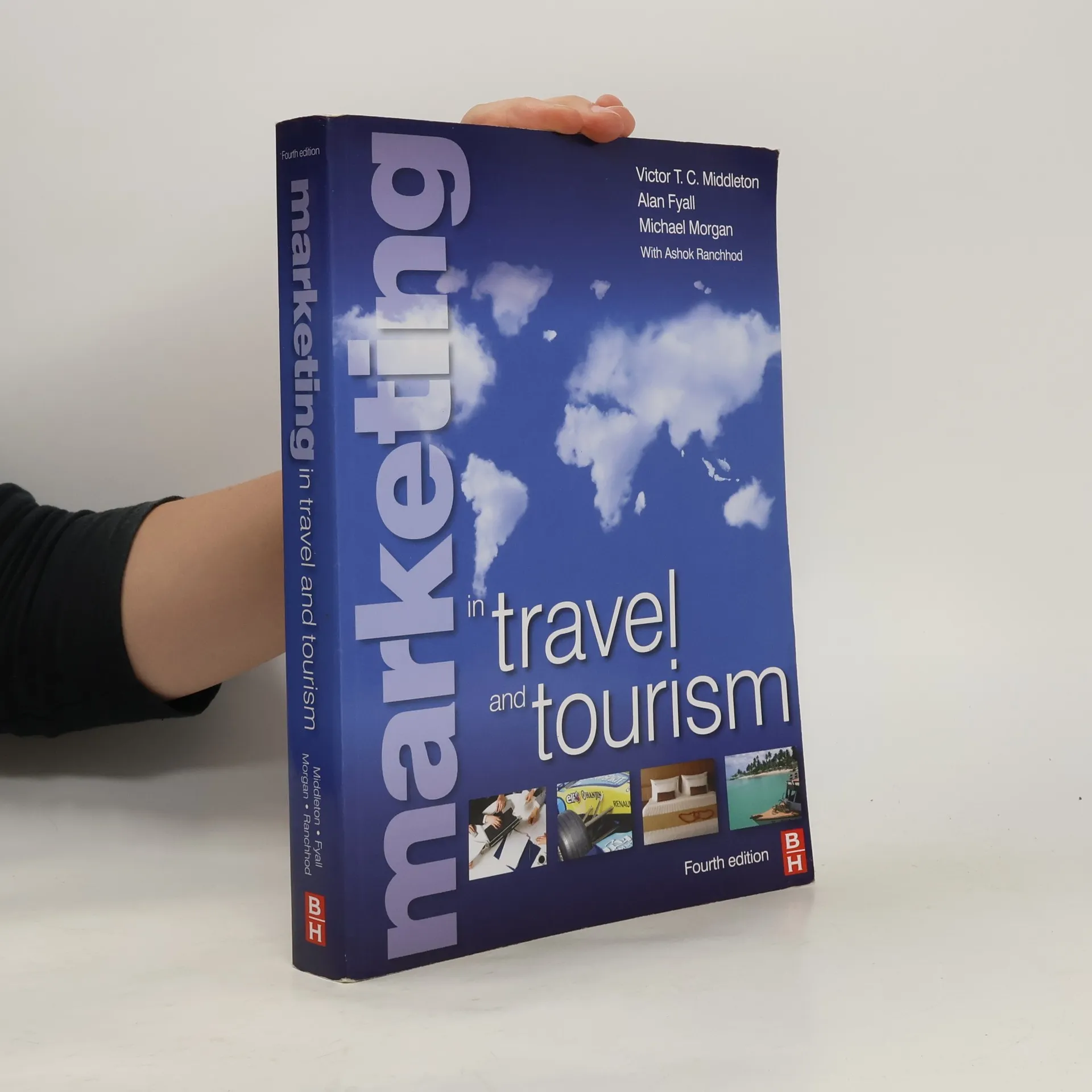
This book aims to guide readers through the complexities of tourism marketing in the 21st Century, offering clear explanations of marketing principles adapted from mainstream services marketing. It illustrates a range of applications practiced in the modern visitor economy. Now in its fourth edition, updated annually since 1988, each chapter includes current evaluations of key developments in marketing, particularly consumer-centric strategies and the pivotal role of the Internet in the marketing mix. The sections on customer communication have been extensively revised to incorporate e-marketing and related advancements in tourism, culminating in a forward-looking Epilogue. This edition features a full-color interior with pedagogic elements such as discussion questions and exercises to encourage deeper exploration of key topics. It includes new material on e-marketing, motivations, and consumer behavior, along with five in-depth international case studies, including Tourism New Zealand and Agra Indian World Heritage Site, plus 17 mini cases for contextual learning. A companion website for students and lecturers offers PowerPoint slides and review questions to enhance teaching and learning. This comprehensive guide serves as an essential resource for students and lecturers in the global travel industry.