

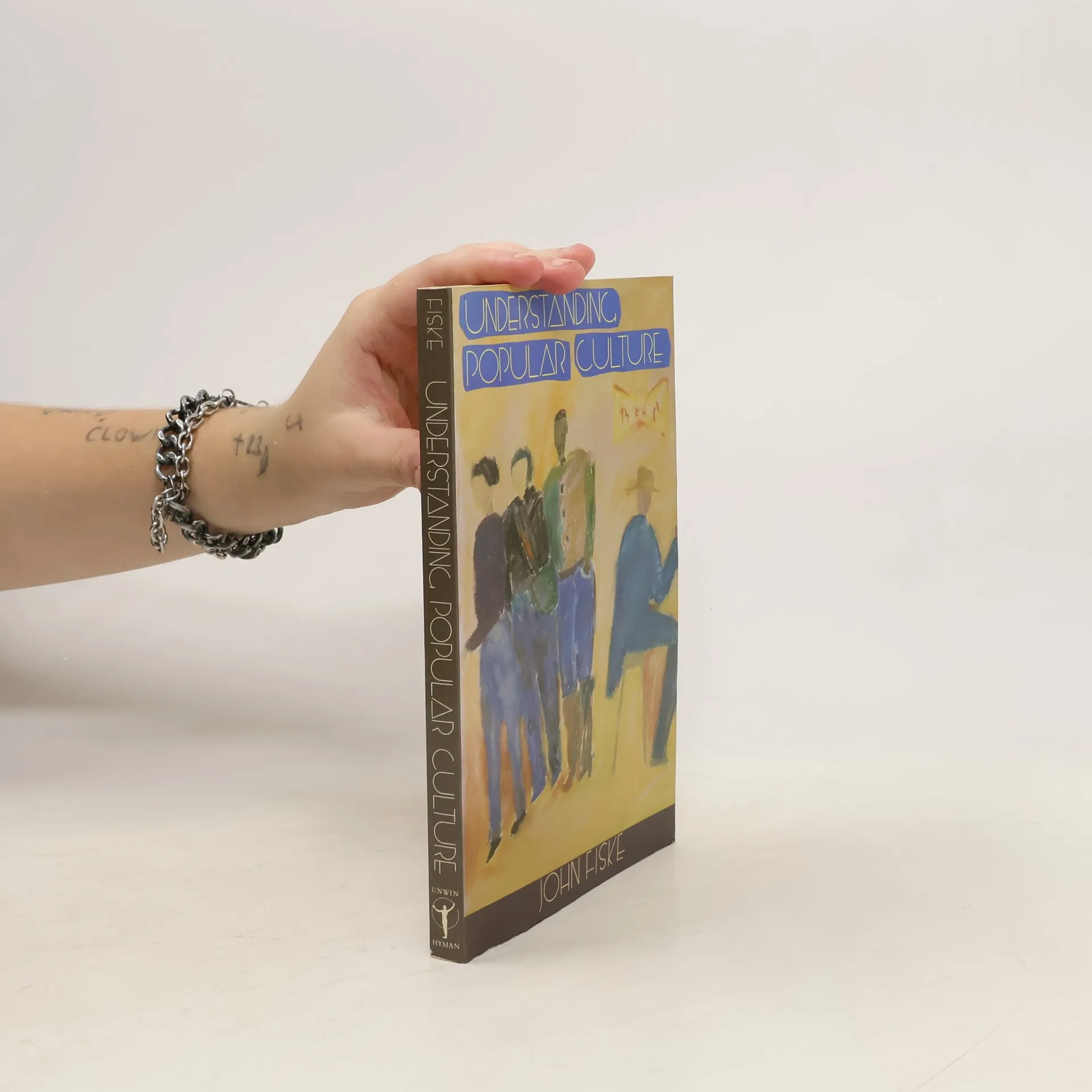
What is popular culture? How does it differ from mass culture? And what does popular "text" reveal about class, race, and gender dynamics in a society? In this bestselling work, Prof. Fiske takes a new approach to studying cultural artifacts.
John Fiske Books
This American philosopher and historian delved into the depths of human thought and societal evolution. His work is characterized by incisive analysis and a novel perspective on complex issues. He explored the relationship between ideas and their impact on the world around us. His writing continues to inspire and provoke reflection on our own existence and society.


Reading Television
- 200 pages
- 7 hours of reading
The book offers tools and techniques for viewers to critically analyze television programs and the cultural context behind them. It empowers readers to delve deeper into media content, fostering a greater understanding of the societal influences that shape television. By engaging with the material, anyone with a TV can gain insights into both the programming and the broader cultural narratives it reflects.
Television is unique in its ability to produce so much pleasure for such a wide variety of people. This book looks at television's role as an agent of popular culture, and goes on to consider the relationship between this cultural dimension and television's status as a commodity of the cultural industries that are deeply inscribed with capitalism.
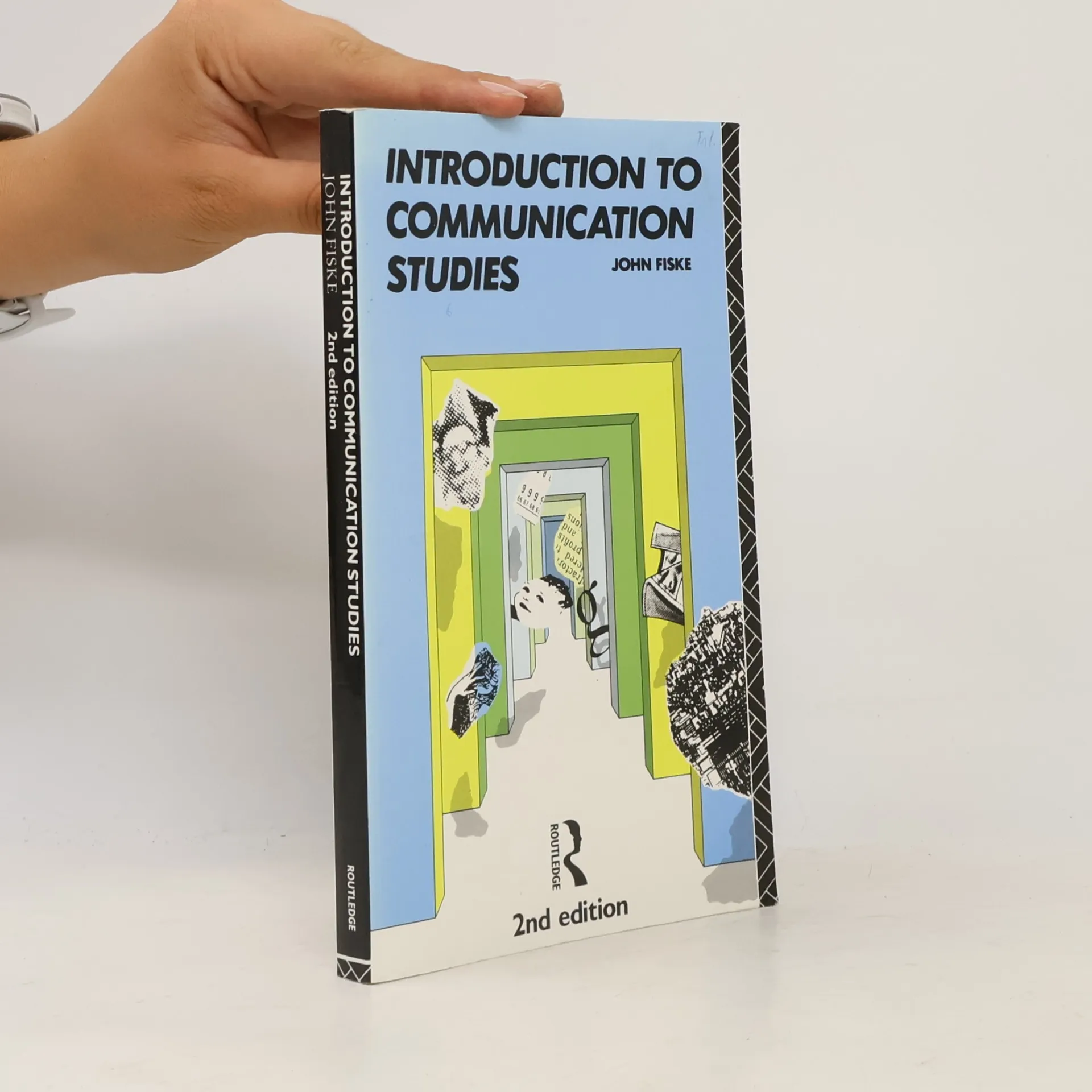
The second edition of this widely used introductory textbook updates the work to take accounts of developments in the last few years. John Fiske's study equips the reader with a range of methods of analysing examples of communication in our society, together with a critical awareness of the theories underpinning them. The reader will be able to tease out the latent cultural meanings in such apparently simple communications as news photos or popular TV programmes.
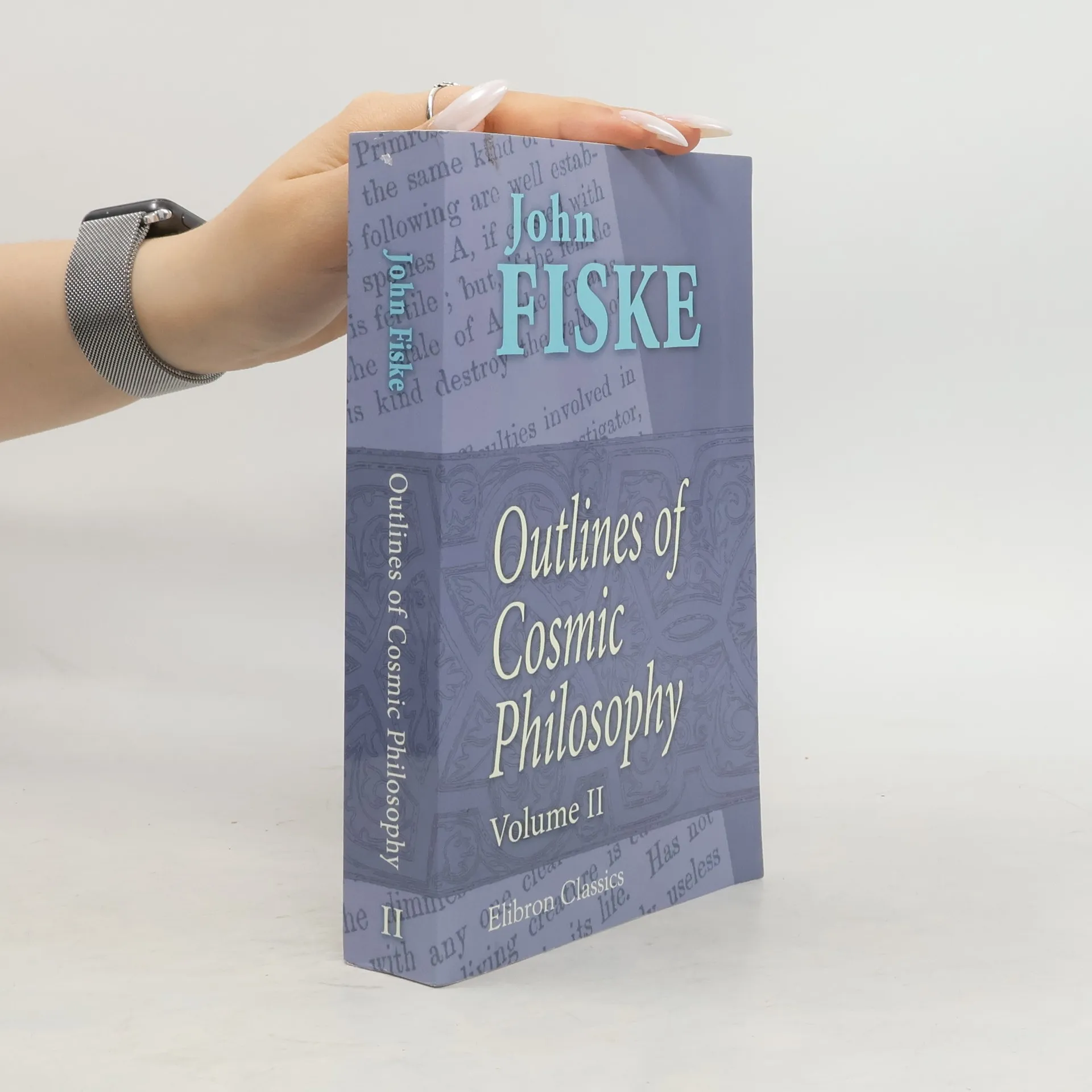
Outlines of Cosmic Philosophy 2
- 536 pages
- 19 hours of reading
The Beginnings Of New England Or The Puritan Theocracy In Its Relations To Civil And Religious Liberty
- 172 pages
- 7 hours of reading
Focusing on the early history of the New England colonies, this nonfiction narrative by John Fiske explores the settlement by English Puritans and Pilgrims in the 17th century. It highlights their motivations, struggles, and societal systems, providing a thorough account of the cultural, religious, and political foundations that shaped the region. Fiske also examines the interactions with Native American communities, offering a nuanced perspective on early American history and reflecting his broader interest in American ideals and identity.
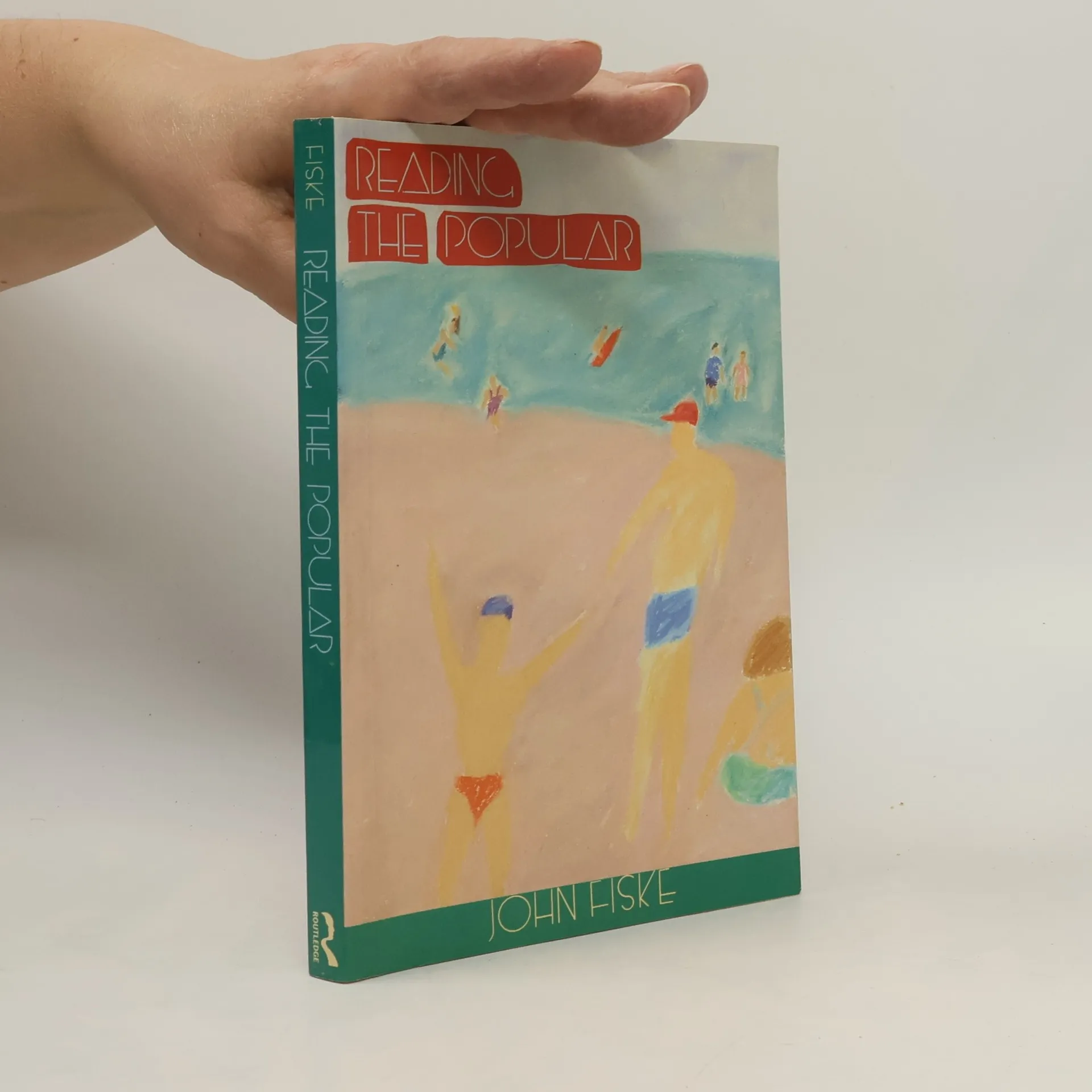
Reading the Popular
- 228 pages
- 8 hours of reading
Designed as a companion to Understanding Popular Culture, Reading the Popular is a series of readings about today's cultural phenomena. The book highlights the conflicting responses popular culture can evoke.
Tobacco and Alcohol I. It Does Pay to Smoke. II. The Coming Man Will Drink Wine.
- 68 pages
- 3 hours of reading
Exploring the historical significance of tobacco and alcohol, this classical work delves into the societal perceptions surrounding smoking and drinking. The text emphasizes the evolving attitudes toward these substances, highlighting their roles in culture and lifestyle. To ensure its legacy, Alpha Editions has meticulously reformatted and retyped the book, presenting it in a modern format that enhances readability while preserving its original insights for current and future audiences.
The American Revolution (Complete)
Complete Edition Of Two Volumes In One
- 588 pages
- 21 hours of reading
Delving into the complexities of the American Revolution, this comprehensive account explores the political, social, and military aspects that shaped the conflict. It highlights key figures, pivotal battles, and the ideological underpinnings of the struggle for independence. The narrative not only recounts historical events but also examines the impact of the revolution on American society and its legacy in shaping modern democracy. Rich in detail and analysis, this work serves as an essential resource for understanding this transformative period in history.
The book explores the advancements in the study of the mind during the nineteenth century, highlighting the contributions of figures like John Fiske, Professor Sully, and Dr. Maudsley. It delves into the significance of childhood development, the statistical analysis of twins by Mr. Galton, and the impact of civilization on sensory perception, particularly sight. Additionally, it hints at future research into the unconscious mind, paralleling the exploration capabilities of the X-ray. The discussions emphasize the foundational role of memory and common sense in mental processes.
