* Jan Morris on her favorite artist and her favorite city. An enchanting text, richly illustrated "After a good dinner one evening, with excellent company and a bottle of wine, I settled by my fire with a volume of paintings by the 15th century Venetian painter Vittore Carpaccio. For much of my life I have been under the spell of this artist. I am no connoisseur, cultural scholar or art historian. I know nothing about painterly techniques, chromatic gradations or artistic affinities, and my infatuation with him is largely affectionate fancy. I feel I know him personally, and I often sense that I am directly in touch with him across the centuries, across the continents, as one might be in touch with a living friend..." So starts Jan Morris's latest book, which she has said will also be her last: a genial, witty, and touching journey through the endlessly evocative art of Carpaccio. Saluting the painter whose pictures remain some of the most enchanting ever made of Venice, Jan Morris makes her own last journey to a city she has written about like no other. Richly illustrated with complete paintings and eye-catching details, this book is a fitting swansong by a great writer to her favorite painter.
Jan Morris Book order (chronological)
Jan Morris was a British historian and travel writer, particularly renowned for her Pax Britannica trilogy chronicling the British Empire. She also crafted vivid portraits of cities like Oxford, Venice, and Hong Kong, alongside explorations of Welsh history and culture. Morris's writing is characterized by keen intelligence and a lyrical prose that brings history and geography to life. Her work is celebrated for its profound ability to capture the essence of places and eras with remarkable depth and empathy.


This reprint preserves the essence of a classic originally published in 1857, offering readers a chance to explore its historical context and enduring themes. The book presents a narrative that reflects the societal norms and challenges of its time, providing insights into the characters and their development. Its timeless relevance continues to resonate, making it a valuable addition to any literary collection.
Allegorizings
- 224 pages
- 8 hours of reading
'Almost nothing in life is only what it seems.'Soldier, journalist, historian, author of forty books, Jan Morris led an extraordinary life, witnessing such seminal moments as the first ascent of Everest, the Suez Canal Crisis, the Eichmann Trial, The Cuban Revolution and so much more.
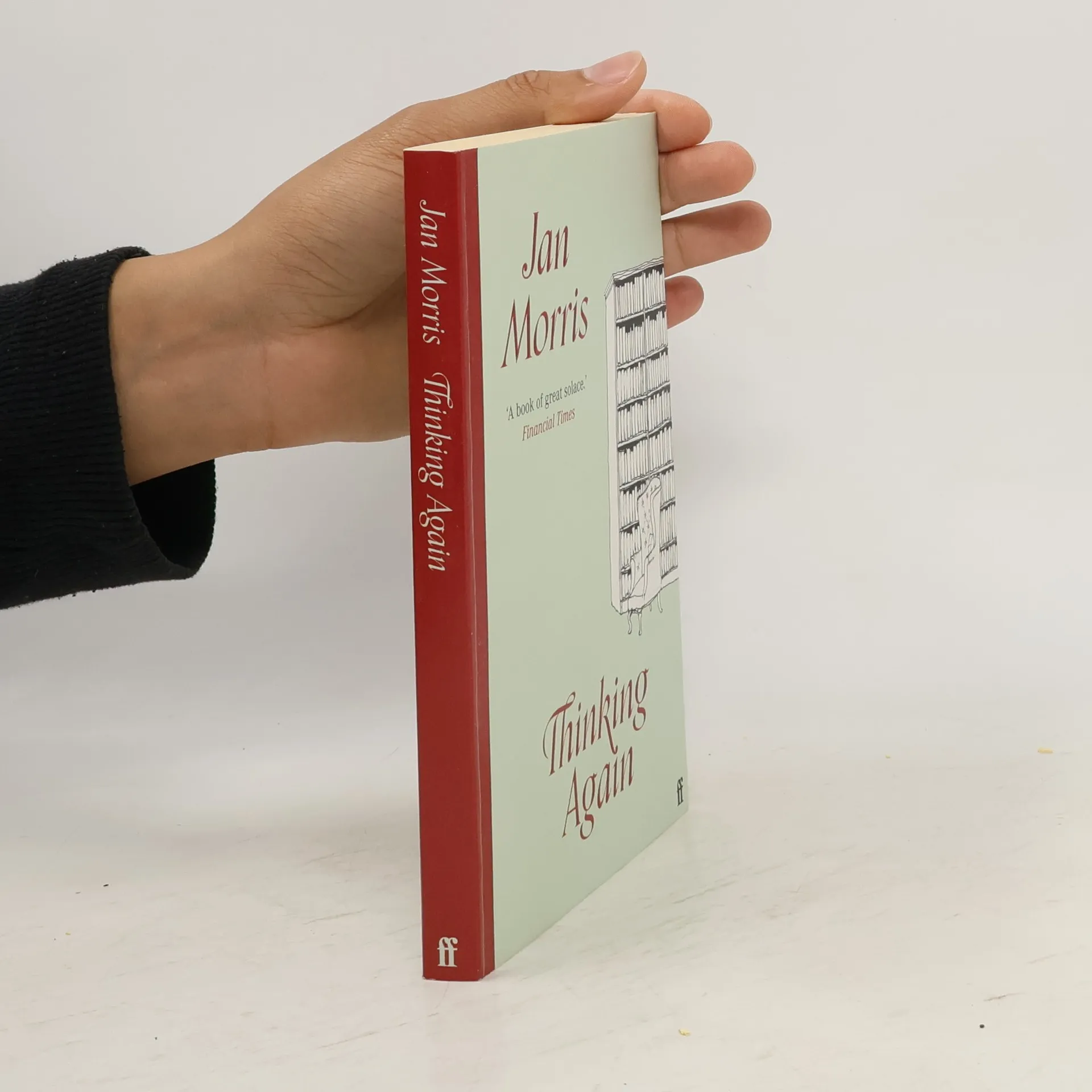
Thinking Again
- 336 pages
- 12 hours of reading
Necrophilia is not one of my failings, but I do like graveyards and memorial stones and such... Following the publication In My Mind's Eye, her acclaimed first volume of diaries, a Radio 4 Book of the Week in 2018, Jan Morris continued to write her daily musings.
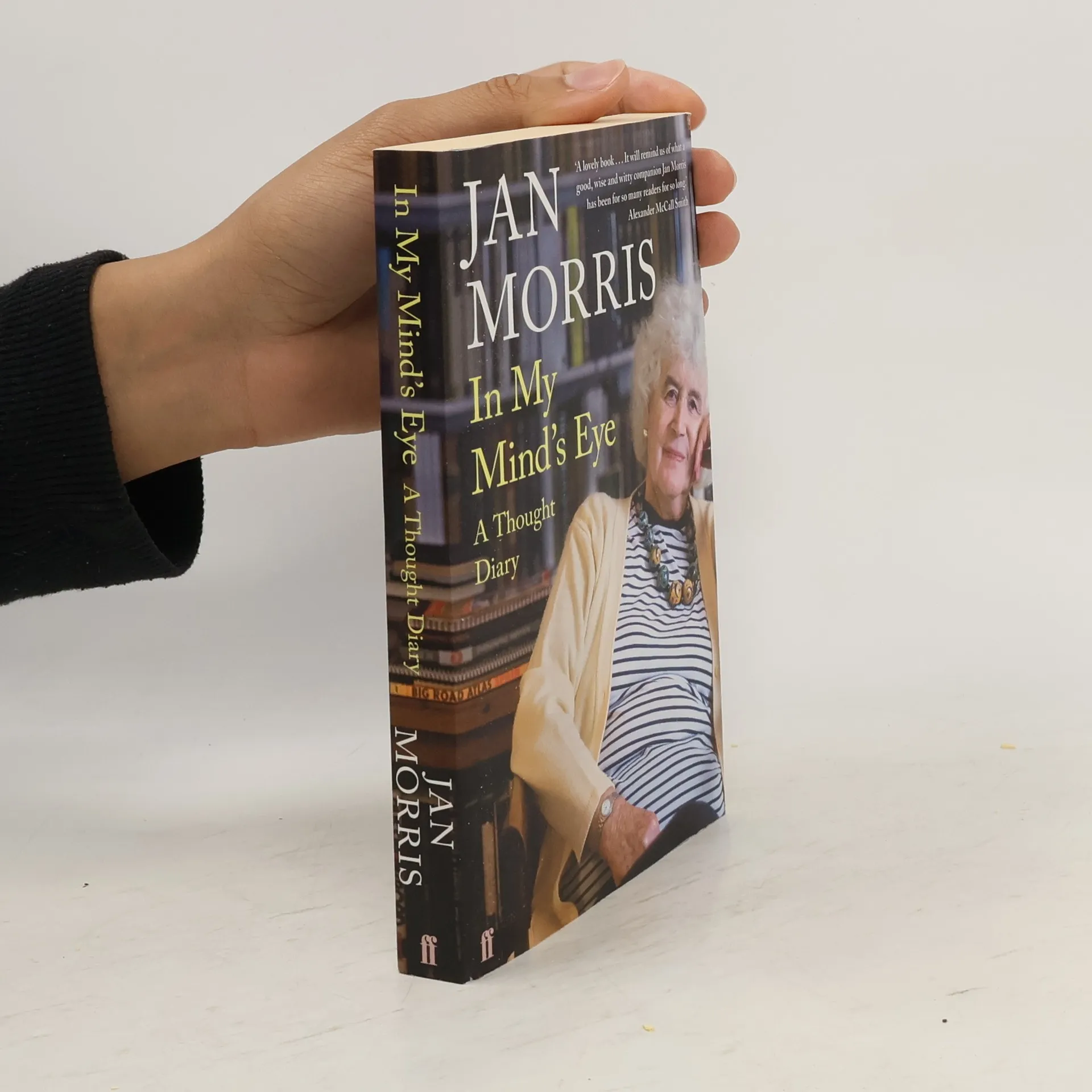
In My Mind's Eye
- 336 pages
- 12 hours of reading
'I have never before in my life kept a diary of my thoughts, and here at the start of my ninth decade, having for the moment nothing much else to write, I am having a go at it. Good luck to me.' So begins this extraordinary book, a collection of diary pieces that Jan Morris wrote for the Financial Times over the course of 2017. A former soldier and journalist, and one of the great chroniclers of the world for over half a century, she writes here in her characteristically intimate voice - funny, perceptive, wise, touching, wicked, scabrous, and above all, kind - about her thoughts on the world, and her own place in it as she turns ninety. From cats to cars, travel to home, music to writing, it's a cornucopia of delights from a unique literary figure.
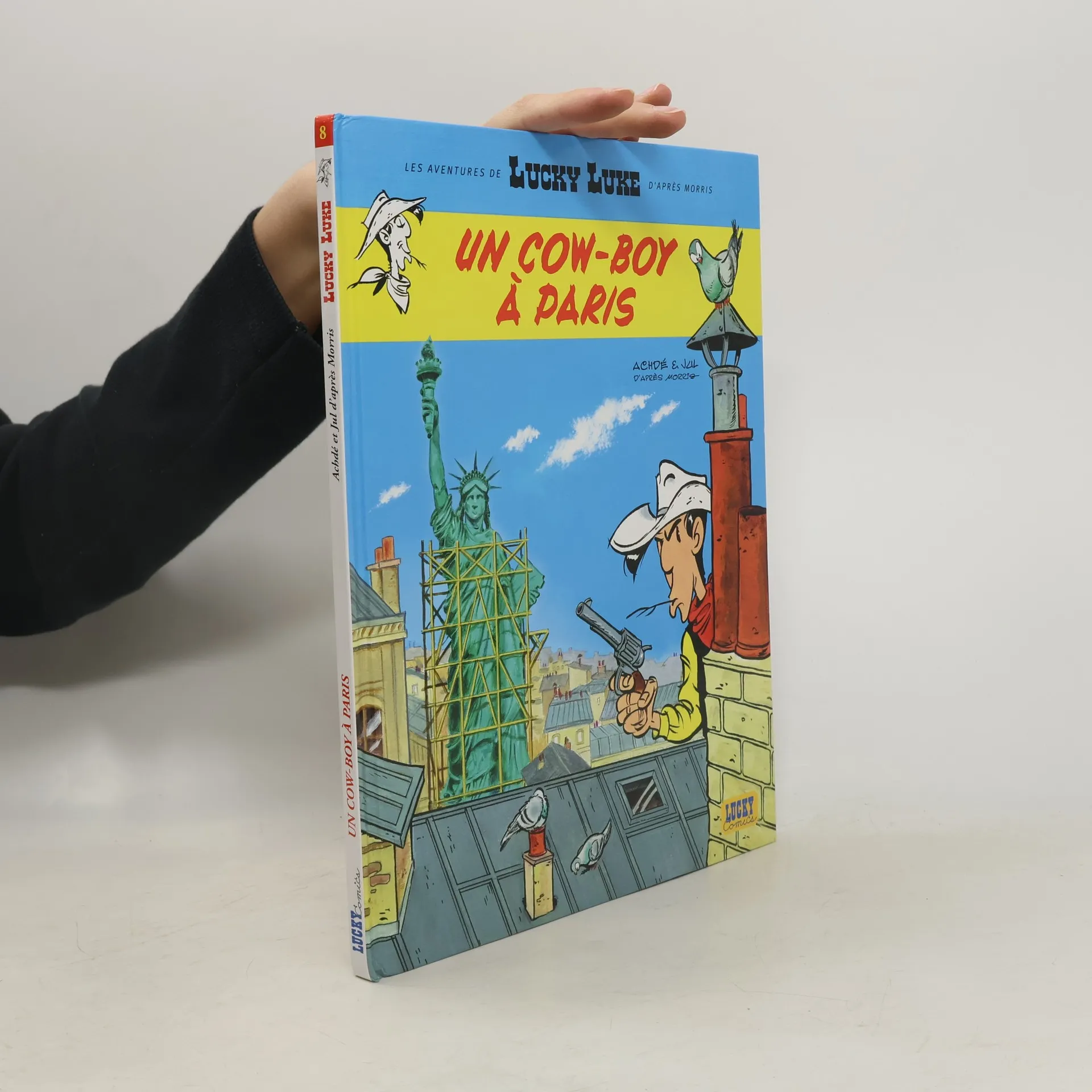
Les Aventures de Lucky Luke - 8: Un cow-boy à Paris
- 48 pages
- 2 hours of reading
Le sculpteur français Auguste Bartholdi fait une tournée spectaculaire aux États-Unis pour lever des fonds qui lui permettront d'achever la future Statue de la liberté. Mais plusieurs incidents visent la statue et même directement Bartholdi. Lucky Luke est missionné pour escorter le Français, et ce, jusqu'à Paris. C'est un choc culturel pour le cow-boy qui, non content de traverser l'Atlantique pour la première fois, découvre la splendeur de la ville lumière, et le mode de vie de ses autochtones, les parisiens.
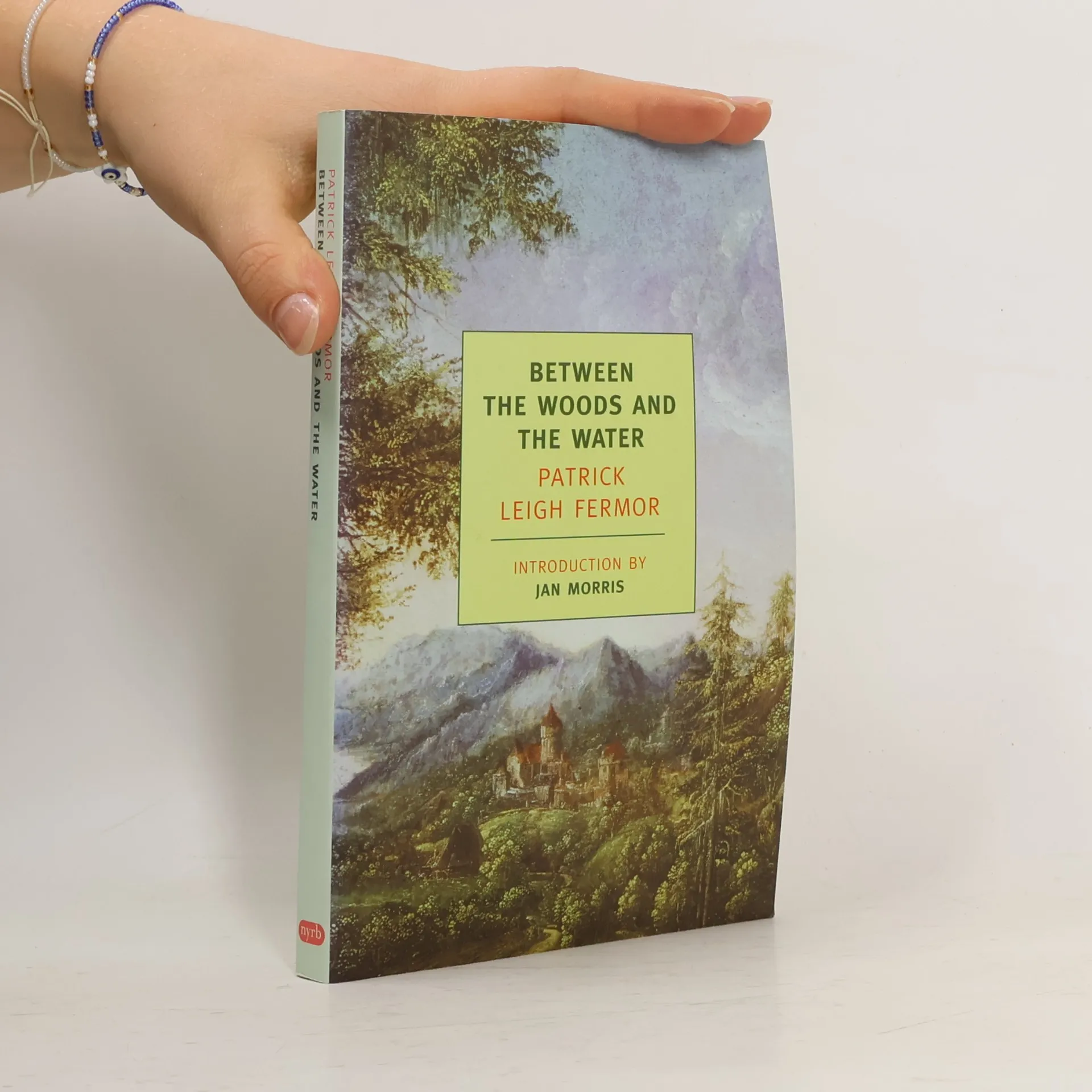
Continuing the epic foot journey across Europe begun in A Time of Gifts, Patrick Leigh Fermor writes about walking from Hungary to the Balkans. The journey that Patrick Leigh Fermor set out on in 1933—to cross Europe on foot with an emergency allowance of one pound a day—proved so rich in experiences that when much later he sat down to describe them, they overflowed into more than one volume. Undertaken as the storms of war gathered, and providing a background for the events that were beginning to unfold in Central Europe, Leigh Fermor’s still-unfinished account of his journey has established itself as a modern classic. Between the Woods and the Water, the second volume of a projected three, has garnered as many prizes as its celebrated predecessor, A Time of Gifts. The opening of the book finds Leigh Fermor crossing the Danube—at the very moment where his first volume left off. A detour to the luminous splendors of Prague is followed by a trip downriver to Budapest, passage on horseback across the Great Hungarian Plain, and a crossing of the Romanian border into Transylvania. Remote castles, mountain villages, monasteries and towering ranges that are the haunt of bears, wolves, eagles, gypsies, and a variety of sects are all savored in the approach to the Iron Gates, the division between the Carpathian mountains and the Balkans, where, for now, the story ends.
War - What is it good for?. Krieg, englische Ausgabe
- 512 pages
- 18 hours of reading
War is one of the greatest human evils. It has ruined livelihoods, provoked unspeakable atrocities and left countless millions dead. It has caused economic chaos and widespread deprivation. And the misery it causes poisons foreign policy for future generations. But, argues bestselling historian Ian Morris, in the very long term, war has in fact been a good thing. In his trademark style combining inter-disciplinary insights, scientific methods and fascinating stories, Morris shows that, paradoxically, war is the only human invention that has allowed us to construct peaceful societies. Without war, we would never have built the huge nation-states which now keep us relatively safe from random acts of violence, and which have given us previously unimaginable wealth. It is thanks to war that we live longer and more comfortable lives than ever before.And yet, if we continue waging war with ever-more deadly weaponry, we will destroy everything we have achieved; so our struggles to manage warfare make the coming decades the most decisive in the history of our civilisation. In War: What Is It Good For? Morris brilliantly dissects humanity's history of warfare to draw startling conclusions about our future.
Farewell the Trumpets
- 576 pages
- 21 hours of reading
Farewell the Trumpets: An Imperial Retreat traces the momentous decline and fall of the greatest of empires - from Queen Victoria's Diamond Jubilee to the death of Winston Churchill in 1965.
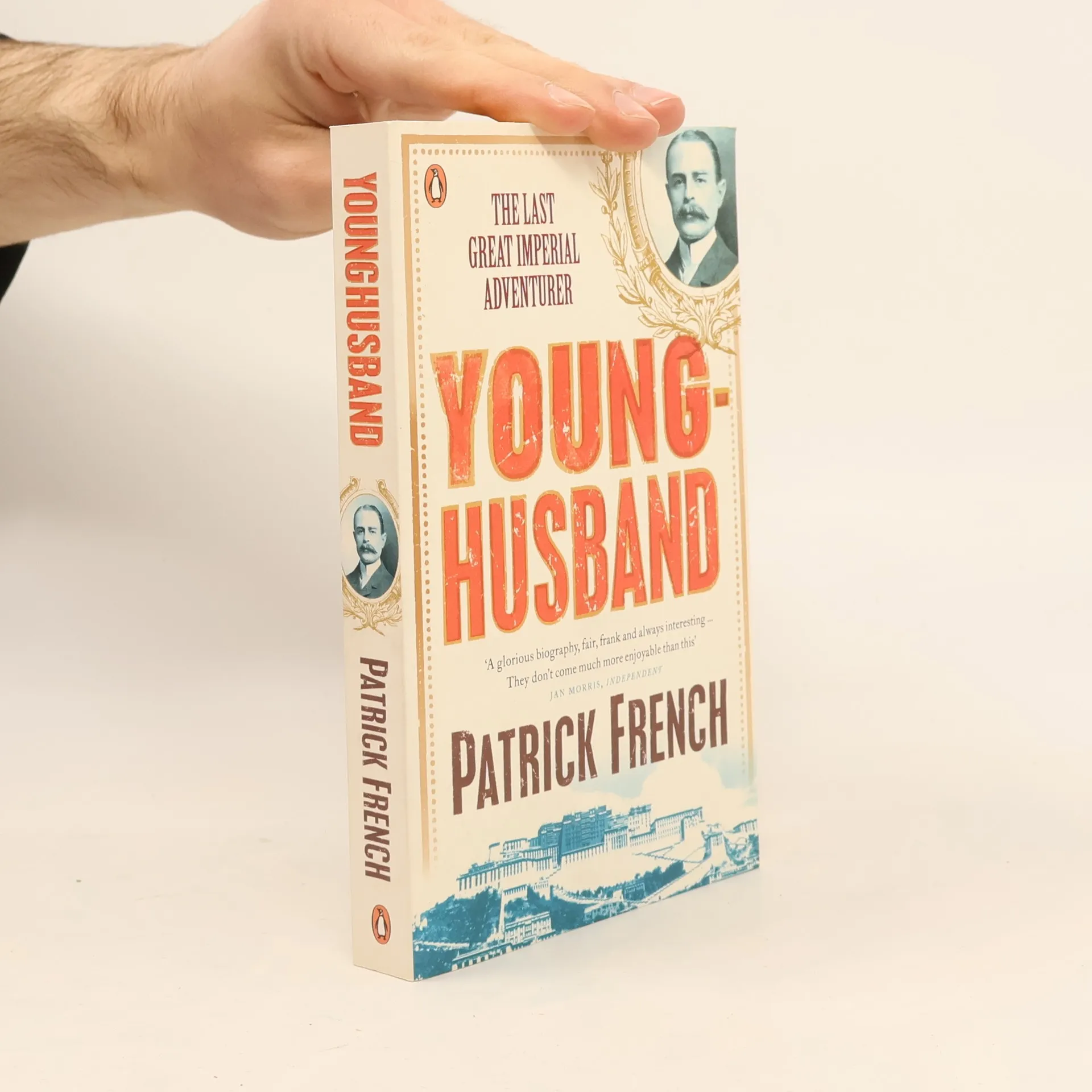
From Calcutta to the Himalayas, Patrick French's biography explores the life of Francis Younghusband, a figure who encapsulates the romance and folly of Britain's imperial past. Younghusband's journey began as a military adventurer and evolved into that of a radical visionary advocating free love. French chronicles the unpredictable life of this maverick, who led the 1904 British invasion of Tibet, discovered a new route from China to India, and organized early expeditions up Mount Everest, all while attempting to establish a new world religion. Critics have praised the narrative as "full of excitement and insight, humour and curiosity" (Michael Holroyd) and "breathtakingly accomplished" (Observer). The writing is described as "beautifully written, wise, balanced, fair, funny, and extremely original" (William Dalrymple), and the work has been called "dazzling" (Niall Ferguson). The Independent on Sunday noted the book as a "rare gem" that sets new standards for historical biography. Patrick French is an acclaimed author, having received multiple awards for his works, including the Somerset Maugham Award and the Royal Society of Literature W. H. Heinemann Prize, among others.
Humorous tales of travel and misadventure highlight that some of life's funniest experiences occur on the road. From unexpected detours to unforgettable encounters, these moments often lead to our most memorable travel stories. This collection features 31 globetrotting tales, ranging from close-encounter safaris to loss-of-face follies, hair-raising rides to culture-leaping brides, and eccentric expats to mind-boggling meals. It showcases renowned travelers and storytellers alongside previously unpublished writers. The anthology includes contributions from notable authors such as Wickam Boyle, Tim Cahill, Pico Iyer, and many others, each sharing their unique experiences and insights. Started in 1973, Lonely Planet has evolved into the leading travel guide publisher, offering guidebooks for every destination, an award-winning website, and a suite of mobile and digital travel products. Their mission is to help curious travelers experience the world and connect deeply with the places they visit. Recognized with TripAdvisor Travellers' Choice Awards in 2012 and 2013, Lonely Planet guides are celebrated for their unparalleled quality and accessibility, making them a staple for travelers everywhere.
This vital collection of stories, vignettes, and prose poems takes readers on a literary journey that climbs the Andes Mountains, navigates the great River Plate, and traverses the expansive plains of the Pampas. Moving beyond the cultural icons associated with Argentina (such as gauchos, tango, and maté), these works reflect the country’s strong cultural and literary traditions, challenging readers' imaginations while rousing their emotions. The book's handy pocket size makes it an ideal companion for visitors to Argentina.
Our world is changing at a dizzying our physical environment, our communities and our cultures, how we communicate and the speed with which we adapt to new ways of experiencing and living in the world. Caught in the midst of decline and regeneration, what are we losing and what are we gaining? And how do we decide what's worth saving and what should be thrown away? In this issue, we travel to places on the cusp of staggering change, talk to people who have seen and done it all and rescue a few choice items from the recycling bin. From Ireland's Catholic priests - once exported around the world and now under threat even in their own country - to the hitherto obscure music saved from extinction via the vast exchange mart of the Internet, "Granta 105" captures moments of both disappearance and rebirth in all their complexity and strangeness.
Istanbul
- 368 pages
- 13 hours of reading
Istanbul is a shimmering evocation, by turns intimate and panoramic, of one of the world's great cities, by its foremost writer. Orhan Pamuk, winner of the Nobel Prize in 2006, was born in Istanbul, in the family apartment building where his mother first held him in her arms. His portrait of his city is thus also a self-portrait, refracted by memory and the melancholy-or hüzün- that all Istanbullus share: the sadness that comes of living amid the ruins of a lost Ottoman Empire. As he companionably guides us across the Bosphorus, through Istanbul's historical monuments and lost paradises, its dilapidated Ottoman villas, back streets and waterways, he also introduces us to the city's writers, artists and murderers. Like the Dublin of Joyce and Jan Morris' Venice, Pamuk's Istanbul is a triumphant encounter of place and sensibility, beautifully written and immensely moving.
Hav
- 320 pages
- 12 hours of reading
But Morris's visit ends in flight when an unidentified enemy arrives to seize control. When Jan Morris returns to Hav, some twenty years later, she finds that her account of her earlier visit is banned - and discovers a place that has rebuilt itself, transformed by a new energy and now dominated by a totemic tower 2000 feet tall.
Europe : an intimate journey
- 384 pages
- 14 hours of reading
Europe has been widely acclaimed as among the finest achievements of 'one of our greatest living writers' (The Times). A personal appreciation, fuelled by five decades of journeying, this is Jan Morris at her best - at once magisterial and particular, whimsical and profound. It is a matchless portrait of a continent.
Die Schriftstellerin Jan Morris lebt in Wales. In einem Haus. In einem walisischen Haus. Im Haus einer walisischen Schriftstellerin. Die minimalen Unterschiede zwischen den Formulierungen sind bedeutsam, zeugen sie doch jeweils von einem anderen Blickwinkel. Einerseits. Andererseits ist aber auch bei Jan Morris nichts so ernst zu nehmen, dass man es nicht auch anders sehen könnte. Mit einer typisch britischen Kombination aus Humor und profundem historischen Wissen, Stilbewusstsein und Selbstironie führt sie, ganz liebenswürdige Gastgeberin, den Besucher durch ihr Haus und durch ihr Wales. In einer Sprache, die geprägt ist von einem unnachahmlichen Rhythmus, erzählt sie von Sitten und Unsitten ihres Volkes, vom keltischen Erbe, von der typischen walisischen Gastfreundschaft, oder davon, wie sie aus Protest gegen die Traumhochzeit des angeblichen Prince of Wales stattdessen mit Gesinnungsgenossen einen viel wichtigeren Anlass begeht, nämlich die 900. Wiederkehr der Schlacht zwischen den Fürsten Trahaearn ap Caradog und Rhys ap Tewdwr auf dem Berg Mynydd Carn. So wird zum einen das Land Wales und zum anderen das Haus der Autorin zu einem völlig unsentimentalen, wenngleich liebevoll mit Bedeutung aufgeladenen Sinnbild für Heimat.
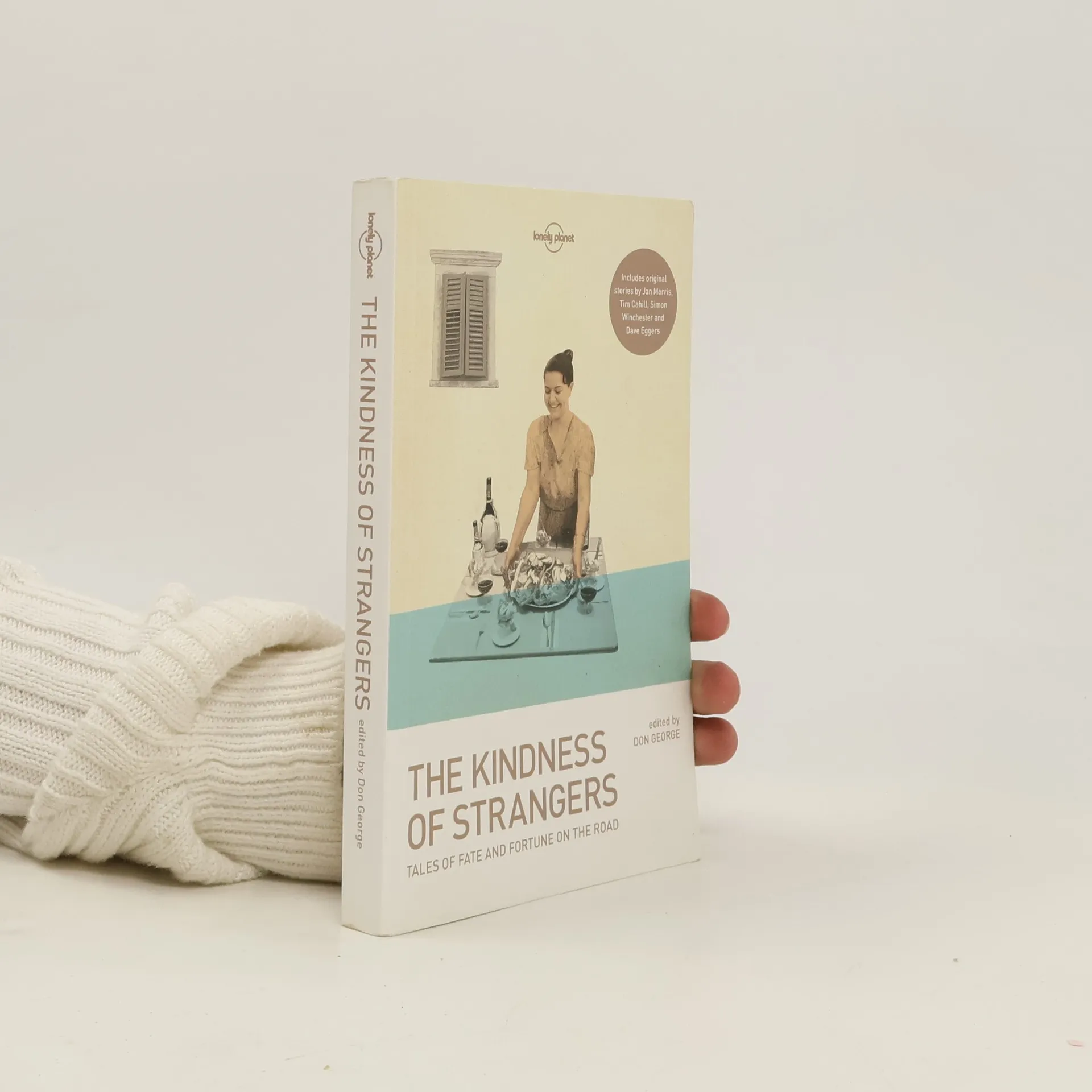
The Kindness of Strangers
- 220 pages
- 8 hours of reading
A timely collection of 26 inspiring tales, The Kindness of Strangers explores the unexpected human connections that so often transfigure and transform the experience of travel, and celebrates the gift of kindness around the world. Featuring stories by Jan Morris, Tim Cahill, Simon Winchester and Dave Eggers.
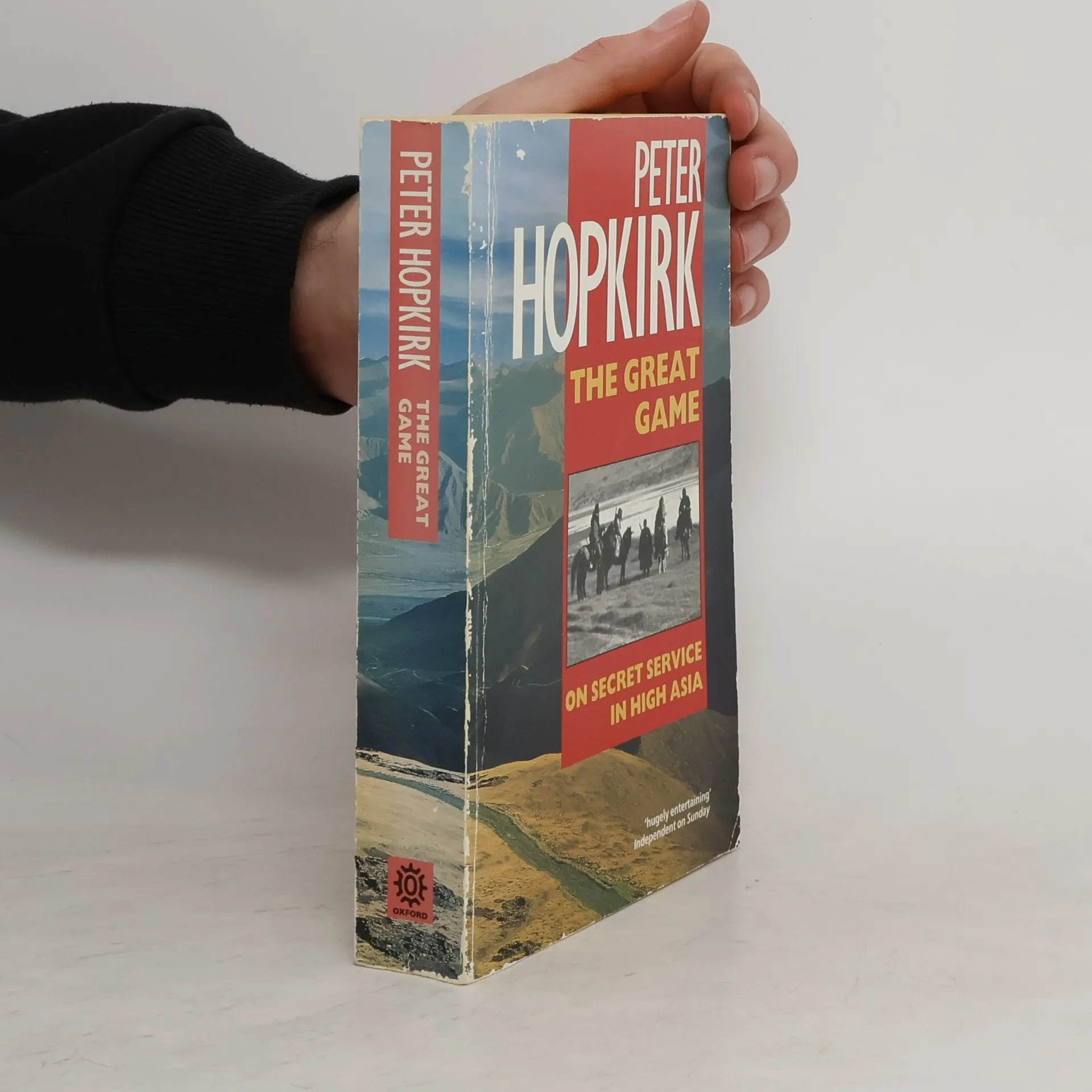
The Great Game
- 576 pages
- 21 hours of reading
Tells the story of the "Great Game", the imperial, political, diplomatic and military operation in British India, stretching from the Caucasus in the west to Chinese Turkestan and Tibet in the east.
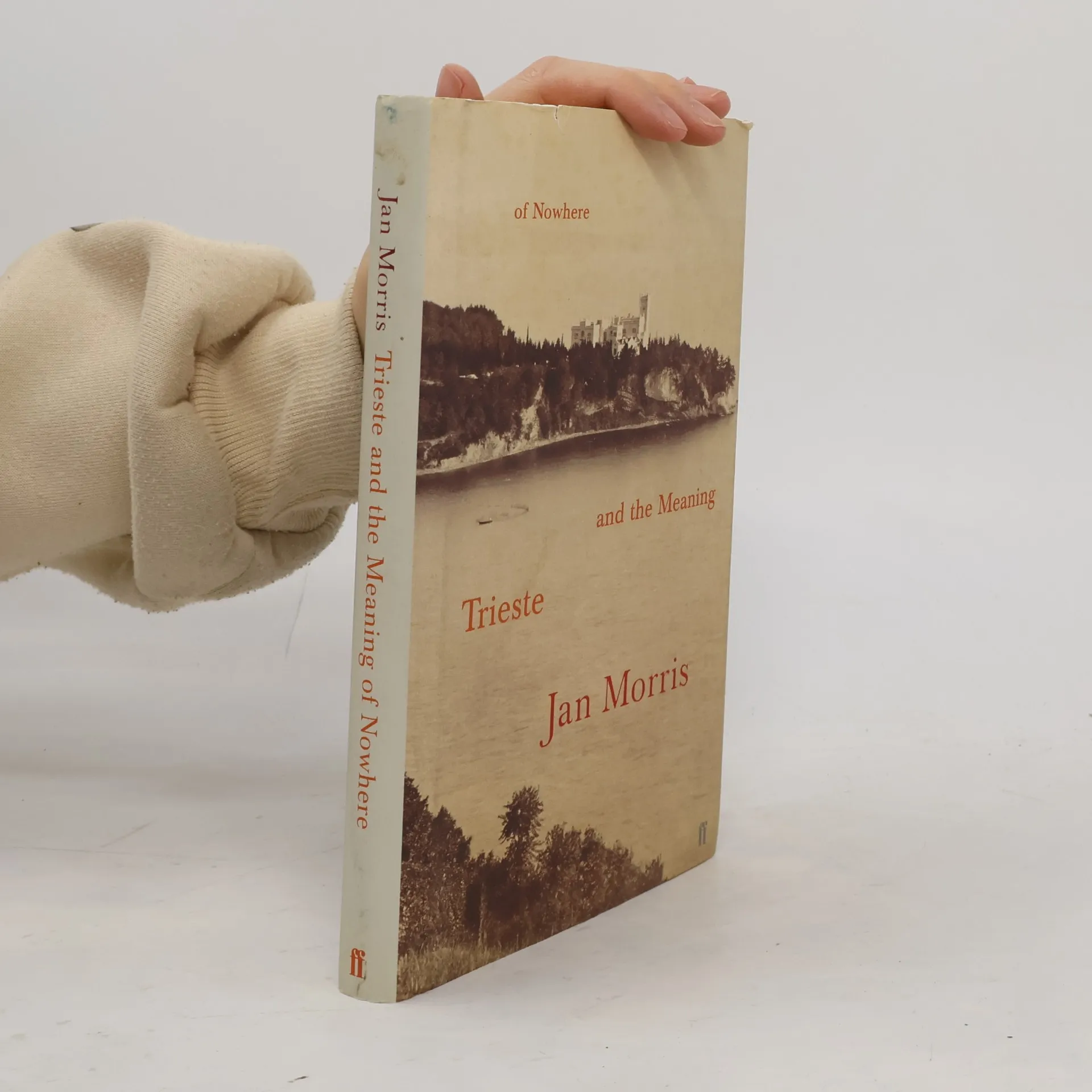
Jan Morris (then James) first visited Trieste as a soldier at the end of WWII. Since then, the city has come to represent her own life, with all its hopes, disillusionments, loves and memories. This book records her thoughts on a host of subjects inspired by the presence of Trieste.
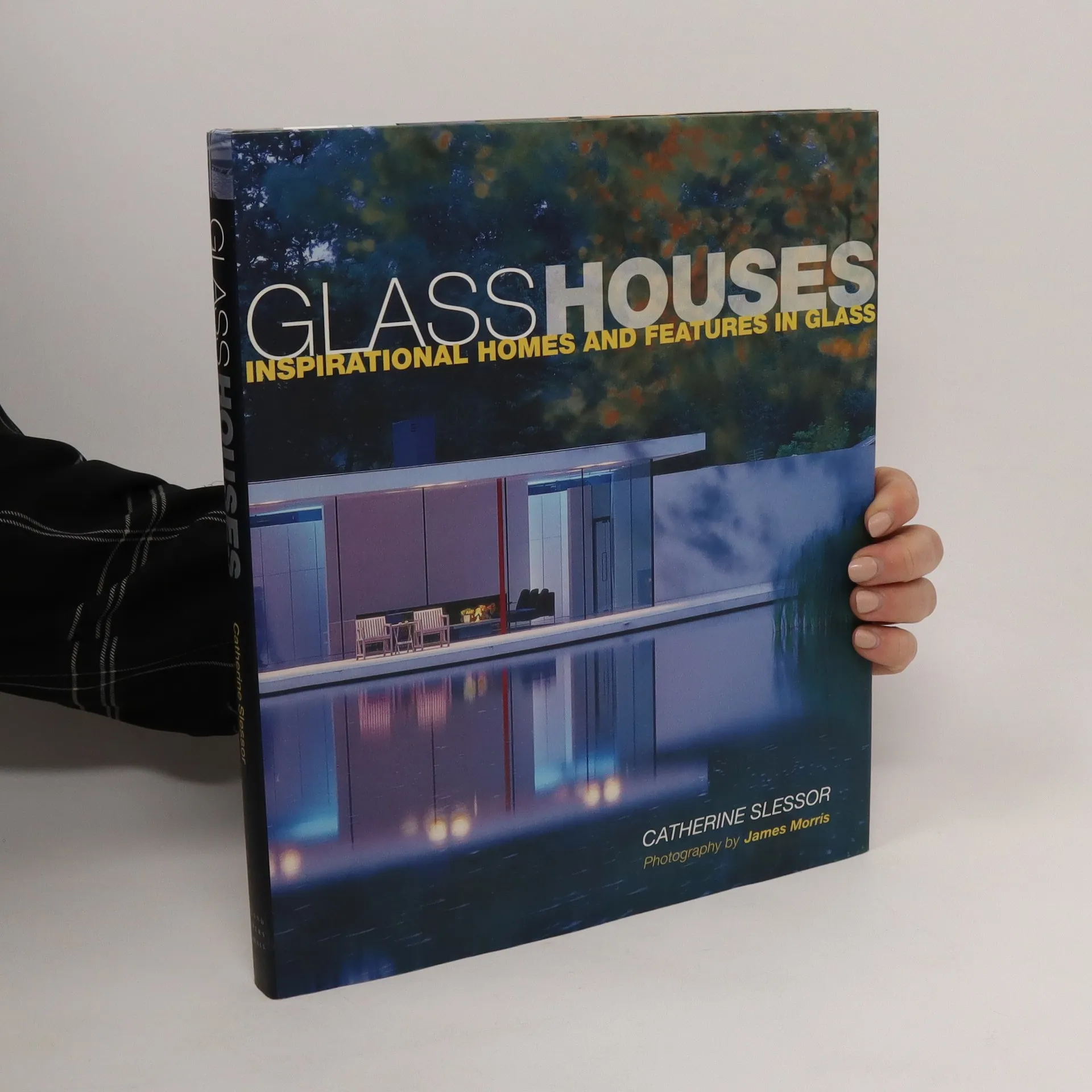
"Glass Houses explores daring and dynamic glass homes all over the world, plus examples of glass as an element of interior design. The first chapter, Pioneers, discusses the work of the architects of the last century who embraced the potential of glass, including Mies van der Rohe, Richard Neutra, John Lautner and Richard Rogers. Glass Structures looks at innovative contemporary homes where glass plays a significant role in the construction. Landscape Houses and Urban Houses explore homes where glass has been used to marry the interior and exterior through a dramatic use of windows and walls of glass. Finally, Glass Features considers the increasingly popular use of glass as an element of interior design. This is essential reading for all those wanting to learn more about contemporary architecture, keen to build a house where glass plays a major role or to introduce striking glass elements to an existing home."--Publisher's description
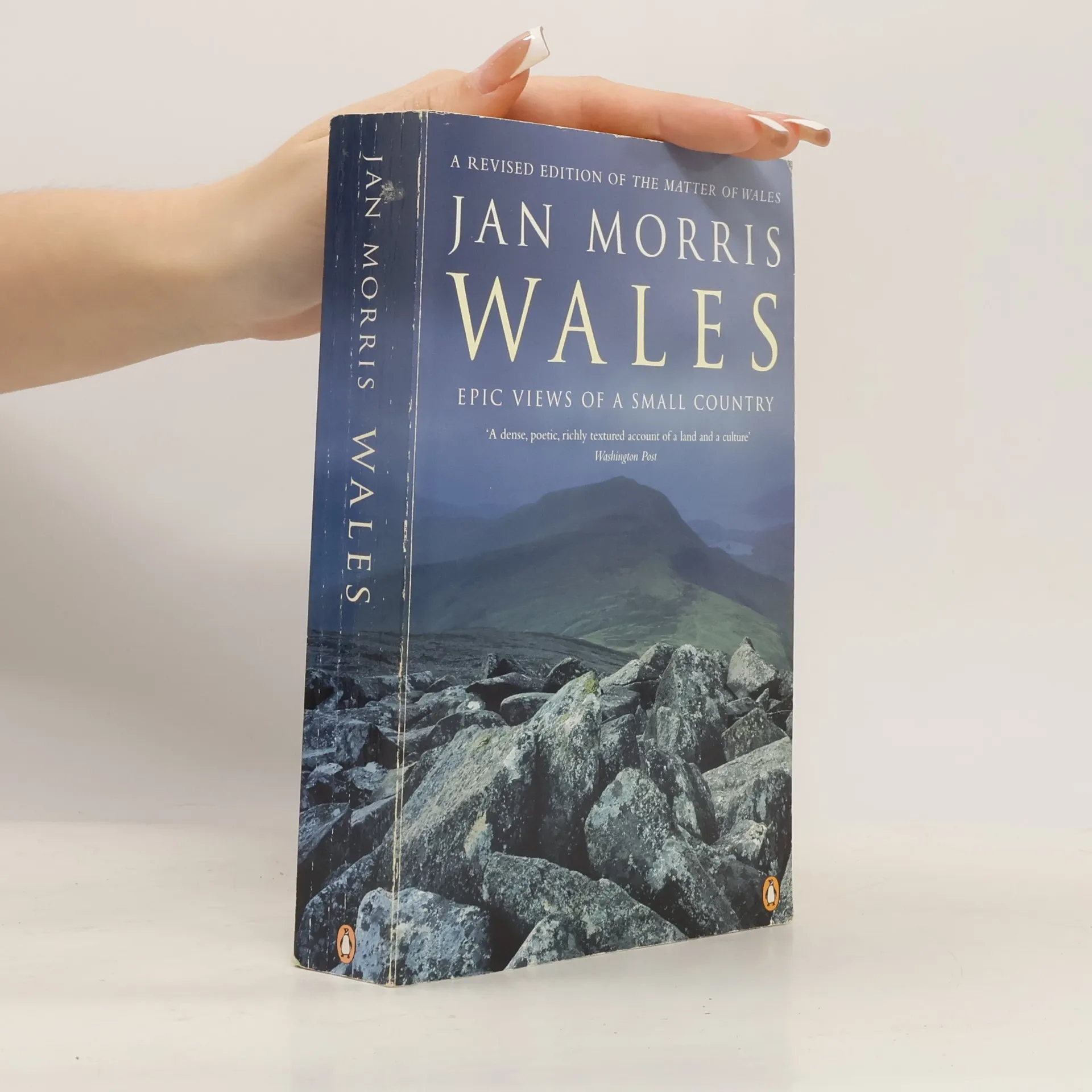
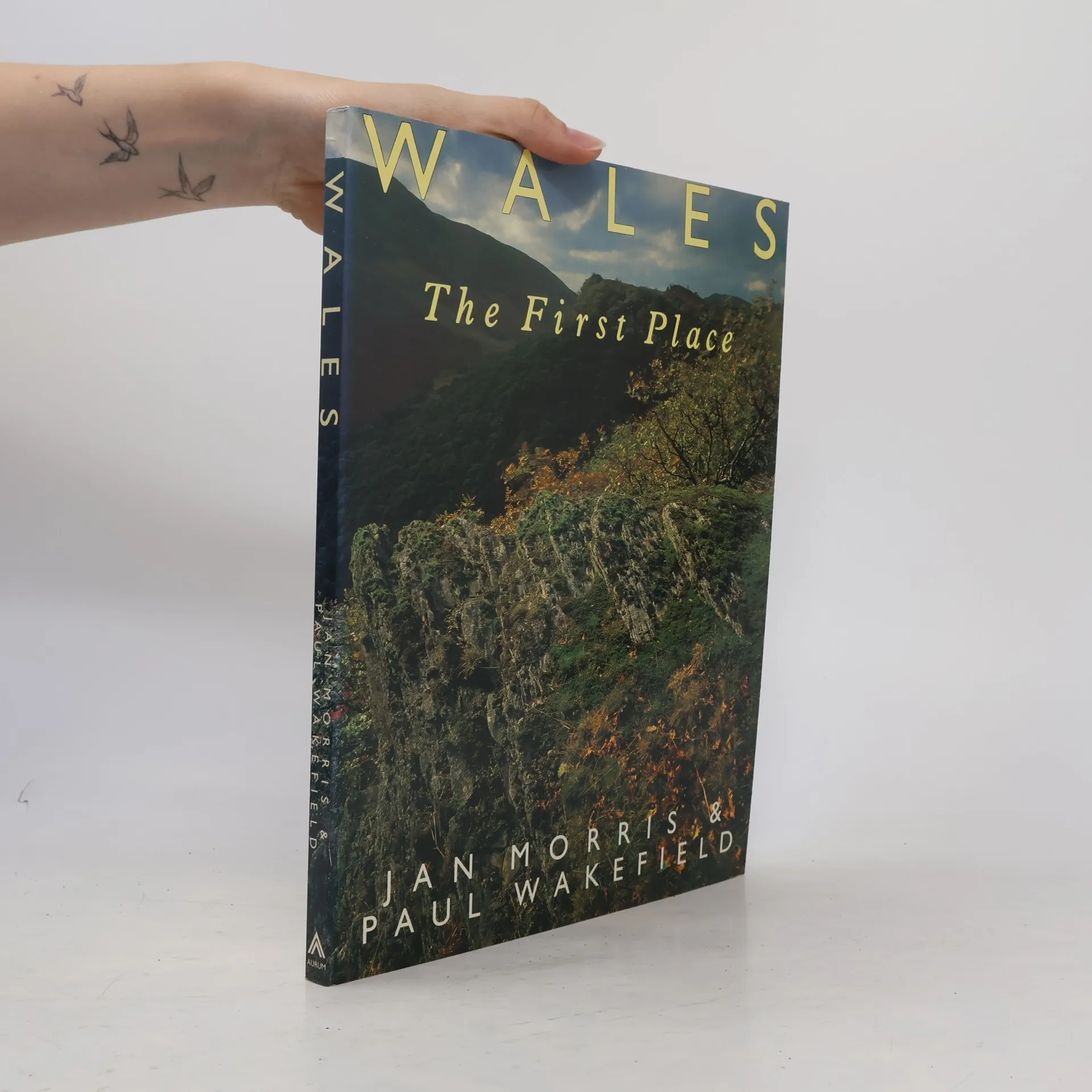
Celebrates Wales and things Welsh. This study it reflects the bilingual literature and folklore of Wales, the buildings and varied landscapes, the national character and humour, the historical predicaments and the political condition of this small but extraordinary country. schovat popis
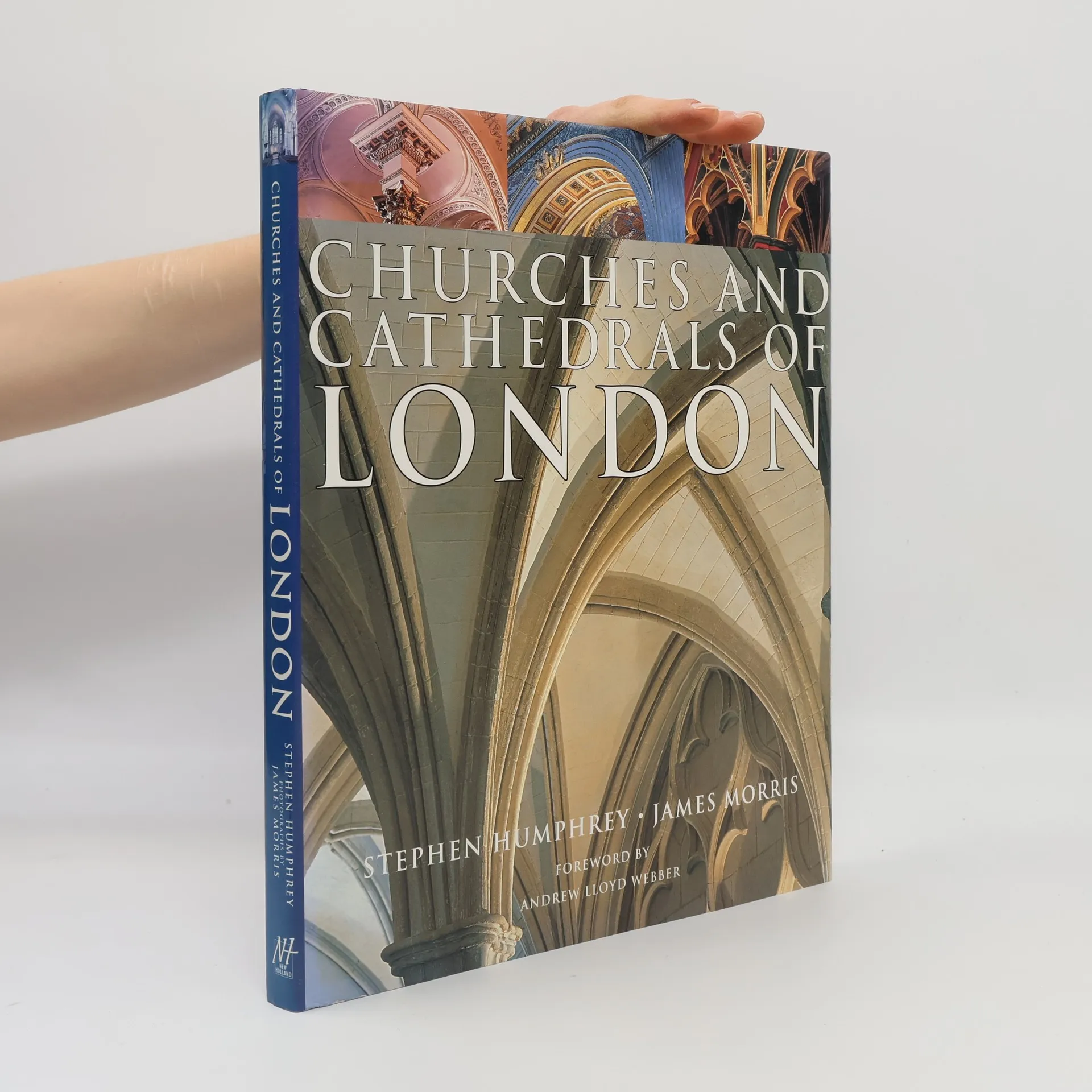
Churches and Cathedrals in London
- 160 pages
- 6 hours of reading
A richly illustrated pictorial celebration of London's churches and cathedrals within Greater London.
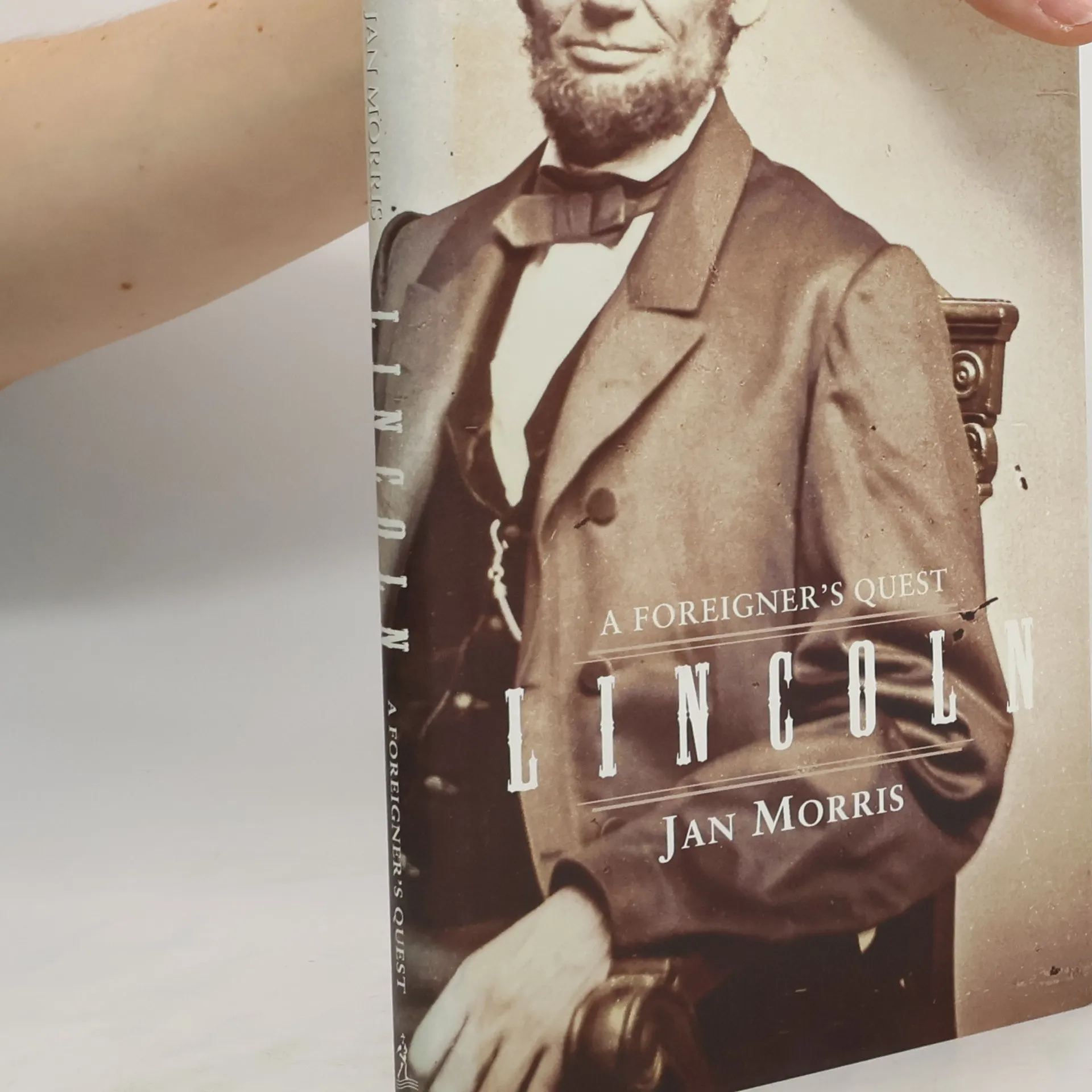
A unique and stimulating combination of travel journal, fully researched biography, and insightful history, from a respected travel writer, features an exploration of the many facets of the Lincoln legend including the myths, the man's wit, and his many tragedies.
Ireland. Your only place
- 160 pages
- 6 hours of reading
A series of heartfelt essays and full-color photographs comprise a striking treasury of Ireland's rolling farmland, rocky sea cliffs, and majestic mountains, along with narrative text that discusses everything from Ireland's ancient roots, religious convictions, and prized authors to the country's obvious and more subtle changes with modern times. Reflects upon Ireland old and new, with a focus on the delicate task of preserving Ireland's rich and important heritage. There are haunting, moody images as well as colorful vistas and remote corners of Ireland, including photographs of the Kerry Coast; Garnish Bay in County Cork; Connemara in County Galway; Ballyness Bay in County Donegal; Inisheer, the Aran Islands; and many more locations.
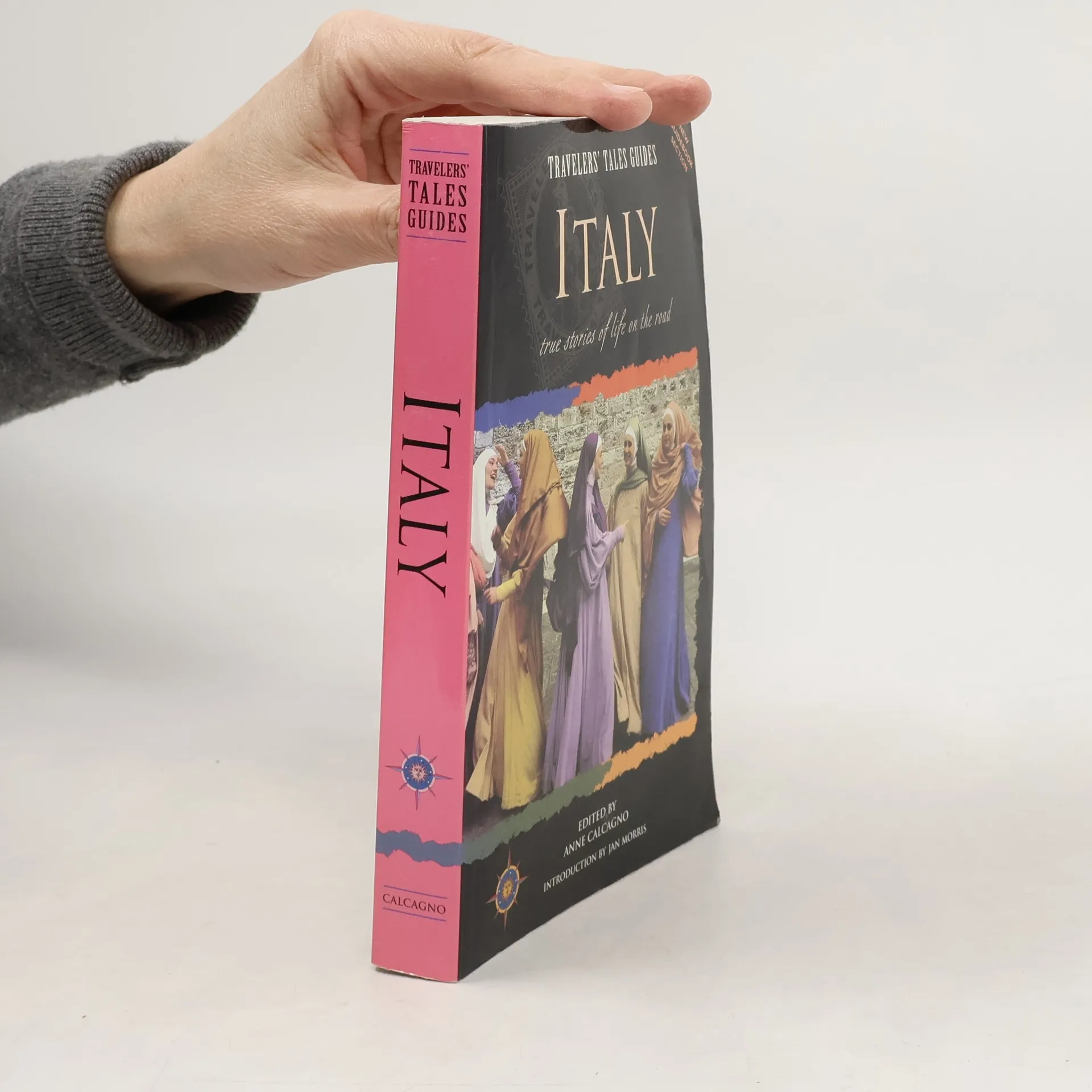
These tales take the reader far beyond a packaged tour of Italy to encounter the land of magical extremes. Meet sculptors, olive harvesters, art historians, cooks, and grandparents whose tales soar with opera and simmer with bribes. Funny, heart-wrenching, and smart, this book reveals Italy, both ancient and modern.
Travels With Virginia Woolf
- 272 pages
- 10 hours of reading
Virginia Woolf had a lively sense of place and delighted in `lighting accidentally. . . upon scenes which would have gone on, have always gone on, will go on, unrecorded, save for this chance glimpse. Following Virginia's footprints from her beloved Sussex and Cornwall to wartime London, Italy and the Riviera to Greek mountains and the wilds of Spain, Jan Morris intersperses swift verbal sketches of a Greek peasant wedding, a fenland sky, an elderly spinster in a hotel dining room in Italy, or Bognor pier in the rain with her own brief, telling comments on both writer and subject.
Building Hong Kong
- 124 pages
- 5 hours of reading
A history of the city derived from its architecture from Manchu days through to the exciting 90s. Hong Kong's ever changing cityscape is breathtaking, not only for its nocturnal glitter as seen from the heights of Victoria Peak but for the architectural diversity of its shimmering towers of commerce. This remarkable sweep of history is captured in stunning photography, and supported with a lively and evocative essay by historian and travel writer Jan Morris.
Four world cities seen through the eyes of Jan Morris.Jan Morris's books include works of history, travel, autobiography and fiction. Here she is represented by essays about four of the world's great cities - Delhi, Manhattan, Sydney and Vienna - each from a different continent, each described in a different mood and with a different technique. They are taken from her collection Among the Cities, also published in Penguin.
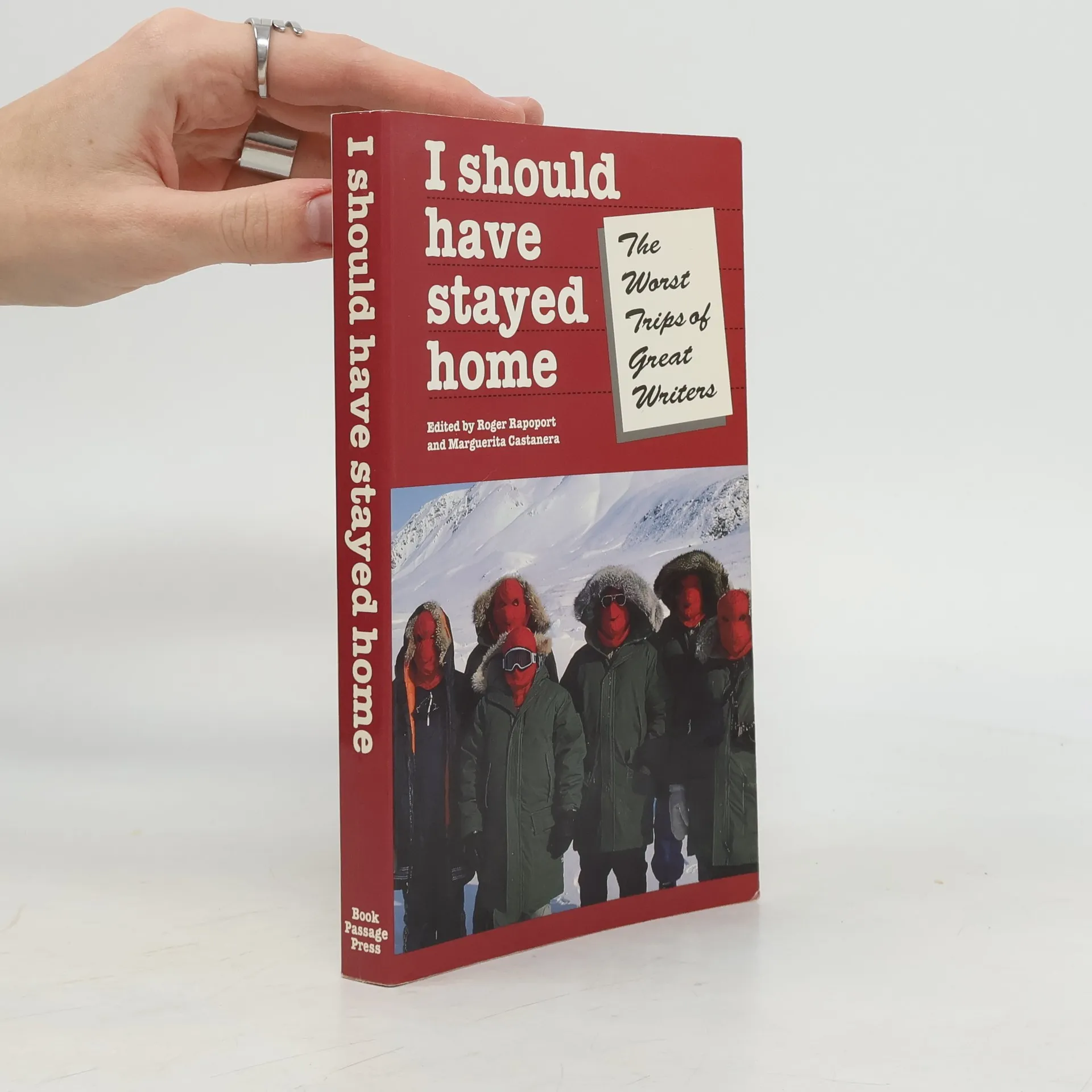
In this hilarious anthology 50 top travel writers, novelists and journalists, including Isabel Allende, Jan Morris, Barbara Kingsolver, Paul Theroux, Mary Morris, Dominique Lapierre, Eric Hansen, Rick Steves, Tony Wheeler and Helen Gurley Brown, tell the stories of their greatest travel disasters. Most of the writers of these original essays are contributing their royalties to Oxfam America, the international relief organization. Guaranteed to whet your appetite or make you cancel your reservations.
A Machynlleth triad
- 181 pages
- 7 hours of reading
English (translation)Original Welsh
Venice
- 336 pages
- 12 hours of reading
Often hailed as one of the best travel books ever written, Venice is neither a guide nor a history book, but a beautifully written immersion in Venetian life and character, set against the background of the city's past. Analysing the particular temperament of Venetians, as well as its waterways, its architecture, its bridges, its tourists, its curiosities, its smells, sounds, lights and colours, there is scarcely a corner of Venice that Jan Morris has not investigated and brought vividly to life. Jan Morris first visited the city of Venice as young James Morris, during World War II. As she writes in the introduction, 'it is Venice seen through a particular pair of eyes at a particular moment - young eyes at that, responsive above all to the stimuli of youth.' Venice is an impassioned work on this magnificent but often maddening city. Jan Morris's collection of travel writing and reportage spans over five decades and includes such titles as Sydney, Coronation Everest, Hong Kong, Spain and Manhattan '45. Since its first publication, Venice has appeared in many editions, won the W.H. Heinemann award and become an international bestseller. 'The best book about Venice ever written' Sunday Times 'No sensible visitor should visit the place without it . . . Venice stands alone as the essential introduction, and as a work of literature in its own right.' Observer
EUROPA GEZIEN VANUIT DE LUCHT
- 288 pages
- 11 hours of reading
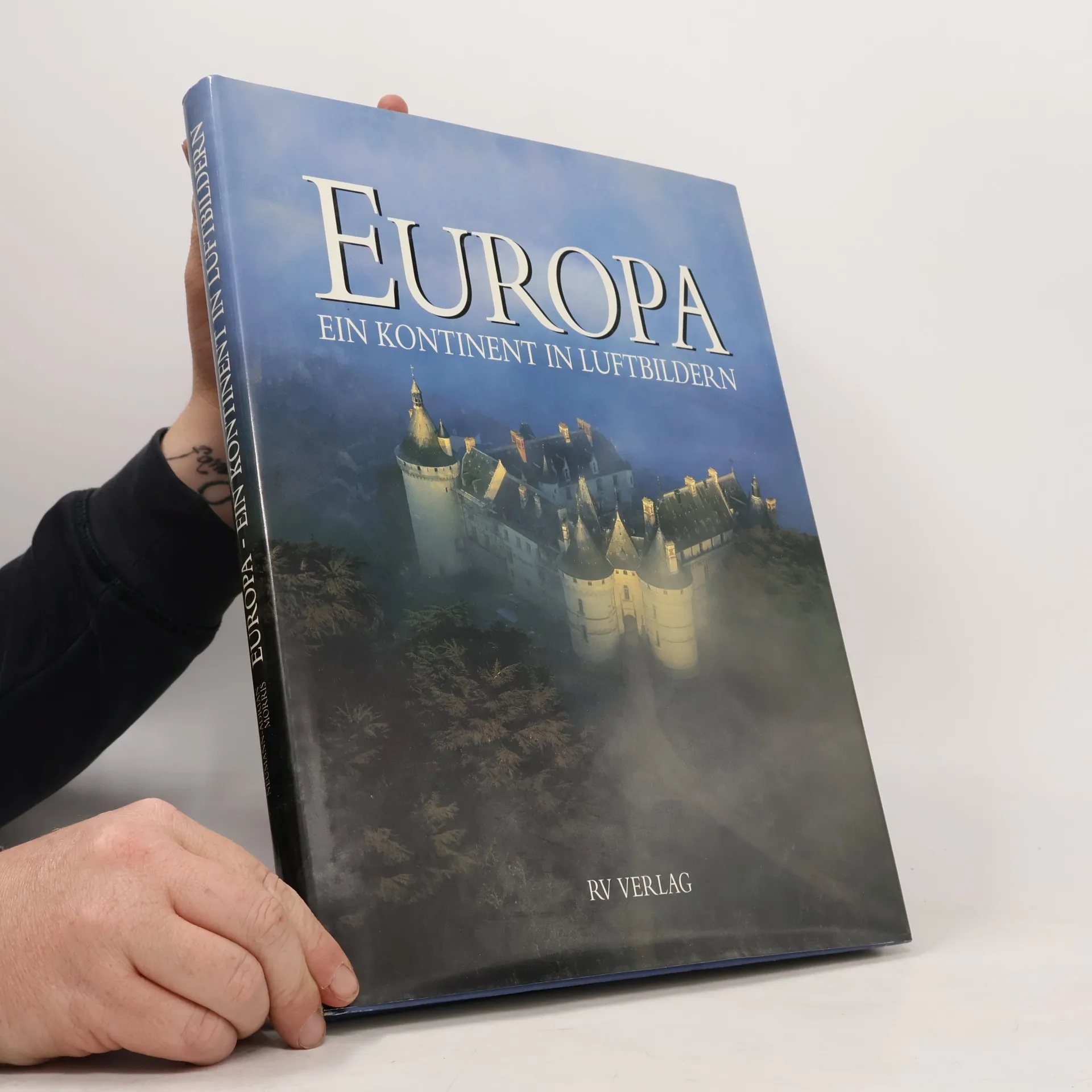
Fotoboek.
In Turkish Reflections , Mary Settle offers us an intimate portrait of a Turkey rarely seen.Settle explores an enchanting and historic land where the cutting of a tree is a crime, where goats are sacrificed to launch state-of-the-art ships, and where whole towns emerge at dusk to stroll in the streets.
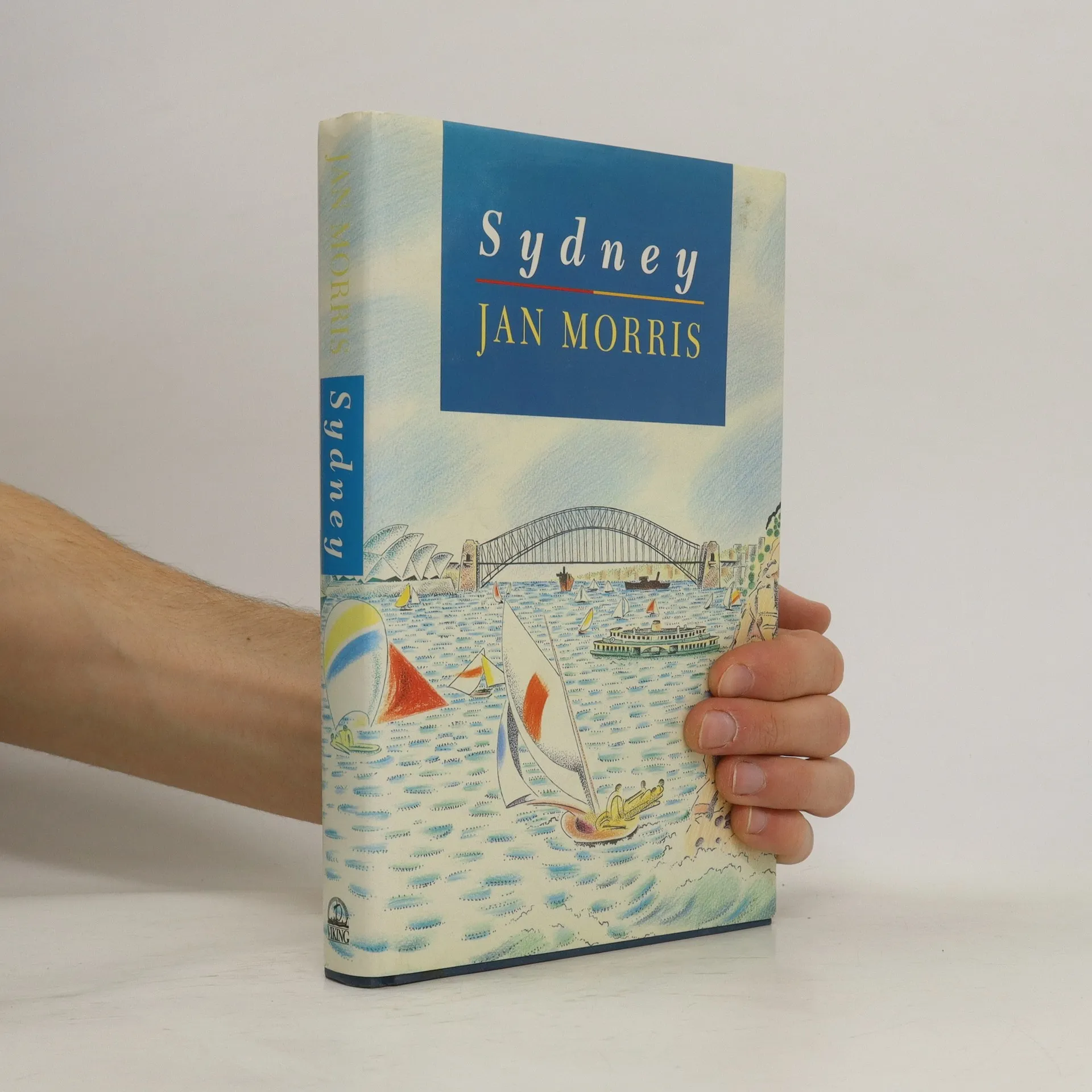
This portrait of Sydney describes a city surrounded by myth. The author outlines Sydney's development from penal colony to metropolis, the precarious sense of economic uncertainty, the underlying crime and bigotry and other changes in Sydney society.
Europa
- 287 pages
- 11 hours of reading
Over Europe
- 288 pages
- 11 hours of reading
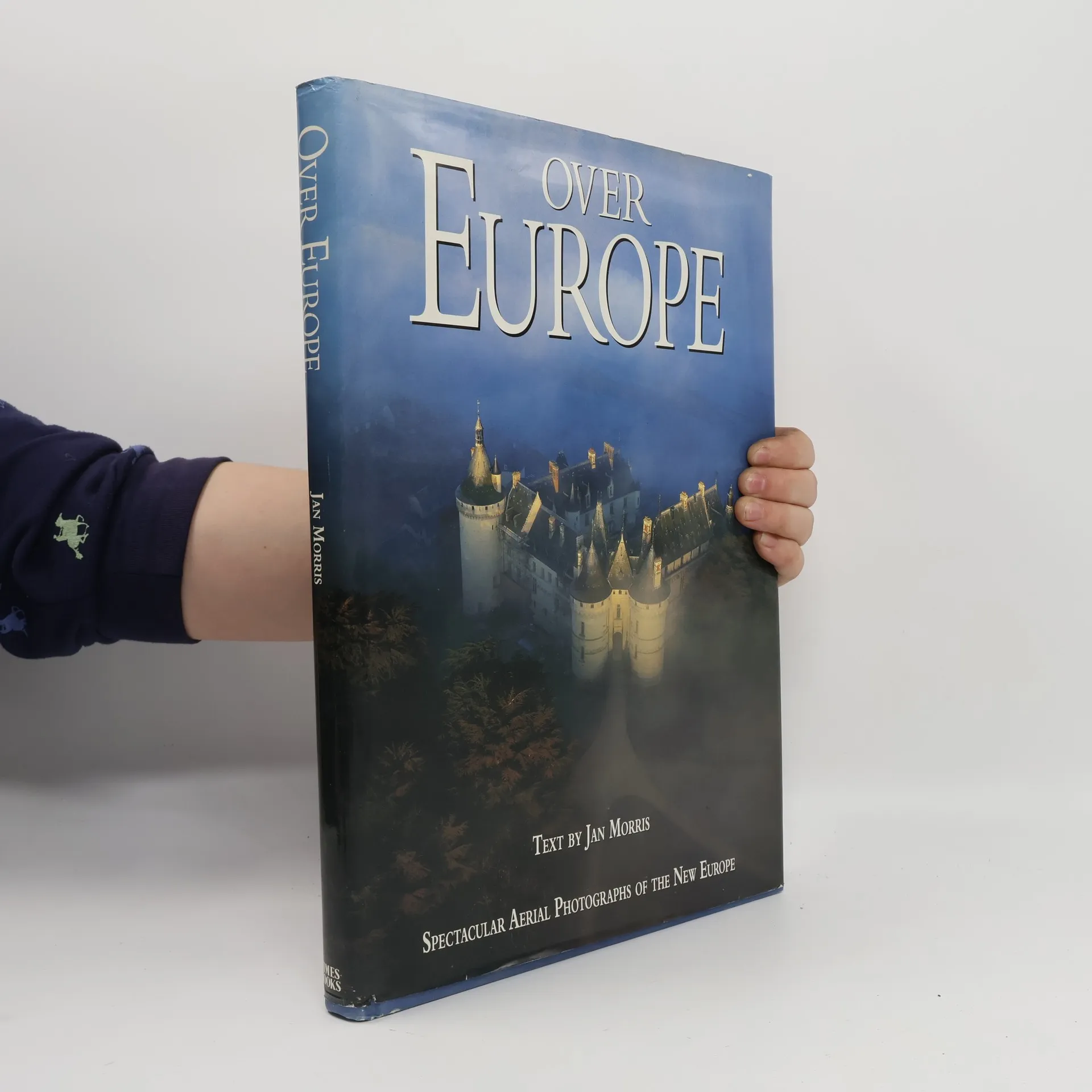
288p
The Harry's Bar Cookbook
- 304 pages
- 11 hours of reading
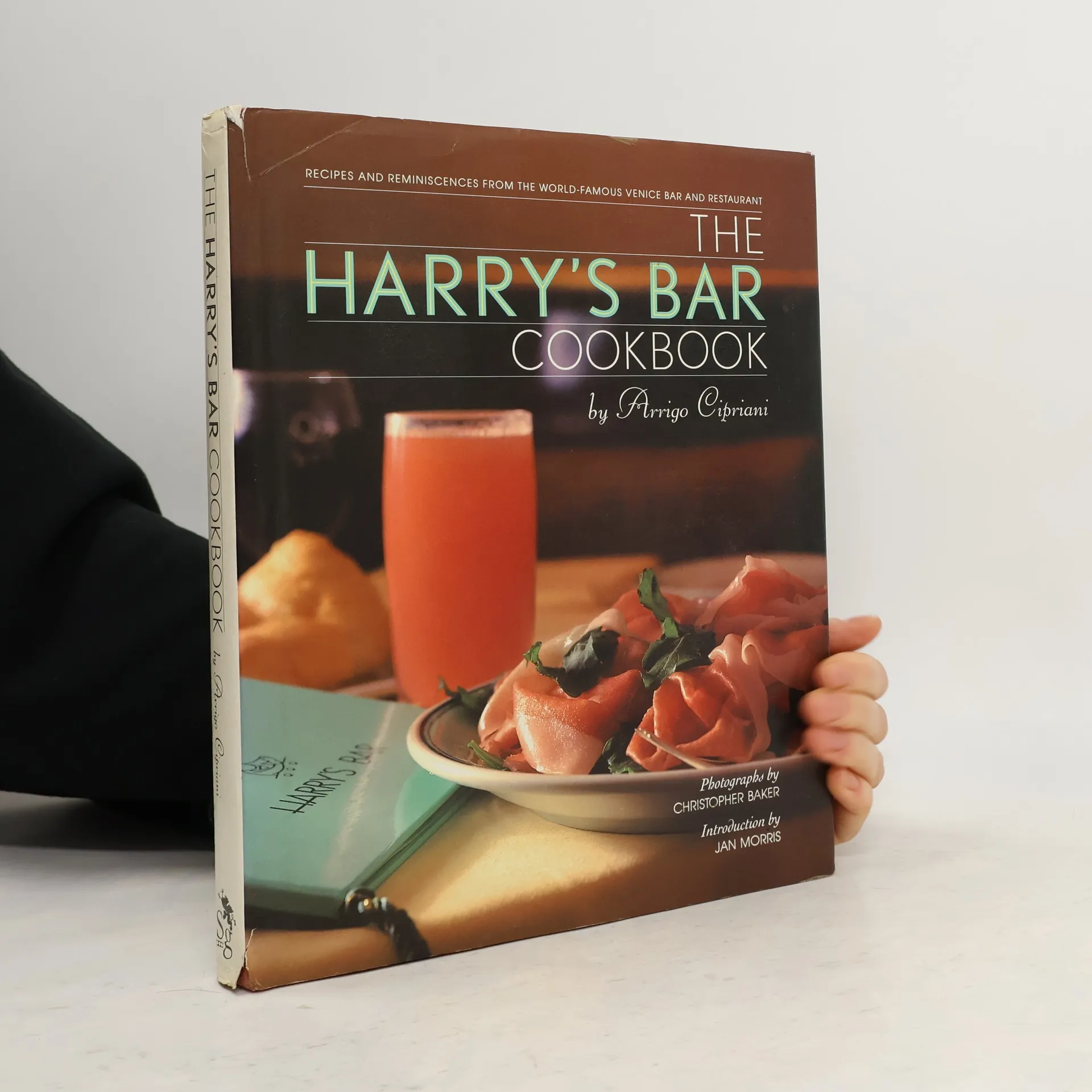
Located on Venice's Calle Vallaresso, Harry's Bar has been a legendary meeting place for artists, writers, royalty, and celebrities for over fifty years. Patrons have included the Windsors, Onassises, and literary icons like Ernest Hemingway and Joan Crawford, all drawn by the exceptional food, fine drinks, and unique ambiance. Arrigo Cipriani shares favorite stories and treasured recipes from this iconic establishment, revealing the secrets behind its most popular dishes. As a bar, Harry's is renowned for its distinctive mixed drinks, originally crafted by founder Giuseppe Cipriani. Here, readers will find detailed instructions for making the world-famous Bellini, a delightful blend of peach elixir and Prosecco, and the Montgomery martini, celebrated by Hemingway as the driest and most delicious. The bar is also famous for its mouth-watering sandwiches, including unique egg sandwiches with anchovies and the legendary club sandwich, which is a knife-and-fork delight. House specialties include risottos and various pasta dishes like ravioli and tagliolini, alongside elegantly prepared country fare such as polenta and squid. Cipriani also introduces his iconic inventions, carpaccio and risotto alla primavera, both of which have inspired countless imitations worldwide. With lavish photographs by Christopher Baker, this book is more than just a cookbook; it is an enduring experience to be savored and enjoyed.
Hong Kong
- 320 pages
- 12 hours of reading
Originally published by Viking in 1988 and now available in paperback, a portrait of Britain's last great imperial colony, which discusses the energy and attraction of Hong Kong, and considers the uncertainty of its future under the government of China.
Pleasures of a Tangled Life
- 191 pages
- 7 hours of reading
Wales from the Air
- 143 pages
- 6 hours of reading
Famous Travellers to the Holy Land
Their Personal Impressions and Reflections
- 159 pages
- 6 hours of reading
Famous Travellers to the Holy Land. Their Personal Impressions and Reflections
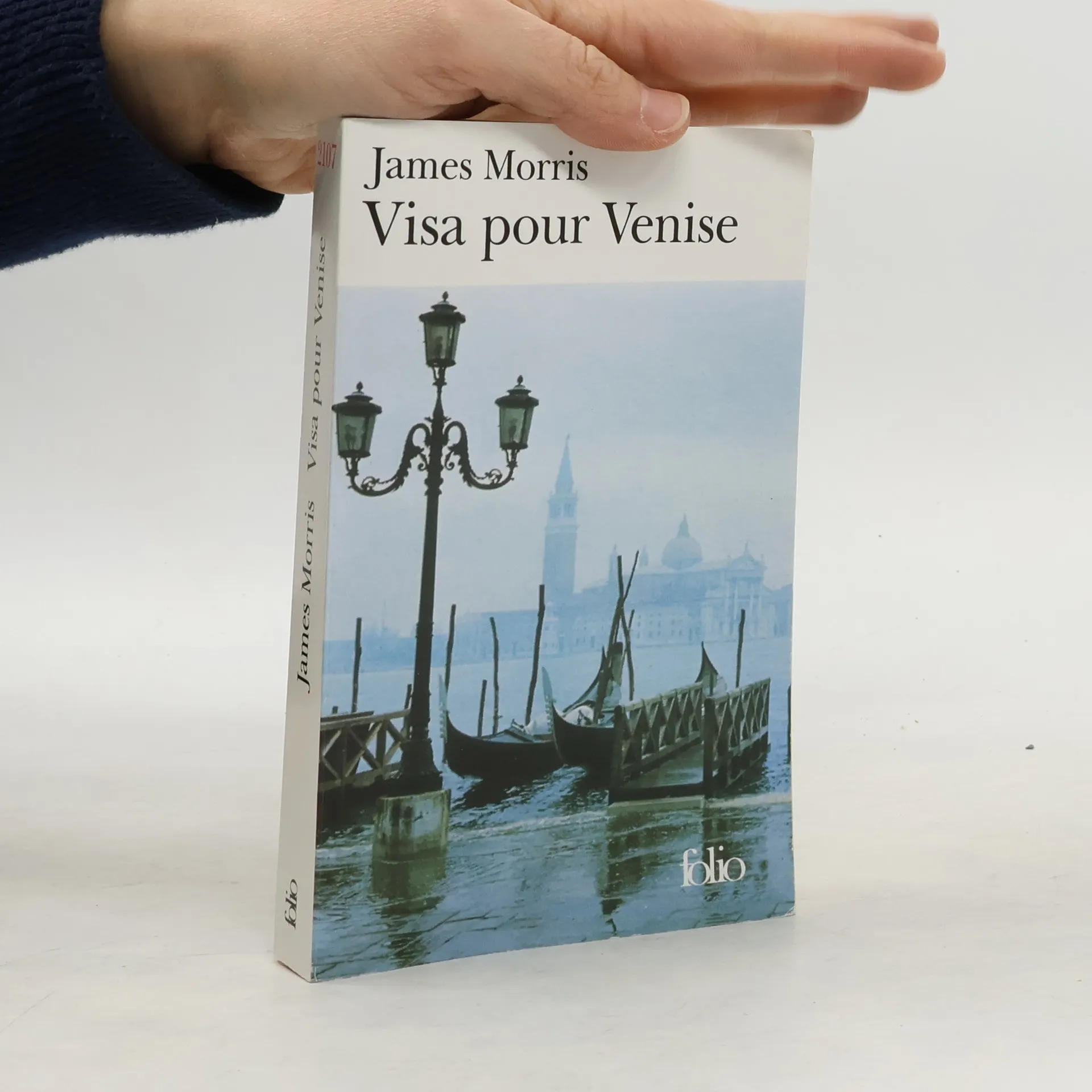
Folio: Visa pour Venise
- 480 pages
- 17 hours of reading
JAMES MORRIS Visa pour Venise James Morris a vécu deux ans à Venise. Il en parle ici comme d'une ville, presque d'une personne, qu'il a passionnément aimée, et dont le charme, à distance, avec le recul pourtant, continue d'opérer. Tour à tour lyrique, débraillé, érudit, superstitieux, goguenard, toujours lucide, il est le plus versatile et le plus constant des amants de Venise. La Cité de Carpaccio et du Titien, la séductrice de Byron et de Thomas Mann, la ville touristique et la ville réelle, d'aujourd'hui, où les femmes avancent avec des grâces de navire... James Morris évoque toutes les facettes de Venise, ranime son odeur de vase, d'encens, de crasse et de velours, le doux clapotement de ses canaux, la mélancolie de la vaste lagune qui l'entoure. Ranime Venise, l'Inoubliable.
Images of Egypt
- 144 pages
- 6 hours of reading
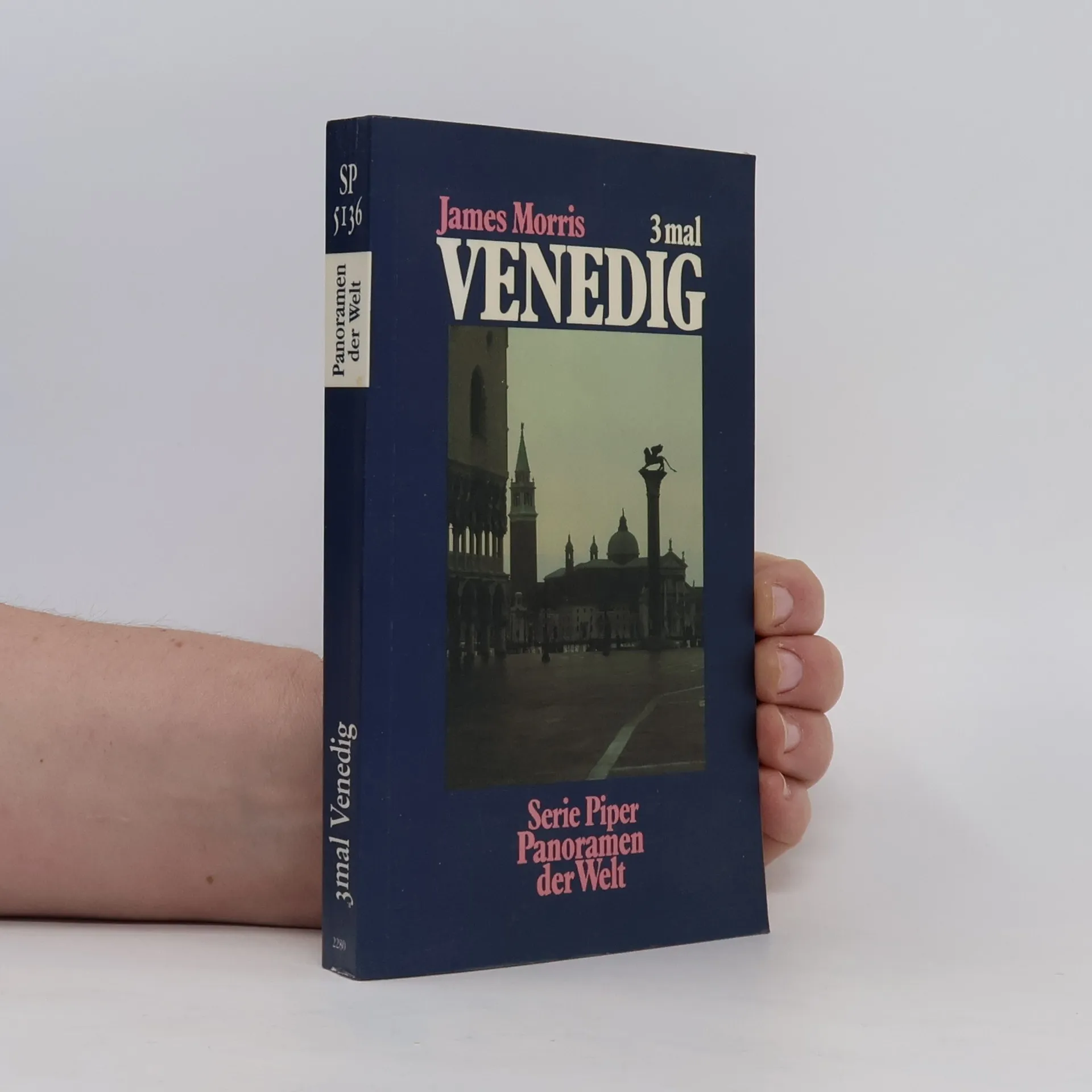
3mal Venedig
- 365 pages
- 13 hours of reading
Shows stickers issued by hotels around the world to identify the luggage of their guests.
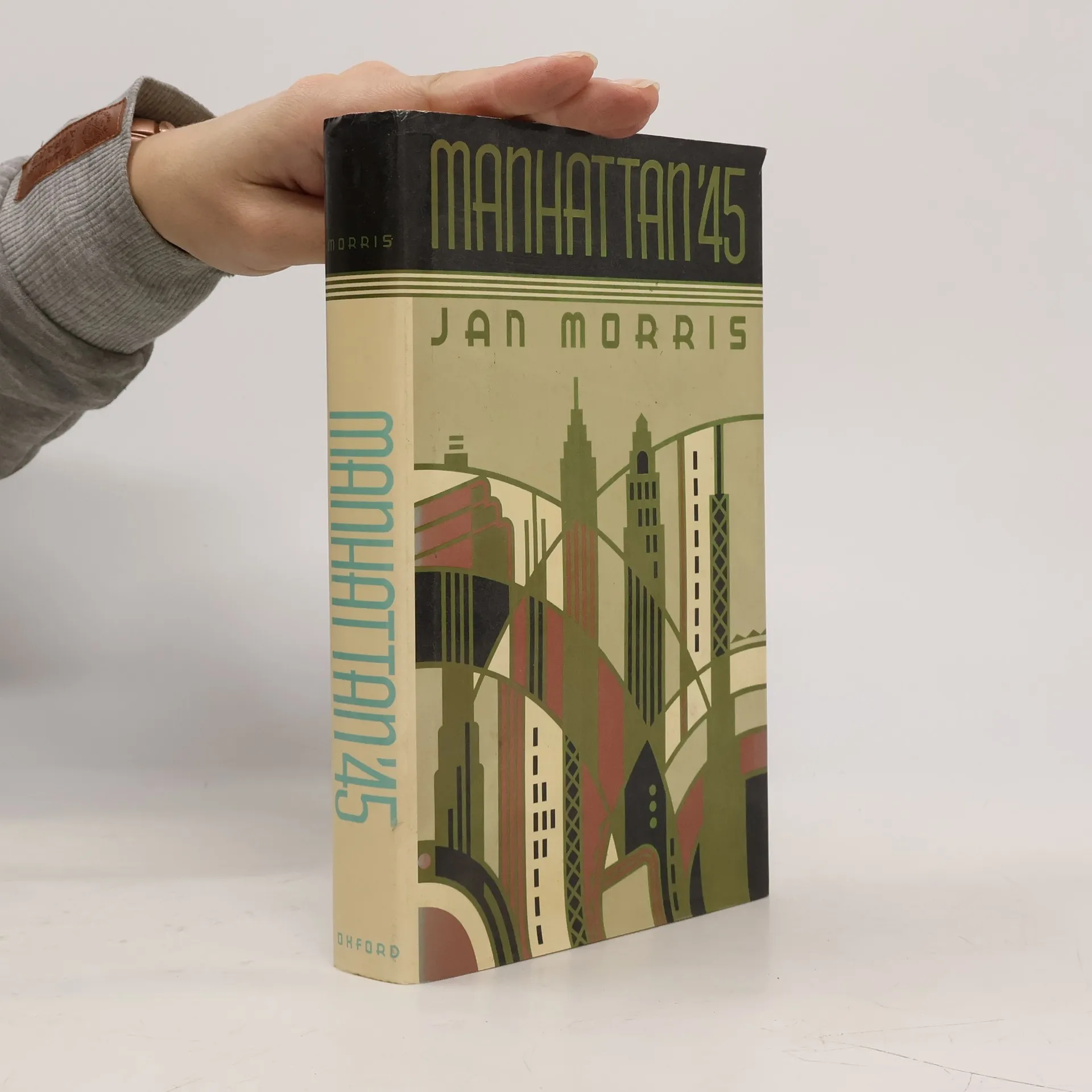
Manhattan '45
- 273 pages
- 10 hours of reading
In 1945, New York City stood at the pinnacle of its cultural and economic power. Never again would the city possess the unique mixture of innocence and sophistication, romance and formality, generosity and confidence which characterized it in this moment of triumph. In Manhattan '45, acclaimed travel writer and historian Jan Morris evokes the city in all its romantic grandeur. From its beguilingly idiosyncratic architectural style to its unmistakable slang, post-war New York springs to life through Morris's brisk, affectionate prose. Morris visits Wall Street, Harlem, Greenwich Village, Chinatown, and the Lower East Side. She rides the trollies, the El, the Hudson River ferries, and the Twentieth Century Limited. She dines at Schrafft's and Le Pavilion, drinks ale at McSorley's Saloon, sips Manhattans at the Manhattan Club, and spots celebrities at El Morocco. She meets Fiorello La Guardia, Robert Moses, Leo Durocher, I. B. Singer, and Dizzy Gillespie. And she tours the tenements of Hell's Kitchen and the Gashouse district, as well as the Foundling Hospital where the crushing realities of poverty belie the unchallenged exuberance of the age. Taking into account both Social Register and slum, Manhattan '45 celebrates New York's Golden Age as a place where, for one unrepeatable moment in history, anything seemed possible.
Conundrum
- 160 pages
- 6 hours of reading
This remarkable memoir offers a classic account of the transgender journey, chronicling the life of a figure who navigated the English establishment as a prominent journalist, historian, and travel writer. While publicly excelling in his career, he concealed a profound inner truth: from the age of four, he identified as a girl despite his male body. In his 40s, he embraced this truth and transitioned to become Jan Morris. Set in the 1970s, a time when such matters were far less accepted than today, the memoir explores the motivations behind this courageous decision. He faced significant mental and physical challenges, including undergoing surgery in Morocco, all while being a well-known figure subject to media scrutiny. The impact on his loving wife and children in their North Wales village added further complexity to his journey. Jan Morris narrates her experiences with clarity and honesty, addressing the emotional, physical, and social issues inherent in such a transition. Through this personal account, she provides profound insights into the complexities of identity. Modestly presented, the memoir reveals the immense courage and integrity required for such a transformation. Ultimately, it is a deeply moving, beautifully written, and unforgettable story that is both humane and uplifting.
Oxford
- 304 pages
- 11 hours of reading
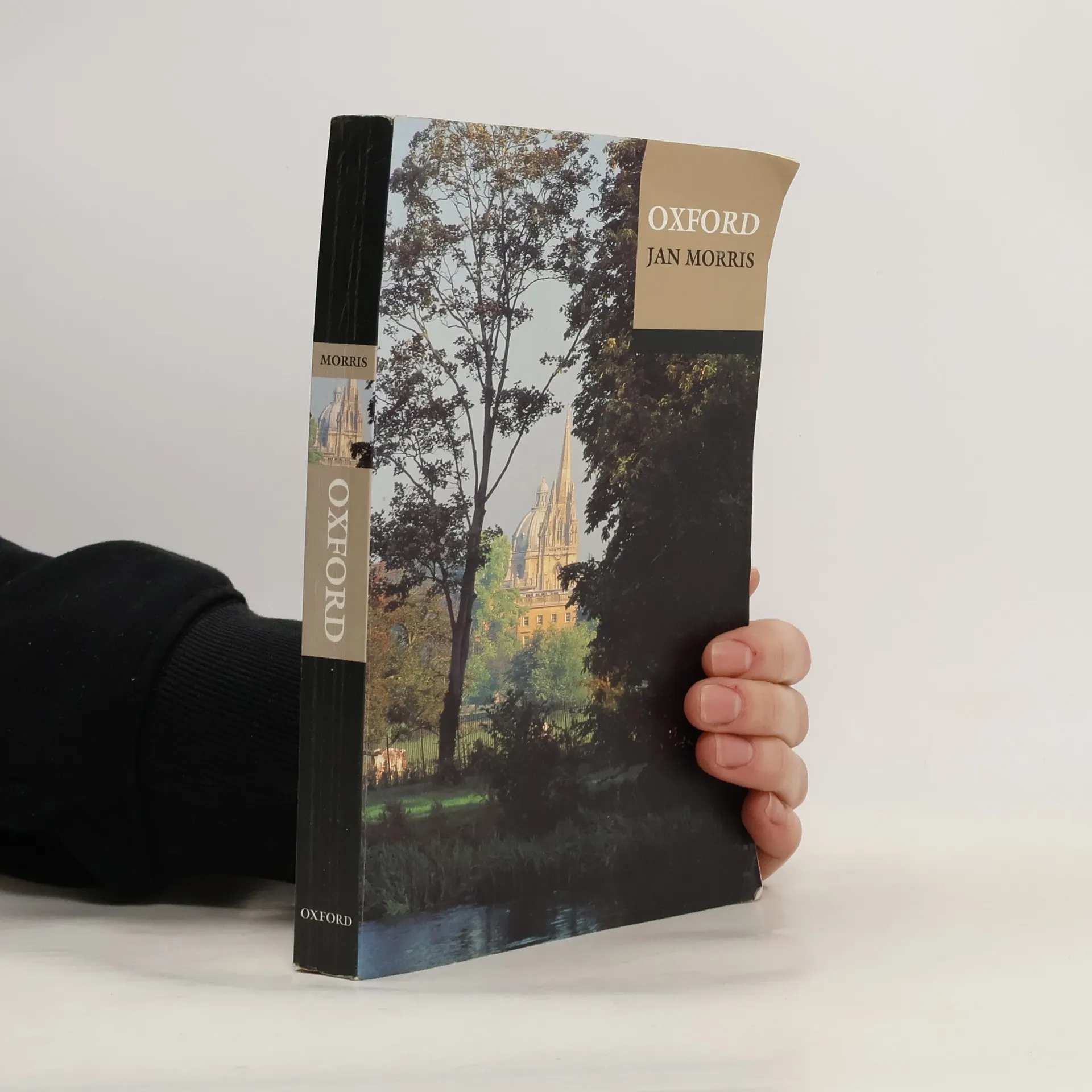
Jan Morris has given us a brilliant and thoroughly enjoyable exploration the history, architecture, geography, and culture of one of England's most historic, beautiful, enigmatic and visited cities - Oxford. This is the perfect guide for local historians, visitors to the city, and prospective students of the famous university. schovat popis
Among the Cities
- 410 pages
- 15 hours of reading
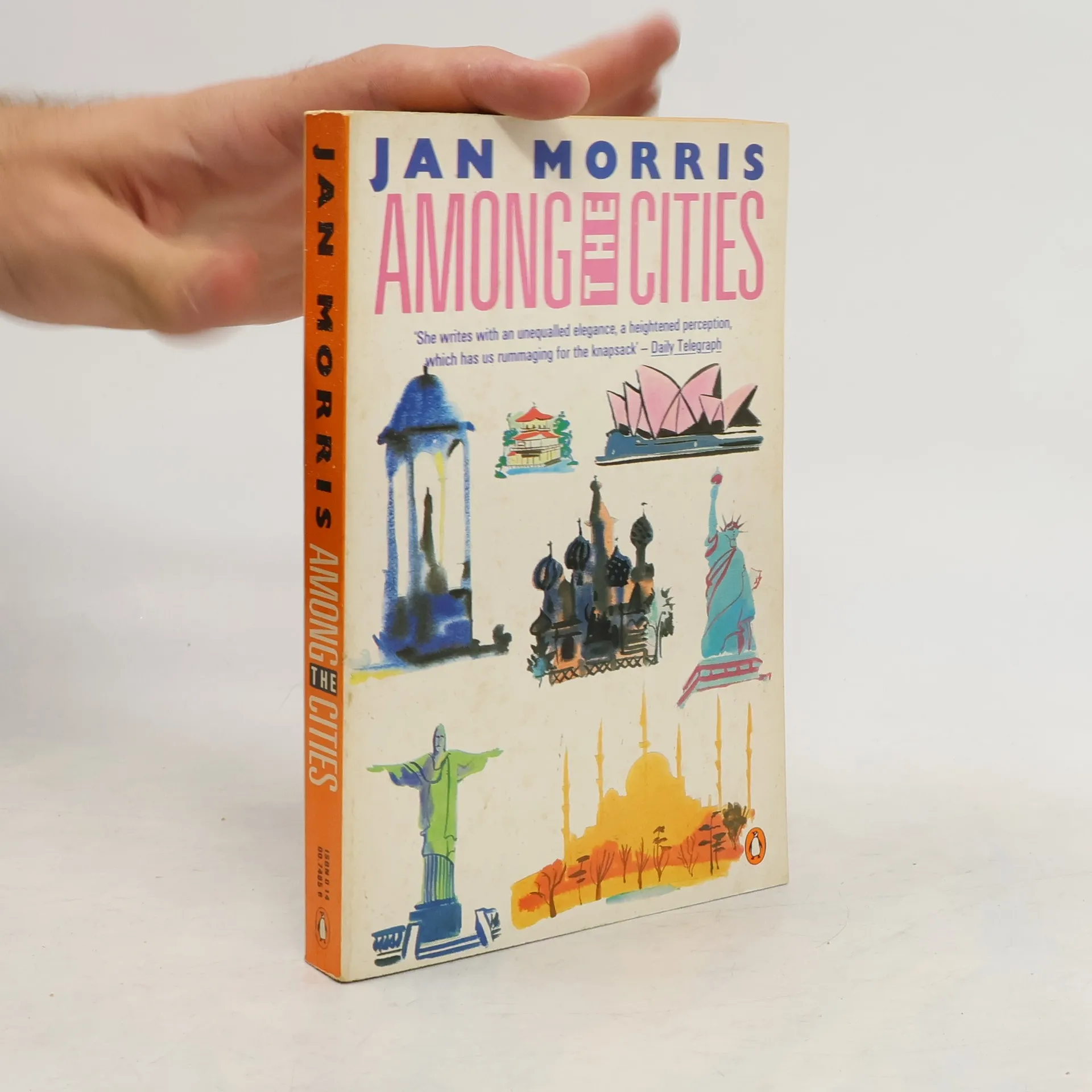
Here at last is a collection of the best work of Jan Morris, considered by many the preeminent travel writer of our age. Reviewing her most recent book, The matter of Wales, the Christian Science Monitor wrote, "With this book, Morris joins the immortals. The splendors of the prose are like Homer's sea, simply everywhere. She is an absolute master of the sentence." Included are 37 separate pieces drawn from earlier books that span Morris's entire career as well as pieces origninally written for this book. Whether taking us back to Berlin and Beirut of the 1950's or to Houston and Sydney of the 1980s, Morris depicts each place with elegance, passion and wit. She captures and conveys its complex personality and makes us see the familiar in a new light or introduces us to places off the beaten track, taking us around the globe from Sri Lanka and Cashmir to Trouville and Cozco to Wyoming and Bath.About the Jan Morris is the author of such books as the Pax Britannica trilogy, Spain, Destinations, and, most recently, Journeys and The Matter of Wales.
Scotland
- 160 pages
- 6 hours of reading
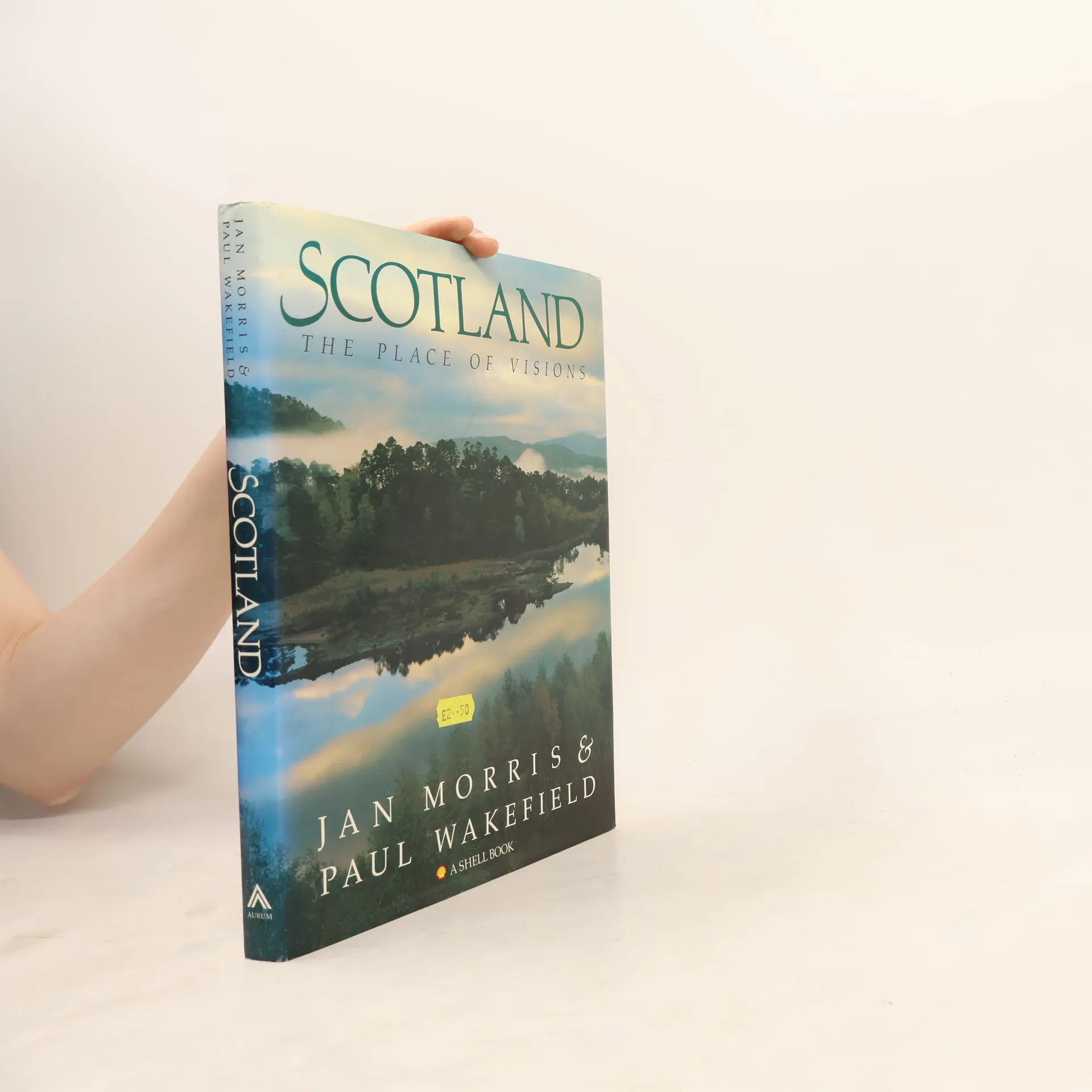
Shows and describes Scotland's people, coastline, islands, highlands, lochs, rivers, waterfalls, and farmlands.
Following the simplest suggestions and rules found in this book can make you a truly outstanding conversationalist - and bring you popularity and success with people that you never thought possible!
The Oxford Book of Oxford
- 414 pages
- 15 hours of reading
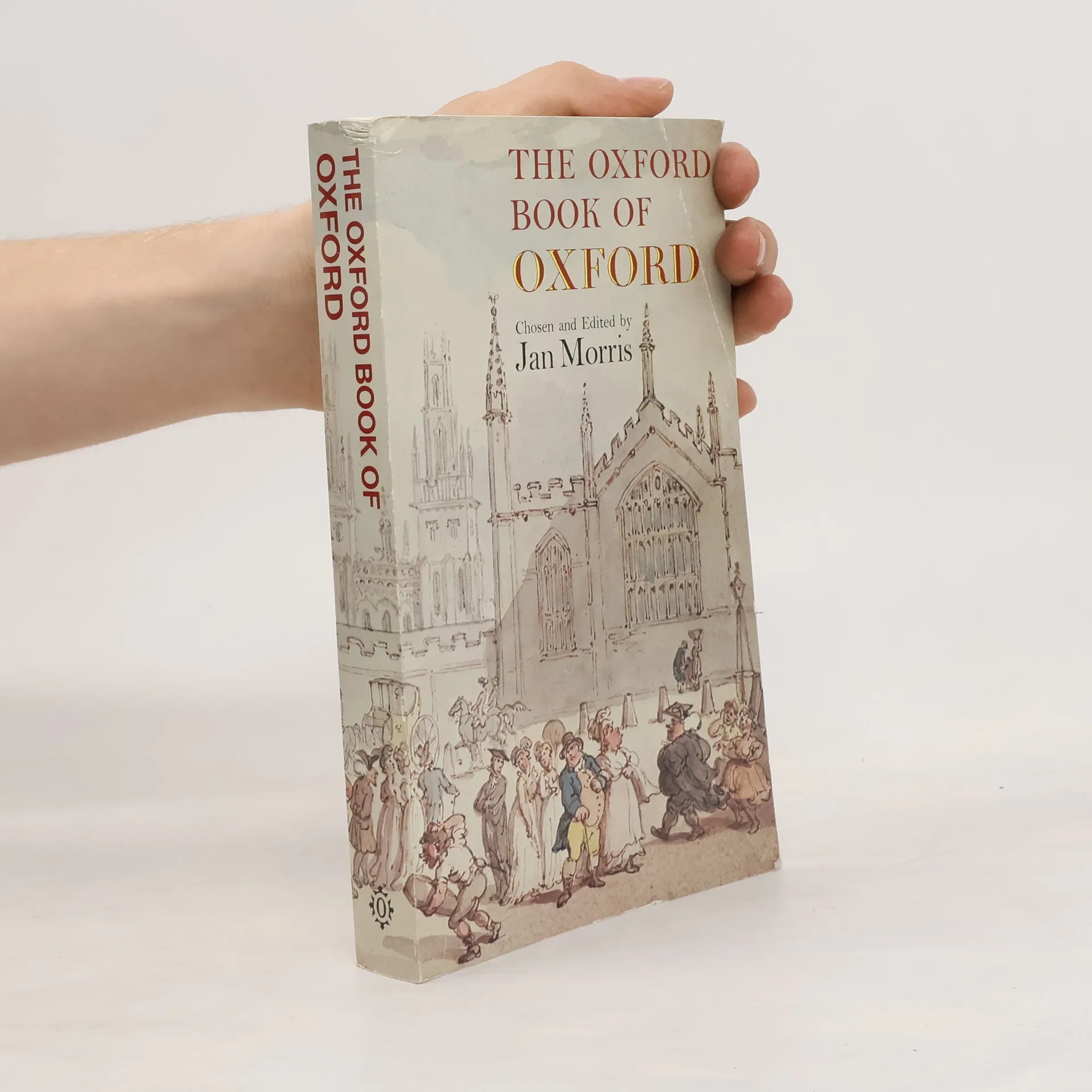
In this entertaining and lively anthology, Jan Morris traces the history of the university from it foundation in the Middle Ages through to 1945, combining extracts from contemporary observers with her own linking commentary. Important events in the history of the University are described and explained ( development of the college system, Magdalen's defiance of James II, Newman and the Oxford Movement), and its life and times are exalted or derided by writers ranging from Anthony Wood to Evelyn Waugh. Unworldly scholars and eccentric dons walk these pages: characters like Benjamin Jowett, Sir Maurice Bowra and William Spooner, who ordered an undergraduate to leave by the town drain', and coined Spoonerism.
3mal [Dreimal] Venedig
- 360 pages
- 13 hours of reading
The British Empire was one of the most astonishing phenomena of modern history: a quarter of the earth's landmass (almost 11 million square miles) under the suzerainty of a small island off the Atlantic coast of Europe. The empire has been acquired almost by accident, an island here, a port there, but by the end of the nineteenth century it dominated the lives of over 372 million people. The English language, British ideals, British notions of justice and civilization, British taste in art and architecture could be found in every corner of the world, in Europe, Africa, America, Asia, Australasia and on what the Colonial Office list as 'nearly all the isolated islands and rocks in the ocean'.
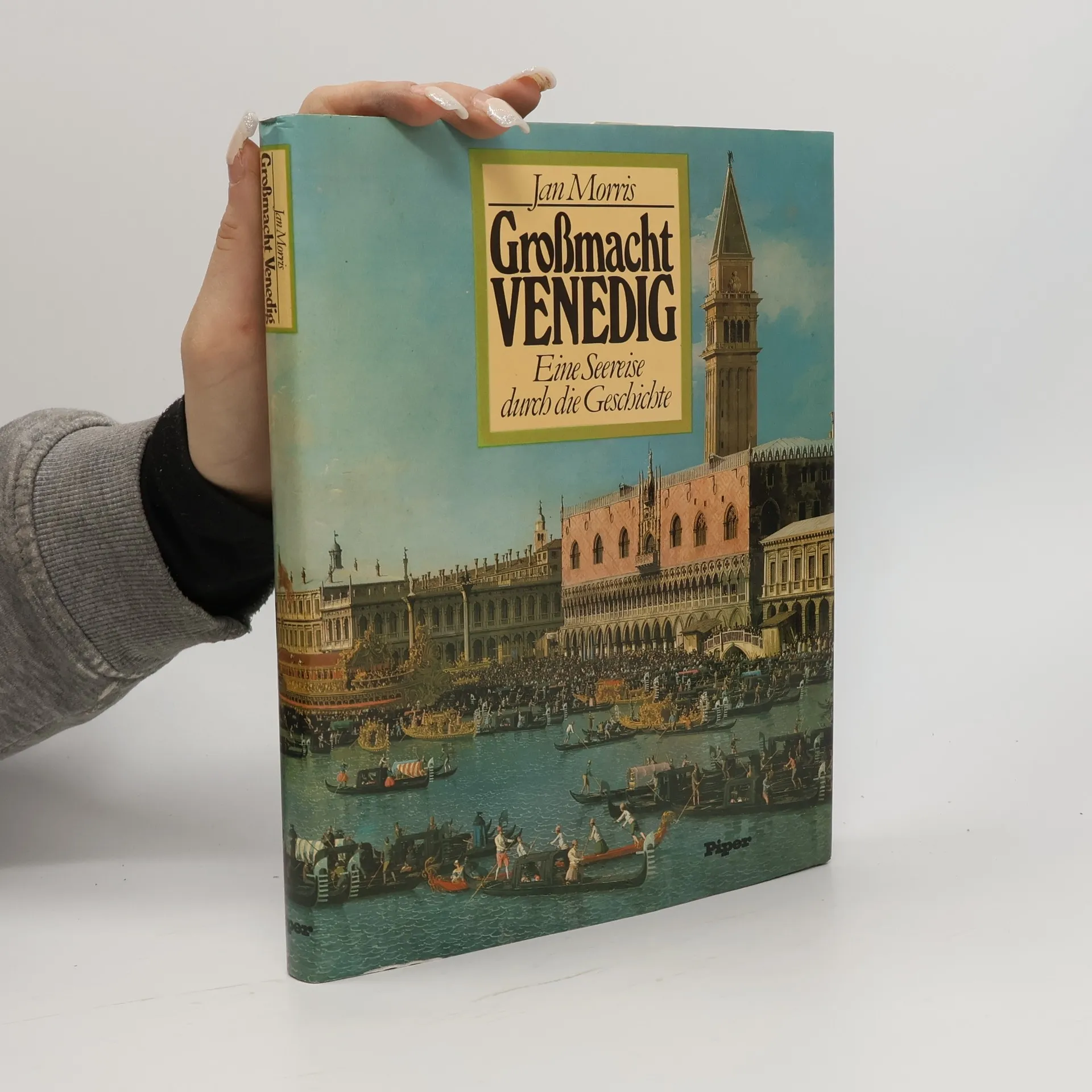
Grossmacht Venedig
- 191 pages
- 7 hours of reading
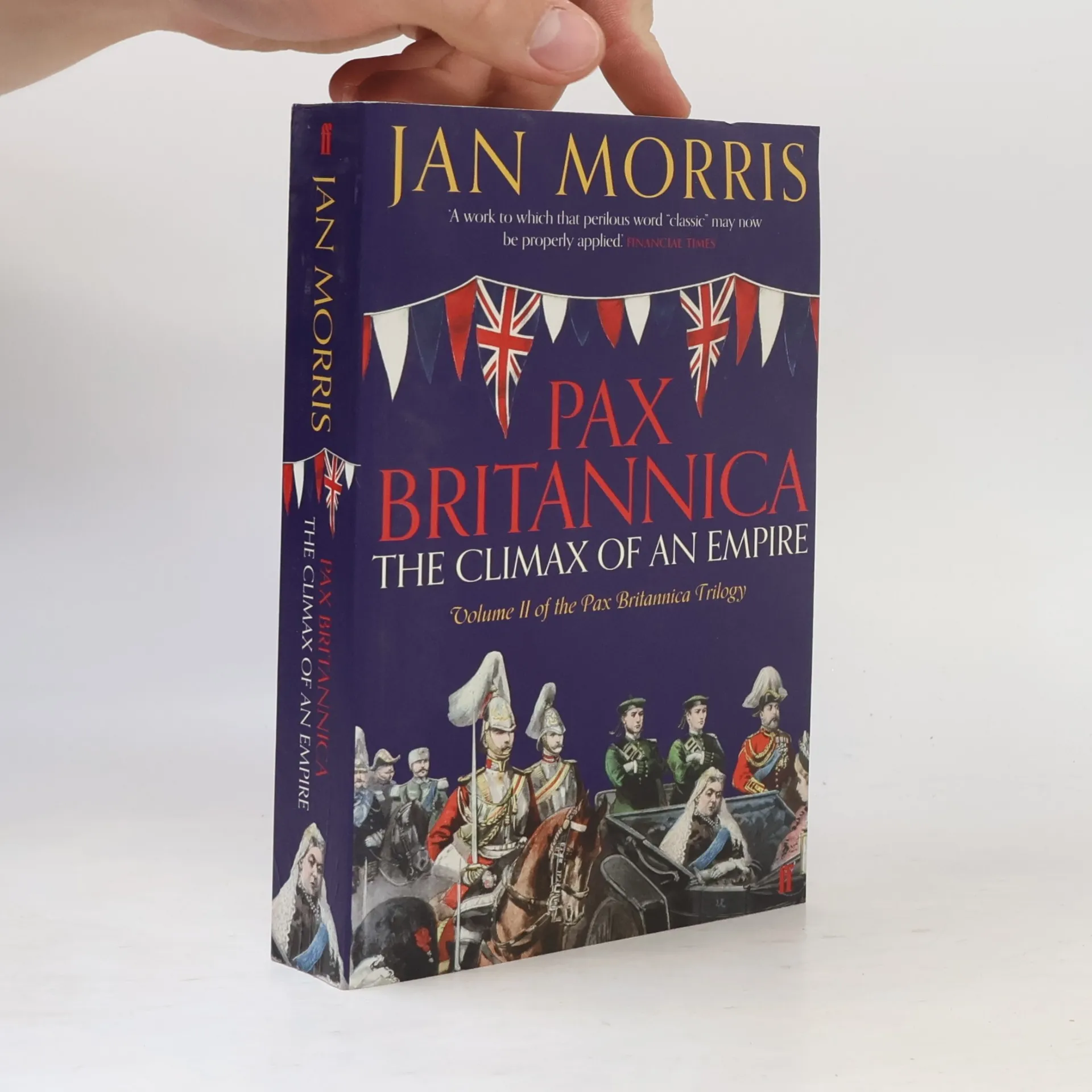
Pax Britannica
- 560 pages
- 20 hours of reading
The second instalment of the Pax Britannica Trilogy by Jan Morris, recreates the British Empire at its dazzling climax - the Diamond Jubilee of Queen Victoria in 1897, celebrated as a festival of imperial strength, unity, and splendour.
The opening volume of Morris’s “Pax Britannica Trilogy,” this richly detailed work traces the rise of the British Empire, from the accession of Queen Victoria to the throne in 1837 to the celebration of her Diamond Jubilee in 1897. Index. A Helen and Kurt Wolff Book
New York, wo alle Schiffe landen
- 267 pages
- 10 hours of reading
Erforscht die Ufer und Straßen Manhattans der 1950er Jahre. Dieses Buch zeigt die Stadt als einen Ort ständiger Bewegung, der in eine Kultur unermüdlicher Unruhe übersetzt wurde.











![3mal [Dreimal] Venedig](https://rezised-images.knhbt.cz/1920x1920/23295792.webp)