



Explore the latest books of this year!
Bookbot

William Stanley Jevons

    September 1, 1835 – August 13, 1882

    William Stanley Jevons was an English economist and logician whose work fundamentally shifted the mathematical approach in economics. His theory of marginal utility introduced a new perspective on value, positing that the utility of an additional unit of a good diminishes as an individual's ownership increases. Jevons also highlighted concerns about resource depletion, anticipating the paradox where increased efficiency in production can paradoxically lead to greater consumption. His contributions to the marginal revolution in economic thought and his logical inquiries established him as a pivotal figure in scientific advancement.

    Počátkové logiky
    Die Theorie der Politischen Ökonomie
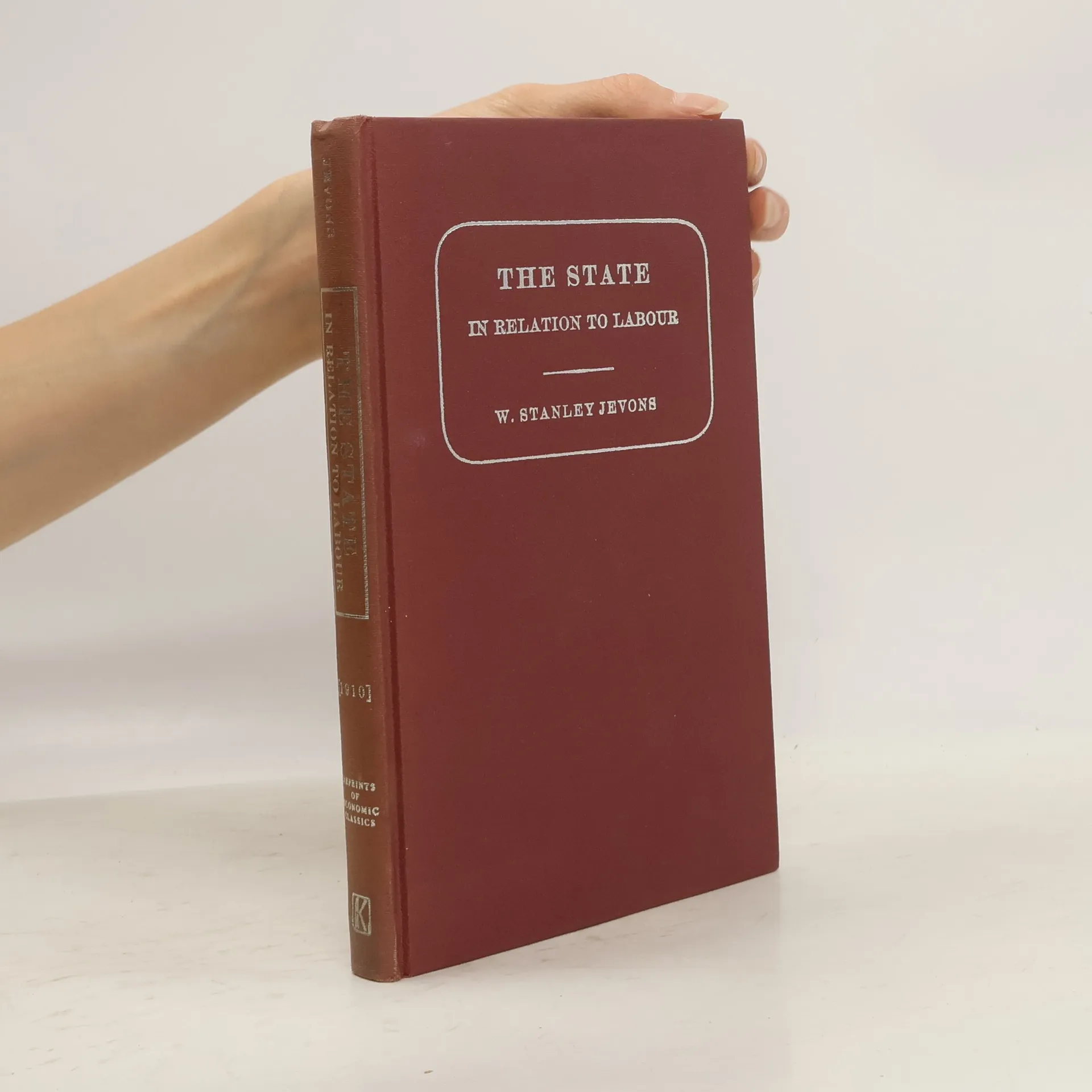
    The State In Relation To Labour
    Money and the Mechanism of Exchange
    • Money and the Mechanism of Exchange

      • 276 pages
      • 10 hours of reading

      Focusing on the roles of money and currency in economic transactions, this seminal work by William Stanley Jevons explores the mechanics of exchange. Published in 1875, it significantly contributes to economic theory, particularly the Quantity Theory of Money, offering insights into how money operates within the economy. Jevons' analysis remains influential, establishing foundational concepts that continue to shape economic thought today.

      Money and the Mechanism of Exchange2006
      4.0