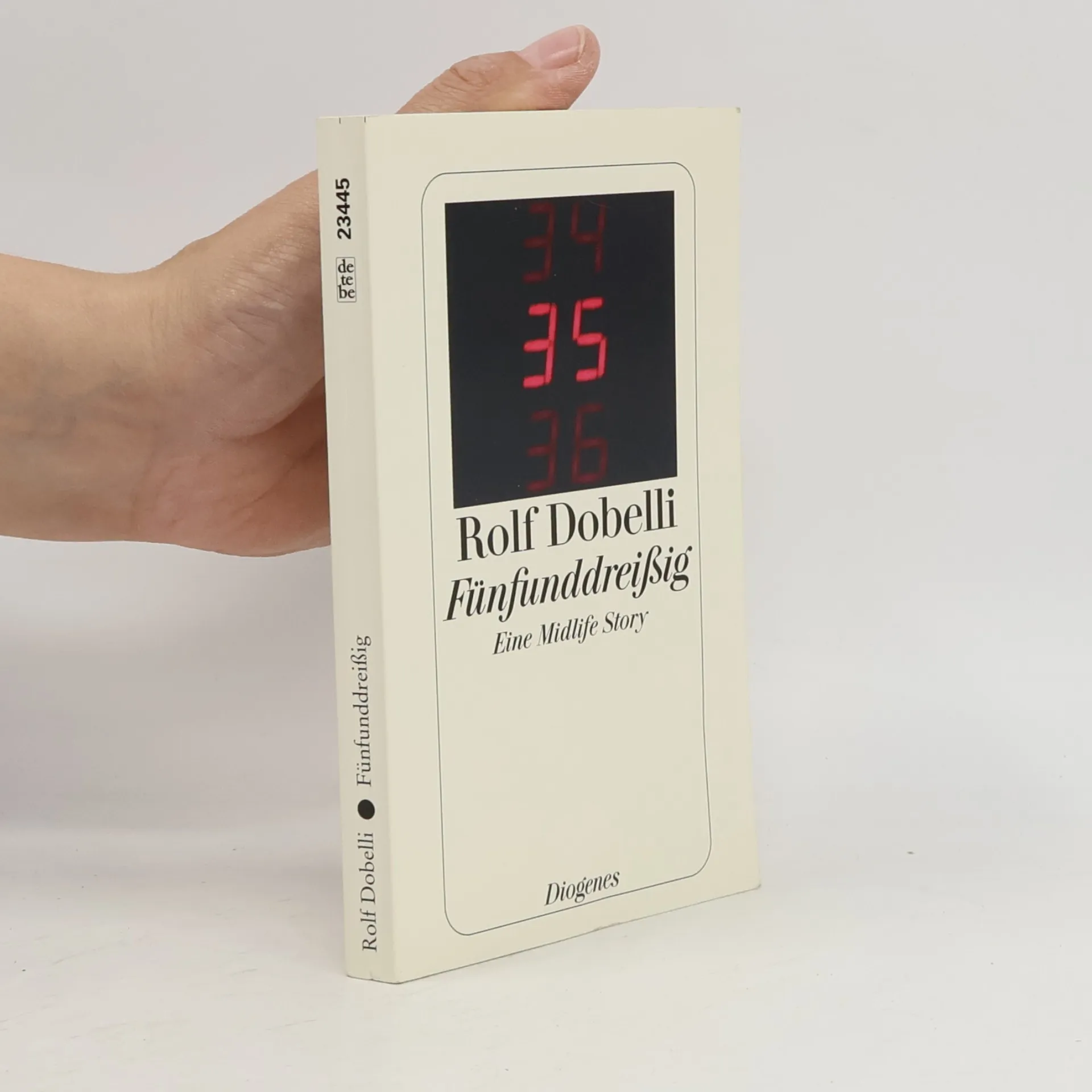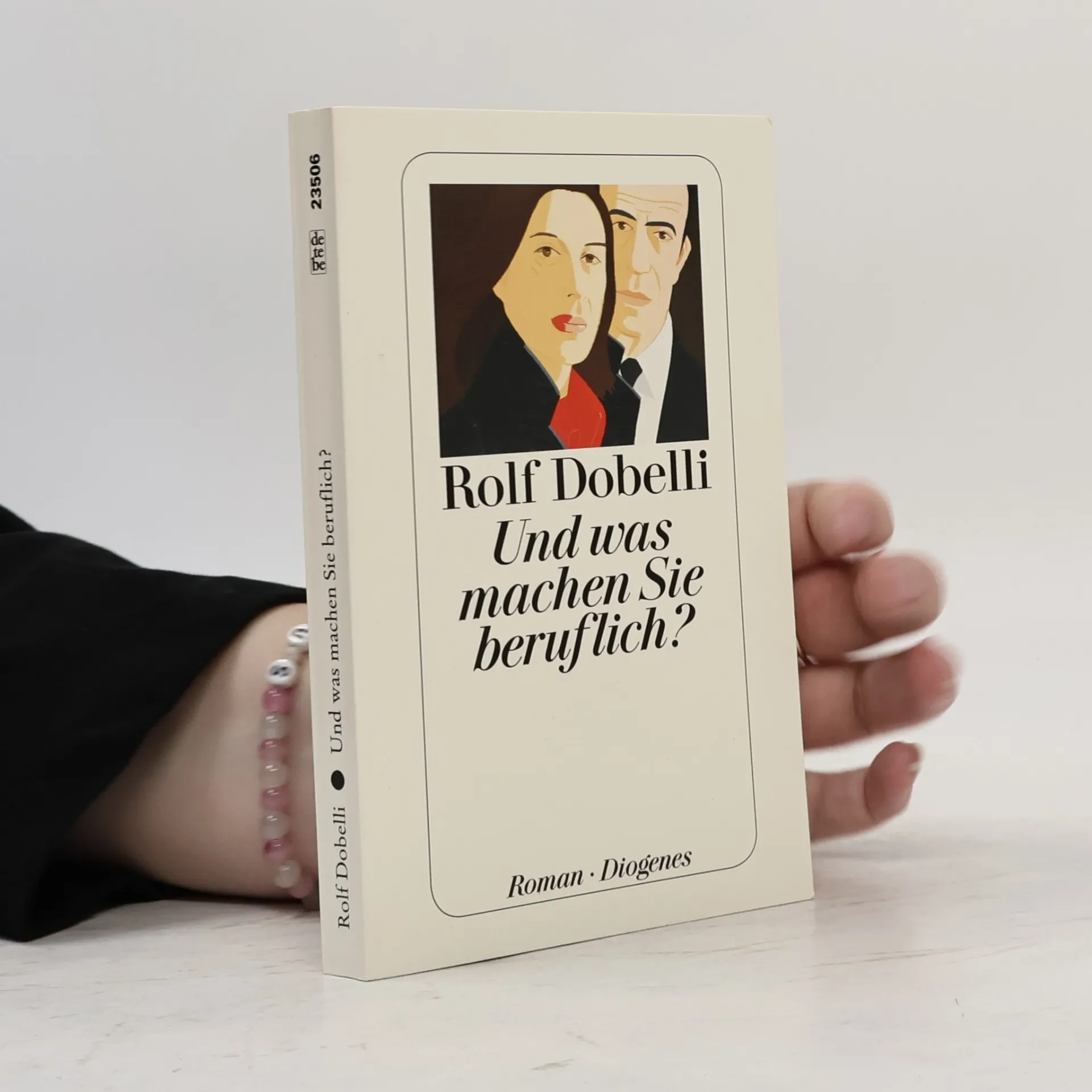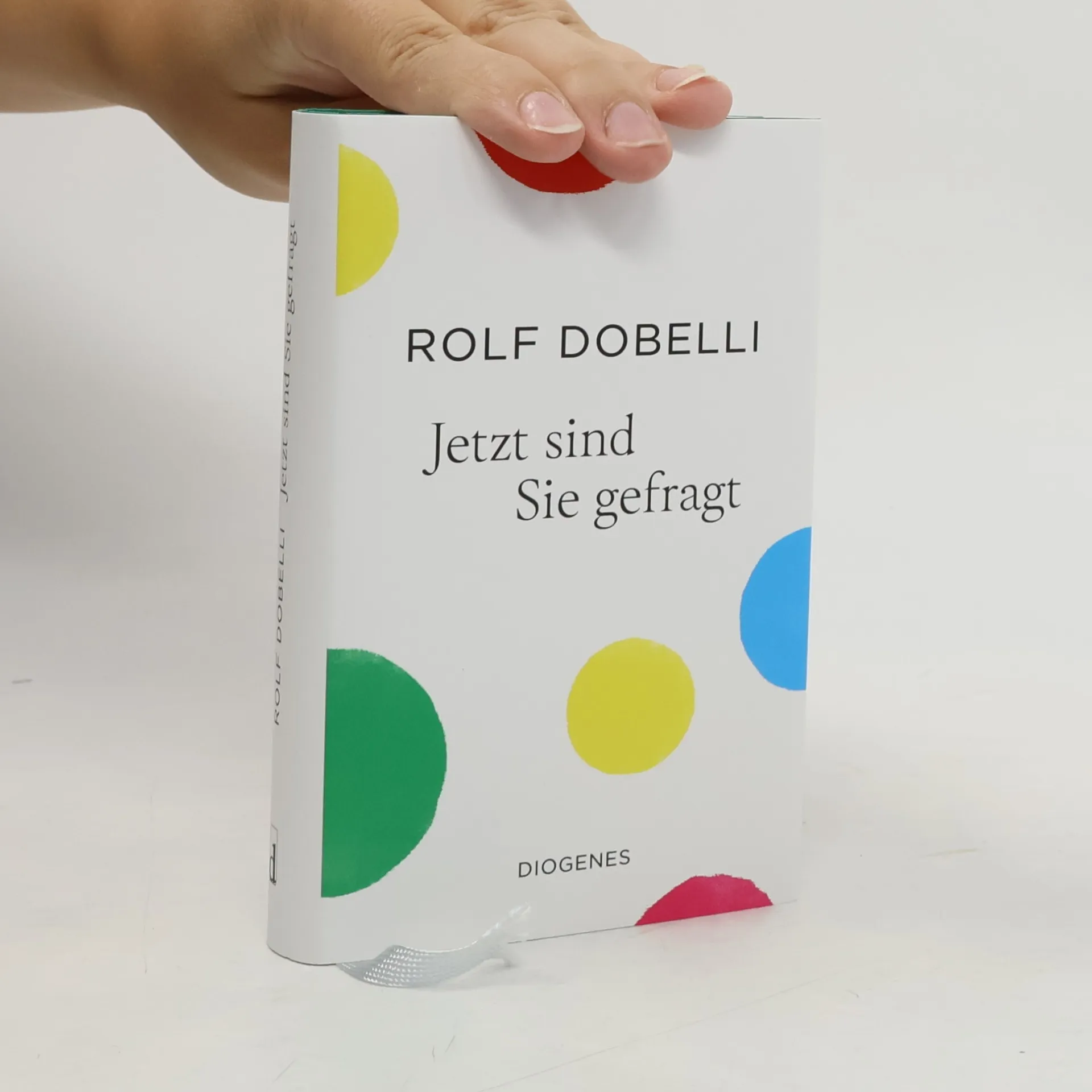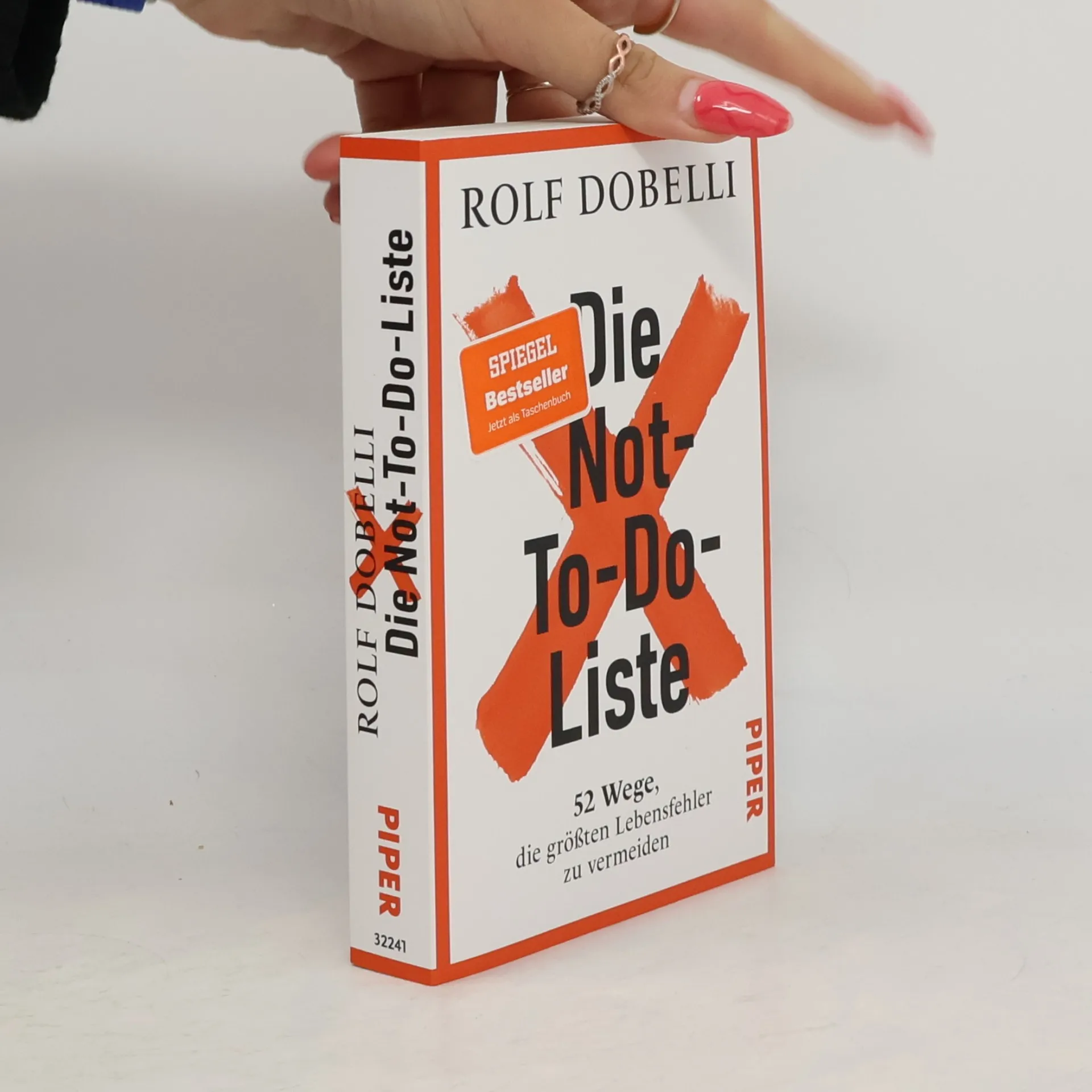
Rolf Dobelli is a Swiss author known for his compelling essays and unconventional perspectives on the world. His work delves into how we think and how we can avoid common cognitive biases to improve our decision-making. Dobelli's writing is recognized for its accessibility, presenting complex ideas in an understandable and engaging manner. He aims to equip readers with the tools for clearer thinking and navigating daily life.
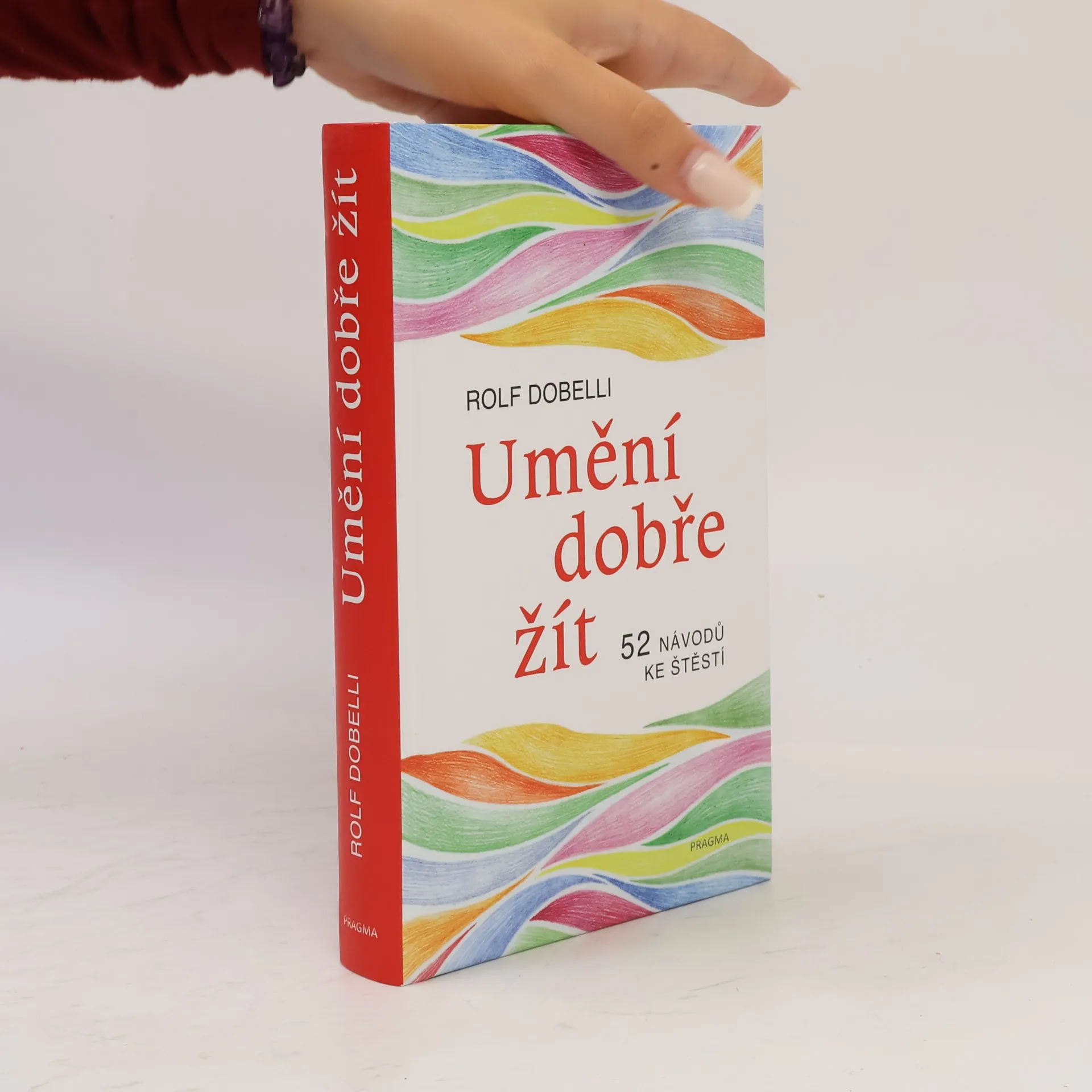
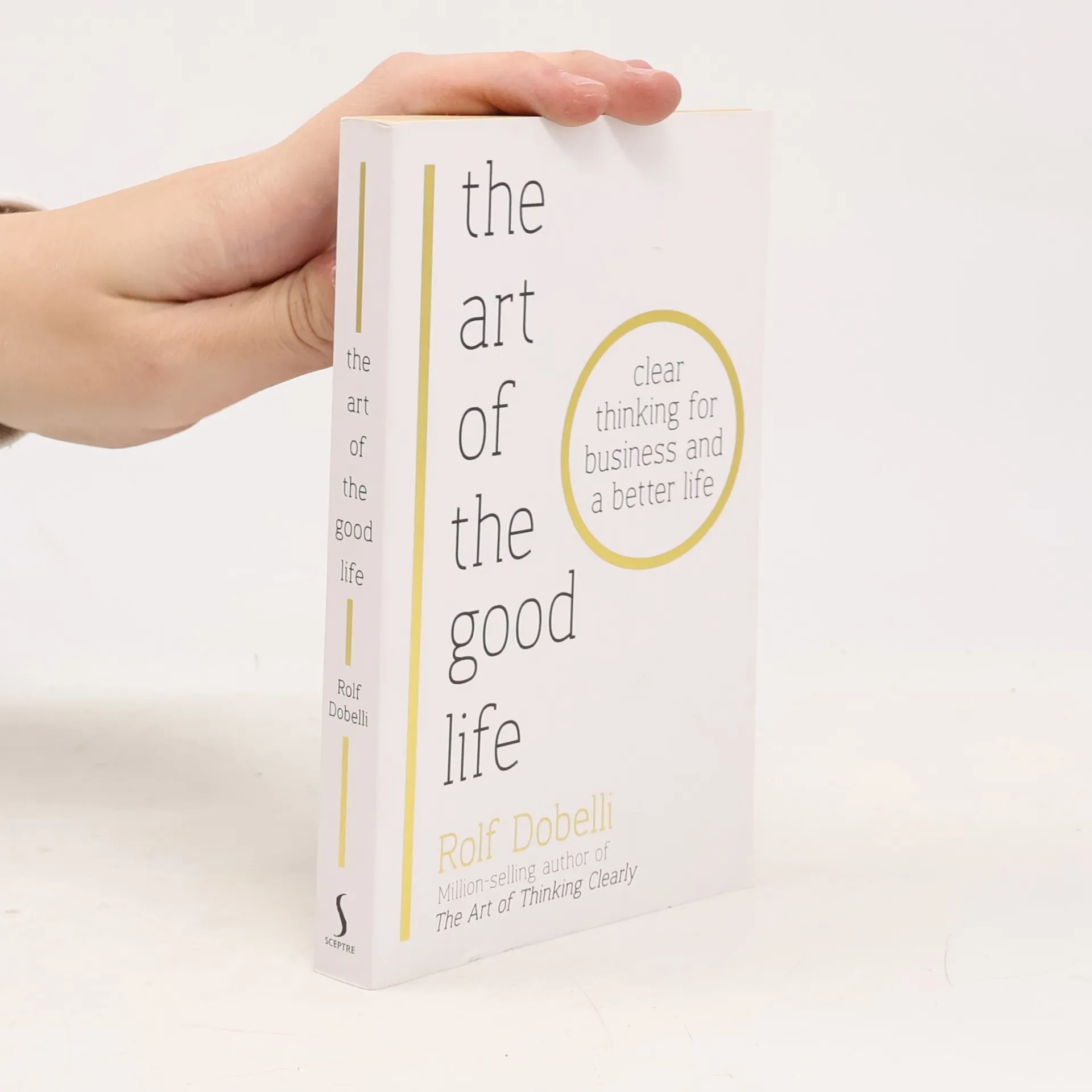
Since the dawn of civilization, we've been asking ourselves what it means to live a good life: how should I live, what will truly make be happy, how much should I earn, how should I spend my time? In the absence of a single simple answer, what we need is a toolkit of mental models, a guide to practical living. In The Art of the Good Life, you'll find fifty-two intellectual shortcuts for wiser thinking and better decisions, at home and at work. They may not guarantee you a good life, but they'll give you a better chance.
News is to the mind what sugar is to the body. In 2013 Rolf Dobelli stood in front of a roomful of journalists and proclaimed that he did not read the news. It caused a riot. Now he finally sets down his philosophy in detail. And he practises what he preaches: he hasn't read the news for a decade.Stop Reading the News is Dobelli's manifesto about the dangers of the most toxic form of information - news. He shows the damage it does to our concentration and well-being, and how a misplaced sense of duty can misdirect our behaviour.From the author of the bestselling The Art of Thinking Clearly, Rolf Dobelli's book offers the reader guidance about how to live without news, and the many potential gains to be had: less disruption, more time, less anxiety, more insights. In a world of increasing disruption and division, Stop Reading the News is a welcome voice of calm and wisdom.

In engaging prose and with practical examples and anecdotes, an eye-opening look at human reasoning and essential reading for anyone with important decisions to make. Have you ever: • Invested time in something that, with hindsight, just wasn't worth it? • Overpayed in an Ebay auction? • Continued doing something you knew was bad for you? • Sold stocks too late, or too early? • Taken credit for success, but blamed failure on external circumstances? • Backed the wrong horse? These are examples of cognitive biases, simple errors we all make in our day-to-day thinking. But by knowing what they are and how to spot them, we can avoid them and make better choices-whether dealing with a personal problem or a business negotiation; trying to save money or make money; working out what we do or don't want in life: and how best to get it. Simple, clear and always surprising, this indispensable book will change the way you think and transform your decision-making-work, at home, every day. It reveals, in 99 short chapters, the most common errors of judgment, and how to avoid them.
STOP READING THE NEWS is a vital toolkit for managing the upsetting
coronavirus news cycle and finding equilibrium and calm at a time of chaos and
uncertainty In 2013 Rolf Dobelli stood in front of a roomful of journalists
and proclaimed that he did not read the news. It caused a riot. Now the author
of the bestselling The Art of Thinking Clearly finally sets down his
philosophy in detail. And he practises what he preaches: he hasn't read the
news for a decade. Stop Reading the News is Dobelli's manifesto about the
dangers of the most toxic form of information - news. He shows the damage it
does to our concentration and well-being, and how a misplaced sense of duty
can misdirect our behaviour. Most importantly, he offers the reader the
guidance on how to live without news, and the many potential gains to be had:
less disruption, more time, less anxiety, more insights. In a world of
increasing disruption and division, Stop Reading the News is a welcome voice
of calm and wisdom.
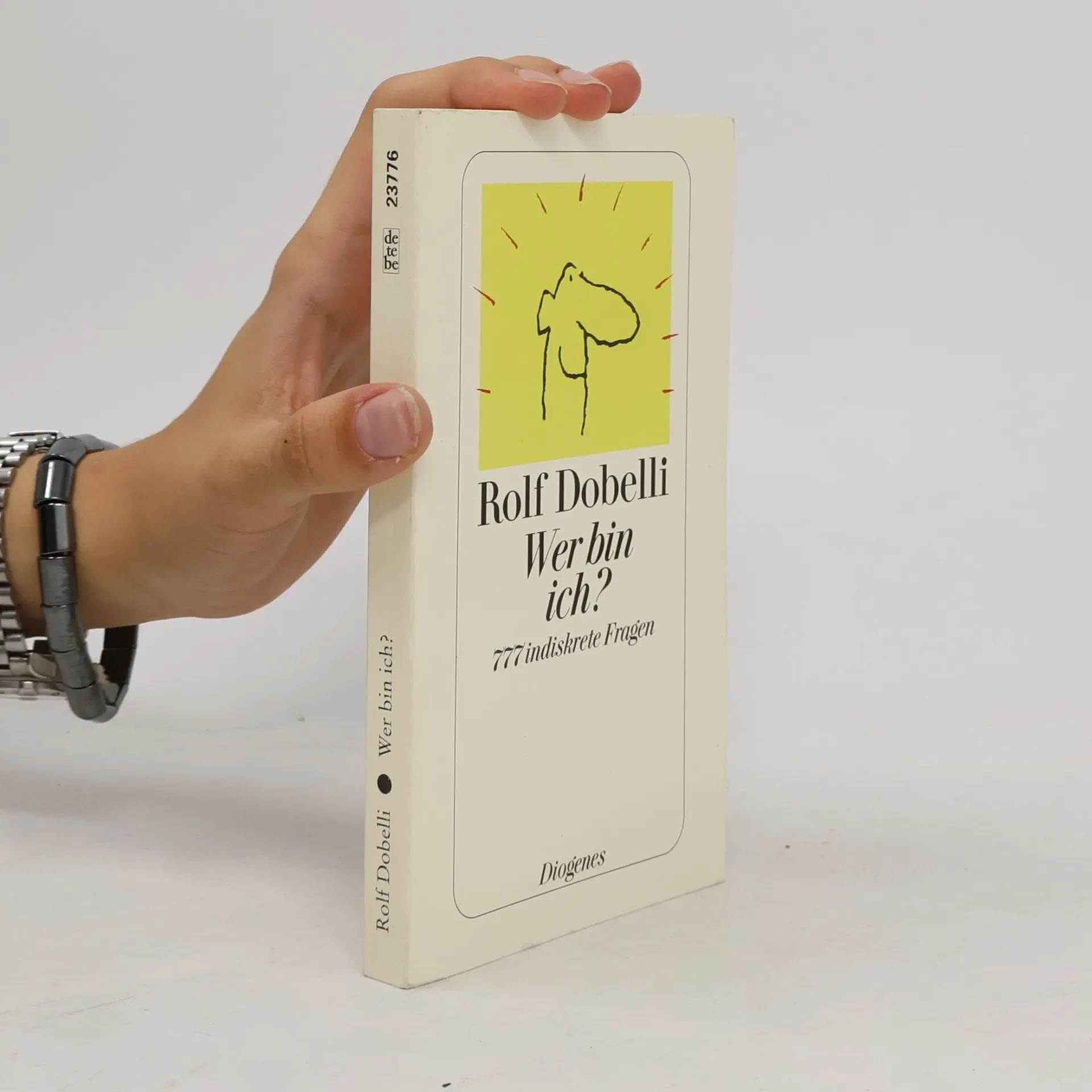
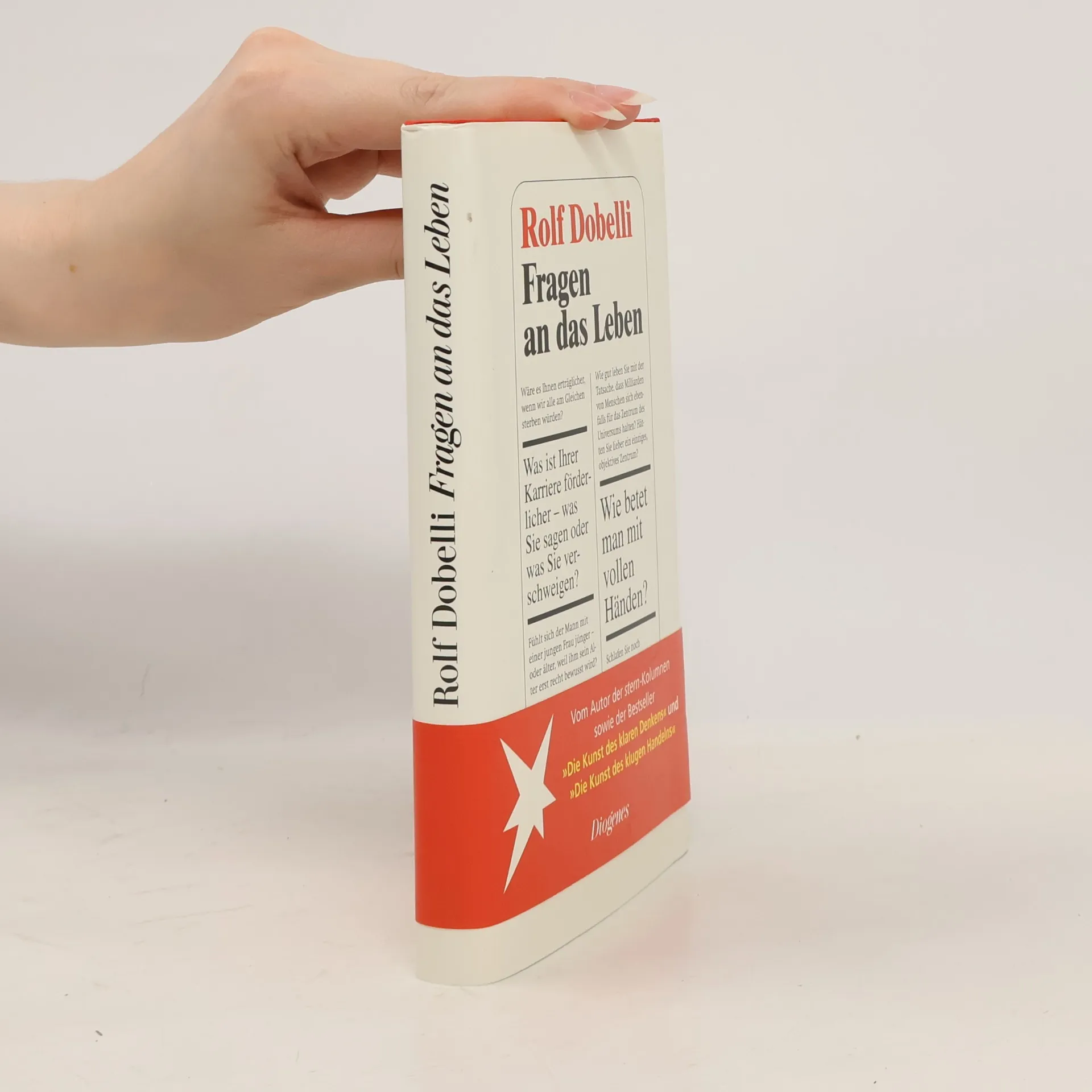
Nicht WAS, sondern WIE man fragt, ist entscheidend: Der Schweizer Bestsellerautor Rolf Dobelli hat daraus eine kleine Lebenskunst der Selbstbefragung gemacht und provoziert mit seinen im ›stern‹ veröffentlichten Fragekolumnen zum Nachdenken. Spielerisch ironische Fragen zu Themen, die jeden betreffen – zu Glück, Liebe, Sex, sozialem Verhalten, Erfolg, Karriere, Alter, Gott und Tod.
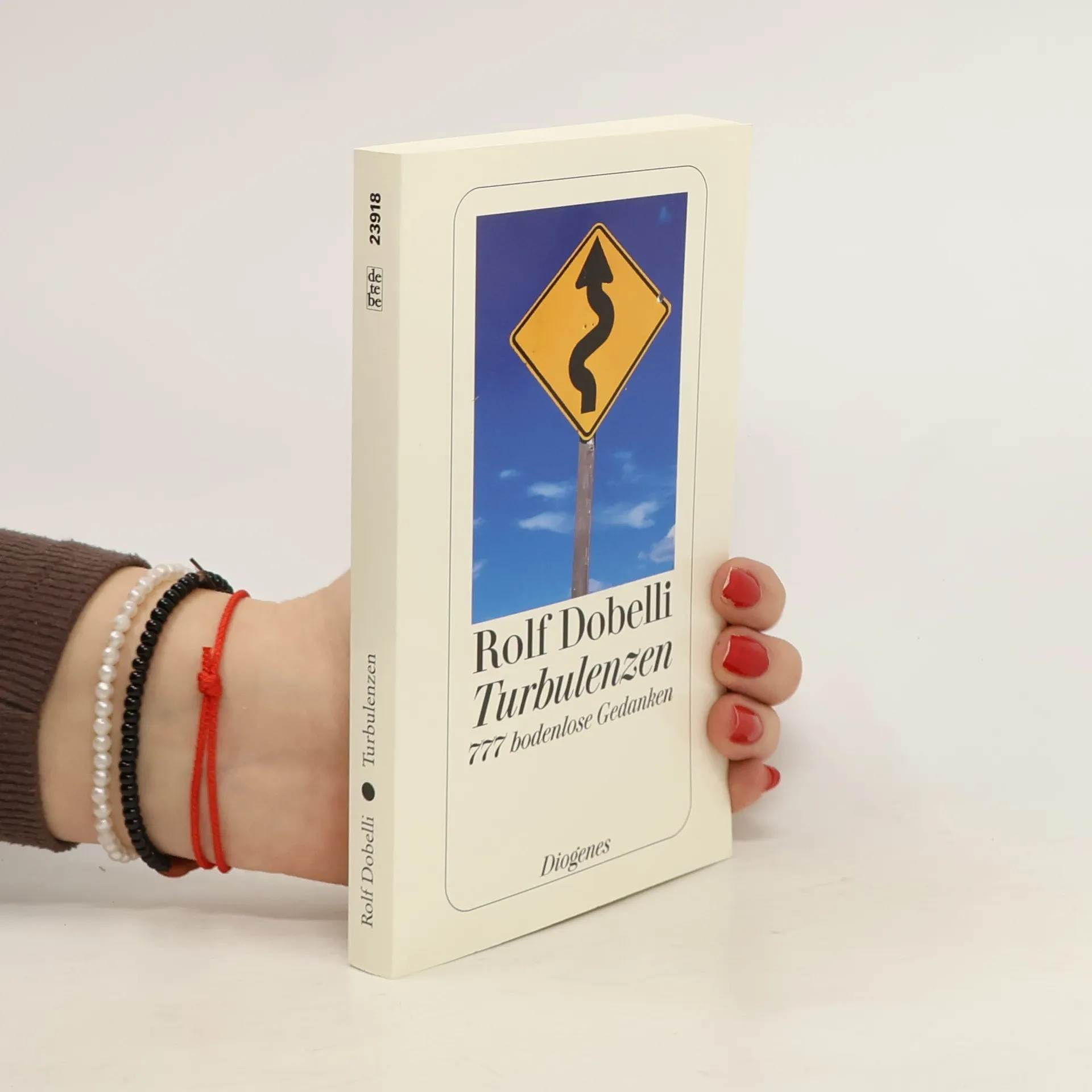
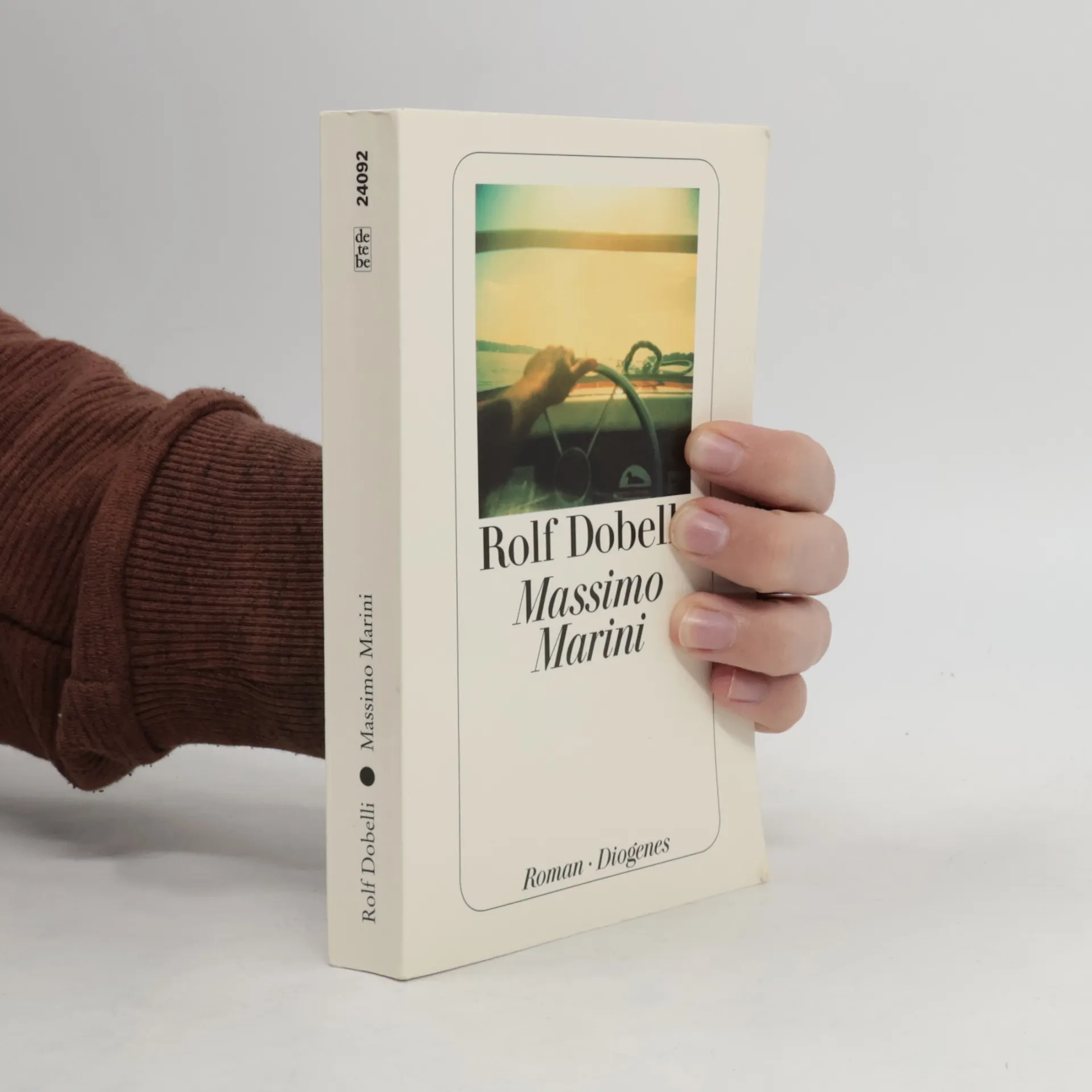
Tatort: ein Mann in einem Flugzeug auf dem Weg über den Atlantik. Bevor der alte Kontinent ihn wiederhat, Nachdenken über sich, über Gott und die Welt. Überraschendes, Hintergründiges, Absurdes, Alltägliches, Gedankenblitze Formulierungen, die sich wie Haken festsetzen und zum Weiterdenken und -dichten anregen."
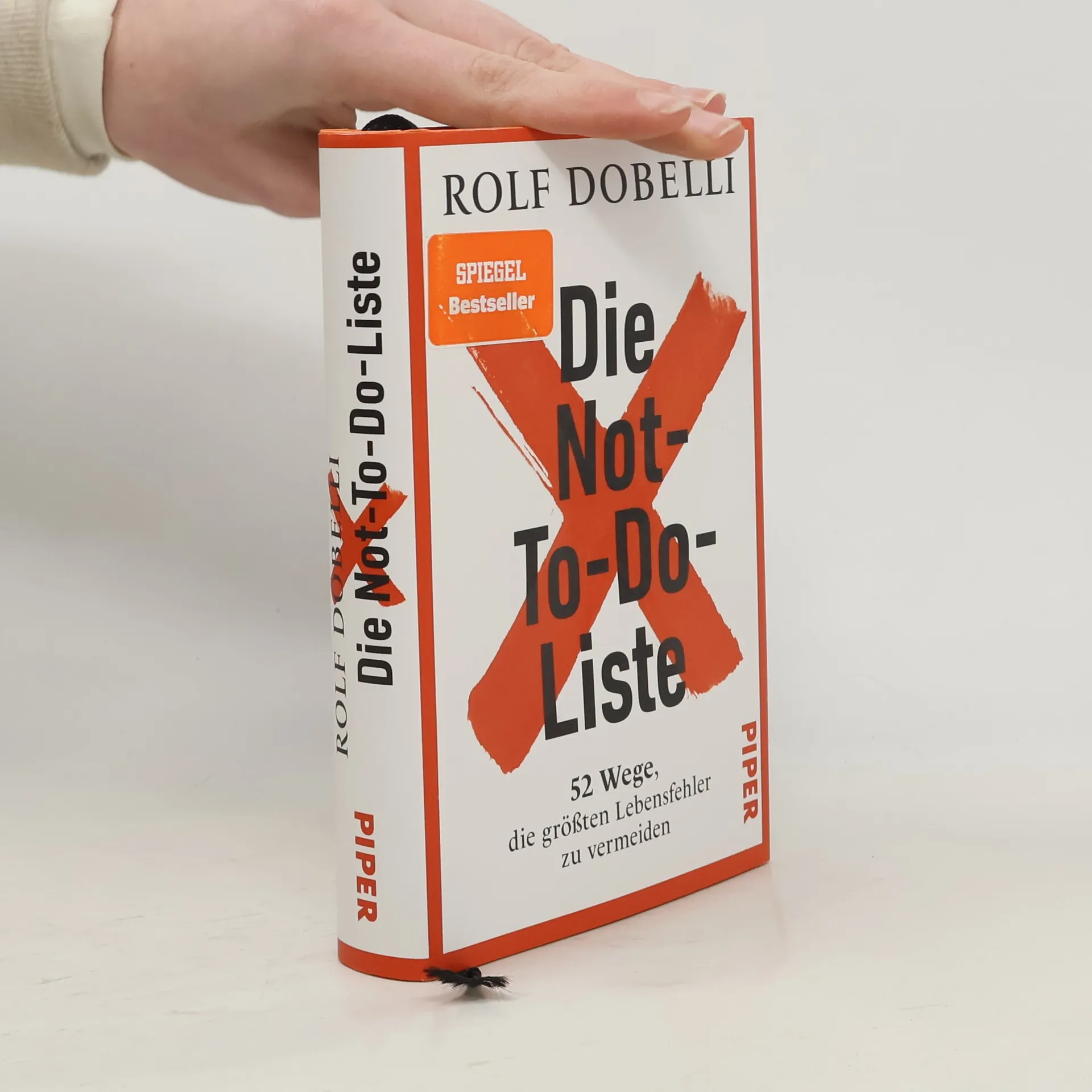
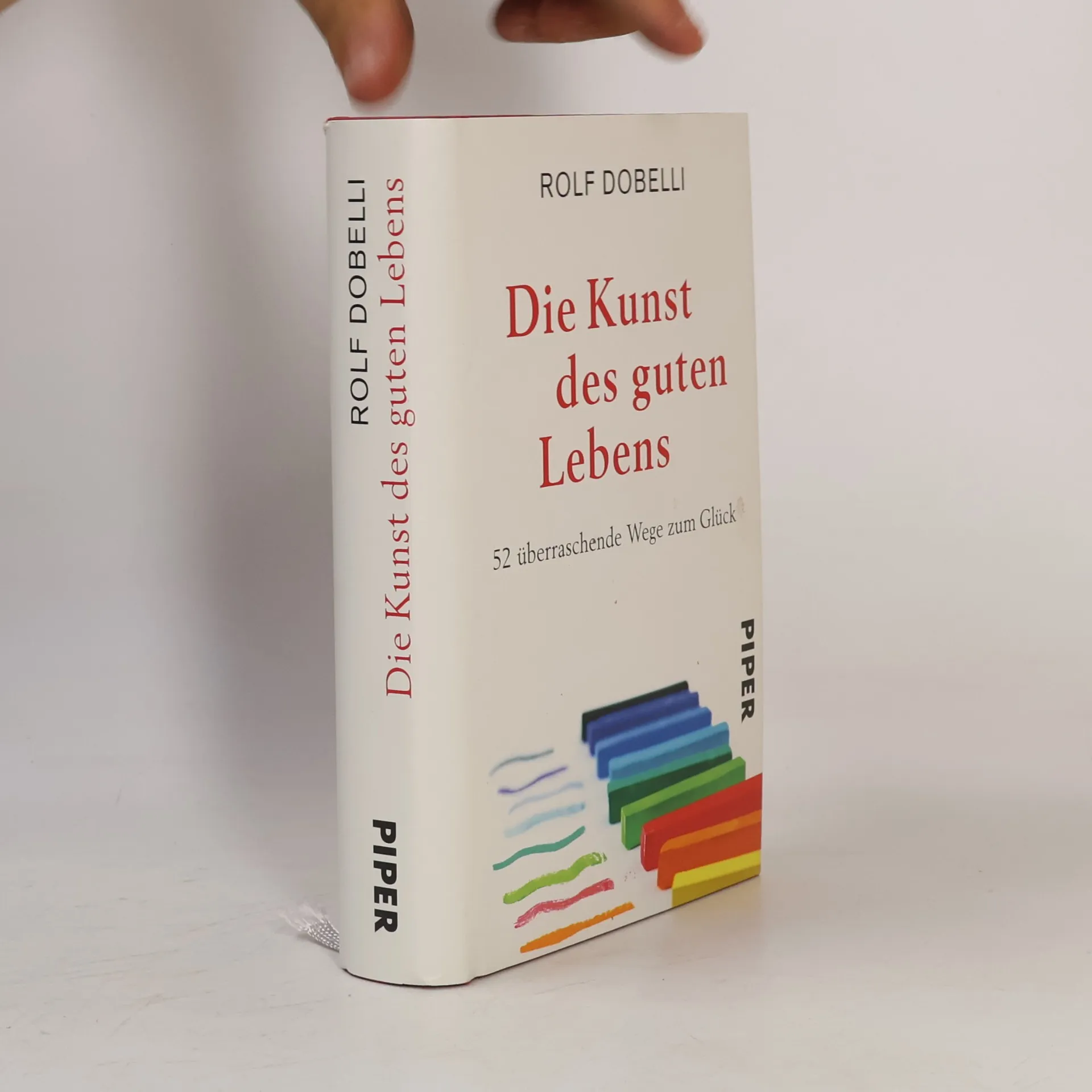
Seit der Antike, also seit mindestens 2500 Jahren, aber vermutlich noch viel länger, haben sich Menschen immer wieder die Frage nach dem guten Leben gestellt: Wie soll ich leben? Was macht ein gutes Leben aus? Welche Rolle spielt das Schicksal? Welche Rolle spielt das Geld? Ist das gute Leben eine Sache der Einstellung, oder geht es vielmehr um das Erreichen von Lebenszielen? Ist es besser, nach Glück zu streben oder Unglück zu umschiffen? Jede Generation stellt sich diese Fragen neu. Die Antworten sind im Grunde stets enttäuschend. Warum? Weil man immer auf der Suche nach dem einen Prinzip ist, dem einen Grundsatz, der einen Regel. Doch diesen heiligen Gral des einfachen Weges gibt es nicht. Auf verschiedenen Gebieten fand in den letzten Jahrzehnten eine stille Revolution des Denkens statt. In den Wissenschaften, in der Politik, in der Medizin und in vielen anderen Bereichen hat man erkannt: Die Welt ist viel zu kompliziert, als dass wir sie mit einer großen Idee oder einer Handvoll Prinzipien erfassen könnten. Wir brauchen einen Werkzeugkasten von Mentalen Modellen, um die Welt zu verstehen. Es ist an der Zeit, einen solchen Werkzeugkasten auch für das praktische Leben zusammenzustellen. Voilà. Hier finden Sie 52 gedankliche Werkzeuge, die Ihnen ein gutes Leben zwar nicht garantieren, es aber wahrscheinlicher machen.
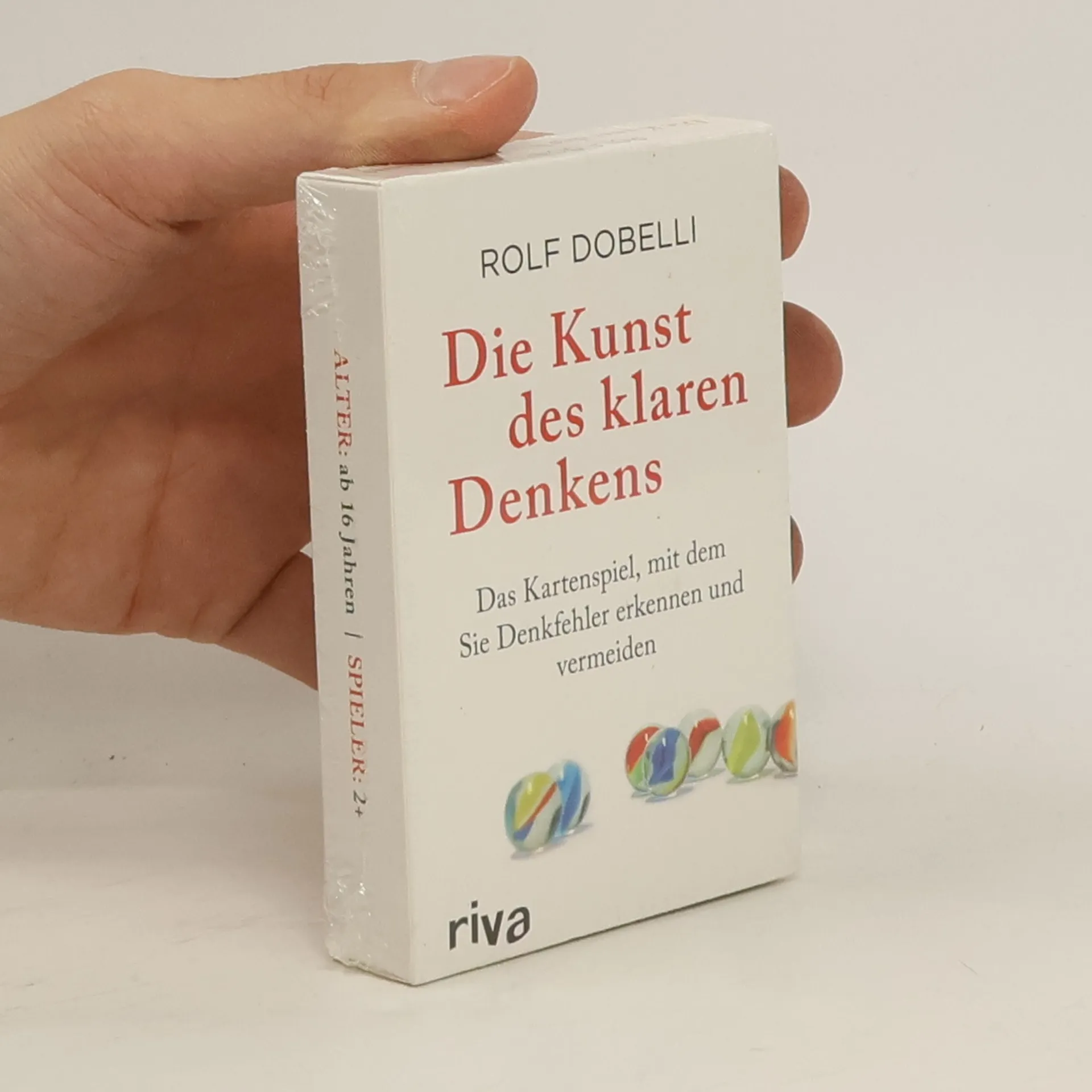
Das menschliche Gehirn ist für ein Leben als Jäger und Sammler ausgelegt. Warum Ihnen genau das in der modernen Welt zum Verhängnis werden kann, beschreibt Rolf Dobelli eindrucksvoll in seinem Bestseller Die Kunst des klaren Denkens. Im Kartenspiel zum Bestseller entlarven Sie jetzt Ihre eigenen Denkfehler und lernen spielerisch, wie Sie diese vermeiden können. Die Aktionskarten regen Sie und Ihre Mitspieler zu außergewöhnlichen Diskussionen an. Die Beurteilungs- und Erfahrungskarten fordern Sie heraus, Ihr eigenes Verhalten zu reflektieren. Jede Karte wird durch Rolf Dobellis Perspektive abgerundet, die Ihre Diskussion um eine inspirierende Sichtweise bereichert. Ein lebensveränderndes Kartendeck für klügere Entscheidungen und bewussteres Handeln!