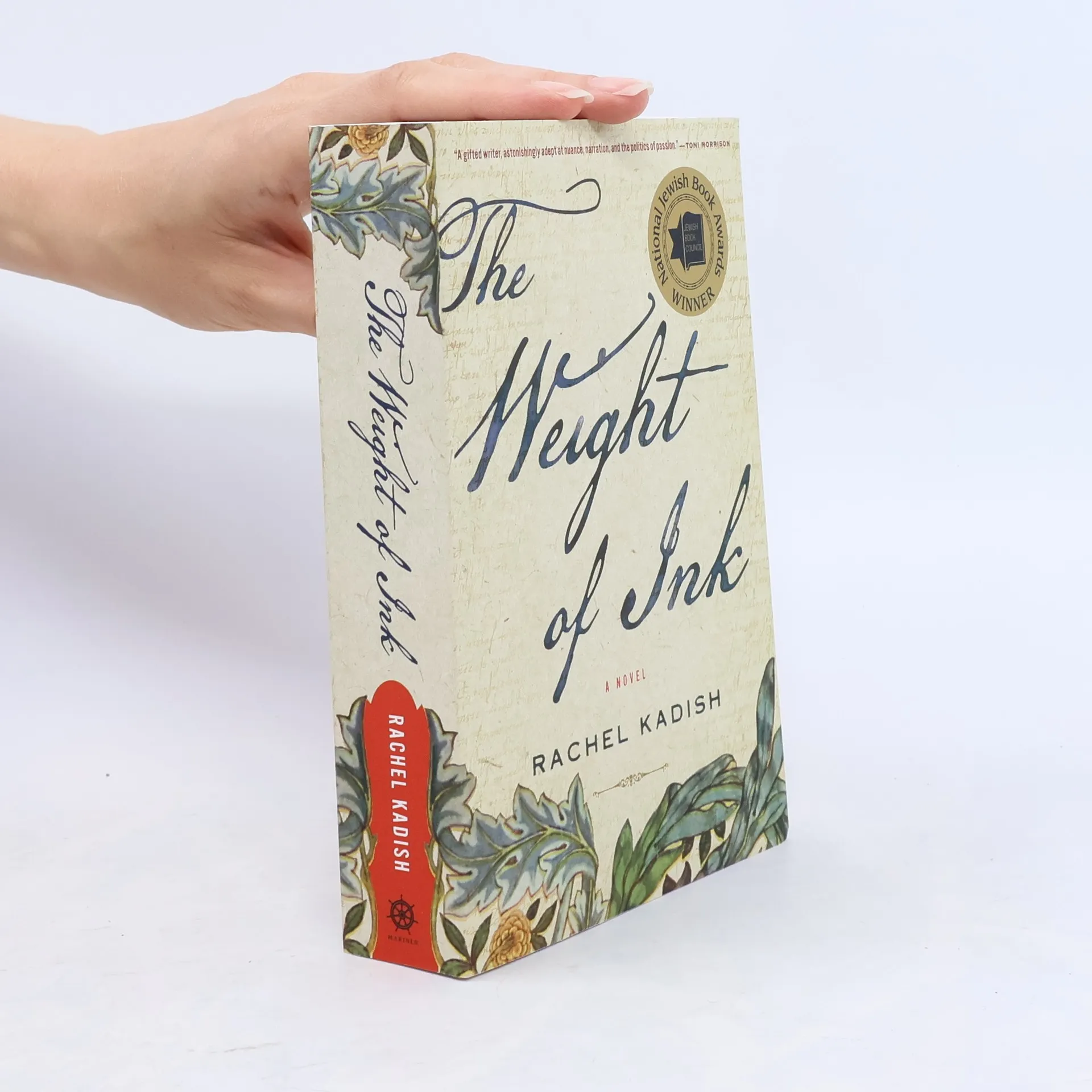
WEIGHT OF INK
- 575 pages
- 21 hours of reading
An intellectual and emotional jigsaw puzzle of a novel for readers of A. S. Byatt's Possession and Geraldine Brooks's The People of the Book
4.2





An intellectual and emotional jigsaw puzzle of a novel for readers of A. S. Byatt's Possession and Geraldine Brooks's The People of the Book
A compelling emotional mystery about family secrets and the magic of books and storytelling. A dying writer bids a young bookshop assistant to write her biography.
Reissue of this highly acclaimed Virago title, a 'finely written, beautiful and tragic novel' - Hermione Lee, FT
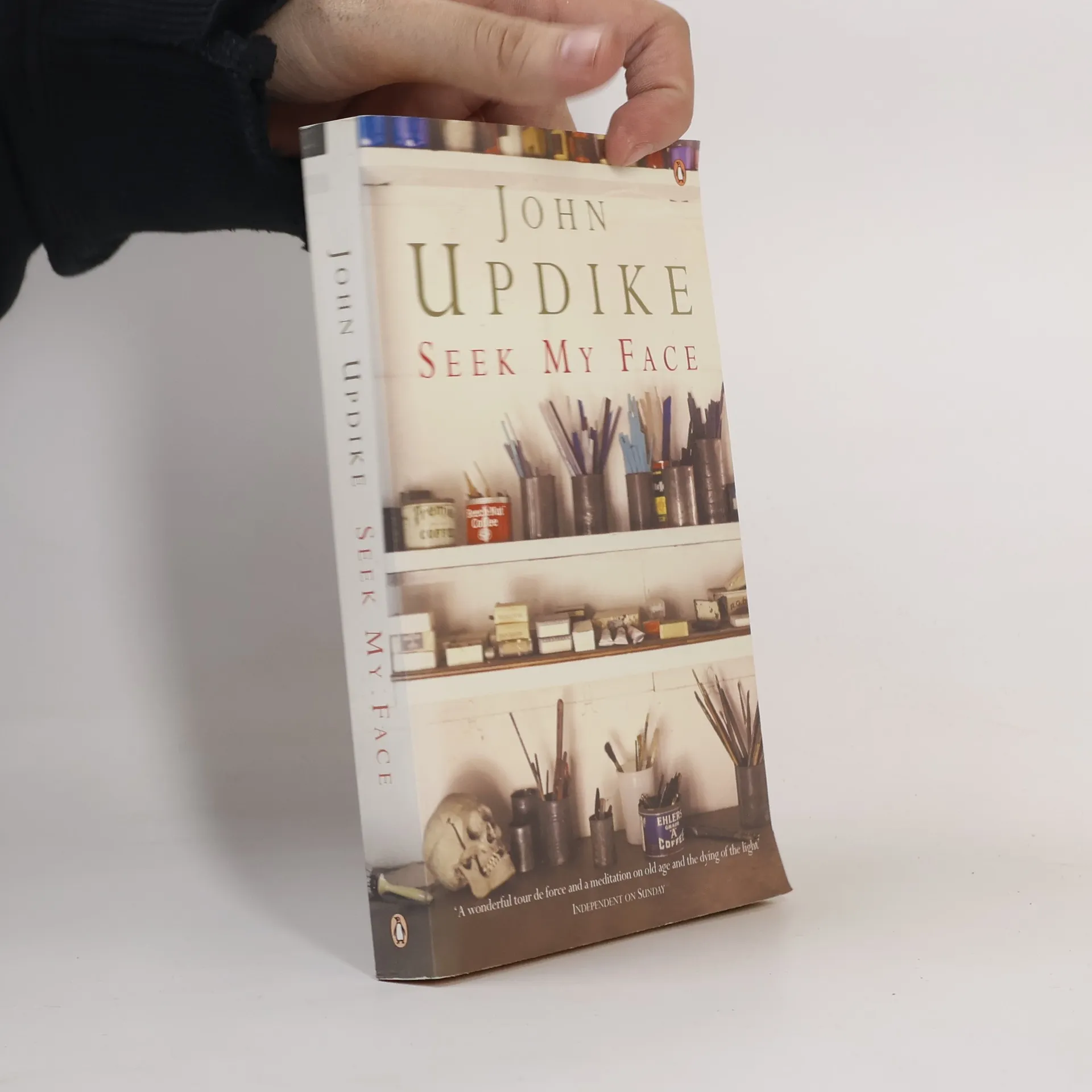
A wonderful new collection of short stories, most of which are published here for the first time.Wallis Simpson, the twice-divorced American woman for whom Edward VIII abdicated in 1936, ended her life (as the Duchess of Windsor) as the prisoner of her lawyer who would not allow anyone — friend, foe or journalist — to visit her in her Paris flat. Rose Tremain takes this true story and transforms it into an imaginative and ironic fiction. Her thesis is that Wallis, gaga and bed-ridden, had forgotten the king who gave up an empire for love of her.This superb story plays with the selectiveness of why does Wallis recall the seemingly unimportant, while forgetting the glory days of her notoriety? She can remember her first two husbands — one a bit of a brute, the other very boring — but not the world-famous third one.The other stories in this magnificent collection range over a variety of themes, equally original and an East German border guard, redundant after the Berlin Wall comes down in 1989, imagines that he might still have a purpose in life. He tries to reach Russia by bicycling across the hostile wastes of Poland. A jilted man gets his revenge. A baby grows wings. A character in an Impressionist painting escapes from his “frame” — or does he? And there’s a Christmas story set in a seedy hotel.From the Hardcover edition.
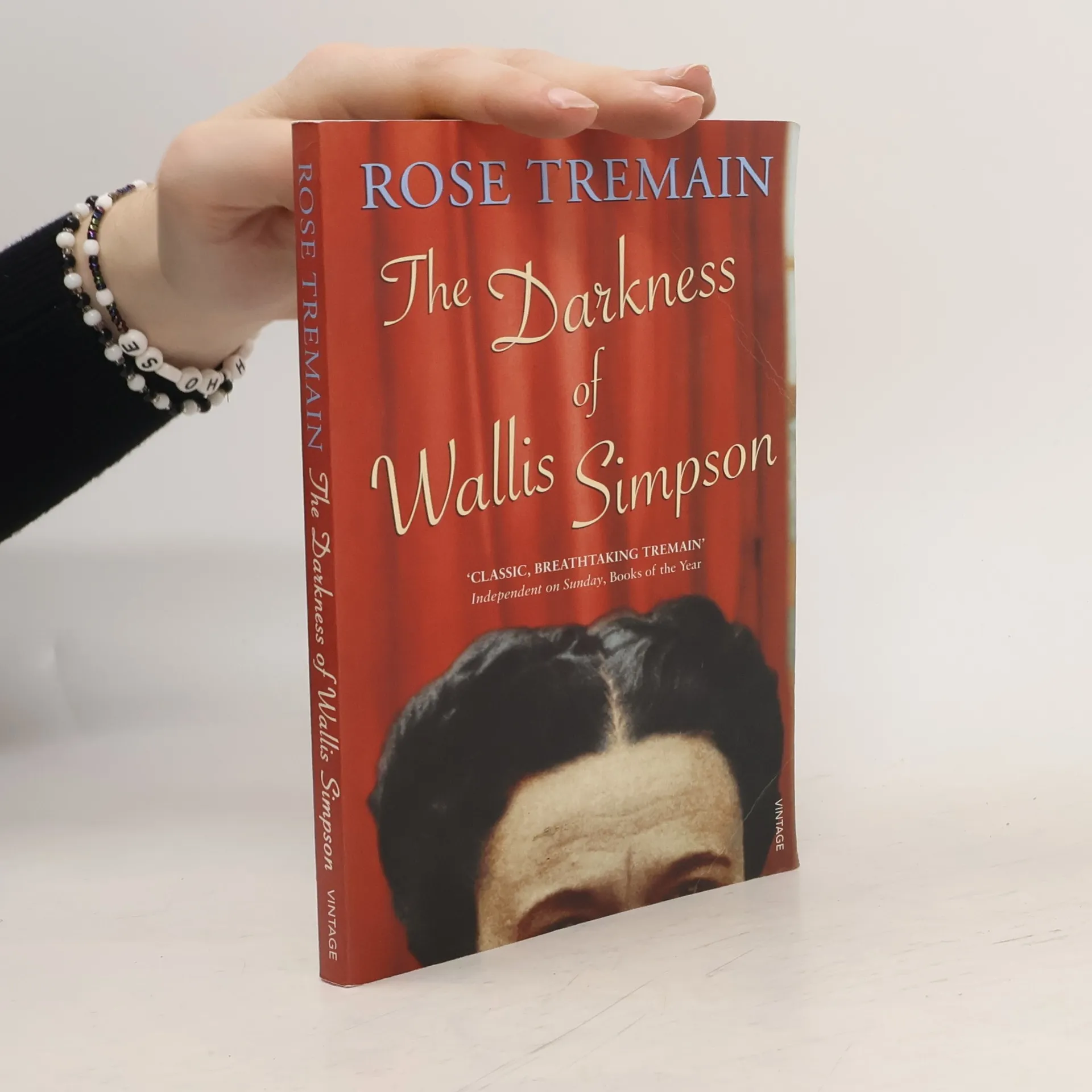
On a spring day in Vermont, seventy-nine-year-old painter Hope Chafetz tells the story of her life to Kathryn, a young interviewer from New York. Questions send Hope back to her youth, to the heady postwar days of American art and her relationships with the artists who defined their times. As the day wears on, Kathryn and Hope - interviewer and interviewee - try to understand one another across the gulf of age, experience and time that lies between them. And subtly, as each comes to know the other, their relationship changes!
In 'Aiding and Abetting', the doyenne of literary satire has written a wickedly amusing and subversive novel around the true-crime case of one of England’s most notorious uppercrust scoundrels and the “aiders and abetters” who kept him on the loose. When Lord Lucan walks into psychiatrist Hildegard Wolf’s Paris office, there is one problem: she already has a patient who says he’s Lucan, the fugitive murderer who bludgeoned his children’s nanny in a botched attempt to kill his wife. As Dr. Wolf sets about deciding which of her patients, if either, is the real Lucan, she finds herself in a fierce battle of wills and an exciting chase across Europe. For someone is deceiving someone, and it may be the good doctor, who, despite her unorthodox therapeutic method (she talks mainly about her own life), has a sinister past, too. Exhibiting Muriel Spark’s boundless imagination and biting wit, 'Aiding and Abetting' is a brisk, clever, and deliciously entertaining tale by one of Britain’s greatest living novelists.

In the author's words, this novel is an attempt at a comic family epic of little England into which an explosion of ethnic colour is injected. It tells the story of three families, one Indian, one white, one mixed, in North London and Oxford from World War II to the present day.
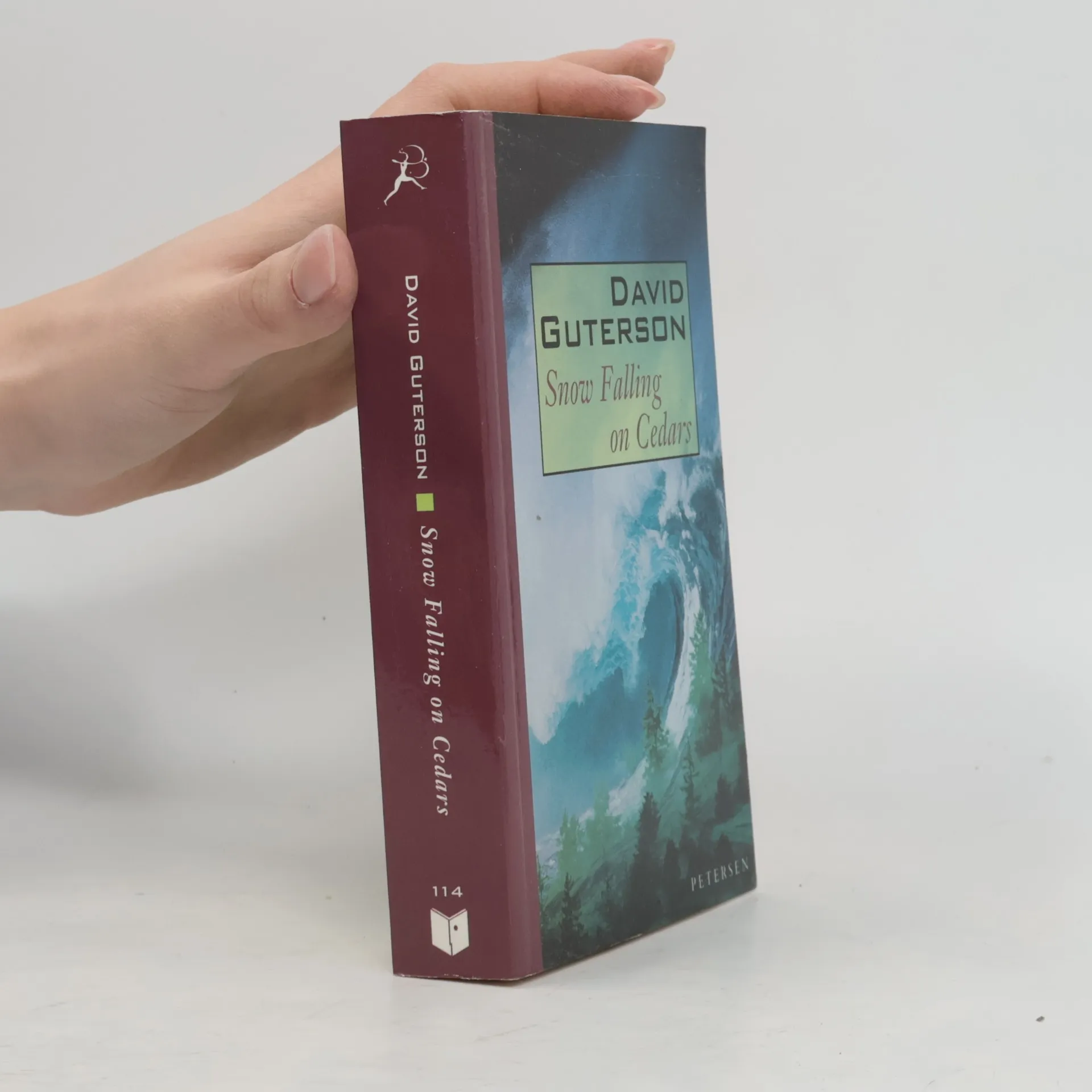
NATIONAL BESTSELLER • PEN/Faulkner Award Winner • A gripping, tragic, and densely atmospheric masterpiece of courtroom suspense—one that leaves us shaken and changed. "Haunting .... A whodunit complete with courtroom maneuvering and surprising turns of evidence and at the same time a mystery, something altogether richer and deeper." —Los Angeles Times San Piedro Island, north of Puget Sound, is a place so isolated that no one who lives there can afford to make enemies. But in 1954 a local fisherman is found suspiciously drowned, and a Japanese American named Kabuo Miyamoto is charged with his murder. In the course of the ensuing trial, it becomes clear that what is at stake is more than a man's guilt. For on San Pedro, memory grows as thickly as cedar trees and the fields of ripe strawberries—memories of a charmed love affair between a white boy and the Japanese girl who grew up to become Kabuo's wife; memories of land desired, paid for, and lost. Above all, San Piedro is haunted by the memory of what happened to its Japanese residents during World War II, when an entire community was sent into exile while its neighbors watched.