Jordi Fibla Feito is a distinguished Spanish translator whose work bridges cultures through literature, primarily focusing on English and Japanese texts. He demonstrates remarkable versatility, adeptly rendering narratives and essays with a keen eye for stylistic nuance. Fibla Feito is recognized for his deep engagement with classic and contemporary authors, bringing their unique voices to new audiences. His extensive body of translated works highlights a career dedicated to the art of literary translation and its profound impact.
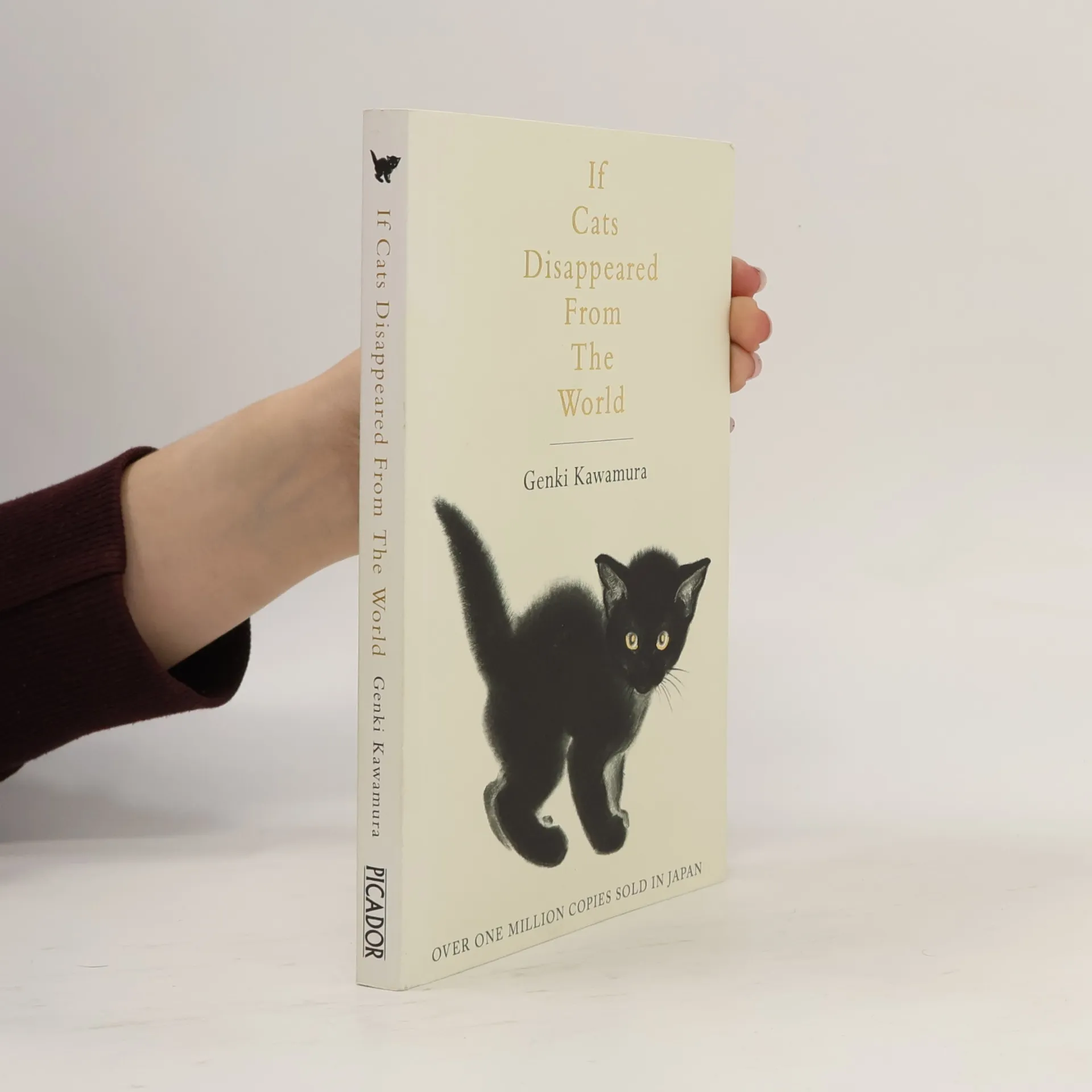
The postman's days are numbered. Estranged from his family, living alone with only his cat Cabbage to keep him company, he was unprepared for the doctor's diagnosis that he has only months to live. But before he can tackle his bucket list, the Devil appears to make him an offer.
A collection of anthologies, resource and reference books, including titles from Oscar Wilde, Mary Shelley, Alex Madina, Jo Phillips and Adrian Barlow.
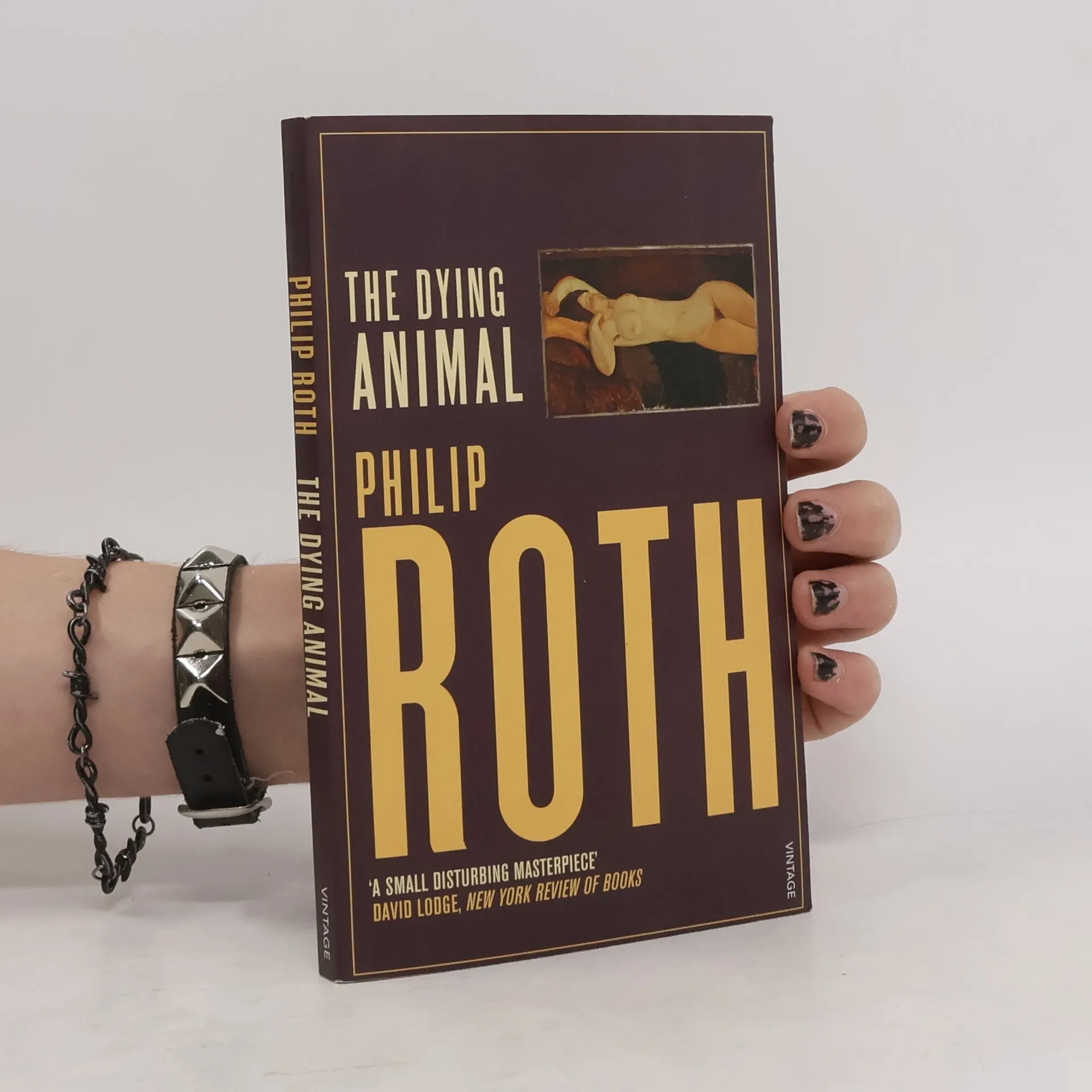
David, white-haired & over 60, is a TV culture critic & lecturer at a New York college. He meets Consuela, a 24-year-old student, daughter of wealthy Cuban exiles, who puts his life into erotic disorder & haunts him for the next eight years.
Pearl deplores her mother Winnie's criticism and bossiness, her superstitious rituals, and her fearful, negative outlook, which has created an emotional abyss between them. Dreading her mother's reaction, Pearl has kept her multiple sclerosis a secret. But Winnie herself has concealed some astonishing facts about her early life in china. Encouraged by her friend and fellow émigré Helen Kwong, Winnie decides to tell Pearl the story of her life. In the telling, Winnie casts off social taboos, old wives' tales, wartime propaganda, American know-how - as well as her own regrets. And in the end, she shows her daughter - and herself - why it is still possible to change the past, to claim the future, to go beyond the fate of the Kichen God's Wife
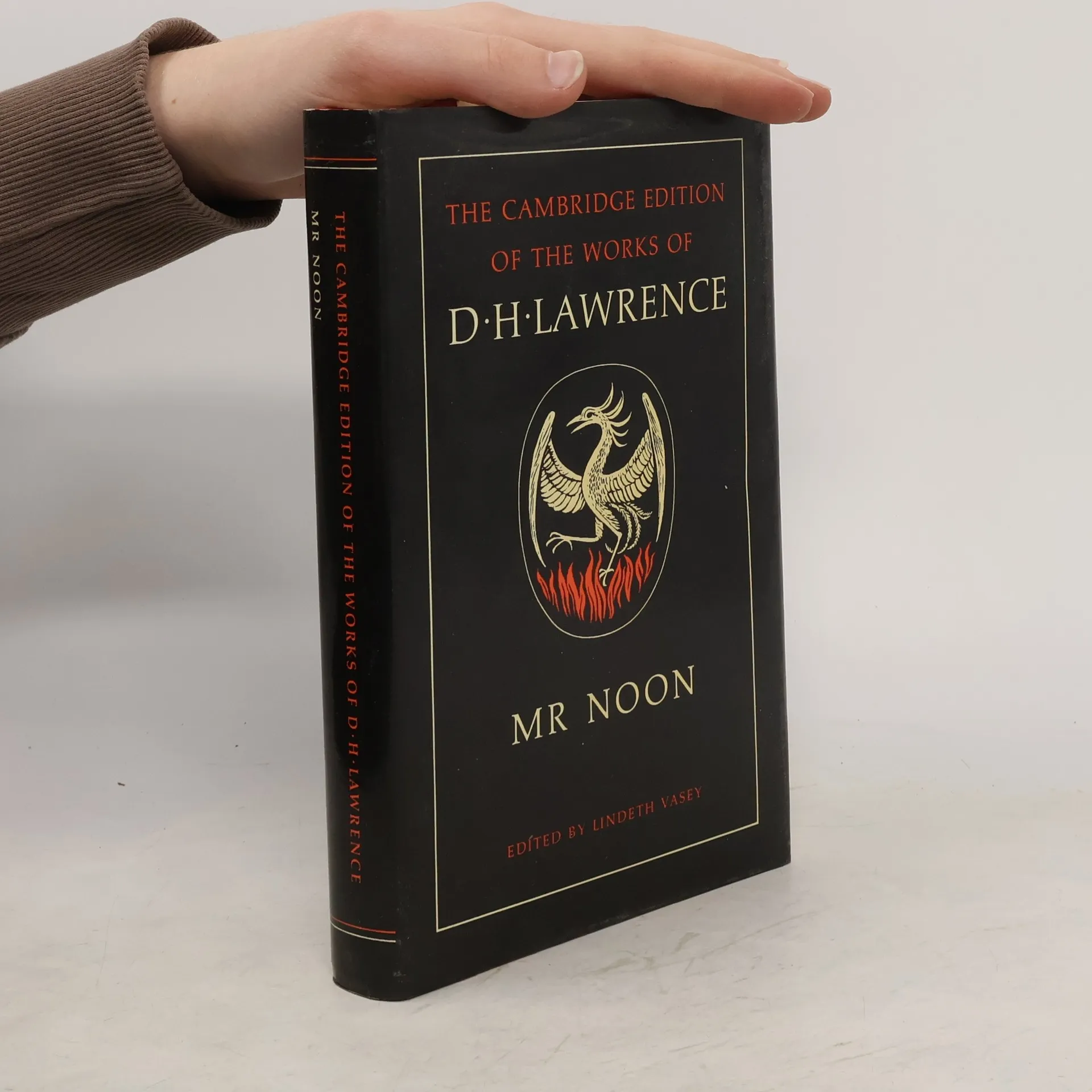
Mr Noon is a sardonic tale about the amorous adventures of Gilbert Noon, a young schoolmaster in Lawrence's home county of Nottinghamshire who gets entangled with a girl, loses his job, and decides to leave the country to escape the narrow provincial middle-class morality. It was first known as a long story posthumously published in A Modern Lover (1934) and collected in the volume called Phoenix II (1968). Lawrence in fact wrote a long continuation of the novel, but the manuscript disappeared for many years. The Cambridge edition brought the two parts together for the first time. It is like a sequel to Sons and Lovers, but much more straightforwardly autobiographical. The publication of the complete work added a new work of major importance to the canon of a great writer, and was widely hailed as a major literary event.