Andrea Palladio Book order (chronological)
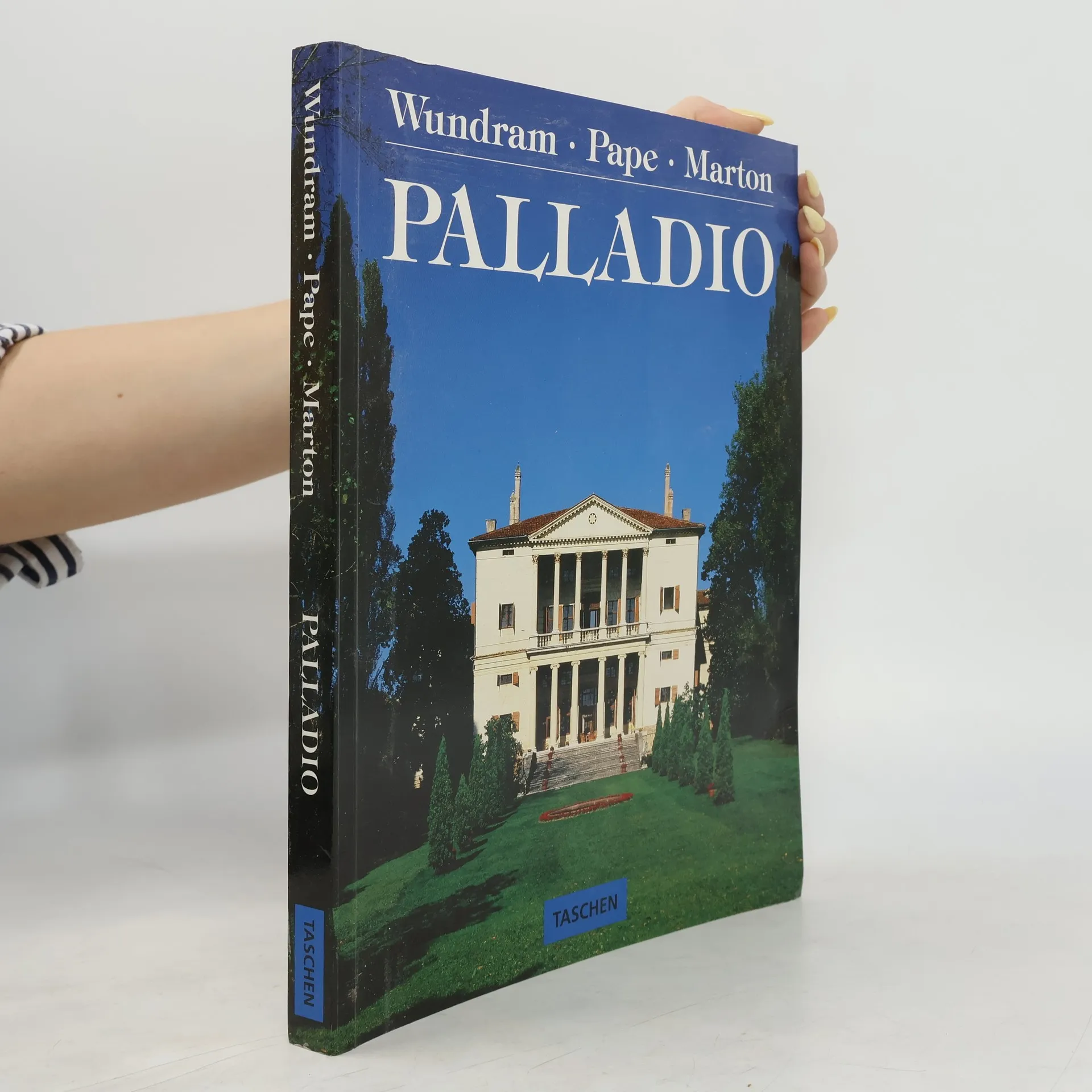
Andrea Palladio is widely regarded as the most influential figure in the history of Western architecture, his principles having achieved widespread adoption. His architectural works have been valued for centuries as the quintessence of High Renaissance calm and harmony. Palladio's legacy continues to shape and inspire architectural thought through its timeless elegance and considered design.

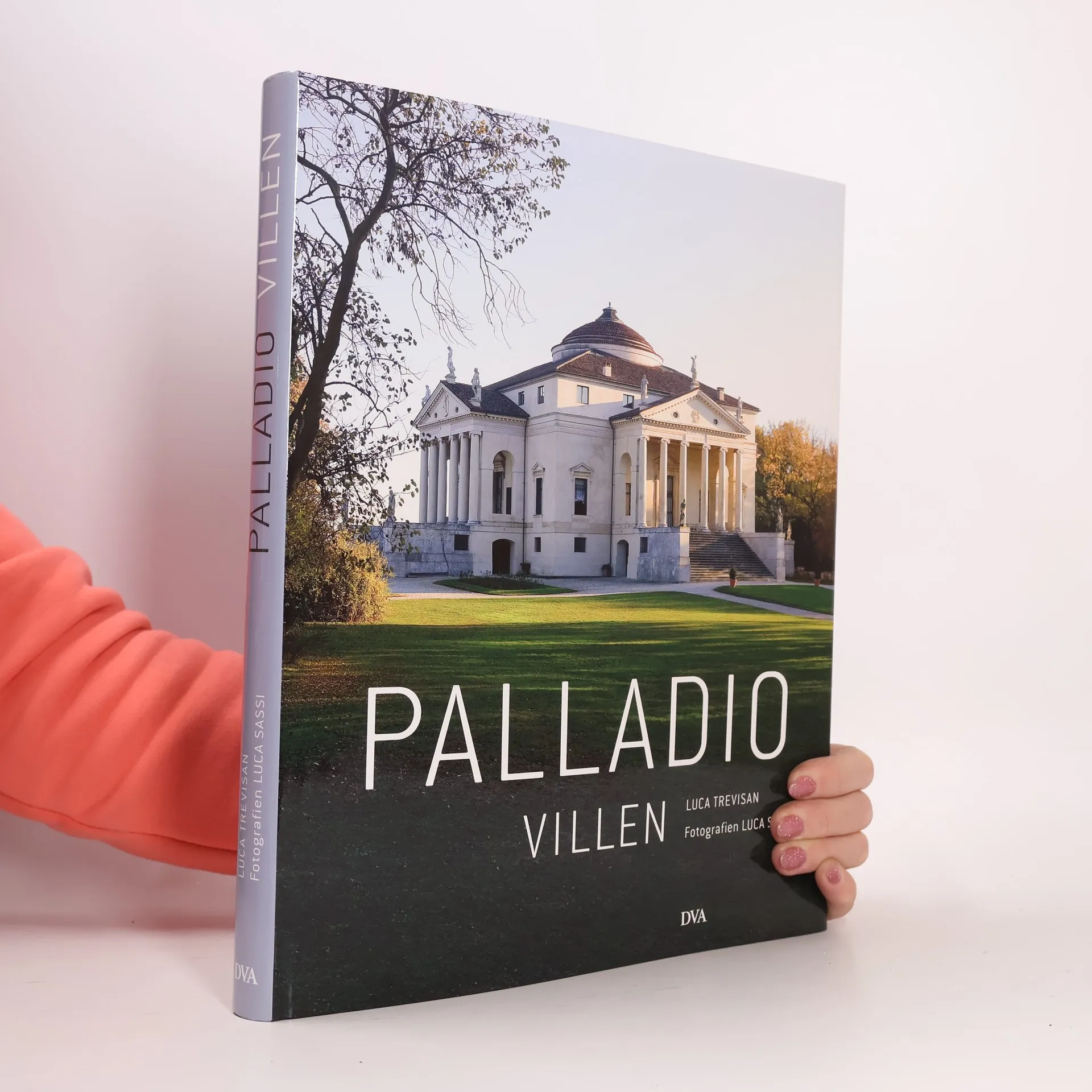

Palladio-Villen
- 223 pages
- 8 hours of reading
Der Inbegriff der Villa Auch nach Jahrhunderten noch faszinieren die Formen, die Andrea Palladio für die Wohnhäuser seiner gesellschaftlich einflussreichen Auftraggeber fand. Mit den Übernahmen aus dem Formenfundus der Antike sollte sein Stil, der palladianische Klassizismus, später von größtem Einfluss auf die Architektur Europas, vor allem Englands und Frankreichs, und auch Nordamerikas werden. Neben Luca Sassis großartigen Außen-, Innen- und Detailaufnahmen der heutigen Wirkung der Anlagen vermitteln Planzeichnungen aus den 'Quattro libri dell’architettura' (1570) des Baumeisters ein lebendiges Bild von Palladios Entwürfen. Luca Trevisan erläutert kenntnisreich diese Zusammenhänge und beschreibt die Entstehungsgeschichten der Villen. • Palladios Villen im Veneto, fotografisch in Szene gesetzt • Aristokratische Architektur und ihre Umgebung • Prachtvoller Band mit brillanten Fotografien und sachkundigen Texten
Andrea Palladio
- 79 pages
- 3 hours of reading
Questo atlante visivo dell'opera completa mostra le costruzioni dell'architetto Andrea Palladio (1508 - 1580), che rappresentano alcuni dei punti salienti di ogni viaggio a Venezia e nel Veneto. Il volume si propone come un'ideale integrazione, risultando al contempo adatto per una lettura scientifica più approfondita. Ispirato dagli scritti teorici di Vitruvio e Alberti, dal canone delle forme dell'antichità e dalle opere dei suoi contemporanei come Bramante, Sansovino e Giulio Romano, l'artista sviluppò un sistema architettonico in cui l'aspetto e la funzione, così come gli elementi costruttivi e la loro organizzazione, potevano entrare in una connessione armoniosa.
Palladio
- 246 pages
- 9 hours of reading
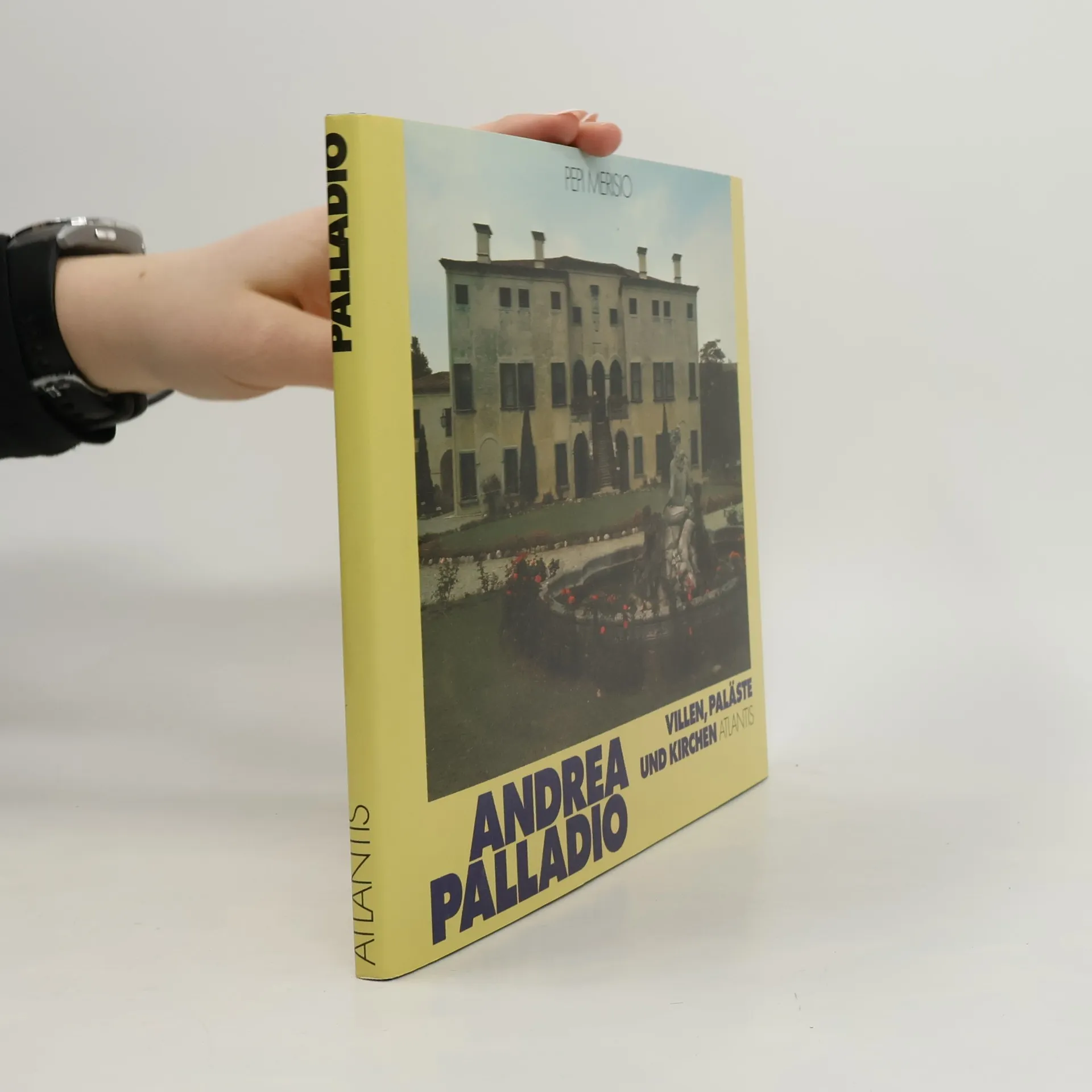
Atlantis Spektrum: Palladio
- 70 pages
- 3 hours of reading
German
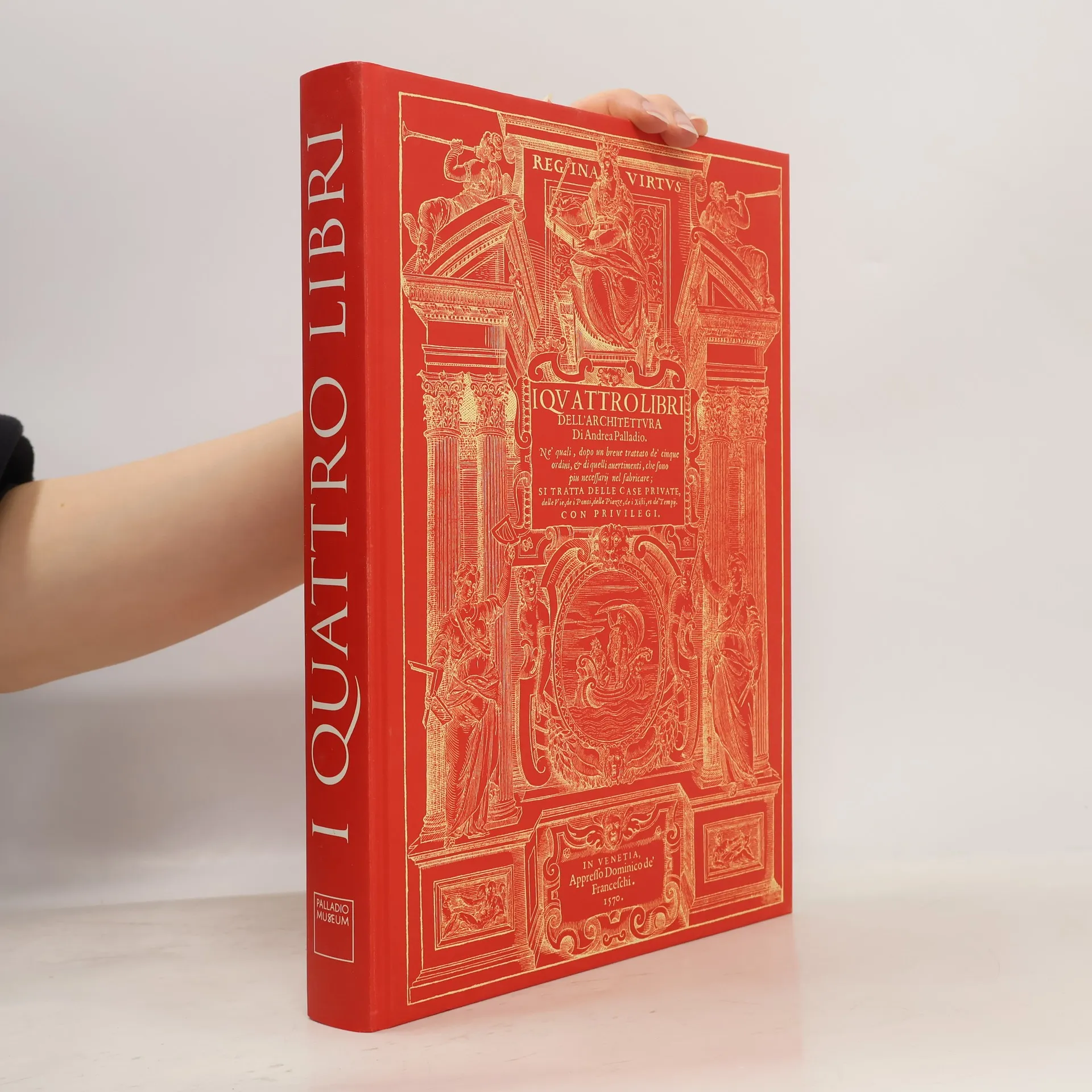
The four books of Architecture offers a compendium of Palladio's art and of the ancient Roman structures which inspired him. The First Book is devoted to building materials and techniques and the five orders of architecture: Tuscan, Doric, Ionic, Corinthian, and Composite. Palladio indicates the characteristic features of each order and supplies illustrations of various architectural details. The Second Book deals with private houses and mansions, almost all of Palladio's own design. Shown and described are many of his villas in and near Venice and Vicenza (including the famous Villa Capra, or "The Rotunda," the Tiene Palace, and the Valmarana Palace). Each plate gives a front view drawing of the building and the general floor plan. The Third Book is concerned with streets, bridges, piazzas, and basilicas, most of which are of ancient Roman origin. In the Fourth Book, Palladio reproduces the designs of a numer of ancient Roman temples. Plates 51 - 60 are plans and architectural sketches of the Pantheon
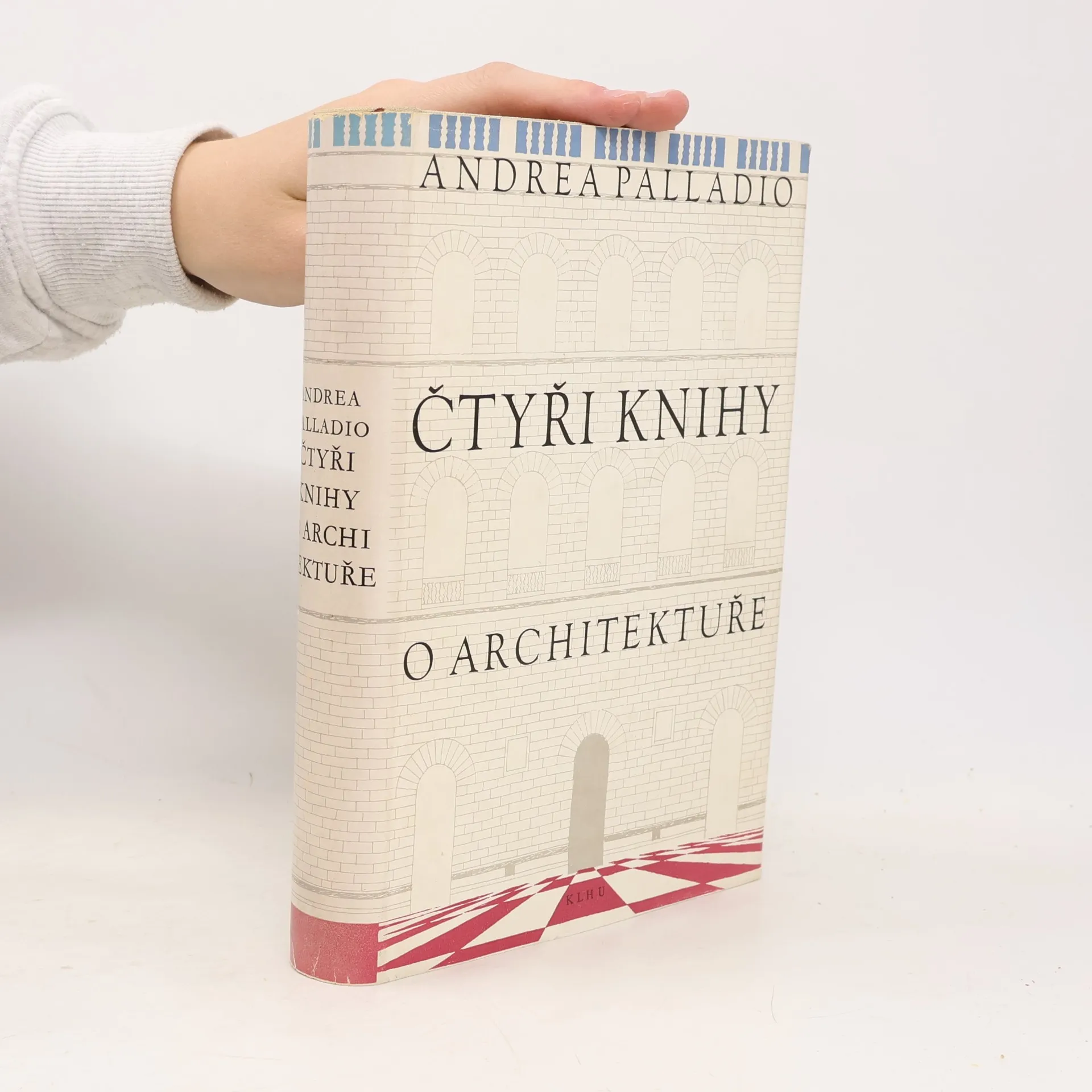
Celý název: Čtyři knihy o architektuře, v nichž se po krátkém pojednání o pěti řádech a o těch pokynech, které jsou při stavění nejnutnější, pojednává o soukromých domech, o cestách, o mostech, o náměstích, o xystech a o chrámech. Dílo významného italského renesančního architekta, poprvé přeložené do češtiny, seznamuje s hlavními antickými stavbami, zejména římskými. Do svých výkladů o soukromých domech, o cestách, mostech, náměstích a chrámech uložil autor výsledky svého dlouhého studia i vlastní stavitelské praxe. Neomezuje se pouze na popis vnějšího vzhledu staveb, nýbrž věnuje pozornost i materiálovým a stavebně technickým předpokladům. Výklady jsou provázeny četnými nákresy, půdorysy a názornými kresbami.