Kommentar zum Jüdischen Neuen Testament
- 1376 pages
- 49 hours of reading


Dave Stern is a prolific author with a deep connection to the Star Trek universe, having contributed to numerous previous works. Beyond his extensive genre fiction, he penned the New York Times-bestselling biography Crosley. Stern's writing is known for its intricate plotting and compelling character dynamics, drawing readers into immersive narrative experiences. He masterfully balances action and emotional depth, making his stories resonate long after the final page.




David Stern provides a fresh introduction to a classic philosophical work, exploring the key themes and ideas presented in Wittgenstein's Philosophical Investigations. The examination delves into the intricacies of language, meaning, and understanding, offering insights into Wittgenstein's innovative approach to philosophy. Stern's analysis aims to make the text accessible and relevant to contemporary readers, highlighting its significance in the landscape of philosophical thought.
Captain Christopher Pike must build an alliance with the formidable Orions as tensions rise between the Federation and the Klingons.
„Eine Stadt aus vielen Dörfern. Eine Stadt, die den Strukturwandel bewältigt. Eine Stadt voller Kultur, Sport und Lebensfreude. Das vorliegende Buch stellt eine der größten Städte Deutschlands vor. Es beleuchtet einzelne Facetten und zeigt, was es alles in Dortmund zu entdecken gibt. Dabei kommen weder Geschichte noch Gegenwart zu kurz. Lernen Sie örtliche Gewerbetreibende kennen, wagen Sie einen Blick ins Mittelalter oder erinnern Sie sich an Bier, Kohle und Stahl. Besuchen Sie die Universität oder schauen Sie sich in den zahlreichen Parks um. Oder kommen Sie mit in die vielen Stadtteile, deren Bewohner zum Einkaufen entweder in ihr Dorf oder nach Dortmund fahren.“
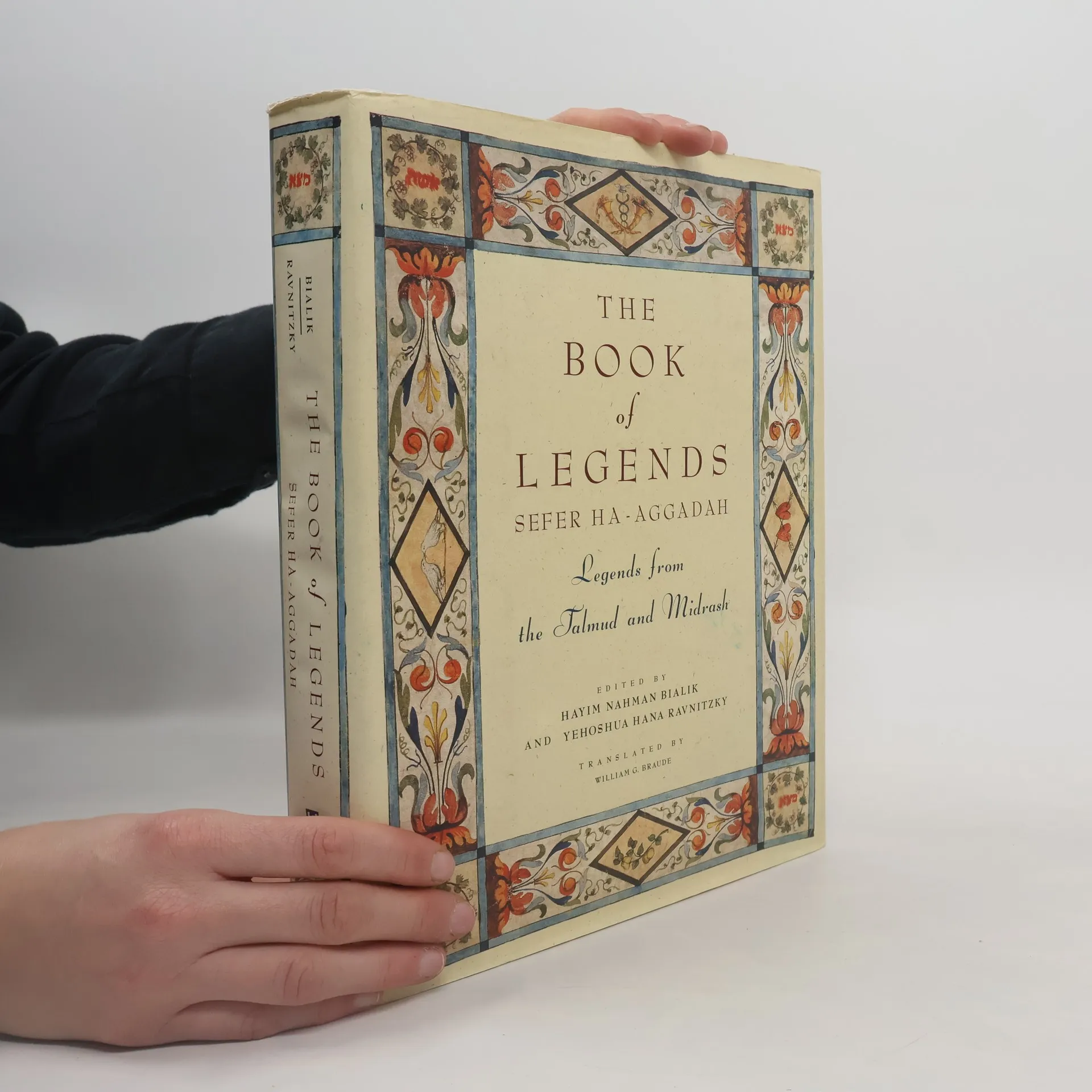
The first complete English translation of the Hebrew classic Sefer Ha-Aggadah presents an anthology of classical Rabbinic literature, first published in Odessa between 1908-11 and recognized as a masterwork. Compiled by Hebrew poet Hayim Nahman Bialik and editor Yehoshua Hana Ravnitzky, it features hundreds of texts from the Talmud and midrashic literature, arranged thematically for easy access to the Jewish literary heritage. The anthology focuses on Aggadah, the non-legal portions of the Talmud and Midrash, encompassing biblical exegesis, stories of biblical characters, Talmudic sages, parables, proverbs, and folklore. This captivating blend of wisdom, fantasy, and satire serves as a medium for Jewish creativity. The thematic arrangement reflects the theological concerns of Rabbinic sages, addressing topics such as the role of Israel, the nature of God, human relations, and healing. Readers seeking traditional Jewish perspectives on various subjects will find relevant texts readily available, leading them into a deeper exploration of Jewish thought and inquiry. Historian Leopold Zunz noted that "whatever the imagination can invent is found in the Aggadah," emphasizing its purpose of teaching the ways of God. This superbly annotated translation by William Braude allows modern Jews to engage with the richness of their cultural inheritance.