
Bookbot

Daisaku Ikeda

    January 2, 1928 – November 15, 2023

    Daisaku Ikeda, a Buddhist philosopher and peacebuilder, focuses his philosophy on character development and social engagement. As the founder of the Soka school system, he champions fostering students' creative potential and cultivating an ethic of peace and global consciousness. Ikeda is a fervent proponent of dialogue as the bedrock of peace, actively pursuing conversations with diverse global figures across various fields. He is also a prolific writer whose extensive body of work spans philosophy, essays, poetry, and beyond.

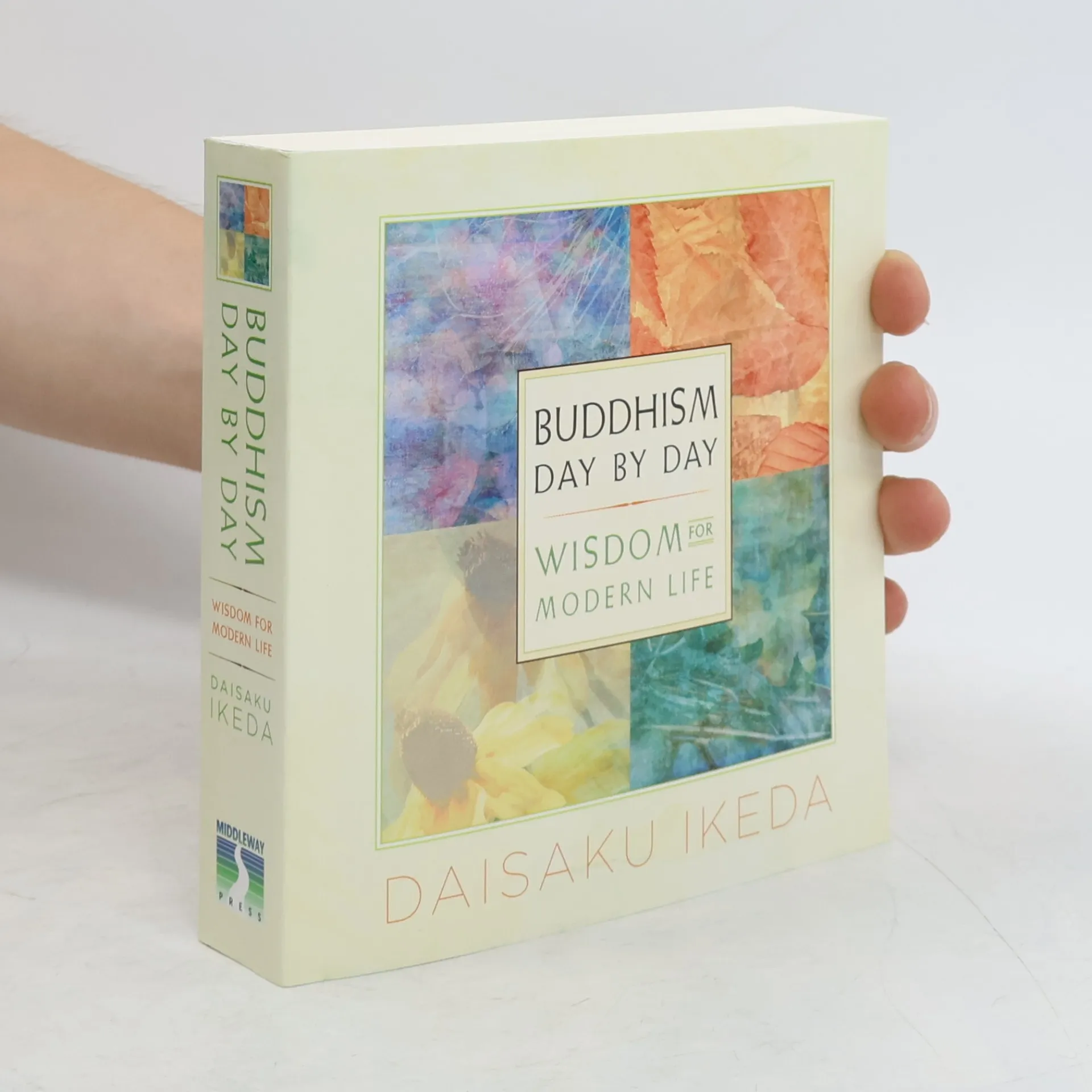
    Daisaku Ikeda
    The Wisdom for Creating Happiness and Peace
    One by One
    Unlocking the Mysteries of Birth & Death
    Faith Into Action
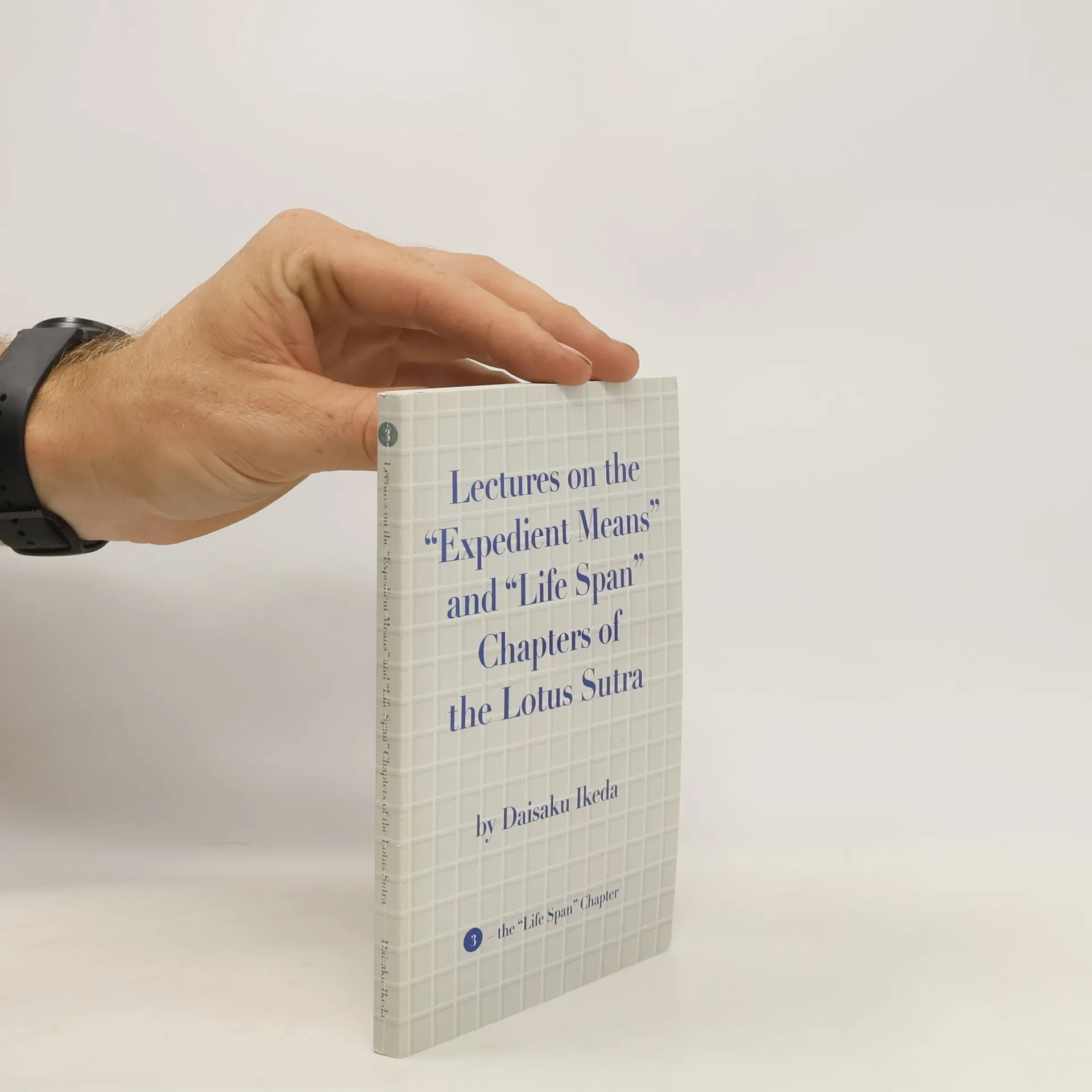
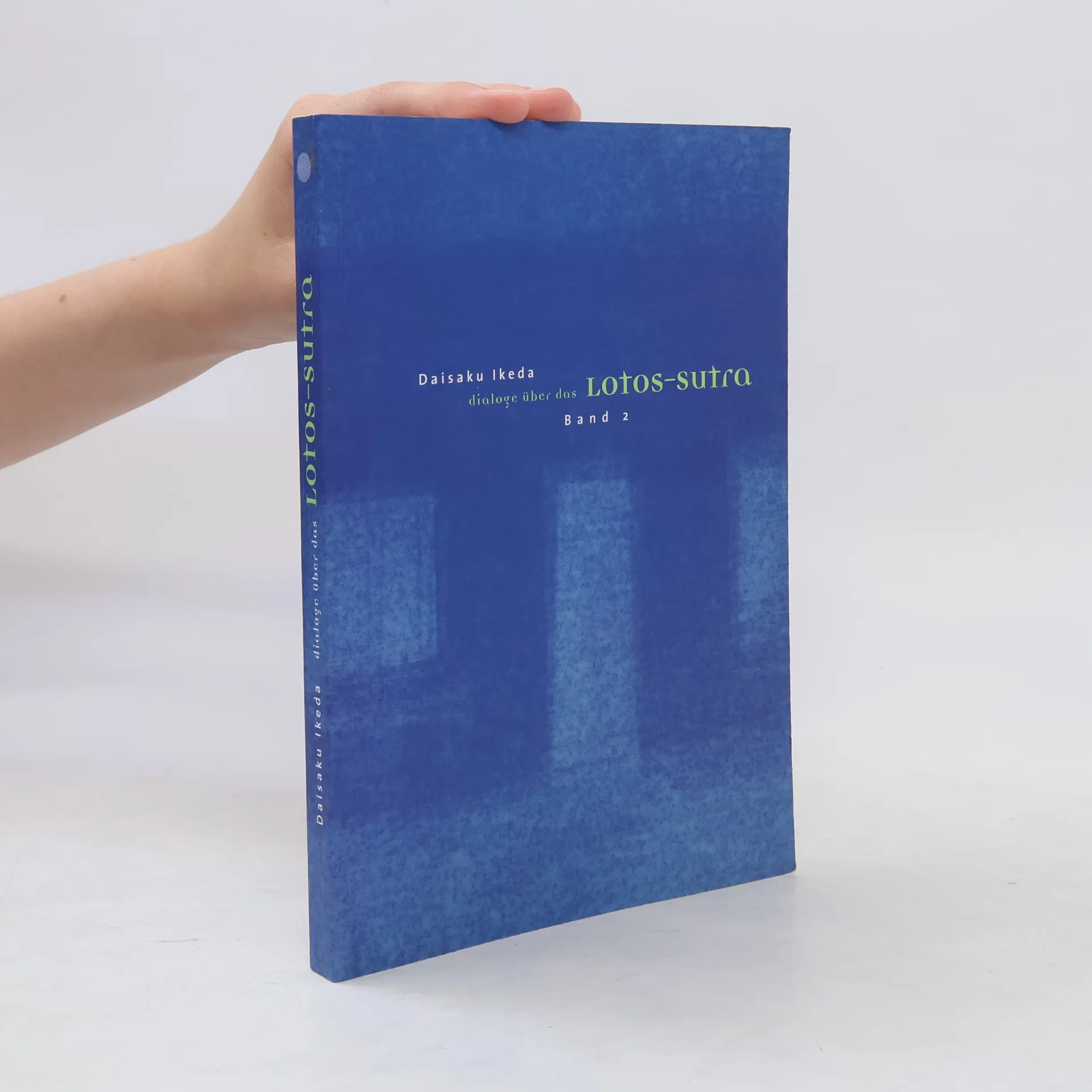
    The Wisdom of the Lotus Sutra
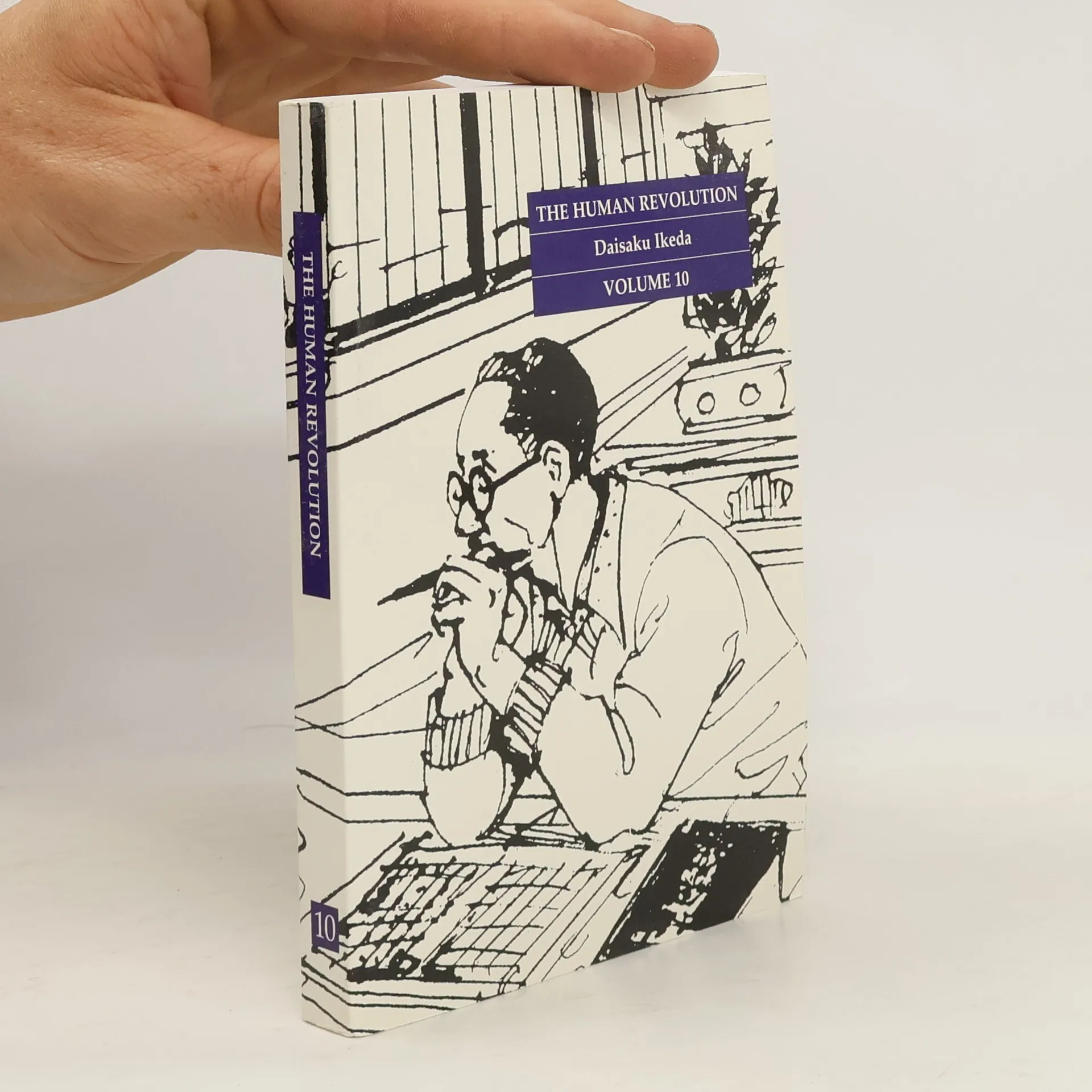
    Human Revolution, Vol. 5
    • Human Revolution, Vol. 5

      • 296 pages
      • 11 hours of reading

      Through this novelized history of the Soka Gakkai—one of the most dynamic, diverse, and empowering movements in the world today—readers will discover the organization's goals and achievements even as they find inspiring and practical Buddhist wisdom for living happily and compassionately in today's world. The book recounts the stories of ordinary individuals who faced tremendous odds in transforming their lives through the practice of Nichiren Buddhism and in bringing Buddhism's humanistic teachings to the world. This inspiring narrative provides readers with the principles with which they can positively transform their own lives for the better and realize enduring happiness for themselves and others.

      Human Revolution, Vol. 5
      4.7
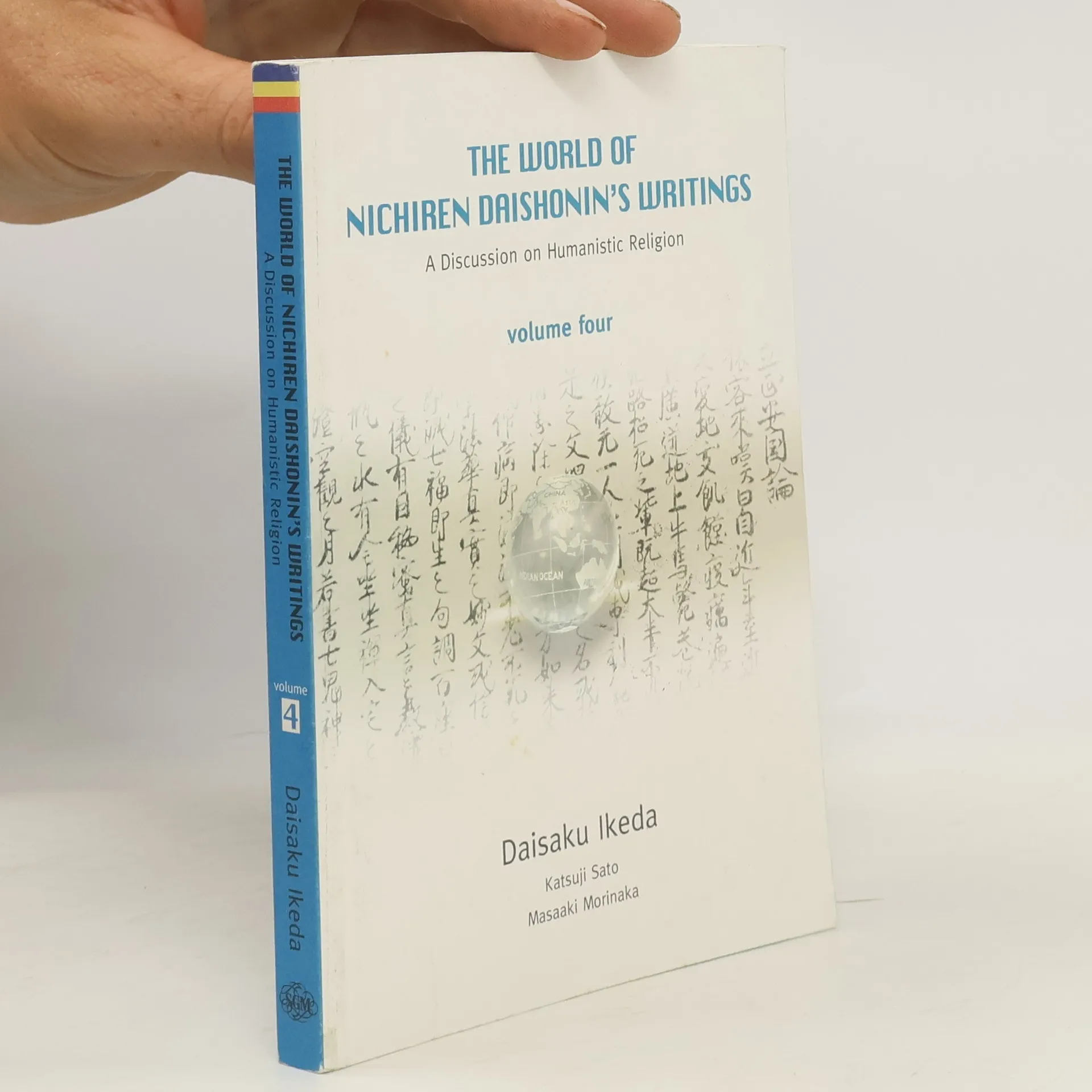
    • The Wisdom of the Lotus Sutra

      A Discussion

      • 279 pages
      • 10 hours of reading

      Explains the concepts that form the foundation of SGI Buddist practice. Volume V Distinctions in Benefits; Benefits of the Teacher of the Law; The Benefits of Responding with Joy; The Bodhisattva Never Disparaging; Supernatural Powers of the Thus Come One; Entustment

      The Wisdom of the Lotus Sutra
      4.7
    • Faith Into Action

      Thoughts on Selected Topics

      • 307 pages
      • 11 hours of reading

      Excepts of the works of the Soka Gakki International President indexed by topic in an easy to use format.

      Faith Into Action
      4.6
    • Unlocking the Mysteries of Birth & Death

      • 224 pages
      • 8 hours of reading

      "This introduction to Nichiren Buddhism explores the philosophical intricacies of life and reveals the wonder inherent in the phases of birth, aging, and death. Core concepts of Nichiren Buddhism, such as the 10 worlds and the nine consciousnesses, illustrate the profundity of human existence. This book provides Buddhists with the tools they need to fully appreciate the connectedness of all beings and to revolutionize their spiritual lives based on this insight. Also explored are how suffering can be transformed to contribute to personal fulfillment and the well-being of others and how modern scientific research accords with ancient Buddhist views. Ultimately, this is both a work of popular philosophy and a book of compelling, compassionate inspiration for Buddhists and non-Buddhists alike that fosters a greater understanding of Nichiren Buddhism."

      Unlocking the Mysteries of Birth & Death
      4.6
    • One by One

      The World is Yours to Change

      • 220 pages
      • 8 hours of reading

      The leader of the SGI Nichiren Buddhist movement herein conveys to young people a rare message of optimism about our common future. This Japanese Buddhist leader and peacebuilder challenges readers to examine stereotypes, overcome prejudices and keep open minds to the possibility of a world without violence or war. In intimate essays, the author introduces his personal friends to the reader--friends who have demonstrated that sincerity and perseverance can achieve dreams of peace. These friends range from household names such as Gandhi to obscure Japanese scholars and priests from El Salvador. He challenges young people to dare to believe that, like these individuals, they can live their ideals.
      One by One
      4.6
    • Offering deep insight into what it means to live a truly happy life, this book teaches the meaning of absolute happiness, which is indestructible and characterized by supreme joy, wisdom and compassion.

      The Wisdom for Creating Happiness and Peace
      4.8
    • Space and Eternal Life

      • 239 pages
      • 9 hours of reading

      This fascinating and thought-provoking book probes some of the deepest aspects of our very existence, while tackling some of the most controversial social issues of modern times: from euthanasia, abortion, AIDS, education, family, and the environment, to the possibility of alien encounters.Presented as a dialogue, the viewpoints of an eminent astronomer and a Buddhist scholar are expounded, side by side. As the dialogue unfolds, interesting comparisons between the two sets of basic tenets can be easily identified, while traditional beliefs about 'unsophisticated' Buddhist philosophy are proven wrong.Wickramasinghe and Ikeda's discussions focus around several key areas: the universe; science and religion; eternity of life; Buddhist pacifism and the creation of a global civilisation. Space and Eternal Life is an illuminating philosophical study.

      Space and Eternal Life
      5.0
    • On Being Human

      • 262 pages
      • 10 hours of reading

      This exploration of what it means to be healthy from a physical, mental, and spiritual standpoint discusses Western humanism, Japanese Buddhism, and modern science from three divergent, yet expert, perspectives. Seeking common ground through dialogue, this ambitious work broaches questions about issues that face today’s society, such as cancer, AIDS, death with dignity, in vitro fertilization, biomedical ethics, and more. The discussions cut through linguistic and cultural barriers to present a vision of the potential—and the inherent challenges—of being human. Avoiding scientific jargon, the book begins with a medical discussion of cancer and AIDS, as well as the problem of social discrimination against those infected. Questions about the fundamental nature of a harmonious existence are considered, as are specific issues such as the nature of brain death and ethical problems relating to fertility and childbirth. The origins of life, evolution, and the birth of humanity are also discussed.

      On Being Human
      4.5
    • Unforgettable Friends

      Recollections of Meetings with Unforgettable People from Around the World

      • 212 pages
      • 8 hours of reading
      Unforgettable Friends
      4.7
    • A Youthful Diary

      One Man's Journey from the Beginning of Faith to Worldwide Leadership for Peace

      • 512 pages
      • 18 hours of reading

      One man's journey from the beginning of faith to worldwide leadership for peace. Excepts from Ikeda Diary 1949-1960. Ikeda is the third president of a global peace movement called Soka Gokkai International.

      A Youthful Diary
      4.7
    • The Power of Hope

      • 200 pages
      • 7 hours of reading

      Human history is marked by war, violence, oppression, and social exclusion, yet it is also defined by the enduring struggle for human rights and the commitment to solidarity and nonviolence. This work presents a dialogue between two prominent activists who explore how to create a world that prioritizes justice and human dignity. Adolfo Pérez Esquivel, an Argentinian human rights activist and 1980 Nobel Peace Prize laureate, played a crucial role in resisting military dictatorship, enduring arrest and torture under the regime. Daisaku Ikeda, a peacebuilder, Buddhist philosopher, and educator, is the founding president of Soka Gakkai International, the largest Buddhist lay organization. Their conversation weaves together personal experiences in the fight for human rights with broader reflections on making the Third Millennium a time of peace. The narrative includes vivid accounts of Latin America during the brutal military regimes of the 1970s, insights from Buddhism on meditation's role for activists, the vital contributions of women to nonviolence, and discussions on international geopolitics, the legacies of Hiroshima, and the challenges of globalization in eroding identities and ethical values.

      The Power of Hope
      5.0
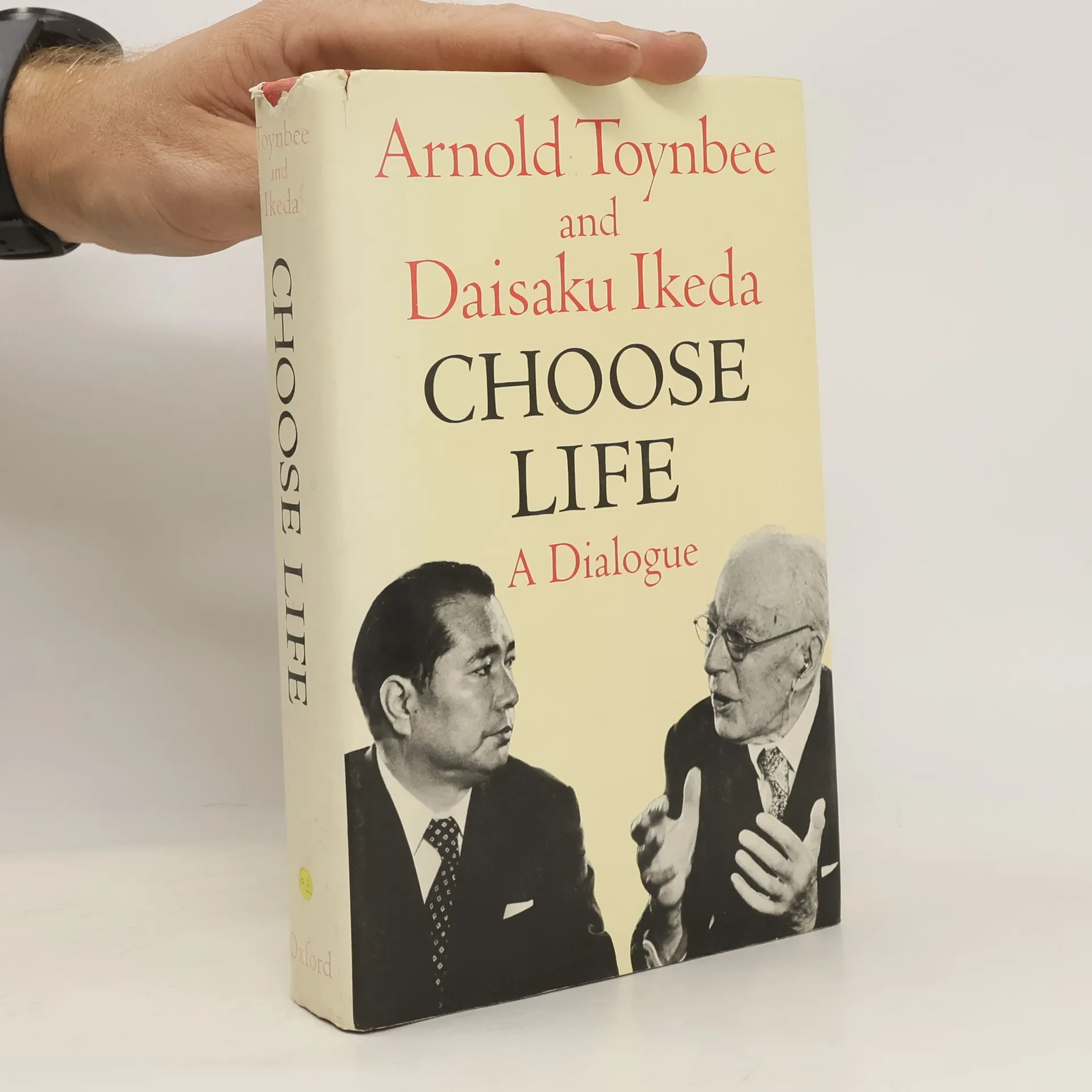
    • Arnold J. Toynbee, a historian renowned for his 12-volume work, offered a grand synthesis of world history, focusing on the rise and fall of civilizations rather than nation-states. He was regarded as an 'international sage' alongside figures like Einstein and Russell. Daisaku Ikeda, a prominent spiritual leader of a global lay Buddhist organization, engaged in discussions with Toynbee from 1971 to 1974 about pressing societal issues that remain relevant today. Topics such as pollution, dwindling resources, conflict, the role of religion, and population growth are even more urgent now than they were decades ago. This volume, reissued for a new generation, captures the inspiring challenge posed by both men: will humanity choose to revolutionize its thinking and morals to salvage its destiny, or will it face disaster through self-destruction and environmental degradation? The text acknowledges the threat posed by the imbalance between human immaturity and technological advancement, yet it conveys an optimistic message: the evils created by humanity can be addressed with human solutions.

      Choose life : a dialogue
      4.3
    • Soka Education

      A Buddhist Vision for Teachers, Students & Parents

      • 208 pages
      • 8 hours of reading

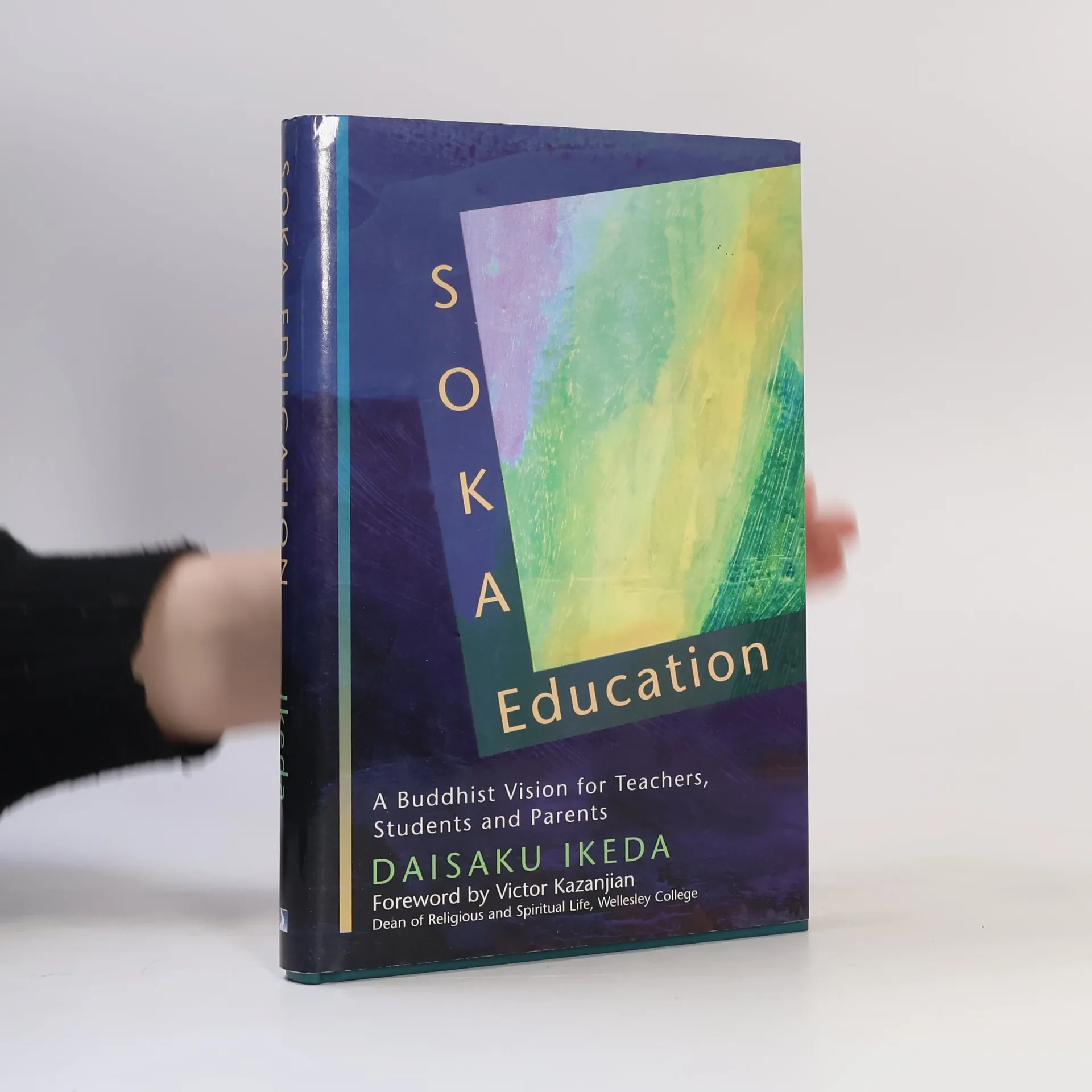
      From a Japanese word meaning “to create value,” this book presents a fresh spiritual perspective to question the ultimate purpose of education. Mixing American pragmatism with Buddhist philosophy, the goal of Soka education is the lifelong happiness of the learner. Rather than offering practical classroom techniques, this book speaks to the emotional heart of both the teacher and student. With input from philosophers and activists from several cultures, it advances the conviction that the true purpose of education is to create a peaceful world and to develop the individual character of each student in order to achieve that goal.

      Soka Education
      4.2
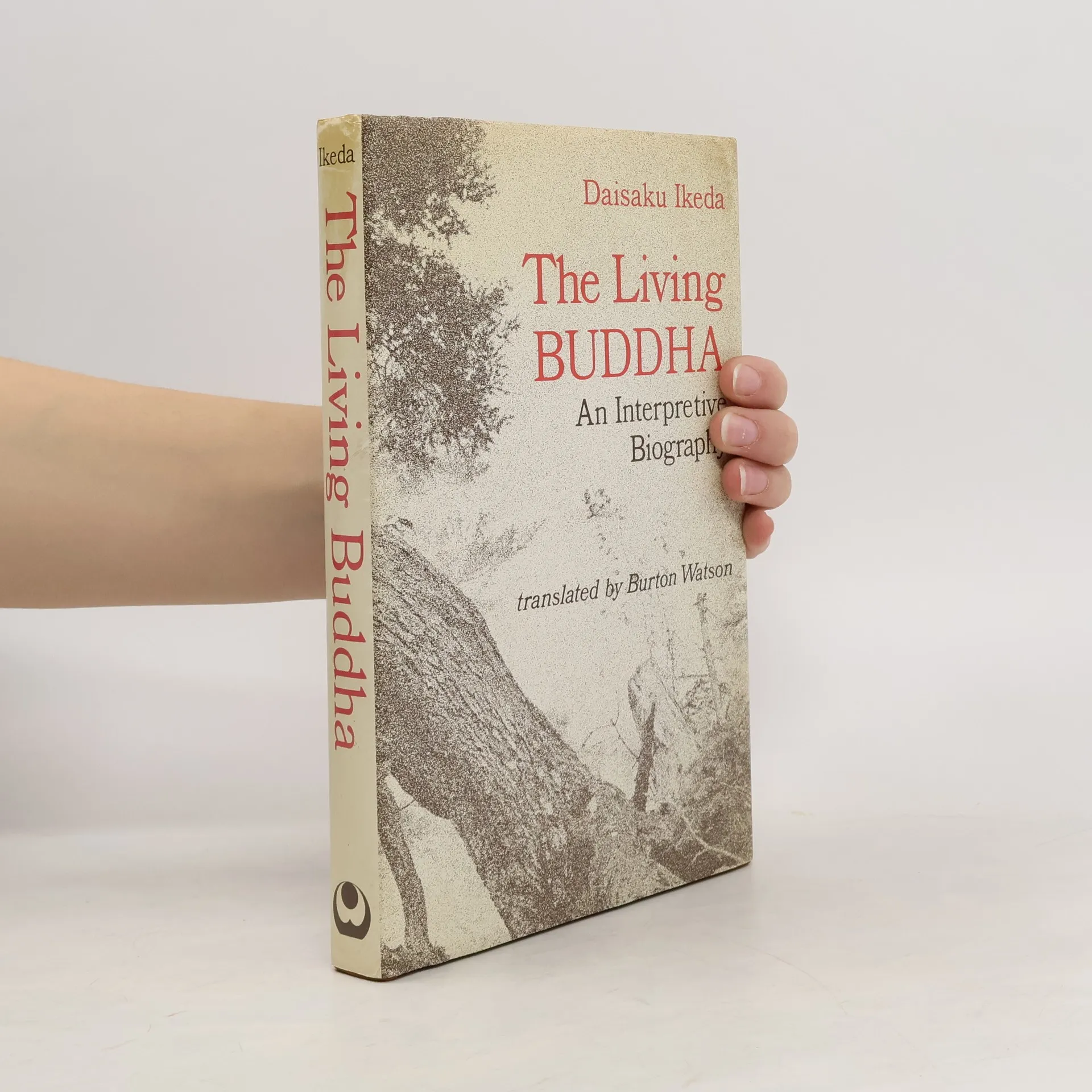
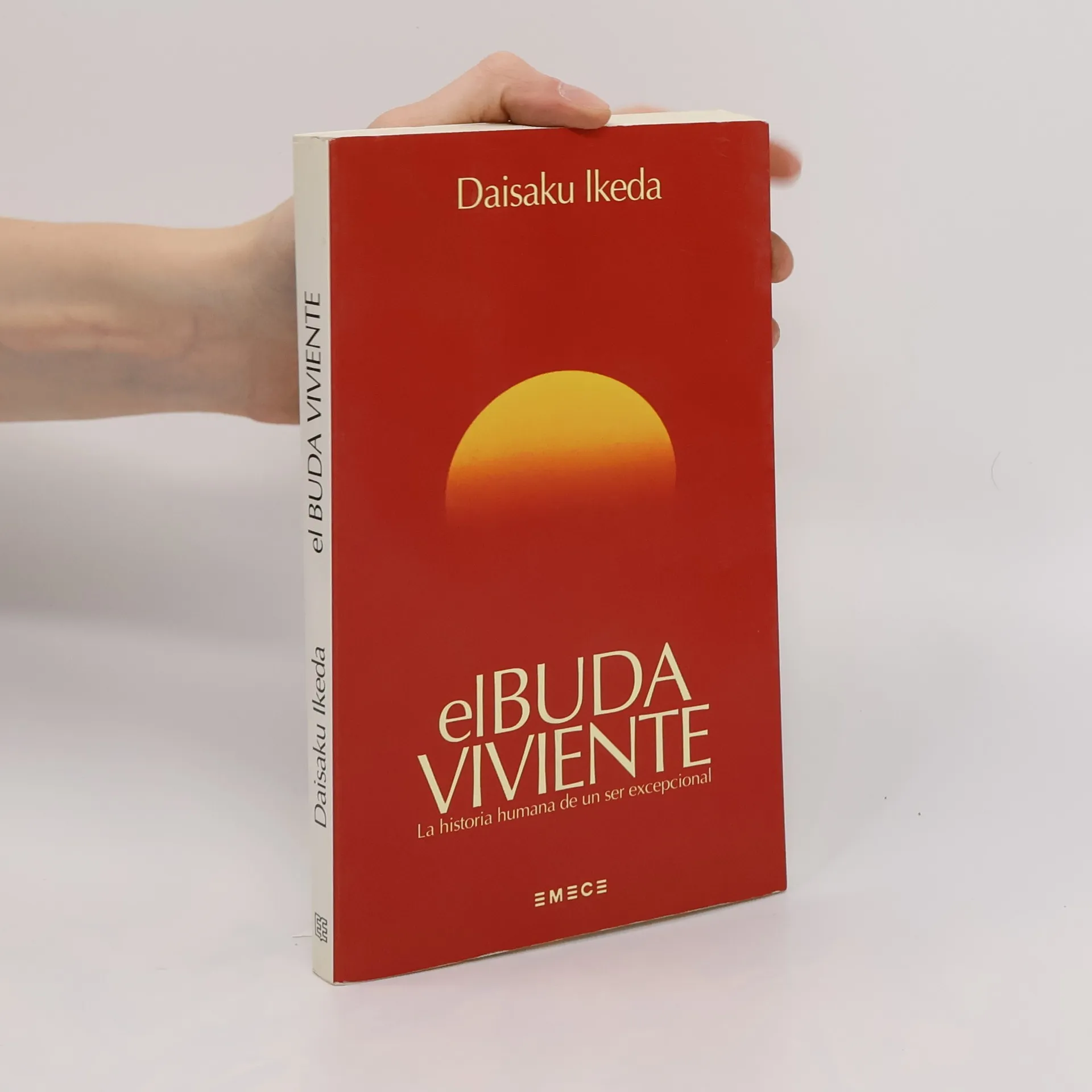
    • An intimate portrayal of one of history's most important and obscure figures, the Buddha, this chronicle reveals him not as a mystic, but a warm and engaged human being that was very much the product of his turbulent times. This biographical account traces the path of Siddhartha Gautama as he walked away from the pleasure palace that had been his home and joined a growing force of wandering monks, ultimately making his way towards enlightenment beneath the bodhi tree, and spending the next 45 years sharing his insights along the banks of the Ganges. The Buddhist canon is expertly harvested to provide insight into the Buddha's inner life and to grant a better understanding of how he came to play his pivotal role as founder of one of the world's largest religions.

      The Living Buddha
      4.1
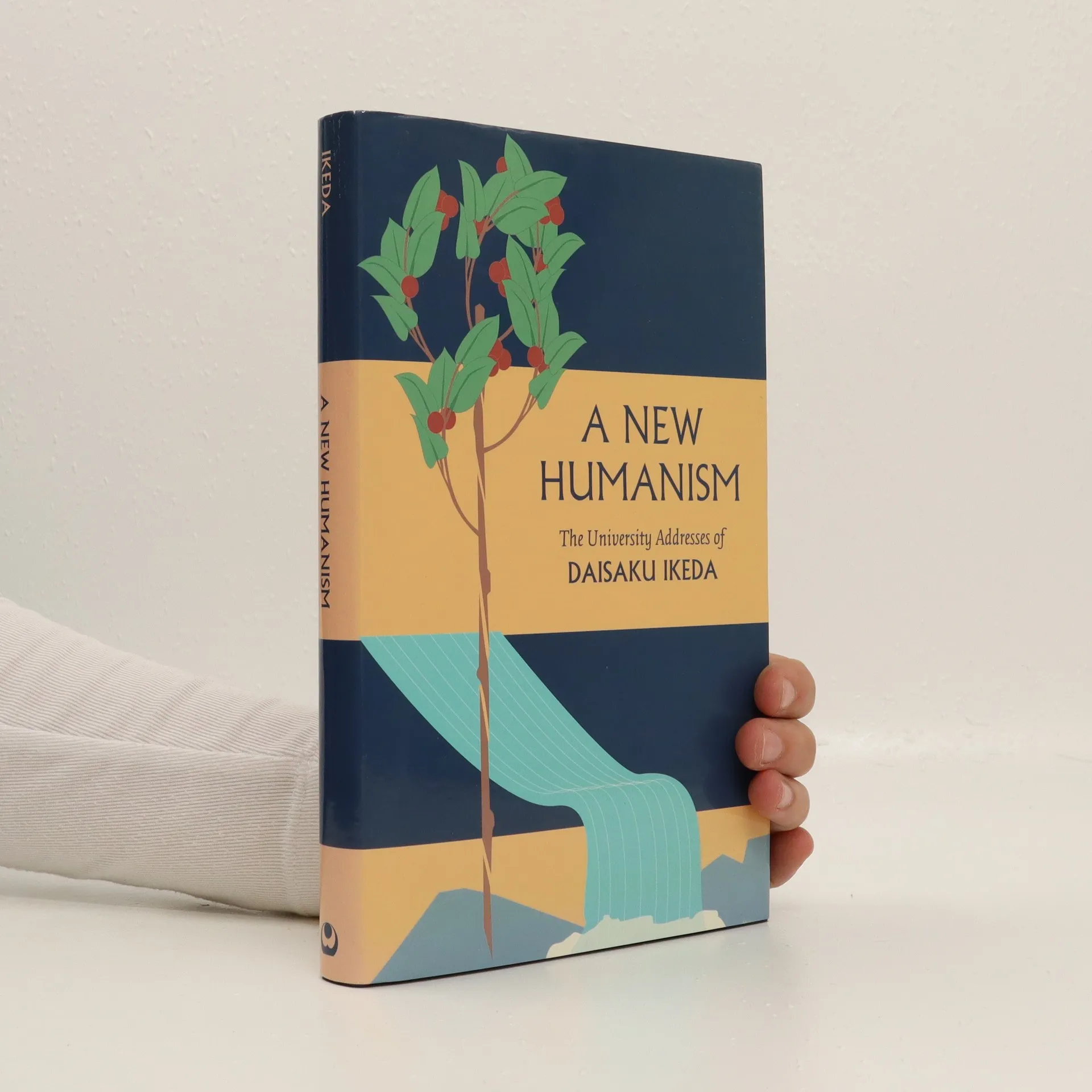
    • New Humanism The University Addresses of

      • 1000 pages
      • 35 hours of reading

      Daisaku Ikeda is the president of Soka Gakkai International (SGI), a lay Buddhist organization with millions of members worldwide, which works towards peace, culture and education. Part of President Ikeda's strategy for communication is to meet with and speak to leaders of all sectors of society around the world. This volume is a collection of President Ikeda's speeches, delivered at 18 universities around the globe. In the 20 addresses, Ikeda speaks on many different topics but his main themes are thoughts on human civilization, its manifestations as education, literature and art and the search for a lasting peace.

      New Humanism The University Addresses of
      3.0
    • The flower of Chinese Buddhism

      • 194 pages
      • 7 hours of reading

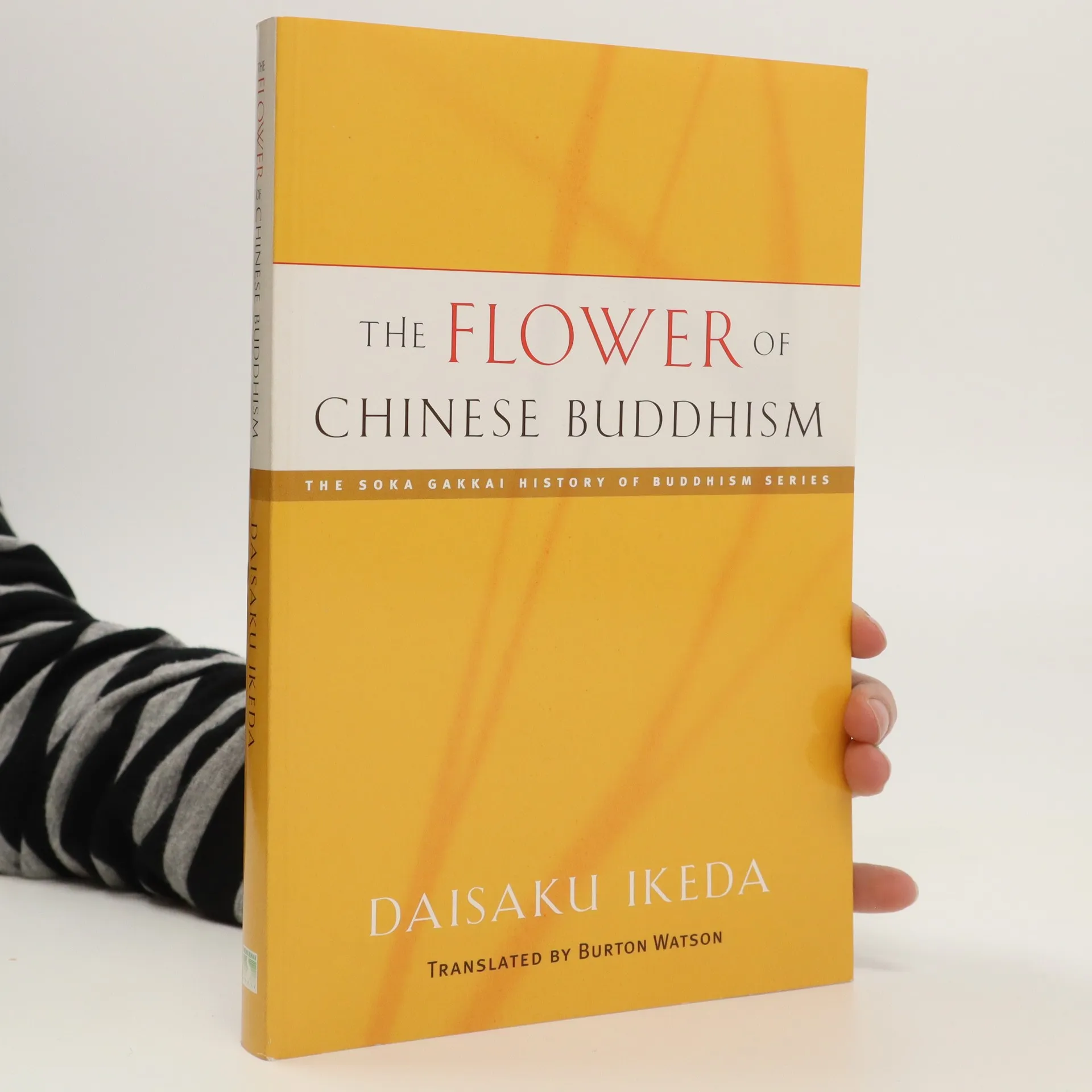
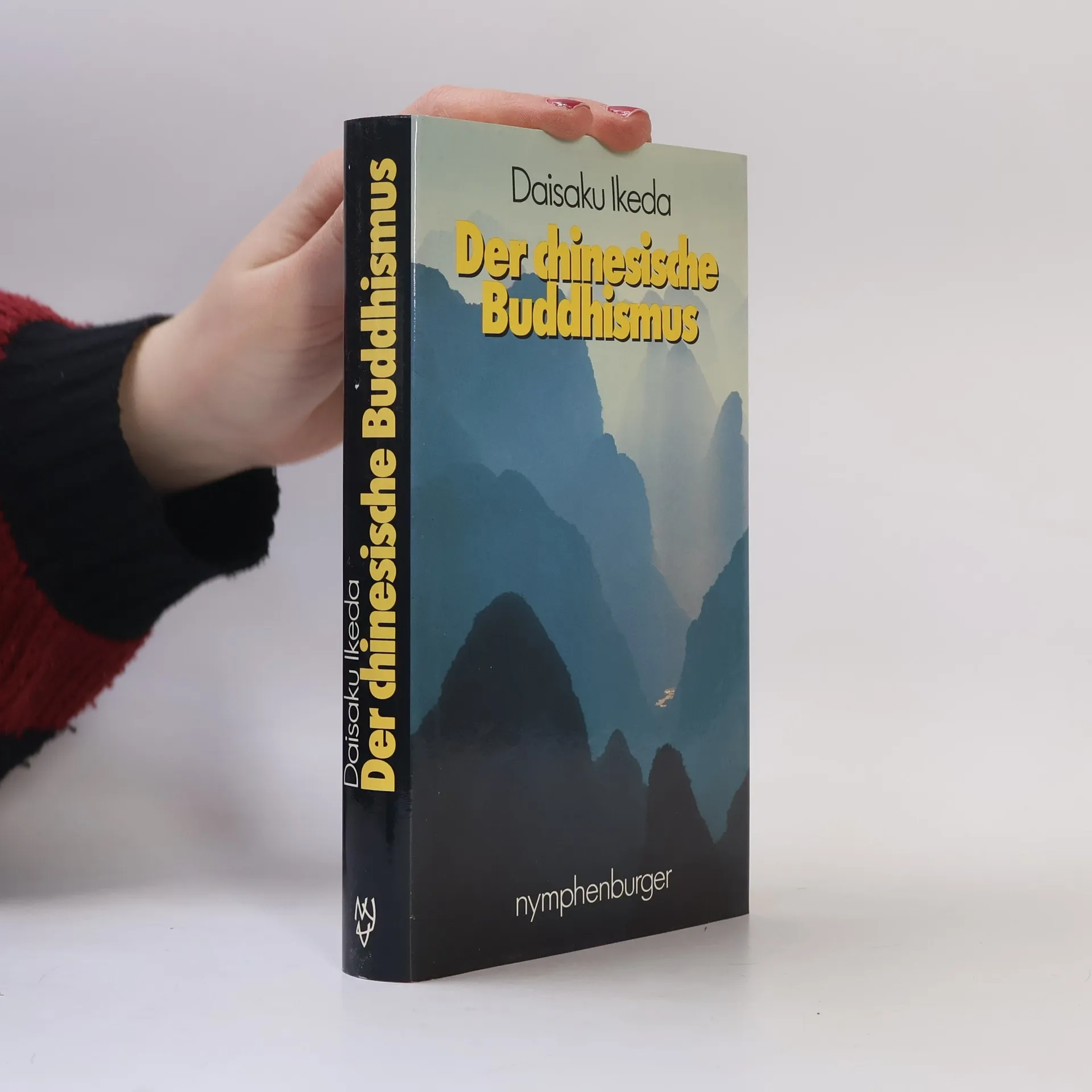
      Beginning with the introduction of the religion into China, this chronicle depicts the evolution of Buddhism. The career and achievements of the great Kumarajiva are investigated, exploring the famed philosophical treatises that form the core of East Asian Buddhist literature. Providing a useful and accessible introduction to the influential Tien-t’ai school of Buddhism in Japan as well as the teachings of the 13th-century monk Nichiren, this examination places special emphasis on the faith of the Lotus Sutra and the major works of masters such as Hui-su, Chih-i, and Chanjan. From the early translations of the Buddhist scriptures to the persecution of the T'ang dynasty, this exploration illuminates the role of Buddhism in Chinese society, and by extension, in humanity in general.

      The flower of Chinese Buddhism
      4.0
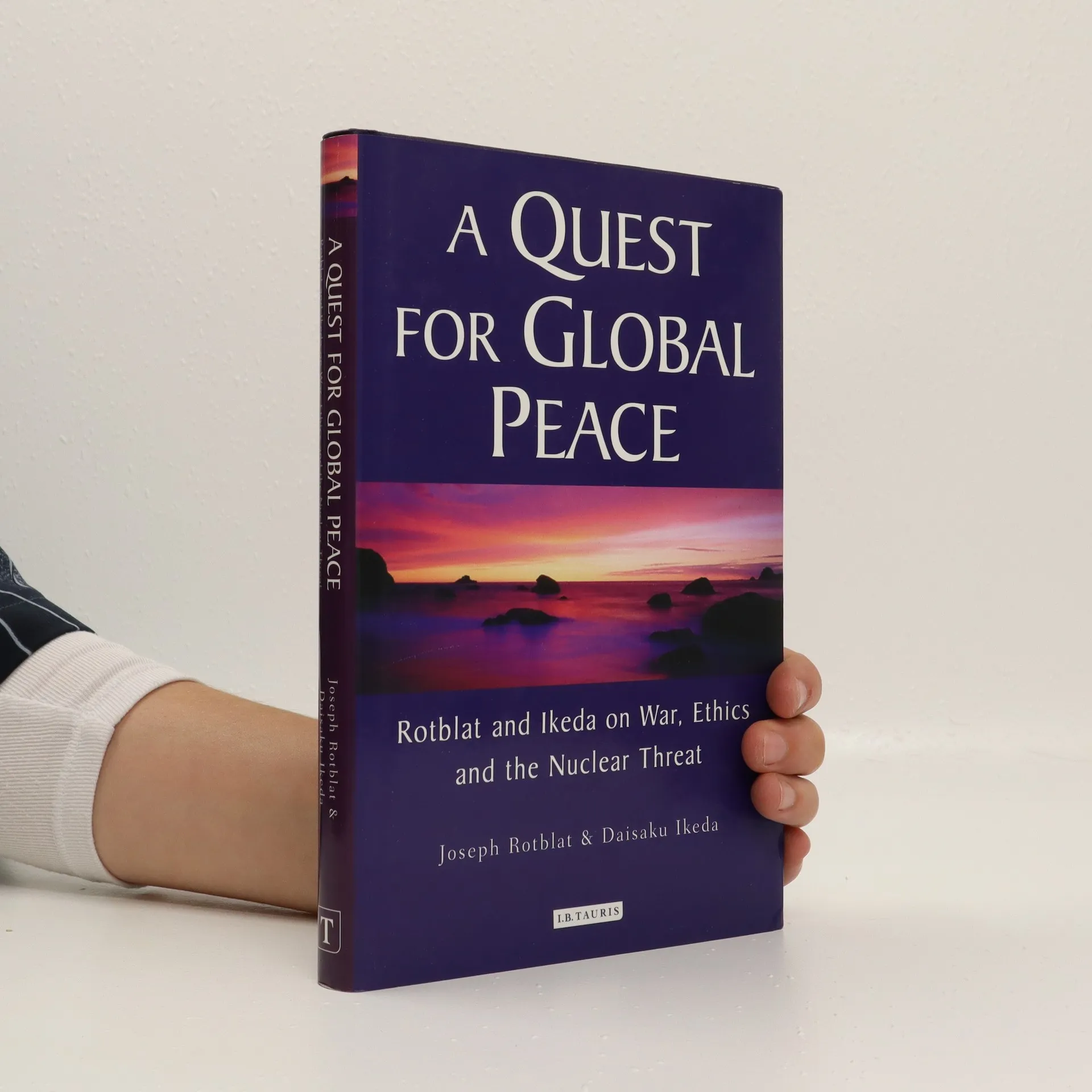
    • A Quest for Global Peace

      • 180 pages
      • 7 hours of reading

      "This series of dialogues between two leading ethical thinkers brings together the courage and humanity of Rotblat with the spiritual wisdom and global visionary outlook of Daisaku Ikeda, the leader of the world's largest and most influential lay Buddhist organisation. Together they reflect on fundamental issues of war and peace, the ethics of nuclear deterrence and the trajectory of Joseph Rotblat's career, from the Manhattan Project to the Pugwash Conferences and his Nobel Brize."--Jacket

      A Quest for Global Peace
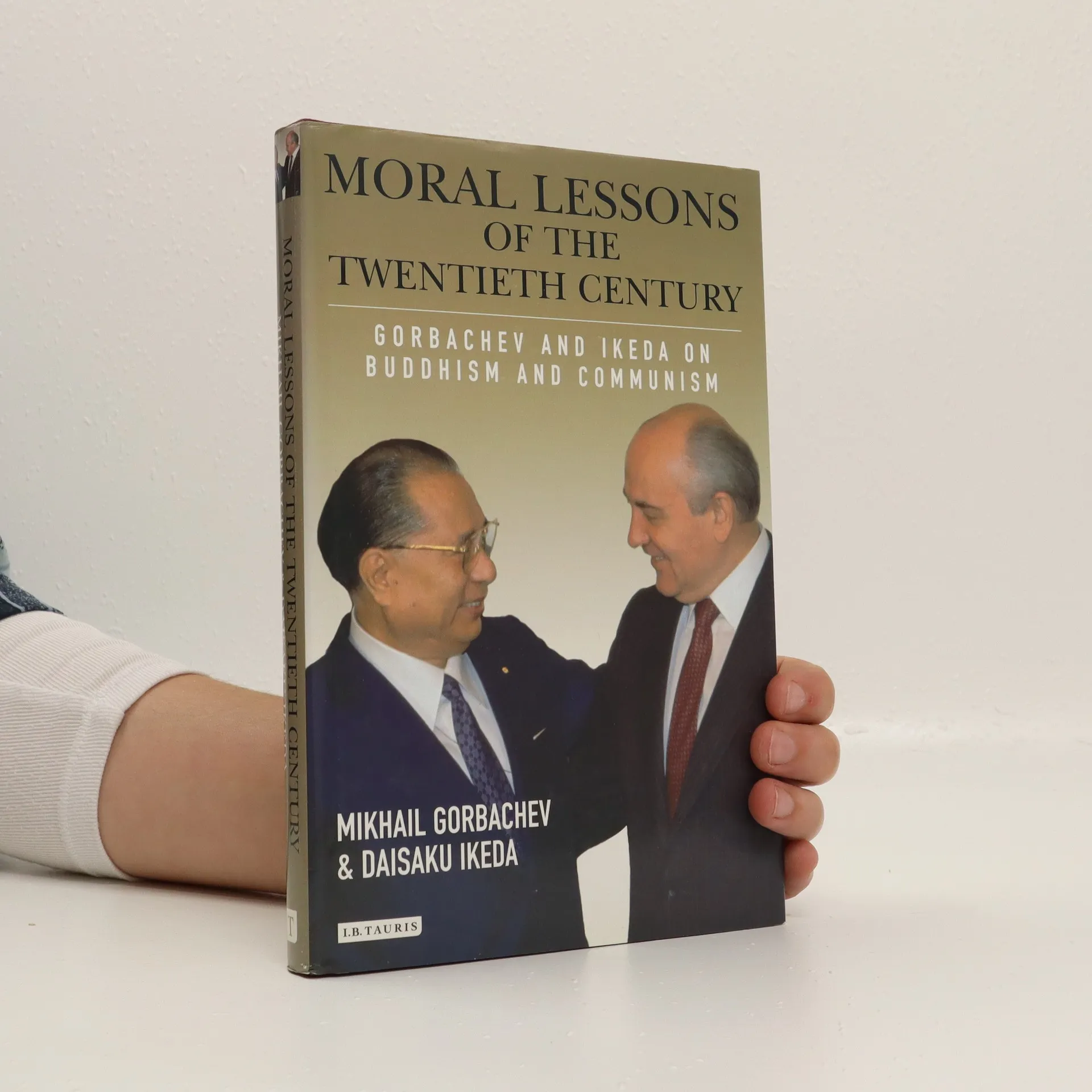
    • "Mikhail Gorbachev and Daisaku Ikeda are contemporaries raised in different cultures: Gorbachev is a statesman whose origins are the Marx-inspired world of Communism, while Ikeda is a Buddhist inspired by the thirteenth century Japanese sage, Nichiren. Moral Lessons of the Twentieth Century emerged from a series of conversations between these two men. Together they explore their experiences of life amidst the turmoil of the twentieth century and together they search for a common ethical basis for future development. They conclude that values are born of culture and that peace, progress and social justice can only be achieved through sincere communication and cultural exchange. As the new century begins, they have sought to turn the spotlight on the challenges which face humanity. The book is a call for dialogue in pursuit of values that bridge culture and time."--BOOK JACKET

      Moral lessons of the twentieth century : Gorbachev and Ikeda on Buddhism and Communism
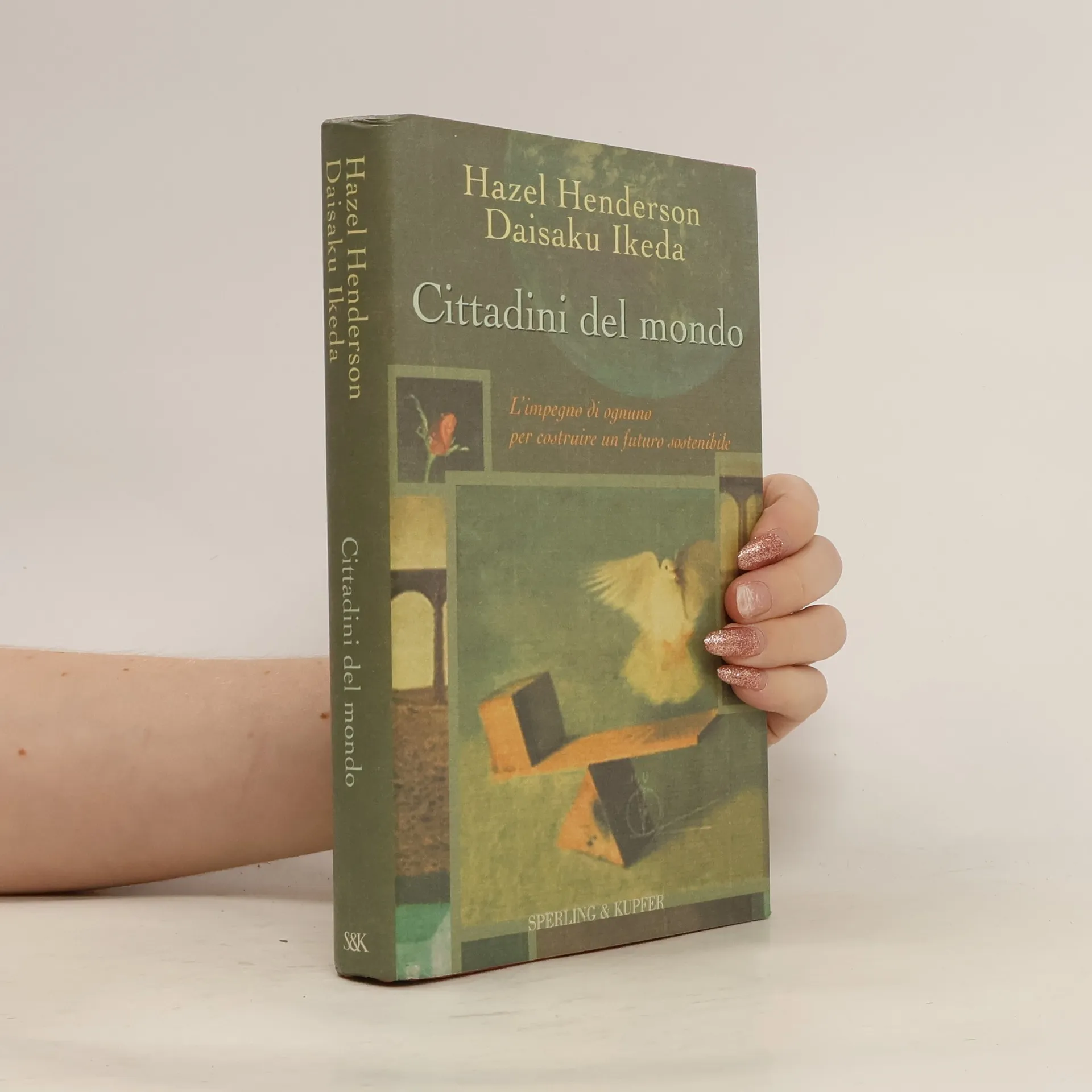
    • Cittadini del mondo

      L'impegno di ognuno per costruire un futuro sostenibile

      • 231 pages
      • 9 hours of reading

      Democratizzazione della politica e delle istituzioni internazionali, diritto all'istruzione, sviluppo equo e veramente sostenibile, giustizia economica: la globalizzazione non può prescindere da queste necessarie condizioni, che diventano giorno dopo giorno sempre più urgenti. Cittadini del mondo, scritto da due attivisti globali di fama internazionale, spiega come fare a raggiungere questi obiettivi: i soli che possano garantire una globalizzazione reale e senza perdenti. Henderson e Ikeda abbracciano una visione positiva, concreta e insieme profonda delle risorse dell'uomo e della sua volontà e capacità di creare un futuro più luminoso, attraverso intuizioni convincenti, che inducono il lettore a passare finalmente all'azione. Perché non è un sogno: la gente comune può davvero intervenire sui complessi temi globali e fare la differenza.

      Cittadini del mondo
      5.0
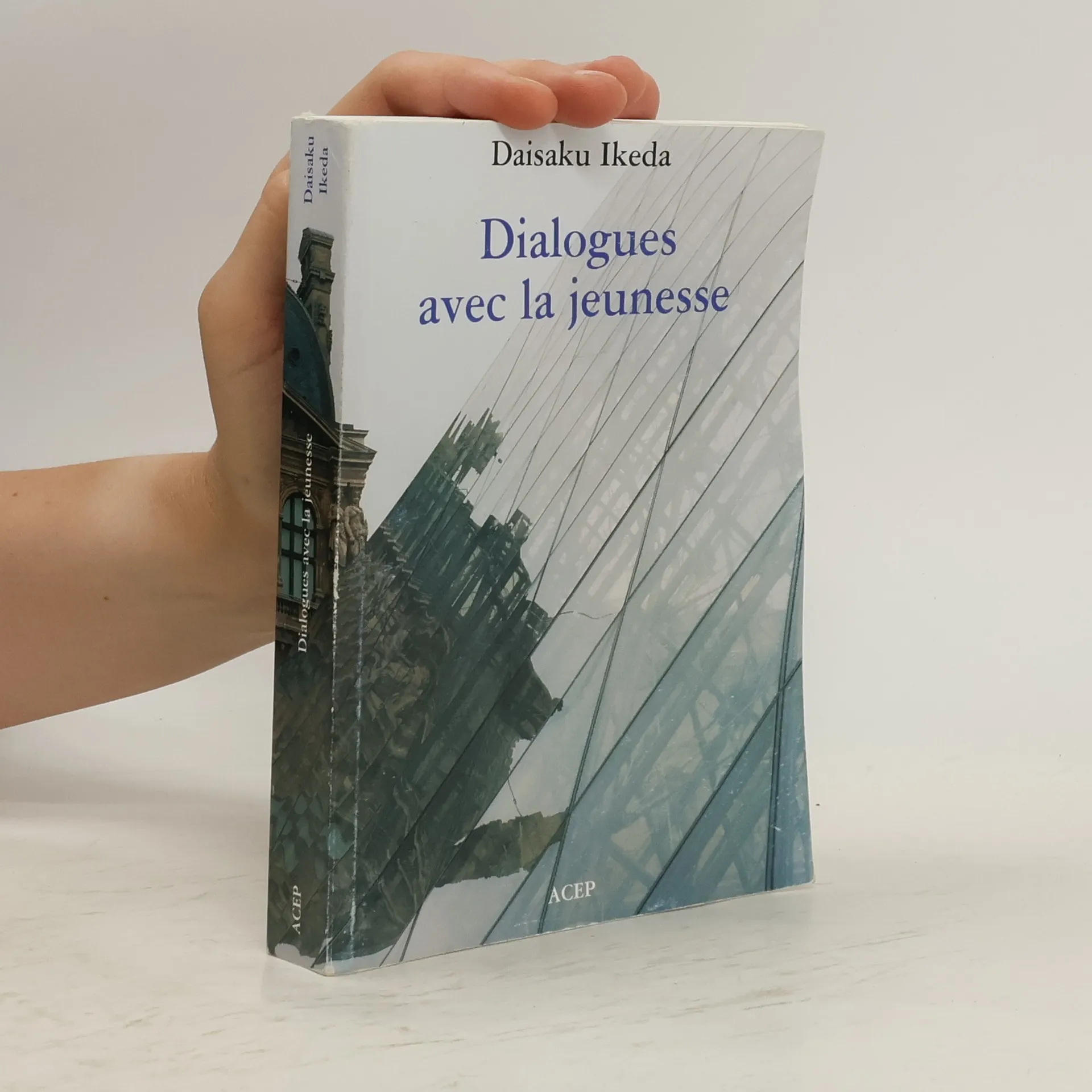
    • Rayon : Philosophie Editeur : ACEP Date de parution : 1998 Description : In-12, 406 pages, broché, occasion, très bon état. Envois quotidiens du mardi au samedi. Les commandes sont adressées sous enveloppes bulles. Photos supplémentaires de l'ouvrage sur simple demande. Réponses aux questions dans les 12h00. Librairie Le Piano-Livre. Merci. Référence catalogue X1750. Please let us know if you have any questions. Thanks

      Dialogues avec la jeunesse
      4.0
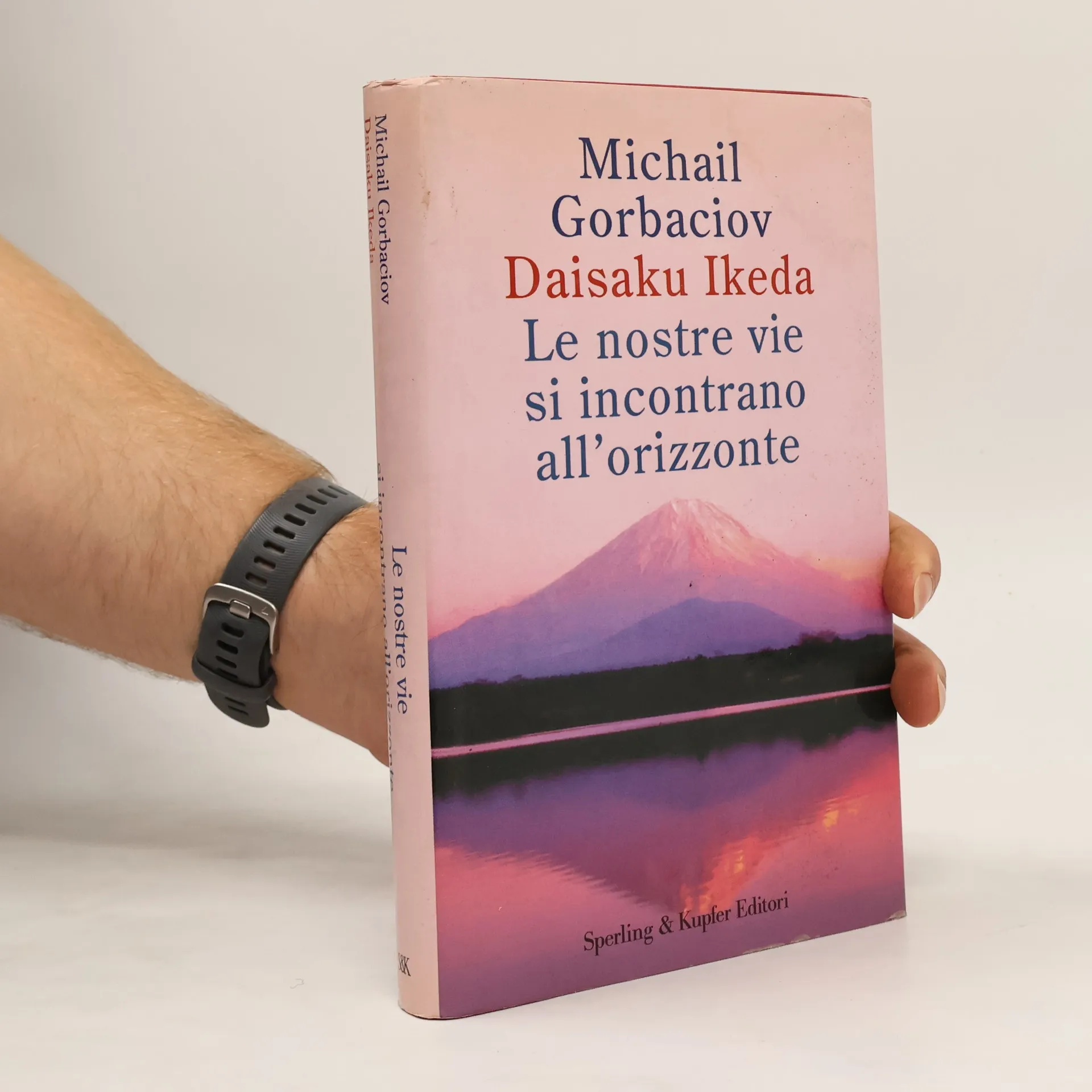
    • Le nostre vie si incontrano all'orizzonte

      • 303 pages
      • 11 hours of reading

      Che cosa possiamo imparare dagli errori e dalle tragedie del secolo appena trascorso? Come può l’umanità trovare una pace giusta e duratura? Quali sono le responsabilità del politico di fronte alla storia? Con questo libro Michail Gorbaciov, l'ultimo illuminato segretario del Partito Comunista dell’Unione Sovietica e coraggioso iniziatore della perestrojka, e Daisaku Ikeda cercano risposte a queste domande in un dialogo serrato e denso di rivelazioni, alla ricerca di una nuova civiltà per l’umanità del ventunesimo secolo. Una conversazione ricca di saggezza e compassione – e di ricordi di momenti storici vissuti in prima persona – dove i due affrontano le questioni più urgenti del millennio senza eludere i problemi delle persone comuni e senza dimenticare l'aspirazione dei singoli individui alla felicità e alla dignità, indicando la strada verso un nuovo umanesimo.

      Le nostre vie si incontrano all'orizzonte
      3.5
    • La Saggezza del Sutra del Loto

      • 488 pages
      • 18 hours of reading

      Daisaku Ikeda ci introduce alla comprensione del Sutra del Loto, testo fondamentale del Buddismo Mahayana, in cui si afferma che la condizione di Budda è eterna e accessibile a ogni persona. Tramite una serie di dialoghi che esaminano i profondi significati simbolici del sutra, Ikeda offre un’interpretazione attuale e concreta di questo testo, che si rivela un insegnamento chiave per aprire nuove prospettive al genere umano all’alba del terzo millennio. Nel primo volume vengono presi in esame i capitoli che vanno dal primo (Introduzione) all’undicesimo (L’apparizione della Torre preziosa).

      La Saggezza del Sutra del Loto
      4.0
    • Tascabili varia: La vita. Mistero prezioso

      • 280 pages
      • 10 hours of reading

      La comprensione della vita è l'interrogativo più drammatico dell'uomo: lo hanno riconosciuto i filosofi, che da sempre indagano su questa questione; lo hanno evidenziato gli scienziati, la cui ricerca non fa che spostare continuamente i confini tra ciò che è noto e ciò che rimane inafferrabile. Ma secoli fa, in Oriente, un uomo ha saputo affrontare correttamente il mistero della vita e ne ha trovato la perfetta soluzione. Quest'uomo, Shakyamuni - il Venerato delle tribù Shakya, Gautama Siddharta - è stato il fondatore del Buddismo. È rifacendosi alle lezioni dell'Illuminato che Daisaku Ikeda intraprende questa affascinante esplorazione della natura e della forza vitale che muove il cosmo e gli individui, e le tre sezioni in cui si articola il libro sviscerano ogni aspetto del problema: l'apparente contrapposizione tra spirito e materia; le infinite possibilità dell'esistenza umana; infine l'ineluttabilità della morte e il suo valore in rapporto alla vita. Partendo dalle moderne soluzioni scientifiche e considerando le risposte cui sono giunte le filosofie occidentali e orientali, è negli insegnamenti del Budda che l'autore individua la più autentica indicazione circa la via che l'uomo contemporaneo deve intraprendere per conseguire la vera dignità dell'esistenza.

      Tascabili varia: La vita. Mistero prezioso
      4.1
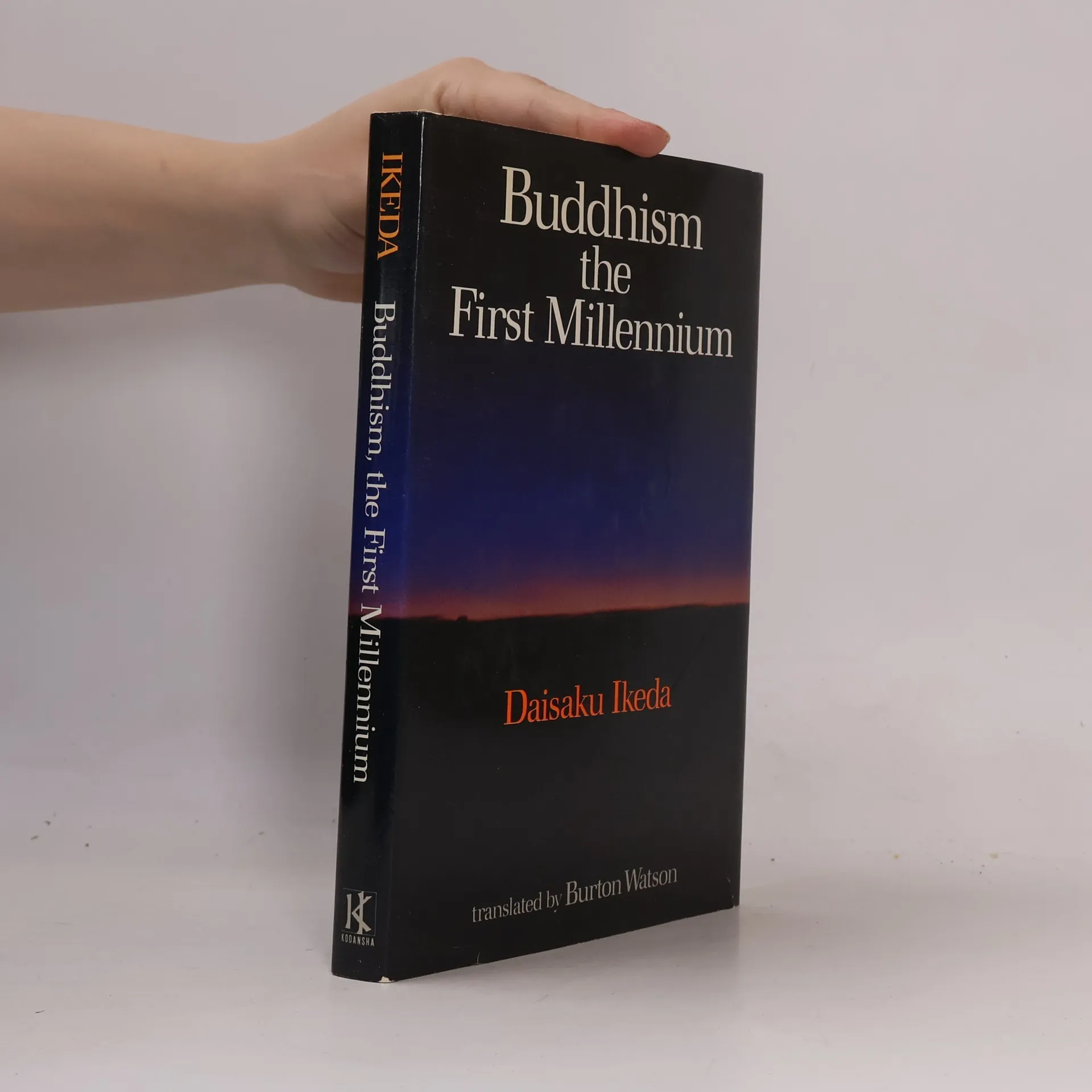
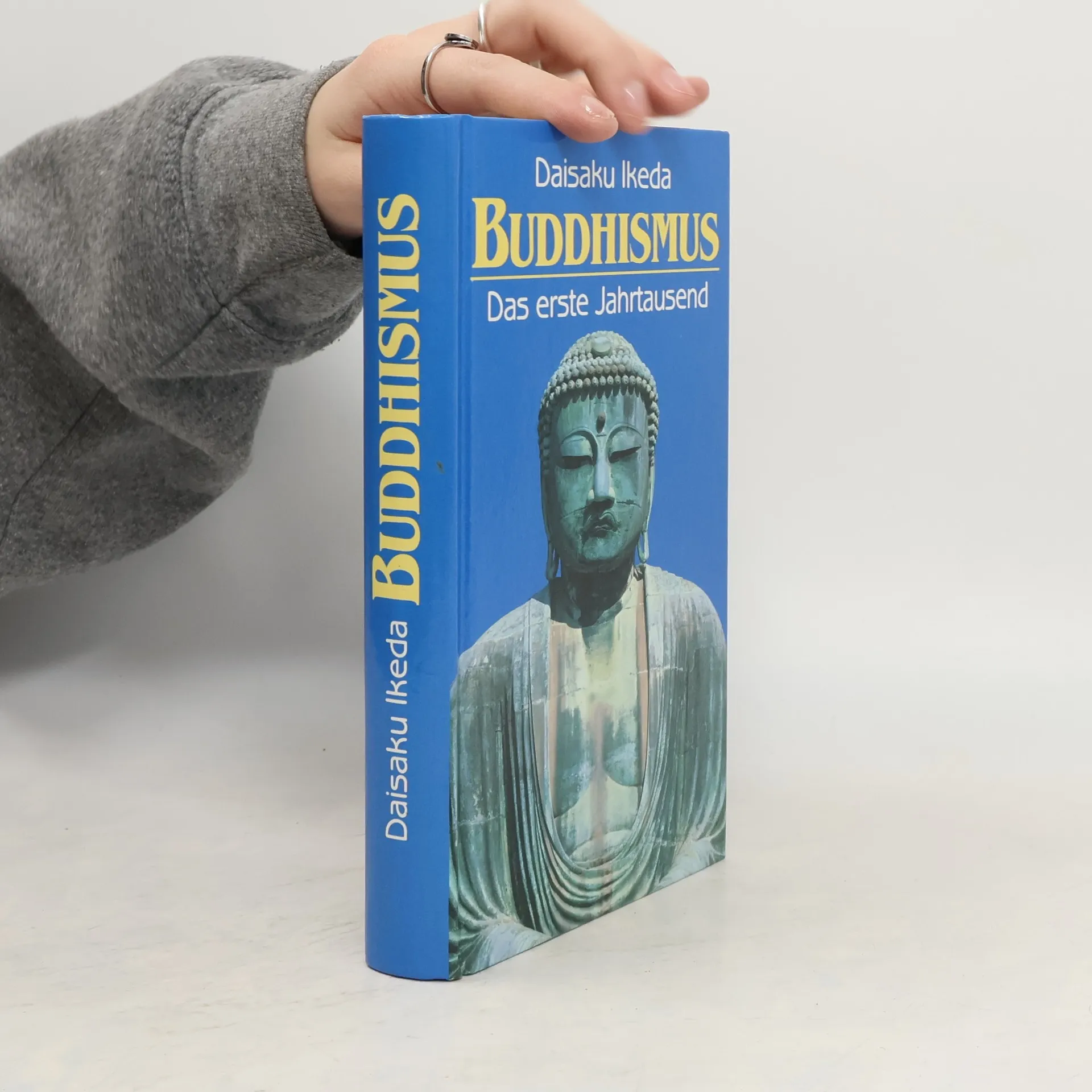
    • Buddhismus

      Das erste Jahrtausend

      • 256 pages
      • 9 hours of reading
      Buddhismus
    • Un nouvel humanisme

      • 274 pages
      • 10 hours of reading

      Fidèle du bouddhisme inspiré par Nichiren (1222-1282), Ikeda, dans ces conférences tenues à travers le monde de 1975 à 1994, se fait le chantre de la paix et du dialogue entre les peuples, en invitant à la réflexion et à la méditation.

      Un nouvel humanisme
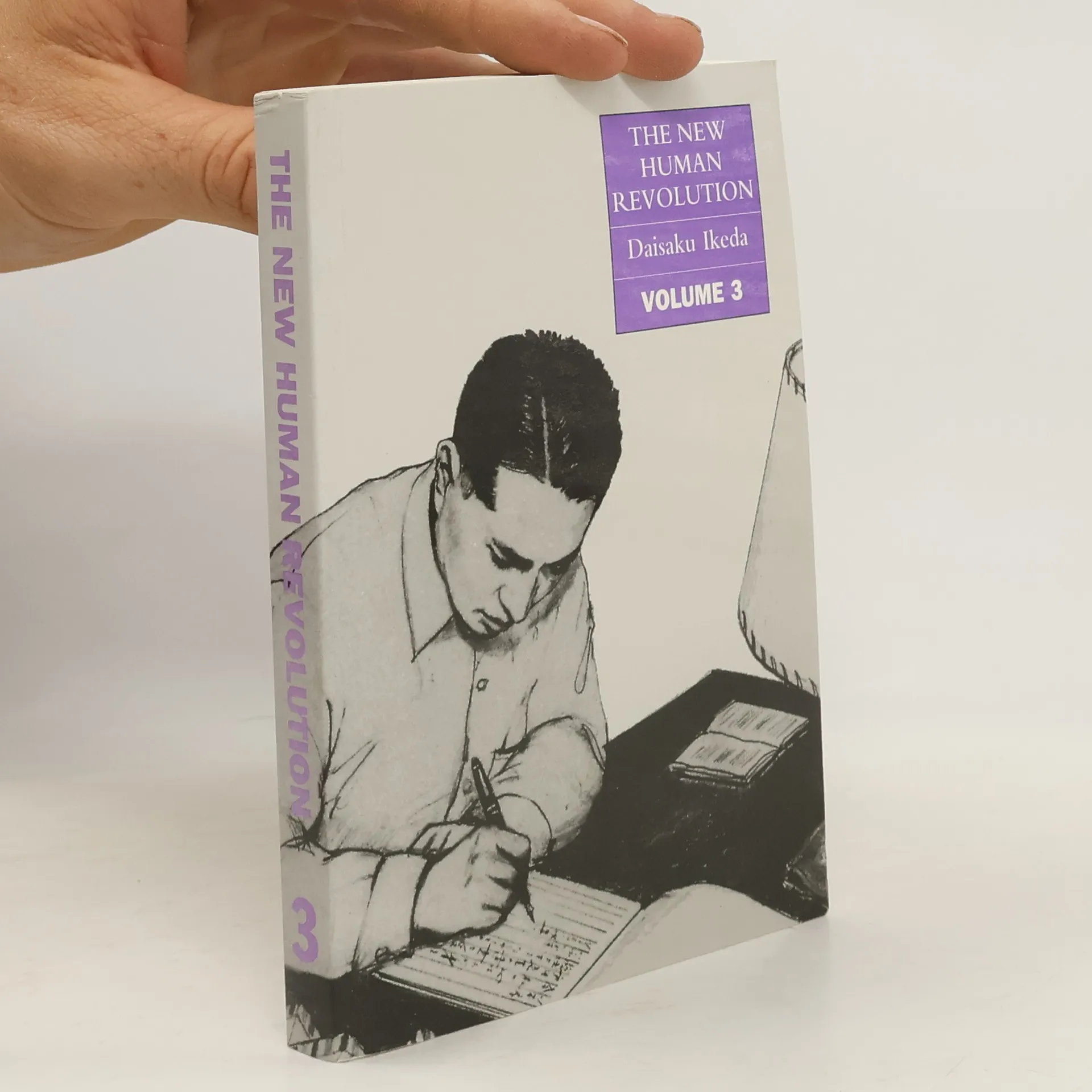
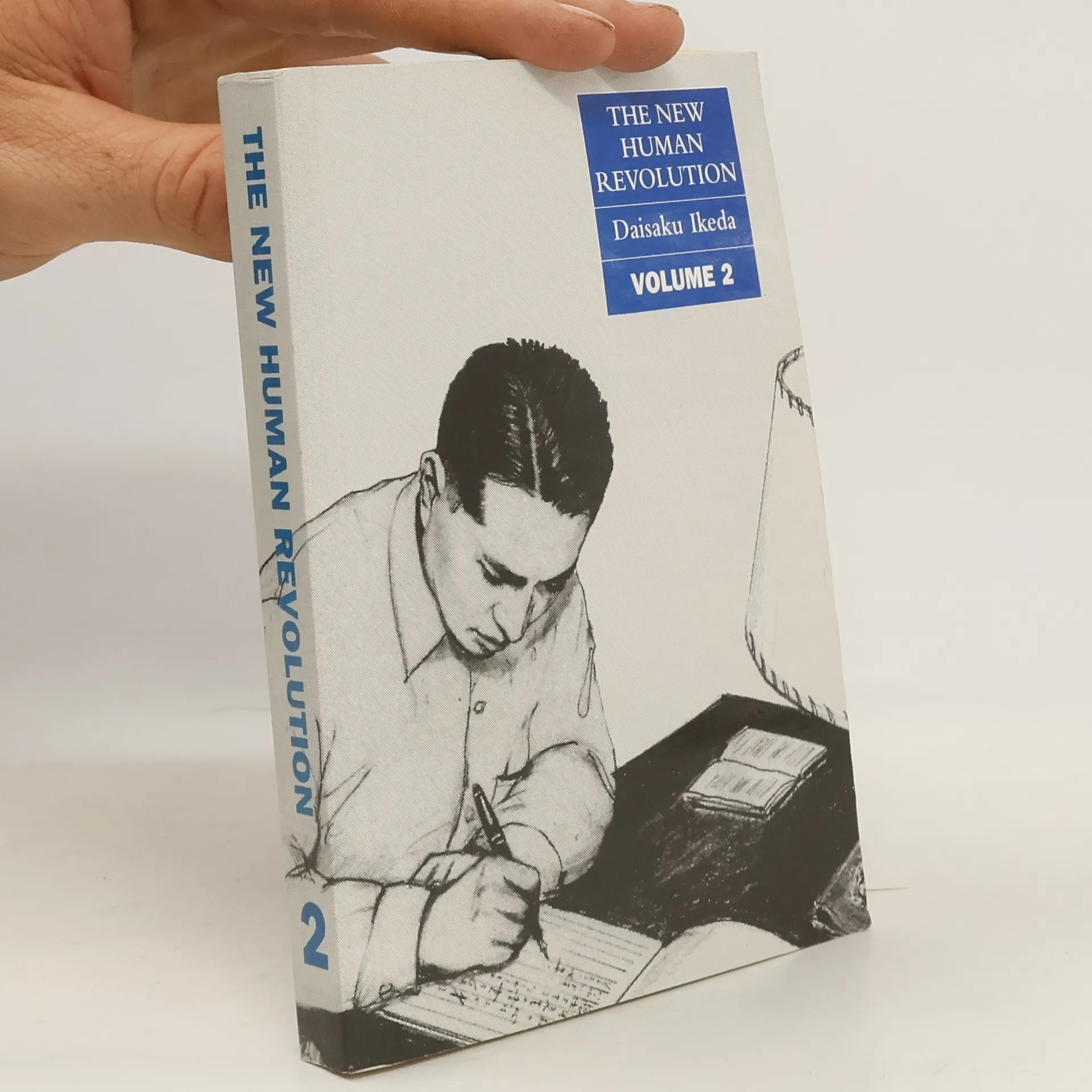
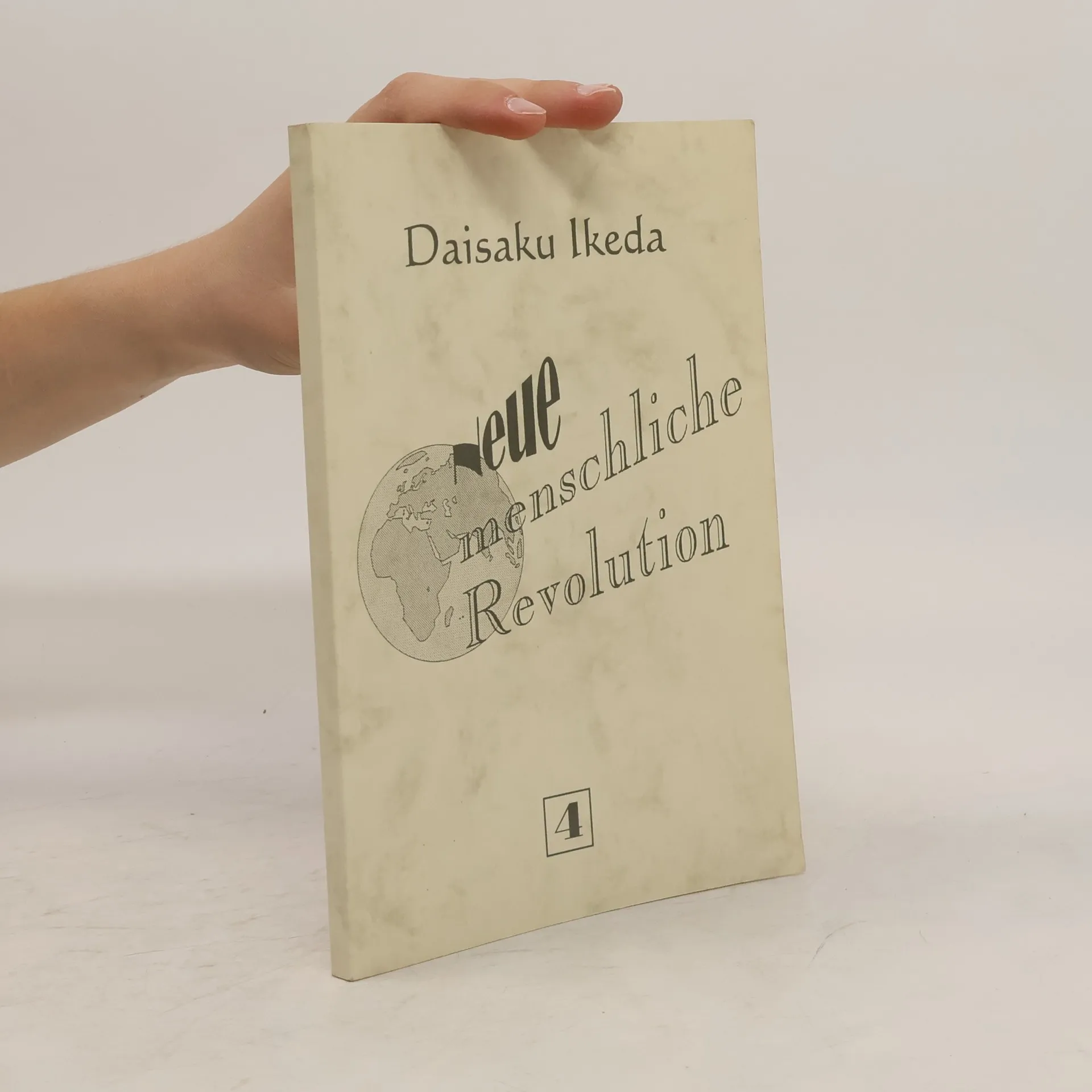
    • Der Band behandelt Ereignisse von 1966 und 67, darunter Shin’ichis Reisen nach Südamerika, das Kulturfest von Kansai, Gedanken zum Vietnamkrieg und Nichiren Daishonins von Verfolgung geprägtes Leben. Ein zentrales Thema ist die menschliche Revolution als Weg zum inneren Frieden.

      Neue Menschliche Revolution
    • Humanismus

      • 198 pages
      • 7 hours of reading

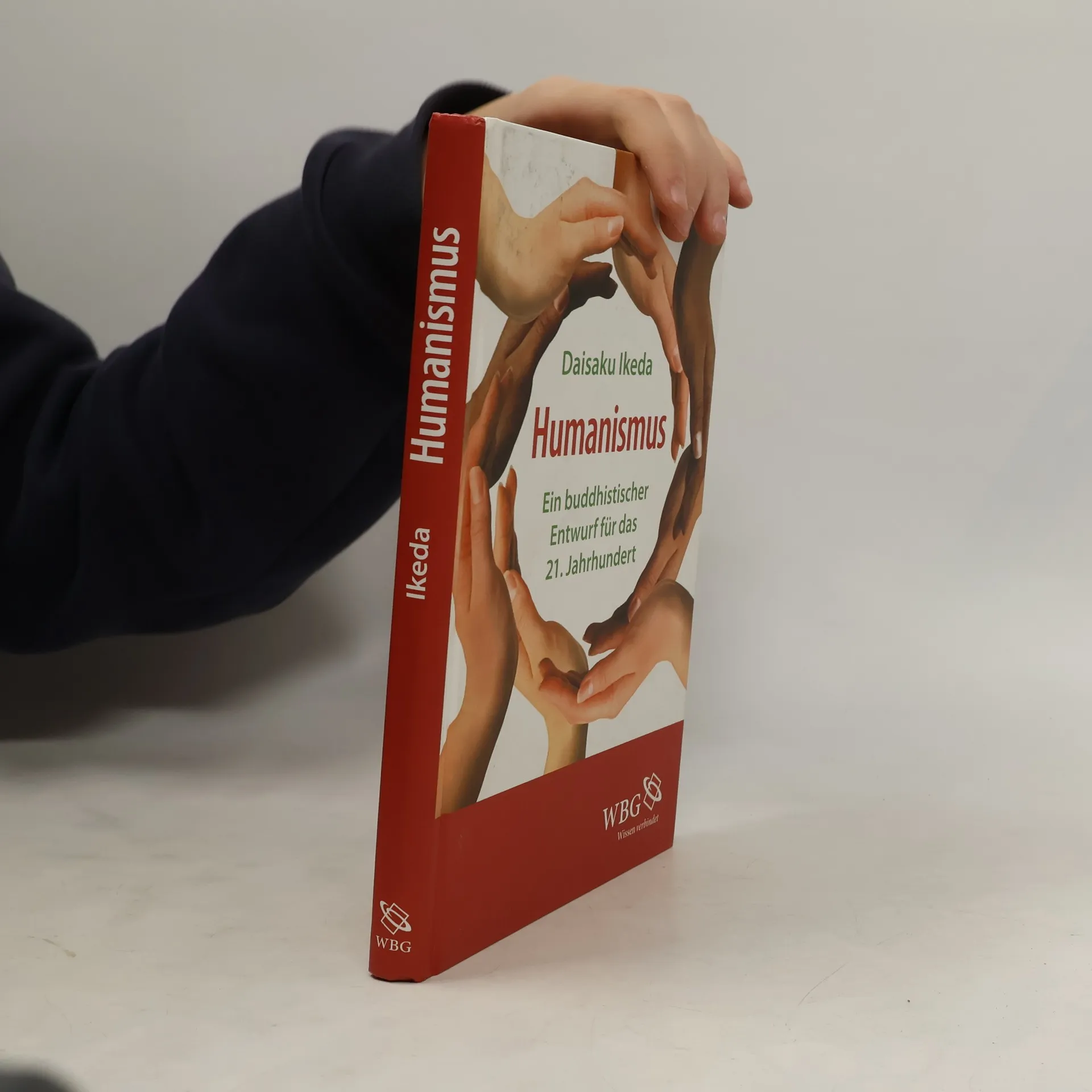
      Gibt es einen universalen Humanismus, der Brücken zwischen Kulturen schlagen kann? Daisaku Ikeda, der asienweit bekannte Schriftsteller, Philosoph und Pädagoge, bejaht diese Frage. Als Präsident der größten buddhistischen Laiengemeinschaft Soka Gakkai International ist seine Grundphilosophie der Buddhismus, den er im Dialog mit anderen Denkern ständig neu kontextualisiert. In dieser, erstmals auf Deutsch erschienenen, Auswahl von Vorträgen verknüpft er das humanistische Gedankengut des Westens mit dem des Ostens und skizziert dabei die geistigen Grundlagen für ein globales Bürgertum. Ikeda spricht über Kultur und Bildung, Kunst und Literatur, Globalisierung und Nationalismus, Religion und Politik. Der Leser erfährt nicht nur viel über einen zeitgemäßen Buddhismus, sondern auch über unsere europäische Kultur und die drängenden Probleme der Weltgemeinschaft. Überraschend frische Denkanstöße für das noch junge 21. Jahrhundert.

      Humanismus
    • Auf der Suche nach einer neuen Humanität

      • 350 pages
      • 13 hours of reading

      Egoismen und Materialismus haben unsere Welt in eine schlimme Lage gebracht und drohen sie zu zerstören. Religion und Ethik, die klassischen Maßstäbe menschlichen Handelns, finden kaum noch Anerkennung. Was wir brauchen, ist eine neue Humanität, eine Humanität, die für alle Menschen verbindlich ist. Im Dialog zwischen Daisaku Ikeda und Josef Derbolav begegnen sich Asien und Europa, Buddhismus und Christentum, um zu prüfen, welche Elemente im Denken und Fühlen beider Kulturkreise als Grundlagen für die gesuchte neue Humanität dienen können.

      Auf der Suche nach einer neuen Humanität
    • Buddhismus

      • 256 pages
      • 9 hours of reading

      Buddhismus - Das erste Jahrtausend ist ein grundlegendes Buch, geschrieben aus der heutigen Sicht, der Sicht des historischen Abstandes, der hilft, viele Entwicklungen richtig zu sehen und einzuschätzen. In einer Zeit, in der das buddhistische Denken auch in Mitteleuropa immer mehr Bedeutung gewinnt, verhilft dieses Buch zu einer tieferen Einsicht der zentralen Inhalte indischen und buddhistischen Verständnisses.

      Buddhismus