

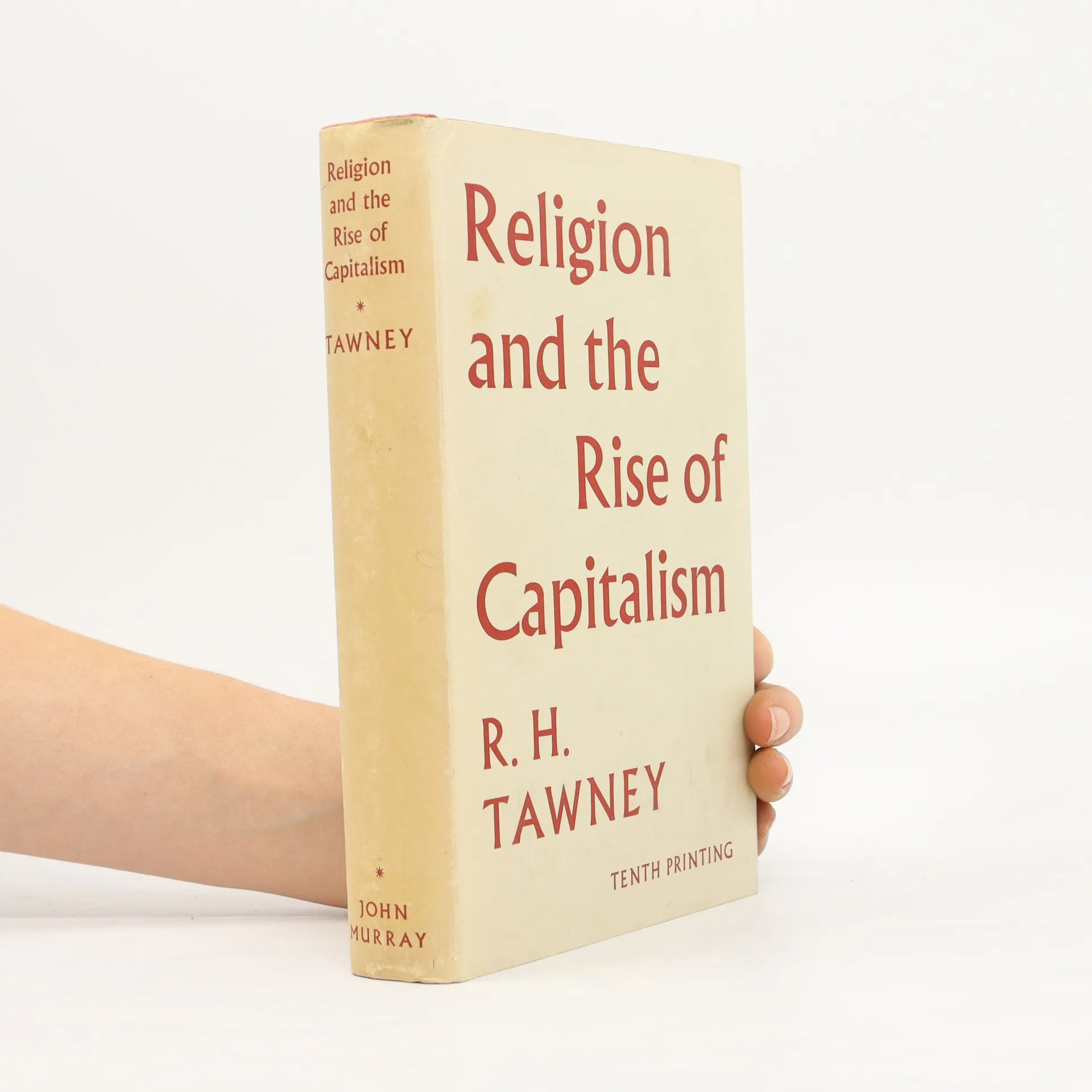
A classic of political economy that traces the influence of religious thought on capitalism
Charles Gore Books
This British theologian and Anglican bishop was the founder of the Community of the Resurrection. His theological works delve deeply into the spiritual life and the application of Christian principles in the modern world. His style is characterized by its clarity and depth, seeking to connect faith with reason. He left a significant legacy in the field of Christian theology and spirituality.


William Law's Defence of Church Principles: Three Letters to the Bishop of Bangor, 1717-1719
- 342 pages
- 12 hours of reading
This book contains three letters written by William Law in defense of high church principles. The letters were addressed to Benjamin Hoadly, the bishop of Bangor, and were written between 1717 and 1719. The letters are an important theological work of the period and offer insight into the religious battles of the time.
The publishing house Megali focuses on making historical works more accessible by producing them in large print, catering specifically to individuals with impaired vision. This initiative aims to enhance the reading experience for those who face challenges with standard text sizes, ensuring that important historical literature remains available to a wider audience.