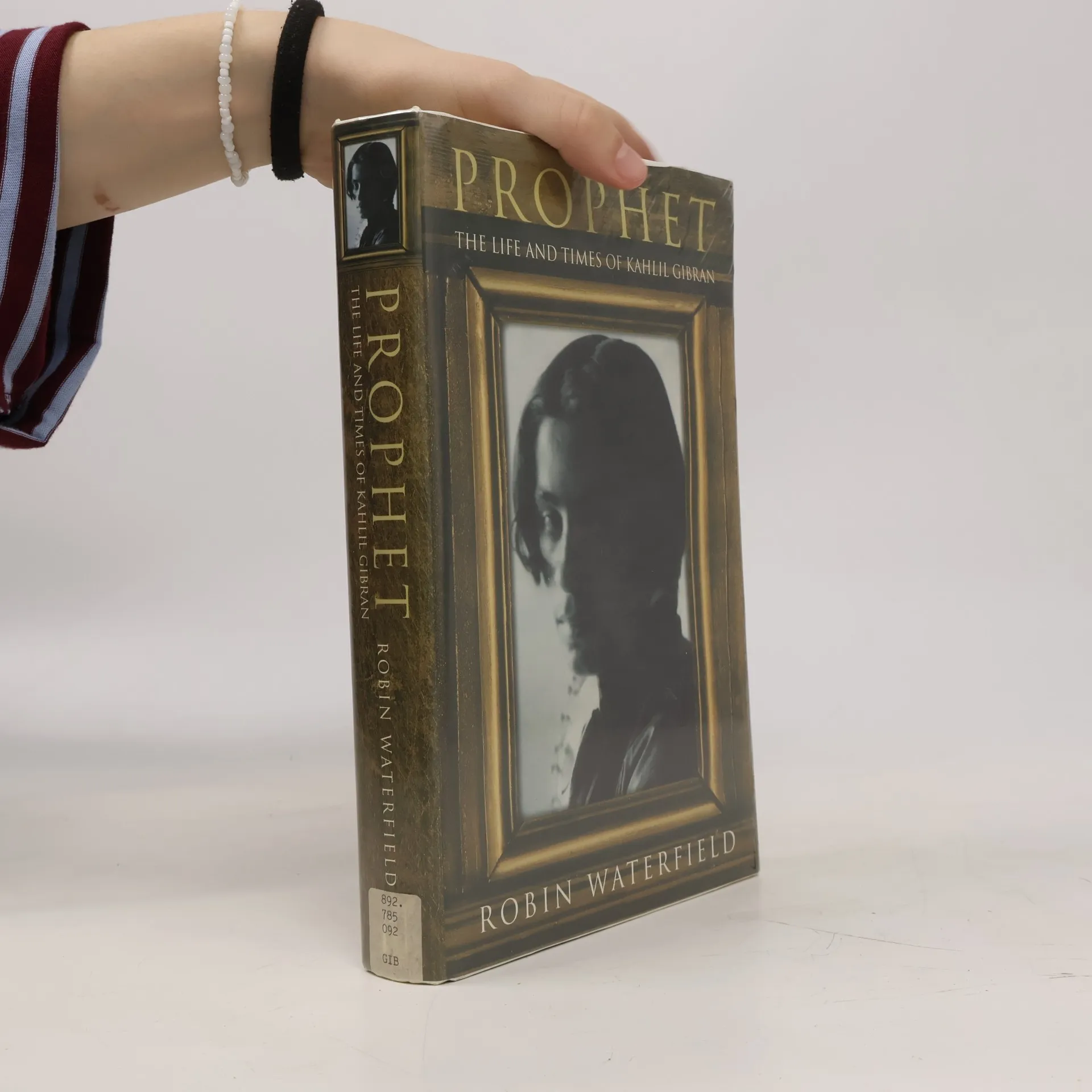
This author specializes in ancient Greek philosophy, offering readers deep insights into the minds of classical thinkers. Their work is characterized by precise translation and a keen analytical approach. Through their literary output, they bring classical philosophy to life, making its timeless ideas accessible to a modern audience. Readers will appreciate their ability to connect historical context with contemporary relevance.
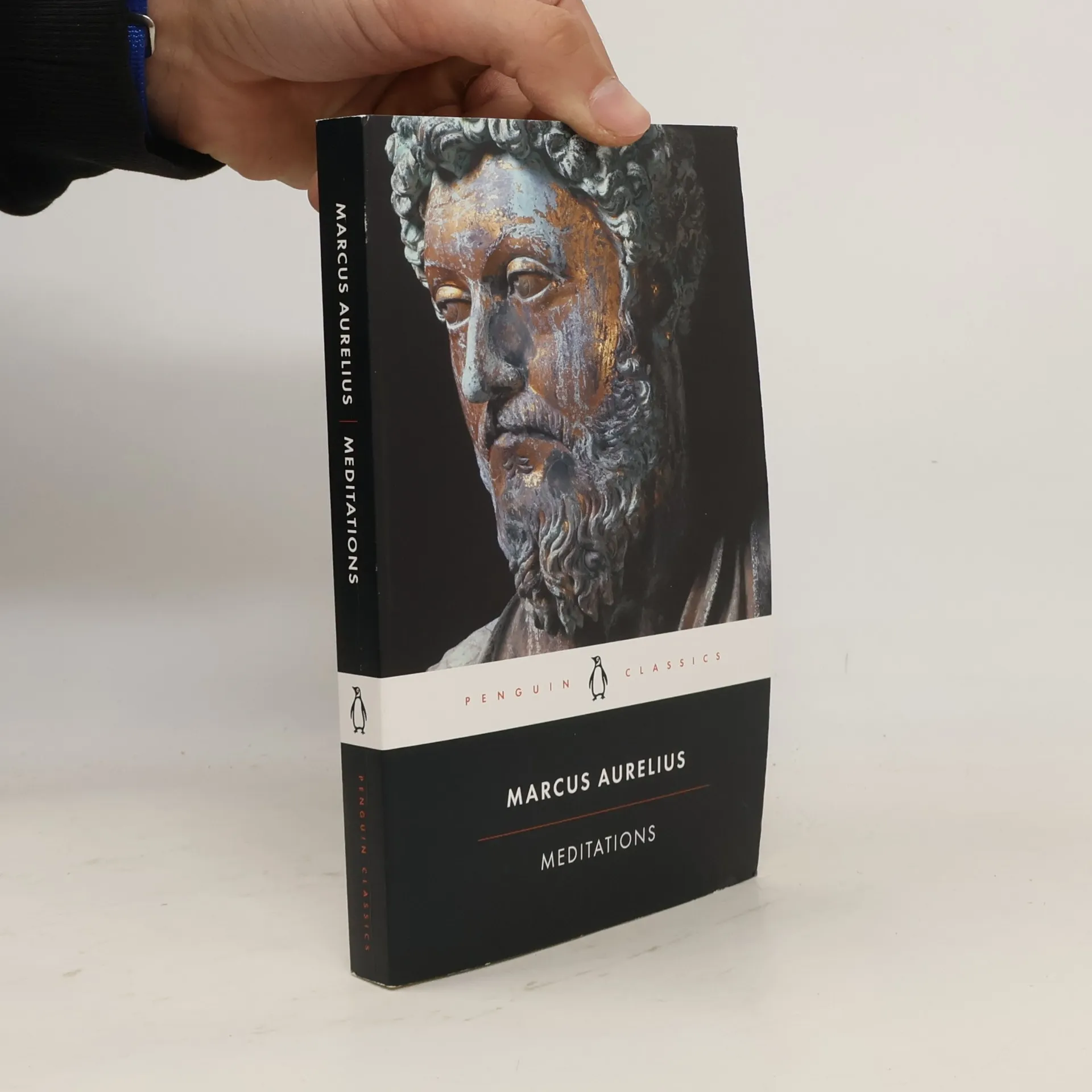
This abridged edition of Marcus Aurelius's Meditations offers a refined selection of his timeless philosophical insights, translated by a renowned expert. Readers can expect to engage with the profound reflections of the Roman Emperor on virtue, resilience, and the nature of the human experience. The edition captures the essence of Aurelius's thoughts, making them accessible for contemporary audiences while preserving the depth and wisdom of the original text.
Zu seinen Lebzeiten und danach galt Platon, einer der bedeutendsten Philosophen aller Zeiten, als nahezu göttliche Figur. Dies führte dazu, dass viele Legenden über ihn erfunden wurden – sowohl von denen, die ihn anbeteten, als auch von seinen Gegnern. In diesem umfassenden Porträt steuert Robin Waterfield einen vernünftigen Kurs zwischen diesen Geschichten, entlarvt einige als Märchen, während er den Kern der Wahrheit in anderen akzeptiert. Platon wurde Ende des fünften Jahrhunderts v. Chr. in einer wohlhabenden Familie im kriegsgeplagten Athen geboren. Als Teenager schärfte er seinen Intellekt, indem er die Vorlesungen der vielen Denker besuchte, die durch Athen reisten. Schließlich beschloss er, in die Politik zu gehen, wurde aber desillusioniert, insbesondere nachdem die Athener seinen Lehrer Sokrates zum Tode verurteilt hatten. Stattdessen wandte sich Platon dem Schreiben und Lehren zu. Später gründete er die Akademie, die erste Forschungs- und Lehreinrichtung für höhere Bildung in der Welt. Der renommierte Klassikexperte Robin Waterfield gibt einen umfassenden Einblick in Leben und Werk des großen Philosophen. Er erklärt, warum Platon lieber Dialoge als Abhandlungen geschrieben hat, und gibt einen Überblick über den Inhalt aller Bücher Platons.
Mark Aurel (121–180 n. Chr.) war der sechzehnte römische Kaiser und einer der mächtigsten, aber auch klügsten Männer seiner Zeit. Seine »Selbstbetrachtungen«, die nie zur Veröffentlichung bestimmt waren, haben sich als unerschöpfliche Quelle der Weisheit und als eines der wichtigsten Werke der stoischen Philosophie erwiesen. In eindrücklicher Sprache verfasst, reichen die Einträge von einzeiligen Aphorismen bis zu Essays, die von Menschenliebe, Besonnenheit, aber auch Melancholie geprägt sind. Diese kommentierte Ausgabe von Robin Waterfield, einem weltbekannten Experten antiker Philosophie, bietet einen neuen Einblick in die Gedankenwelt des Philosophenkaisers des antiken Roms. Sie enthält eine völlig neue Übersetzung seines Klassikers mit ausführlichen Anmerkungen und einer aufschlussreichen Einleitung über Leben und Werk Mark Aurels. Ein Genuss sowohl für Einsteiger als auch für Kenner des Stoizismus.
"Written in Greek by the only Roman emperor who was also a philosopher, without any intention of publication, the Meditations of Marcus Aurelius (AD 121-180) offer a series of challenging spiritual reflections and exercises developed as the emperor struggled to understand himself and make sense of the universe. Ranging from doubt and despair to conviction and exaltation, they cover such diverse topics as the nature of moral virtue, human rationality, divine providence and Marcus' own emotions. But while the Meditations were composed to provide personal consolation and encouragement, in developing his beliefs Marcus Aurelius also created one of the greatest of all works of philosophy: a timeless collection of extended meditations and short aphorisms that has been consulted and admired by statesmen, thinkers and readers throughout the centuries." "Martin Hammond's new translation fully expresses the intimacy and eloquence of the original work, with detailed notes elucidating the text. This edition also includes an introduction by Diskin Clay, exploring the nature and development of the Meditations, a chronology, further reading and full indexes."--Jacket
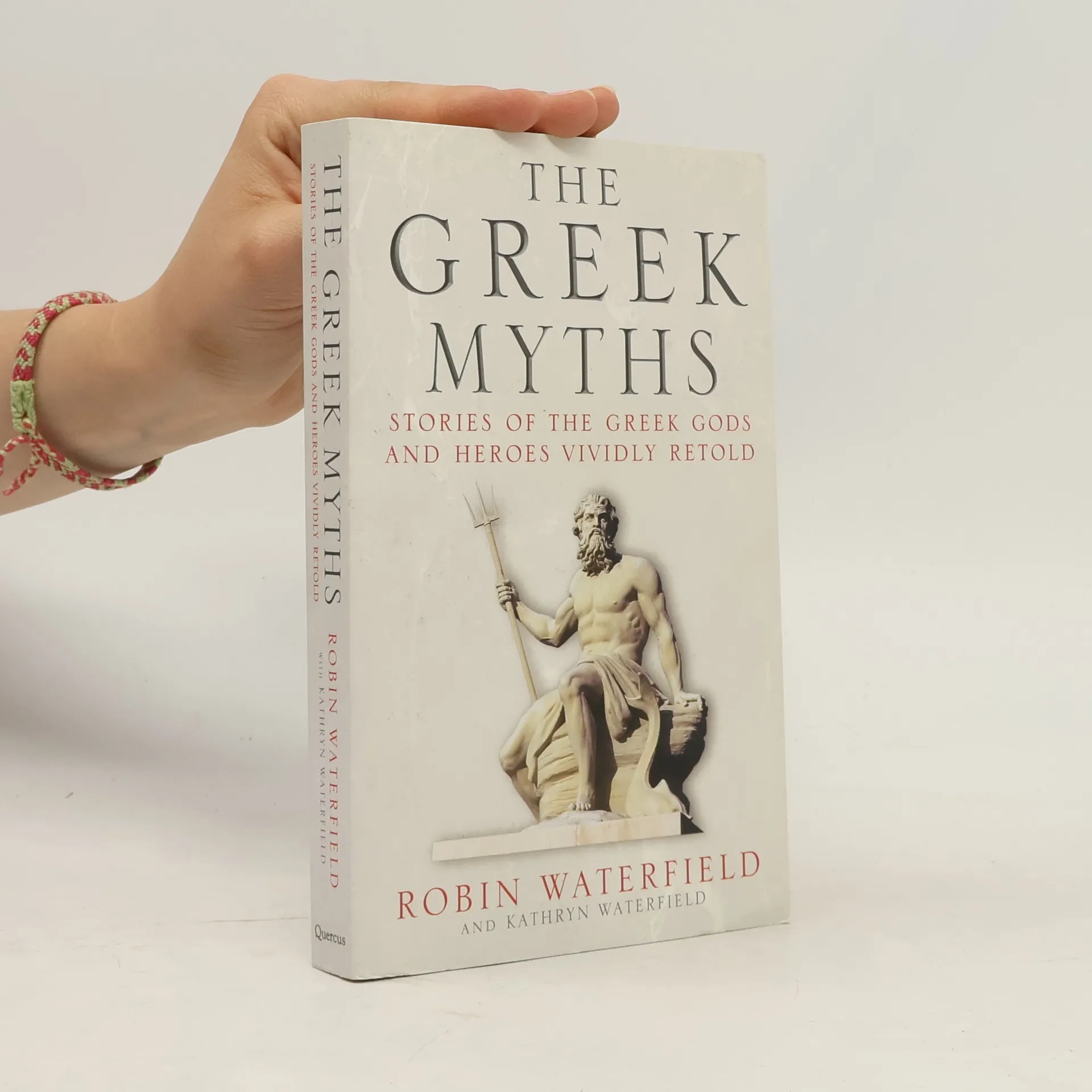
The Greek Myths contains some of the most thrilling, romantic and unforgettable stories in all human history. From Achilles rampant on the fields of Troy, to the gods at sport on Mount Olympus, from Icarus flying too close to the sun, to the superhuman feats of Heracles, Theseus and the wily Odysseus, these timeless tales exert a fascination and inspiration that have endured for millennia. There are few people as steeped in the Ancient World as Robin and Kathryn Waterfield, and in their hands the heroism, humour, mystery, sensuality and brutality of the Greek Myths are brought brilliantly to life.
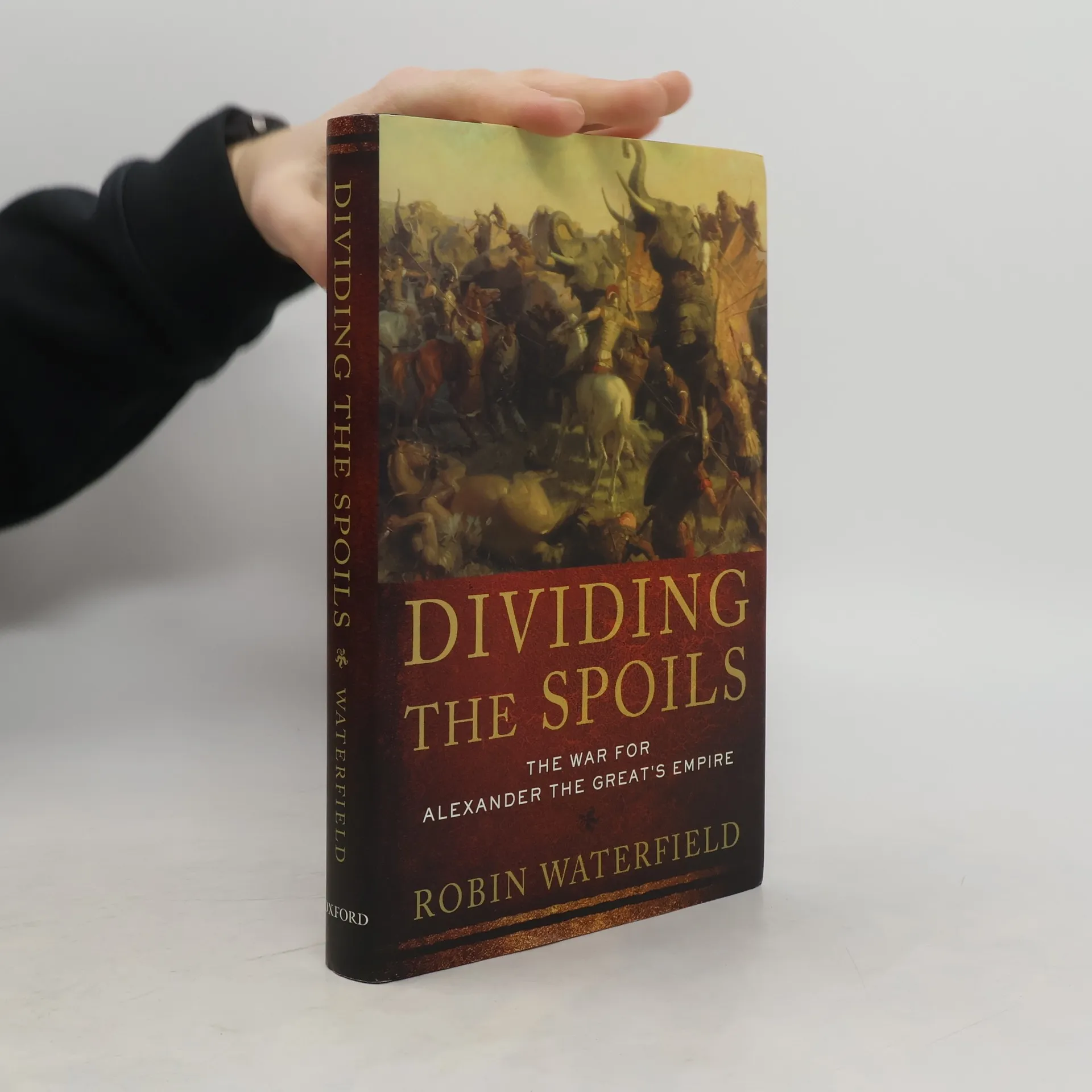
"Dividing the spoils" revives the memory of Alexander's Successors, whose fame has been dimmed only because they stand in his enormous shadow. In fact, Alexander left things in a mess at the time of his death, with no guaranteed succession, no administration in place suitable for such an enormous realm, and huge untamed areas both bordering and within his 'empire'. The Successors consolidated the Conqueror's gains. Their competing ambitions, however, meant that consolidation inevitably led to the break-up of the empire.
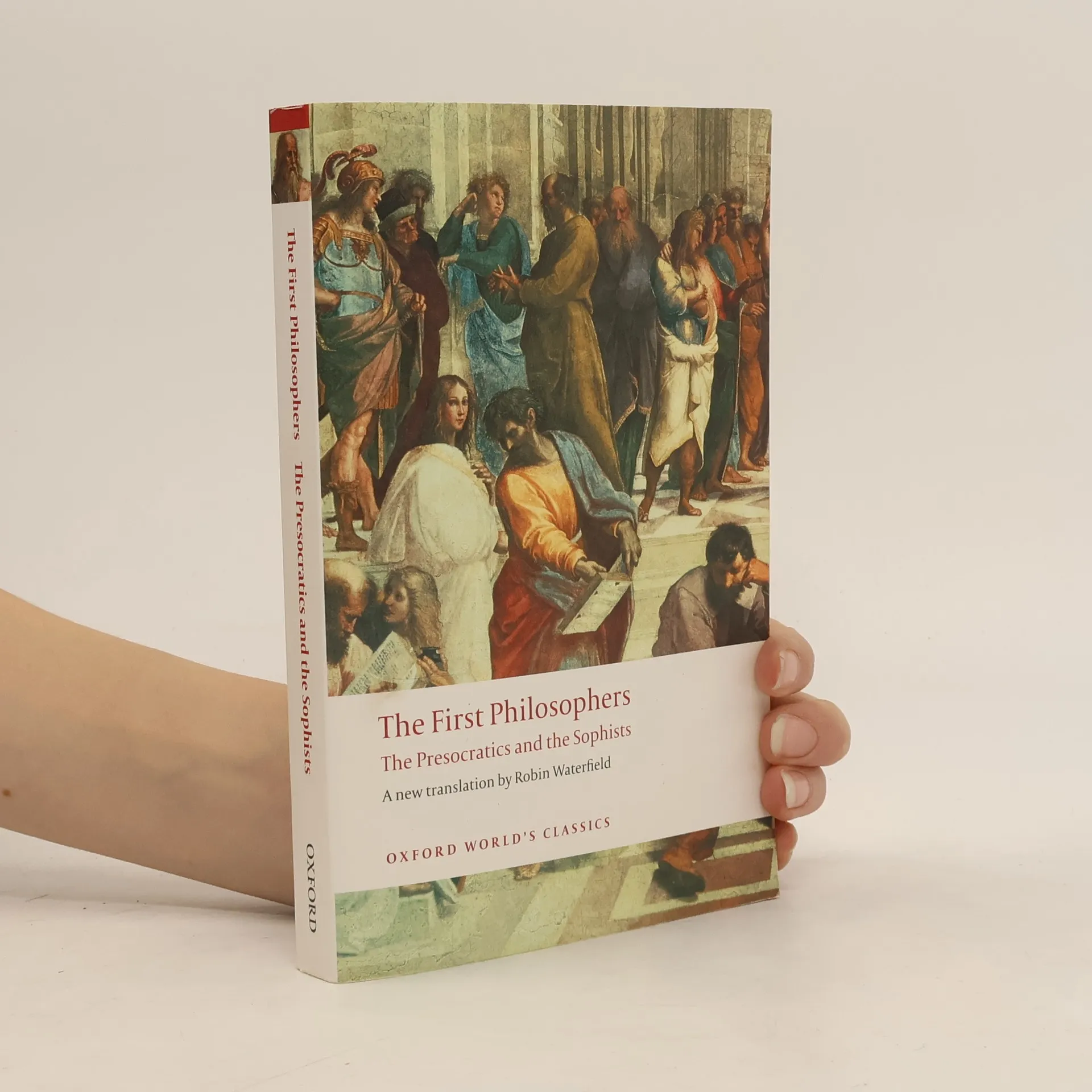
These first philosophers paved the way for the work of Plato and Aristotle - and hence for the whole of Western thought. This is a unique and invaluable collection of the works of the Presocratics and the Sophists. Waterfield brings together the works of these early thinkers with brilliant new translation and exceptional commentary. This is the ideal anthology for the student of this increasingly appreciated field of classical philosophy.
Throughout history, some books have changed the world. They have transformed
the way we see ourselves - and each other. They have inspired debate, dissent,
war and revolution. They have enlightened, outraged, provoked and comforted.
They have enriched lives - and destroyed them. Now Penguin brings you the
works of the great thinkers, pioneers, radicals and visionaries whose ideas
shook civilization and helped make us who we are. Plato's retelling of the
discourses between Socrates and his friends on such subjects as love and
desire, truth and illusion, spiritual transcendence and the qualities of a
good ruler, profoundly affected the ways in which we view human relationships,
society and leadership - and shaped the whole tradition of Western philosophy.
Allie Fox hates the United States and he hates the twentieth century. He takes his wife and children to the jungle in Honduras to find a new, simpler way of living. But things go wrong, and their lives become much worse and more frightening than anything back home
Hypnotism exists on the periphery of the scientific community, much as it has from its inception, and Robin Waterfield approaches the issues which surround it with an open mind, carefully stripping fact from fantasy and the truth from the myth.
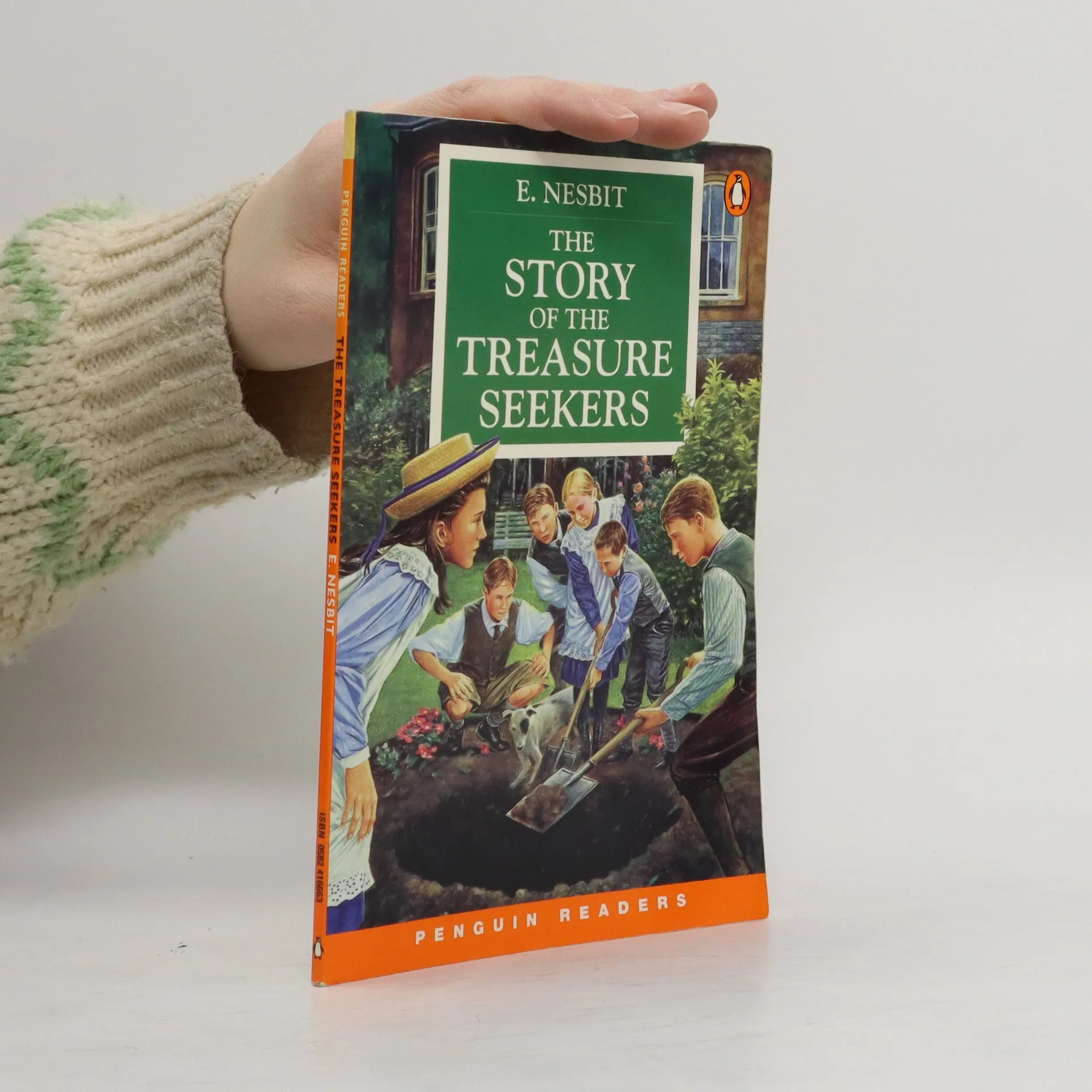
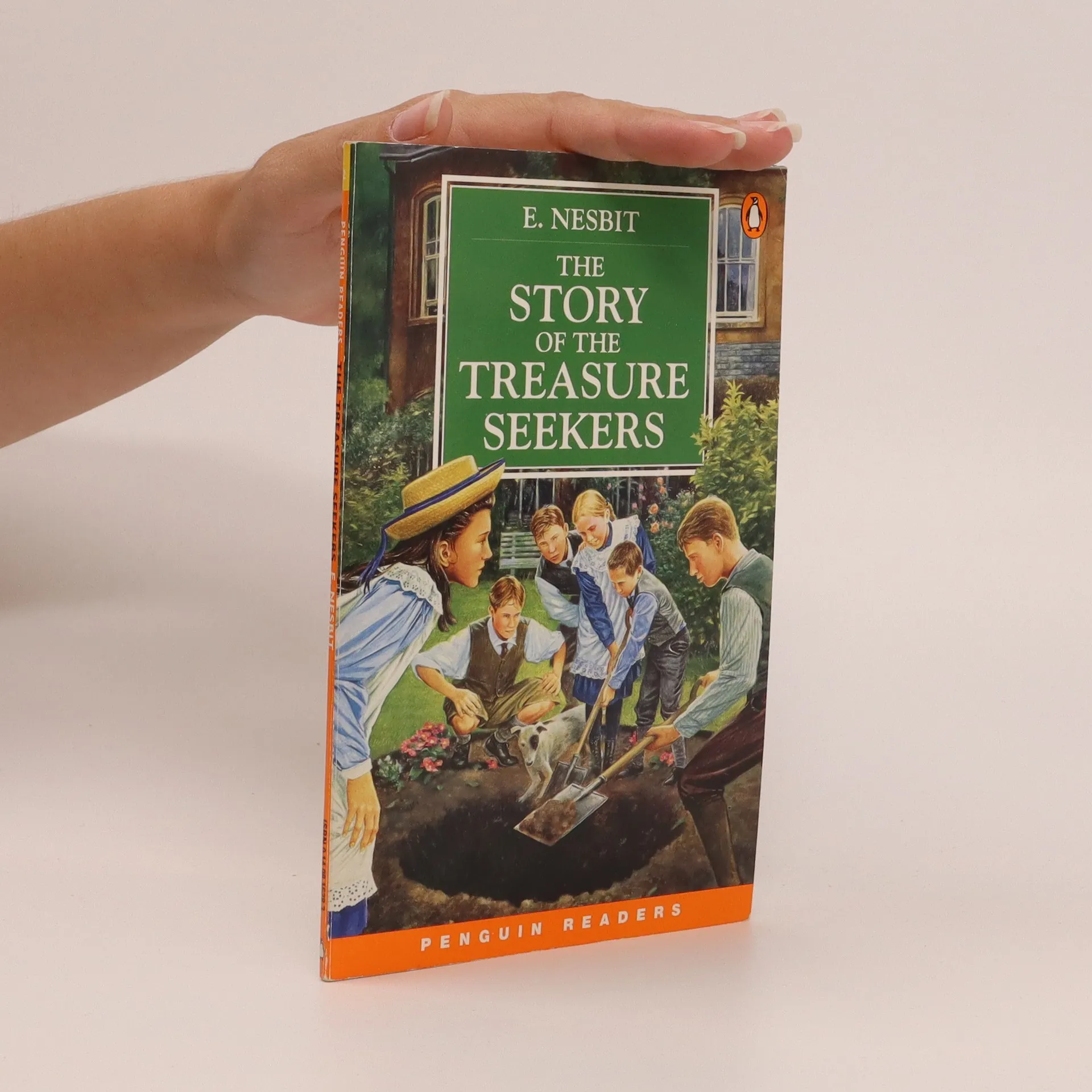
The six Bastable children try to restore their family's fortune using a variety of schemes taken from books, including finding buried treasure, rescuing someone from bandits, and starting a newspaper
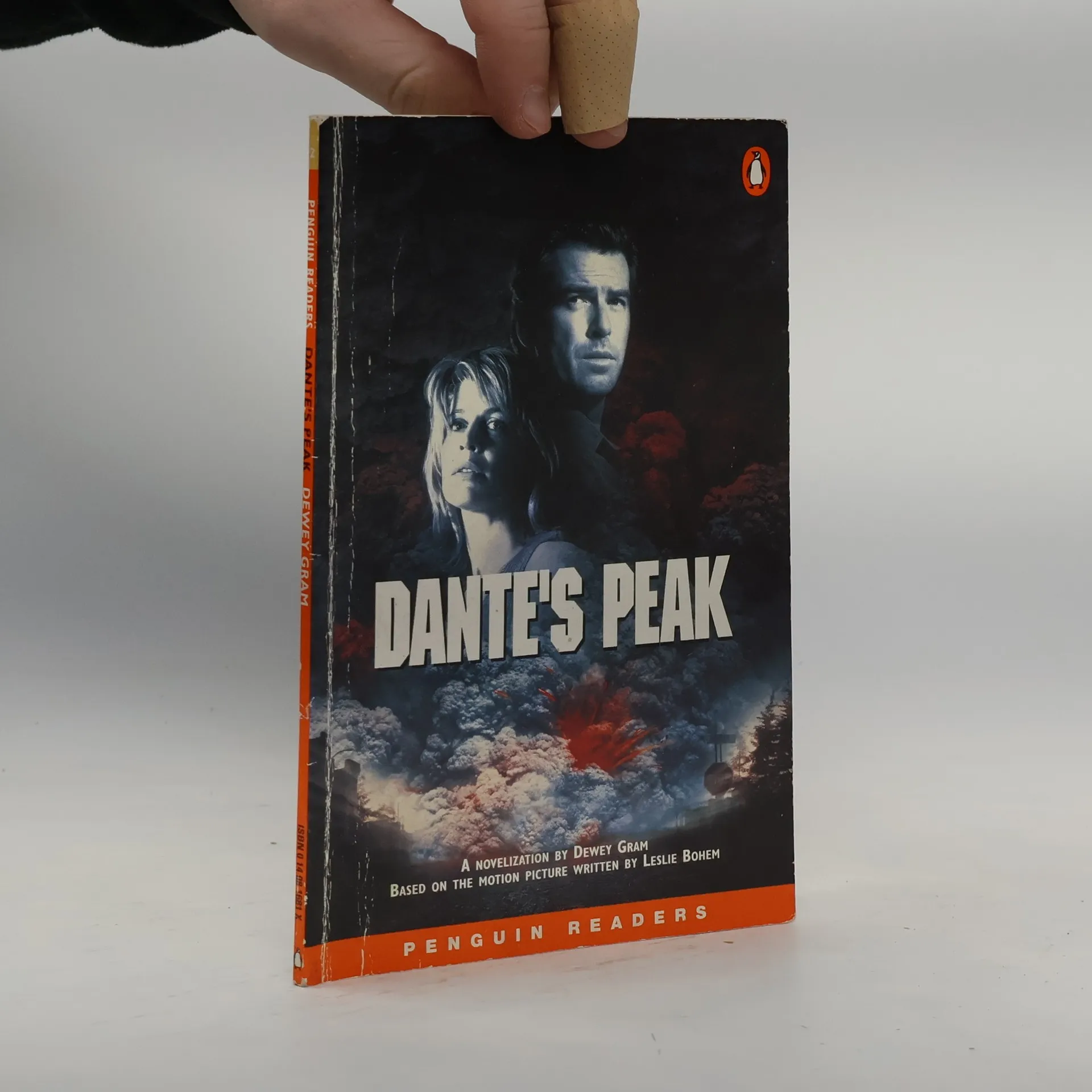
A Novelization by Dewey Gram - Based on the Motion Picture Written by Leslie Bohem
42 pages
2 hours of reading
Capturing all the nonstop thrills of Universal's explosive blockbuster, Dante's Peak portrays a literal hell-on-earth when an active volcano becomes an inferno of mayhem and destruction. The film stars Pierce Brosnan and Linda Hamilton.
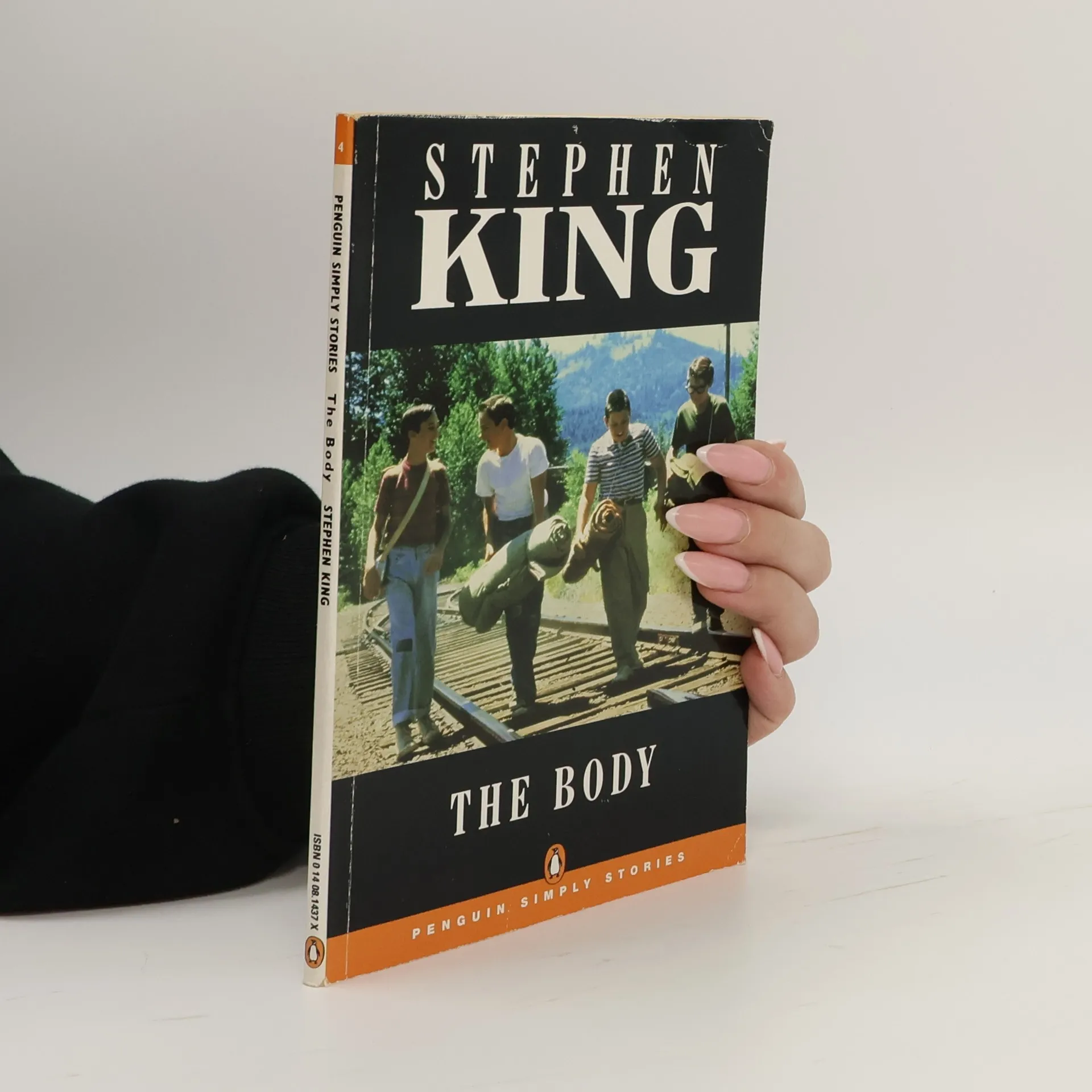
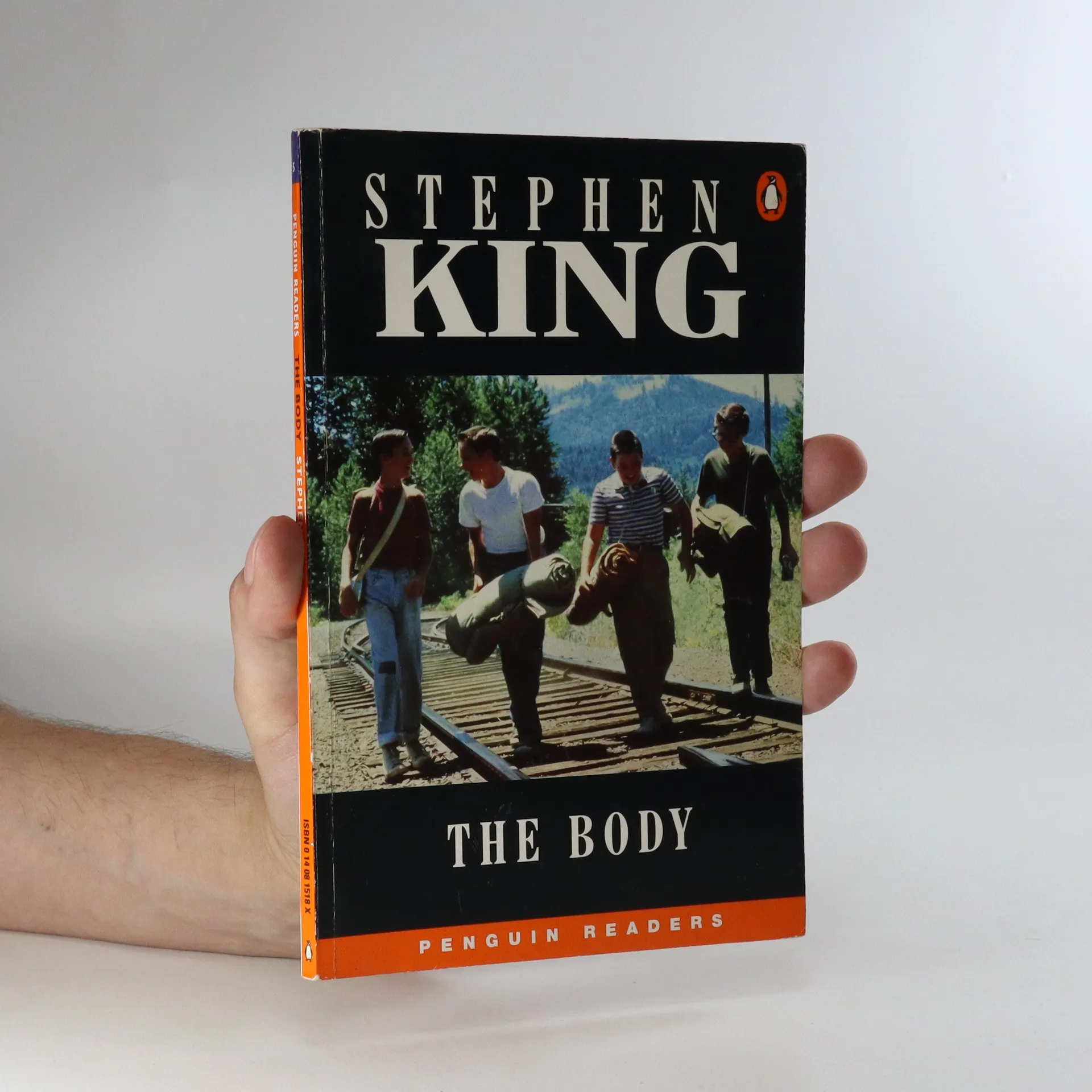
Contemporary / British English Gordie Lanchance and his three friends are always ready for adventure. When they hear about a dead body in the forest they go to look for it. Then they discover how cruel the world can be.
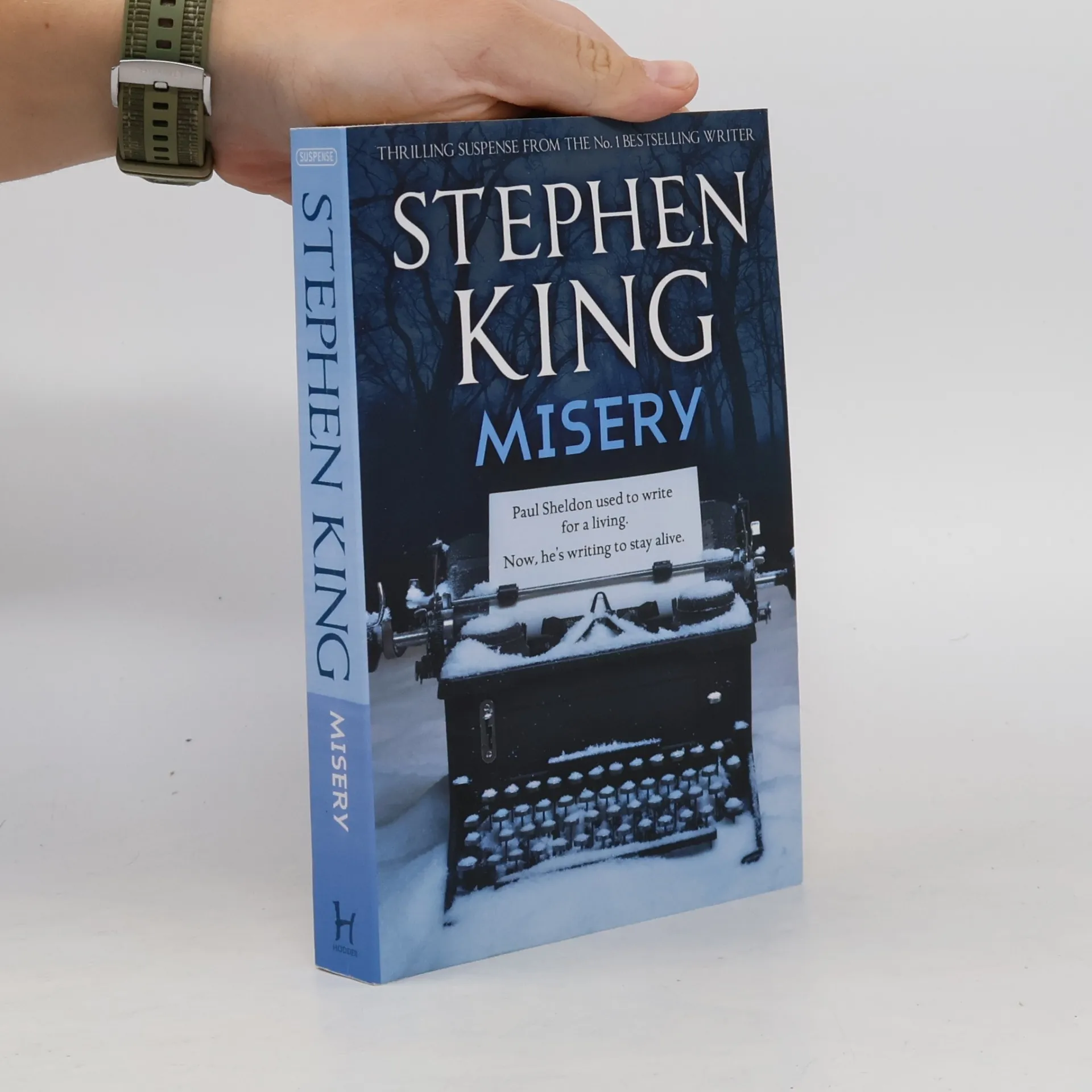
One of the true classics of psychological suspense, about a writer and his No. 1 fan, now with a stunning new cover look. Paul Sheldon used to write for a living. Now he's writing to stay alive. Misery Chastain is dead. Paul Sheldon has just killed her - with relief, with joy. Misery made him rich; she was the heroine of a string of bestsellers. And now he wants to get on to some real writing. That's when the car accident happens, and he wakes up splinted and in pain, in the remote mountain home of his rescuer, Annie Wilkes. The good news is that Annie was a nurse and has pain-killing drugs. The bad news is that she has long been Paul's Number One Fan. And when she finds out what Paul has done to Misery, she doesn't like it. She doesn't like it at all . . .
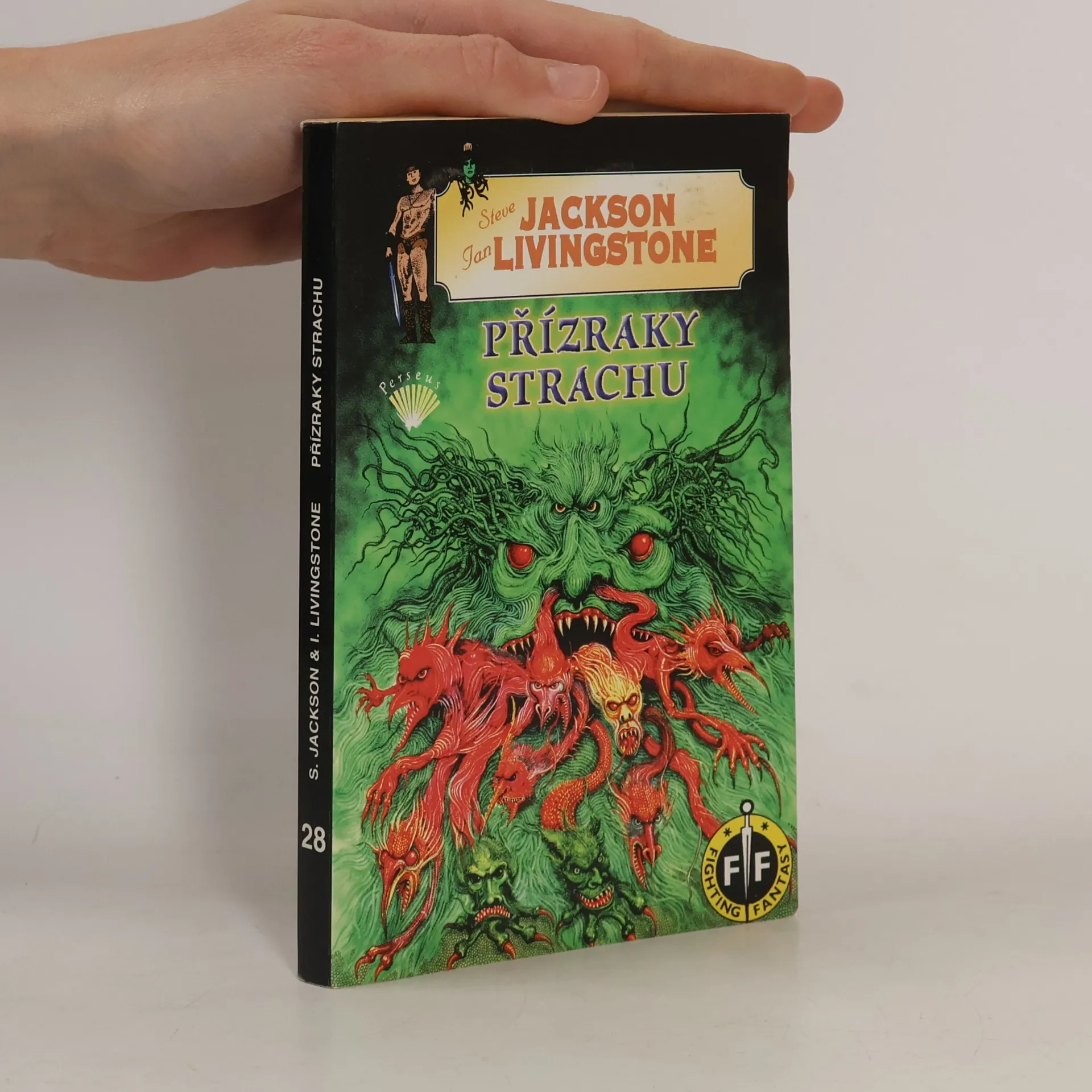
Sice jsi obyčejný lesní elf, ale právě Tebe bohové vybrali, aby ses postavil Ištrovi a jeho stále se rozrůstající armádě ohavných nestvůr chaosu. Musíš je zastavit dříve, než se stanou neporazitelnými. Ale protože je princem démonů, neublíží Ištrovi žádná zbraň vyrobená pozemským kovářem – dokonce ani ten nejmocnější magický meč Vznešených elfů – čím tedy proti němu budeš bojovat Ty?
Snad ti mocné umění lesních elfů – ovládání snů – poskytne tolik potřebnou výhodu a umožní ti v klíčových okamžicích tvého dobrodružství sesílat kouzla…
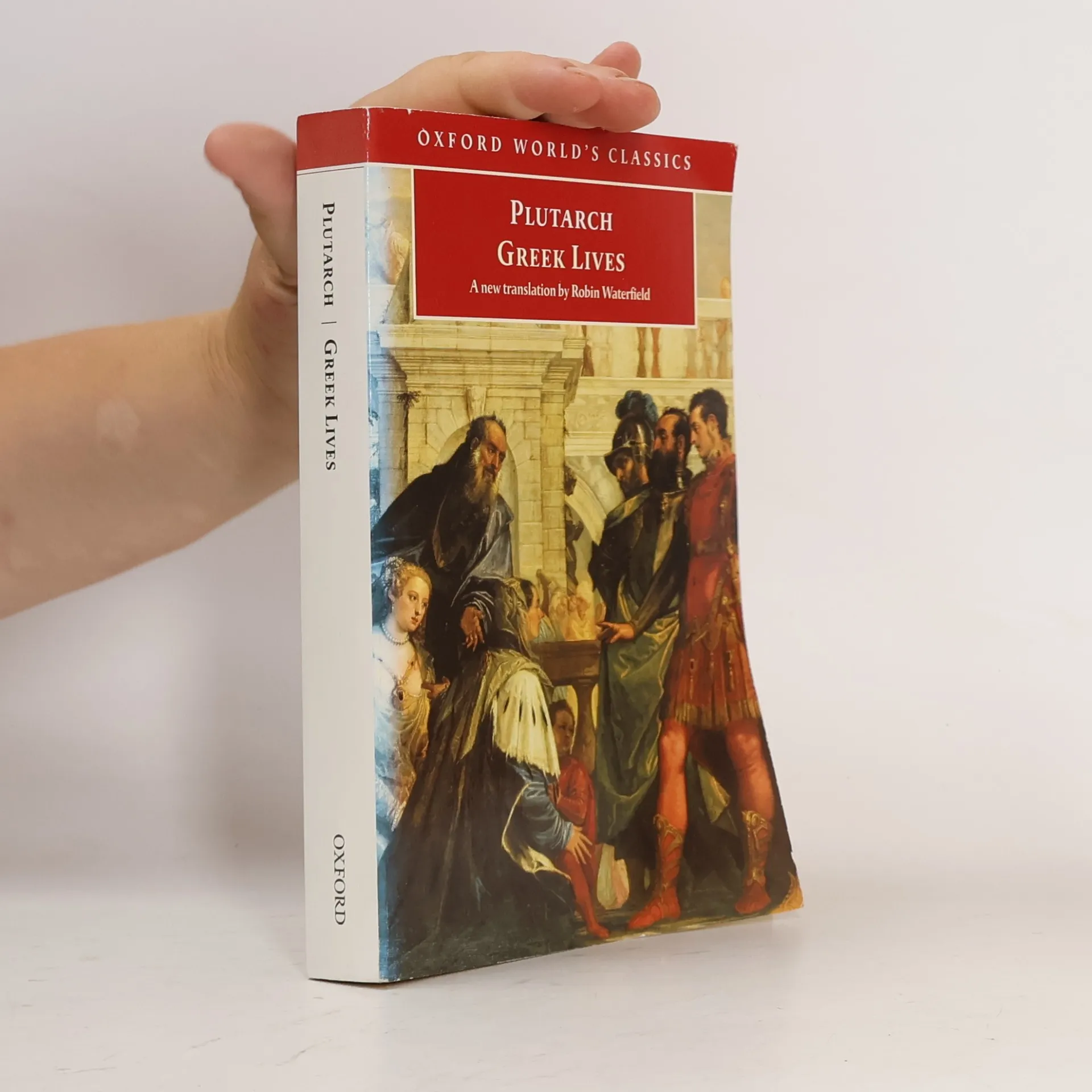
A Selection Of Nine Greek Lives - A New Translation By Robin Waterfield
483 pages
17 hours of reading
"Plutarch's biographies of eminent Greeks and Romans are renowned not just for their historical importance but also for their insights into the personalities they describe. In prose that is rich, elegant, and sprinkled with learned references, Plutarch explores with an extraordinary degree of insight the interplay of character and political action. He portrays virtues to be emulated and vices to be avoided, but his purpose is implicitly to warn and educate those in his own day who wielded power. Plutarch brought to biography not only a clear moral objective, but also a natural storyteller's ear for a good anecdote. Influential in their own day, the Lives were drawn on by later historians and writers, including Shakespeare." "This selection of nine Lives, chosen for their range and interest, offers a new translation as well as a lucid introduction and helpful notes and indexes."--BOOK JACKET.
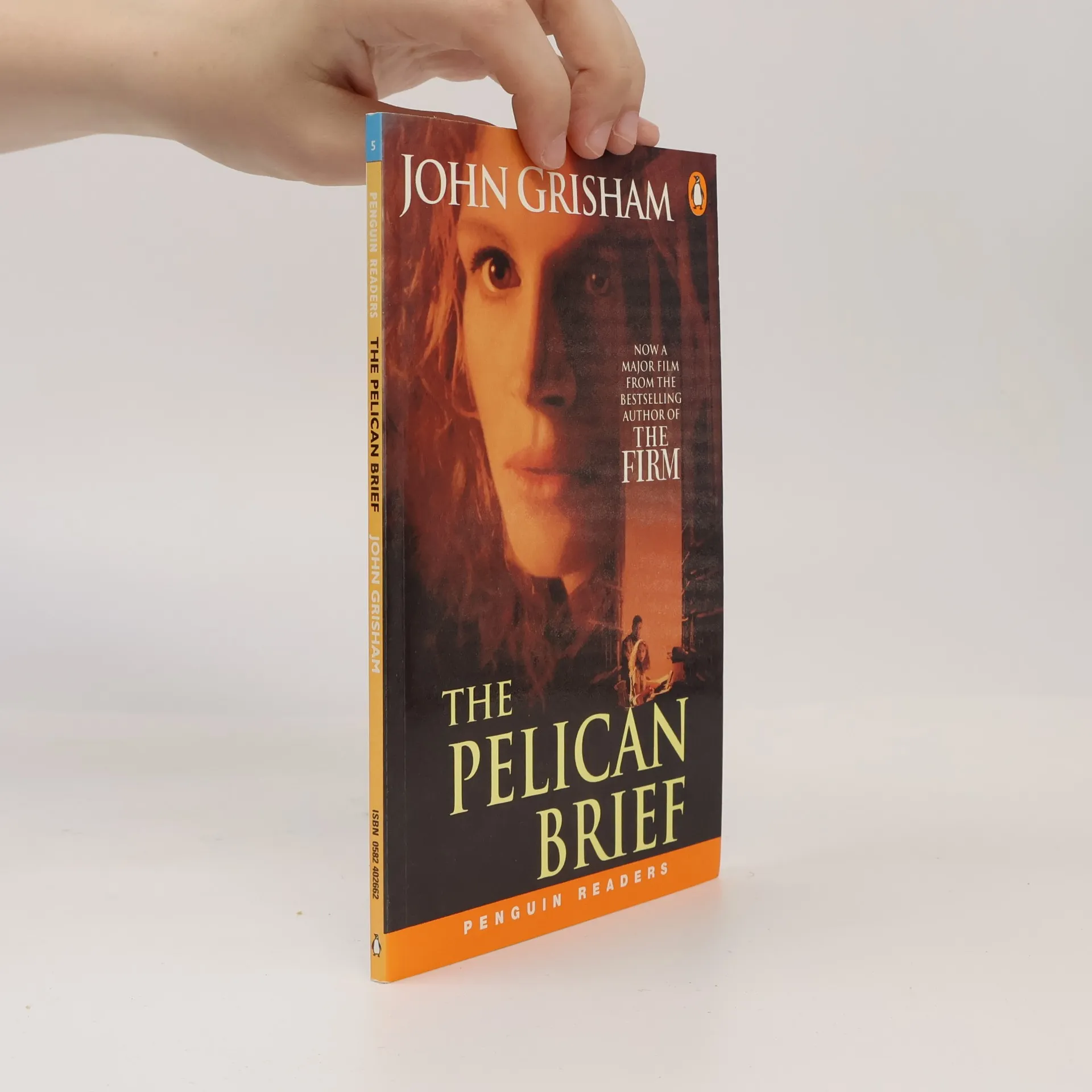
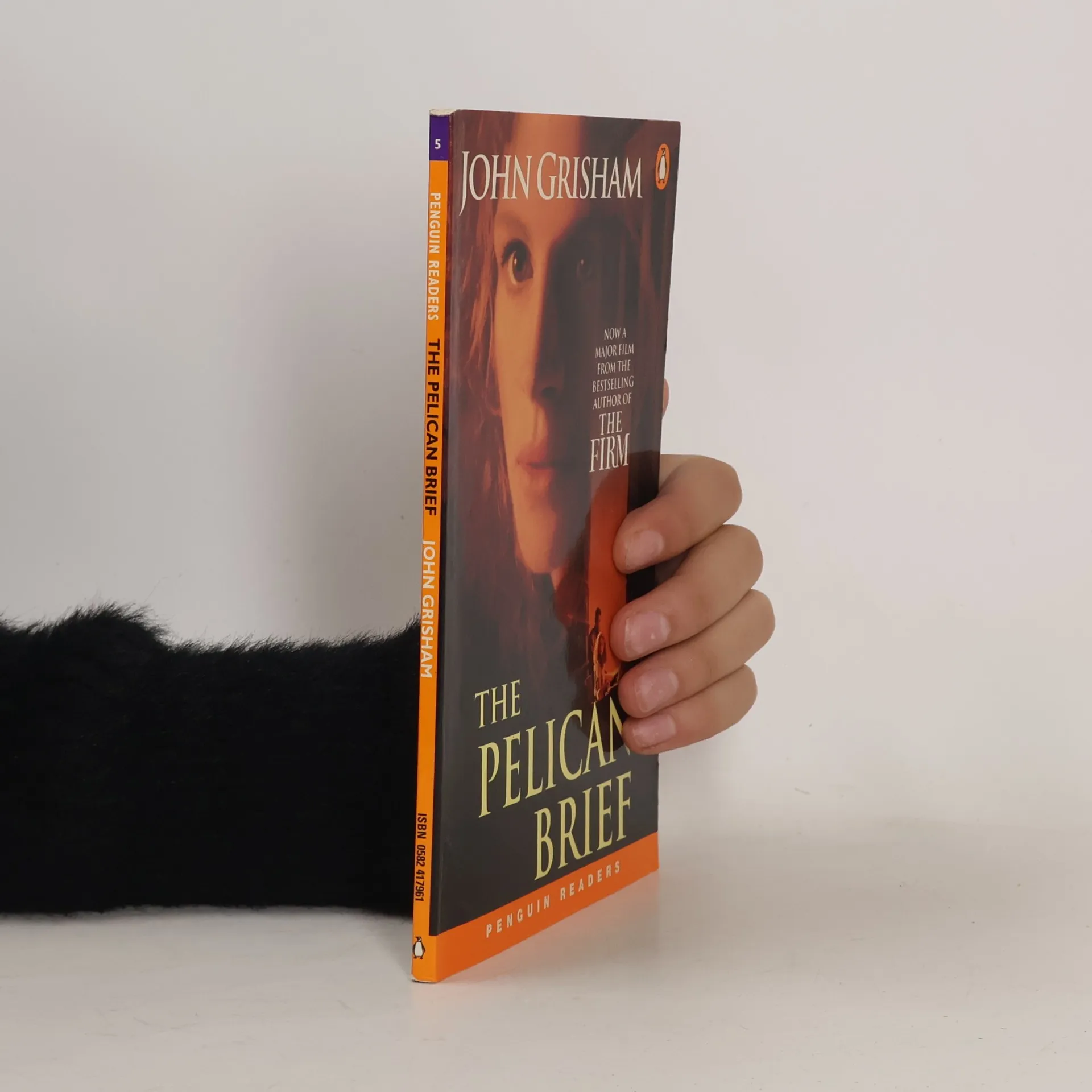
Two judges are murdered in Washington and only a young law student, Darby Shaw, knows why. She has uncovered a secret, but can she stay alive long enough to persuade anyone to believe her?
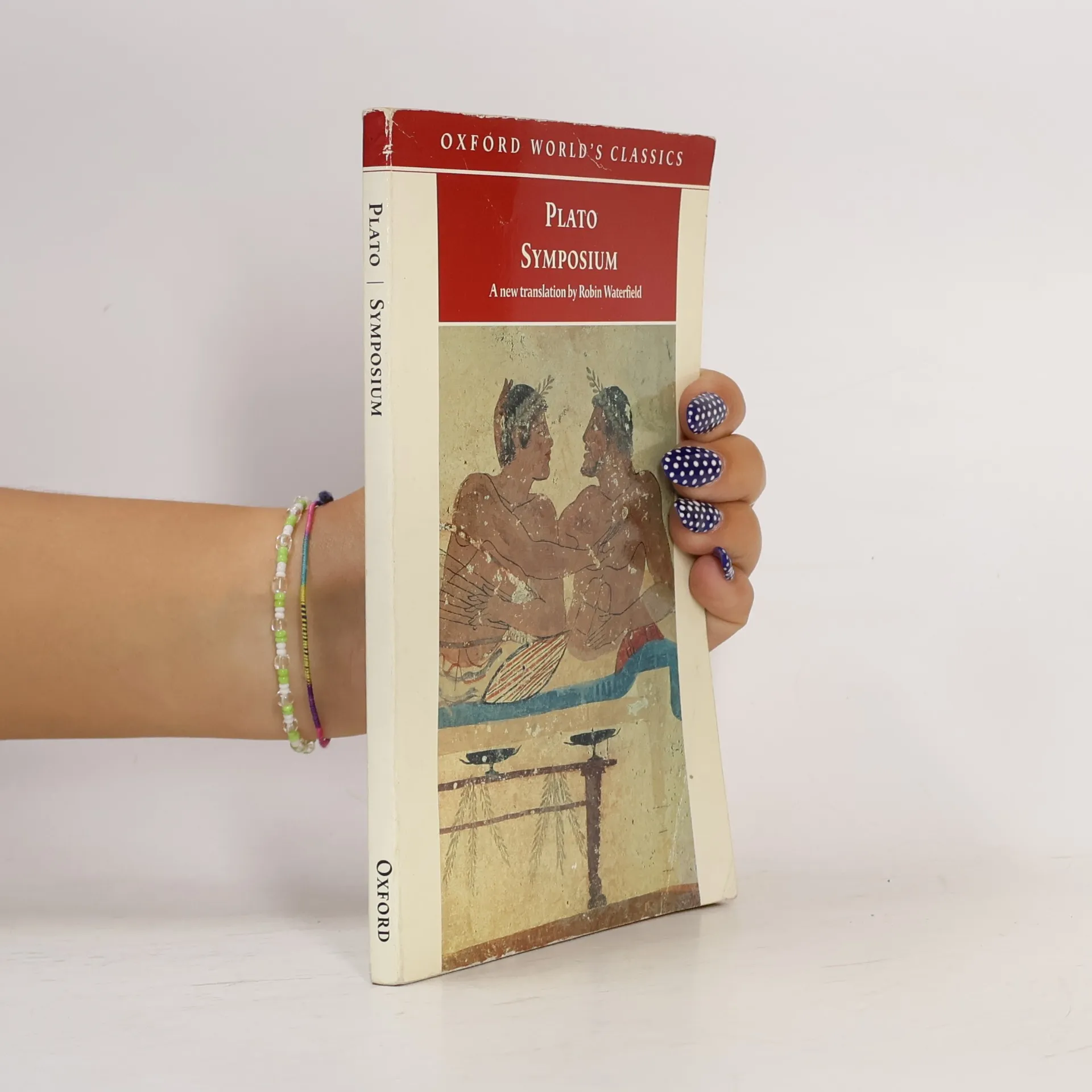
In his celebrated masterpiece, Symposium, Plato imagines a high-society dinner-party in Athens in 416 BC. The guests--including the comic poet Aristophanes and Plato's mentor Socrates--each deliver a short speech in praise of love. The sequence of dazzling speeches culminates in Socrates' famous account of the views of Diotima, a prophetess who taught him that love is our means of trying to attain goodness, and a brilliant sketch of Socrates himself by a drunken Alcibiades, the most popular and notorious Athenian of the time. Engaging the reader on every page, this new translation conveys the power, humor, and pathos of Plato's creation and is complemented by full explanatory notes and an illuminating introduction.
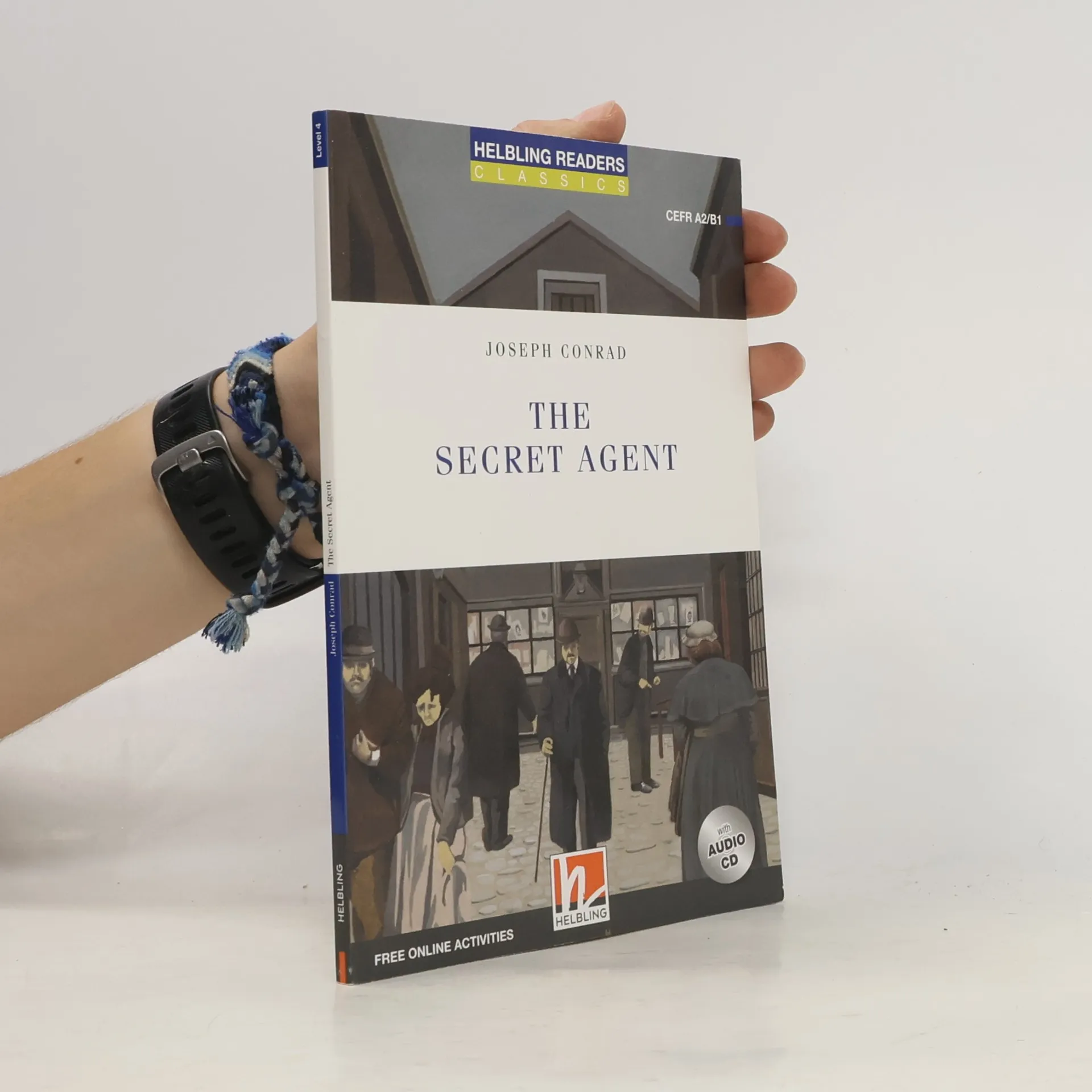
Der Londoner Geschäftsinhaber Mr. Verloc führt ein scheinbar unspektakuläres Leben mit seiner Ehefrau in Soho. Doch er arbeitet auch als Spion für eine ausländische Regierung und trifft sich regelmäßig mit einer Gruppe Anarchisten. Als in Greenwich Park eine Bombe explodiert, geht die Polizei von einem terroristischen Anschlag auf das nahe gelegene Royal Observatory aus …
When the Supreme Court's most liberal and most conservative justices are gunned down, law student Darby Shaw builds a case against a powerful suspect, whose threats send her underground.
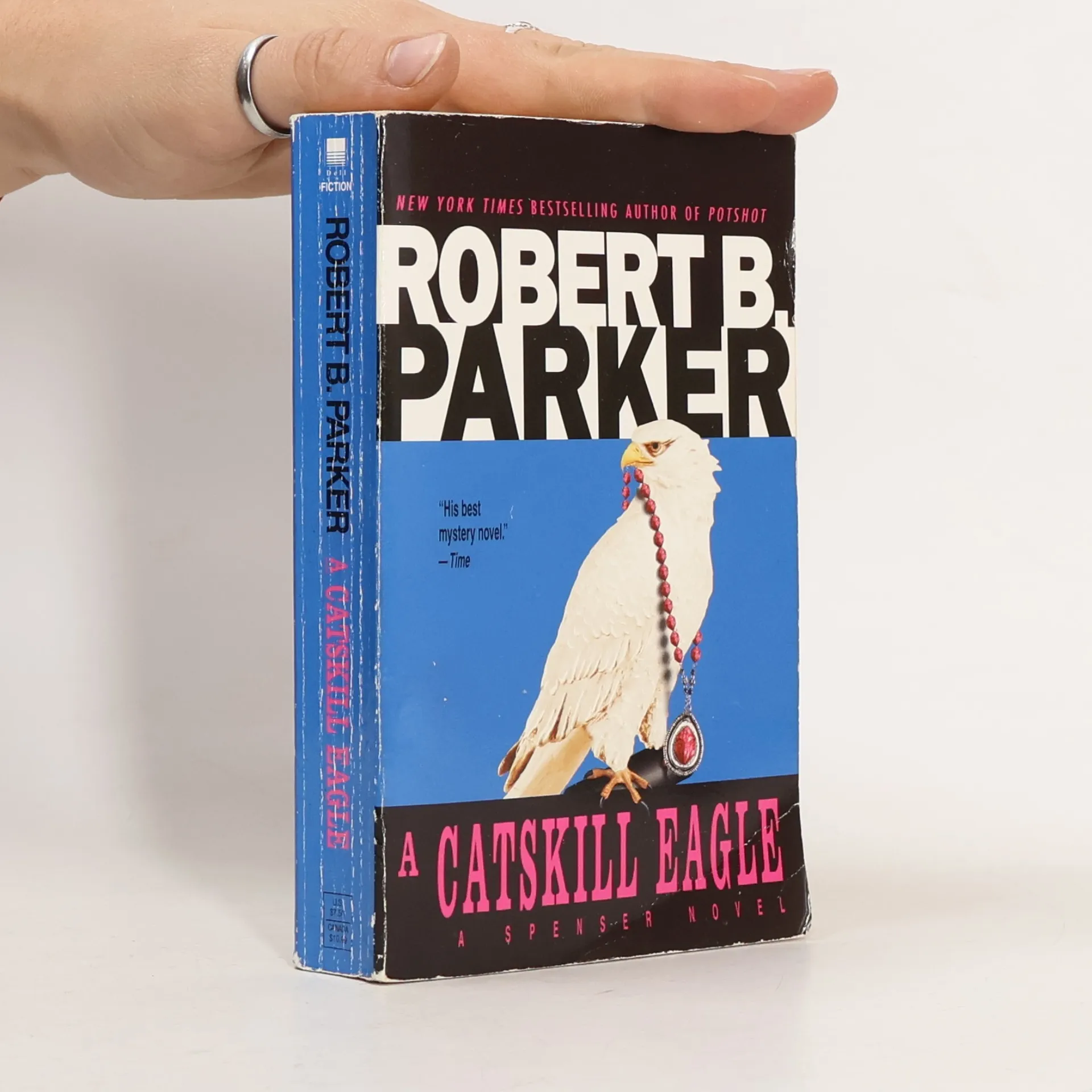
“His best mystery novel”—Time Susan's letter came from California: Hawk was in jail, and she was on the run. Twenty-four hours later Hawk is free, because Spenser has sprung him loose—for a brutal cross-country journey back to the East Coast. Now the two men are on a violent ride to find the woman Spenser loves, the man who took her, and the shocking reason so many people had to die. . . .
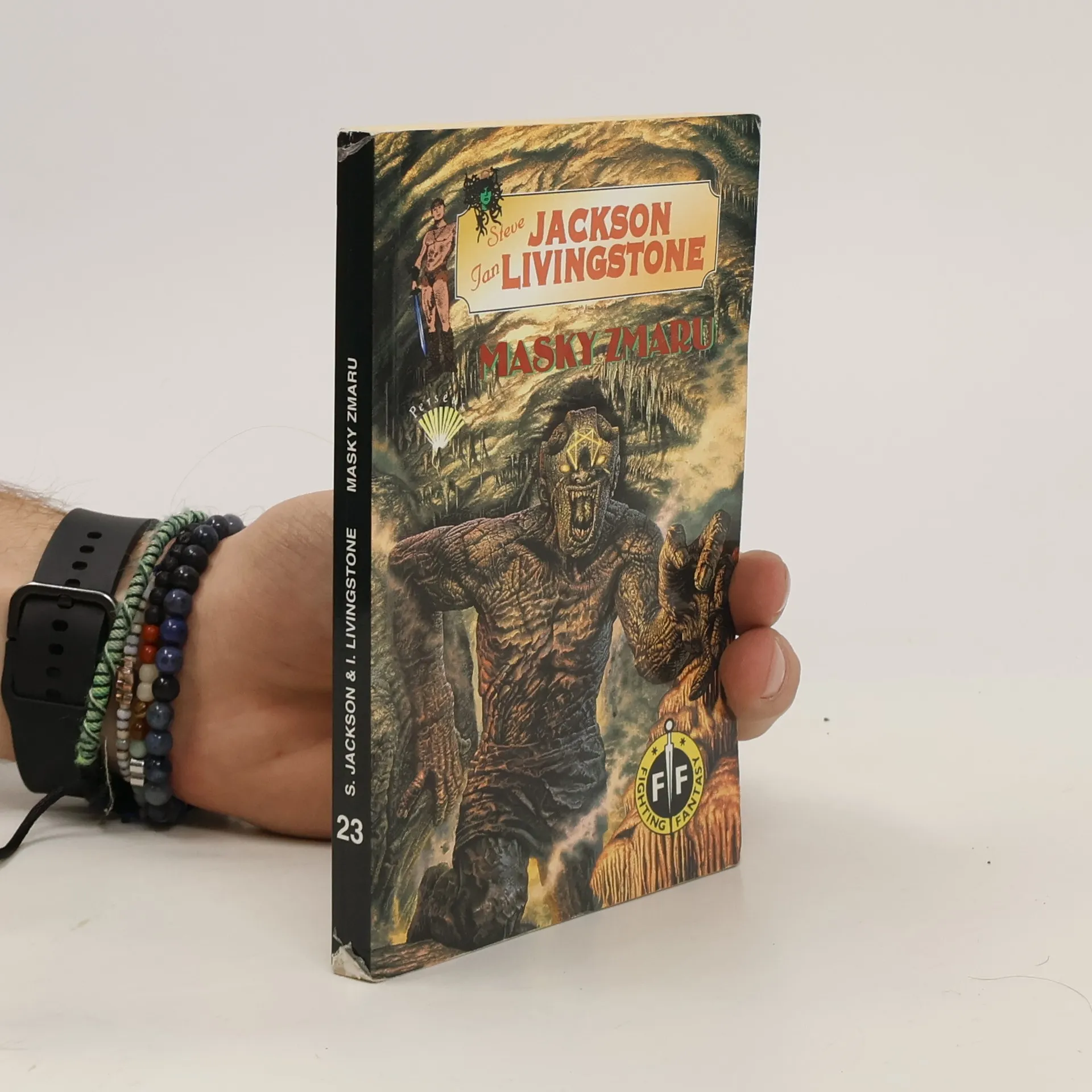
Morgana, padlá čarodějka z Krill Garnasche, zamýšlí vypustit své děsivé golemy, kterým se nikdo nemůže postavit. To proto, že jim dala Masky zmaru, které jim poskytují moc nad všemi věcmi. Jen Ty můžeš překazit její ďábelské plány – avšak pozor: nebezpečí a zrada číhají na každém kroku, je těžké nalézt pomoc.
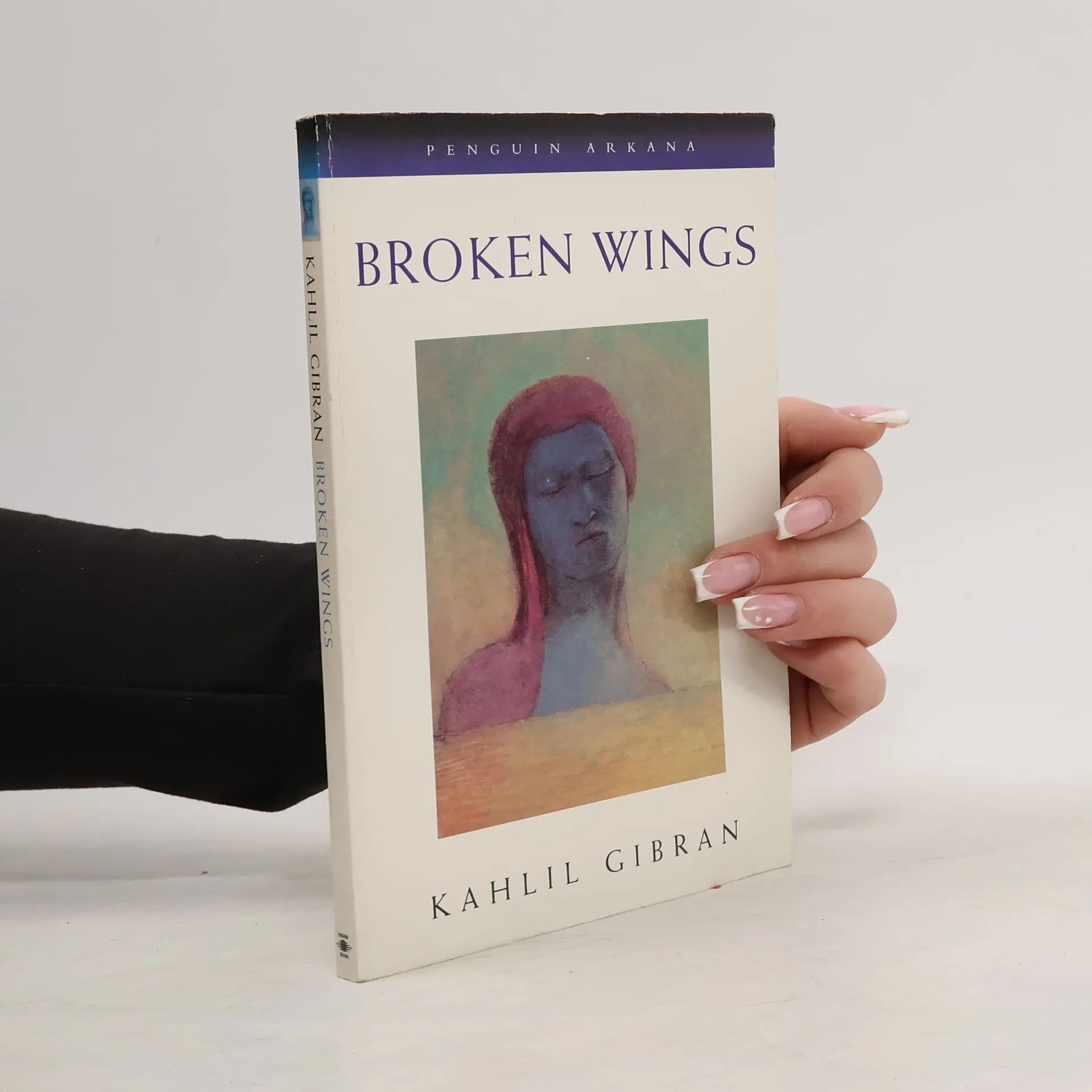
Set in turn-of-the-century Beirut, this is the story of a young man who falls in love with a women betrothed to the nephew of a leading churchman. When their secret meetings are discovered, she is confined to the house and their beautiful dreams are crushed by a cruel and repressive society.
A legendary children's story of sibling adventure, by the enchanting author of "The Railway Children" and "Five Children and It," which has delighted countless generations of children The Bastable children (Dora, Oswald, Dicky, Alice, Noel, and Horace Octavius--H.O.) live in London with their widowed father. Too poor to attend school, the children are left to their own devices, and they spend their days coming up with ingenious plans to restore their father's fortune. Told from the first person perspective--which lends the narrative substantial bias--this was Nesbit's first work. Refreshingly free of Victorian sentimentality, yet still wonderfully evocative of a bygone era, the tale makes for timeless reading. amd ensures Nesbit's esteemed place in the canon of children's literature.
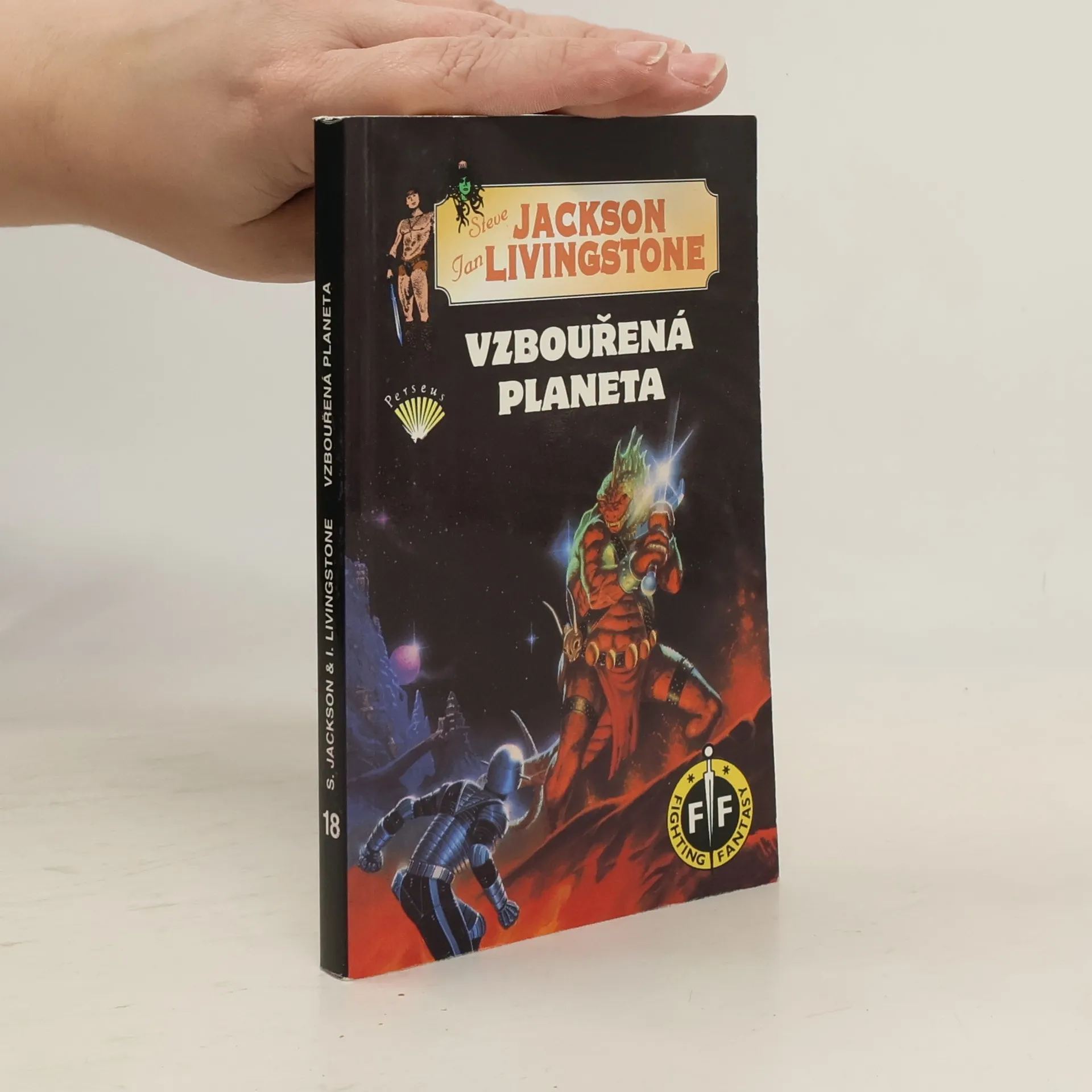
Nepřátelské arkadianské impérium upevňuje svou vládu nad galaxií..
Vůdci tajné pozemské organizace SAROS vědí, že musí impérium porazit. Všechny své prostředky vynaloží na jediný nebezpečný, téměř šílený úkol – útok na srdce domovské planety okupantů. Ty jsi jejich poslední naděje. Vycvičený ve všech bojových uměních a vyzbrojený laserovým mečem. Musíš nalézt skrytá centra odporu a sestavit kód, který budeš potřebovat ke zničení nepřítele. Jedině Ty stojíš Arkadianskému impériu v cestě k úplné nadvládě nad galaxií.
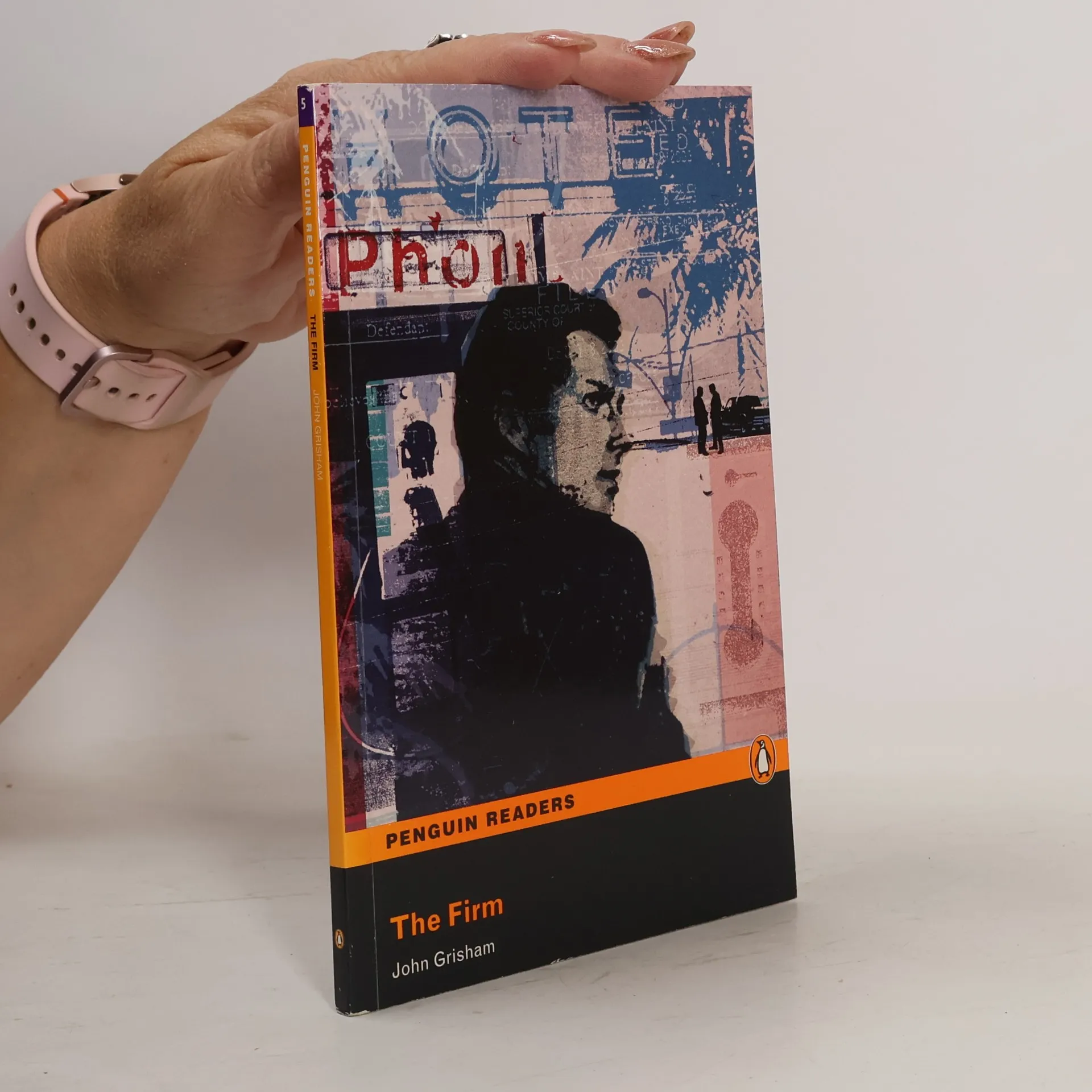
Contemporary / British English Mitch McDeere is young, intelligent and ambitious. When he gets a job with the law firm of Bendini, Lambert & Locke it seems to be the path to money and power. But soon Mitch finds that the firm is listening to all his phone calls, and the FBI want to speak to him. Money and power has a price -- and it could be Mitch's life.
Set in the fictional town of Castle Rock, Maine #1 New York Times bestselling author Stephen King’s timeless novella “The Body”—originally published in his 1982 short story collection Different Seasons, and adapted into the 1986 film classic Stand by Me —is now available as a stand-alone publication. It’s 1960 in the fictional town of Castle Rock, Maine. Ray Brower, a boy from a nearby town, has disappeared, and twelve-year-old Gordie Lachance and his three friends set out on a quest to find his body along the railroad tracks. During the course of their journey, Gordie, Chris Chambers, Teddy Duchamp, and Vern Tessio come to terms with death and the harsh truths of growing up in a small factory town that doesn’t offer much in the way of a future. A timeless exploration of the loneliness and isolation of young adulthood, Stephen King’s The Body is an iconic, unforgettable, coming-of-age story.
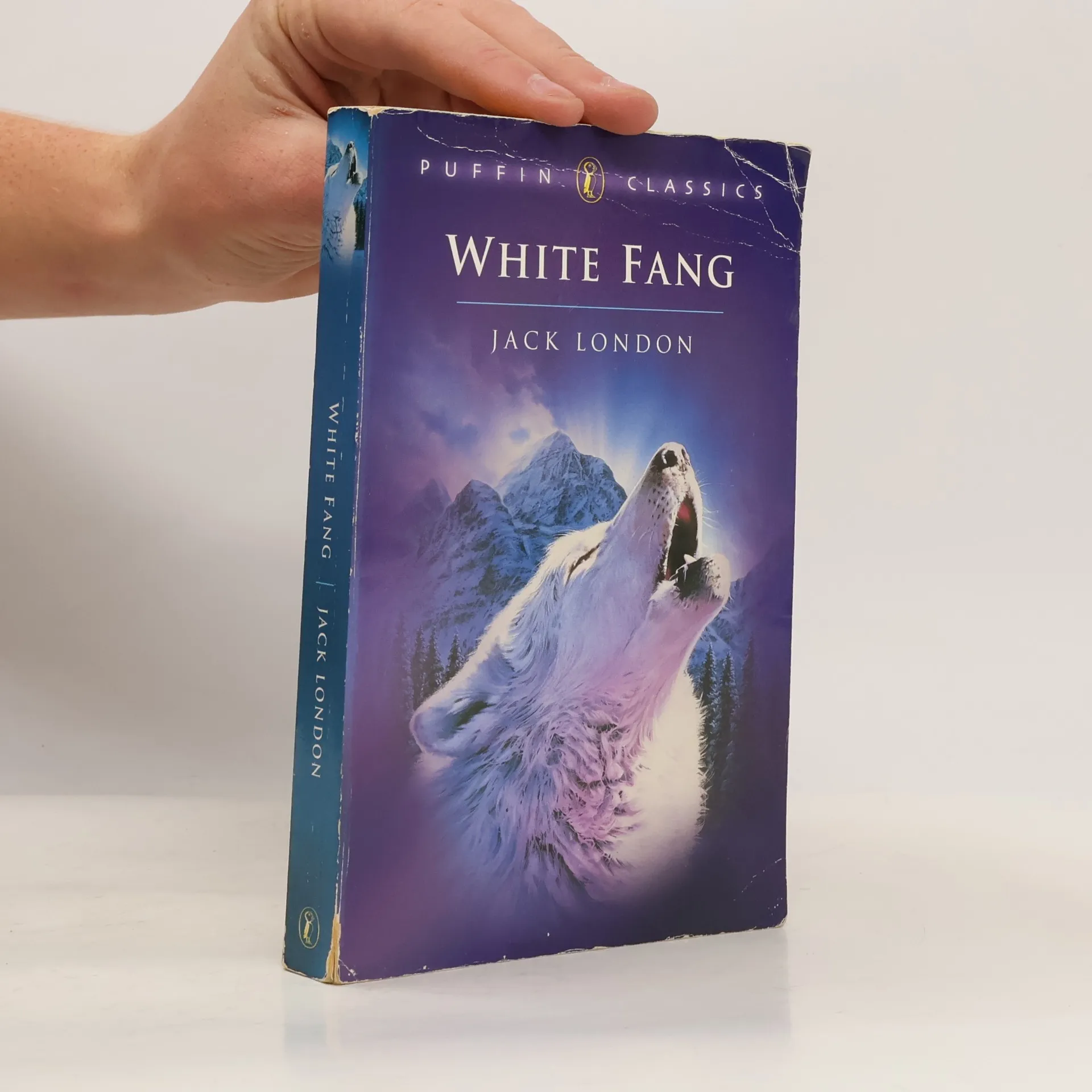
In the desolate, frozen wilds of north-west Canada, a wolf-cub soon finds himself the sole survivor of the litter. Son of Kiche - half-wolf, half-dog - and the ageing wolf One Eye, he is thrust into a savage world where each day becomes a fight to stay alive
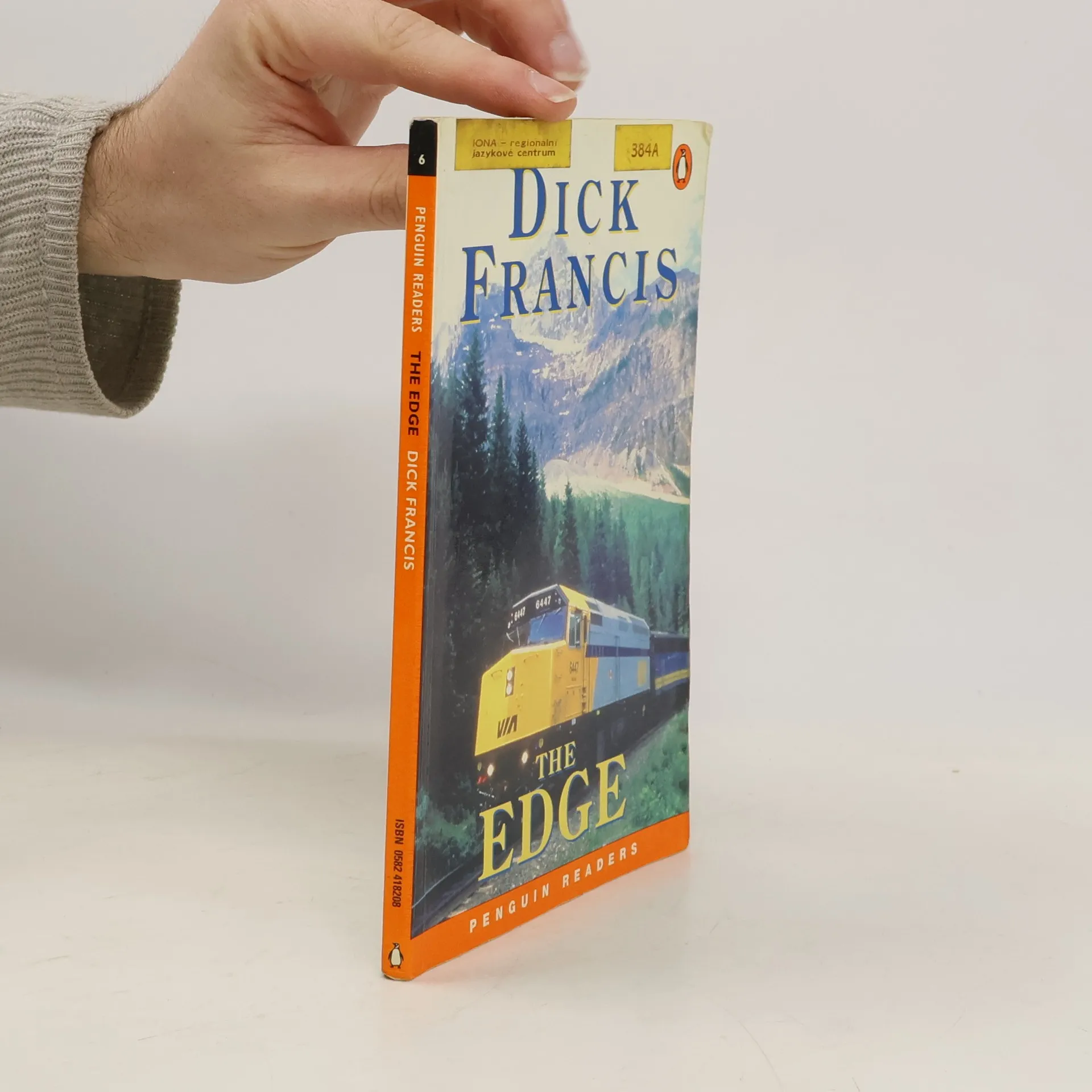
The Transcontinental Race Train takes owners and their horses from all over the world across Canada to take part in a series of horse races. Tor Kelsey, an investigator for the Jockey Club, is on the train and he is watching Julius Filmer very closely indeed.