

When the Tarot pack was invented in Italy in the early 15th century, it was simply a pack of cards, used for playing games. Esoteric interpretations of the pack date from late eighteenth-century France, and were confined to that country for a hundred years. Now the cards are used throughout the Western world and not only for fortune telling. For real believers, the cards are a key to secret knowledge of the meaning of life. Practiced by secret groups such as the Order of the Golden Dawn, by magi such as Aleister Crowley - the Great Beast, and by psychics such as Dion Fortune, the occult interpretation of the Tarot pack is a worldwide phenomenon with countless devotees. The roots of the whole modern Tarot mystique lie in theories propagated by the occultists studied in this fascinating history. Tarot occultism is a significant part of modern social history. The first part of the story was told in A Wicked Pack of Cards, which traced its origins in France. In The History of the Occult Tarot the authors bring the story up to date, following its progress in other countries, especially Britain and the United States.
Michael Dummett Books

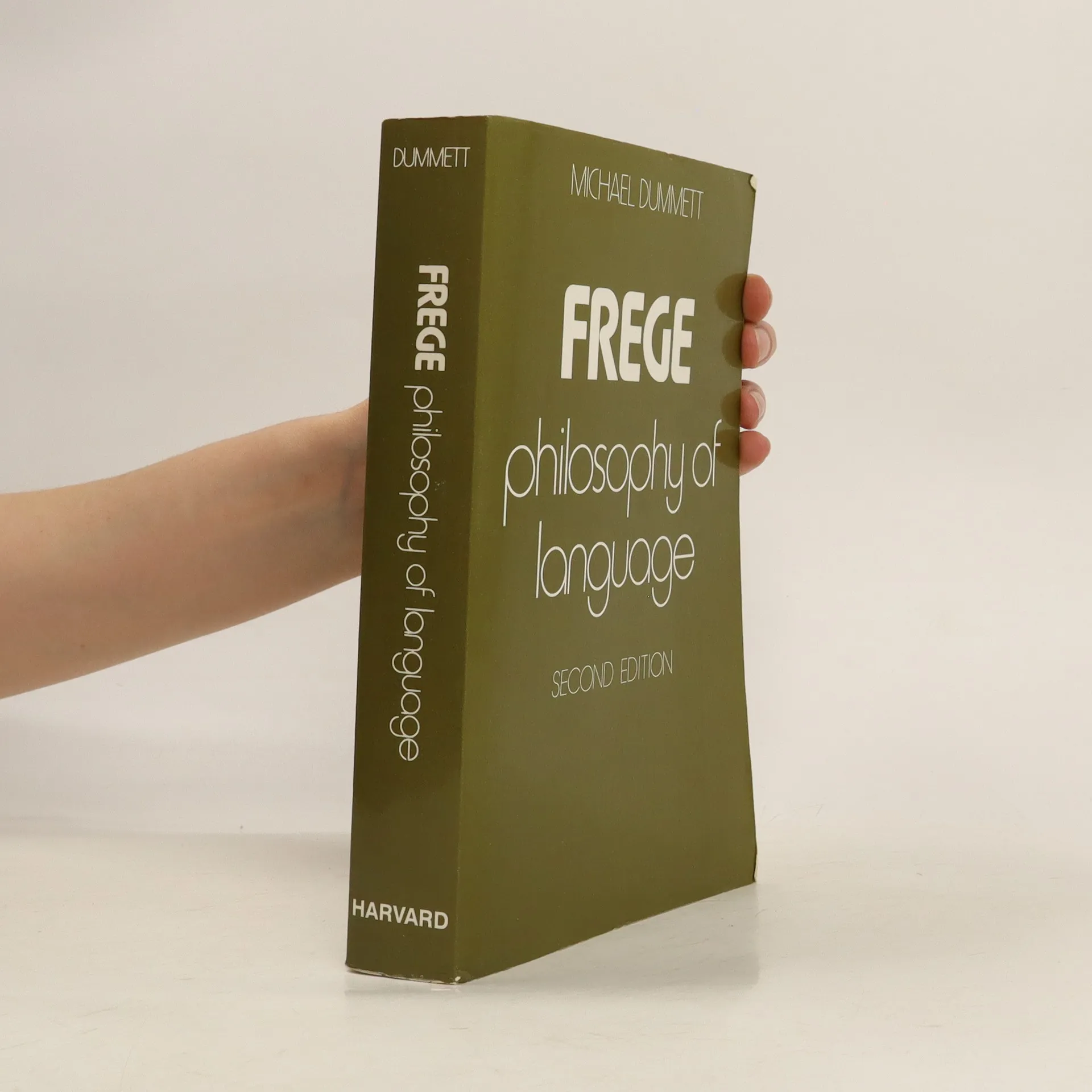

Frege : Philosophy of Language
- 752 pages
- 27 hours of reading
No one has figured more prominently in the study of German philosopher Gottlob Frege than Michael Dummett. This highly acclaimed book is a major contribution to the philosophy of language as well as a systematic interpretation of Frege, indisputably the father of analytic philosophy. Frege: Philosophy of Language remains indispensable for an understanding of contemporary philosophy. Harvard University Press is pleased to reissue this classic book in paperback.
On Immigration and Refugees
- 182 pages
- 7 hours of reading
On Immigration and Refugees is one of the most eloquent and important reflections on the subject to have been published in many years. This Routledge Classics edition includes a new Foreword by Sarah Fine.
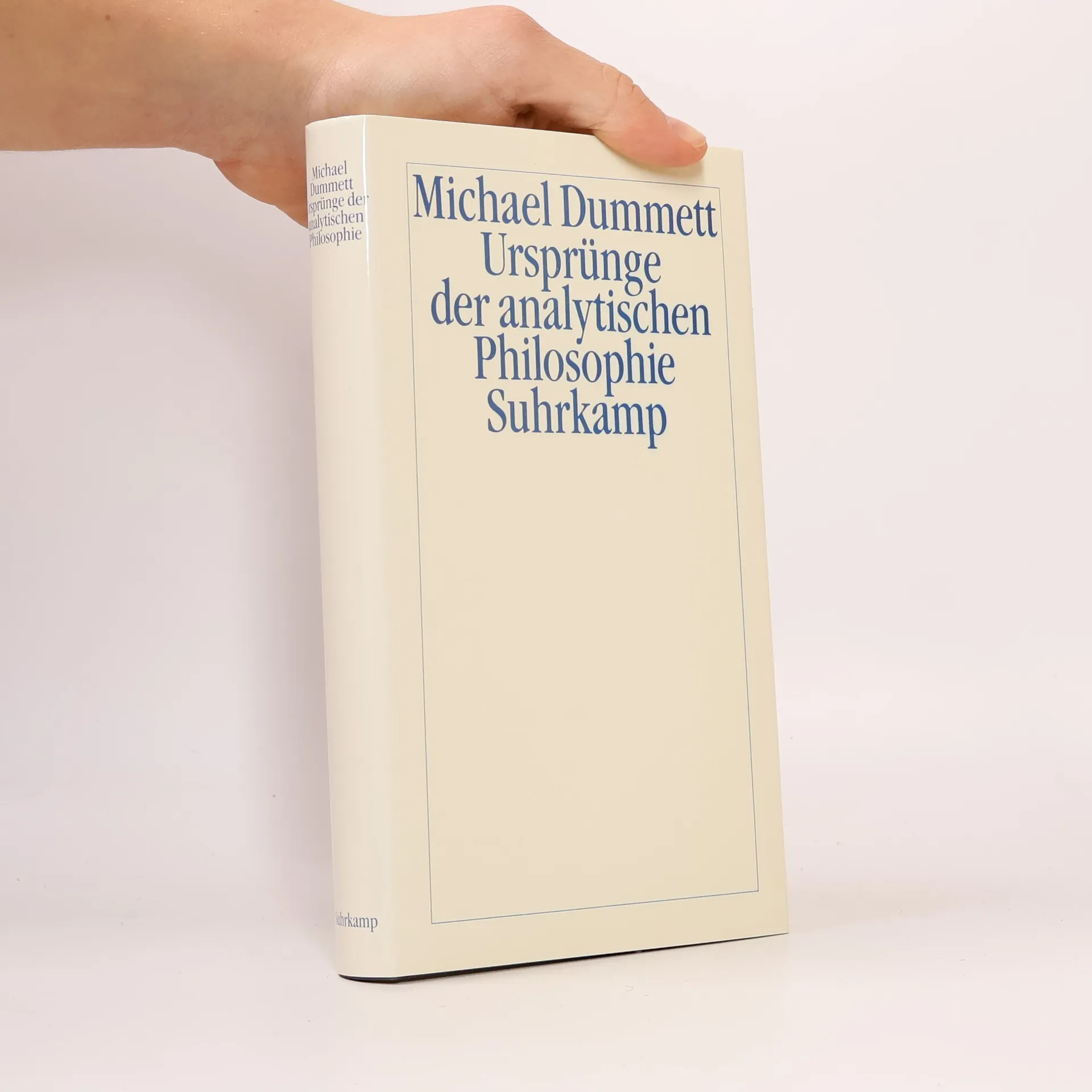
Ursprünge der analytischen Philosophie
- 200 pages
- 7 hours of reading
Statt des Grundsatzes, zum Gedanken könne man nur durch sprachliche Analyse gelangen, wird dem Gedanklichen auf Kosten des Sprachlichen immer mehr eine Vorrangstellung eingeräumt. Aber was hat es mit der so lange für selbstverständlich erachteten Wende zur Sprache eigentlich auf sich? Dies ist die Kernfrage, die Michael Dummett durch eine Rückbesinnung auf die Ursprünge der analytischen Philosophie zu klären versucht. Diese Ursprünge sieht er nicht so sehr in der empiristischen - auf Locke, Berkeley und Hume zurückgehenden -Tradition, sondern in einer Fragestellung, die im ausgehenden 19. Jahrhundert besonders im deutschen Sprachbereich erörtert worden ist.
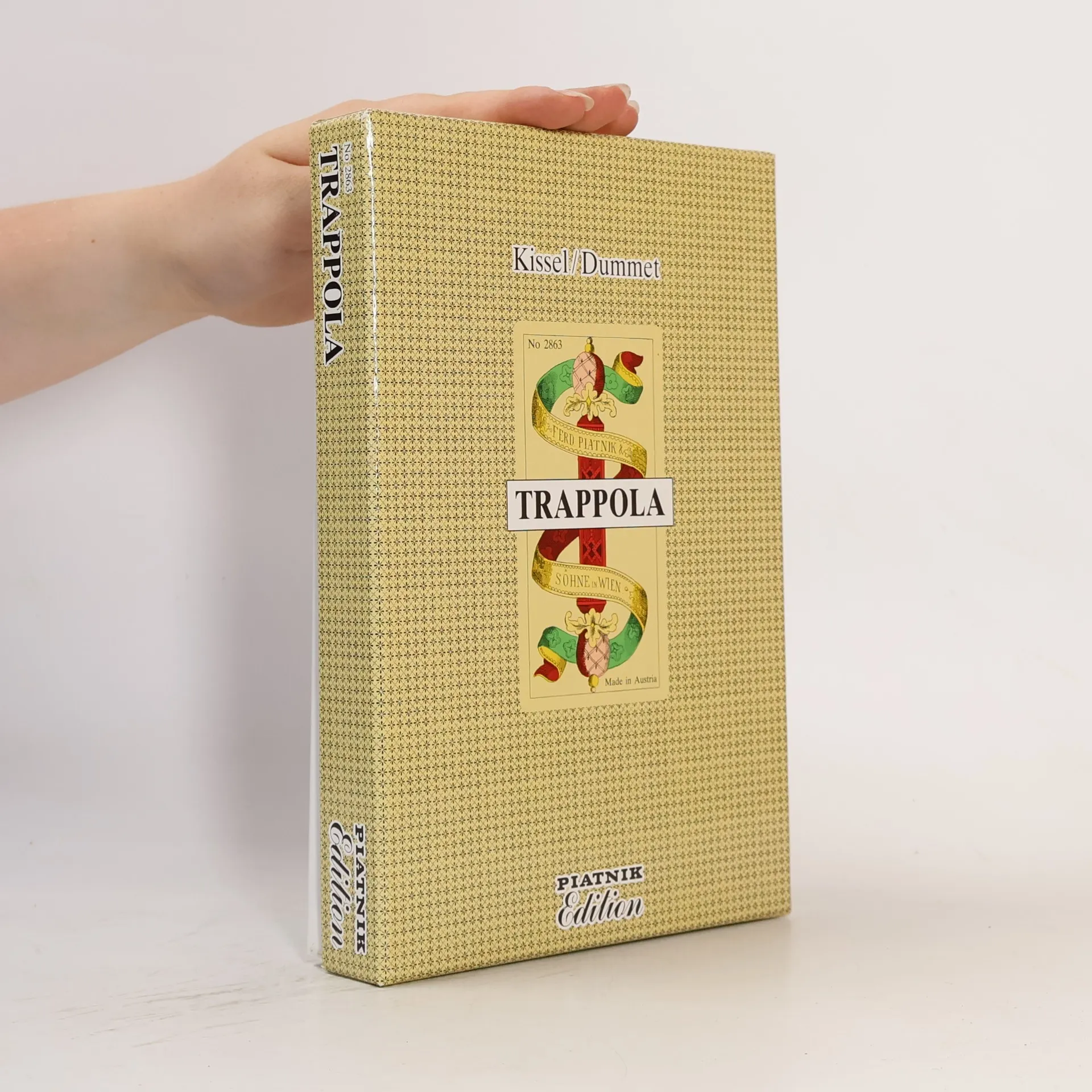
Trappola
Mit d. Spielregeln für Bulka, Hundertspiel u. Špády