

Na základě primárních pramenů kniha podává srozumitelný přehled náboženských institucí, představ a praktik antického světa od čtvrtého století př.n.l. do čtvrtého století n.l. Autor nepřistupuje k helenistickým náboženstvím pouze jako k pozadí vznikajícího křesťanství, ale naopak předkládá vyvážený obraz náboženského života helénismu, v němž křesťanství představovalo jen jednu z mnoha náboženských alternativ. Prostřednictvím charakteristiky helenistické zbožnosti, mysterijních kultů a gnostických tradic práce poskytuje ucelený pohled na helenistické náboženství jako koherentní systém náboženského myšlení, který byl určován posunem názorů na osud, prosazováním ptolemaiovského obrazu světa a změnami v rolích ženských a mužských božstev....
Luther H. Martin Book order (chronological)
Martin Luther was a German monk and theologian whose reformist ideas inspired the Protestant Reformation and fundamentally altered Western civilization. He challenged papal authority by asserting the Bible as the sole infallible source of religious truth and that all baptized Christians form a spiritual priesthood. Luther taught that salvation is a free gift of God, received through repentance and faith in Jesus, thereby promoting individual freedom of conscience. His translation of the Bible into German made scripture accessible to common people, influencing the development of standard German and the art of translation, though his legacy remains controversial.
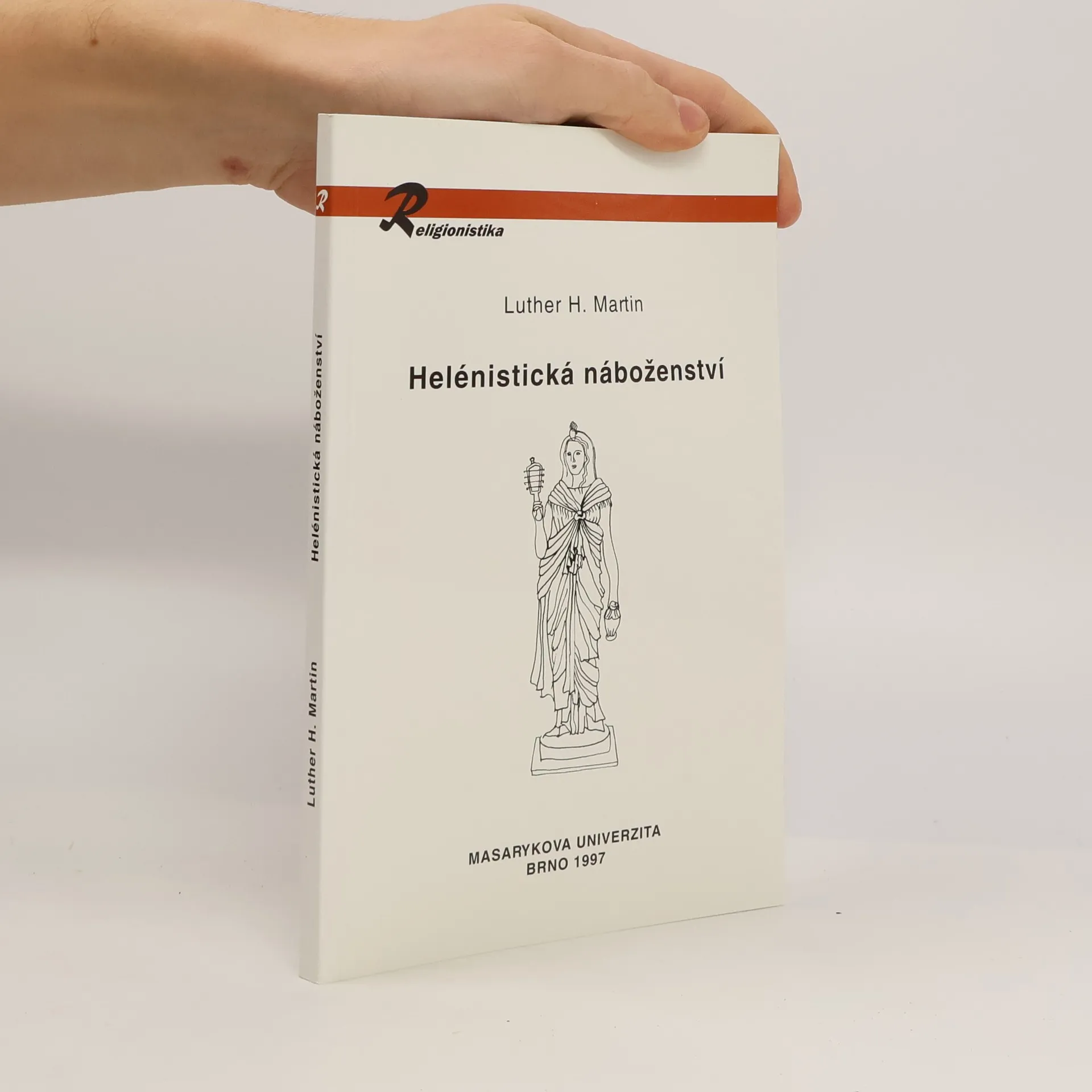


Based on primary sources, this volume provides a comprehensive overview of religious institutions, beliefs, and practices in the Graeco-Roman world from the fourth century B.C.E. to the fourth century C.E. Rather than focusing on Hellenistic religions as a backdrop for Christianity, the author composes a well-balanced portrait of the social and conceptual nature of these religions, presenting Christianity as one of the many religious alternatives that existed in that period. Covering hellenistic piety, the mystery cults, and the gnostic traditions, Martin provides an integrated view of Hellenistic religion as a coherent system of religious thought defined by shifting views of fate. He demonstrates the role of religion in two fundamental transformations of the Hellenistic world view--the change from the archaic to the Ptolemaic understanding of the universe and the shift in relative importance of masculine and feminine god-images--and concludes with a discussion of the impact of late Hellenistic religion on Christianity.The only single volume to offer a comprehensive and interpretive framework for Hellenistic religions, this masterful survey is an indispensable resource for history, religion, and classics courses.