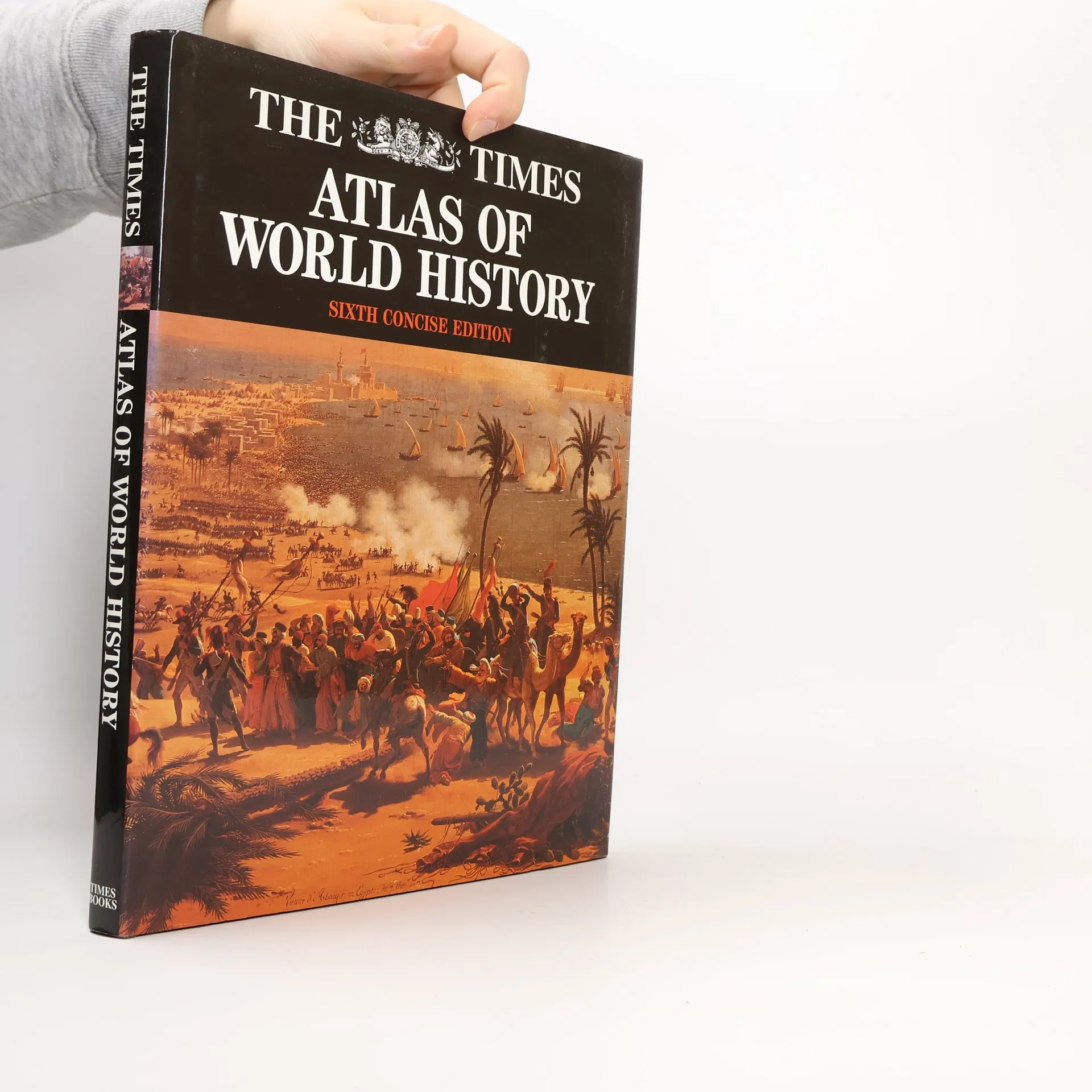
The Times Complete History of the World
- 416 pages
- 15 hours of reading
One of the great works of historical reference - Niall Ferguson. Comprehensive and utterly accessible - Jon Snow.


One of the great works of historical reference - Niall Ferguson. Comprehensive and utterly accessible - Jon Snow.
Traces the history of humanity up to the sixteenth century and examines the contributions of Western and Eastern civilizations
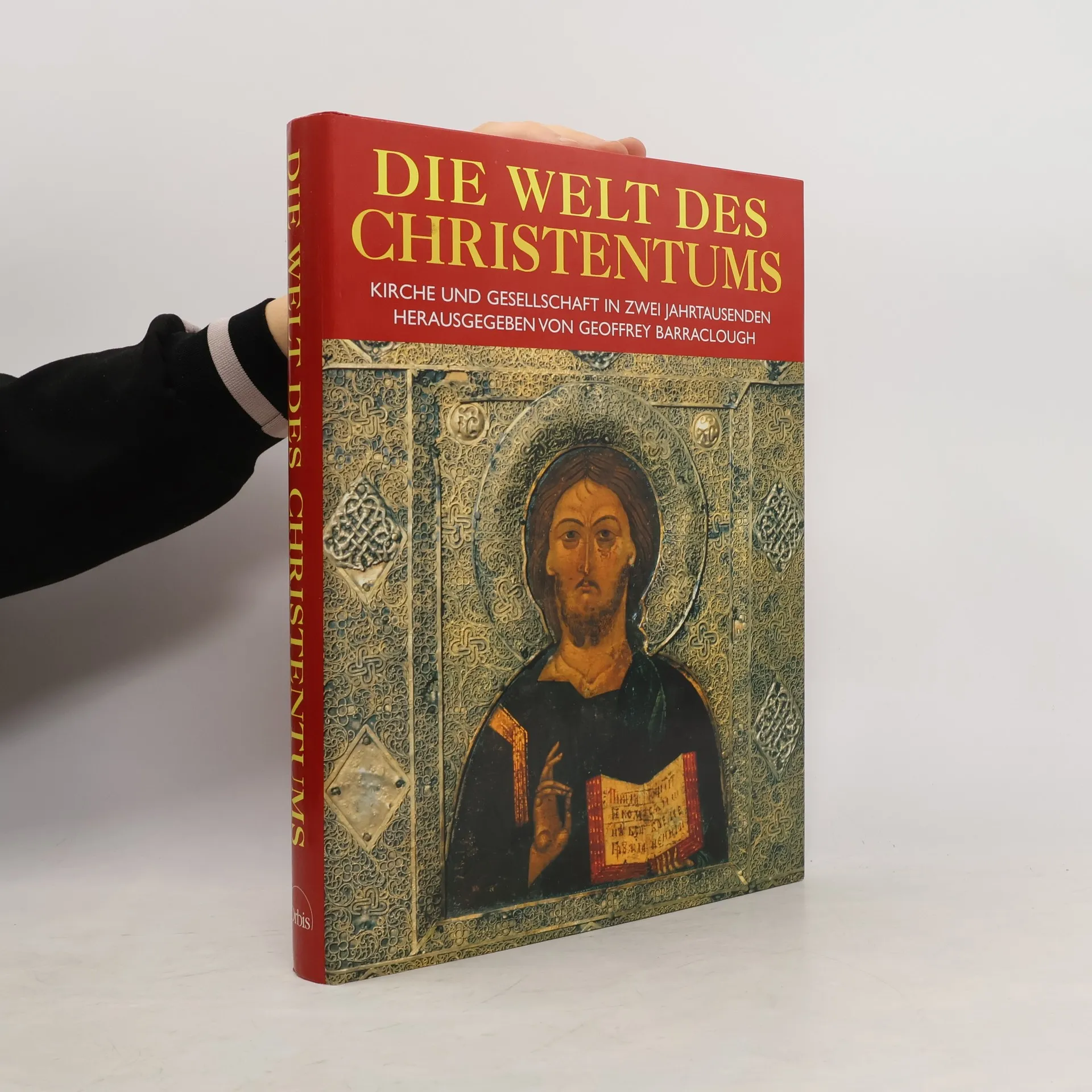
Die Geschichte des Christentums ist eine der spannendsten Geschichten überhaupt. Entstanden als religiöse Sekte in Palästina, erlebte sie ihre erste Blüte in Kleinasien, wurde schließlich im Römischen Reich zur Staatsreligion erhoben und prägt bis heute die gesamte abendländische Kultur. In zwölf Kapiteln schildern kompetente Autoren die Entwicklung des Christentums in den letzten beiden Jahrtausenden, die wechselvollen Beziehungen zwischen Religion und Gesellschaft zwischen Kirche und Kultur, angefangen von den ersten christlichen Gemeinschaften bis in unsere säkularisierte Gegenwart, die das Christentum vor neue Herausforderungen stellt. Zahlreiche Abbildungen und Karten veranschaulichen die Welt des Christentums und dokumentieren ihre bewegte Geschichte
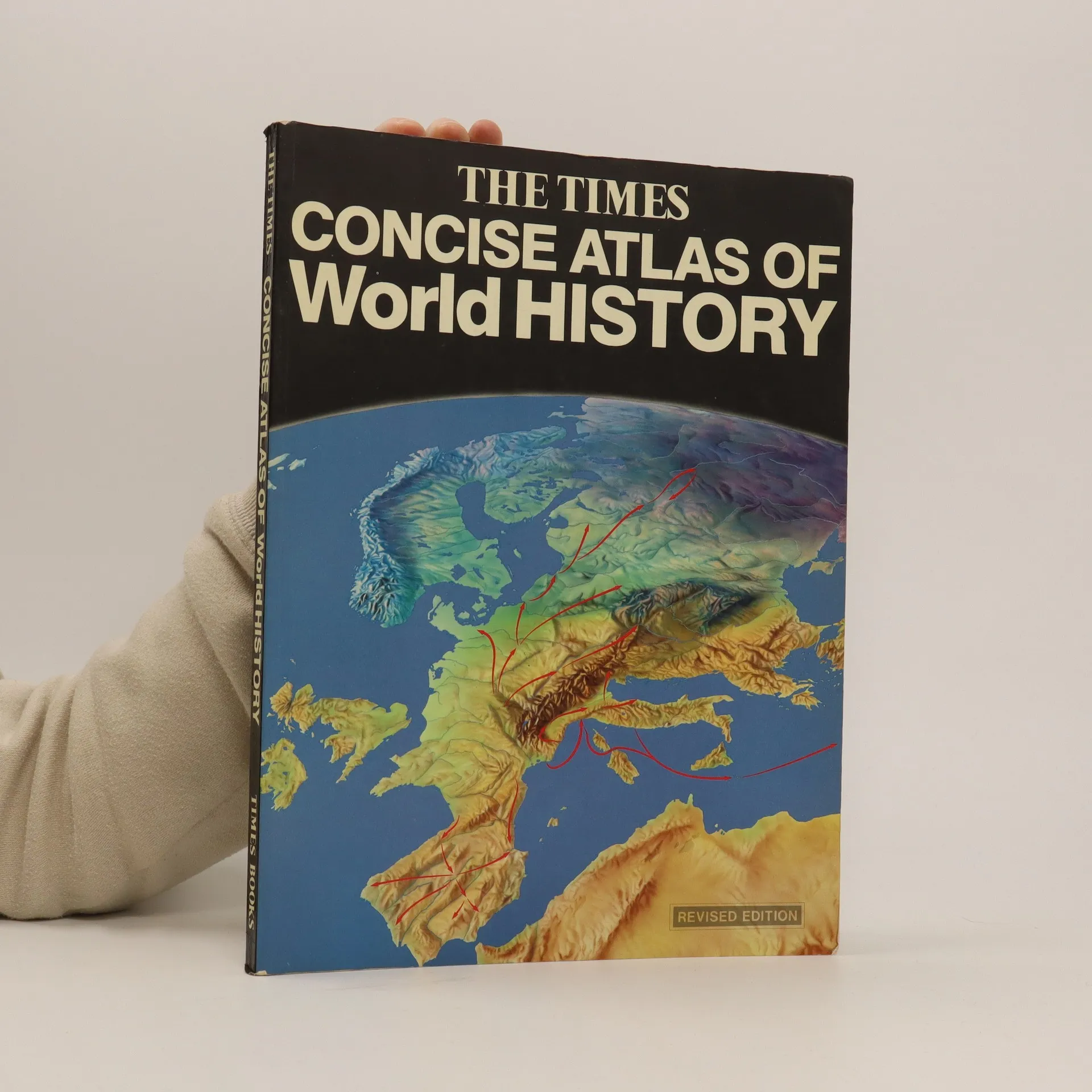
The study of world history, encompassing significant movements and conflicts that shape collective memory, is vital for understanding today's world. This atlas, featuring over 300 vibrant maps, serves as an engaging companion for those keen on exploring the past and a valuable resource for history enthusiasts. The text is organized into four key sections, beginning with Early Man and the Civilisations of the Ancient World, which covers topics such as the origins of man, the Ice Age, stone age cultures, the agricultural revolution, early civilisations like Mesopotamia and Egypt, world religions, and the Roman Empire. The second section, Decline and Recovery: the emergence of a new world, addresses the Barbarian invasions, the rise of Christianity, Judaism, and Islam, Medieval Europe, Chinese imperial dynasties, and early African and American societies. The Rise of the West examines European exploration, colonial America, Russian expansion, imperial struggles, revolutions, and the Industrial Revolution, leading up to the First World War. Finally, the Modern World discusses pivotal events such as the Russian and Chinese revolutions, Japan's modernization, the Great Depression, World War II, decolonization, the emergence of superpowers, the Cold War, and the global landscape of the 1980s.
Places historical studies in a comprehensive perspective. This book summarises the developments associated with the explosion of new directions that young scholars have reached in re-interpreting old ideas. It also examines the ferment that has characterised historiography.
Originally published in 1982, this atlas of world history - like its parent volume, 'The Times' Atlas of World History - combines original maps with text, and offers a comprehensive view of the story of humanity. From the emergence of the first hominids five million years ago to the collapse of the Soviet Union, the full sweep of human history is covered. This atlas makes a companion for anyone who seeks to understand the past, and is useful as a reference for all who study and enjoy history.
"No one is likely to underrate the importance for the rest of Europe--and, indeed, for world history--of the German reaction, beginning in the days of Bismarck, to the crisis of modern industrial capitalism," writes Professor Barraclough, "but the peculiar character of that reaction is only comprehensible in the light of Germany's past. Factors deeply rooted in German history . . . constituted an iron framework, a mold within which were cast all German efforts, from 1870 to 1939, to cope with the problems of modern capitalist society."
"Professor Barraclough treats the medieval papacy as an historical phenomenon developing and changing in response to changing historical circumstances. Contents: Foreword; The Medieval Papacy; I Beginnings; II The Rise of the Medieval Papacy; III The Age of Reform; IV The Papal Monarchy; V The Papacy at the Dawn of a New Age; Bibliographical Notes; List of Illustrations; Index.
This masterful introduction to contemporary history, in all its various aspects, captures its radical diversity compared to modern history and provides all the main keys to understanding it.