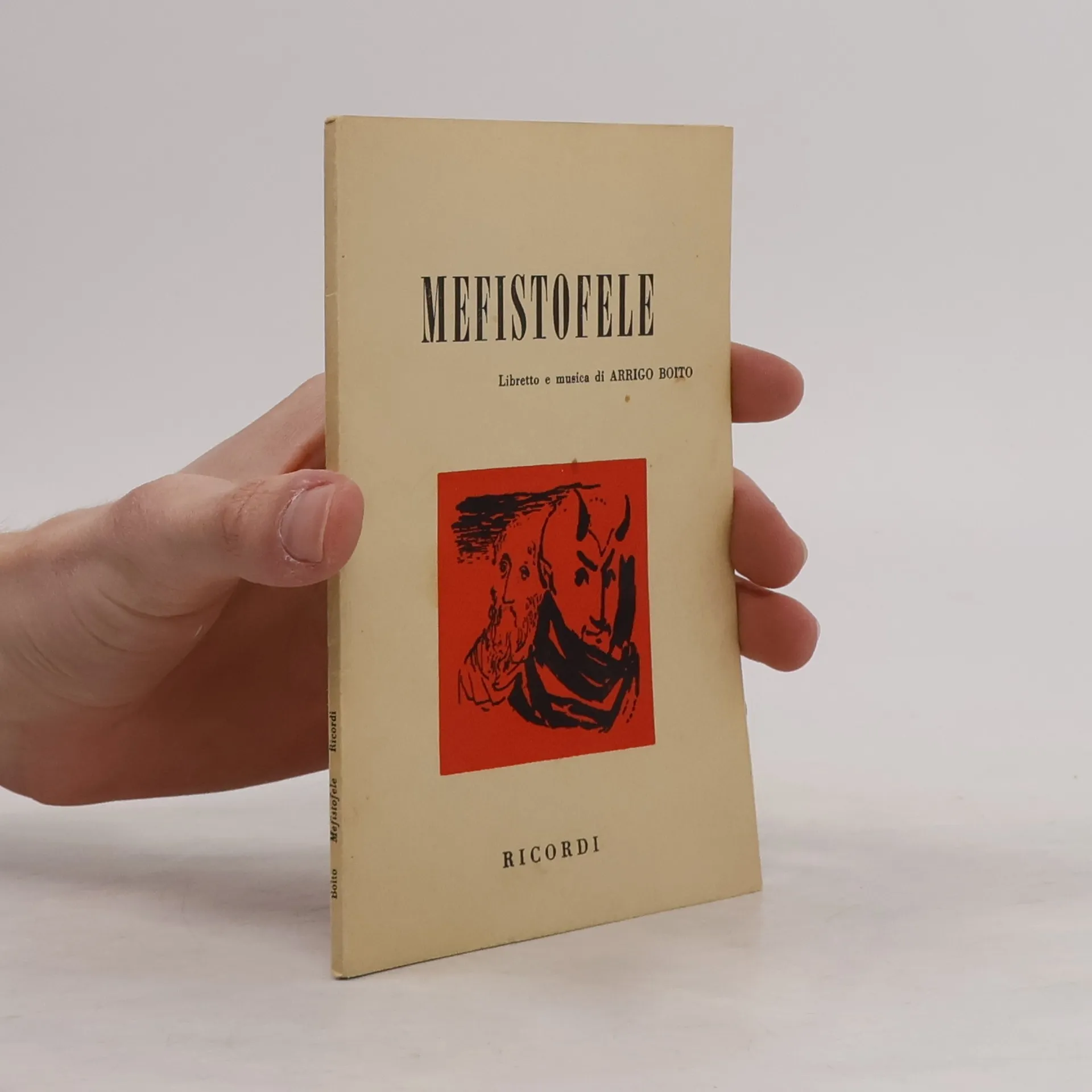
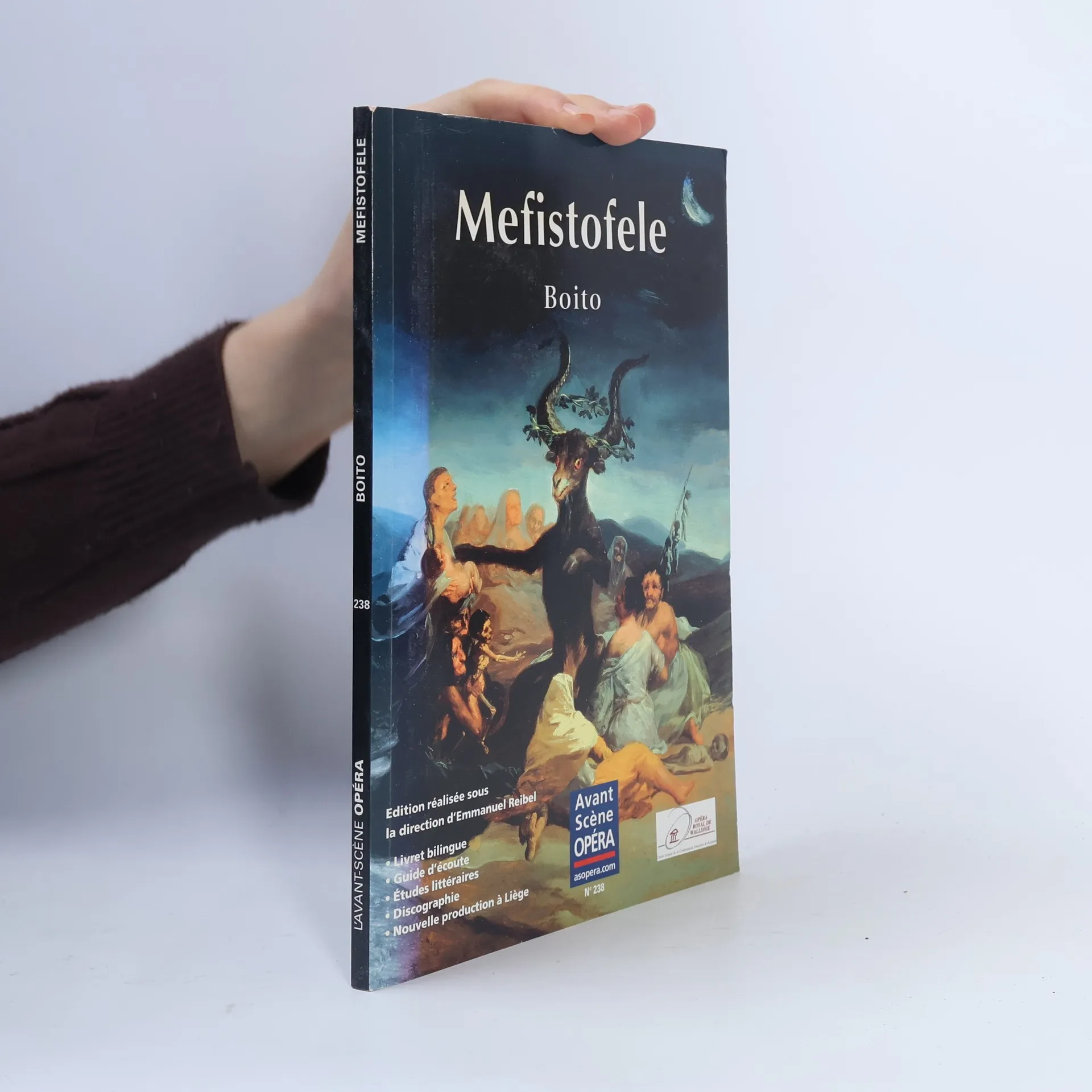
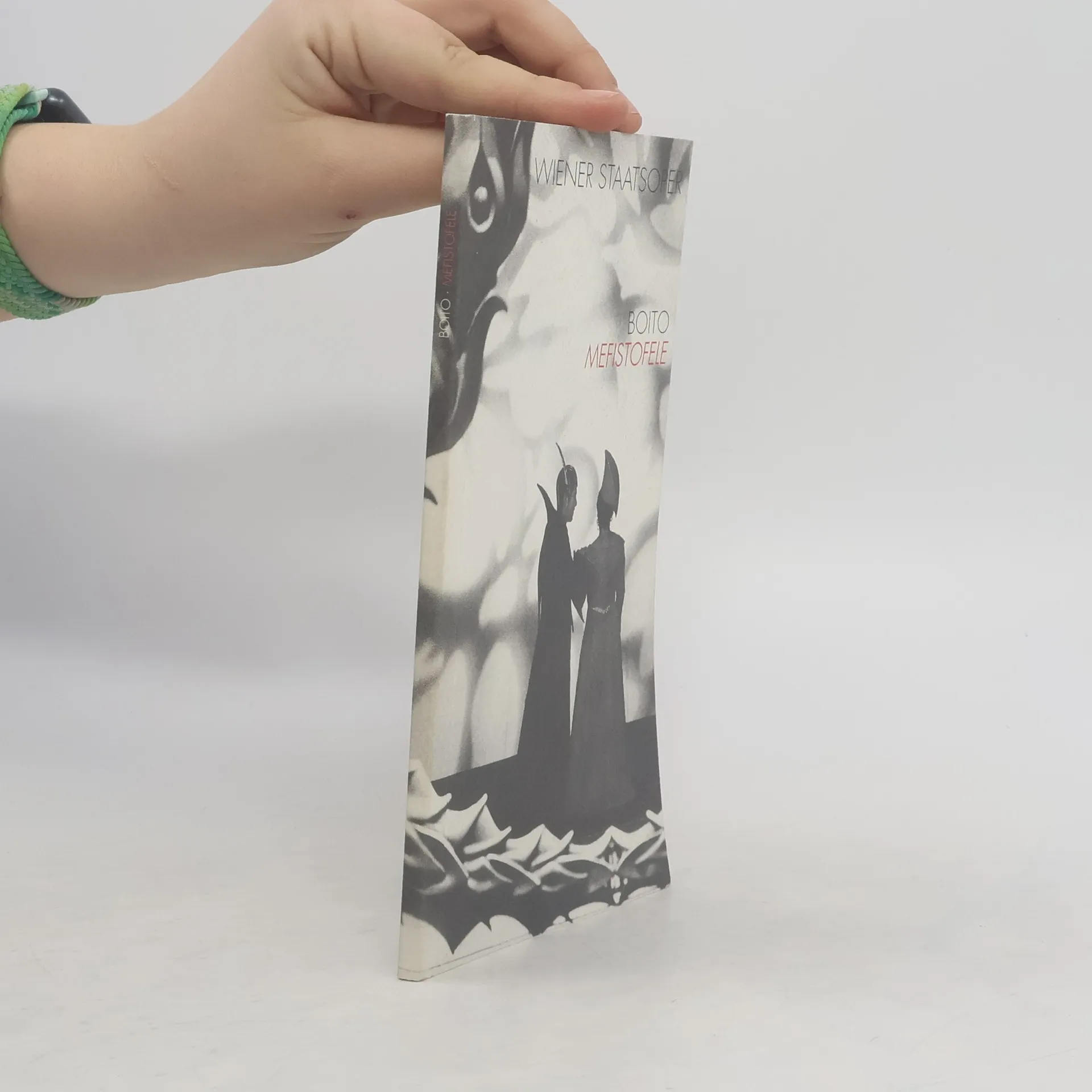
Mefistofele explores the timeless tale of Faust, where the devil Mefistofele lures the protagonist into a life of indulgence. The opera, a blend of Italian and German influences, is celebrated for its intricate score and unique libretto. First performed in 1868, it has since become a staple in the operatic repertoire. This 1920 edition is a facsimile reprint of the original, preserving its cultural significance while acknowledging potential imperfections. It reflects a commitment to making classic literature accessible and preserving its legacy.
Arrigo Boito Books
Arrigo Boito was an Italian poet and dramatist, best known today for his libretti, especially for Giuseppe Verdi's operas. He was also a prominent representative of the Scapigliatura artistic movement. Boito's literary works often explore complex human emotions and moral dilemmas. His style is characterized by rich language and keen insight into the human psyche.

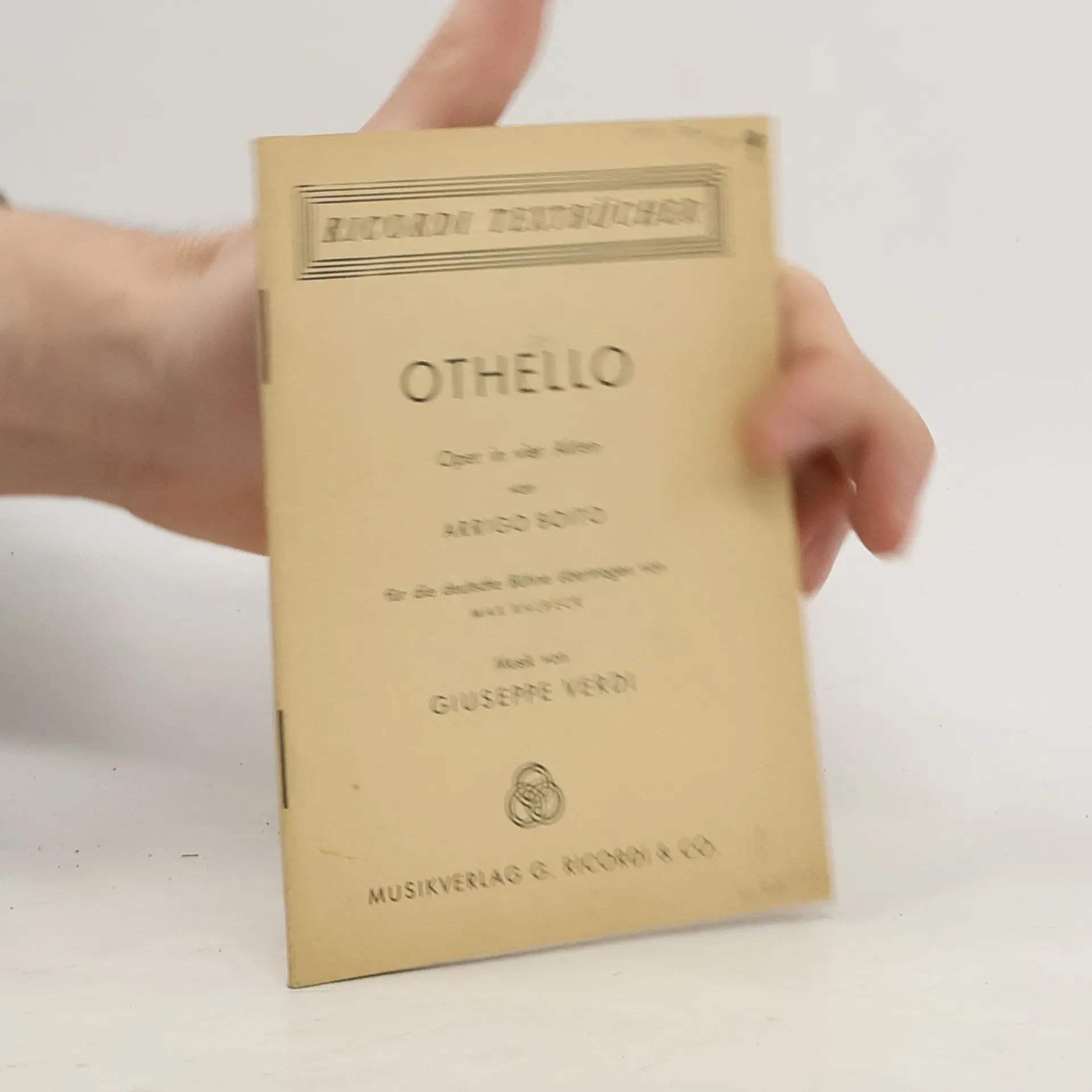
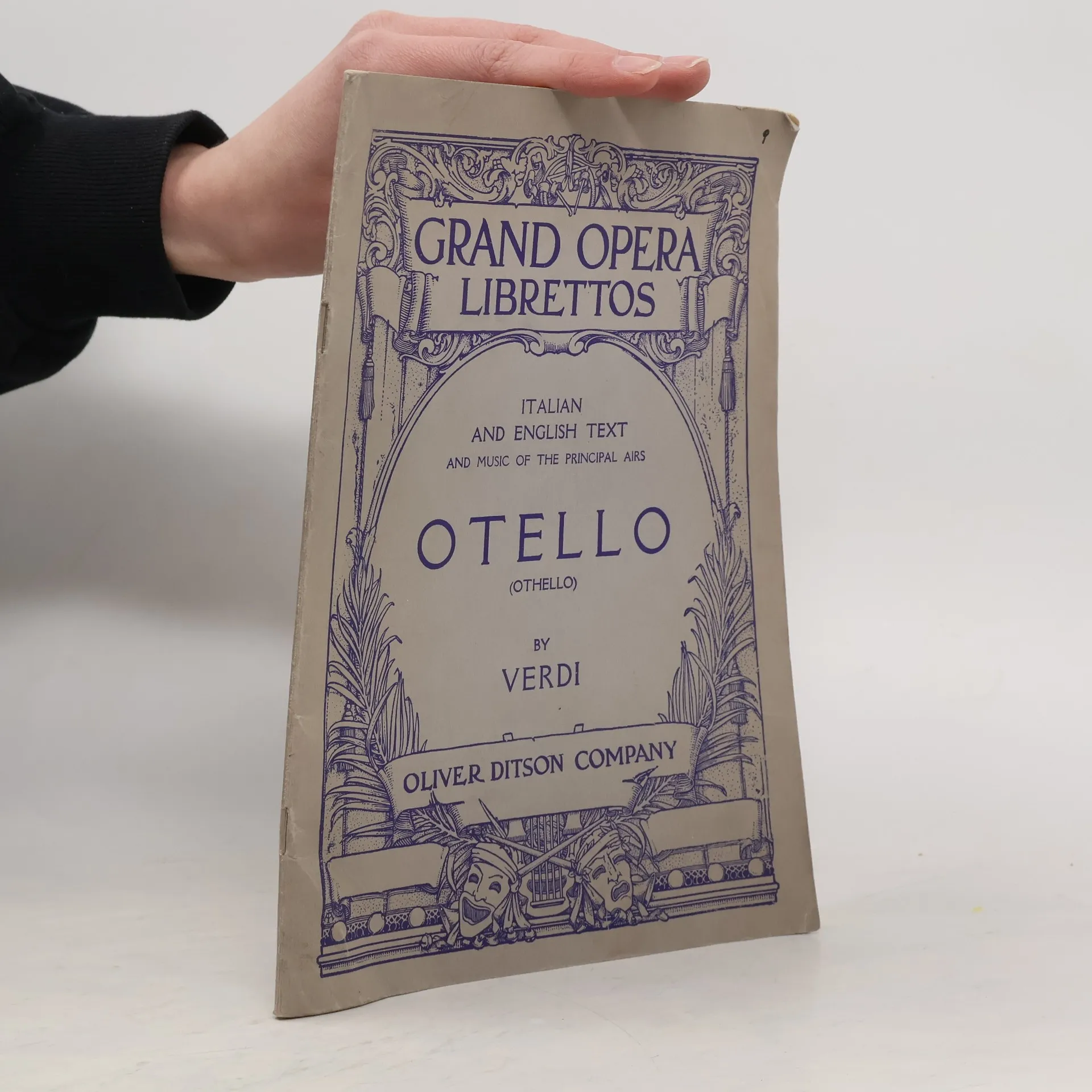

Grand Opera Librettos. Otello
Italian and English Text
Verf. u. hrsg. v. Pahlen, Kurt. Mitarb. König, Rosemarie. Mit Abb. u. Notenbeisp. N.-A.
Re Orso - König Bär
- 140 pages
- 5 hours of reading
Über Kreta herrscht König Bär – getreu seiner Devise Terroris terror. Der Tyrann bedient sich dabei willfähriger Vollstrecker: des Narren Papiol, der Würgeschlange Ligula und Trols, eines Riesen: »Ei, wie vor dem Wanst / das Henkerbeil tanzt … / Trol, Scharfrichter, Koch, / Schindet Kinderlein, / Kocht dann Nudeln fein …« Re Orso aber, Verkörperung des unendlich Bösen, ist ein von Paranoia Getriebener mit pathologischen Zügen – Panik vor einem Wurm, der über ihn triumphieren könnte, gibt ihm das Morden ein. Der Philosoph Benedetto Croce zeigte sich im Banne von Boitos bizarrer Dichtung: Er entdeckte darin die »ganze theatralische Gesellschaft, Requisiten der Romantik: Zwerge, Mörder, grausame Prinzen, Troubadoure, jüdische Mädchen, Mönche, die Dämonen sind, verzauberte oder gebändigte Tiere, Schlangen, Würmer, Hyänen und Wölfe wie auch Hochzeitsszenen, Gesänge verliebter Poeten unterm Balkon der Schönen, Bankette, Gemetzel, Begräbnisse, Gräber und Gespenster ... Aber das ist nicht nur Parodie, ist ernst. Das Böse als Naturerscheinung, das Böse ausbrechender Vulkane, der Erdbeben, des stürmischen Ozeans und wilder Bestien … Das ist Dichtung, die an Musik grenzt …« Boitos schwarzes Poem entstand 1865 in unverkennbarer Nachfolge Dantes, Shakespeares, Victor Hugos und Edgar Allan Poes, Elemente bei Alfred Jarry, Marinetti oder Buzzati vorwegnehmend. 2012 wurde Marco Stroppas Oper Re Orso nach Boito in Paris uraufgeführt.
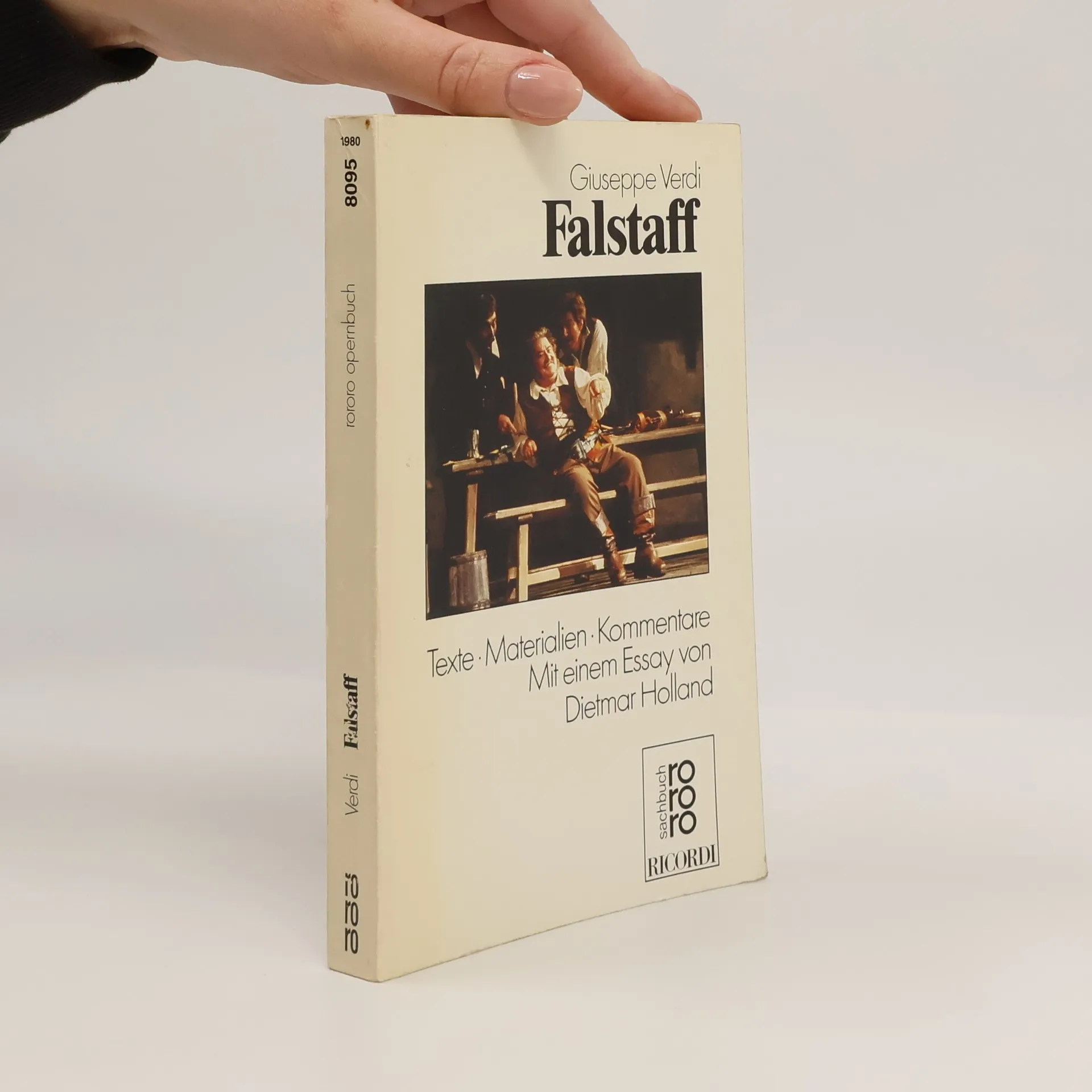
Falstaff: lyrische Komodie in drei Akten ist ein unveranderter, hochwertiger Nachdruck der Originalausgabe aus dem Jahr 1893. Hansebooks ist Herausgeber von Literatur zu unterschiedlichen Themengebieten wie Forschung und Wissenschaft, Reisen und Expeditionen, Kochen und Ernahrung, Medizin und weiteren Genres. Der Schwerpunkt des Verlages liegt auf dem Erhalt historischer Literatur. Viele Werke historischer Schriftsteller und Wissenschaftler sind heute nur noch als Antiquitaten erhaltlich. Hansebooks verlegt diese Bucher neu und tragt damit zum Erhalt selten gewordener Literatur und historischem Wissen auch fur die Zukunft bei.
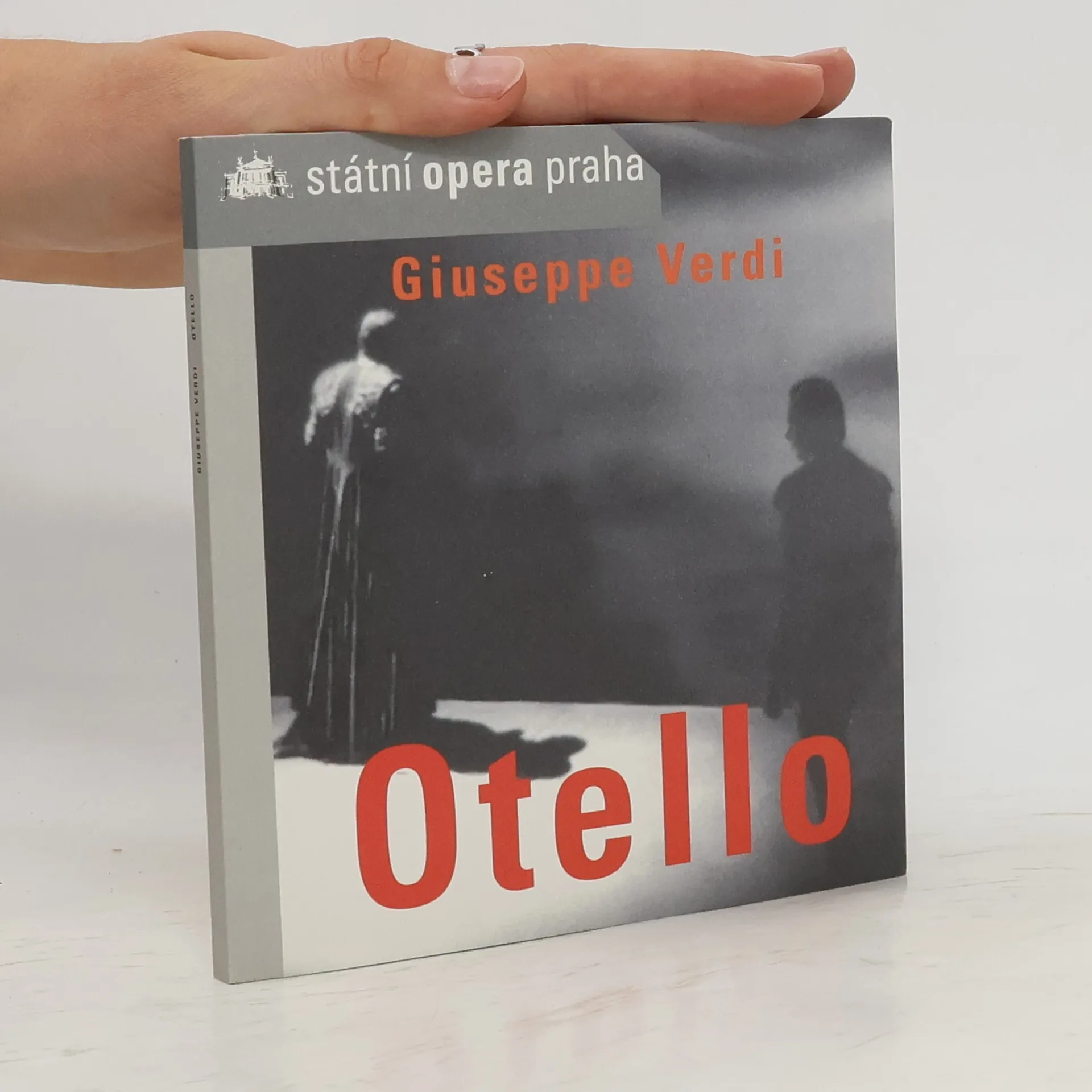
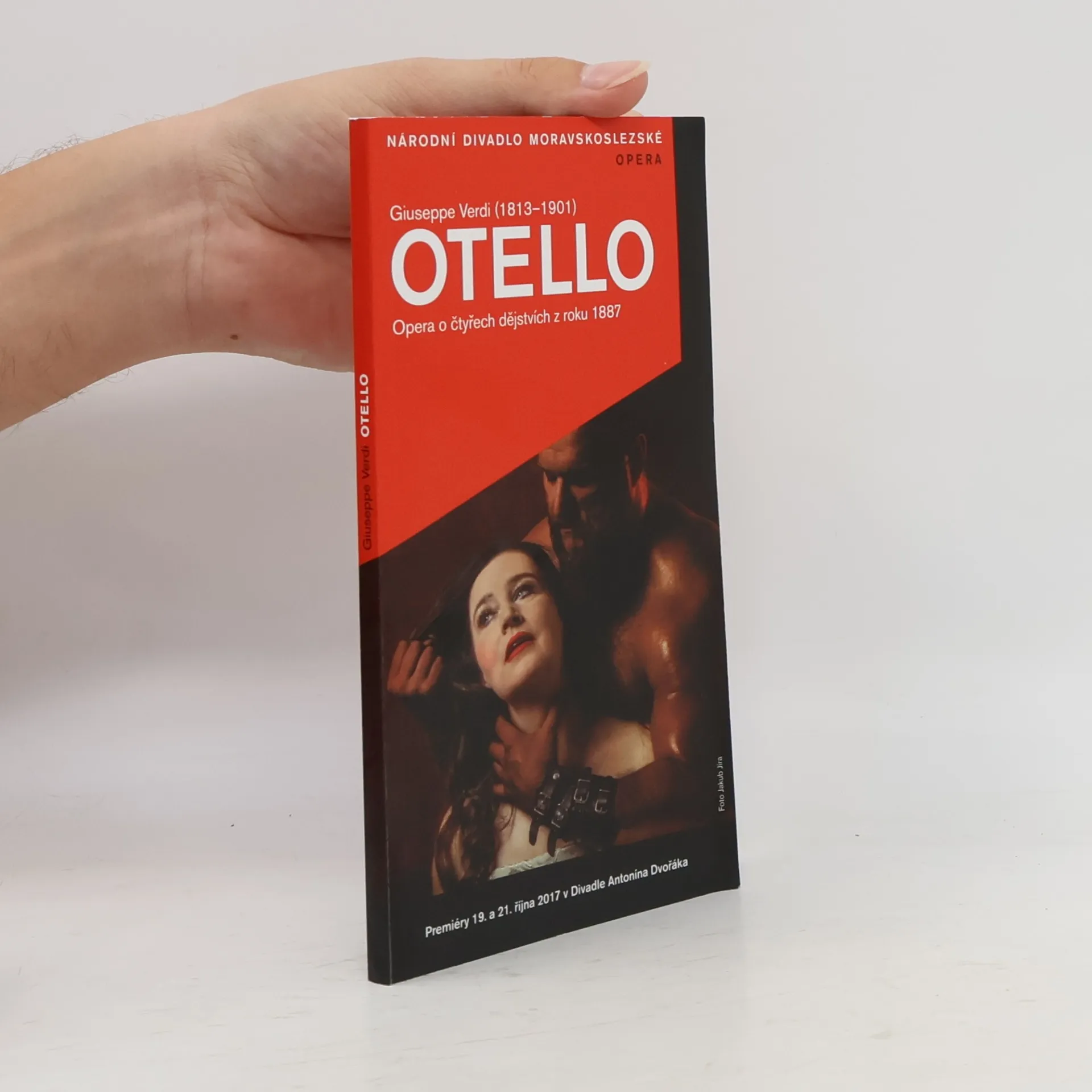
Otello je opera v čtyřech acte, která zkoumá témata žárlivosti, zrady a tragického osudu. Hlavní postavou je Otello, maurský generál, jehož láska k Desdemoně je zničena intrikami jeho podřízeného Jaga. Jagova manipulace a klamání vedou k tragickému vyvrcholení, kdy Otello podlehne svým pochybnostem a žárlivosti. Opera se vyznačuje silnými emocionálními výrazy a dramatickými momenty, které Verdi mistrně ztvárnil. Hudba je plná napětí a krásných melodií, které podtrhují psychologickou hloubku postav. Otello je považováno za jedno z nejvýznamnějších děl operní literatury a zůstává nadčasovým příběhem o lásce, zradě a tragédii lidské existence.
Mefistofele
opera in un prologo, quattro atti e un epilogo
L'Avant-Scène Opéra - 238: Mefistofele
Opera in un prologo, quatro atti e un epilogo - Édition réalisée sous la direction d'Emmanuel Reibel - Livret bilingue, guide d'écoute, études littéraires, discographie, nouvelle production à Liège
- 110 pages
- 4 hours of reading
Otello
Opera o čtyřech dějstvích z roku 1887