Mary Shelley's Frankenstein
- 44 pages
- 2 hours of reading
Adapted and illustrated by Alice and Joel Schick for juvenile audience


Mary Shelley was a writer of significant political insight, whose novels were often overlooked by contemporary critics. She excelled not only as an author but also as an editor and literary figure, with intellectual ambitions evident in her letters and journals. Her extensive reading habits and deep study are now better appreciated, positioning her as a major Romantic figure. Her literary legacy is valued for her political voice and overall creative contributions.



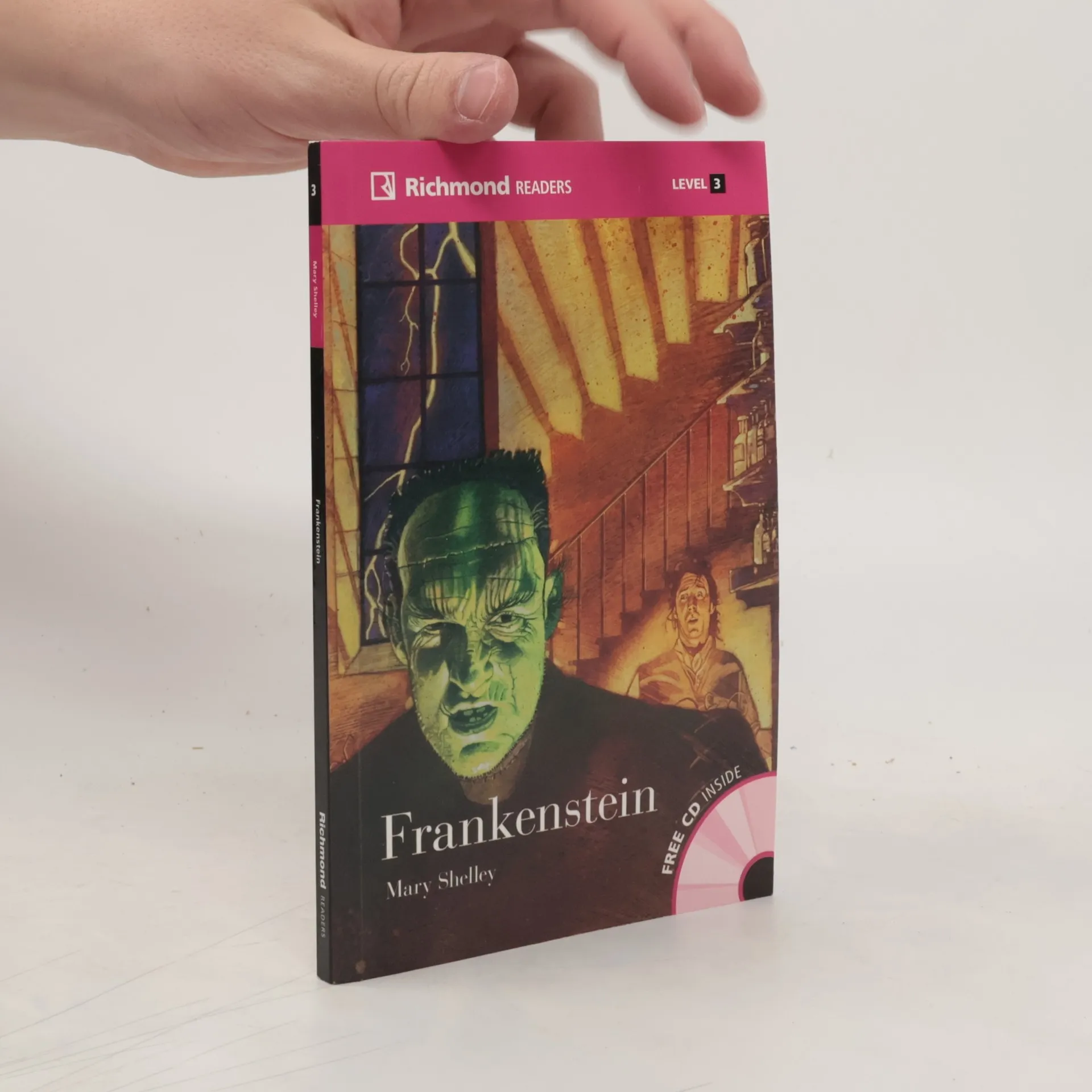
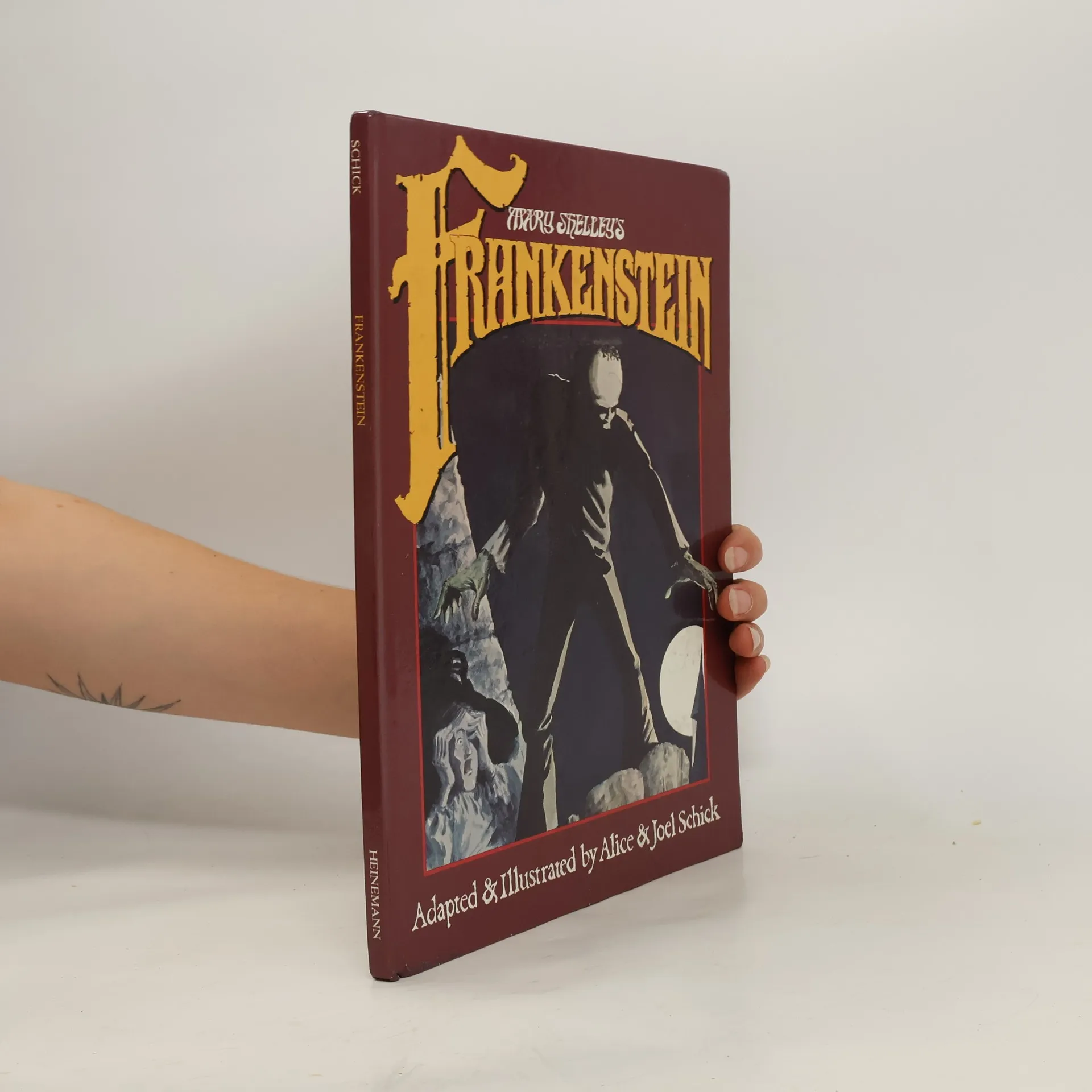
Adapted and illustrated by Alice and Joel Schick for juvenile audience
It is the twenty-first century, and England is a republic governed by a ruling elite, one of whom, Adrian, Earl of Windsor, has introduced a Cumbrian boy to the circle. This outsider, Lionel Verney, narrates, a tale of complicated, tragic love, and of the gradual extermination of the human race by plague.--From publisher's description.
Three horror classics—with an introduction by Stephen King Some of literature's most popular and enduring horror icons in one indispensable tome.
Featuring 15 classic tales from iconic gothic authors like Edgar Allan Poe and Mary Shelley, this collection immerses readers in the genre's eerie landscapes filled with supernatural forces and unsettling emotions. Set against backdrops of crumbling castles and haunted manors, these stories explore themes of mystery, lost secrets, and shocking violence. The luxury hardback edition showcases striking sprayed edge designs, enhancing the allure of these timeless narratives that pushed the boundaries of fiction in the 18th century.
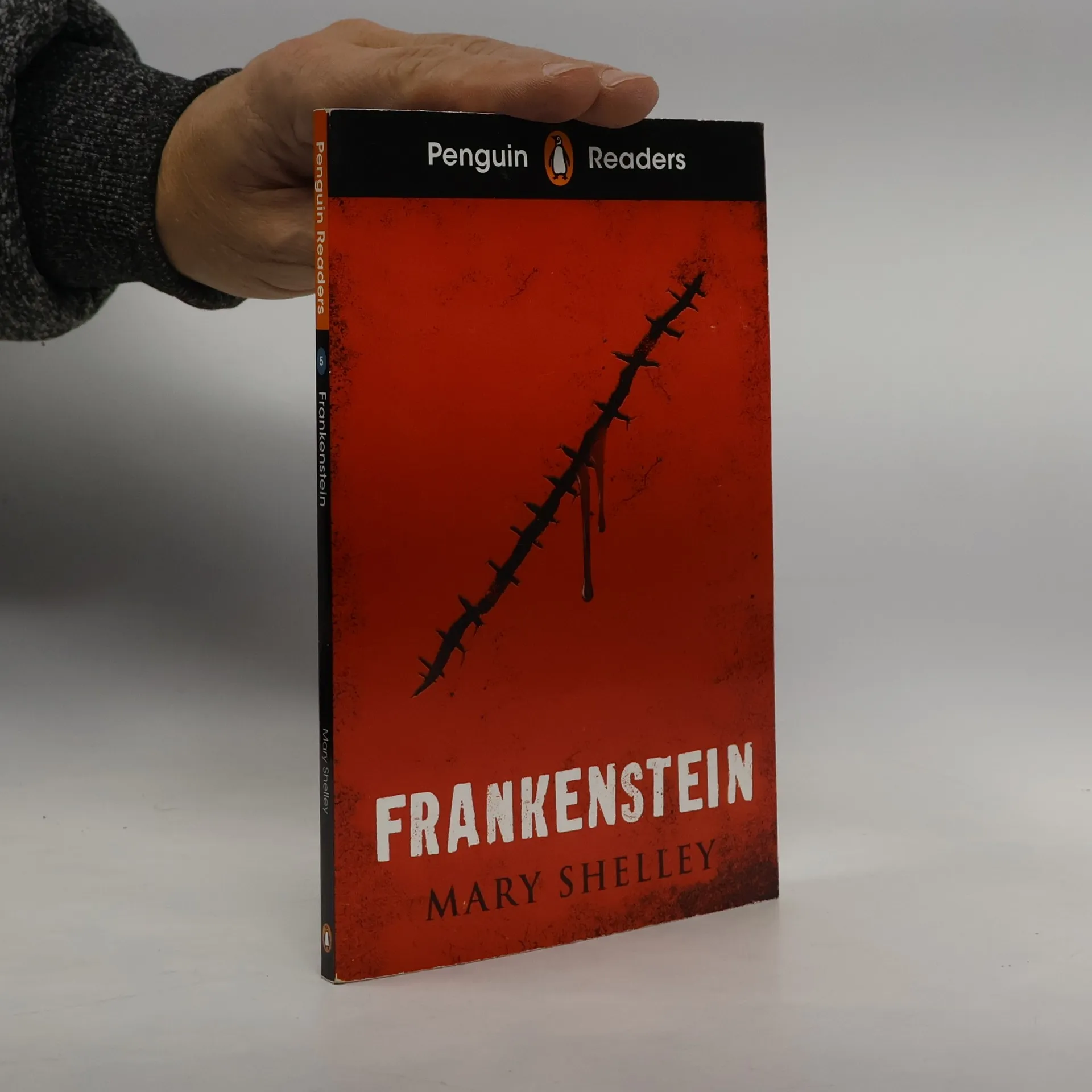
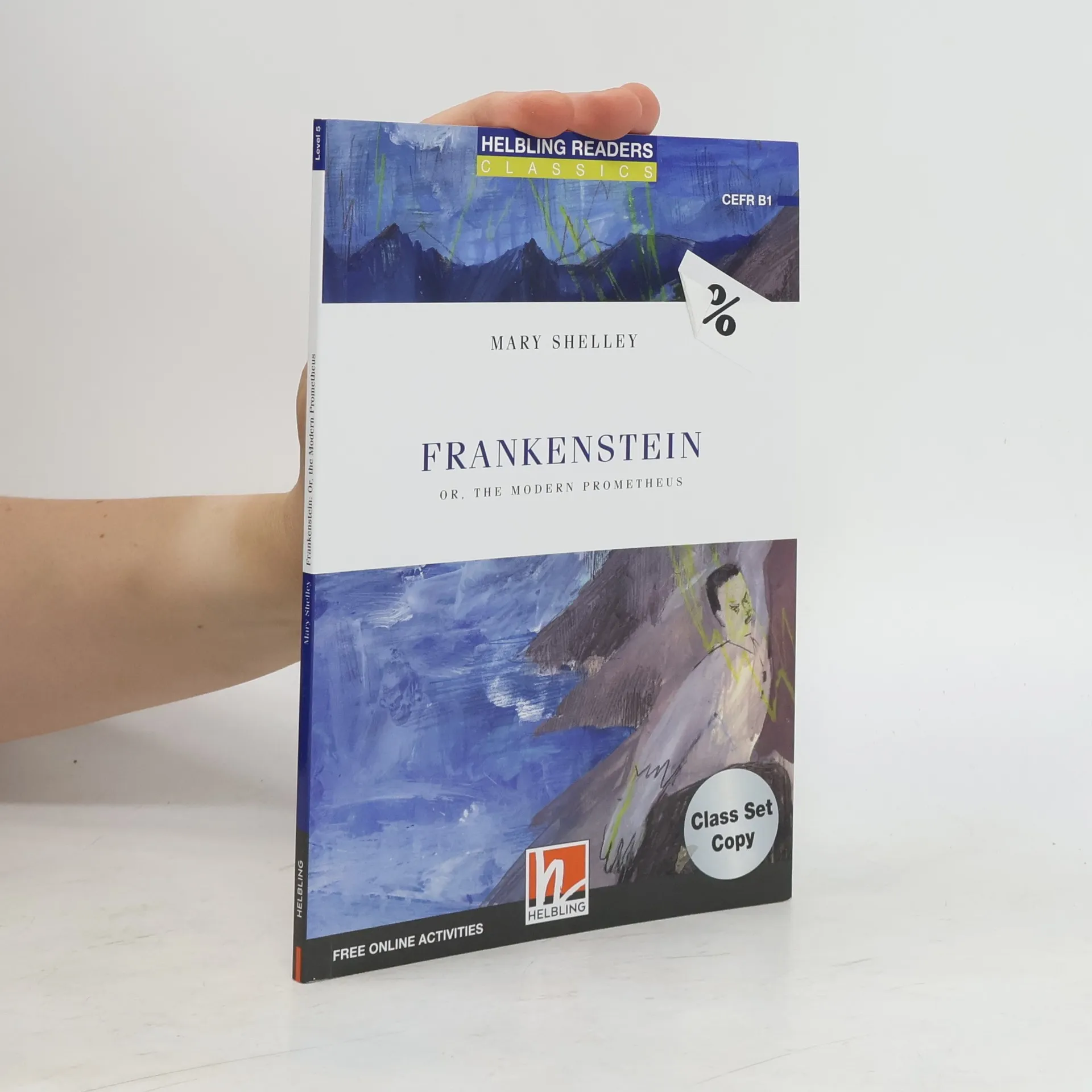
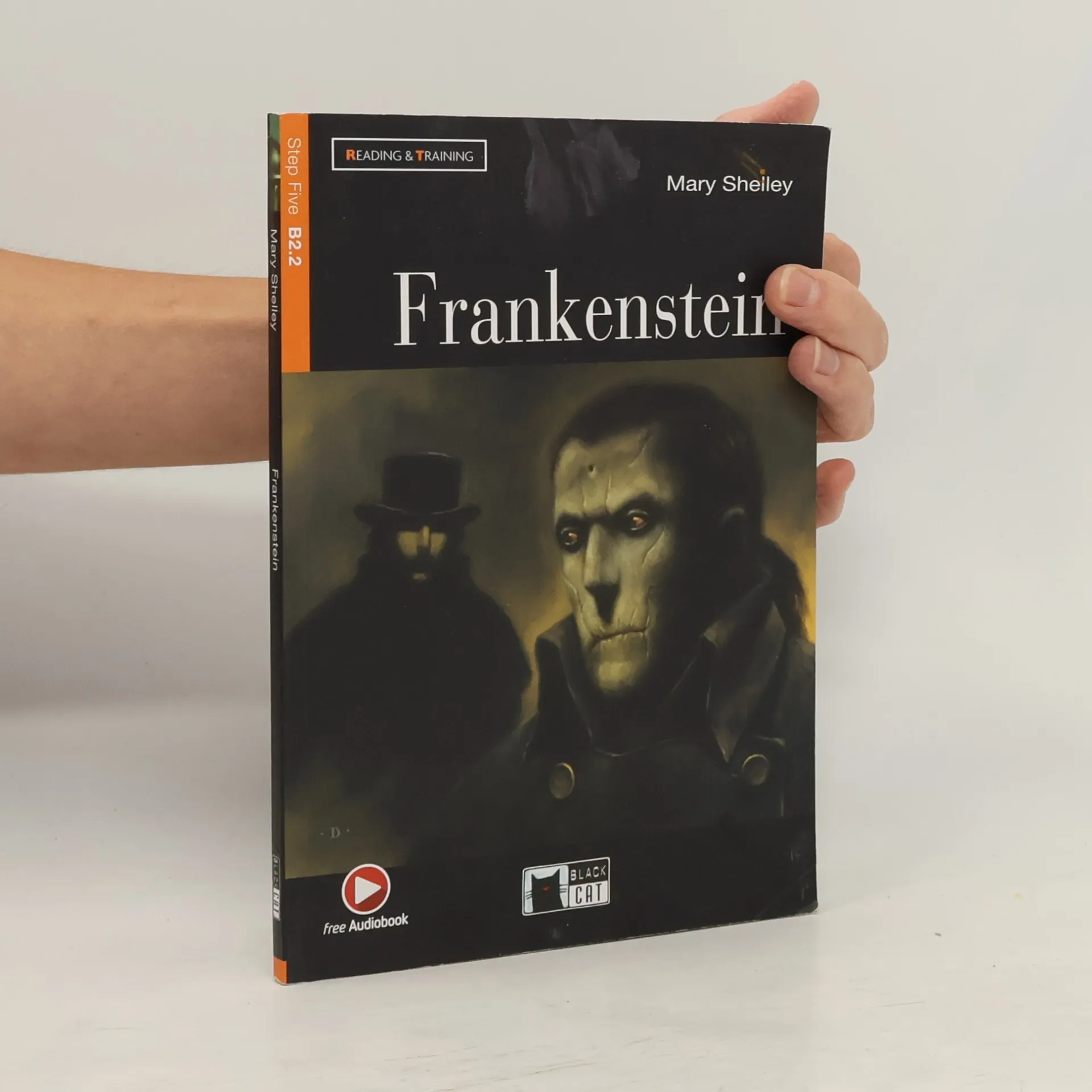
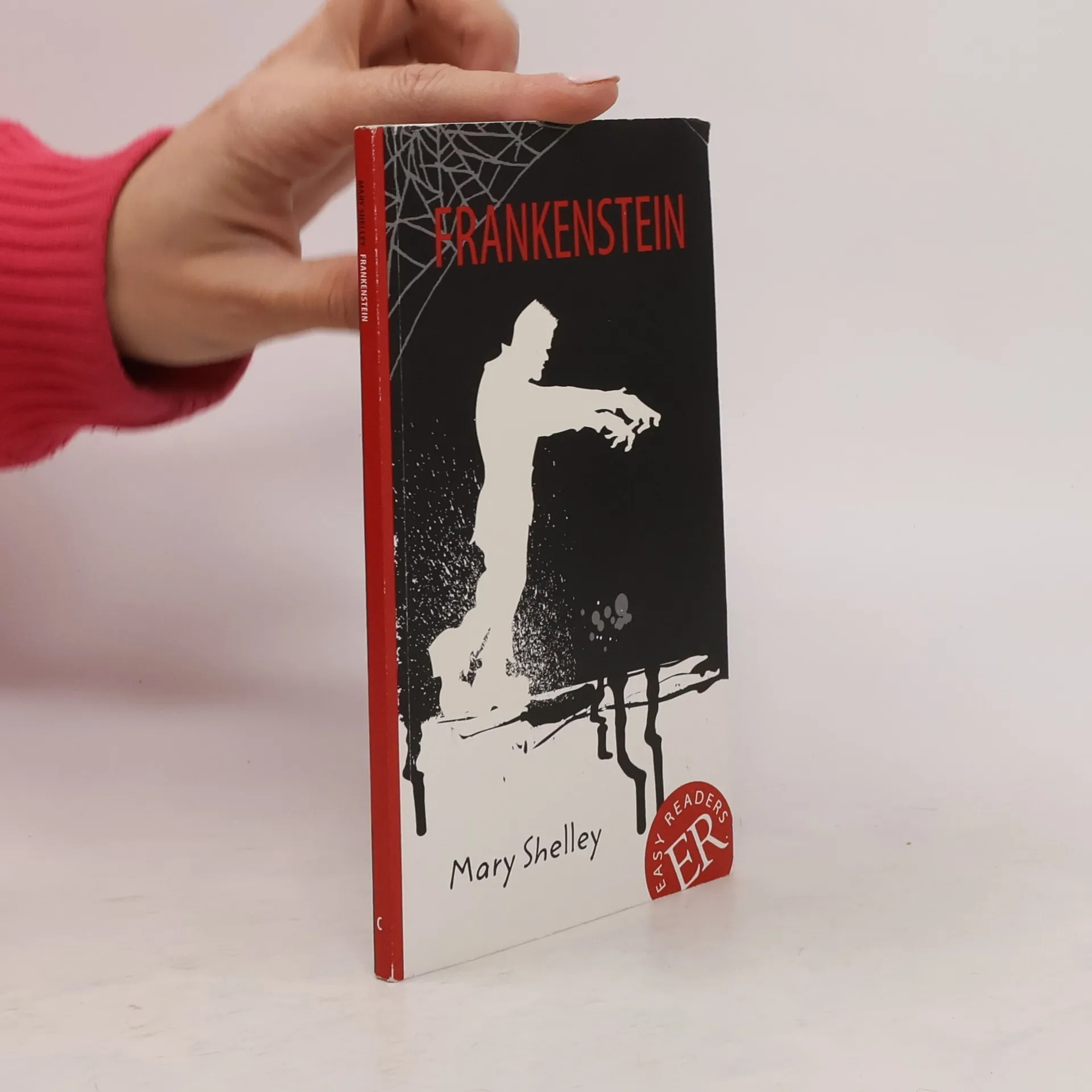
Penguin Readers is an ELT graded reader series for learners of English as a foreign language. With carefully adapted text, new illustrations and language learning exercises, the print edition also includes instructions to access supporting material online.Titles include popular classics, exciting contemporary fiction, and thought-provoking non-fiction, introducing language learners to bestselling authors and compelling content.The eight levels of Penguin Readers follow the Common European Framework of Reference for language learning (CEFR). Exercises at the back of each Reader help language learners to practise grammar, vocabulary, and key exam skills. Before, during and after-reading questions test readers' story comprehension and develop vocabulary.Visit the Penguin Readers websiteExclusively with the print edition, readers can unlock online resources including a digital book, audio edition, lesson plans and answer keys.Victor Frankenstein wants to make his own creature from stolen body parts. But when the creature is finished, Frankenstein is shocked by his creation and runs away. Lonely and angry, the creature plans to kill his maker and all the people that Frankenstein loves.
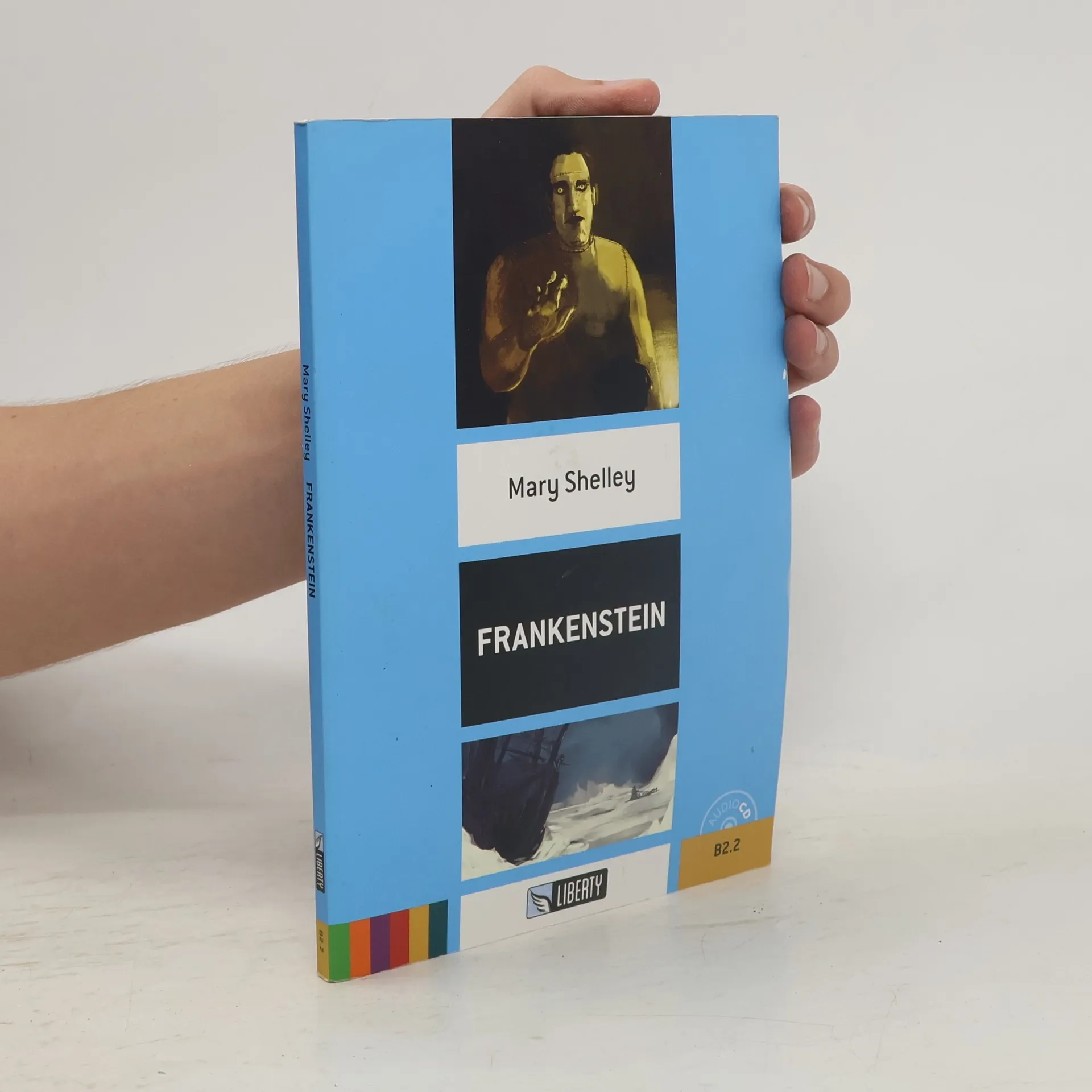
Victor Frankenstein thinks he has found the secret of lite. He takes parts from dead people and builds a new "man". But this monster is so big and frightening that everyone runs away from him - even Frankenstein himself ! The monster is like an enormous baby who needs love. But nobody gives him love, and soon he learns to hate. And, because he is so strong, the next thing he learns is how to kill...
Obsessed with natural philosophy, the young Victor Frankenstein succeeds in creating life from its basic elements - and abandons the newborn monstrosity in terror when he cannot bear to look at it. The rejected creature vanishes, and Victor attempts to forget what he has done... But the monster survives. It learns. Deprived of everything, fated to forever be alone, it has nothing left but revenge. Manga Classics? presents a frightening new manga adaptation of Mary Shelly's famous tale of creation and destruction!
Subtitle: With Letters Descriptive of a Sail Round the Lake of Geneva, and of the Glaciers of Chamouni General Books publication date: 2009 Original publication date: 1817 Original Publisher: Published by T. Hookham, jun. Old Bond Street; and C. and J. Ollier, Welbeck street Subjects: Authors, English Europe Women authors, English Geneva, Lake Notes: This is an OCR reprint. There may be typos or missing text. There are no illustrations or an index. When you buy the General Books edition of this book you get free trial access to Million-Books.com where you can select from more than a million books for free. You can also preview the book there.
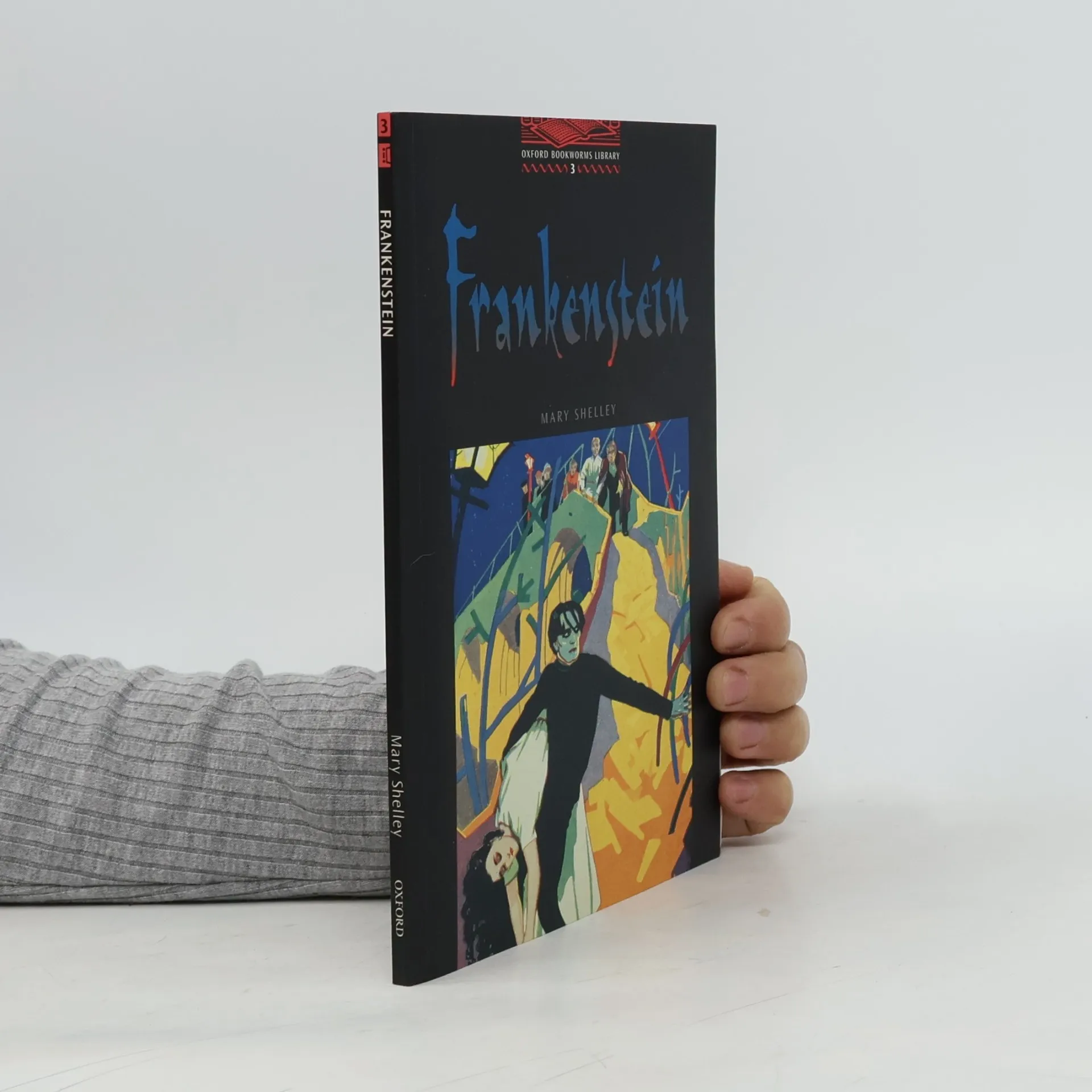
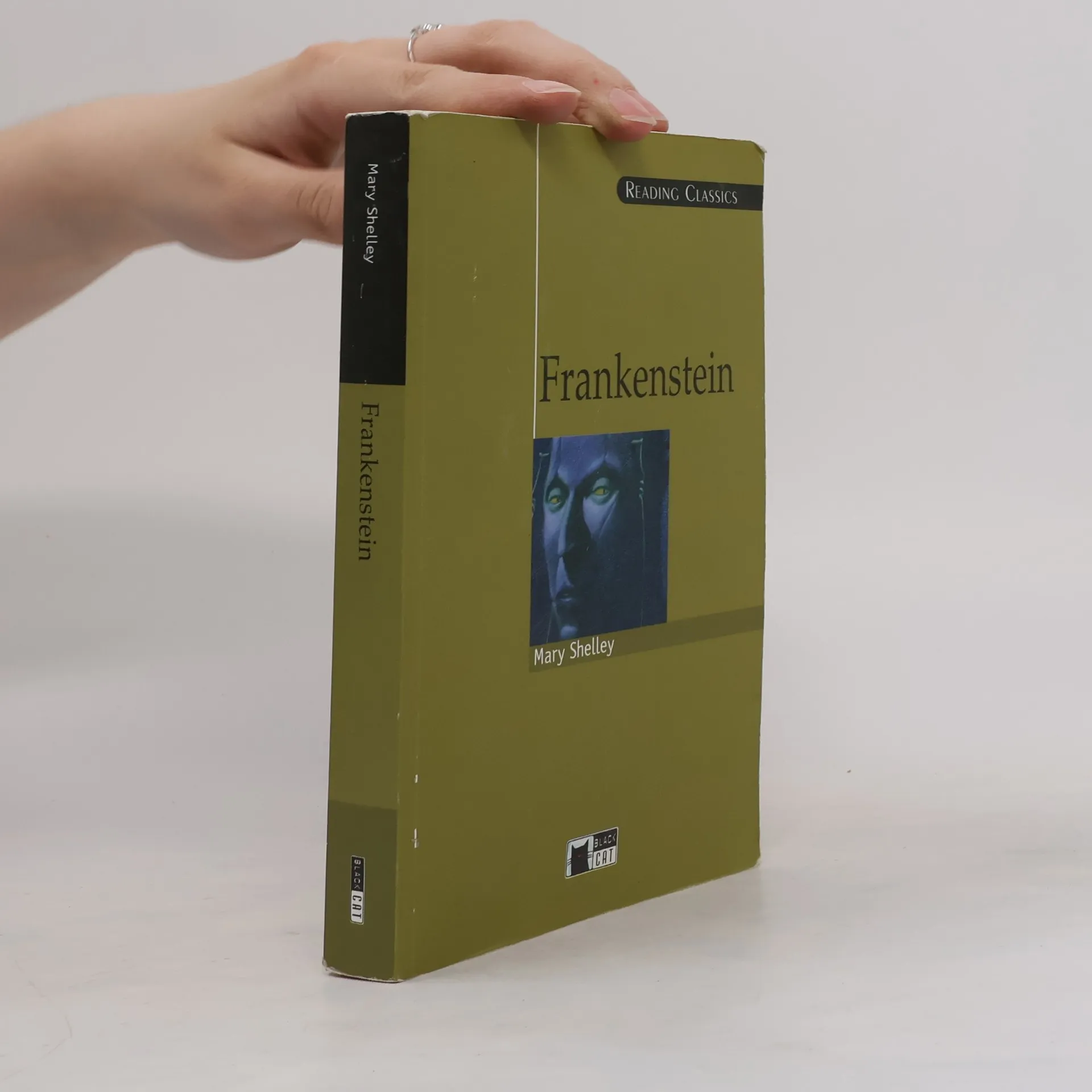
This popular series of readers has now been completely revised and updated, using a new syllabus and new word structure lists. Readability has been ensured by means of specially designed computer software. Words that are above level but essential to the story are explained within the text, illustrated, and then reused for maximum reinforcement.
"The full story with graded dialogue for English language learning"--Cover.
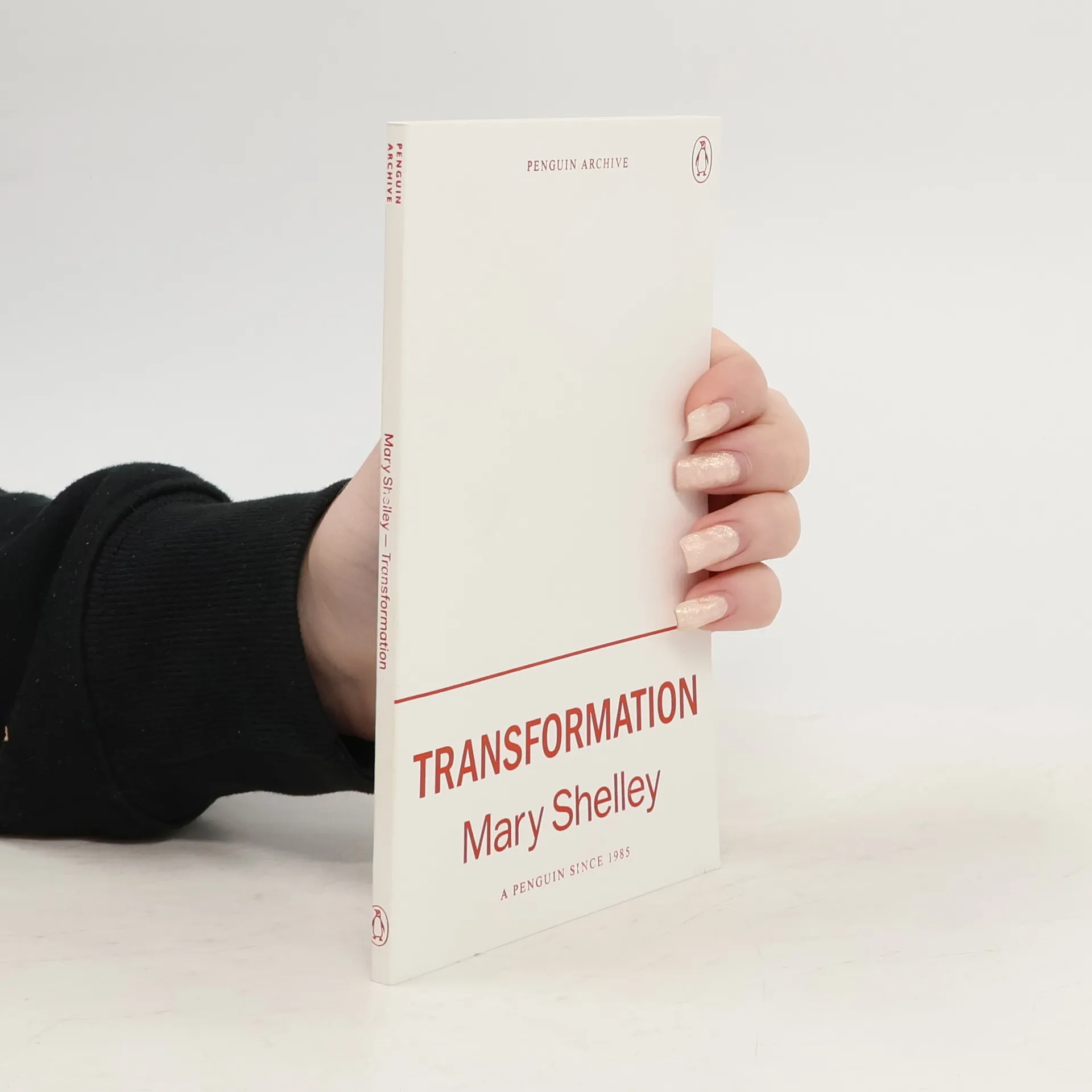
'He stretched out his two long, lank arms, that looked like spider's claws, and seemed to embrace with them the expanse before him' His inheritance squandered and engagement severed, Guido di Cortese stalks the desolate Genoese coast. A monstrous creature, shipwrecked by a ferocious storm, offers him unimaginable wealth to exchange bodies, entwining their fates. Transformation, with two further tales of striking and eerie power here, shows how Mary Shelley haunts us still.
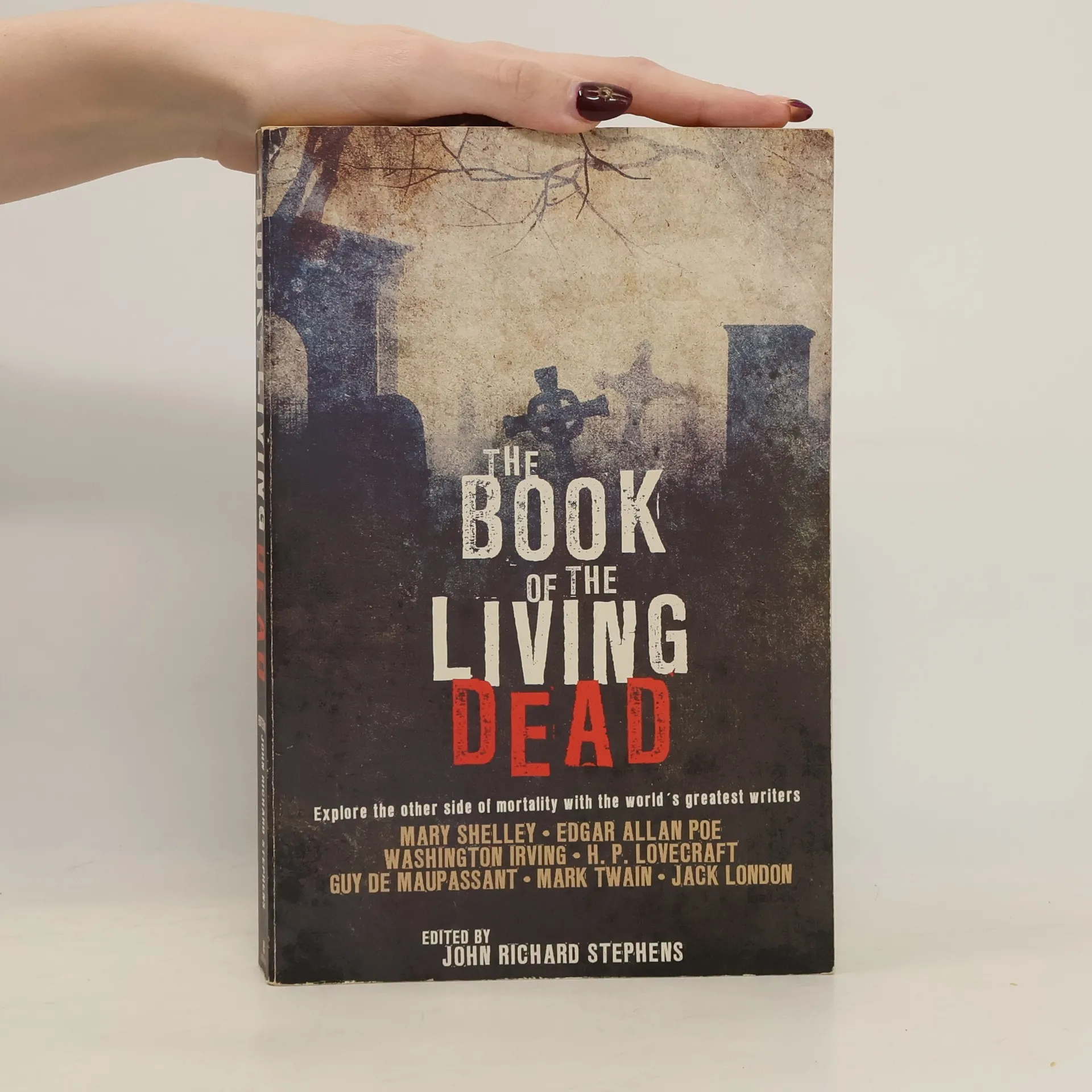
From Poe to Lovecraft-a unique zombiethology of the literary undead.Corpses rise in a variety of frightening ways in this collection of classic stories by an impressive lineup of authors Mary Shelley, Edgar Allan Poe, Washington Irving, H.P. Lovecraft, Guy de Maupassant, Mark Twain, Jack London, William Wyman Jacobs, Théophile Gautier, Charles Baudelaire, John H. Knox, Sir Hugh Clifford, Thomas Burke, Johann Wolfgang von Goethe, F. Marion Crawford, F.G. Loring, William Butler Yeats, Douglas Hyde, E.F. Benson, Lafcadio Hearn, Perceval Landon, E. and H. Heron, Amy Lowell, G.W. Hutter, and Sir Walter Scott.
Also published as The Beautiful Widow, Mary Shelley’s penultimate novel explores the web of relationships between three women, bound together by the exacting Lord Lodore: his estranged wife Cornelia, a woman ruled by her mother and the norms of aristocratic society; his daughter Ethel, raised in the wilderness of Illinois and utterly dependent on her father; and finally, the independent and highly educated Fanny Derham, the daughter of Lodore’s childhood friend
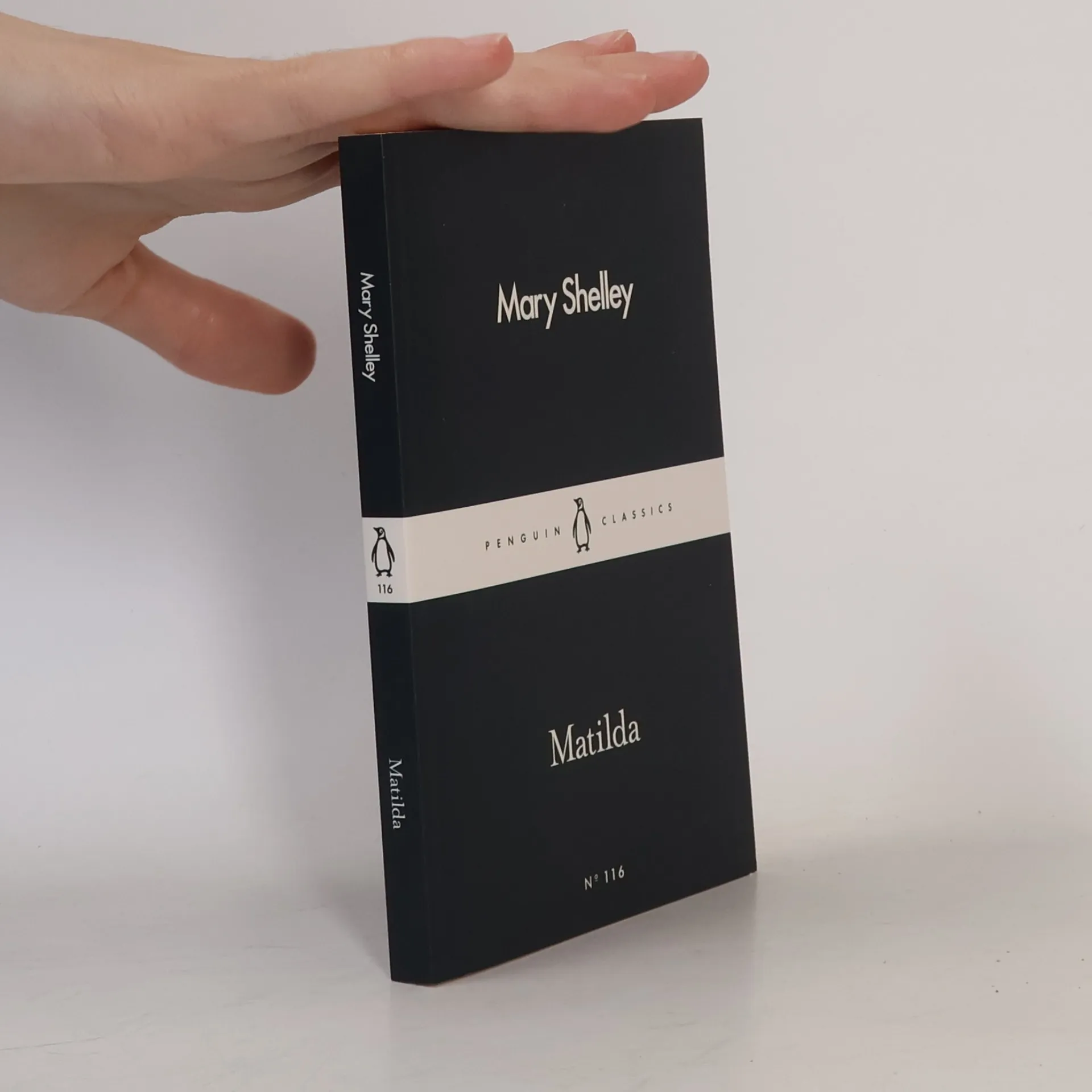
'I gained his secret and we were both lost for ever' Mary Shelley's dark story of a bereaved man's disturbing passion for his daughter was suppressed by her own father, and not published for over a century. One of 46 new books in the bestselling Little Black Classics series, to celebrate the first ever Penguin Classic in 1946. Each book gives readers a taste of the Classics' huge range and diversity, with works from around the world and across the centuries - including fables, decadence, heartbreak, tall tales, satire, ghosts, battles and elephants.
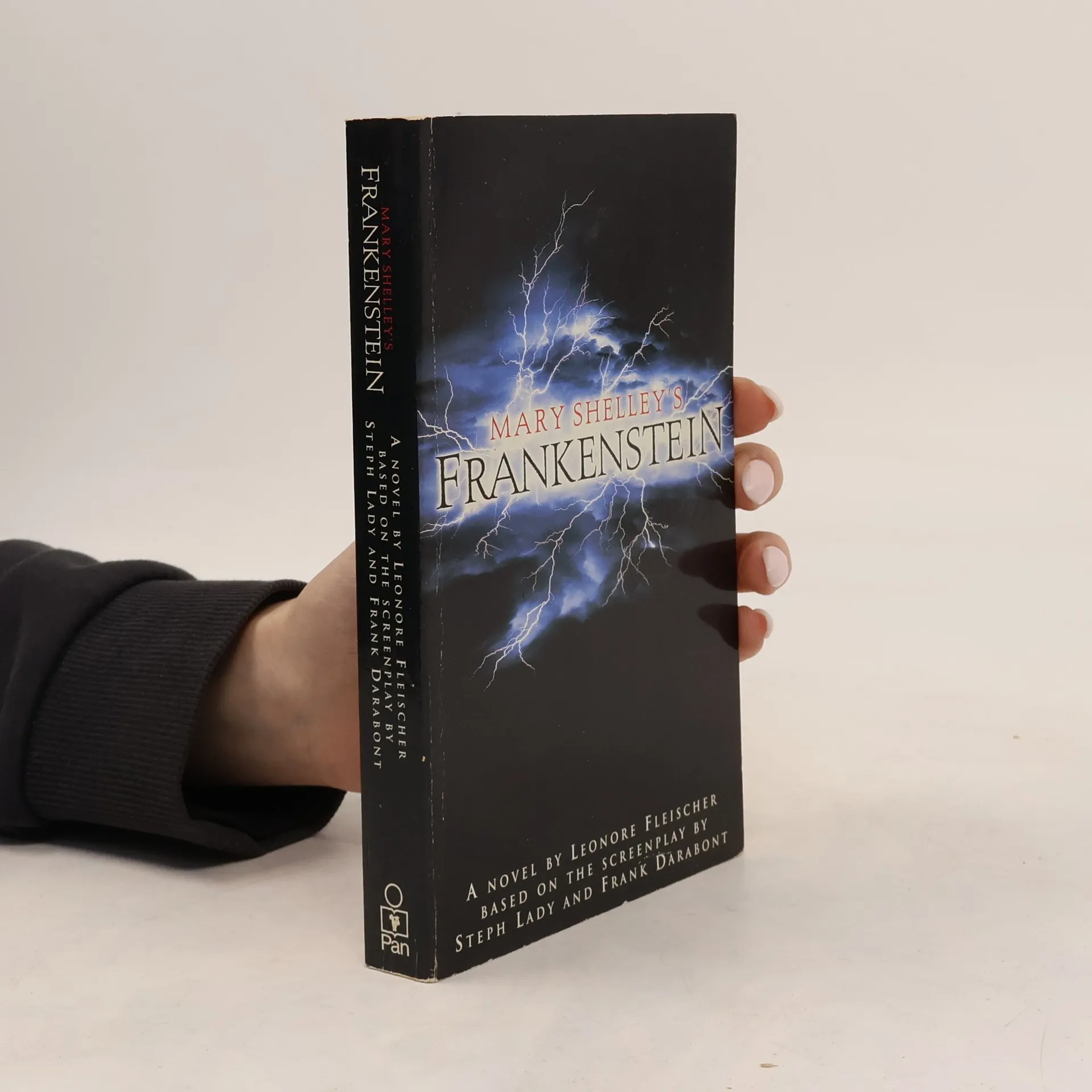
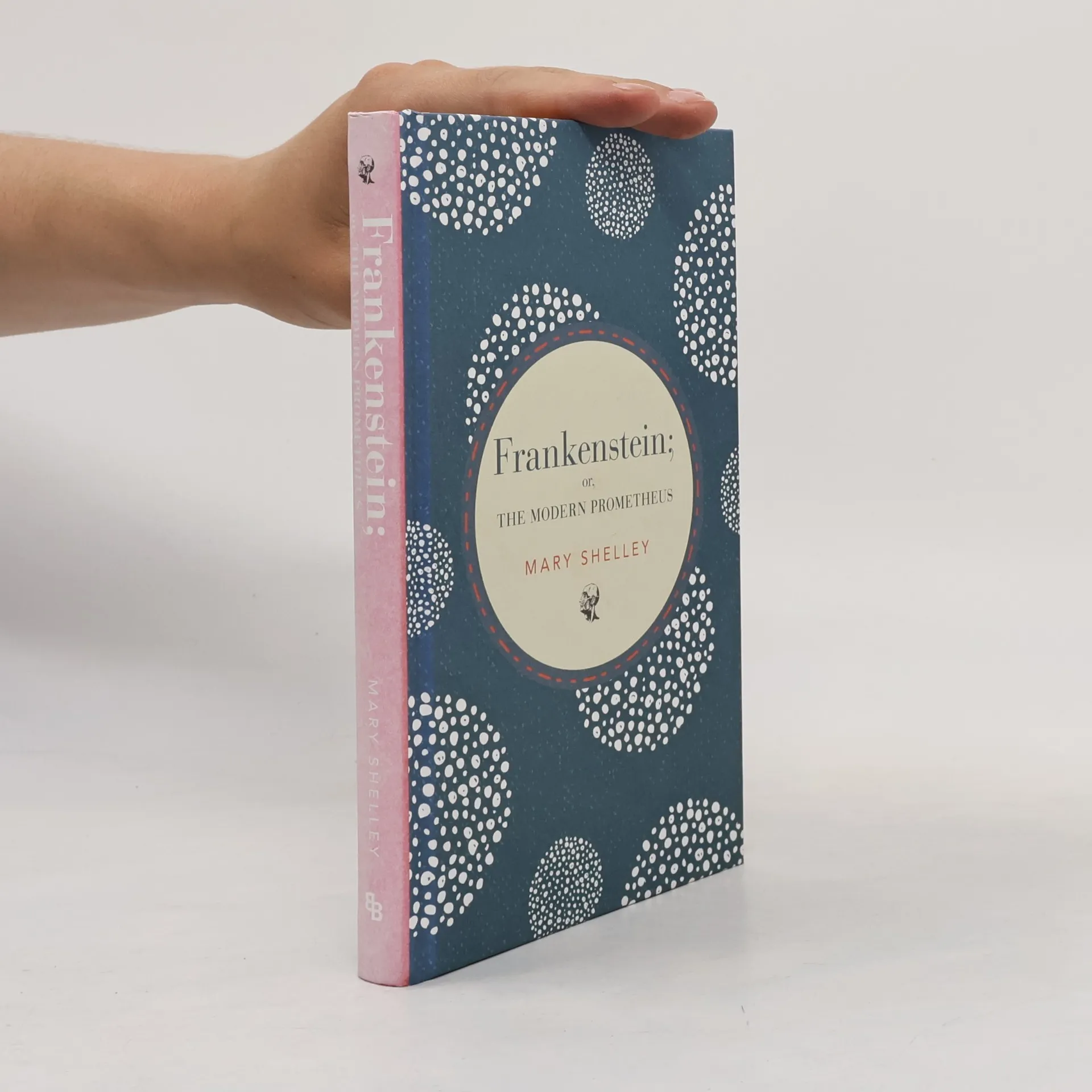
Frankenstein; or, The Modern Prometheus is the original 1818 'Uncensored' Edition of Frankenstein as first published anonymously in 1818. This original version is much more true to the spirit of the author's original intentions than the heavily revised 1831 edition, edited by Shelley, in part, because of pressure to make the story more conservative. Many scholars prefer the 1818 text to the more common 1831 edition. Frankenstein is a novel written by Mary Shelley about a creature produced by an unorthodox scientific experiment. Shelley started writing the story when she was nineteen, and the novel was published when she was twenty-one. Shelley had travelled in the region of Geneva, where much of the story takes place, and the topics of galvanism and other similar occult ideas were themes of conversation among her companions, particularly her future husband, Percy Shelley. The storyline emerged from a dream. Mary, Percy, Lord Byron, and John Polidori decided to have a competition to see who could write the best horror story. After thinking for weeks about what her possible storyline could be, Shelley dreamt about a scientist who created life and was horrified by what he had made. She then wrote Frankenstein.
Frankenstein; or, The Modern Prometheus is the original 1818 'Uncensored' Edition of Frankenstein as first published anonymously in 1818. This original version is much more true to the spirit of the author's original intentions than the heavily revised 1831 edition, edited by Shelley, in part, because of pressure to make the story more conservative. Many scholars prefer the 1818 text to the more common 1831 edition. Frankenstein is a novel written by Mary Shelley about a creature produced by an unorthodox scientific experiment. Shelley started writing the story when she was nineteen, and the novel was published when she was twenty-one. Shelley had travelled in the region of Geneva, where much of the story takes place, and the topics of galvanism and other similar occult ideas were themes of conversation among her companions, particularly her future husband, Percy Shelley. The storyline emerged from a dream. Mary, Percy, Lord Byron, and John Polidori decided to have a competition to see who could write the best horror story. After thinking for weeks about what her possible storyline could be, Shelley dreamt about a scientist who created life and was horrified by what he had made. She then wrote Frankenstein.
This classic monster tale is renowned for its groundbreaking contributions to the genre, setting the stage for countless adaptations and reinterpretations. The definitive edition features large print for enhanced readability, making it accessible to a wider audience. Its timeless themes of fear, humanity, and the unknown continue to resonate, captivating readers with its rich narrative and iconic characters. This edition promises to deliver both nostalgia and a fresh experience for new readers.
The narrative explores the intense conflict between love and fear, delving into the psyche of a character who believes that inspiring fear is a necessary means to achieve their goals. Themes of power, control, and the darker aspects of human emotion are intricately woven into the plot, showcasing the character's struggles and motivations. The story invites readers to reflect on the impact of fear versus love in relationships and society, ultimately questioning the true nature of influence and authority.
This book is a reproduction of a historical work, presented in large print to enhance accessibility for readers with impaired vision. Published by Megali, a company dedicated to making historical texts more readable, it aims to preserve the original content while ensuring it is easier to engage with for those who may struggle with standard print sizes.
The novel features themes of passion, peril, and transformation, showcasing independent thought against rich historical backdrops like medieval chivalry and revolutions. It exemplifies a high point in Gothic storytelling, blending elements of science fiction with dramatic natural settings. Shelley's work is a profound exploration of human experience and societal issues, making it a significant contribution to literature.
The story centers on Elizabeth Raby, an orphan raised by the domineering Rupert Falkner, whom she once saved from suicide. As she grows, Elizabeth embodies virtue but finds herself in a complex love triangle with Gerald Neville, the son of Falkner's past victim. When Falkner is acquitted of the murder, Elizabeth's strong moral compass helps reconcile the two men, leading them to a harmonious domestic life together. The novel explores themes of love, redemption, and the impact of a father's influence on a daughter's life choices.
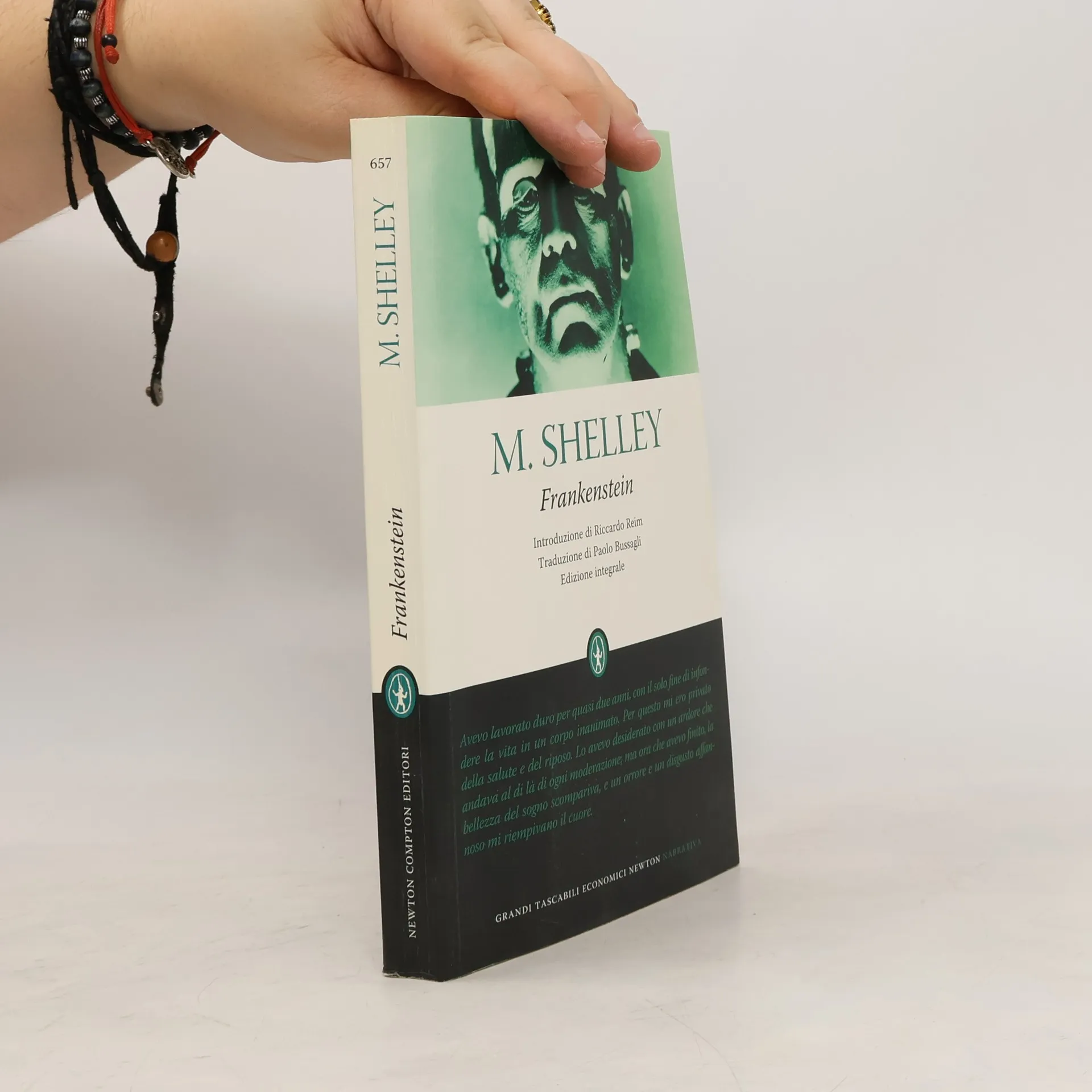
Frankenstein, Dracula, The Picture of Dorian Gray, Dr. Jekyll & Mr. Hyde, The Call of Cthulhu, The Castle of Otranto and Young Goodman Brown
This collection features seven distinct narratives, each offering a unique journey through various genres and themes. Readers can expect a diverse range of characters and plots, ensuring a rich literary experience. With interconnected stories that explore complex emotions and thought-provoking ideas, this compilation invites readers to immerse themselves in a multifaceted world of storytelling. Perfect for those looking to explore different styles and perspectives in one comprehensive volume.
This classic monster thriller is an exploration of the human need to create while failing to control the creation.
This book was converted from its physical edition to the digital format by a community of volunteers. You may find it for free on the web. Purchase of the Kindle edition includes wireless delivery.
Victor Frankenstein, a young scientist inspired by his studies, tries to create a new life from parts of dead bodies. Mary Shelley’s classic gothic horror story looks at scientific progress and questions its morality. This book also contains files on the history of monsters and on ‘strange science’ of the time.
"First published as Frankenstein, or the Modern Prometheus in 1818"--Copyright page.
An unabridged version of a classic tale, now with dazzling modern illustration, and in a special bicentennial edition.
Frankenstein, by Mary Shelley is now available in a fine exclusive collector's edition featuring beautiful cover and interior treatments, making it ideal for fiction lovers and book collectors alike. Each collectable volume will be the perfect addition to any well-appointed library.
The relentless pursuit of knowledge by a brilliant scientist results in the creation of a monstrous being, blurring the lines between creator and creation. This harrowing tale explores themes of ambition, morality, and the dangers of playing God. With haunting themes and unforgettable characters, it delves into the darkest corners of the human psyche, making it a chilling and thought-provoking masterpiece.
Mary Shelley's classic work, published when she was just twenty years old, tells the tale of eccentric scientist Victor Frankenstein, who creates a terrifying creature in an unorthodox scientific experiment. Inspired after a competition between Shelley, her husband Percy, Lord Byron and John Polidori to see who could write the best horror story, Frankenstein is in part a gothic novel and considered by some as one of the first forays into science fiction. The story takes place in the 18th century and has led to numerous spin-off works featuring 'Frankenstein's monster.'
Begun when the author was only 18 and conceived from a nightmare, Frankenstein is the deeply disturbing story of a monstrous creation which has terrified and chilled readers since its first publication in 1818, and has thus seared its way into the popular imagination while establishing itself as one of the pioneering works of modern science fiction.
MYSTERY & HORROR A fascination with science and the aspiration to understand the mysteries of creation lead Victor Frankenstein to create life from death. But the results are not what he expects and his rejection of his monstrous creation causes dire consequences for himself and all the people he cares about. Dossiers: Gothic Science Fiction Monsters and Madmen Frankenstein on Film Romantic Landscapes
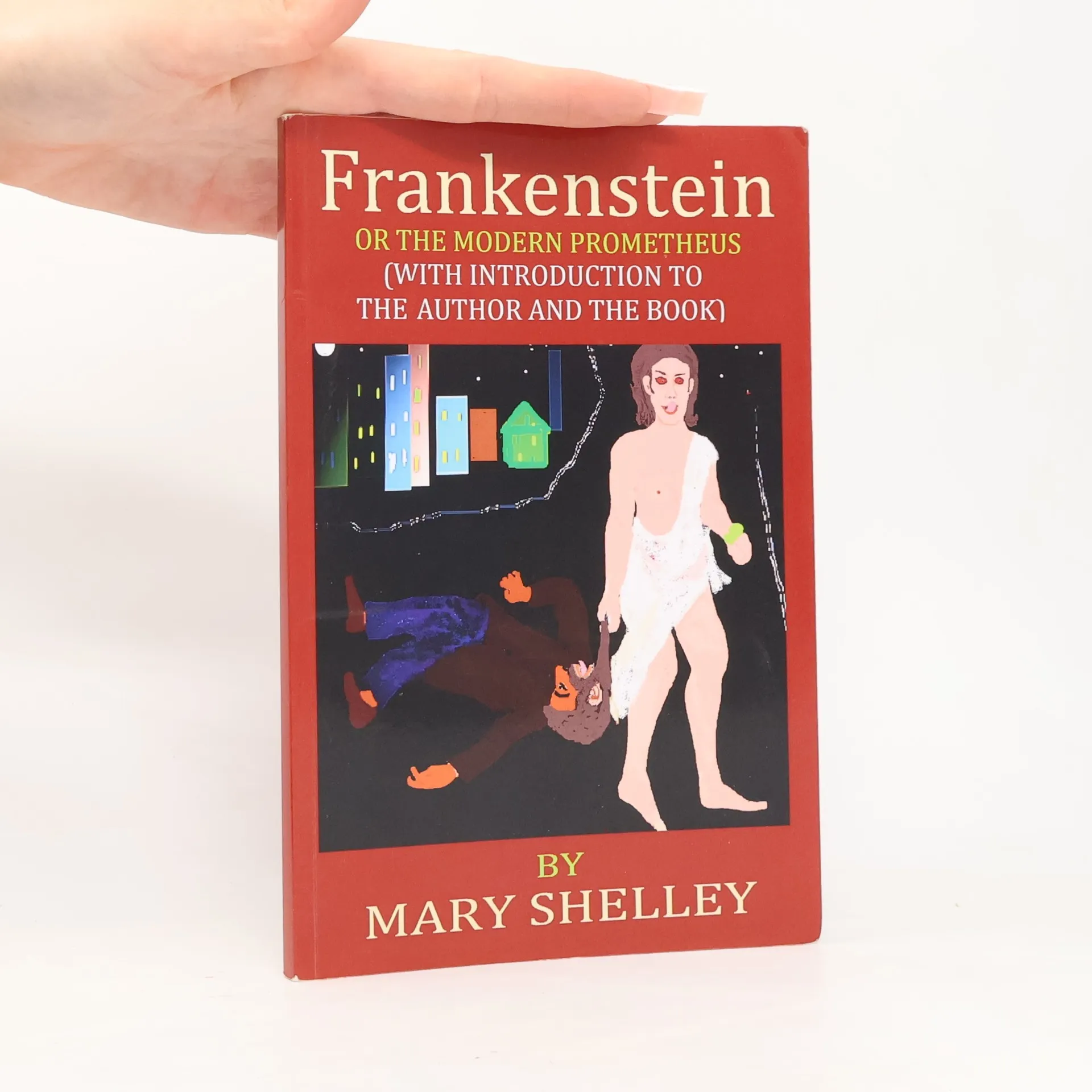
Or the Modern Prometheus (With Introduction to the Author and the Book)
Mary Shelley (née Wollstonecraft Godwin; 30 August 1797 - 1 February 1851) was an English novelist, best known for her Gothic novel Frankenstein: or, The Modern Prometheus (1818). She began writing this story at eighteen, and it was published anonymously when she was twenty. The second edition, released in 1823, credited her as the author. The novel tells the tale of Victor Frankenstein, an eccentric scientist who creates a grotesque creature from a dead child in a controversial experiment. Shelley's travels in Europe, particularly a journey along the Rhine near Frankenstein Castle, may have inspired her writing. The first edition was published on 1 January 1818 by a small London house, featuring a preface by her husband, Percy Bysshe Shelley, and a dedication to her father, William Godwin. Frankenstein is often regarded as one of the earliest examples of science fiction due to its exploration of modern scientific experiments. The novel has significantly influenced literature and popular culture, spawning a genre of horror stories and films. In her later years, Shelley faced health issues, including severe headaches and paralysis, which hindered her ability to write. She passed away at fifty-three, likely from a brain tumor. After her death, her family chose to bury her at St Peter's Church in Bournemouth, rather than the graveyard at St Pancras, where she wished to rest with her parents.
Nominated as one of America's best-loved novels by PBS's The Great American Read.At the age of eighteen, Mary Shelley conceived the tale of Dr. Victor Frankenstein and the monster he brings to life. The resulting book, Frankenstein; or, The Modern Prometheus, is a dark parable warning against the risks of scientific and creative endeavor, the corrupting influence of technology and progress, and the dangers of knowledge without understanding. Scientist Victor Frankenstein learns how to create life, but his discovery goes quickly awry when he creates a monster larger and stronger than an ordinary man. As the monster uses its power to destroy everything Victor loves, the young scientist is forced to embark on a treacherous journey to end the monster's existence. It's an epic, enthralling tale of horror from a master of suspense.Frankenstein was an instant bestseller on publication in 1818 and has long been regarded as a masterpiece of suspense, a classic of nineteenth-century Romanticism and Gothic horror, and the prototype of the science fiction novel
A misguided scientist seeks to instill life in a creature he has assembled from the bodies of the dead
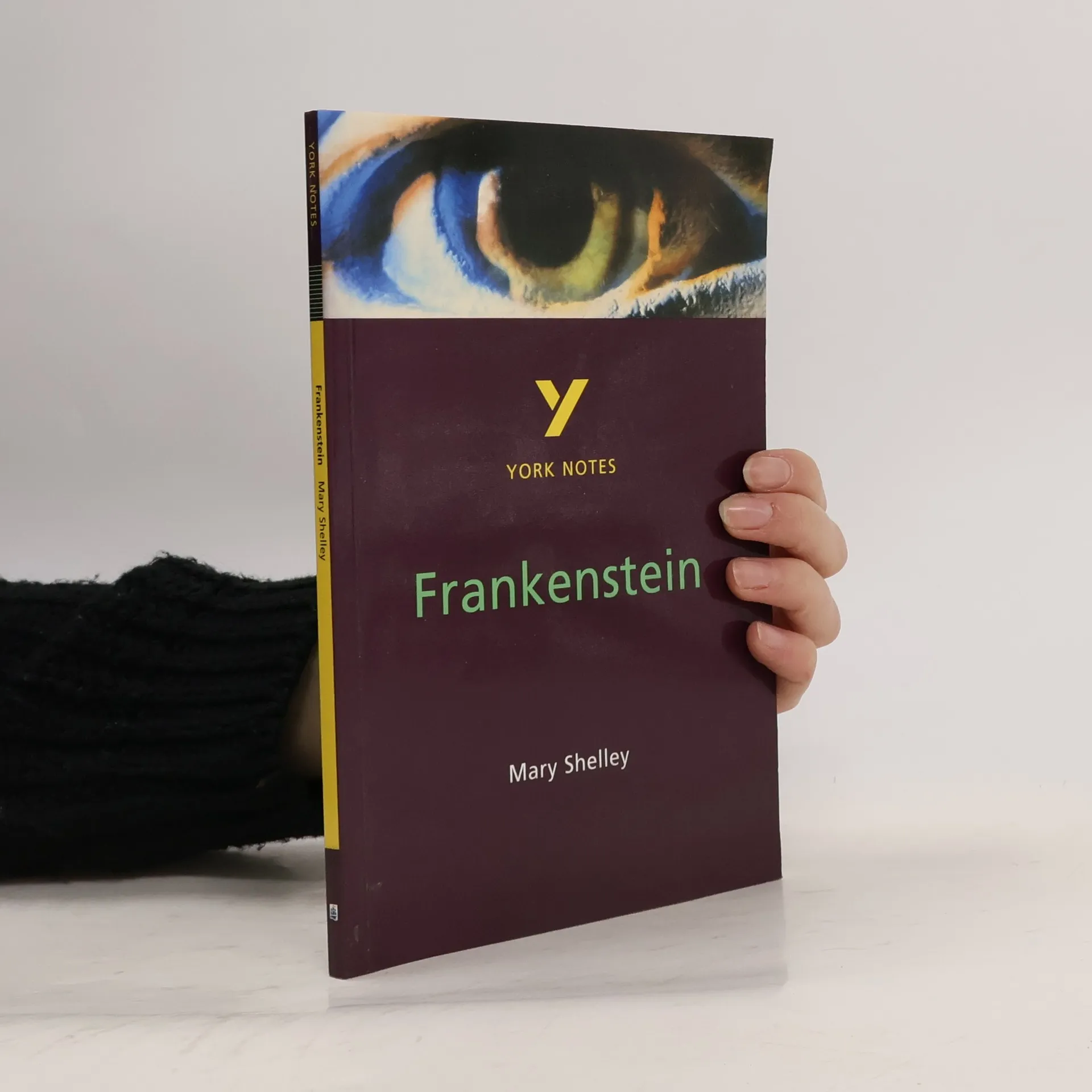
Key features of this text: How to study the text Author and historical background General and detailed summaries Commentary on themes, structure, characters, language and style Glossaries Test questions and issues to consider Essay writing advice Cultural connections Literary terms Illustrations Colour design
The monster was supposed to be man's benefactor, but, scorned for his ugliness, he swears revenge on his creator and the human race.
This book is a reproduction of a historical work, published by Megali, which focuses on making literature accessible through large print. It aims to aid readers with impaired vision, ensuring that important texts are available to a wider audience. The emphasis on accessibility highlights the publisher's commitment to inclusivity in reading.
Focusing on accessibility, this work is a reproduction of a historical text presented in large print format. The publishing house Megali aims to enhance the reading experience for individuals with impaired vision, ensuring that important historical works remain available and easily readable.
The book is a reproduction of a historical work, presented in large print format to enhance accessibility for readers with impaired vision. Published by Megali, a house dedicated to preserving and making historical texts more readable, it offers a valuable resource for those seeking to engage with past literature in a more comfortable way.
Volume 2 - in large print
The book is a reproduction of a historical work, published by Megali, a company dedicated to creating large print editions to assist readers with impaired vision. This initiative aims to enhance accessibility and preserve important texts for a wider audience.
The publishing house Megali focuses on making historical works accessible by reproducing them in large print, catering specifically to individuals with impaired vision. This initiative emphasizes inclusivity in reading, ensuring that classic literature remains available to a broader audience.
Volume 3 - in large print
The book is a reproduction of a historical work, presented in large print to enhance accessibility for readers with impaired vision. Published by Megali, a house dedicated to making historical texts more readable, this edition aims to preserve the original content while catering to those who benefit from enlarged text.
Volume 1 - in large print
This book is a reproduction of a historical work, presented in large print to enhance accessibility for readers with impaired vision. Published by Megali, a house dedicated to making historical texts more readable, it aims to preserve the original content while ensuring it is accessible to a wider audience.
The book features a reproduction of a historical work, published by Megali, a house dedicated to making literature accessible for individuals with impaired vision through large print formats. This initiative emphasizes inclusivity and the importance of preserving and sharing historical texts with a wider audience.
Als Schöpferin des 'Frankenstein' erlangte Mary Shelley (1797–1851) Weltruhm – ihr weiteres Werk steht bis heute im Schatten dieses Erfolgs. Unser Band versammelt drei der schönsten Erzählungen daraus, von denen zwei erstmals auf deutsch erscheinen. 'Verwandlung' und 'Der falsche Vers' entführen uns in die Zeit der Renaissance, in die prächtigen Paläste Genuas und die Verliese des Königs von Frankreich. Mit 'Die Trauernde' wendet sich die Autorin ihrer Gegenwart zu. Ein Knabe, der Züge des jungen Dichters Percy Shelley trägt, enthüllt das Schicksal einer geheimnisvollen Einsiedlerin. Eindringlich zeugt die Erzählung von Melancholie und Todessehnsucht der englischen Romantik.
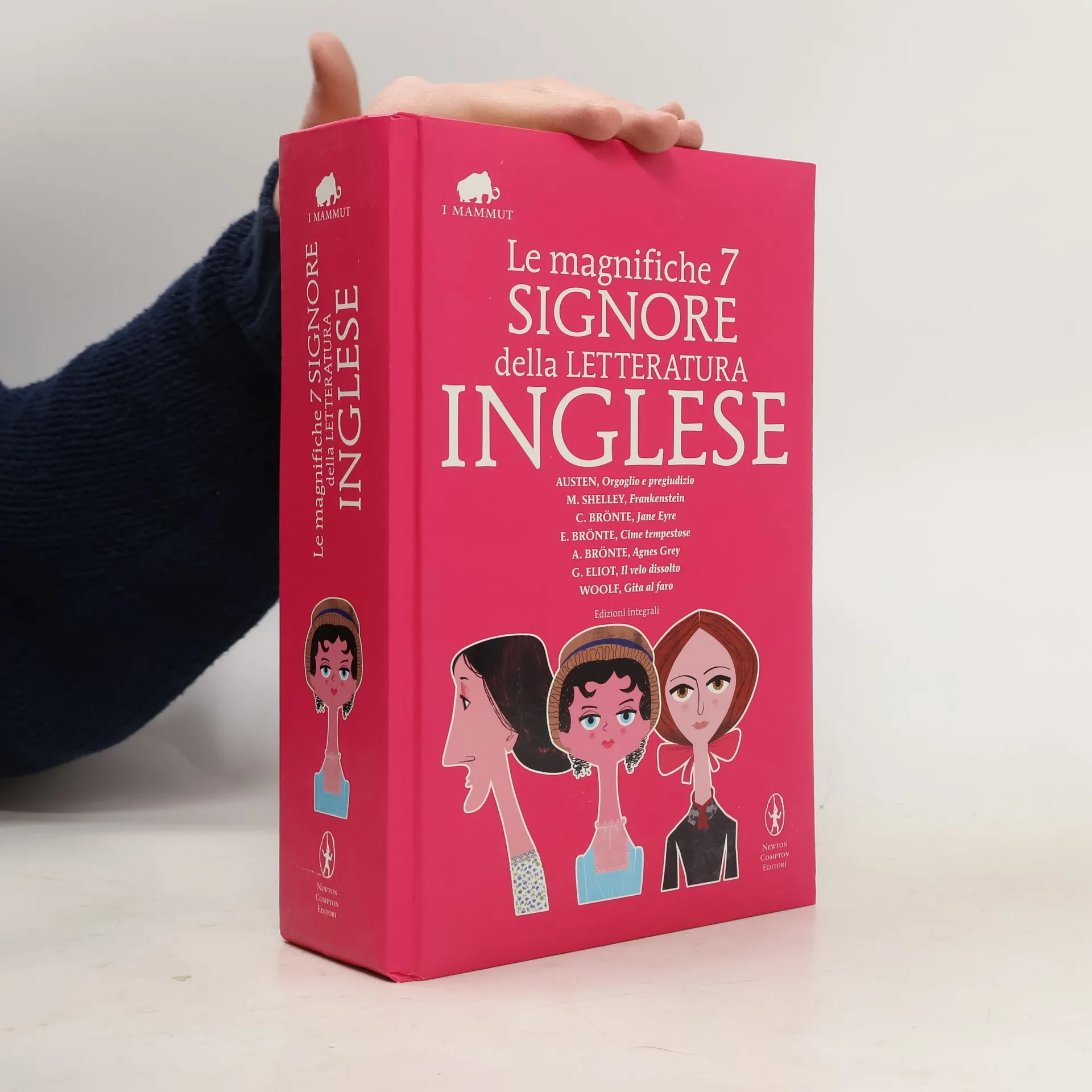
Sette magnifiche signore, sette romanzi al femminile che tracciano oltre un secolo di storia della letteratura inglese. Si inizia con le vicende della famiglia Bennet e delle loro cinque figlie, raccontate da Jane Austen in un'analisi ironica e intelligente della borghesia inglese. Si prosegue con il celebre Frankenstein di Mary Shelley, un'eccellente prova di narrativa gotica in cui il “mostro” incarna le nostre paure più profonde. I capolavori delle sorelle Brontë - Charlotte, Emily e Anne - con Jane Eyre, Cime tempestose e Agnes Grey, esplorano le dinamiche della rigida classe nobiliare vittoriana e le storie di eroi ed eroine in cerca dell'amore. Mary Anne Evans, nota come George Eliot, si ribella al romanticismo con Il velo dissolto, un breve romanzo che illumina le parti più oscure e irrazionali dell'esperienza umana. Infine, Virginia Woolf, con Gita al faro, rappresenta un esempio di letteratura del XX secolo, dove le grandi passioni cedono il passo all'intimismo e al flusso di coscienza. Queste opere offrono uno sguardo profondo e variegato sulla condizione femminile e le sfide esistenziali nel corso della storia.
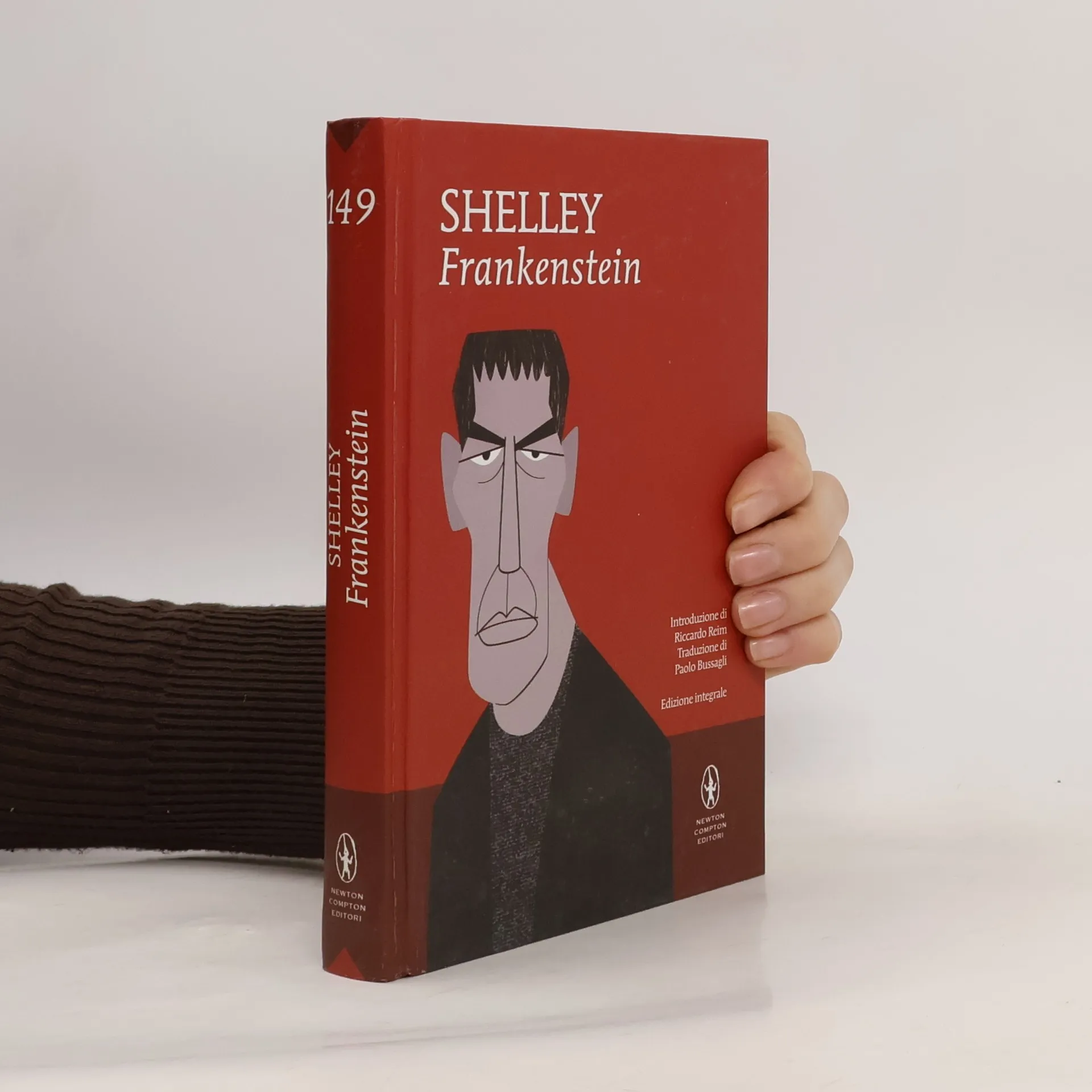
Dem Schweizer Naturwissenschaftler Victor Frankenstein gelingt es, aus Leichenteilen einen menschenähnlichen Körper zusammenzusetzen und ihm Leben einzuhauchen. Das so entstandene Monstrum begibt sich auf die Suche nach anderen Menschen und nach Liebe, erregt aber überall nur Abscheu. So wird es zum Dämon und tötet, weil es nicht lieben darf.
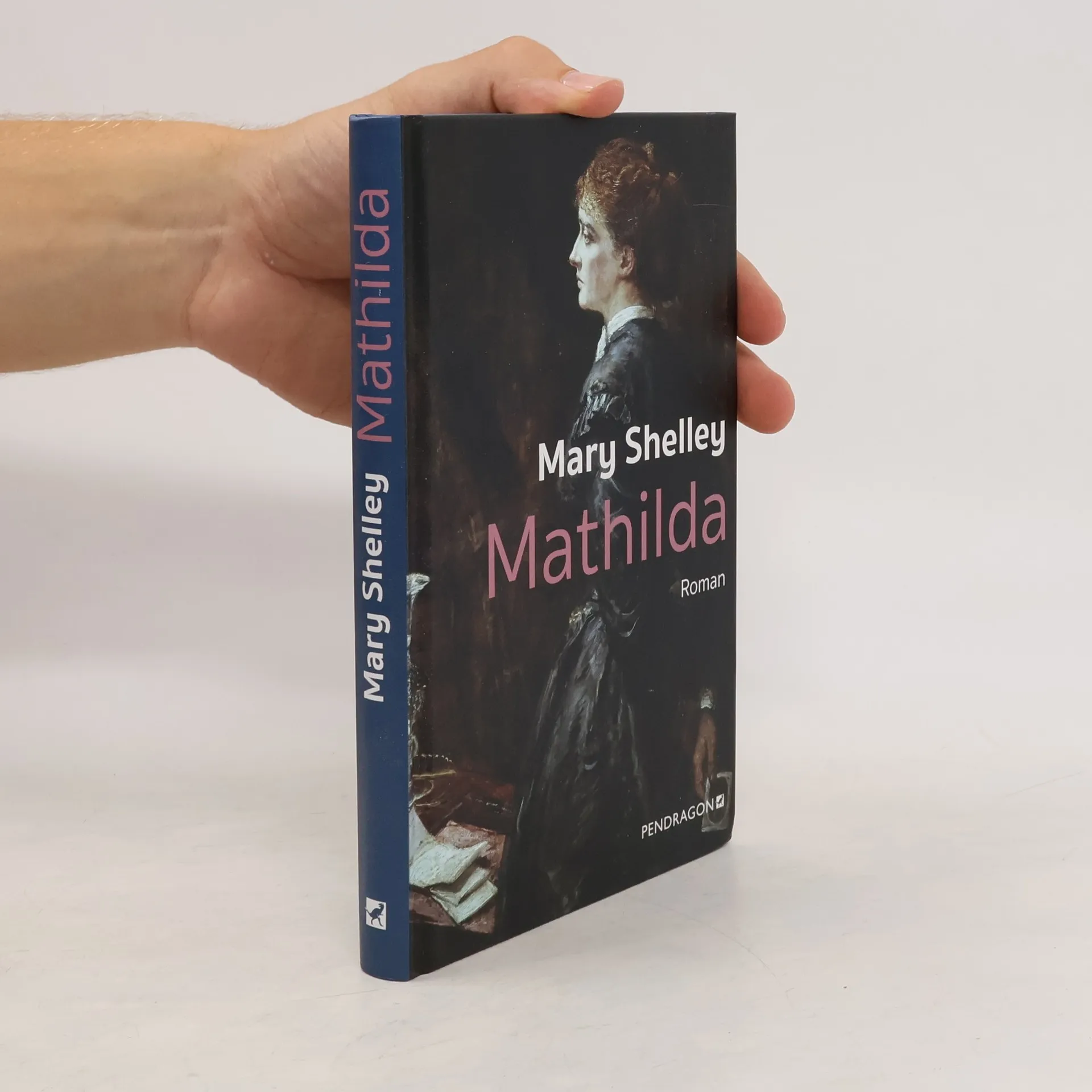
Die komplexe Vater-Tochter-Beziehung steht im Mittelpunkt von Mary Shelleys zweitem Roman, der von Mathilda erzählt wird, die sich auf ihrem Sterbebett befindet. Rückblickend beschreibt sie ihre einsame Kindheit und die Sehnsucht nach ihrem ständig abwesenden Vater. Als dieser zurückkehrt, erlebt sie zunächst Freude, doch die Situation eskaliert, als sich ihr Vater in sie verliebt. Der Roman thematisiert emotionale Isolation, familiäre Konflikte und die Tabus der damaligen Zeit, was ihn zu einem tiefgründigen Werk in Shelleys literarischem Schaffen macht.
Im Jahre 2089 ist England soeben eine Republik geworden. Die Kinder des abgedankten Königs, Adrian und Idris, freunden sich mit dem Geschwisterpaar Lionel und Perdita an. Es entsteht eine verschworene Gemeinschaft, doch dann sucht eine neue, ausnahmslos tödliche Form der Pest die Erde heim – mit verheerenden Auswirkungen auf die Menschheit, Wirtschaft und Politik. Die Freunde entschließen sich, mit den letzten Überlebenden nach einer neuen Heimat zu suchen … Mary Shelley erzählt in ihrer apokalyptischen Vision einer Pandemie von einer gar nicht allzu weit entfernten Zukunft. Die erste Dystopie der Weltliteratur, verfasst 1826 von der Schöpferin des »Frankenstein«. – Mit einer kompakten Biographie der Autorin. »Auch Mary Shelley wusste schon, wie leicht Notstände den gesellschaftlichen Zusammenhalt zerreißen können ... ein düster glänzender Roman.« Deutschlandfunk
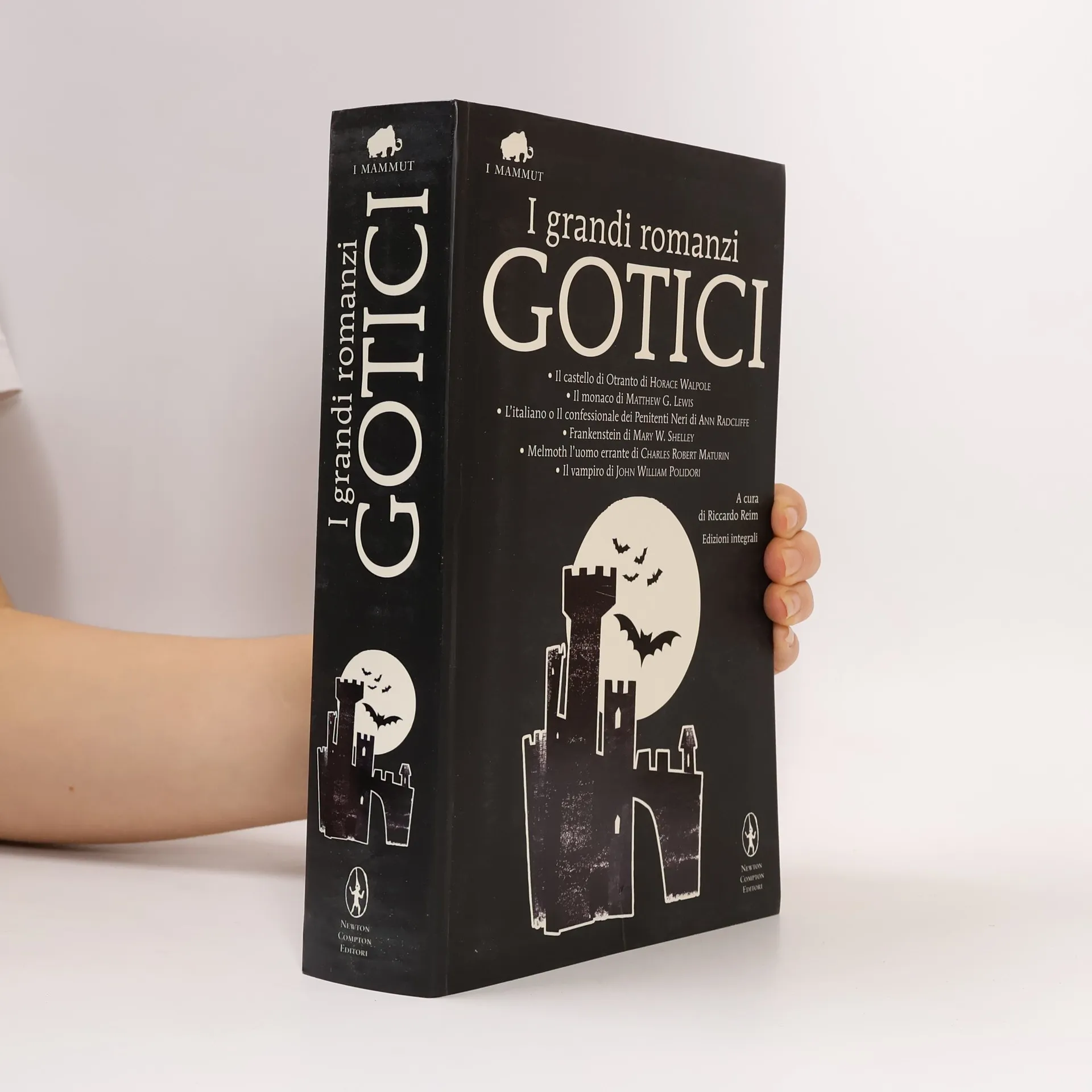
L’annotazione esplora il romanzo gotico, un genere caratterizzato da castelli lugubri, apparizioni spettrali, giovani eroine in pericolo, e figure minacciose come mostri e vampiri. Dall’opera di Horace Walpole nel 1764 fino a quella di Charles Robert Maturin nel 1820, il gotico non è solo un insieme di elementi spaventosi, ma riflette anche angosce e inquietudini contemporanee. Questa narrativa, con il suo "sublime del terrore", emerge come una reazione al predominio della ragione e del buon senso, rivelando una connessione sorprendente con le emozioni moderne. Attraverso i capolavori di autori come M.G. Lewis, Ann Radcliffe, Mary Shelley e John William Polidori, il lettore è invitato a percorrere i labirinti della paura, un elemento centrale della Gothic Fiction. Come sottolineato da D. Punter, la paura non è solo un tema, ma influisce anche su forma, stile e dinamiche sociali nei testi. L’esperienza di leggere questi romanzi diventa così un viaggio affascinante, dove il terrore si manifesta in modo caotico e trionfante sulla pagina scritta, offrendo un brivido di delizia al lettore.
Continuano i Mammoth Book curati da Stephen Jones. Dopo Terrore, Vampiri, Zombi e Lupi Mannari, questa volta il protagonista è Frankenstein. L'antologia inizia con il romanzo originale, il Frankenstein di Mary Shelley e continua con una panoramica dei migliori racconti e romanzi brevi che sull'argomento. I Racconti: Frankenstein, ovvero il Prometeo moderno di Mary W. Shelley Una nuova vita di Ramsey Campbell Il creatore di R. Chetwind-Hayes Meglio morto di Basil Copper La Creatura cerca conforto di Nancy Kilpatrick Gli omini di Robert Bloch El Sueño de la Razón di Daniel Fox Pithecanthropus Rejectus di Manly Wade Wellman In pratica un omicidio di John Brunner L'ultimo treno di Guy N. Smith Il mastino di Frankenstein di Peter Tremayne L'invenzione madre di Graham Masterton L'eredità di Frankenstein di Adrian Cole Comunicazione interrotta di Dennis Etchison Il mostro di Poppi di Lisa Morton Illusione di vita di Karl Edward Wagner Una donna completa di Roberta Lannes Ultima chiamata per i figli dello shock di David J. Schow Chandira di Brian Mooney Il paradiso del collezionista di Kim Newman La tentazione del dottor Stein di Paul J. McAuley Ricevere è meglio di Michael Marshall Smith Punto d'arrivo di David Case Frankenstein di Jo Fletcher
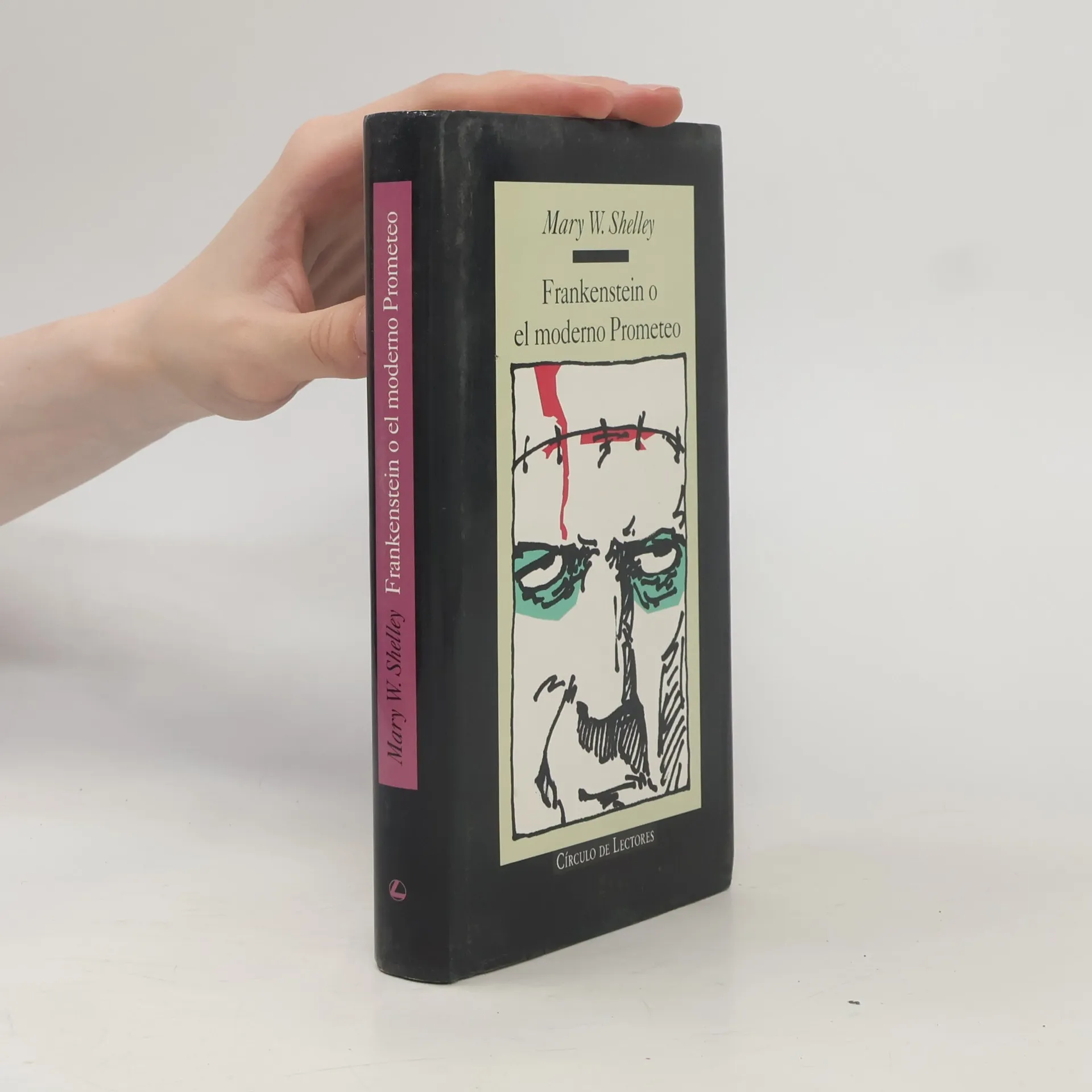
Un joven científico decide crear un ser con vida propia. Pero, justo cuando lo consigue, rechaza el resultado de su experimento y huye del laboratorio. Al volver, la criatura ha desaparecido y Víctor cree que todo ha terminado. Sin embargo, el monstruo sigue vivo, y está decidido a vengarse de su creador. Aventúrate y entra en las páginas de esta historia donde se reflexiona sobre el peligro que supone para un ser humano jugar a convertirse en un dios.
Die Sammlung "Tales and Stories" präsentiert 17 faszinierende Kurz- und Schauergeschichten von Mary Shelley, die posthum veröffentlicht wurden. Mit einer sprachlichen Raffinesse, die an "Frankenstein" erinnert, bietet der Band eine einzigartige Leseerfahrung für Horror-Fans. Die Geschichten, darunter "Die Schwestern von Albano" und "Der sterbliche Unsterbliche", erkunden komplexe Themen wie Leidenschaft und das Übernatürliche. Die Einleitung von Richard Garnett aus dem Jahr 1891 verleiht dem Werk zusätzlichen historischen Kontext und Bedeutung.
Die Geschichte beleuchtet die düstere Verbindung zwischen Wissenschaft und Ethik durch die Figur von Victor Frankenstein, der aus Leichenteilen ein lebendes Wesen erschafft. Diese Kreatur, abgelehnt von der Gesellschaft und ihrem Schöpfer, kämpft mit Einsamkeit und Verzweiflung. Die Erzählung thematisiert die Gefahren des grenzenlosen Strebens nach Wissen und die Verantwortung des Schöpfers gegenüber seinem Geschöpf. Durch die Konflikte zwischen Menschlichkeit und Monstrosität wird eine tiefgehende Reflexion über Identität, Isolation und die Konsequenzen menschlichen Handelns angestoßen.
mit ausführlicher Inhaltsangabe und Abituraufgaben mit Lösungen
Die Analyse bietet einen tiefen Einblick in die literarischen und thematischen Aspekte des Werkes. Sie beleuchtet zentrale Motive, Charakterentwicklungen und die historische Einordnung, um ein umfassendes Verständnis zu fördern. Zudem werden verschiedene Interpretationsansätze vorgestellt, die dem Leser helfen, die komplexen Zusammenhänge und die Bedeutung der Texte besser zu erfassen. Die Erläuterung richtet sich sowohl an Studierende als auch an interessierte Leser, die sich intensiver mit dem Werk auseinandersetzen möchten.
Die Rosenkriege enden mit Henry Tudors Sieg über Richard III. und seiner Krönung als Henry VII. Doch die Frage der Legitimität bleibt, da die „Prinzen im Tower“ verschwunden sind. Perkin Warbeck behauptet, der verschollene Richard zu sein, und kämpft um sein Erbe.
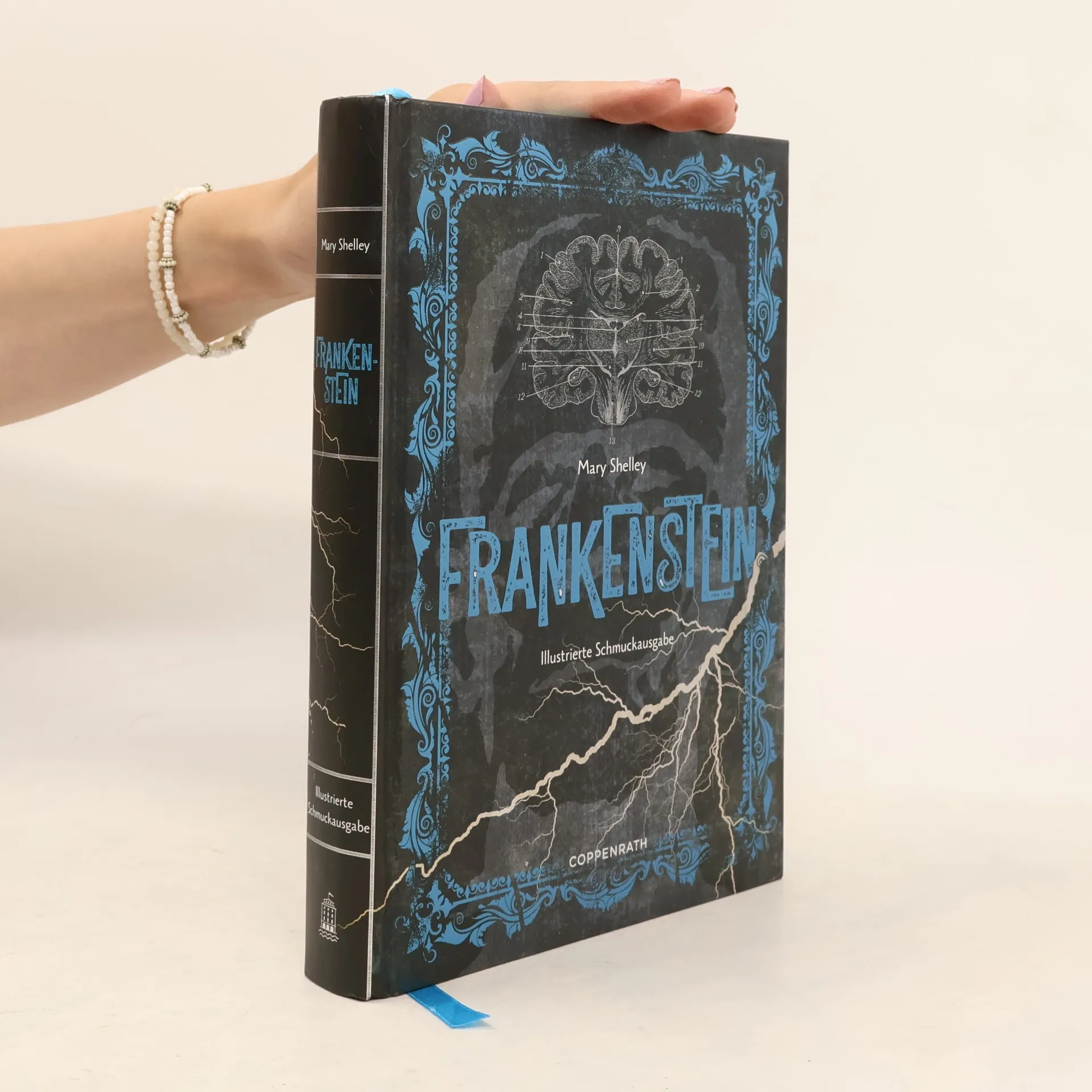
Erleben Sie Mary Shelleys Klassiker "Frankenstein" in einer opulenten Schmuckausgabe! Viktor Frankenstein strebt danach, den Tod zu besiegen, doch sein Experiment führt zur Schaffung eines abstoßenden Wesens. Verbunden durch Hass, kämpfen Schöpfer und Kreatur um ihren Schmerz. Mit 10 liebevoll gestalteten Extras wird die Geschichte lebendig!
Mary Shelleys »Frankenstein« erzählt von Victor Frankensteins verzweifelter Suche nach der Erschaffung künstlichen Lebens und dem Konflikt mit seinem Monster, das Liebe und Anerkennung sucht. Diese illustrierte Ausgabe mit Marcin Minors düsteren Bildern thematisiert Einsamkeit und die Grenzen der Wissenschaft und ist ein Muss für Liebhaber klassischer Horrorliteratur.
Neuübersetzung von Maria Weber
Die Urfassung des Frankenstein in neuer Übersetzung und mit umfangreichem Kommentarteil. "Der Roman 'Frankenstein oder der moderne Prometheus' ist als eine bloße Erzählung zweifellos eines der originellsten und vollständigsten Werke unserer Zeit. Wir fragen uns beim Lesen verwundert, welche besonderen Erlebnisse die Gedankengänge hervorgerufen haben könnten - woraus die besonderen Erlebnisse bestanden, die sie erweckt haben - , die in den Gedanken des Autors zu den erstaunlichen Kombinationen von Motiven und Ereignissen und der verblüffenden Katastrophe geführt haben, aus denen sich diese Geschichte zusammensetzt. (...) Wir werden atemlos vor Spannung und Mitgefühl, der Abfolge von Vorfall auf Vorfall, und dem berauschten Werk der Leidenschaft davongetragen. Wir schreien 'Halt, halt! genug!' - aber es folgt noch etwas; und wie das Opfer, dessen Geschichte es erzählt, glauben wir, es nicht mehr ertragen zu können, und doch ist noch mehr zu ertragen. (...) Wir erklimmen Alpe um Alpe, bis der Horizont leer, inhalts- und grenzenlos erscheint; bis uns der Kopf schwindelt und der Boden unter unseren Füßen nachzugeben scheint." - Percy Bysshe Shelley in einer Rezension zur Erstausgabe.
Der junge Schweizer Viktor Frankenstein ist von der Idee besessen, das Elixier des Lebens zu finden. Eines Nachts gelingt ihm das Unfassbare: Er haucht einem von ihm geschaffenen, menschenähnlichen Körper Leben ein und erschafft so ein hässliches Monstrum.
Roman − Penguin Edition (Deutsche Ausgabe) – Die kultige Klassikerreihe – Klassiker einfach lesen