Explore the latest books of this year!
Bookbot

Richard Dawkins

    March 26, 1941
    Richard Dawkins
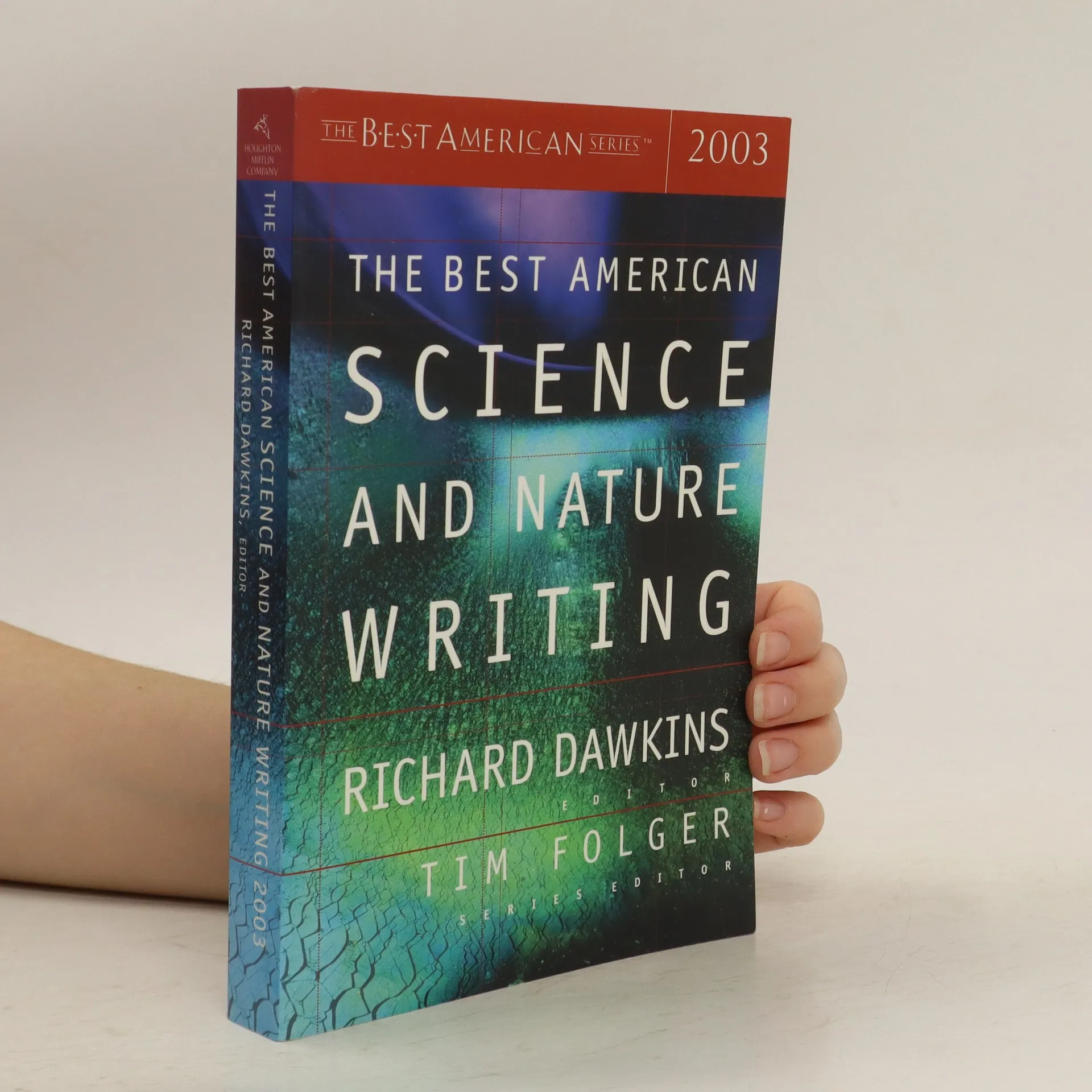
    The Best American Science and Nature Writing 2003
    Flights of Fancy
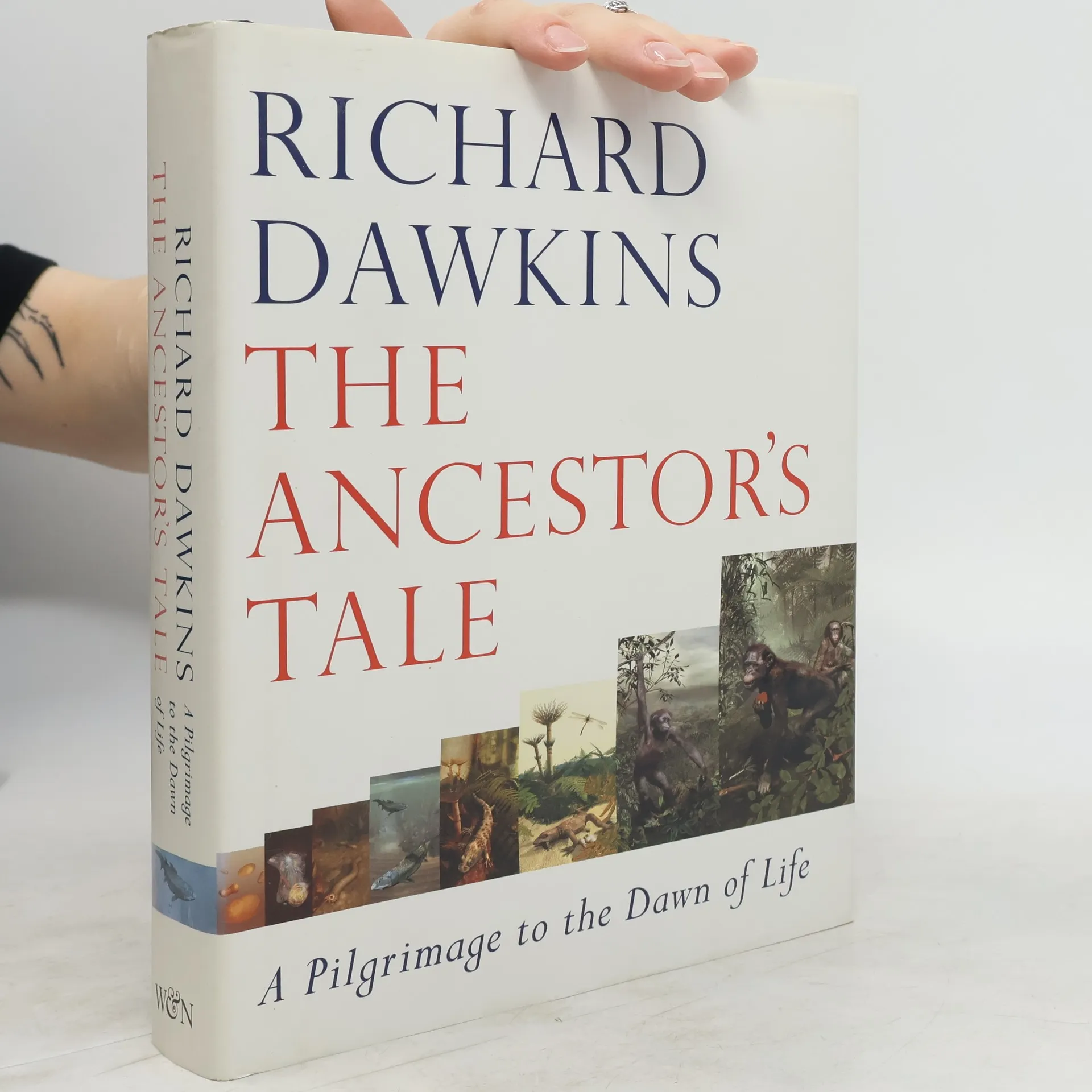
    The Ancestor's Tale
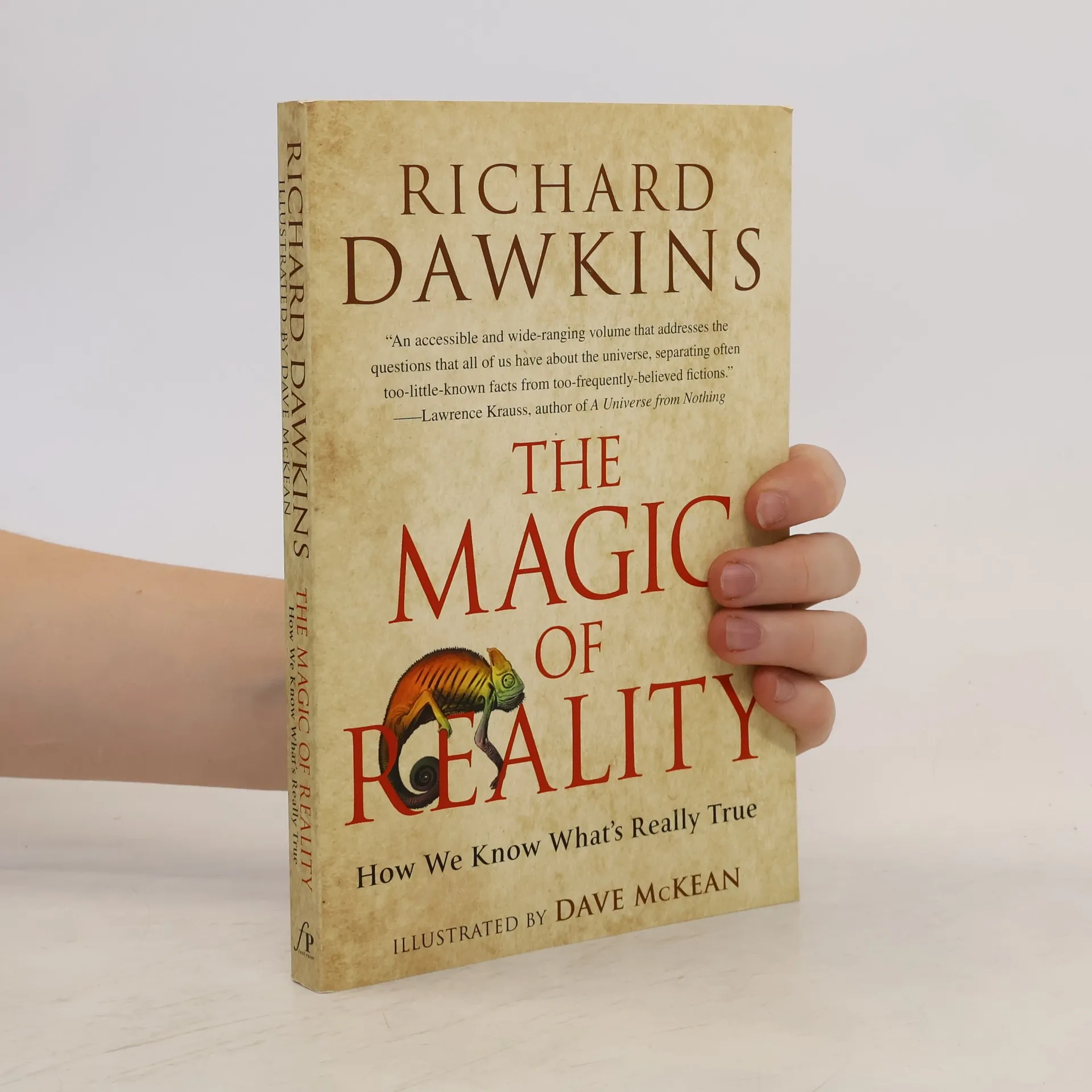
    The Magic of Reality
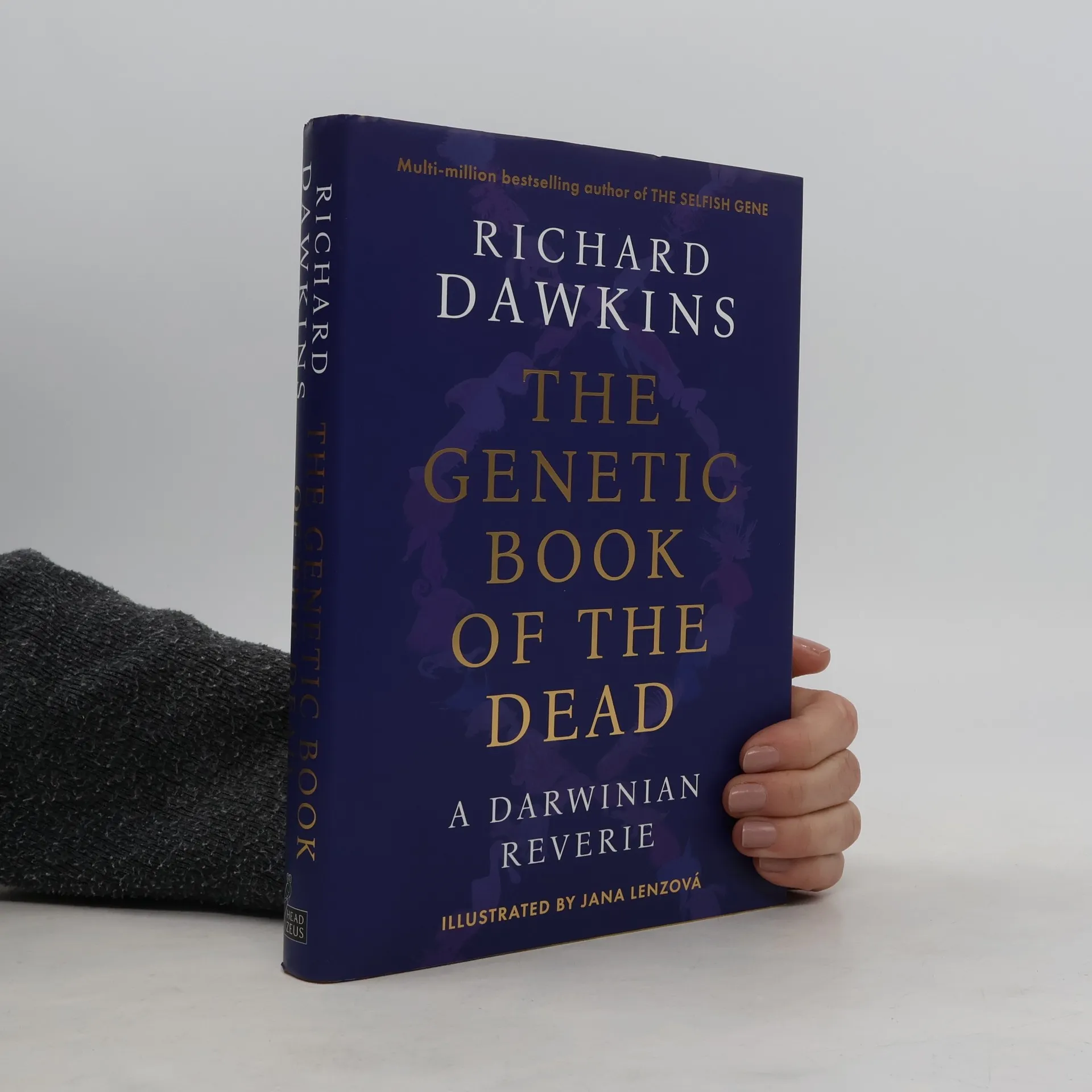
    The Genetic Book of the Dead
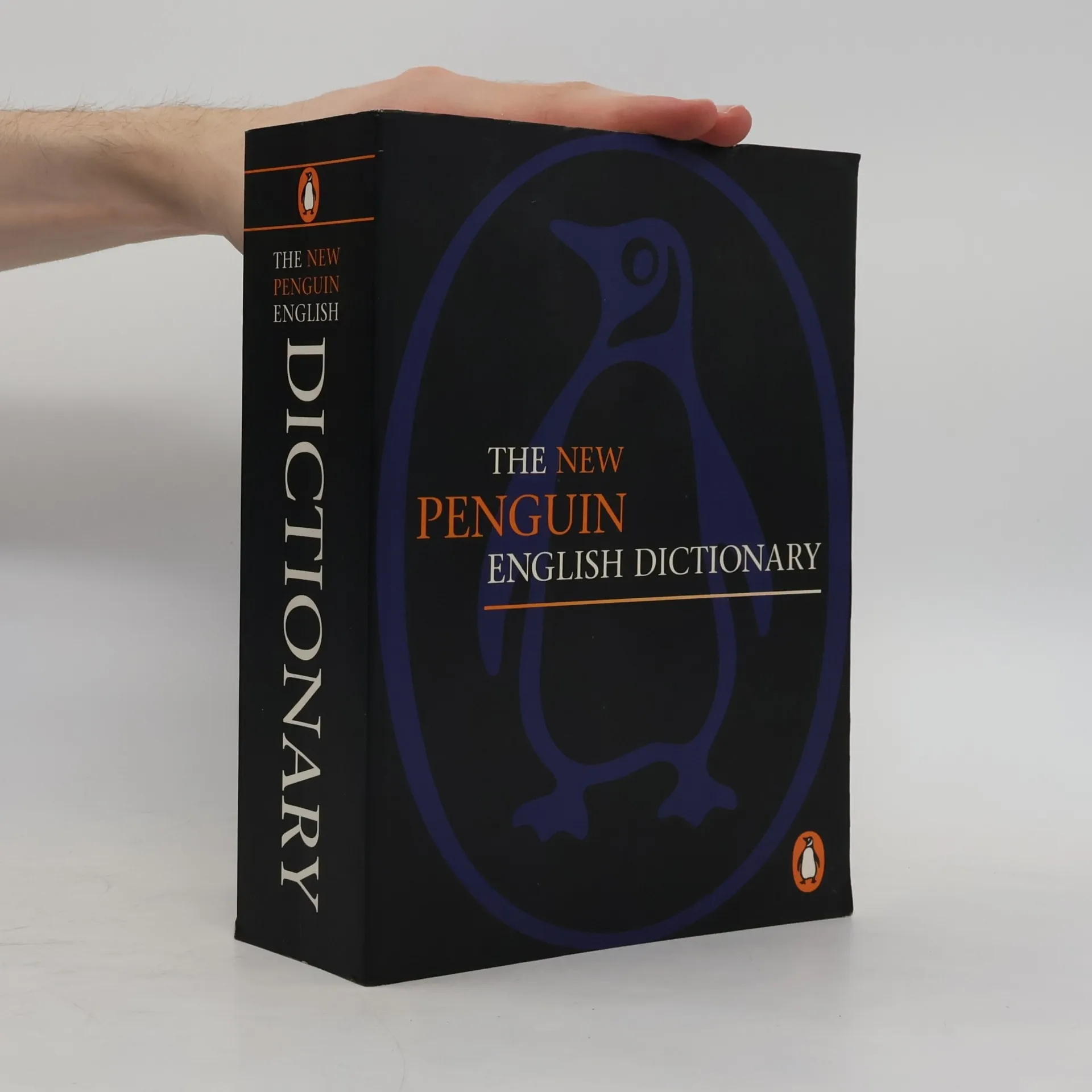
    The Penguin Concise English Dictionary
    • The Penguin Concise English Dictionary

      • 1056 pages
      • 37 hours of reading

      This new paperback dictionary perfectly embodies Penguin's worldwide reputation for authority and accessibility. Compiled by Britain's foremost lexicographers, it is the ideal companion for every home and office, offering comprehensive coverage of the language and a wealth of useful additional features - all at an unbeatable price.

      The Penguin Concise English Dictionary
      4.5
    • The Genetic Book of the Dead

      A Darwinian Reverie

      • 360 pages
      • 13 hours of reading

      Exploring the extensive timeline of evolutionary history, this work delves into the insights it provides about life on Earth. The author, a renowned science writer and biologist, examines key events and transformations that have shaped the diversity of life, offering a profound understanding of our biological heritage and the interconnectedness of all living organisms. Through engaging narratives and scientific analysis, the book invites readers to reflect on the significance of evolution in understanding existence.

      The Genetic Book of the Dead
      4.3
    • The Magic of Reality

      • 272 pages
      • 10 hours of reading

      Professor Richard Dawkins has teamed up with renowned illustrator Dave McKean to take you on an amazing journey from atoms to animals, pollination to paranoia, the big bang to the bigger picture. See the wonder of science come alive in this beautifully illustrated guide to the greatest questions on earth - and some of the answers to them.

      The Magic of Reality
      4.3
    • The Ancestor's Tale

      A Pilgrimage to the Dawn of Life

      • 528 pages
      • 19 hours of reading

      THE ANCESTOR'S TALE is a pilgrimage back through time; a journey on which we meet up with fellow pilgrims as we and they converge on our common ancestors. Chimpanzees join us at about 6 million years in the past, gorillas at 7 million years, orang utans at 14 million years, as we stride on together, a growing band. The journey provides the setting for a collection of some 40 tales. Each explores an aspect of evolutionary biology through the stories of characters met along the way or glimpsed from afar - the Elephant Bird's Tale, the Marsupial Mole's Tale, the Lungfish's Tale. Together they give a deep understanding of the processes that have shaped life on Earth: convergent evolution, the isolation of populations, continental drift, the great extinctions. The tales are interspersed with prologues detailing the journey, route maps showing joining lineages, and life-like reconstructions of our common ancestors. THE ANCESTOR'S TALE represents a pilgrimage on an unimaginable scale: our goal is four billion years away, and the number of pilgrims joining us grows vast - ultimately encompassing all living creatures. At the end of the journey lies something remarkable in its simplicity and transformative power: the first, humble, replicating molecules.

      The Ancestor's Tale
      4.3
    • Richard Dawkins explores the wonder of flight. A book for ages 8-80 about flying - from the mythical Icarus, to the sadly extinct but magnificent bird Argentavis magnificens, to the British Airways pilots of today.

      Flights of Fancy
      4.2
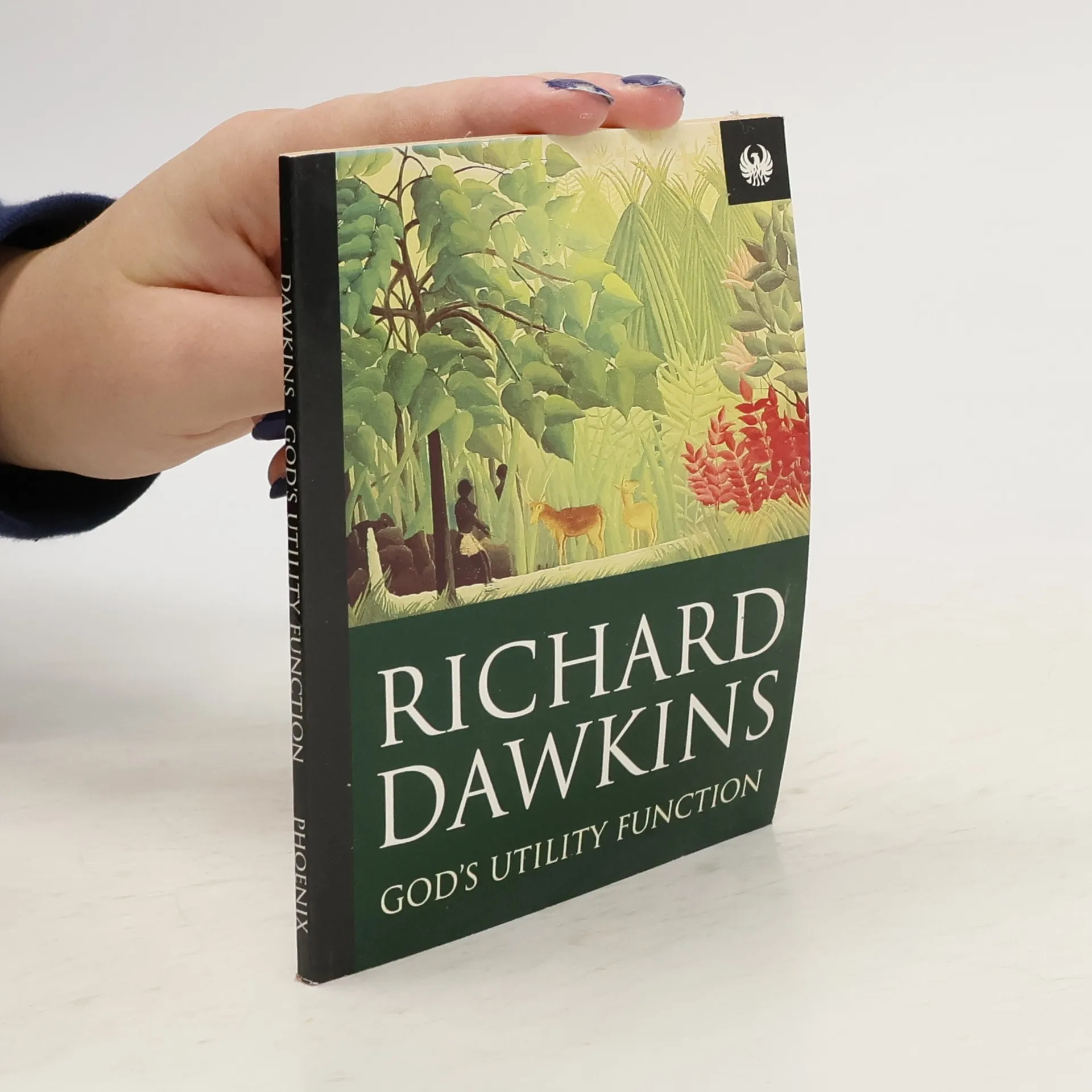
    • God's Utility Function

      • 64 pages
      • 3 hours of reading

      This chapter from "River Out of Eden" argues that the only purpose of life is the survival of DNA; understand this, and all the inefficiency, unfairness and cruelty in the world makes sense.

      God's Utility Function
      4.2
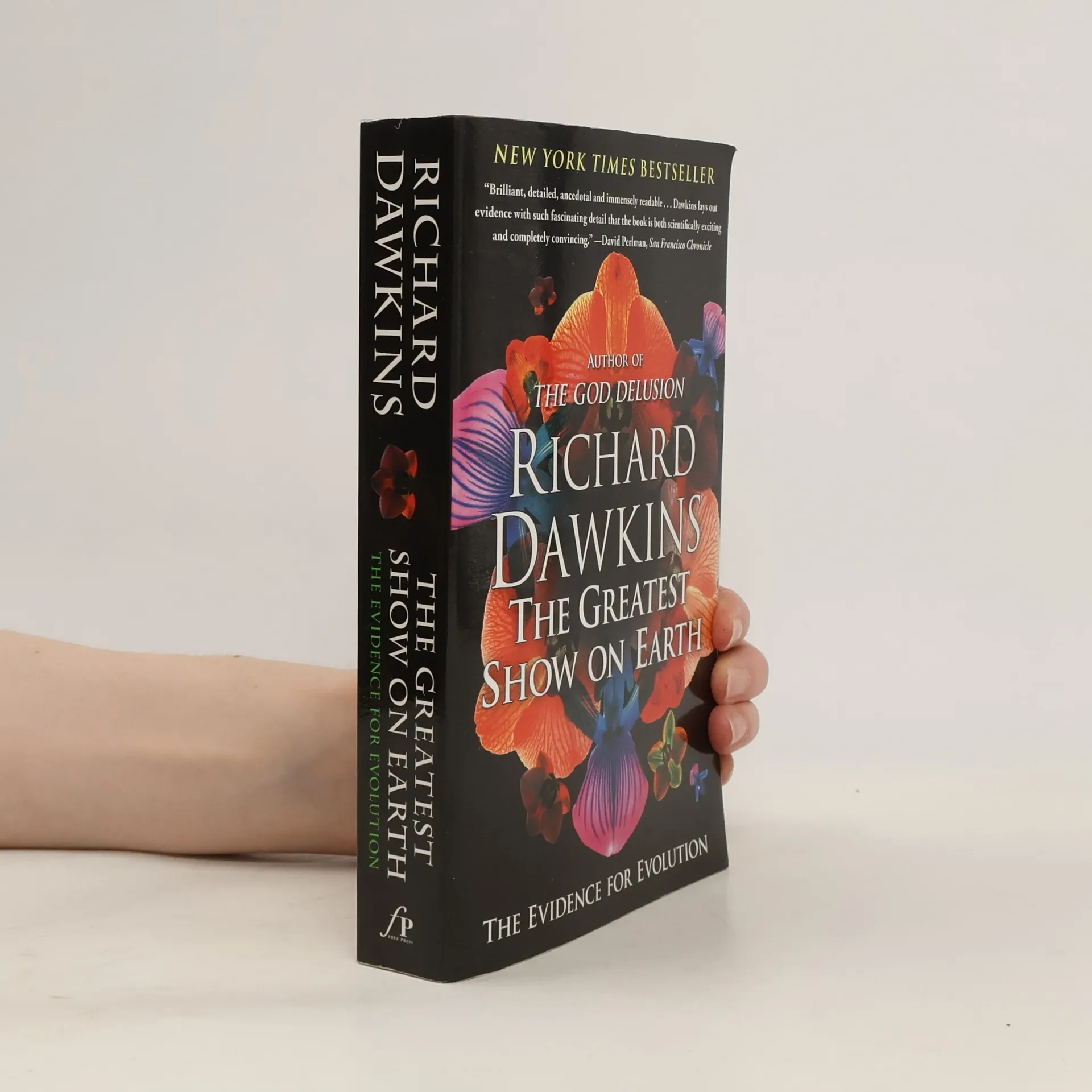
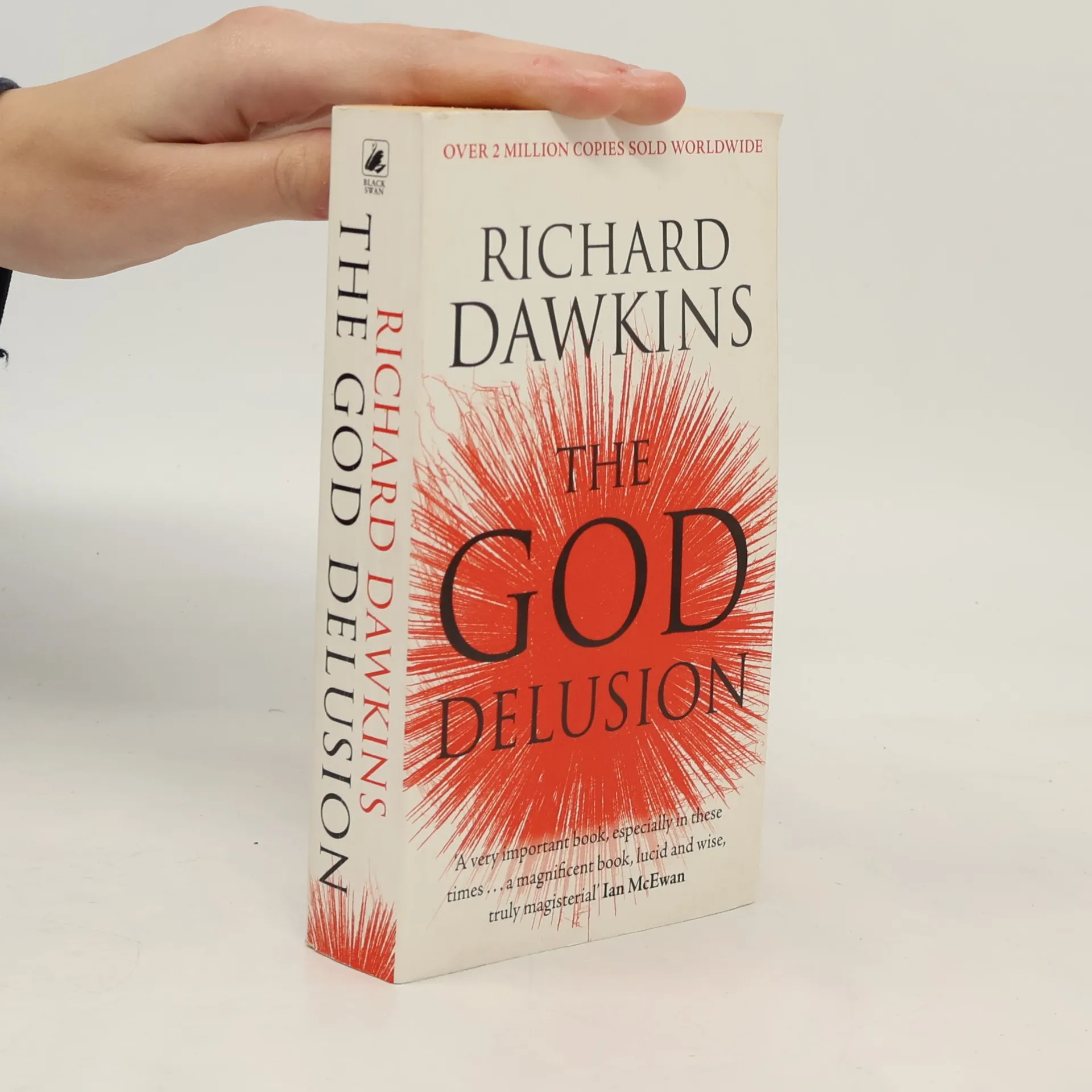
    • Richard Dawkins transformed our view of God in his blockbuster, The God Delusion, which sold more than 2 million copies in English alone. He revolutionized the way we see natural selection in the seminal bestseller The Selfish Gene. Now, he launches a fierce counterattack against proponents of "Intelligent Design" in his latest New York Times bestseller, The Greatest Show on Earth. "Intelligent Design" is being taught in our schools; educators are being asked to "teach the controversy" behind evolutionary theory. There is no controversy. Dawkins sifts through rich layers of scientific evidence—from living examples of natural selection to clues in the fossil record; from natural clocks that mark the vast epochs wherein evolution ran its course to the intricacies of developing embryos; from plate tectonics to molecular genetics—to make the airtight case that "we find ourselves perched on one tiny twig in the midst of a blossoming and flourishing tree of life and it is no accident, but the direct consequence of evolution by non-random selection." His unjaded passion for the natural world turns what might have been a negative argument, exposing the absurdities of the creationist position, into a positive offering to the reader: nothing less than a master’s vision of life, in all its splendor.

      The greatest show on earth. The evidence for evolution
      4.2
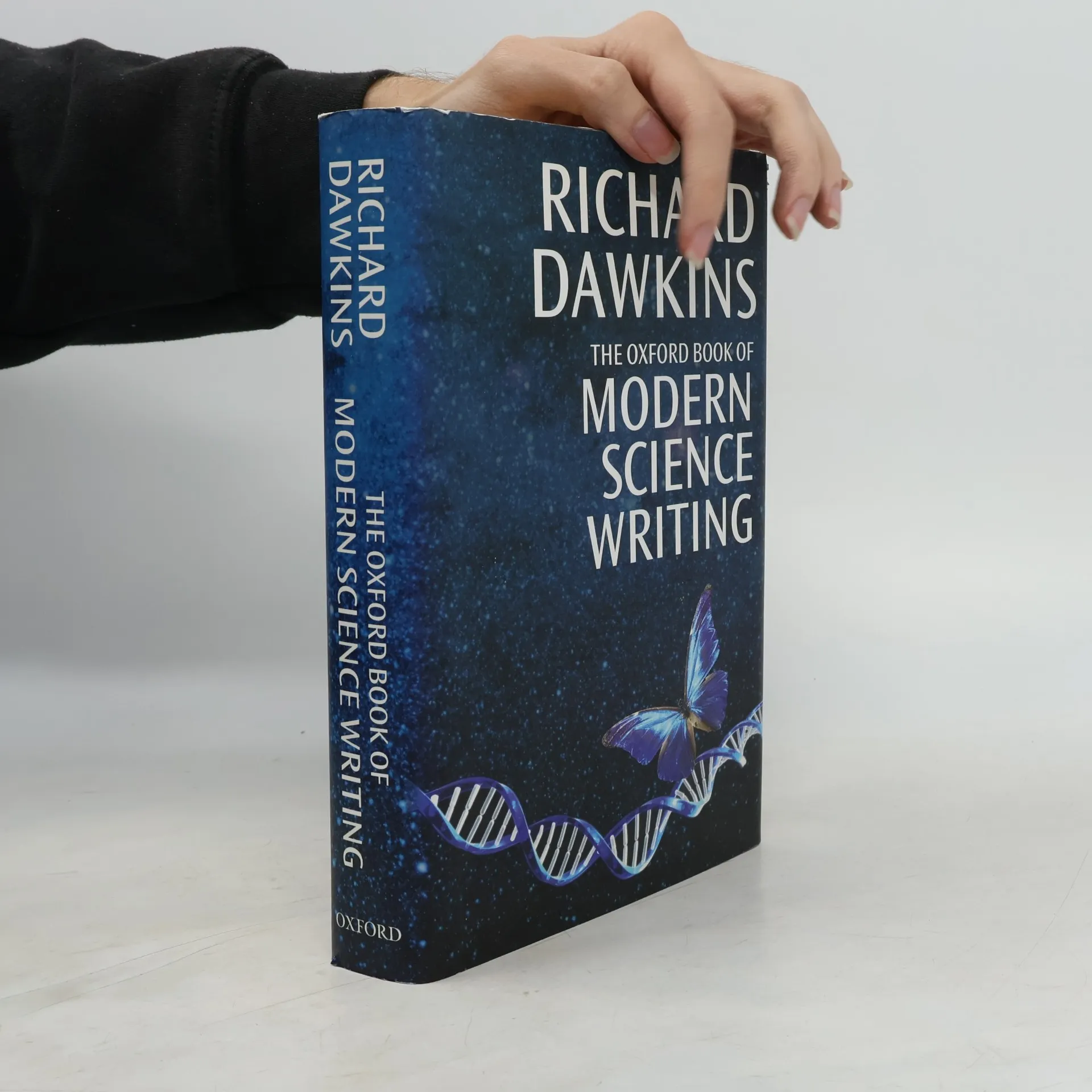
    • Boasting almost one hundred pieces, The Oxford Book of Modern Science Writing is a breathtaking celebration of the finest writing by scientists--the best such collection in print--packed with scintillating essays on everything from "the discovery of Lucy" to "the terror and vastness of the universe."

      The Oxford book of modern science writing
      4.2
    • The Selfish Gene

      • 352 pages
      • 13 hours of reading

      Science need not be dull and bogged down by jargon, as Richard Dawkins proves in this entertaining look at evolution. The themes he takes up are the concepts of altruistic and selfish behaviour; the genetical definition of selfish interest; the evolution of aggressive behaviour; kinshiptheory; sex ratio theory; reciprocal altruism; deceit; and the natural selection of sex differences. 'Should be read, can be read by almost anyone. It describes with great skill a new face of the theory of evolution.' W.D. Hamilton, Science

      The Selfish Gene
      4.2