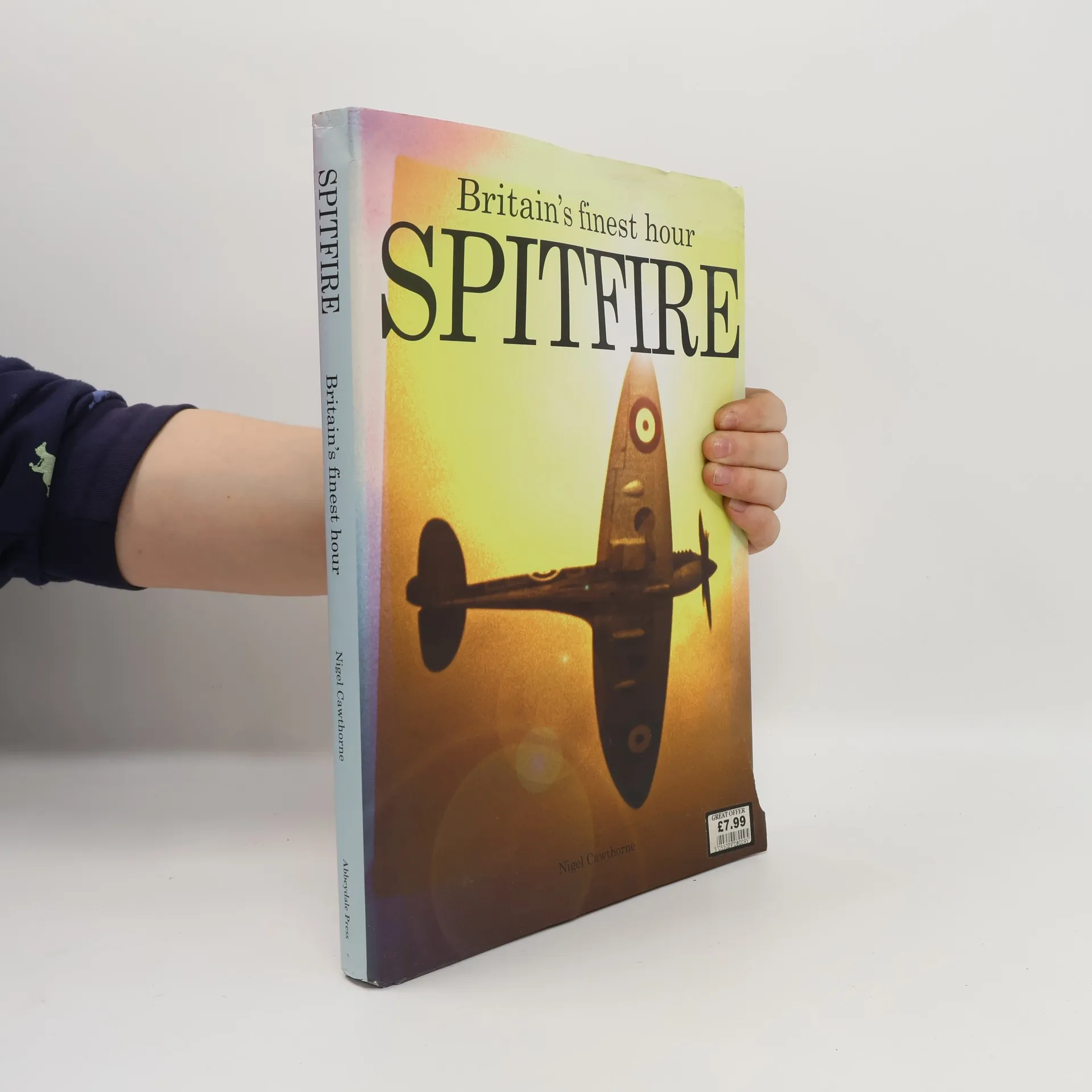
Shimmering in the morning sun, wave upon wave of bombers, driving for London. Stepped above and behind, the serried ranks of Messerschmitts. Covering mile upon mile of sky, as far as the eye could see. It was at once magnificent and terrible. I broke hard into attack, pulling the Spitfire into a climbing, spiraling turn as I did so. Read about the development of the Spitfire, heroic anecdotes of the pilots in the Battle of Britain, and amazing aerial combat in this True Combat Compendium. Three accounts filled with the courage of war, interwoven with firsthand narrative that takes you into the heart of battle. Short, sharp, and true to life, Chronicles of War describe the campaigns, battles, and close-up combat experiences of World War II in an exciting, quick-to-read format. Each title in the series provides gripping, intimate insights into the violent confrontations, extreme heroism, and terrible brutality of the greatest conflict the world has ever known.
Nigel Cawthorne Books
This Anglo-American author is known for his extensive body of work in both fiction and non-fiction. His writing often delves into popular history, presented as concise compilations devoid of formal academic citations. He himself describes his creative environment as a "book-writing factory," where many of his works originated from commissions. One of his most notable contributions, a controversial musician's autobiography, sparked years of legal battles following its release.

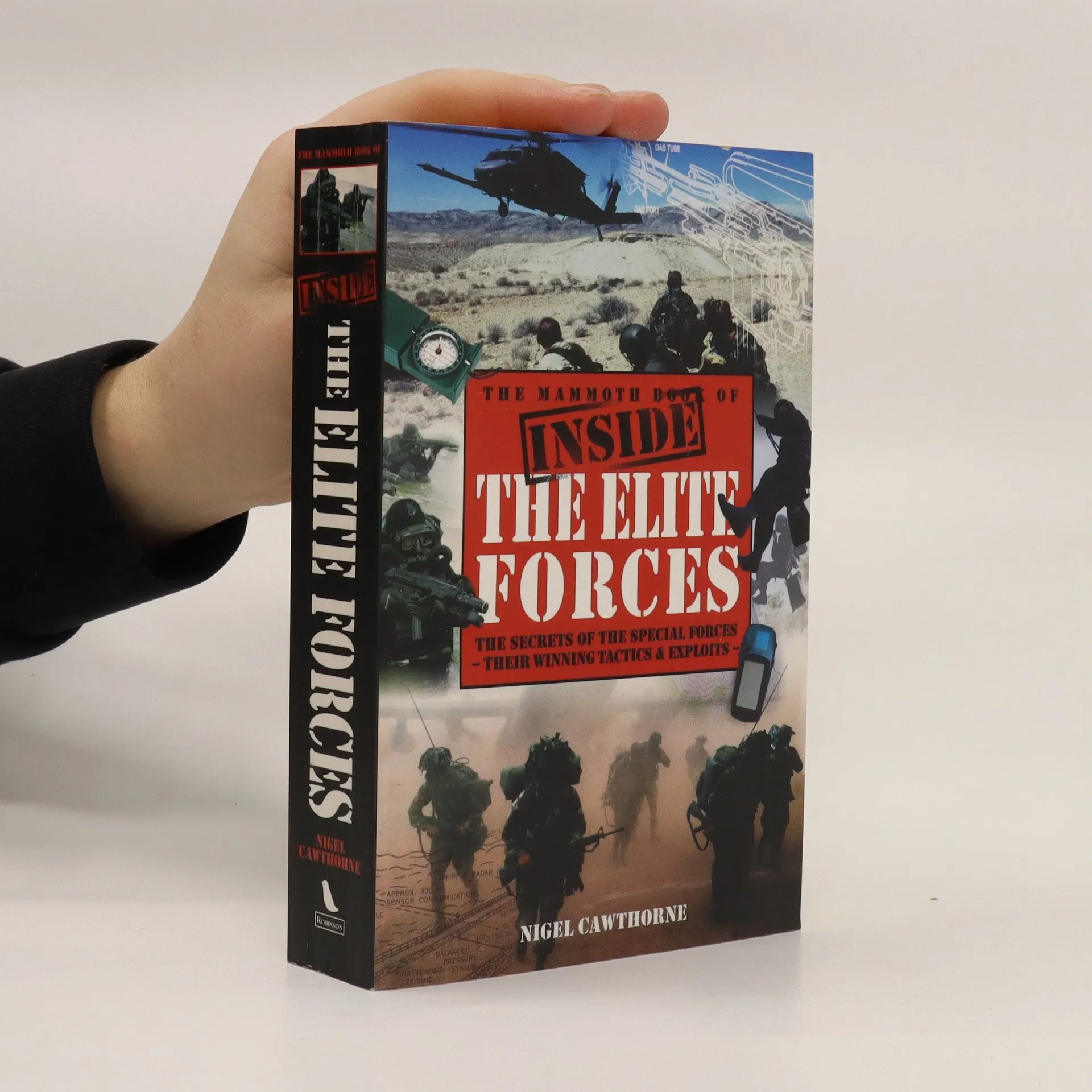
The Mammoth Book of Inside the Elite Forces
- 560 pages
- 20 hours of reading
Comprehensive guide to American and British elite forces, their training, equipment, as well as examples of actual operations.
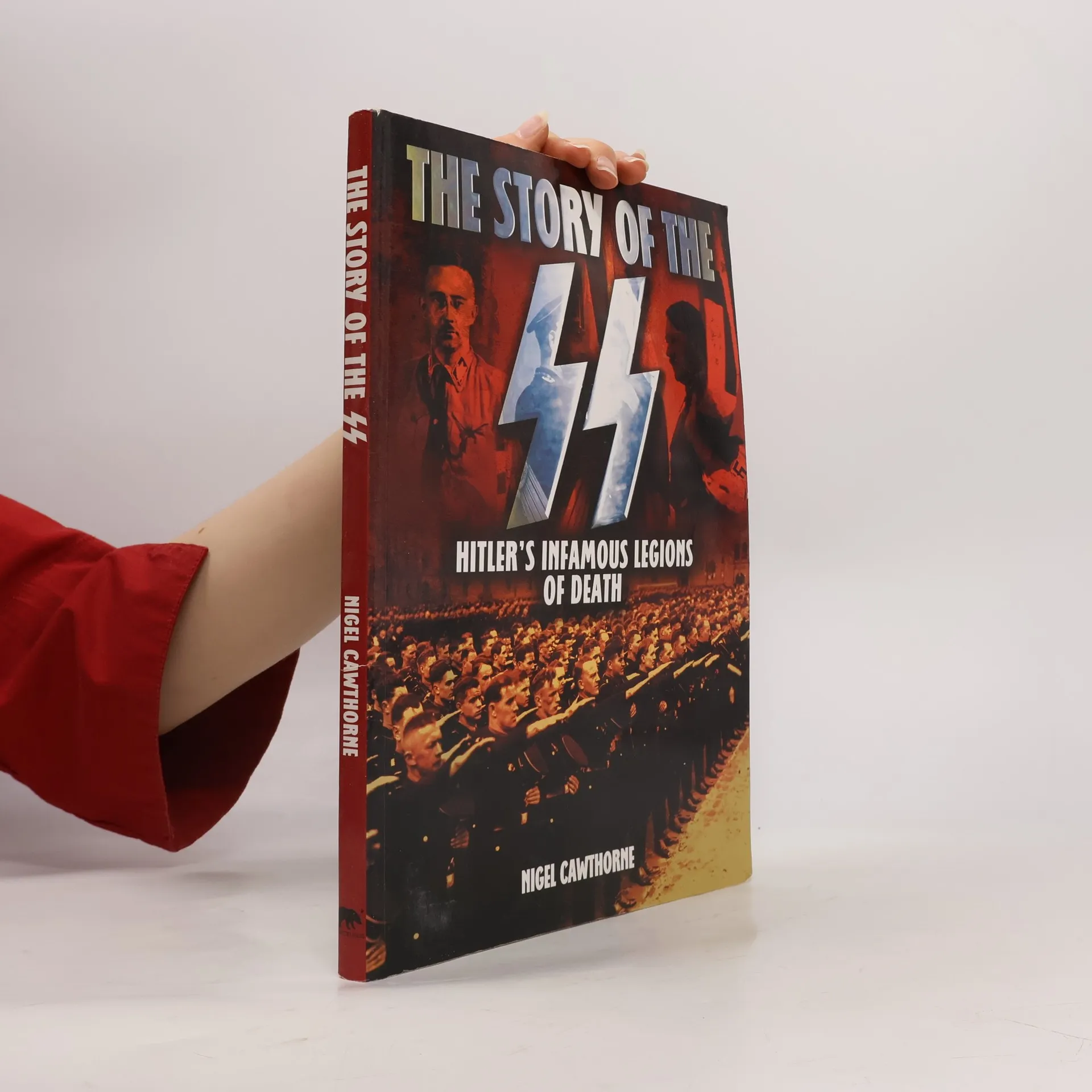
Author Nigel Cawthorne provides a concise, yet detailed look at one of the most chilling organizations ever conceived by the human imagination, whose misdeeds are viewed with an unflinching gaze, making for a chilling, yet engrossing read. This is popular history about the legitimization of mass murder for political purposes, and the men and women who brought this about. Following the defeat of Nazi Germany, the SS was declared a criminal organization at the Nuremberg Trials in 1946.This book features chapters on Heinrich Himmler, The Knight of the Long Knives, The Waffen SS, The Holocaust, The SS in Retreat, Nuremberg and ODESSSA, the organization of former SS members. An essential gift for anyone interested in 20th century history.
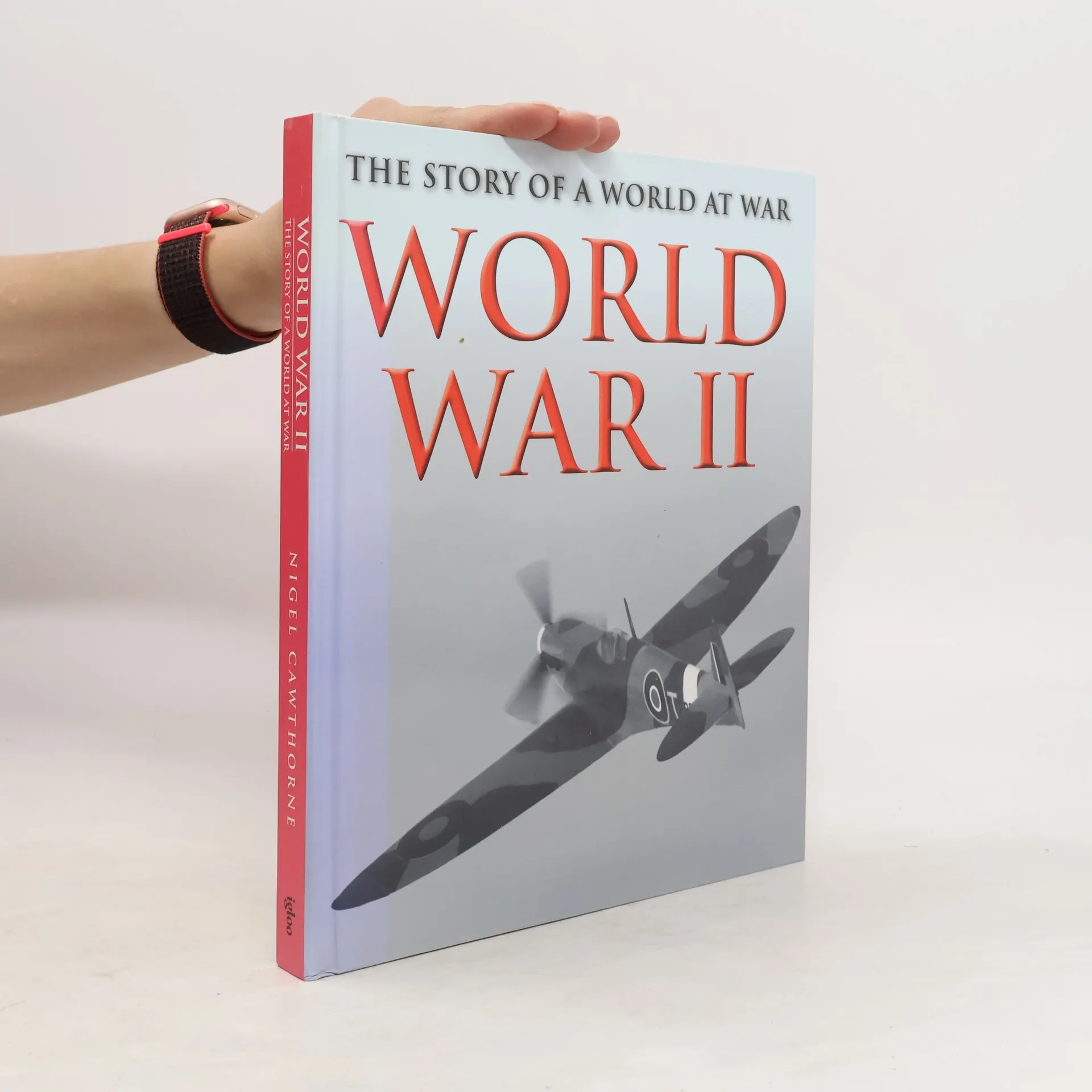
World War II
- 224 pages
- 8 hours of reading
World War II - one of the most defining periods of the 20th century, and the costliest war in terms of human life. Complete with official official maps, soldier's letters home and hundreds of striking photographs, this chronological book reveals the conflict and upheaval explaining how the war was won around the world.
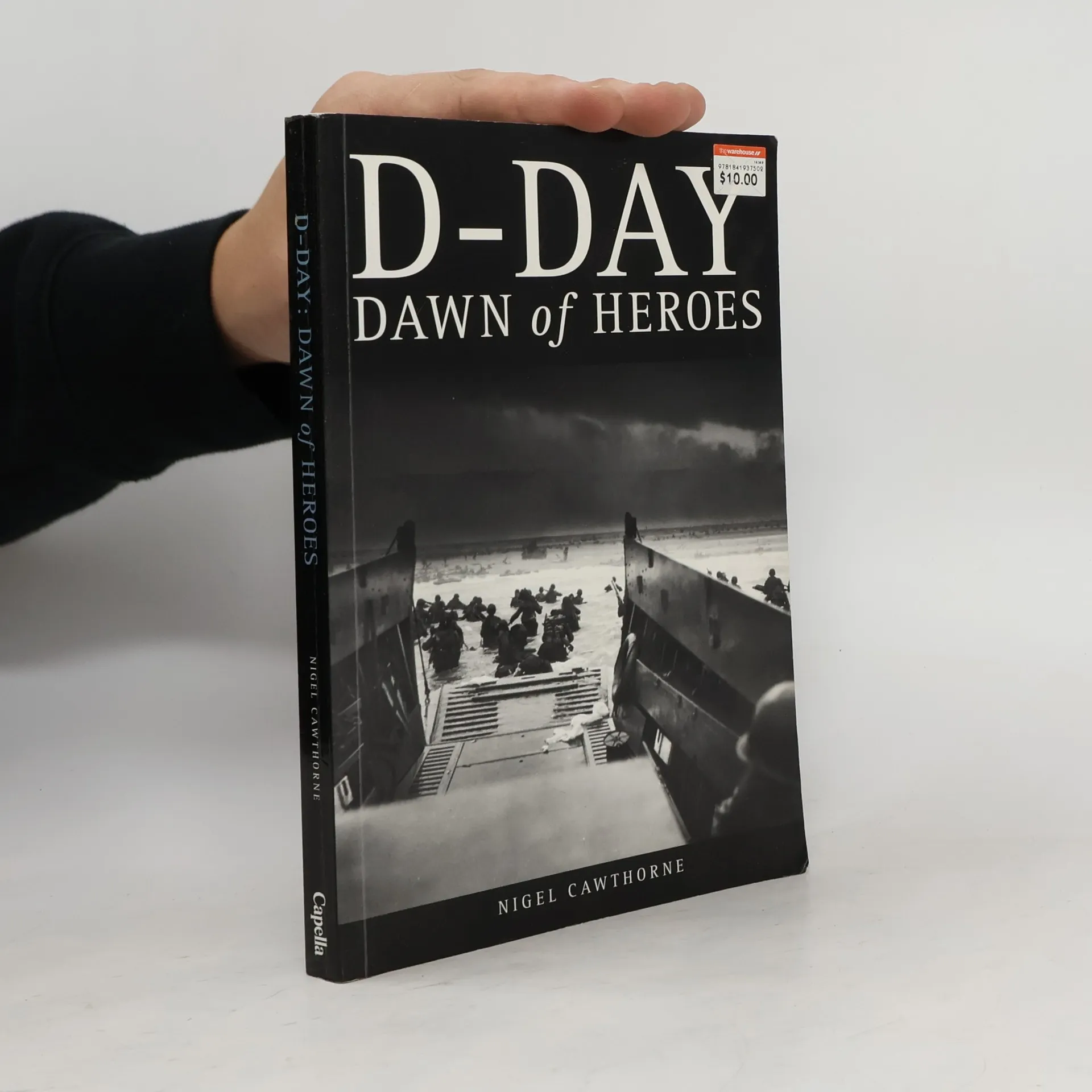
D- Day Dawn of Heroes
- 207 pages
- 8 hours of reading
This richly illustrated volume tells the story of Operation Overland: the largest amd most meticulously planned seaborne invasion in the history of warfare
A Brief Guide to Jeeves and Wooster
- 288 pages
- 11 hours of reading
This Brief Guide is a comprehensive guide to P.G.Wodehouse’s two best-loved comic characters, Bertram (Bertie”)Wooster and his valet Reggie Jeeves,” Bertie’s many friends and relatives, and their life of country houses and champagne. Cawthorne offers fascinating insights into Wodehouse’s world, his Jeeves and Wooster stories, and the many adaptations for stage and screen.
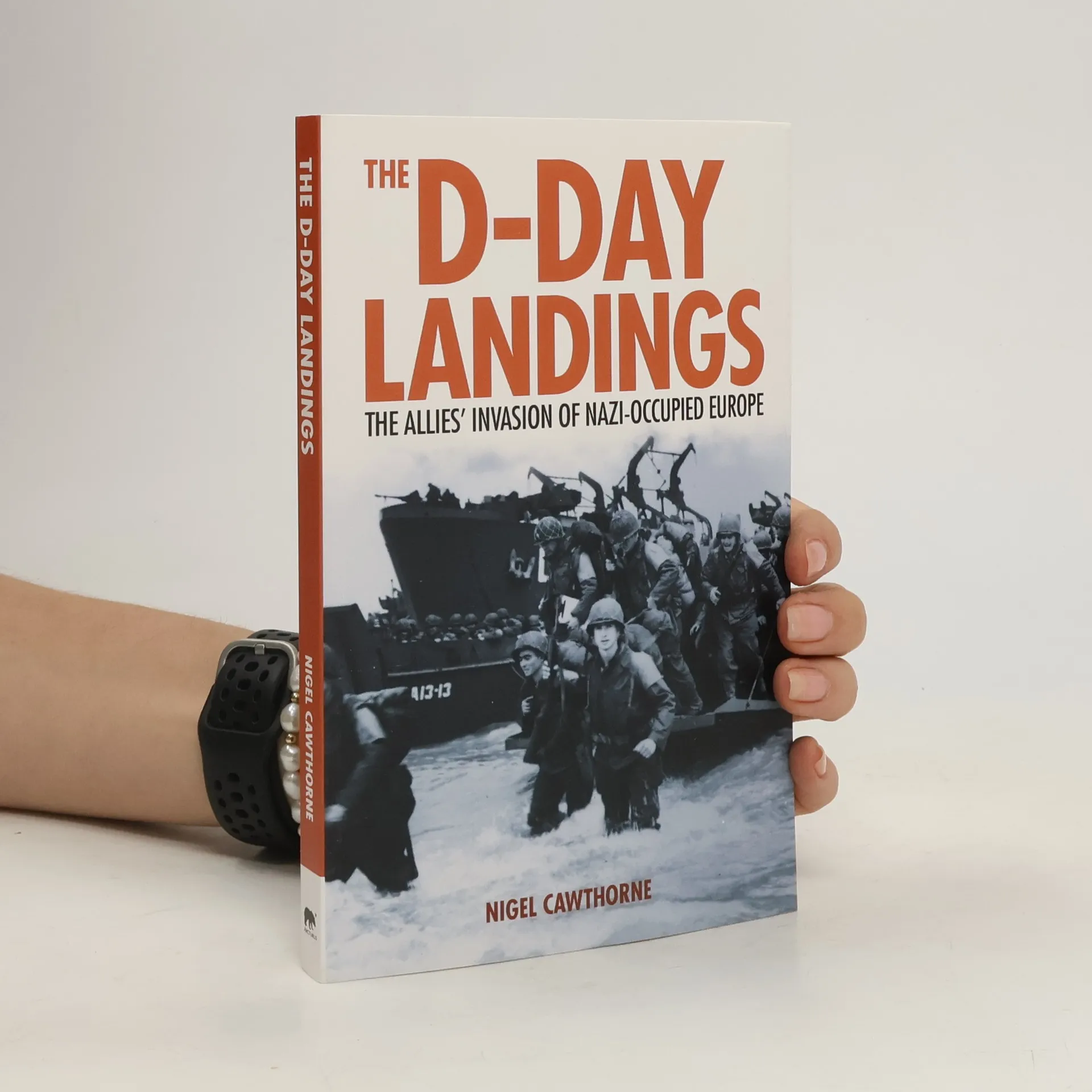
This book tells the story of Operation Overlord, the largest and most meticulously planned seaborne invasion in the history of warfare. As dawn broke on 6 June 1944, thousands of Allied soldiers - American, British, Canadian, Free French and Polish - hit the Normandy beaches and stormed the German defenses of the Atlantic Wall. By Midnight, over 150,000 troops had been safely landed, and the ling push towards Berlin and the final defeat of the Third Reich had begun. Including useful maps with troop movements, as well as an index of the armies, battles, campaigns and commanders, Fighting Them on the Beaches is a brilliant guide to this historic battle which turned the tide against Adolf Hitler.
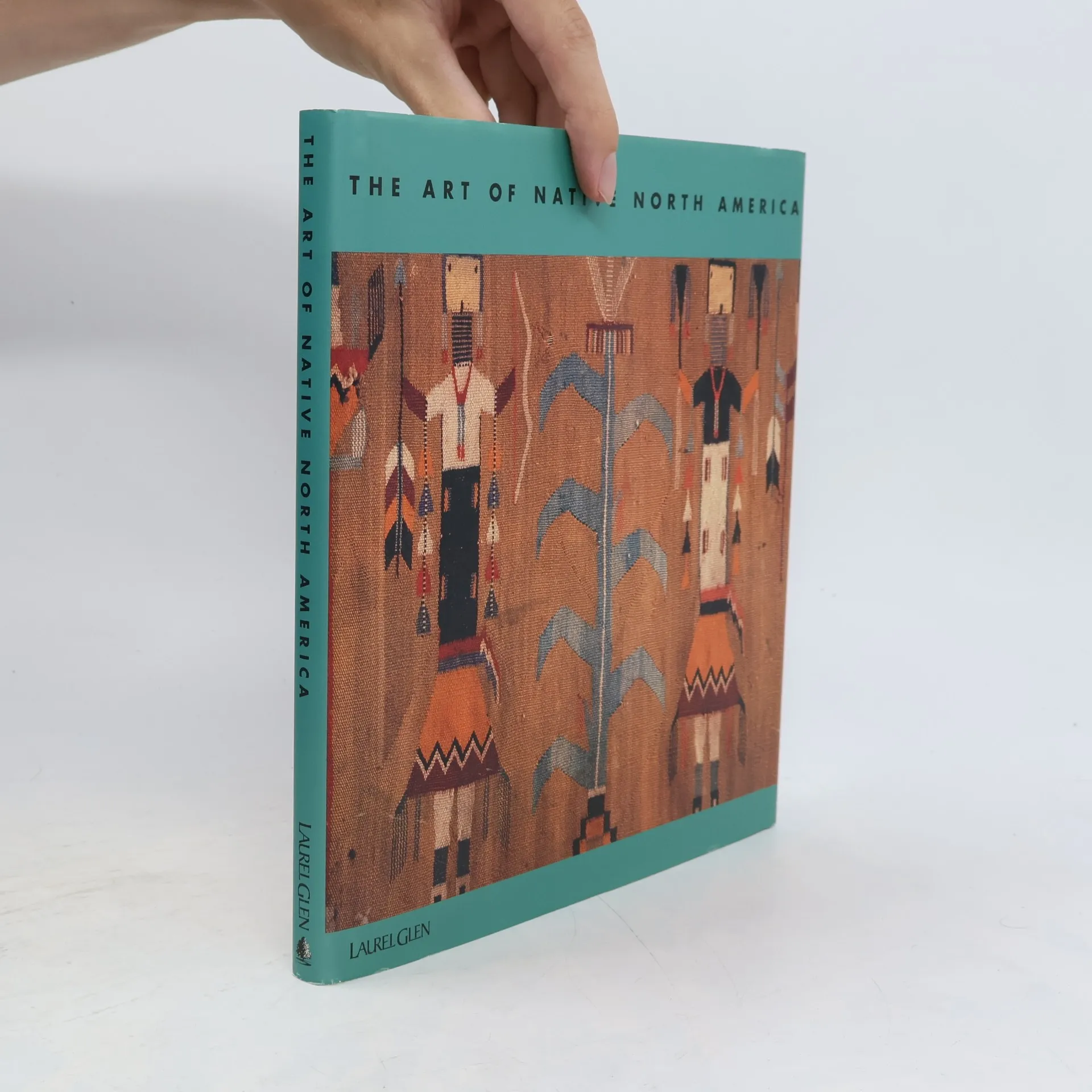
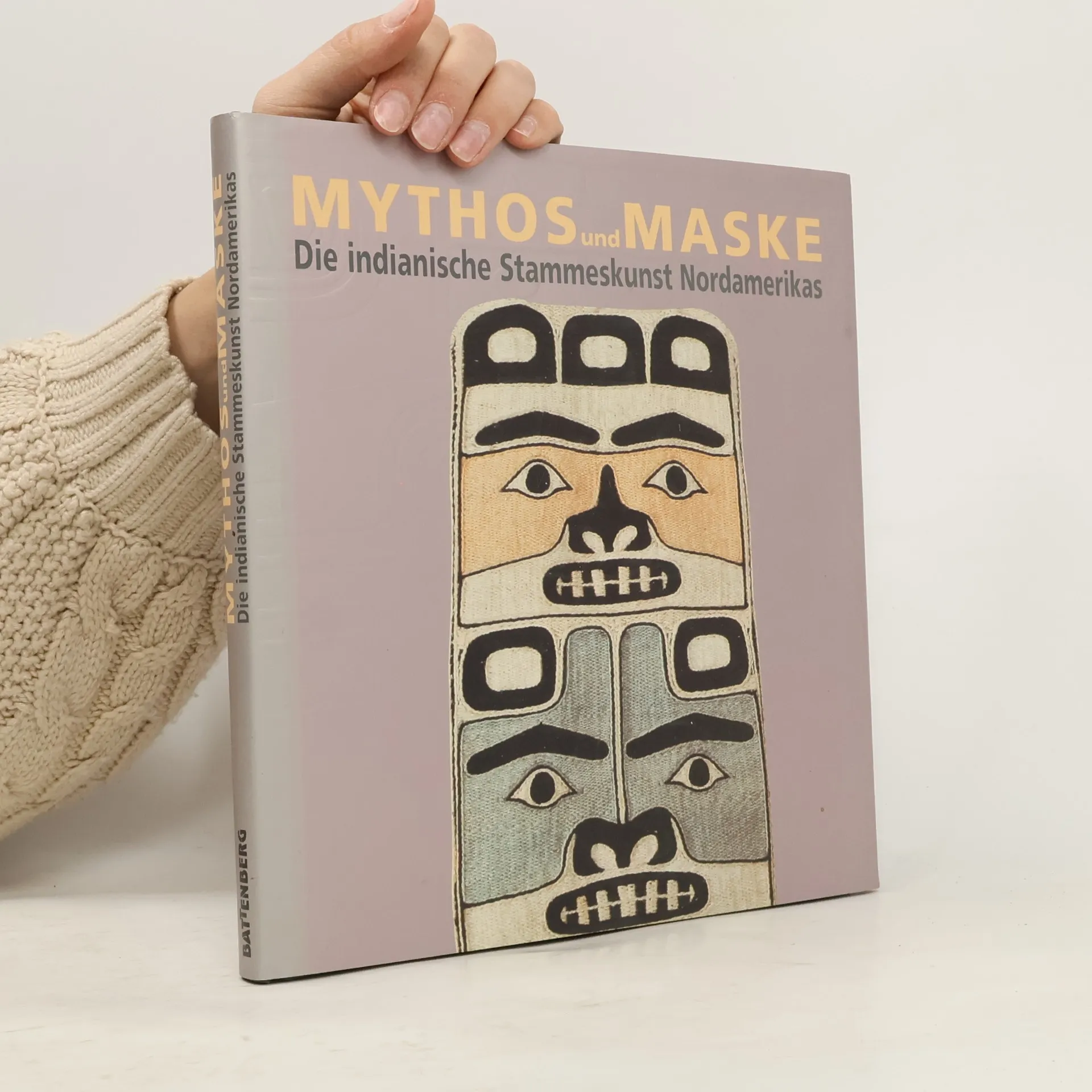
The native peoples of North America have a rich visual culture that goes back hundreds, in some cases thousands of years. From the nomadic hunters and gatherers of the Great Plains to the fishermen of the northwest Seaboard and the Pueblo Dwellers of the dry southwest. The Art of Native North America is a lavishly presented celebration of a huge variety of art forms. Most of which still survive today.
Secrets of Love
- 192 pages
- 7 hours of reading
Boudoir-hopping through the centuries, author/journalist Nigel Cawthorne extends the legacy of the ancient sexual arts to a new generation with this stimulating and instructive compendium of erotic art and literature. 180 full-color illus. 20 b&w illus.
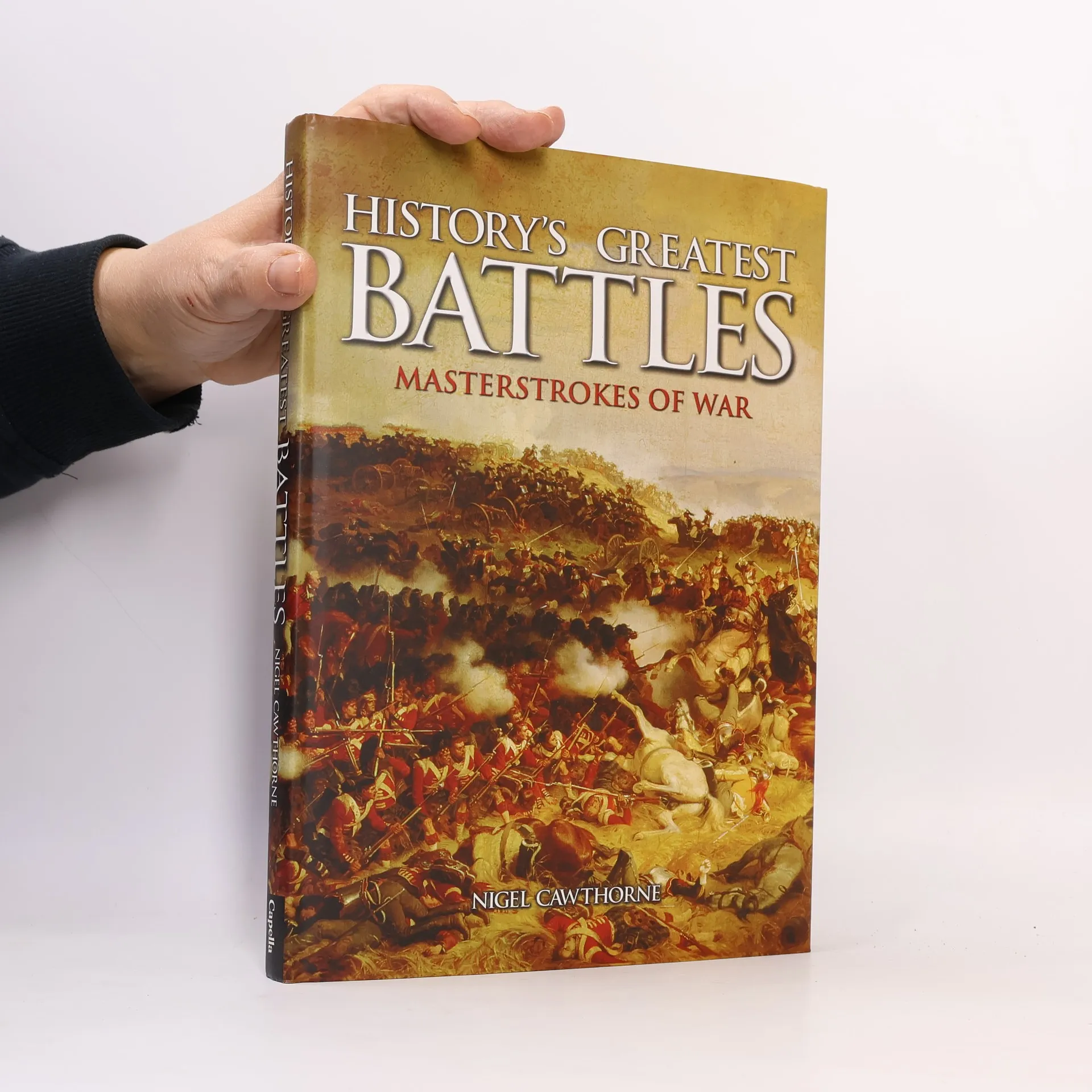
A great reference work to the key wars and battles fought from ancient times up to the Battle of Waterloo in 1815. Features maps, black and white illustrations and photographs. Engaging and accessible writing for a general interest audience
Book by Nigel Cawthorne
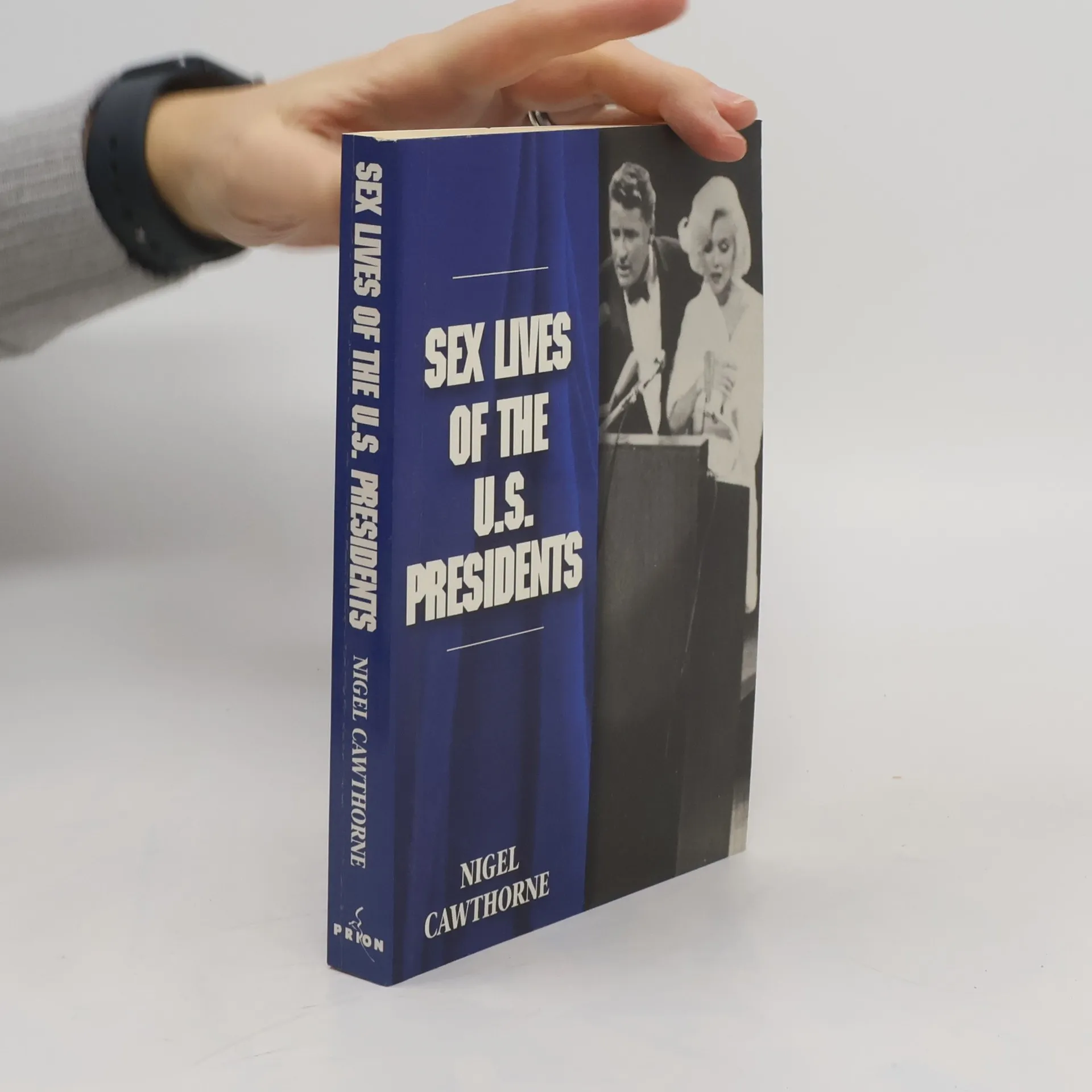
Sex Lives of the U.S. Presidents
- 280 pages
- 10 hours of reading
This work is by the author of "Sex Lives of the Kings and Queens of England". Since the 19th Amendment gave women the vote in 1920, the Presidents of the United States have depended on their appeal to women to get elected. This book looks at the sexual history of one of the most powerful offices in the world. Many of the office's incumbents have been men with avid sexual from the adulterous Thomas Jefferson in Paris to the womanizing antics of JFK; right up to the scandals to rock the presidency of Bill Clinton.
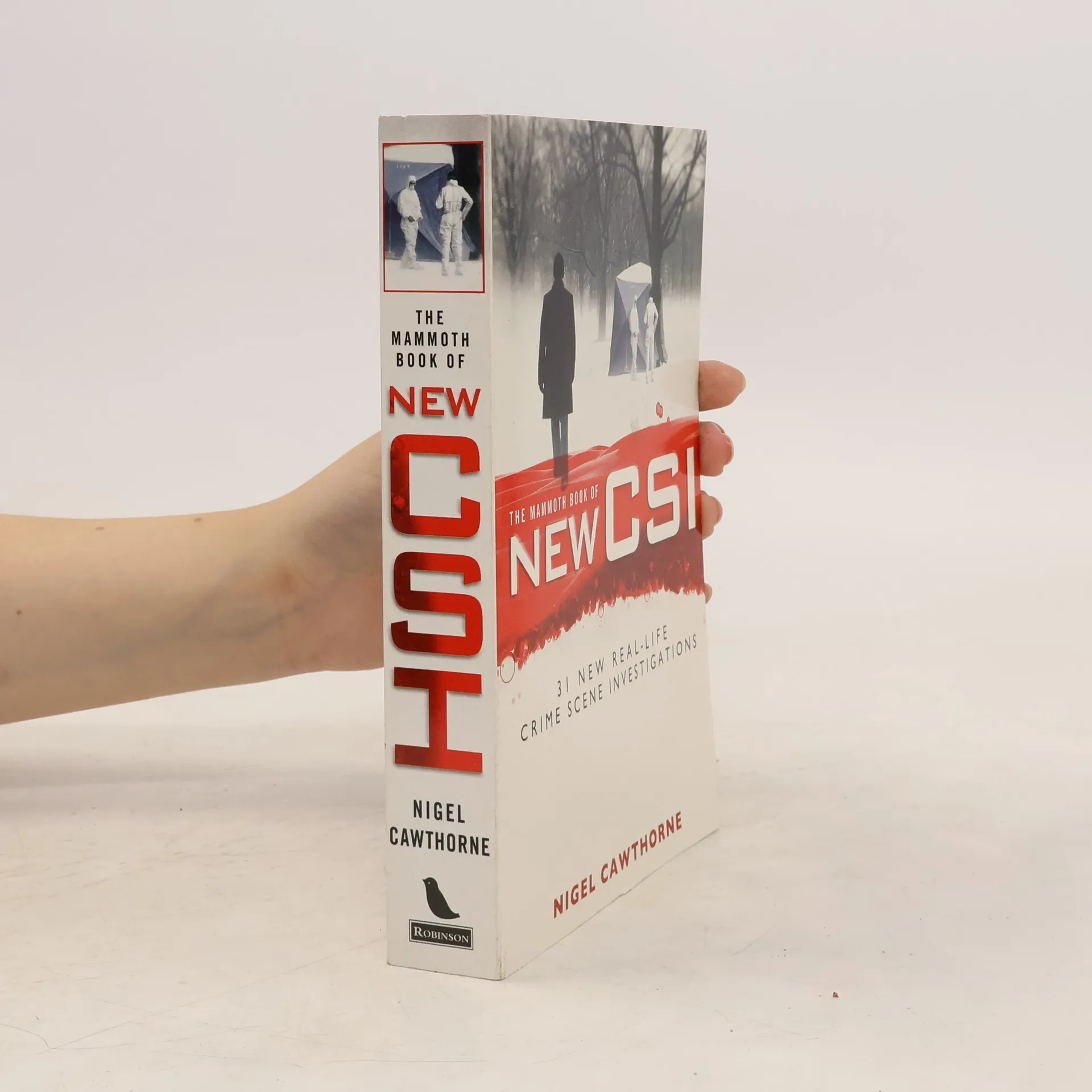
The Mammoth Book of New CSI
- 453 pages
- 16 hours of reading
A bumper collection of 30 of the most shocking recent cases that have been solved by or investigated with forensic science.
Prince Andrew
- 180 pages
- 7 hours of reading
First paperback edition of the world-sensational book on Prince Andrew and the British royal family's mishandling of the Epstein underage-sex scandal over more than twenty years. Fully updated and expanded with a new chapter and new pictures.
Telling the story of their lives from children to modern day, this new book will look at the fraught relationship (and fiery rivalry) between King Charles and Prince Andrew.
The Waffen-SS
- 256 pages
- 9 hours of reading
Books about the Nazis never go out of fashion, but surprisingly the history of the Waffen-SS has never been widely covered in the market place
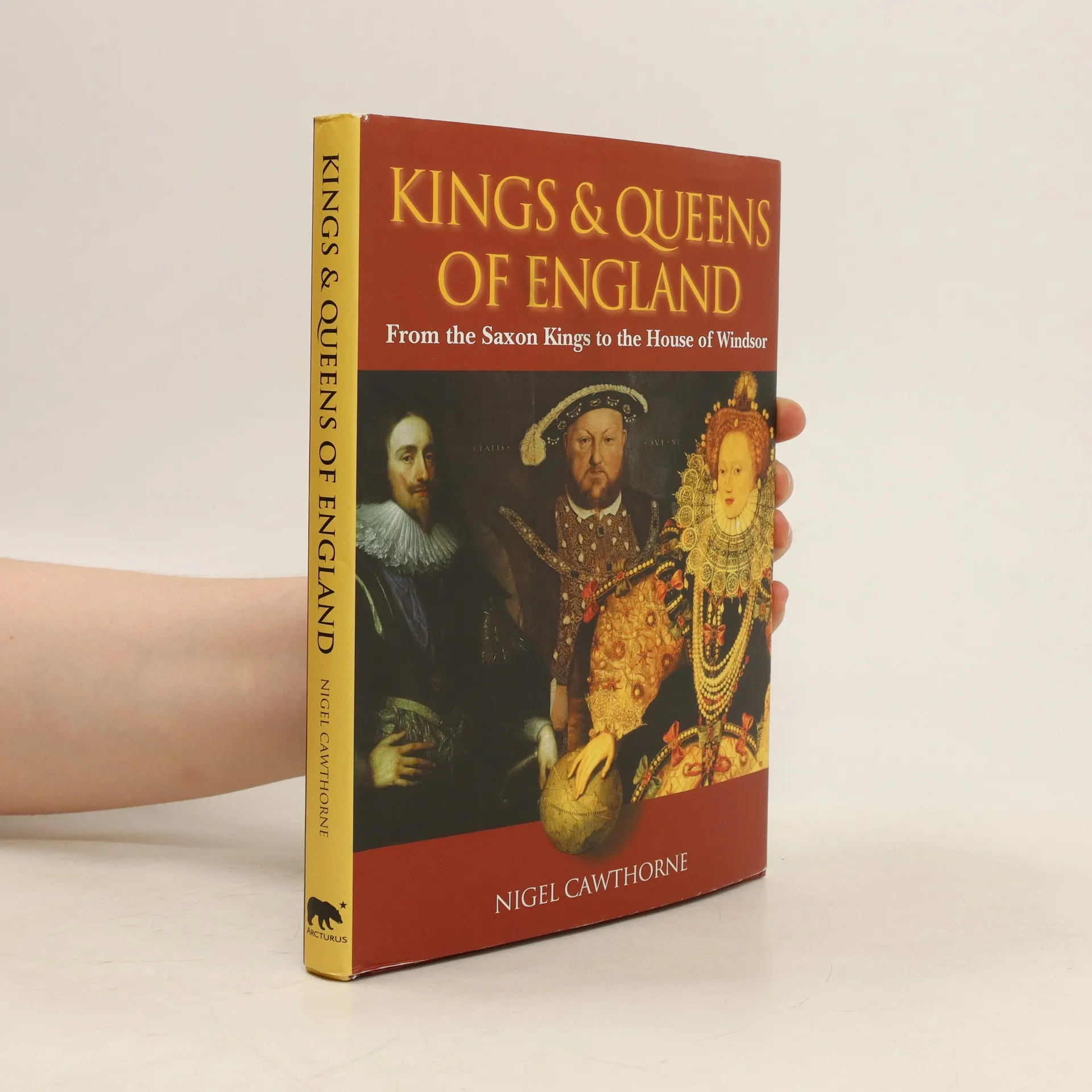
The Kings and Queens of England
- 208 pages
- 8 hours of reading
An entertaining, highly readable account of the larger-than-life characters that have ruled England through the ages. The author paints colorful portraits of a mixed bunch of rulers ranging from the drunken and debauched merry monarch Charles II to the idealized domesticity and colonial ambition of Queen Victoria and Prince Albert.
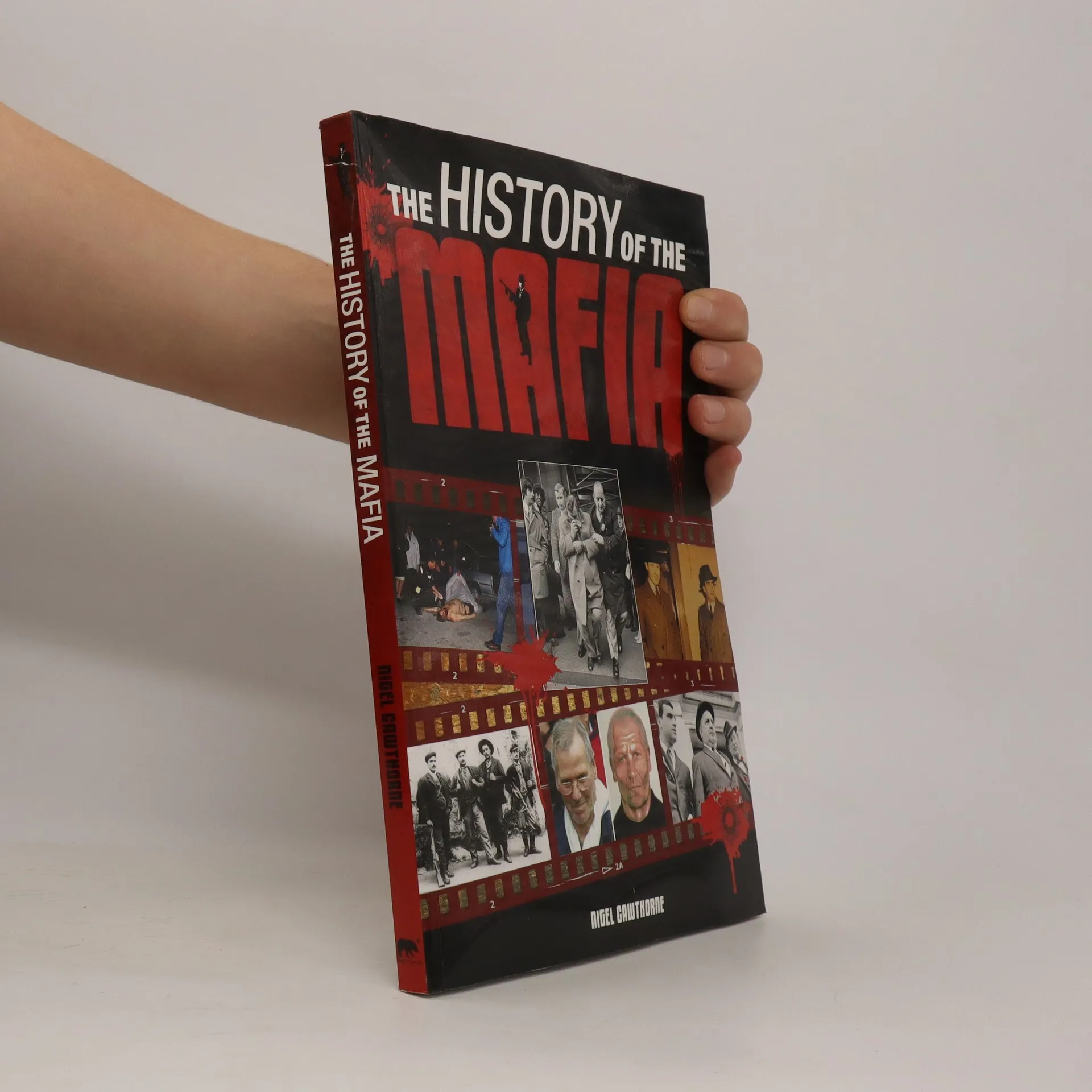
The History of the Mafia
- 208 pages
- 8 hours of reading
The History of the Mafia is full of blood-chilling characters"from Don Vito Cascio Ferro to John Gotti, ~the Teflon don' and Bernardo ~The Tractor' Provenzano. These were extraordinary men who lived through extraordinary times, times that are rapidly disappearing. The History of the Mafia tells the story of their lives, their families, their code, their crimes and their cold-blooded murders.
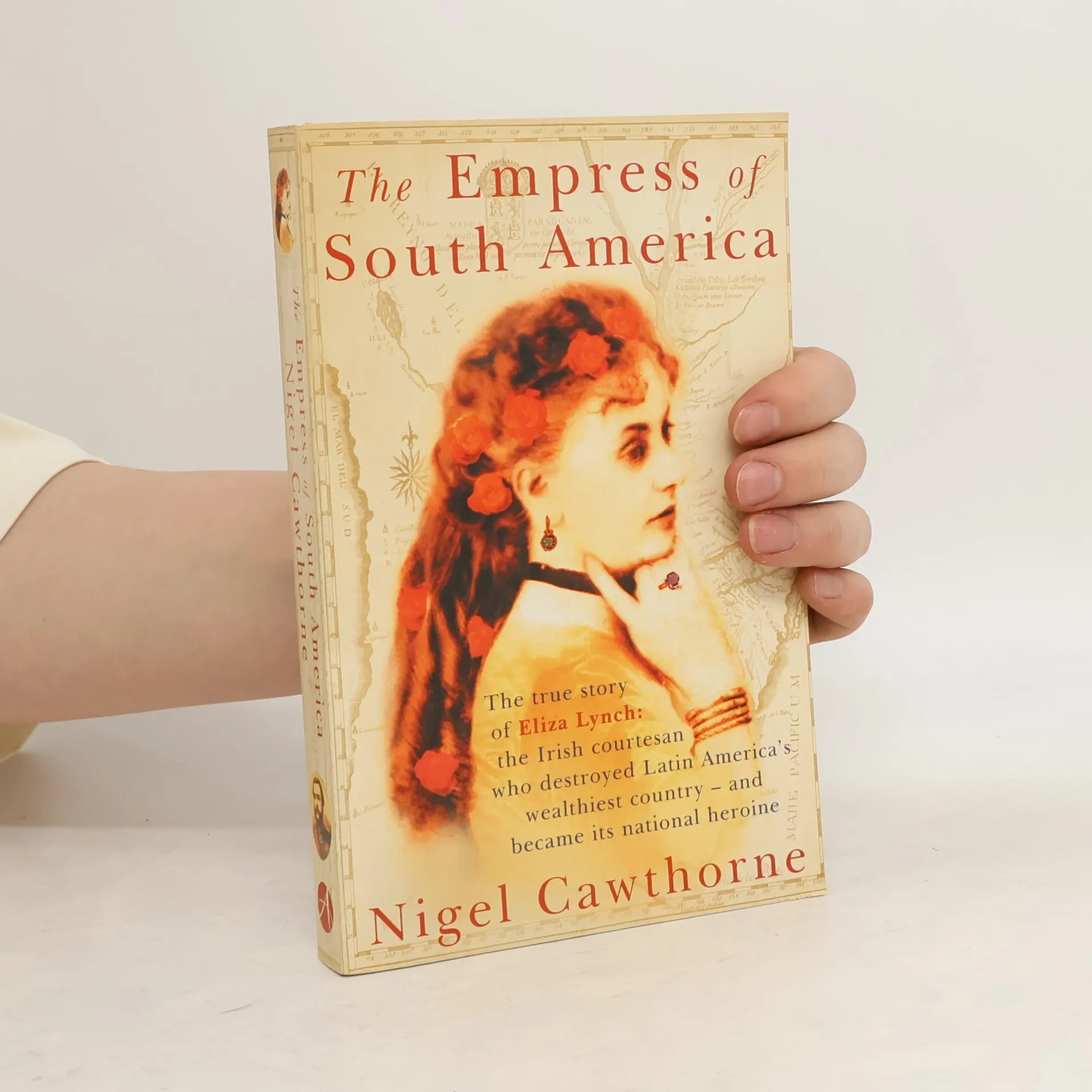
The Empress of South America
- 314 pages
- 11 hours of reading
The extraordinary, true story of Eliza Lynch, an Irish courtesan in Paris, who destroyed Latin America's wealthiest country -- and became its national heroine. Born in Ireland in the 1840s, Elizabeth Lynch left the country as a young girl, fleeing the potato famine with her parents. As a young woman, she became one of Paris's most celebrated courtesans until she was persuaded by the son of the dictator of Paraguay to leave Paris for South America where he promised he would make her Empress of the entire continent. In Asuncion, they embarked on a program of extravagant building and acquisition (Eliza's collection of jewelry was legendary), entertaining (Eliza was known to attend balls dressed as Elizabeth 1) and, finally, war. Paraguay declared war on a coalition that included not only all the other states in South America, but also the USA, France and Britain. By the time their reign was over, Paraguay's populated had been devastated. Eliza died in poverty in Paris. Buried in Pere Lachaise cemetery, her corpse was dug up at dead of night in 1961 and smuggled back to Paraguay, where general Stroessner planned, despite the condemnation of the Church, to make her the centre of an Evita-style cult. Her body lies there to this day.
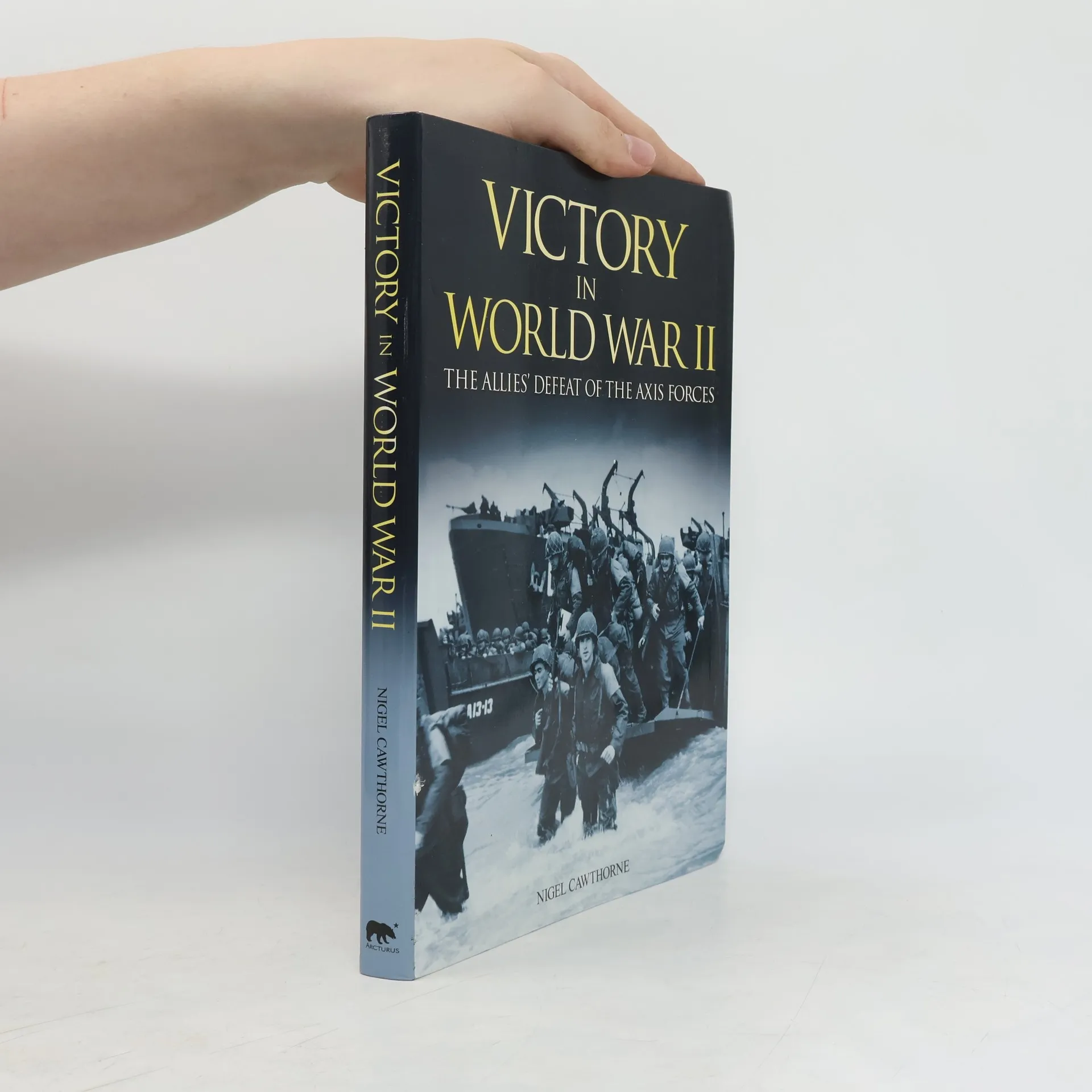
After D-Day, 6 June 1944, Hitler found his worst nightmare coming true. He was fighting on two fronts, with the Russians advancing from one side and the western powers from the other. This book shows how the Allies built on their successes after the titanic struggle in the east, culminating in the brutal battle of Stalingrad, and emerged victorious from the Second World War
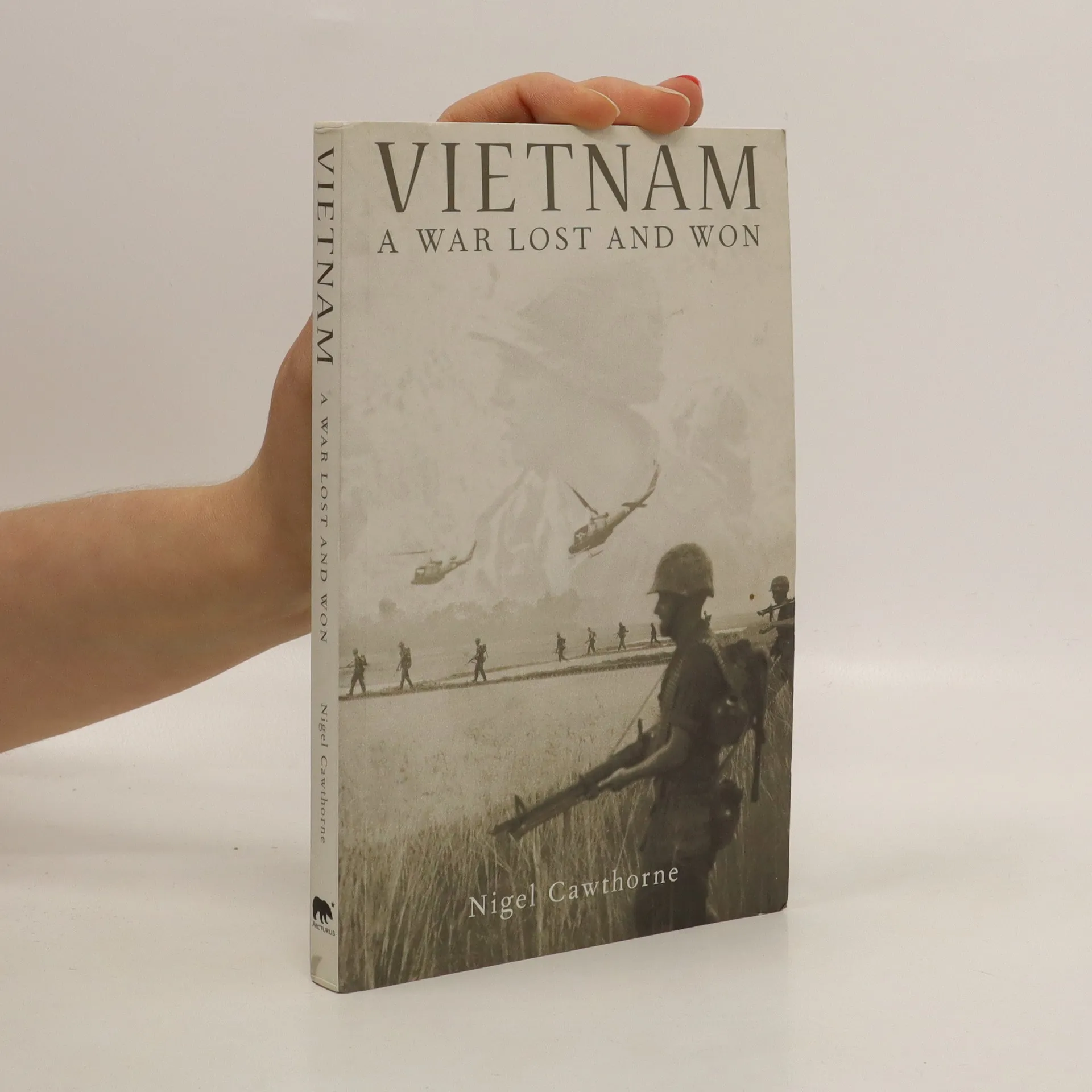
Vietnam : A war lost and won
- 240 pages
- 9 hours of reading
This comprehensive and balanced account provides a highly original look at the emotive impact of the first 'media' war. The book also includes first-hand testimony on the highly charged issue of American personnel who went missing in action.
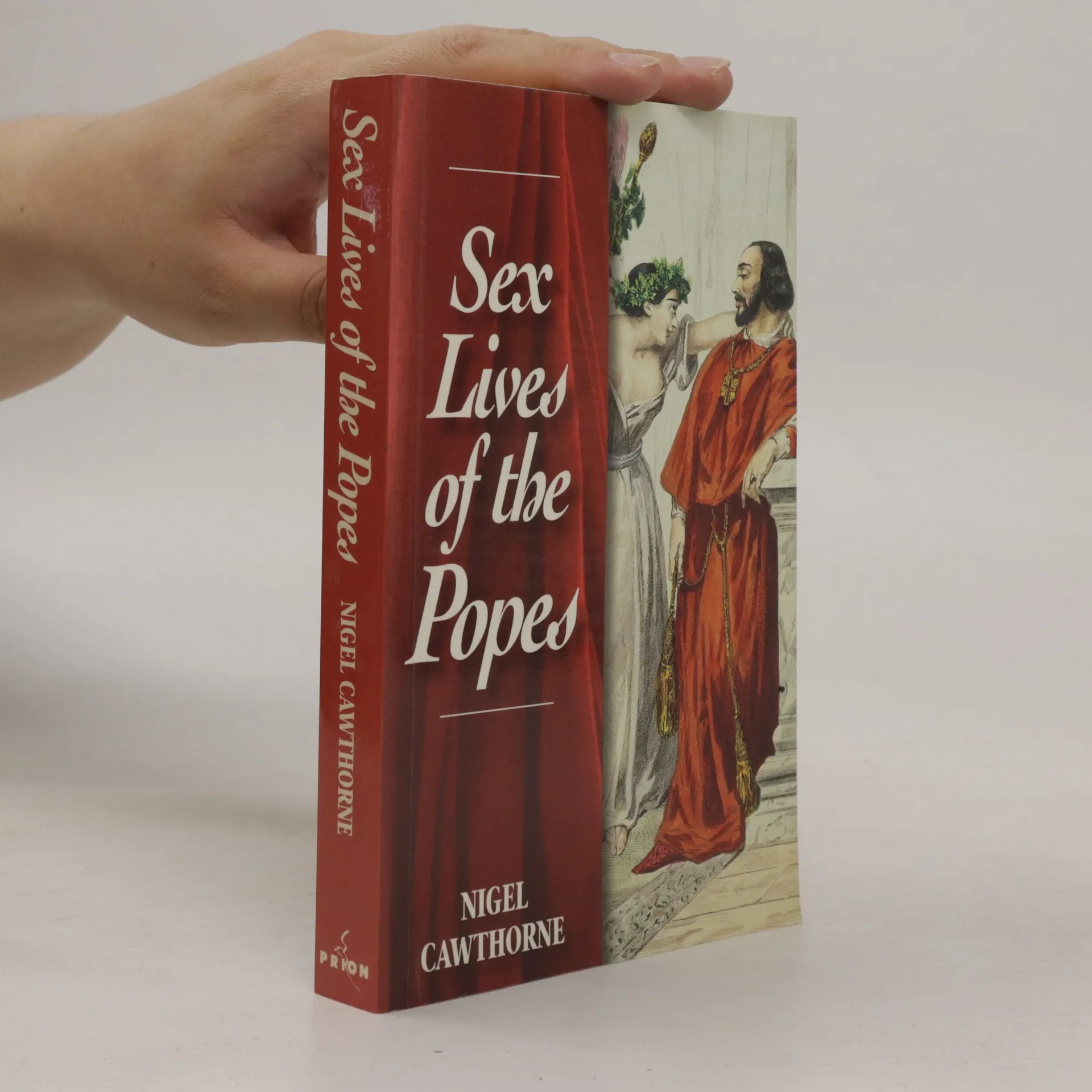
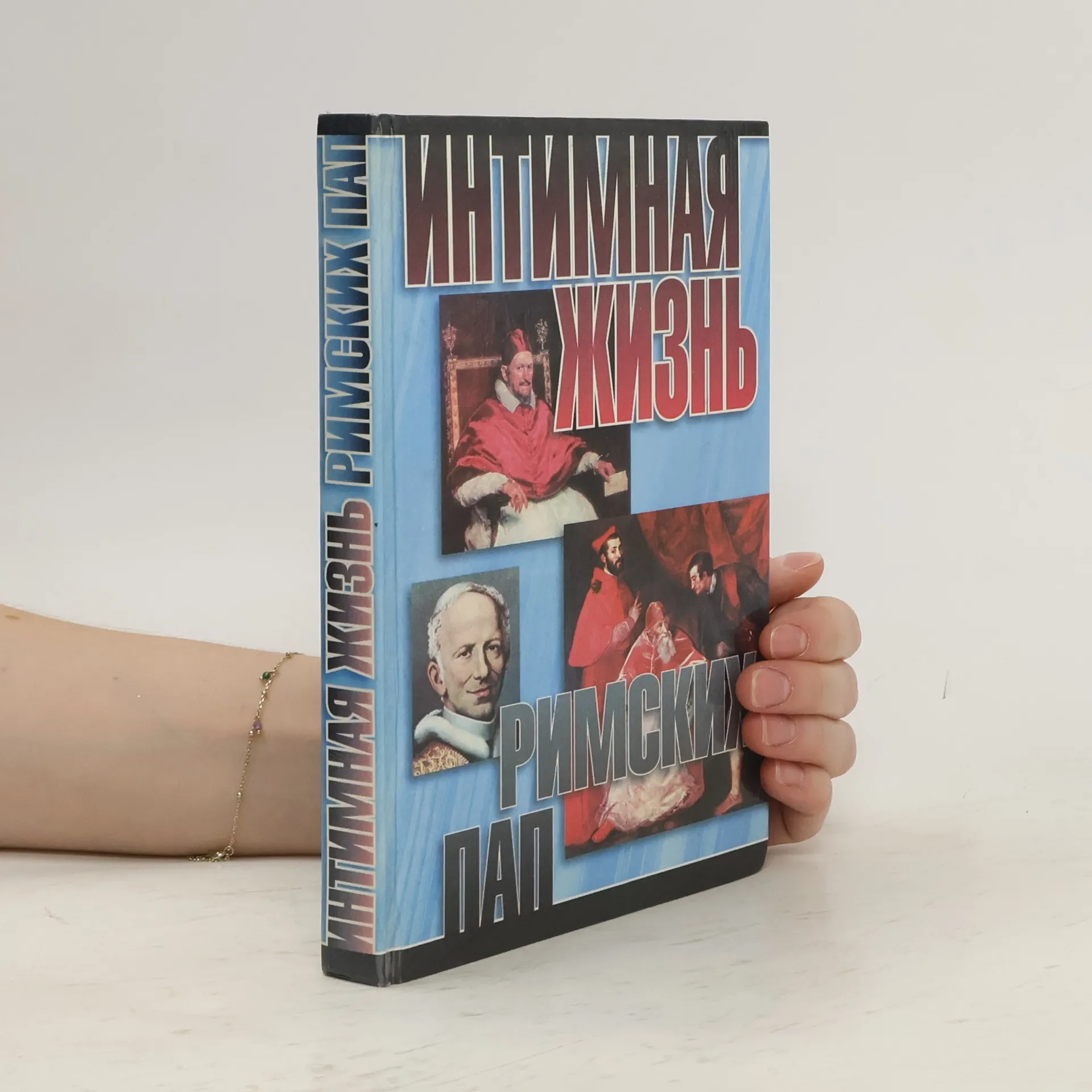
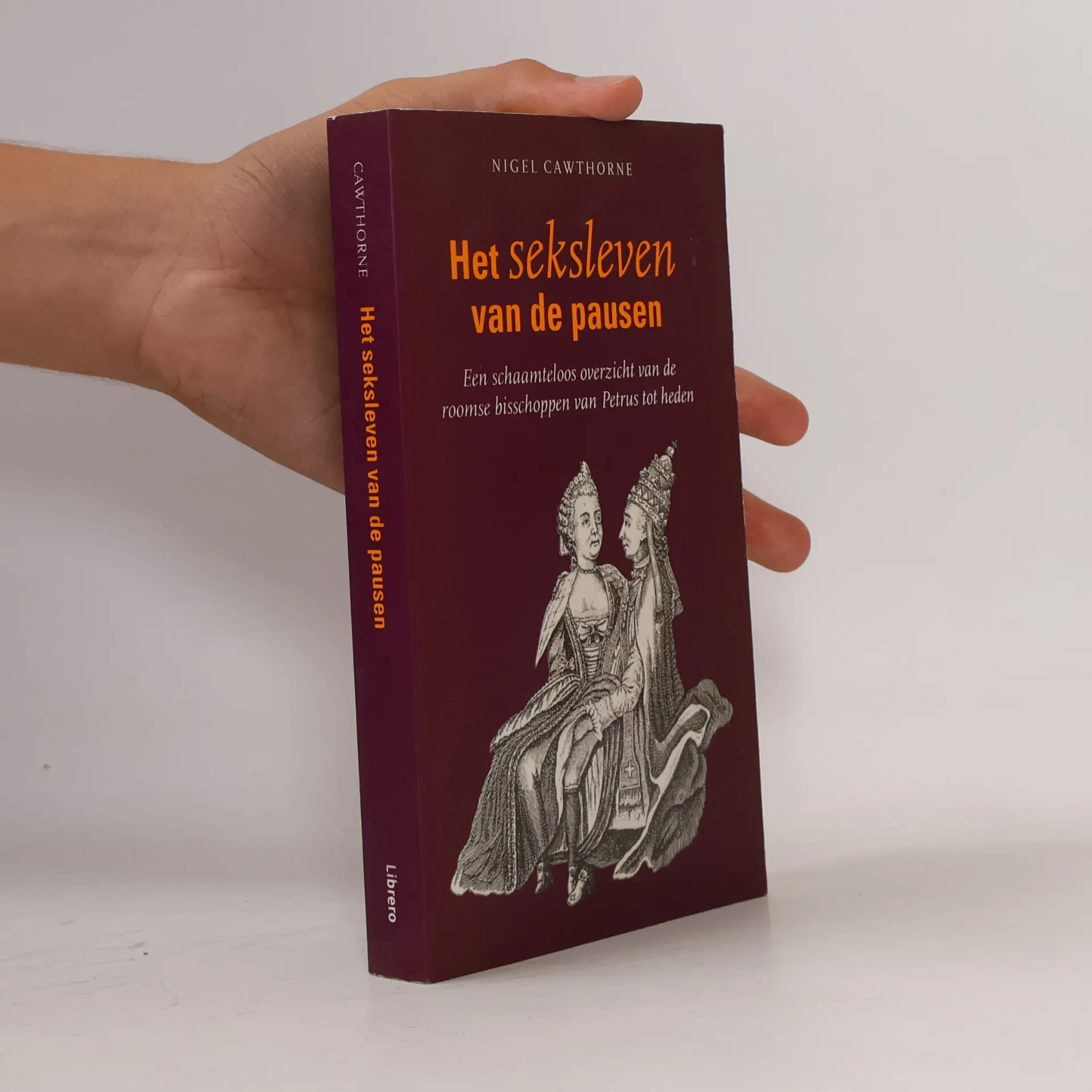
Sex Lives of the Popes
- 280 pages
- 10 hours of reading
This is an irreverent expose of the Bishops of Rome, from St Peter to the 1990s, casting a humorous, yet historically accurate eye on the history of Papal infidelity. From the Borges to the Antipopes, it unearths all the duplicity and scandal, including marriage, homosexuality and pornography.
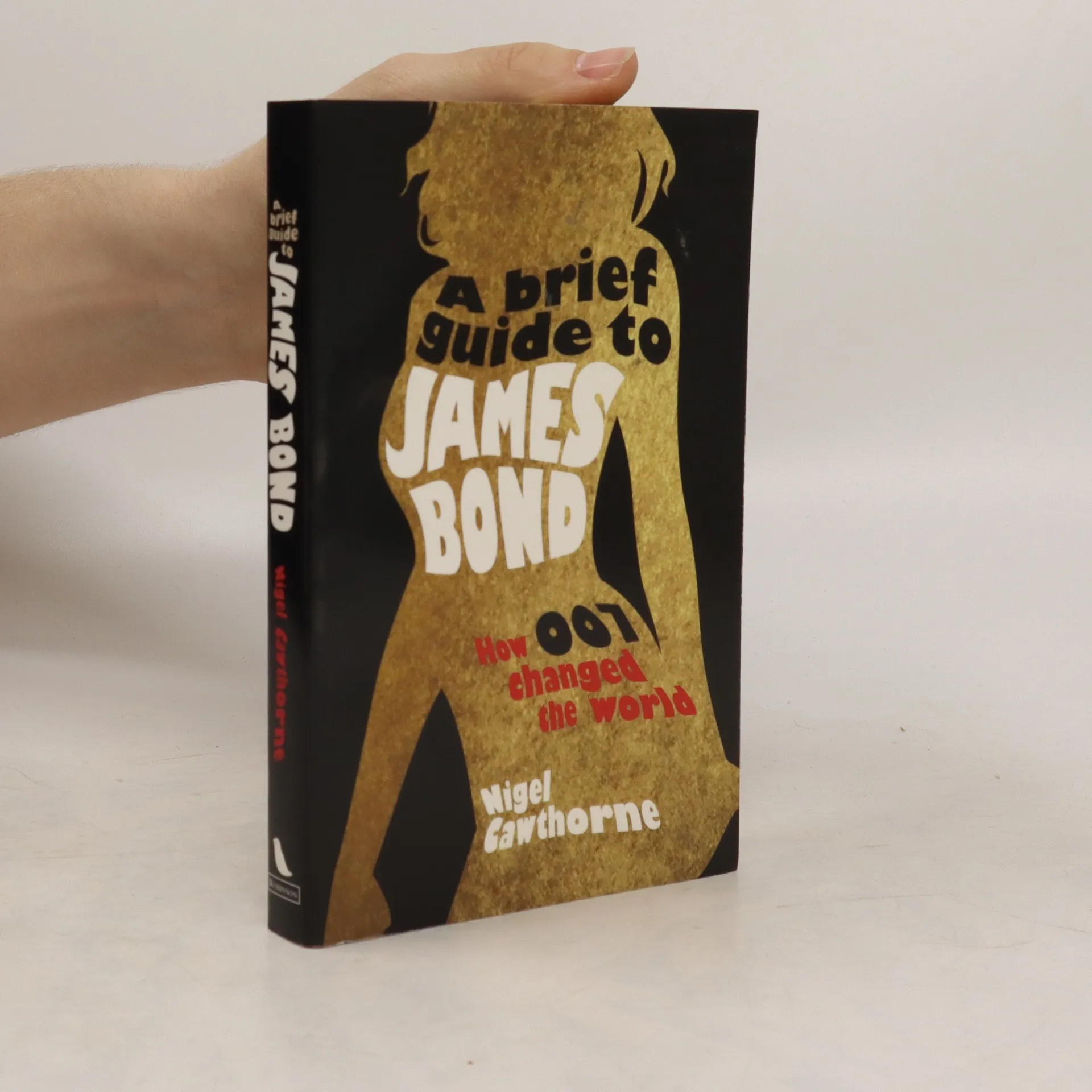
The world's fascination with Bond is unstoppable. James Bond is the greatest British fictional hero of the post-war era. He also has a huge following in the US - and around the world - as a legendary Cold War warrior, and now as a daredevil able to take on the villains of the post-Cold War world. The Bond books are all in print. Today, Sebastian Faulks is writing new stories while Charlie Higson is writing children's versions.In this comprehensive guide to Ian Fleming, the books, the films and the world that was created out of 007, Nigel Cawthorne uncovers Bond's allure. It comes with special sections on the main characters - Q, M, the Bond Girls, and the women who first inspired them; the cars, and the incomparable baddies. It will be the ideal gift for fans and aficionados alike and will be published to coincide with the 50th anniversary of DOCTOR NO; the new film is scheduled for autumn 2012.
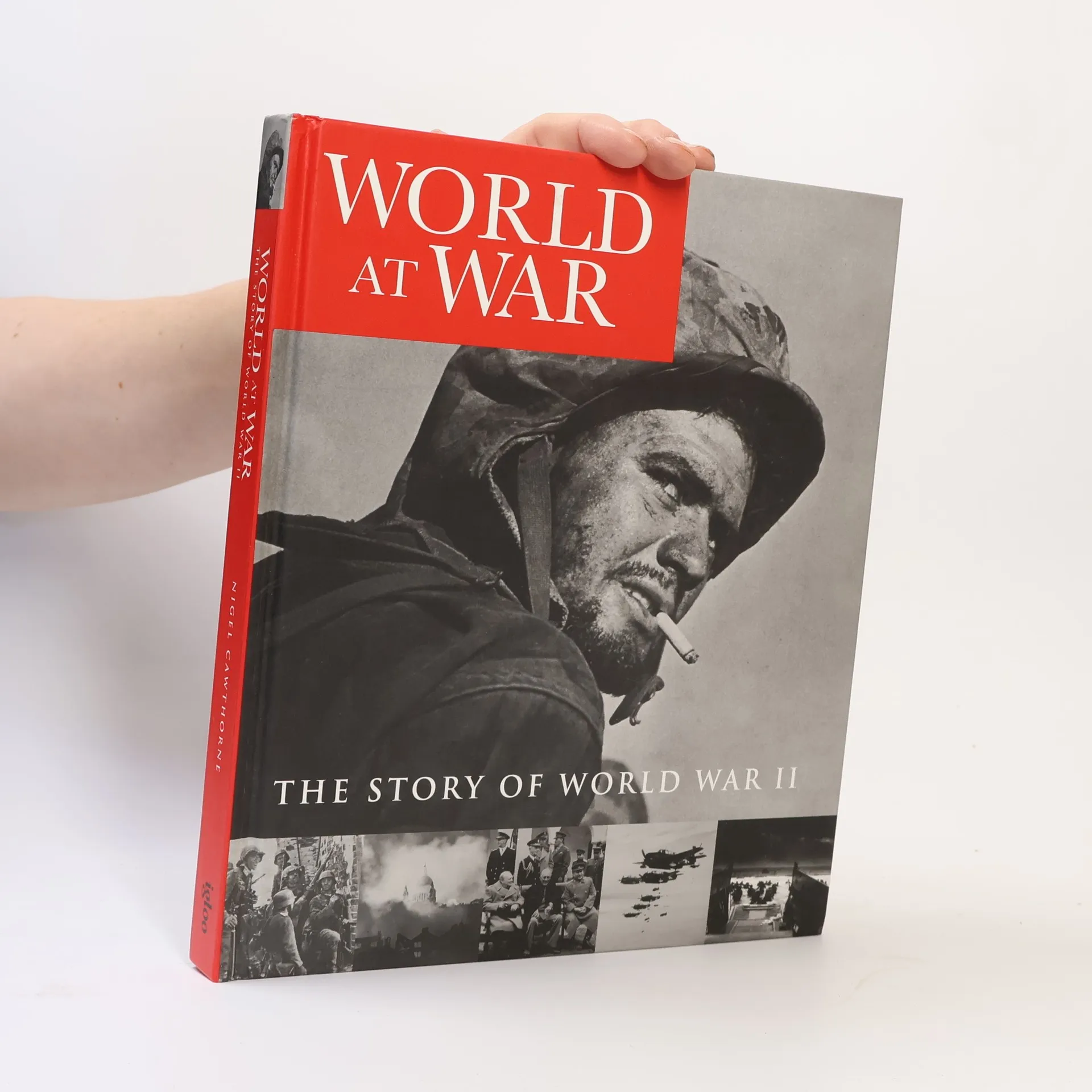
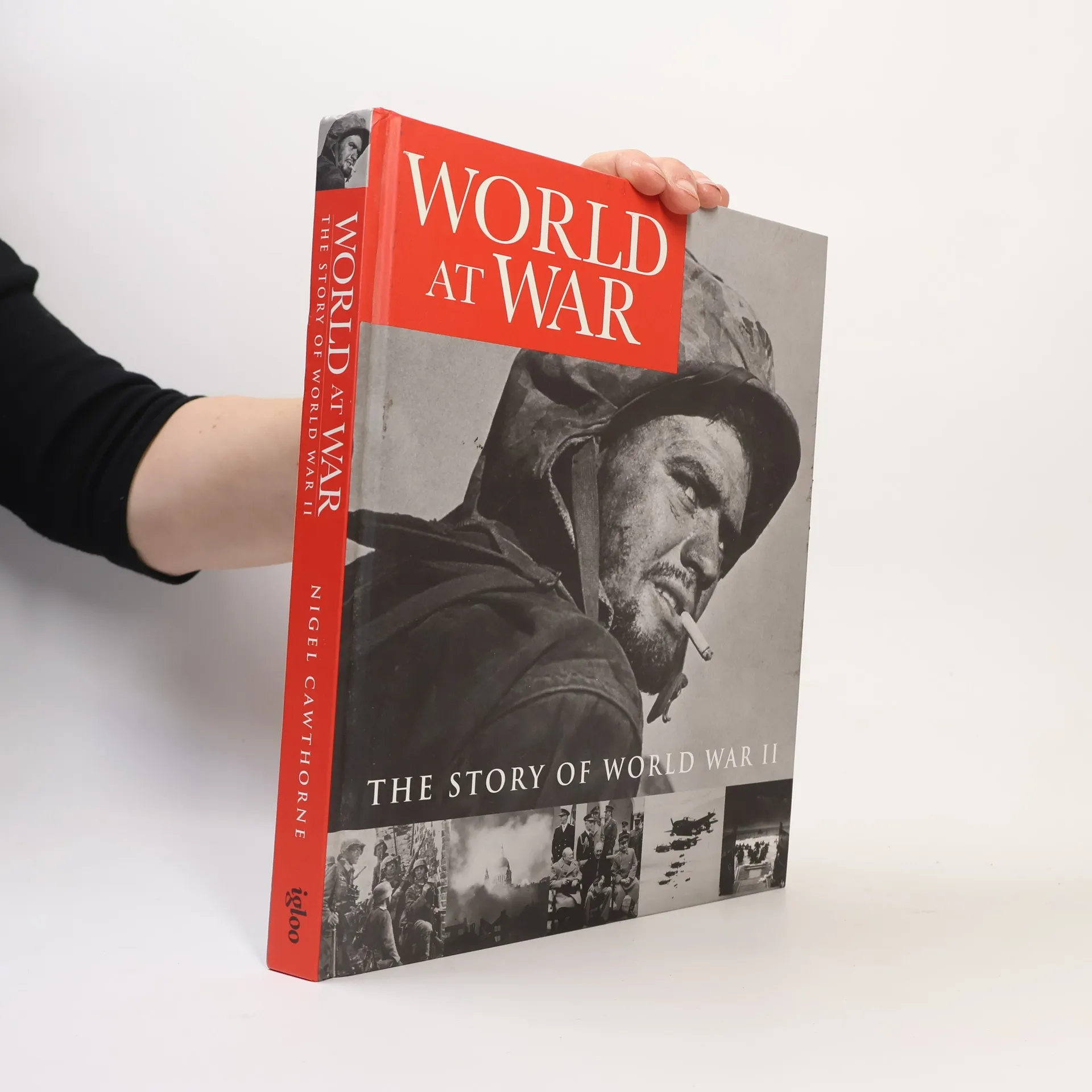
World at War - Story of World War II
- 304 pages
- 11 hours of reading
World War II - one of the most defining periods of the 20th century, and the costliest war in terms of human life. World At War's comprehensive account portrays the epic scale of combat while capturing personal courage and sacrifice.Complete with official strategic maps, soldiers' letters home and hundreds of striking photographs, this chronological, compelling and authoritative book reveals the conflict and upheaval, explaining how the war was won around the world.
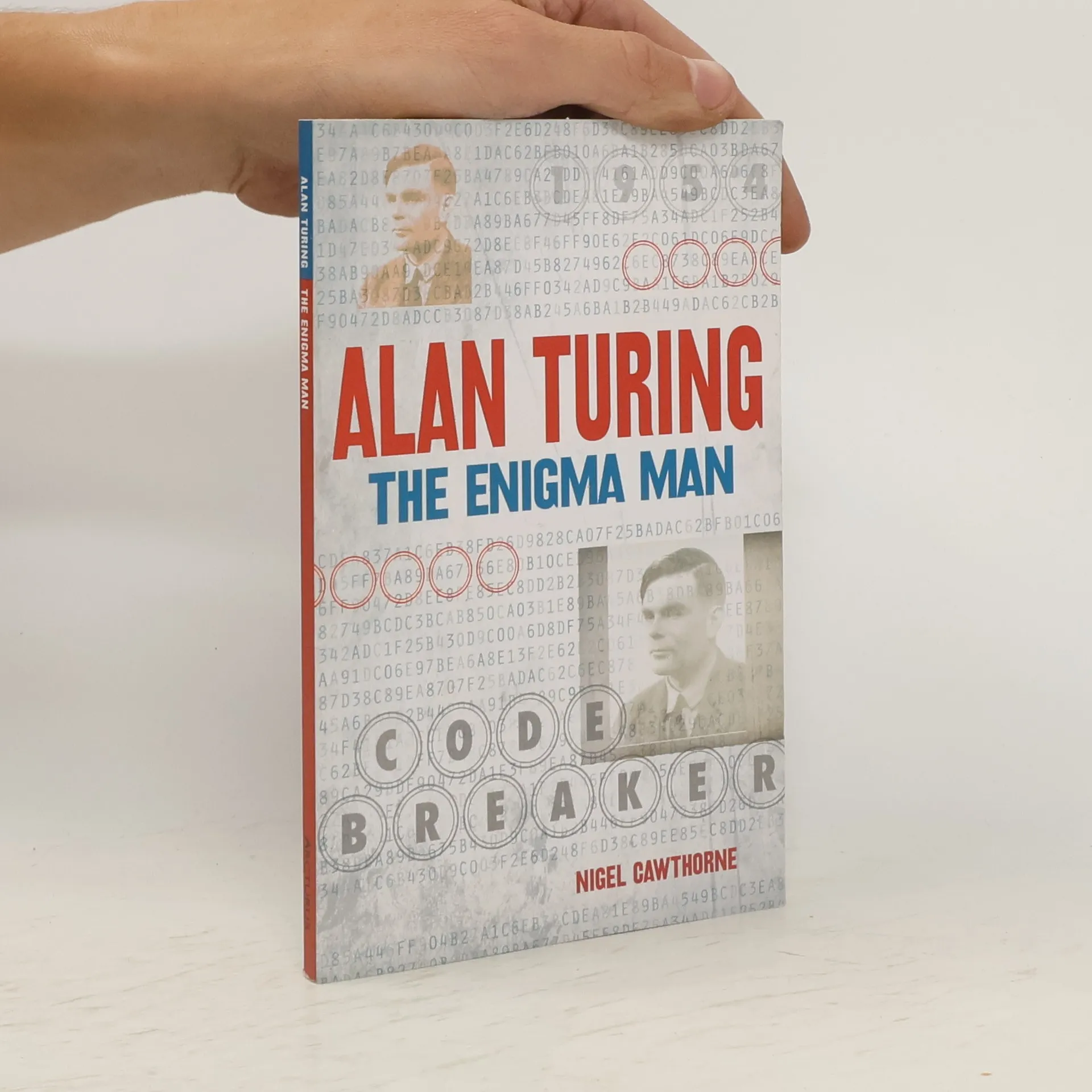
Alan Turing: The Enigma Man
- 128 pages
- 5 hours of reading
According the Winston Churchill, Alan Turing made the single biggest contribution to the Allied victory against Nazi Germany with his code-breaking machine. The world is also indebted to Turing's genius for the modern computer. However, in 1954, he was found dead, poisoned by an apple laced by cyanide. This is the story of his life.
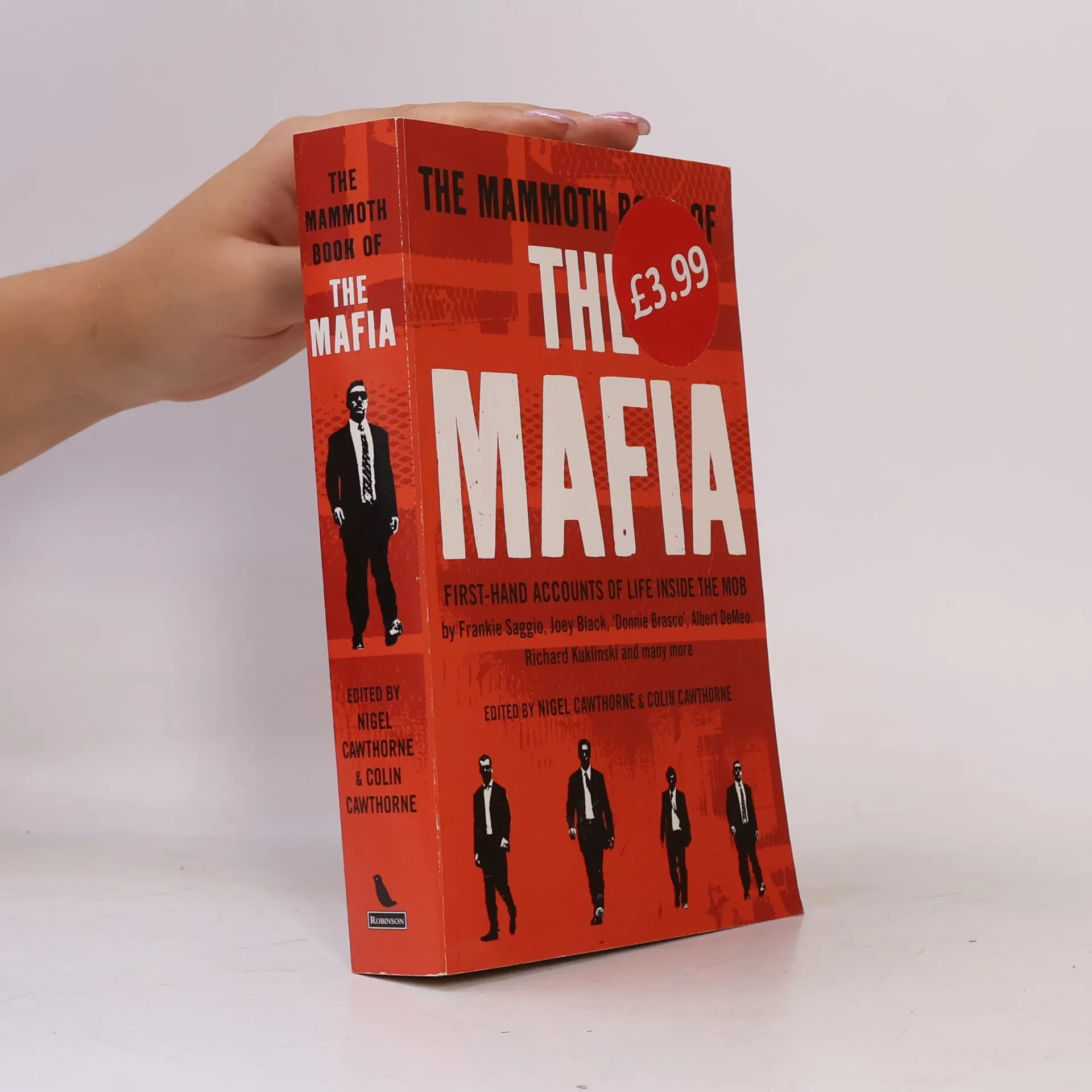
The Mammoth Book of the Mafia
First-Hand Accounts of Life Inside the Mob
Can’t get enough of The Godfather and Goodfellas? Enter the underground world of organized crime. Get true accounts from the mouths of prominent former Mafiosi and others who have infiltrated the hidden world of organized crime: the American Mafia, the Sicilian Cosa Nostra, the Camorrah, 'Ndrangheta, and Sacra Corona Unita. This fascinating compilation contains accounts from the likes of Richard Kuklinski, Frankie Saggio, Joey Black, Albert DeMeo, and Donnie Brasco.
Sex Lives of the Kings and Queens of England
- 256 pages
- 9 hours of reading
Sometimes history is made on battlefields, sometimes in bedrooms. The ribald, raunchy, and sometimes sordid affairs detailed in this humorous but meticulously researched expose of royal sex scandals give a whole new meaning to Shakespeare's famous line, Uneasy lies the head that wears the crown. Nigel Cawthorne chronicles an unbroken line of sexual misbehavior--and its political repercussions--across the centuries, from Hal the Horny (Henry VIII) to Edward the Caresser (Edward VII) to the present-day antics of the House of Windsor."
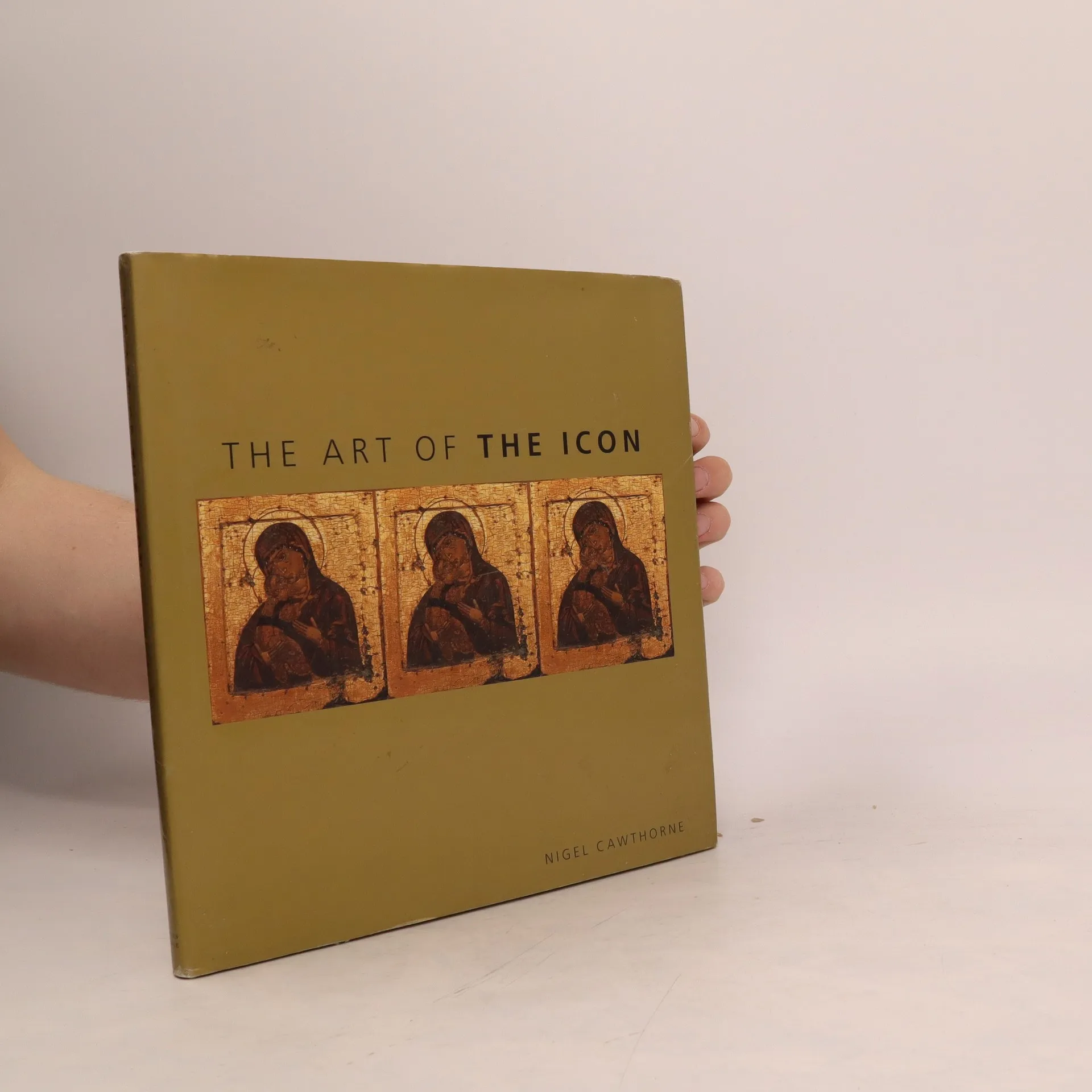
The Art of the Icon
- 96 pages
- 4 hours of reading
The traditional religious icons of Eastern Europe are more than symbols of faith and objects of worship. They rank among some of Europe's great pictorial images, a highly stylized from that was perpetuated for generations, dating back to the earliest days of formalized Christianity. With stunning illustrations, this book evokes the visual impact of its sacred subject matter. It touches on the techniques of icon painting and covers all periods, including the early Christian Church, the Byzantine tradition, the Macedonian Renaissance, and the major and minor Russian schools from Kiev to Moscow.
House of horrors : the horrific true story of Josef Fritzl, the father from hell
- 288 pages
- 11 hours of reading
In the quiet Austrian town of Amstetten in the balmy spring of April 2008, a truly horrifying vision of hell was discovered by police in the cellar of a normal suburban home. On 28 August 1984, seemingly respectable family man Josef Fritzl had lured Elisabeth, the youngest of his seven children, into the cellar of their family home, where he then drugged and handcuffed her in a windowless dungeon he'd spent years constructing. For the next 24 years Josef held his daughter captive in unimaginable conditions and repeatedly raped her, fathering seven children. When the eldest captive child, Kerstin, was admitted to hospital, Josef's sickening web of incest and abuse was uncovered by the authorities. This is the full and utterly disturbing true story of what happened in those underground chambers of horror.
The World´s Greatest Political Scandals
- 191 pages
- 7 hours of reading
Part of a series of books which examines real-life stories that have made newspaper headlines around the world, this looks at royal scandles. Other titles available include "The World's Greatest Blunders" and "The World's Greatest Cults".
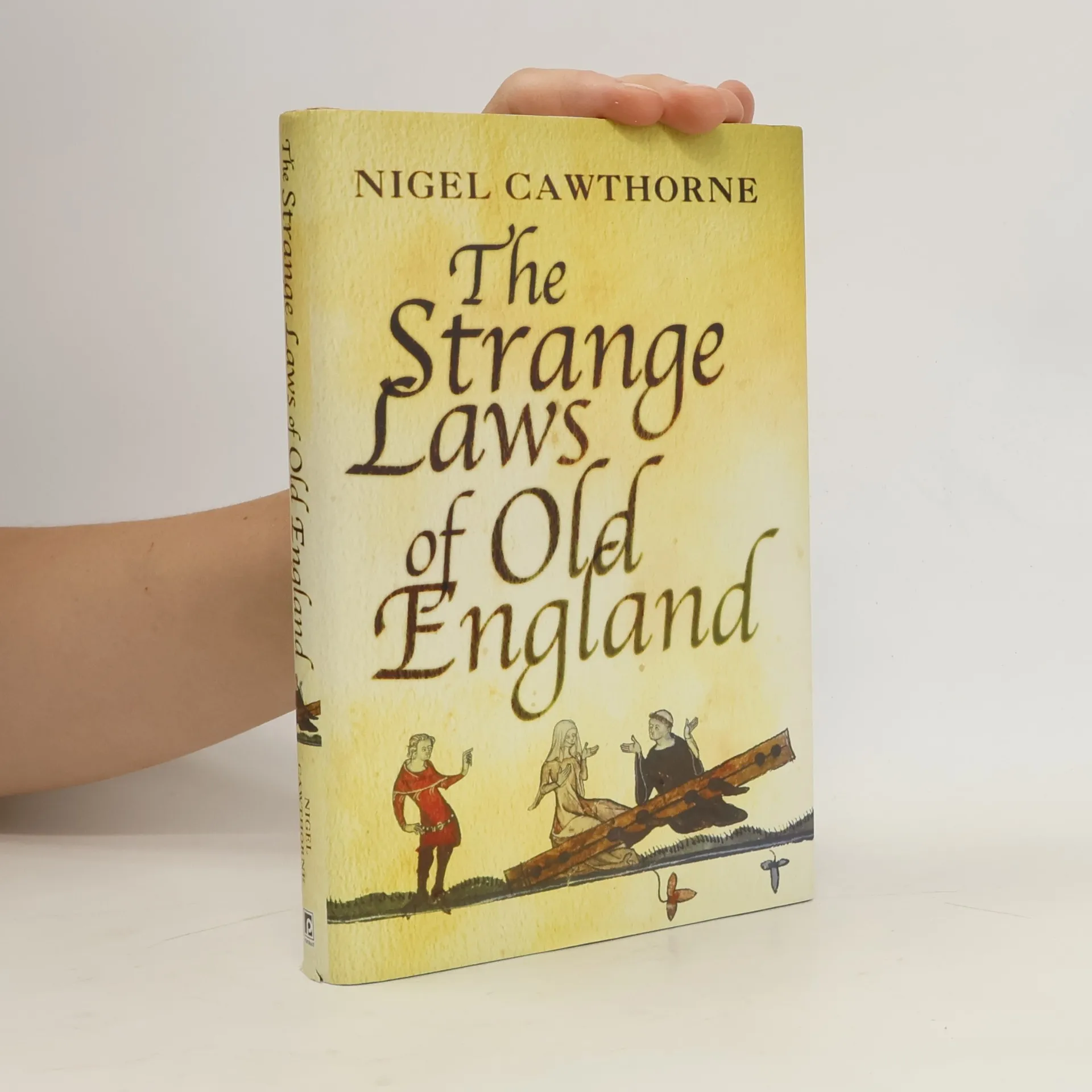
The Strange Laws of Old England
- 266 pages
- 10 hours of reading
Did you know that:It's against the law to check into a hotel in London under assumed names for the purpose of love-making?The law of habeas corpus came about because of a London lady's drunken parties?Under a statute of Edward II, all whales washed up on the shore belong to the monarch?Under Tudor law, Welshmen are not allowed into the city of Chester after dark?The law requiring a London taxi driver to carry a bale of hay on top of his cab to feed the horse was in force until 1976? Oliver Cromwell passed laws ordering the demolition of theatres, the imprisonment of actors, and the fining of the audience?You're not allowed to feed or shoe horses on the road? However, you can herd cattle along the streets, provided you do not "wantonly and unlawfully pelt, drive or hunt any such cattle".Nigel Cawthorne takes the reader on an entertaining tour of the wilder shores of the British legal system; he has unearthed an extraordinary collection of the most bizarre and arcane laws that have been enacted over the centuries. Some of the laws, incredibly, are still in force. It is still illegal to enter the Houses of Parliament in a suit of armour...This elegant and amusing book is perfect for everyone fascinated by the eccentric history of these islands.
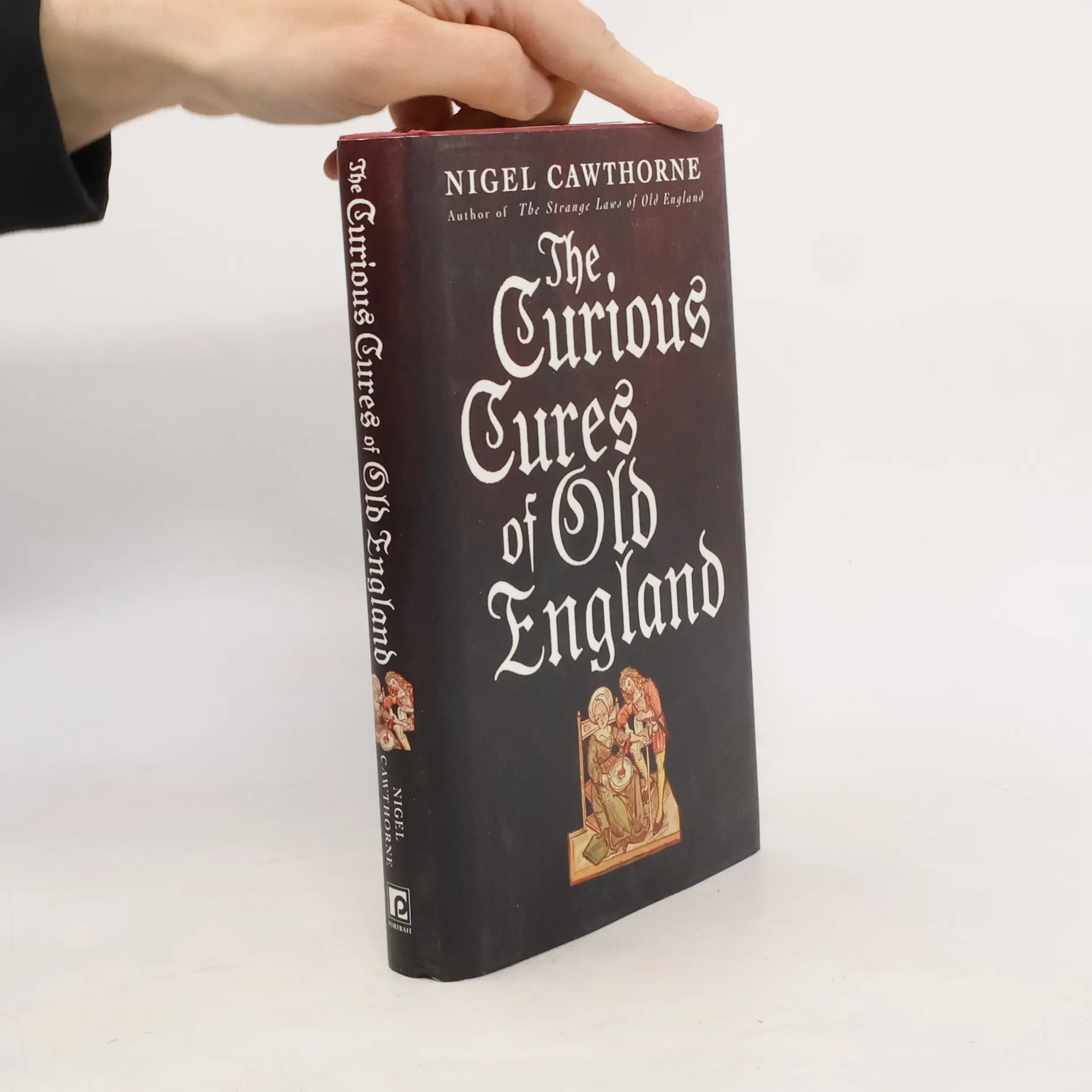
The Curious Cures of Old England
- 256 pages
- 9 hours of reading
A captivating exploration of English history, this book delves into the peculiar remedies used in Britain for various ailments, ranging from the plague to the pox, by the author of The Strange Laws of Old England.
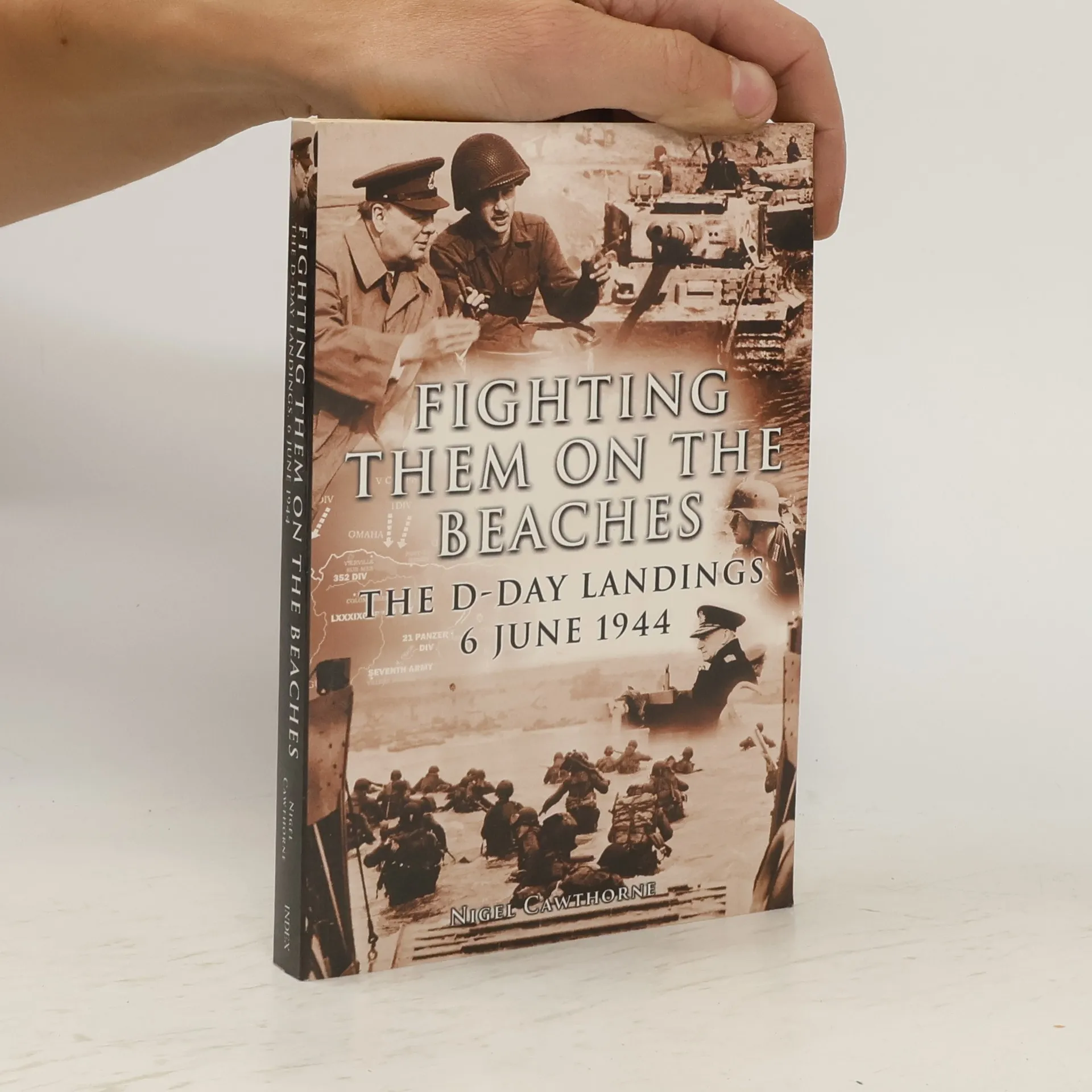
Fighting Them on the Beaches
- 239 pages
- 9 hours of reading
'Fighting them on the Beaches' tells the story of one of the largest and most meticulously organised seaborne invasions in the history of warfare - the Allied landings of June 6, 1944: D-Day. As the parachutes and glider troops of the US and British airborne divisions went in on the night of June 5, allied shipping began massing out in the Channel. As dawn broke on June 6, waves of assault craft hit the Normandy beaches. British, American, Canadian, Polish and Free French troops began to stream ashore to storm the defences of the Atlantic Wall in the teeth of overwhelming enemy firepower. By midnight on D-Day 150,000 Allied troops were ashore and the process of consolidating the beachheads and pushing inland had begun.
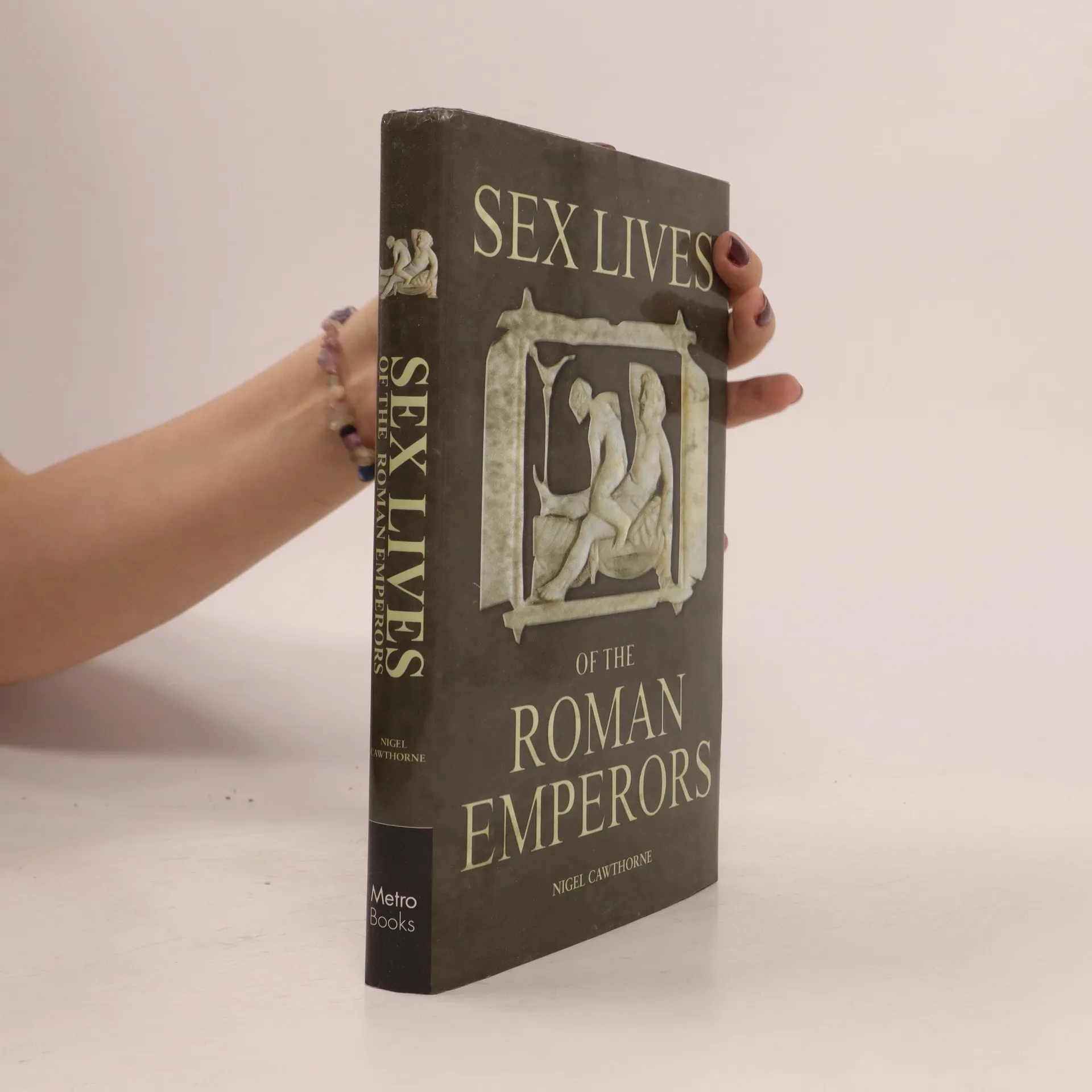
Sex Lives of the Roman Emperors
- 256 pages
- 9 hours of reading
Takes you emperor by emperor, through the entire sexual history of ancient Rome, its mores and its literature, and lays bare, if not the heart, other organs of the civilization that laid the foundations of our own.
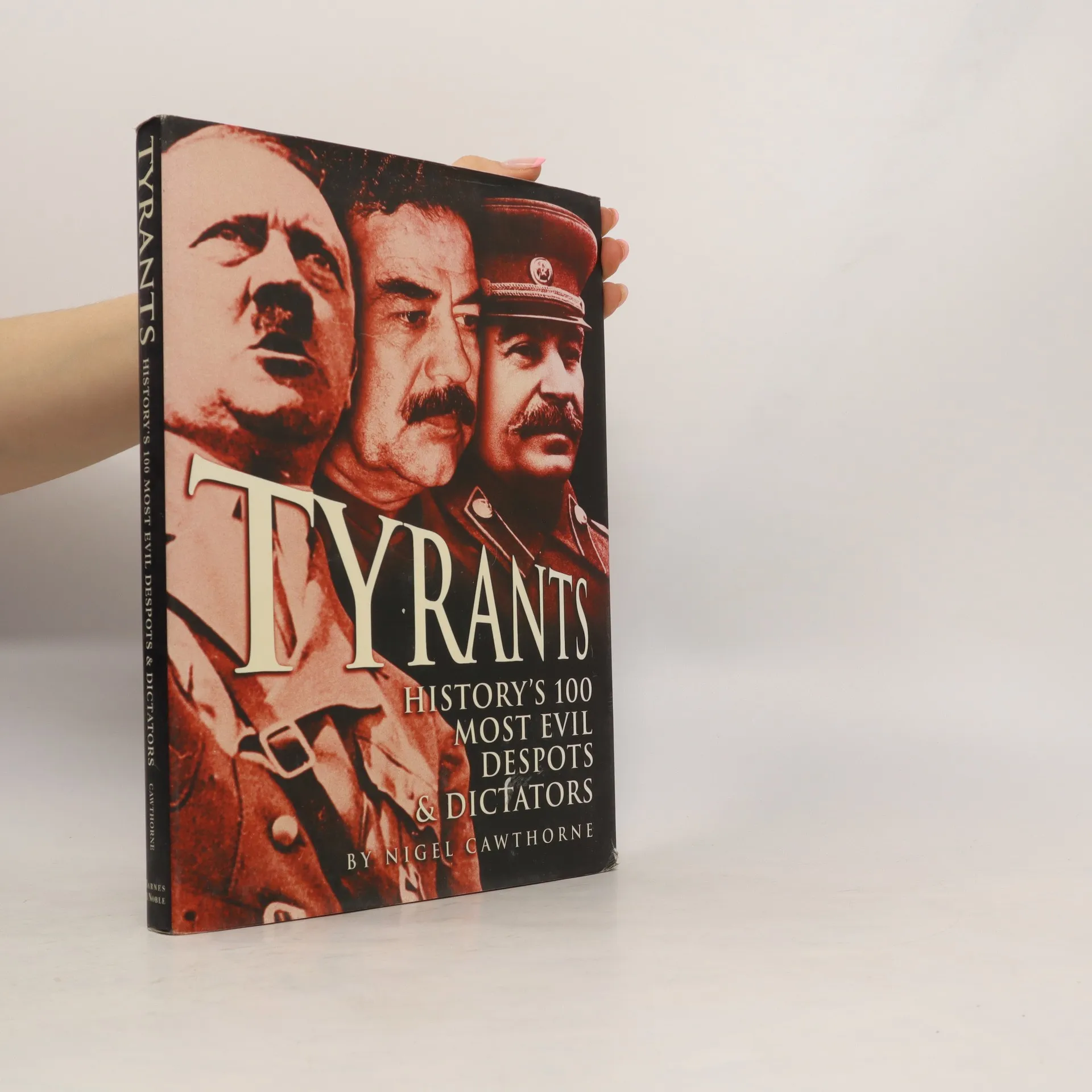
Tyrants
- 208 pages
- 8 hours of reading
Exploring themes of morality and indifference, the narrator reflects on their past actions, including acts of cruelty and the loss of countless lives, revealing a profound internal conflict. Despite the weight of these decisions, the character remains unconcerned with public perception, suggesting a complex psychological landscape. This introspective journey challenges readers to consider the nature of right and wrong in the face of personal conviction and societal judgment.
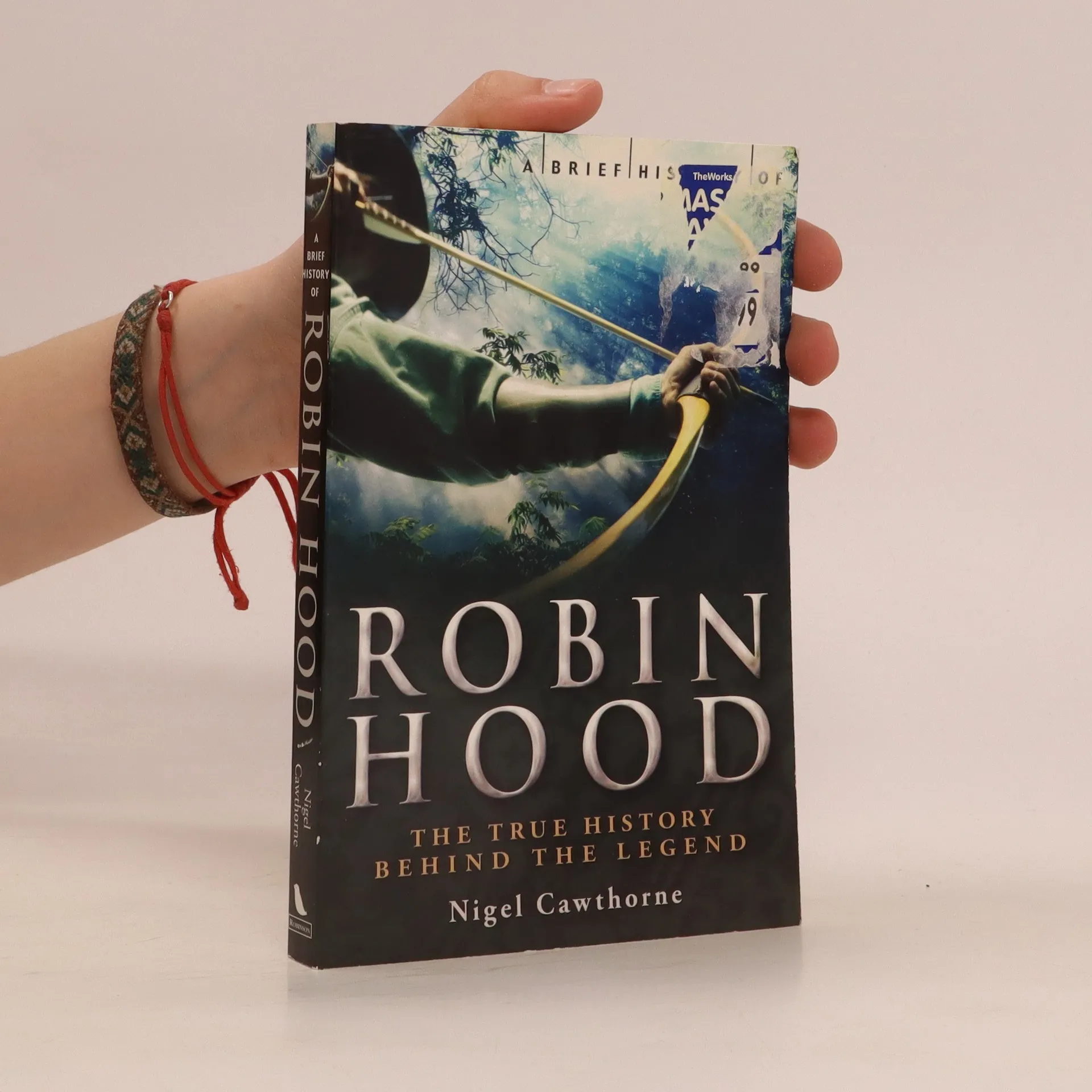
A Brief History of Robin Hood
- 256 pages
- 9 hours of reading
Throughout history the hooded man of Sherwood Forest and his band of outlaws have transfixed the public. But who was the real Robin Hood? The story grew out of the pagan legend of the `green man' but found its home in England and Sherwood Forest during the reign of Richard II, the Lionheart. --
Cults
- 272 pages
- 10 hours of reading
The inside story of the world's most notorious cults.
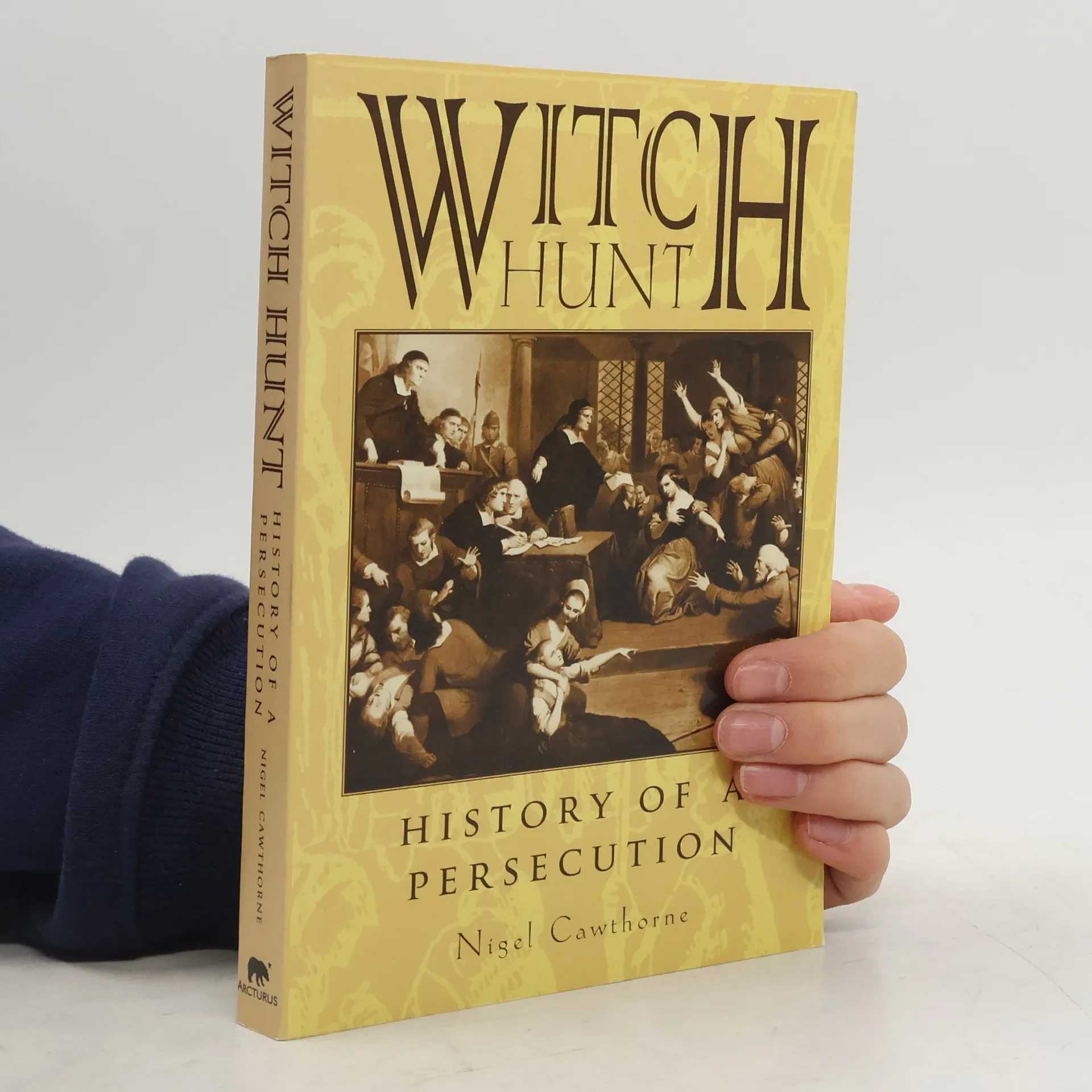
Examines the persecution and religious hysteria about alleged witches that occurred in Europe and colonial America between 1450 and 1750.
The Battle of Britain presents in photographs the many aspects of the momentous campaign, from tactics, personalities, and aircraft to its effect on the lives of civilians. Lavishly illustrated, it is a tribute to a nation that pulled together in the face of overwhelming odds, and united, saved and guided the world.
A Brief History of Sherlock Holmes
- 280 pages
- 10 hours of reading
The complete guide to the world's most famous detective.
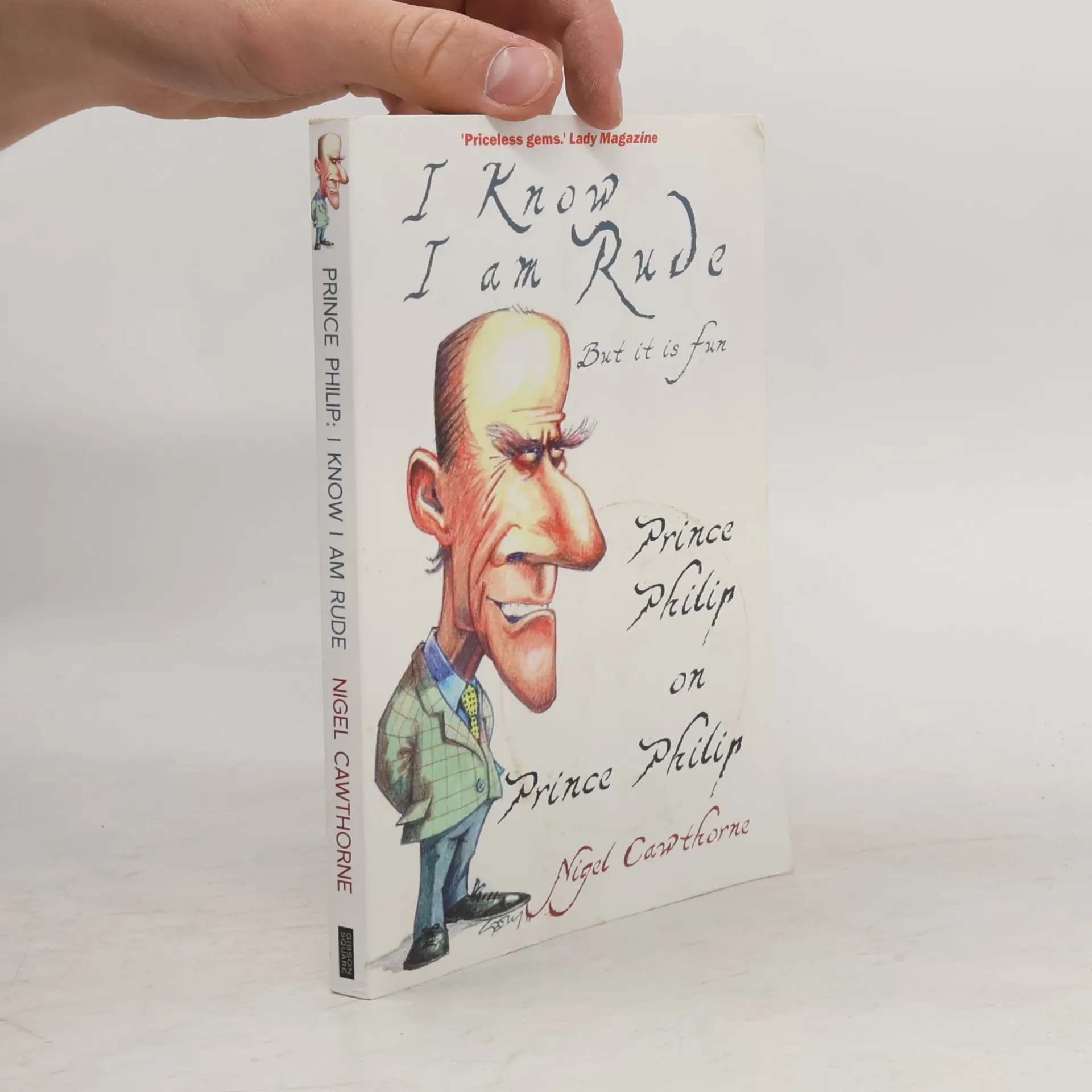
I Know I Am Rude, but It Is Fun
- 192 pages
- 7 hours of reading
An affectionate collection celebrating Prince Philip's forthright views of his fellow royals and the world at large.
Vinyl Frontier - 5: The Who and the Making of Tommy
- 224 pages
- 8 hours of reading
The the Making of Tommy (Vinyl Frontier) Cawthorne, Nigel
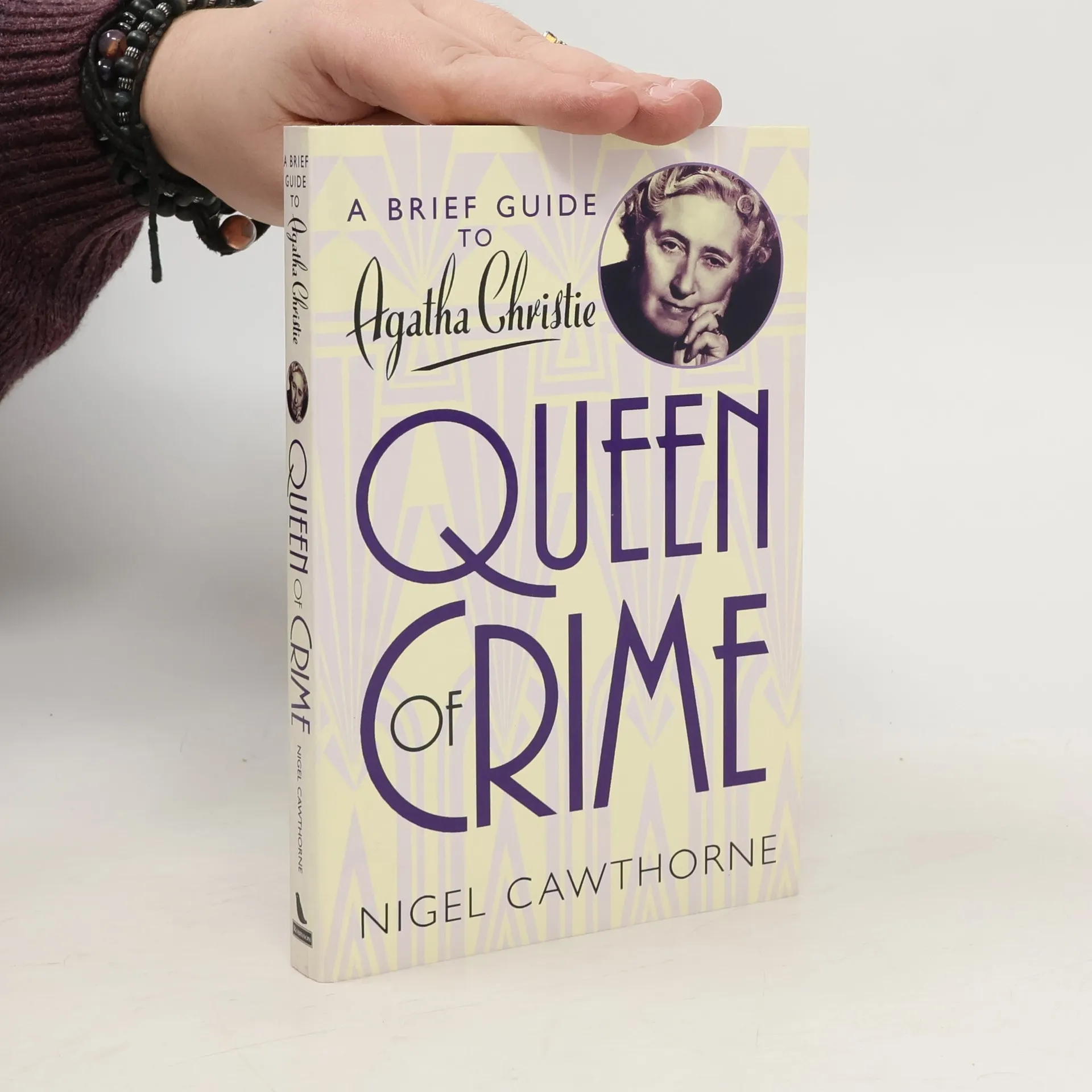
A Brief Guide To Agatha Christie
- 279 pages
- 10 hours of reading
A compelling guide to the bestselling author of all time, the aptly named Queen of Crime
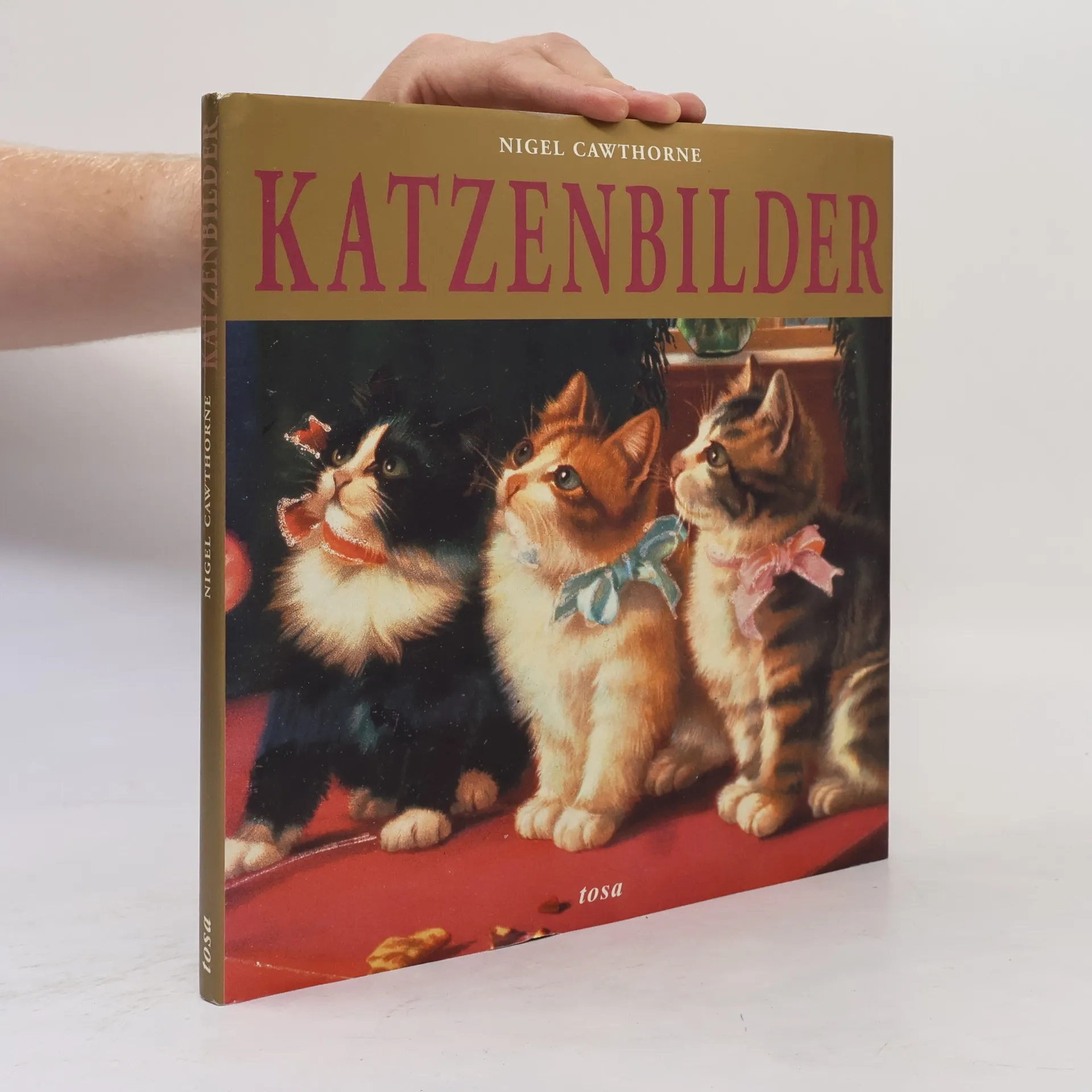
Katzenbilder
- 96 pages
- 4 hours of reading
Dieses unterhaltsame und schön gestaltete Buch feiert die Katze durch Kunst und Kultur. Berühmte Künstlerinterpretationen werden mit den witzigen Beobachtungen der Literatur über die Katze kombiniert. Es enthält metallische Drucke und bedruckte Transparentpapier-Einlagen.
Das Geheimnis um Flug MH370
- 240 pages
- 9 hours of reading
Am 8. März 2014 startete ein Malaysia Airlines-Flug von Kuala Lumpur nach Peking mit 227 Passagieren und 12 Besatzungsmitgliedern an Bord. Um 01:19 Uhr gab es den letzten Funkspruch, danach brach der Kontakt ab und das Flugzeug verschwand. Die daraufhin gestartete Suche wurde zur aufwendigsten in der Luftfahrtgeschichte, doch die Boeing 777 blieb verschollen. Nigel Cawthorne hat die Spur von Flug MH370 verfolgt und umfassende Recherchen angestellt. Er sammelte Untersuchungsergebnisse, sprach mit Experten und Angehörigen der Passagiere und präsentiert die Resultate seiner Arbeit. In einer Welt, in der nichts einfach verschwindet, wirft der Fall Fragen auf: Wurde die Maschine von Terroristen entführt? Stürzte der Pilot absichtlich ab? Wurde das Flugzeug bei einem Manöver abgeschossen? Besonders rätselhaft ist das Abschalten des Ortungssystems und das Fehlen eines Notrufs. Augenzeugen berichteten von einem ungewöhnlichen Flugverhalten, und die Tochter des Piloten bemerkte Veränderungen in seinem Verhalten vor dem Flug. Warum waren Regierungen und Behörden zurückhaltend, Informationen über den Vorfall zu teilen? Und warum sendeten die Mobiltelefone der Insassen weiterhin Signale aus? Cawthorne analysiert Beweismaterial, gewichtet Theorien und lädt die Leser ein, ihre eigenen Schlüsse zu ziehen.
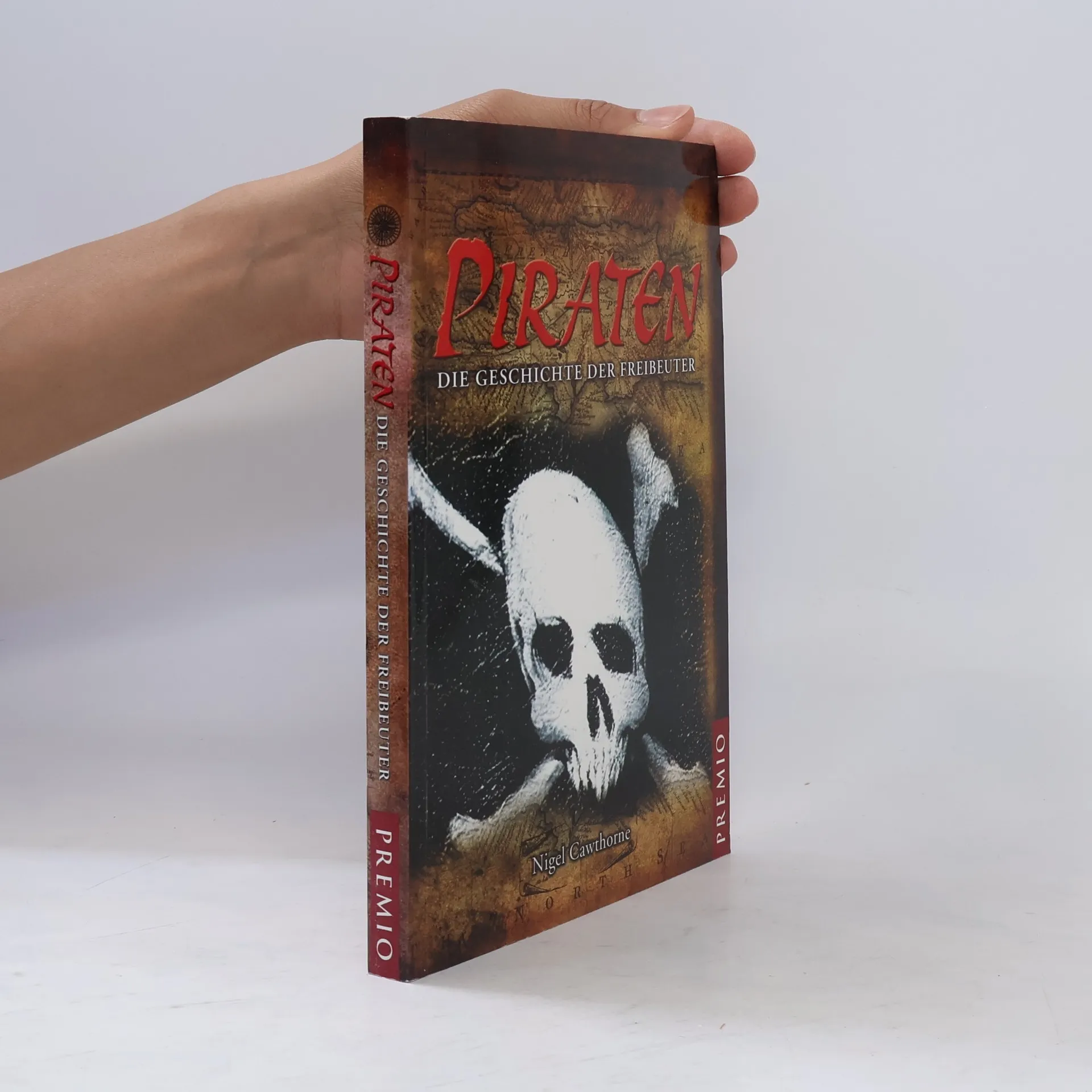
Die spannende Geschichte der klassischen Freibeuter wird hier erzählt. Wer waren die verwegenen Männer, die mit ihrer Totenkopfflagge Angst und Schrecken verbreiteten? Dieses Buch lässt das Zeitalter der Piraten und das Leben an Bord wieder lebendig werden.
Интимная жизнь римских пап
- 365 pages
- 13 hours of reading
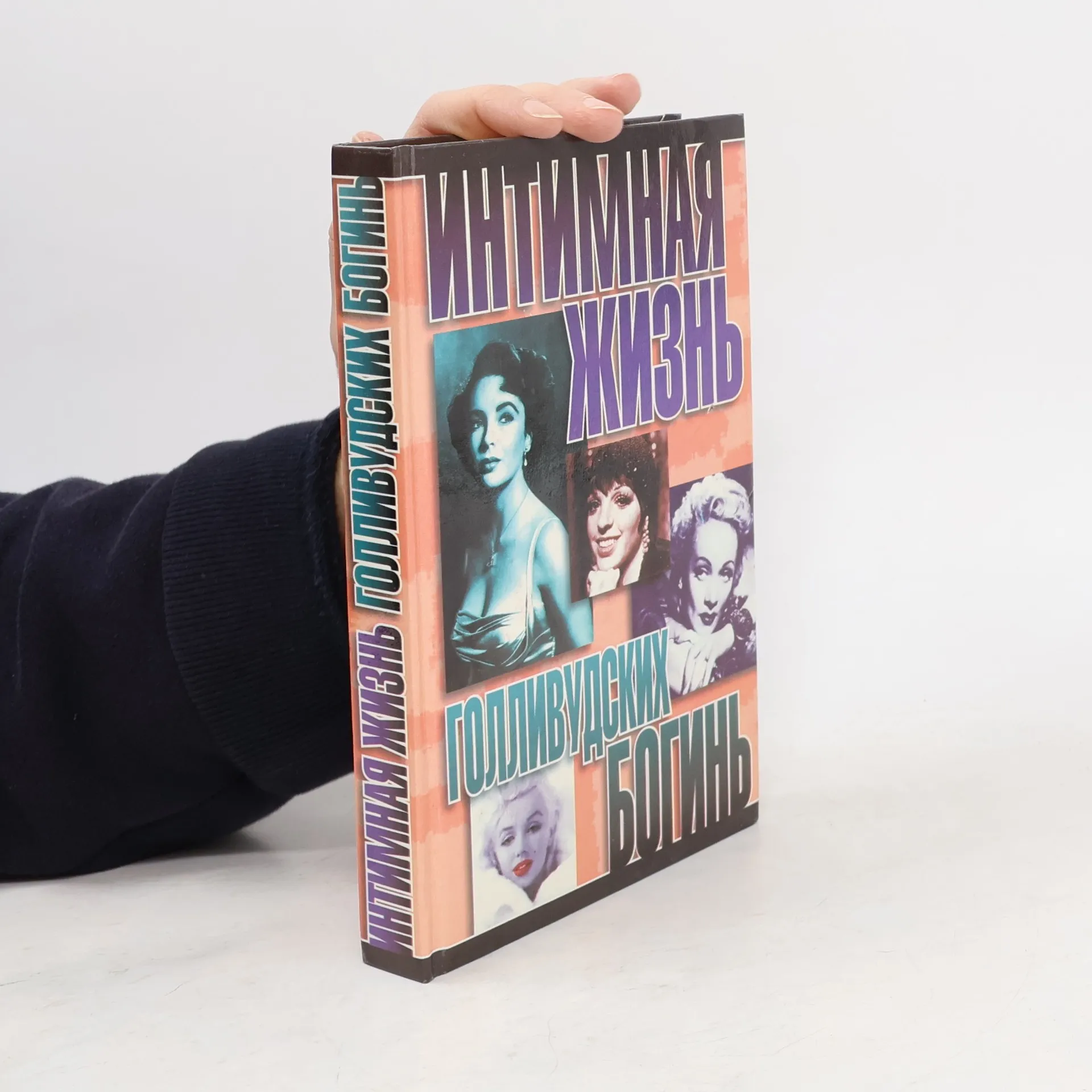
Интимная жизнь голливудских богинь
- 409 pages
- 15 hours of reading
Von dem Uganianiu się za Spódniczkami, über Abhängigkeit von Sex und homosexuelle Romanzen, bis hin zu jugendlichen Geliebten und sexuellen Skandalen, die die größten Hollywood-Schauspieler betrafen, enthüllt Nigel Cawthorne alle Geheimnisse der Alkoven in einem außergewöhnlichen Führer durch Hollywood – wie Charlie Chaplin, Rudolf Valentino, Errol Flynn, Cary Grant, Rock Hudson, James Dean und viele andere wirklich waren.
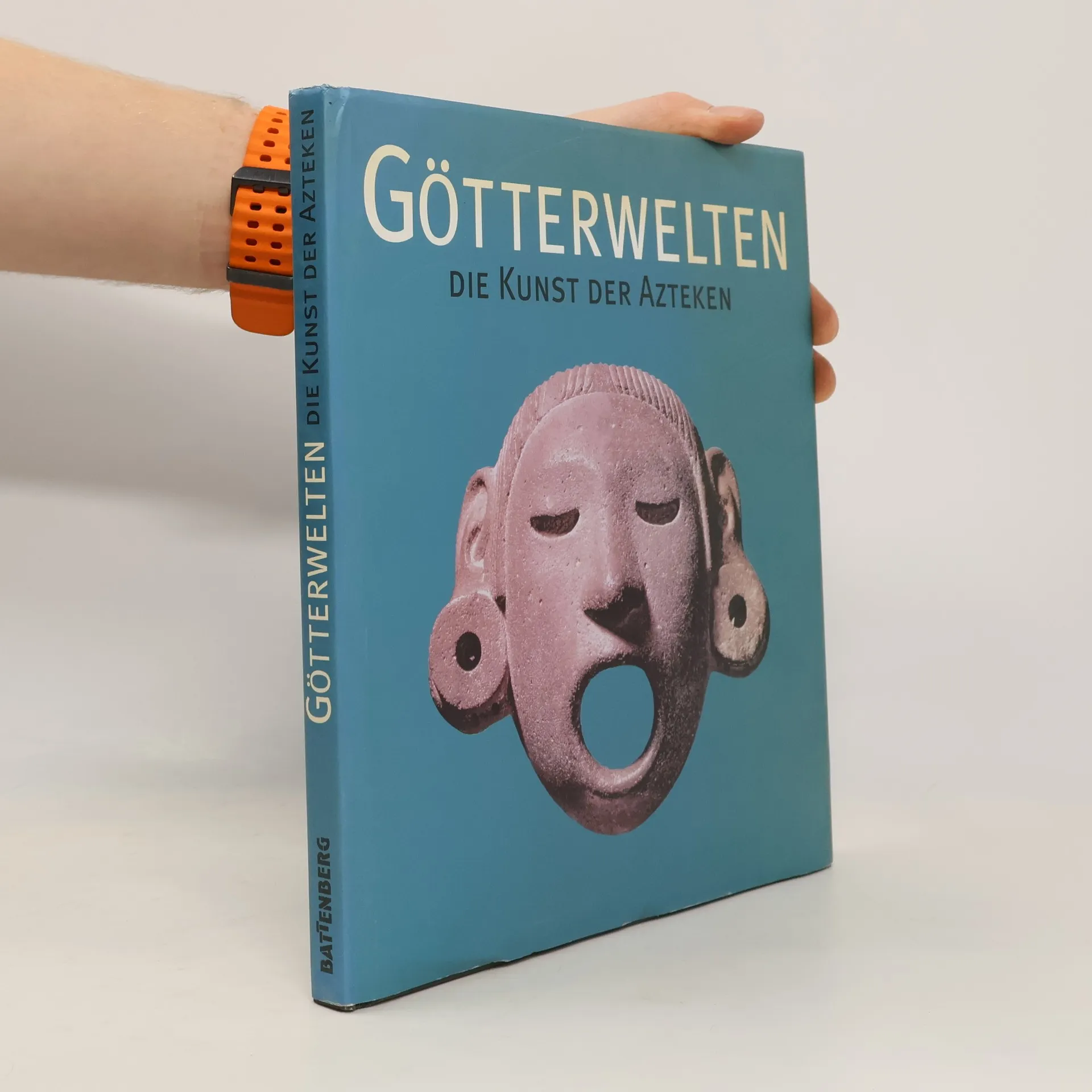
Götterwelten
- 94 pages
- 4 hours of reading
Mythos und Maske
- 96 pages
- 4 hours of reading
Ukiyo-e
- 94 pages
- 4 hours of reading
Dieses Buch ist eine üppig präsentierte Feier der klassischen japanischen Kunst der Holzschnittdrucke. Im 18. und 19. Jahrhundert dominierte diese Form die visuelle Kunst in Japan und bleibt bis heute ein wichtiger Einfluss auf die grafischen Künste. Nach einer kurzen Einführung in die Geschichte und Technik dieser Kunstform enthält das Buch eine beeindruckende Sammlung von wunderschön reproduzierten Beispielen von Meisterwerken des Genres – begleitet von kurzen Biografien der Künstler – viele davon sind bereits weltweit bekannte Bilder.
Het seksleven van de pausen: een schaamteloos overzicht van de roomse bisschoppen van Petrus tot heden
- 256 pages
- 9 hours of reading
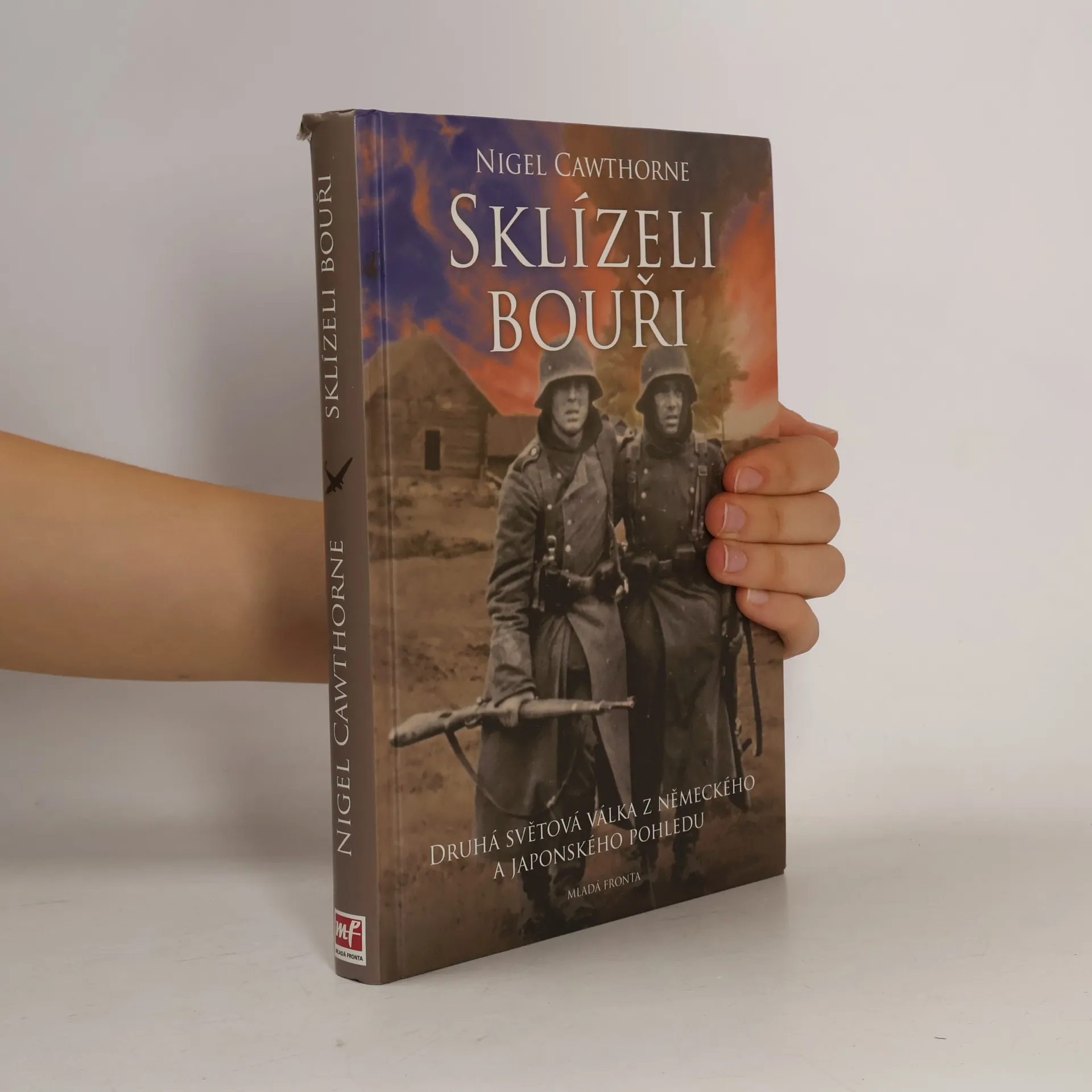
Sklízeli bouři : druhá světová válka z německého a japonského pohledu
- 295 pages
- 11 hours of reading
Podtitul: druhá světová válka z německého a japonského pohledu Když v roce 1942 vrchní velitel britského bombardovacího letectva sir Arthur Harris připravoval kontroverzní ničivou bombardovací kampaň proti Německu, odvolal se na biblické podobenství: "Zaseli vítr a nyní sklidí bouři." Bouři, kterou Německo zaselo svým blitzkriegem a Japonsko útokem na Pearl Harbor, nakonec sklízeli především obyčejní Němci a Japonci. Jejich země byly zdevastovány. Jejich města zničena. Lidé umírali, byli zmrzačeni, ztratili životní partnery, osiřeli, přišli o své domovy. Tato unikátní publikace zkušeného britského autora literatury faktu přináší autentická svědectví Němců a Japonců o tom, jak konflikt prožívali na vlastní kůži. Jejich slova pocházejí z deníků, dopisů, záznamů o výsleších, rozhovorů, osobních vzpomínek a publikovaných materiálů.
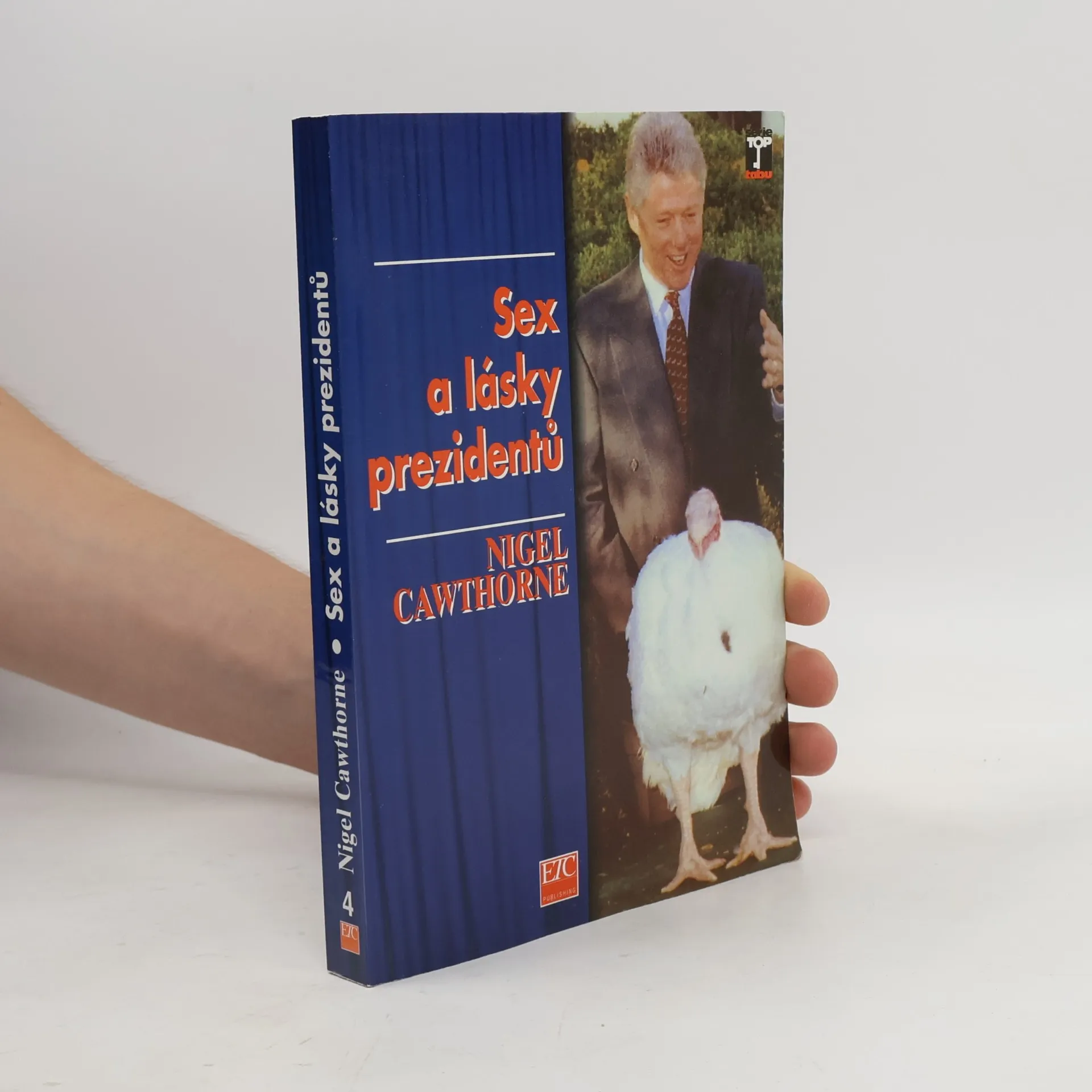
Sex a lásky prezidentů
- 238 pages
- 9 hours of reading
Kniha obsahuje milostné avantýry 24 amerických prezidentů.
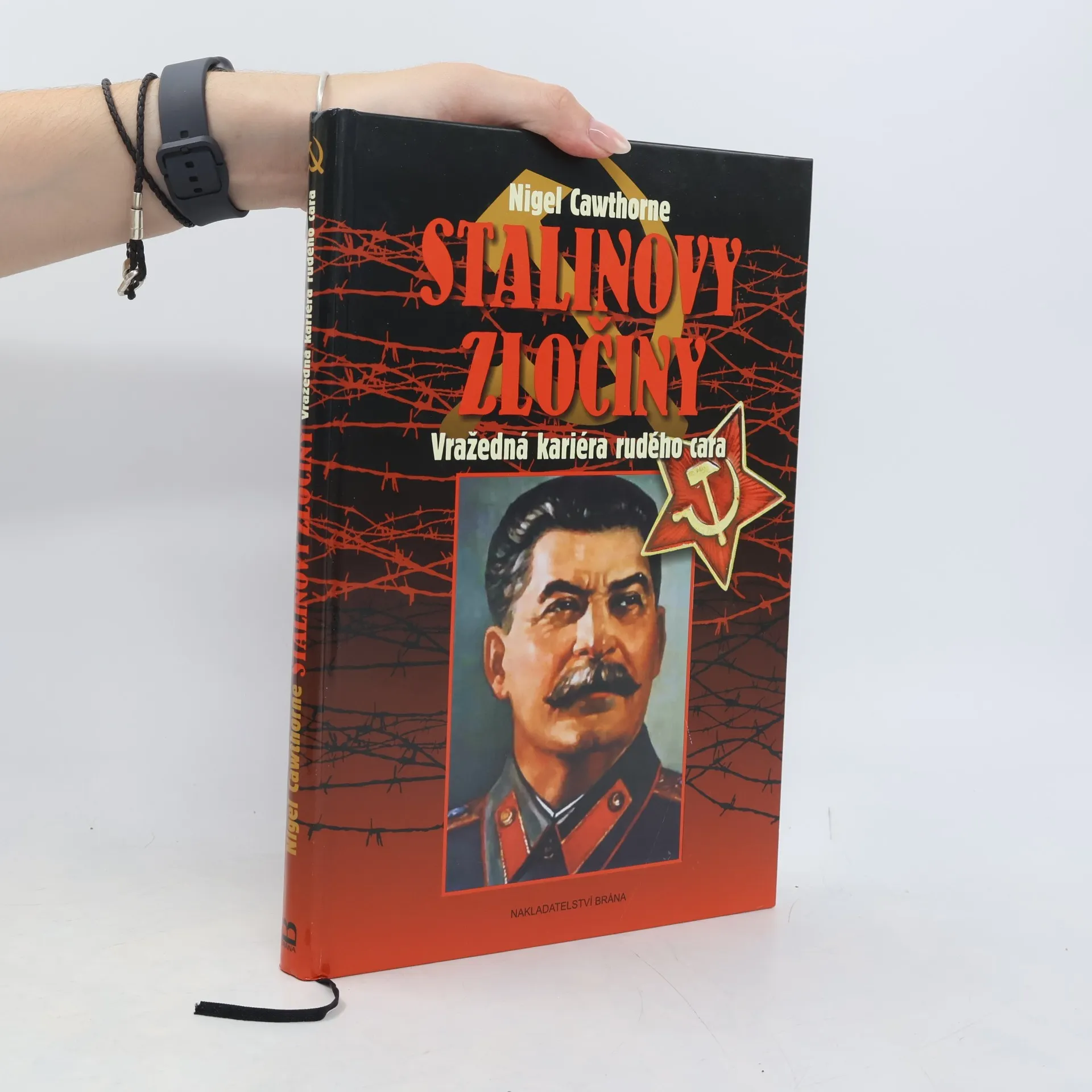
Bohatě ilustrovaná kniha o životě jednoho z největších masových vrahů a nejmocnějších diktátorů 20. století Josifa Vissarionoviče Stalina. Stalin, vlastním jménem Džugašvili, se jako jeden z organizátorů bolševické revoluce v Rusku v roce 1917 prosadil jako Leninův nástupce a postupně odstranil své konkurenty. Rozpoutal v Sovětském svazu teror a svou moc ještě upevnil během Velké vlastenecké války i po ní a až do své smrti vládl jako neomezený diktátor, který způsobil utrpení a smrt milionů lidí.
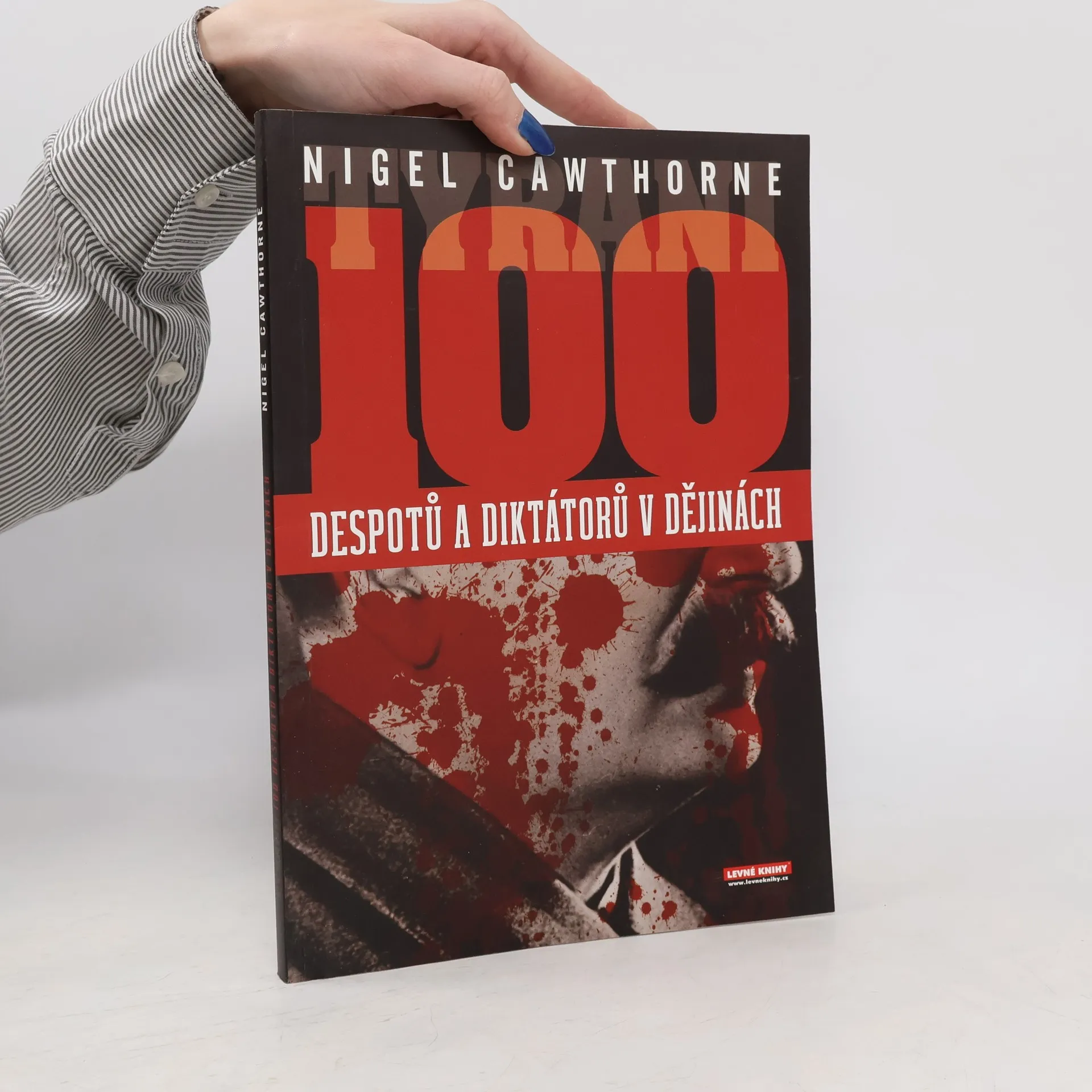
Tyrani. 100 největších despotů a diktátorů v dějinách
- 208 pages
- 8 hours of reading
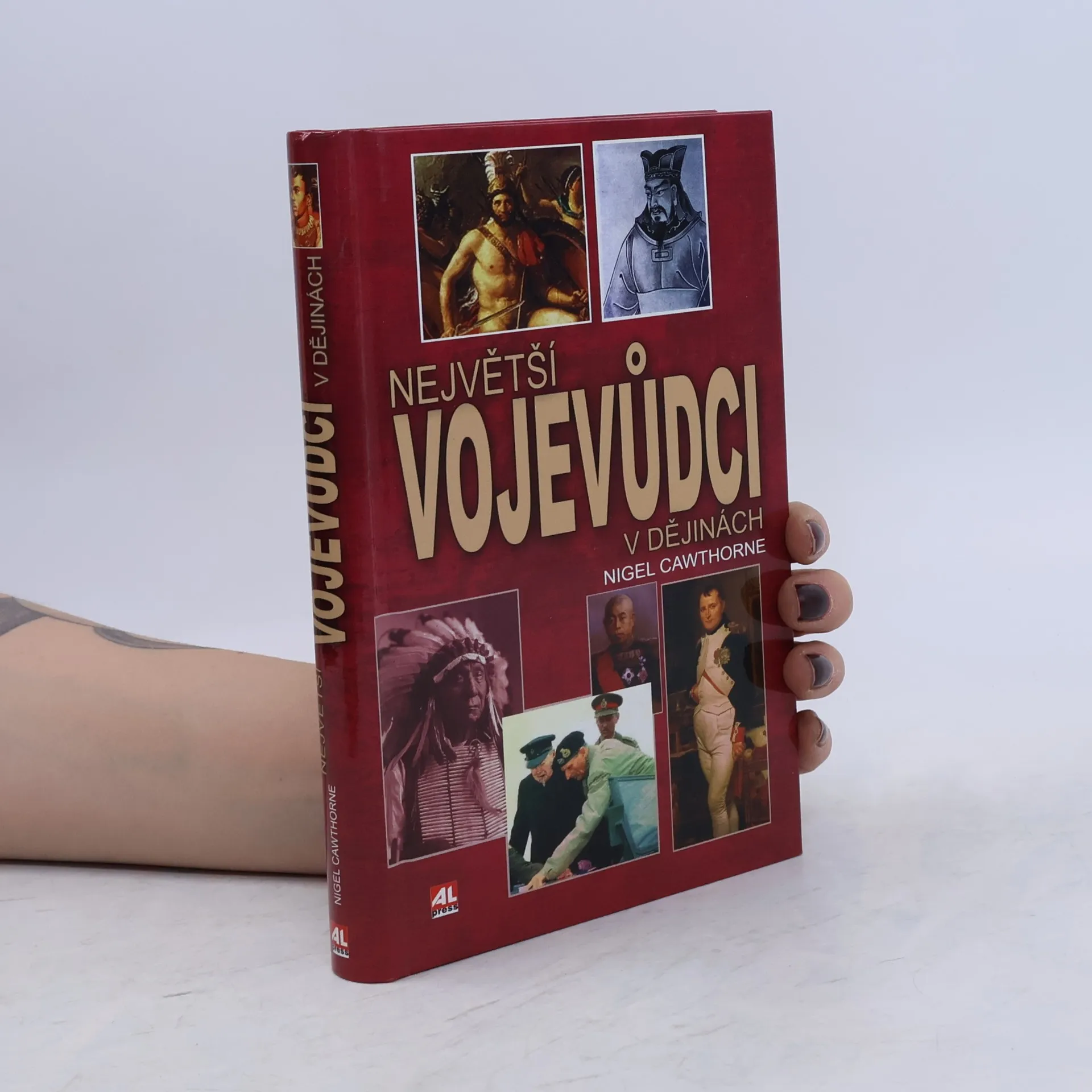
Největší vojevůdci v dějinách
- 392 pages
- 14 hours of reading
Životopisné portréty více než sta vojevůdců z různých historických období i z různých zemí. Práce anglického spisovatele nám přibližuje profily proslulých vojevůdců a válečníků ze čtyř kontinentů. Kniha je pojata v historické chronologii, takže sleduje vybrané postavy od starověku až po naši současnost. Jednotlivé profily jsou v rozsahu do čtyř stran a obsahují portrét osobnosti, shrnutí života a činů v datech a dále pasáž, která se podrobněji zabývá danou osobou. Příběhy vojevůdců jsou zasazeny do širšího dějinného kontextu, takže nabízejí plastické nahlédnutí do daného historického období
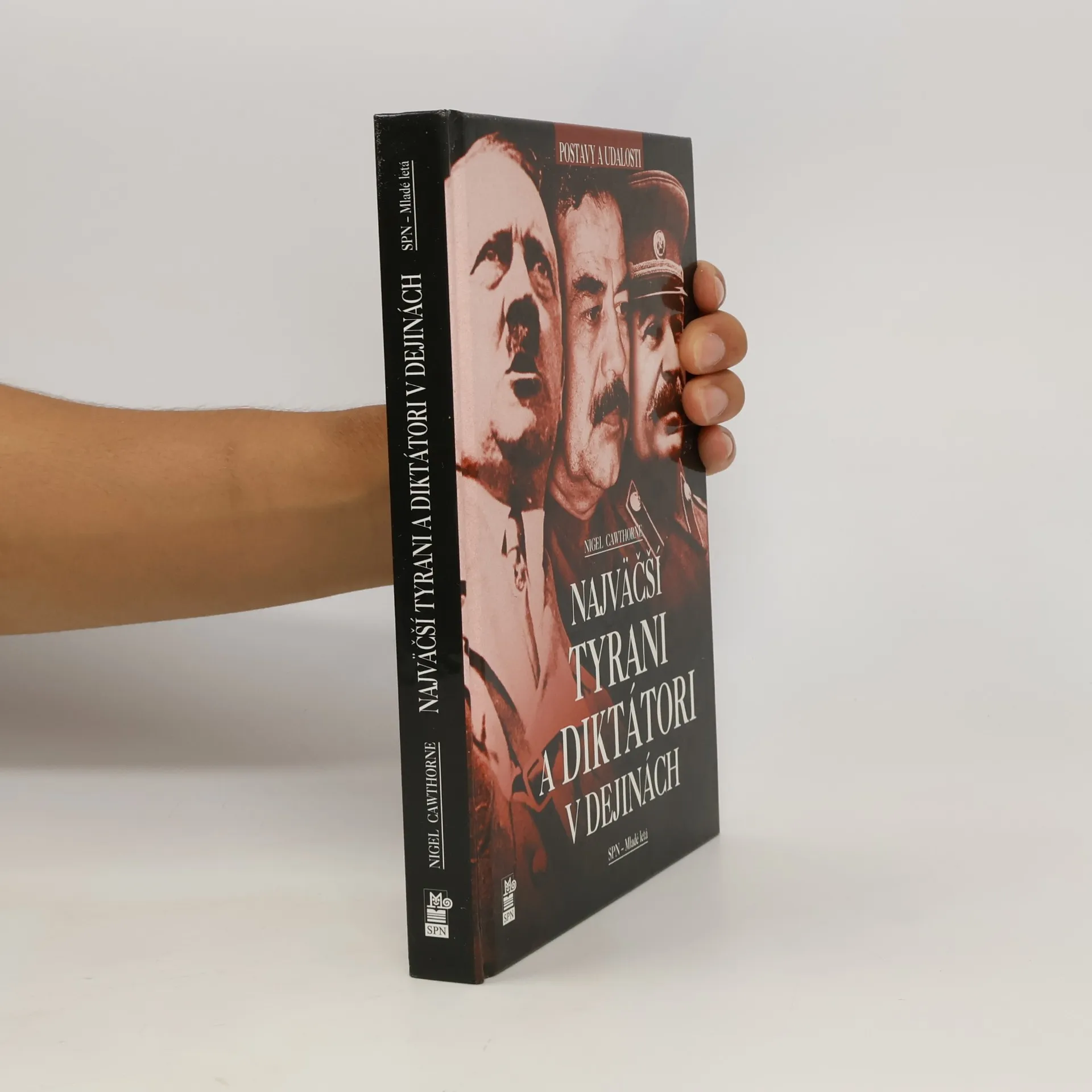
Najväčší tyrani a diktátori v dejinách
- 208 pages
- 8 hours of reading
Vzrušujúce rozprávanie o osudoch najznámejších tyranov a diktátorov a o ich hrozných činoch od antických čias po súčasnosť. Väčšinou to boli ľudia, ktorí mali v rukách moc a likvidovali svojich odporcov, no často s neuveriteľnou krutosťou vyvraždili obrovské množstvá ľudí a vyplienili celé krajiny. Medzi najväčších z nich nepochybne patrí Alexander Veľký, Nero, Atila, Džingischán, Drakula, Ivan Hrozný, Napoleon a z novších čias Adolf Hitler. V knihe nájdeme aj veľa „menších“ tyranov, napr. známu Alžbetu Báthoryovú a veľa afrických a juhoamerických neobmedzených diktátorov. Vydal: SPN - Mladé letá
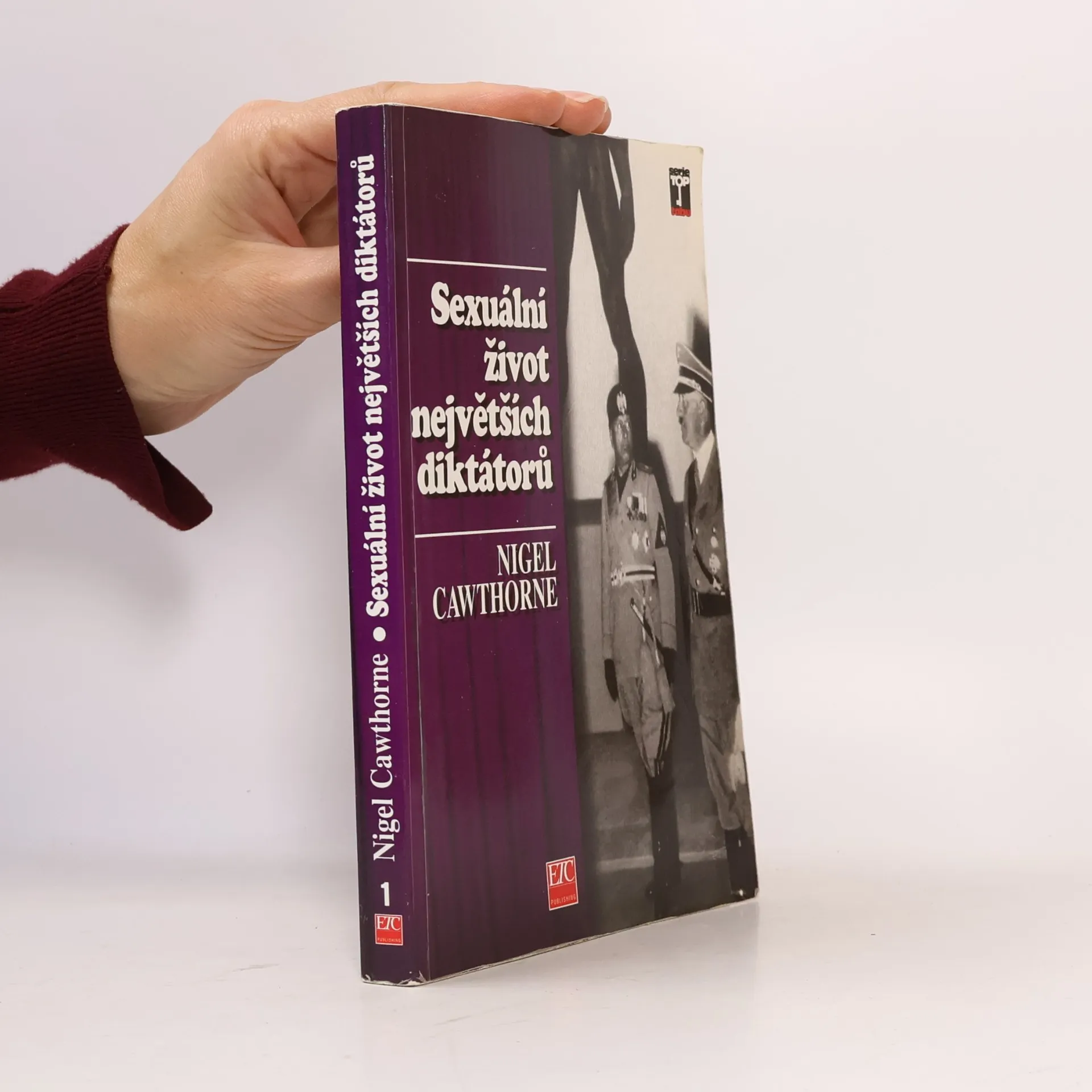
Pokus o nahlédnutí do intimního života řady světových diktátorů od Napoleona po Saddáma Husajna.
Skandální život anglických královských rodů
- 222 pages
- 8 hours of reading
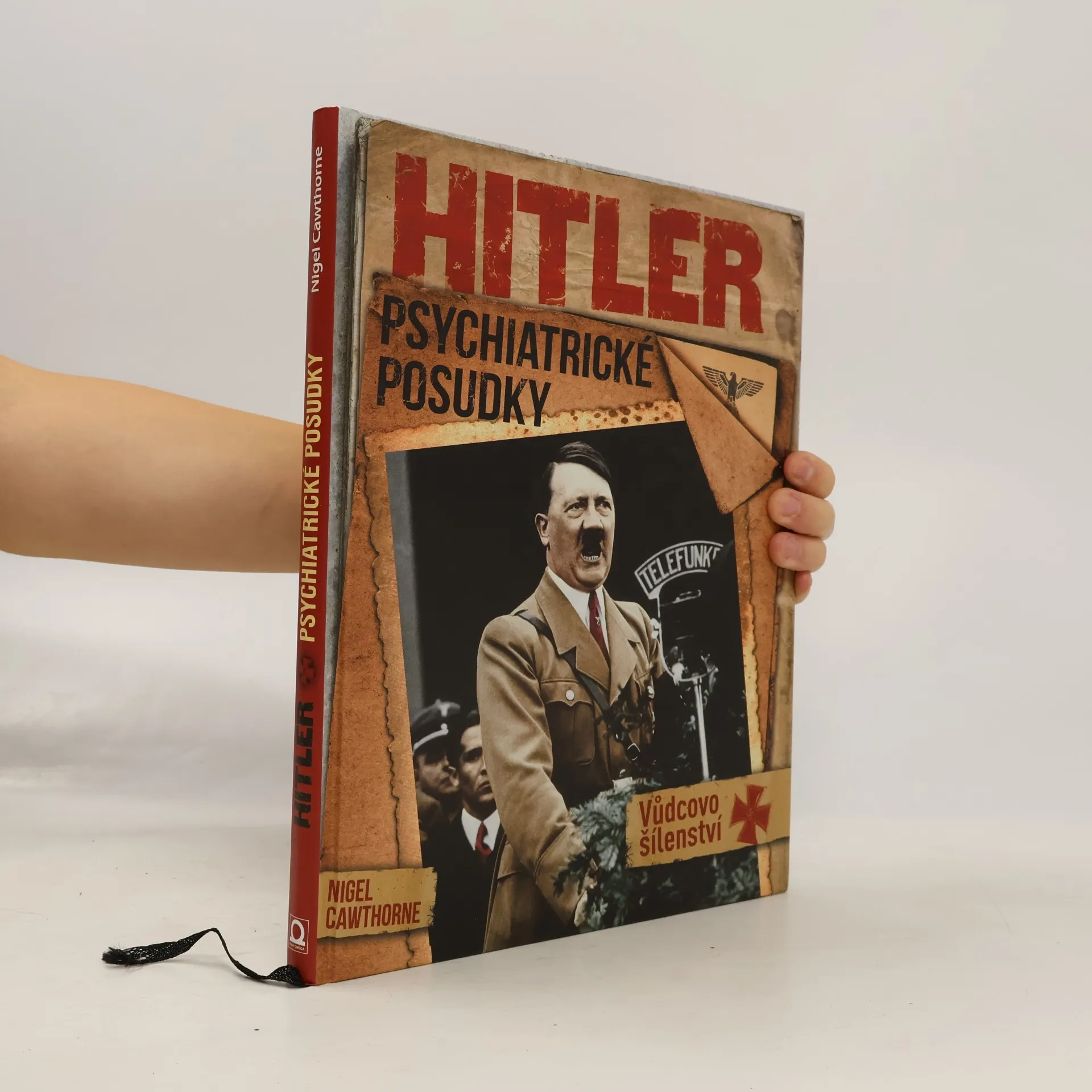
Hitler: Psychiatrické posudky
- 128 pages
- 5 hours of reading
Jak se mohl bývalý rakouský desátník bavorské armády, který zjevně neměl cit pro vedení ani strategii boje, stát vůdcem jedné z nejcivilizovanějších zemí světa a přeměnit ji na noční můru pro celý svět? To se dozvíte ze stručných a výstižných psychiatrických analýz Adolf Hitlera, nejzáhadnější postavy 20. století. Díky nashromážděným faktům se dostanete do hlavy jednoho z nejhorších diktátorů v dějinách lidstva.
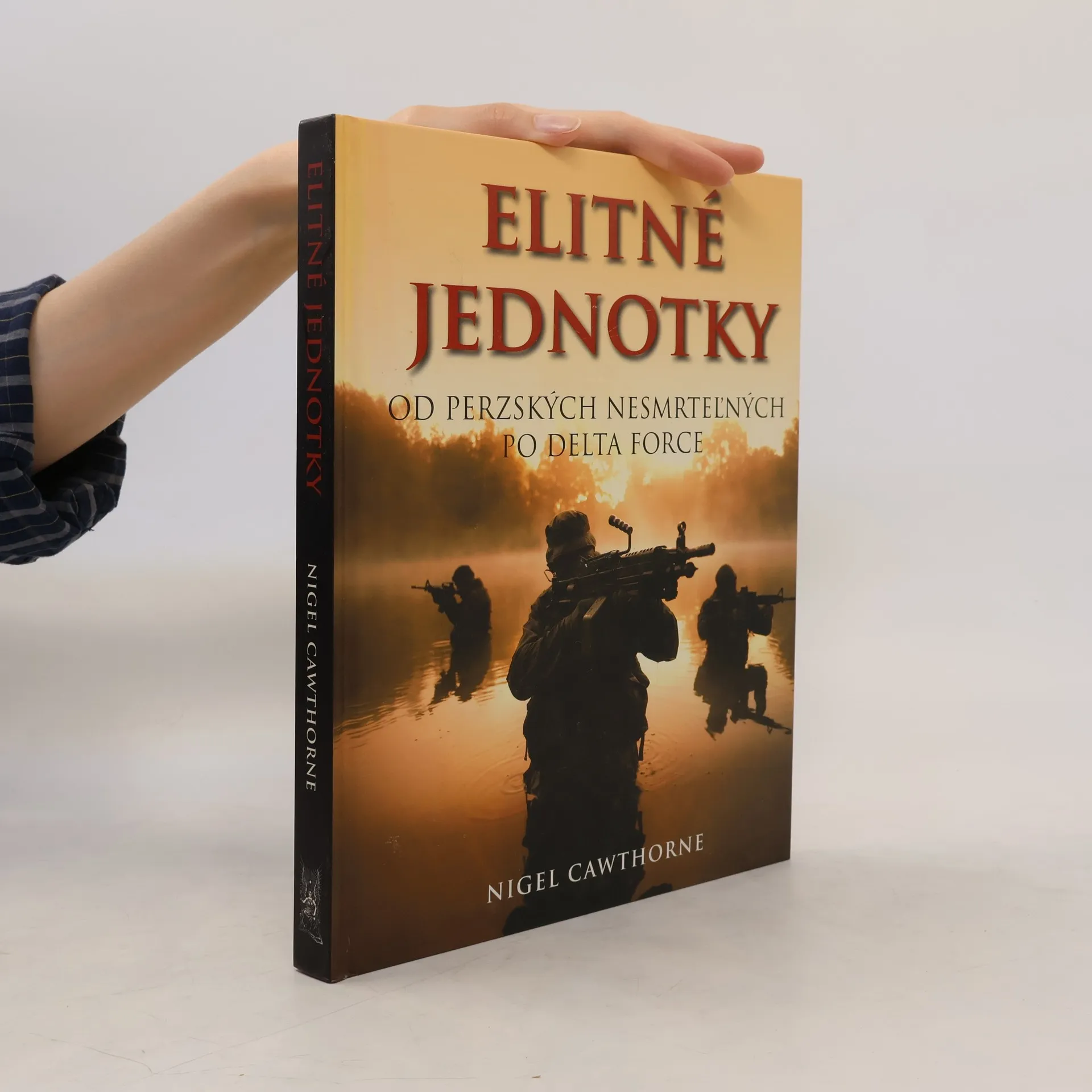
Elitné jednotky
- 224 pages
- 8 hours of reading
Príbehy neohrozených bojovníkov a zároveň prehľad najvýznamnejších konfliktov ľudstva. Štúdia ľudskej odvahy, vytrvalosti a vojenského umenia. Autor sleduje vývoj elitných vojenských formácií od úsvitu dejín až do súčasnosti.
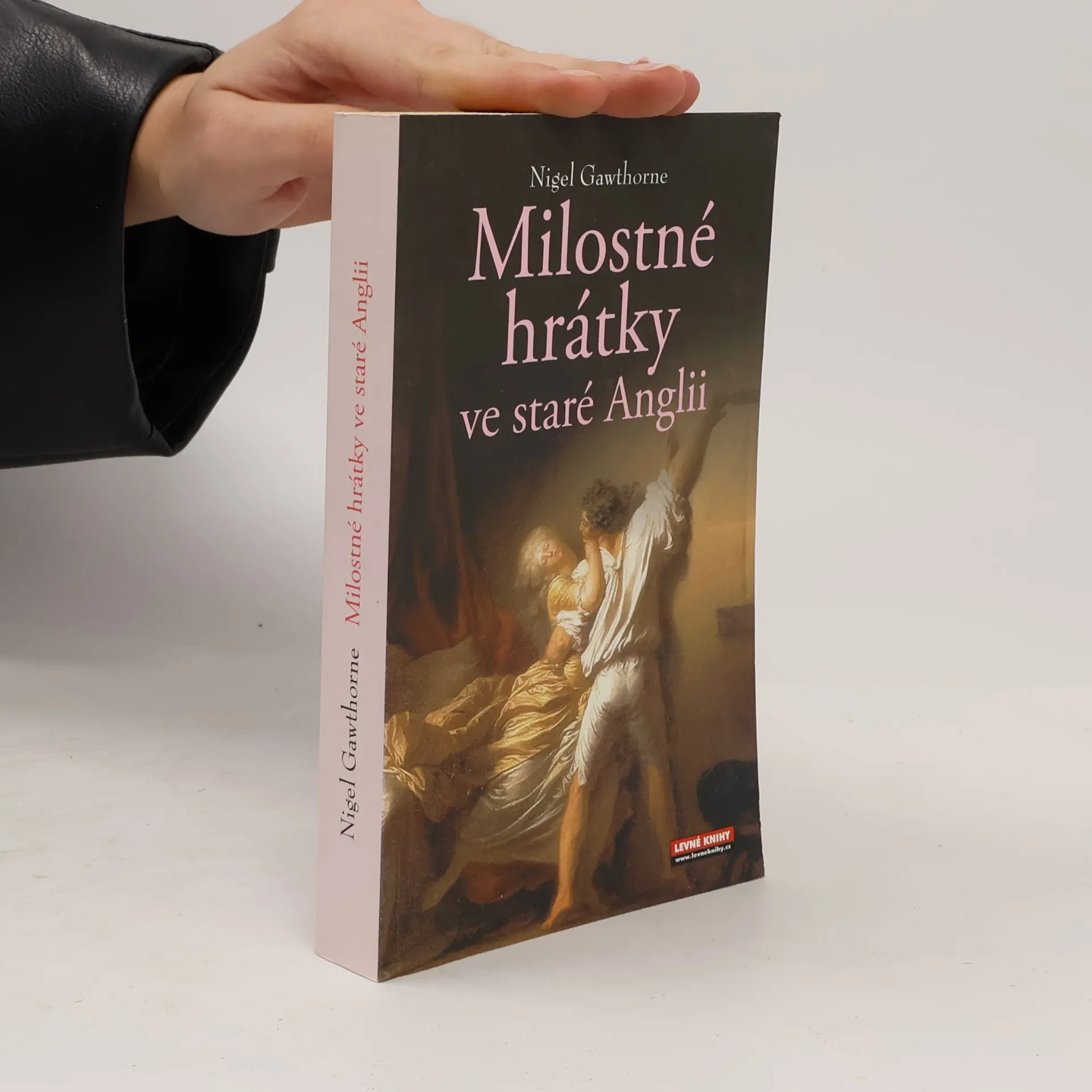
Milostné hrátky ve staré Anglii
- 260 pages
- 10 hours of reading
Kniha - ''V 18. století se stalo prodávání žen naprosto všední záležitostí. Dne 31.srpna 1773 přišli do hostince Bell Inn v Edgbaston tři muži a tři ženy a učinili následující záznam do návštěvní knihy: ''Samuel Whitehouse z willenhallské farnosti ve Staffordu dnešního dne prodává svou ženu Mary Whitehouseovou Thomasu Griffithsovi z Birminghamu za cenu jednoho šilinku. Kupuje si ji se všemi jejími prohřešky a chybami.'' A nějaký muž prodal v Nottinghamu svou manželku za jeden šilink hned po svatbě.
Zabijáci: Nejzvrácenější vrazi naší doby
- 291 pages
- 11 hours of reading
Nejzvrácenější vrazi světa byli něčí sousedé, něčí otcové. Proč to udělali? Co udělá z někoho vraha? A proč nás tak fascinují? Vstupte do temného světa skutečného zločinu… Devatenáct mrazivých kapitol pojednává o děsivých charakterových rysech nejbarbarštějších vrahů naší doby, mezi nimi notoricky známých zabijáků Harolda Shipmana a Charlese Mansona, méně známých vrahů Alberta DeSalva a Dennise Nilsena a pachatelů masakrů v Hungerfordu a na škole Columbine.
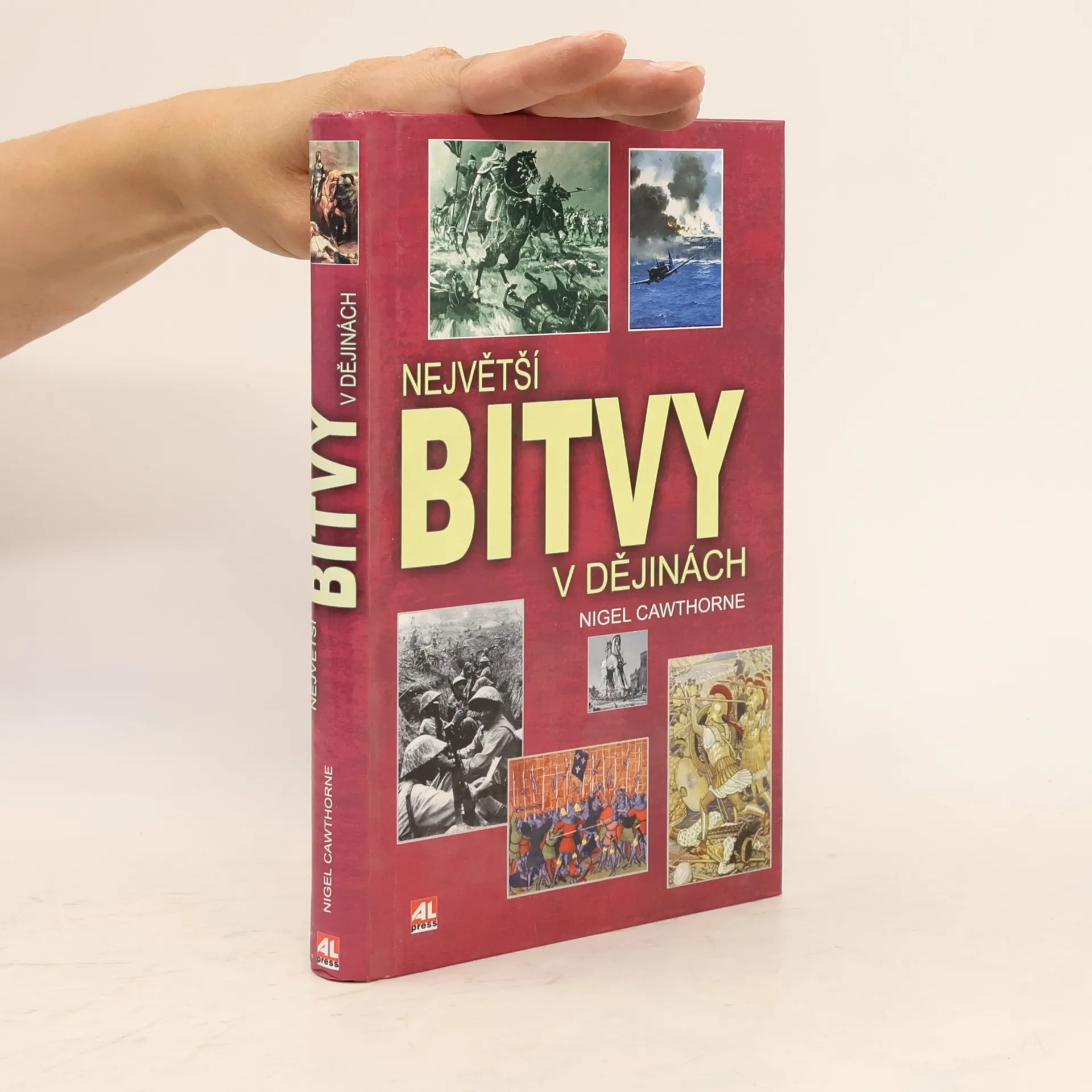
Největší bitvy v dějinách
- 303 pages
- 11 hours of reading
Války a bitvy jsou nejmocnější hybnou silou, která utvářela lidskou historii, měnila politickou mapu světa a paradoxně přinášela pokrok. Publikace nás zavede na čtyřicet válečných polí všech dob, představí nepřátelské strany, slavné vojevůdce, jejich techniky a lsti. Objasní, proč k bitvám došlo, jaký byl jejich průběh, a zhodnotí důsledky pro jednotlivé národy a světové dějiny. Ať už se štěstí přiklonilo na tu či onu stranu, skutečnými hrdiny vždy zůstali obyčejní vojáci. Kniha skládá hold jejich odvaze, rozhodnosti a sebeobětování, s nimž měnili běh světa.
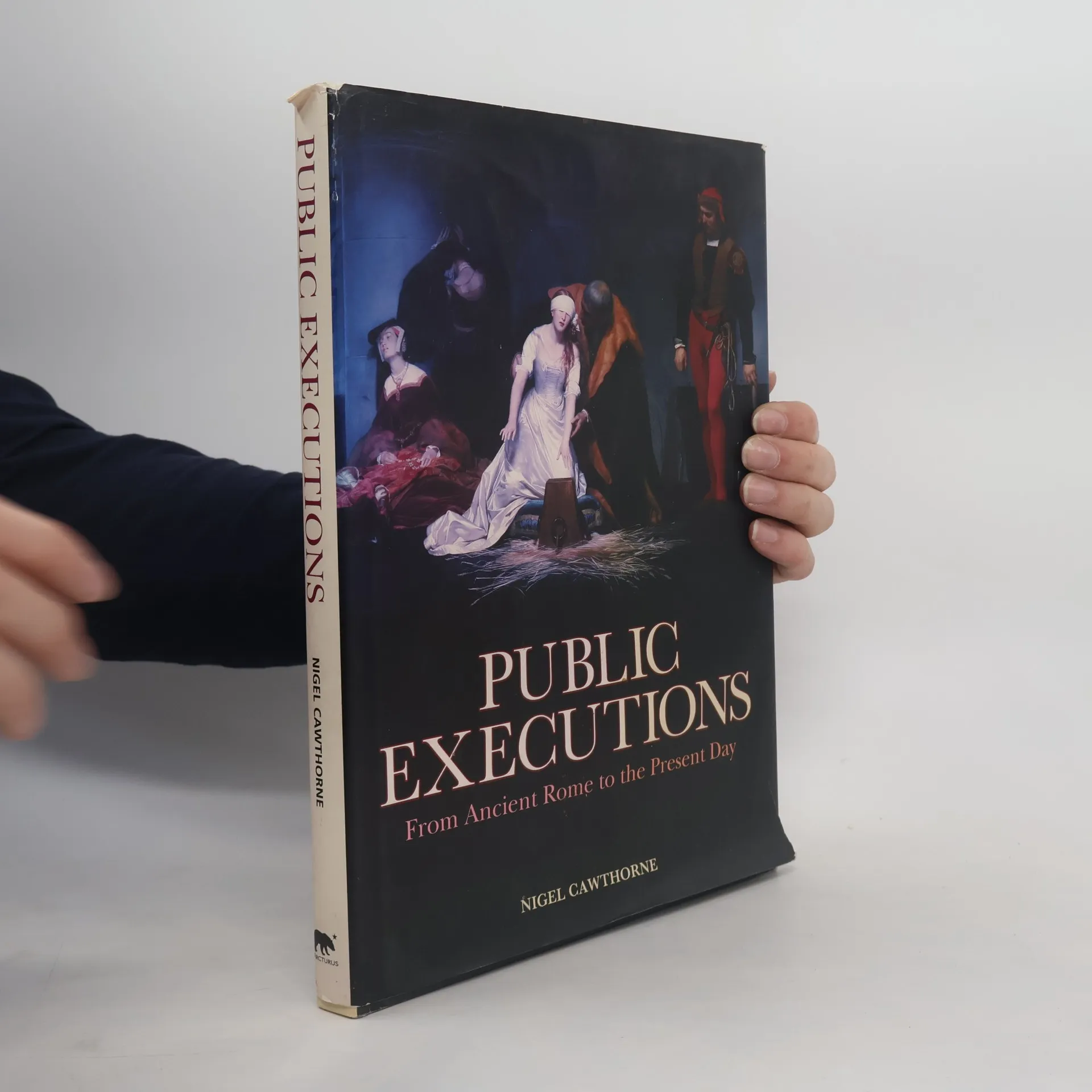
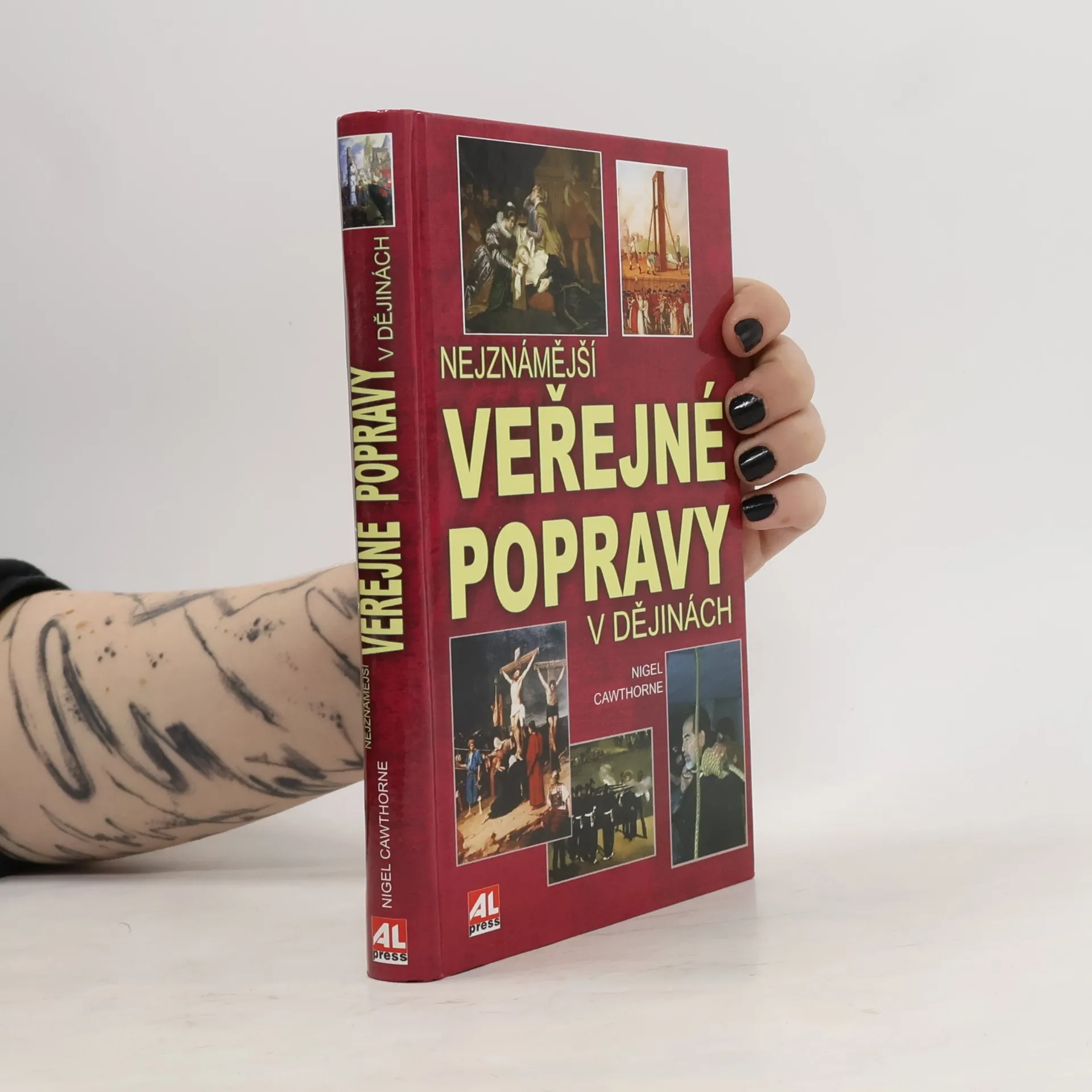
Veřejné popravy, které byly po celá tisíciletí vzrušujícím divadlem pro krvelačné davy, patří mezi nejtemnější stránky našich dějin. Každá kultura a každá doba měla své oblíbené metody: rychlé stětí pro privilegované, upalování pro kacíře či párání zaživa pro královrahy... Kapitolu Veřejné popravy v českých dějinách napsal J. Nový.
Bitvy druhé světové války
- 261 pages
- 10 hours of reading
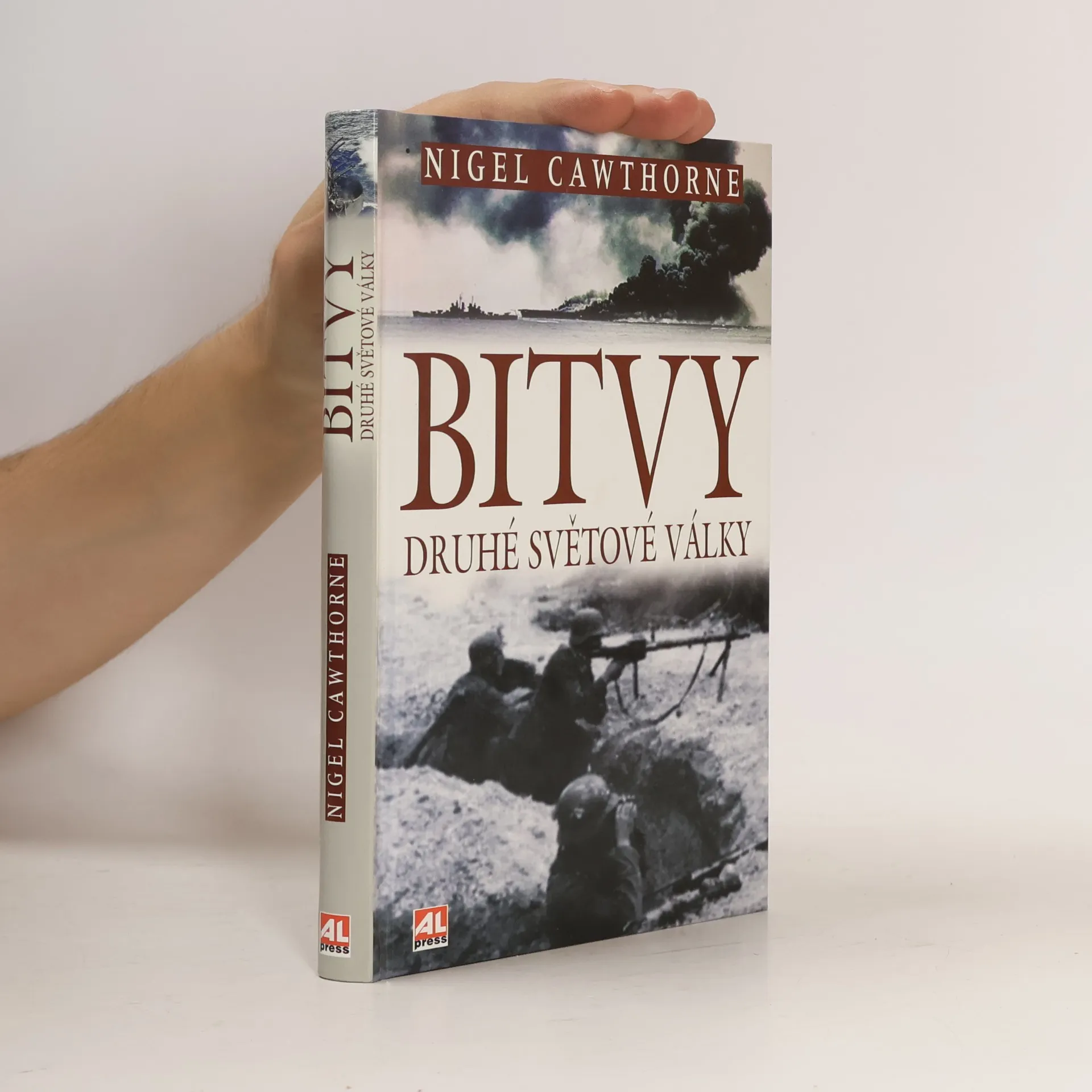
Rozhodující mezníky a události na bojištích v Evropě, severní Africe a Tichomoří během 2. světové války (1939-1945).
Sexuálne škandály pápežov
- 63 pages
- 3 hours of reading
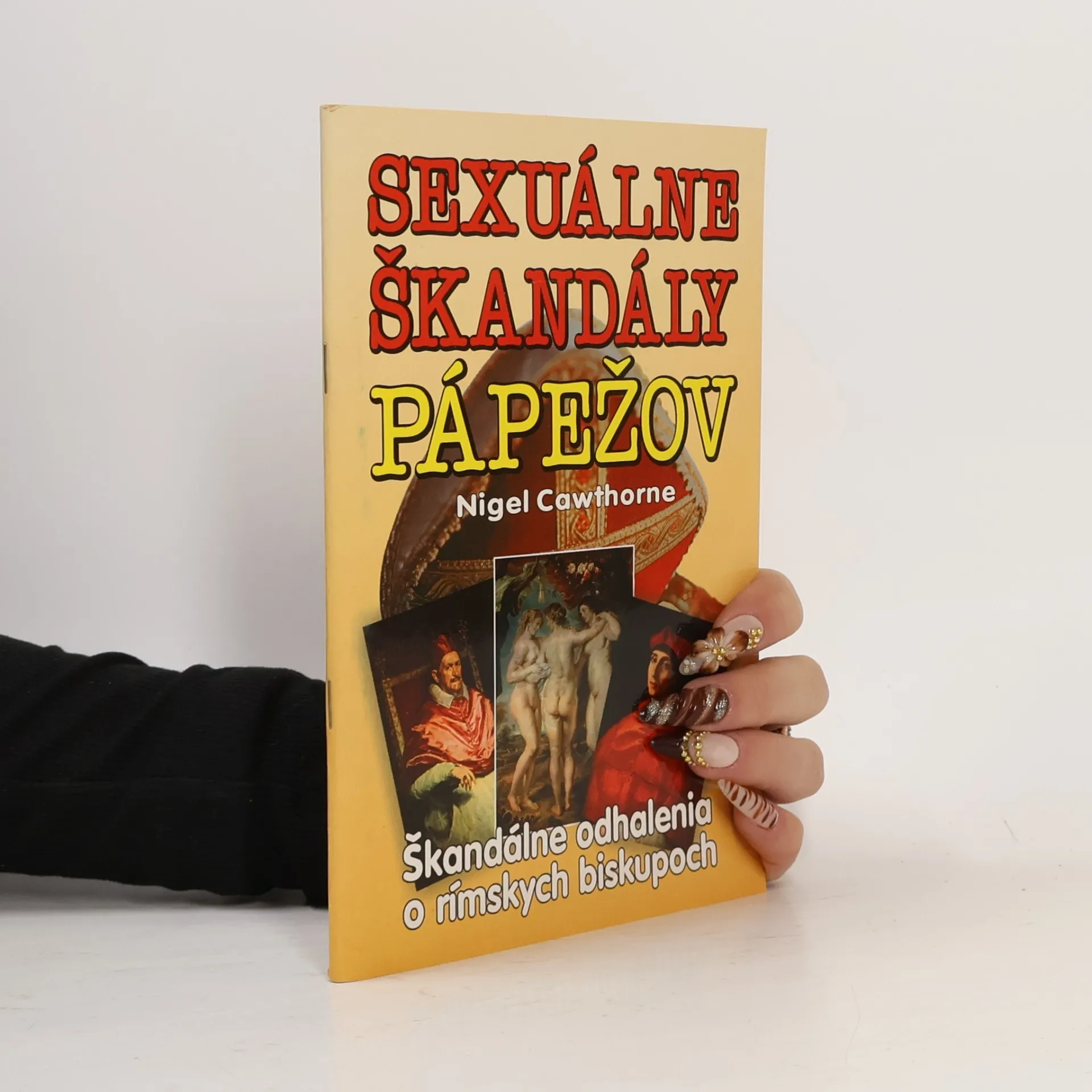
Sexuálne škandály sa netýkajú len pápežov, ale celého kléru a rôzne typy týchto škandálov sa objavili v histórii Katolíckej cirkvi, napríklad obvinenia z homosexuality, sexuálneho zneužívania či nemravných činov. Niektoré pramene uvádzajú, že v minulosti sa niektorí pápeži dopúšťali nemravných činov a boli v tej dobe známi svojimi nemravnými činmi, iné pramene uvádzajú, že v minulosti sa niektorí pápeži dopúšťali nemravných činov a boli v tej dobe známi svojimi nemravnými činmi. Tieto škandály viedli k rôznym problémom ako je napríklad skutočnosť, že v minulosti sa niektorí pápeži dopúšťali nemravných činov a boli v tej dobe známi svojimi nemravnými činmi, ale tiež aj k prenasledovaniu iných náboženských osôb.
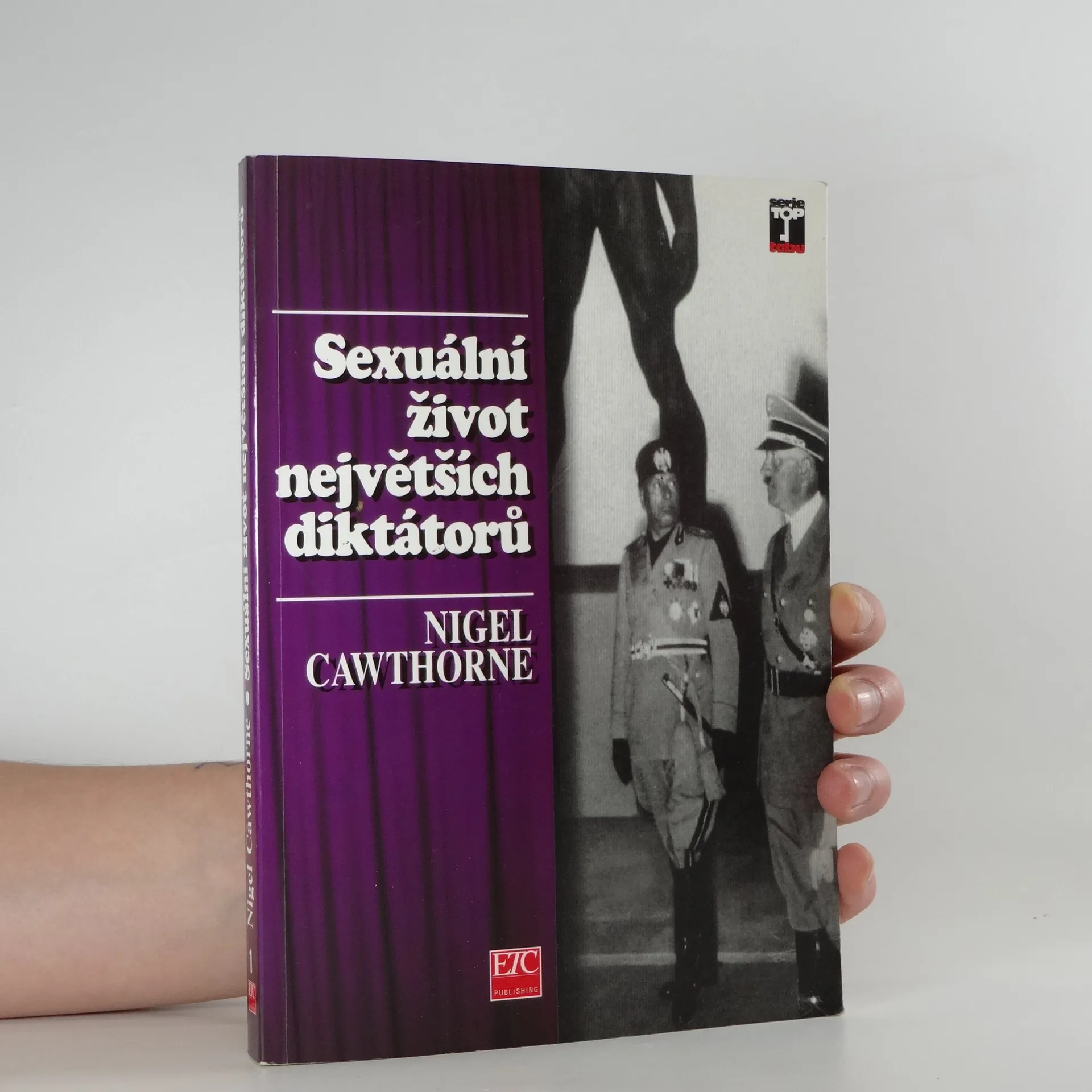
Pokus o nahlédnutí do intimního života řady světových diktátorů od Napoleona po Saddáma Husajna.