Introducing Kafka
- 350 pages
- 13 hours of reading
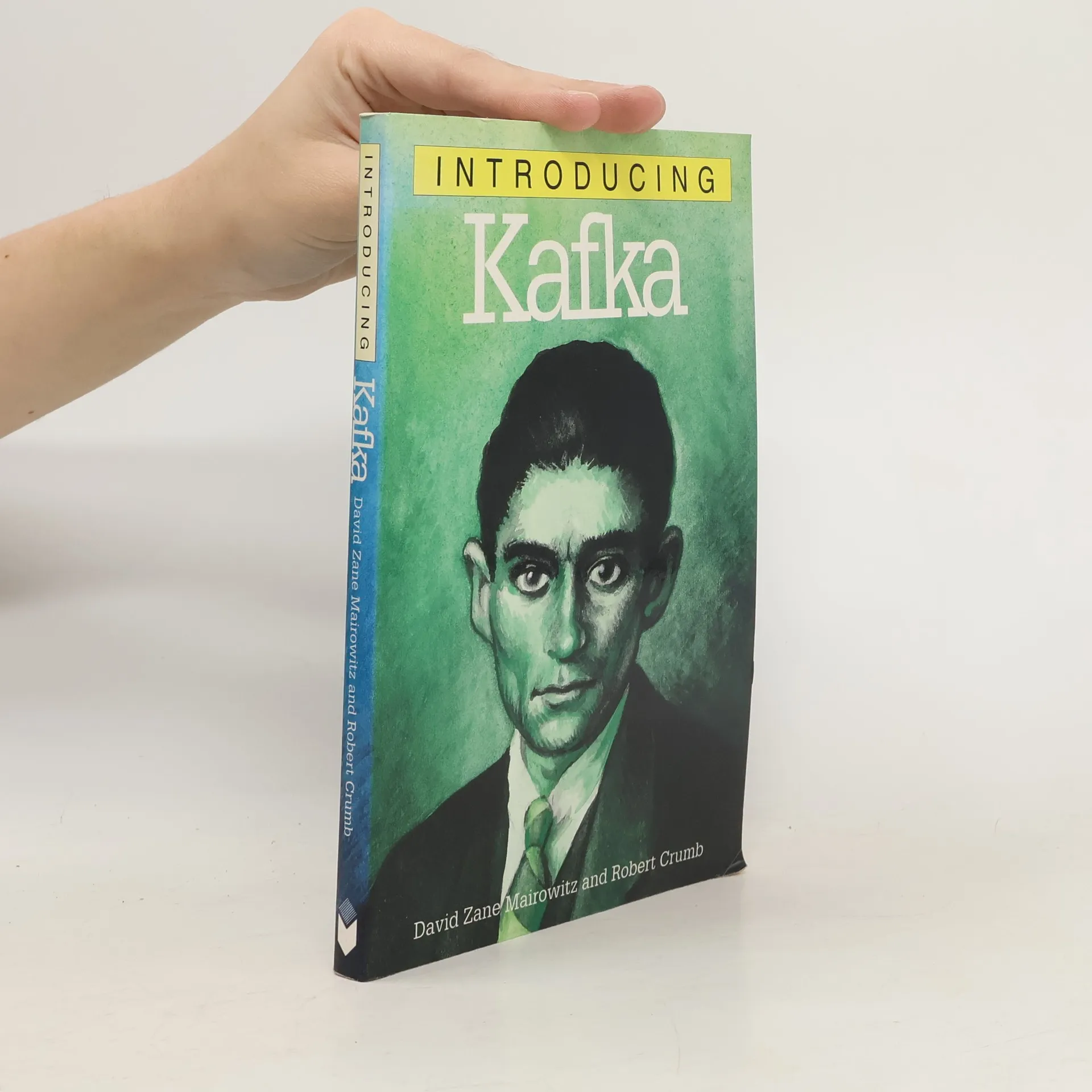
This book, helping us to see beyond the cliche 'Kafkaesque', is illustrated by legendary underground artist Robert Crumb.
4.1


This author delves into the complex interplay between literature, philosophy, and drama. Their work often draws from intellectual traditions, contrasting artistic forms with political and social themes. They approach essays and manifestos with an imaginative and accessible style, blending profound ideas with provocative presentation.

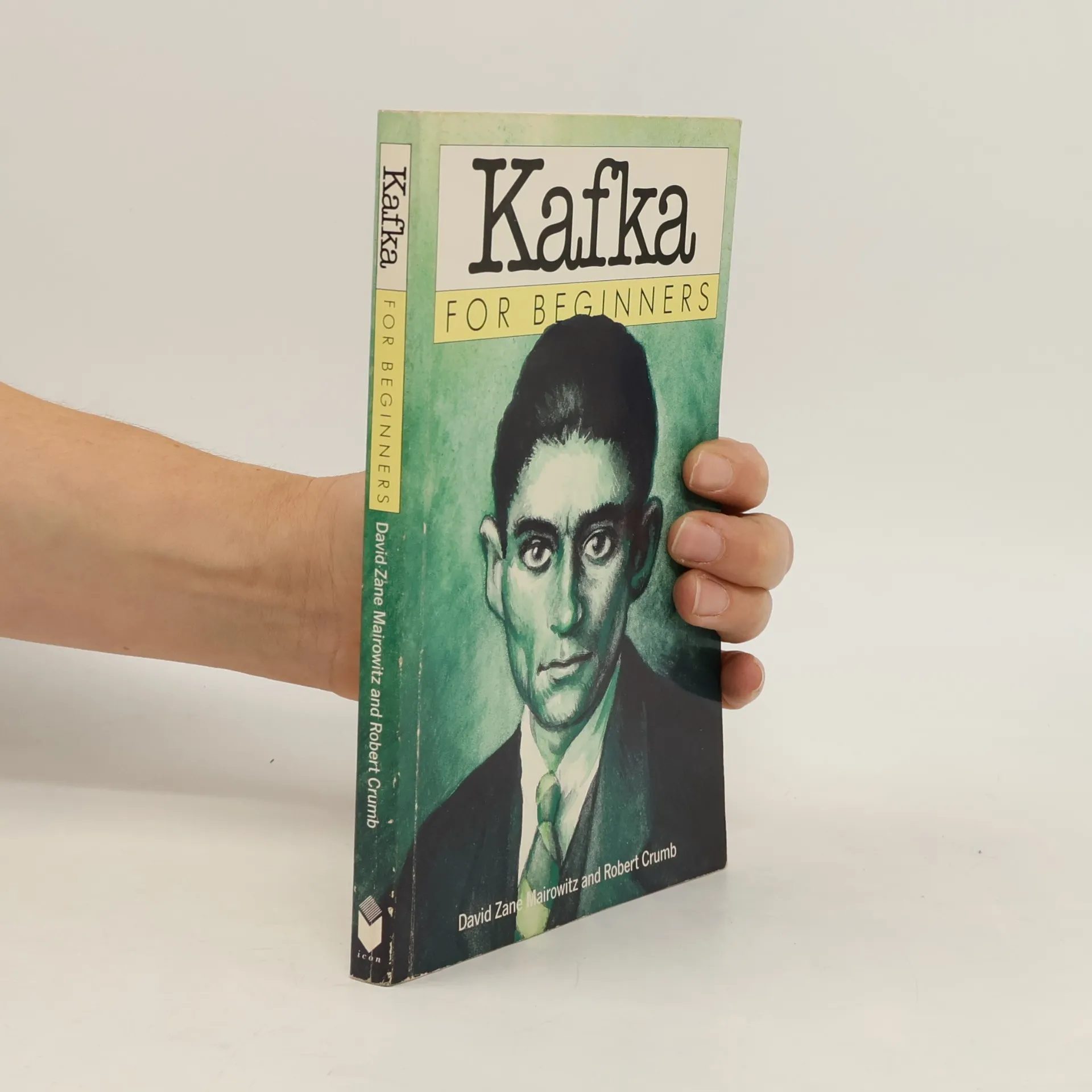
This book, helping us to see beyond the cliche 'Kafkaesque', is illustrated by legendary underground artist Robert Crumb.
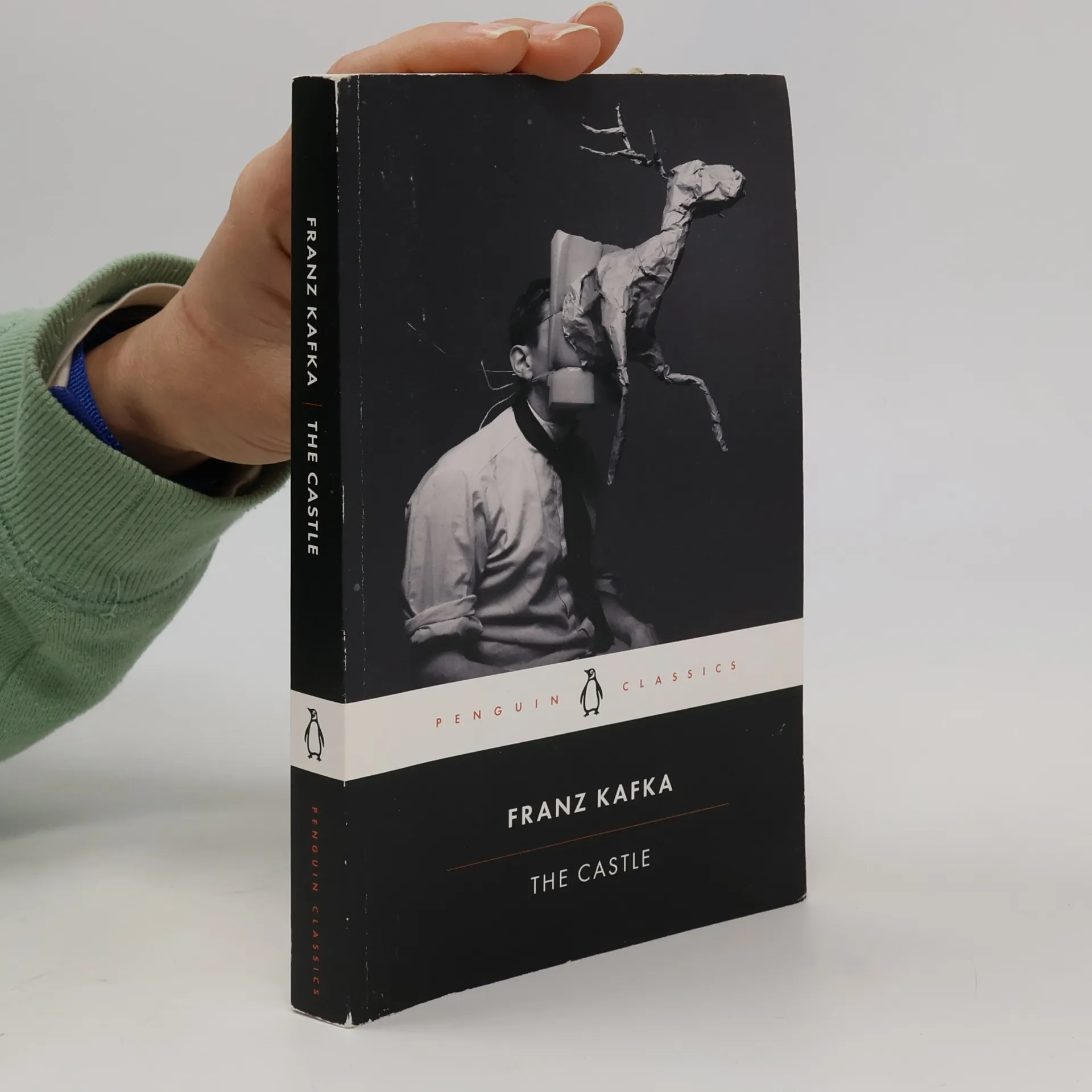
The Castle is the story of K., the unwanted Land Surveyor who is never to be admitted to the Castle nor accepted in the village, and yet cannot go home. As he encounters dualities of certainty and doubt, hope and fear, and reason and nonsense, K.'s struggles in the absurd, labyrinthine world where he finds himself seem to reveal an inexplicable truth about the nature of existence. Kafka began The Castle in 1922 and it was never finished, yet this, the last of his three great novels, draws fascinating conclusions that make it feel strangely complete.
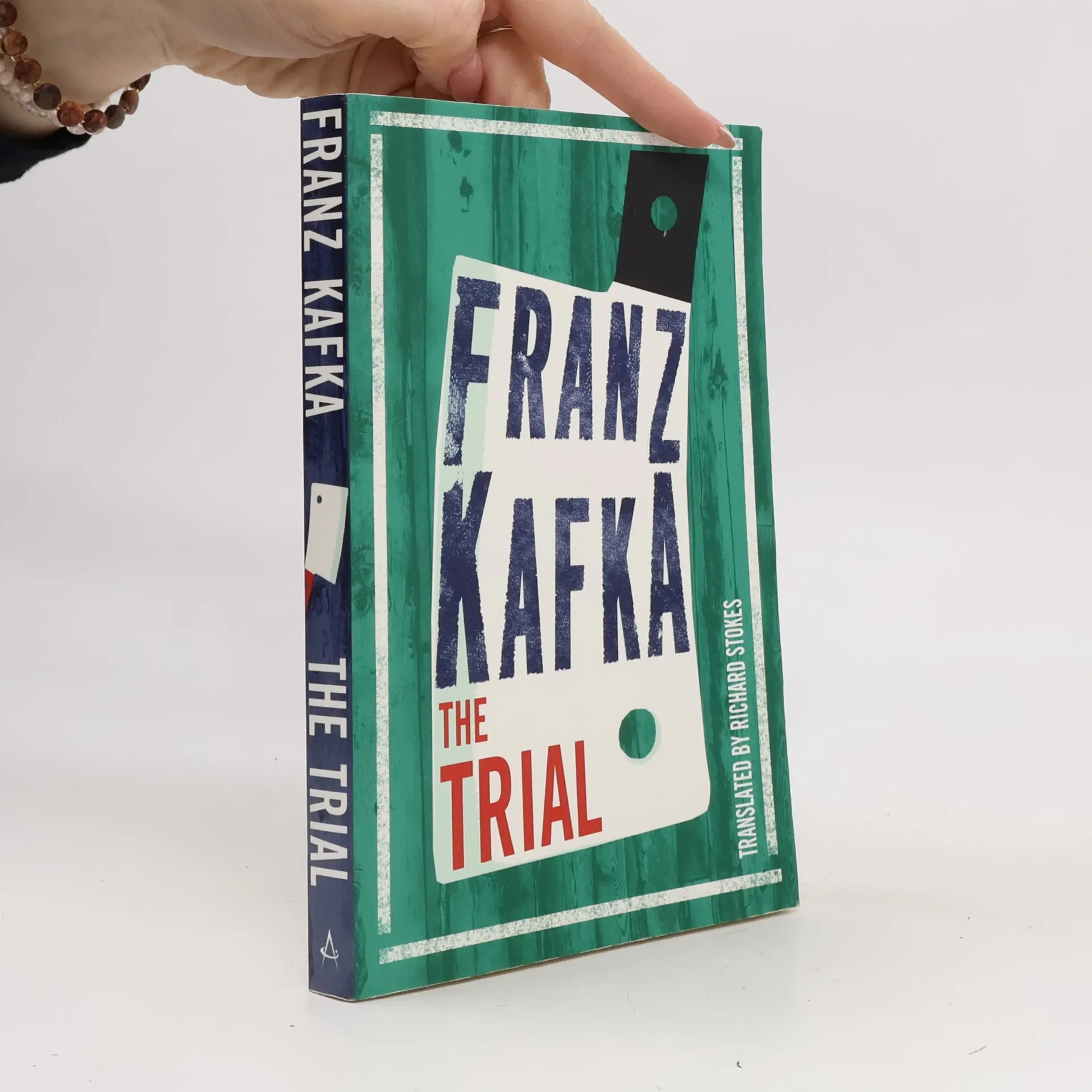
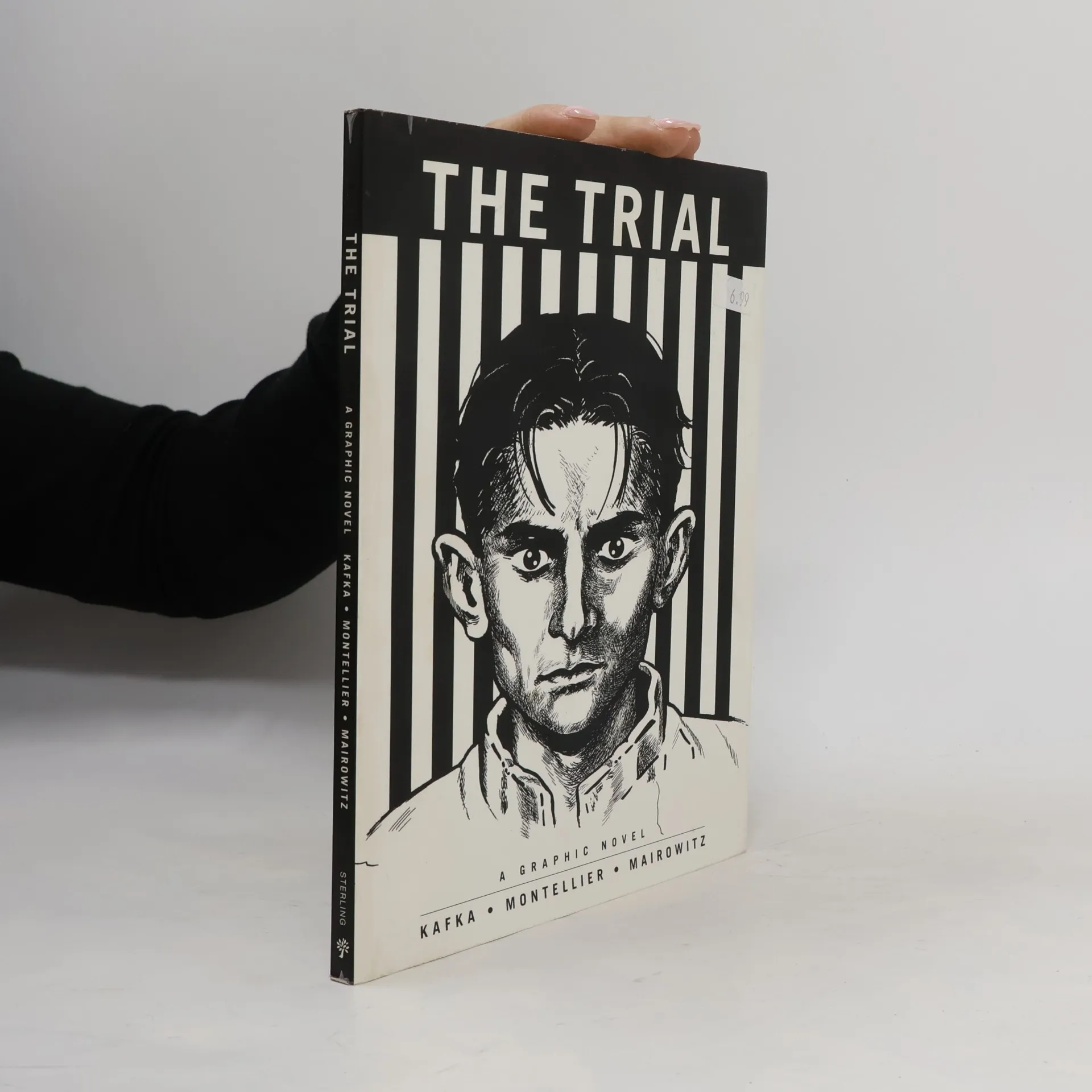
"Someone must have been slandering Joseph K, because one morning, without having done anything wrong, he was suddenly arrested." The Trial is a graphic adaptation of Franz Kafka's famous novel, illustrated by one of France's leading graphic artists, Chantal Montellier. Montellier brilliantly captures both the menace and the humor of Kafka's utterly unique masterwork. This darkly humorous tale follows Joseph K, who is arrested one morning for unexplained reasons and forced to struggle against an absurd judicial process. K finds himself thrown from one disorientating encounter to the next as he becomes increasingly desperate to prove his innocence in the face of unknown charges. In its stark portrayal of an authoritarian bureaucracy trampling over the lives of its estranged citizens, The Trial is as relevant today as ever.
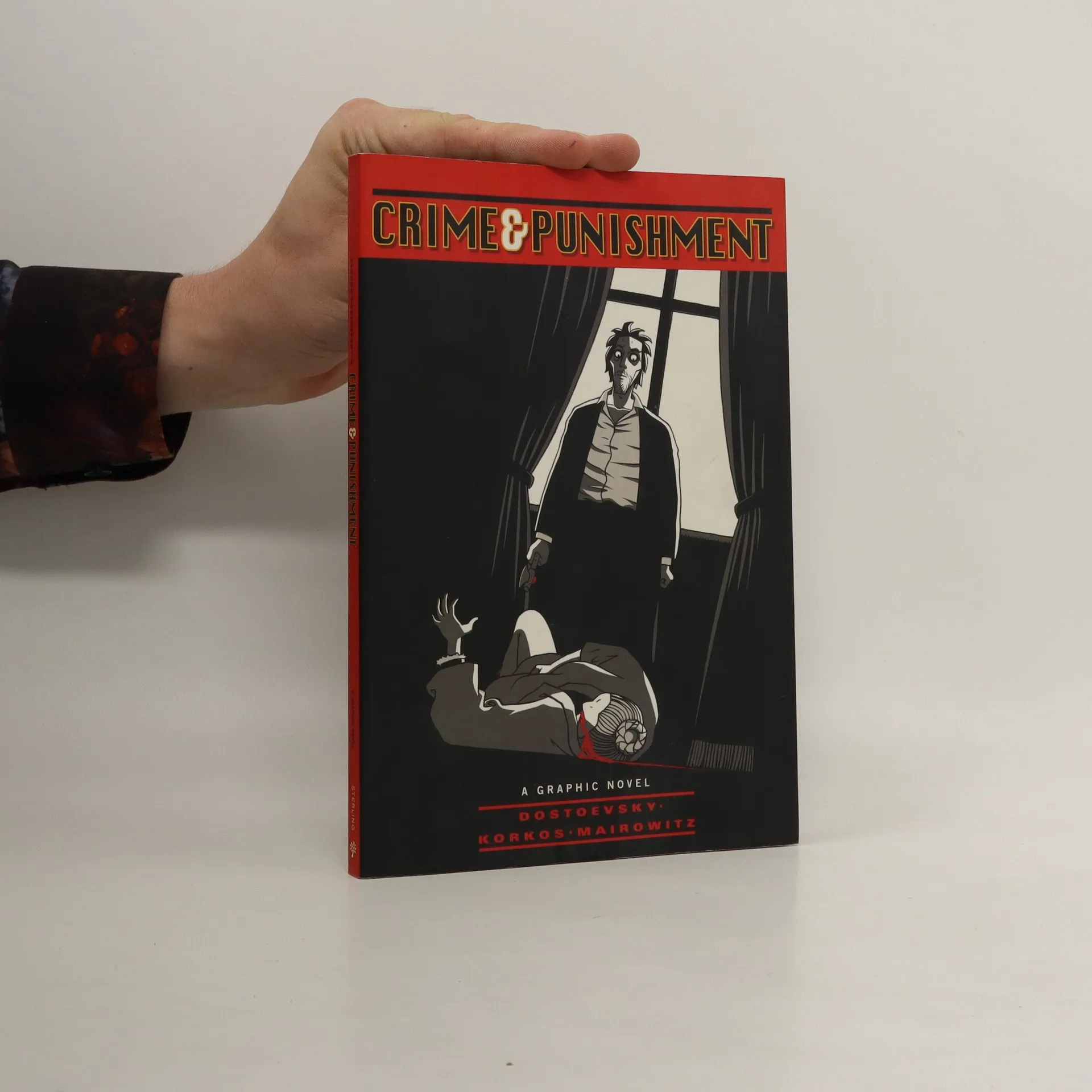
Retells the classic story of a murderer and the psychological punishment he endures before he finally comes to trial, in graphic novel format.
"Kafka wrote in the tradition of the great Yiddish storytellers, whose stock-in-trade was bizarre fantasy, tainted with hilarity and self-abasement. What he brought to this tradition was, however, an almost unbearably expanded consciousness. Alienated from his roots, his family, his surroundings, and primarily from his own body, Kafka created a unique literary language in which to hide away, transforming himself into a cockroach, an ape, a dog, a mole or a circus artiste who starves himself to death before admiring crowds."--Provided by publisher
On his thirtieth birthday, the bank clerk Josef K. is suddenly arrested by mysterious agents for an unspecified crime. He is told that he will be set free, but must make regular appearances at a court in the attic of a tenement building while his trial proceeds. Although he never comes to know the particulars of his case, Josef K. finds his life taken over by the opaque bureaucratic procedures and is tormented by the psychological pressures exerted by his legal nightmare. Published the year after the author's death, but written ten years earlier, The Trial is the most acclaimed of Kafka's three novels, and is both a haunting meditation on freedom and the powerlessness of the individual in the face of state power, and an ominous prefiguration of the totalitarian excesses of the twentieth century.