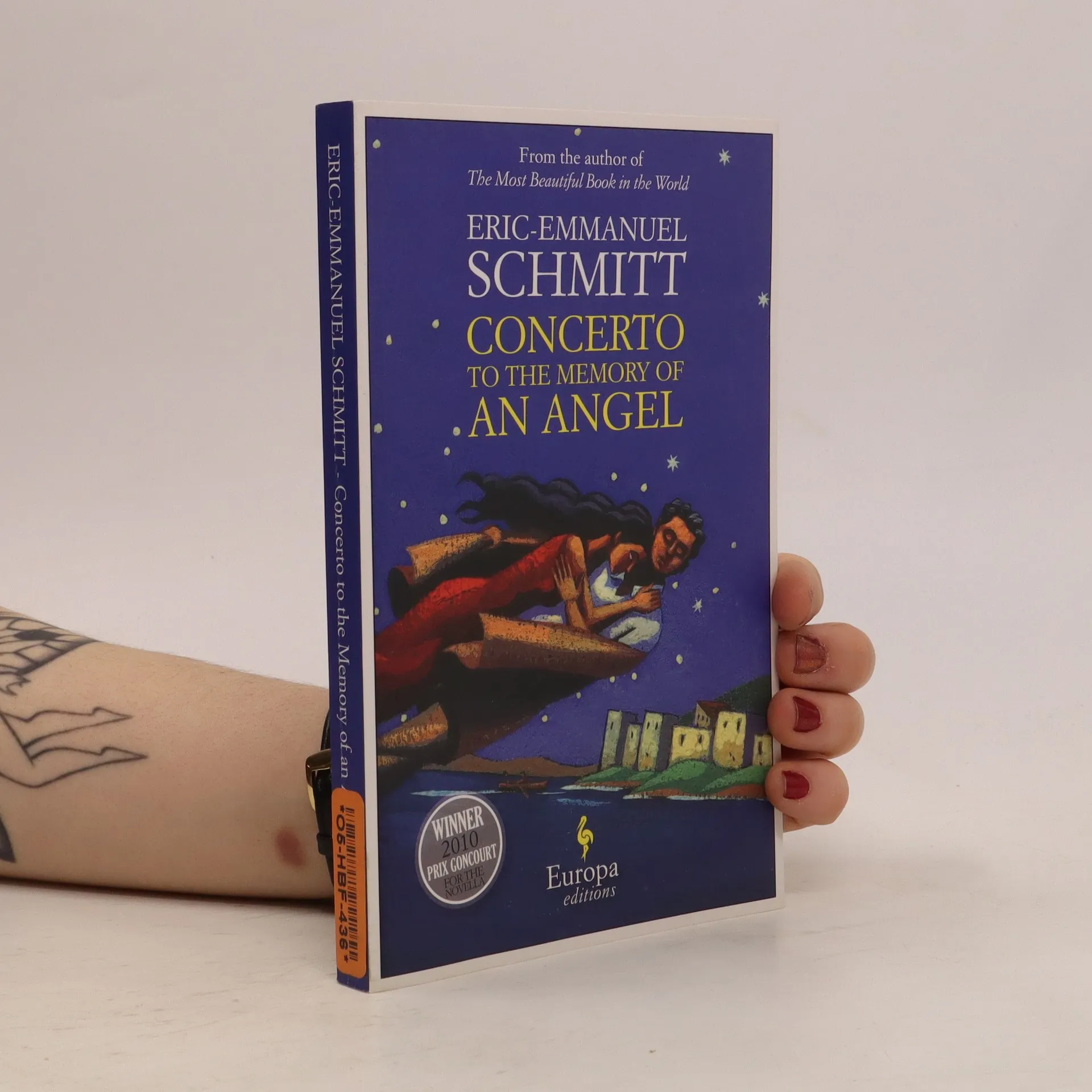
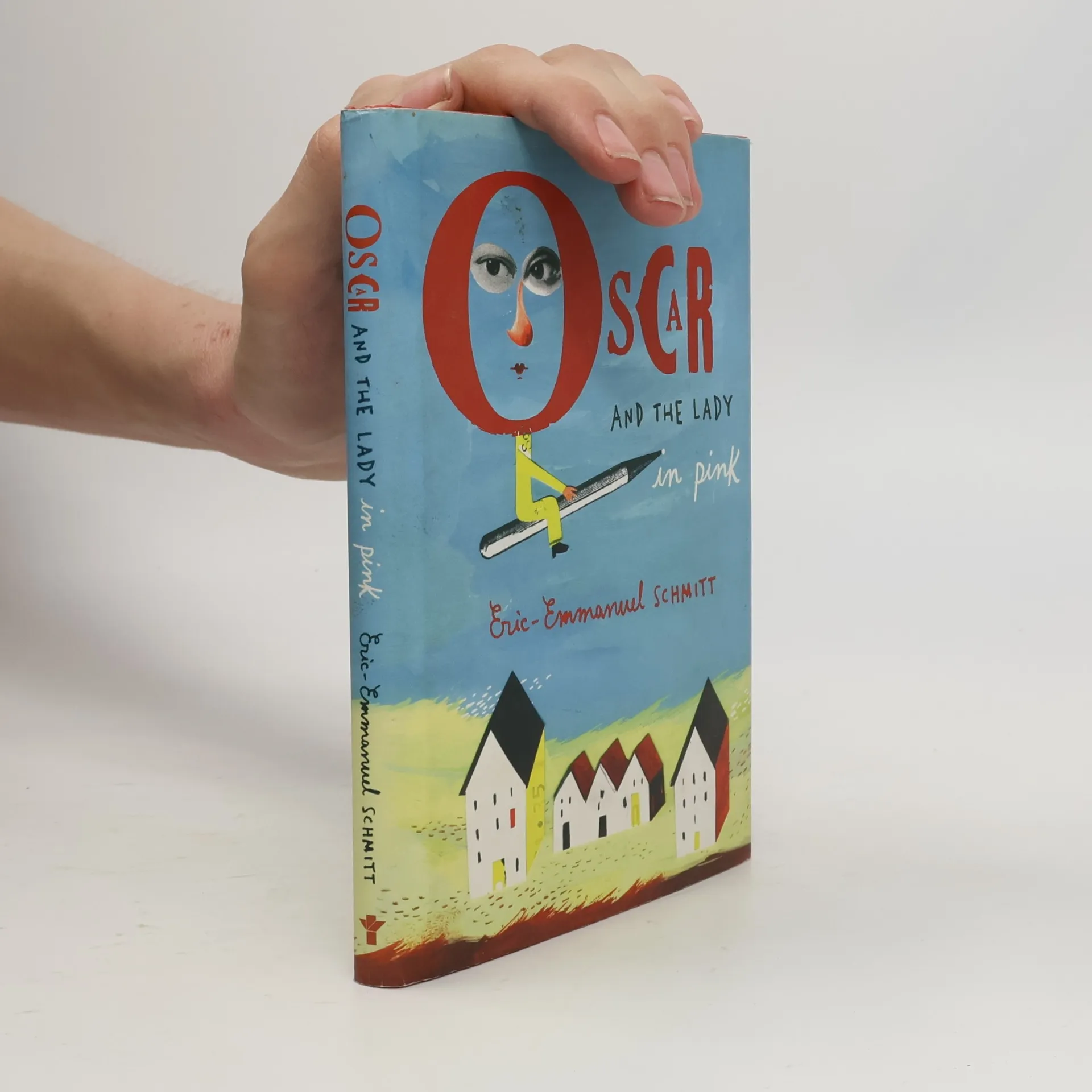
Voici les lettres adressées à Dieu par un enfant de dix ans. Elles ont été retrouvées par Mamie Rose, la « dame rose » qui vient lui rendre visite à l'hôpital pour enfants. Elles décrivent douze jours de la vie d'Oscar, douze jours cocasses et poétiques, douze jours pleins de personnages drôles et émouvants. Ces douze jours seront peut-être les douze derniers. Mais, grâce à Mamie Rose qui noue avec Oscar un très fort lien d'amour, ces douze jours deviendront légende.
This is the story of an old Arab shop-keeper and a young Jewish boy who goes to his shop to steal tins of food. The boy, Momo is soon disconcerted to find that Mr Ibrahim is not quite what he seems.
From one of the world's biggest selling authors comes another million-copy
worldwide bestseller: A beautiful and tender fable seen through the eyes of a
Jewish child living in Belgium under the Nazi occupation. Isn't it time you
discovered Eric-Emmanuel Schmitt?
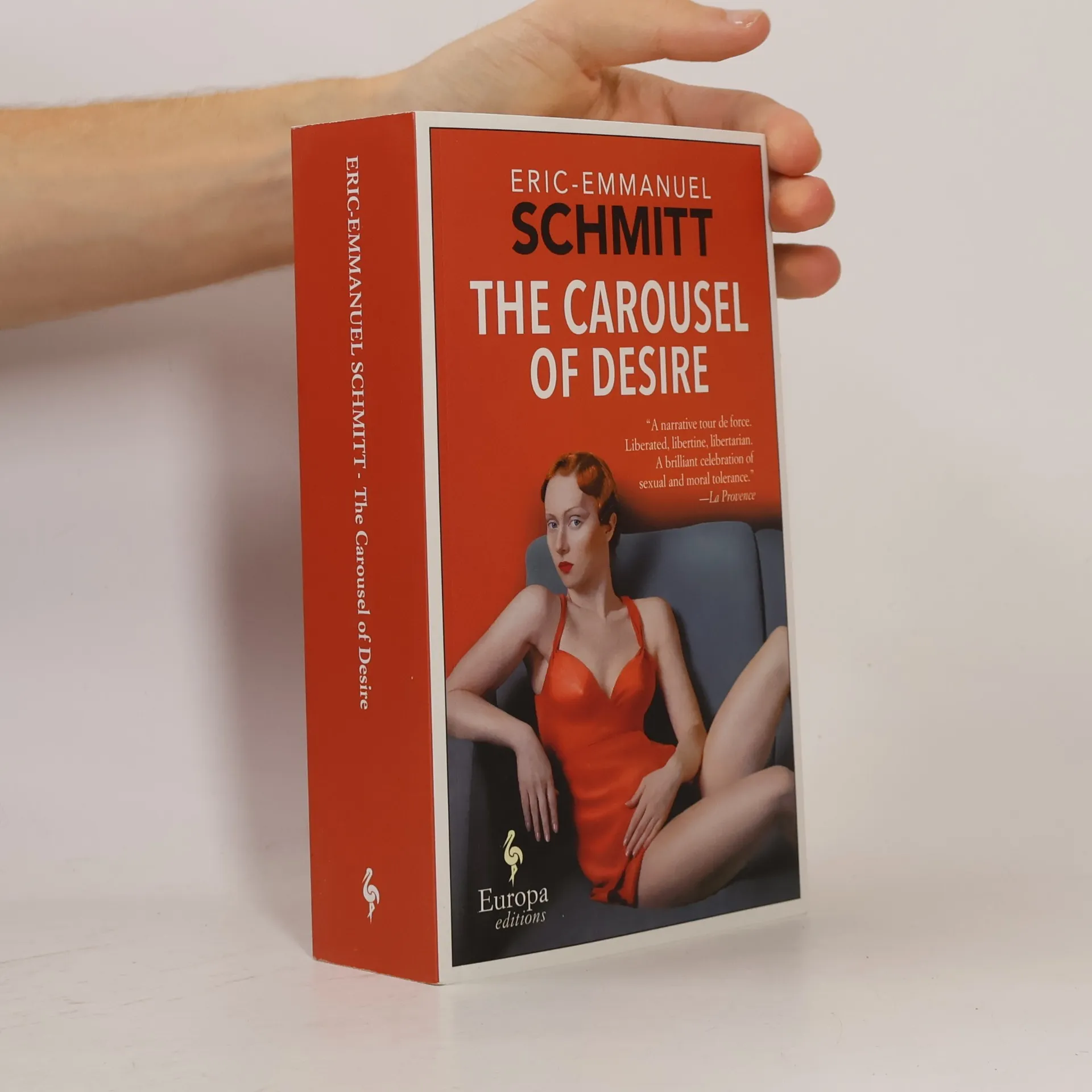
The Carousel of Desire is a sexual and romantic saga told with a master storyteller's feel for character and plot and a philosopher's abiding preoccupation with what makes life truly worthwhile. With tenderness and infectious delight, Schmitt tells an exuberant tale about class and community and about the vastness of human experience. Schmitt's love of coincidence and serendipity is surpassed only by his affection for his flawed, all-too-human characters: Zachary Bidermann, the powerful European Union commissioner; Faustina, the fashionable book publicist; François-Maxime de Couvigne, the happily married banker with more than a few secrets; Marcelle, enamored with a handsome illegal immigrant; Miss Beauvert, who makes love with her parrot, Copernicus. These and many more unforgettable characters animate this story of simmering desire and the antics of the mischievous and playful god, Eros.
Short Stories. The title story is the tale of two friends with very different personalities-one competitive and aggressive, the other kind and disinterested. They are confronted with circumstances that lead to a catharsis in which both men will move beyond their predetermined roles. Another story, "The Return," introduces a father whose work takes him far from home for months at a time. Over the years, the names, faces and personalities of his wife and children have blurred in his memory, a fact that comes cruelly to light when, while on a trip, he learns that one of his daughters has died but can't recall exactly which one it is. In his confusion he begins asking himself which daughter he would miss most-a heartless question but one that will bring him to recognize his failings as a man and as a father.
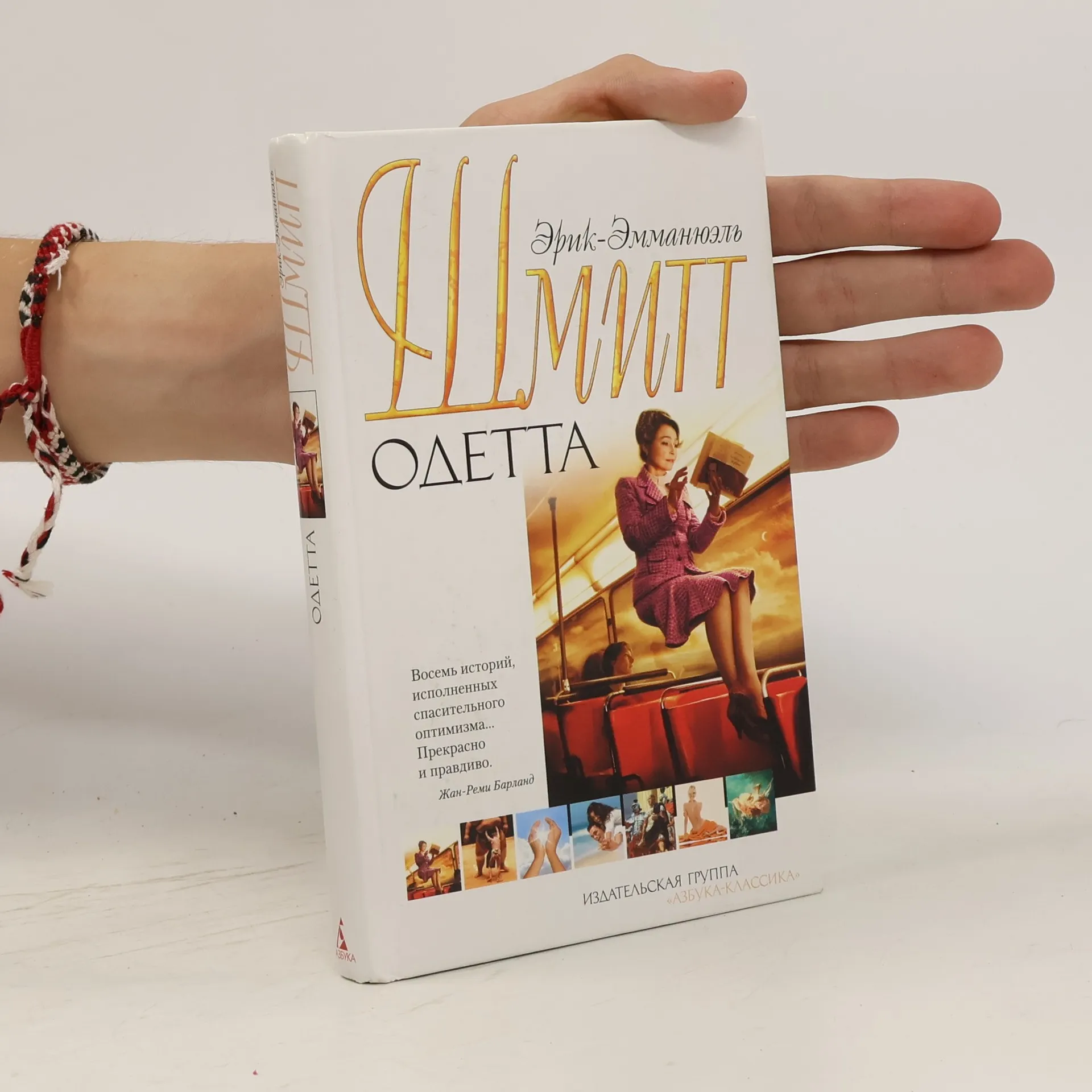
One of Europe's most popular and best-loved authors, Eric-Emmanuel Schmitt captivates the reader with his spirited, buoyant style and enchanting stories that move effortlessly from the everyday to the fantastical. The eight stories in this collection, his first to be published in English, represent some of his best writing and most imaginative storylines: from the love story between Balthazar, wealthy and successful author, and Odette, cashier at a supermarket, to the tale of a barefooted princess; from the moving story of a group of female prisoners in a Soviet gulag to the entertaining portrait of a perennially disgruntled perfectionist. Here are eight contemporary fables, populated by a cast of extravagant and affecting characters, about people in search of happiness. Behind each story lies a simple, if elusive, truth: happiness is often right in front of our eyes, though we may frequently be blind to it.
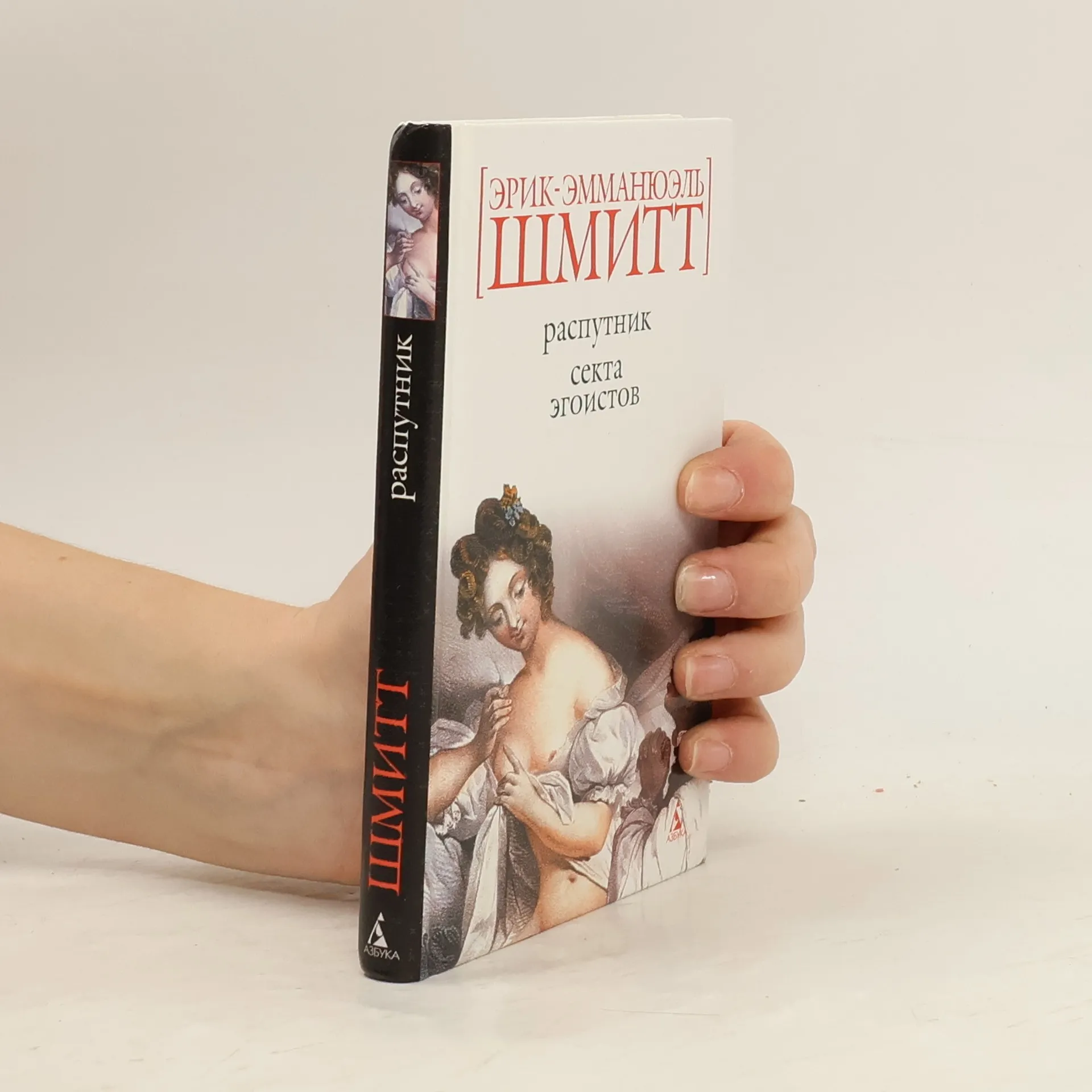
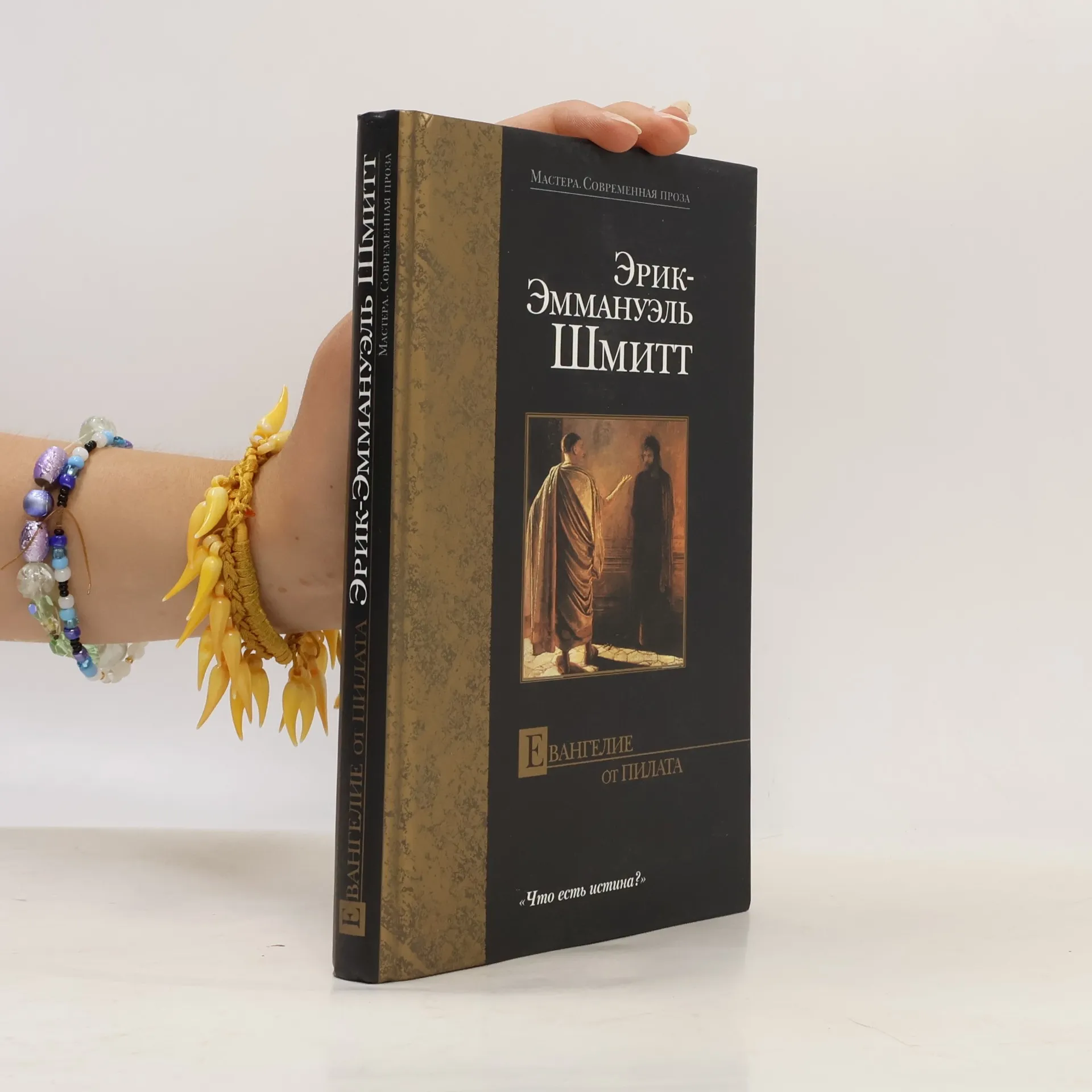
В конце XX столетия Шмитт стремительно стал одним из самых популярных писателей не только на своей родине, во Франции, но и во всем мире. В России идут спектакли по его пьесам "Ночь в Валони", "Посетитель", "Загадочные вариации", "Фредерик, или Бульвар преступлений", "Распутник". Издательство "Азбука-классика" представляет неподражаемую, остроумную пьесу Шмитта "Распутник" - один безумный день из жизни Дени Дидро. А также роман "Секта эгоистов".Искрометный, насквозь игровой язык прозы Шмитта, безусловно составляющий гордость французской изящной словесности, блистательно представлен в русской версии переводчиком А. Браиловским.
In diesem Band sind alle deutschsprachigen Werke des erfolgreichsten französischen Dramatikers versammelt, darunter das für Jean-Paul Belmondo geschriebene Stück "Frederick oder Boulevard des Verbrechens".
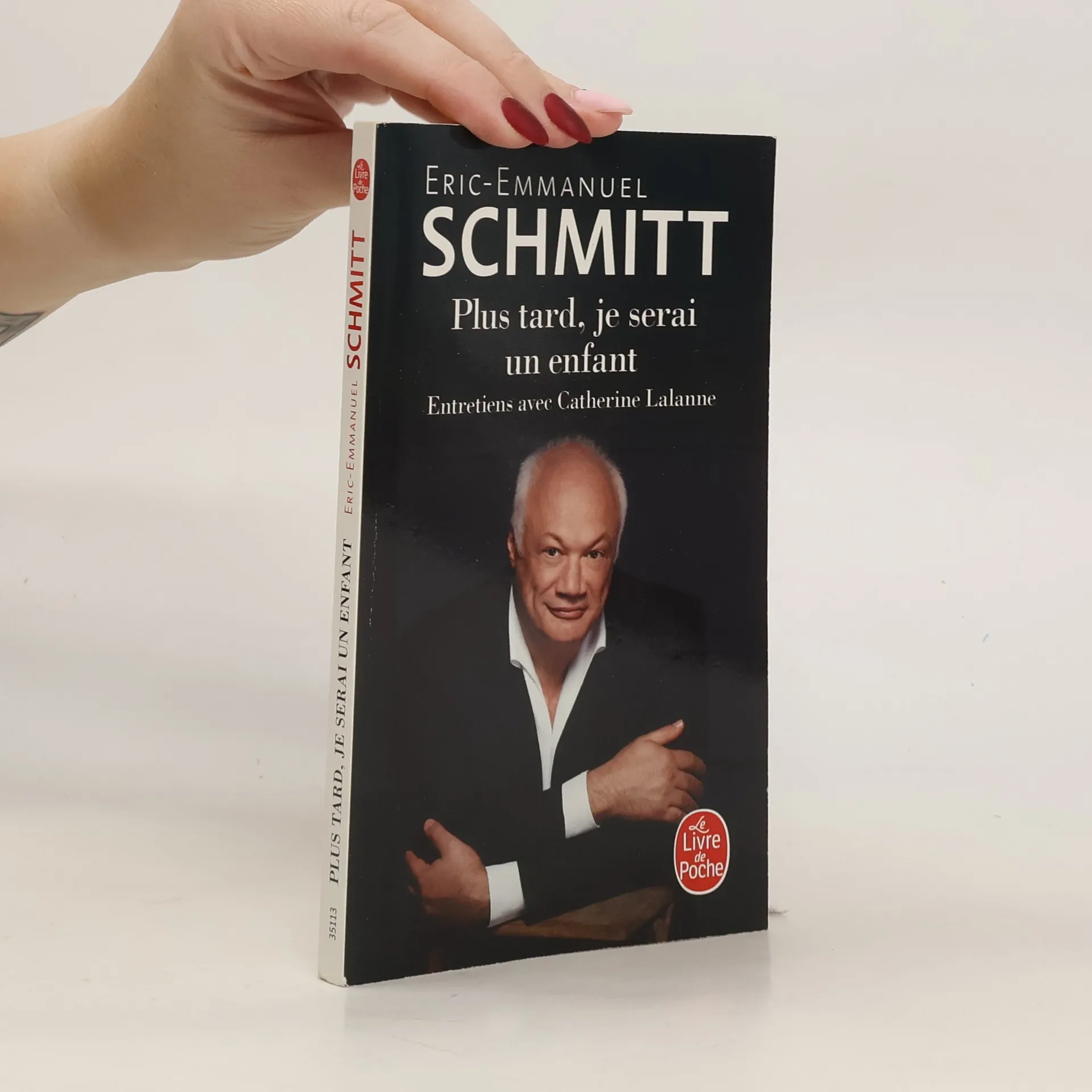
Pour la première fois, Eric-Emmanuel Schmitt se confie et évoque son enfance avec une émouvante sincérité, ses vocations multiples, sa vie… Qui était le petit garçon Eric-Emmanuel à Lyon, dans les années 60 ? Quelles histoires avait-il déjà en tête ? Nous découvrons ses années de formation, son milieu, ses rêves, ses regrets… Ses nombreuses confidences sur sa vie, ses valeurs, ses multiples activités, le sens qu’il donne à l’existence, à l’art, font le prix de ce livre exceptionnel. Ses très nombreux lecteurs dévoreront les différents chapitres de ce livre pour entrer dans l’intimité de leur auteur. Nous ferons connaissance avec un écrivain, dramaturge, philosophe, bien différent des clichés que certains peuvent avoir sur lui. Et bien plus surprenant.Eric-Emmanuel Schmitt est un des auteurs francophones les plus lus et les plus représentés dans le monde. Ses pièces ont été récompensées par plusieurs Molière et le Grand Prix du théâtre de l’Académie française. Ses livres sont traduits en 44 langues. Selon des statistiques récentes, il est aujourd’hui l’auteur le plus étudié en collèges et en lycées. En 2016, Eric-Emmanuel Schmitt a été élu à l’unanimité membre du jury Goncourt. Il est l’auteur d’une oeuvre impressionnante (Albin Michel), chacun de ses livres étant classé dans les toutes premières meilleures ventes.
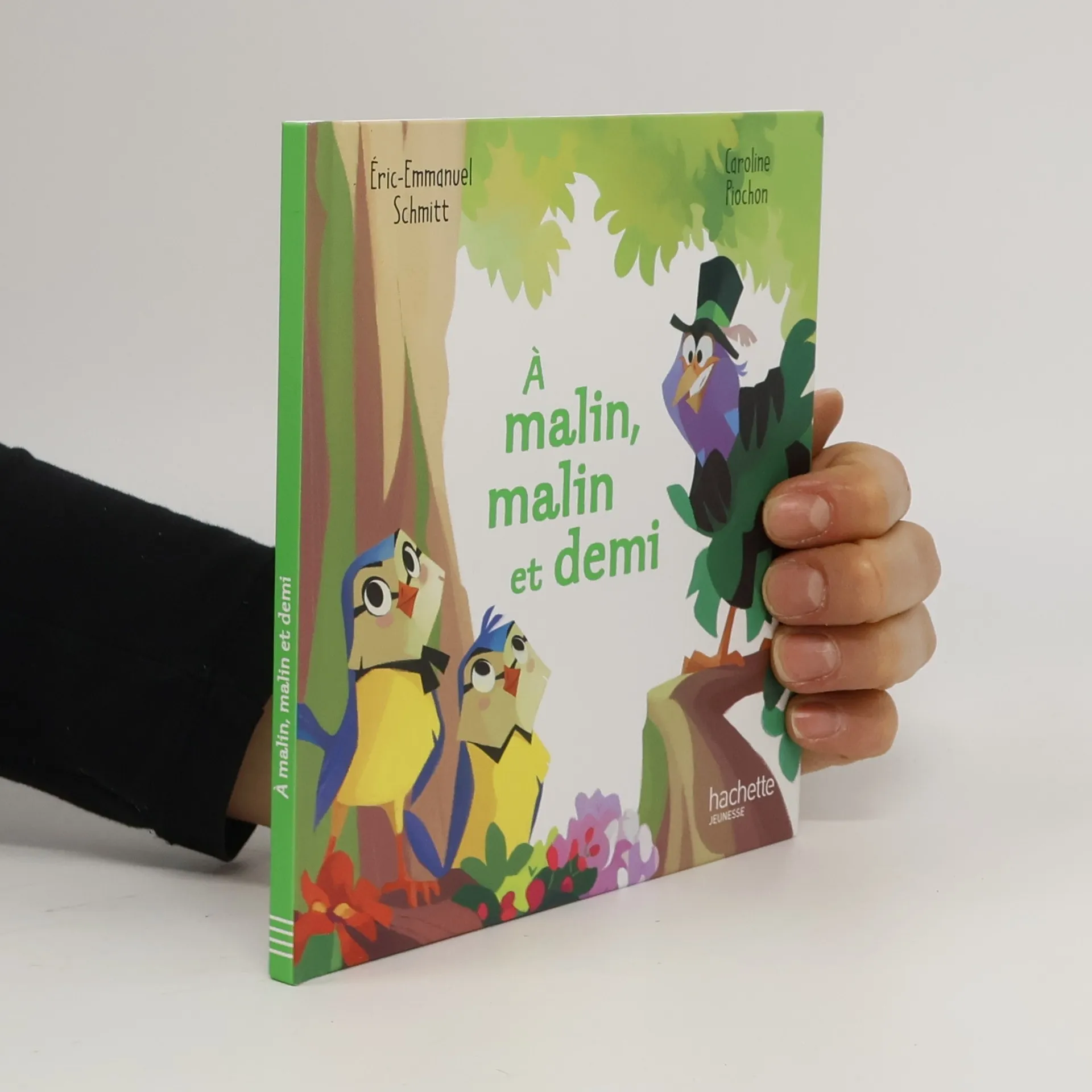
"Il était un dicton"Une histoire pour comprendre le dicton ''à malin, malin et demi''Le coucou en est sûr, c'est lui le plus rusé de la forêt. Chaque années, il redouble d'astuce pour voler les nids des autres oiseaux et s'y installer. Mais cette fois-ci, les mésanges Lilou et Lilie ne vont pas le laisser faire.
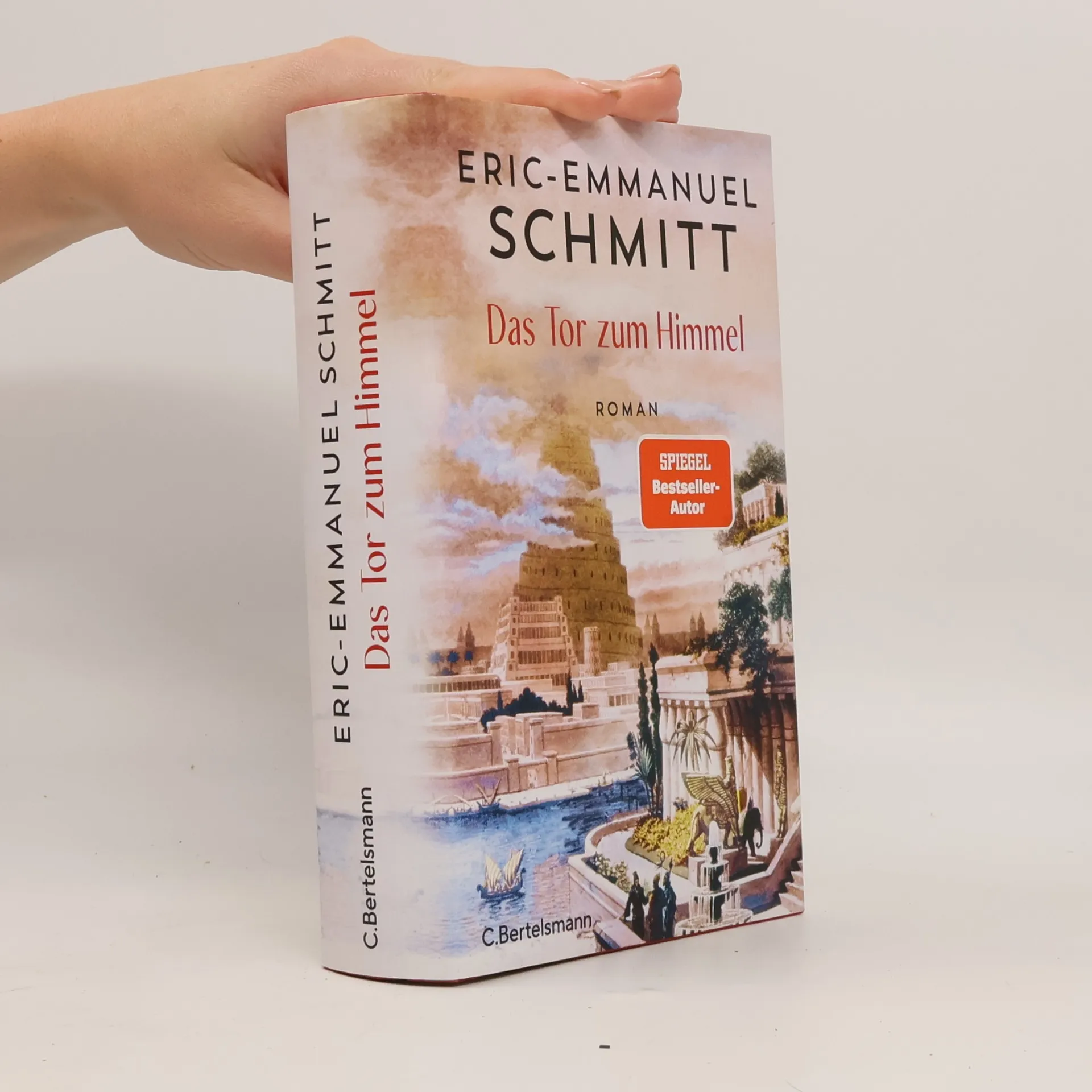
Noam, ein Zeitreisender, sucht seine geliebte Nura und gelangt nach Mesopotamien, wo er die Errungenschaften der Zivilisation erlebt. In Babel begegnet er dem tyrannischen Nimrod, der einen hohen Turm baut, um die Götter zu erreichen. Noam steht vor der Wahl zwischen persönlichem Glück und den Fortschritten der Zivilisation.
Il male è in ognuno di noi. Per esplorare questa terrificante idea, il romanzo segue le vite parallele dell'Hitler vero e di un Hitler fittizio e "buono". Quale sarebbe stato il corso della storia se l'8 ottobre del 1908 Adolf Hitler fosse stato ammesso all'Accademia di Belle Arti? Lungi dal ricostruire la storia del Terzo Reich, Schmitt duplica la figura del triste Cancelliere, gioca sull'artificio di due vite distinte che corrono in parallelo e getta una luce straniante e violenta sul retroscena affettivo, sessuale e caratteriale di un eccezionale egolatra che cerca di incarnare l'eroe nietzschiano. Sull'altro binario scorre la vita del pittore Adolf H., disgustato dalla Grande Guerra, il quale, trasferitosi a Parigi, frequenta gli artisti di avanguardia di Montparnasse, sposa un'ebrea americana e muore poi nel pacifico oblio di Santa Monica... In questa prodigiosa macchina scenica dal geniale ingranaggio costruito su un paradosso, Schmitt riesce ancora una volta a gettare nel lettore il seme del dubbio. Se fosse vissuto soltanto il pittore Adolf H. e non il suo mostruoso doppio seminatore di odio e distruzione, che cosa saremmo noi oggi?
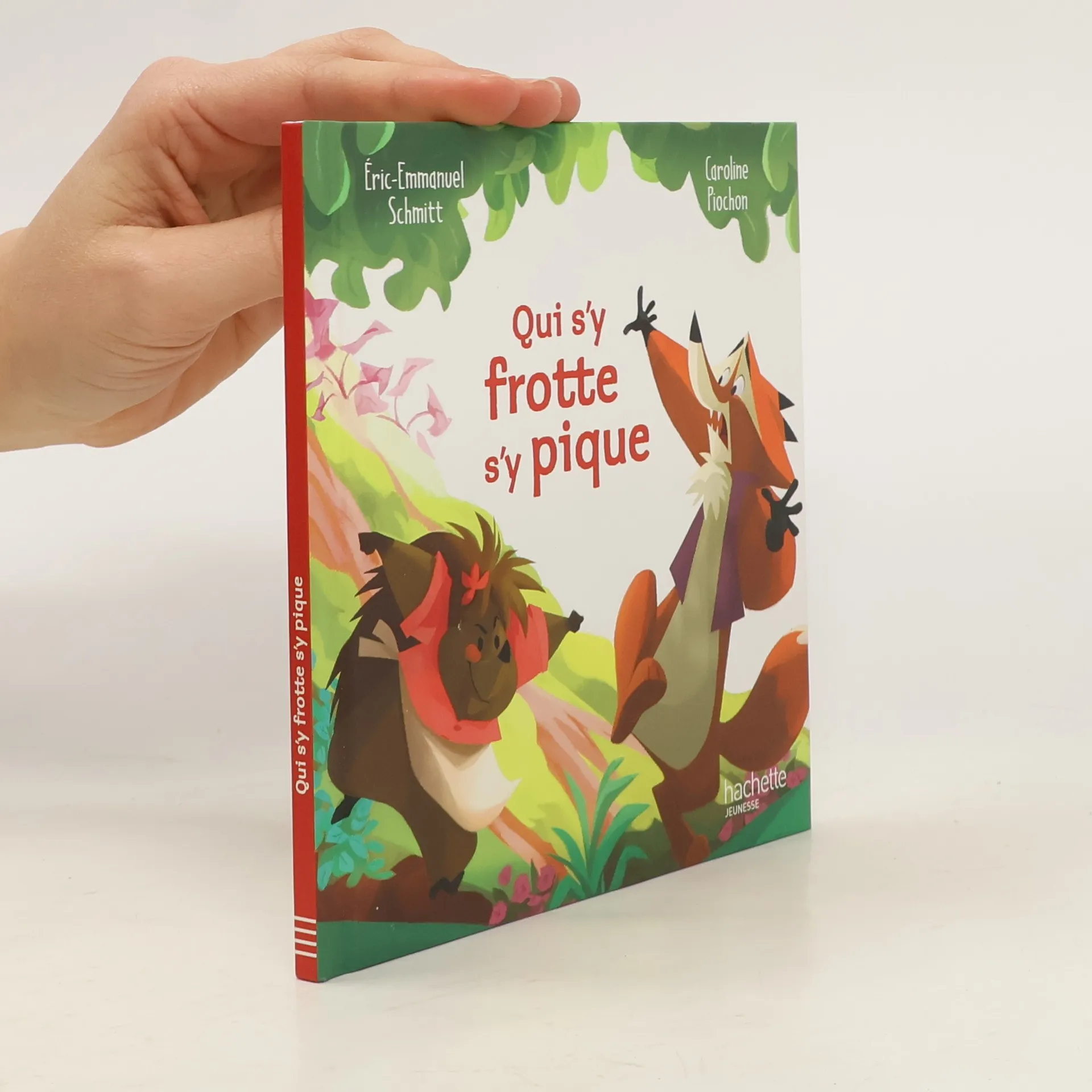
Épingline est la plus gentille hérissonne de la forêt, elle rend des services à ses amis et sourit toujours. cette semaine, ses petits-enfants lui rendent visite. ensemble ils vont bien s'amuser. Mais attention, Renard n'est pas loin....
Die Liebe ist kein harmloses Gefühl. Sie kann vereinnahmen, verletzten, eifersüchtig machen, zu Intrigen anstacheln. Eric-Emmanuel Schmitt, französischer Lieblingsautor deutscher Leser seit seinem Bestseller ›Monsieur Ibrahim und die Blumen des Koran‹, geht in ›Was Liebe will‹ dieser Leidenschaft auf den Grund: ihren Verlockungen, ihren Untiefen und ihrer geheimnisvollen Macht. In zwei Romanen. ›Der Liebestrank‹ erzählt von einer Wette, die gefährlich und reizvoll ist: Adam und Louise, zwei ehemals Liebende, wollen es wissen: Kann man einen anderen Menschen in sich verliebt »machen«, oder nicht? Doch während Adam seine erloschene Leidenschaft für Louise in eine wunderbare Freundschaft verwandeln möchte, hat die romantisch Liebende Louise ganz andere Absichten. Sie schickt ihrem alten Liebhaber eine attraktive junge Kollegin ins Haus, die keineswegs zufällig dasselbe Parfüm wie Louise benutzt. Und Adam, der selbstgefällig Liebende, wird ein ahnungsloses Opfer weiblicher Hinterlist. In ›Das Liebesgift‹ dreht sich alles um die ersten großen Gefühle von vier 16-jährigen Mädchen, die einander ewige Freundschaft geschworen haben. Sie schicken einander kleine Botschaften über ihre Intrigen, Erfolge, ihre intimsten Wünsche. Noch ganz unerfahren, sitzen sie schon in der Falle der Liebe. Eine Schulaufführung von ›Romeo und Julia‹ offenbart unvorhersehbar und fatal eine grausame Wahrheit.
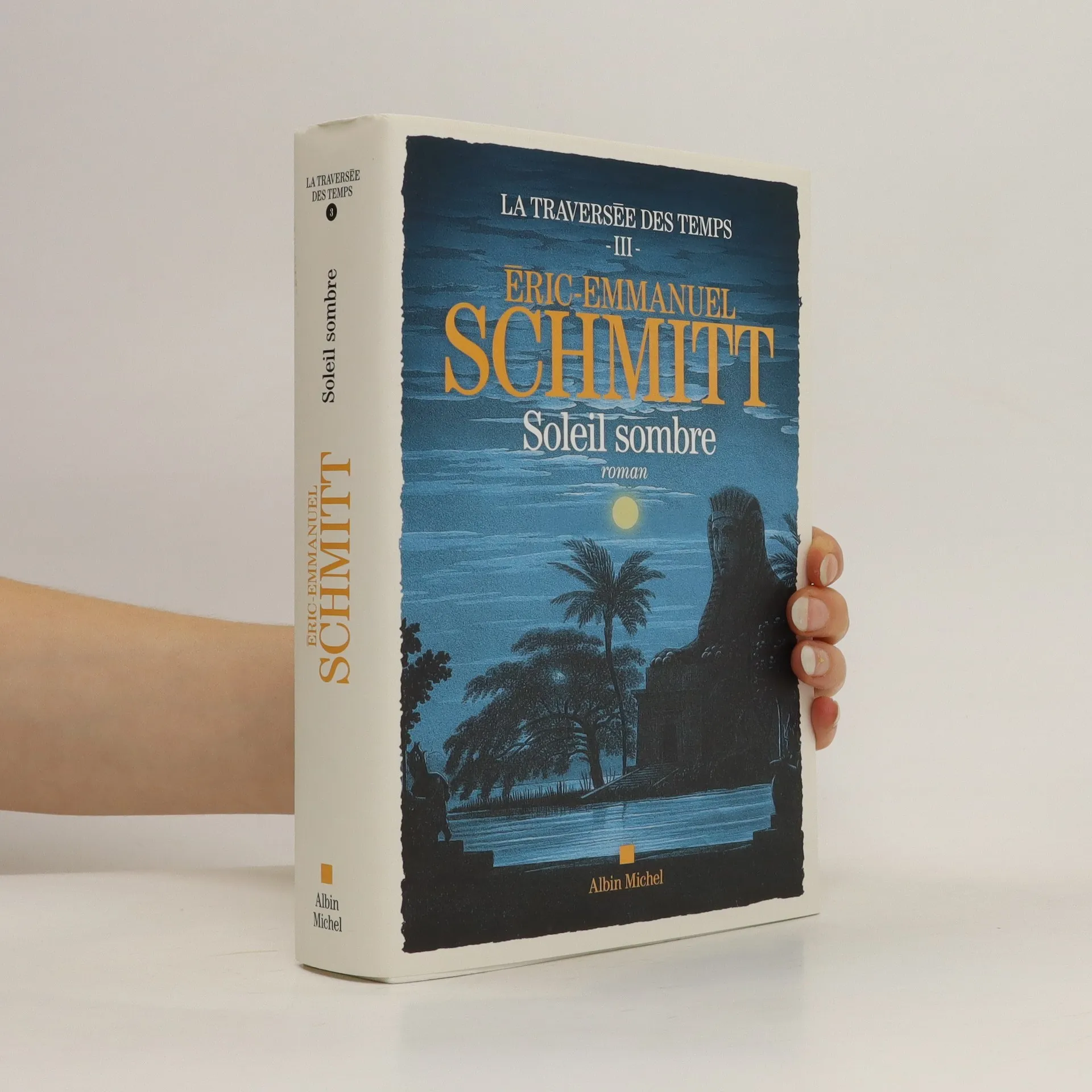
Vol. 1: Cette Traversée des temps affronte un prodigieux défi : raconter l'histoire de l'humanité sous la forme d'un roman. Faire défiler les siècles, en embrasser les âges, en sentir les bouleversements, comme si Yuval Noah Harari avait croisé Alexandre Dumas. Depuis plus de trente ans, ce projet titanesque occupe Eric-Emmanuel Schmitt. Accumulant connaissances scientifiques, médicales, religieuses, philosophiques, créant des personnages forts, touchants, vivants, il lui donne aujourd'hui naissance et nous propulse d'un monde à l'autre, de la préhistoire à nos jours, d'évolutions en révolutions, tandis que le passé éclaire le présent. [4e de couv.]
Эрик-Эмманюэль Шмитт - мировая знаменитость, лауреат Гонкуровской премии. Он завоевал всеобщее признание, став одним из самых читаемых и играемых на сцене французских авторов. Для широкого круга читателей
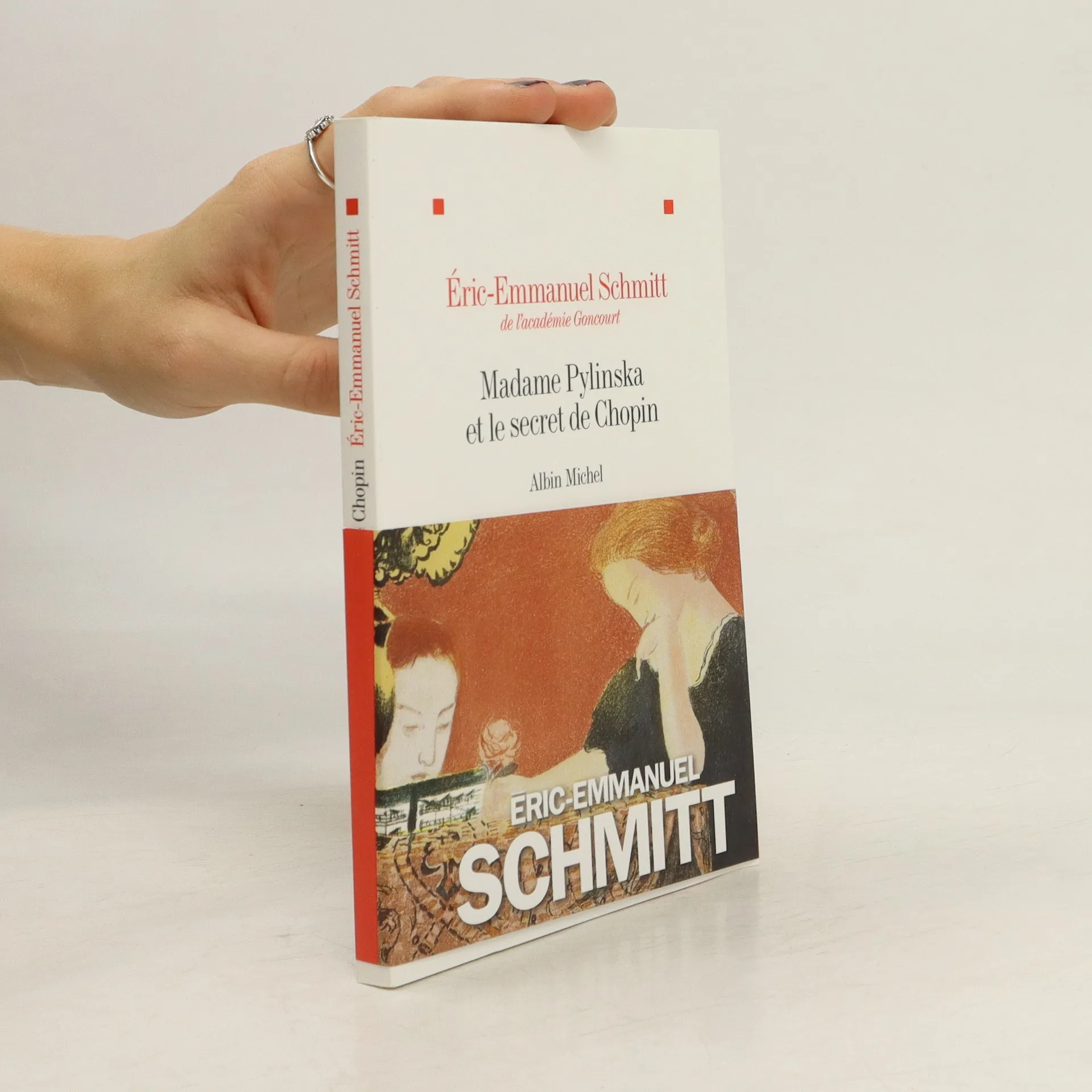
En suivant les cours de la tyrannique Mme Pylinska, le jeune Eric-Emmanuel
cherche à comprendre le mystère de la musique de Chopin. La Polonaise a de
surprenantes façons dexpliquer le génie du musicien et la leçon de piano
devient peu à peu apprentissage de la vie et de lamour. Dans le cadre duCycle
de linvisible, un conte initiatique plein démotion, dintelligence et d'humour.
Księga o Niewidzialnym to zbiorowe wydanie najpiękniejszych przypowieści
Erica-Emmanuela Schmitta - Oskara i Pani Róży, Pana Ibrahima i kwiatów Koranu,
Dziecka Noego, Zapasów z życiem - zawierające ponadto publikowaną po raz
pierwszy w Polsce buddyjską baśń Milarepa. To opowieści, które poruszają
najczulsze struny ludzkiej wrażliwości i przypominają o prawdziwym sensie
życia – Niewidzialnym, lecz możliwym do odkrycia.
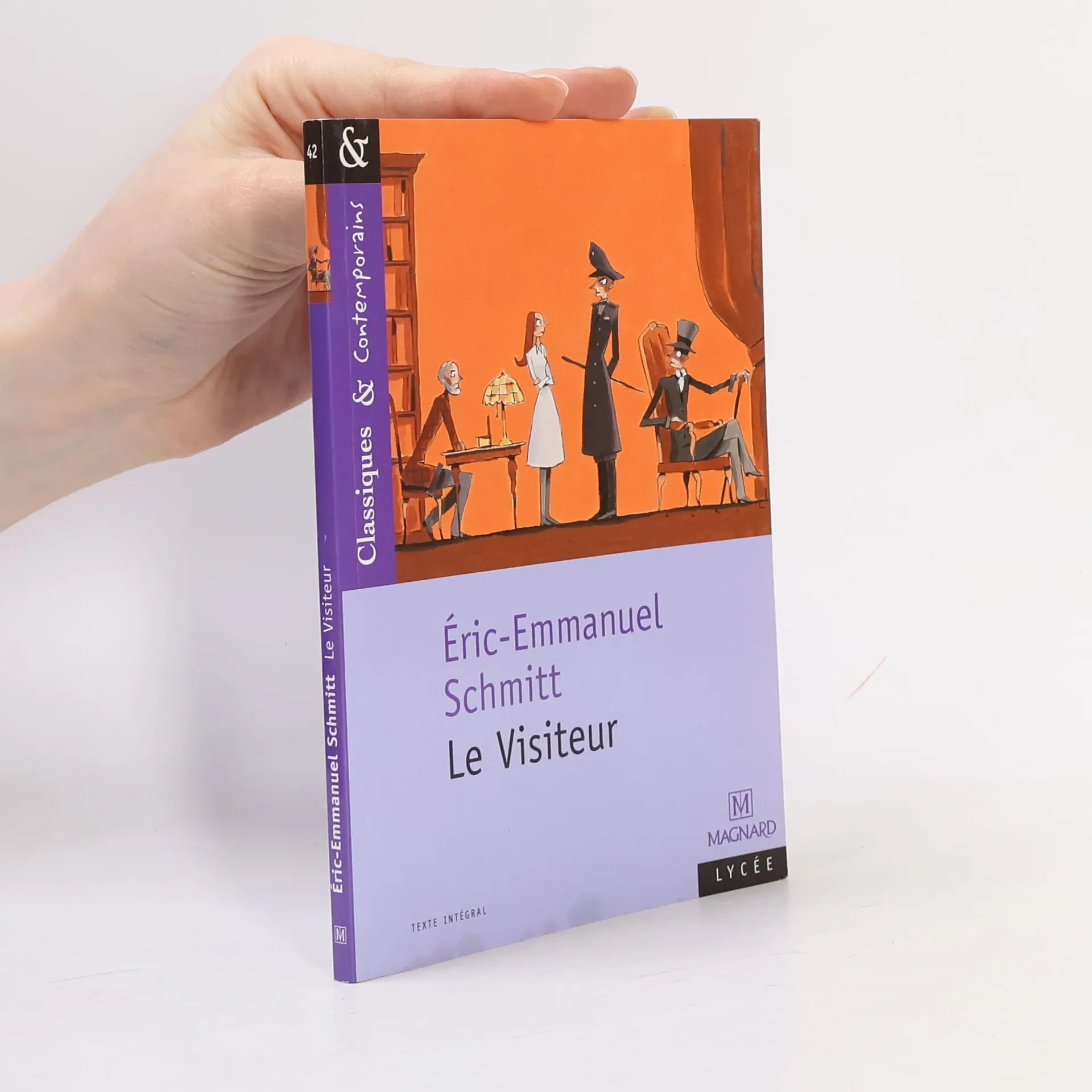
Juin 1938. Les troupes hitlériennes viennent d'envahir l'Autriche. Dans Vienne occupée, Sigmund Freud, vieux, malade, persécuté, inquiet pour le sort de sa fille Anna, découvre que derrière l'énigmatique visiteur qui le surprend dans son appartement se cache peut-être une incarnation de Dieu. Entre le vieil homme désabusé, qui ne croit que ce qu'il voit, et l'élégant personnage, spirituel et manipulateur, se noue un étrange dialogue. A travers une intrigue quasi policière ménageant suspense et rebondissements, la pièce aborde sur un mode plaisant des questions philosophiques éternelles : ta nature de ta conscience et de l'inconscient, la place de l'homme dans le monde, ta raison du Mal, le conflit entre raison et intuition, et bien d'autres encore. Les élèves pourront ainsi approfondir leur connaissance des techniques théâtrales et argumentatives tout en travaillant leur futur programme de terminale !
В конце XX столетия Э.-Э.Шмитт стал одним из самых популярных писателей во всем мире. Его романы, повести, эссе, драматические сочинения - предмет широчайшего читательского и зрительского интереса. "Распутник" - один безумный день из жизни Дени Дидро. "Секта эгоистов" - роман, который рассказывает о том, как его не было, ускользает, обманывает и творит себя из обмана. Искрометный, насквозь игровой язык прозы Шмитта составляет гордость французской изящной словесности.
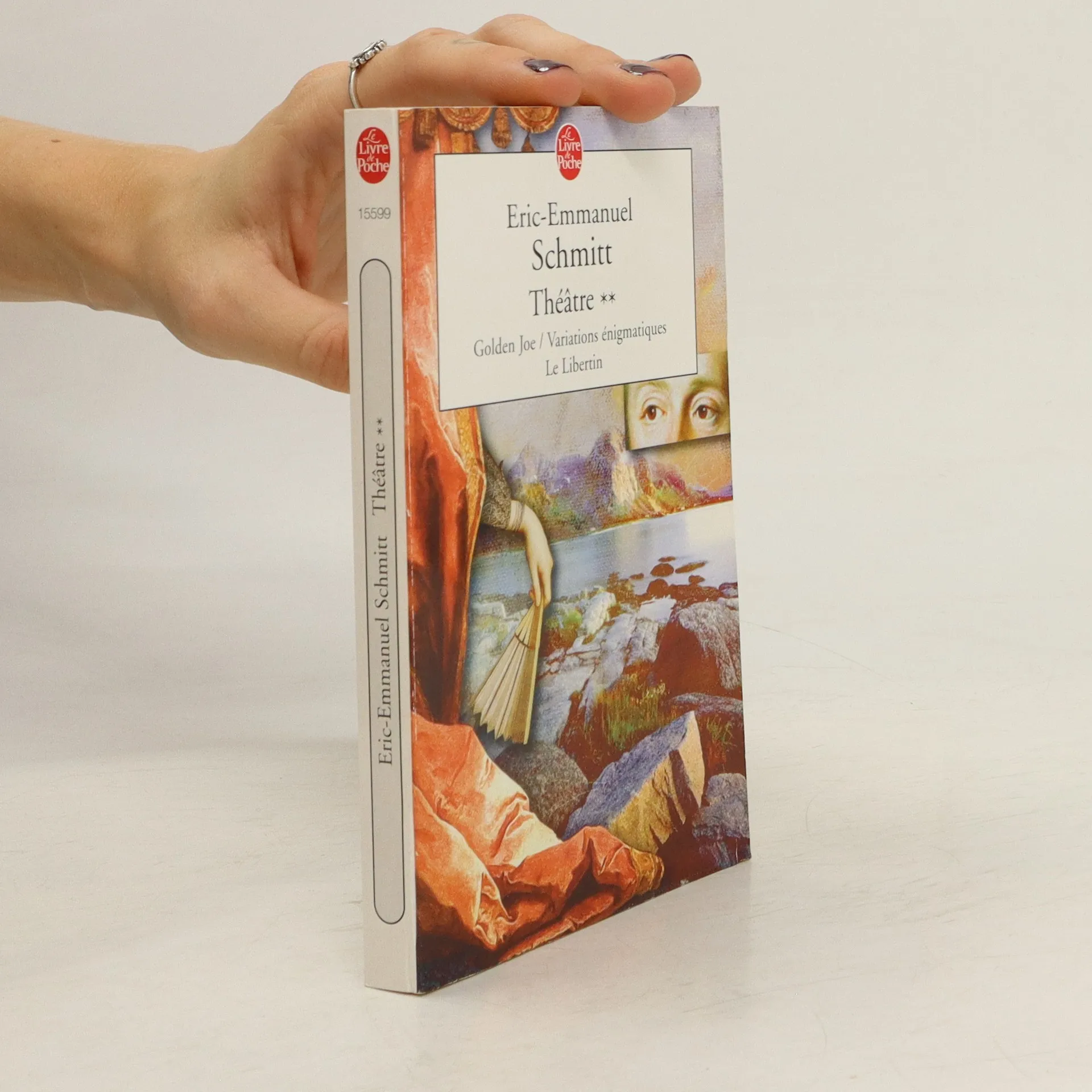
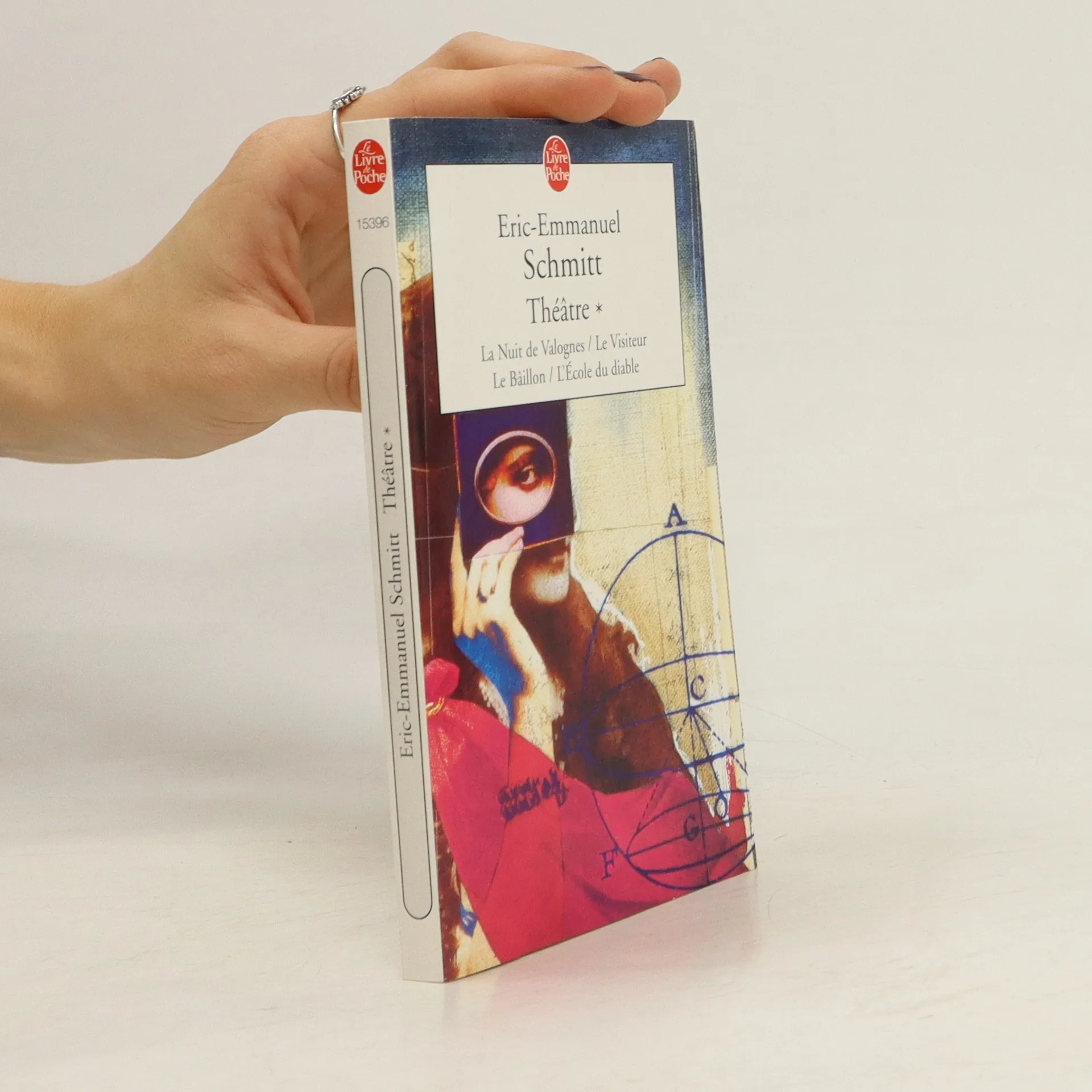
On doit beaucoup à Schmitt : il a réussi à faire revivre une forme de théâtre que beaucoup pensaient mort et enterré, la pièce intellectuelle brillante. C'est un genre qui n'a jamais connu d'éclipse dans le théâtre anglais, comme le montre la continuité de travail de George Bernard Shaw à Tom Stoppard ou Christopher Hampton, mais en France ce genre avait disparu entre Sartre et Schmitt. Chaque fois, Schmitt réussit à créer des situations qui provoquent la réflexion dans le monde d'aujourd'hui. David Bradby, Schmitt's plays, Methuen. Golden Joe
Der große Bestsellerautor mit einem faszinierenden Roman über die Anfänge der Menschheit Noam wurde vor 8.000 Jahren geboren, in der Jungsteinzeit, als sich die bis dahin umwandernden Menschen in Gruppen niederließen. Von seinem Vater, dem Clanchef Pannoam, viel zu jung verheiratet, verliebt sich Noam in die hinreißende Nura. Als er diese zur Zweitfrau nehmen möchte, schockiert ihn Pannoam, indem er Nura selbst heiratet. Noam verlässt das Dorf und findet Unterschlupf bei dem baumstarken Jäger Barak, bei dem er die alten Freiheiten der Jäger und Sammler kennenlernt. Doch eines Tages flieht Nura zu Noam in die Wälder und gesteht ihm ihre Liebe. Pannoam fordert daraufhin den eigenen Sohn zu einem rituellen Kampf … Dann steigt das Wasser des Sees unaufhörlich, und Noam muss einen Ausweg finden. Dieses Ereignis, das bald zum Mythos wird, besiegelt auch Noams Schicksal, der, seiner Sterblichkeit beraubt, die Zeiten durchqueren muss ... Ein mitreißender und kenntnisreicher Roman von biblischer Wucht. Beim Lesen taucht man fasziniert ab in eine archaische Welt und ist bestens unterhalten.
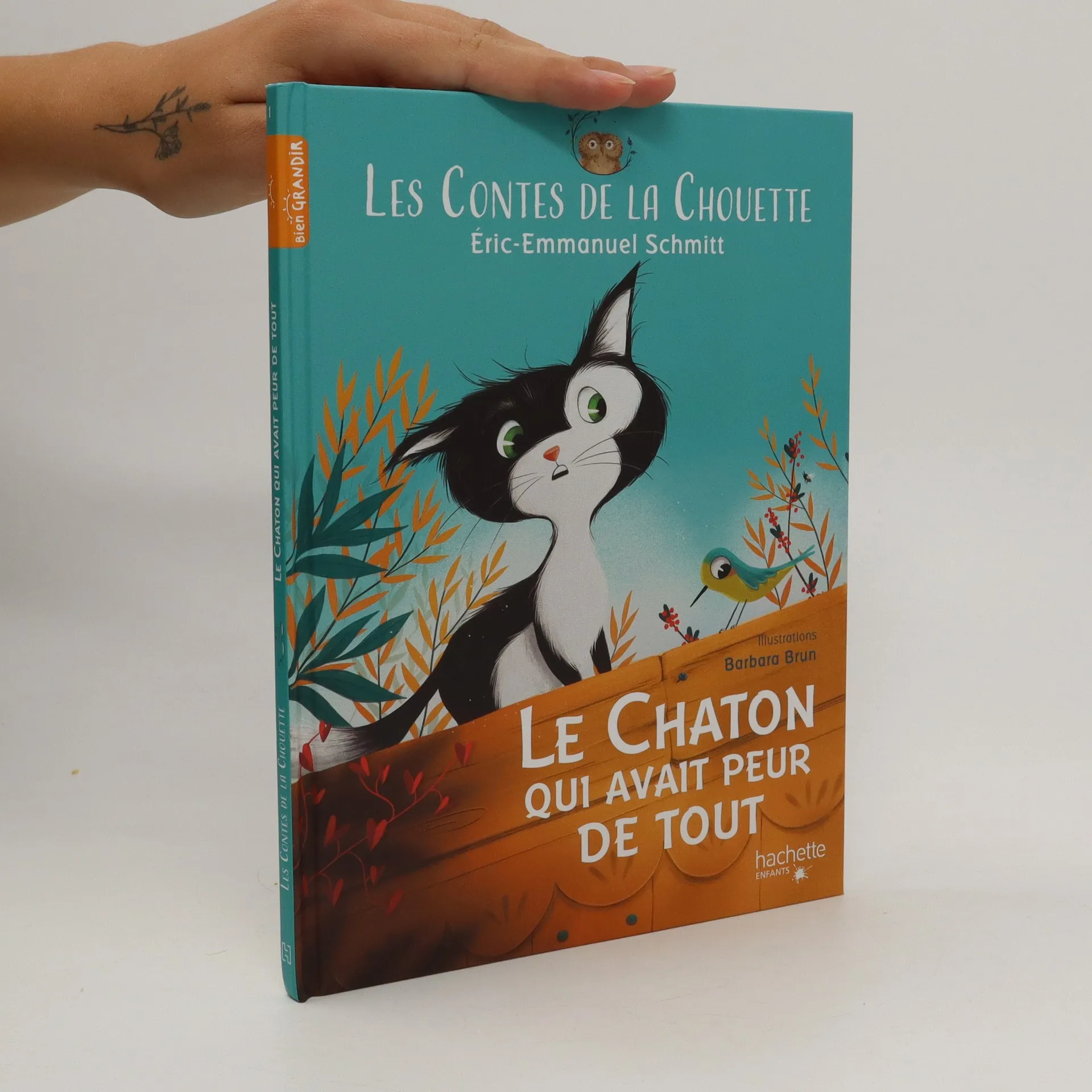
"Les Contes de la Chouette constituent une série de contes. Le personnage principal est Minerva l'oiseau philosophe qui, dans chaque histoire, aide les héros à réfléchir et à trouver par eux-mêmes leur chemin. Elle distribue des miettes de sagesse." -- various websites
Une histoire pour comprendre le dicton ''à cœur vaillant rien d'impossible''.Tilion, le fils du roi n'a pas confiance en lui. Il pense qu'il n'est pas assez grand, pas assez musclé, pas assez futé... Un jour, les terribles Rhino-féroces enlèvent le roi et le font prisonnier. Tilion réussira-t-il à le délivrer?
Qui aime-t-on quand on aime ? Sait-on jamais qui est l'être aimé ? L'amour partagé n'est-il qu'un heureux malentendu ?Autour de ces éternels mystères du sentiment amoureux, deux hommes s'affrontent : Abel Znorko, Prix Nobel de littérature qui vit loin des hommes sur une île perdue de la mer de Norvège où il ressasse sa passion pour une femme avec laquelle il a échangé une longue correspondance, et Erik Larsen, journaliste qui a pris prétexte d'une interview pour rencontrer l'écrivain. Mais pour quel motif inavoué ? Quel est son lien secret avec cette femme dont Znorko se dit encore amoureux ? Et pourquoi un tel misanthrope a-t-il accepté de le recevoir ?L'entrevue se transforme vite en un jeu de la vérité cruel et sinueux, rythmé par une cascade de révélations que chacun assène à l'autre au fil d'un suspense savamment distillé.Éric-Emmanuel Schmitt renoue dans ses Variations énigmatiques avec l'étincelante et cruelle dialectique qui a porté au triomphe son précédent ouvrage, Le Visiteur , joué dans le monde entier et déjà considéré comme un classique.
Patru povești și patru destine ieșite din comun imaginate de Eric-Emmanuel Schmitt pentru a explora sentimentele intense, aproape niciodată mărturisite, care ne determină gesturile extreme. Două gemene adorabile văd lumina zilei într-un sat idilic, dar viața lor nu se va dovedi atât de feerică pe cât o prevestea povestea nașterii lor: la început nedespărțite, vor ajunge rivale, dacă nu chiar dușmance de moarte. Un bancher versat și cinic, mereu răsfățat de soartă, învață, de la o mamă dispusă să renunțe la tot pentru fiul ei, lecția sacrificiului și a iertării. Un criminal în serie închis pe viață este chemat săptămânal la vorbitor, dar nu de mama lui, ci de cea a cărei fiică a ucis-o cu bestialitate. Ce urmărește îndurerata Elise? L-a iertat pe monstru, sau vrea să-i alunge liniștea, încercând să-i trezească remușcări? Zilele liniștite lui Werner von Breslau, un nonagenar retras, fost pilot de vânătoare reconvertit în grădinar pasionat, se îmbogățesc cu imprevizibilele vizite ale lui Daphne, o fetiță din vecini, alături de care bătrânul taciturn va descoperi calea spre inocență. Maestru al nuvelei (gen literar care i-a adus un Premiu Goncourt în 2010), Eric-Emmanuel Schmitt le oferă cititorilor săi, cu acest nou volum, patru texte surpinzătoare și tot atâtea ipostaze ale volatilei relații dintre vinovăție și iertare.
Comment apprivoiser l'inacceptable, la mort d'une mère? Ces pages racontent cette expérience universelle, cette lutte contre la détresse, l'obligation de surmonter la perte d'un être à qui on doit le goût du bonheur, la passion des arts, le culte de la joie. L'occasion de faire le bilan d'une vie, d'éclaircir les silences et les secrets familiaux, quand l'homme mûr n'est plus enfant de personne.
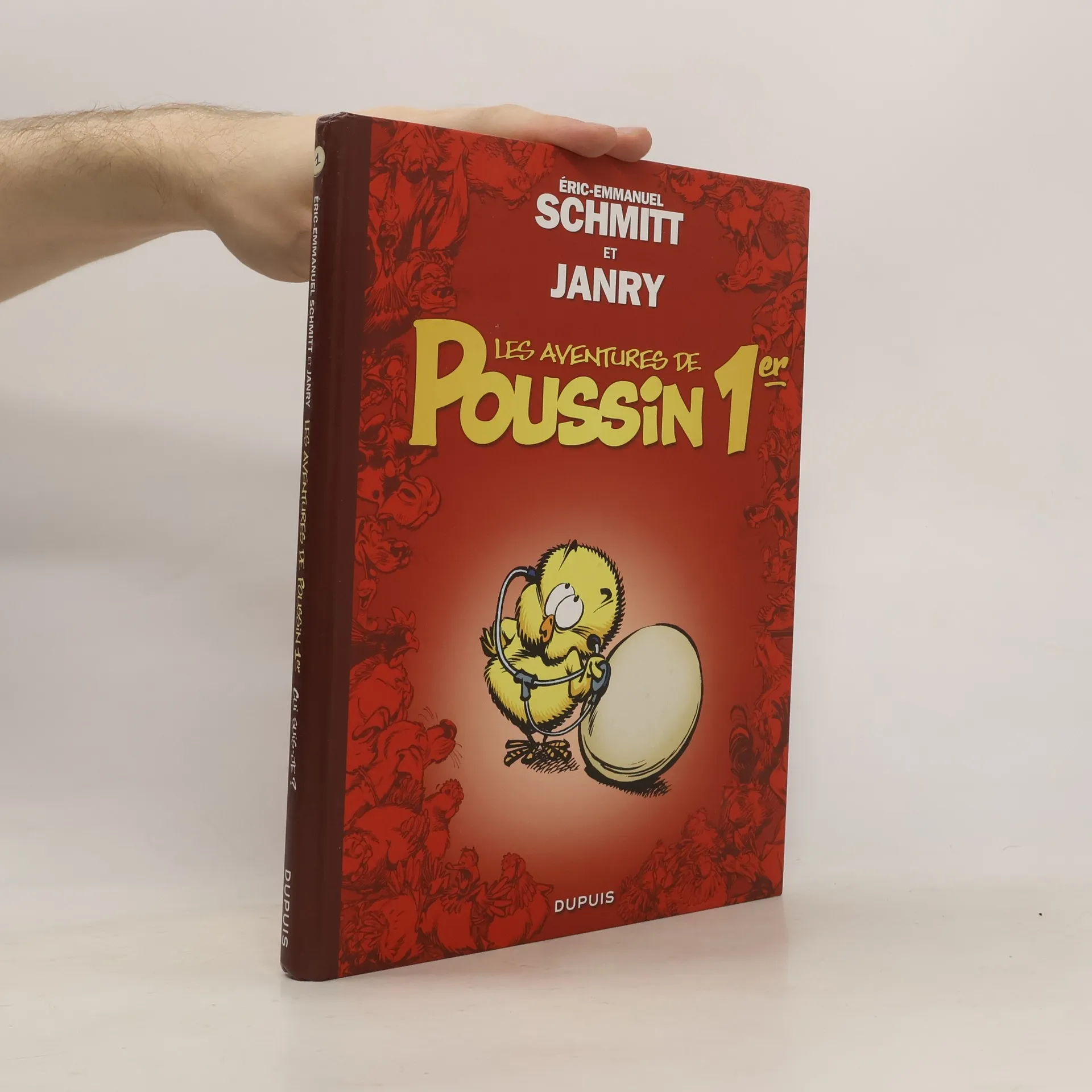
C'est un poussin pas comme les autres ! Dès le premier jour, Poussin 1er est assailli par les doutes et les questions qui accompagnent la capacité de raisonner. Lorsque le chien de la ferme lui demande "Que es-tu ?", il ne se doute pas du tourbillon d'énigmes sans fin qu'il provoque dans l'esprit de notre petit poussin. En cherchant des réponses à ses questions sans fin, Poussin 1er bouleverse toutes les conventions sociales du poulailler, provoquant des scandales à gauche et à droite. Avec l'aide de sa tante Gallina et de la souris qui dévore des livres, Poussin 1er lutte avec la réalité, tant sur le plan abstrait que littéral !
Eric-Emmanuel Schmitt is the author of three luminous collections of short stories published by Europa Editions, including the bestselling Most Beautiful Book in the World, and one novel, Three Women in a Mirror. His subject in these stories rarely changes: What is happiness and how to we attain it? In this latest collection, two young lovers secretly love the child they will never be able to have; an esteemed physician and survivor of the Nazi concentration camps finds inner peace thanks to the love of a faithful dog; a man loves his wife through the memories of her first husband; and a mother rediscovers love for her child when someone tries to take that child from her. And finally, S verine and Benjamin understand that they have lost the love of their lives when they see themselves through the eyes of a young terminally ill girl. Love is not easy, and not always easy to find; at times, it is obliged to circumvent social norms, and thus transform them; it must be desired, sought, defended. We cannot know what life has in store for us, but we do know that whatever it is, it will only be meaningful if borne on the wings of love. Schmitt's sublime stories remind us how true this is.
La philosophie prétend expliquer le monde, le théâtre le représenter. Mêlant les deux, j'essaie de réfléchir dramatiquement la condition humaine, d'y déposer l'intimité de mes interrogations, d'y exprimer mon désarroi comme mon espérance, avec l'humour et la légèreté qui tiennent aux paradoxes de notre destinée. Le succès rend humble : ce que je croyais être mon théâtre intime s'est révélé correspondre aux questions de beaucoup de mes contemporains et à leur profond désir de réenchanter la vie.
»Mein Name ist Saad Saad, das bedeutet auf Arabisch Hoffnung Hoffnung und auf Englisch Traurig Traurig.«
Saad möchte Bagdad hinter sich lassen, das Chaos der Stadt, die Armut seiner Familie. Er will nach Europa, frei sein, eine Zukunft haben. Aber wie überwindet man Grenzen, ohne einen Dinar in der Tasche? Wie trotzt ein moderner Odysseus den Stürmen, überlebt Schiffbrüche, entkommt den Drogenhändlern, dem Gesang der Sirenen, dem Gefängniswächter und einäugigen Zyklopen? Eric-Emmanuel Schmitt erzählt eine höchst aktuelle Geschichte als Heldenepos unserer Zeit: gewalttätig, komisch, tragisch.
Ein Buch, das unsere Humanität befragt.
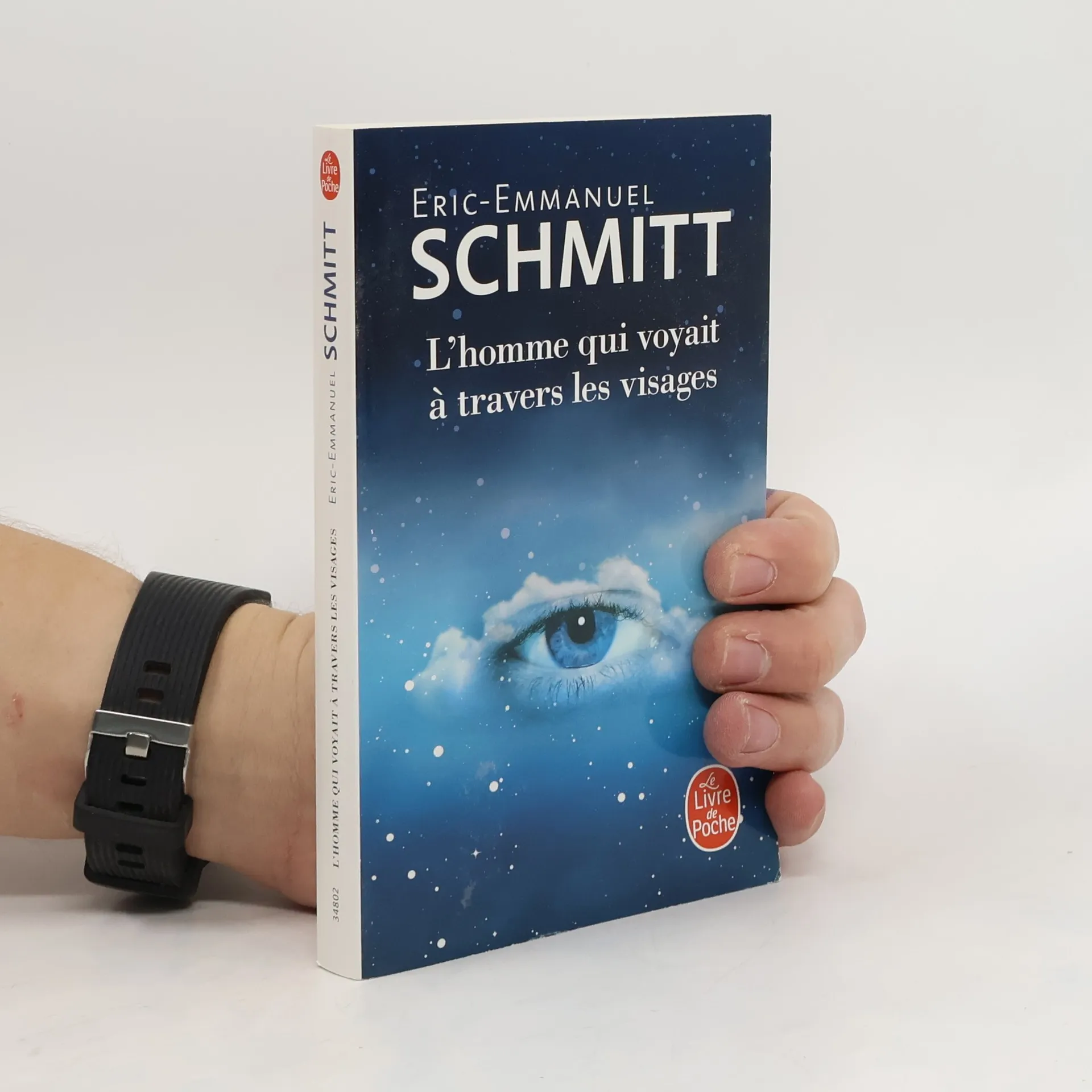
Après La Nuit de feu, Eric-Emmanuel Schmitt poursuit son exploration des mystères spirituels dans un roman troublant, entre suspense et philosophie.Tout commence par un attentat à la sortie d'une messe. Le narrateur était là. Il a tout vu. Et davantage encore.Il possède un don unique : voir à travers les visages et percevoir autour de chacun les êtres minuscules — souvenirs, anges ou démons — qui le motivent ou le hantent.Est-ce un fou ? Un sage qui déchiffre la folie des autres ? Son investigation sur la violence et le sacré va l'amener à la rencontre dont nous rêvons tous...
Aucun client ne sait comment il est arrivé à l'Hôtel des deux mondes. Personne ne sait quand il pourra repartir, ni vers quelle destination. Dans ce lieu étrange, tout est possible, même les miracles. Les infirmes recouvrent l'usage de leurs membres et les menteurs disent la vérité. L'énigmatique docteur S. chargé d'accompagner leur séjour ne fait que rendre plus aiguës les questions de ses hôtes.Un suspense métaphysique entre rêve et réalité, vie et mort, comédie et tragédie, où l'auteur du Visiteur poursuit sa recherche éperdue du sens et pose le mystère comme raison même d'espérer.
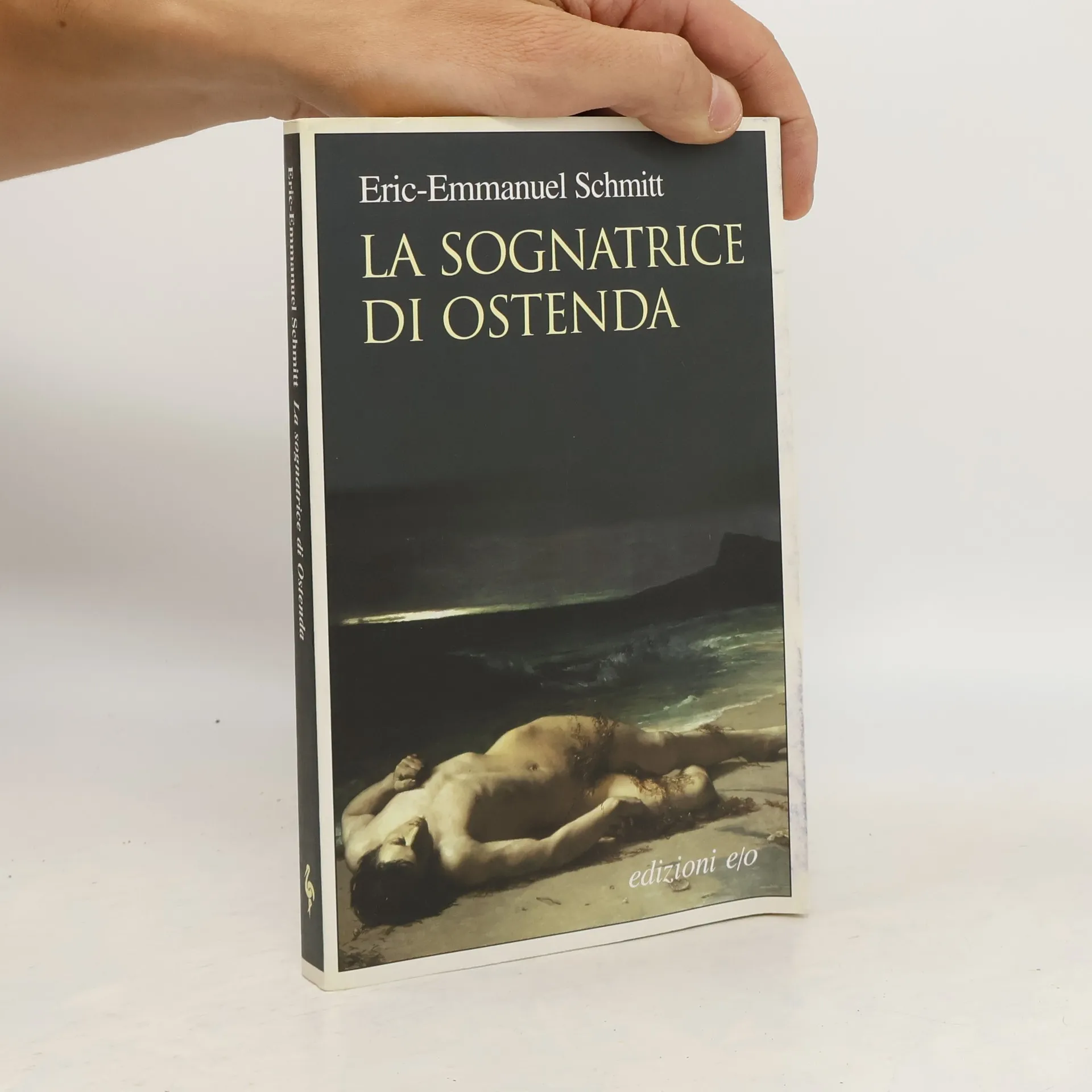
Un uomo si reca a Ostenda, remota e suggestiva città sul Mare del Nord, per guarire da una delusione d’amore. Lì affitta una camera da Emma Van A., solitaria ed eccentrica ottuagenaria che gli racconta l’incredibile storia della sua vita, un intreccio romanzesco dove amore passionale ed erotismo barocco si sovrappongono in uno scenario da favola. Ma chi è Anna Van A., la regina dell’inganno o una donna unica, preziosa, profondissima? A Gabrielle, piacente e benestante cinquantenne, è caduto il velo dagli occhi: dopo aver pensato per venticinque anni di aver sposato l’uomo migliore del mondo, ora ha capito chi è. Così decide di ucciderlo e si organizza per far sembrare l’omicidio un incidente. Ma non sempre la verità vera è quella che ci raccontiamo… Ogni giorno da quindici anni, con in mano un mazzo di fiori arancioni, la signora Steinmetz aspetta qualcuno al binario tre della stazione di Zurigo. Pura follia o c’è una storia dietro? Amore o tragedia? Forse poesia… Racconti, magistralmente scritti, in cui si intersecano amore, ironia, avventura, suspense e tenerezza. Storie in cui Eric-Emmanuel Schmitt, scrittore filosofo, fa vedere come le cose che ci accadono nella vita siano spesso e volentieri determinate dall’immaginazione, quasi che la trama dell’esistenza sia fatta in realtà di sogno.
A vingt-huit ans, Eric-Emmanuel Schmitt entreprend une randonnée dans le grand sud algérien. Au cours de l'expédition, il perd de vue ses compagnons et s'égare dans l'immensité du Hoggar. Sans eau ni vivres durant dans la nuit glaciale du désert, il n'éprouve nulle peur mais sent au contraire se soulever en lui une force brûlante. Poussière d'étoiles dans l'infini, le philosophe rationaliste voit s'ébranler toutes ses certitudes. Un sentiment de paix, de bonheur, d'éternité l'envahit. Ce feu, pourquoi ne pas le nommer Dieu ? Cette nuit de feu - ainsi que Pascal nommait sa nuit mystique -, Eric Emmanuel Schmitt la raconte pour la première fois, dévoilant au fil d'un fascinant voyage intérieur son intimité spirituelle et l'expérience miraculeuse qui a transformé sa vie d'homme et d'écrivain. Les chemins qu'il trace ici sont inscrits en chacun de nous.
Après La Nuit de feu, où Eric-Emmanuel Schmitt décrivait son expérience mystique dans le désert du Hoggar, il revient aux sources avec ce récit de voyage en Terre sainte, territoire aux mille empreintes. Bethléem, Nazareth, Césarée, lieux intenses et cosmopolites qu'il saisit sur le vif tout en approfondissant son expérience spirituelle, ses interrogations, réflexions, sensations, étonnements jusqu'à la surprise finale, à Jérusalem, d'une rencontre inouïe avec ce qu'il nomme " L'incompréhensible ".
Mężczyzn trzeba doprowadzać do granic możliwości, aby zobaczyć, co im w duszy
gra. Wolność wtedy tylko istnieje, kiedy się z niej korzysta. Nie trzeba
m�wić: ?co za paskudna pogoda?, tylko: ?jaki piękny deszczowy dzień?. Eric-
Emmanuel Schmitt zajmuje szczeg�lne miejsce w sercach polskich czytelnik�w. To
autor m.in. wzruszającego Oskara i pani R�ży czy zaskakującej Trucicielki. W
jego tw�rczości często powracają najważniejsze tematy egzystencjalne: sens
istnienia, miłość, tęsknota, pragnienie.
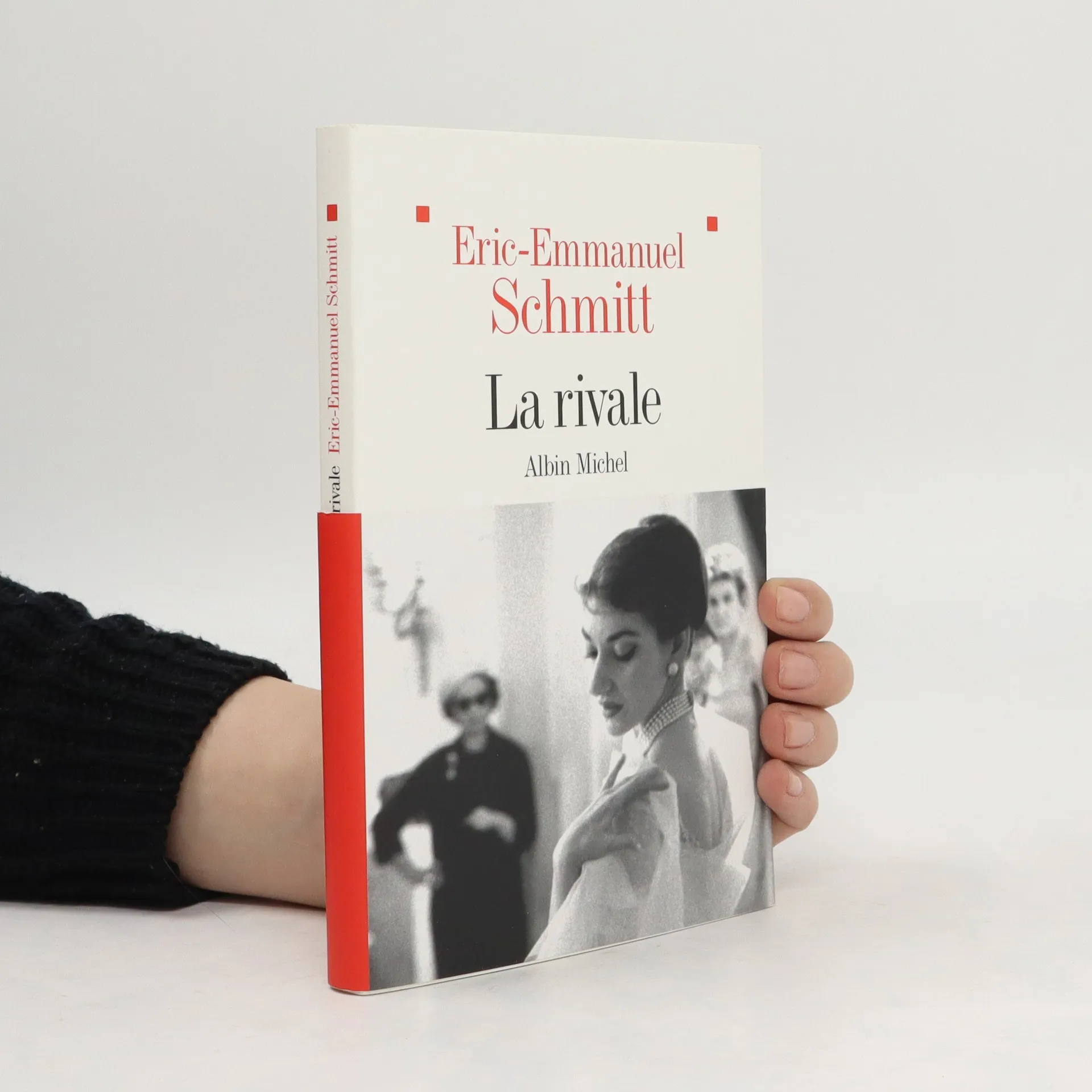
« La Callas ? Vous verrez : bientôt plus personne ne se souviendra d’elle... »Qui parle ? Une certaine Carlotta Berlumi. Le nom de cette mystérieuse vieille dame n’évoque rien à personne, pourtant elle soutient mordicus qu’elle connut son heure de gloire à la Scala et fut la plus grande rivale de Maria Callas. À l’entendre, la cantatrice grecque parvint, à force de manœuvres et de combines, à la jeter aux oubliettes, mais elle lui rendit la monnaie de sa pièce en précipitant sa chute.Carlotta prend-elle ses désirs pour des réalités ? A-t-elle trouvé en Callas le bouc émissaire de ses échecs, l’explication magique de ses déboires et de ses frustrations ?A travers ce cocasse et inoubliable personnage, Éric-Emmanuel Schmitt brosse, avec un humour et une malice incomparables, le portrait en creux d’une Maria Callas méconnue. Et nous convie, en expert de la musique et des méandres de l’âme, dans les coulisses clandestines de l’opéra et du cœur humain.
Lorsque j'étais une œuvre d'art est un livre sans équivalent dans l'histoire de la littérature, même si c'est un roman contemporain sur le contemporain. Il raconte le calvaire d'un homme qui devient son propre corps, un corps refaçonné en œuvre d'art au mépris de tout respect pour son humanité. Malléable, transformable, il n'est plus qu'un corps sans âme entre les mains d'un esprit diabolique dont le génie tient avant tout à son manque de scrupule.
Gilles est victime d’un mystérieux accident. Amnésique, étranger à lui-même, il revient chez lui auprès de Lisa, sa femme depuis quinze ans. Qui est-il ? Qui est Lisa ? Comment vivait leur couple ? A partir de ce qu’elle lui raconte, il tente de recomposer son existence. Mais si Lisa mentait ?... Un suspense étonnant sur le couple à la recherche de sa vérité. Une comédie noire pleine de surprises où le marivaudage alterne avec la guerre totale.
Despite the centuries that divide them, the stories of three young women--Anne, a 16th century mystic; Hanna, a young 20th century noblewoman; and Anny, a Hollywood star of the 2000s--intersect in surprising ways.
Peut-on passer en une seconde de l'amour à la haine ?En s'abandonnant à Richard, qui l'a conquise avec acharnement, Diane se sent à la fois heureuse et fragile. Lorsqu'elle soupçonne qu'il l'aime moins, l'orgueil l'entraîne à commettre l'irréparable...sans mesurer qu'elle sera la dernière victime de sa machination.Une comédie élégante et cruelle, voilée de tendresse, entre humour et émotion. Un suspense psychologique qui analyse les séismes de la passion amoureuse, et renoue avec les plus belles réussites théâtrales d Éric-Emmanuel Schmitt, tels ses Petits Crimes conjugaux.La Tectonique des sentiments sera jouée au théâtre Marignyà partir du 24 janvier 2008avec Clémentine Célarié, Tcheky Karyo, Annick Alane et Sara Giraudeau dans une mise en scène de l'auteur.
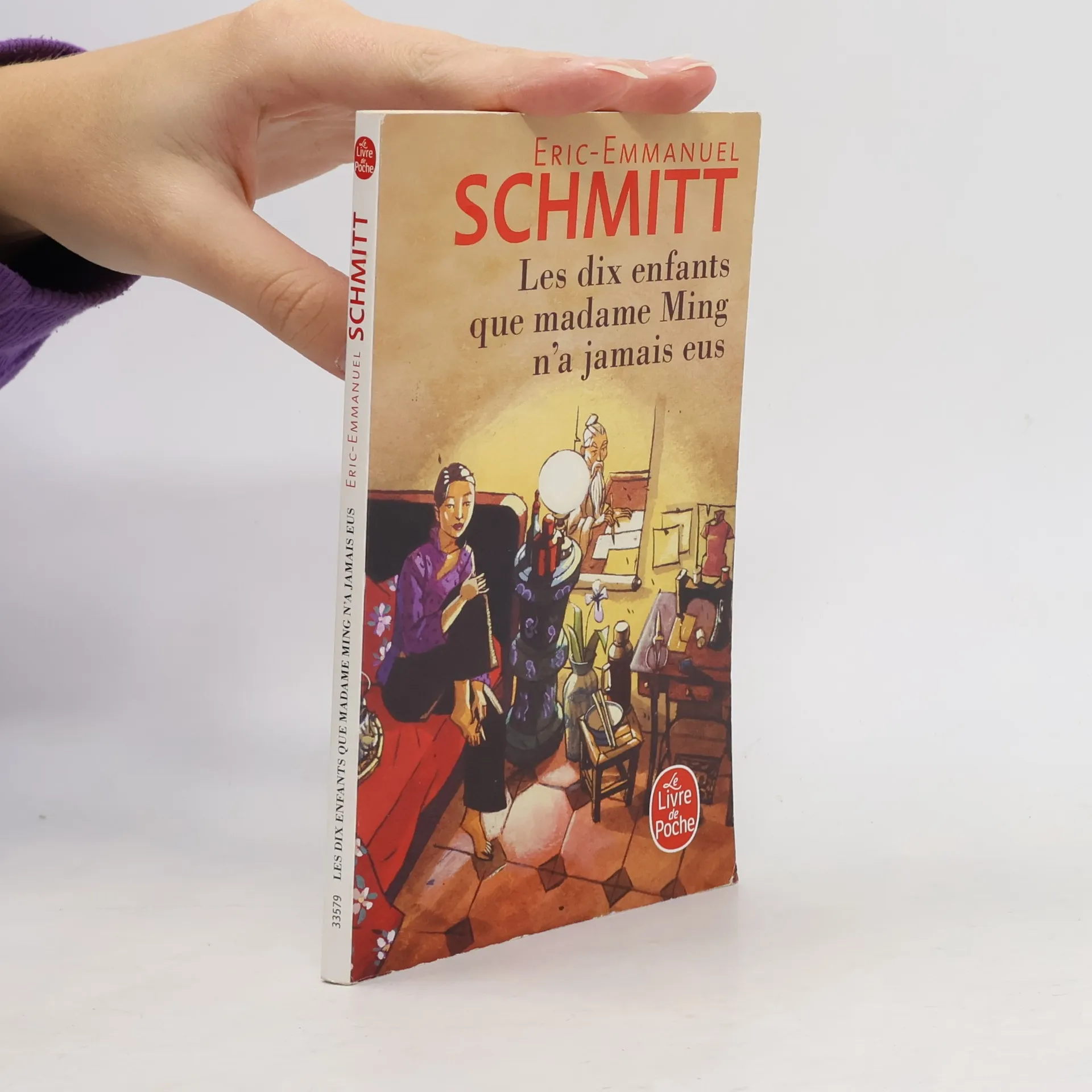
Madame Ming aime parler de ses dix enfants vivant dans divers lieux de l'immense Chine. Fabule-t-elle, au pays qui impose l'enfant unique ? A-t-elle contourné la loi ? Aurait-elle sombré dans une folie douce ? Et si cette progéniture n'était pas imaginaire ? L'incroyable secret de madame Ming rejoint celui de la Chine d'hier et d'aujourd'hui, éclairé par la sagesse immémoriale de Confucius. Dans la veine de Monsieur Ibrahim et les fleurs du Coran, d'Oscar et la dame rose ou de L'Enfant de Noé, Les dix enfants que madame Ming n'a jamais eus est le sixième récit du Cycle de l'invisible.
Existe-t-il un moyen infaillible de rendre quelqu'un amoureux ? Séparés, Louise et Adam habitent désormais à des milliers de kilomètres, lui à Paris, elle a Montréal. Par courrier, ils se lancent un défi : provoquer l'amour à coup sûr. Leurs échanges épistolaires, tout en évoquant les blessures du passé, racontent leur nouvelle vie, leurs nouvelles aventures et leurs réflexions sur le mystère des attirances et des sentiments. Mais ce jeu qu'est l'élixir d'amour - un piège qui provoque la passion - ne cache-t-il pas une autre manipulation ?
Félix, de 12 años, está desesperado. Su madre, la encantadora Fatou, que tiene en el barrio parisino de Belleville un bar variopinto y acogedor, se ha sumido en una profunda depresión. La mujer, que antes era la viva imagen de la felicidad, no es más que una sombra. ¿A dónde ha ido su alma errante? ¿Se oculta en África, cerca de su aldea natal? Para salvarla, Félix emprende un viaje que lo llevará a las fuentes invisibles del mundo. En la misma línea de " Cartas a Dios " y de " El señor Ibrahim y las flores del Corán " , Eric-Emmanuel Schmitt explora los misterios del animismo, el poder de las creencias y de los ritos derivados de un pensamiento espiritual profundamente poético. Y al mismo tiempo retrata el canto de amor de un niño a su madre.
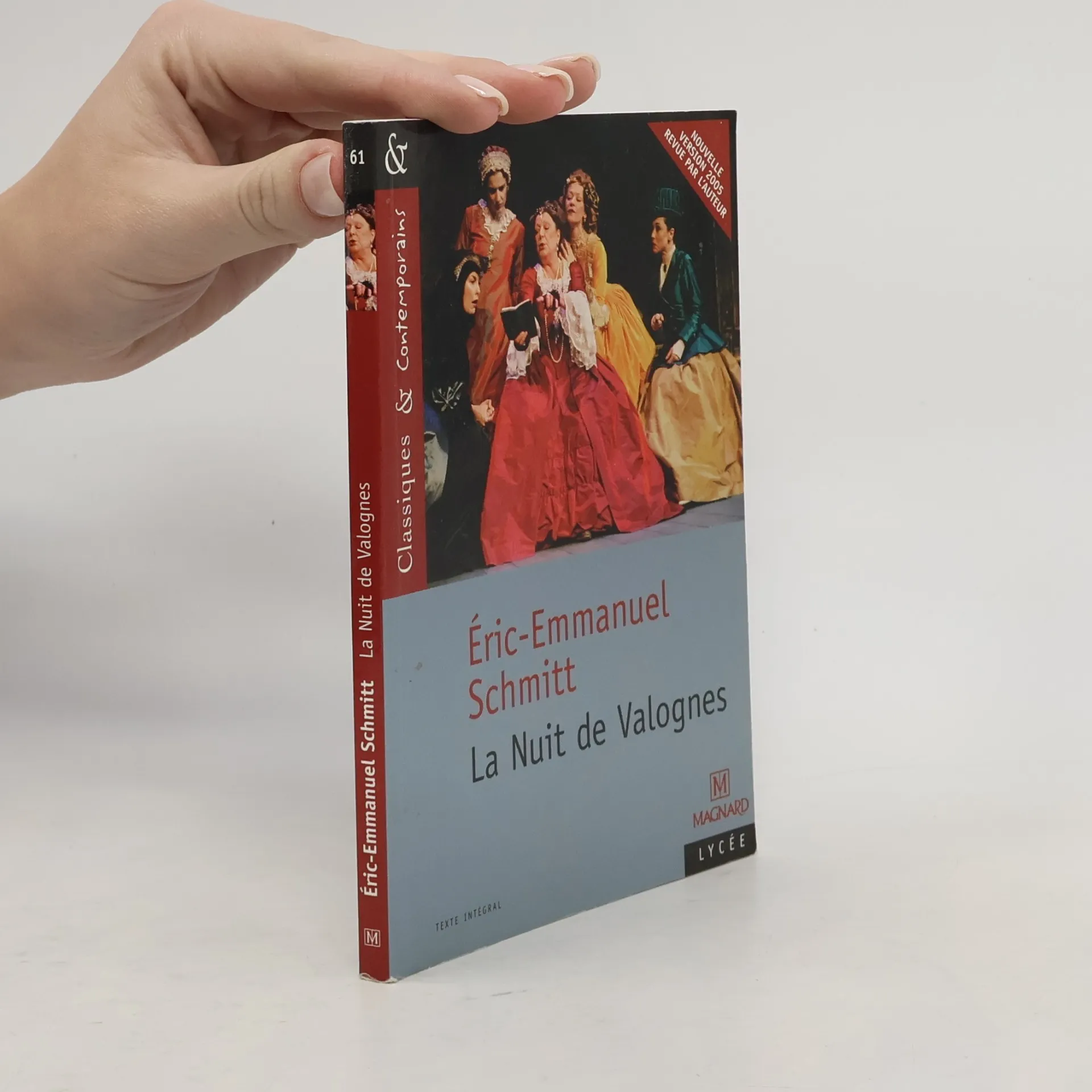
Par une nuit orageuse, quatre femmes se retrouvent dans le château de La duchesse de Vaubricourt. Don Juan, qui les a bafouées autrefois, sera jugé et devra réparer ses torts en épousant Angélique, filleule de la duchesse. À la surprise générale, le séducteur mythique accepte ! Éric-Emmanuel Schmitt revisite le célèbre mythe de Don Juan. Reprenant d'anciens traits empruntés à d'autres auteurs, en particulier à Molière, il donne à voir un processus de réécriture et projette son héros dans une situation nouvelle qui renvoie à une quête de spiritualité moderne. Il sera intéressant d'étudier, dans cette pièce, l'argumentation à travers les scènes de procès ainsi que les moyens dramaturgiques que l'auteur utilise pour faire surgir de nouvelles significations.
Selvaggio, arrabbiato, Jun vaga con i suoi quindici anni per le strade di Tokyo, lontano da una famiglia della quale si rifiuta di parlare. Il suo incontro con un maestro di sumo che vede in lui un "grosso", nonostante il suo fisico emaciato, lo coinvolge nella pratica della più misteriosa delle arti marziali. Con lui Jun scopre il mondo sconosciuto della forza, dell'intelligenza e dell'accettazione di sé. Ma come raggiungere lo zen quando non si è altro che dolore e violenza? Come diventare lottatore di sumo se non si riesce a diventare grossi? Nell'affollata metropoli giapponese l'anziano Shomintsu guiderà il ragazzo lungo un percorso iniziatico che, mescolando infanzia e spiritualità, accompagna anche il lettore alla sorgente del buddhismo.
"Quatre adolescentes de seize ans liées par un pacte d{u2019}amitié éternelle tiennent le journal de leur impatience, de leurs désirs, de leurs conquêtes et de leurs rêves. Comment éviter les désastres affectifs dont les couples parentaux donnent l{u2019}image quotidienne? Hier encore des enfants, les voilà prises au piège de cette émotion bouleversante, l{u2019}amour, prêtes à entrer dans ce domaine mystérieux, cette folie qui peut les transformer en monstres. Tandis qu{u2019}au lycée, on s{u2019}apprête à jouer Romeo et Juliette, imprévisible et fatal, un drame se prépare{u2026}"Si tu ne m{u2019}aimes plus, c{u2019}est que tu ne m{u2019}as jamais aimé""--Page 4 of cover
Un jour, lors d’une exposition de masques, Beethoven revient dans la vie d’Eric-Emmanuel Schmitt : l’écrivain se rappelle l’avoir aimé passionnément autrefois, pendant son adolescence. Pourquoi Beethoven s’est-il éloigné ? Pourquoi l’homme d’aujourd’hui n’éprouve-t-il plus ces émotions, ce romantisme, ces orages intérieurs et cette joie ? Qui a disparu ? Beethoven ou nous ? Et qui est l’assassin ? Ce texte est suivi de Kiki van Beethoven, l’aventure d’une femme, la soixantaine rayonnante, laquelle va, grâce à la musique, changer sa vie ainsi que celle de ses trois amies. Une fable sur la jeunesse perdue et les secrets ensevelis.
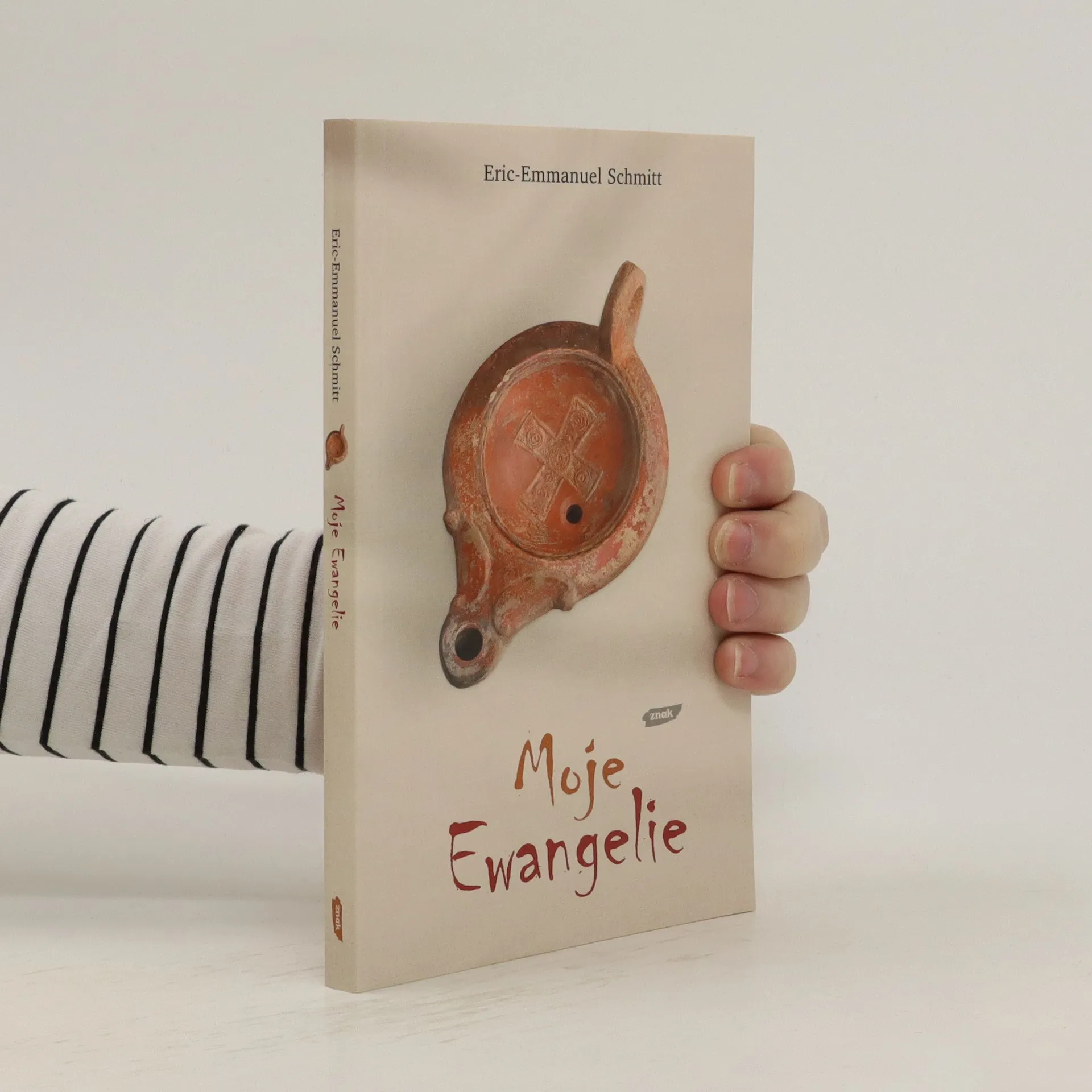
Moje Ewangelie, podobnie jak poprzednie książki Schmitta, nie schodzą z francuskich list bestsellerów. Éric-Emmanuel Schmitt powraca do wątków poruszonych w Ewangelii według Piłata. Przedstawia swoją wizję dramatu dwóch bohaterów: Chrystusa i Poncjusza Piłata. Pierwszy na kilka dni przed śmiercią przeżywa moment zwątpienia. Drugi szuka racjonalnych wyjaśnień cudu. Obaj stają wobec tajemnicy. W swojej nowej książce Schmitt zadaje pytanie o sens i celowość ludzkiego życia. Czy są nam one dane z góry, czy też powinniśmy je odnaleźć sami?
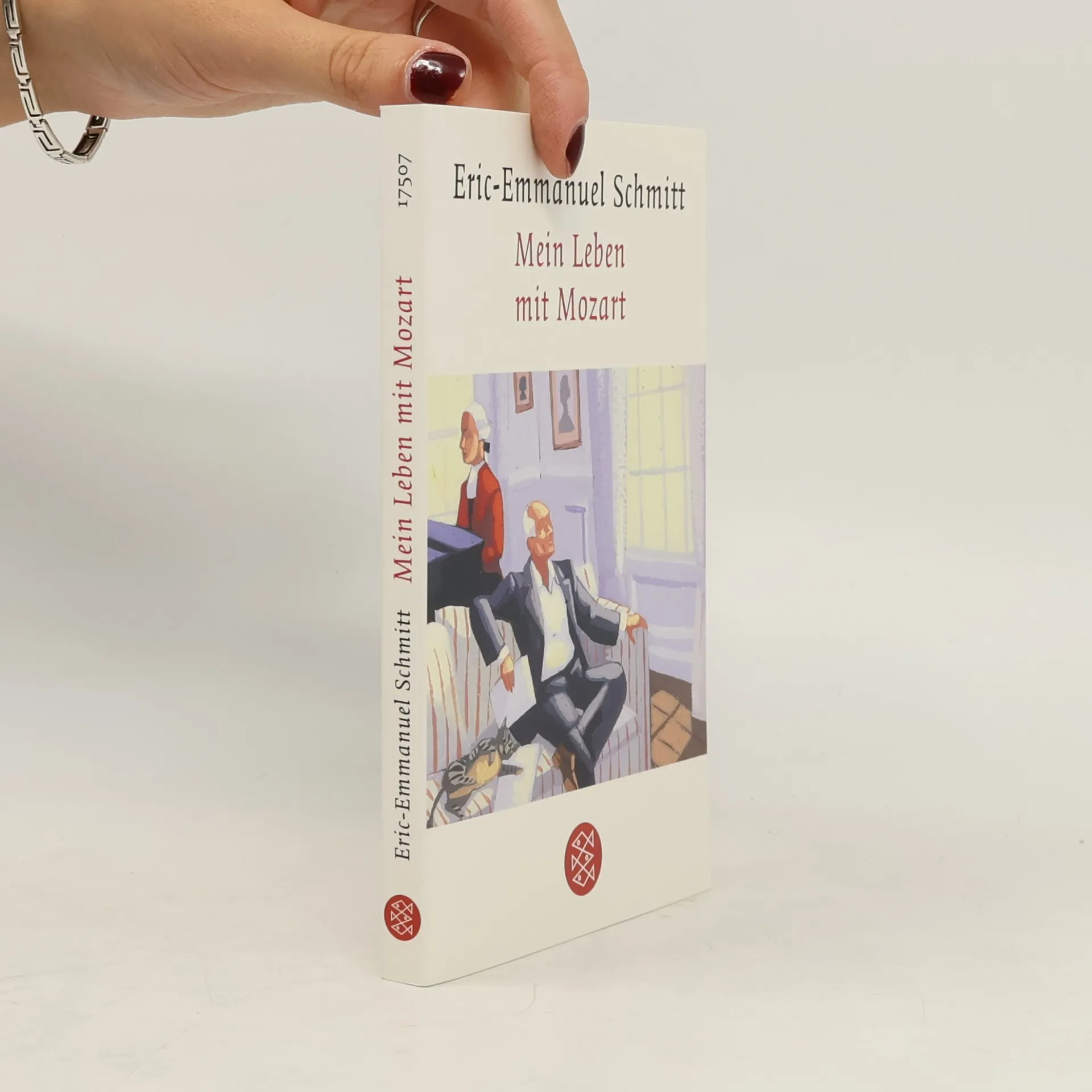
»Mozart, das bedeutet Lebendigkeit, schnelle Beine, ein pochendes Herz, summende Ohren, Sonnenwärme auf unseren Schultern, das Wunder zu leben.«
Eric-Emmanuel Schmitts Liebe zu Mozart ist die Neigung zu einem Seelenverwandten, dem es scheinbar traumwandlerisch gelingt, Schwieriges leicht werden zu lassen. So kann Mozart Hilfe sein im dunkelsten Augenblick und so rettet er Schmitt das Leben. Und sein Weihnachten. Und seine Erinnerungen. Wie? In dreißig, sehr persönlichen Briefen antwortet Schmitt auf die musikalischen Botschaften des verehrten Komponisten: von der Zauberflöte bis zum Klavierkonzert Nr. 21 in C-Dur.
Et si la vie n'était qu'un songe ? Et si les nuages, les oiseaux, la Terre et les autres hommes n'étaient que visions de notre esprit ? À Paris, un chercheur découvre par hasard, à la Bibliothèque nationale, l'existence d'un excentrique, Gaspard Languenhaert, qui soutint cette philosophie « égoïste » dans les salons du XVIIIe siècle. Intrigué, il abandonne ses travaux et part à la recherche de ce penseur singulier. Mystérieusement, toutes les pistes tournent court. Sur les traces de Languenhaert et de ses disciples, de Paris à Amsterdam, c'est peut-être et surtout au fond de lui-même que notre chercheur enquête, emportant avec lui le lecteur dans des vertiges hallucinants
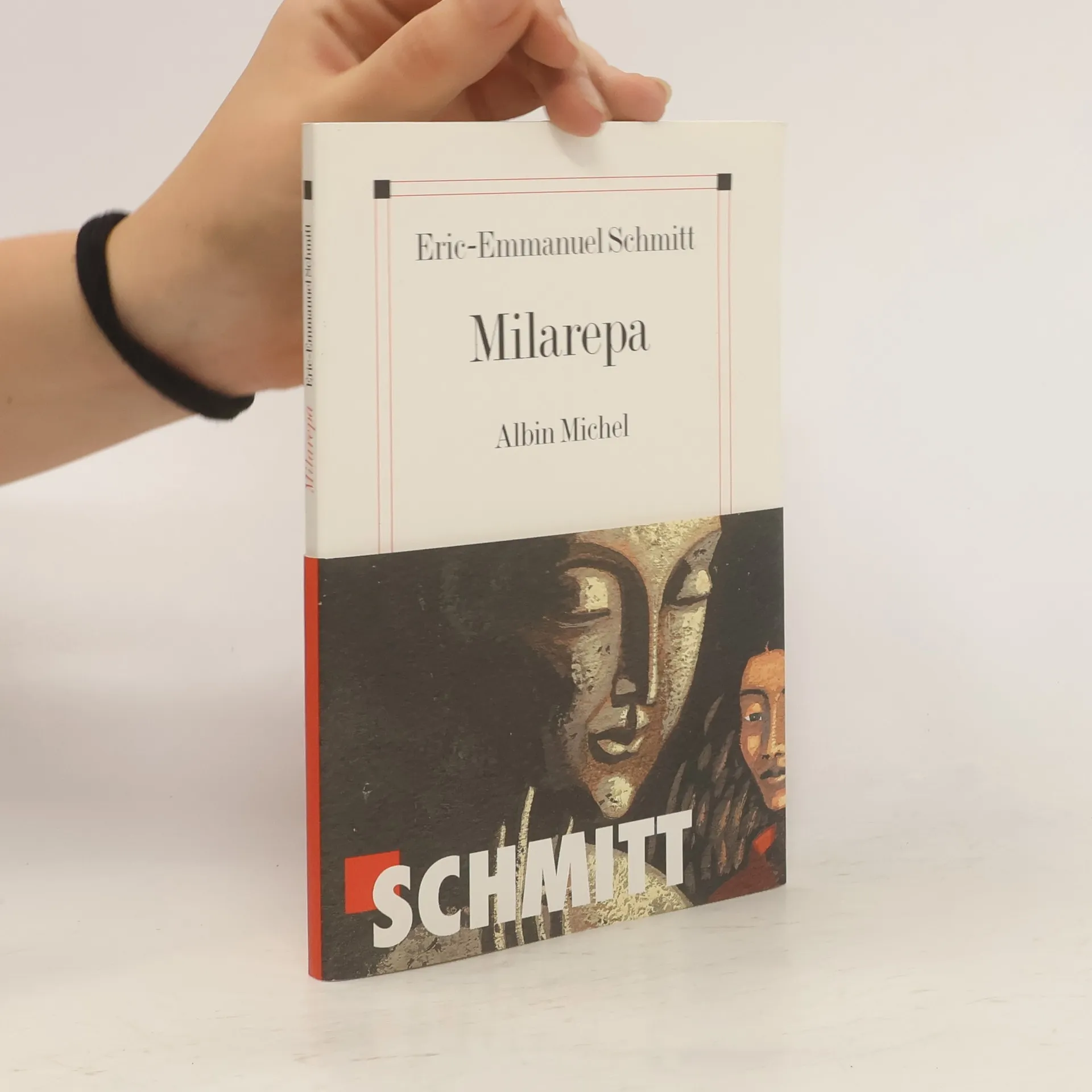
In this captivating tale, Simon dreams of breaking free from the cycle of rebirth, weaving the story of Svastika and Milarepa. Eric-Emmanuel Schmitt explores themes of hatred and redemption, recounting the journey of the Tibetan monk Milarepa from vengeance to enlightenment, addressing profound existential questions.
Forty-year-old Norah leaves Paris, her family and her career as a lawyer to visit her father in Dakar. It is an uncomfortable reunion - she is asked to use her skills as a lawyer to get her brother out of prison - and ultimately the trip endangers her marriage and her relationship with her own daughter, and drives her to the very edge of madness. Fanta, on the other hand, leaves Dakar to follow her husband Rudy to rural France. And it is through Rudy's bitter and guilt-ridden perspective that we see Fanta stagnate with boredom in this alien, narrow environment. Khady is forced into exile from Senegal because of poverty, because her husband is dead, because she is lonely and in despair. With other illegal immigrants, she embarks on a journey which takes her nowhere, but from which she will never return.
Tous les agneaux sont gentils et doux ! Tous, sauf Marcel. Il répond toujours non et ne se laisse jamais faire. Les loups affamés et les lions tyranniques n'ont qu'à bien se tenir !
On dit que les pies sont des voleuses, mais pas Domino ! Son activité favorite ? Mener l'enquête. Equipée de sa lampe de poche et de sa loupe, Domino résout tous les mystères.
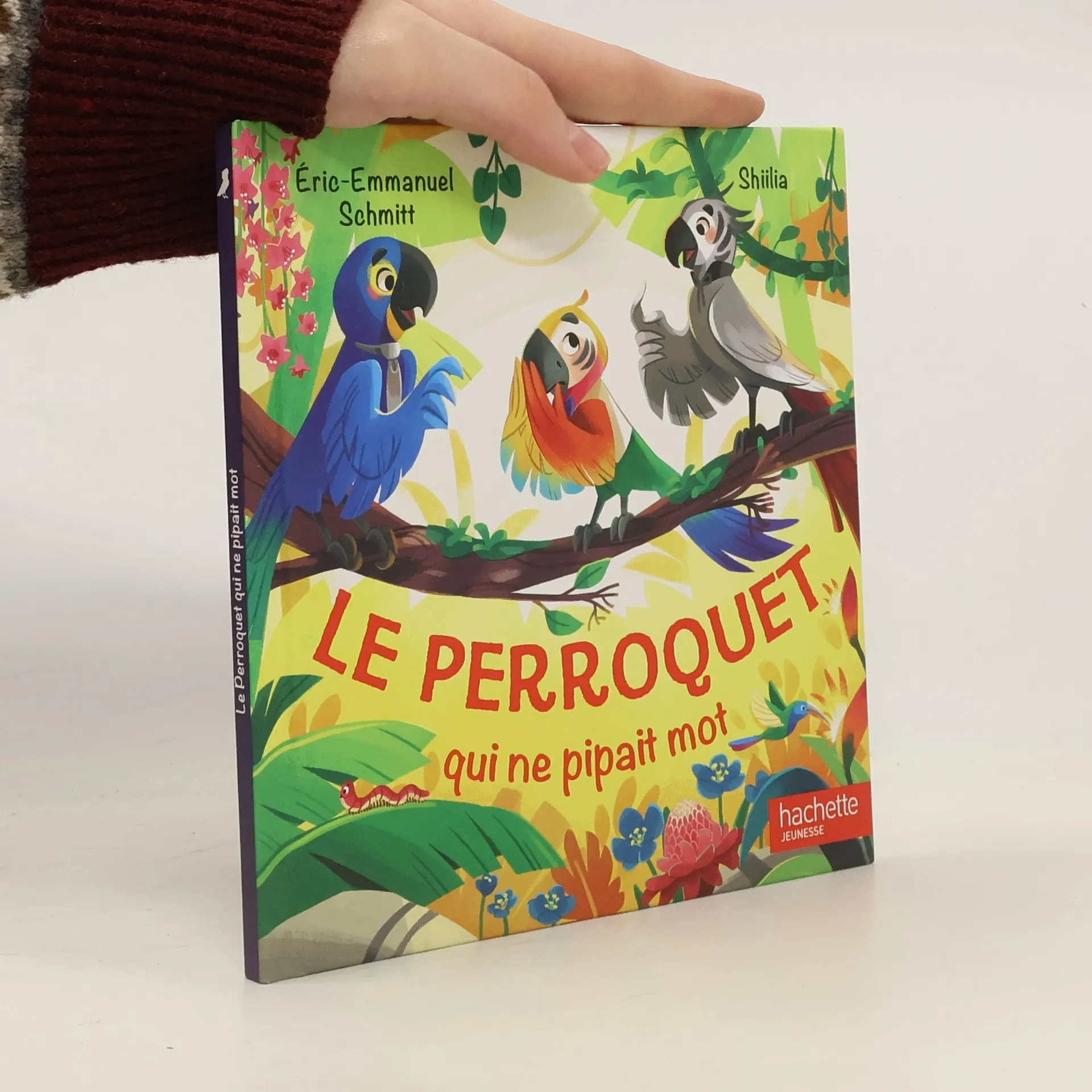
Cyrano ne peut prononcer qu'un mot par jour, du jamais-vu chez un perroquet ! Ce n'est pas très pratique pour se faire comprendre. L'arrivée de la princesse Zaza va tout changer.
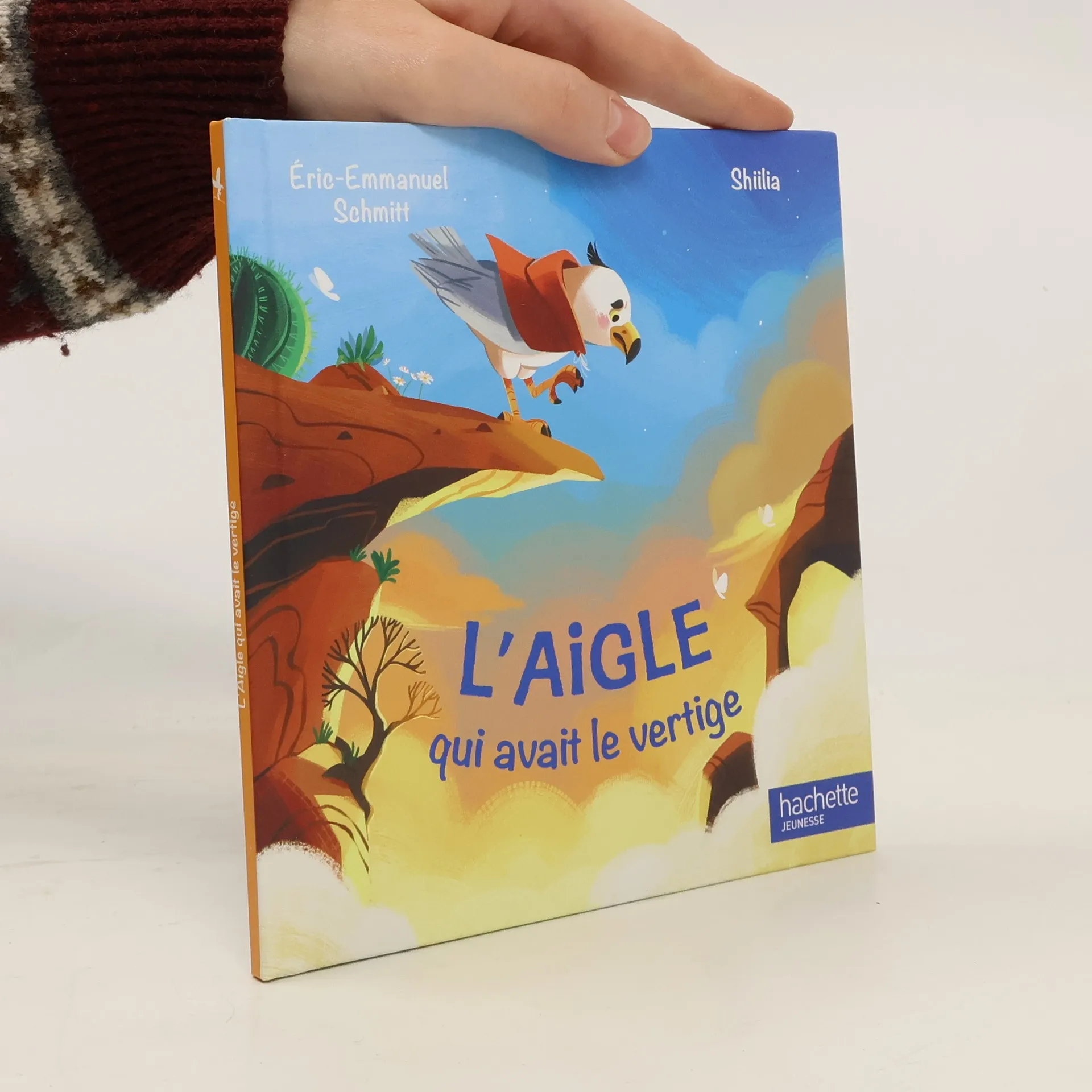
Ikario vit tout en haut de la montagne, comme tous les aigles. Mais il a si peur du vide qu'il invente mille excuses pour ne pas voler. Courage Ikario, tu peux y arriver!
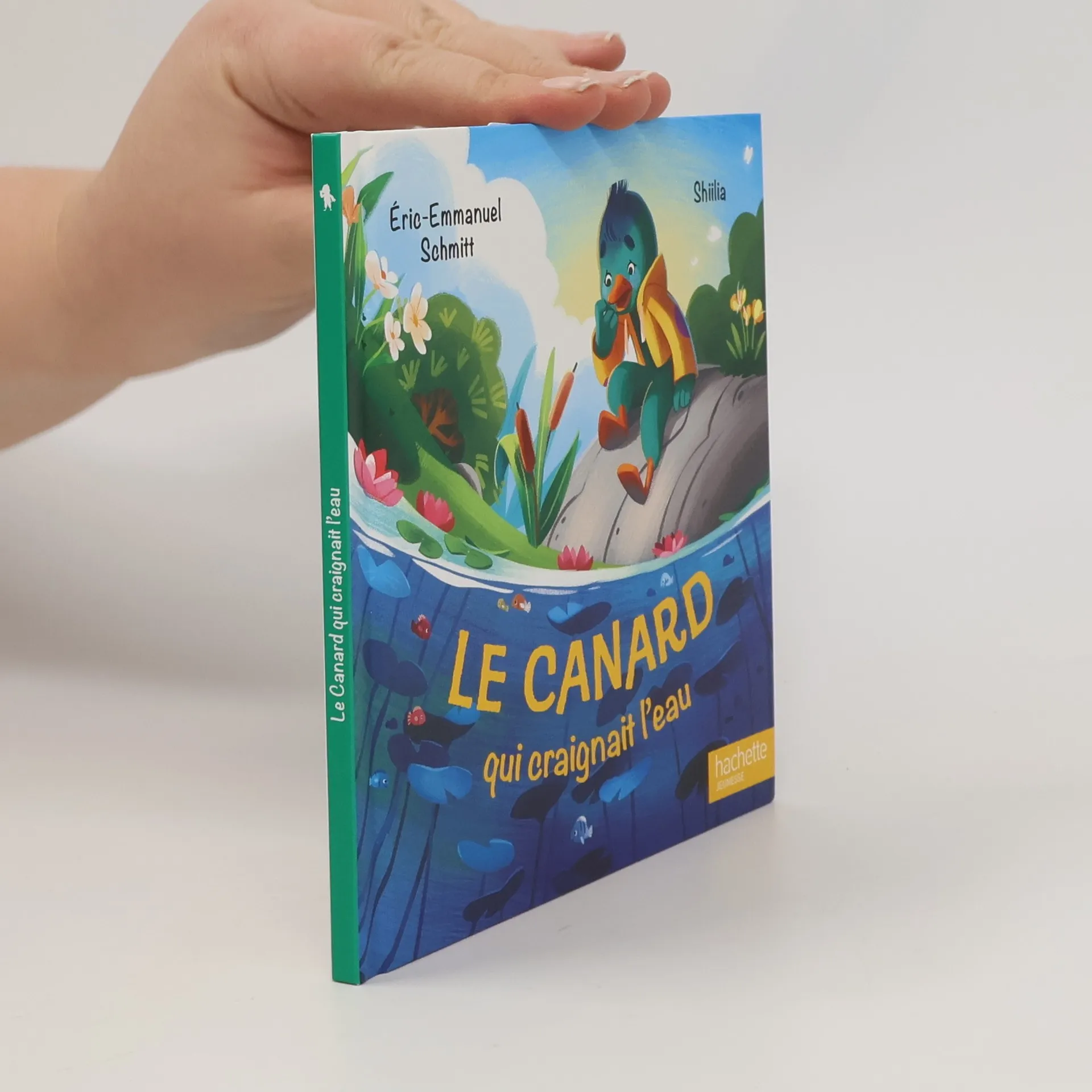
Siméon est débrouillard et plein d'astuce mais il a un secret. Il a une peur bleue de l'eau et ne sait pas nager. Impensable pour un canard ! Courage Siméon, l'eau n'est pas ton ennemie.
A Toutouville, c'est bientôt la parade de l'école. Comme chaque année, Moustique, Batavia, Goliath, Pomponnette et Pataud restent à l'écart. Mais Figaro le chien voyageur veut changer les choses.
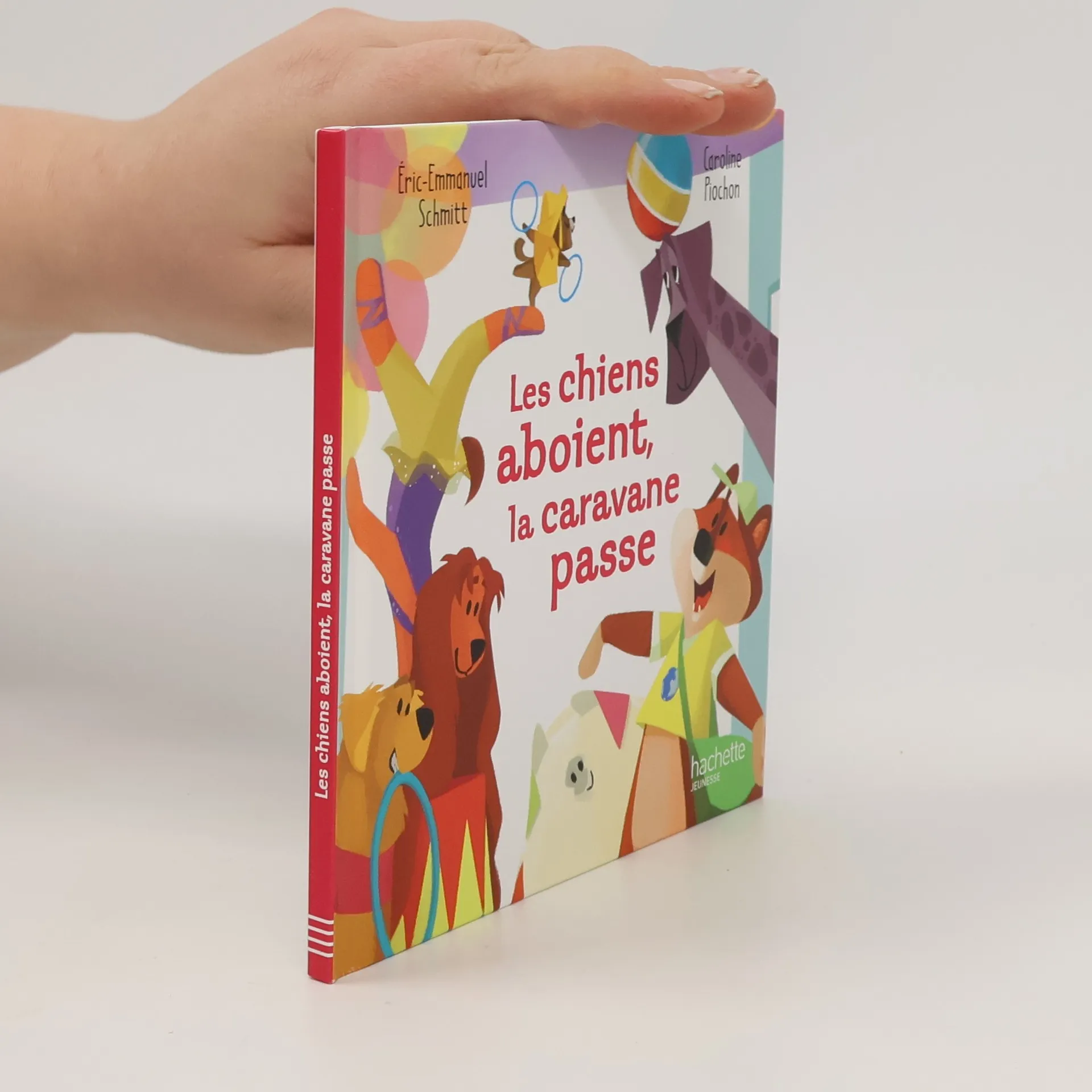
Une histoire pour apprendre le dicton "Les chiens ne font pas des chats". Dans la portée de Tigrette, il y a un drôle de petit. Il ne ressemble à aucun de ses frères et soeurs. En plus, il ne retombe jamais sur ses pattes et adore faire le foufou dans l'eau. Tigrette est inquiète, son petit chat maladroit saura-t-il se défendre en cas de danger ?
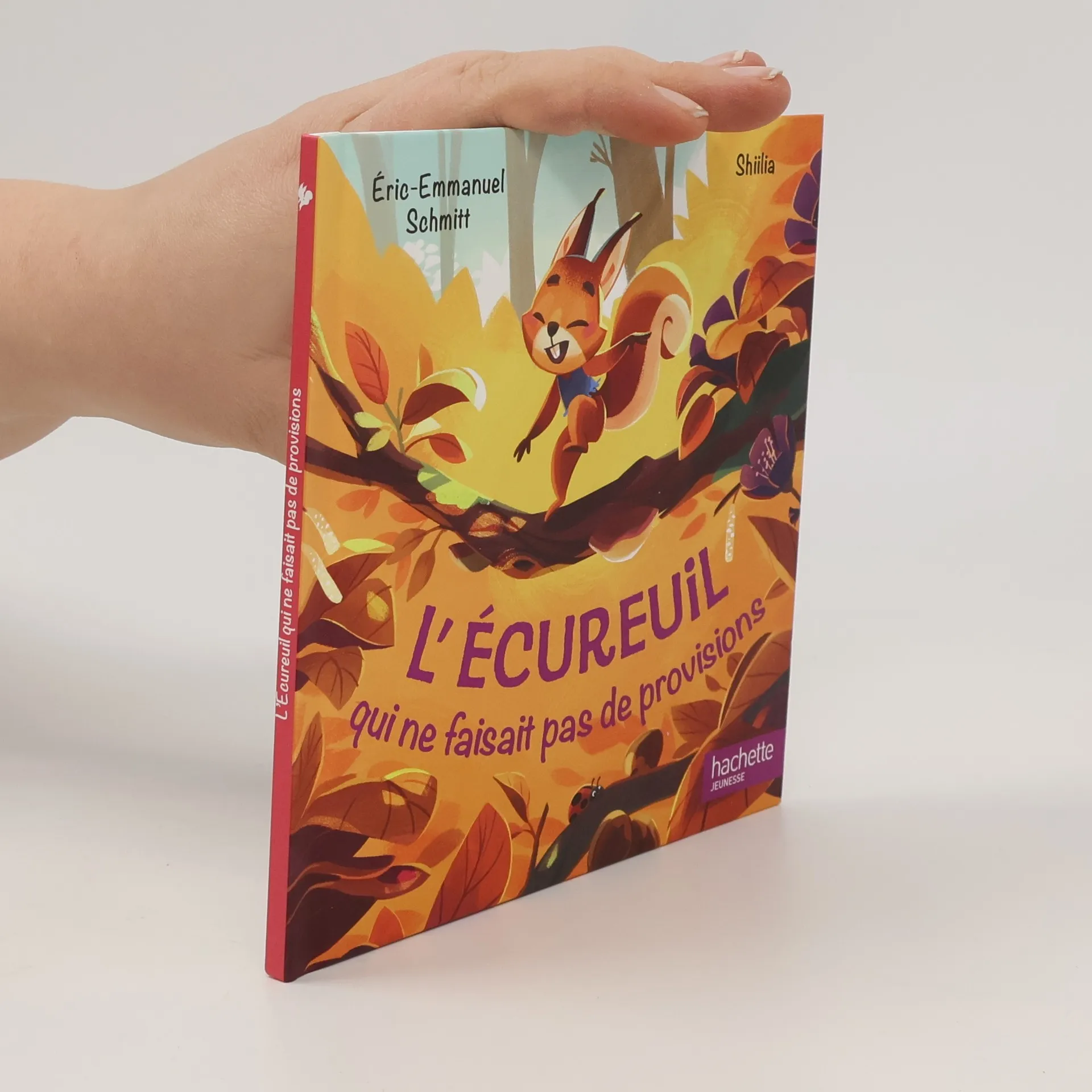
Ruby est le plus adorable des écureuils de la forêt, il est toujours prêt à aider les autres. Mais sa maman s'inquiète, car il passe plus de temps à rendre service qu'à faire des réserves de noisettes pour l'hiver.
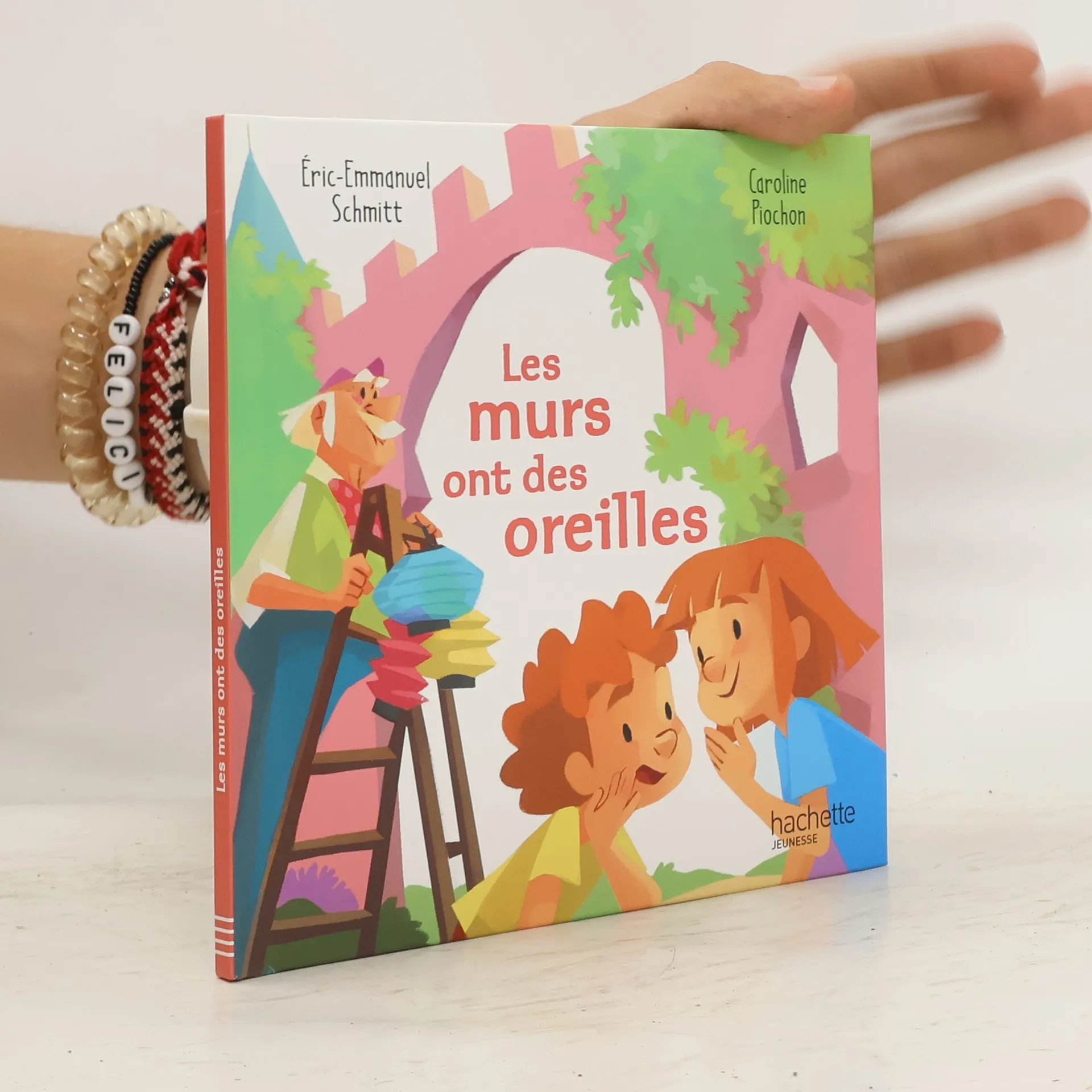
" il était un dicton " Une histoire pour comprendre le dicton " Les murs ont des oreilles ". Les grands-parents de Léo et Inès ont un drôle de métier, ils sont vendeurs de surprises ! La fête de Mme Bobinette approche, Léo et Inès réussiront ils à rester discrets ?