



Explore the latest books of this year!
Bookbot

David Clay Large

    January 1, 1945

    This author focuses on historical events and their impact. Their work is characterized by in-depth analysis and a desire to understand complex social and political processes. Through their writing, they uncover hidden connections and offer readers a new perspective on the past. Their expertise in history is evident in their meticulous research and engaging narrative.

    David Clay Large
    Hitlers München
    Einwanderung abgelehnt
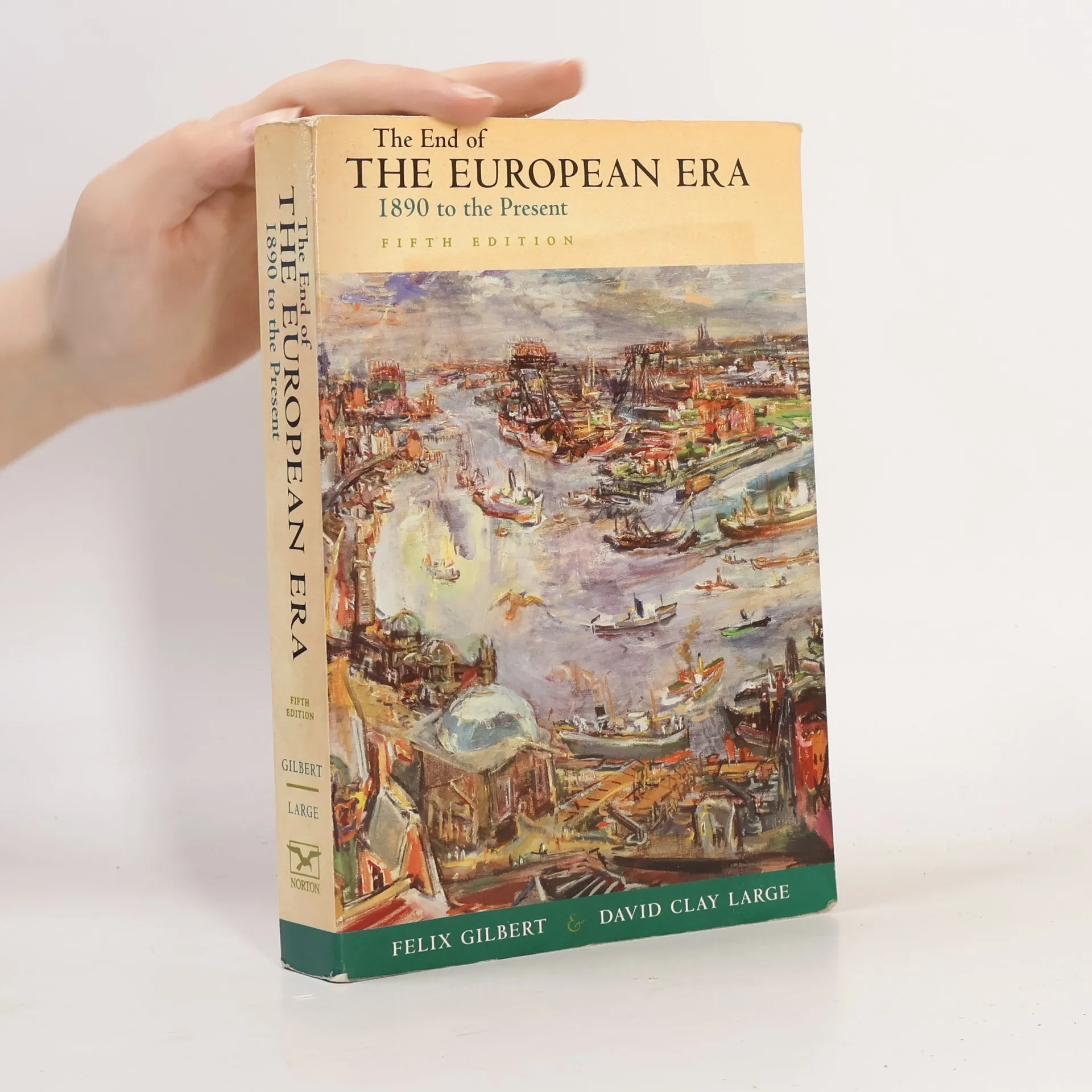
    The end of the European Era, 1890 to the Present
    Contending with Hitler
    Berlin
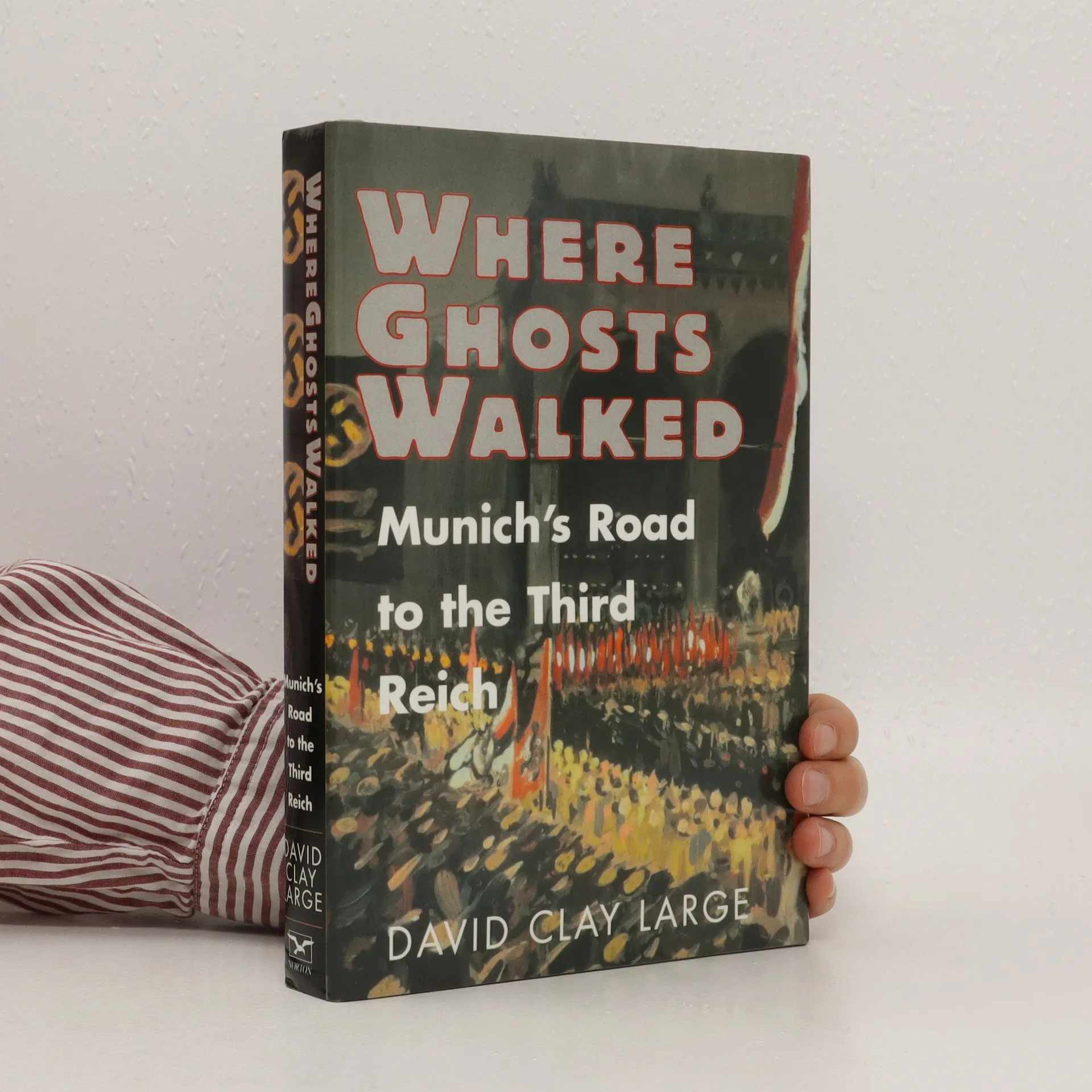
    Where ghosts walked : Munich's road to the Third Reich
    • The capital of the Nazi movement was not Berlin but Munich, according to Hitler himself. In examining why, historian David Clay Large begins in Munich four decades before World War I and finds a proto-fascist cultural heritage that proved fertile soil later for Hitler's movement. An engrossing account of the time and place that launched Hitler on the road to power. Photos.

      Where ghosts walked : Munich's road to the Third Reich
    • "Berlin" offers a captivating narrative of the city's tumultuous history, highlighting its role as a center of innovation and a symbol of modernity, injustice, and the Cold War. David Clay Large explores themes of inferiority, distrust, and the city's vibrant yet complex identity, framed by the unifications of 1871 and 1990.

      Berlin
    • Contending with Hitler

      • 207 pages
      • 8 hours of reading

      A distillation of recent scholarship on Germany's domestic resistance to the Nazi dictatorship.

      Contending with Hitler
    • Hitlers München

      • 514 pages
      • 18 hours of reading

      Die Entwicklung Münchens vom »Isar-Athen« zur »geistigen Hauptstadt« des Dritten Reiches. München war und ist berühmt für seinen Kunstsinn und die Lebenskunst seiner Bürger. Warum wurde ausgerechnet diese »Welthauptstadt der Gemütlichkeit« zum Geburtsort und ideologischen Zentrum des Nationalsozialismus? Beginnend mit der Jahrhundertwende schildert David Clay Large Münchens Weg ins Dritte Reich und seine schillernde Karriere als »Hauptstadt der Bewegung«. Er verweist manches Klischee von der vermeintlich so liberalen und freizügigen Atmosphäre Münchens ins Reich der Legende und beschreibt die Stadt als Mikrokosmos der Kräfte und Ideologien, die in Deutschland zur Herrschaft des Nationalsozialismus geführt haben. Das Buch zeigt, wie München zu einer einzigartigen Bühne für Genies, Exzentriker und Verbrecher und zum exemplarischen Schauplatz der deutschen Katastrophe wurde.

      Hitlers München
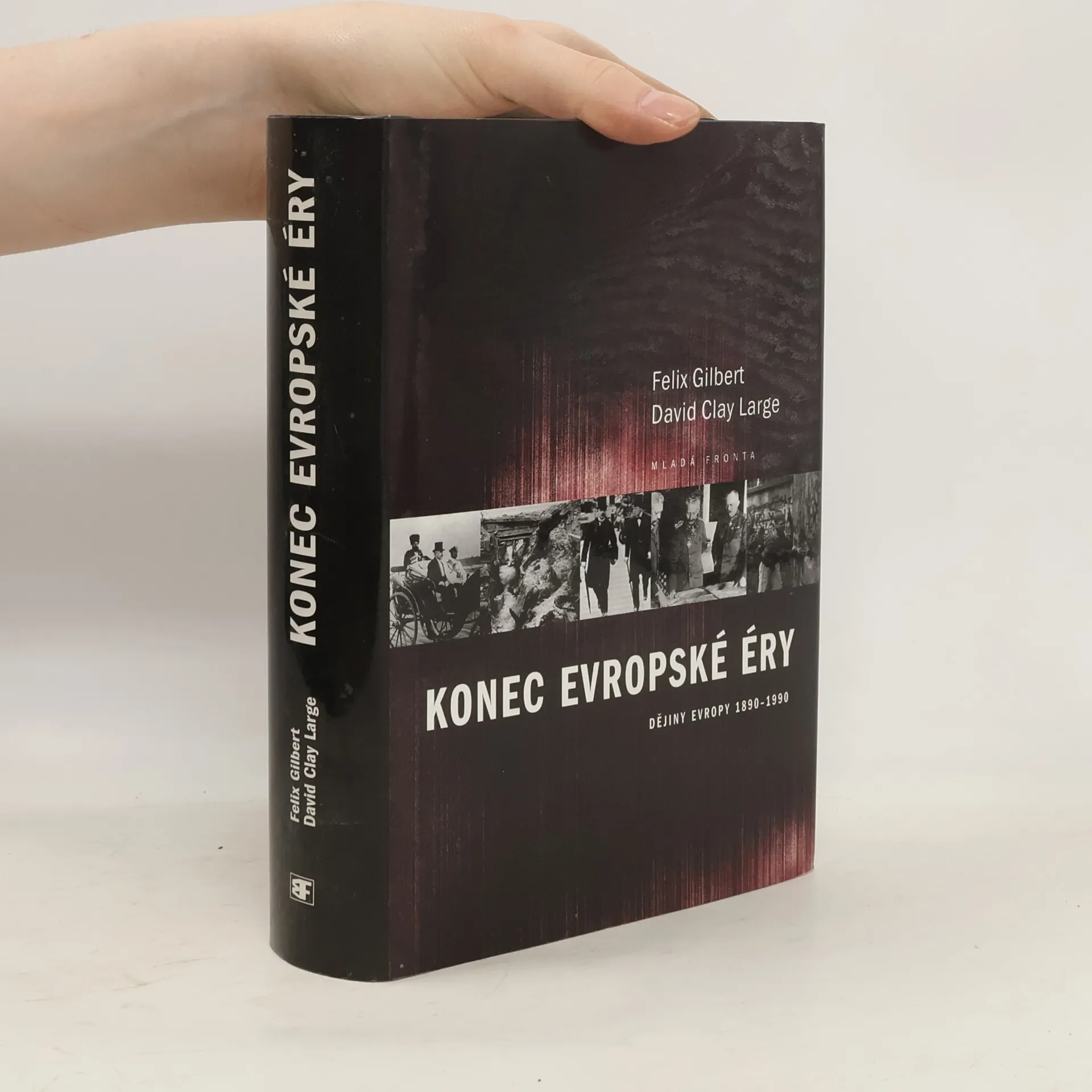
    • Ve svém proslulém historickém díle, které se dočkalo mnoha vydání a překladů do řady jazyků, sledují autoři postupné oslabování mezinárodní pozice Evropy jako mocenského a kulturního centra světa, které kdysi, plné moci a síly, určovalo osudy větší částí planety. Autorům jde především o vyzvednutí těch historických trendů, které proměňovaly jednotlivé části Evropy a tím i celý kontinent. Práce se přitom neomezuje jen na politickou, ekonomickou či technologickou dimenzi, ale zahrnuje i pohledy na ideové, duchovní klima doby a na osobnosti, které tak či onak ovlivnily světové dějiny.

      Konec evropské éry: Dějiny Evropy 1890-1990