
Argues that the South was within its rights to secede and is still treated like a conquered land
Walter Donald Kennedy Books
This author delves into themes of states' rights and limited government, which has informed his media work and public engagements. His writings often draw upon Southern history and heritage, reflecting a deep connection to cultural traditions. Through his literary contributions, he explores complex ideas of identity and the past.
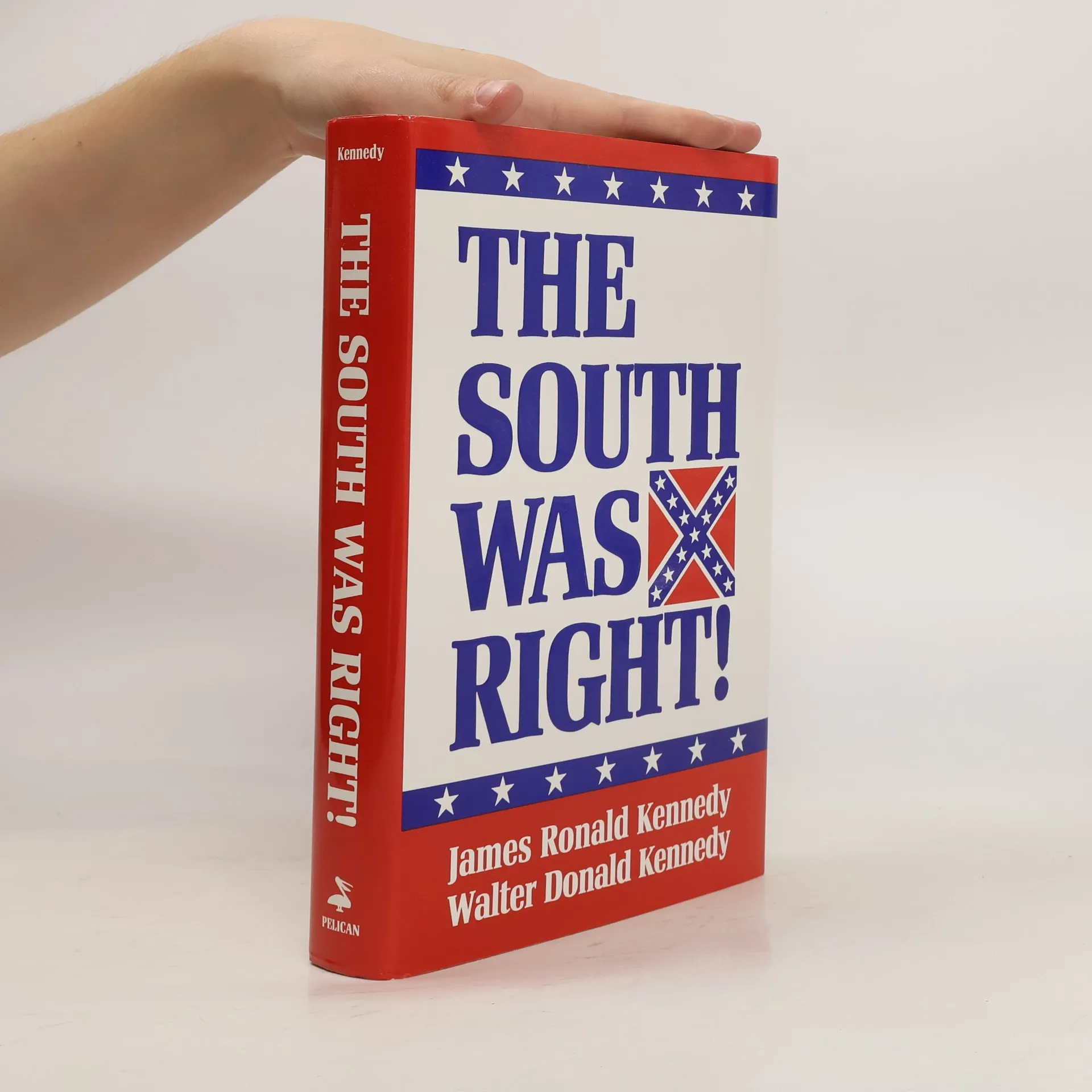


The South's Struggle: America's Hope
- 234 pages
- 9 hours of reading
WITH THE ONGOING ATTACK upon all traditional American values, not the least of which are all things Southern, this work is a call for Americans to stand up for the real America. Within the cover of this book there is a compilation of articles addressing the neo-Marxist attack upon traditional American values-values America's Founding Fathers bequeath to us. This compilation of articles is taken from the author's work as Chief of Heritage Operations for the Sons of Confederate Veterans with additional commentary and supporting information. As the co-author of The South Was Right!, Walter D. Kennedy has always held that the South was right in 1861 because America was right in 1776. Topics include how a free people are to be governed, the religious foundation of traditional America values, as well as a plan to rescue a once free people from ever-growing big government.
Jefferson Davis: High Road to Emancipation and Constitutional Government
- 434 pages
- 16 hours of reading
Jefferson Davis was a proponent of the high road to emancipation. He looked to the day in which slaves would be prepared to live within and participate in a democratic society. He did more than advocate for the high road to emancipation—as this book documents, he practiced his belief in the ultimate emancipation of Southern slaves. Many of his former slaves left for posterity their testimony about their former master—a master who prepared them for freedom as self-sustaining members of society.The North’s ruling elites justified their invasion, conquest, and occupation of the Confederate States of America by declaring that the South was fighting to preserve slavery and that secession was treason. After the unfortunate end of the War for Southern Independence, the United States arrested President Jefferson Davis on charges of treason. Davis demanded a trial, yet the United States never brought Davis to trial—why? Were they afraid they would lose in court? Davis, and through him the South, was unjustly tried in the court of public opinion—a court controlled by the North’s ruling elites.This book gives the defense that Davis and the South never had.