

Explore the latest books of this year!
Bookbot

Israel Finkelstein

    Israel Finkelstein is a prominent archaeologist specializing in the Levant. His research delves into the historical and cultural narratives of the region, often challenging traditional interpretations through rigorous archaeological evidence. Finkelstein's work aims to reconstruct ancient societies and understand their development over time, offering a critical perspective on the interplay between history, archaeology, and textual sources. He is a leading voice in his field, contributing significantly to our understanding of the ancient Near East.

    Israel Finkelstein
    Die Hand an der Wiege
    La Bible dévoilée
    Jerusalem the Center of the Universe
    The Quest for the Historical Israel
    The Bible Unearthed
    David and Solomon
    • David and Solomon

      In Search of the Bible's Sacred Kings and the Roots of the Western Tradition

      • 352 pages
      • 13 hours of reading
      4.2(168)Add rating

      Archaeological discoveries have transformed our understanding of biblical figures, particularly David and Solomon, traditionally viewed as heroic kings. Finkelstein and Silberman reveal that the historical David was likely a bandit leader in Jerusalem, with many biblical accounts being mythologized over time. They explore how these figures evolved through wars and tragedies, becoming symbols of hope for Jews and Christians, and influencing European kingship. This work combines meticulous research with engaging scholarship, reshaping the narrative of western civilization's origins.

      David and Solomon
    • The Bible Unearthed

      • 400 pages
      • 14 hours of reading
      4.1(2607)Add rating

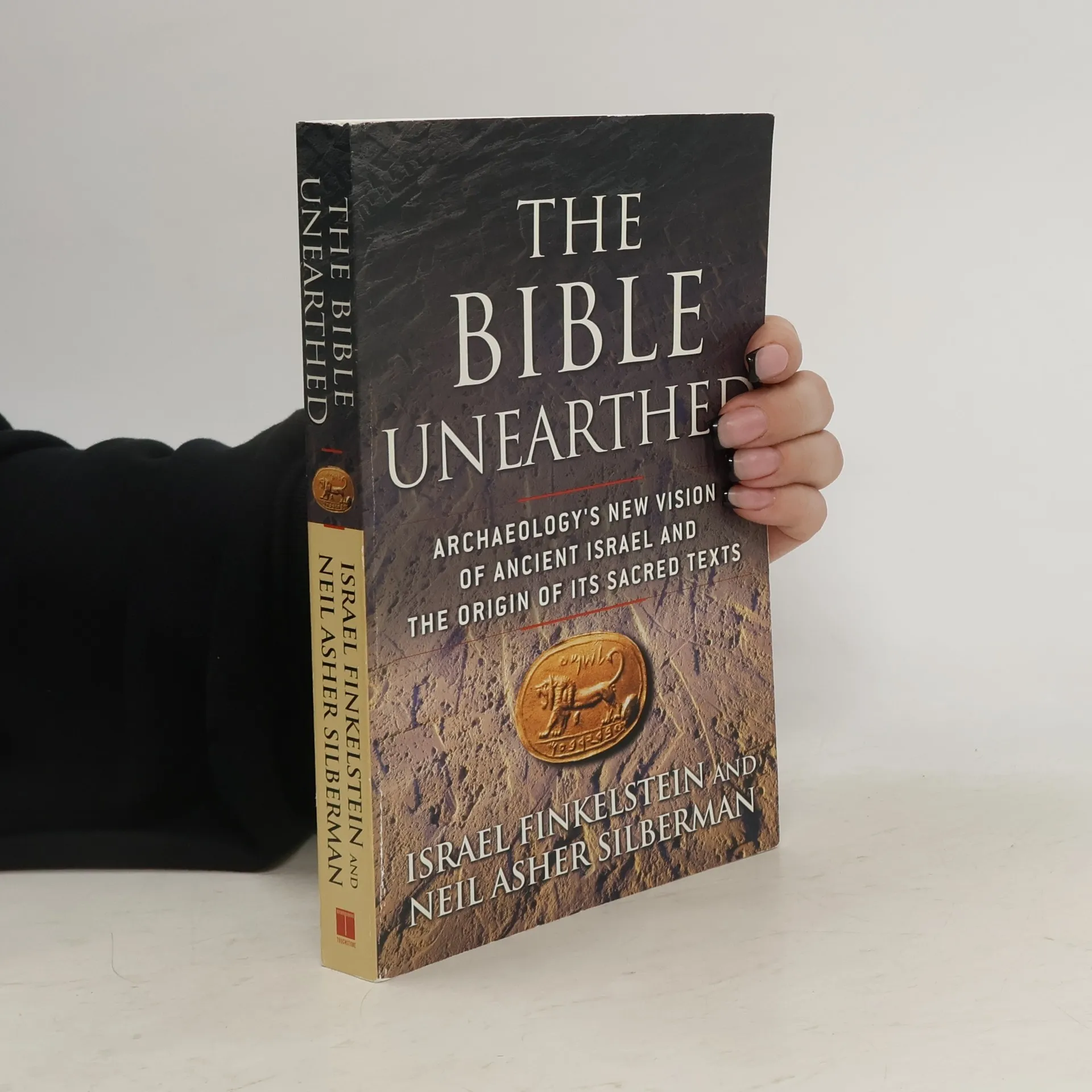
      For the first time, the true history of ancient Israel as revealed through recent archaeological discoveries- and a controversial new take on when, why and how the Bible was written.

      The Bible Unearthed
    • The Quest for the Historical Israel

      Debating Archaeology and the History of Early Israel

      • 220 pages
      • 8 hours of reading

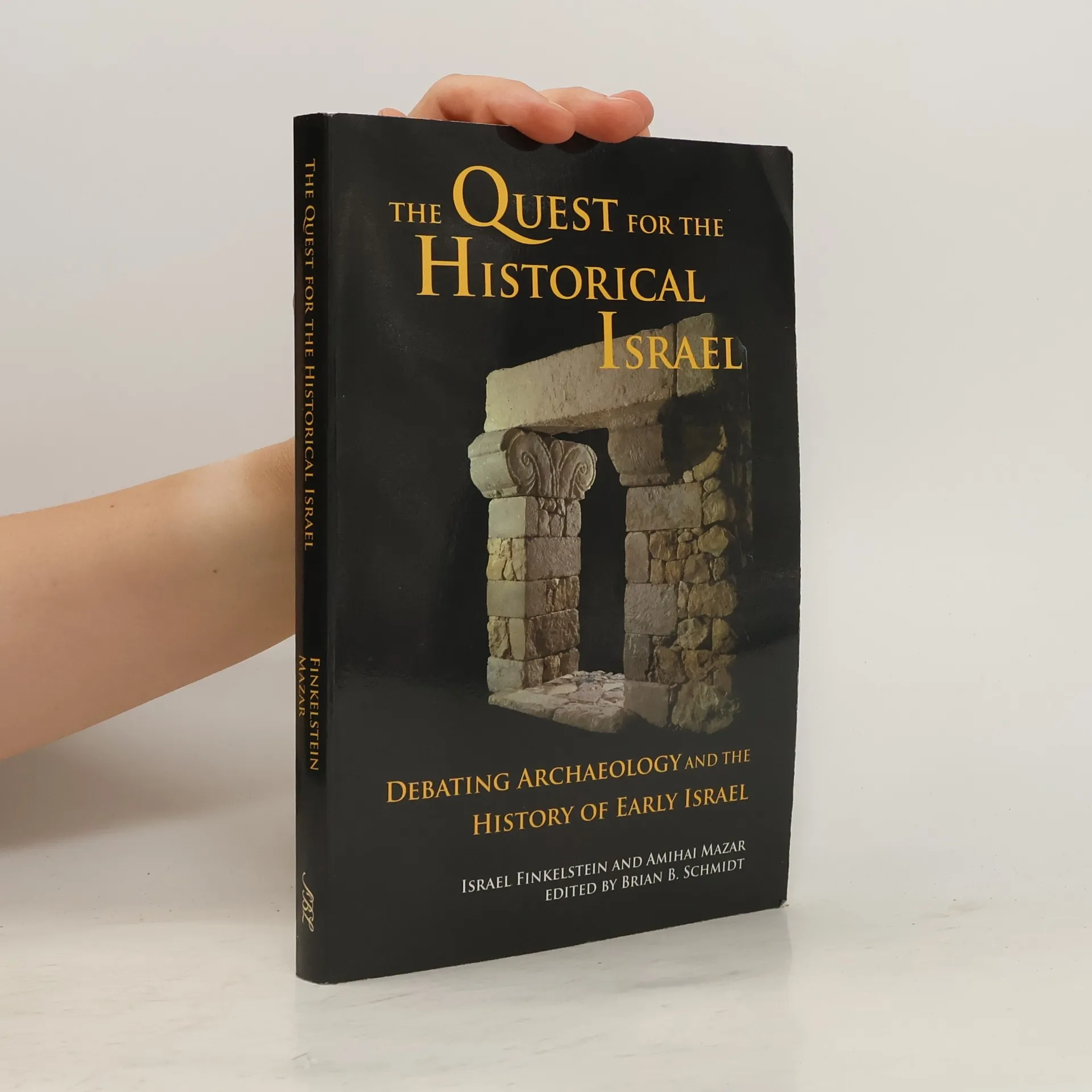
      Engage the results of three decades of dialogue, discussion, and debate within Syro-Palestinian archaeology and ancient Israelite historyThis book brings together for the first time an emerging “centrist” paradigm that the material cultural data, the biblical traditions, and the ancient Near Eastern written sources are all significantly relevant to the historical quest for Iron Age Israel. The historical essays presented here are based on invited lectures delivered in October of 2005 at the Sixth Biennial Colloquium of the International Institute for Secular Humanistic Judaism in Detroit, Michigan.Features:- Balanced approach to the question of the relevance of the biblical account for reconstructing early Israel’s history- Organization by time period for easy comparison of Finkelstein and Mazar’s positions- Introductory essays for each section give overviews of the archaeological theories
      The Quest for the Historical Israel
    • Jerusalem the Center of the Universe

      Its Archaeology and History (1800-100 BCE)

      • 472 pages
      • 17 hours of reading

      Focusing on the archaeological significance of Jerusalem, this collection features twenty-four insightful articles by Israel Finkelstein that explore the city's historical dominance from the Middle Bronze Age to the late Hellenistic period. The author critically examines archaeological findings that often contradict biblical narratives, discussing key topics such as the city's expansion, notable biblical figures like Saul and David, and its evolution under various empires, including the Assyrians and Persians. This work sheds light on Jerusalem's unique position in religious and historical contexts.

      Jerusalem the Center of the Universe
    • La Bible dévoilée

      Les nouvelles révélations de l'archéologie

      • 431 pages
      • 16 hours of reading
      4.2(21)Add rating

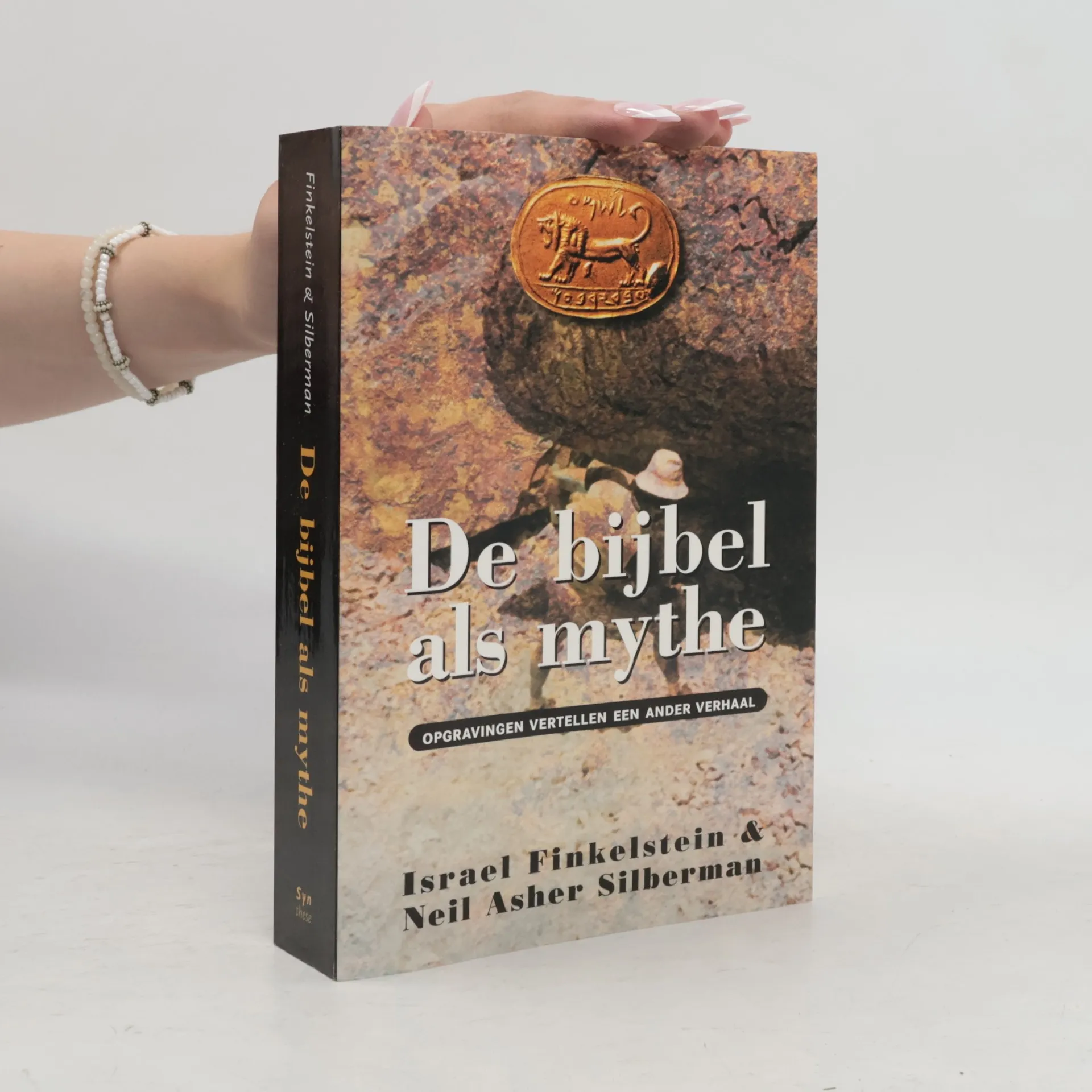
      La plus tonique et la plus audacieuse des synthèses sur la Bible et l'archéologie depuis cinquante ans. Quand et pourquoi la Bible a-t-elle été écrite ? Que savons-nous des premiers patriarches ? Quand le monothéisme est-il apparu ? Comment le peuple d'Israël est-il entré en possession de la Terre promise ? Jérusalem a-t-elle toujours été le centre de l'ancien Israël ? Pour la première fois, il est possible de répondre à ces questions avec un haut degré de certitude. Car les auteurs, Israël Finkelstein et Neil Asher Silberman, puisent leurs arguments dans les découvertes archéologiques les plus récentes, entreprises en Israël, en Jordanie, en Égypte, au Liban et en Syrie. Plus rien ne sera maintenant comme avant ; mais loin de sortir désenchanté de cette cure de jeunesse effectuée par le Livre des livres, on n'en a que plus de sympathie pour ces nomades et ces agriculteurs d'il y a trois mille ans, qui ont su fabriquer, en des temps de détresse ou de gloire, un récit dont la fécondité n'a pas cessé de porter ses fruits.

      La Bible dévoilée
    • Svatá Písma Izraele ve světle současné archeologie. Dílo těchto autorů doznalo v mnoha zemích nesporných úspěchů. V této knize se zabývají otázkami základního charakteru: Co víme o době izraelských patriarchů Abraháma, Izáka a Jákoba? Kdy vznikl monoteismus? Kdy a kde se objevily první Izraelité? Jak se izraelský lid poprvé dostal do země zaslíbené? Kdy a proč se stal Jeruzalém hlavním městem starověkého Izraele? Na tyto a další otázky zde dostáváme nové a často překvapivé odpovědi. Tak si oba autoři vytvářejí základ pro svůj fascinující výklad, jak a proč se biblická vyprávění výrazně liší od místních archeologických nálezů.

      Objevování Bible: Svatá Písma Izraele ve světle moderní archeologie
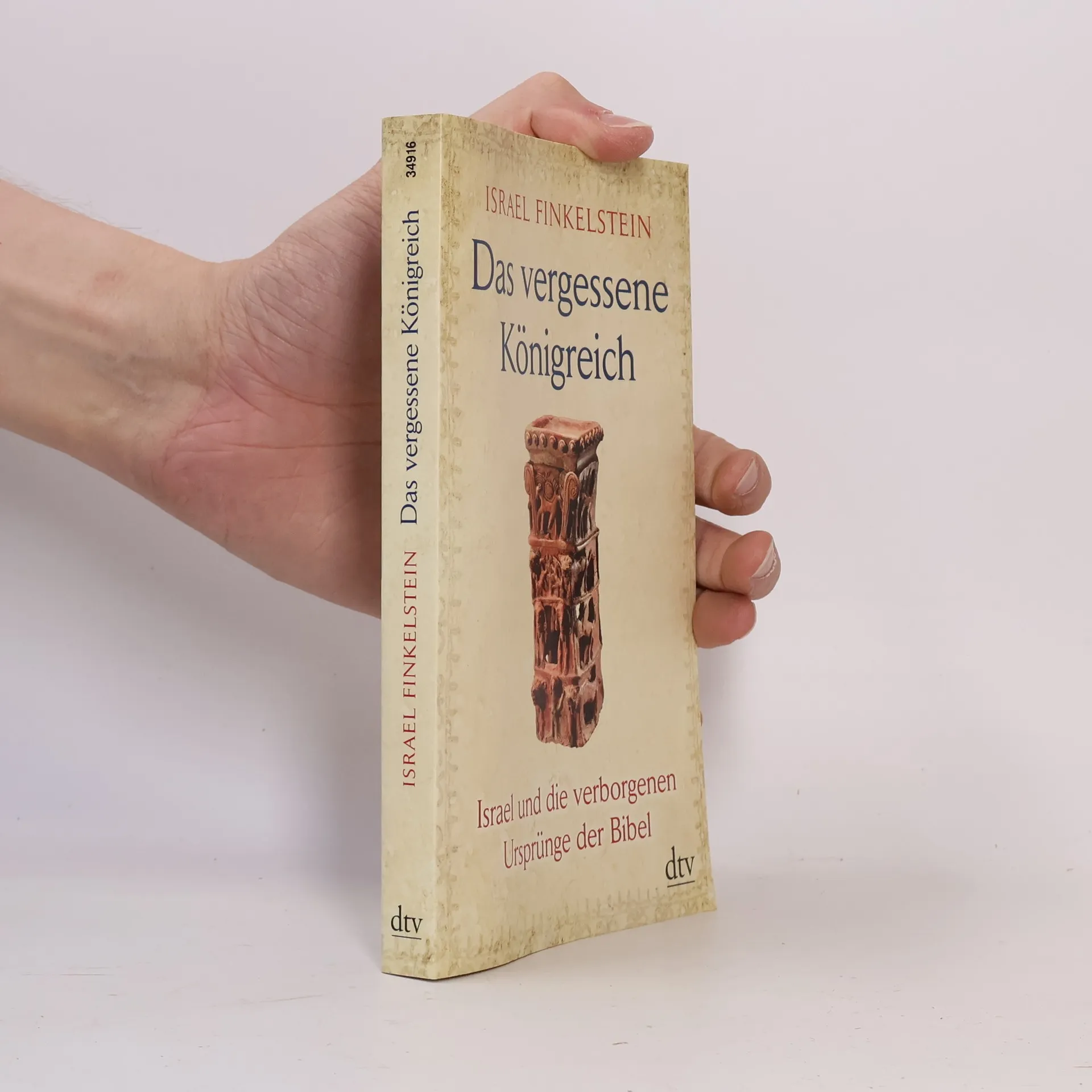
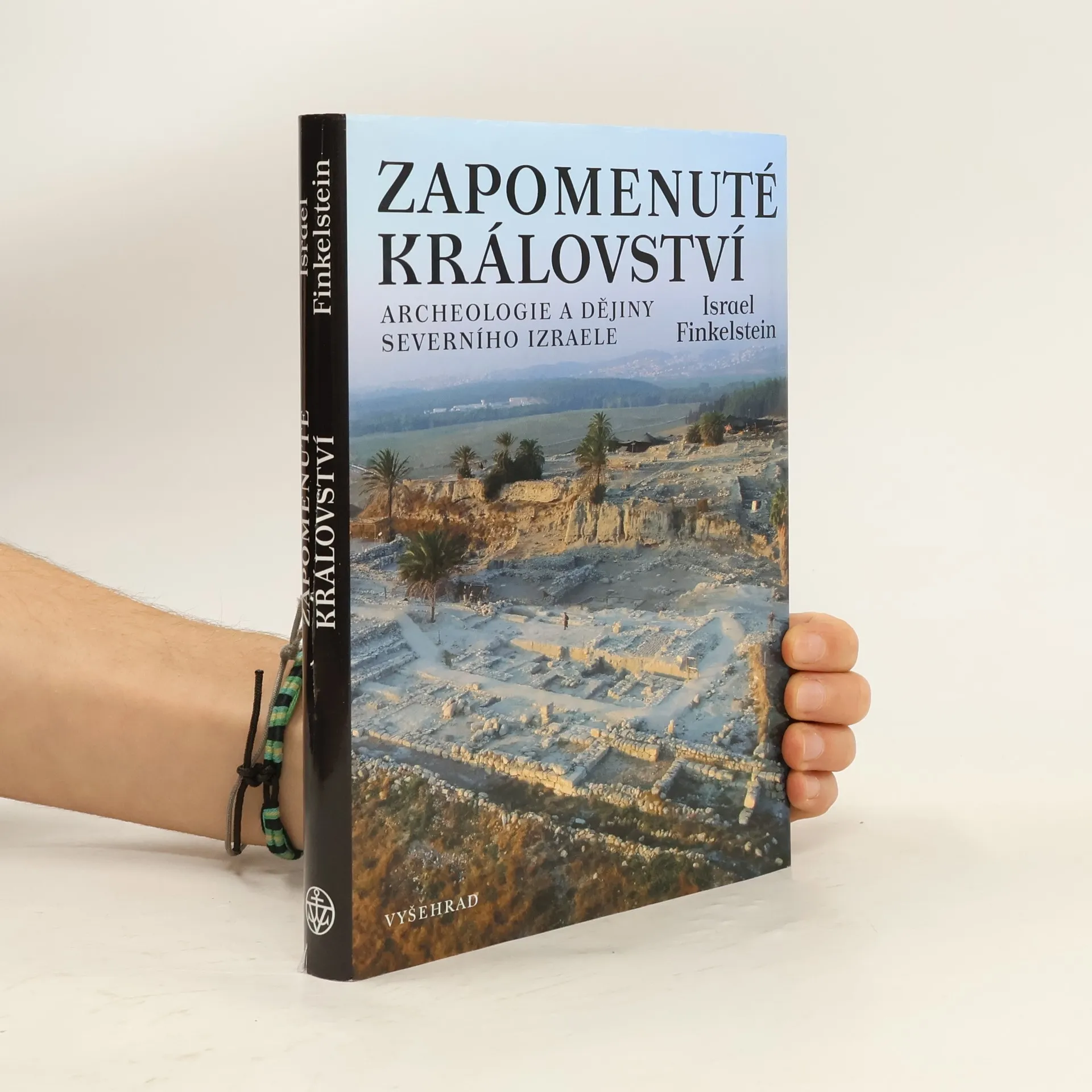
    • Kniha význačného telavivského archeologa Israele Finkelsteina (1949) známého v českém prostředí díky dílům Objevování Bible (2007) a David a Šalomoun (2010) nabízí nový pohled na starověký Izrael, které bylo sousedem známějšího Judského království na jihu existujícího až do pádu Jeruzaléma v roce 586 př. Kr. Izrael je v biblických textech líčen až jako druhý a méně významný a záměrně i 'pozapomenutý' stát. Autor na základě archeologického výzkumu, analýzy materiální kultury a biblických i dalších starověkých textů rekonstruuje dějiny Izraele podle jednotlivých svébytných údobí od pozdní doby bronzové až po pád hlavního města Samaří (1350--720 př. Kr.). Co se před očima čtenáře postupně objevuje, jsou pozdně kenaánský státní útvar Šekem, první izraelský státní celek Gibeón spojovaný s příběhy krále Saula následovaný královstvími Tirsa, Izraelem za vlivné dynastie Omríovců a dále vladaři, z nichž poslední nedokázal čelit vojenské převaze Novoasyrské říše v roce 720, kdy království padlo. Kniha byla oceněna v roce 2014 prestižní Prix Delalande-Guérineau.

      Zapomenuté království : archeologie a dějiny severního Izraele