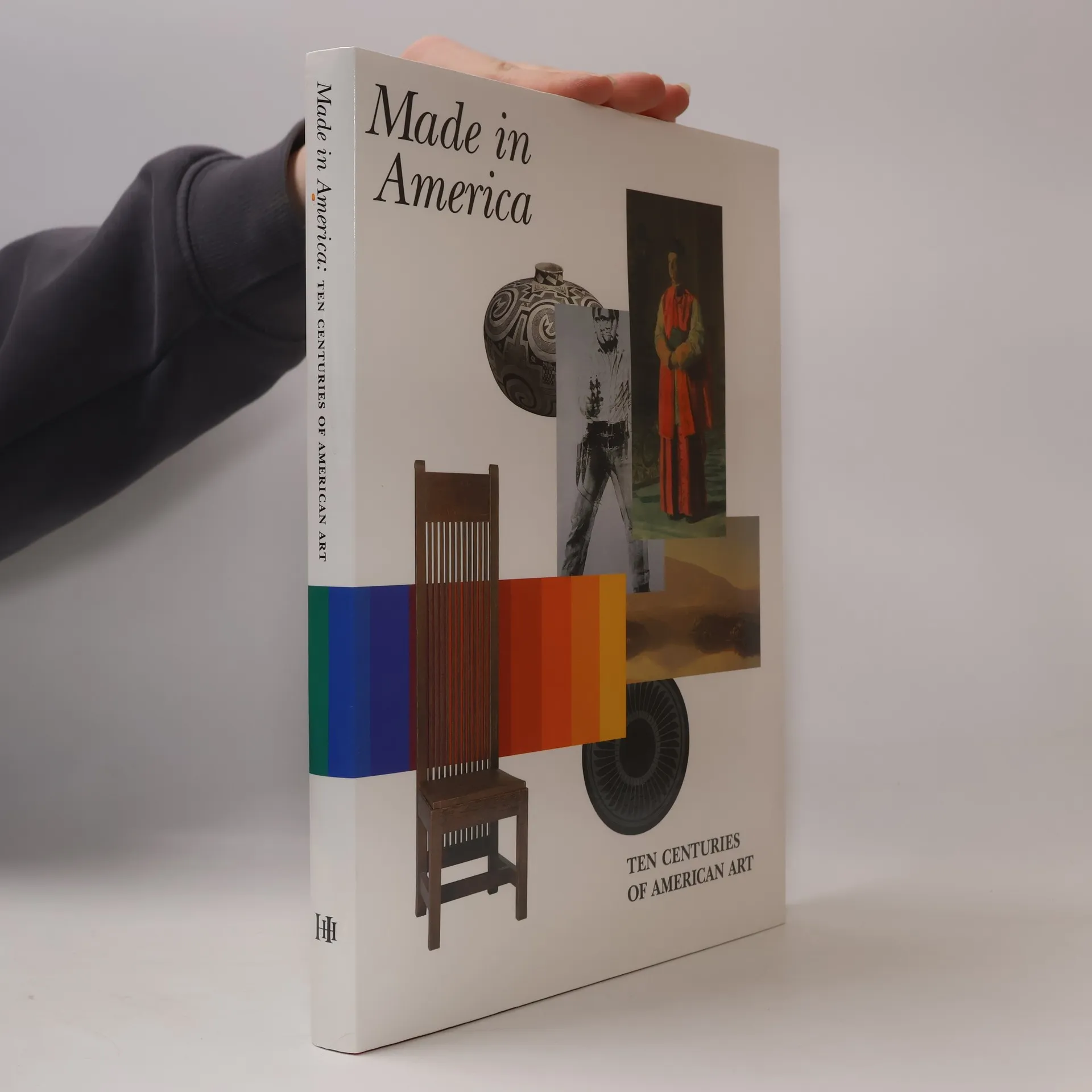
Five major American museums have collaborated to present a remarkable survey of art in the United States, showcasing creativity from prehistory to the present. This collection reflects the cultural richness of American society, stemming from its diverse citizenry. Featured are masterpieces of painting, sculpture, photography, crafts, and decorative arts from The Carnegie Museum of Art, The Minneapolis Institute of Arts, The Nelson-Atkins Museum of Art, The Saint Louis Art Museum, and The Toledo Museum of Art. Highlights include exquisite Native American pottery, basketry, and beadwork, along with silver by Paul Revere II, a Baltimore album quilt, Tiffany Studios glass, and Frank Lloyd Wright furniture. Iconic paintings by artists such as George Caleb Bingham, Winslow Homer, Mary Cassatt, Georgia O'Keeffe, Jackson Pollock, and Andy Warhol are included, alongside sculptures by Frederic Remington and Alexander Calder. The photography section features works by renowned photographers like Ansel Adams and Diane Arbus. With 162 full-color plates, this beautifully produced volume offers a panoramic view of American art, complemented by brief essays that provide context for the artworks. Written by twenty-seven experts from the participating museums, this collection accompanies a two-year touring exhibition.
Henry Adams Books
- Frances Snow Compton



Adams's letters reveal a complex and multifaceted individual navigating personal and professional upheaval in the late 19th century. Following personal tragedies and significant literary accomplishments, he traveled extensively, exploring geopolitical themes and the evolution of capitalism. His correspondence reflects deep engagement with politics, art, and science, showcasing his sharp insights and evolving ideas that foreshadowed major societal shifts. These letters serve not only as a personal narrative but also as a rich commentary on the cultural and intellectual landscape of his time.
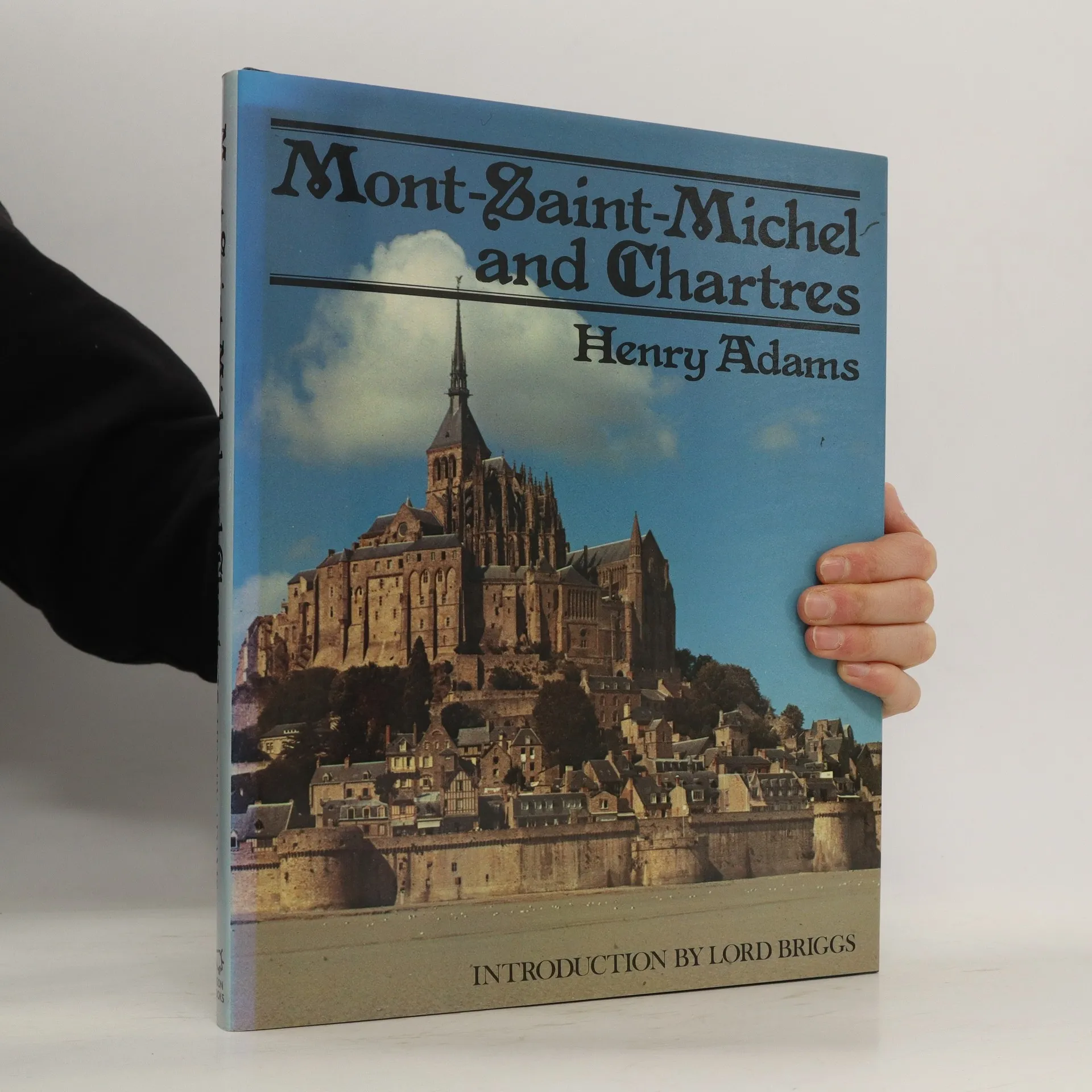
Mont-Saint-Michel and Chartres
- 192 pages
- 7 hours of reading
This book (hardcover) is part of the TREDITION CLASSICS. It contains classical literature works from over two thousand years. Most of these titles have been out of print and off the bookstore shelves for decades. The book series is intended to preserve the cultural legacy and to promote the timeless works of classical literature. Readers of a TREDITION CLASSICS book support the mission to save many of the amazing works of world literature from oblivion. With this series, tredition intends to make thousands of international literature classics available in printed format again - worldwide.
Democracy. An American Novel
- 164 pages
- 6 hours of reading
Set against the backdrop of the Gilded Age, the novel follows Madeleine Lee, a young widow from New York, as she navigates the political landscape of Washington, D.C. Through her experiences, the author critiques American democracy, revealing the power struggles, corruption, and moral dilemmas inherent in the political system. The narrative tackles themes such as the influence of money in politics, the role of the press, and the impact of personal relationships on political decisions, offering a thought-provoking exploration of democratic governance.
This edition focuses on enhancing accessibility for readers with impaired vision by providing a large print reproduction of a historical work. Published by Megali, a house dedicated to making literature more accessible, it aims to preserve the original text while ensuring readability for a wider audience.
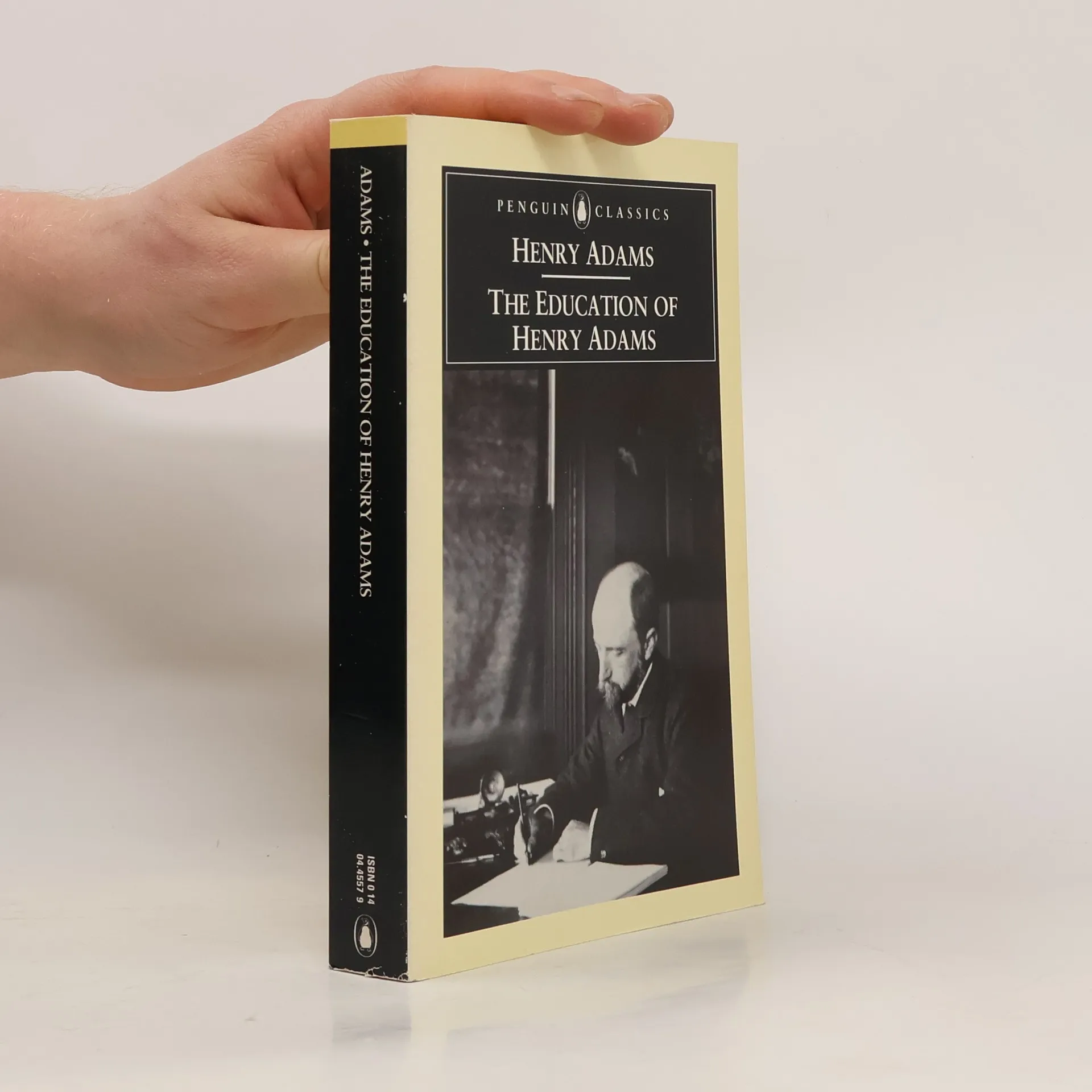
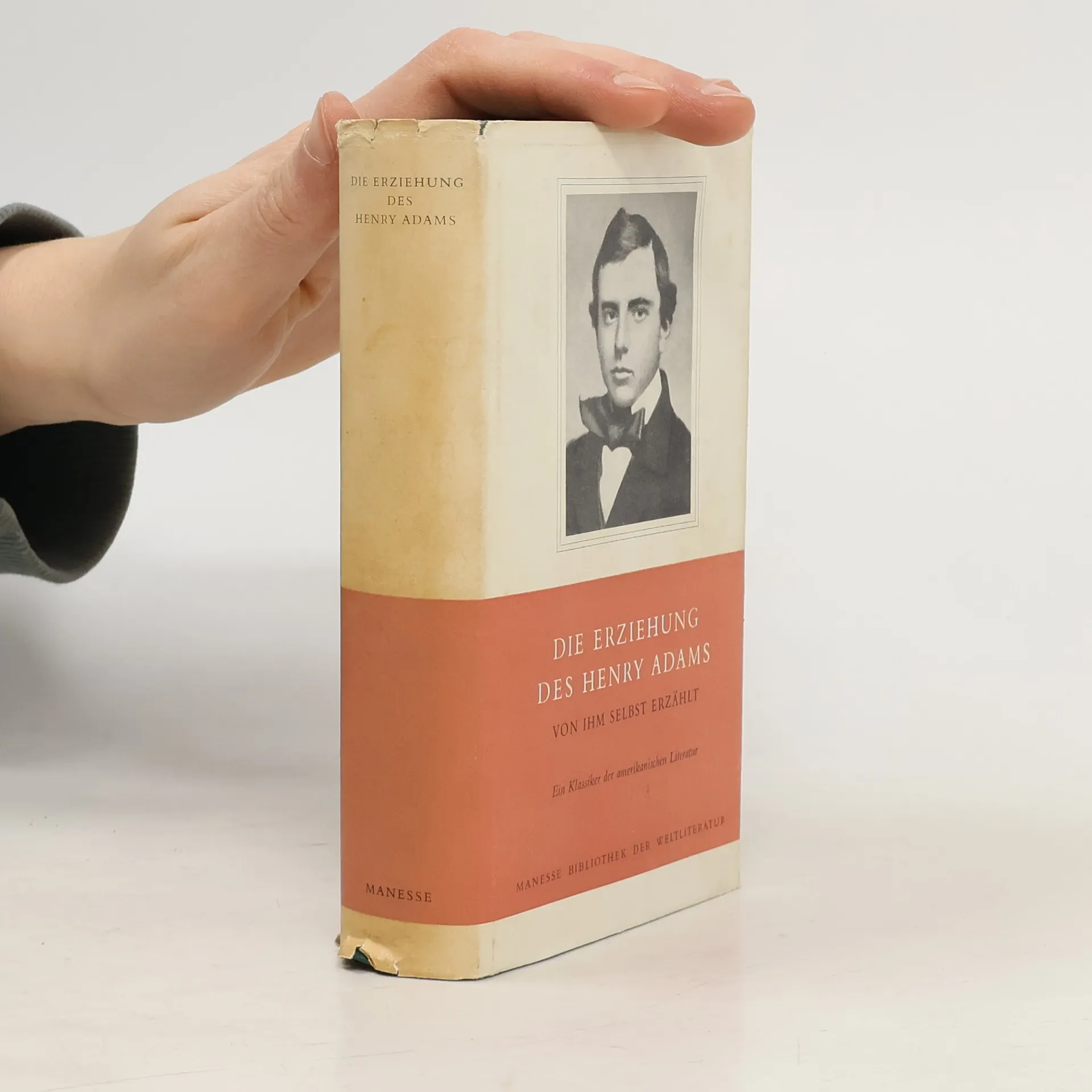
A scion of the famous Adams family of American statesmen, historian Henry Adams crafted this well-known autobiographical work, which reflects his constant search for order in a world of chaos. He cast himself as a modern everyman, seeking coherence in a fragmented universe and concluding that his education was inadequate for the demands of modern society.
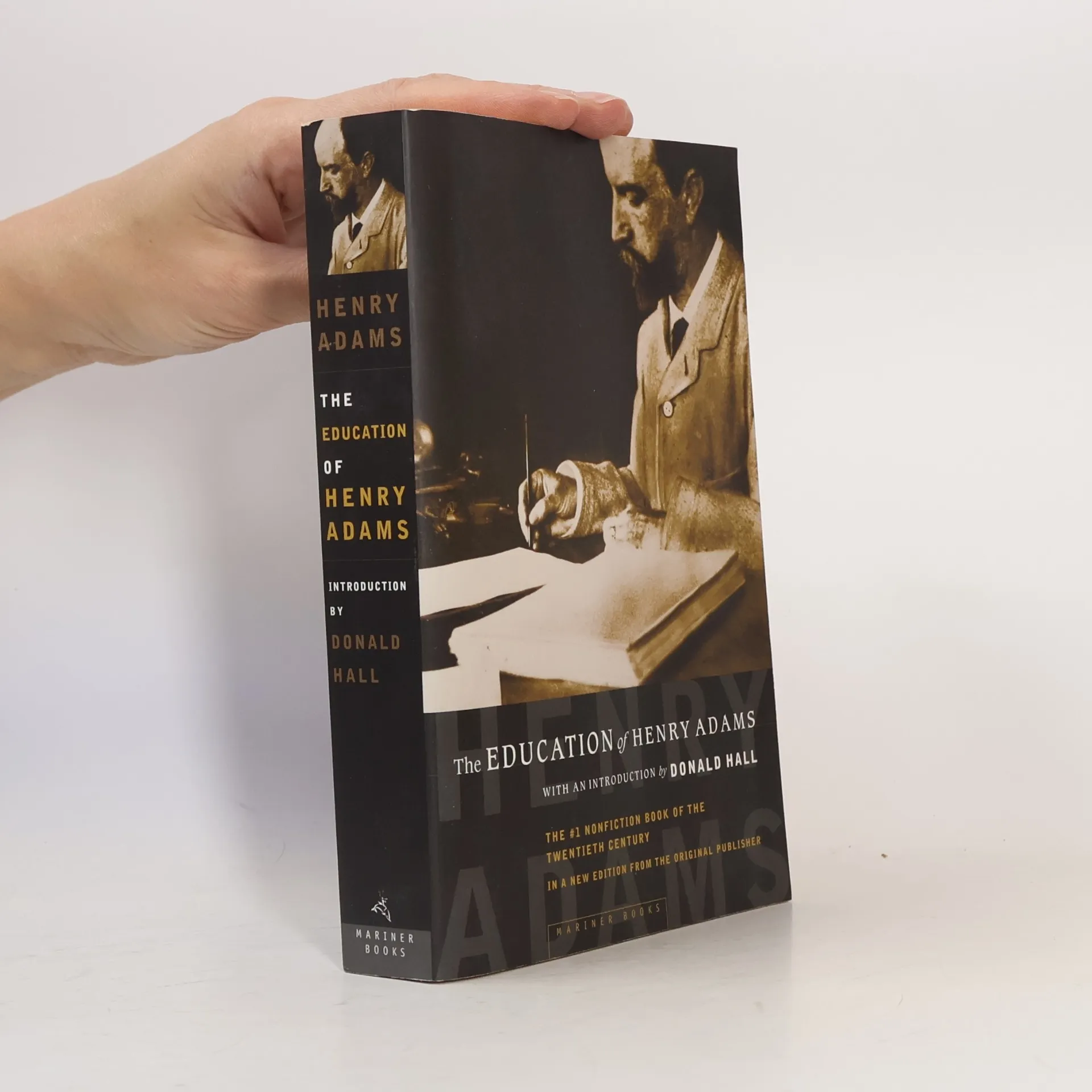
The Education of Henry Adams
An Autobiography - With an Introduction by Donald Hall
- 536 pages
- 19 hours of reading
The narrative follows Henry Adams, a man of notable lineage and intellect, as he reflects on his life from his privileged Boston Brahmin upbringing through significant historical events like the Civil War and America's rise as a global power. This autobiography not only chronicles his personal journey but also offers a profound commentary on the evolution of American society. With a new introduction by Donald Hall, this edition honors the enduring significance of this Pulitzer Prize-winning classic in American literature.
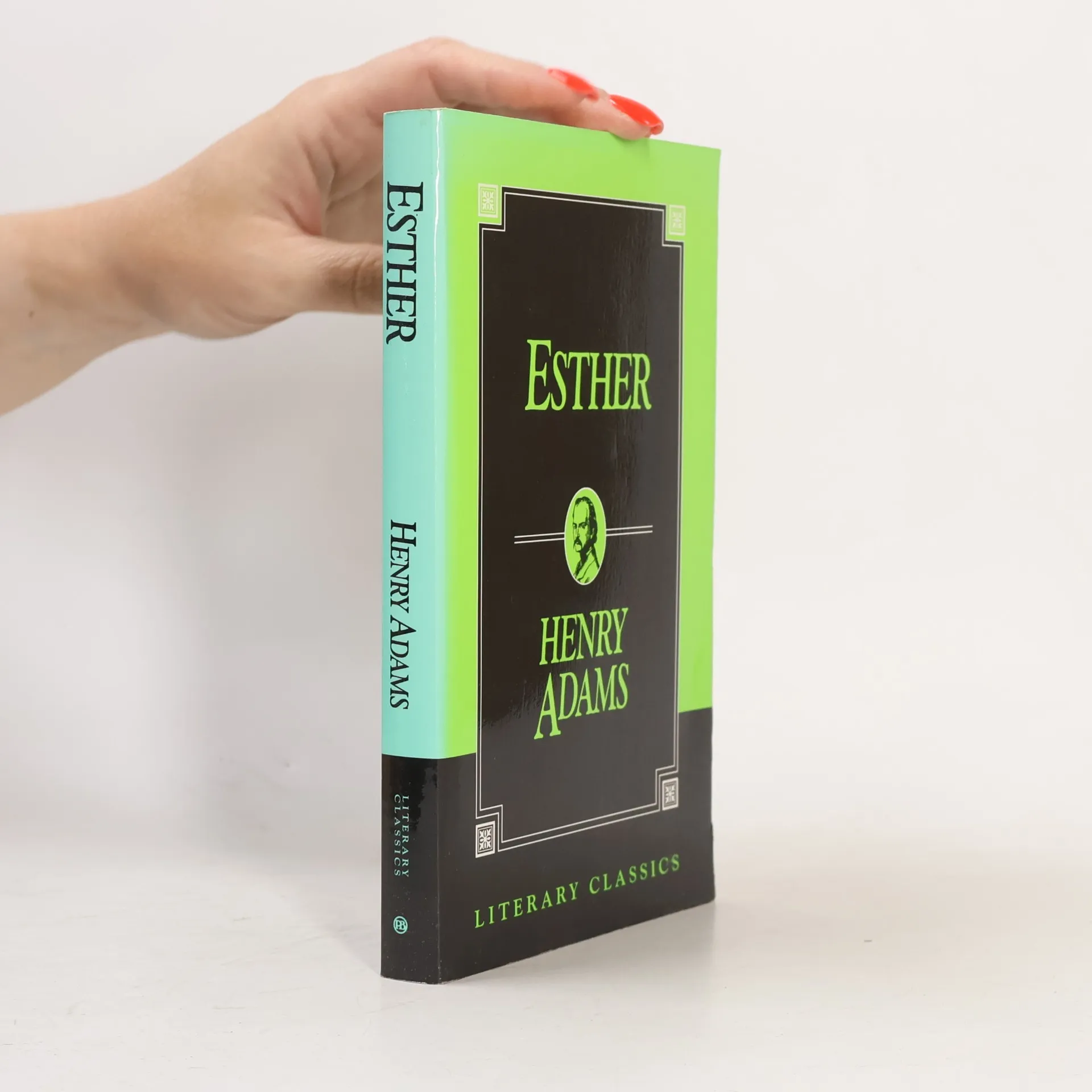
Esther
- 310 pages
- 11 hours of reading
The novel explores the internal struggle of a young New York socialite and artist named Esther, who grapples with her inability to accept the religious beliefs that men, including her love interest, Episcopal clergyman Stephen Hazard, uphold. Raised without religion, Esther's conflict between her personal identity and the expectations of faith leads to a profound examination of spirituality and self-acceptance in the context of 19th-century society.
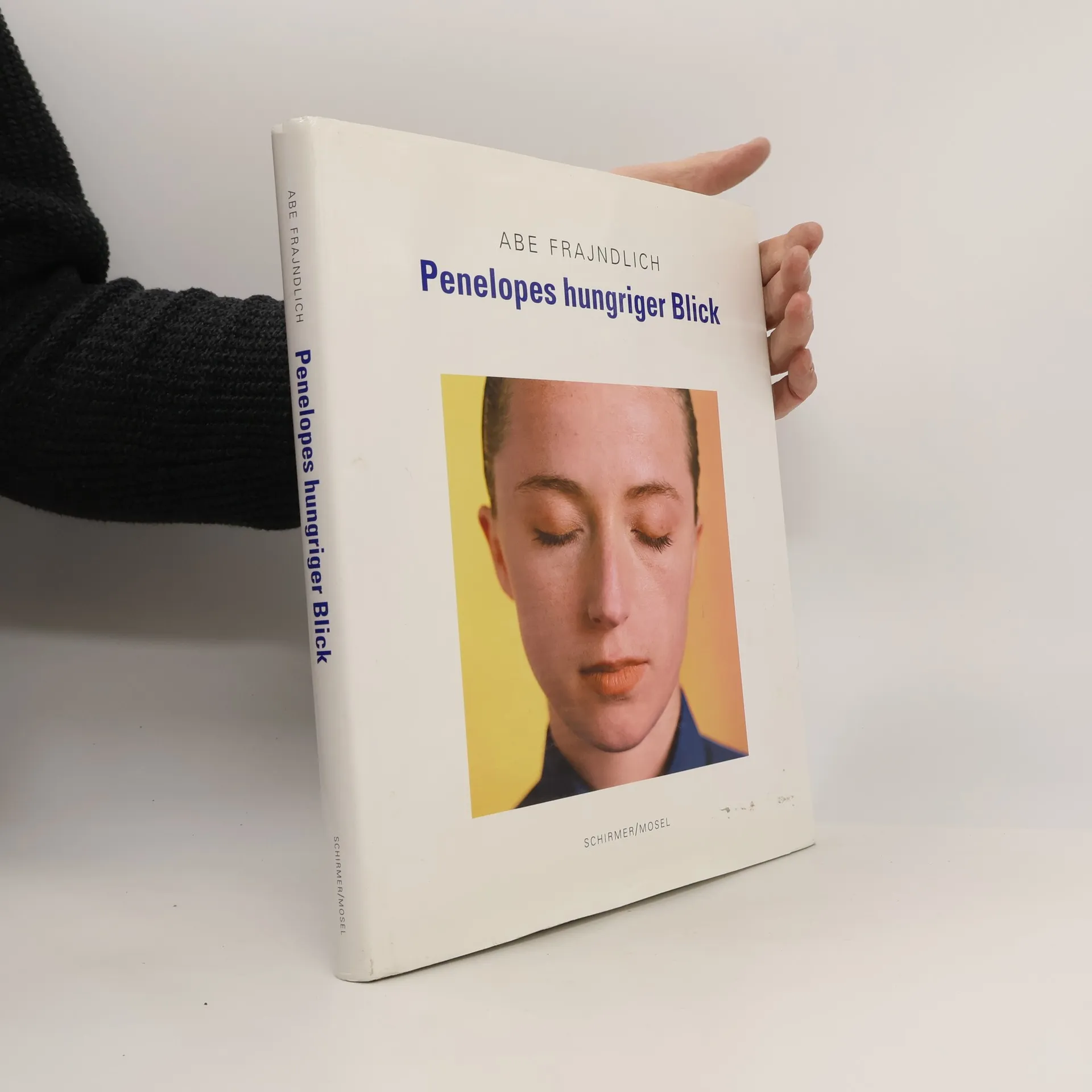
Abe Frajndlich, geboren in Frankfurt/Main 1946, hat Porträtfotografien berühmter zeitgenössischer Fotografen gesammelt, die über einen Zeitraum von mehr als 20 Jahren entstanden sind. Es umfasst die alten Meister der amerikanischen Fotografie von Ansel Adams bis Minor White sowie die jungen Fotografen der Düsseldorfer Schule. Die Bilder werden durch einen autobiografischen Text des Fotografen ergänzt.
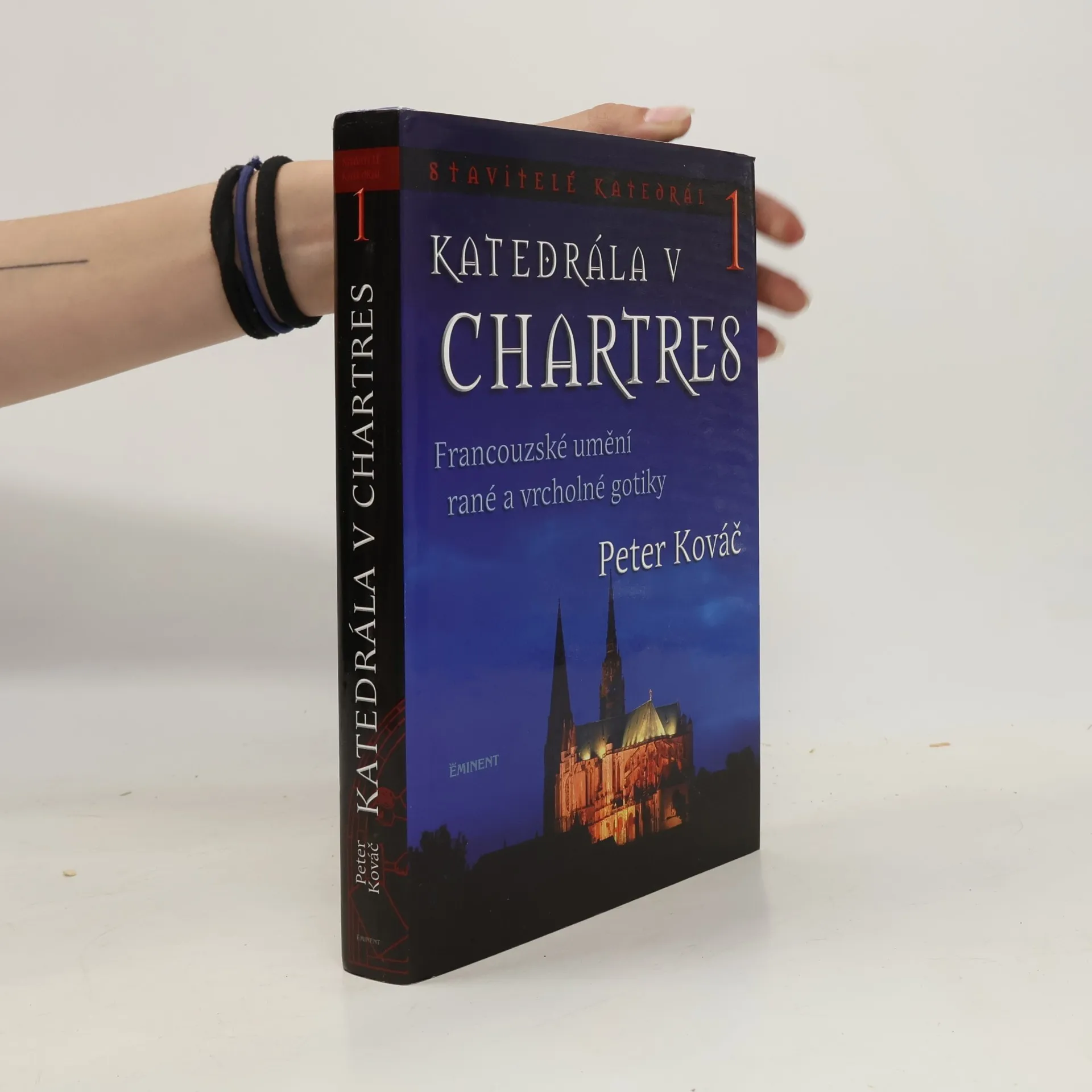
Podtitul: Francouzské umění rané a vrcholné gotiky. Třinácté století přineslo mimořádný rozvoj tvůrčí kreativity. Hlavním symbolem doby se staly odvážně budované chrámy, jejichž věže se hrdě tyčily k nebesům a už zdálky poutaly pozornost poutníků. V celé západní Evropě propukla stavební horečka. Být zedníkem, kameníkem či sochařem patřilo k váženým profesím. Ti nejtalentovanější a nejšikovnější z nich se pak stávali staviteli katedrál. Historik umění Peter Kováč napsal tuto čtivou a zajímavou publikaci o katedrále v Chartres i celou sérii pěti zasvěcených knih o 13. století jako poctu tvůrcům, z nichž mnozí zůstali bezejmenní, a přesto dokázali vytvořit umělecká a architektonická díla, která nás dodnes ohromují. Kniha obsahuje unikátní soubor fotografií, které byly většinou pořízeny po nedávném restaurovaní soch a vitrají, dále jedinečnou antologii textů středověkých teologů 13. století o architektuře, malířství a sochařství a jako doplněk v ní naleznete studie tří světově proslulých znalců katedrály v Chartres — Henryho Adamse, Johna Jamese a André Chédevilla.