Ich und Du
- 32 pages
- 2 hours of reading
Ich und Du


Janet Holmes writes with piercing intelligence and unexpected playfulness about the complexities of modern life. Her work delves into the collision between our internal landscapes and external realities, often exploring themes of identity, relationships, and the ways the world around us impacts us. Through a unique style that is both lyrical and experimental, Holmes crafts work that is challenging yet accessible. Her poetry invites readers to contemplate the mundane, revealing its hidden beauty and intricacies.


Ich und Du
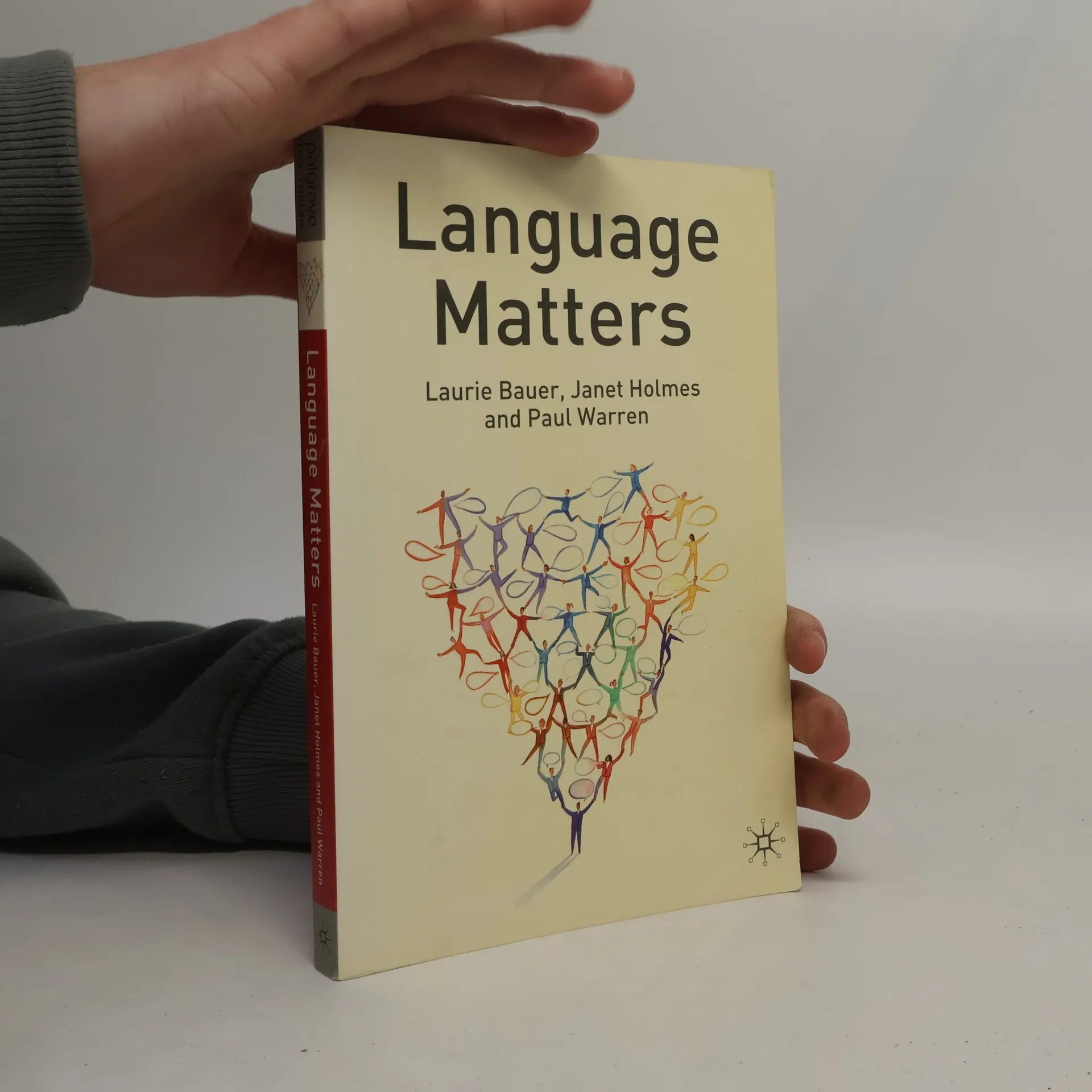
This book provides a lively introduction to the study of language for students without prior experience in linguistics. It addresses the core areas of language study answering questions such as: * Where does language come from? * Why don't we all talk the same? * Who needs grammar? This is an excellent textbook for basic introductory courses and for students who are non-majors. It will be accessible and enjoyable for a variety of students.
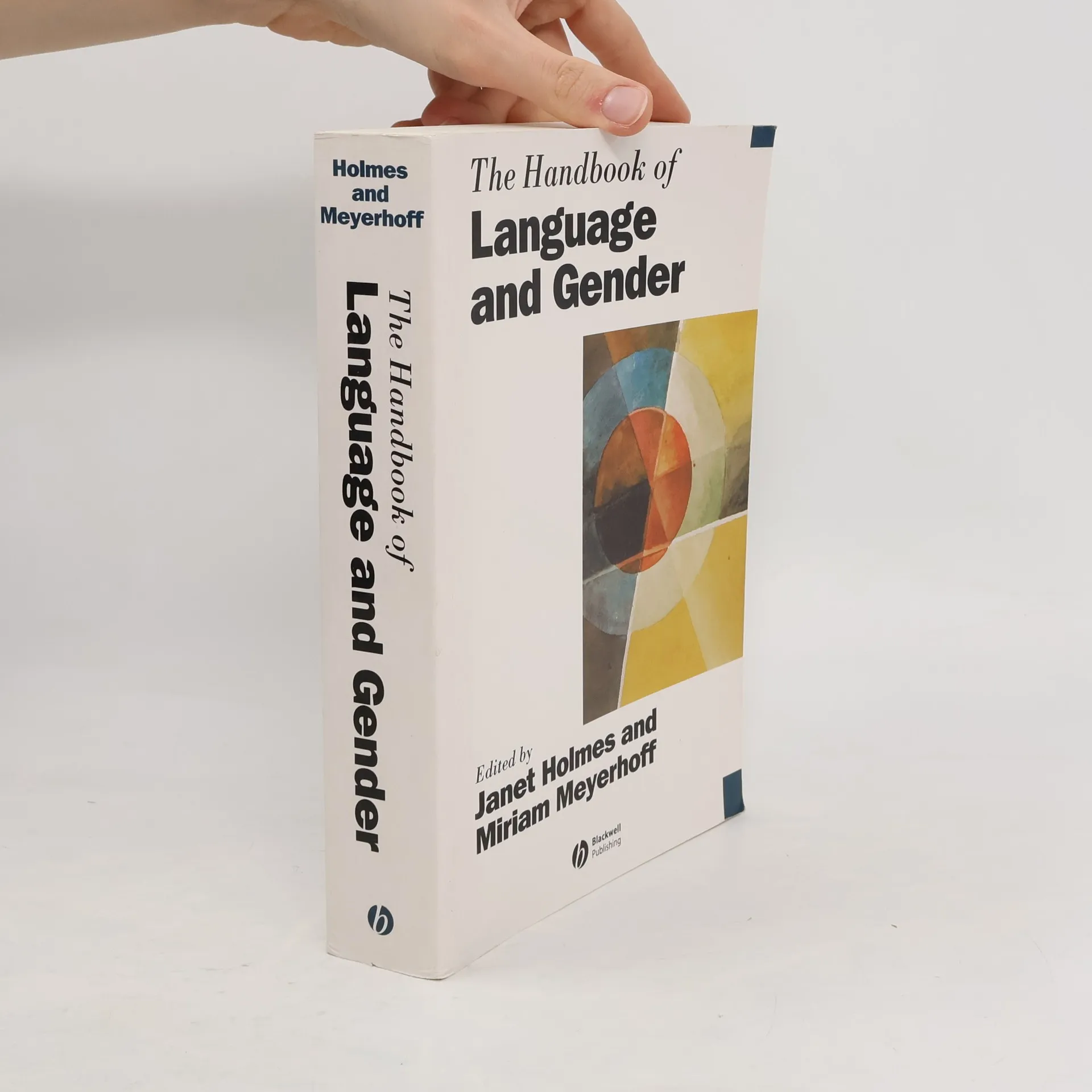
"The Handbook of Language and Gender is a collection of articles written by a team of leading specialists in the field that examines the implications of gender ideologies for the ways we interact. The volume includes data and case-studies from interactions in a number of different social contexts and from a range of different communities, and theoretical discussions about the problems, pitfalls, and potential benefits of research on and discourses about gender." "This handbook provides a comprehensive, up-to-date, and stimulating picture of the field of language and gender for students and researchers in a wide range of disciplines, including linguistics, gender studies, communication, management, psychology, sociology, and anthropology. Book jacket."--Jacket
Fifth Edition
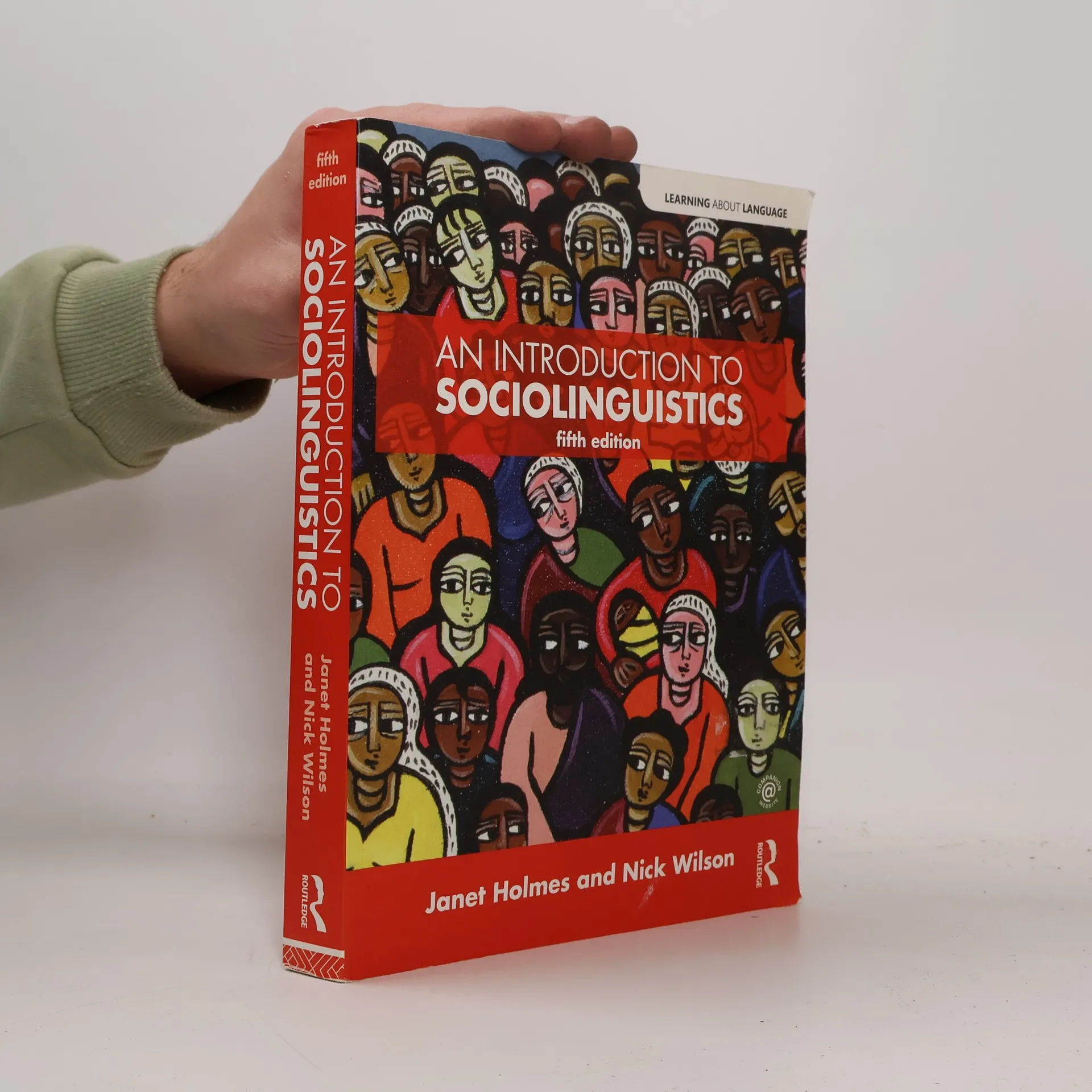
In this best-selling introductory textbook, Janet Holmes and Nick Wilson examine the role of language in a variety of social contexts, considering both how language works and how it can be used to signal and interpret various aspects of social identity. Divided into three sections, this book explains basic sociolinguistic concepts in the light of classic approaches as well as introducing more recent research. This fifth edition has been revised and updated throughout using key concepts and examples to guide the reader through this fascinating area, including: a new chapter on identity that reflects the latest research; a brand new companion website which is fully cross-referenced within this book, and which includes and video and audio materials, interactive activities and links to useful websites; updated and revised examples and exercises which include new material from Tanzania, Wales, Paraguay and Timor-Leste; fully updated further reading and references sections. An Introduction to Sociolinguistics is the essential introductory text for all students of sociolinguistics and a splendid point of reference for students of English language studies, linguistics and applied linguistics.
Book by