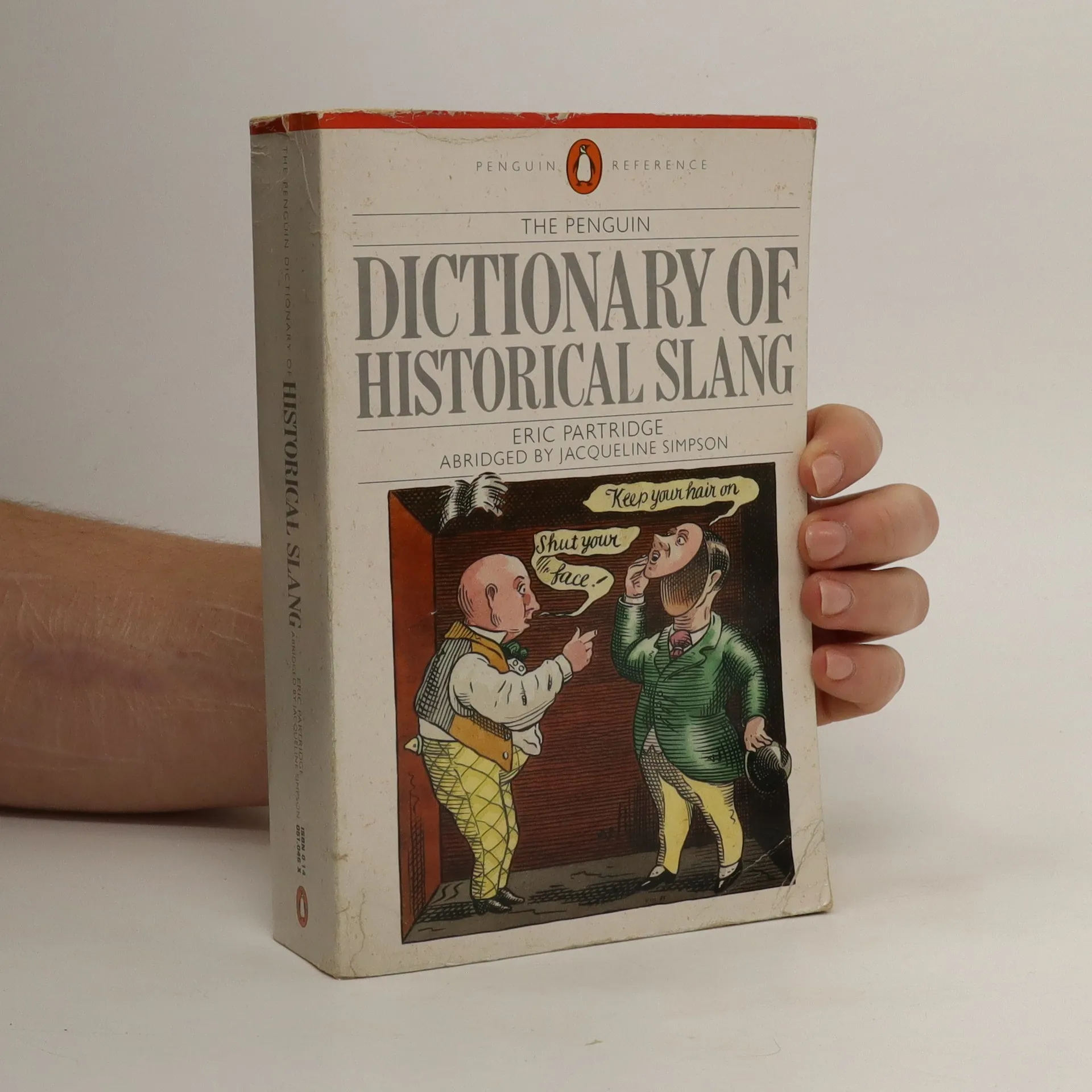
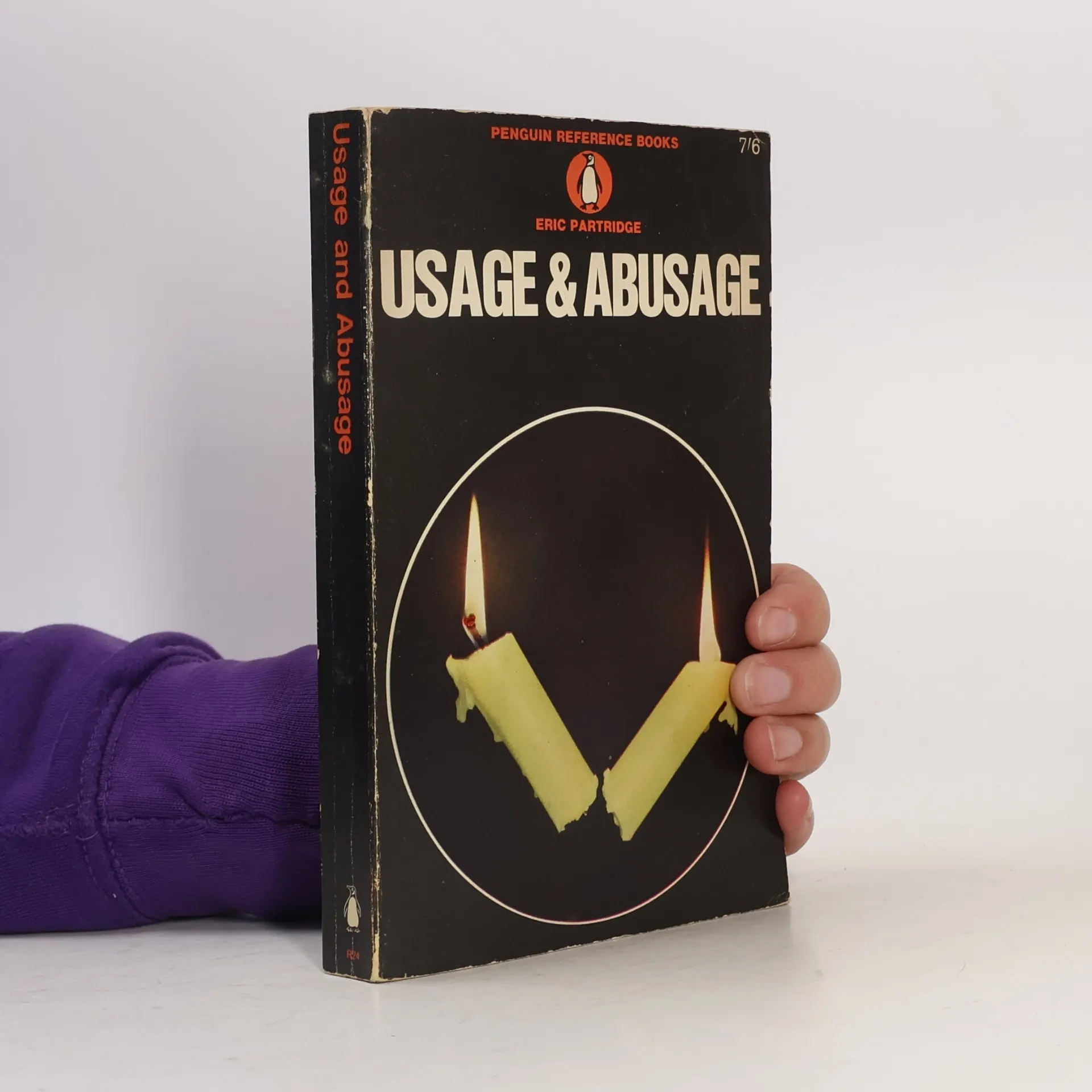
Eric Partridge Books


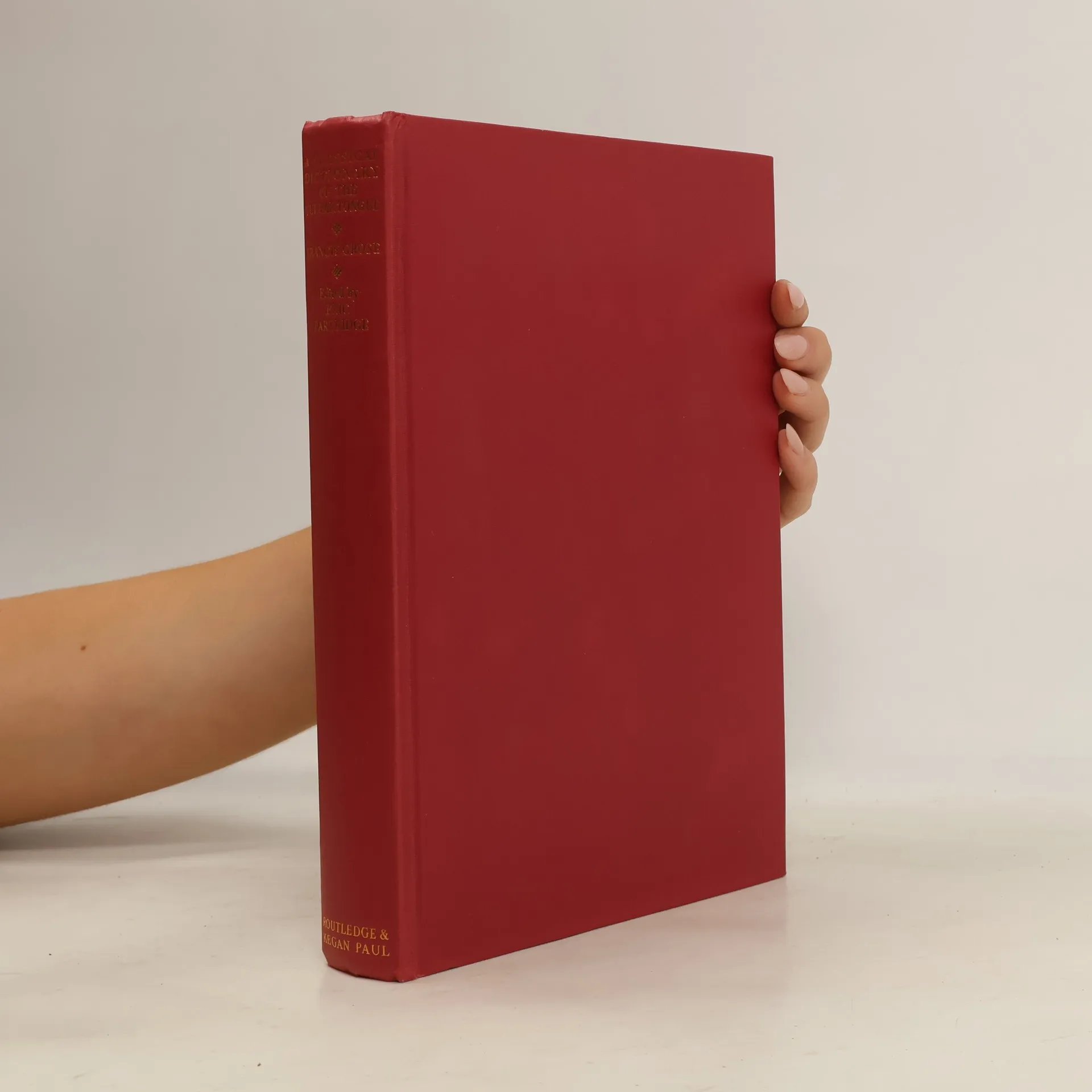
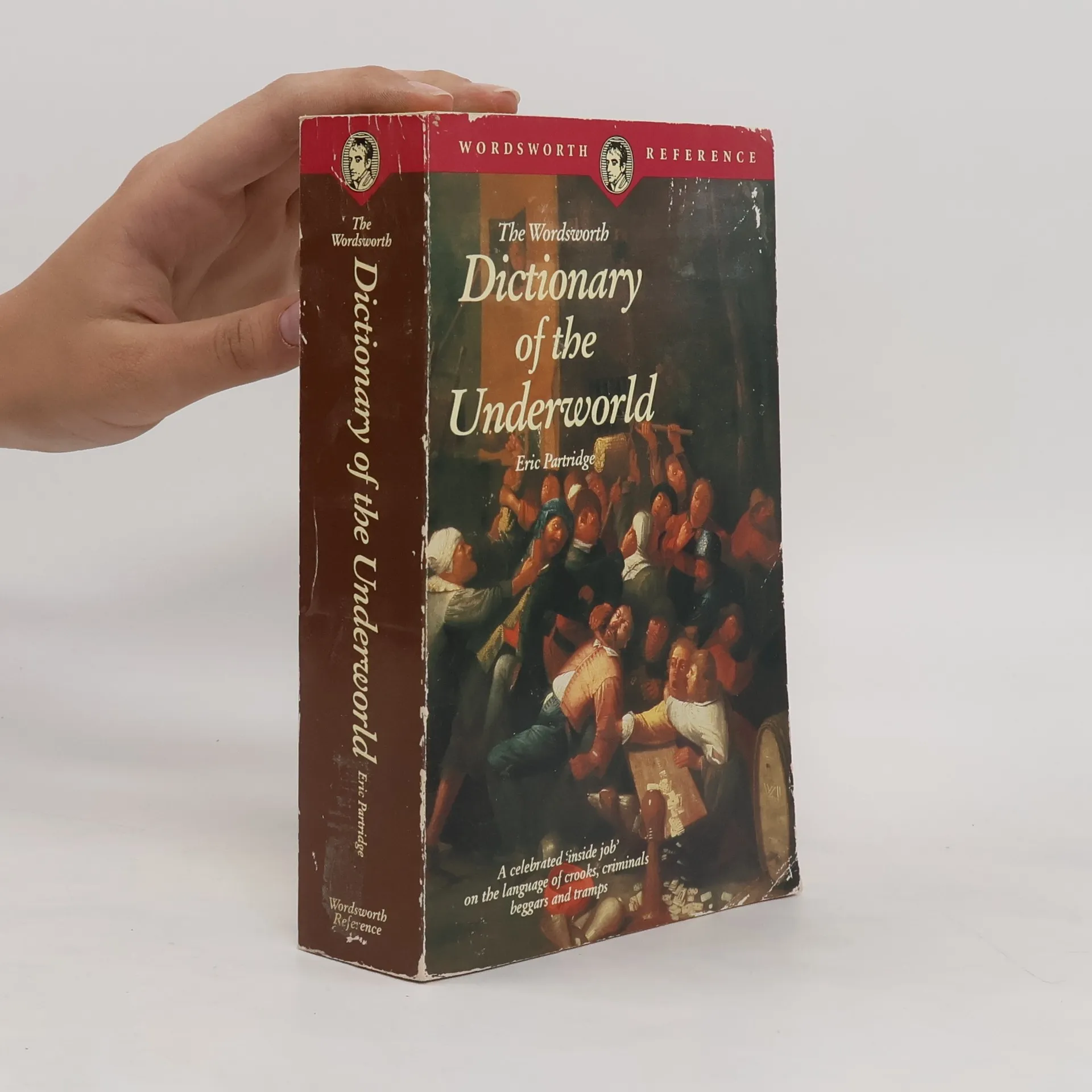
The Wordsworth Dictionary of the Underworld
- 624 pages
- 22 hours of reading
This work looks at the area defined as "cant". It includes the vocabulary of "crooks, criminals, racketeers, beggars, tramps, convicts and the commercial underworld, the drug traffic, the white slave traffic and spivs", gathered from many countries and from obscure sources.
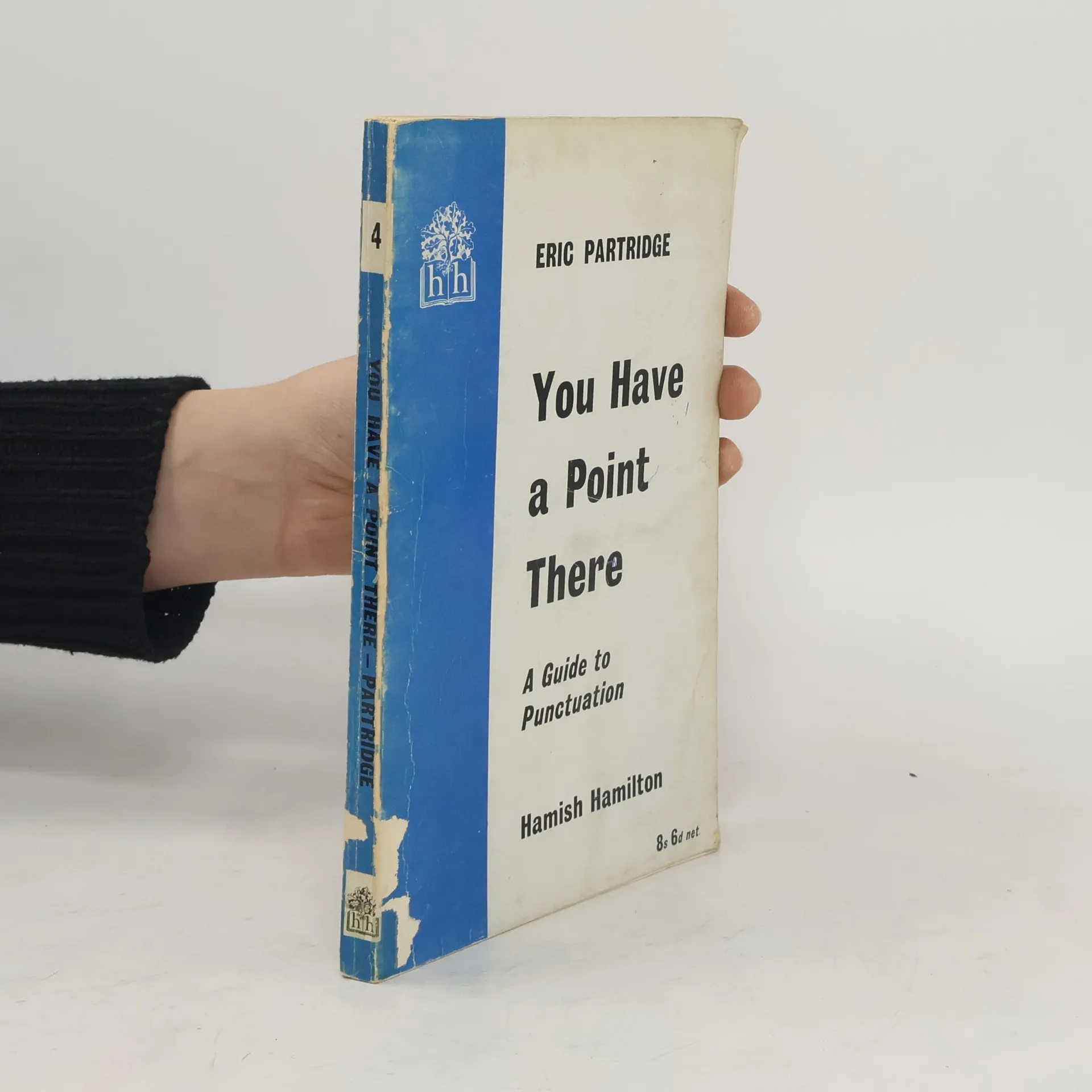
You Have a Point There: a Guide to Punctuation and Its Allies
- 244 pages
- 9 hours of reading
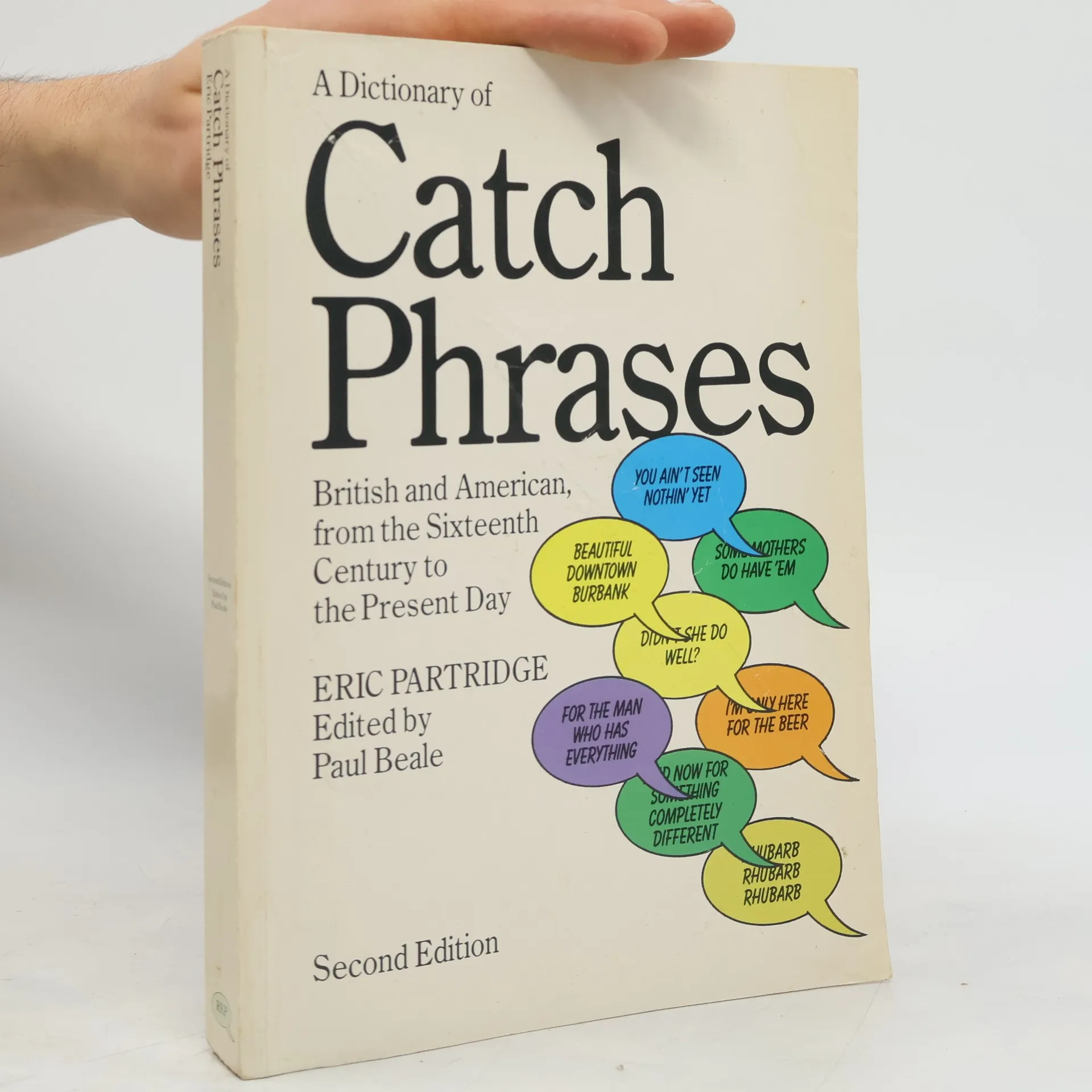
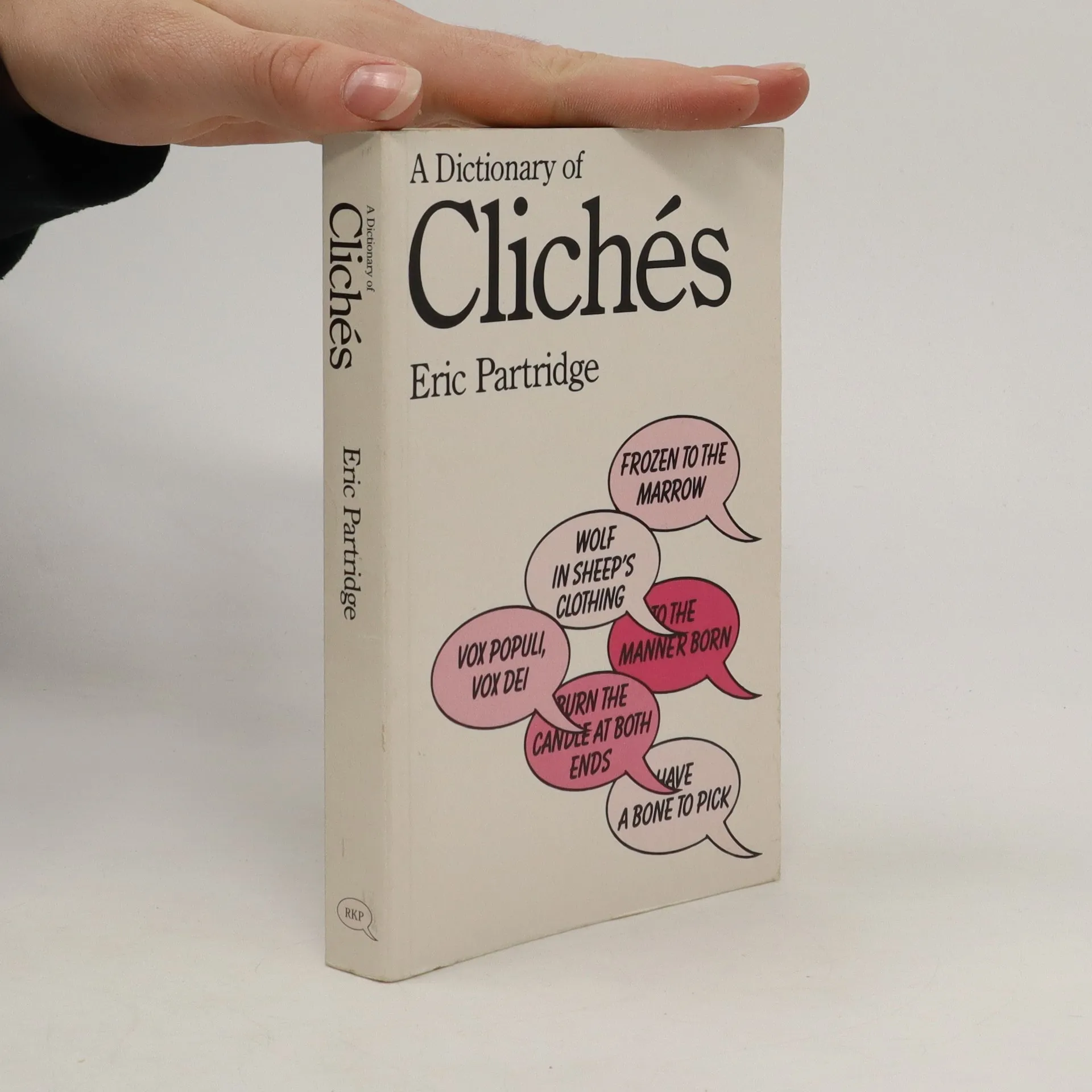
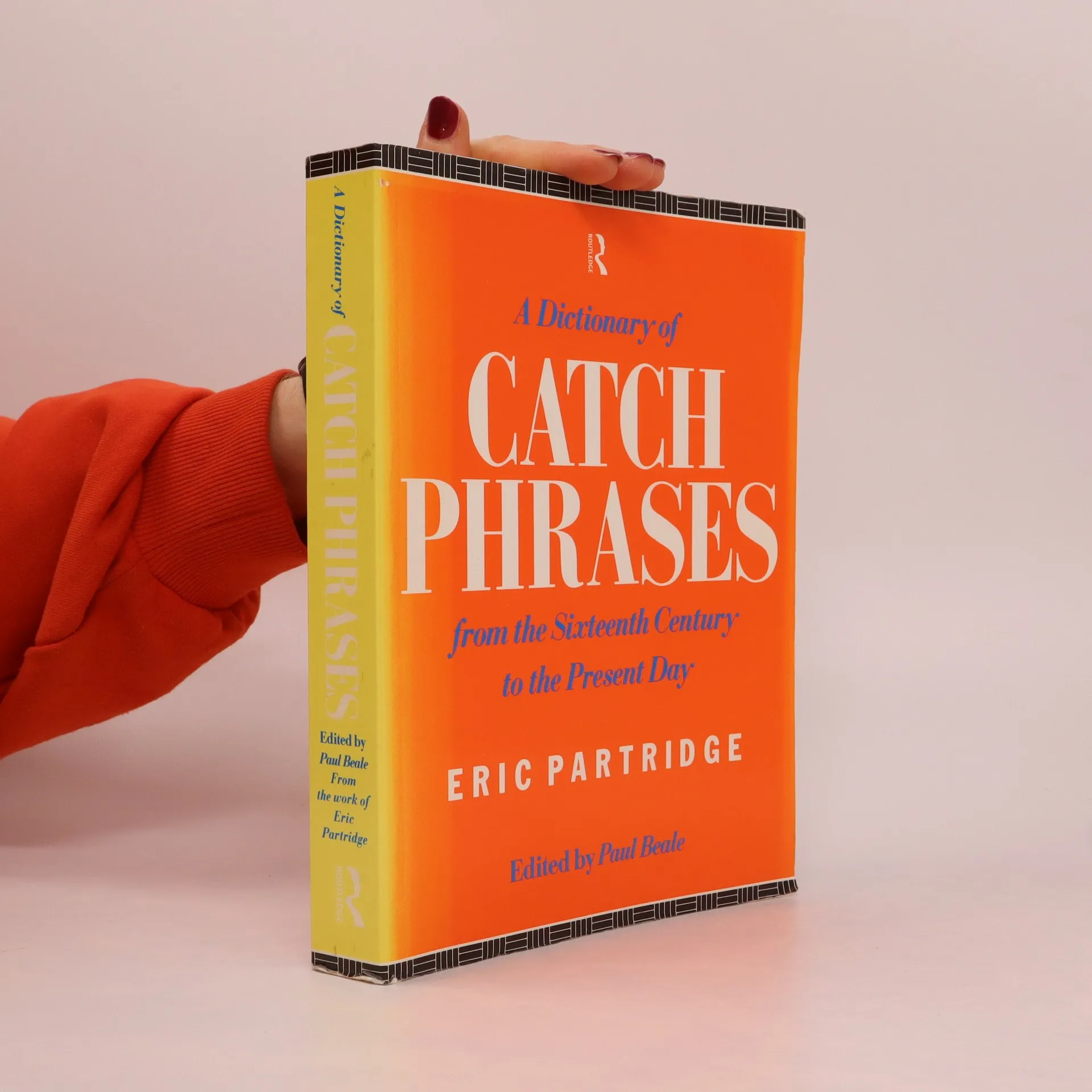
A catch phrase is a well-known, frequently-used phrase or saying that has `caught on' or become popular over along period of time. It is often witty or philosophical and this Dictionary gathers together over 7,000 such phrases.
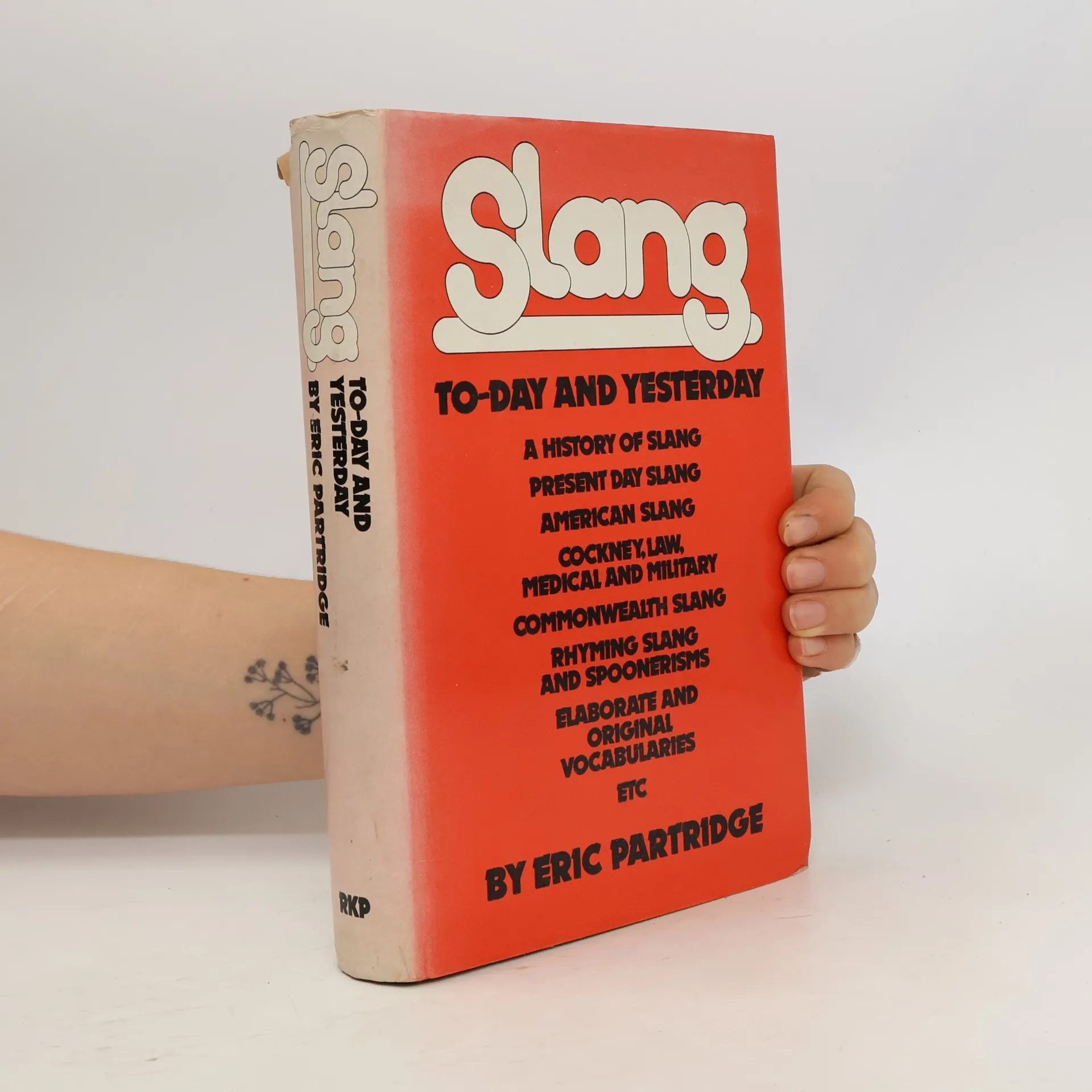
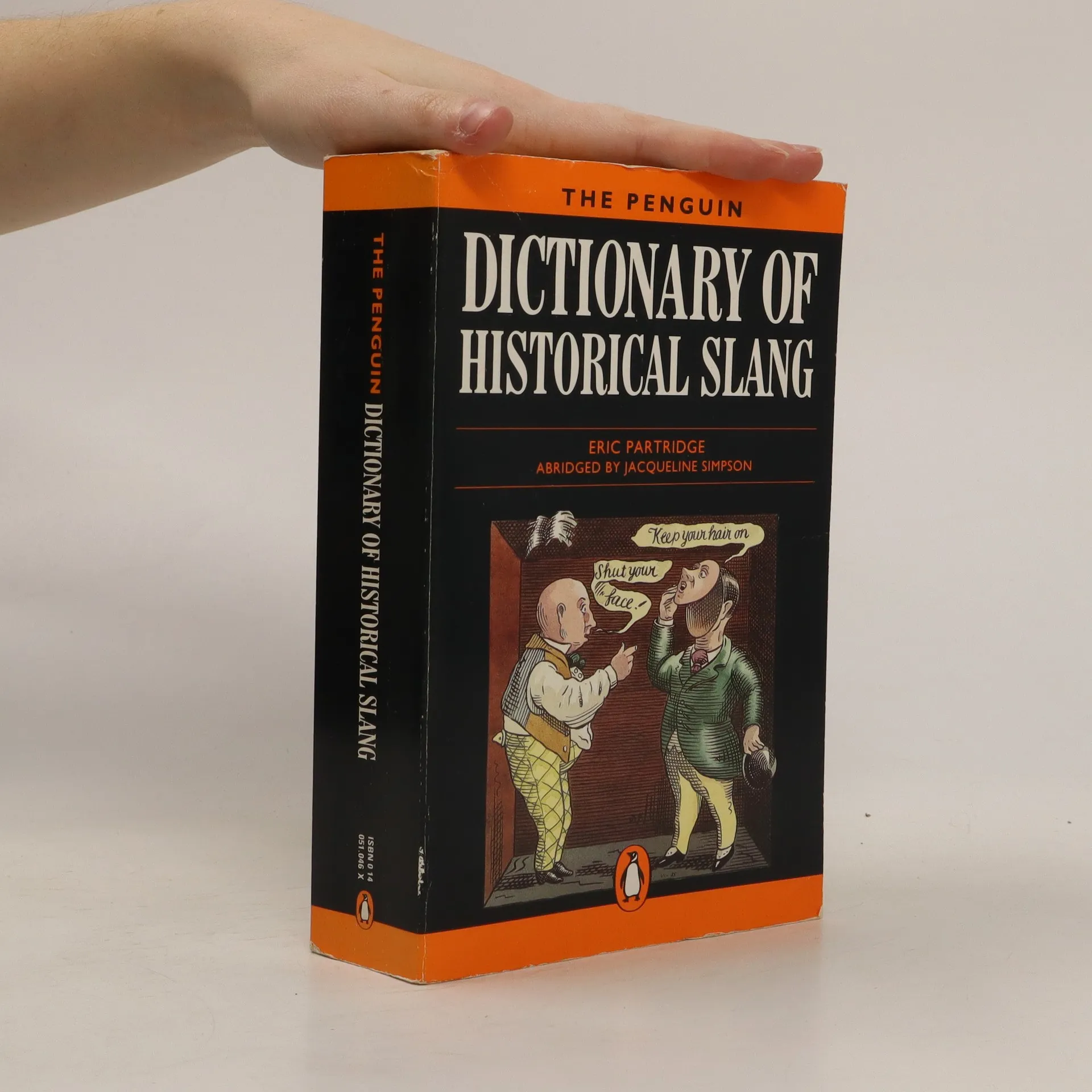
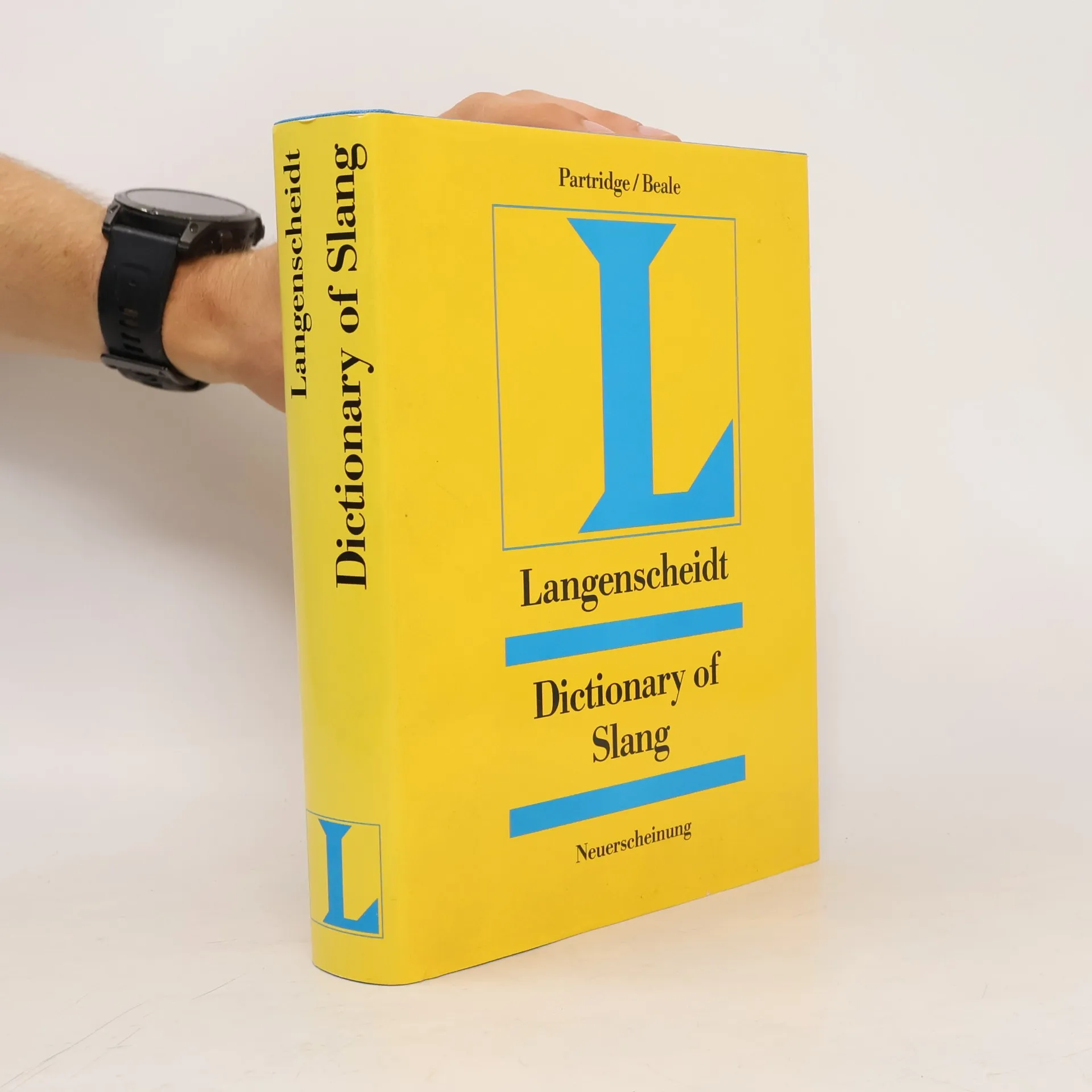
For over fifty years the name of Eric Partridge has been synonymous with slang in the English language. This edition, based on his famous volume, makes it fully relevant to the language of today.
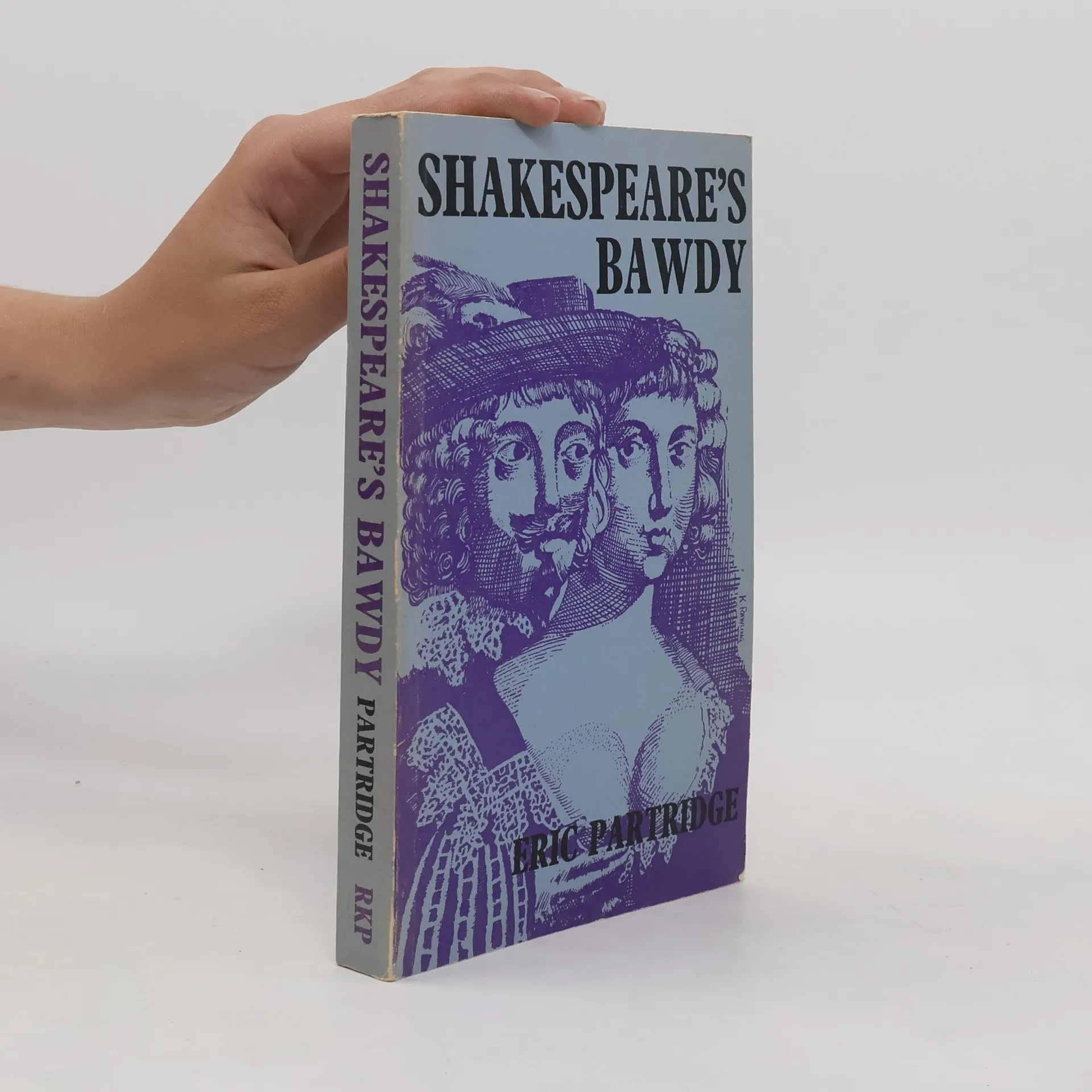
Shakespeare's Bawdy
- 304 pages
- 11 hours of reading
Focusing on the intricate sexual and scatological language in Shakespeare's works, this book serves as a comprehensive glossary. It provides alphabetical entries and cross-references, making it an invaluable resource for modern readers seeking to understand the bawdy elements in Shakespeare's plays and poetry.
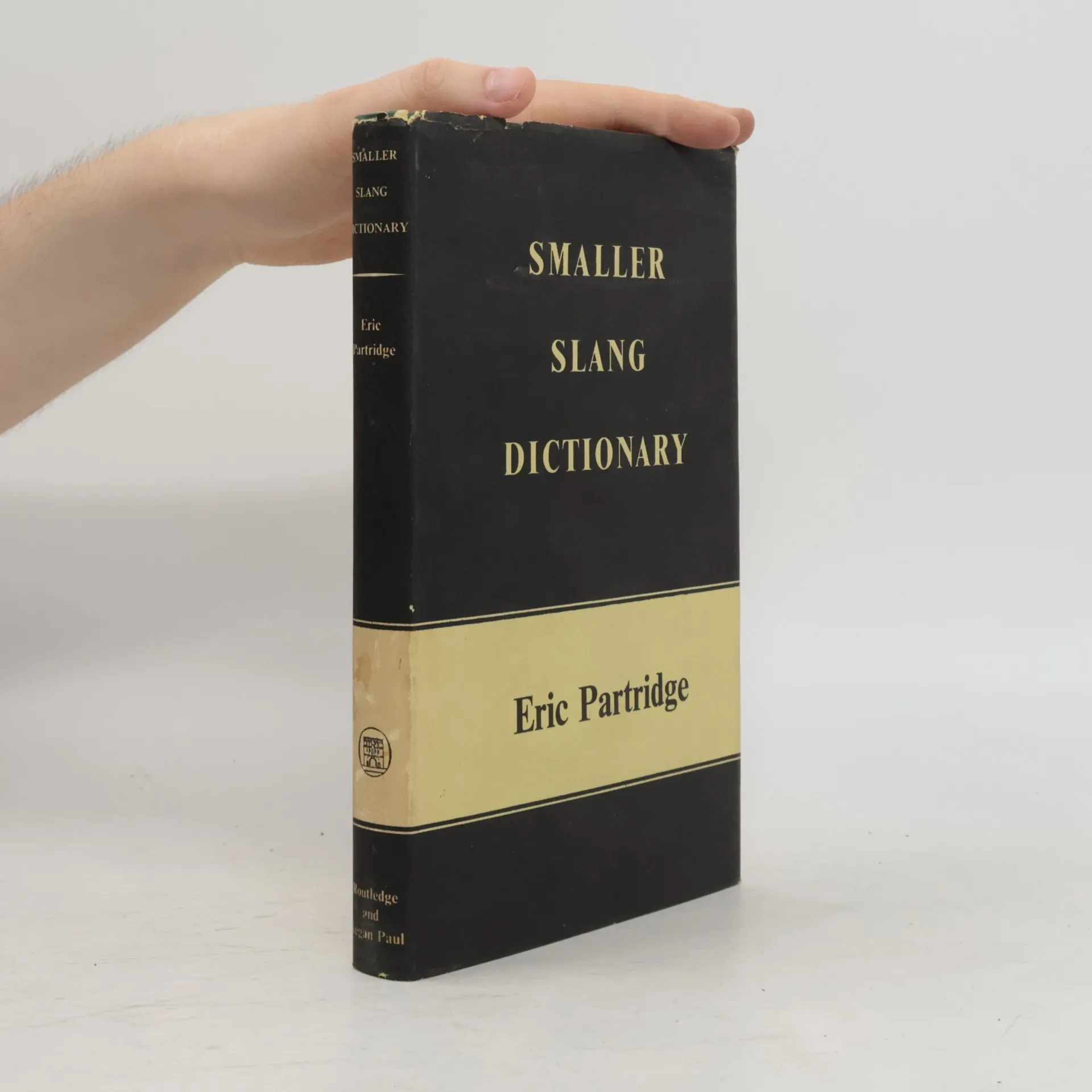
Smaller Slang Dictionary
- 204 pages
- 8 hours of reading
This Smaller Slang Dictionary has been written for the general public. Though it includes important survivals from earlier periods, it deals mainly with the slang of the twentieth century, and, in the author's words, 'although not intransigently puritanical, it can go into any home without causing embarrassment, and into any school without corrupting good manners or vitiating good taste among either the teachers or the taught.' Underworld vocabulary, because specialized, is omitted, but naturalized Americanisms, service slang and the catch phrase are all covered.
Which is to be preferred - 'nom de plume', 'pseudonym', or 'pen-name'? What are neologisms, disguised conjunctions, and fused participles? How should one set about writing a précis? More generally, where does usage end and abusage begin? Language is everybody's business, and enters into almost every part of human life. Yet it is all too often misused: directness and clarity disappear in a whirl of clichés, euphemisms, and woolliness of expression. This book wittily attacks linguistic abusage of all kinds, and at the same time offers constructive advice on the proper use of English.
Pocket Guide to English Usage
- 400 pages
- 14 hours of reading
Points out common errors in the way we write and shows us how to correct them. Gives many examples of linguistic abuse, showing how and where to avoid it Provides definitions of terms such as ambiguity, irony, metaphor and jargon Explains complexgrammatical terms such as disguised conjunctions and fused participles Demonstrates how to use punctuation and grammar to ensure clarity Offers constructive advice on the proper use of English