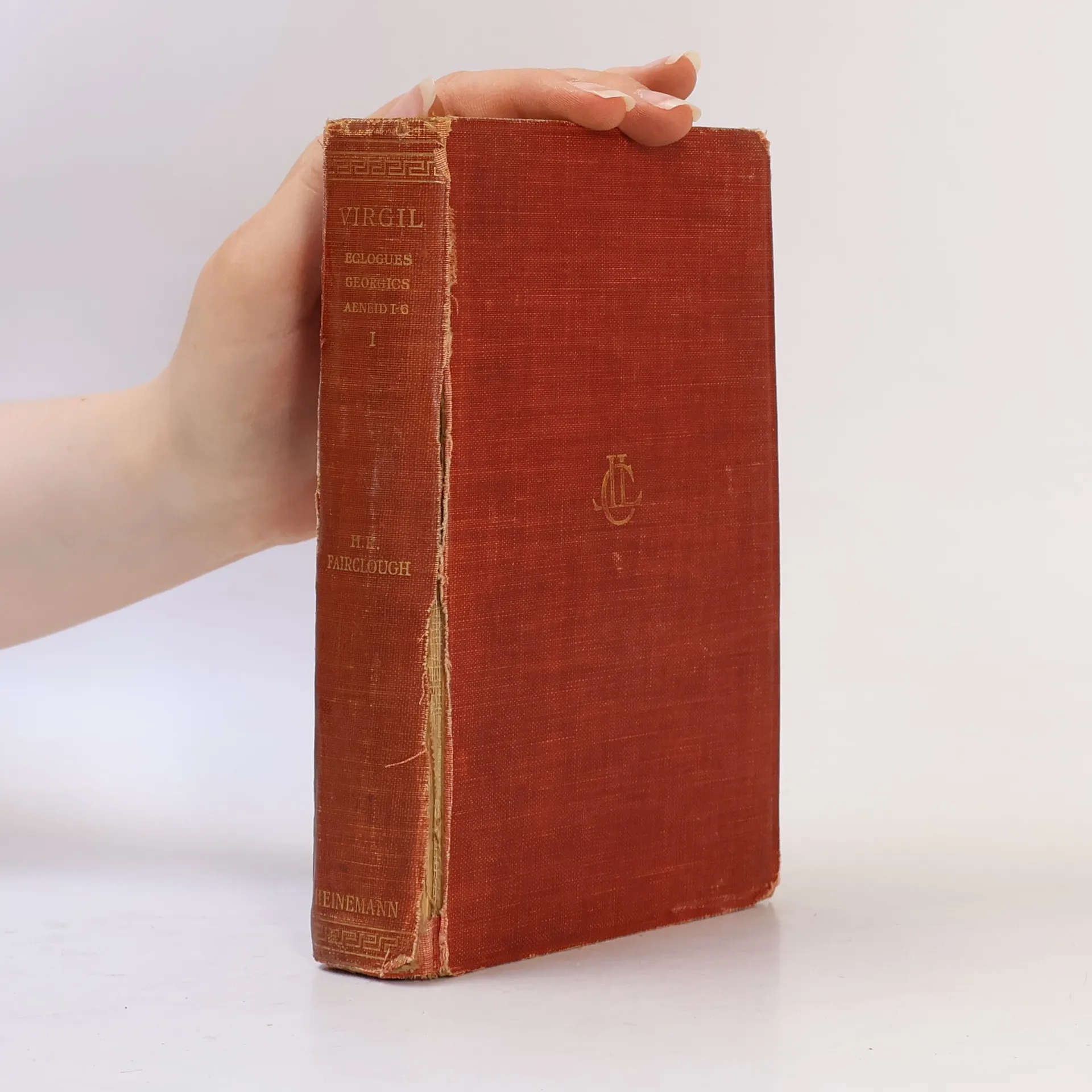
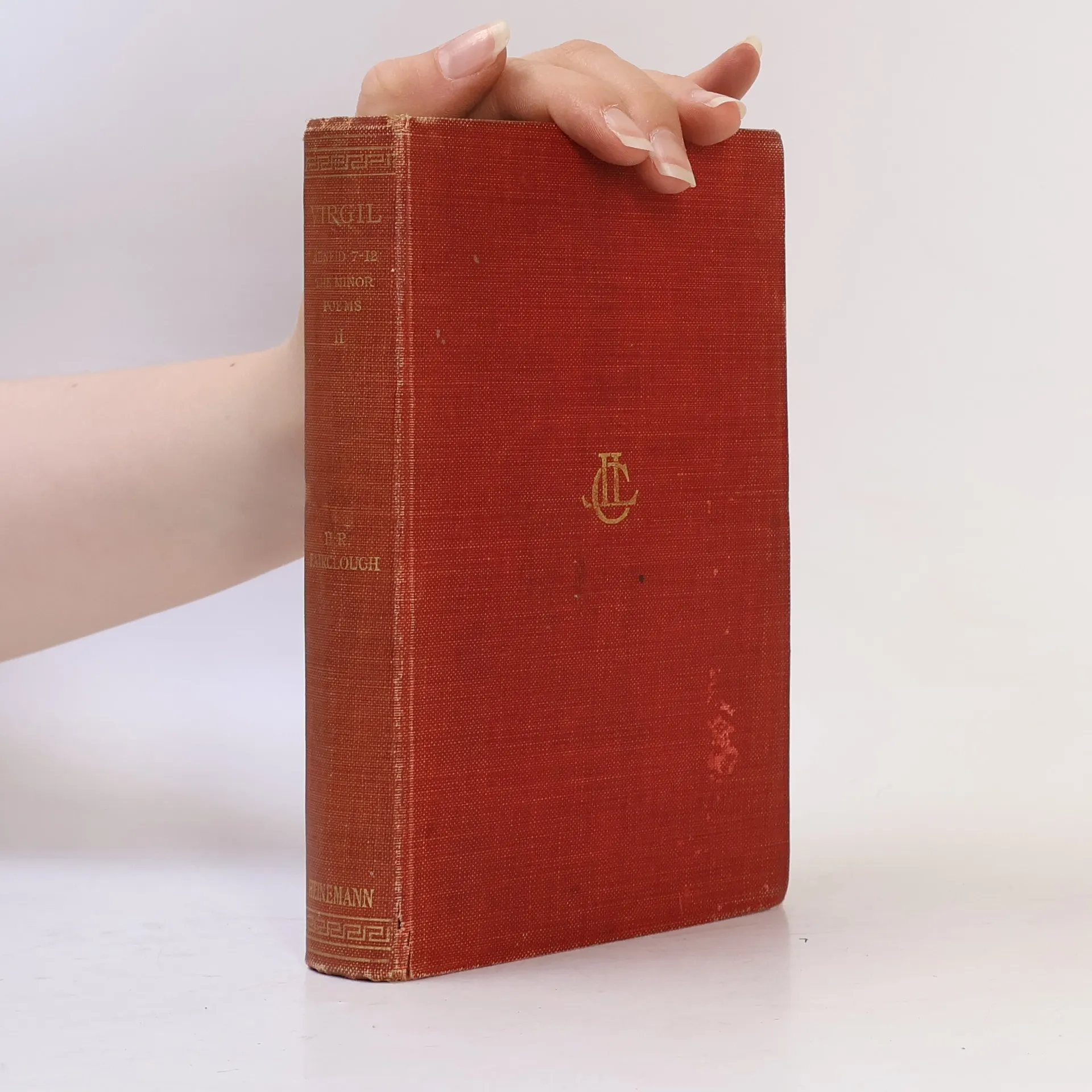
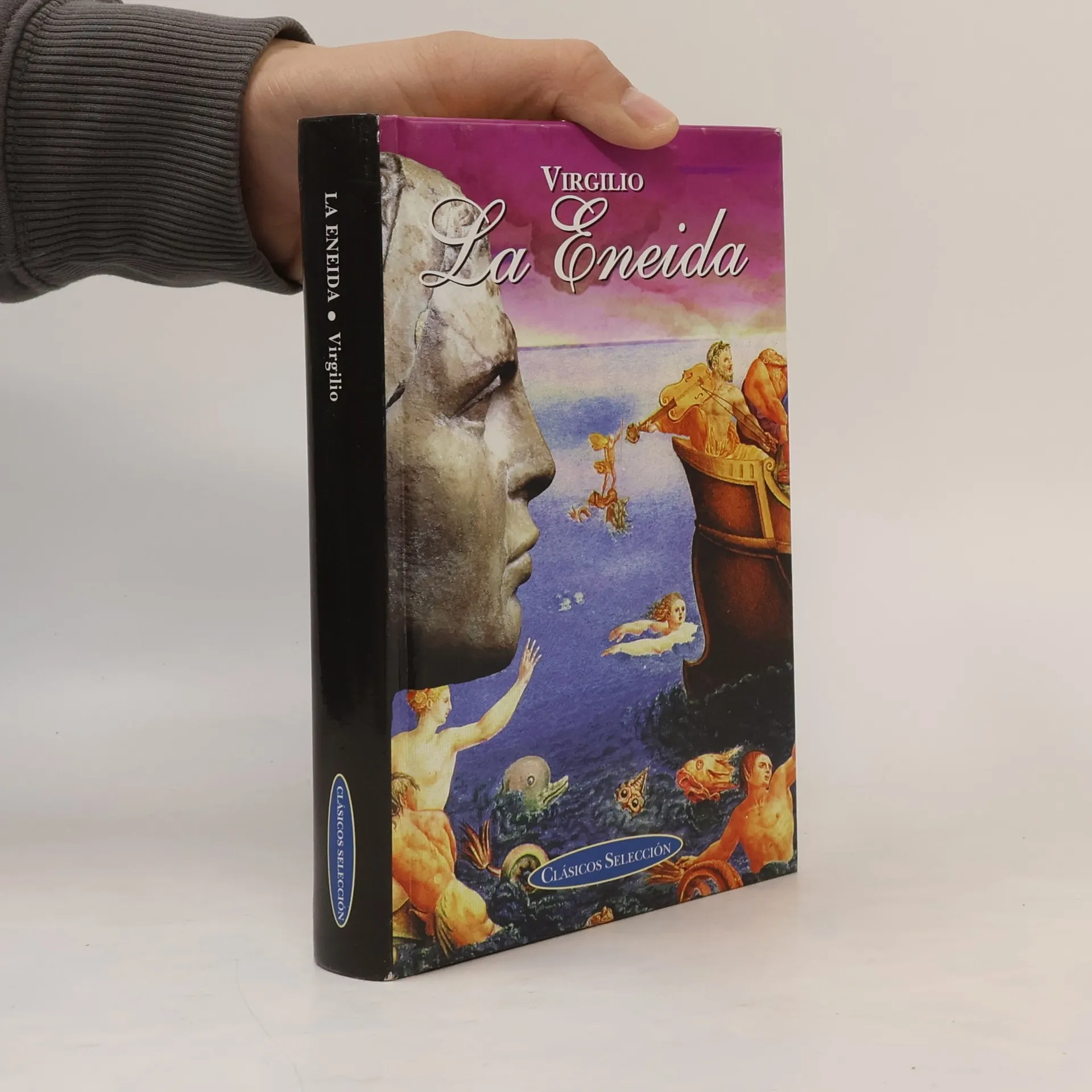
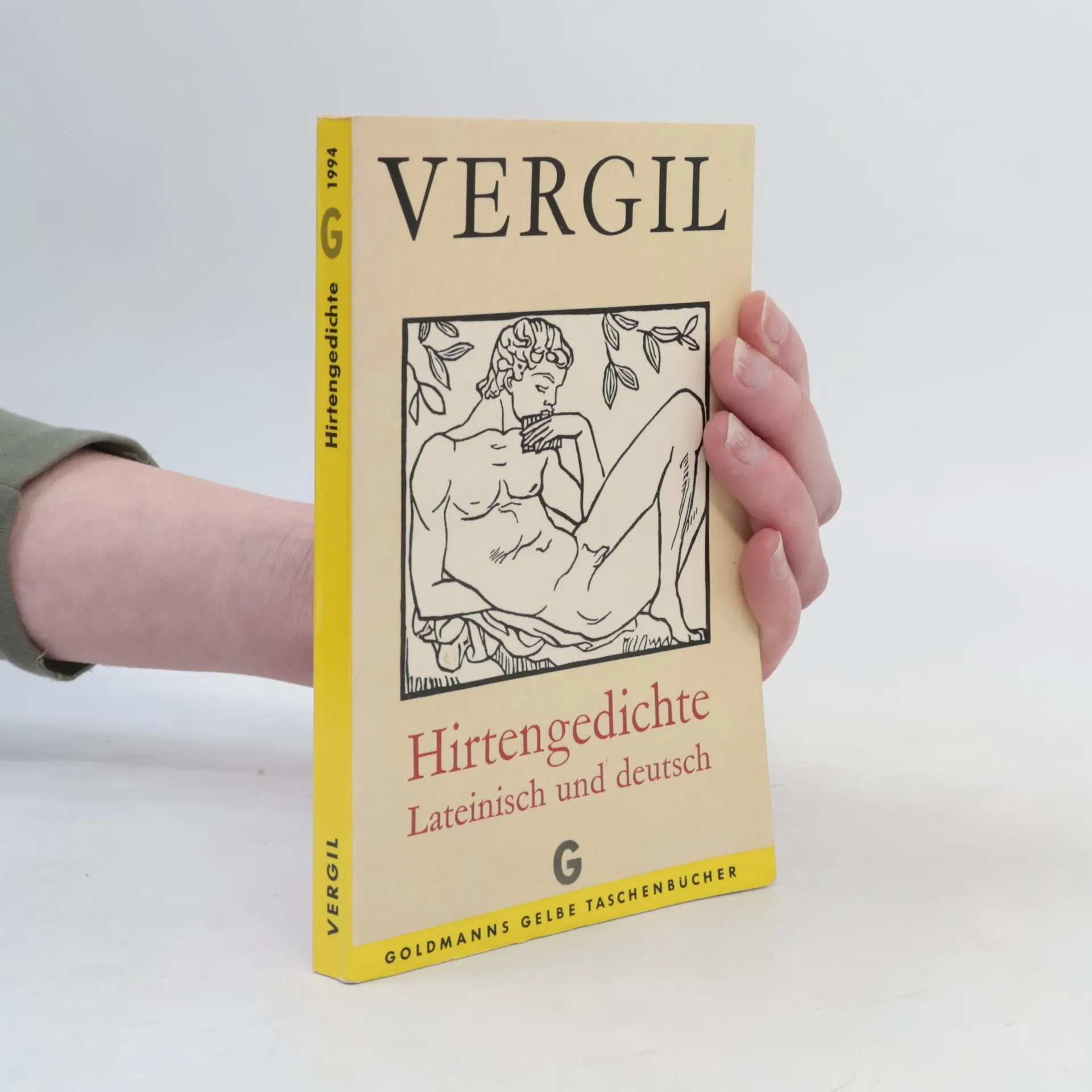
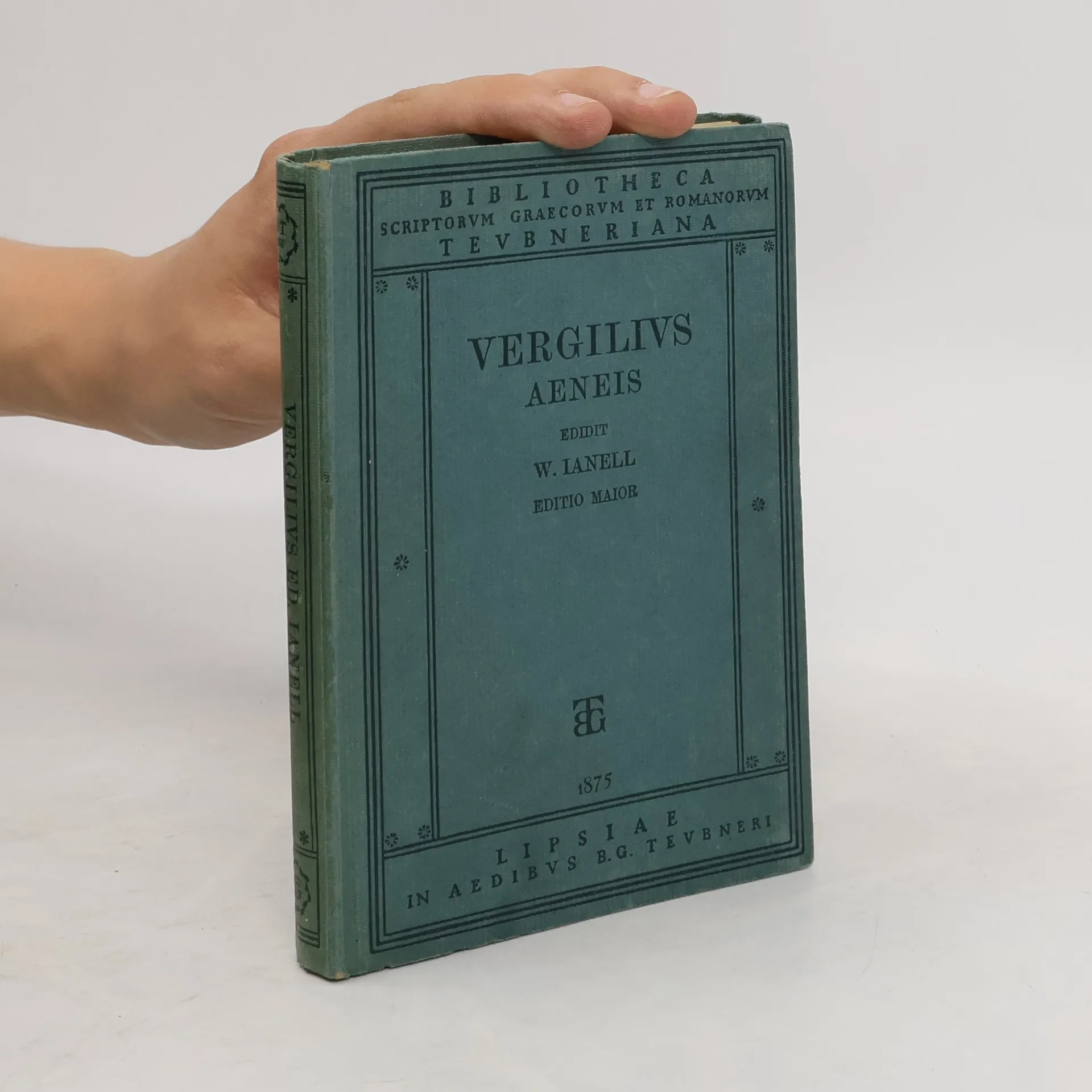
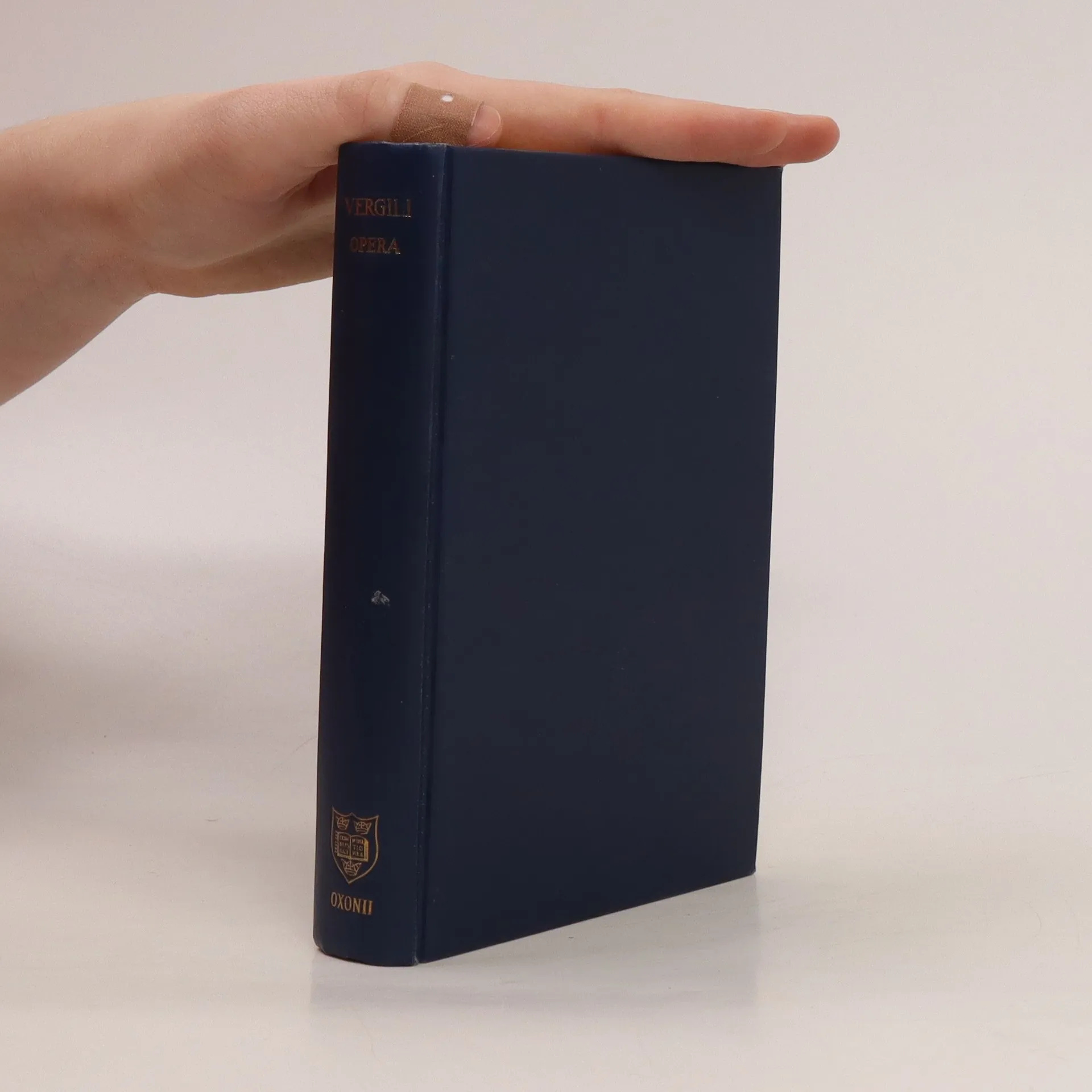
Publius Vergilius Maro Books

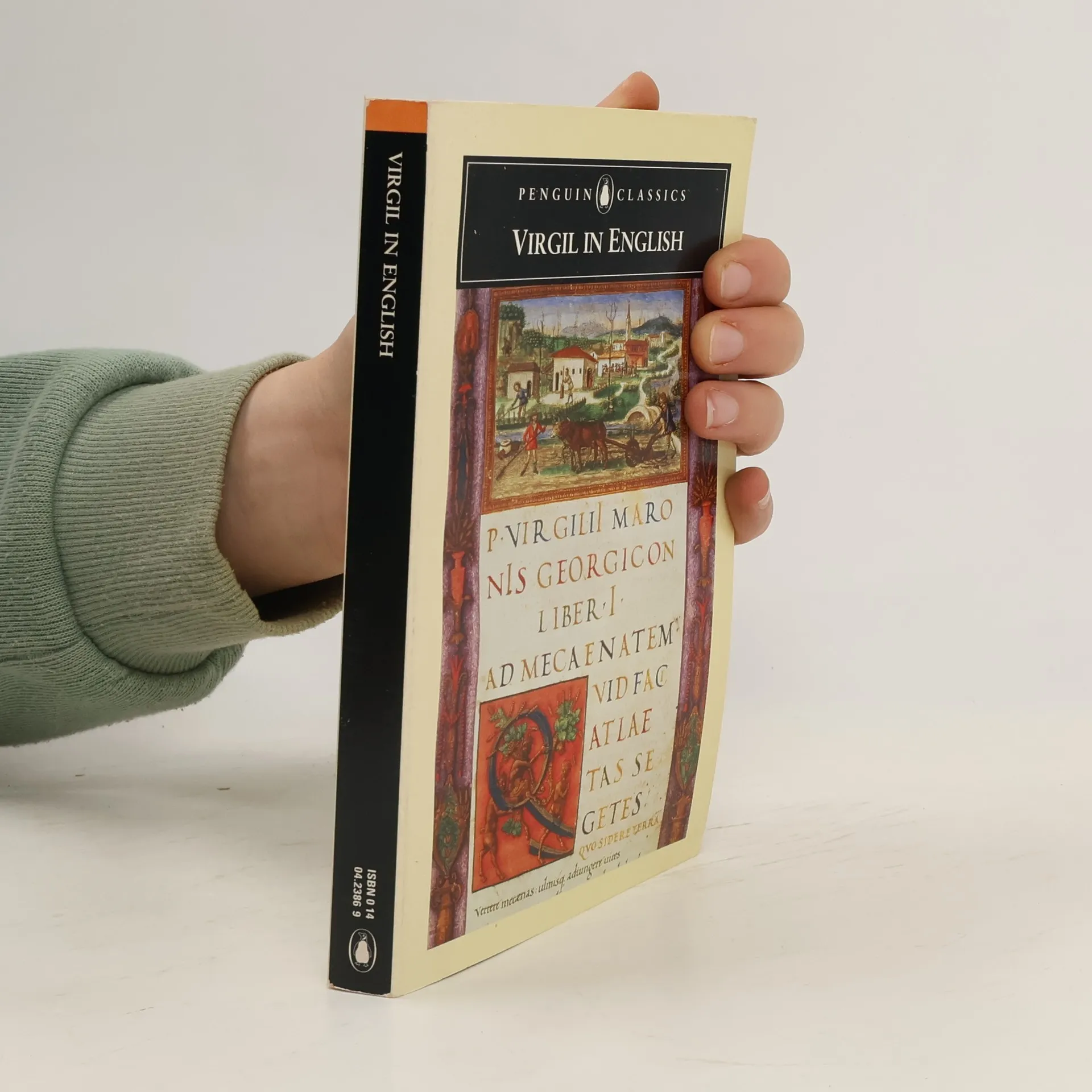


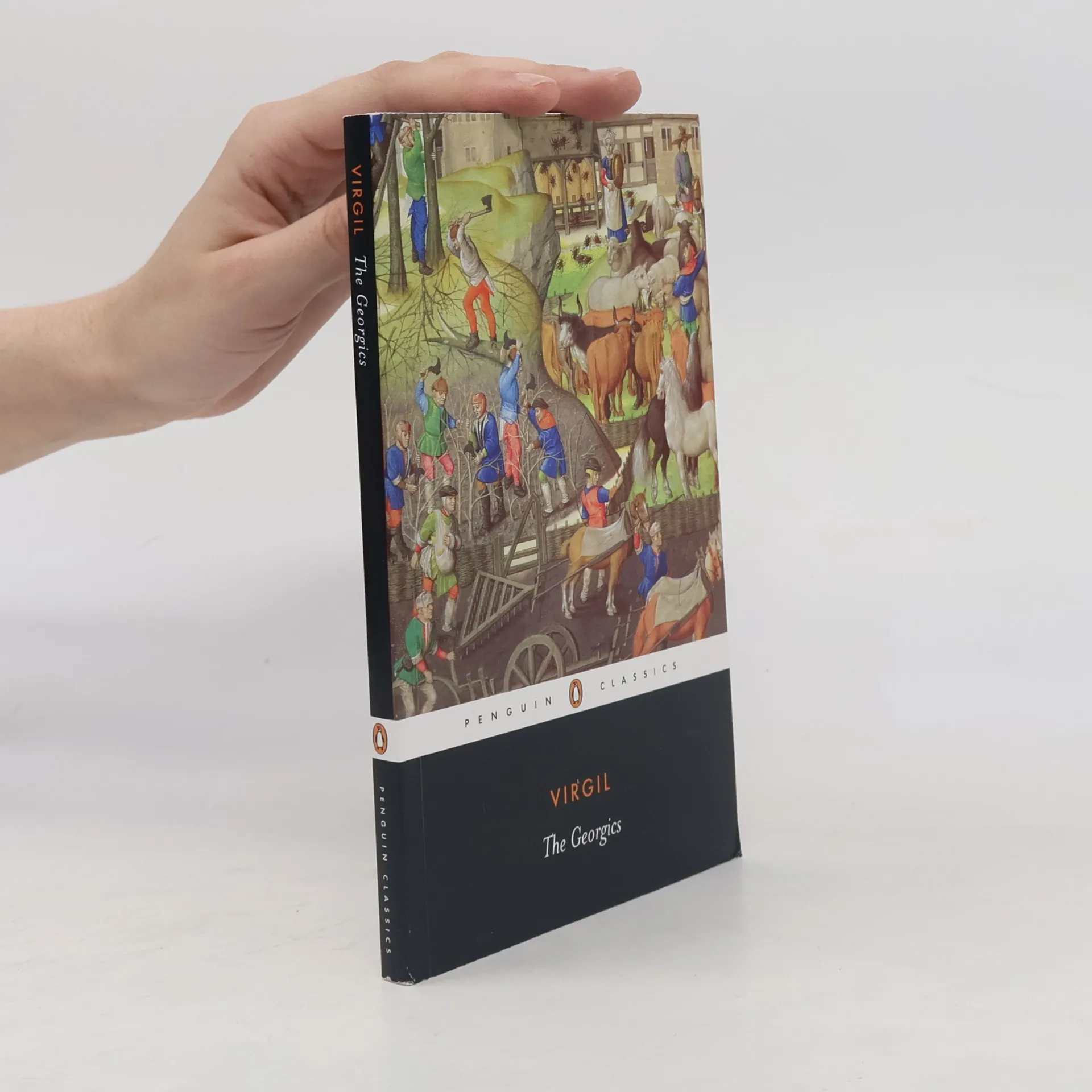
The Georgics
- 160 pages
- 6 hours of reading
A eulogy to Italy as the temperate land of perpetual spring, and a celebration of the values of rustic piety.
The Aeneid
- 416 pages
- 15 hours of reading
Takes up the tale of Aeneas near the point where Homer's Illiad had left him. Urged by the gods to fulfill hsi destiny, Aeneas leads the dispossessed survivors of Troy through countless trials and adventures, and visits they underworld before his final defeat of the indigenous Italian tribes, led by Turnus, enables him to establish a new kingdom in central Italy
The Eclogues
- 42 pages
- 2 hours of reading
Set against a backdrop of civil unrest and conflict, the Eclogues present a poignant exploration of crisis through the voices of two farmers. The dialogue reveals deep concerns about alienation and the impact of violence on rural life. Themes of change, displacement, and environmental devastation permeate the poems, reflecting the harsh realities faced by the community during turbulent times. Virgil's work captures the emotional and social turmoil of an era marked by strife, offering a powerful commentary on human suffering and resilience.
Eclogues and Georgics
- 260 pages
- 10 hours of reading
Focusing on the musicality of language, this translation of Vergil's Eclogues and Georgics captures the essence of Latin poetry as both written and performative art. James Bradley Wells blends creative practice with a deep understanding of contemporary poetry and classical antiquity, offering a fresh perspective on these early works of ancient Rome's renowned poet. His approach emphasizes the original spirit of Vergil's poetry, making it accessible and resonant for modern readers.
For T. S. Eliot, Virgil was not merely one of the great masters but 'our classic, the classic of all Europe'. Perhaps no other writer has generated a longer and larger tradition of commentary, translation and imitation.From Chaucer to W. H. Auden and Robert Lowell, Virgil is a defining presence in English poetry. The Eclogues and Georgics inspired the pastorals of Spenser, Milton and Pope; the Aeneid's pathos, spiritual insights and long-suffering hero - who struggles with doubt, despair and the loss of everything he loves to found the Roman race - made it the model epic. Dryden's complete Virgil in heroic couplets sums up the supersedes his predecessors, yet later translators include Wordsworth, William Morris, Robert Bridges and Cecil Day Lewis. This selection consists largely of extracts from straight translations, along with a number of pieces illustrating Virgil's influence; celebrated episodes like the death of Dido and Aeneas's descent into the underworld appear in several different versions.
Penguin Great Loves: Doomed Love
- 130 pages
- 5 hours of reading
Love can be hopelessFrom the fall of Troy to the deadly Harpies, Aeneas’ epic voyage is filled with tragedy, destruction and omens of danger. As he recounts his adventures to Dido, who gives him sanctuary, they fall in love. But the Gods intervene and Aeneas realizes their relationship cannot last.
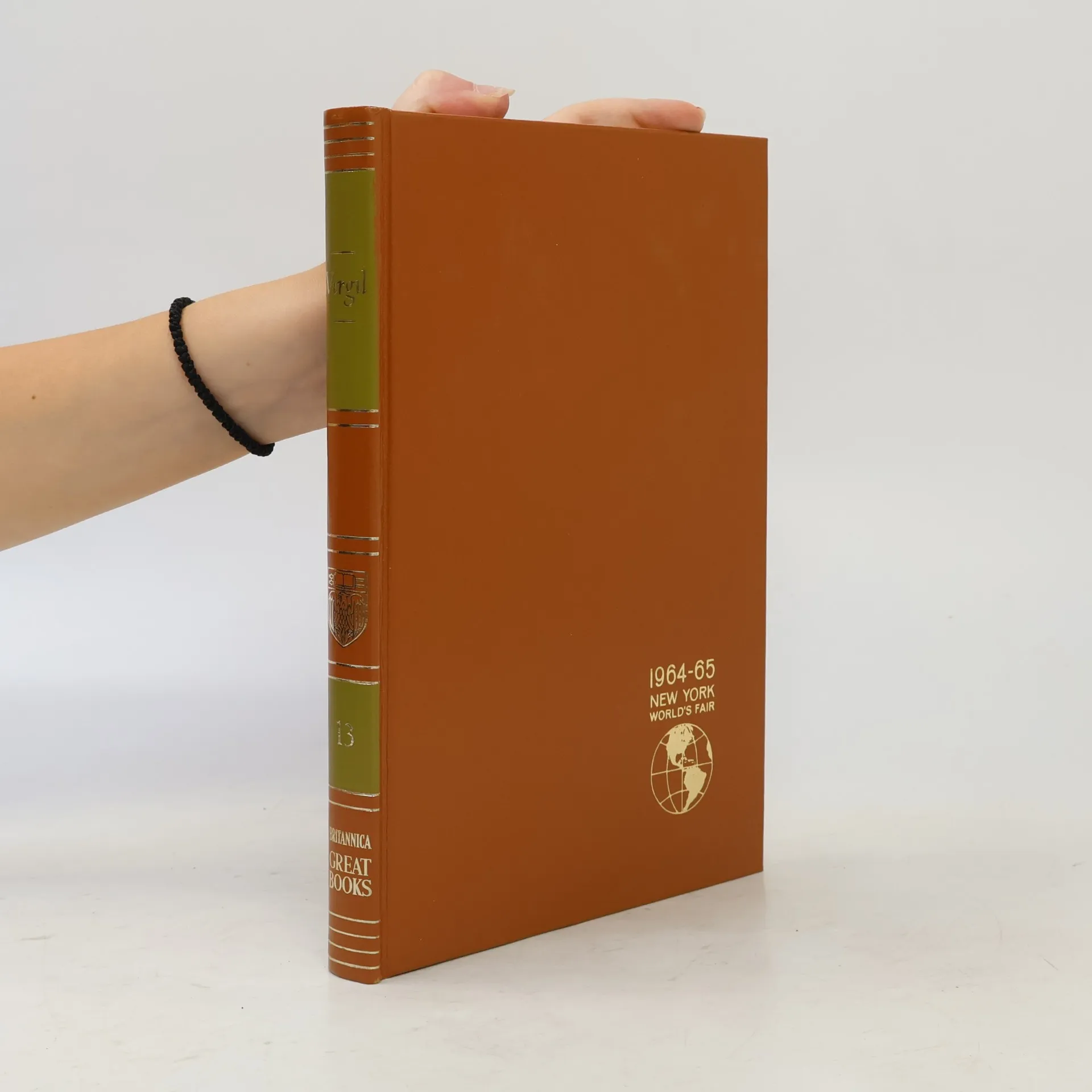
Great Books of the Western World 13: Virgil
1964-65 New York World's Fair
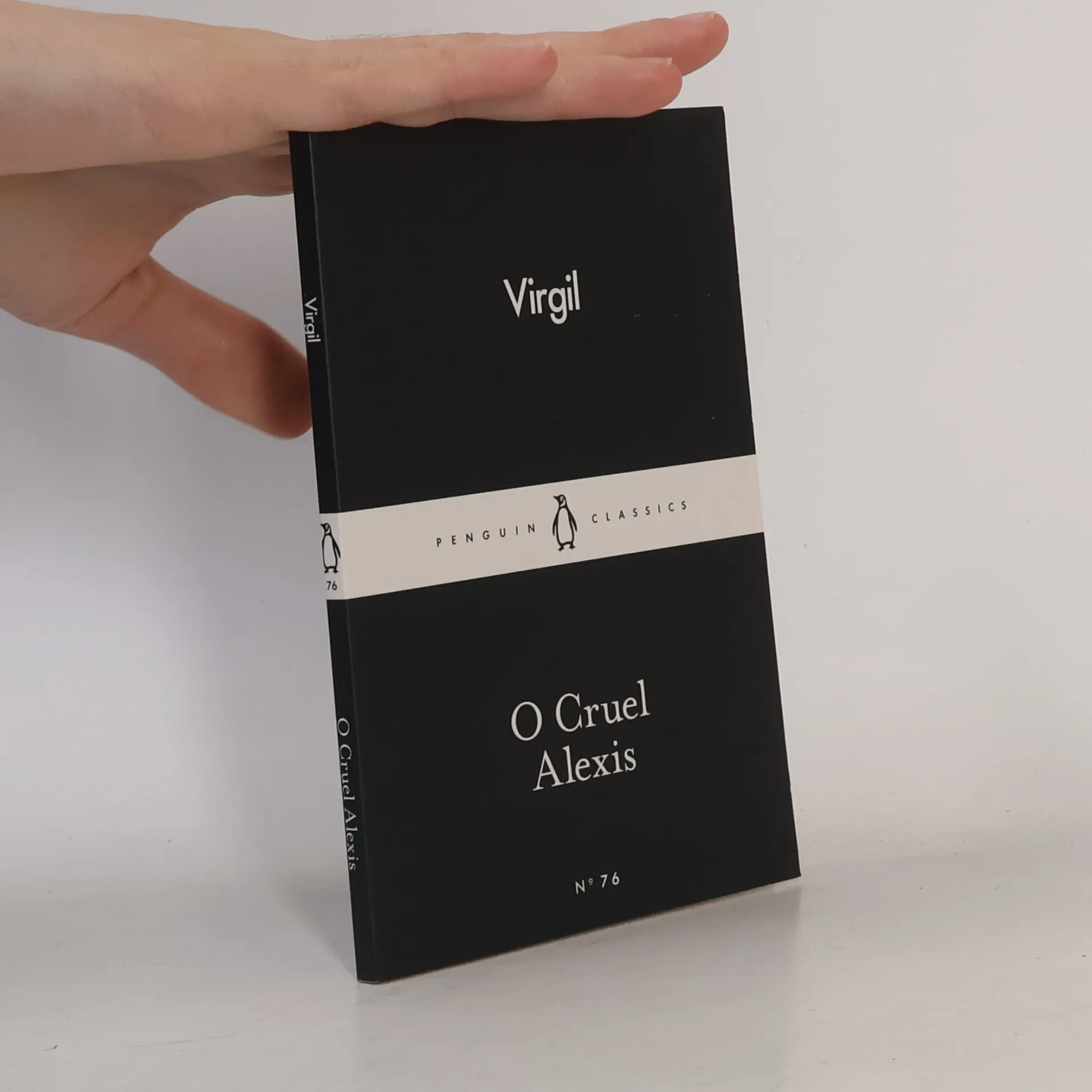
O Cruel Alexis
- 64 pages
- 3 hours of reading
'But I, while vineyards ring with the cicadas' scream, Retrace your steps, alone, beneath the burning sun.' Virgil's lyrical, wistful and often witty pastoral poems. Introducing Little Black Classics: 80 books for Penguin's 80th birthday. Little Black Classics celebrate the huge range and diversity of Penguin Classics, with books from around the world and across many centuries. They take us from a balloon ride over Victorian London to a garden of blossom in Japan, from Tierra del Fuego to 16th-century California and the Russian steppe. Here are stories lyrical and savage; poems epic and intimate; essays satirical and inspirational; and ideas that have shaped the lives of millions. Publius Vergilius Maro (70-19 BCE). Virgil's other works available in Penguin Classics are The Aeneid, The Eclogues and The Georgics.
Frederick Ahl's new translation captures the excitement, poetic energy, and intellectual force of Virgil's epic poem in a way that has never been done before. Echoing the Virgilian hexameter the verse stays almost line for line with the original in a thrillingly accurate and engaging style.
Oxford World's Classics: The Aeneid
- 450 pages
- 16 hours of reading
This translation captures the excitement, poetic energy, and intellectual force of Virgil's epic poem, 'The Aeneid'.
The Iliad. The Odyssey. The Aeneid
- 3 volumes
- 1648 pages
- 58 hours of reading
A glorious boxed set featuring Robert Fagles's award-winning translations of the three great epics of Western literature ONE OF THE PREEMINENT translators of our time, Robert Fagles's interpretations of these epic poems give new life to three seminal works in the Western canon. The Penguin Classic Deluxe Editions of The Iliad, The Odyssey, and The Aeneid are collected here for the first time in a specially designed gift box. Each volume contains a superb introduction by renowned classicist Bernard Knox.
Aeneis, Lateinisch/Deutsch. Tl.9/10
- 255 pages
- 9 hours of reading
Das lateinische Epos »Aeneis« erzählt vom Fall Troias nach zehnjähriger Belagerung durch die Griechen sowie von den abenteuerlichen Irrfahrten des Troianers Aeneas bis zu seiner Landung an der Westküste Italiens und seinem Sieg über den einheimischen Fürsten Turnus. Es wurde zum Nationalepos der Römer und übte nach Ende des Römischen Reiches starken Einfluss auf die europäische Literatur- und Geistesgeschichte aus. Preisgünstige einsprachige Ausgabe der ausführlich kommentierten Übersetzung von Edith und Gerhard Binder. Mit einem Verzeichnis der Eigennamen, Stammbaum der Iulier sowie reichem Kartenmaterial.
Aeneis, Lateinisch/Deutsch. Tl.7/8
- 251 pages
- 9 hours of reading
Kort tid etter at han var ferdig med Georgica , begynte Vergil å skrive på sitt viktigste verk, et mystisk-heroisk epos som skulle konkurrere med Iliaden og Odysseen og som skulle være en hyllest til det romerske folk og dets hersker Augustus. Verket strekker seg over tolv bøker, og forteller om hvordan den trojanske helten Aineias klarer å flykte fra det falne Troja, om hans begivenhetsrike reiser på havet, og hvordan han ledes av gudene til Italia hvor han etter hvert slår seg til sammen med sine trojanske landsmenn. Romerne likte å tro at de var disse trojanernes etterkommere. Vergil døde før han fikk fullført Æneiden , og ba derfor på sitt dødsleie sine venner om å brenne verkets manuskripter. Heldigvis fulgte de ikke hans befaling. Flere av verselinjene i Æneiden er ikke skrevet ferdig. At ingen falt for fristelsen til å fullføre disse linjene, viser hvor stor autoritet Vergil hadde allerede i sin samtid.
Mythos Orpheus
- 291 pages
- 11 hours of reading
Orpheus: der erste Sänger, der Erfinder der Musik, der in der Trauer über den Tod Eurydikes die Kraft findet, die Götter der Unterwelt herauszufordern – und scheitert. Wie ist sein Gang in die Unterwelt erzählt worden? Wie wurde sein verbotener Blick zurück verstanden? Was bedeutet sein Tod? Der erste, der sich in ihm erkannt hat, war Vergil, Ovid berichtet von ihm in seinen »Metamorphosen«; die Kirchenväter sahen Christus in ihm, einen Überwinder des Todes. Bis in die Gegenwart ist der Mythos von Orpheus ein Bild für den Künstler schlechthin. Und schließlich haben Autorinnen begonnen, von Eurydike zu erzählen …
Eneida
- 460 pages
- 17 hours of reading
Básnik nám v Eneide podáva v ucelenej podobe počiatky a vývoj rímskeho národa, ktorý sa začína Aeneovým útekom z Tróje a jeho putovaním po Stredozemí až do krajov Itálie obývaných Latinmi, kde musí zvádzať ďalšie boje o existenciu a novú budúcnosť svoju a svojho národa. Eneida patrila od svojho vzniku k vrcholom rímskeho epického básnictva.
Texto en latín, con vocabulario y notas en inglés.
Ilíada. Odisea. Eneida
- 232 pages
- 9 hours of reading
Las historias de este libro están forjadas en una época en la que la guerra constituía una forma de vida y los héroes representaban el ideal al que todos aspiraban. Estos relatos hablan de compañerismo, de sacrificio o de la soledad de los personajes ante su destino. Aunque el mundo de hoy sea muy diferente, los problemas de los protagonistas de Homero y de Virgilio son también los de los lectores actuales. Y, aunque los dioses de griegos y romanos no estén aquí para ayudar o castigar a los seres humanos, sabemos que la vida es un viaje tan rico en aventuras como el del héroe Ulises, una travesía en la que lo importante no es adónde se llega, sino lo que se vive durante el camino. Published 2022-05-20
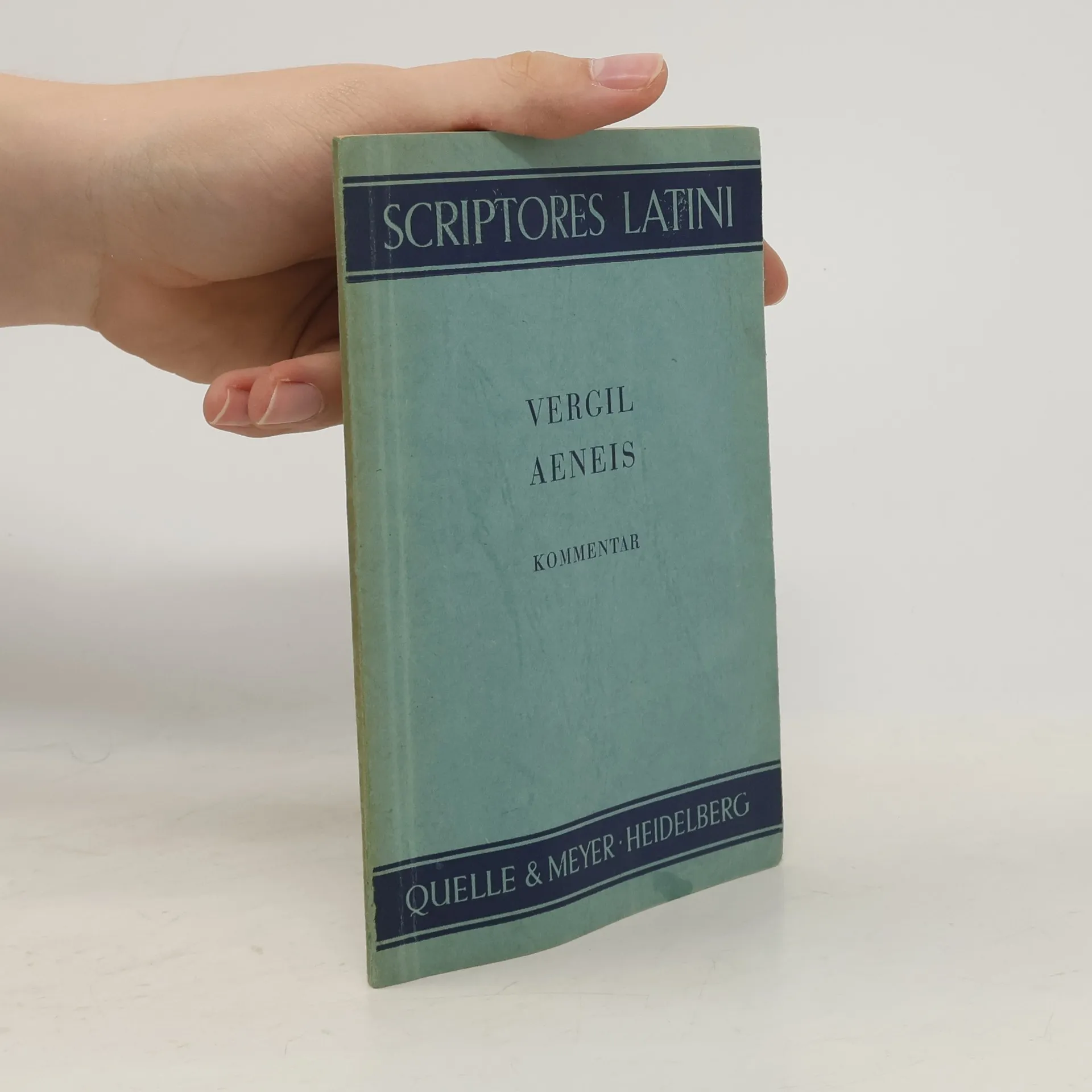
Aeneis
Kommentar
Aeneis
12 Gesänge
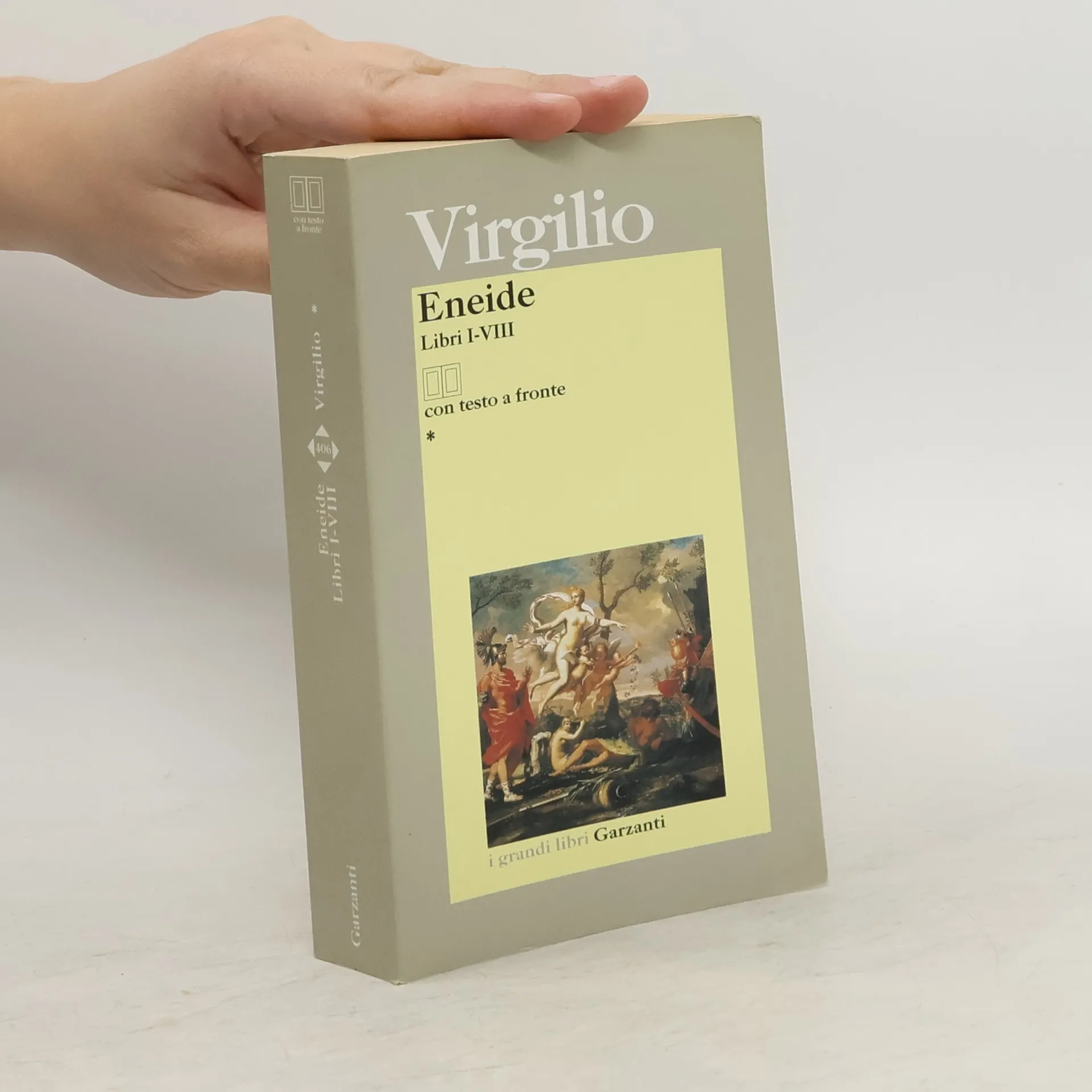
Eneide, Libri I-VIII
- 807 pages
- 29 hours of reading
La eneida
- 127 pages
- 5 hours of reading
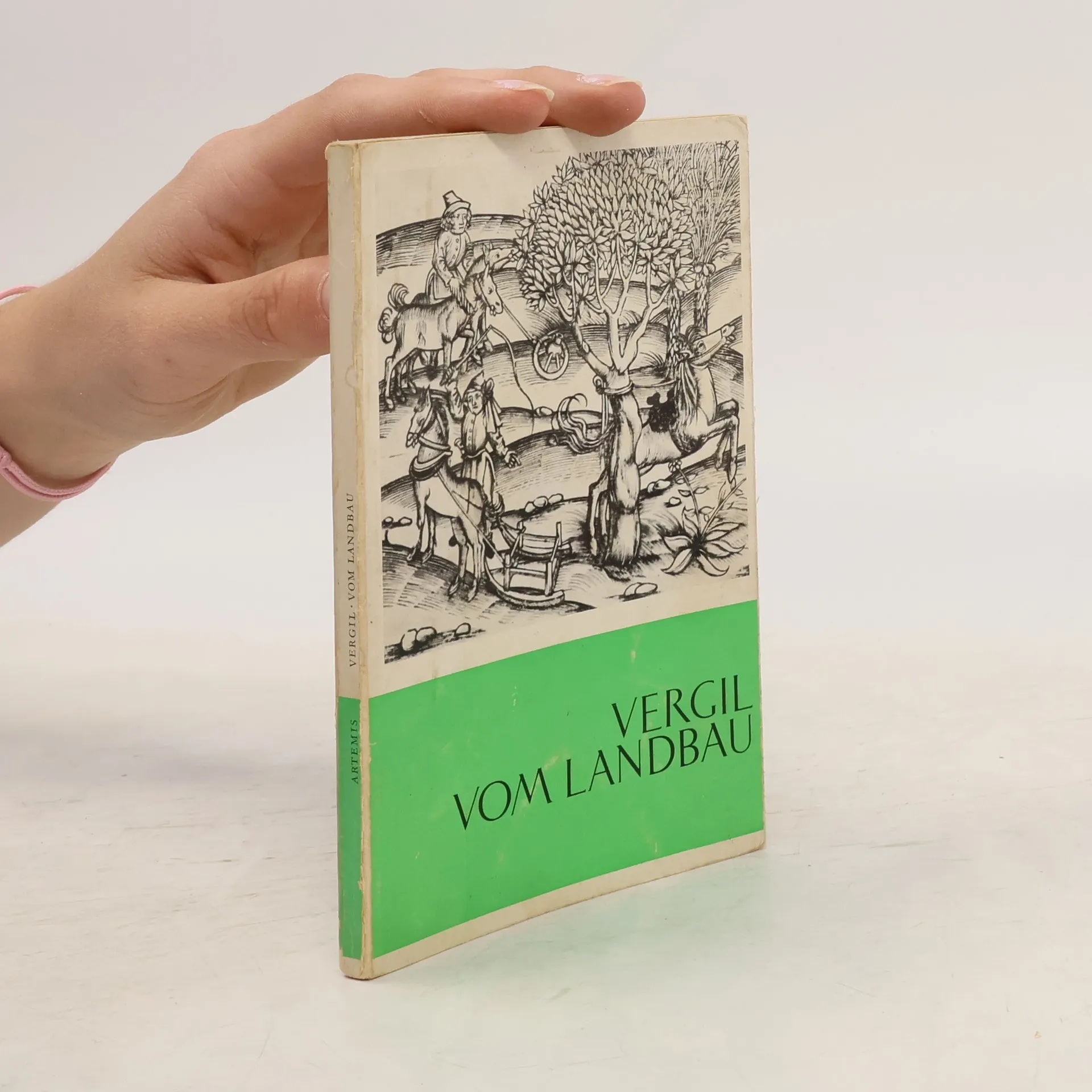
Landleben
Catalepton, Bucolica, Georgica
Буколики. оды
- 908 pages
- 32 hours of reading
Bucolica, Georgica, Aenei͏̈s in Auswahl
- 256 pages
- 9 hours of reading
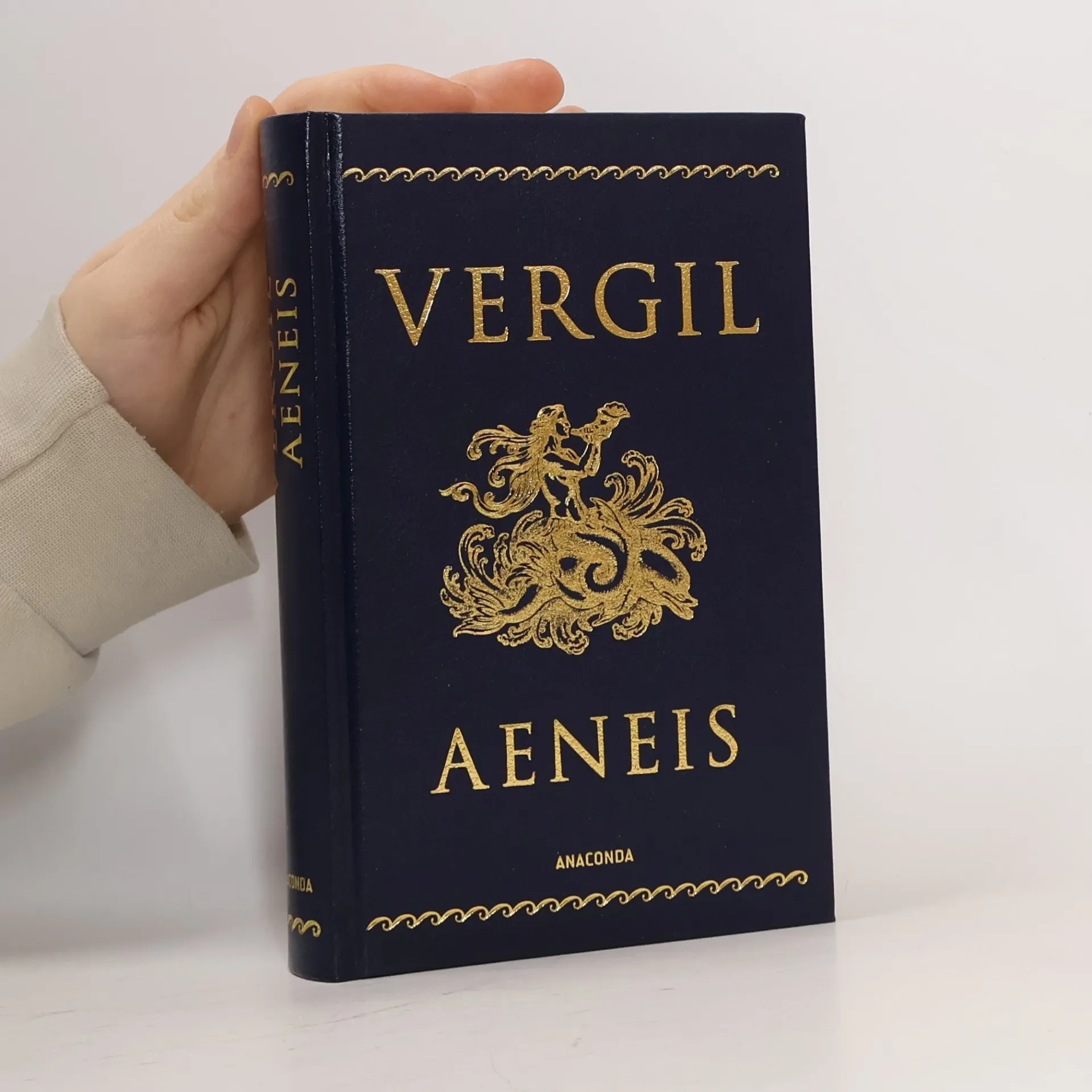
Aeneis
Klassisch gebunden in Cabra-Leder, mit Goldprägung
Die Geschichte der Irrfahrten des Aeneas bis zu dessen Ankunft in Latium galt lange als das Nationalepos der Römer, als Gründungsmythos des römischen Volkes und bis in die Neuzeit als Vorbild für wahrhaft große Dichtung. Die 'Aeneis', entstanden gegen Ende des ersten Jahrhunderts v. Chr., ist das bekannteste und das bedeutendste Werk der lateinischen Dichtkunst. Diese Geschenkausgabe erscheint in edlem Cabra-Leder.
Aeneis
Publius Vergilius Maro
Vergils Aeneis ist ein zentrales Werk der lateinischen Literatur und erzählt den Gründungsmythos des Römischen Reiches. Es knüpft an Homers Stil an und bietet trotz seines Versmaßes spannende Lesemomente. Das Epos thematisiert Frieden, Einheit und die römischen Tugenden von Kampf und Milde.
Vergil 2
- 119 pages
- 5 hours of reading
Vergil 1
- 127 pages
- 5 hours of reading
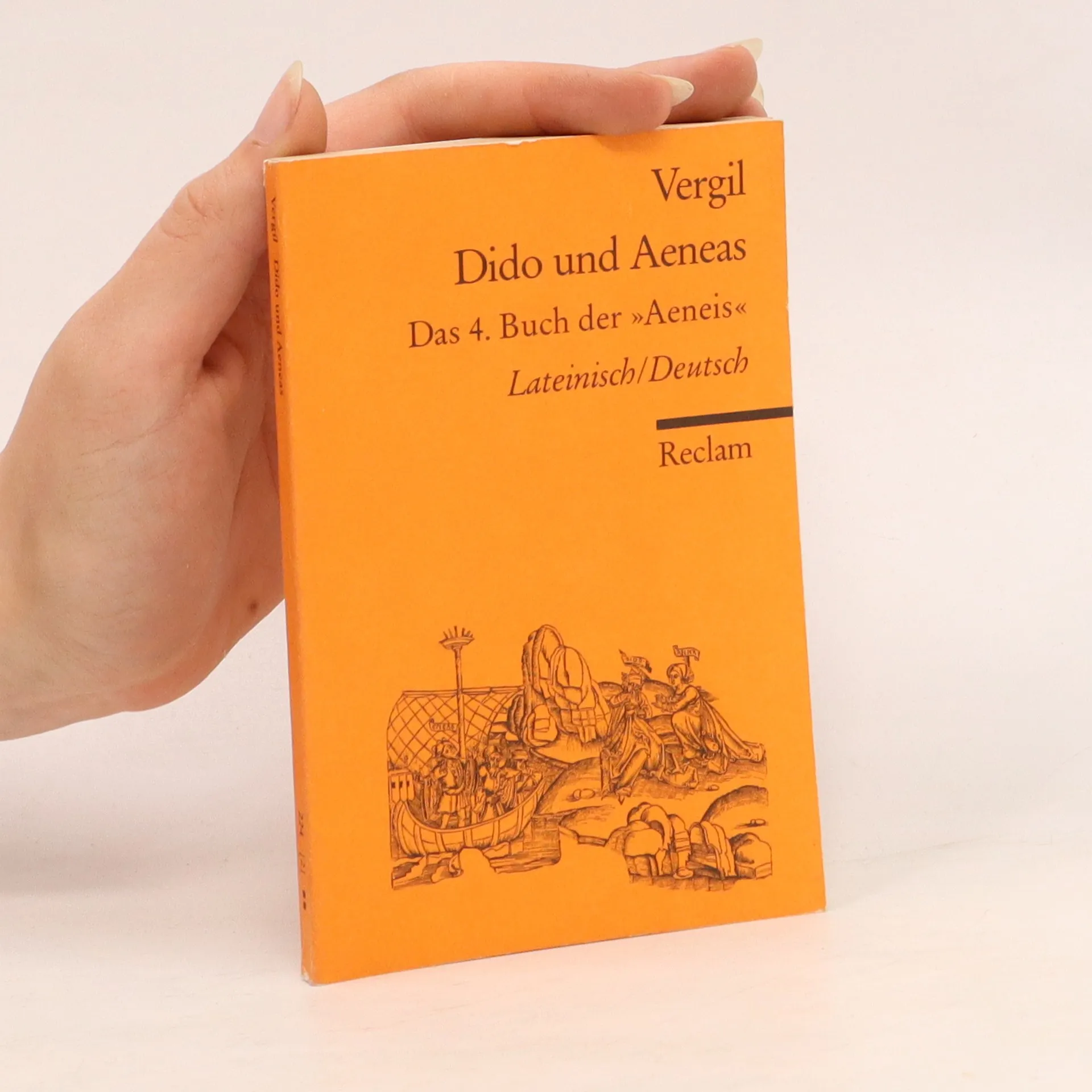
Dido und Aeneas, Latein.-Dtsch.. Das 4. Buch der 'Aeneis'. Übers. u. hrsg. v. Edith u. Gerhard Binder
- 168 pages
- 6 hours of reading
Zweisprachige Ausgabe des 1. Buchs, übersetzt und herausgegeben von Edith und Gerhard Binder. Enthält 16 Abbildungen und umfasst 168 Seiten.
Der Band enthält neu übersetzte Gedichte, die Vergil zugeschrieben werden, jedoch wahrscheinlich nicht von ihm stammen, sowie die bedeutendsten Vergil-Viten. Werke wie der Culex und das Moretum zählen zu den faszinierendsten Texten der römischen Literatur.
Буколики, георгики, энеида. Bukoloki, Georgiki, Ėneida
- 509 pages
- 18 hours of reading
Sämtliche Werke
- 549 pages
- 20 hours of reading
Vergil Sämtliche Werke (Hirtengedichte-Landbau-Katalepton-Aeneis) - bk1486; Heimeran Verlag; Hrg. Johannes & Maria Götte; Paperback; 1972
Landleben
- 881 pages
- 31 hours of reading
Betrifft die Handschriften Codd. 165, 167 und 172 der Burgerbibliothek Bern