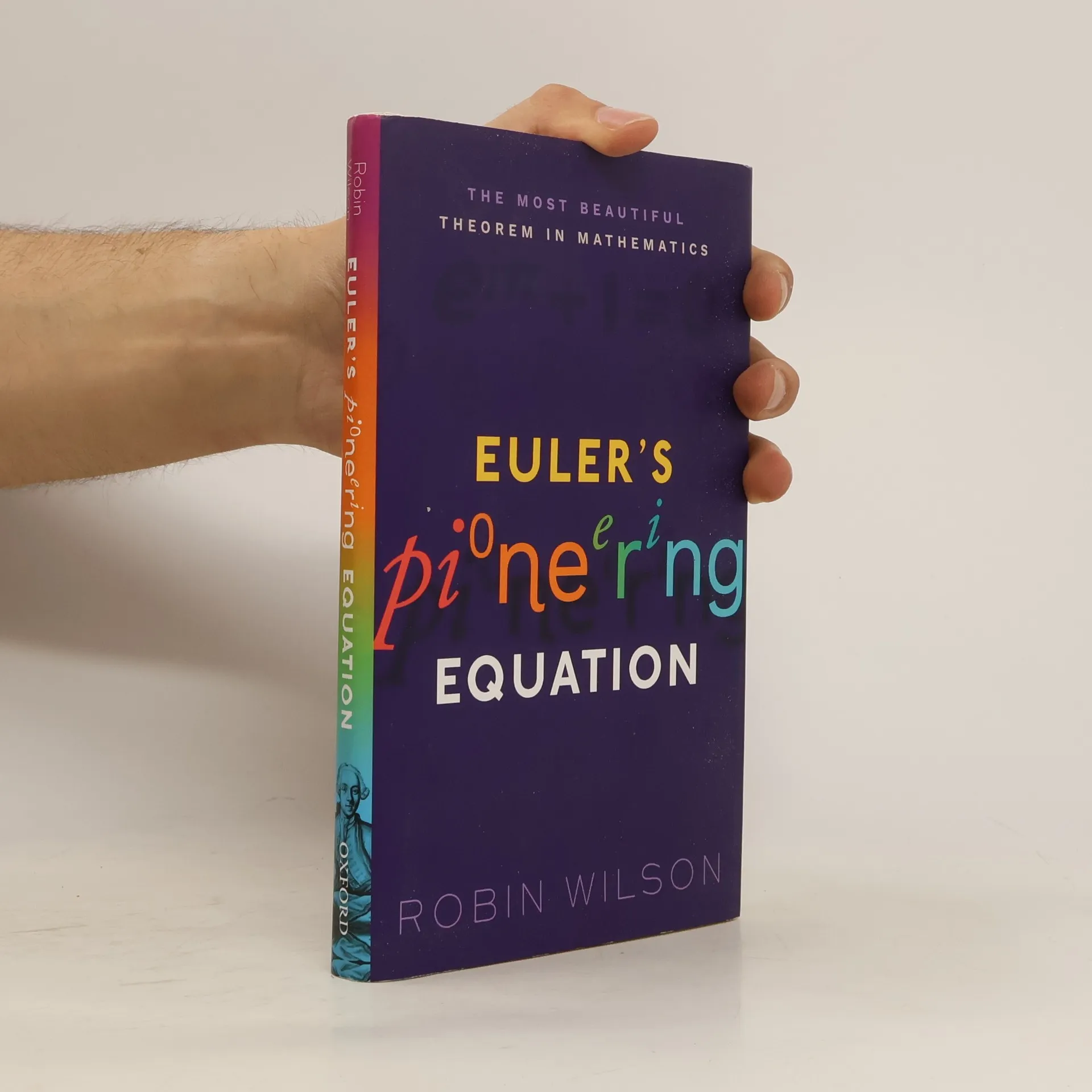
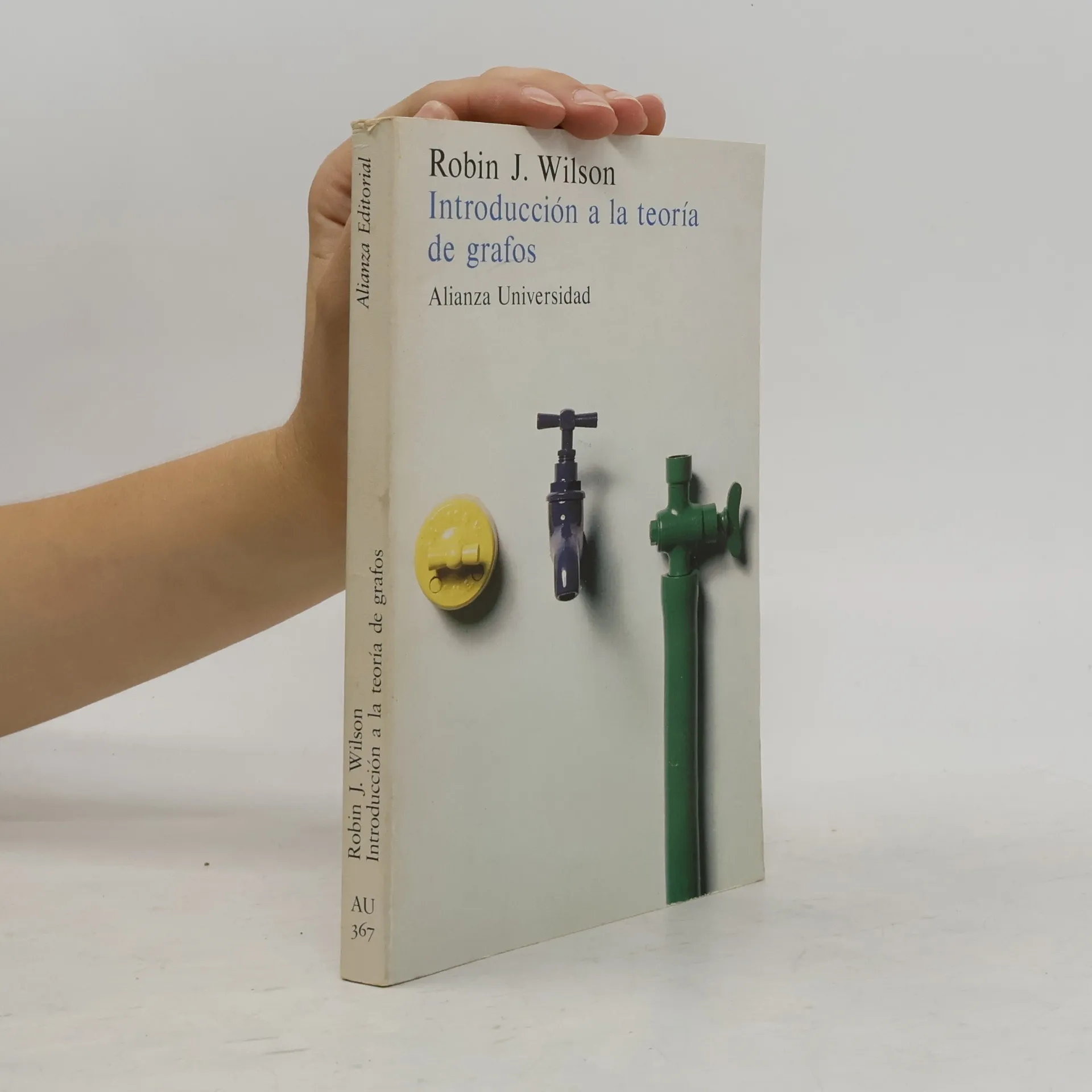
This author delves into the depths of mathematical concepts, presenting them to the world with clarity and elegance. His work often dives into intricate geometric ideas, making seemingly inaccessible subjects approachable to a wider audience. Through his writing, he offers a unique perspective on the world of numbers and forms, which is both intellectually stimulating and poetic.
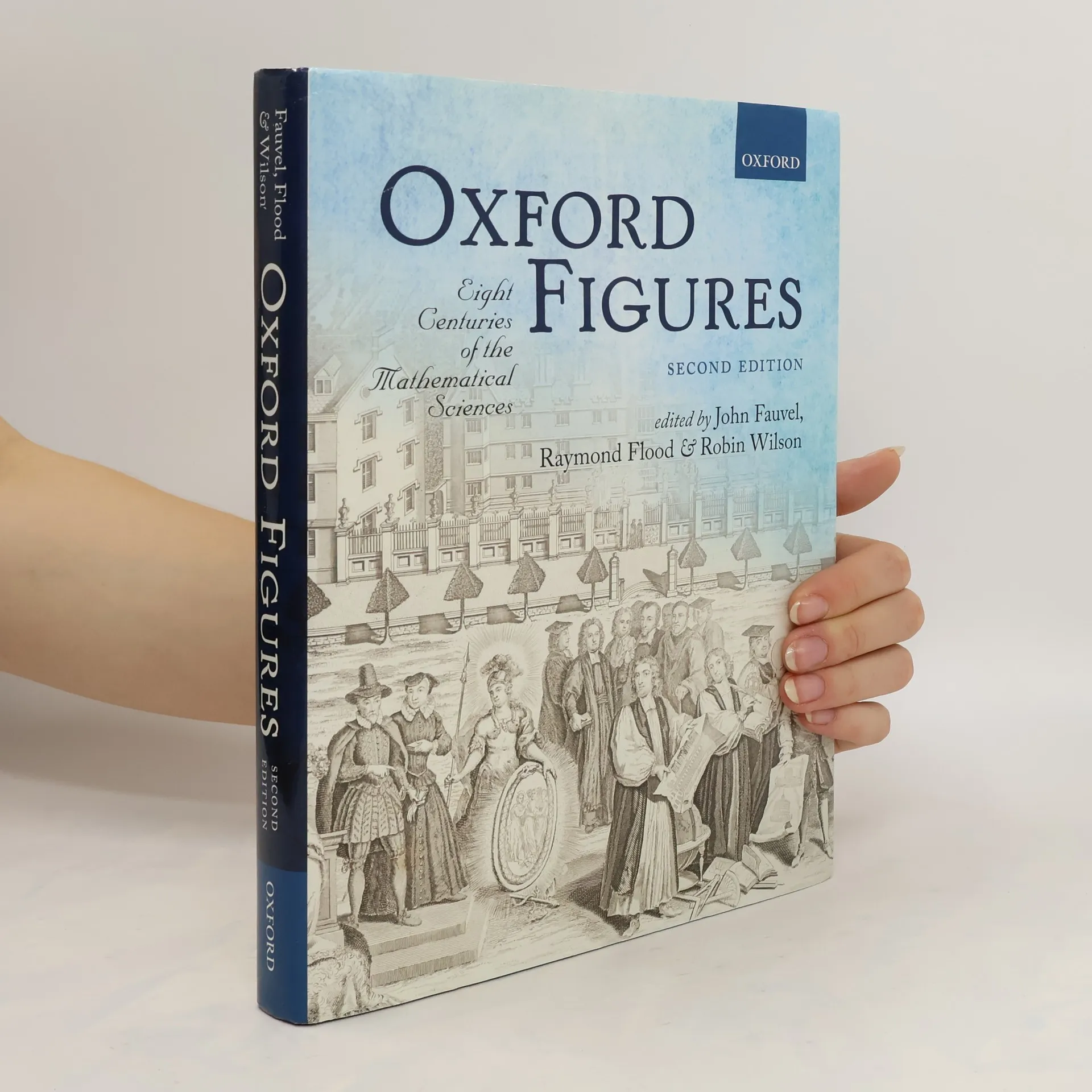
Revealing the richness and influence of Oxford's mathematical tradition and the fascinating characters that have helped to shape it for over 800 years, this second edition brings the story right up to the opening of the new Oxford Mathematical Institute in 2013, with a foreword from Marcus du Sautoy and recent developments from Peter M. Neumann.
"While this, the second volume of the Cosmic Trigger trilogy, continues along the path set by the original Cosmic Trigger I: Final Secret of the Illuminati, it also stands solidly on its own. Any reader with an open mind and a sense of humor cannot help but be entertained and enlightened while following Wilson's explorations into such subjects as the future of cyberspace; the peculiarities of Irish jurisprudence; links among the Mafia, the CIA and the Catholic Church; anal-eroticism in The White House; the Dog Castrator of Palm Springs; and many more observations from his infinitely fertile brain."--Publisher description.
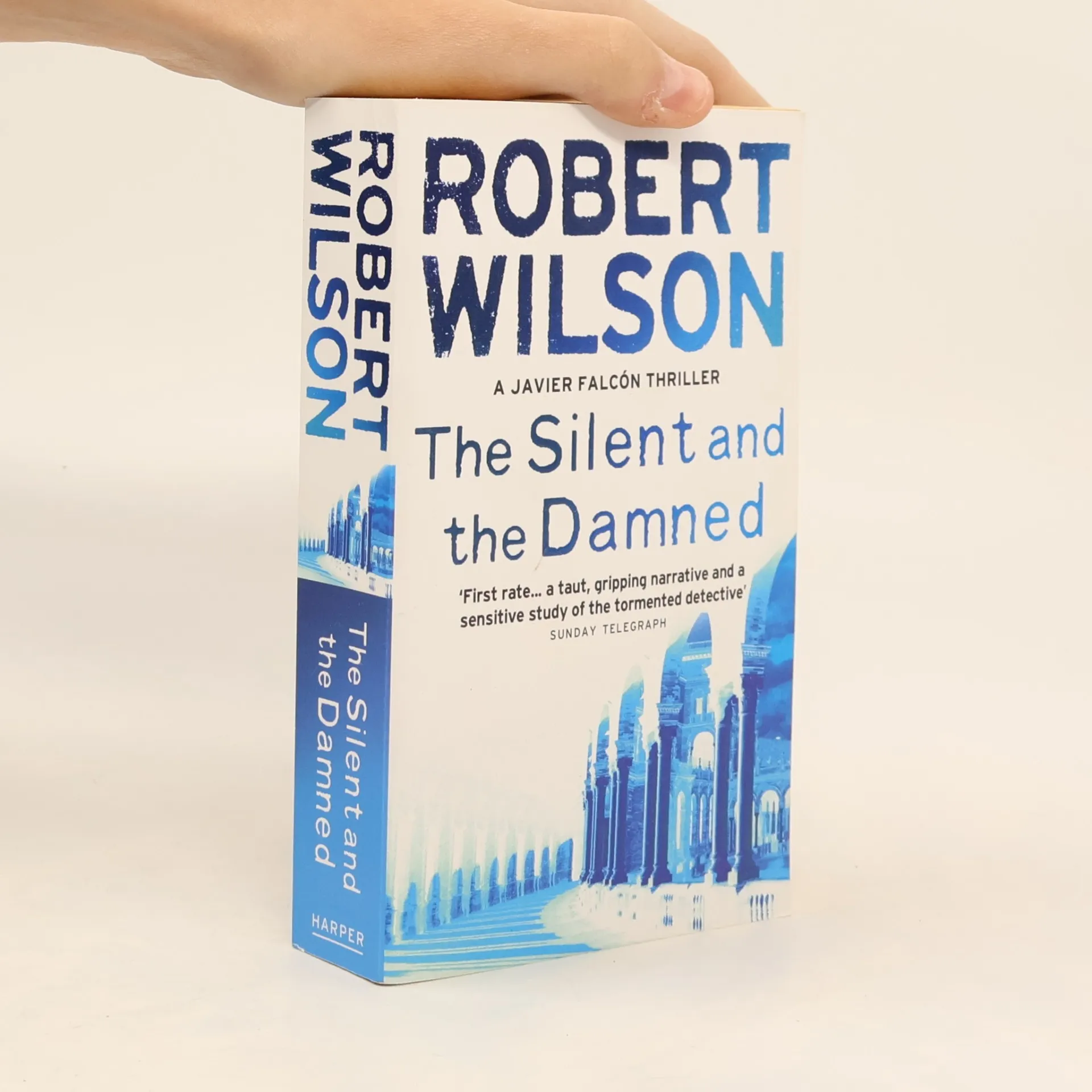
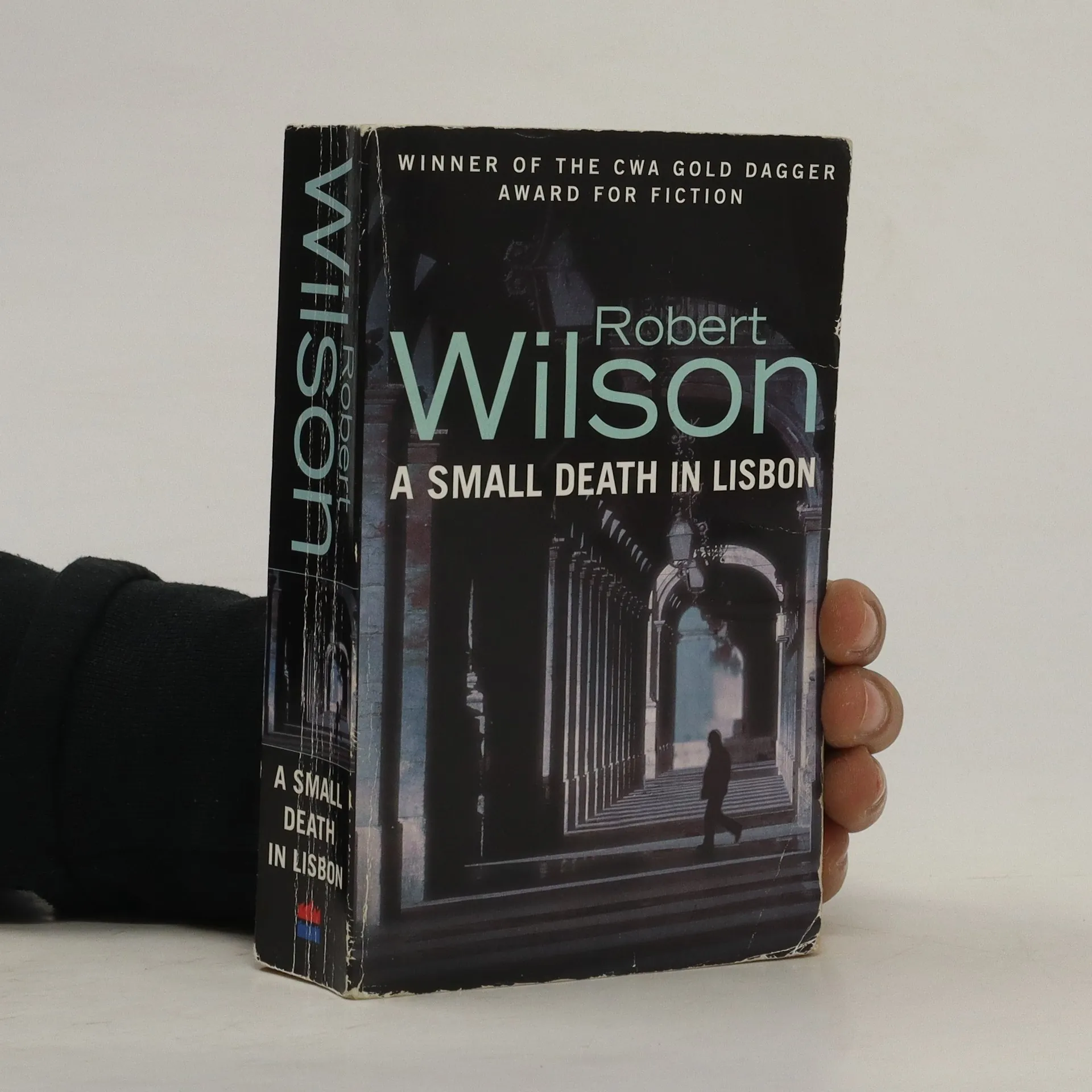
Mario Vega is seven years old and his life is about to change forever. Across the street, his father lies dead on the kitchen floor and his mother has been suffocated under her own pillow. It appears to be a suicide pact, but Inspector Javier Falcon has his doubts when he finds a note crushed in the dead man's hand."
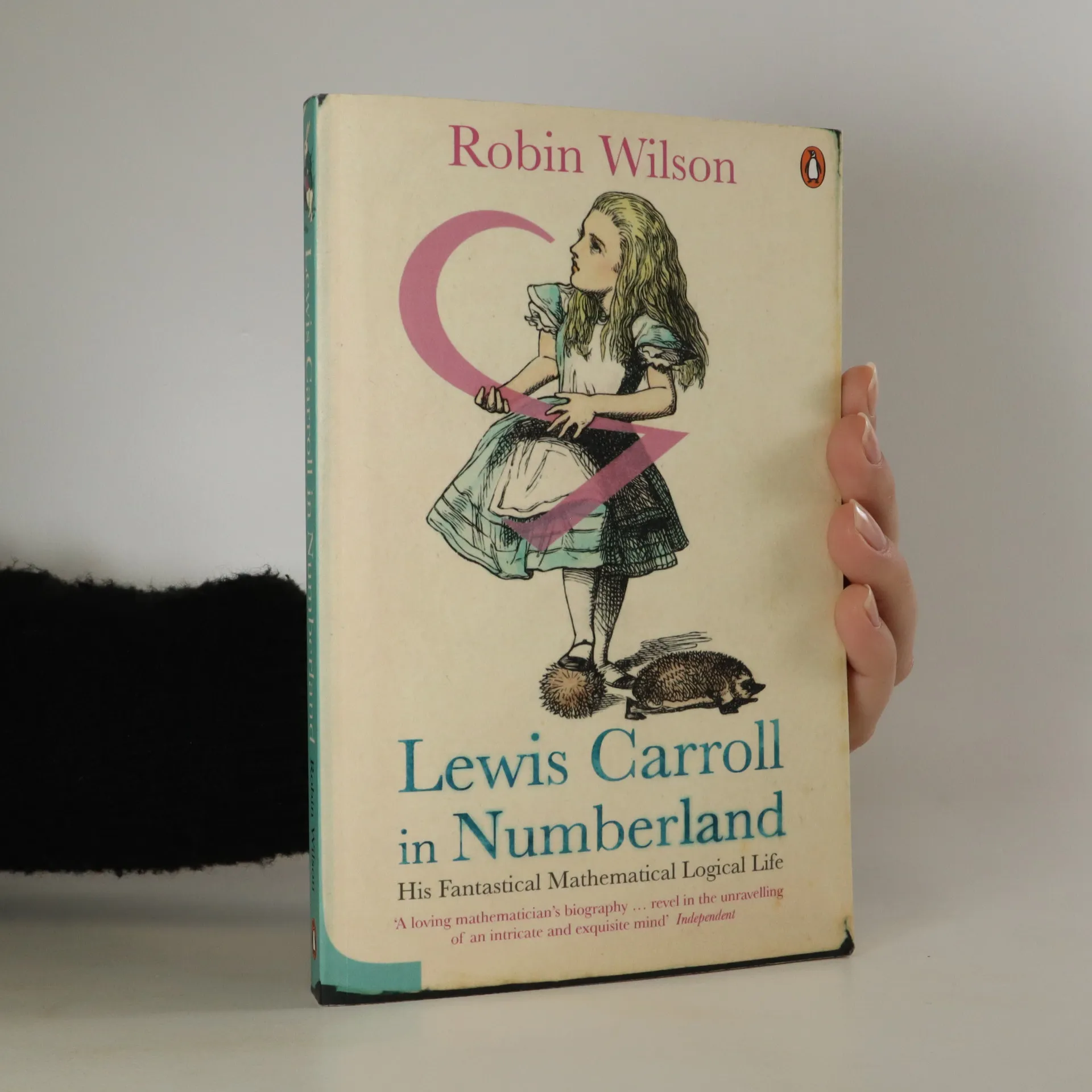
Lewis Carroll's books have delighted children and adults for generations, but behind their exuberant fantasy and delightful nonsense was the mind of a brilliant mathematician. This title explores the curious imagination of this man who filled his writings with problems, paradoxes, puzzles and teasing games of logic.
Robin Wilson has produced a wonderful introduction to some of the most
fundamental ideas in mathematics. I would hightly recommend that you give a
copy to any inquisitive young person you know. Andrew Hone, LMS Newsletter
Math prodigy Andrea Aspinall vanishes from her first assignment for the British secret service, using a Nazi traitor's identity and memories to recreate a new life for herself. By the author of A Small Death in Lisbon. Reprint. 75,000 first printing.
The author channels his thoughts and emotions into short stories, inspired by his favorite news sources. After completing two books, he embarked on a new journey, aiming for a collection of twenty-one stories in his fourth book. Writing serves as a remedy for loneliness, with narratives that evoke both laughter and tears. The author expresses a belief in humor as a healing force, and his dedication is evident, having gone through multiple keyboards in the process. Each story reflects his experiences and the ups and downs of life.
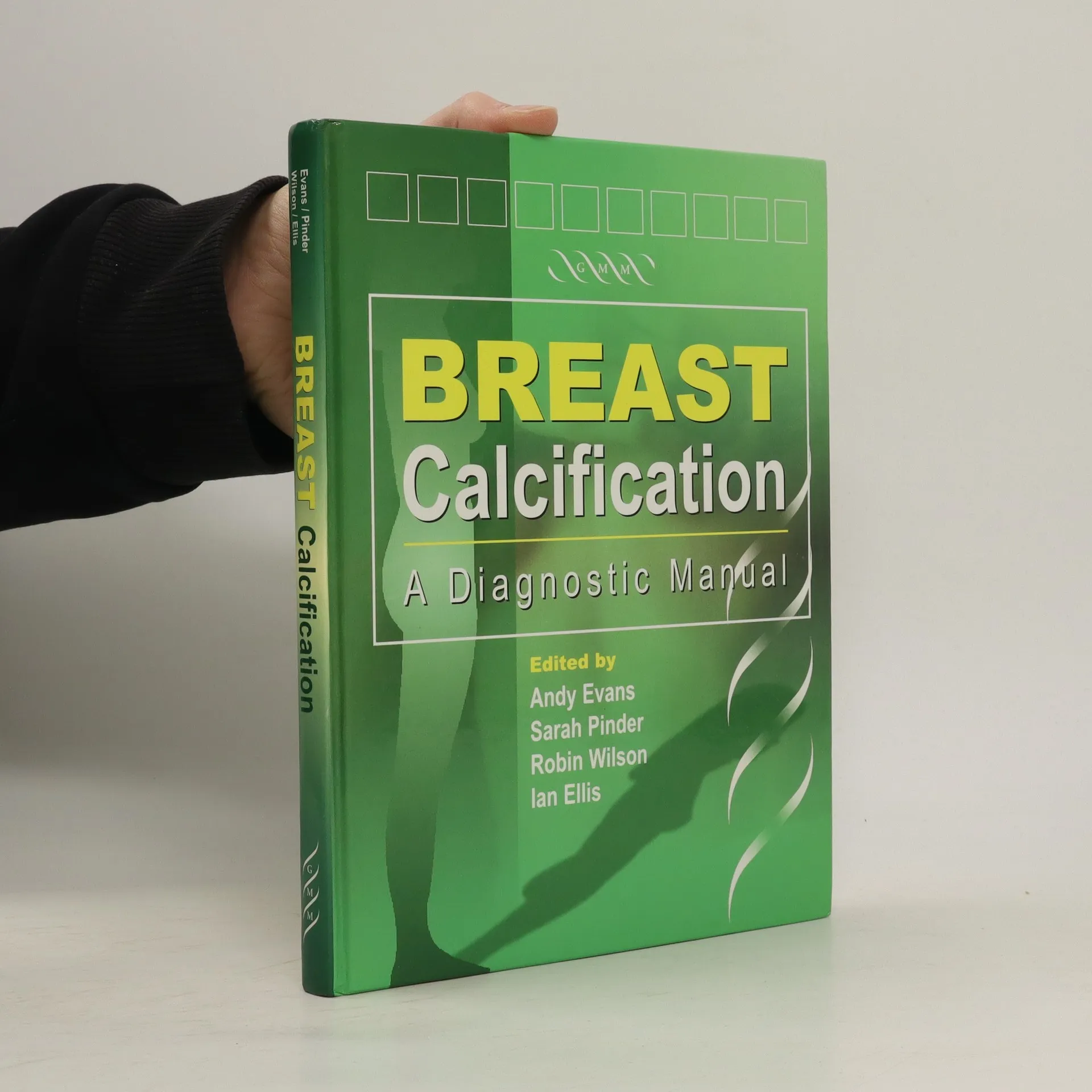
Screening for breast cancer is now an accepted part of healthcare practice in many parts of the world. However, the advent of mass screening has brought with it the need for rapid and accurate diagnosis. Breast calcifications in particular are commonly misinterpreted, and definitive diagnosis of whether such calcifications represent benign or malignant conditions is extremely difficult, as the calcifications can easily be missed, or their shape (which is critical in diagnosis) misinterpreted. This book aims to provide a practical understanding to the diagnosis and treatment of breast calcification and will be essential reading for all members of the breast screening team, including pathologists, radiologists and surgeons. The multidisciplinary group of authors first cover in detail the main pathologies that present with calcification, and go on to describe the techniques of fine needle aspiration and core biopsy and large bore biopsy sampling of tissue, reporting procedures, radiological management of calcification and clinical aspects of the diagnosis of breast calcification. The second part of the book looks at some of the most recently adopted methodologies for diagnosis such as high frequency ultrasound, computer aided diagnosis and the roles of MRI and synchrotron radiation.
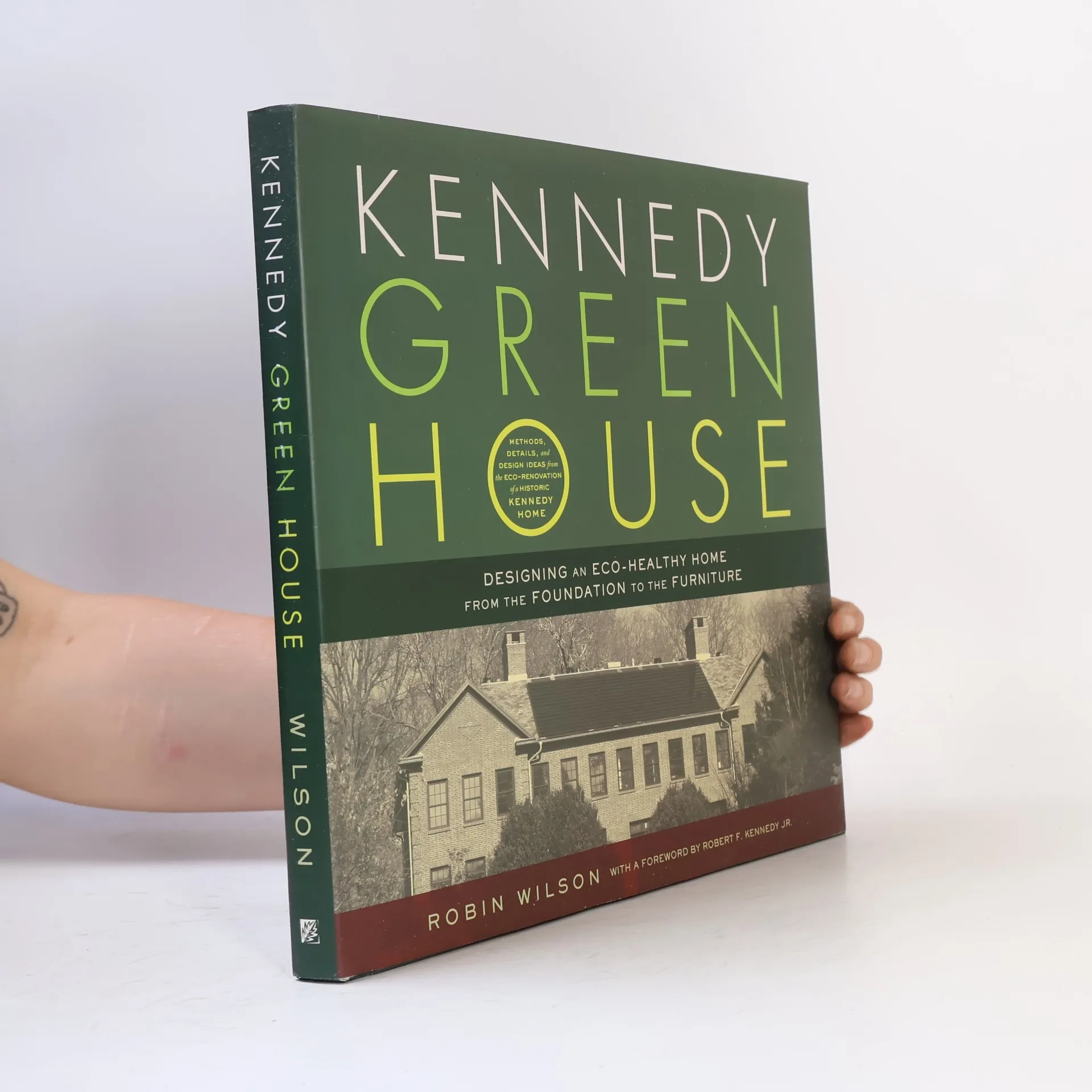
Designing an Eco-Healthy Home from the Foundation to the Furniture
187 pages
7 hours of reading
Foreword by Robert F. Kennedy, Jr. This book chronicles the eco-healthy remodeling of Bobby and Mary Richardson Kennedy's Westchester County home, offering insights on how to implement similar environmentally responsible changes in your own space. Following a summer flood that left their historic home plagued by black mold, the Kennedys were concerned about its impact on their family's health and the environment. They collaborated with Robin Wilson Home to transform their "sick home" into one that promotes family wellness and environmental preservation. The narrative details the home's transformation by a "Green Dream Team," covering everything from architectural planning to choosing eco-friendly materials and energy-efficient appliances. Author Robin Wilson shares practical tips for homeowners, whether undertaking a major renovation or making simple, affordable upgrades. The LEED-certified renovated house highlights cutting-edge green technologies, sustainable building practices, and healthy home initiatives. This book aims to inspire action toward improving environmental quality and health, serving as an educational resource for homeowners, builders, and interior designers alike.
A sweltering Seville is recovering from the shock of a terrorist attack and Inspector Jefe Javier Falcon is struggling to fulfil his promise to its citizens: that he would find the real perpetrators of the outrage."
Charles Boxer, ex-army, ex-police, has found his niche in private security. His speciality: high-stakes kidnap resolution. But it's a rootless life that doesn't impress his teenage daughter, Amy, or her mother, Detective Sergeant Mercy Danqah. Alyshia D'Cruz, daughter of Indian tycoon Francisco 'Frank' D'Cruz, has grown up in London and Mumbai wanting for nothing. But one night, after a boozy evening out, she gets in the wrong cab home. When D'Cruz hires Boxer to find Alyshia, Boxer knows Frank's colourful business career has made him plenty of enemies along the way.
Suddenly, Javier Falcon finds himself at the centre of a full-scale terrorist alert. High-profile arrests, a series of explosions and a suspect publicly gunned down in the street rock the city to its core. But it is only when the cell goes missing that Falcon makes the most terrifying discovery of all."
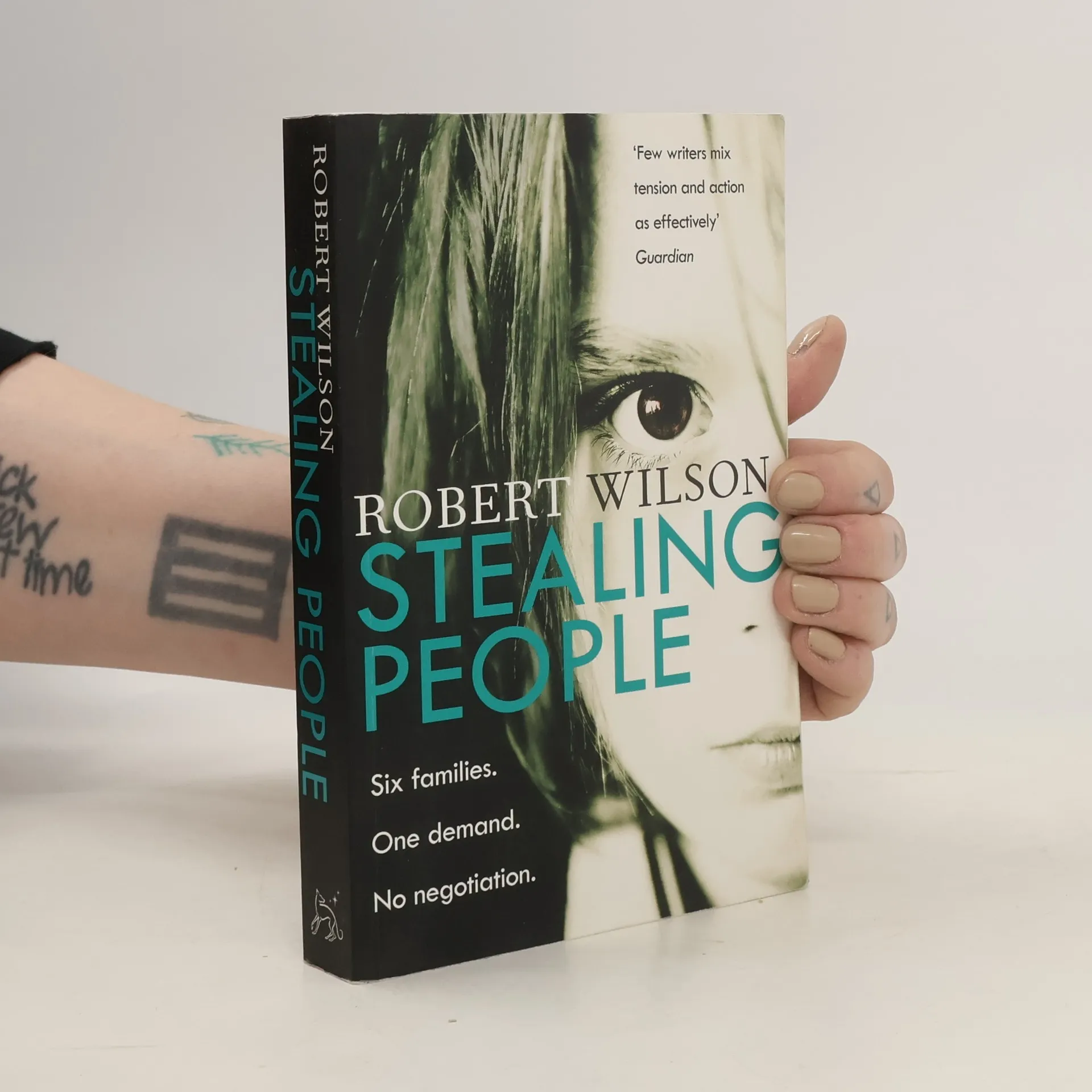
In the space of 32 hours, the children of six billionaires are taken off the streets of London in a well-planned kidnapping. The perpetrators demand £25 million per hostage. For 'expenses'. Not ransom. And when your child goes missing, you need Charles Boxer. A man who will stop at nothing. The wealthy parents of the missing children know that Boxer will do more than the police can, but that doesn't mean the law will leave it to him. Soon the investigation goes beyond the corridors of power and into even darker corners. But still nobody knows what this mysterious kidnap gang ultimately want - and, if they have a cause, what the hell is it?